
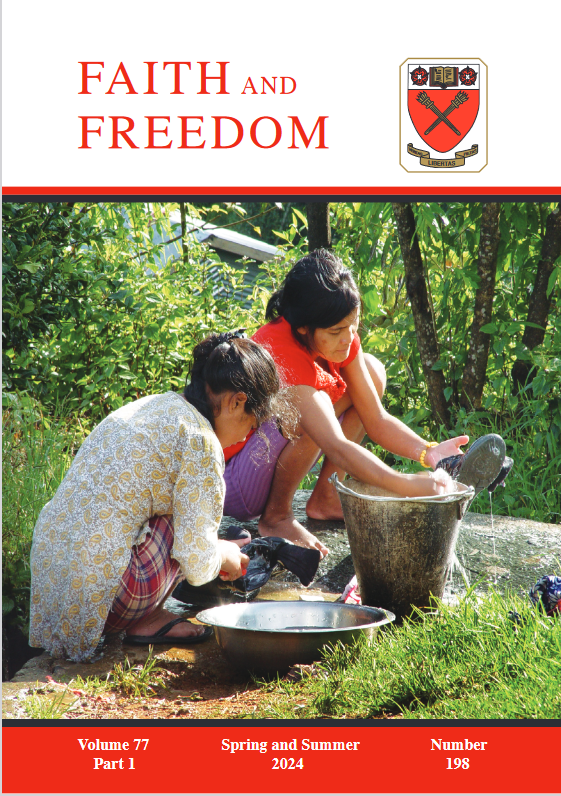
The latest issue of Faith and Freedom is now available. In this issue we are pleased to publish the entire transcript of the most recent Reckoning International Unitarian and Universalist Histories Project webinar. Entitled Uncovering the Hidden Power of Women in Unitarian and Universalist History the discussion comprises an international panel with an introduction by Lehel Molnár, Unitarian archivist at Koloszvár, Transylvania, and with Rosemary Bray McNatt, President of the Starr King School for Ministry, Berkeley, California, as the moderator and concluding responder. The main papers are ‘The Story of Pharienbon Rani and Unitarianism in the Khasi Hills, India’ by Alisha Rani, professor of sociology at Shillong, India, and ‘Profiling Black Women’s Ministries in Unitarian Universalism’ by Qiyamah A. Rahman, a UU minister and activist in the United States. Responses are given by Olga Flores (Bolivia), Ann Peart (UK), and Mária Pap (UK and Transylvania), with closing remarks by Mark W. Harris, one of the main planners for the Reckoning Histories Project. The journal also includes some photographs (including the cover – see above and top) by John Hewerdine taken at the Annie Margaret Barr Memorial Orphanage in Meghalaya which help illustrate the theme of both Alisha Rani’s paper and a review by Derek McAuley also found in this issue.
Other papers include Wayne Facer’s Mr Jellie’s Romance, an account of the pioneering days of Unitarianism in New Zealand and how amidst his work to establish the cause he fell in love with and eventually married Ella Macky. She was a member of an active Unitarian family but her own commitments frequently took her to the other side of the world to attend University and to participate in the International Council of Unitarian and Other Liberal Religious Thinkers and Workers in Amsterdam in 1903, while Jellie carried out his work establishing the congregation in Auckland and supporting Unitarians elsewhere in New Zealand.
Barrie Needham examines the life and poetry of Gerard Manley Hopkins, Catholic convert and Jesuit priest, whose poetry remained unpublished in his own lifetime but which has gained a great following from the early twentieth century onwards. A Victorian poet but one whose style is as bold and striking as anything written at any point since. Barrie Needham shows how Hopkins wrestled with his poetry to express his faith in God and his understanding of God in nature, and shows the philosophical understanding that underscored his writing. If you have ever read any Hopkins or heard his poems being read you will find this article immensely helpful.
In addition we have four excellent reviews of notable recent books.
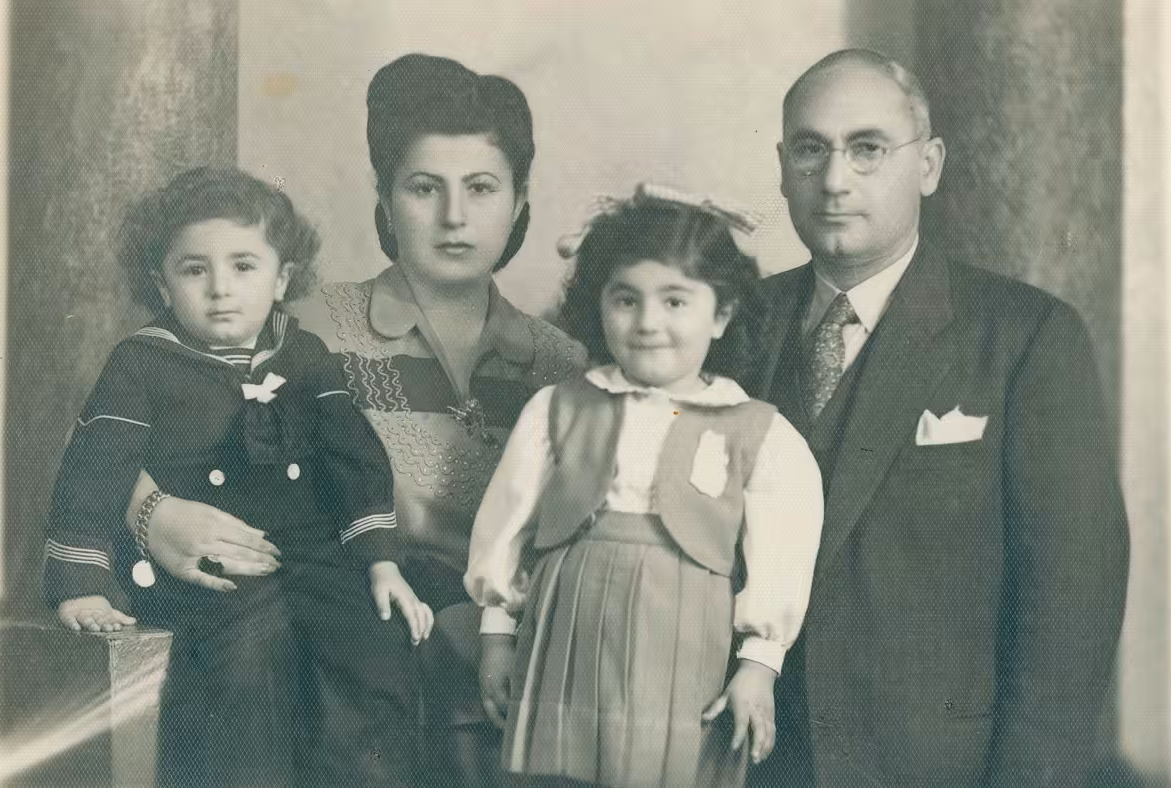
Graham Murphy reviews Avi Shlaim, Three Worlds, Memoirs of an Arab-Jew, (Oneworld Publications, 2023). The book of the year for both the Times Literary Supplement and the New Statesman, Avi Shlaim tells his own story as someone who was born into the prosperous and significant Jewish community of Iraq following the Second World War and who was forced, with most of the Jewish population, to emigrate to Israel in 1950. At the age of 15 his life changed when he managed to come to the UK, ending up at Cambridge and ultimately as Professor of International Relations at St Antony’s College, Oxford. As a young man he served in the Israel Defense Force but is not afraid to criticise Israel or Zionism. His most recent research has gone back to Iraq and his own origins as part of ‘a Diaspora that had been the living embodiment of Muslim-Jewish co-existence [which] was no more’. In Shlaim’s view ‘As Israel expanded, the Palestinians, Arab natives of historic Palestine, not the Germans or the Russians, would take the burden of punishment for the European pogroms of modern history and the Final Solution.’ His reflections on his Jewish past in Iraq and on Arab-Israeli relations ever since are well worth reading, especially at the present time.
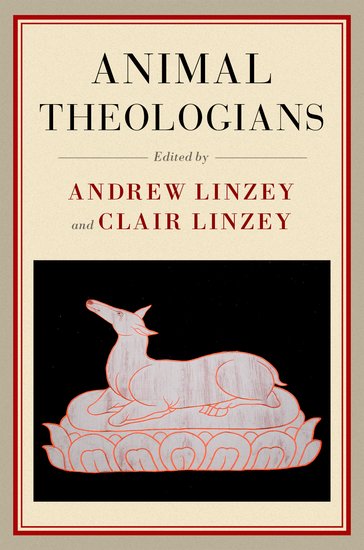
Andrew Linzey and Clair Linzey (eds.), Animal Theologians (Oxford Academic, Oxford University Press, 2023) is reviewed by Feargus O’Connor who takes us through the theological contributions to the consideration of animal rights, vivisection and animal cruelty. A number of the subjects of the book are Unitarians – most notably Frances Power Cobbe and Charles Hartshorne – and many would find agreement with Gandhi who Feargus quotes:
The greatness of a nation and its moral progress can be judged by the way animals are treated. Vivisection is the blackest of all the black crimes that man is at present committing against God and His fair creation. It ill becomes us to invoke in our daily prayers the blessings of God, the Compassionate, if we in turn will not practise elementary compassion towards our fellow creatures.
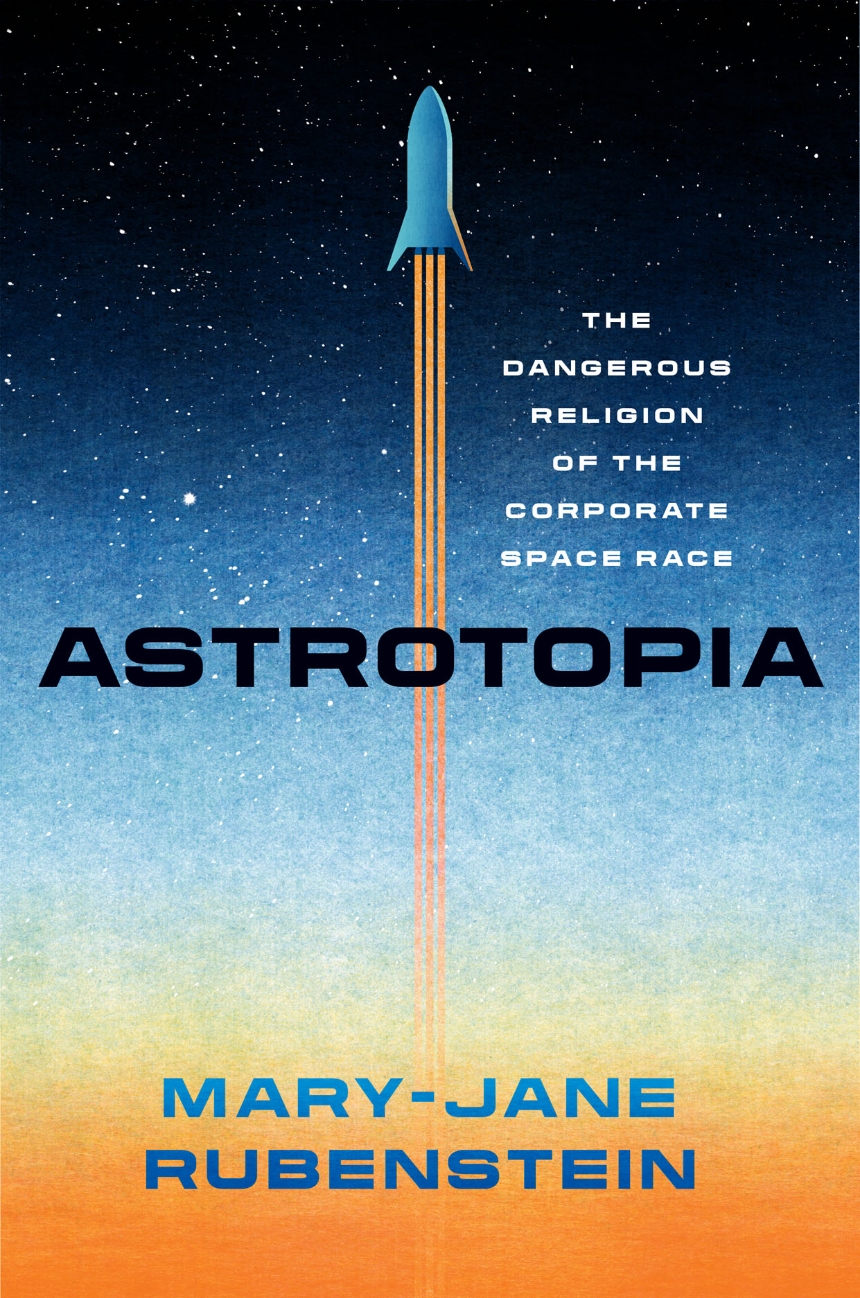
Professor David Williams reviews Mary-Jane Rubenstein, Astrotopia: the Dangerous Religion of the Corporate Space Race (University of Chicago Press, 2022) a book which raises the issue of humankind’s increasingly exploitative attitude to space exemplified in the attitudes of such figures as Elon Musk and Jeff Bezos, described by the reviewer as ‘both so grotesquely wealthy that they can have dreams of both colonising space and the funds to achieve those aims’. It is clear too that the United States no longer views ‘outer space as the common heritage of all humanity.’ In the light of this how should we progress human interaction with space?
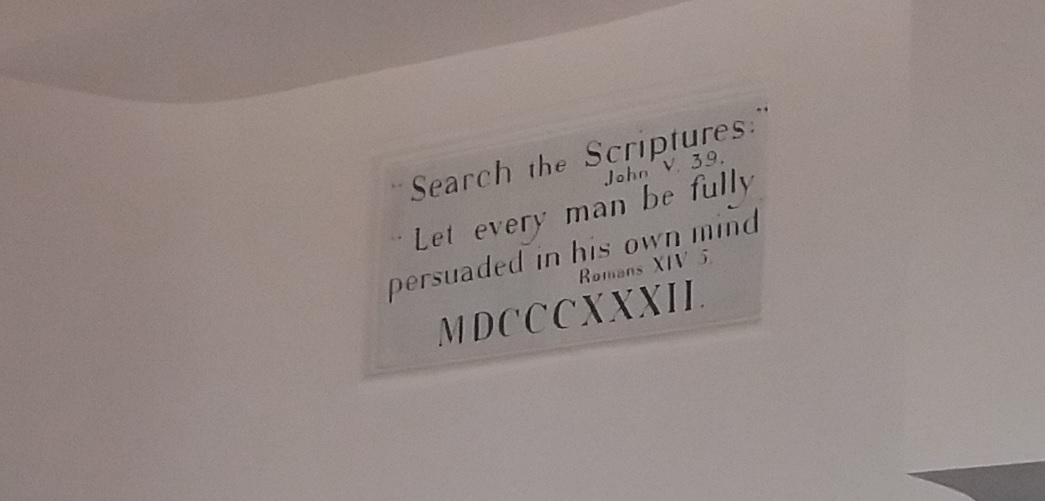
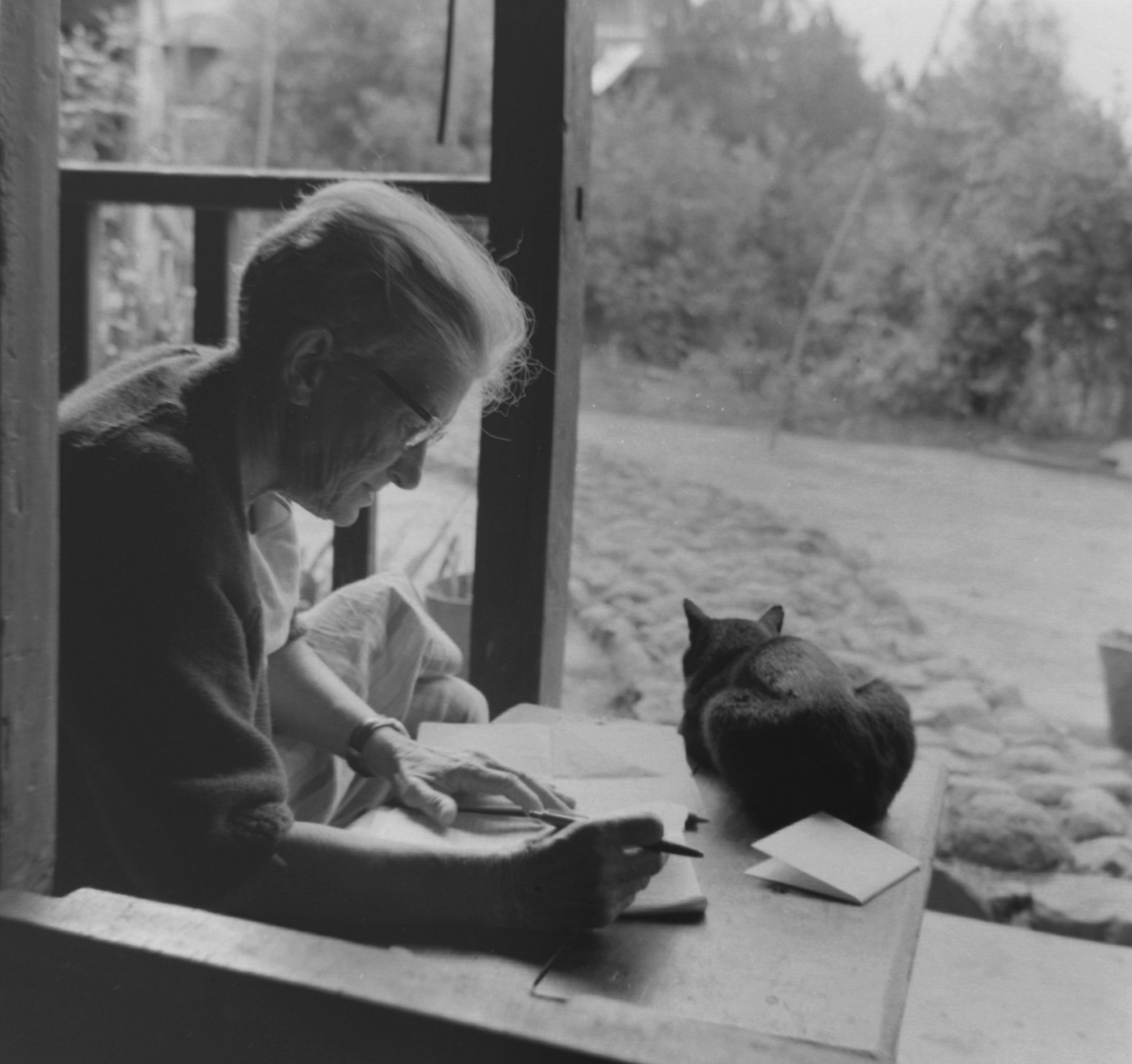
Liz McManus is a former Minister for Housing and Urban Renewal in the Republic of Ireland. Since leaving politics she has become a writer and in When Things Come To Light (Arlen House, 2023) she has drawn on her own family experiences to ‘craft an insightful and compelling novel’ in the words of Derek McAuley, our reviewer. Liz McManus’s grandparents were Unitarians/Non-Subscribers from County Antrim. Remarkably life took them to the Khasi Hills where (in the novel at least) they encounter the Rev Margaret Barr and Kissor Singh, the founder of the Unitarian Church in North India. In a strange piece of synchronicity Kissor Singh quotes St Paul ‘Let every man be fully persuaded in his own mind’, words which Liz McManus’s grandfather recognises as inscribed on the wall of his home church back in Ballymoney in Ulster. A fascinating novel incorporating Unitarians, family history, Ireland and India.
An annual subscription to Faith and Freedom (two issues) costs £16.00 (postage included) in the United Kingdom. Single copies can be ordered at a cost of £8.00 each (postage included). Cheques should be made out to Faith and Freedom and sent to the business manager:
Nigel Clarke,
Business Manager, Faith and Freedom,
16 Fairfields,
Kirton in Lindsey,
Gainsborough,
Lincolnshire.
DN21 4GA.
Overseas subscriptions are also available.
It is also possible to pay online. For more details see our website:








 velvethummingbee