Faith and Freedom Number 184
Hot off the presses today is the Spring and Summer 2017 (volume 70 Part 1, Number 184) issue of Faith and Freedom. It has a striking picture of an Eagle Owl taken from an engraving by Thomas Bewick’s 1797 book Land Birds on the cover.

In this new issue we are again delighted to have some really fascinating articles. These include Phillip Hewett outlining his research in pre- and post-Communist Poland for his book Racovia. He compares his experiences in Poland with those of Earl Morse Wilbur decades earlier. We are delighted to have too Johnston McMaster’s in-depth examination of  Francis Hutcheson and the Social Vision of Eighteenth-Century Radical Presbyterians and Stephen Lingwood’s timely consideration of a Theology of Unitarian Ministry. Dan C. West discusses the way faith can cross boundaries and make connections and Howard Oliver discusses The Art and Theology of Thomas Bewick.

03a Sixteenth-century parsonage

The original sixteenth-century parsonage in Raków (photo: Phillip Hewett)

Faith and Freedom is always particularly strong in its reviews section and we are delighted to once again welcome some important reviews by top writers.

With the 500th anniversary of Martin Luther posting his 95 Theses in mind, Professor Ian Hazlett, leading Reformation scholar and former Professor of Ecclesiastical History at the University of Glasgow, reviews Scott H. Hendrix’s Yale University Press book Martin Luther Visionary Reformer.  Professor David Williams reviews Yuval Noah Harari’s newest book Homo Deus: A Brief History of Tomorrow and Philippe Sands’ East West Street: on the origins of genocide and crimes against humanity. Lena Cockroft reviews Dan Hotchkiss’ Governance and Ministry: Rethinking Board Leadership, which is a major contribution to the theory of church administration. Marcus Braybrooke, Joint President of the World Congress of Faiths, looks at Main Religions of the Modern World and the Two Forms of any Religion by Antony Fernando, and Frank Walker reviews Emmanuel Carrere’s extraordinary and controversial novel The Kingdom.

You can subscribe to Faith and Freedom online via our website:

http://www.faithandfreedom.org.uk/


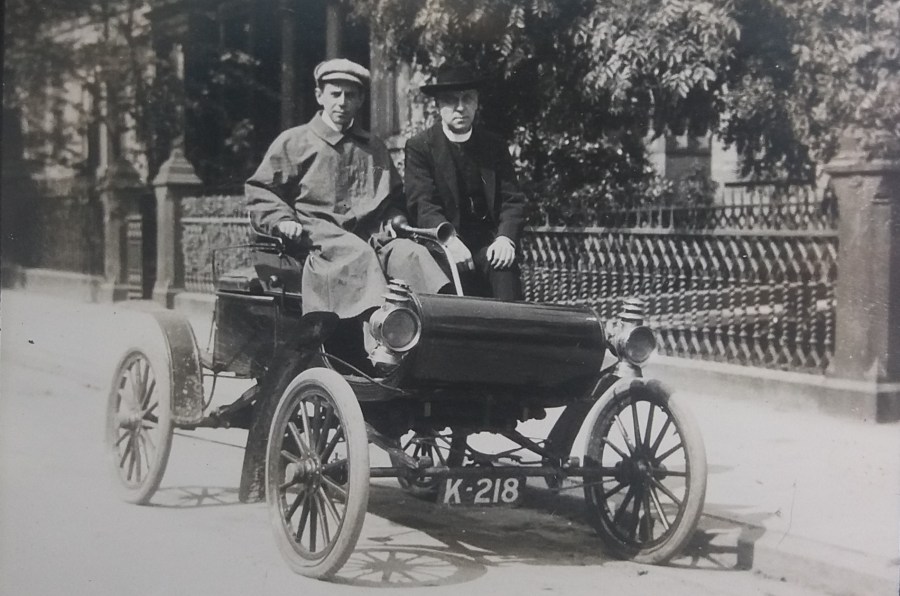
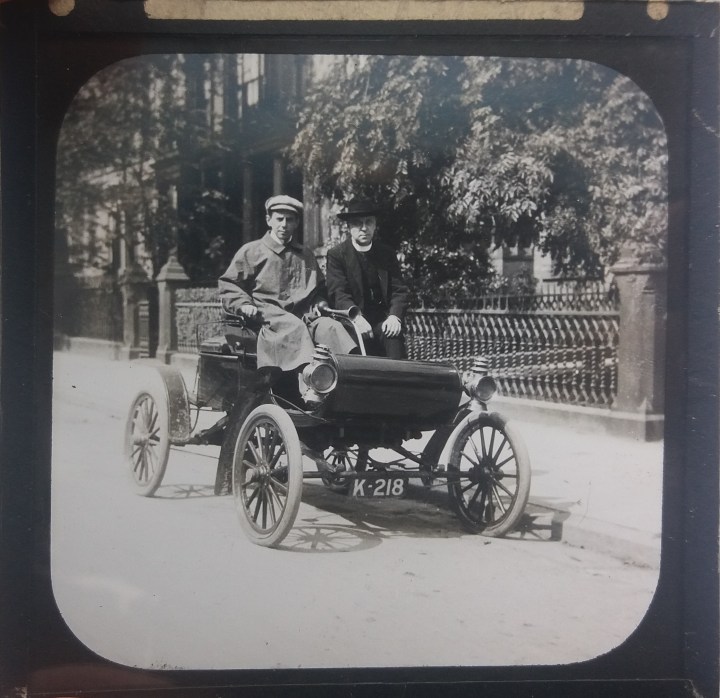
1904 Oldsmobile Curved Dash


A few weeks ago I posted the above picture of a glass lantern slide featuring a driver and a clergyman on an unidentified early motor car bearing a very early Liverpool registration number. I have not been able to identify the driver or his passenger but thanks to Linda King and also Bozi Mohacek of the Surrey Vintage Vehicle Society the car can definitely be identified.

Linda suggested Rootschat would be able to help and from there received a suggestion that the Surrey Vintage Vehicle Society could help. They have over 2,750 enquiries on their website so I asked them and very quickly received word back that the car is a 1904 Oldsmobile Curved Dash 5HP Two-seater. The date is approximate but since Liverpool registrations only began in December 1903 some time in 1904 seems reasonable.

Oldsmobile Runabout 1906

Oldsmobile Runabout (Source: Grace’s Guide to British Industrial History)

It was a very popular car and images of it can be found all over the internet. The first mass-produced motor car it was manufactured in Detroit, Michigan and between 1901 and 1907 some 19,000 were made and sold around the world. In the UK it sold for £185 in 1902.


1902 Oldsmobile advert

Advert from The Autocar, November 1st 1902 (Source: Grace’s Guide to British Industrial History)


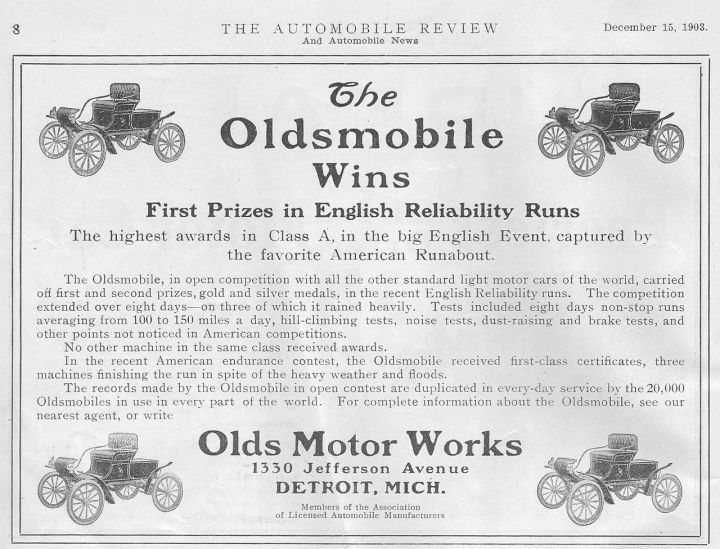
Oldsmobile1903 advert

Advertisement from The Automobile Review, December 15th 1903 (Source: Wikipedia)

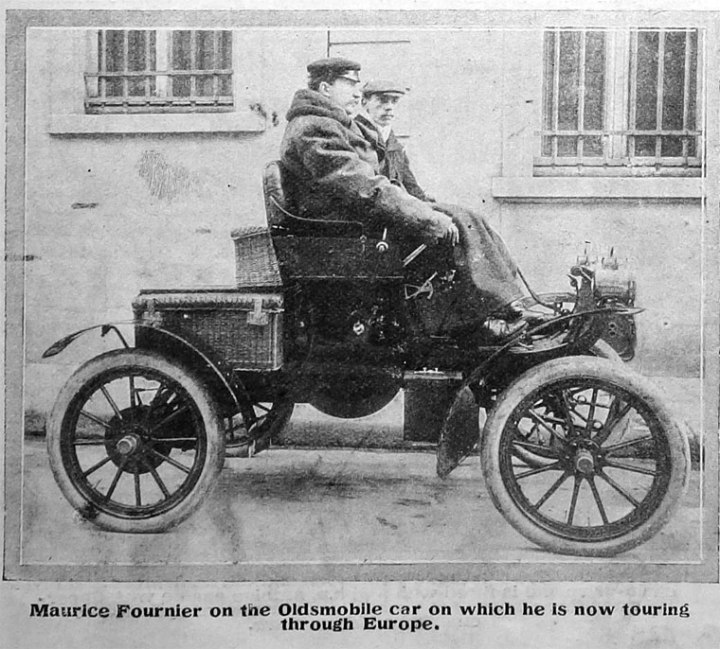
In 1904 Maurice Fournier, an engineer and the 1903 ‘World Motorcycling Champion’, travelled 4,600 kilometres around Europe in an Oldsmobile. It must have been an uncomfortable journey.

Oldsmobile 1904

Maurice Fournier travelling through Europe in 1904 Source: Grace’s Guide to British Industrial History)

It was a relatively cheap vehicle, although at £185 outside the pocket of most people, but still cheaper than a lot of other cars, if far more basic in its design. Despite the claims of the advert that “with only one lever to use….you hardly need to know how to operate an Oldsmobile” it must have been difficult to handle. Maurice Fournier certainly got all round Europe in one though, and it must have been good enough for our unnamed driver and his passenger to get round Liverpool in, during the first decade of the twentieth century.

Attorney General’s lecture at Clough


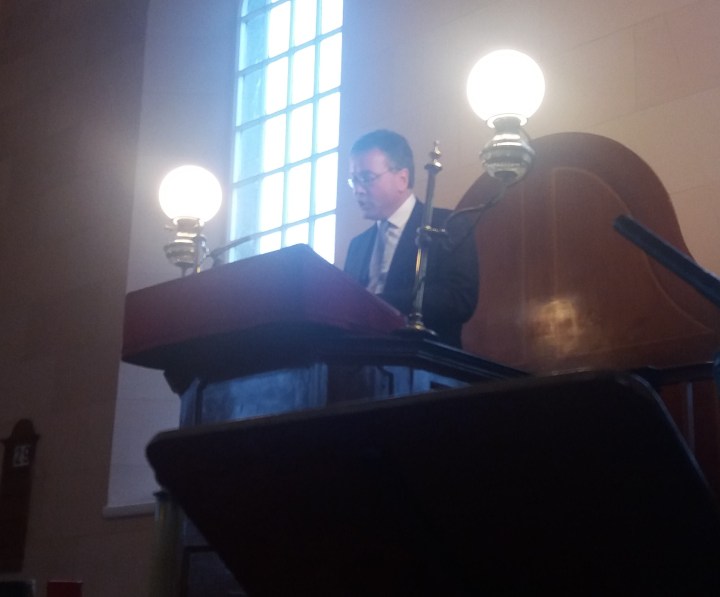
On Wednesday, 24th May 2017 Clough Non-Subscribing Presbyterian Church was very pleased to welcome the Attorney General for Northern Ireland, Mr John Larkin, QC, to Clough to deliver his lecture concerning the legal case of 1836 which was such a crucial moment in the history of the congregation.

Clough AG 02 cropped

Mr John Larkin, QC, delivers his lecture in the pulpit at Clough

The meeting was very well attended indeed with many visitors from local churches and from farther afield – even as far as Edinburgh – as well as including many members of various societies and organisations including the Presbyterian Historical Society, the Lecale and Downe Historical Society, the Irish Legal History Society and Queen’s University. It was preceded by a short act of worship conducted by the Rev Dr John Nelson, clerk to the Presbytery of Antrim. The congregation joined the Presbytery of Antrim, the original Non-Subscribing Presbyterian body in 1829. The organist was Mr Alfie McClelland. The Rev Dr David Steers, introduced Mr Larkin who has a long-standing interest in presbyterian history, especially in cases such as this where theology intersects with the law.

Clough AG 05

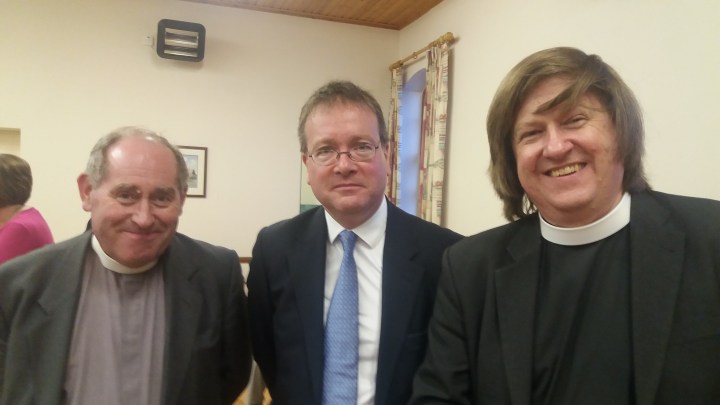
Left to right: Rev Dr John Nelson; Mr John Larkin, QC; Rev Dr David Steers

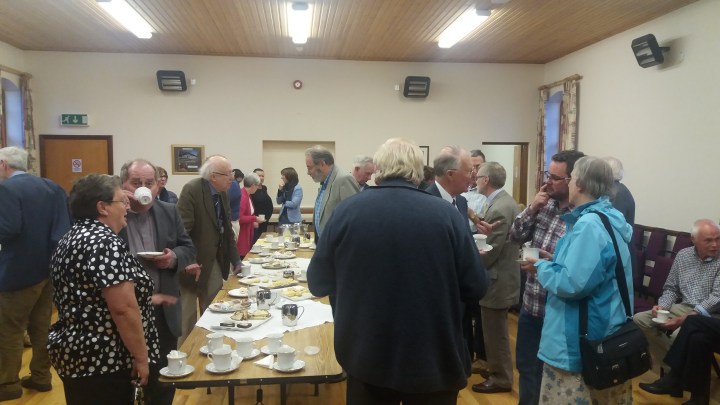
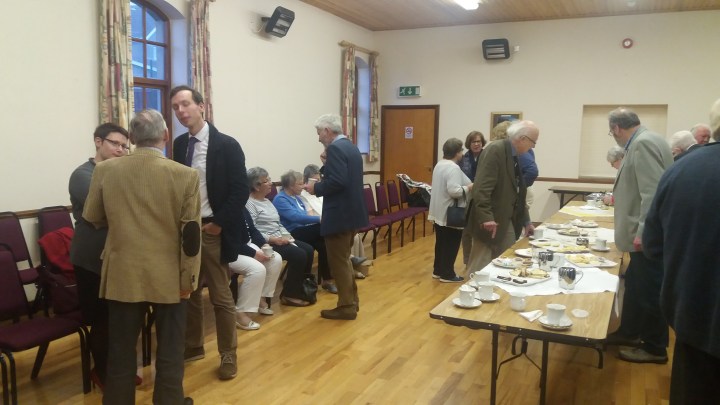
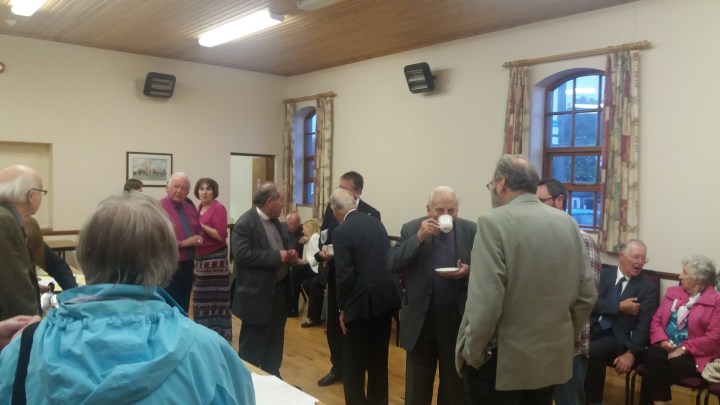
The 1836 case rose out of a dispute between subscribers and non-subscribers (to the Westminster Confession of Faith) and resulted in the exclusion of the non-subscribers who went on to build the present church in 1837. Following the lecture a large number of those present were able to go to the church hall for refreshments. The lecture was both preceded and followed by good coverage in many papers including the Down Recorder, the Mourne Observer and the Belfast Telegraph.

Clough AG 03

Clough AG 04

Clough AG 07

Clough AG 08

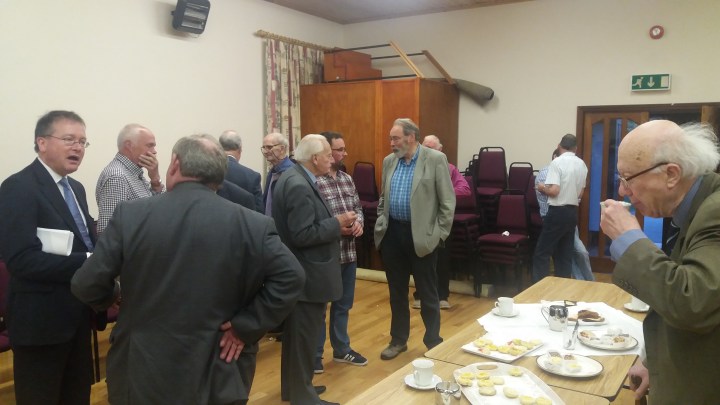
Refreshments in the hall following the lecture

The basic issue discussed in the lecture was whether congregations could change their religious views over time. So although a majority of the congregation wanted to call the Rev David Watson as minister in 1829 the fact that they were non-subscribers (ie. they refused to subscribe to the Westminster Confession of Faith) led the subscribing members and their friends to argue that they had no right to own a meeting house that was (they said) built solely for the use of subscribers. With this there was an argument over how the Christian faith should be defined. The matter went to law and eventually, after prolonged discussion, the courts granted the original meeting house to the subscribers. The non-subscribers left and had to build their own church, still in use today by what is a growing and active congregation.

Something very similar happened at about the same time with the Presbyterian church in Killinchy – which was also taken away from the non-subscribers – and legal proceedings were begun over some churches in Dublin. A parallel process was underway in England over the ownership of the Unitarian churches there and it seemed that Non-Subscribing Presbyterians in Ireland and Unitarians in England would lose all their ancient meeting houses. However, all this was stopped by the passing of what is called the Dissenters Chapels Act in 1844 which guaranteed the legal ownership of churches to those whose families had worshipped there over a period of at least 25 years and allowed for changes in their theological views over time.

The division in the 1830s was very painful at the time and at one point required the militia to be called to restore order. However, it is part of the joint history of both churches in Clough that we need to acknowledge as part of our continuing story.

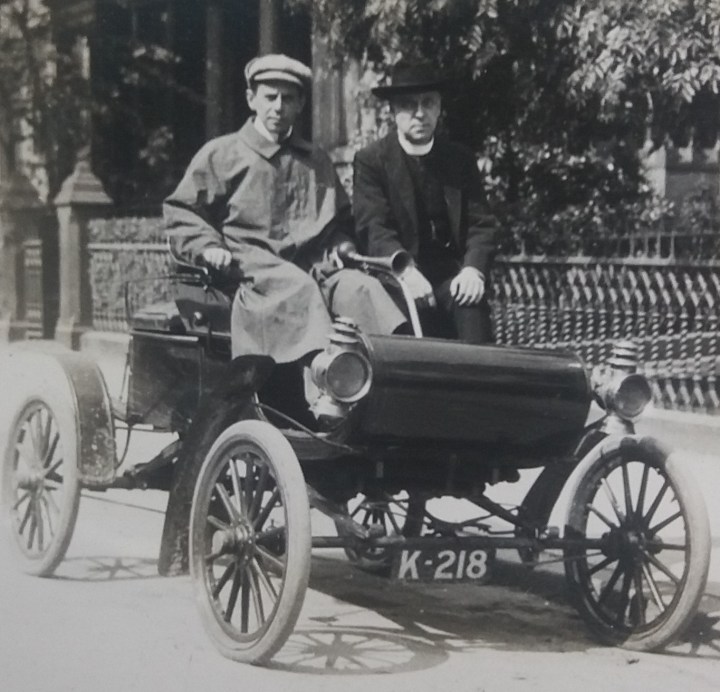
K-218 Liverpool registered car c.1903

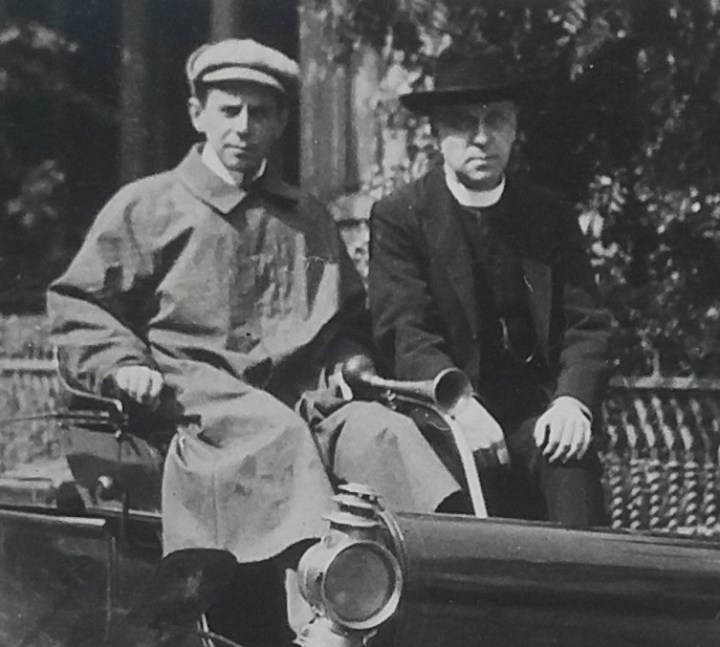
A car is parked at the roadside on a sunny day.  The driver is dressed for some serious motoring whilst his passenger is a clergyman without an overcoat. He looks slightly uncomfortable perched on the seat of the open car. Who is he? Could he be the owner, or a friend or relative of the driver? It’s hard to say but here we have a glimpse into a pioneering moment in motoring history.

K218 cropped full

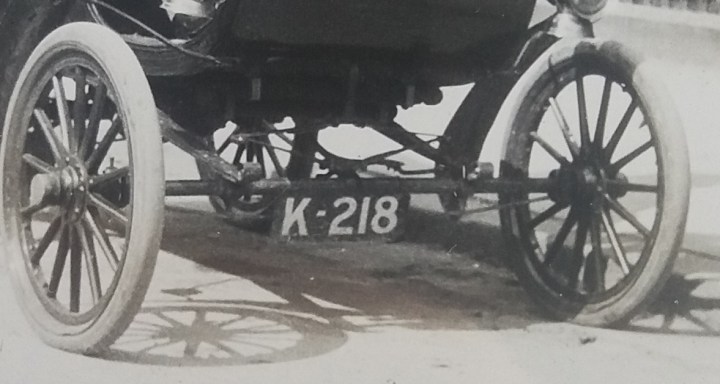
I picked this glass lantern slide up on eBay for a couple of pounds. It interested me because it is an early example of an automobile, probably dating from about 1903. I haven’t been able to identify the make of the car (indeed I would be grateful for any suggestions) but what is clear is that it was registered in Liverpool and was probably photographed on Princes Avenue. I don’t know who the clergyman was or the driver but the letter K was used for cars in Liverpool from 1903 to 1914. The records for these early registrations no longer exist but presumably this car was the 218th car to be registered in Liverpool. Whether that means the photograph was taken in 1903 I don’t know (would at least 218 cars be registered in the first year of the registration system?), but judging from the style of the car, which doesn’t have a steering wheel, I would guess that it was manufactured closer to 1903 than 1914. I had thought it might have been a Liver Phaeton, manufactured in Birkenhead by William Lea, of which only one example survives in the Museum of Liverpool. However, the car in the Museum has a number of differences and this clearly isn’t a Liver Phaeton. Having said that William Lea was a highly successful entrepreneur who made his own cars using imported Benz engines including a larger version of the Phaeton. His showrooms in Birkenhead had an indoor track that could be used for test drives with room, apparently, for fifty cars. By 1909 he was also the agent for “Benz, Progress, Darracq and English Benz Cars”, all available from his depot on Berry Street in Liverpool. He also advertised a very large stock of vehicles for sale. But he was far from being the only car dealer in Liverpool at the time. The city had its own Self-propelled Traffic Association from 1896 (President, the Earl of Derby) and The Liverpool Show of 1903 at St George’s Hall claimed to possess the largest (and best) exhibition of motors outside of London. It is possible to search back issues of The Autocar online courtesy of Grace’s Guide (http://www.gracesguide.co.uk/Main_Page) but that just confirms the massive variety of vehicles available to early enthusiasts of motoring. If this clergyman was one of them he must have caused quite a stir being able to shoot around his parish in his own motor car, but I rather suspect that he was induced to climb aboard by a car-owning parishioner and have his photograph taken for posterity.

K218 detail

Paused at the roadside for a photograph

K218 numberplate

Numberplate

K218 Passenger and Driver

Driver and Passenger

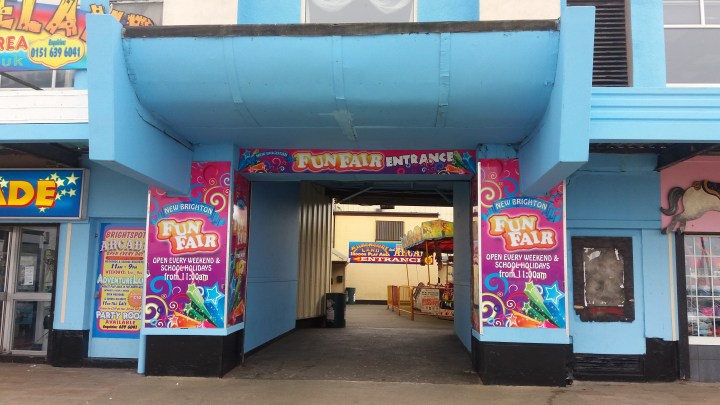
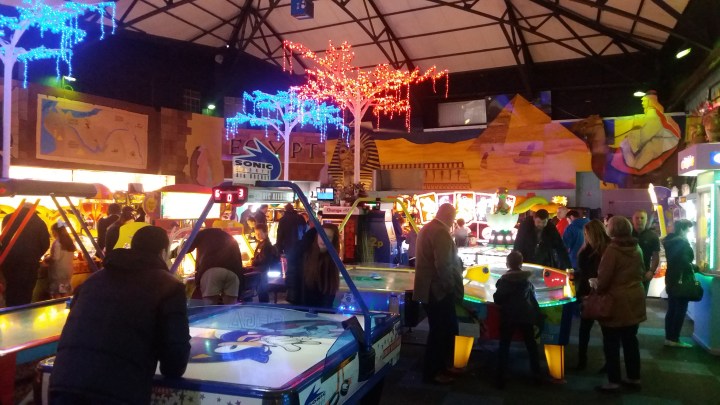
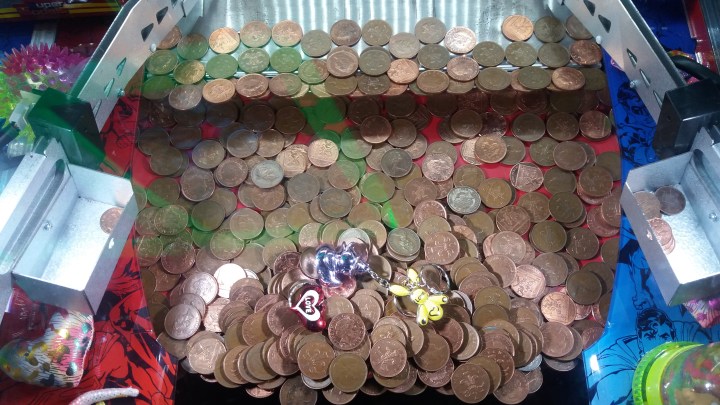
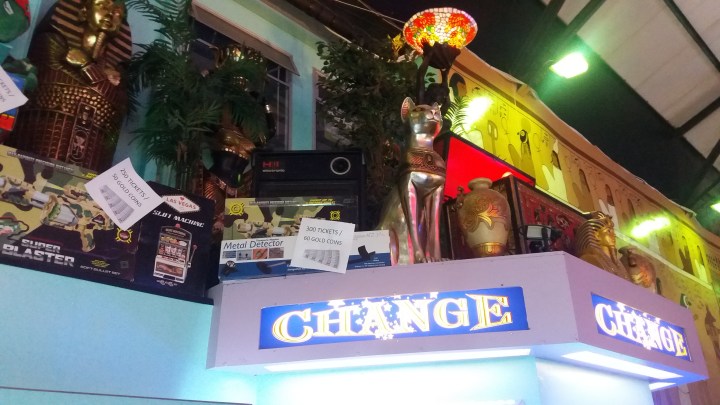
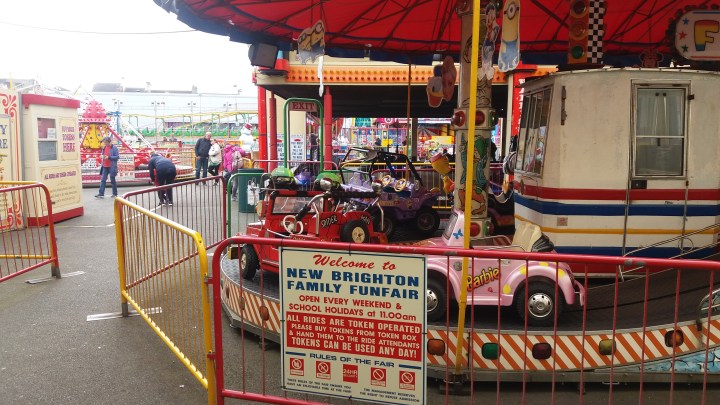
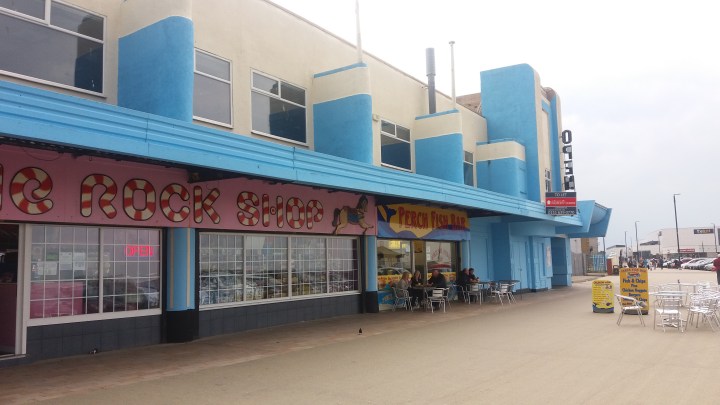
New Brighton arcade

1930s seaside arcade and fun fair. Neon amusements. A longstanding attraction on the New Brighton sea front.

Entrance

Entrance

General View

Inside the arcade

Justice League 01

Justice League

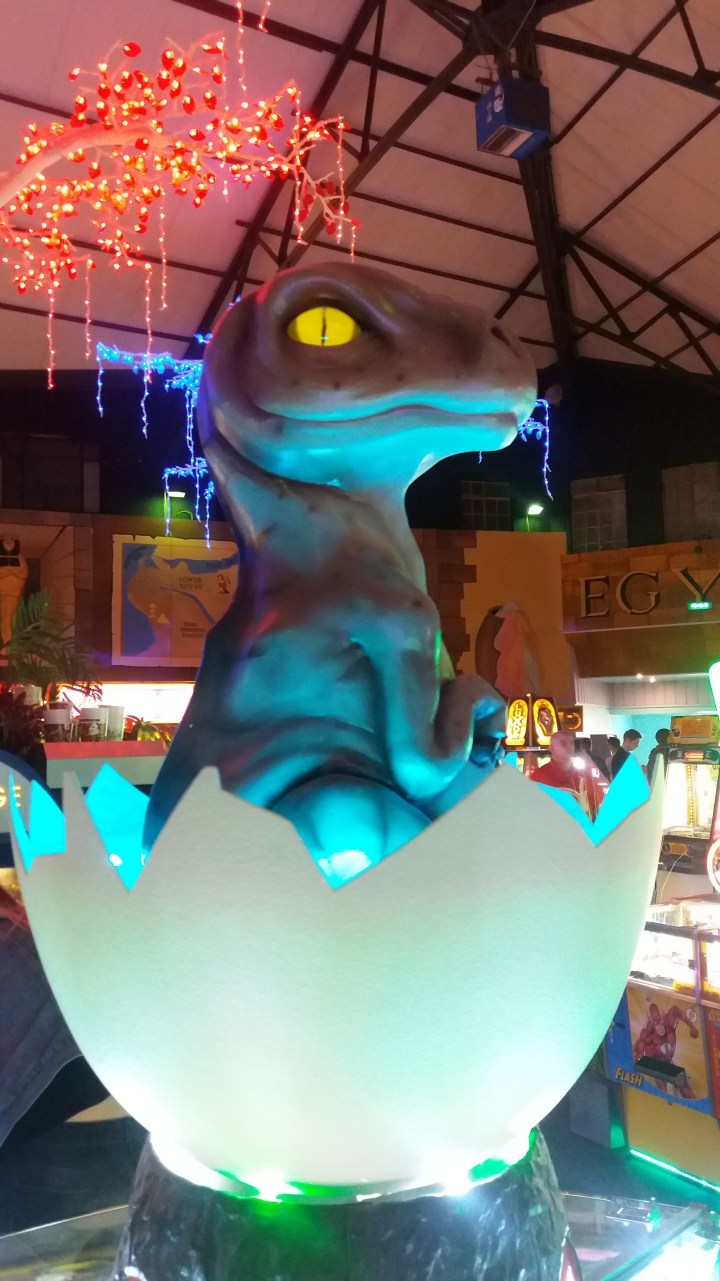
Dinosaur 02

Dinosaur

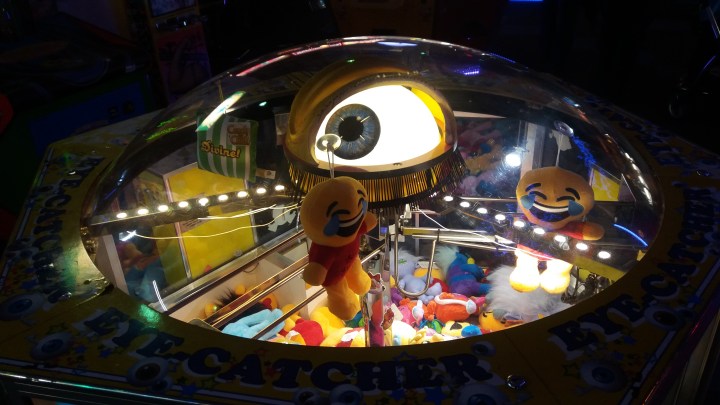
Eyecatcher

Eyecatcher

Coins

Coins

Prizes 01

Prizes

Prizes 03

More Prizes

Change 02

Change

Rides

Rides

Exterior 05

Outside

St Helens – Lucem House Cinema

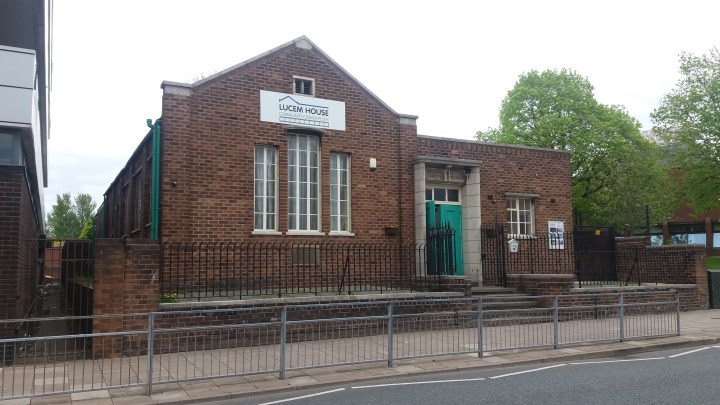
I wasn’t looking for the former Unitarian Church in St Helens but stumbled across it by accident. I was glad I did because whilst it is always a shame when any church closes (and this congregation came to an end in 1998) old church buildings can sometimes be utilised in ways that are imaginative, in keeping with the original purpose and bring some social advantage to the community. All this is certainly the case with St Helens, a solid and utilitarian building that is now a cinema.


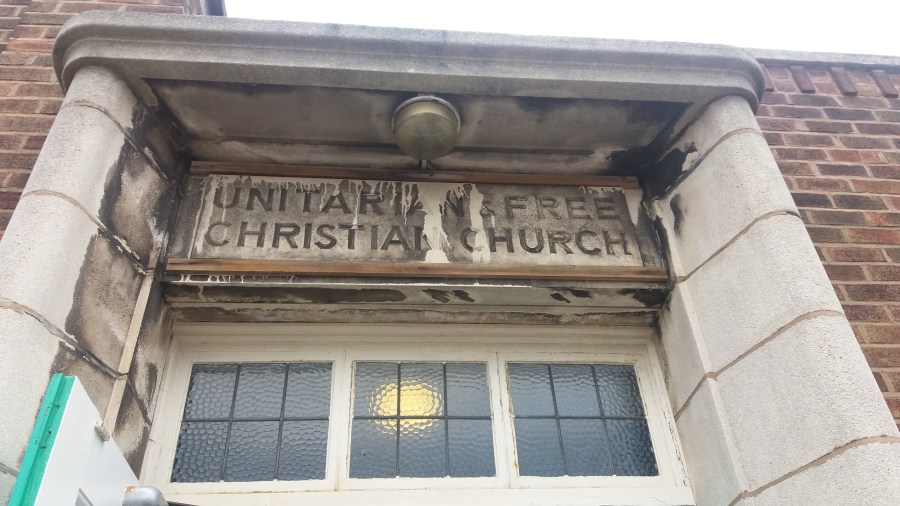
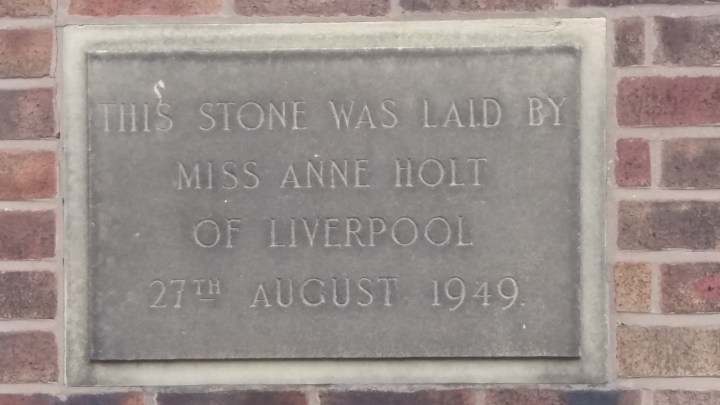
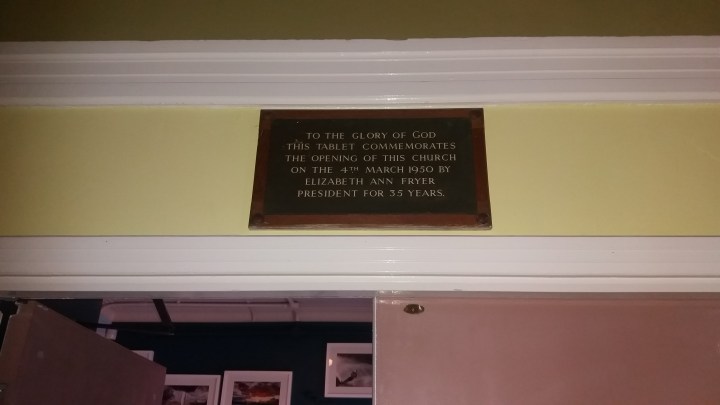
As I walked past my eye caught the inscription above the door proclaiming it to be the Unitarian and Free Christian Church, although it is many years since this was actually the case. In fact there are more reminders of the original function of the building despite it being well converted to other purposes. On the front wall the foundation stone is very prominent, recording the role of Anne Holt my distinguished predecessor as editor of the Transactions of the Unitarian Historical Society – a highly regarded historian and member of the famous Liverpool ship owning family – who had inaugurated the building in 1949. Inside there is another tablet which commemorates the opening of the church in 1950 under the presidency of Elizabeth Ann Fryer.


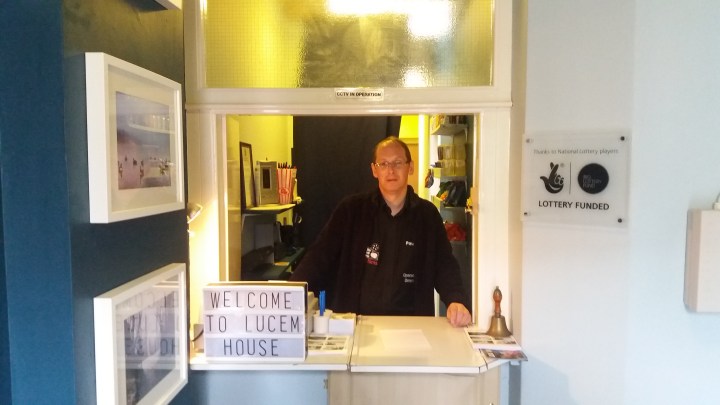
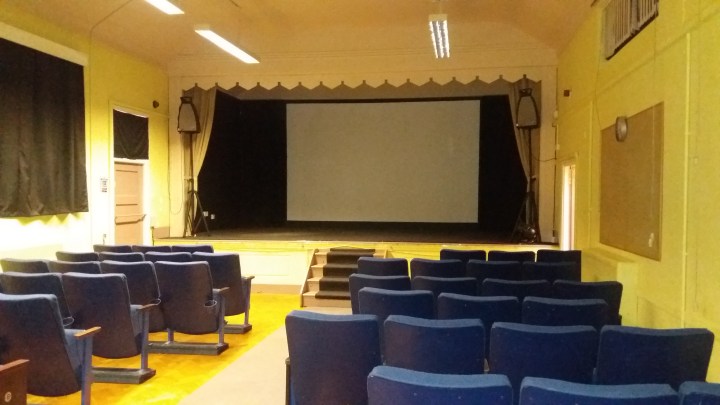
The sanctuary was not large but the group of buildings were varied and clearly adapted to a number of uses. Nowadays the building is a cinema, named Lucem House, a volunteer-led social enterprise. It takes its name from the motto of the borough of St Helens, Ex Terra Lucem – ‘Out of Earth – Light’ (so I was told by Paul Jones the operations manager of the cinema) and the church itself has been nicely turned into a small cinema auditorium. In the foyer they have created an attractive box office and the whole place has a pleasant ambience.


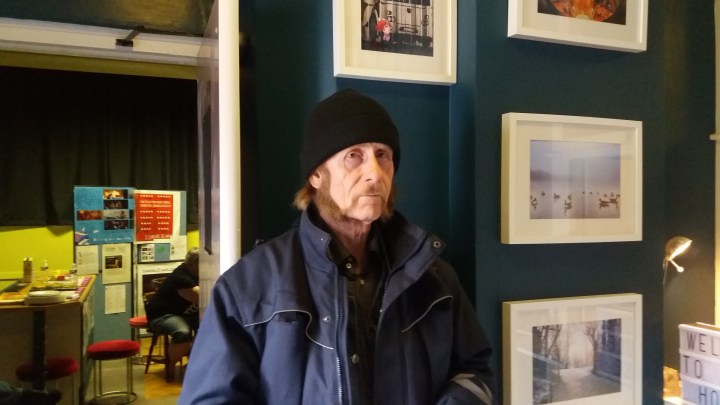
Paul told me that the cinema has been in operation for over three years, the building also being let out for functions and used by a local photography club. They have a screening every week and the day I was there were looking forward to A Night to Remember starring Kenneth More. Paul Jones is an expert on the Titanic (another item of history with notable Unitarian connections) and this film certainly reflects his interests. The film was to be followed by a poetry reading by Len Saunders, the head steward and a poet and actor who has been known – so I was told – to dress up on suitable Titanic related occasions as Captain Smith or Lord Pirrie. He wasn’t in character that day but shared with me some of his poems.


The Unitarian Heritage (published in 1986) says the congregation was founded in 1901 and the original chapel built in 1904. I can’t locate any images of the original building but it was destroyed during the blitz of 1941 and apparently rebuilt on the same site after the war. Now, after a period of neglect, the buildings have been well restored and well adapted to another imaginative use.

Front elevation angle

St Helens Unitarian Church – now Lucem House

Foundation Stone 01

Foundation Stone

Front Entrance

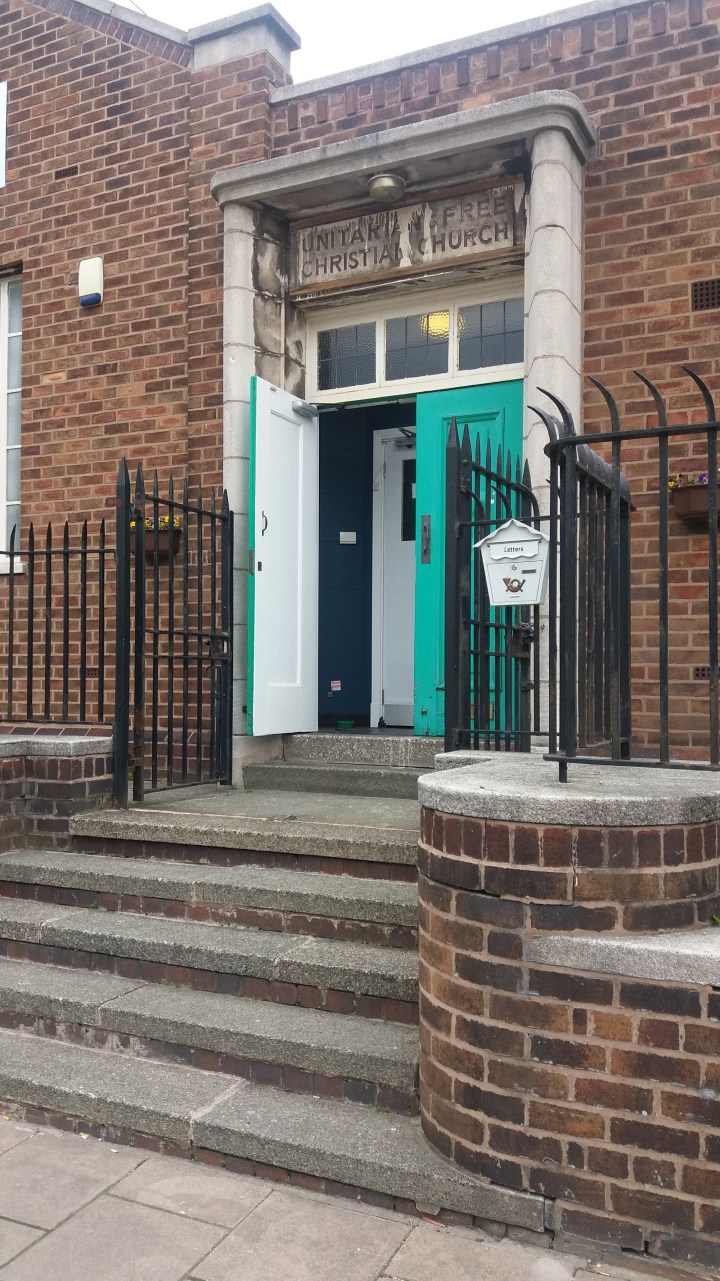
Front entrance

Box Office 03

Paul Jones in the box office

Tablet location

Commemorative plaque

Auditorium 01

Auditorium

Ron Saunders 01

Len Saunders

Update 1st August 2017.

I was very shocked and saddened to read that Len Saunders was the victim of a violent unprovoked assault in July which tragically resulted in his death at the end of the month. There are details and tributes to him in the local paper:

http://www.sthelensstar.co.uk/news/15445606.Family_of_Len_Saunders_pays_tribute_to__a_beautiful_soul_/

http://www.sthelensstar.co.uk/news/15444860._An_unsung_hero_of_St_Helens___Touching_tribute_paid_to_Len_Saunders/?ref=mrb&lp=3

http://www.sthelensstar.co.uk/news/15444390.Tributes_paid_to_friendly_performer_and_poet___39_Len_Banana__39_/?ref=mrb&lp=6

http://www.sthelensstar.co.uk/news/15443460.UPDATED__Two_youths_arrested_on_suspicion_of_murdering_St_Helens_poet_Len_Saunders/?ref=mrb&lp=2


There is a crowdfunding page set up to raise money to provide step free access to Lucem House Cinema in Len Saunders’ memory. The page can be accessed here:

https://www.justgiving.com/crowdfunding/len-saunders?utm_id=107&utm_term=gARZbR5qD


St Patrick’s Centre Terrace Garden Downpatrick

Walking through the Garden at the rear of the St Patrick’s Centre in Downpatrick I noticed how attractive the Garden now is. The little details are worth examining, like St Patrick’s ship (not the original one I would think), the standing stone, and the fairy thorn brought there from another site but growing well set in a Celtic cross just to remind people of Patrick’s victory over superstition. The Cathedral and the Southwell School provide a marvellous backdrop.

St Patrick's Centre 054

Looking towards the Southwell School

St Patrick's Centre 06

The Fairy Thorn

St Patrick's Centre 03

Standing Stone

St Patrick's Centre 01

St Patrick’s Ship and the Cathedral

St Patrick's Centre 04

The case of the Clough meeting house (1836): law reporting and pamphleteering

Clough Non-Subscribing Presbyterian Church

DSC03203

Clough Non-Subscribing Presbyterian Church opened for worship in 1837

PUBLIC LECTURE

by

John F Larkin, QC

Attorney General for Northern Ireland


The case of the Clough meeting house (1836): law reporting and pamphleteering

The Lecture will take place in the meeting house on

Wednesday, 24th May 2017

at 7.30 pm

Followed by refreshments in the hall. Admission free. Everyone welcome.

Abstract

The case of Dill v Watson (1836) determined which of two parties in Irish Presbyterianism was entitled to the ownership of the Meeting House in Clough, County Down. It was the first Irish battle in a campaign in which litigation was the adjunct of theological controversy, and in the Clough case there is almost a fusion of legal and theological debate. What is striking (and fascinating) about the Clough case is that both parties published reports of the decision. Law reporting was for the parties to the Clough litigation no abstract record of a judicial decision but a further way for historical, legal, political and theological debate to be carried on. The two reports of the Clough case opened a distinct front in a pamphlet campaign that lasted until the Dissenters Chapels Act 1844 – if not beyond. This lecture explores this litigation and its background through the prism of the two partisan reports of the Clough case and the later law report by Thomas Jones. It examines the significance of the Clough case as a turning point in wider legal and theological controversy.

For further information contact: Rev Dr David Steers, nspresb@hotmail.com

Clough Non-Subscribing Presbyterian Church, Castlewellan Road, Clough, BT30 8RD

DSC03222

The interior of the meeting house. The venue for the lecture

Transactions of the Unitarian Historical Society 2017

The April 2017 issue of the Transactions of the Unitarian Historical Society is now available. Annual membership costs £10 for individuals and can be arranged through the treasurer via the Unitarian Historical Society website:

http://www.unitarianhistory.org.uk/hsmembership4.html

In this issue you will find:

Francis Dávid (Dávid Ferenc, c.1520-1579) by the late Donald A. Bailey. This is an important article discussing the theological and historical significance of Francis Dávid which was sent for publication by Don just a couple of days before he died so suddenly in 2015.

diet20of20torda

The Diet of Torda (picture: Unitarian Historical Society)

Socinians Out – Dr Williams’s Trust in the 1840s by Alan Ruston. An examination of the will and legacy of Dr Williams and the arguments over its ownership.

Daniel Williams portrait

Daniel Williams (portrait in Dr Williams’s Library)

The Centenary of the Unitarian Historical Society by David Steers. A survey of the foundation and early history of the Society adapted from one of the talks at last year’s annual meeting.

John Crosby Warren

John Crosby Warren of Nottingham and Aberdeen. First President of the Unitarian Historical Society

Note – James Martineau – a neglected source. Alan Ruston. Newspaper articles on the centenary of his birth.

Record Section – an unpublished letter of James Martineau. David Steers. A letter to the Rev James Orr of Clonmel.

New PhD Thesis at the University of Kent. Valerie Smith. Rational Dissent in England c.1770-c.1800.

Reviews:.

David Clark, Victor Grayson The Man and the Mystery, Quartet, 2016, 324 pp, ISBN 978 0 7043 7408 9. £20. (Reviewed by David Steers).

Alan Ruston, On the Side of Liberty: A Unitarian Historical Miscellany, The Lindsey Press, London, 2016, 212 pp. ISBN 978-0-85319-087-5. £9.50 plus £1.50 p&p. (Reviewed by Phillip Hewett).

Alan Seaburg, The Unitarian Pope: Brooke Herford’s Ministry in Chicago and Boston 1876-1892, Alan Seaburg, Alan Miniver Press, 162 pp, 2014, available on Amazon Kindle, price £3.83. (Reviewed by Alan Ruston).

Building the Church, The Chapels Society Journal, Volume 2, 2016., 91 pp, ISBN 978-0-9545061-5-5. (Reviewed by Andrew Hill).

Matthew Kadane, The Watchful Clothier, The Life of an Eighteenth-Century Protestant Clothier, Yale University Press, 312 pp, hardback, January 2013. ISBN 9780300169614. Price £65. (Reviewed by Alan Ruston).

David Sekers, A Lady of Cotton Hannah Greg, Mistress of Quarry Bank Mill, The History Press in association with the National Trust, 280 pp, 2013, ISBN 9780752490083. Price £9.99. (Reviewed by Alan Ruston).


TUHS 2017 Cover


The Ancient Chapel of Toxteth

ACT March 2017 exterior Sue photo

The Ancient Chapel of Toxteth (photo: Sue Steers)

I never like to pass up an opportunity to visit the Ancient Chapel of Toxteth. Anyone with an interest in Unitarian and Dissenting history, church architecture, or the history of Liverpool will not fail to be enthralled by such an evocative building. On Mothering Sunday I was very pleased to be able to join in Sunday worship there, a service conducted by lay preacher Graham Greenall who led an appropriate act of worship which weaved together themes for Mothers’ Day, peace and a reflection on the recent shocking events in Westminster.

The late Christopher Stell, who produced the Royal Commission on Historical Monuments inventory of chapels and meeting-houses in England, was a big fan of this chapel. Dating back to 1618 the building is really redolent of the late eighteenth century when it was restored. It is part of Toxteth but speaks of a continuity of worship that stretches from the puritan farmers who cleared the forest and built the chapel for their minister Richard Mather to the present day.

An examination of the interior always throws up new things. One thing that I learnt from Christopher Stell was that the chapel builders, although puritans, were also heirs to the Anglican tradition and almost certainly built a small chapel with a chancel on the lines of a parish church. Little remains to display this today but above the organ you can still see the chancel arch. At some point in the eighteenth century the chancel was turned into a schoolhouse, later still it was used to house the organ loft and the present porch.

In 2018 the congregation will celebrate 400 years of worship in their building and will mark that milestone with suitable events.

ACT March 2017 gallery view across

The view from the gallery

Richard Mather

Richard Mather

RM 1650

Mather family pew dating from 1650

ACT March 2017 pulpit preacher

Graham Greenall in the pulpit

ACT March 2017 chancel arch 02

The chancel arch in front of the organ

ACT March 2017 Sunday School corner

Sunday School corner, recently restored

ACT March 2017 Fifi 01 Sue

Fifi, who was also present, waiting patiently for some cake following the service (photo: Sue Steers)