Faith and Freedom Spring and Summer 2024

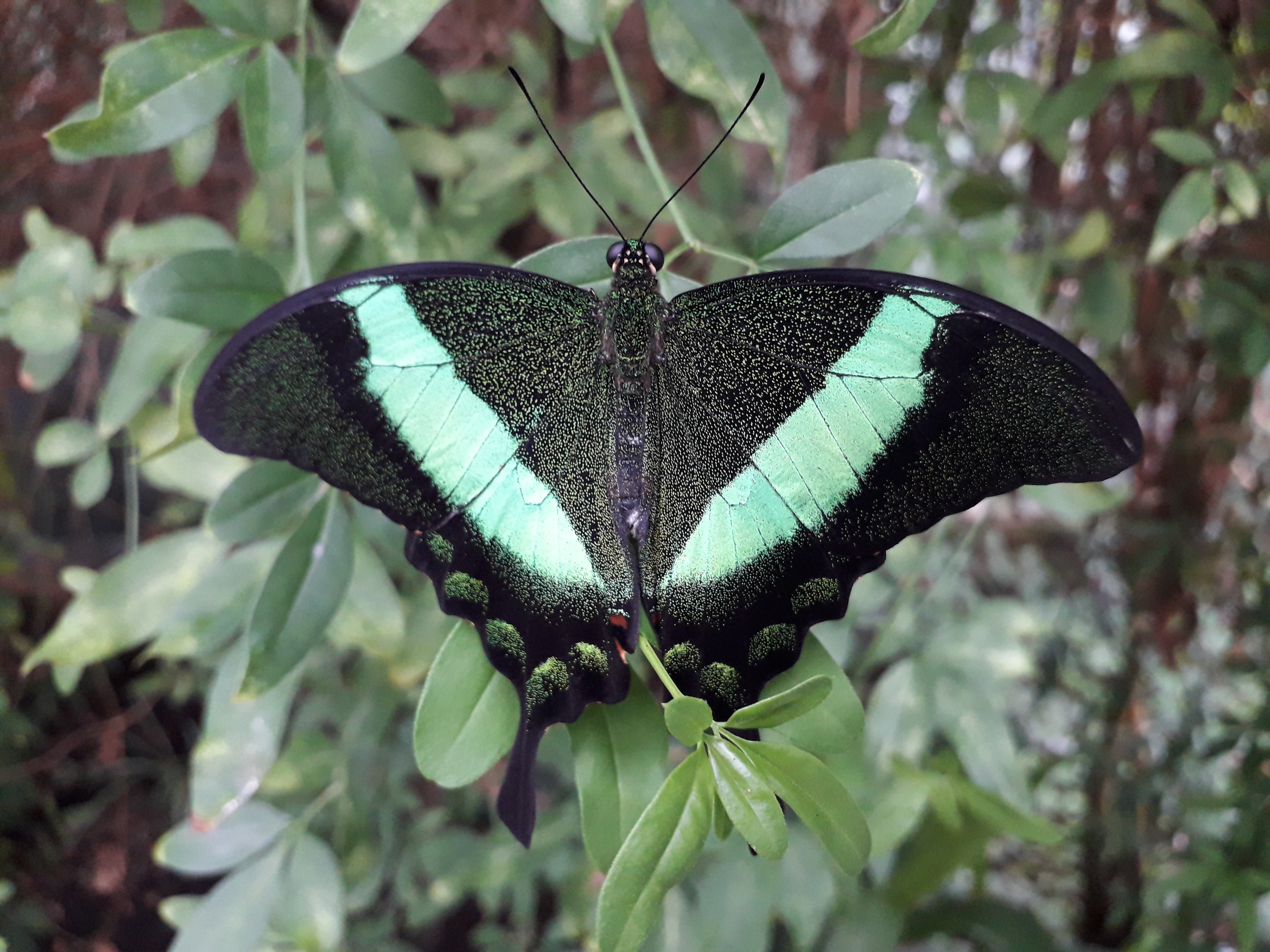
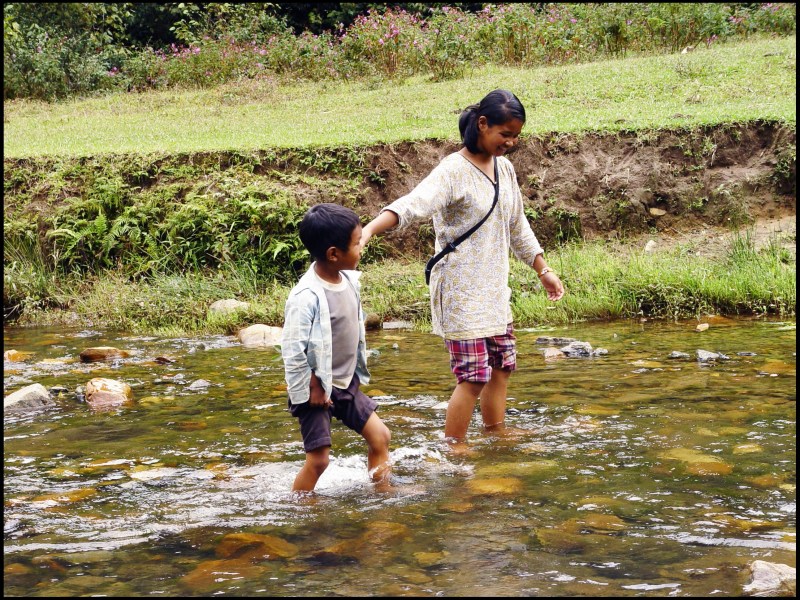
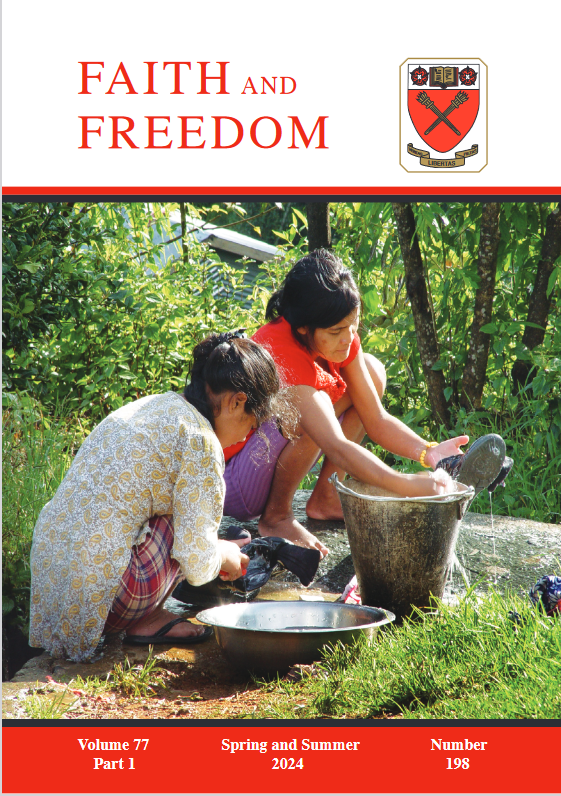
The latest issue of Faith and Freedom is now available. In this issue we are pleased to publish the entire transcript of the most recent Reckoning International Unitarian and Universalist Histories Project webinar. Entitled Uncovering the Hidden Power of Women in Unitarian and Universalist History the discussion comprises an international panel with an introduction by Lehel Molnár, Unitarian archivist at Koloszvár, Transylvania, and with Rosemary Bray McNatt, President of the Starr King School for Ministry, Berkeley, California, as the moderator and concluding responder. The main papers are ‘The Story of Pharienbon Rani and Unitarianism in the Khasi Hills, India’ by Alisha Rani, professor of sociology at Shillong, India, and ‘Profiling Black Women’s Ministries in Unitarian Universalism’ by Qiyamah A. Rahman, a UU minister and activist in the United States. Responses are given by Olga Flores (Bolivia), Ann Peart (UK), and Mária Pap (UK and Transylvania), with closing remarks by Mark W. Harris, one of the main planners for the Reckoning Histories Project. The journal also includes some photographs (including the cover – see above and top) by John Hewerdine taken at the Annie Margaret Barr Memorial Orphanage in Meghalaya which help illustrate the theme of both Alisha Rani’s paper and a review by Derek McAuley also found in this issue.
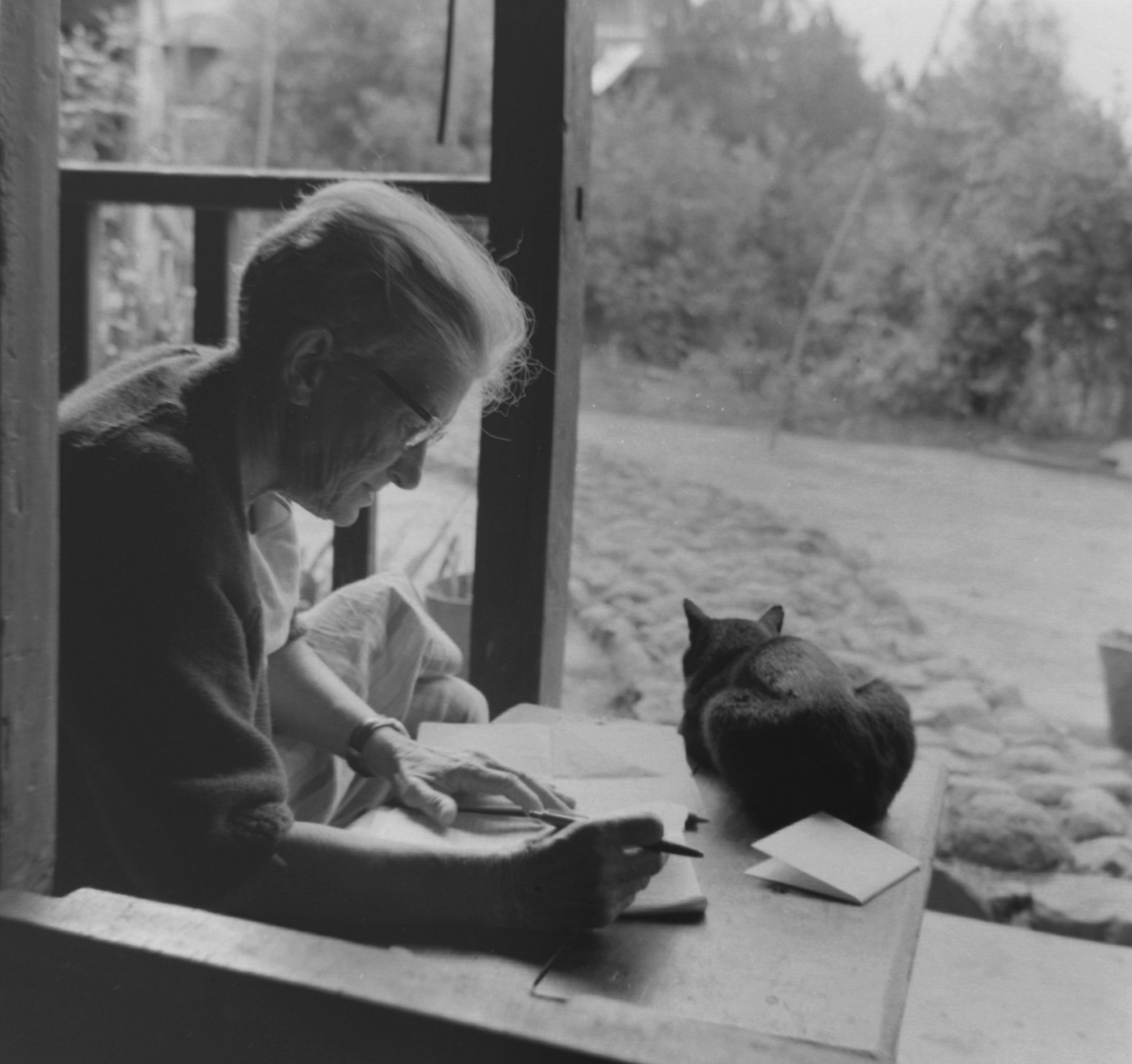
Margaret Barr in her office in the Khasi Hills (Photo: John Hewerdine)

Other papers include Wayne Facer’s Mr Jellie’s Romance, an account of the pioneering days of Unitarianism in New Zealand and how amidst his work to establish the cause he fell in love with and eventually married Ella Macky. She was a member of an active Unitarian family but her own commitments frequently took her to the other side of the world to attend University and to participate in the International Council of Unitarian and Other Liberal Religious Thinkers and Workers in Amsterdam in 1903, while Jellie carried out his work establishing the congregation in Auckland and supporting Unitarians elsewhere in New Zealand.

Barrie Needham examines the life and poetry of Gerard Manley Hopkins, Catholic convert and Jesuit priest, whose poetry remained unpublished in his own lifetime but which has gained a great following from the early twentieth century onwards. A Victorian poet but one whose style is as bold and striking as anything written at any point since. Barrie Needham shows how Hopkins wrestled with his poetry to express his faith in God and his understanding of God in nature, and shows the philosophical understanding that underscored his writing. If you have ever read any Hopkins or heard his poems being read you will find this article immensely helpful.

In addition we have four excellent reviews of notable recent books.
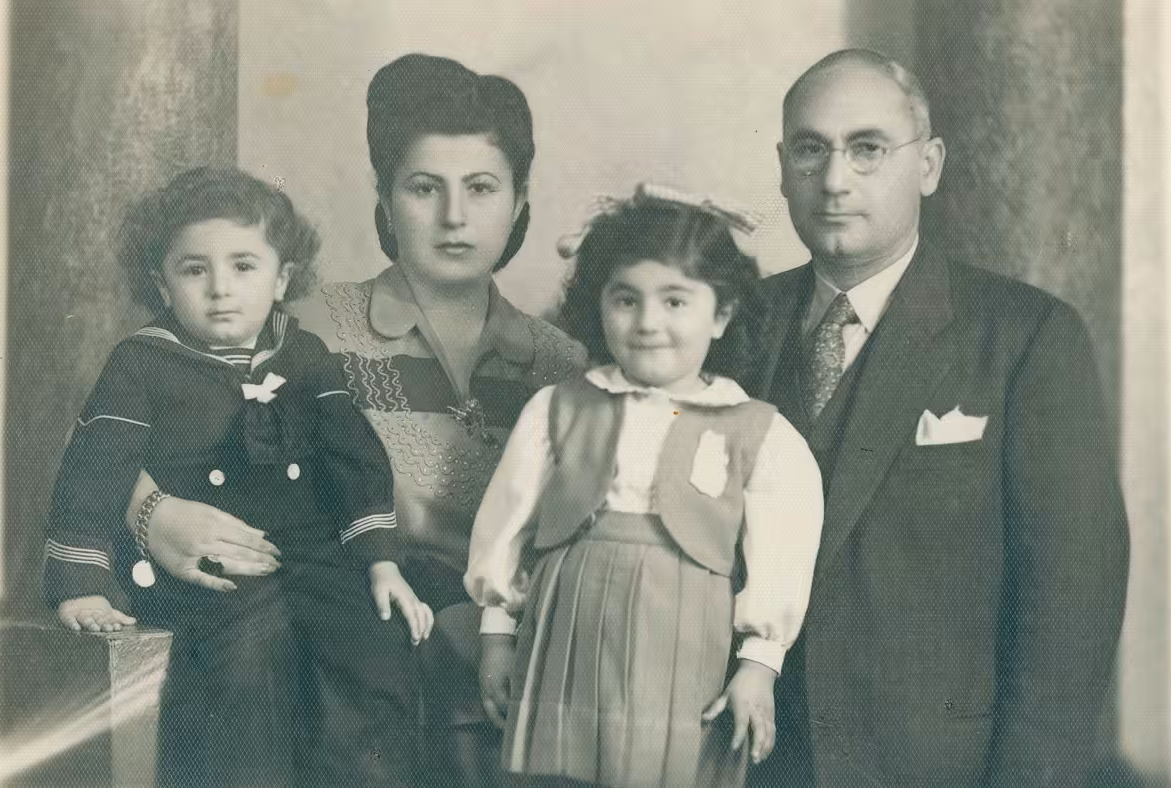
Avi Shlaim, aged two, with his parents and sister in Baghdad, 1947. From the cover of his book.

Graham Murphy reviews Avi Shlaim, Three Worlds, Memoirs of an Arab-Jew, (Oneworld Publications, 2023). The book of the year for both the Times Literary Supplement and the New Statesman, Avi Shlaim tells his own story as someone who was born into the prosperous and significant Jewish community of Iraq following the Second World War and who was forced, with most of the Jewish population, to emigrate to Israel in 1950. At the age of 15 his life changed when he managed to come to the UK, ending up at Cambridge and ultimately as Professor of International Relations at St Antony’s College, Oxford. As a young man he served in the Israel Defense Force but is not afraid to criticise Israel or Zionism. His most recent research has gone back to Iraq and his own origins as part of ‘a Diaspora that had been the living embodiment of Muslim-Jewish co-existence [which] was no more’. In Shlaim’s view ‘As Israel expanded, the Palestinians, Arab natives of historic Palestine, not the Germans or the Russians, would take the burden of punishment for the European pogroms of modern history and the Final Solution.’ His reflections on his Jewish past in Iraq and on Arab-Israeli relations ever since are well worth reading, especially at the present time.
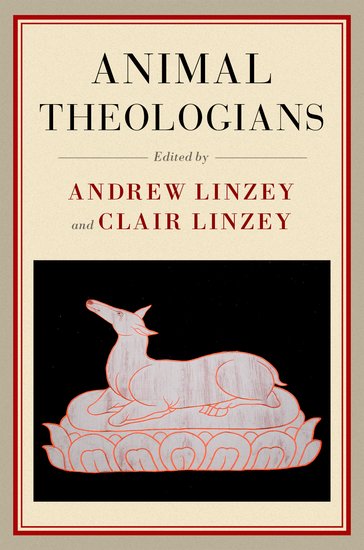
Andrew Linzey and Clair Linzey (eds.), Animal Theologians (Oxford Academic, Oxford University Press, 2023) is reviewed by Feargus O’Connor who takes us through the theological contributions to the consideration of animal rights, vivisection and animal cruelty. A number of the subjects of the book are Unitarians – most notably Frances Power Cobbe and Charles Hartshorne – and many would find agreement with Gandhi who Feargus quotes:

The greatness of a nation and its moral progress can be judged by the way animals are treated. Vivisection is the blackest of all the black crimes that man is at present committing against God and His fair creation. It ill becomes us to invoke in our daily prayers the blessings of God, the Compassionate, if we in turn will not practise elementary compassion towards our fellow creatures.
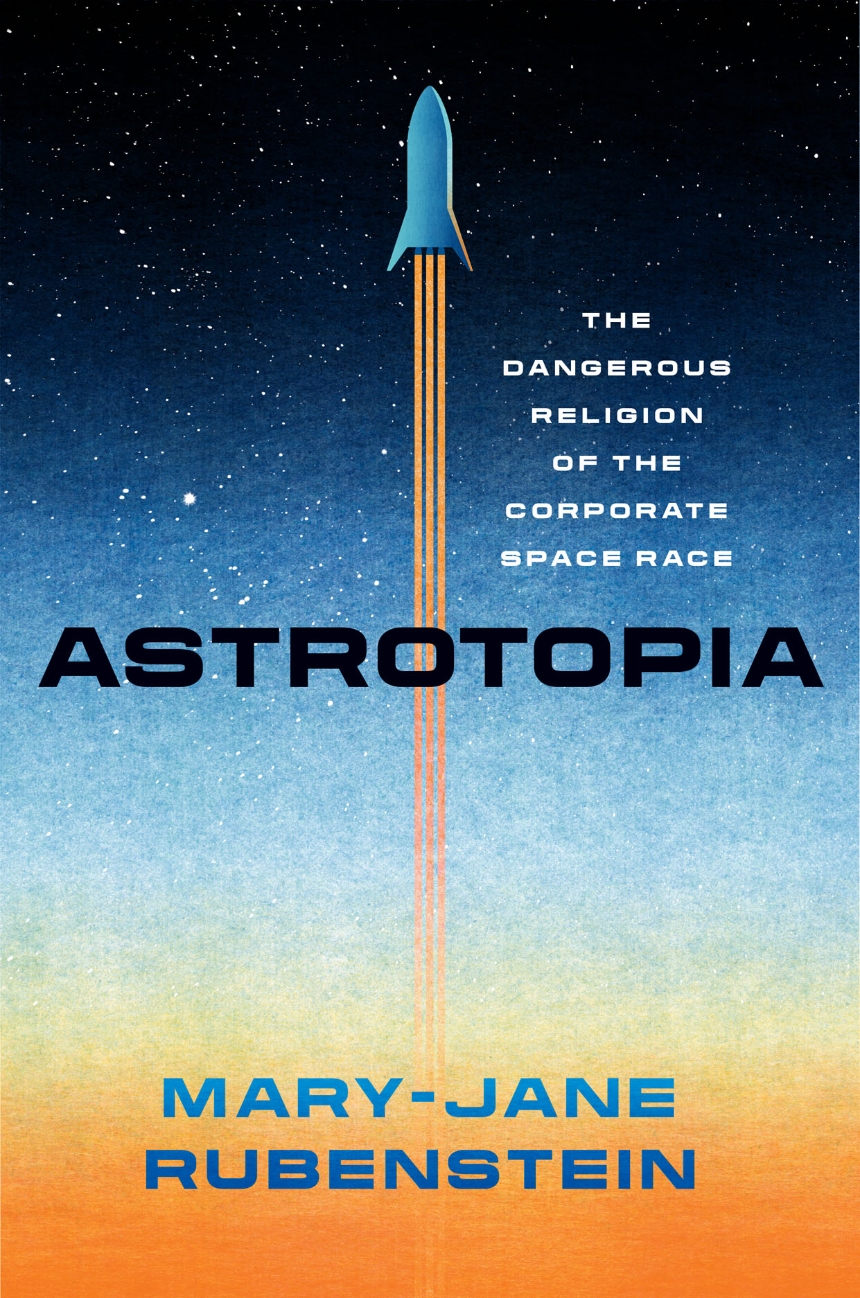
Professor David Williams reviews Mary-Jane Rubenstein, Astrotopia: the Dangerous Religion of the Corporate Space Race (University of Chicago Press, 2022) a book which raises the issue of humankind’s increasingly exploitative attitude to space exemplified in the attitudes of such figures as Elon Musk and Jeff Bezos, described by the reviewer as ‘both so grotesquely wealthy that they can have dreams of both colonising space and the funds to achieve those aims’. It is clear too that the United States no longer views ‘outer space as the common heritage of all humanity.’ In the light of this how should we progress human interaction with space?
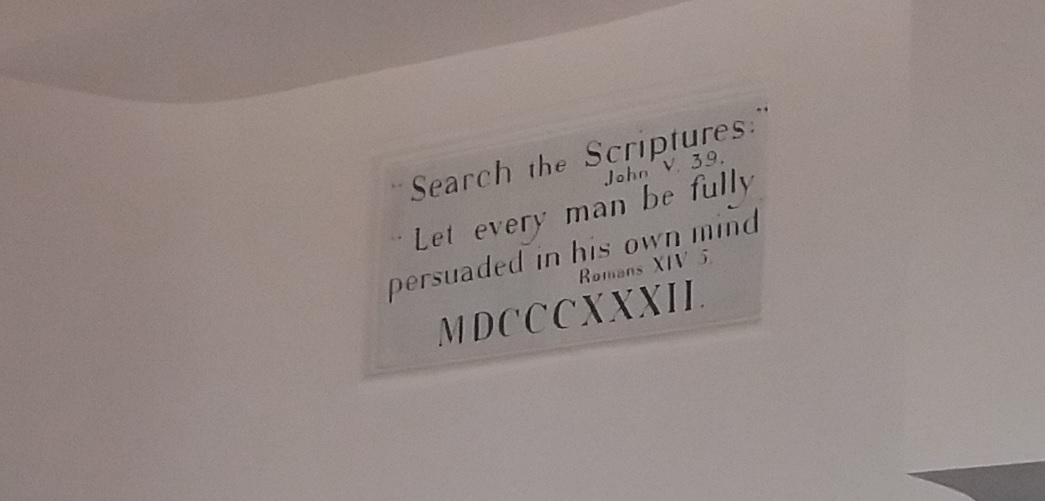
Inside the former NSP meeting-house Ballymoney (Photo: David Steers)

Liz McManus is a former Minister for Housing and Urban Renewal in the Republic of Ireland. Since leaving politics she has become a writer and in When Things Come To Light (Arlen House, 2023) she has drawn on her own family experiences to ‘craft an insightful and compelling novel’ in the words of Derek McAuley, our reviewer. Liz McManus’s grandparents were Unitarians/Non-Subscribers from County Antrim. Remarkably life took them to the Khasi Hills where (in the novel at least) they encounter the Rev Margaret Barr and Kissor Singh, the founder of the Unitarian Church in North India. In a strange piece of synchronicity Kissor Singh quotes St Paul ‘Let every man be fully persuaded in his own mind’, words which Liz McManus’s grandfather recognises as inscribed on the wall of his home church back in Ballymoney in Ulster. A fascinating novel incorporating Unitarians, family history, Ireland and India.

An annual subscription to Faith and Freedom (two issues) costs £16.00 (postage included) in the United Kingdom. Single copies can be ordered at a cost of £8.00 each (postage included). Cheques should be made out to Faith and Freedom and sent to the business manager:

Nigel Clarke,
Business Manager, Faith and Freedom,
16 Fairfields,
Kirton in Lindsey,
Gainsborough,
Lincolnshire.
DN21 4GA.

Overseas subscriptions are also available.

It is also possible to pay online. For more details see our website:
https://www.faithandfreedom.org.uk/subs.htm

Faith and Freedom – latest issue

Faith and Freedom

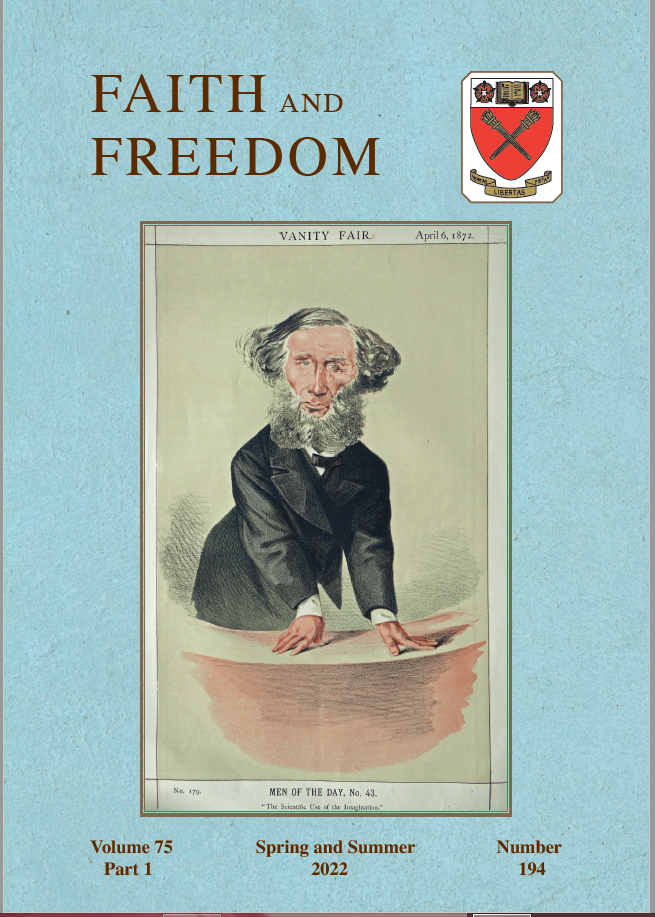
Volume 75, Part 1, Spring and Summer 2022, Number 194

The latest issue is now ready.

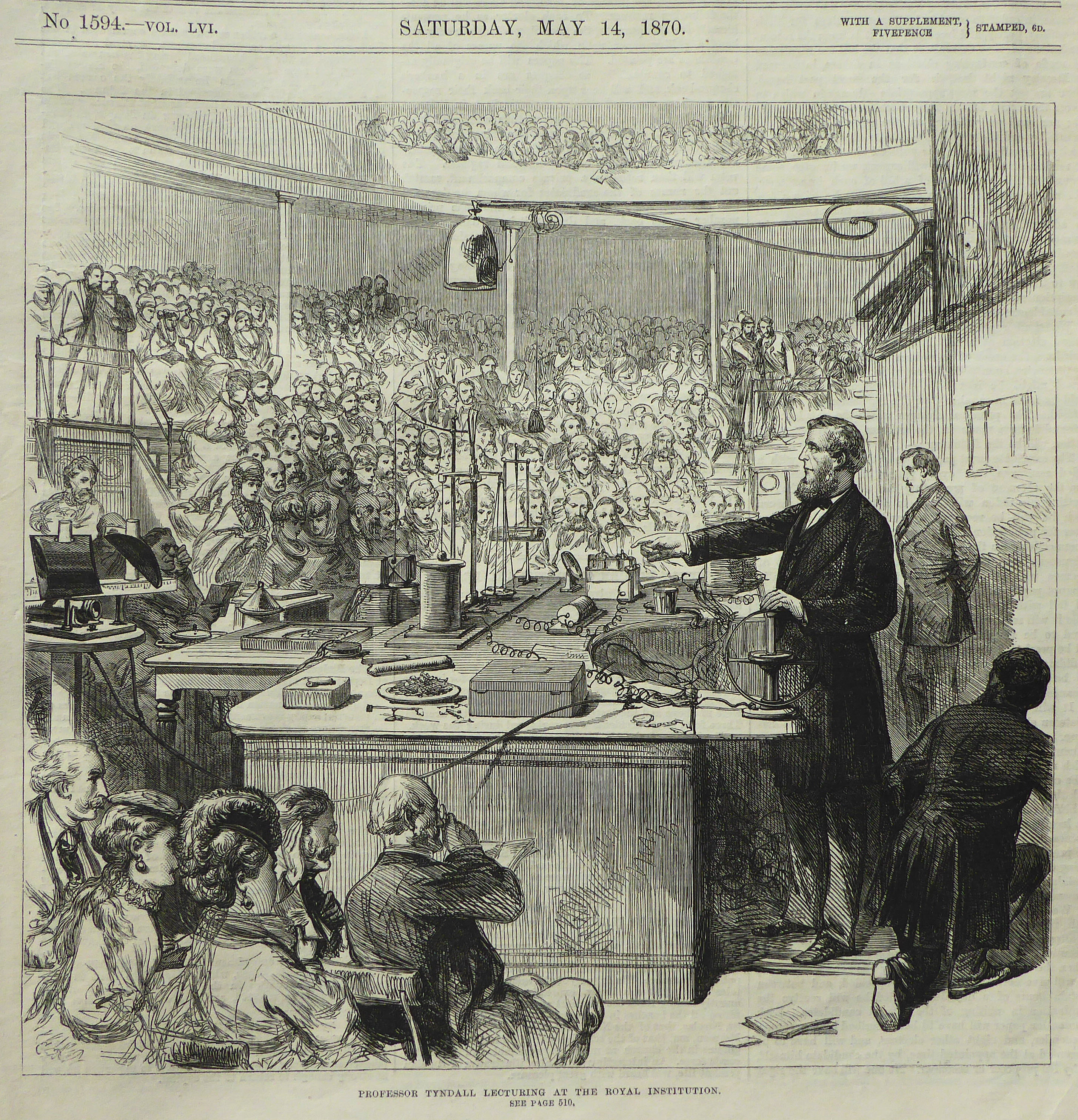
Professor John Tyndall lecturing at the Royal Institution, 1870

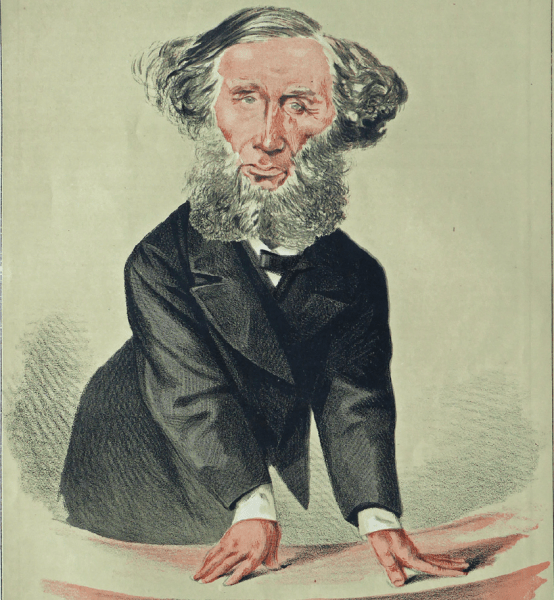
Our lead article is Howard Oliver’s examination of the remarkable career of John Tyndall and his influence on the relationship between science and religion. An outstanding physicist and an excellent lecturer he was also a glaciologist and an experienced mountaineer. Howard Oliver shows that by the 1840s he was a religious freethinker who had explored the role of faith in society in some depth. In 1847 his address in Belfast as President of the British Association for the Advancement of Science caused a furore and opened up the debate about the relationship between religion and science, especially in the light of Darwin’s theory of evolution. Our cover picture depicts his portrait from the cover of Vanity Fair in 1872.

We are delighted too to be able include articles by:

Paul Richards, on the spiritual dimension of the works of Richard Wagner which looks at Wagner and anti-Semitism, myth and religious symbolism, Tristran & Isolde, the Ring Cycle, and Parsifal.

Ann Peart, on the response of Unitarians to ministering during the pandemic, an examination of the imaginative and creative ways in which Unitarian ministers have developed new forms of worship and activity during the Covid-19 crisis.

Feargus O’Connor, on the Unitarian contribution to Animal Welfare, by a well-known advocate for human rights who leads the only annual interfaith celebration of animals in the UK.

And Robert Oulton, on the theology and works of Cynthia Bourgeault, an intriguing Episcopalian theologian and priest who is also an expert in mysticism.

We continue to carry some fine reviews including:

Religious Experience – its nature, validity, forms and problems by Principal J. Ernest Davey MA DD, with a Foreword by John, Lord Alderdice

Author and playwright Philip Orr on a new book of writings by Principal J. Ernest Davey (the leading Irish Presbyterian scholar of the twentieth century, Principal of the main Irish Presbyterian theological college, who was accused of heresy) edited by Lord Alderdice, now Senior Research Fellow at Harris Manchester College.

Mona Siddiqui, Human Struggle: Christian and Muslim Perspectives

Rev Dr Marcus Braybrooke, one of the leaders of the inter-faith movement in Britain, on Human Struggle: Christian and Muslim Perspectives, the 2016 Gifford Lectures by Mona Siddiqui published last year.

Steven Pinker, Rationality: what it is, why it seems scarce, why it matters

Professor David Williams on the place of rationality in human life according to Steven Pinker’s new book.

Daniel Costley, Life’s Journey Creating Unitarian Rites of Passage

The editor’s discussion of Daniel Costley’s Lindsey Press book on constructing special services.

Cover of the issue

Subscription Details

An annual subscription for each volume (two issues) costs £16.00 (postage included) in the United Kingdom. Single copies can be ordered at a cost of £8.00 each (postage included). Cheques should be made out to Faith and Freedom and sent to the business manager:

Nigel Clarke,
Business Manager, Faith and Freedom,
16 Fairfields,
Kirton in Lindsey,
Gainsborough,
Lincolnshire.
DN21 4GA.

It is also possible to pay online. For more details see our website: https://www.faithandfreedom.org.uk/subs.htm
Rev William Hamilton Drummond

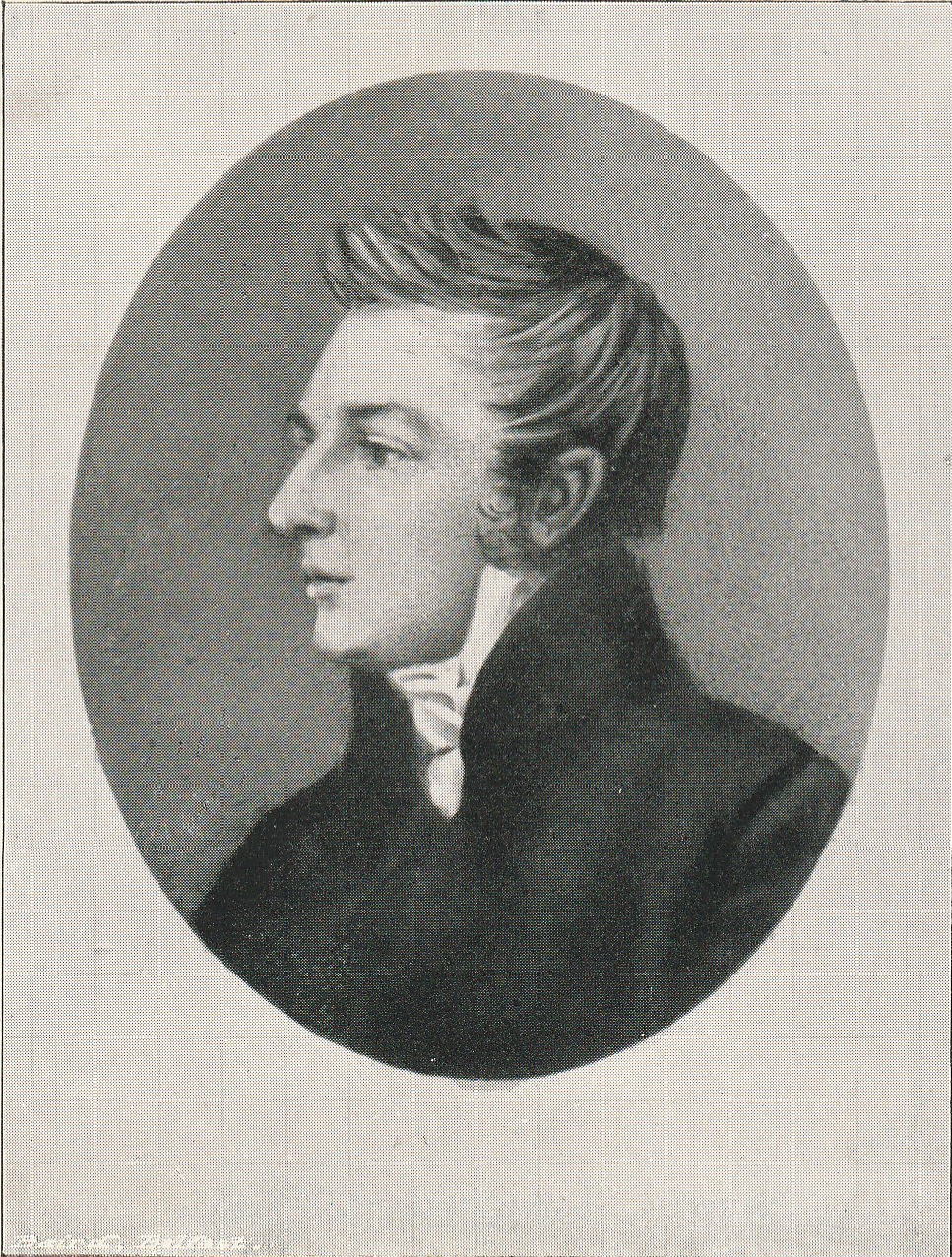
Today’s worship, from Ballee, incorporates the second in our series that looks at significant Non-Subscribing Presbyterians in history. Today’s subject is William Hamilton Drummond who was born in Larne in 1778 and died in Dublin in 1865.

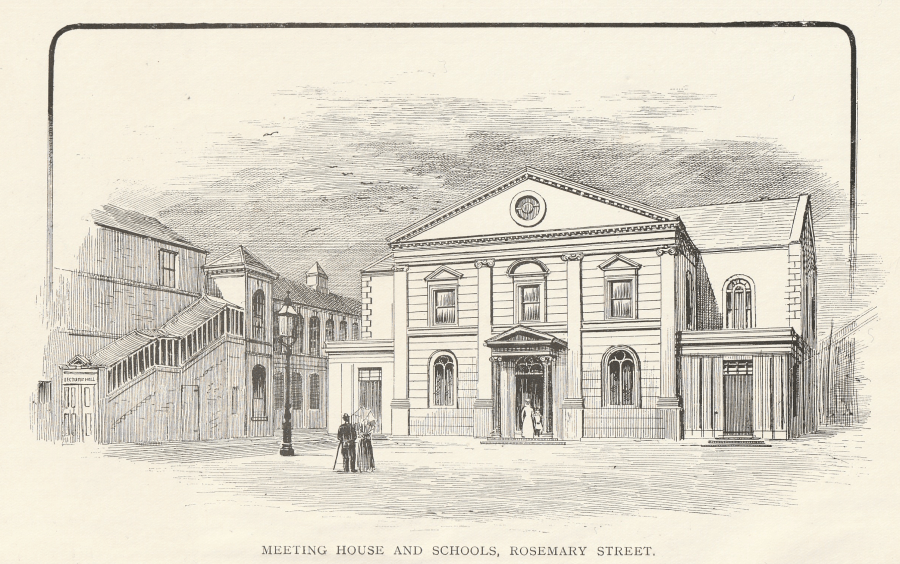
Drummond had a long and multi-faceted career. As a young man he supported the 1798 Rebellion and as a student at Glasgow University first turned his hand to verse, producing poems that supported the aims of the United Irishman. Leaving Glasgow without a degree he nevertheless progressed towards the ministry and was called to Belfast’s Second Congregation (see picture above) in 1800. In Belfast, as a minister, he was at the heart of the city’s educational, commercial, cultural and religious life. He produced a number of epic poems. Many of these now extolled the virtues of the Union of 1801 with Great Britain whilst the most famous of all was The Giant’s Causeway, published in 1811.

William Hamilton Drummond

In 1815 he was a candidate for the Chair of Logic and Belles Lettres at the Belfast Academical Institution. When he was unsuccessful, because so many of the electors were members of his own congregation who did not wish to see him leave, he left Belfast for Dublin instead, where he commenced a ministry of fifty years in which he achieved further notability as a theological controversialist, a biographer and a supporter of the rights of animals.

Sunday Worship, Ballee Non-Subscribing Presbyterian Church. Click on the video above after 9.45 am on Sunday, 13th June 2021

The service comes from Ballee. The reading is from Psalm 8 and is given by Mary Stewart at Downpatrick. Church organist John Strain plays the hymns Come sing praises to the Lord (Irish Presbyterian Hymnbook 113), Lord the light of your love is shining (Irish Presbyterian Hymnbook 621). Also played is Father I place into your hands.

The Rights of Animals. Published in London 1838.

Flow, LAGAN flow – though close thy banks of green,

Though in the picture of the world unseen…

Flow on fair stream – thy gathering waves expand,

And greet with joy the Athens of the land;

Through groves of masts thick crowding o’er thy tide,

A new Ilissus, roll in classic pride.

From The Giant’s Causeway, A Poem 1811

Worshipping Together, Sunday, 7th June


“There is nothing in all the world so like God as stillness”

Meister Eckhart

Banbridge front

This Sunday’s service comes from Banbridge and a big thank you goes to Ruby Bushby of Banbridge, who did the reading (1 Kings ch.19 v.4-13), John Strain, who played the organ (at Ballee), and Robert and Laura Neill who played the duet ‘Work for the Night is Coming’ on the bagpipes, being filmed overlooking the dramatic coastline of Lecale.

The theme of the service is silence and includes the following quotation from James Martineau:

Silence is in truth the attribute of God; and those who seek him from that side invariably learn that meditation is not the dream but the reality of life; not its illusion but its truth; not its weakness but its strength. .. All great things are born of silence. .. all beneficent and creative power gathers itself together in silence, ere it issues out in might. .. Silence came before creation, and the heavens were spread without a word. Christ was born at dead of night; and though there has been no power like his, ‘He did not strive nor cry, neither was his voice heard in the streets.’ Nowhere can you find any beautiful work, any noble design, any durable endeavour, that was not matured in long and patient silence, ere it spake out in its accomplishment.

And in the Psalms we read:

For God alone my soul waits in silence,
for my hope is from him.
He only is my rock and my salvation,
my fortress; I shall not be shaken.
On God rests my deliverance and my honour;
my mighty rock, my refuge is God.
Trust in him at all times, O people;
pour out your heart before him;
God is a refuge for us.

(Psalm 62 v.5-8.)

We uploaded two additional videos in the last week both of which deal with animals and the animal kingdom. The first one will definitely appeal to cat-lovers:

This is the story of Faith the Cat, a stray cat that found its way into a church in London during the Second World War. Faith survived a bomb that destroyed the church and rescued her kitten, later being awarded a silver medal. The story also includes two cat poems.

The second video, was uploaded on World Environment Day and features a prayer for the animal kingdom alongside a reading from Matthew ch.6 v.25-33 which accompany some of the marvellous wildlife photographs taken by Graham Bonham. Graham is a keen amateur photographer, some of his pictures have been used in Faith and Freedom Calendars, and these depict a wide variety of animals including a Great Crested Grebe (above), a red panda and a mouse in his conservatory.

Banbridge with Methodist church second

First Presbyterian (NS) Church, Banbridge. Next door is the Methodist Church.

Faith and Freedom 2019 Calendar

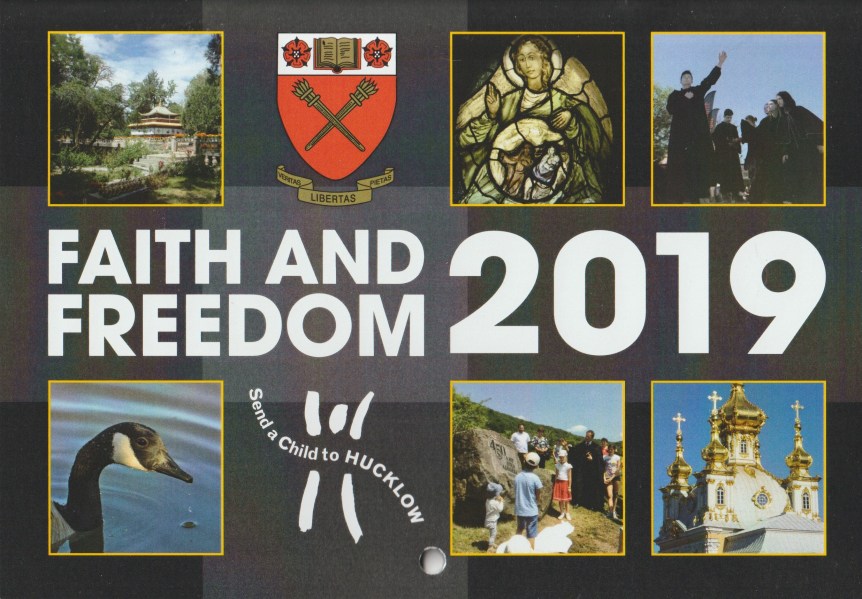
The Faith and Freedom Calendar for 2019 is now winging its way to all individual subscribers around the world. Additional copies can be had for a suggested donation of £5 (all of which goes to the Send a Child to Hucklow Fund). Email Nigel Clarke at faithandfreedom@btinternet.com if you would like to order one.

The Calendar is full of fantastic images celebrating the world of faith and the natural world, each month carrying a large illustration from around the world including Derbyshire Peak District, Northern Ireland (Armagh and Down), Malta (St John’s Co-Cathedral Valletta), Transylvania (Torockó and Bölön), and Macedonia (Lake Ohrid) as well as Graham Bonham’s brilliantly detailed pictures of plants and birds.

There is a scan of the cover at the top of this page, and of the back cover at the bottom and here are some of Graham’s images:

Flower Graham Bonham

March
Gerbera is a member of the daisy family and was named after Dr Trugott Gerber, an eighteenth-century German botanist and friend of Carl Linnaeus. The plant is native to the tropics and is commonly known as the African daisy. A perennial, it is attractive to insects and birds but resistant to deer. The picture was constructed by combining multiple images focused at different points into a single composite image.


blackbird

April
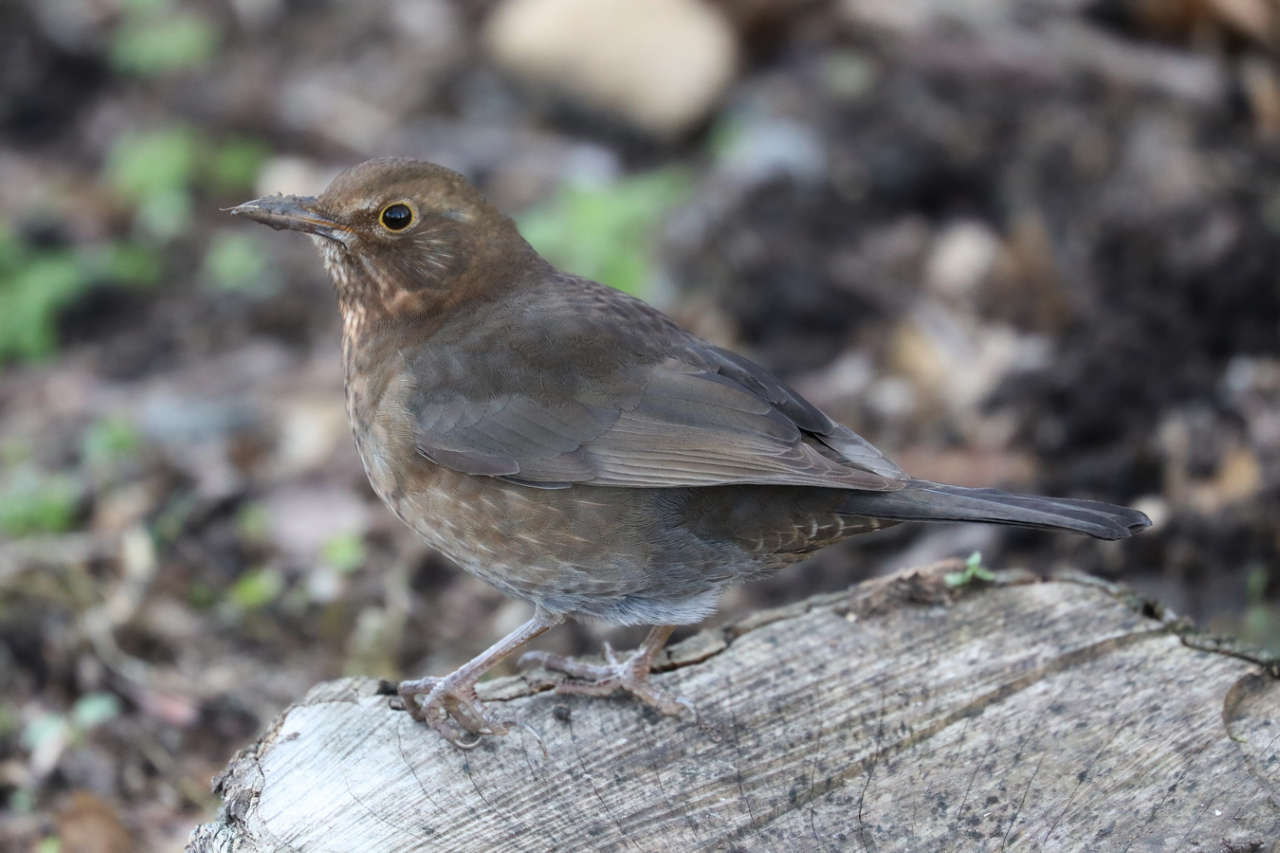
The common blackbird is a species of true thrush. RS Thomas’ poem ‘A Blackbird Singing’ cites “a suggestion of dark Places about it.” However it is not normally seen as a symbol of bad luck. In medieval times the trick of placing live birds under a pie crust just before serving may have been the origin of the nursery rhyme. A blackbird also featured on the UK 4d stamp in 1966.


Seeds Graham Bonham

September
The image of the dandelion seed head can be interpreted in many ways, explains Graham Bonham who created the focus-stacked composite image. “It could symbolize transience – the temporariness of existence: there one moment and blown away the next. Alternatively, it could represent fecundity – one bloom produces hundreds of potential new lives – or be about underappreciated beauty: even pesky ‘weeds’, which many people use ‘chemical weapons’ against (to the detriment of the environment), have beautiful aspects.”


Cover scan back 2019

Sefton Park Heron

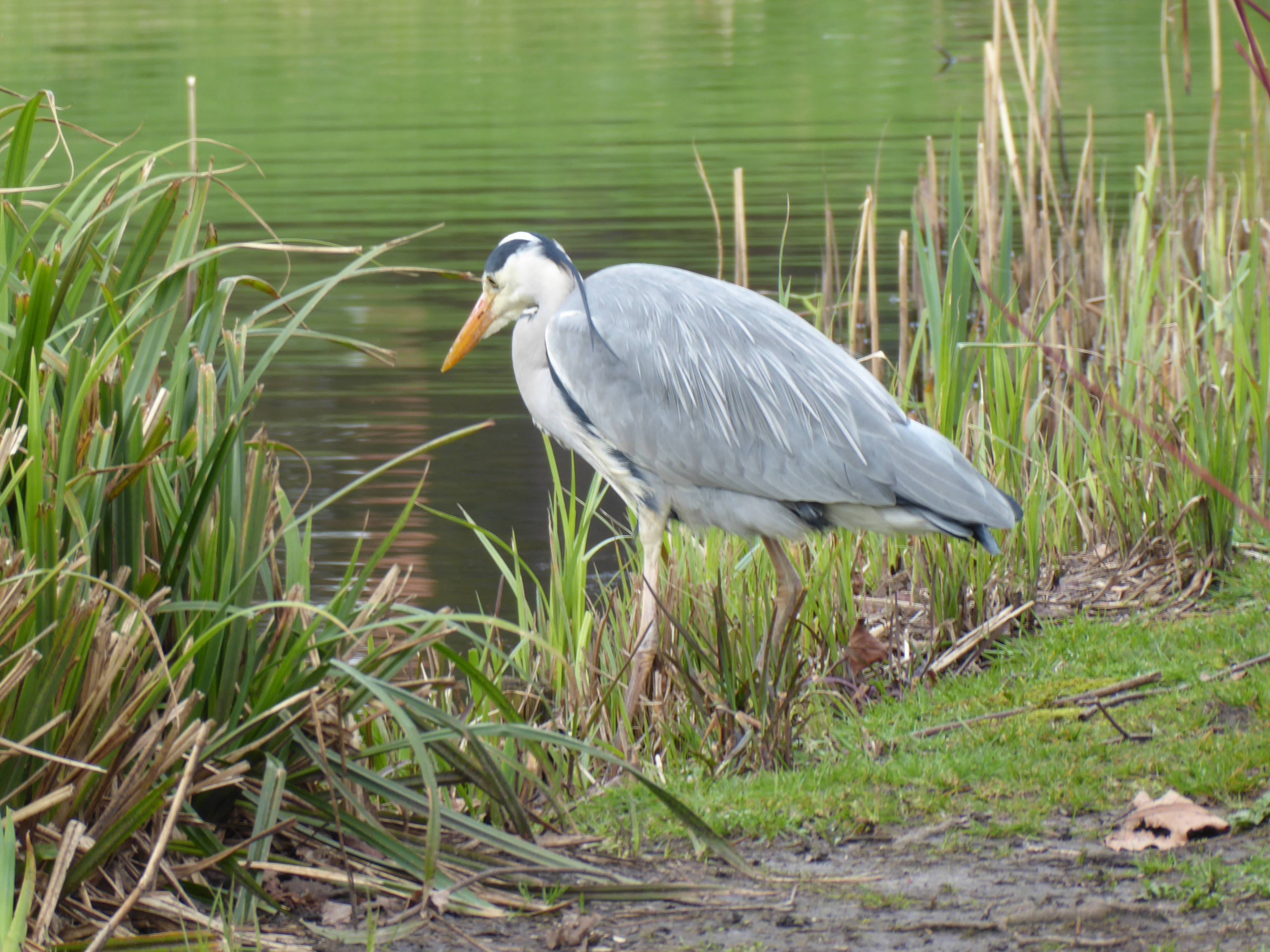
In Liverpool recently I was pleased to get these pictures of the heron in Sefton Park. The heron seemed quite unperturbed by my presence and that of many other people quite nearby as he watched the lake for signs of a potential meal.

Sefton Park Heron 02

Sefton Park Heron 04

Sefton Park Heron 05

Sefton Park Heron 06

Sefton Park Heron 07


Animals and Faith and Freedom

In the latest issue of Faith and Freedom Clair Linzey contributes ‘Animal theology: a view from the periphery’. Clair is the Deputy Director of the Oxford Centre for Animal Ethics and the article is based on a sermon she delivered in the Chapel of Harris Manchester College. In it she takes her lead from Jesus’s concern for the poor and Brazilian theologian Leonardo Boff’s theology of liberation which extends concern for the poor and marginalised to the planet itself and its non-human inhabitants. She makes a case for concern for animal welfare to be moved from the margins of our thought and discourse to a more central place in our consideration for the sake of our own spiritual and personal well-being. It is well worth reading.

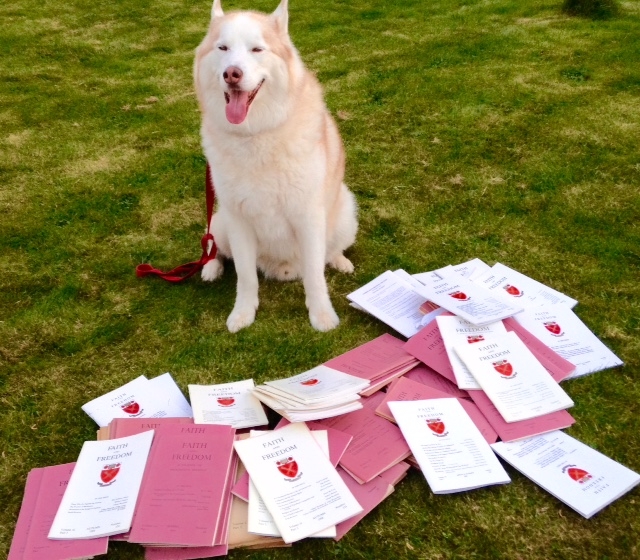
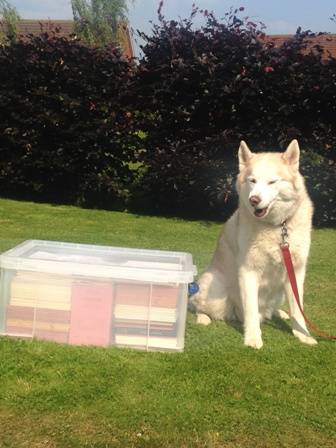
Those who attended the Old Students Association at Harris Manchester College in June will also have seen Nigel Clarke’s excellent presentation on the journal over the past twelve months. This included our own modest foray into animal matters with the appointment last year of Billy as the custodian of the Faith and Freedom archive.

Billy and the journals

Billy had initially done an excellent job in minding the archive and expressed evident delight at being appointed to such an illustrious role.

All safely gathered in

However, in more recent times he seems to have grown bored with this position and hints of dissatisfaction, indolence even, have crept into his demeanour as this candid picture illustrates: Billy02

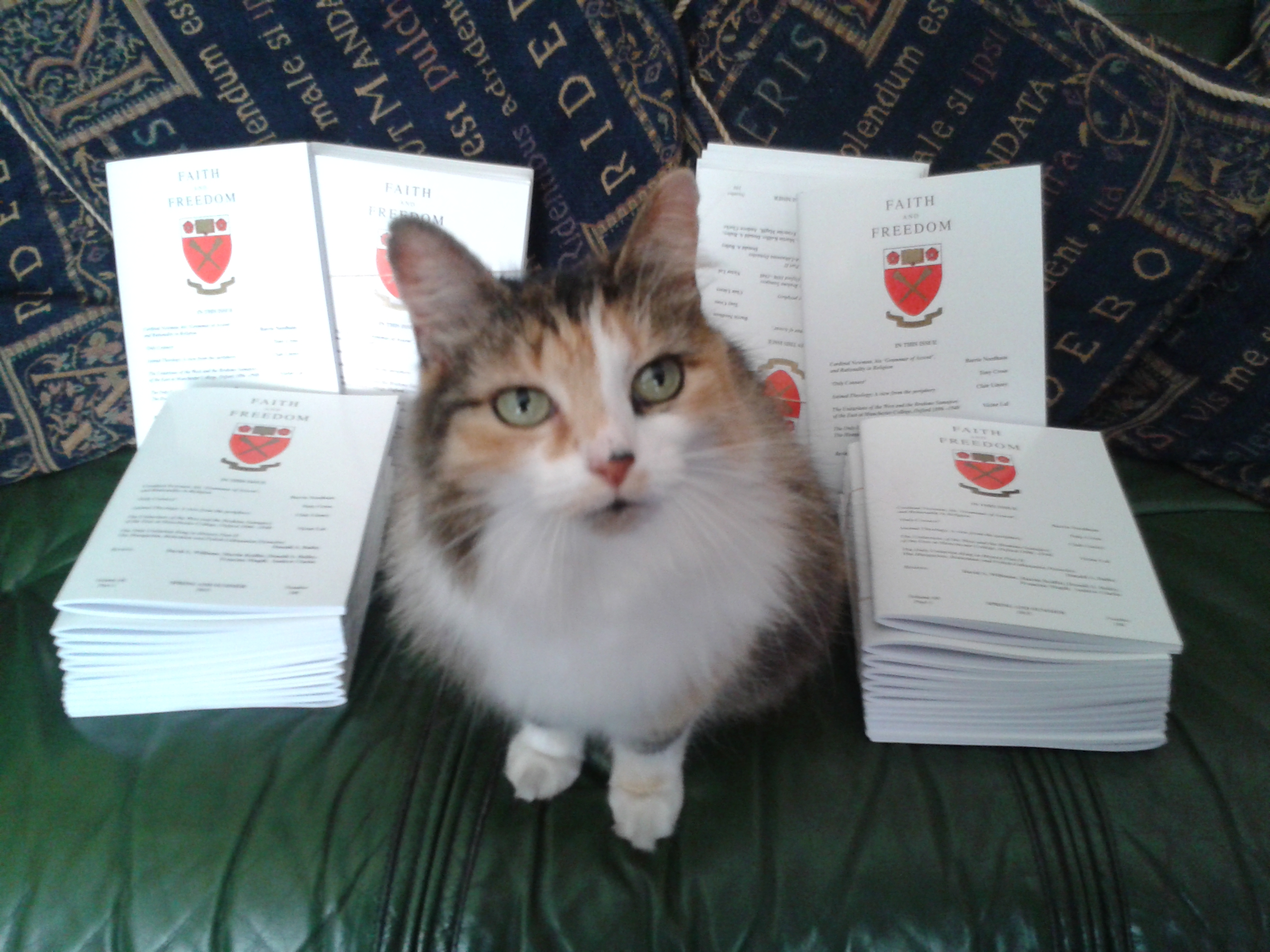
This has led to calls for the position to be offered to Caspian, the cat. Caspian, however, indicated that he had other things to consider and was not at all minded to be tied down to such a position. His friend Rosie, however, has given it consideration and seems at home in a bookish world.

Rosie01

Time will tell if Rosie will prove suitable for this job. Caspian, however, declined to be photographed for this report and appears only in silhouette. Caspian shadow 01