Postcards by A.D. Coon

In this post we are looking at some more examples of the work of Allen Daniel Coon. The total output of postcards he produced between 1902 and his death in 1938 must have been enormous and they covered a very wide geographical area. I hadn’t noticed that one card I picked up a few years ago was by him:
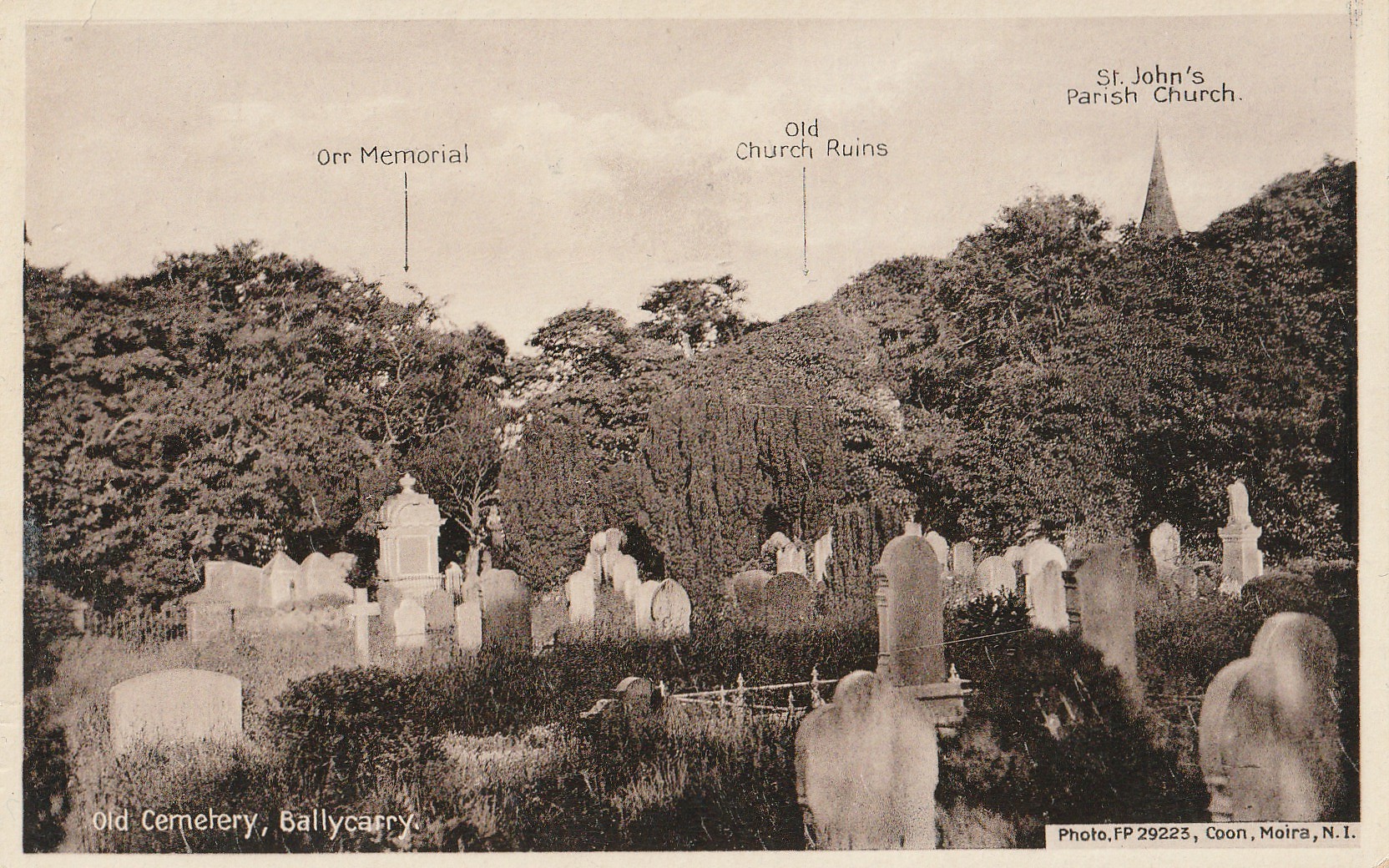
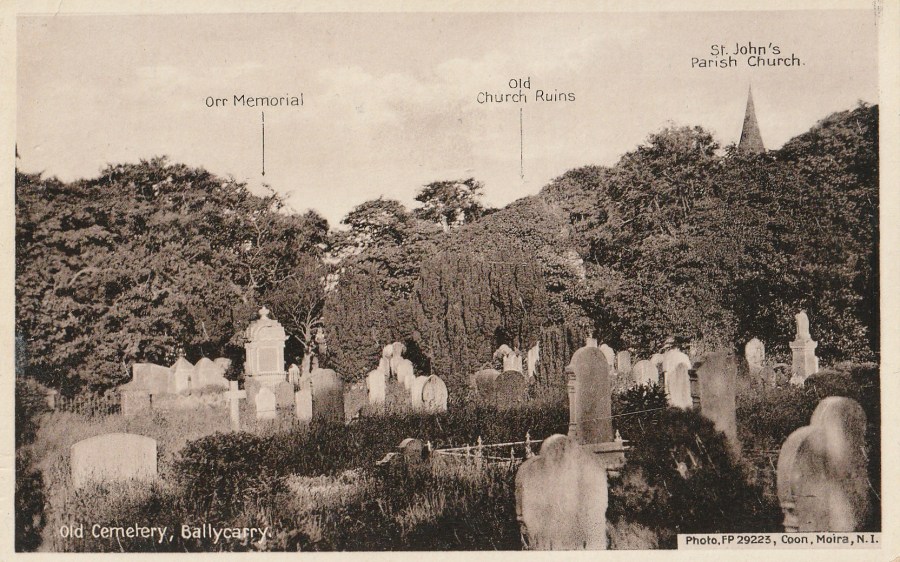
Old Cemetery, Ballycarry, 1929

This was produced for John McKee News Agent and Confectioner, Ballycarry, and is interesting because he has labelled different features of the graveyard, although you can only see the tip of the spire of St John’s Parish Church and can’t see the ruins of the old church at all as they are obscured by trees.

This is what the ruins look like today:
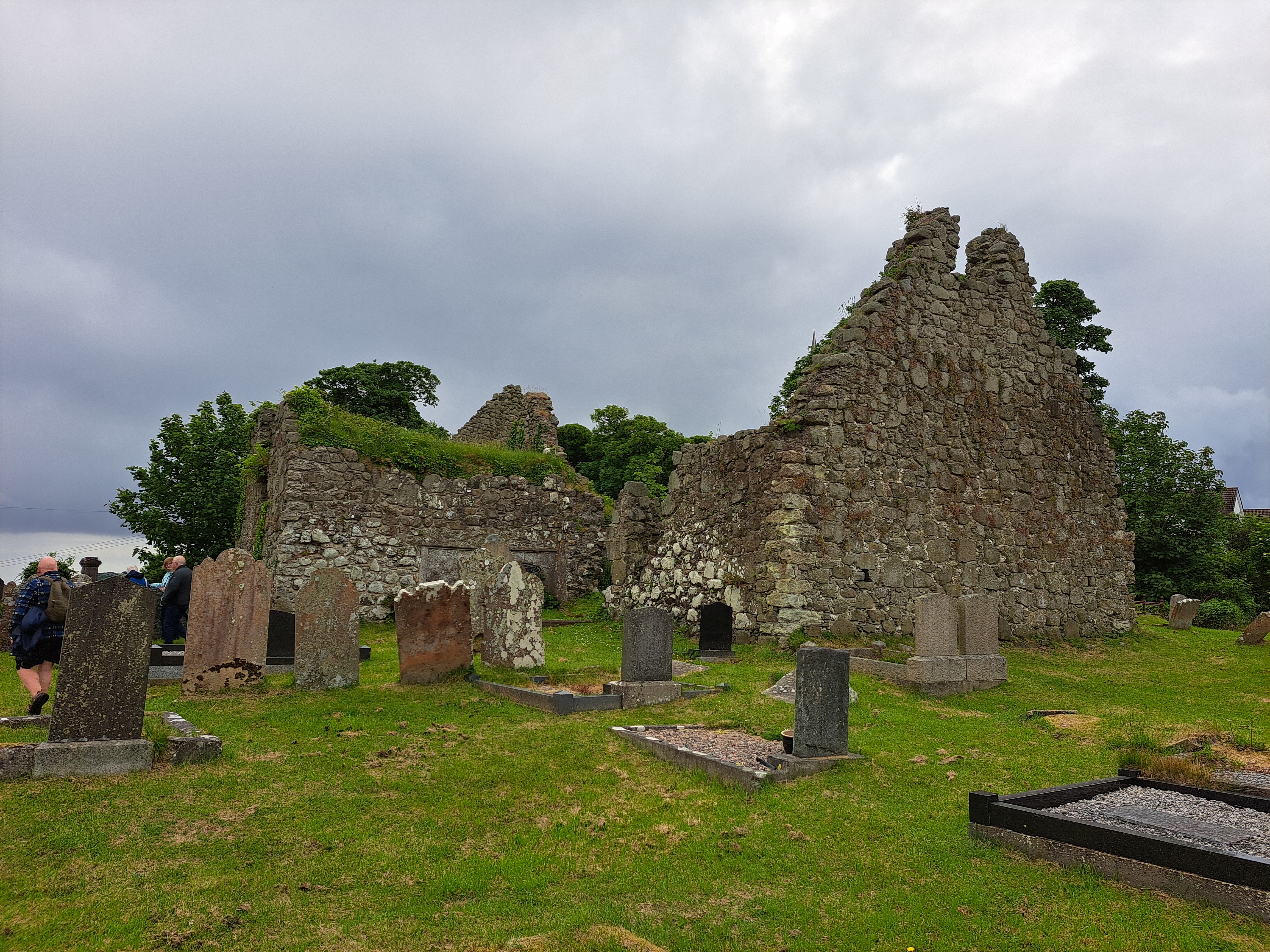
Ruins of Templecorran Church, Ballycarry

You can read about our recent visit to this graveyard here.

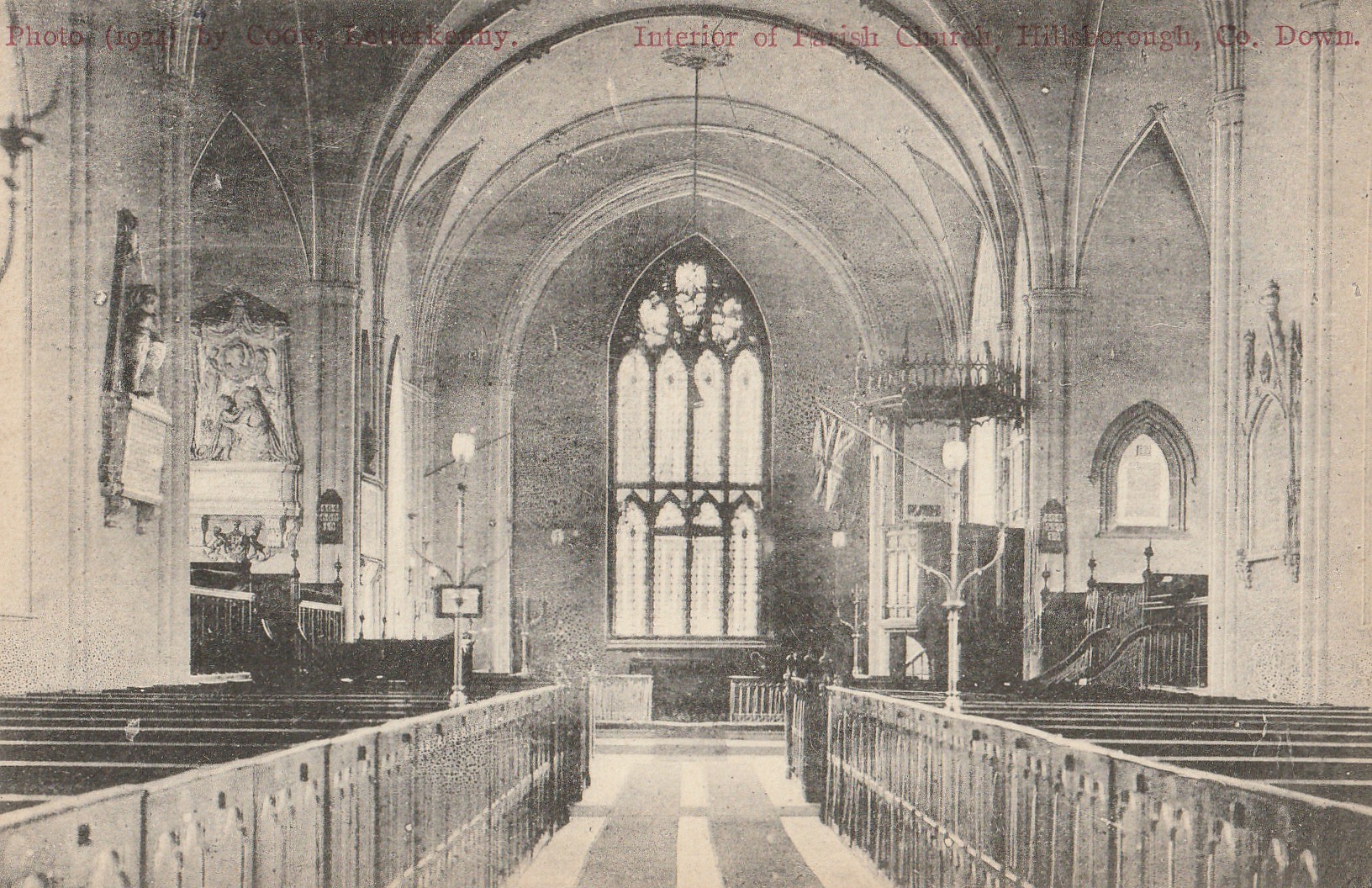
Allen Coon produced a lot of postcards for this part of County Antrim in the later 1920s, in this case giving his location as Moira, NI. Five years earlier his postcards produced for Mrs Johnston, Draper & Boot Merchant, Hillsborough still give his location as Letterkenny:
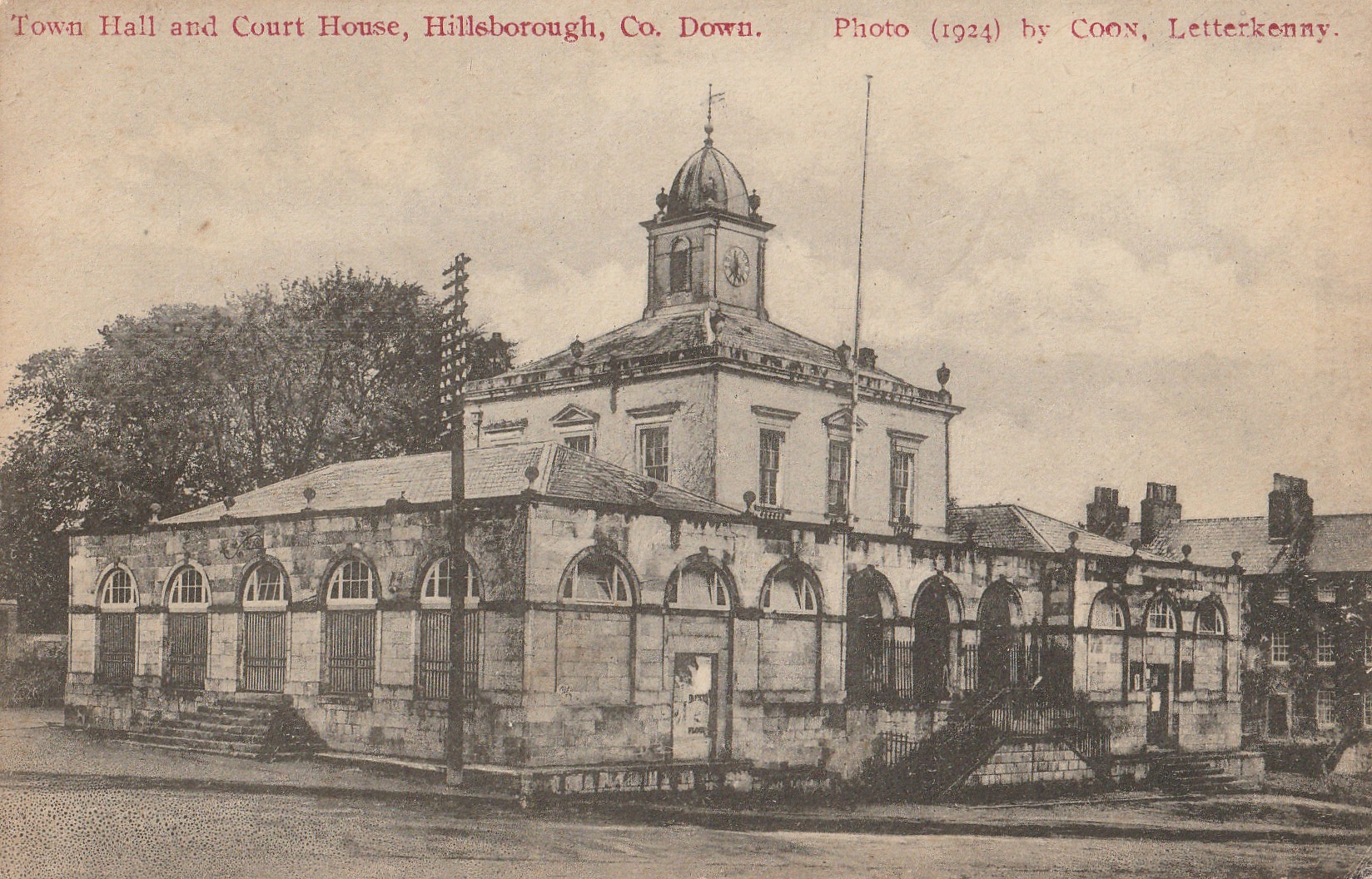
Town Hall and Court House, Hillsborough, 1924

Interior of Parish Church, Hillsborough, 1924

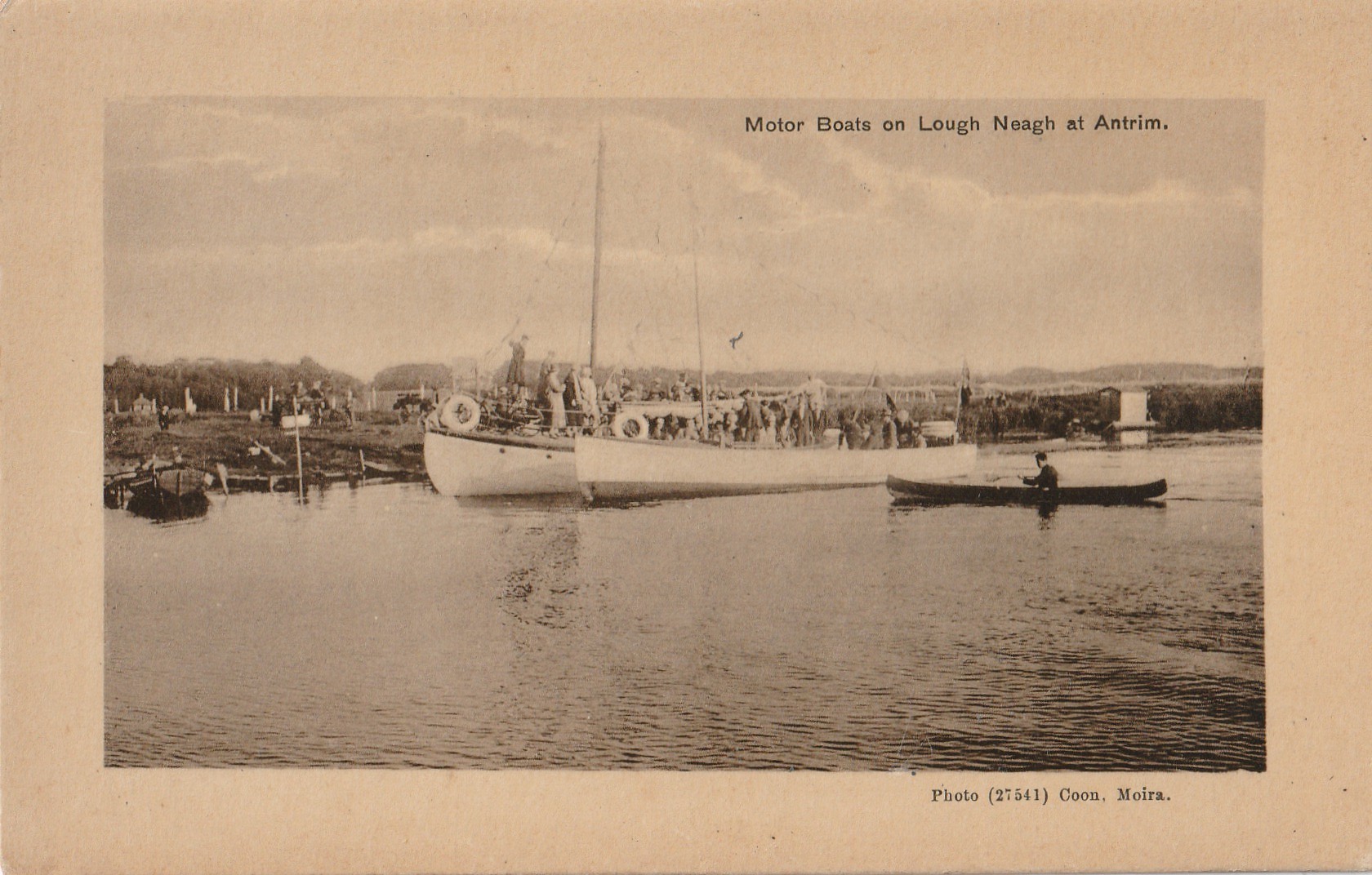
The cards produced in Antrim in 1927 stand out from the others having a large border and a glossy finish. This time they are published for Mrs Simpson, Newsagent and Stationer, Antrim, who must have wanted something different in terms of design. By this time he is well settled in Moira:
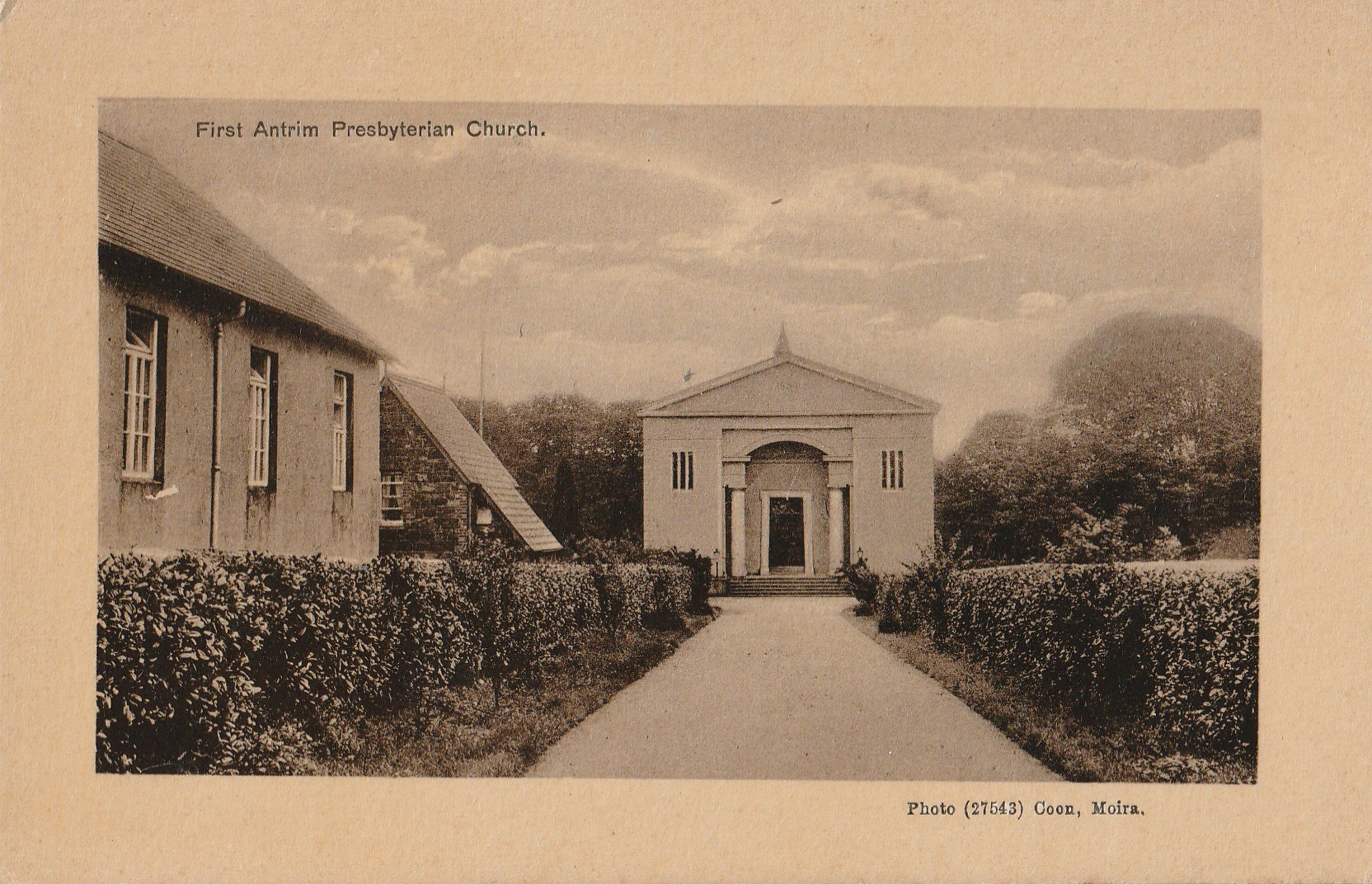
First Antrim Presbyterian Church, 1927

Motor Boats on Lough Neagh at Antrim, 1927

Presumably the motor boats were used as pleasure craft taking people on tours of the Lough.

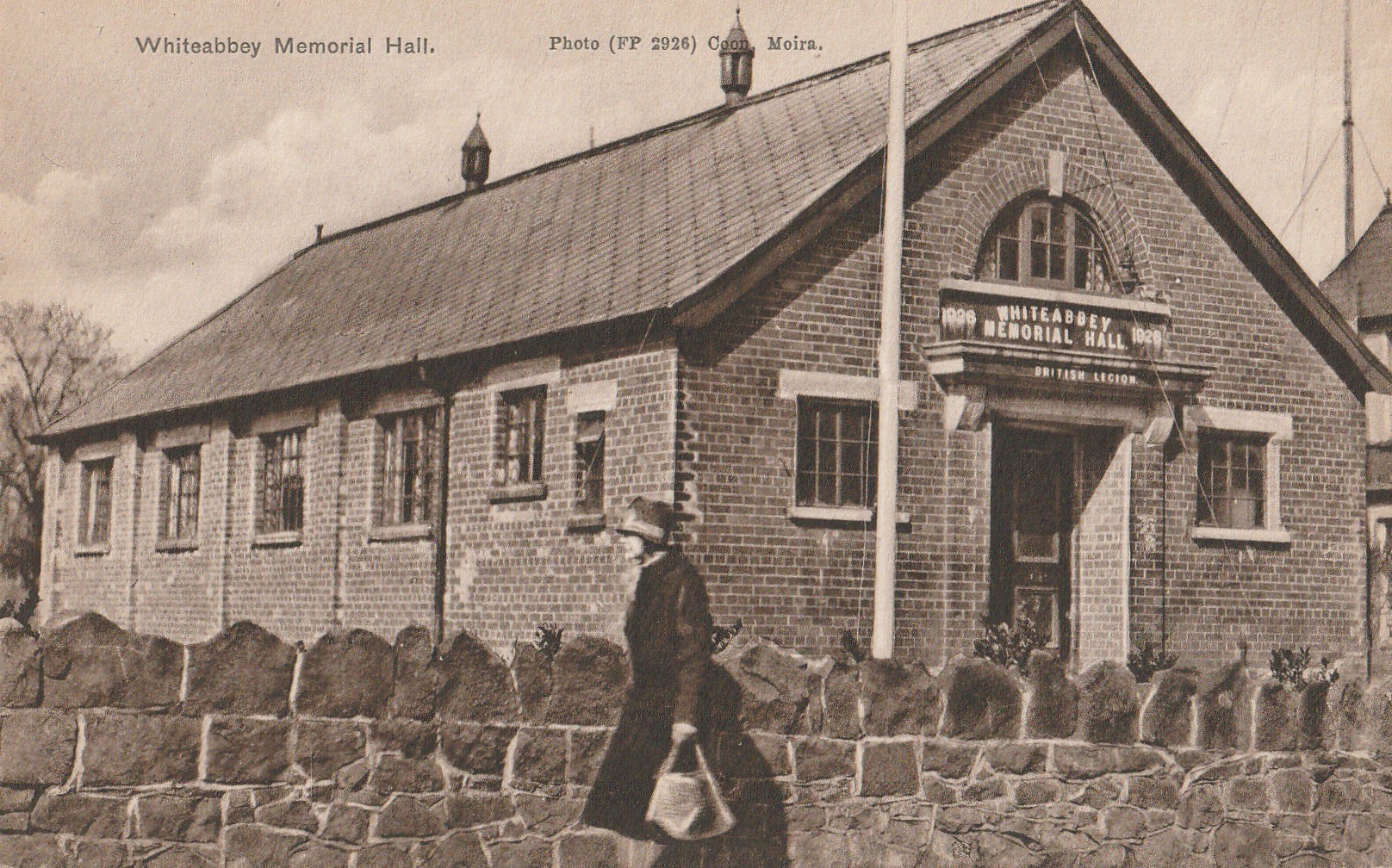
In Whiteabbey in 1929 he produced about 18 postcards for H. Quiery, Newsagent & Tobacconist. He must have exhausted all the possible views of the surroundings.
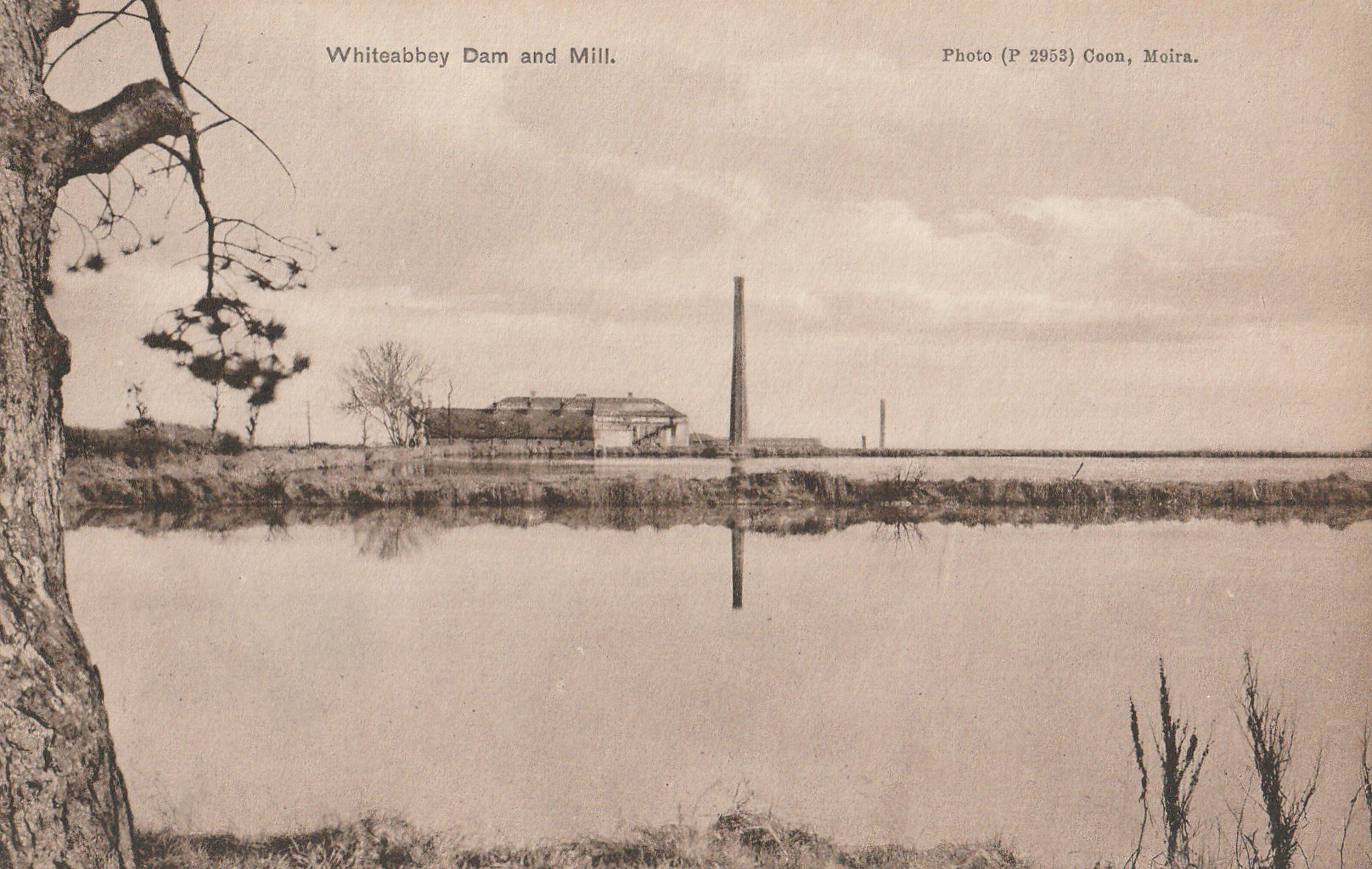
Whiteabbey Dam and Mill, 1929
Whiteabbey Memorial Hall, 1929

A lot of Allen Coon’s pictures are straightforward architectural treatments of churches or halls. But this one is slightly different in that a passer-by boldly walks into shot in front of the Whiteabbey Memorial Hall (opened just two years earlier in 1927). Was this pre-arranged to add a bit of extra detail? Or did the lady accidently cross into the frame while he was standing there with his camera? If this was an unforeseen intrusion into his picture he must have liked the look of the finished article since he could easily have taken another one. But there she remains for posterity, out on her messages, captured on film.
Four churches, a graveyard and a peacock

On 5th June 2025 a party of about 20 of us set off on a journey to visit four Non-Subscribing Presbyterian churches in county Antrim plus an historic graveyard (including the ruins of a very historic church) and met a Non-Subscribing Presbyterian peacock along the way. We had as our expert guide the Rev Dr John Nelson whose extensive knowledge kept us informed and entertained all day.

We left Dunmurry and headed for Ballycarry where we visited first Templecorran graveyard.

The ruins of Templecorran church

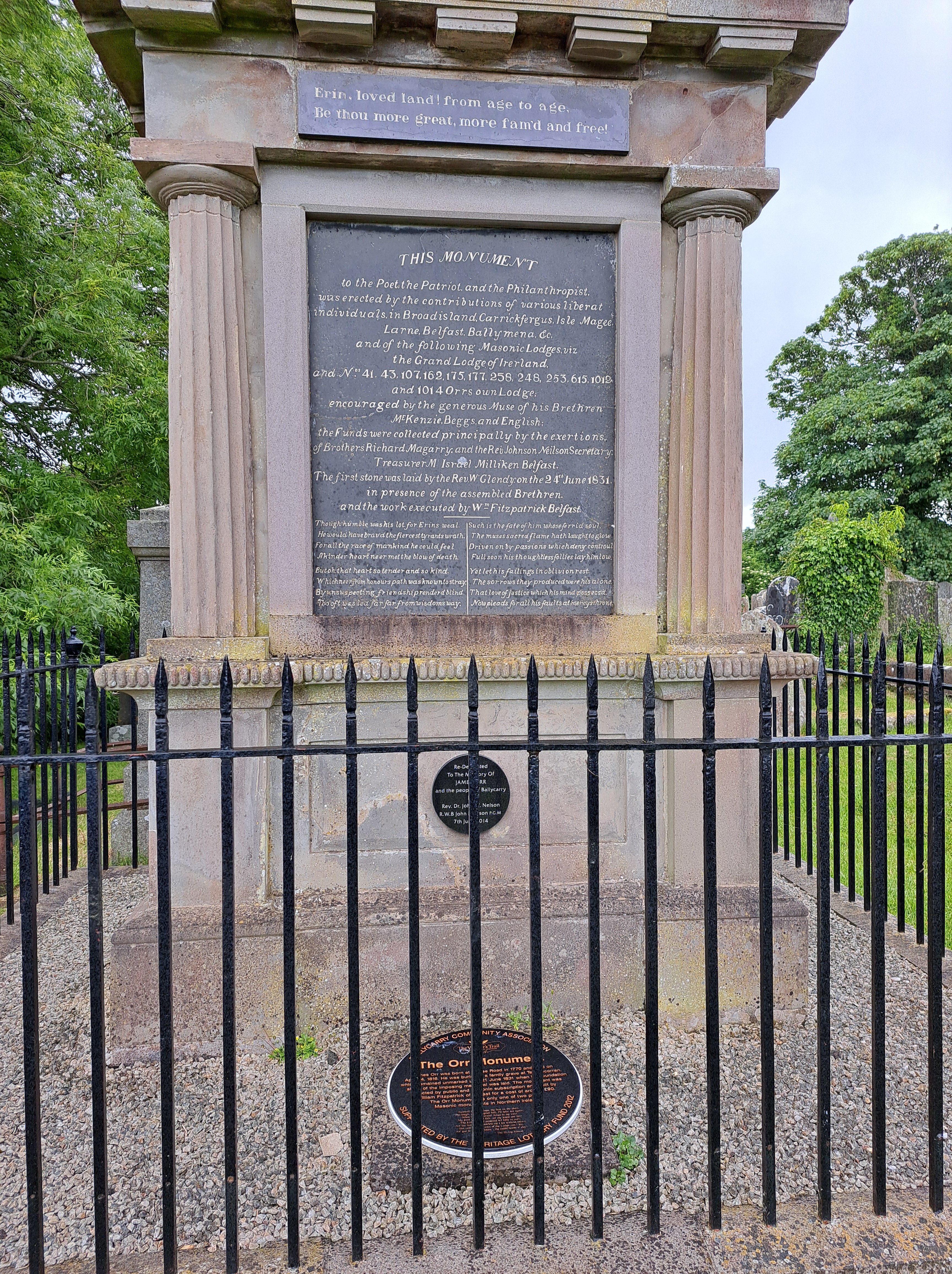
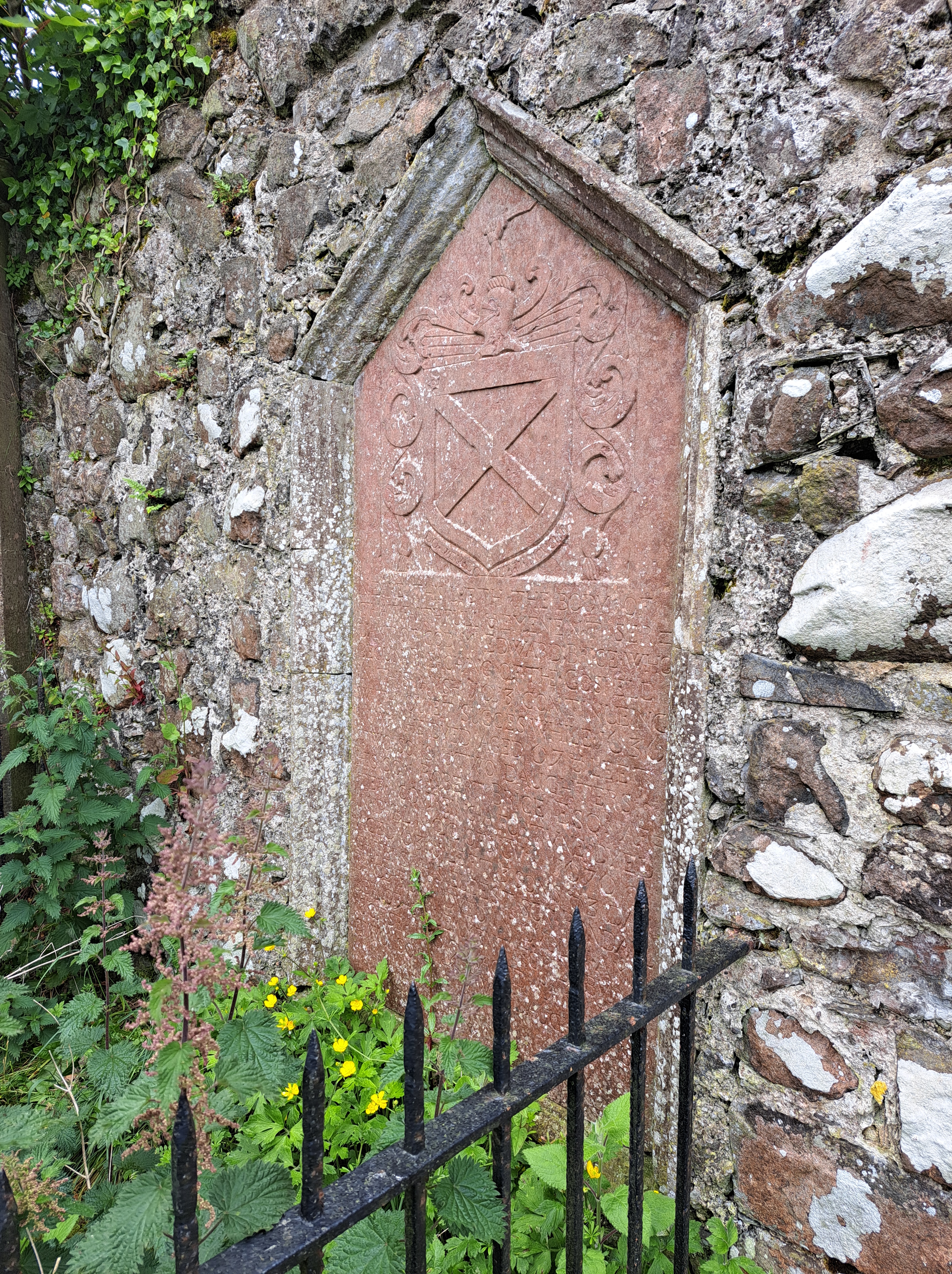
The original parish church used by Edward Brice, the first Presbyterian minister in Ireland in 1613, is now in ruins but it contains many interesting items, including Edward Brice’s grave, the grave of the Rev John Bankhead and a memorial to James Orr, the Bard of Ballycarry.

Grave of Edward Brice
James Orr memorial

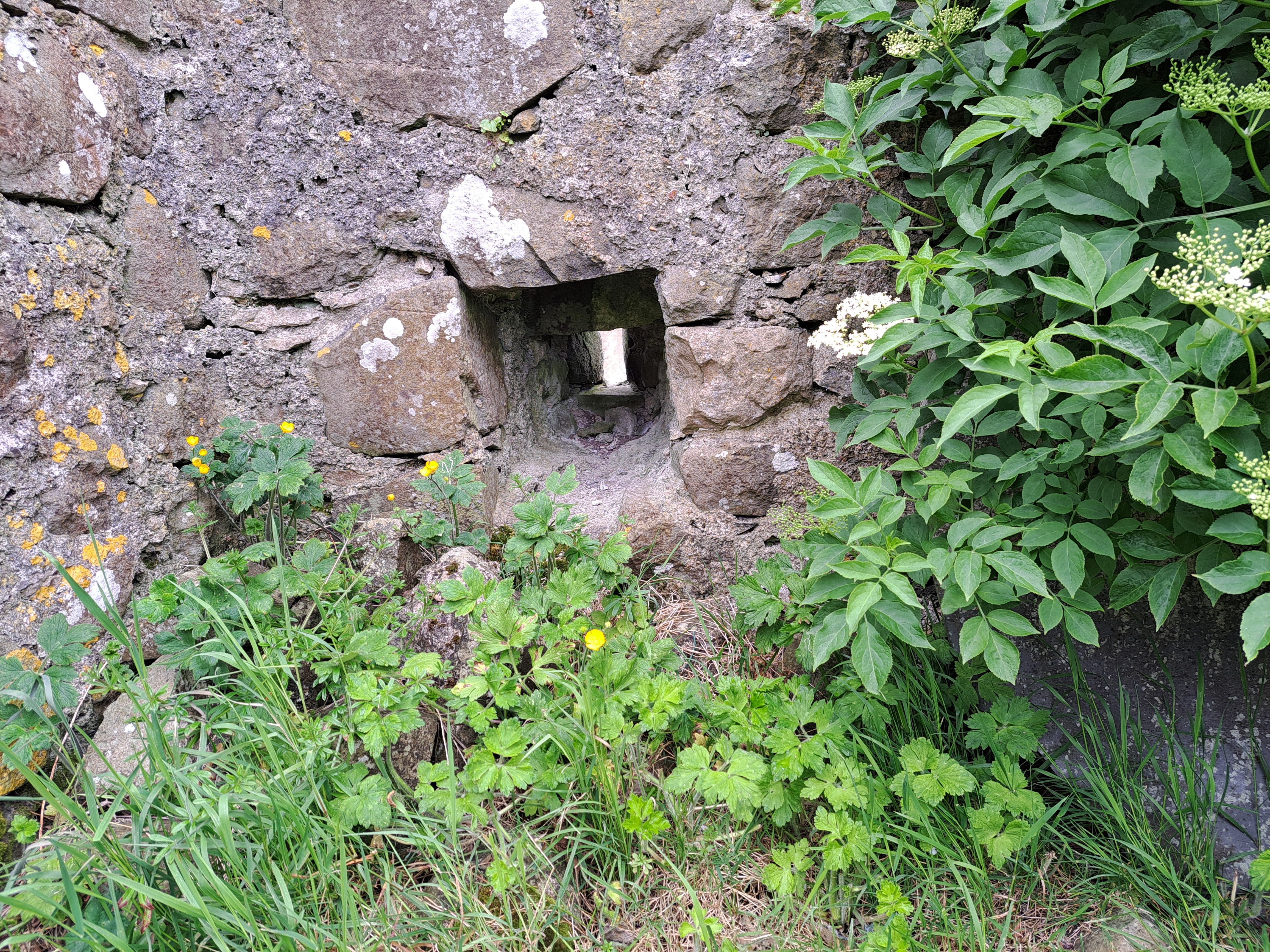
The church was renovated in 1622, during the ministry of Edward Brice, and being built in dangerous times was constructed to be defendable; musket loopholes can still be seen which would have covered all angles of the church should it ever have come under attack.

One of the musket loopholes

The church at Templecorran was slated (unlike the first Ballycarry meeting house which was thatched) and was occupied by Edward Brice and his congregation until he was ejected in 1637.

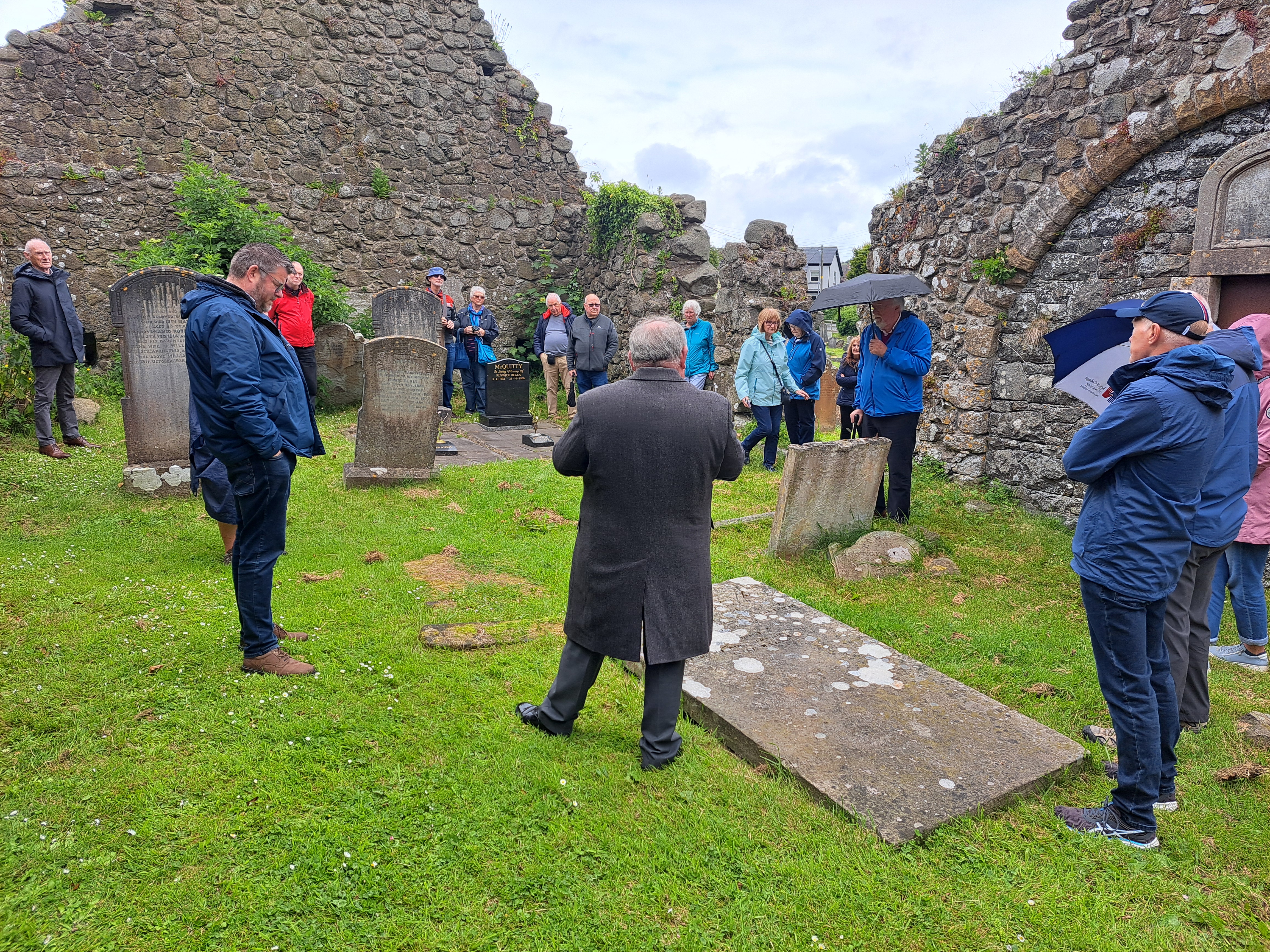
Inside Templecorran church

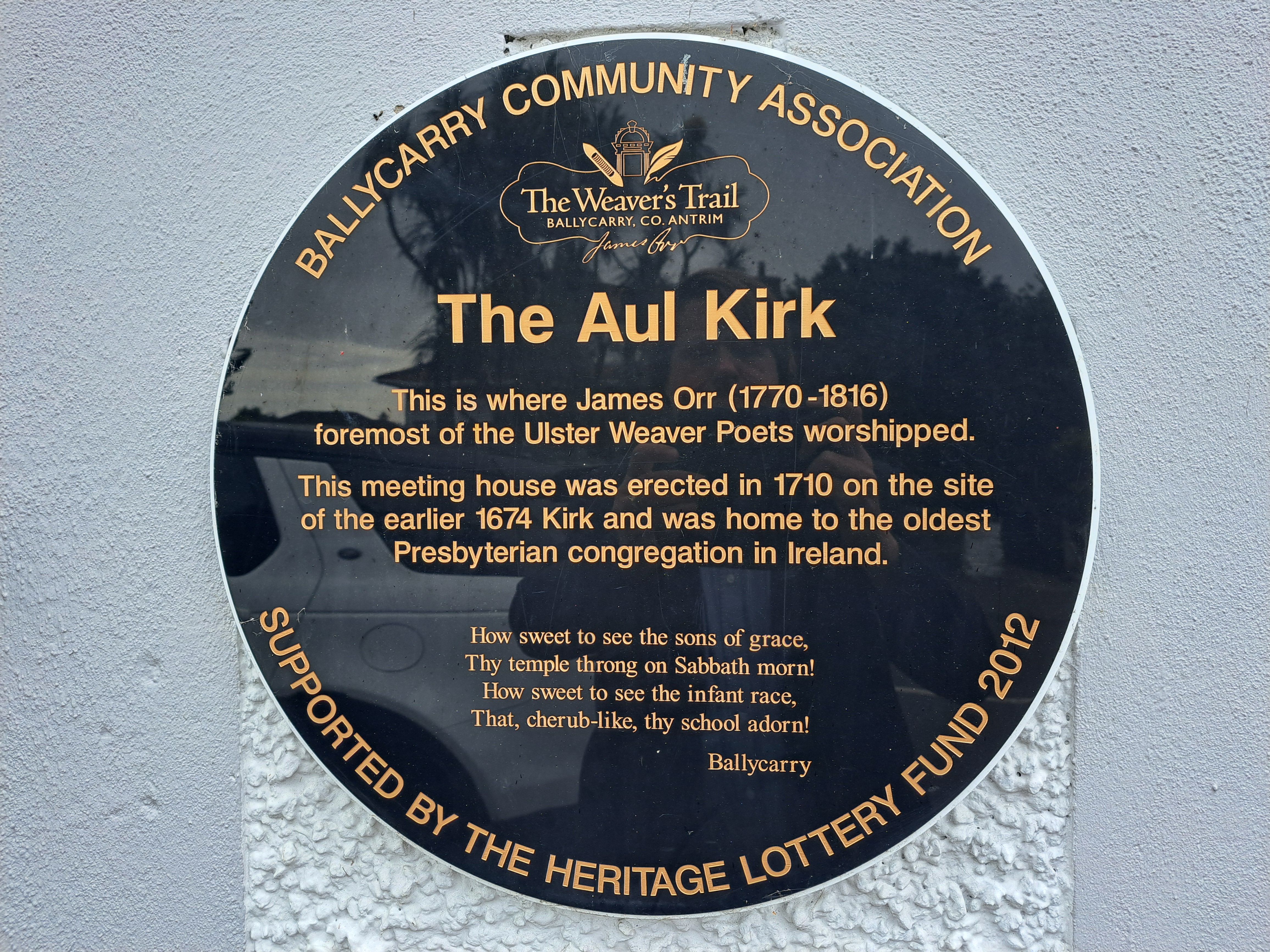
From the old church it is a short walk to Ballycarry where Dr Nelson told us the story of the meeting house, itself dating from the early 18th century.

Ballycarry plaque
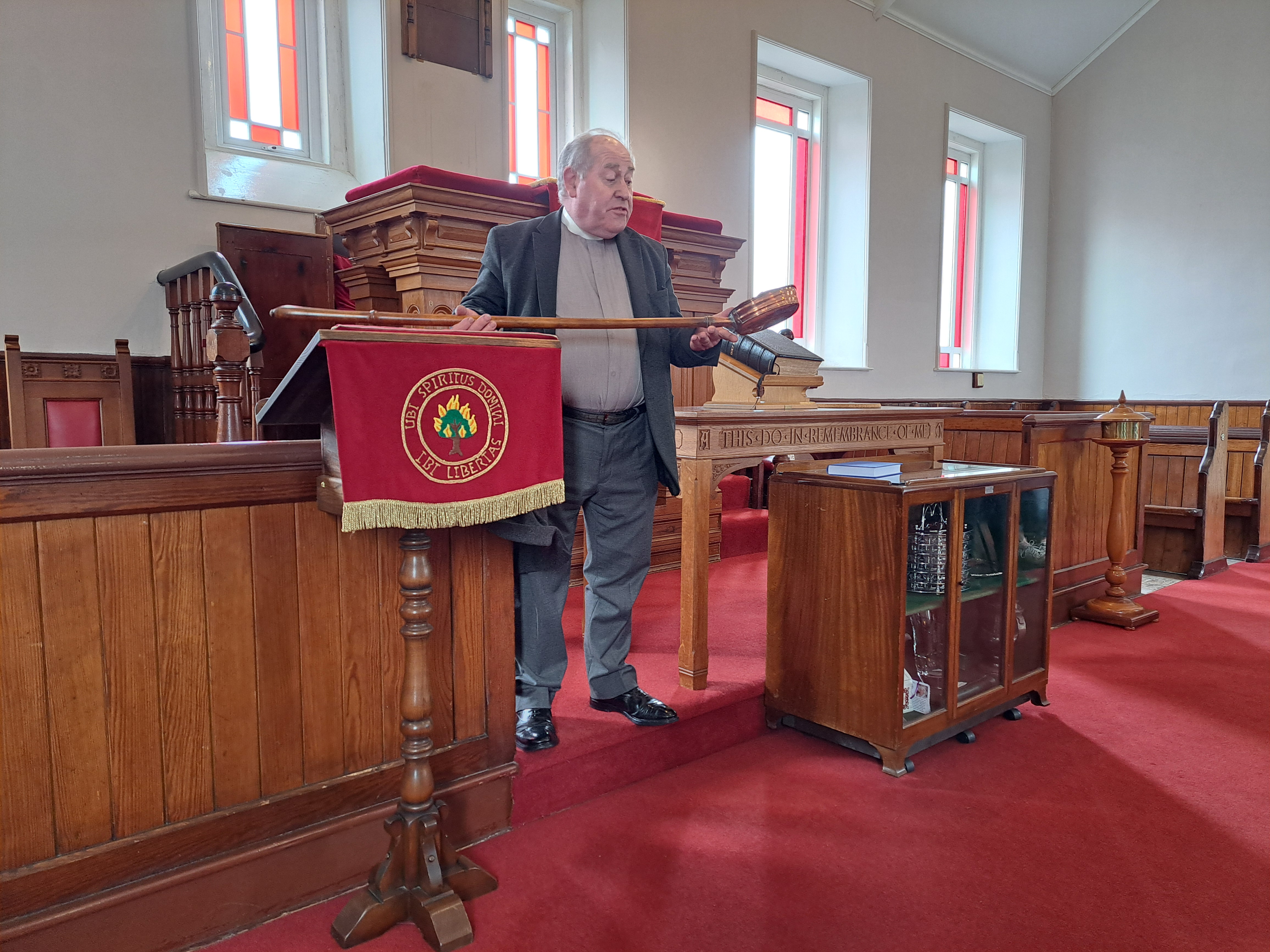
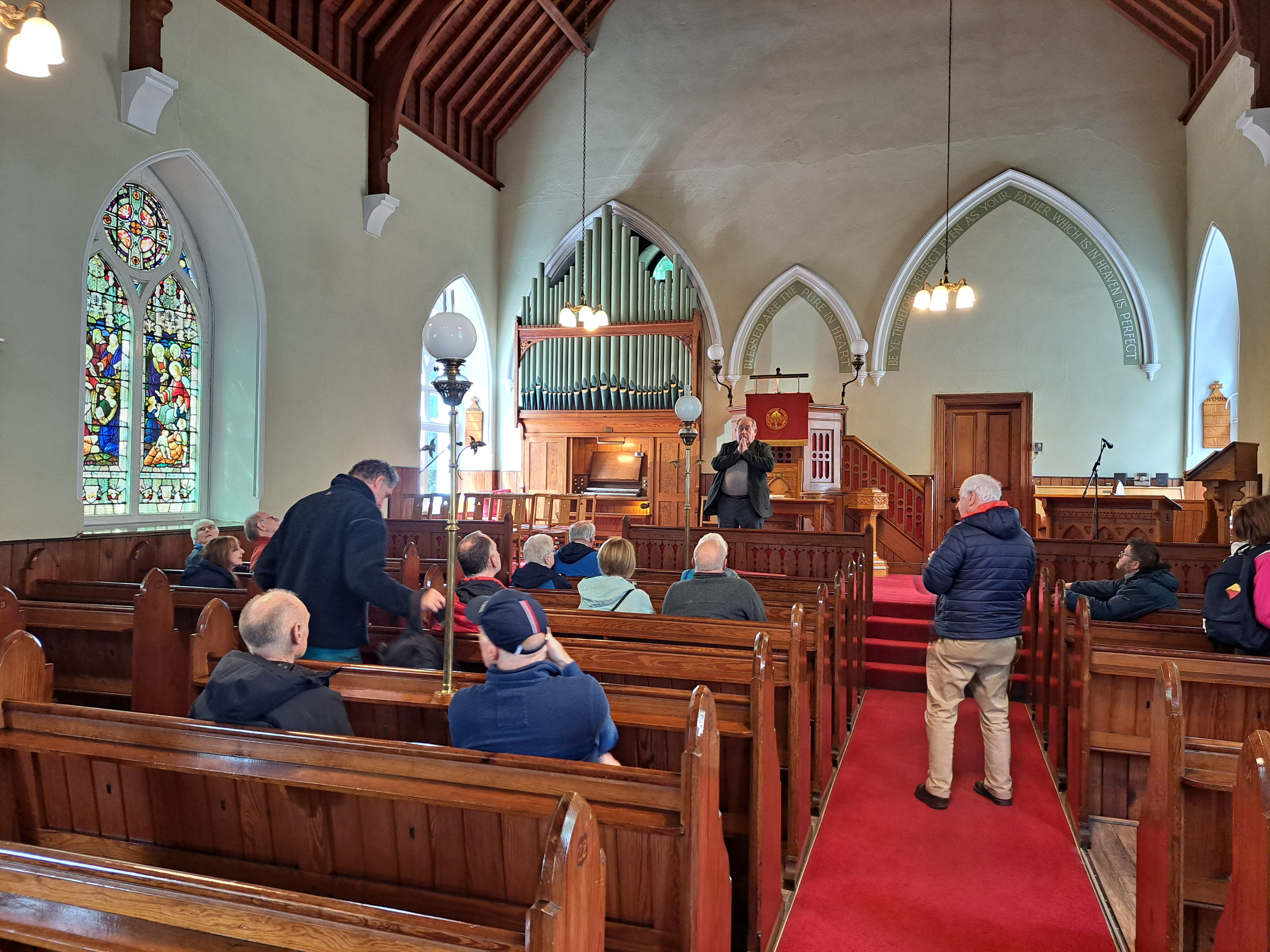
Inside Ballycarry meeting house

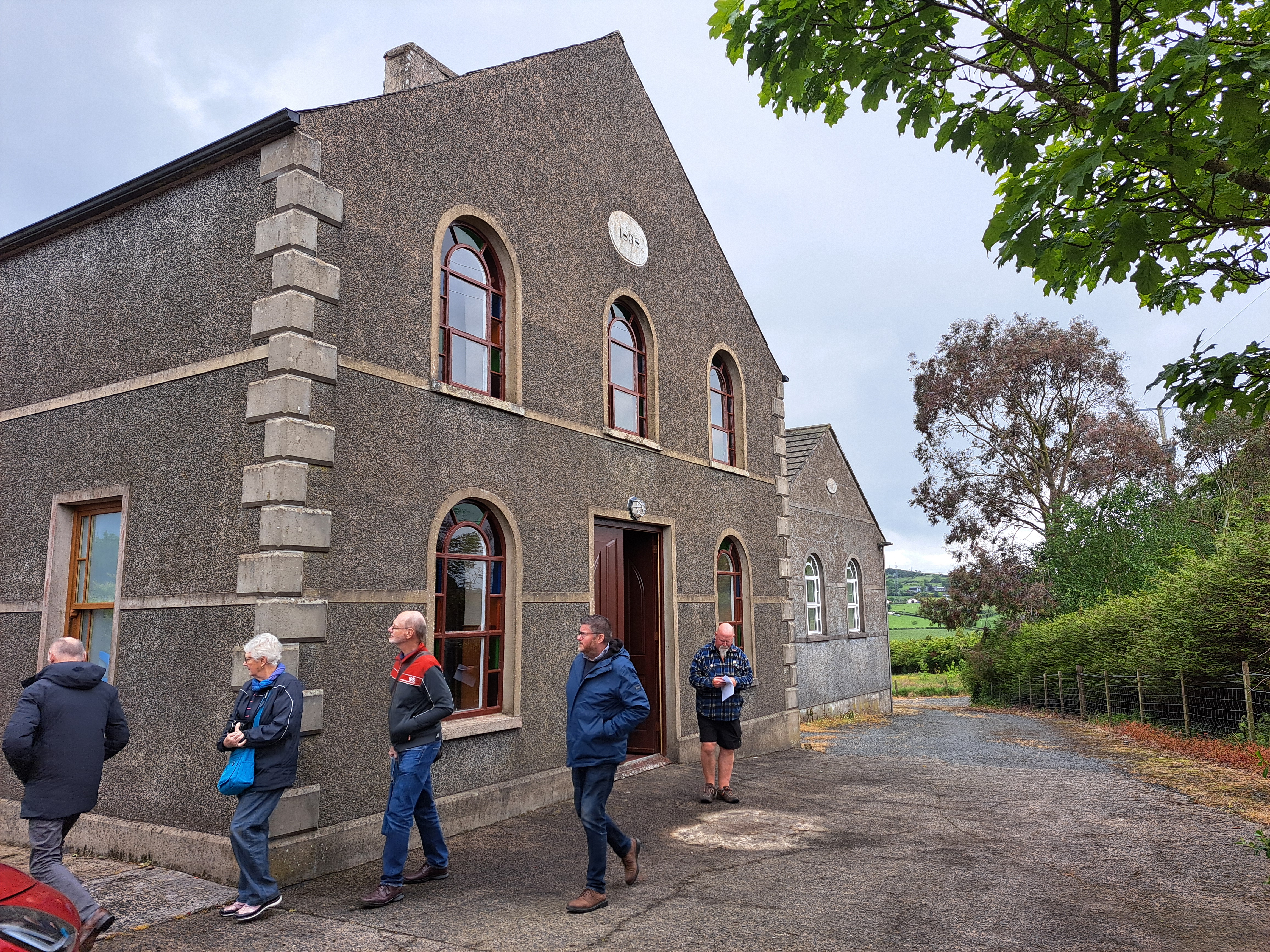
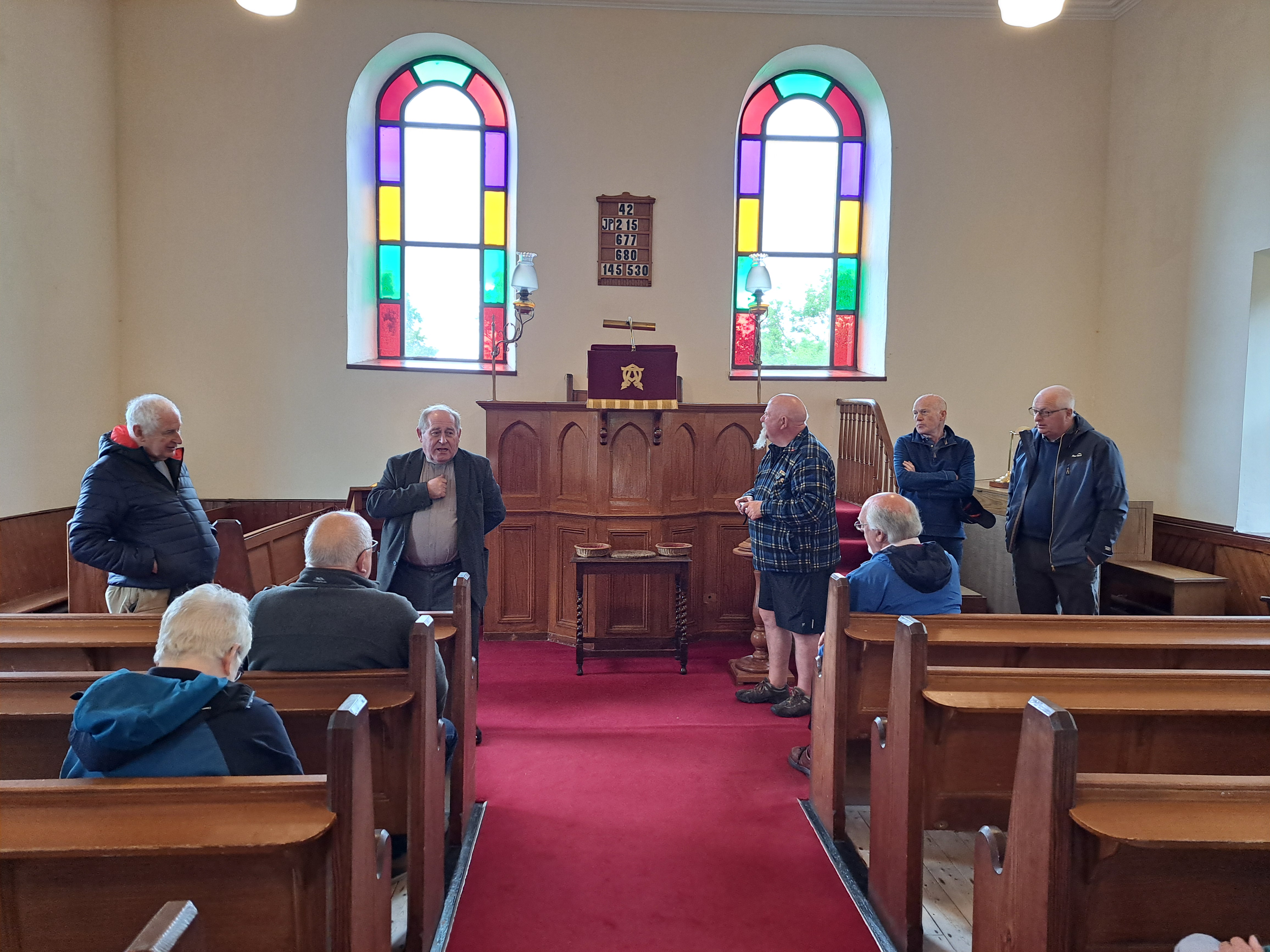
It’s not far from Ballycarry to Raloo but some of us still managed to get lost! But we got there in the end to enjoy the Remonstrant meeting house of 1838 and adjoining modern church hall.

Raloo
Raloo interior

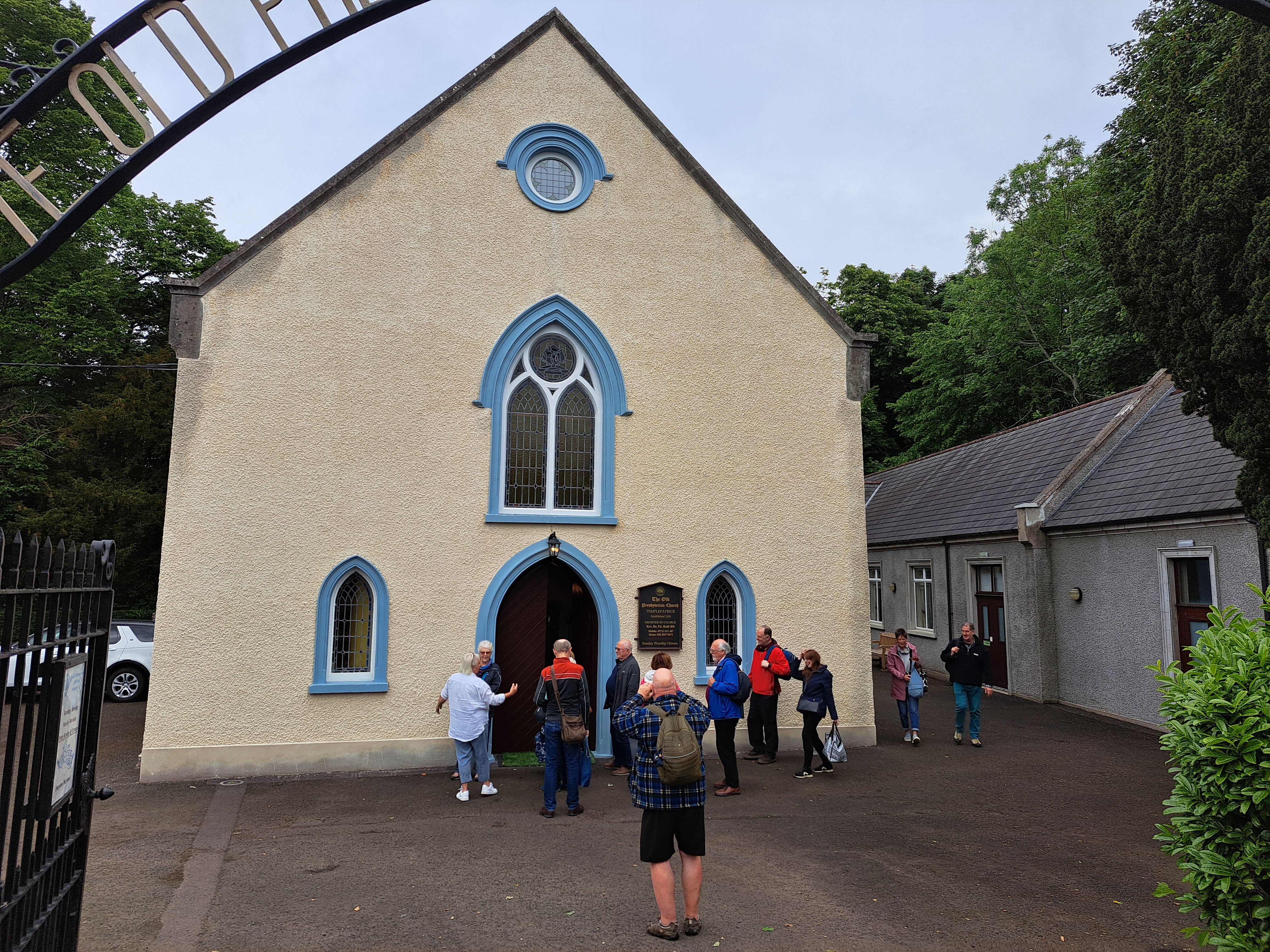
From Raloo we went to Templepatrick where we were able to enjoy our lunch thanks to the kindness of the congregation. Templepatrick is an attractive church which has often faced upheaval. In 1798 the brass canon used by the United Irishmen at the battle of Antrim were stored under the pews. One of these was dragged to the battle on a carriage which was fired once and blew the carriage to pieces.

Templepatrick

Later when the congregation became Remonstrant the landlord Lord Templeton evicted the minister from the manse farm.

Templepatrick interior

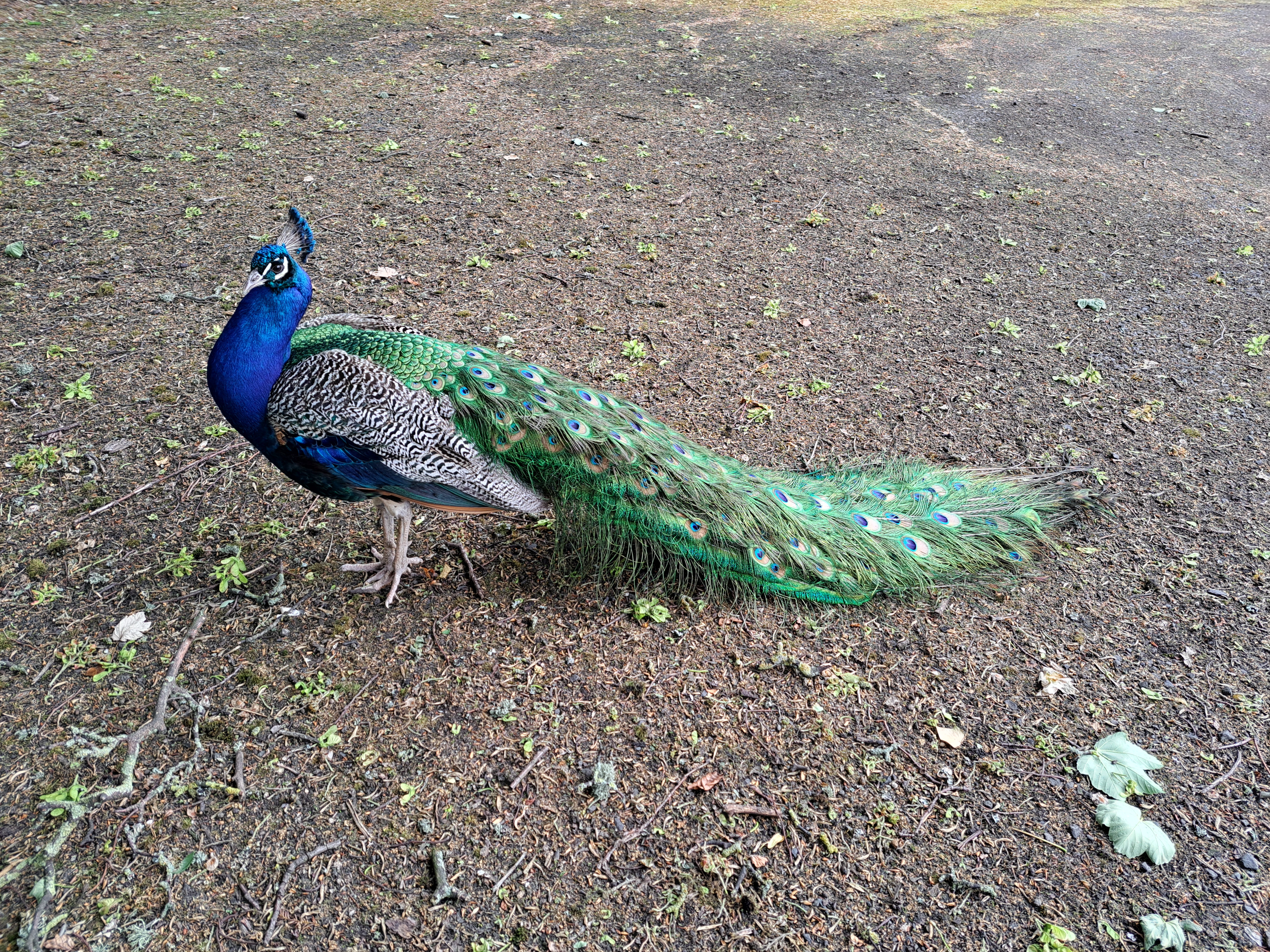
While we were in Templepatrick a peacock was spending some time in the car park:

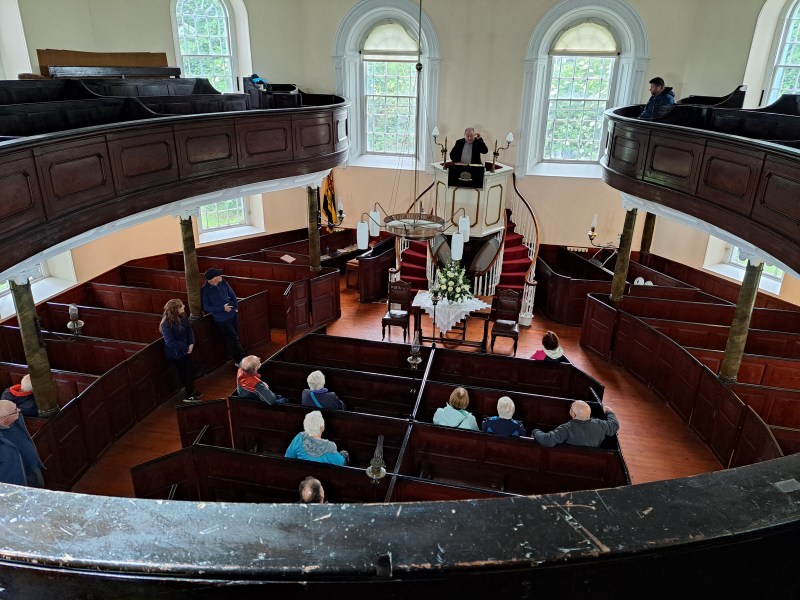
Finally we went off to Crumlin, a congregation founded in 1715, which built a new church in 1835 which was a miniature version of First Church, Belfast.

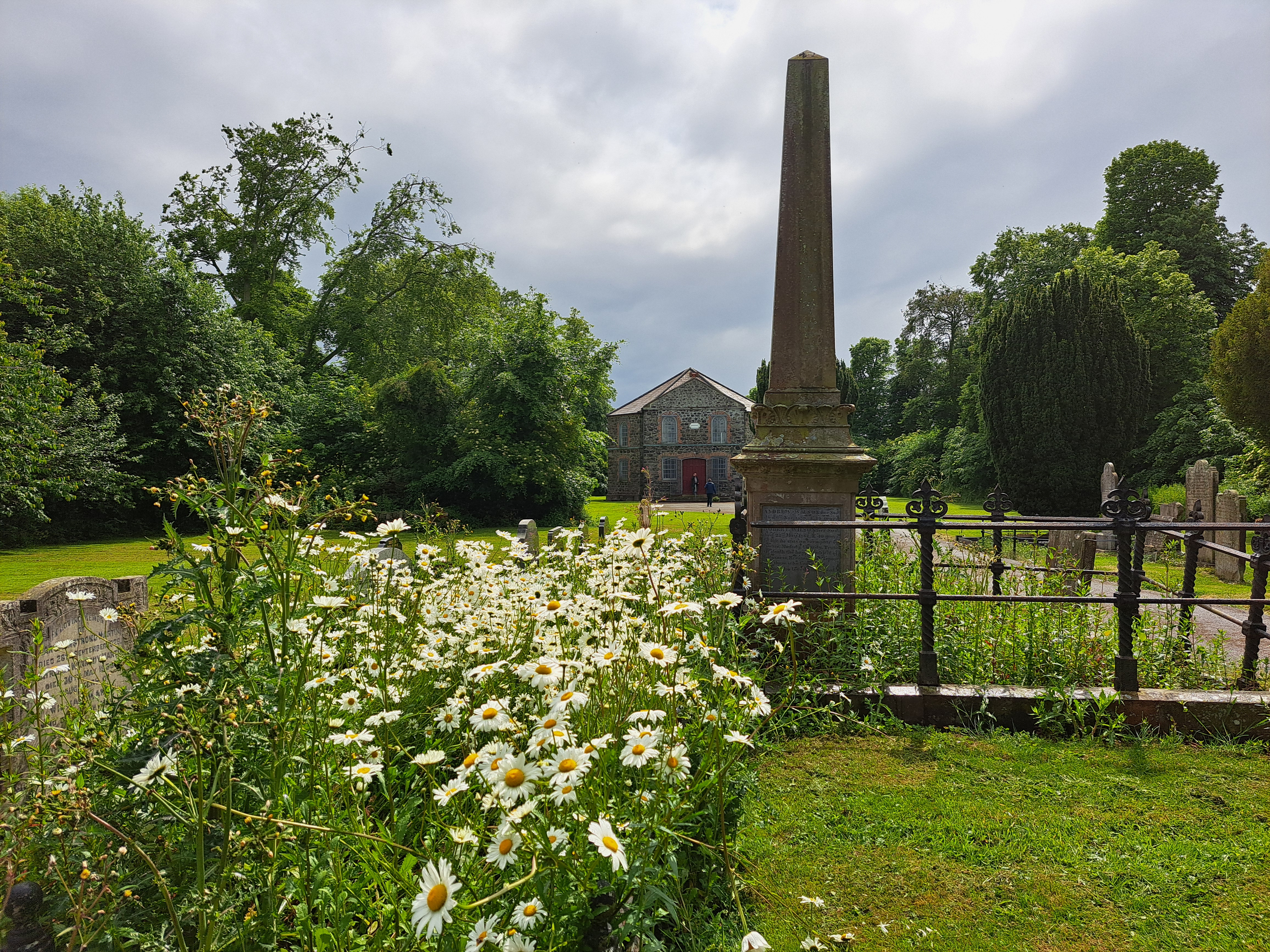
Looking through some wild flowers towards the church
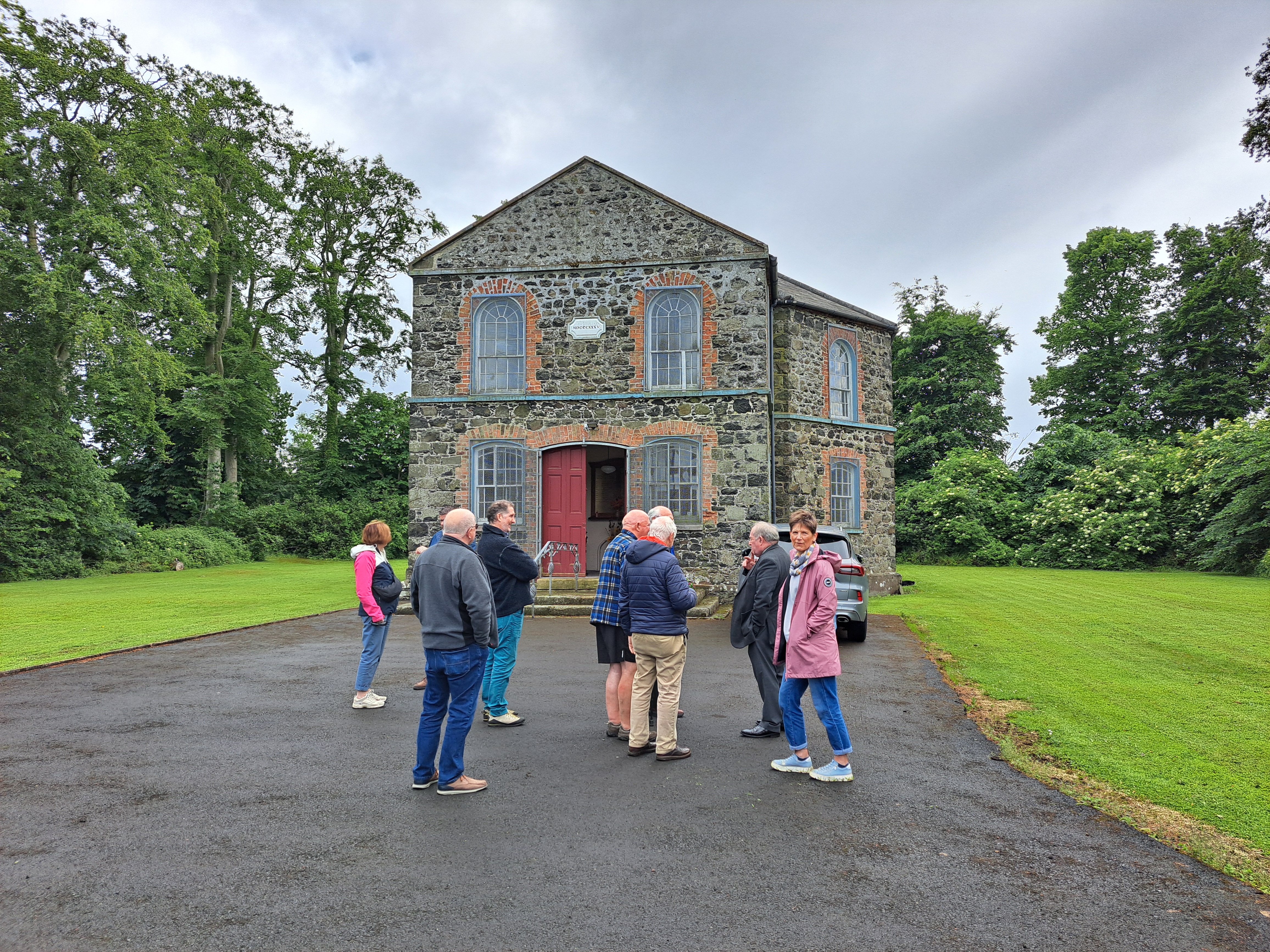
Outside Crumlin

It is such an elegant building that deserves to be better known.

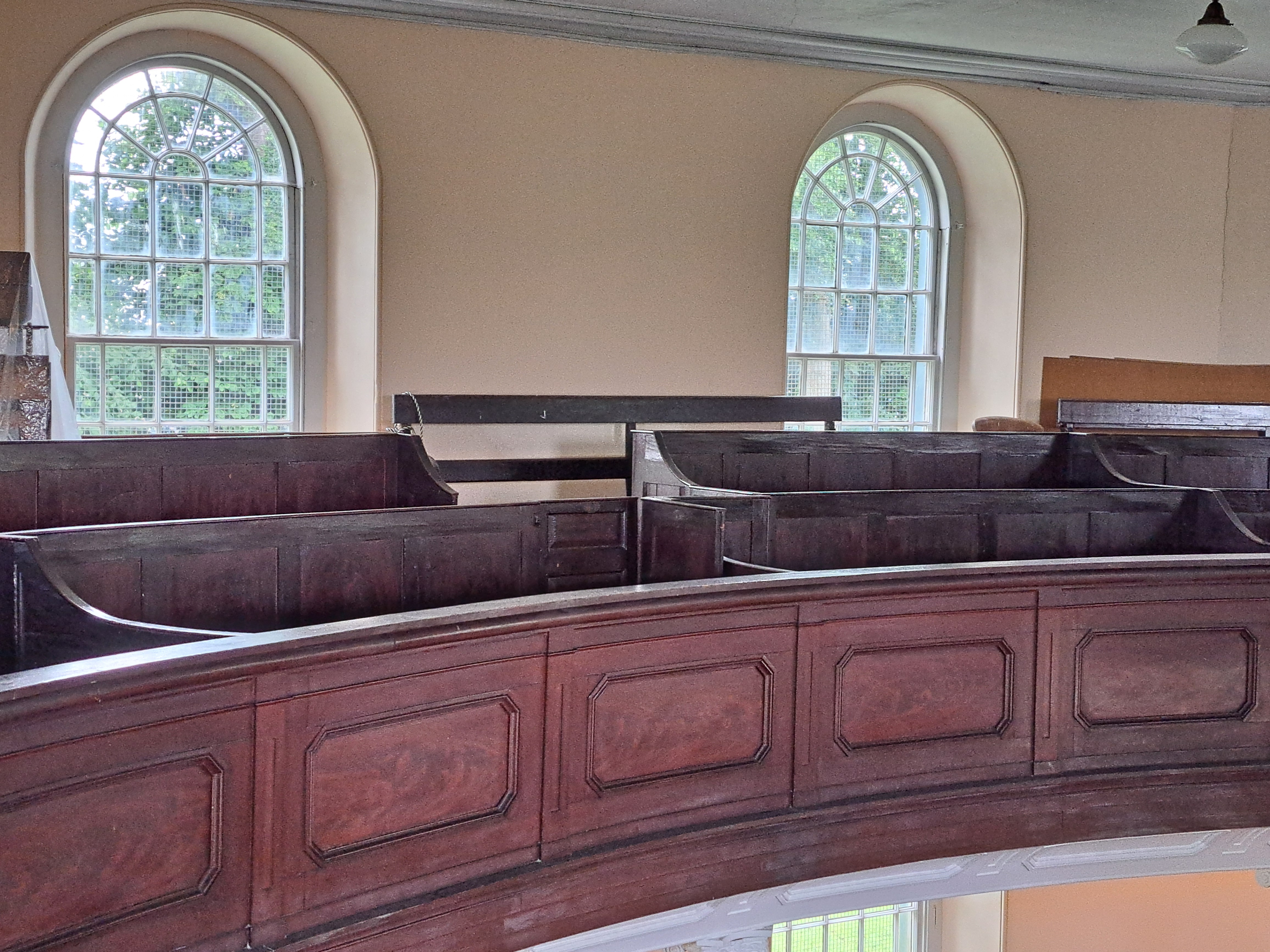
Crumlin gallery
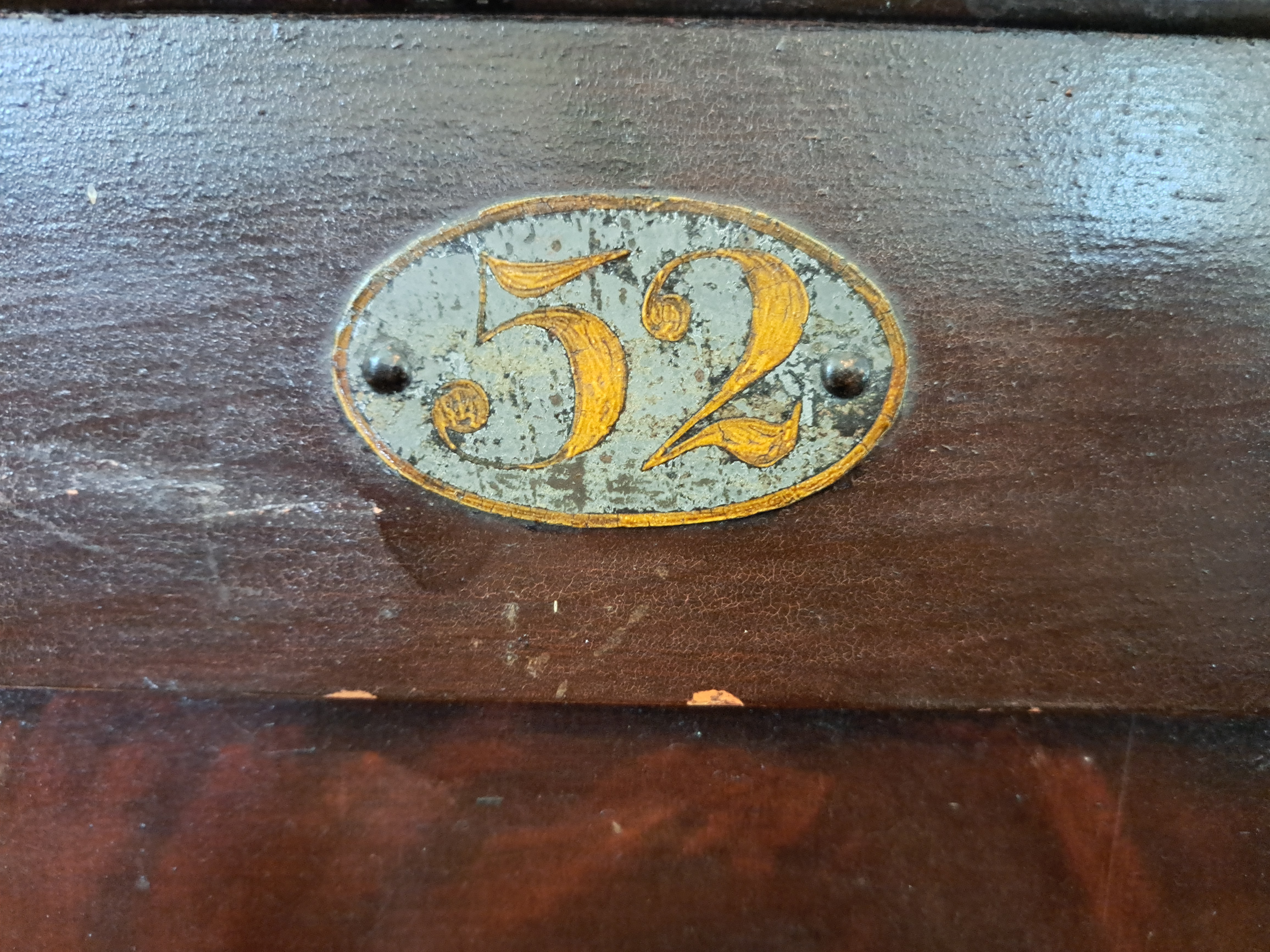
Crumlin pew number

The church was particularly associated with the Rev Nathaniel Alexander who was 6 feet three inches tall. The pulpit consequently has a trap door that was open when he preached so he could stand at a slightly lower lever.

It was a great day out, many thanks go to Rev Dr John Nelson.

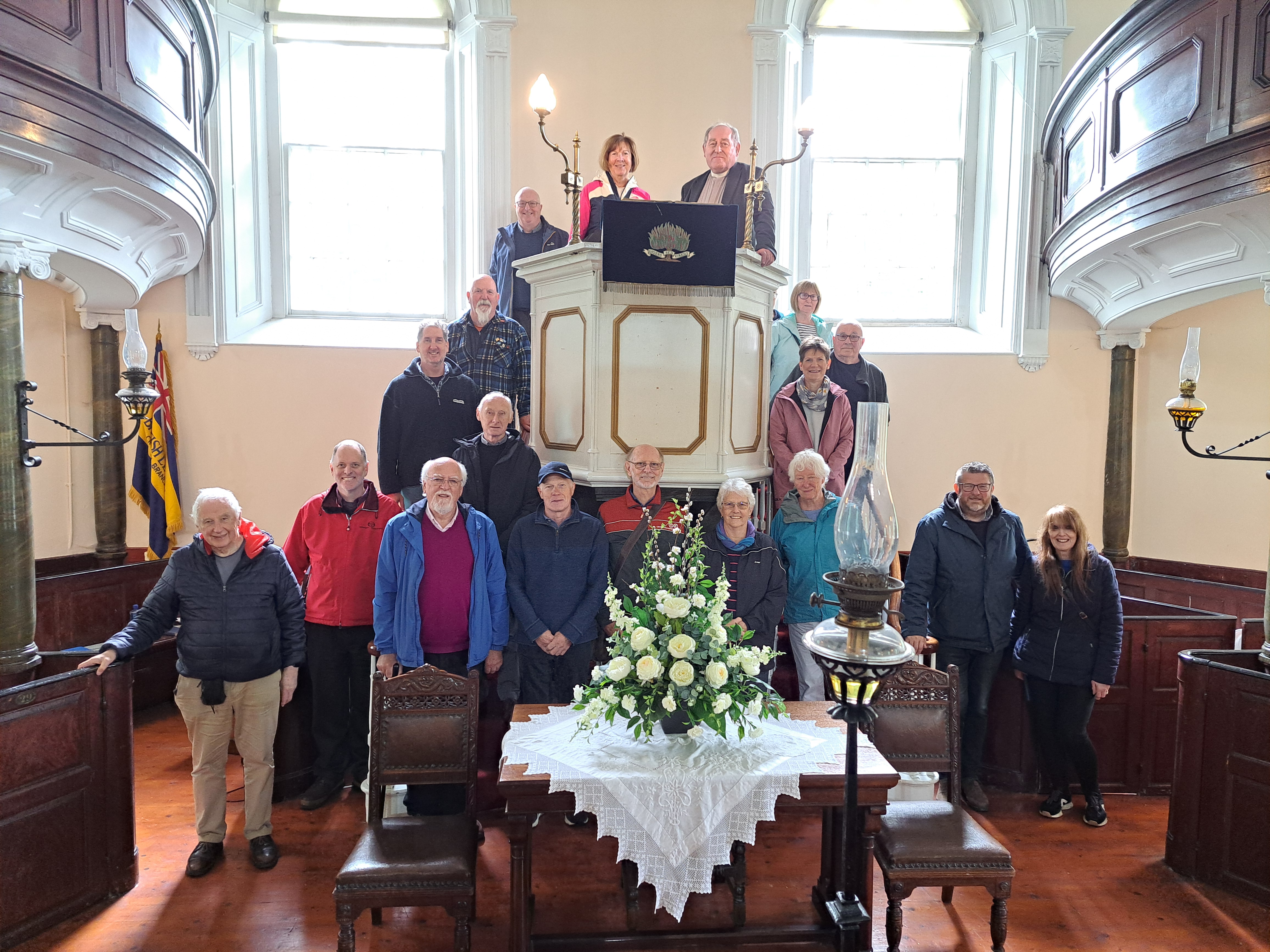
Our group in Crumlin