The Antrim Meeting of 1626 and Rowel Friers

A recent post looked at the two wonderful Rowel Friers cartoons which hang on the wall of the Library in Dunmurry, as well as the video which explains the story about them. As the post explains these pictures were commissioned by the Rev William McMillan for his impressive Exhibition illustrating the history of the Presbytery of Antrim held in January 1976.

It must have been an attractive display in the McCleery Hall, the Rev Mac sourced portraits, books, communion plate, swords and pikes from the ’98 Rebellion, sculptures by Rosamond Praegar, commmunion tokens, copper collecting pans and all sorts of material from all over Northern Ireland. There was even a mould for making eighteenth-century communion tokens from Ballycarry and – something I had not previously heard of – an eighteenth-century family token box, described as ‘a wooden box holding a small leadbox in which the token was taken to the meeting house.’

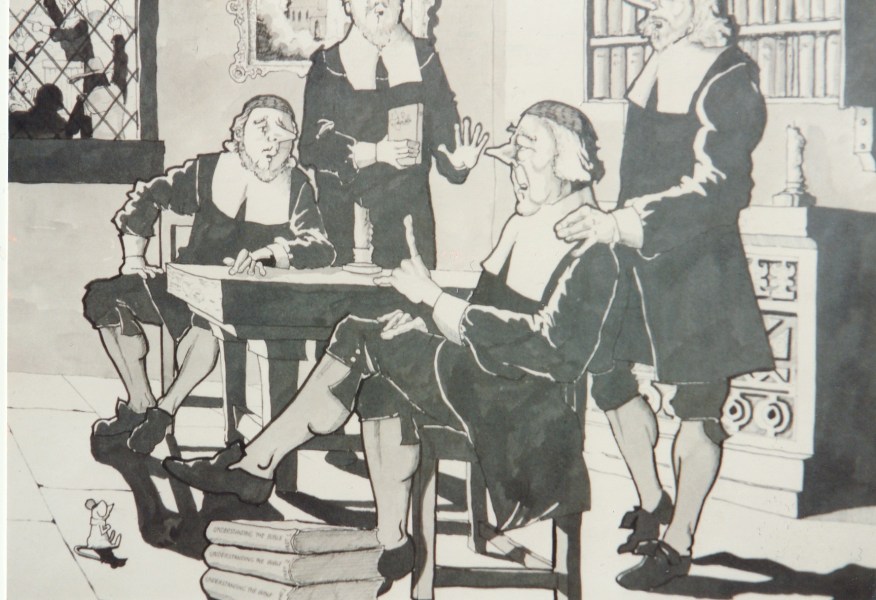
One feature of the Exhibition for the 250th anniversary of the Presbytery of Antrim is that there were in fact three, not two, Rowel Friers cartoons included. Unfortunately one of these has been missing for fifty years. However, we have now discovered a photograph of the lost picture and this features in our latest video:

Click on the video to see the video about the 1626 Antrim Meeting

The Exhibition was held in January 1976 and covered both the creation of the Presbytery of Antrim in 1725 and its separation from the Synod of Ulster. It was also intended to cover the anniversary of the creation in 1626 of the original Antrim Meeting. The Exhibition must have been fascinating but unfortunately in that pre-digital age there were very few photographs taken. There is only one that shows the Exhibition in the Non-Subscribing Presbyterian magazine at the time:
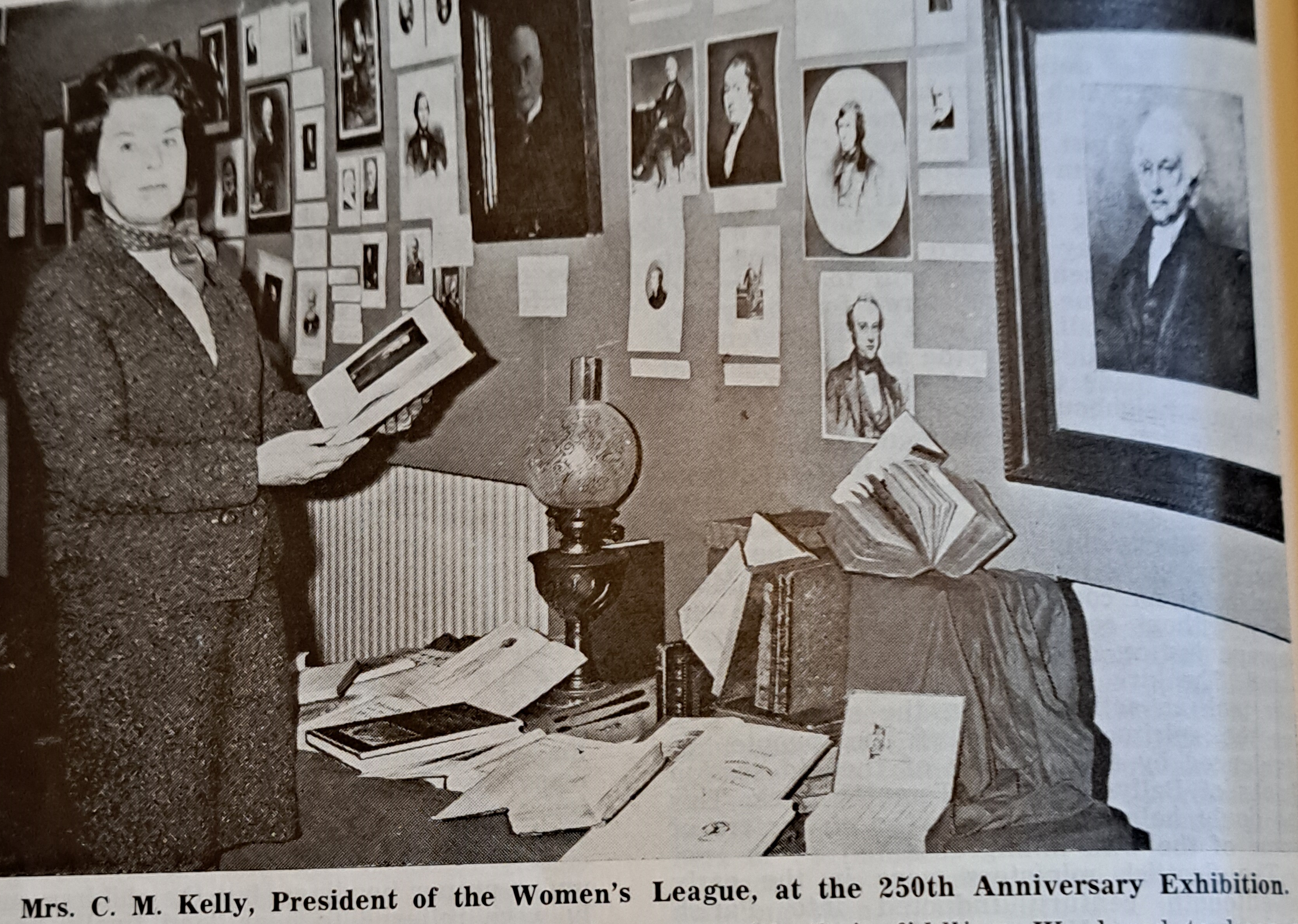
Betty Kelly at the Exhibition in the McCleery Hall in 1976

There were a large number of dignitaries invited to the dinner that followed the Exhibition, representatives of all denominations, figures in public life, historians and international figures. Many of the speeches are recorded in the Non-Subscribing Presbyterian magazine and the Rev John Radcliffe, clerk of the Synod, made reference to the third Rowel Friers cartoon:

‘There are two extreme forms of the expression of religious sentiment. There is one that is very well expressed in the person here described: “His mind and voice had precisely the fluid quality of some clear, subtle liquid: one felt it could flow around anything and overcome nothing.” That is the extreme of presenting the Christian faith in such delightfully attractive style, with such a fluency of language, with such a vividness of imagery, that it will flow around anything and overcome nothing. At the other extreme there is another sort of Christianity, corybantic Christianity. There is a cartoon on the wall there, a drawing of four rather austere clerics, and the date is 1626. Outside you see somebody rousing a rabble – not unheard of in these days. The four rather serious looking clerics are trying to bring a bit of reason into it all; and the man outside is an exponent of corybantic Christianity, the Christianity that is the direct oppposite of that I have been describing tonight – and appeals all the time to the emotions in which people get carried away, and leads in the end to a very dangerous, in fact terrible, fanaticism – the very negation of the Christian spirit.’
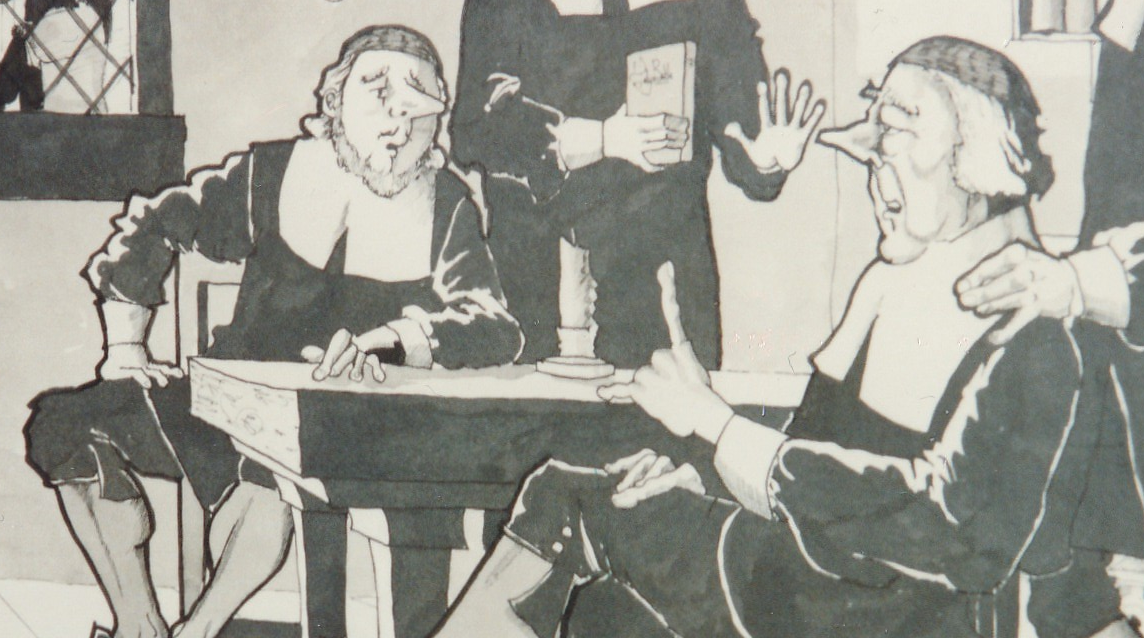
Detail from the photograph

It is a fascinating footnote to our previous post and video about our Rowel Friers cartoons, another part of the story that takes us back even further in time, in this case to 1626.
Della Robbia Pottery

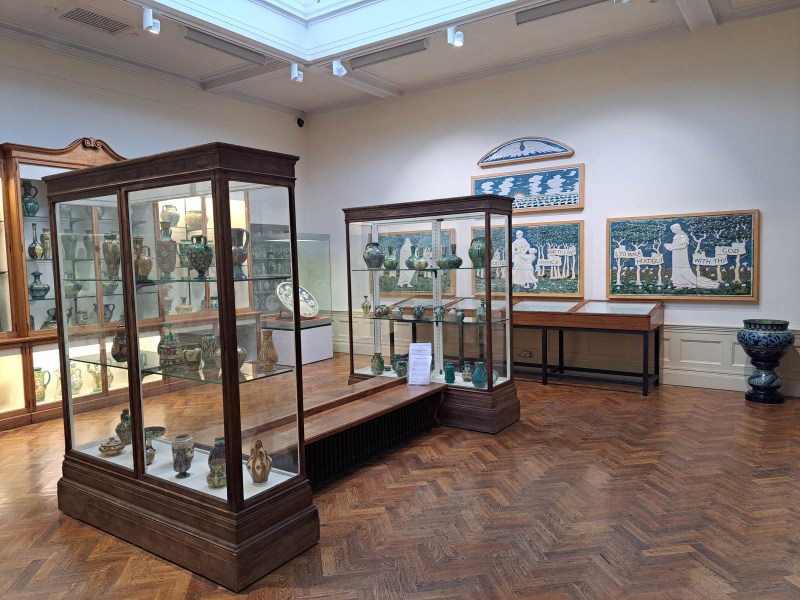
I can’t remember the last time I visited the Williamson Art Gallery in Birkenhead but a re-visit was long overdue and I was so pleased to see the exhibitions and collections there. There’s a lot to see, including a fine collection of ship’s models, but the stand out part for me was the collection of Della Robbia.

Only produced in Birkenhead from 1894 to 1906 the Della Robbia collection remains so striking that just entering the room it’s housed in lifts one’s spirits. It is replete, of course, with Unitarian connections not least through Harold Rathbone, the founder of the pottery and a member of the well-known Unitarian merchant family of that name. Harold Rathbone became an artist, studied at the Slade and in Paris, and set up the pottery in Birkenhead in 1894, a conscious revival of the work of Luca Della Robbia the 15th-century Florentine sculptor. His portrait was painted by William Holman Hunt and he looks every inch the sensitive Victorian artist influenced by William Morris and Edward Burne-Jones and the whole panoply of Arts and Crafts and Pre-Raphaelite artists amongst whose circle he moved.

Unusually for a modern gallery there is not a single label on any exhibit. In a way it is nice not to have the distraction but there is such a wealth of material it would be helpful to be given some background information. Nevertheless a lot of the production was geared towards a religious purpose and some of it was prominently Unitarian and this I recognized right away.

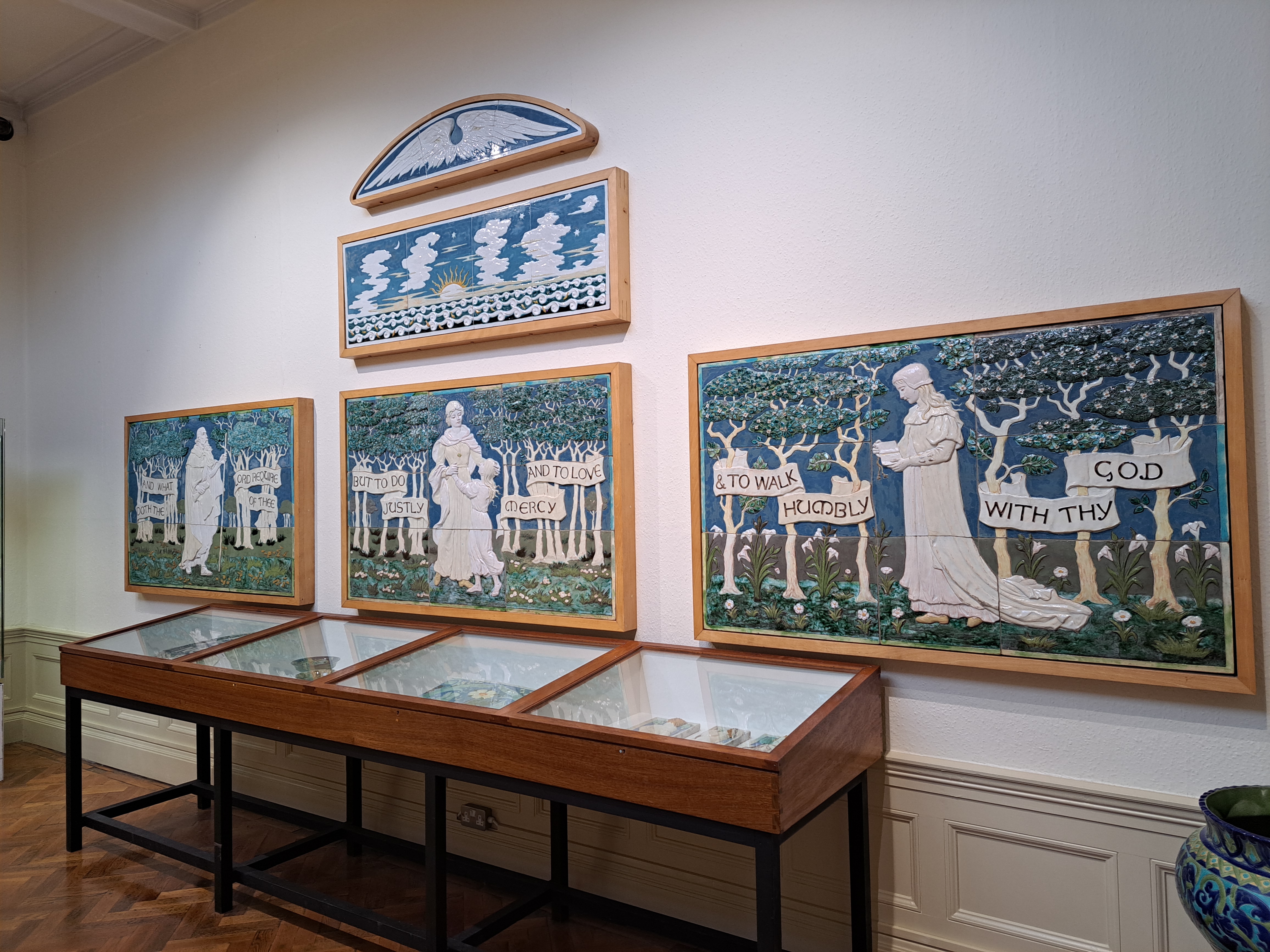
Panels from the Liverpool Domestic Mission

It is good that some of the decoration from the Liverpool Domestic Mission is there and quite prominently displayed. The Mission building closed in the early 1970s and it must have migrated to the Art Gallery then.

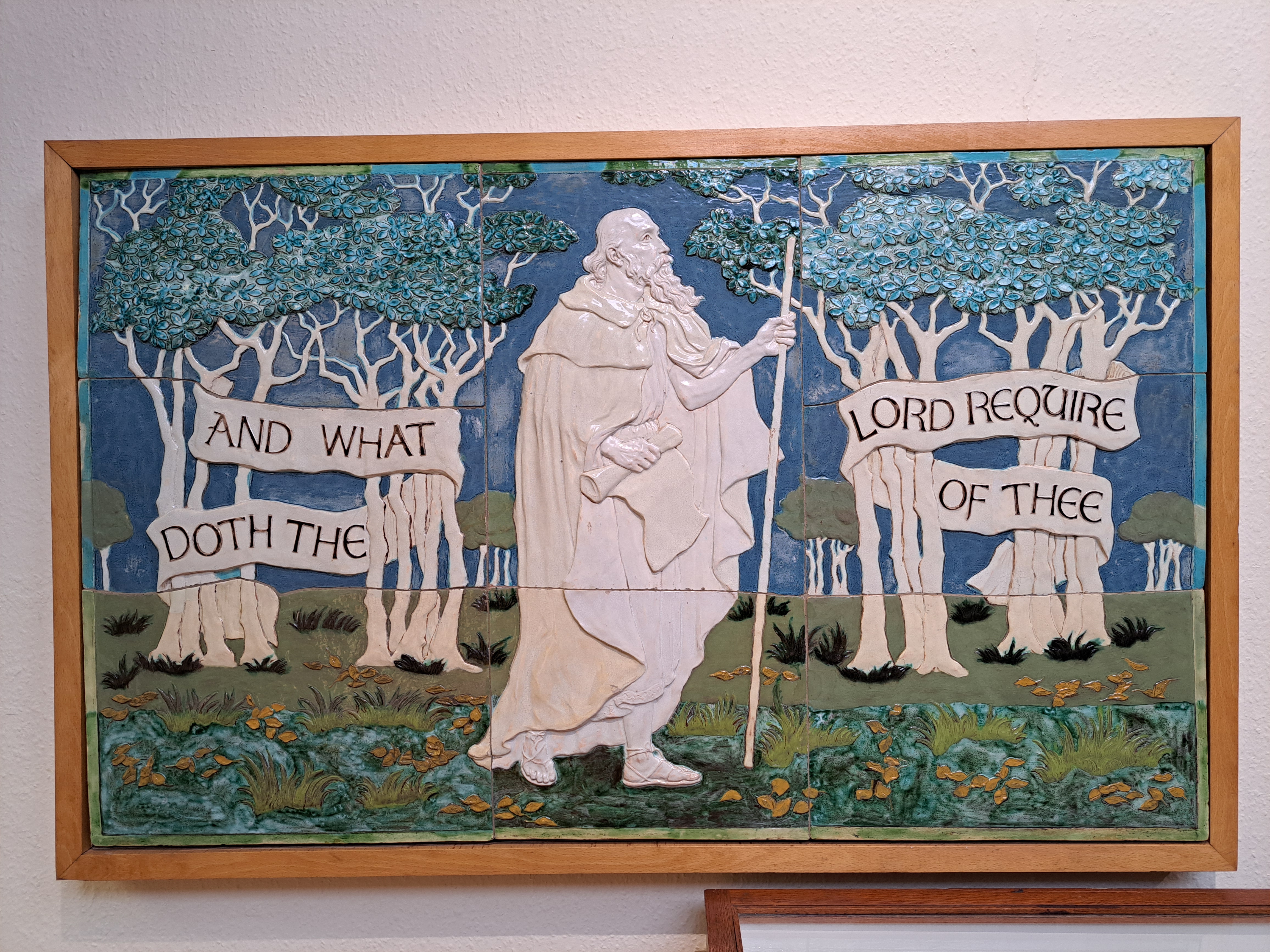
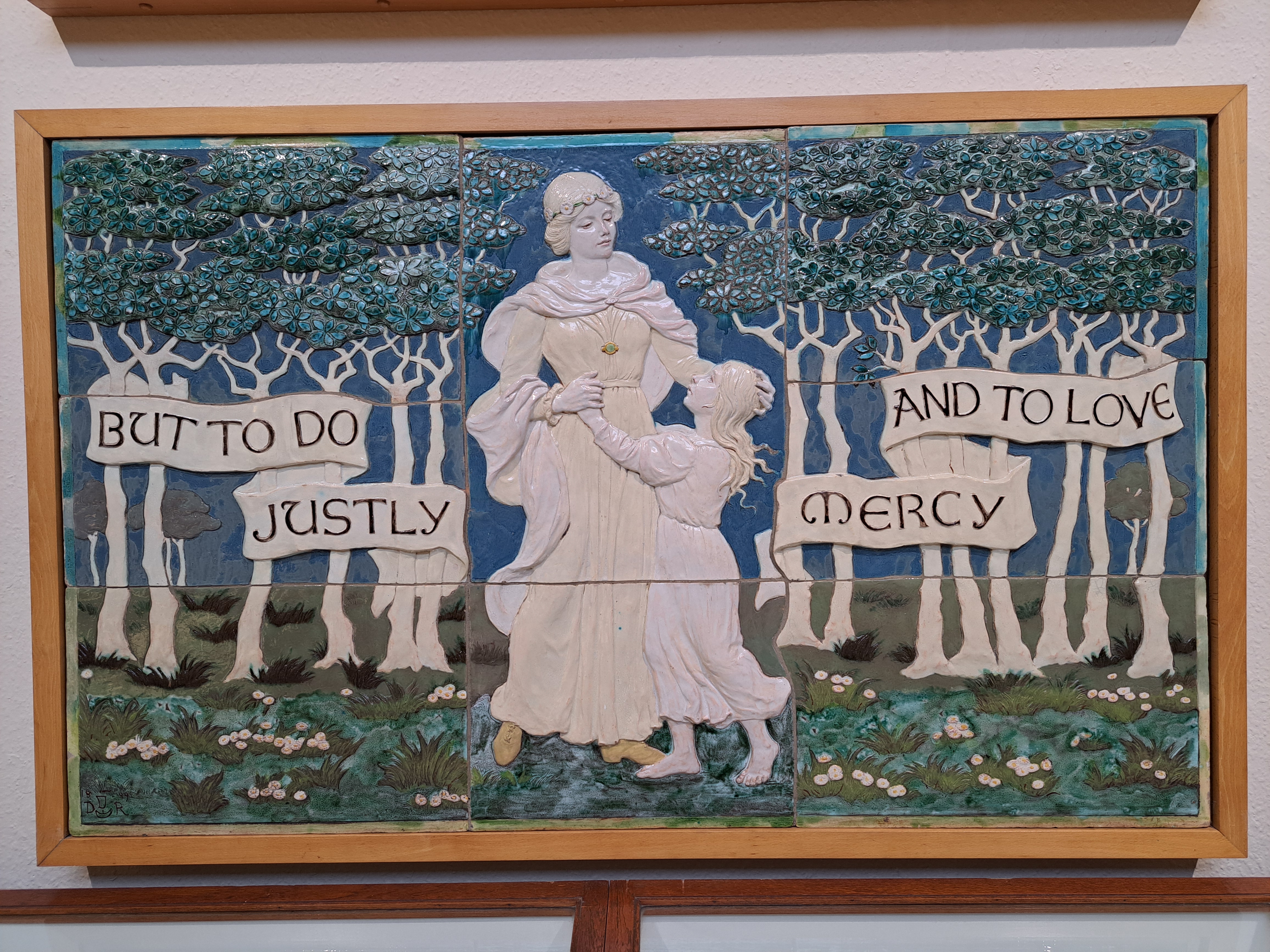
The display on the wall in the Art Gallery is laid out exactly as it was in the Domestic Mission building. It is also the same as the decoration in the Memorial Church, Manor Road, Wallasey which is still in situ. The text illustrated by the panels – And what doth the Lord require of thee / But to do justly and to love mercy / & to walk humbly with thy God – is a good one for Unitarians.

There are other panels that almost certainly have a Unitarian connection and two plaques after Edward Burne-Jones’ ‘Six Days of Creation’ may also have been part of the decoration at the Domestic Mission.

In the first catalogue for his pottery Harold Rathbone described his Della Robbia as ‘particularly applicable for church decoration on account of its silhouetted distinctiveness and architectural effect…it is a matter of congratulation, if of some wonder, that the honour of introducing this tender and attractive method of adornment has, in churches of the British Isles, we believe, been left entirely so far to ourselves.’

The exhibition in the Williamson Art Gallery is an impressive collection of this creative work that remains so vibrant and also so redolent of the art of that time and the religious impulses that were most closely connected to it. 

Alfred the Great by Harold S. Rathbone

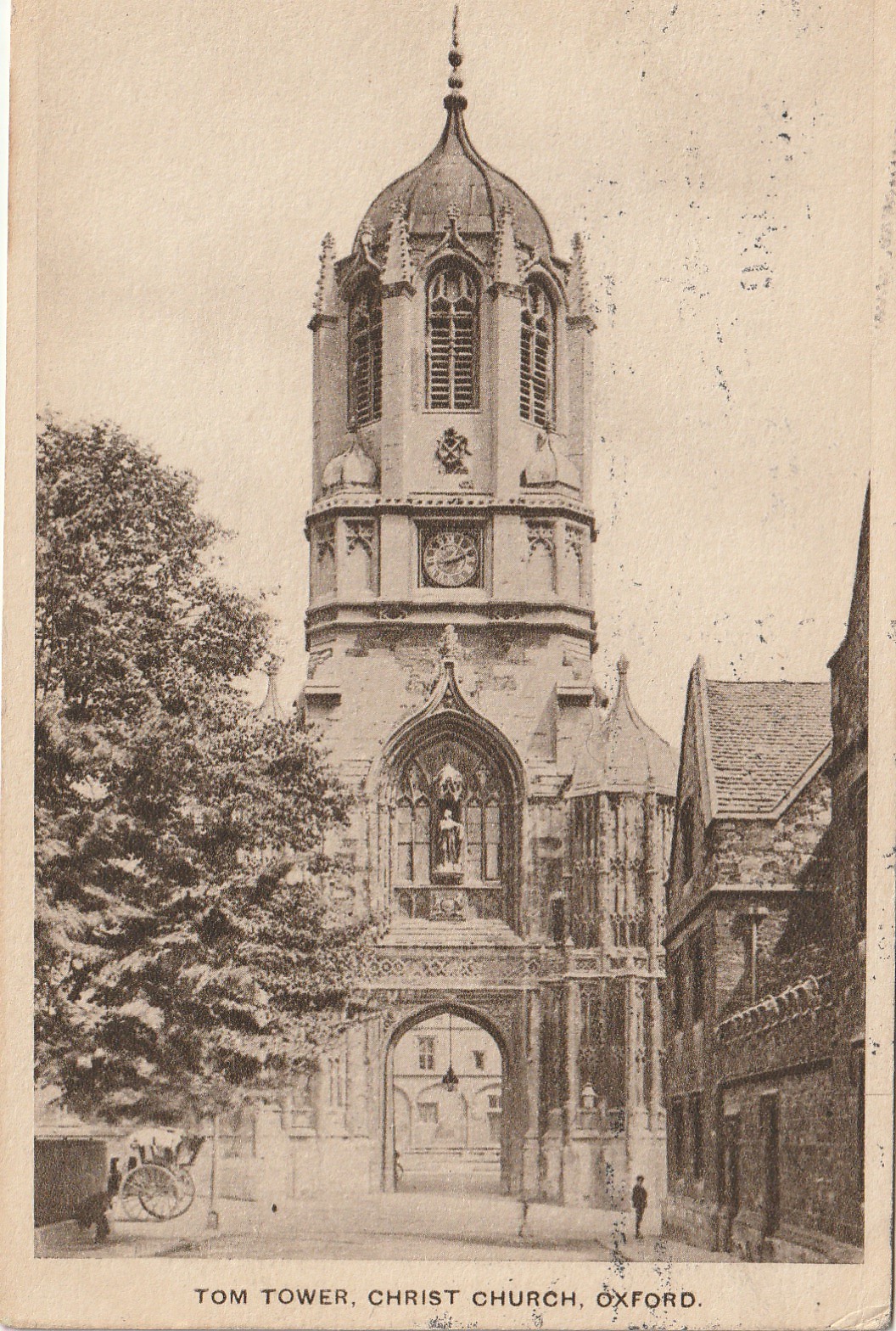
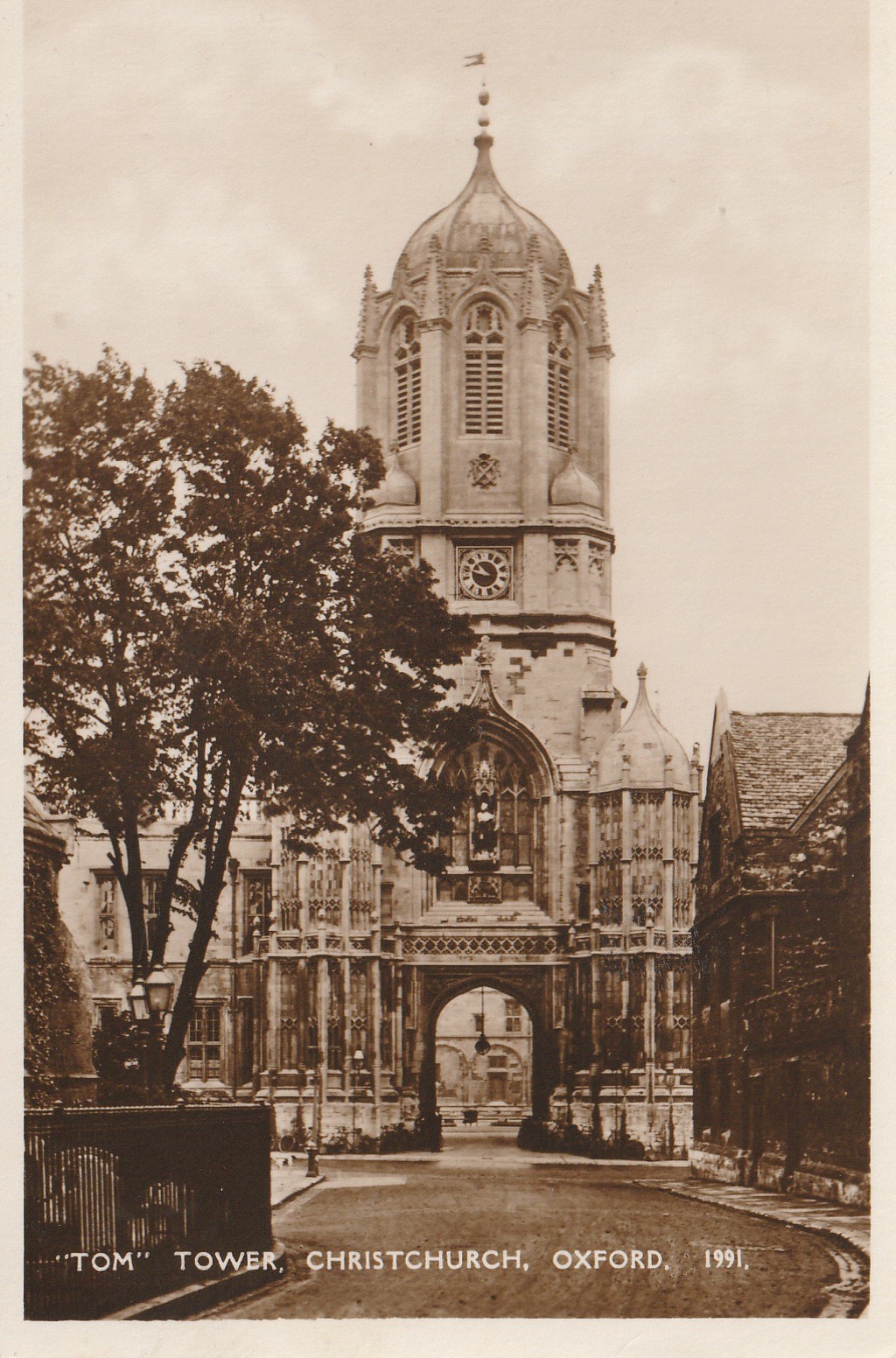
Tom Tower, Christ Church, Oxford

Recently, when in Oxford, I visited the Christ Church Picture Gallery where one of the exhibitions, entitled ‘WISH YOU WERE HERE!‘ (1 July – 30 October 2023) The attraction of Christ Church in early photographic postcards, caught my eye. It is always interesting (and rare) to see a serious art exhibition that contains items that you could afford to buy yourself. There are around 70 postcards in the Christ Church exhibition but seeing them encouraged me to start my own small collection. Prices can vary but generally cards like this should be quite cheap, they were produced and sold in vast quantities by a variety of printers and are hardly rare. So I decided to create my own small collection and focused on cheap examples of pictures of the West Front/St Aldate’s view of Tom Tower. I picked this view because although every postcard from 1900 to 1950 (or indeed to the present day) looks superficially the same you realise when you investigate closely that this is not the case. Since Tom Tower is situated on a main thoroughfare there are plenty of social changes that can be observed and a multitude of minor small details that are worth exploring in the foreground. I will work out the best way to display these images of the West Front.

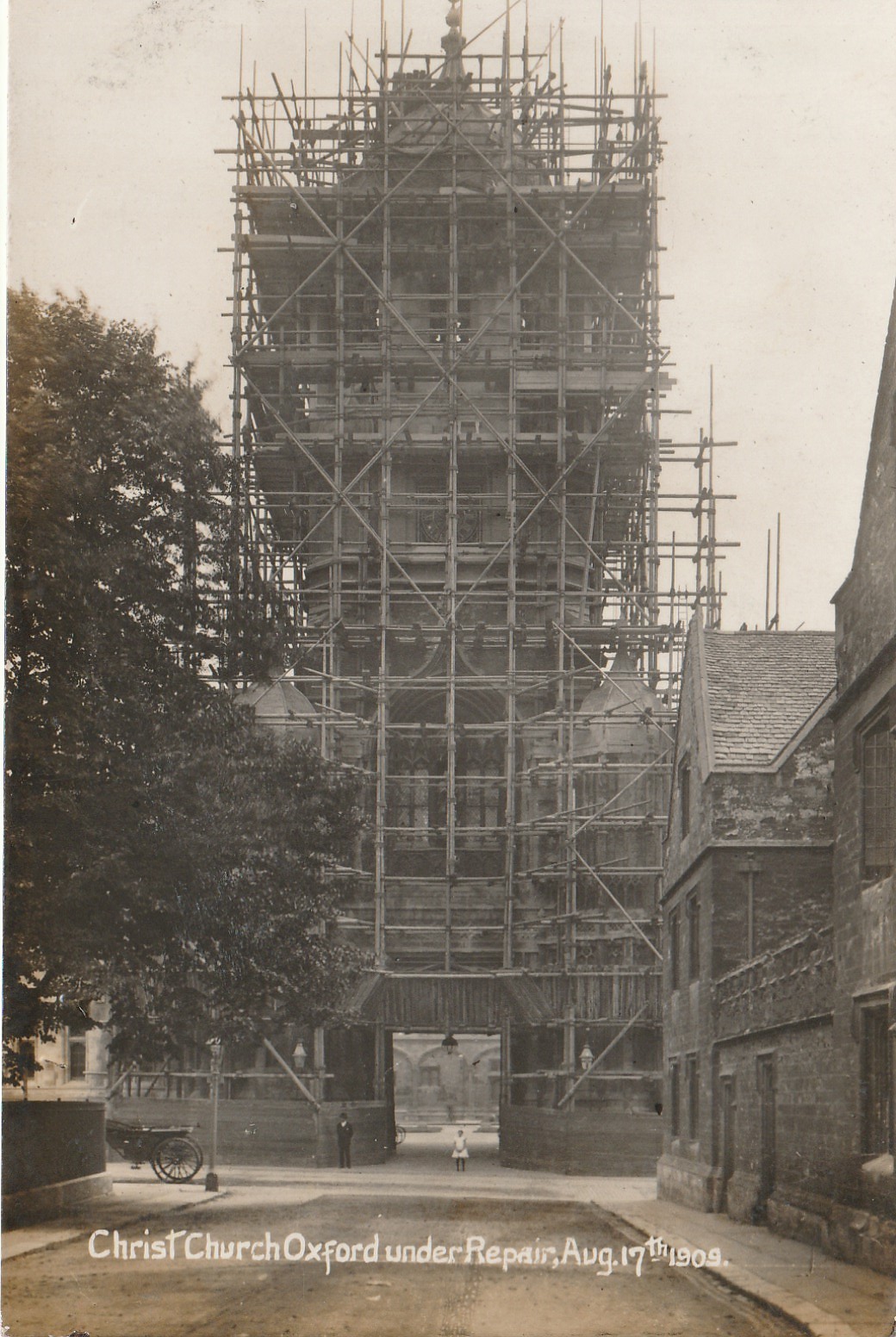
But I allowed myself a small diversion into a handful of pictures of Tom Tower itself. Mainly this was because I managed to get one picture that I had seen in the exhibition which must be quite rare and was accordingly slightly more expensive than the others. This is it:

‘Christ Church Oxford under Repair, Aug. 17th 1909’. No publisher named.

I think this is a wonderful postcard. All the pictures of Tom Tower alone, largely taken from over the road, somewhere near the entrance to Pembroke College, are basically the same. There might be a vehicle of some sort somewhere in view, or a bowler hatted figure standing under the entrance to the college, but not much more.

This picture, however, is very different. The publishers give us the exact date and show us Tom Tower, not as you would expect, but covered in scaffolding. If you had turned up in Oxford to do the touristy thing and saw the tower covered in scaffolding I imagine you would be disappointed. I don’t think you would want to buy a postcard that also obscured the view. If you turned up after the work was completed and the scaffolding had been taken away I don’t think you would want to buy a picture of how it looked during restoration, unless you were very interested in scaffolding. It can’t have had a long shelf-life and it can’t have been many people’s favourite view. And yet it is a compelling image, intriguing and lively. I am glad the unnamed publisher took this view and glad to get a copy for my collection.

This card, dated 14th January 1910, was sent by Emily to ‘Mr Hammond, “The Lilacs”, Skipton Cliffe, Andoversford, Glos.’ Mr Hammond appears to have been Emily’s uncle since she also included ‘love to Aunt’ at the end of the message. And it doubled as a birthday card – ‘With every Good Wish for Many Happy Returns of the Day’, she begins. Emily might have been a student in Oxford, she was certainly resident there because she also says ‘I sent you the paper for you to read Mr Whale’s speeches our Liberal Candidate for Oxford’. ‘Mr Whale’ was George Whale who stood in Oxford in the 1906 election and lost by just 100 votes. He stood again in January 1910 but a swing of 6.4% saw him lose by over 1,200 votes to Arthur Annesley his Conservative opponent. George Whale was a freethinker and the chairman of the Rationalist Press Association. A former Mayor of Woolwich he was never successful in getting elected to Parliament.

But this was the card that Emily chose to send to her uncle for his birthday along with news of the freethinking candidate on the eve of the election in Oxford. It was, I think, an inspired choice.

‘Tom Tower Christ Church, Oxford’. Published by Vincent of Oxford. Posted 4th September 1915. Sent to Mrs Ewan Jones of Cricklewood by ‘All’, they were planning to drive to Oxford ‘with little Julian’ in the afternoon.

The other postcards of Tom Tower are all difficult to date precisely, especially when they were unposted, but they were mostly taken before the First World War, although similar examples could remain in print right up to the 1940s.

‘”Tom” Tower Christchurch, Oxford’ by J. Salmon Ltd., Sevenoaks. Unposted.
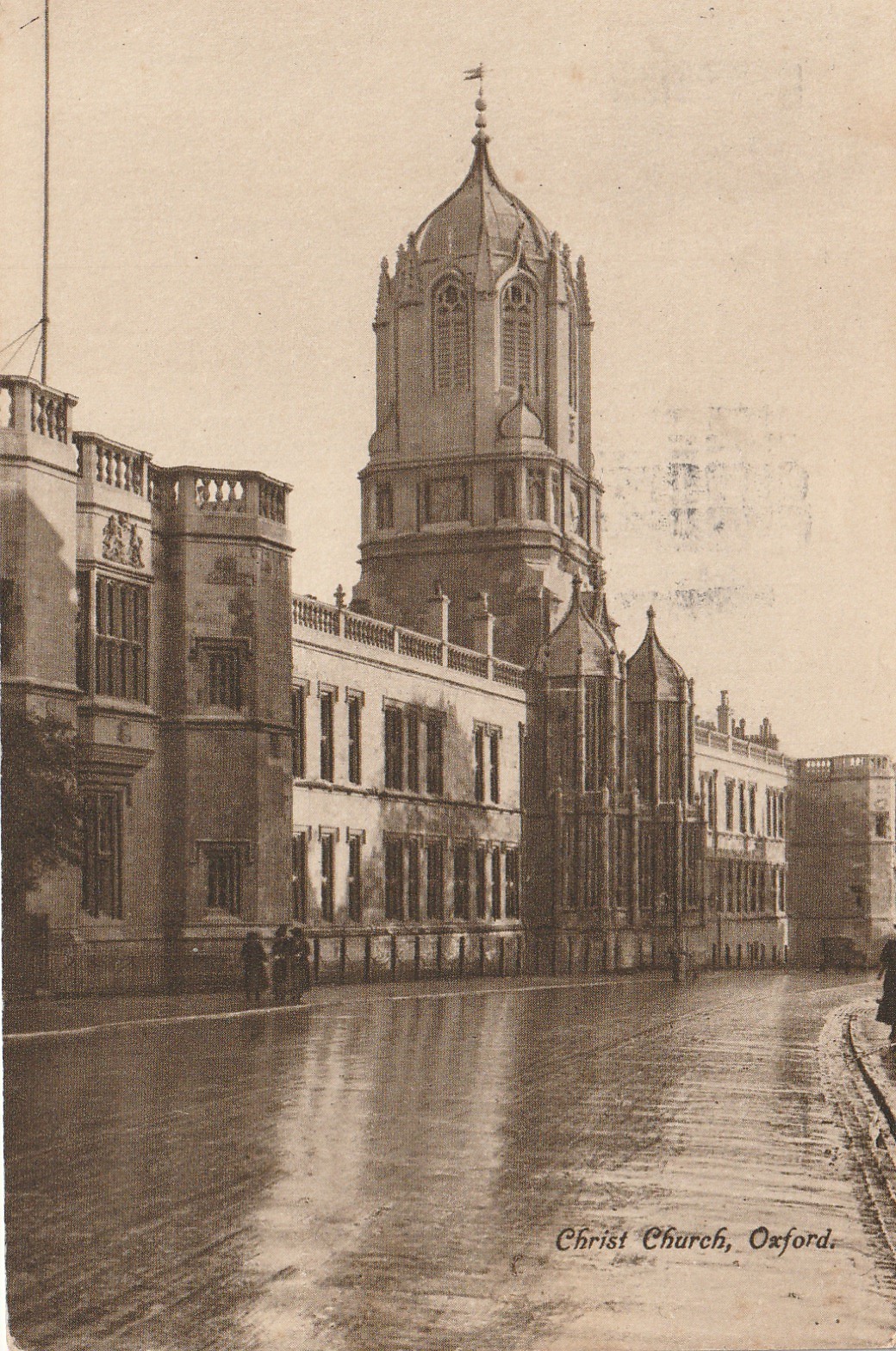
‘Christ Church, Oxford’. Published by Penrose and Palmer. Posted by Dorothy to Mrs England in Acocks Green, Birmingham on 12th November 1926.
This last photograph, published by the local firm of Penrose and Palmer, is another favourite of mine. The road is wet after a downpour and the photographer has caught a reflection of the building in the road. It’s a fine photograph. It falls somewhere between the direct images of Tom Tower on its own and the wider (landscape) views of the whole West Front but it is actually a more characterful and interesting picture than most of them.
No pictures or text may be reproduced from this site without the express permission of the author.

Thomas Steers and the Blue Coat School

Blue Coat front 02

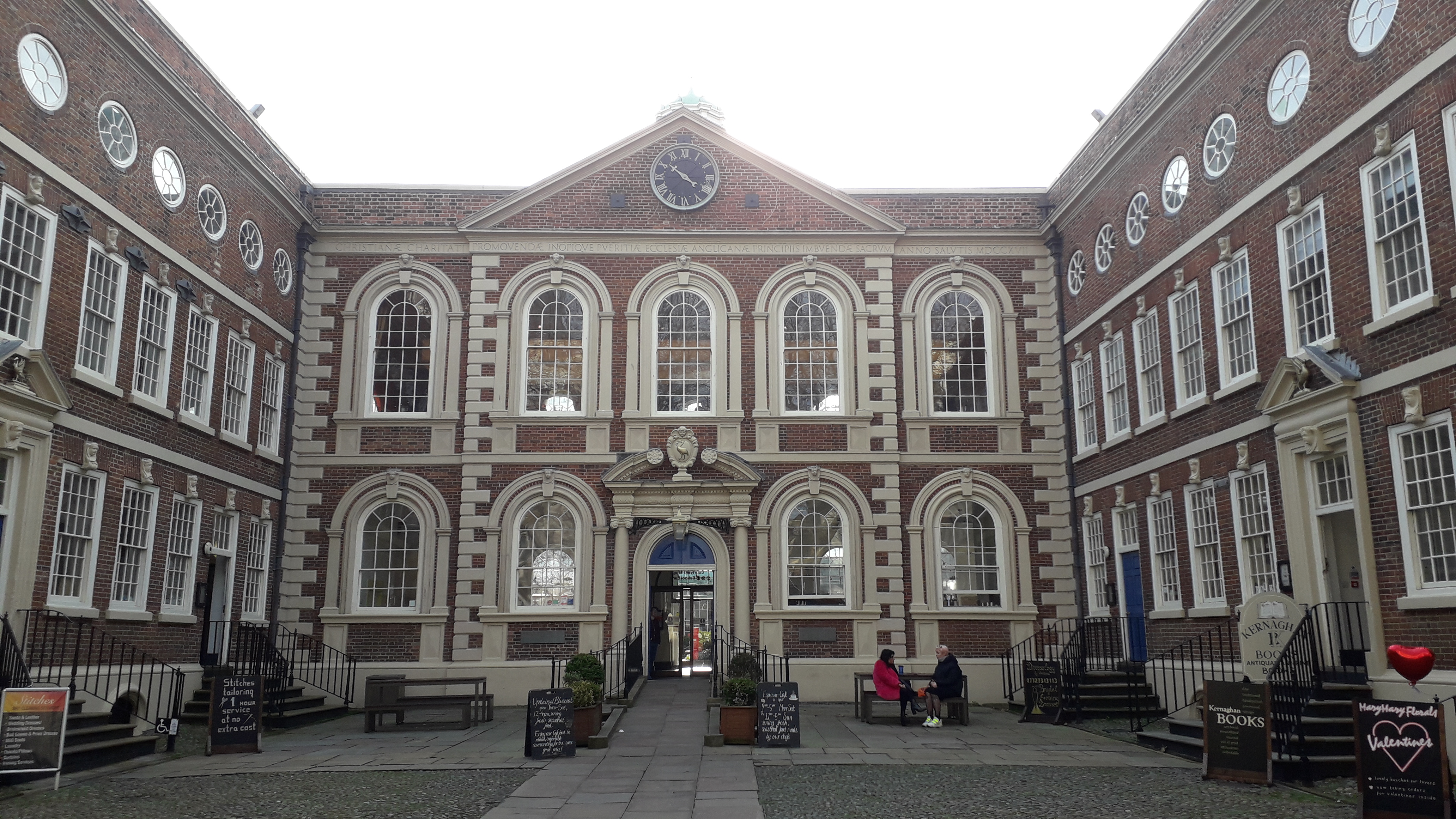
Front view of the original school building of 1717

I was interested to discover through the tercentenary history exhibition in the Bluecoat Arts Centre in Liverpool that Thomas Steers is now credited as one of those responsible for the construction of this very fine building. There can be little of importance in the city in the early eighteenth century that Thomas Steers didn’t have a hand in. The school (correctly termed the Blue Coat School) was founded in 1708 but the building not completed on School Lane until 1717. For nearly two hundred years the building was the home of the school until it moved to new premises in Wavertree. In the decades after 1906 the Bluecoat became the location for an innovative arts centre in the oldest building in the city. Thomas Steers’s involvement in the building appears to have only recently come to light. The exhibition in the Bluecoat states that:

Recent research confirms that Liverpool’s dock engineer Thomas Steers, together with mason Thomas Litherland, were responsible for the construction of the building. Both received considerable payments, recorded in the school’s meticulous accounts books by Bryan Blundell, the master mariner who founded the Blue Coat School and was its first treasurer.

[A page of the accounts] from 1719, records fees to Steers and Litherland, who had previously worked together on Old Dock nearby (completed 1715), the world’s first commercial wet dock which was instrumental in Liverpool’s rapid growth as a global trading port.

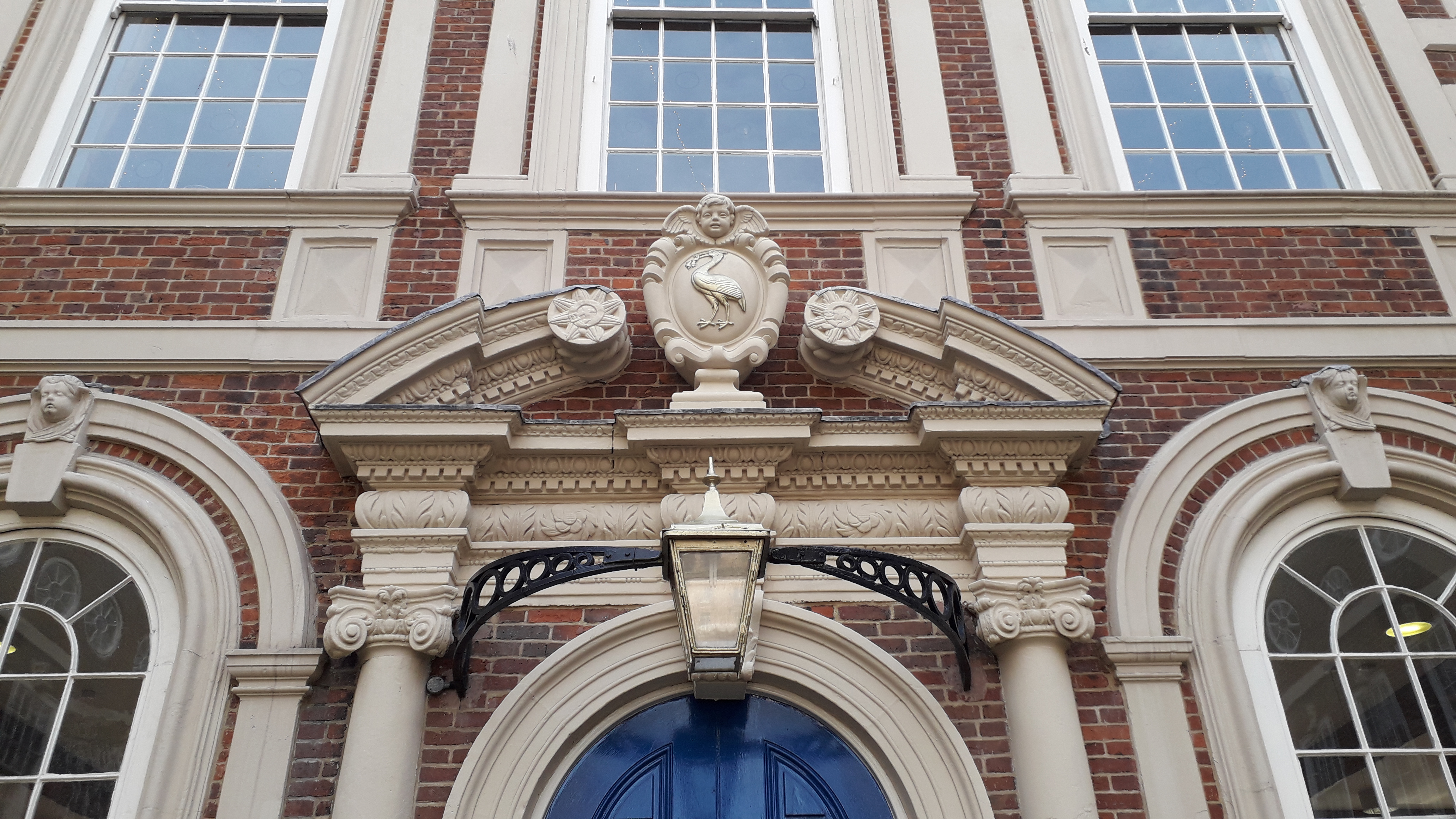
Blue Coat front pediment

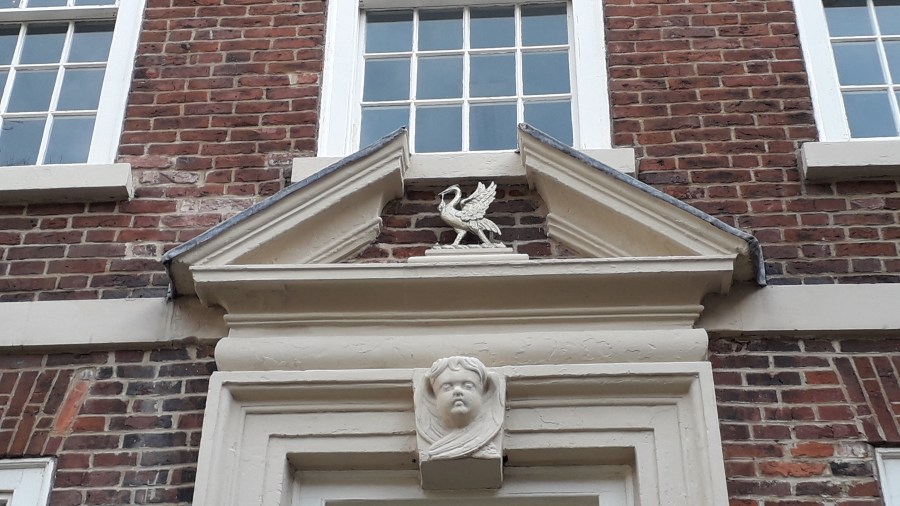
Liver Bird above main entrance

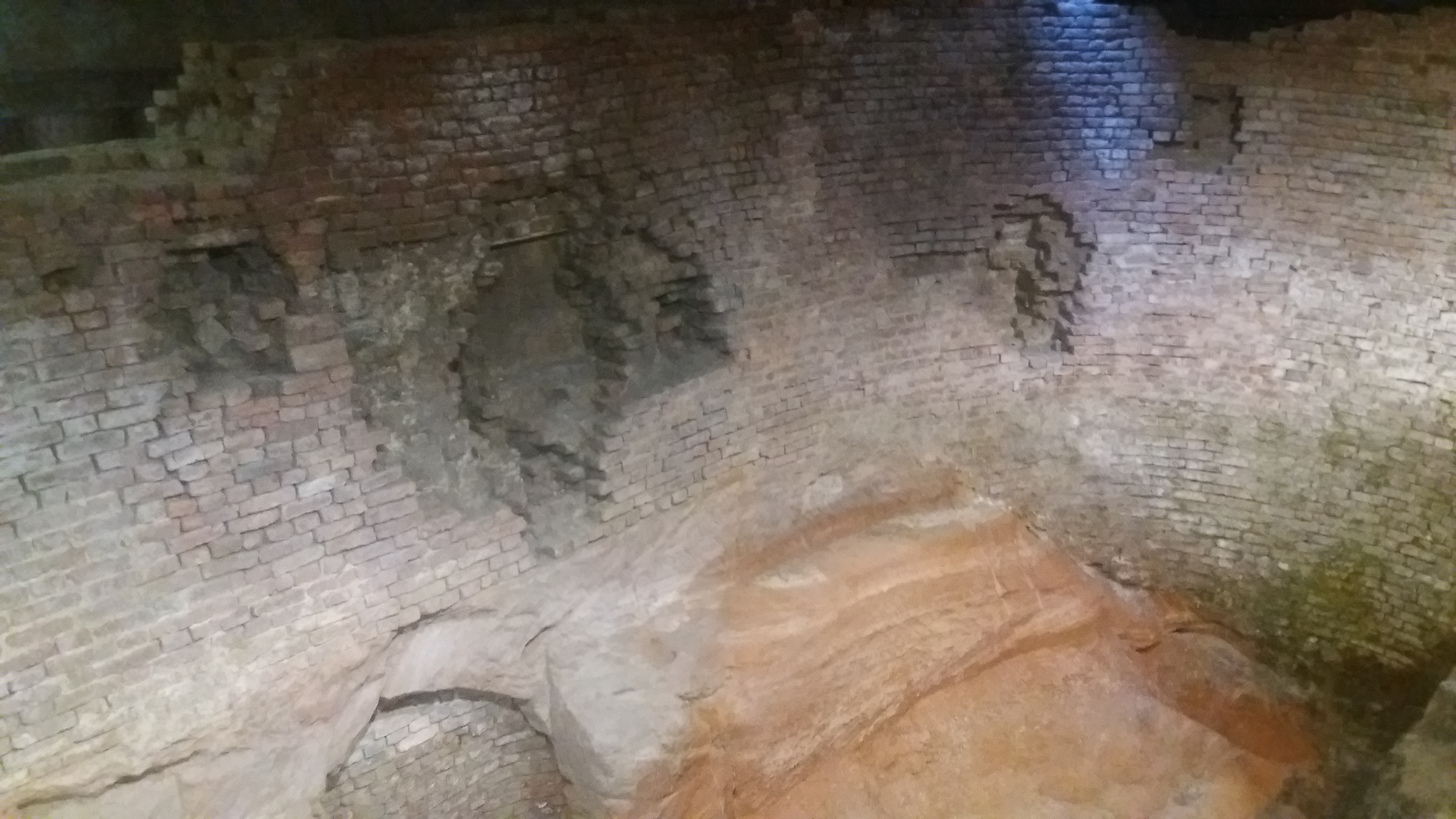
The Old Dock has now been excavated and is open to visitors. It’s fascinating to see the brickwork exposed to view after years lying hidden beneath the surface, but here was laid the maritime prosperity of Liverpool, thanks to the engineering skills and technical vision of Thomas Steers.

Old Dock Liverpool 2016 02

Inside the Old Dock, picture taken in 2016

Thomas Steers was a notable public servant of the city, serving as water bailiff, town councillor and mayor, and designed other docks as well as private and public buildings and local canals. His reputation also brought him to Ireland where he worked as a consultant on the Newry Canal, spending a number of years working on the project. It wasn’t his first visit to Ireland since he is said to have been commissioned in the 4th regiment of foot and served at the battle of the Boyne in 1690.

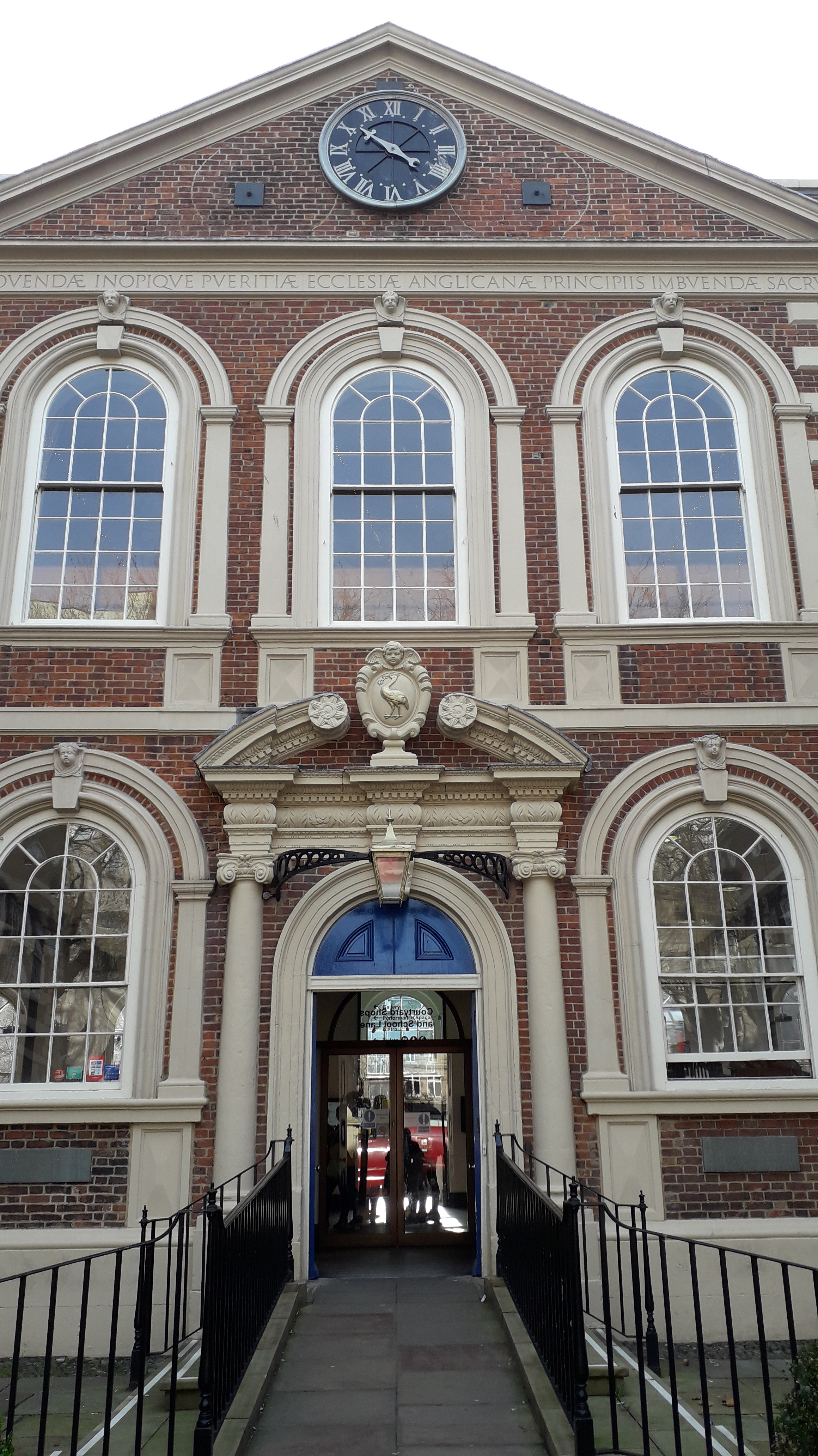
The Bluecoat building was badly damaged during the blitz of 1941 but was saved and has been restored a number of times over the last century. The Latin inscription across the front of the façade has been removed and restored at different times. It reads:

CHRISTIANAE CHARITATI PROMOVENDAE INOPIQUE PUERITIAE ECCLESIAE ANGLICANAE PRINCIPIIS IMBUENDAE SACRUM. ANNO SALUTIS MDCCXVII

which is translated on the Bluecoat website as: ‘Dedicated to the promotion of Christian charity and the training of poor boys in the principles of the Anglican church. Founded in the year of salvation 1717.’

Blue Coat front centre 02

Part of the inscription can be seen below the clock

This is an interesting text because based on little more than this assertion, almost three hundred years after the school was founded, the Church of England attempted to gain control of the school. Since it was always open to anyone and was completely free of any sectarian basis most people thought the twenty-first century C of E was going a bit far and the Bishops seem quietly to have withdrawn from the fray. At the time this controversy was underway I wrote to the Liverpool Echo pointing out that a local dissenting minister, the Rev John Brekell, preached a charity sermon in 1769 and told his hearers that no less a person than Bryan Blundell himself had told him that this inscription had been had been forced on him against his will by “some zealous Churchmen”. There is no doubt that the school enjoyed financial support from the wealthy Presbyterian community and in turn did not restrict its benefits to members of the established church. Neither as a charity school in its first centuries nor as a state school in the twentieth century had it displayed the characteristics of a ‘church school’. William Roscoe, poet, historian, abolitionist and dissenter refers to the school in his poem ‘Mount Pleasant’, first published in 1777. ‘The Blue-Coat Hospital’ is:

Yon calm retreat, where screen’d from every ill,

The helpless orphan’s throbbing heart lies still;

And finds delighted, in the peaceful dome,

A better parent, and a happier home.

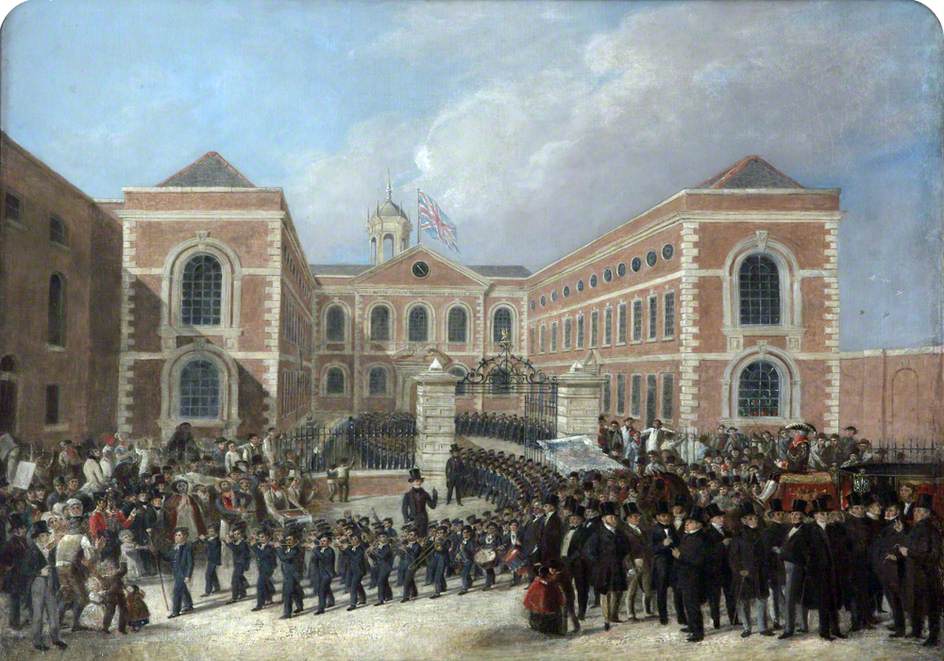
The exhibition in the Bluecoat includes a lithograph of the picture Recollections of the Blue-Coat Hospital, Liverpool, St George’s Day, 1843 by Henry Travis. The original used to hang in the school boardroom when I was there, and most probably still does. Most pupils would rarely have seen it but when I was at the school I had regularly to attend in the boardroom for clarinet lessons. Not being much of a musician I frequently found the painting with its crowds and banners and marching pupils rather more absorbing.

Travis, Henry; Recollections of Liverpool Blue Coat Hospital, St George's Day

‘Recollections of the Blue-Coat Hospital, Liverpool, St George’s Day, 1843’ by Henry Travis (Picture: Liverpool Blue Coat School)

Slaves of Fashion New Works by the Singh Twins

I first met the Singh Twins many years ago when I was studying at the University of Manchester and took a course entitled ‘Religion and the Arts’. Amongst the participants were the Singh Twins and it was clear then that they were destined for higher things. It was an excellent inter-disciplinary course that engaged very directly with art in religious contexts and covered such areas as Christian and Islamic architecture, Greek Art, Buddhist Gandhara sculpture, Russian Orthodox icons and much more. It was wide ranging and took the students out of the lecture room and into religious buildings and other places. It had a great influence on me and I suspect it must have had an influence on the Singh Twins who are now such established artists.

ST Ancient Roots cropped

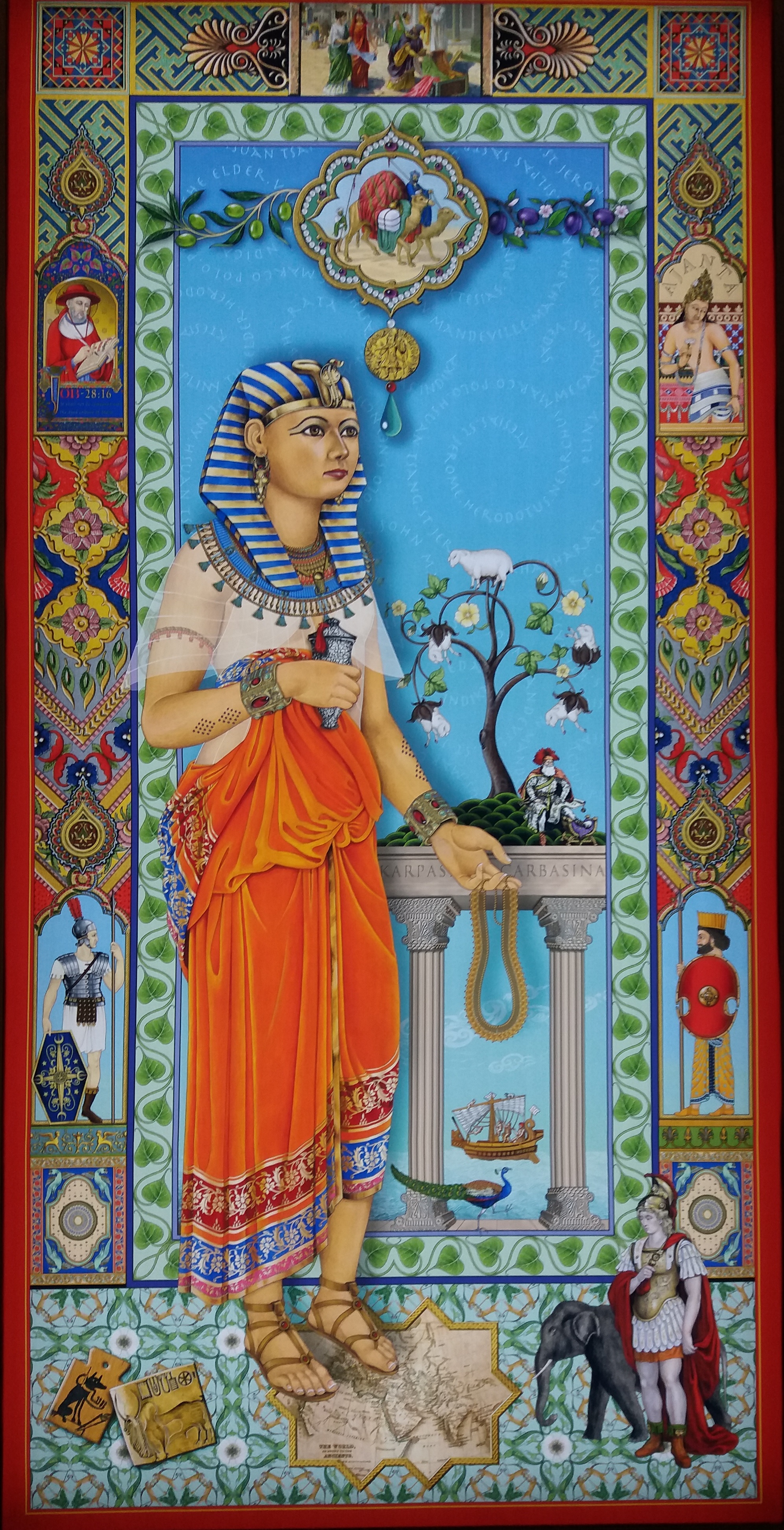
Ancient Roots: The Wonder that was India


Details from Ancient Roots


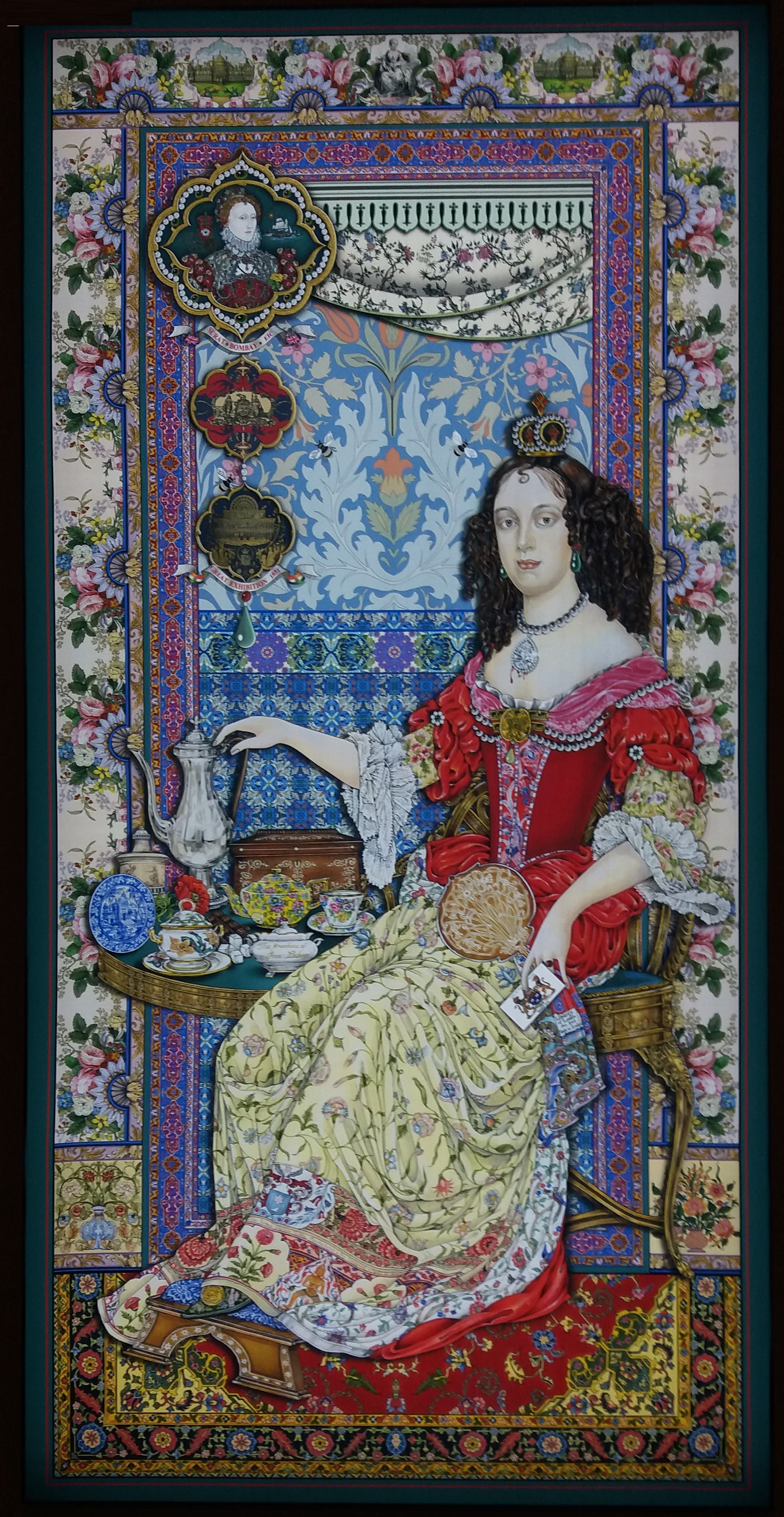
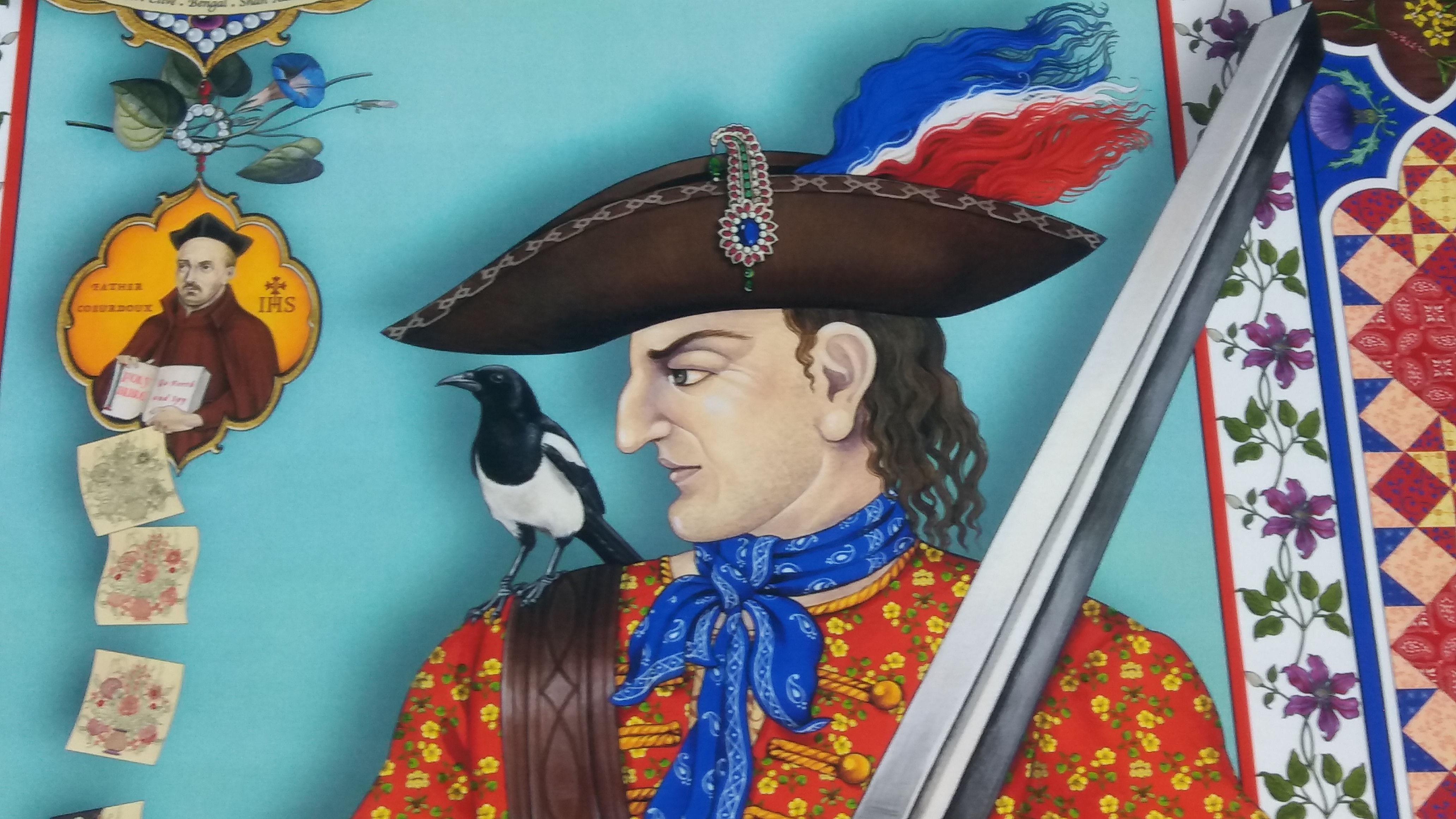
I was glad, by chance, to get the chance to see this exhibition which is both beautiful and challenging at the Walker Art Gallery in Liverpool. It is a very impressive exhibition. The painterly skills of the twins are well displayed in these new works and the display of eleven of the major pieces on digital lightboxes enhances the effect tremendously. Even these photographs snapped on my camera phone help to show something of the power of their art. Each of these works depicts an historical figure (ten of them women) who wear a different textile. Around the central figure are depicted aspects of the process of production and trade of that fabric.

ST Chintz cropped

Chintz: The Price of Luxury. Depicting Queen Catherine of Braganza who married Charles II in 1662 bringing Bombay (Mumbai) as part of her dowry


The exhibition explores the history of Indian textiles in the context of empire, enslavement and exploitation and the way high fashion has always been intimately bound up with unequal terms of trade between western society and the lands where most of these textiles are produced.

ST Indiennes cropped

Indiennes: The Extended Triangle. Depicting the slave trade


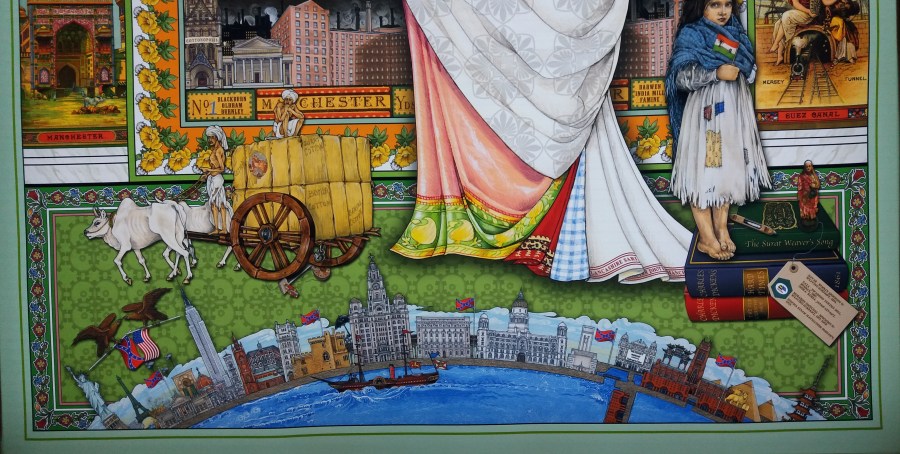
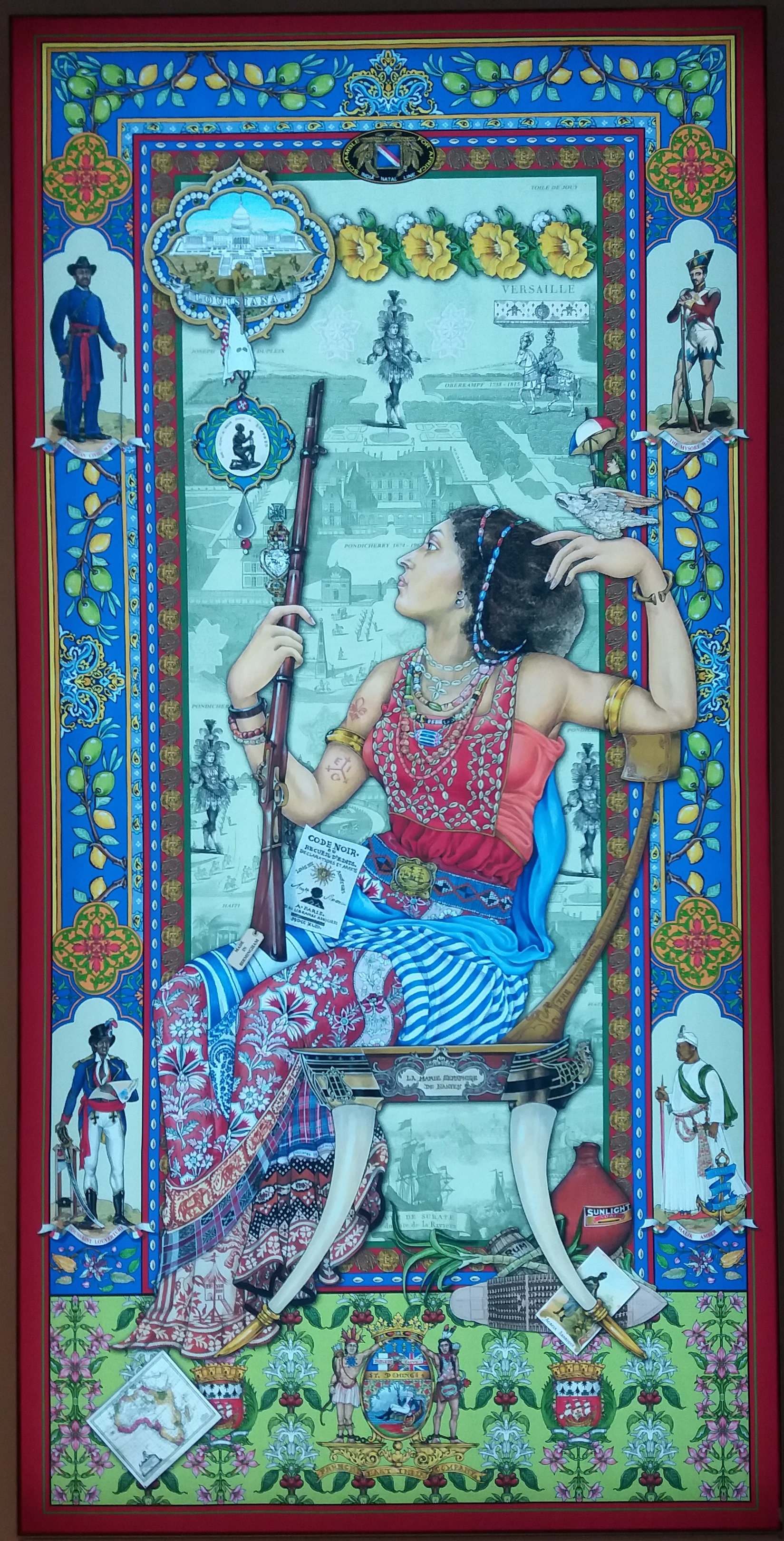
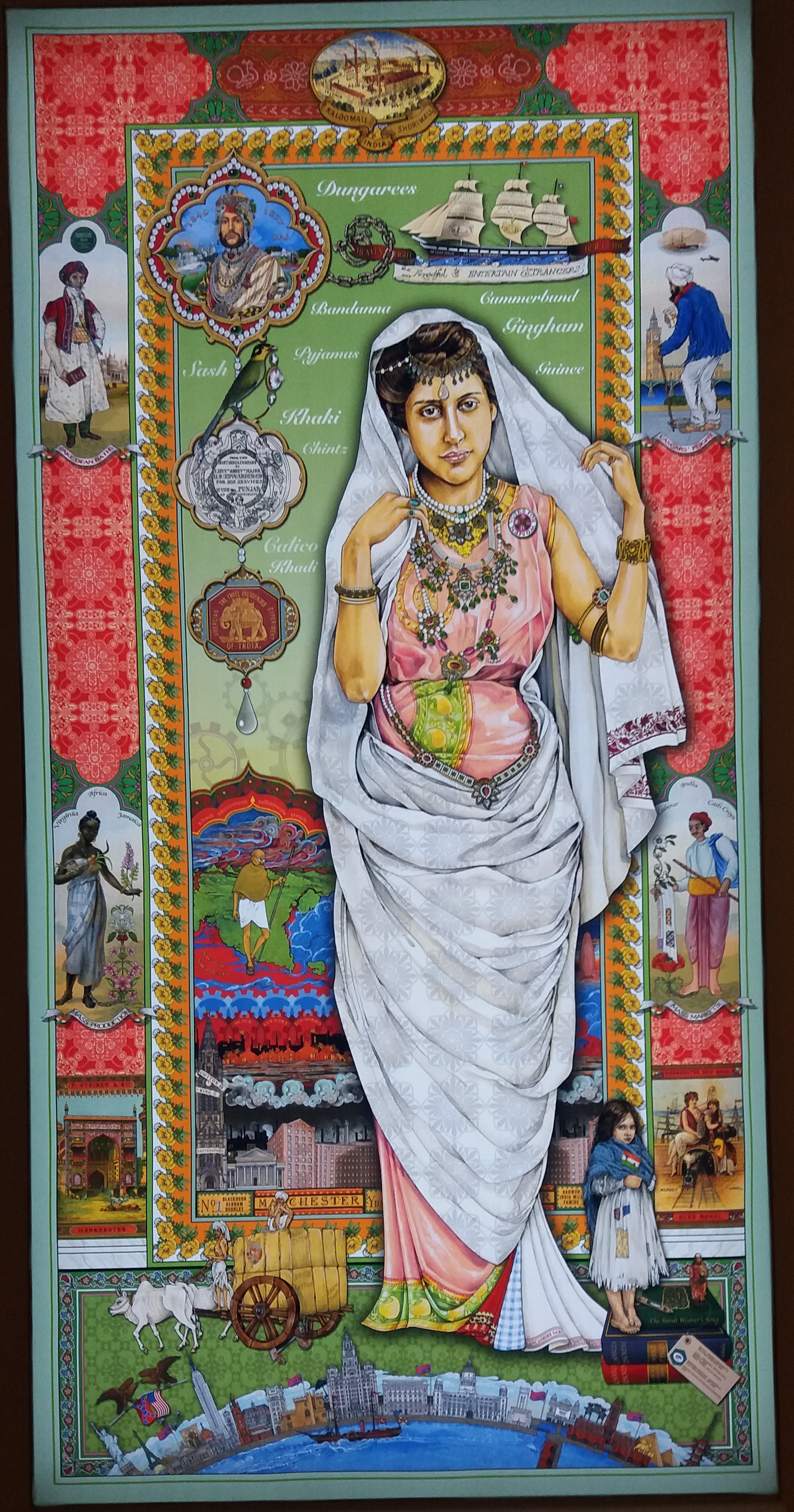
They have such an eye for detail and incorporate in each of the eleven major works vignettes from the history of the interaction between luxury consumption, trade, and imperialism. It asks so many questions about ethical trade and the history of consumerism and Liverpool is such an appropriate place for this appear. The image at the top of this page is a detail taken from their work ‘Cotton: Threads of Change’, a raw material produced originally in India and central to the economic development of Liverpool as a port as part of the ‘Atlantic Trade’.

ST Cotton cropped

Cotton: Threads of Change


The bottom of ‘Cotton’ shows an imagined historical skyline of Liverpool which begins symbolically in China and Egypt and ends in New York. Some of the buildings of Liverpool fly the Confederate flag, a pointed but accurate assertion for a city that was so tied to slavery for so long and which in many cases supported the South in the American Civil War. A grand ball was held by the citizenry in St George’s Hall to support the Confederacy.

ST Calico detail

Calico: Merchant Thieves (detail)


Some of the new paintings feature Theresa May, Boris Johnson, Angela Merkel and Donald Trump and in one room is a large collection of objects from around the world from the Museum’s collection which shed further light on the history and issues bound up in this interaction between fashion, empire and trade. There are also preparatory works in the show and time-lapse films of the works being created.

ST Silks and Quilts cropped

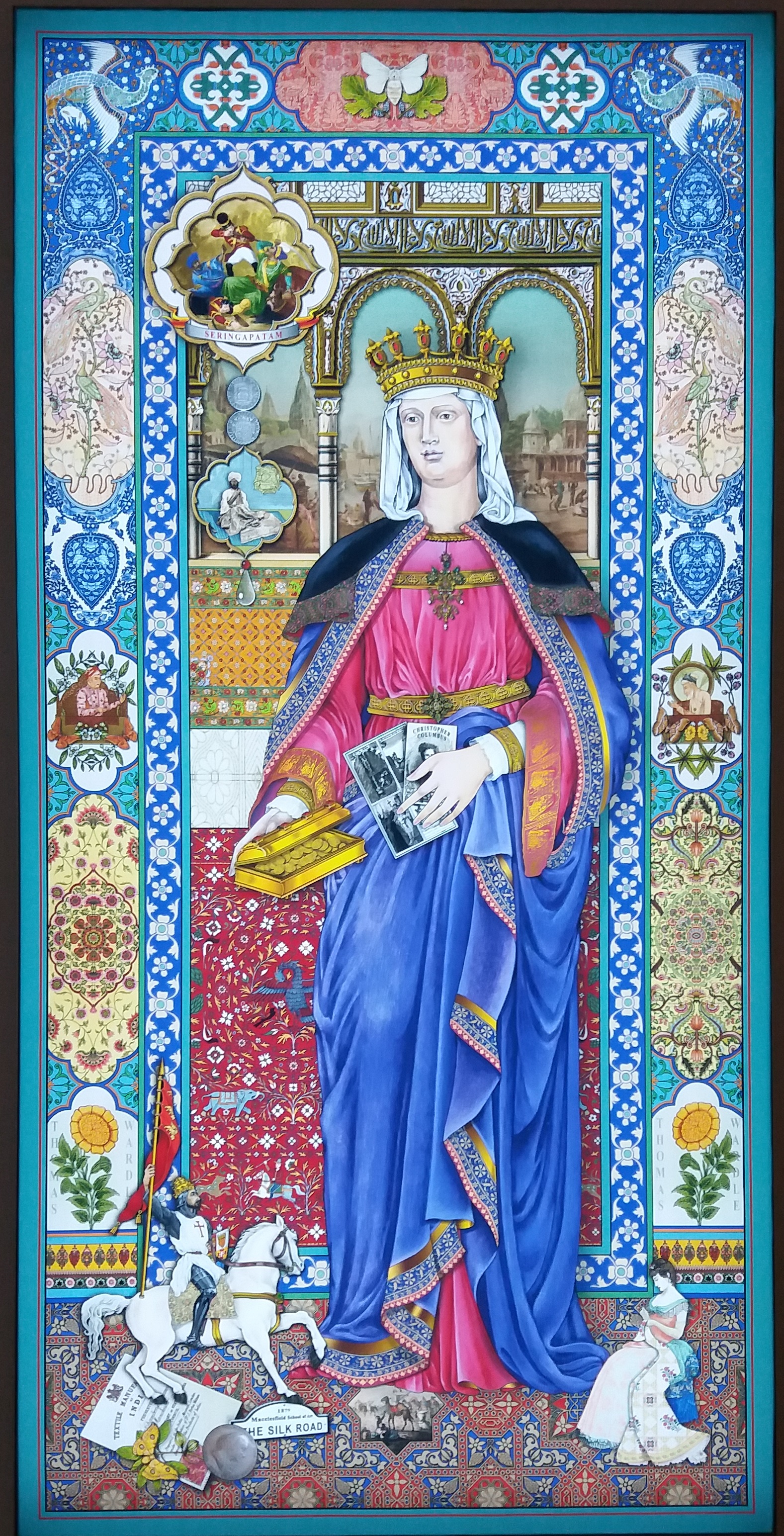
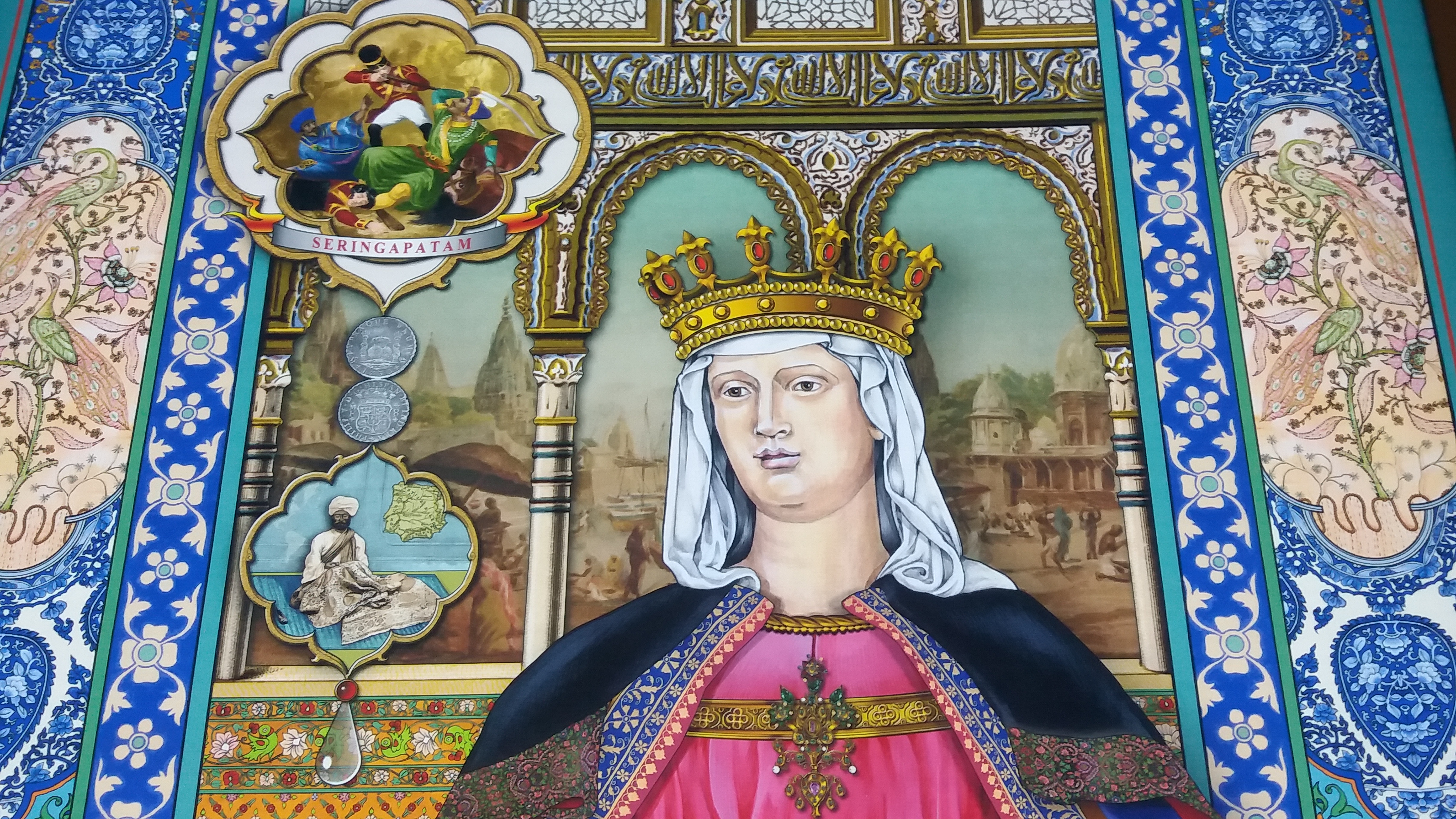
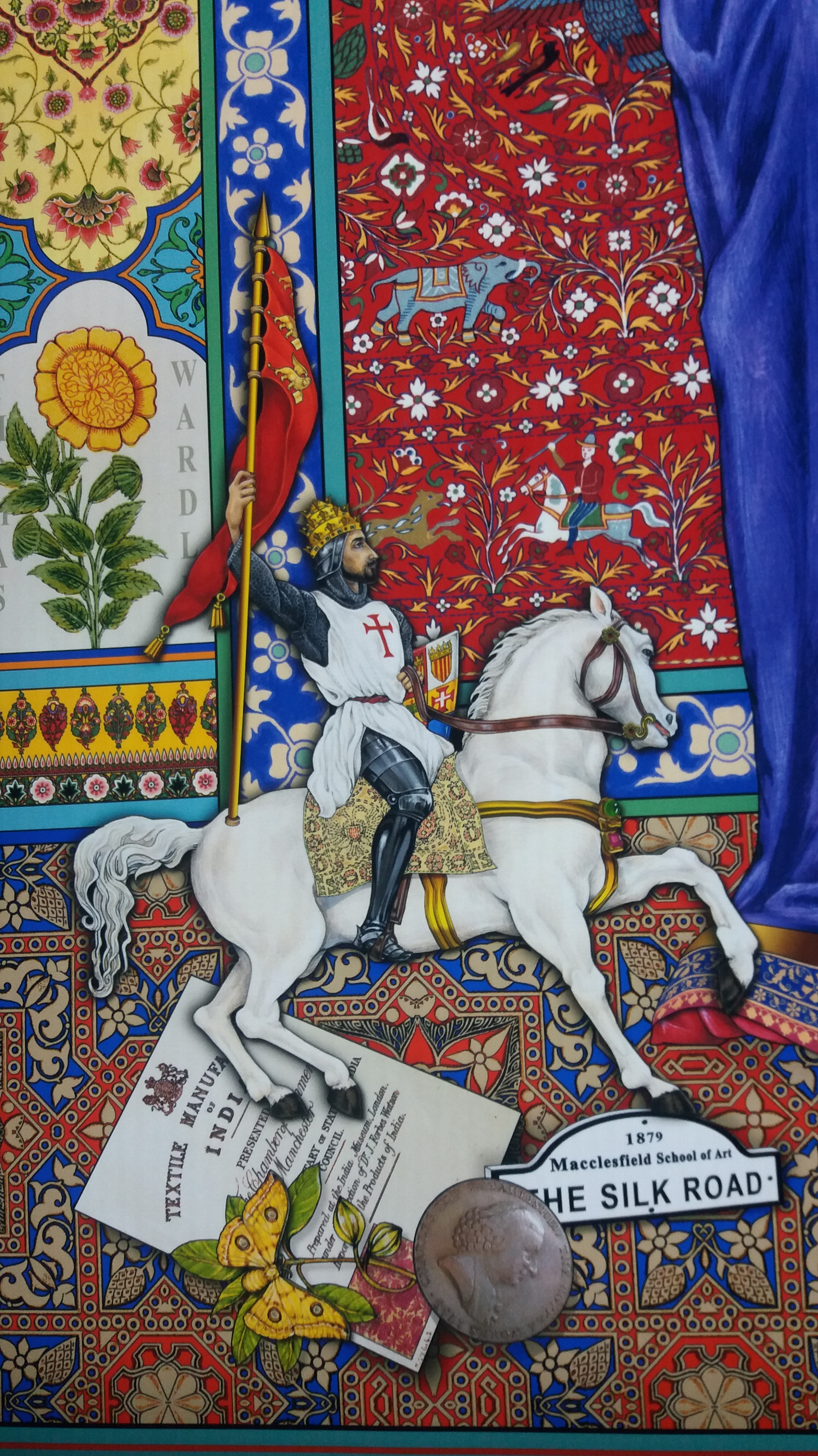
Silks and Quilts: Exploration and Exploitation. Queen Isabella of Castile


It is an incredibly impressive and thought provoking exhibition which I am glad I got to see. It is in Liverpool until 20th May 2018 after which it will move to Wolverhampton Art Gallery from 21st July to 16th September.

ST Silks and Quilts detail

ST Silks and Quilts detail addition

Details from Silks and Quilts

Pre-Raphaelites Beauty and Rebellion

This exhibition runs at Liverpool’s Walker Art Gallery from 12 February to 5 June and I was glad to get the opportunity to see it. Anyone who has ever visited any of the galleries in Merseyside will have had the chance to see many of the most famous Pre-Raphaelite pictures and this exhibition brings many of them together, and more, and develops their story in the context of the wealthy patrons of the artists, many of which were Liverpool merchants.


It is interesting to see the paintings placed alongside the wealthy benefactors who bought or commissioned them. Frederick Leyland is described in the catalogue by Christopher Newall as exemplifying a:


new breed of Liverpool oligarch. Born into dire poverty (his mother hawked pies in the streets of Liverpool and was deserted by Leyland’s father, who was a shipping clerk), at a young age he was taken on as an apprentice at the Bibby Line. There, by sheer ruthless determination and with astonishing rapidity, he first became manager and designer of the steamships that formed the fleet and then in 1873 took control of the company.


In recent years the Speke Hall interlude of Frederick Leyland has come to the fore much more and I was pleased to see (for the first time although it is owned by the Walker Art Gallery) James McNeill Whistler’s sketch Speke Hall No 1 (1870) which shows Mrs Frances Leyland on the drive in front of Speke Hall. Also included is a painting by a lesser known artist, James Campbell (1828-93), The Courtyard at Speke Hall (1854) which was painted before the Leylands moved in but shows how it must have looked at the time, warmer and more colourful than the stark black and white over-restoration so beloved of the National Trust.


James Campbell also painted Waiting for Legal Advice (1857) which shows an older man accompanied by a young boy waiting to see a solicitor. The catalogue suggests the man is a “stubborn client” who sits in the ante room whilst two clerks gossip behind him. It is not the only interpretation that could be put on the look that runs across his face.


For me the paintings of William Holman Hunt always stand out. So we have The Scapegoat (1854-4), sent out to the wilderness to carry the sins of the congregation and standing on the salt encrusted shore of the Dead Sea, looking forlorn and fearful. Another painting from his period in the Holy Land is The Sphinx, Gizeh, looking towards the Pyramids of Sakhara (1854). It towers up like a sand blown natural feature in the desert, rich in layered colours.


Another fascinating painting by the same artist is The finding of the Saviour in the Temple (1862) which was owned by George Holt.

Finding the Saviour in the Temple

The finding of the Saviour in the Temple


Unimaginably rich in colour and detail it shows the holy family finally catching up with Jesus in the temple after realising they had left Jerusalem without him. Opposite Jesus in the picture sits a crowd of figures including a number of rabbis, representing the Pharisees and the Sadducees. Some of these are symbolically depicted in shadow while Jesus and his family stand in the light. The whole picture is replete with imagery and symbol. It is a smaller version of a painting which in 1866 claimed the most expensive fee ever paid to a living artist at that time. Such religious scenes were favourites of some of the Pre-Raphaelites although they ranged across mythology, history and other themes.


B. Guiness Orchard in Liverpool’s Legion of Honour (1893) describes George Holt as a member of a family that had “occupied and still occupy so great a place in Liverpool” and listed his commercial and philanthropic achievements:


The present George Holt, has emulated and equalled the father, University College having no more generous friend. To the Dock Estate he rendered great services. He acted as a magistrate for the borough and the county. From 1835-56 he sat in the Town Council, acting on the Library and Museum Committee, and as chairman of the Water Committee. His time and money were freely at the services of the Liberal cause in politics, while in business schemes outside his own office his enterprise and breadth of view were conspicuous, as when he joined Isaac Cooke and Adam Hodgson in establishing the Bank of Liverpool, or as when his fellow Unitarian, Swinton Boult, being anxious to form a great insurance company, turned for support to Mr Holt…[his] father arranged a partnership with young William James Lamport, son of a nonconformist minister…and the two established the firm of Lamport & Holt, shipowners and merchants, chiefly in the South American trade, which soon came to the front, and during many years has enjoyed the highest reputation alike for the extent of its operations and the unsullied honour and singular wisdom with which they are conducted.


Another painting owned by George Holt is Love’s Palace (1893) by John Milhuish Strudwick (1849-1937). Holt was a major collector of Strudwick’s work and this is an intriguing picture. The catalogue describes it like this:


The painting is an allegory of love based on a poem by the architect GF Bodley. Love is enthroned in the centre of the composition, while the three fates sit on the steps. Around them, as if on a stage, woman, knights and Amorini – the winged boys – enact love’s ups and downs.


The three fates are draped in dark, shroud like garments, they languidly spin or cast lots while the Amorini gambol around them. It’s a strange picture but what particularly fascinates me is that it was commissioned by George Holt. He was a genuine connoisseur and a very generous benefactor to the city but is this what really was inside his head? As he examined ship’s manifests, did his calculations for insurance, prepared his ships to sail for Buenos Aires, assembled his finances for the bank and planned the strategies for the Liberal party, was he actually lost in reverie for this imaginative picture of love and the random possibilities of fate?


Pre-Raphaelites 01


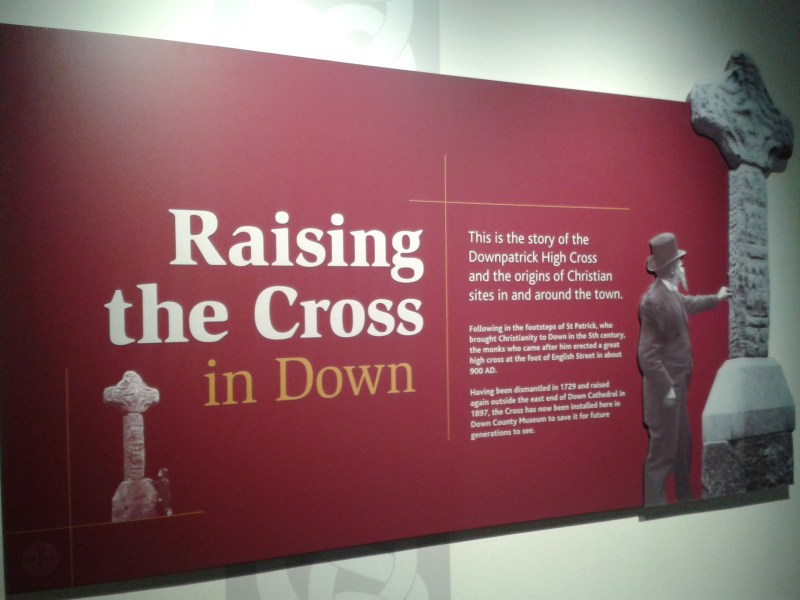
Raising the Cross in Down

On Tuesday, 15th September the new Downpatrick High Cross Extension was opened at Down County Museum. I was pleased to be amongst the large crowd who were present to see the new premises.

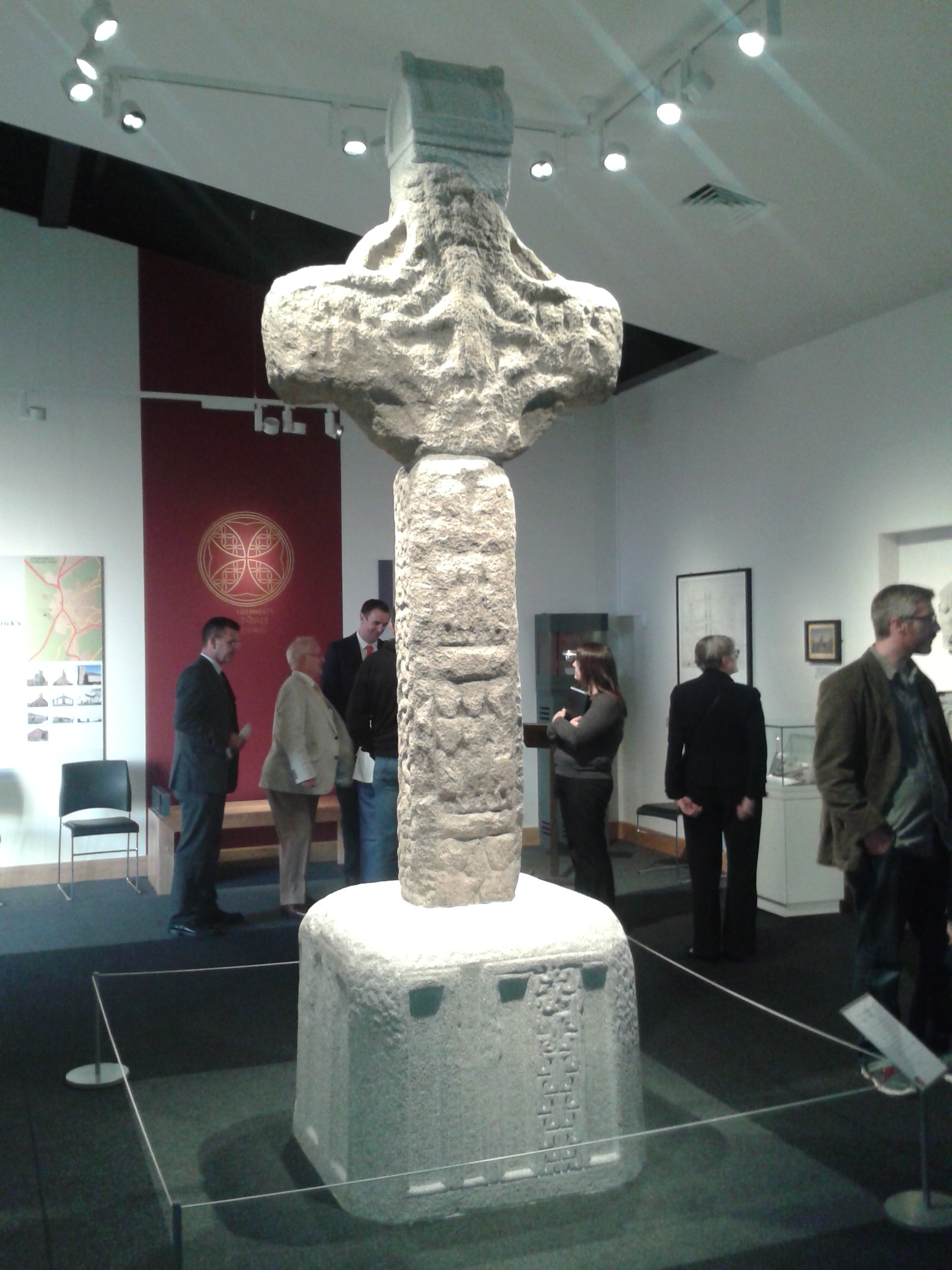
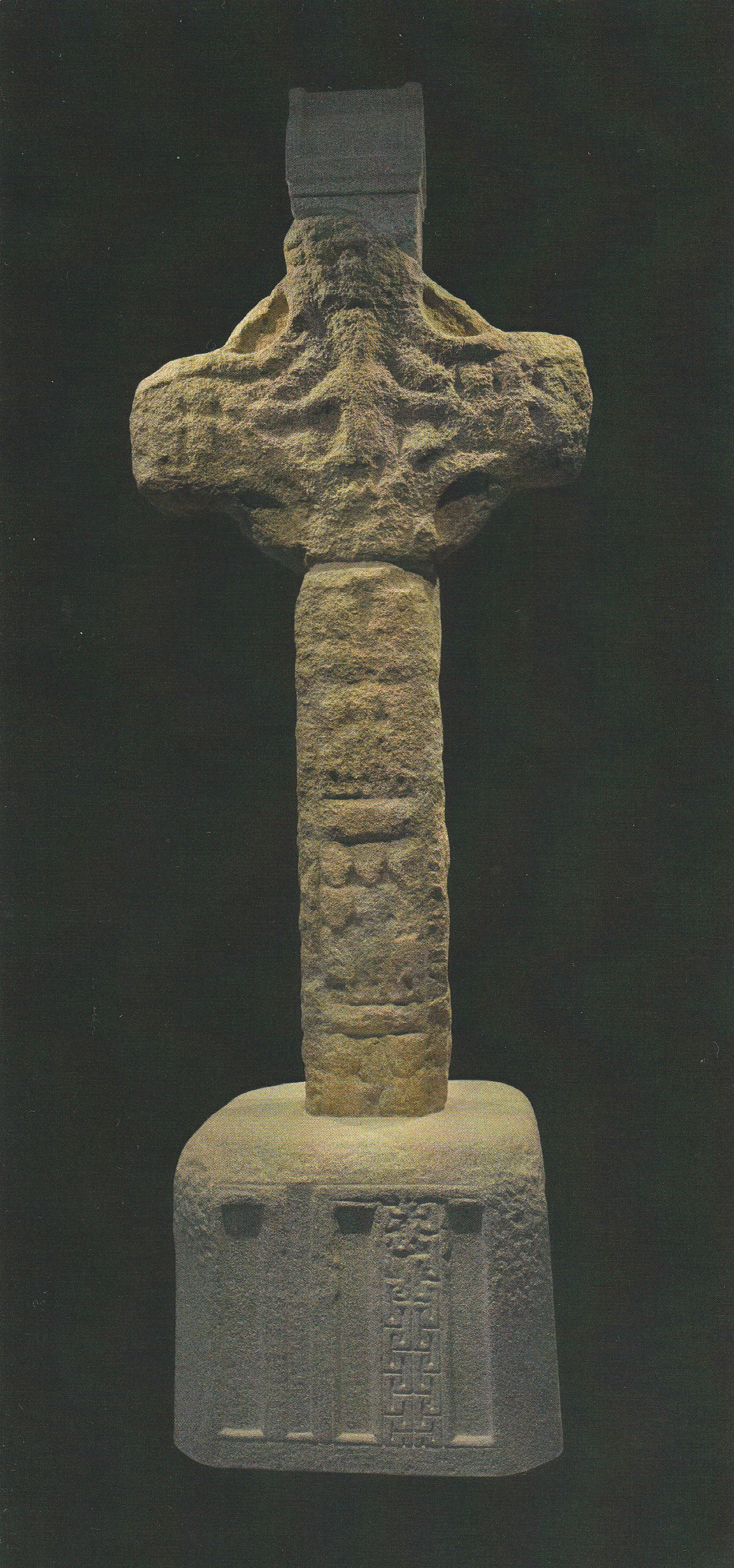
The High Cross
The High Cross


The main attraction of the extension is, of course, the High Cross itself which holds centre stage in the main room. It’s quite dominant in the room and is exceptionally well lit so you can appreciate the detail in a way that just wasn’t possible when it was in its original position outside the Cathedral. Out of doors you had to take on trust the various illustrations that were said to be carved on its surface, now you can make them out and have some idea of the stories it intended to convey. In addition these are well explained in the exhibition.


The Cross in its new location


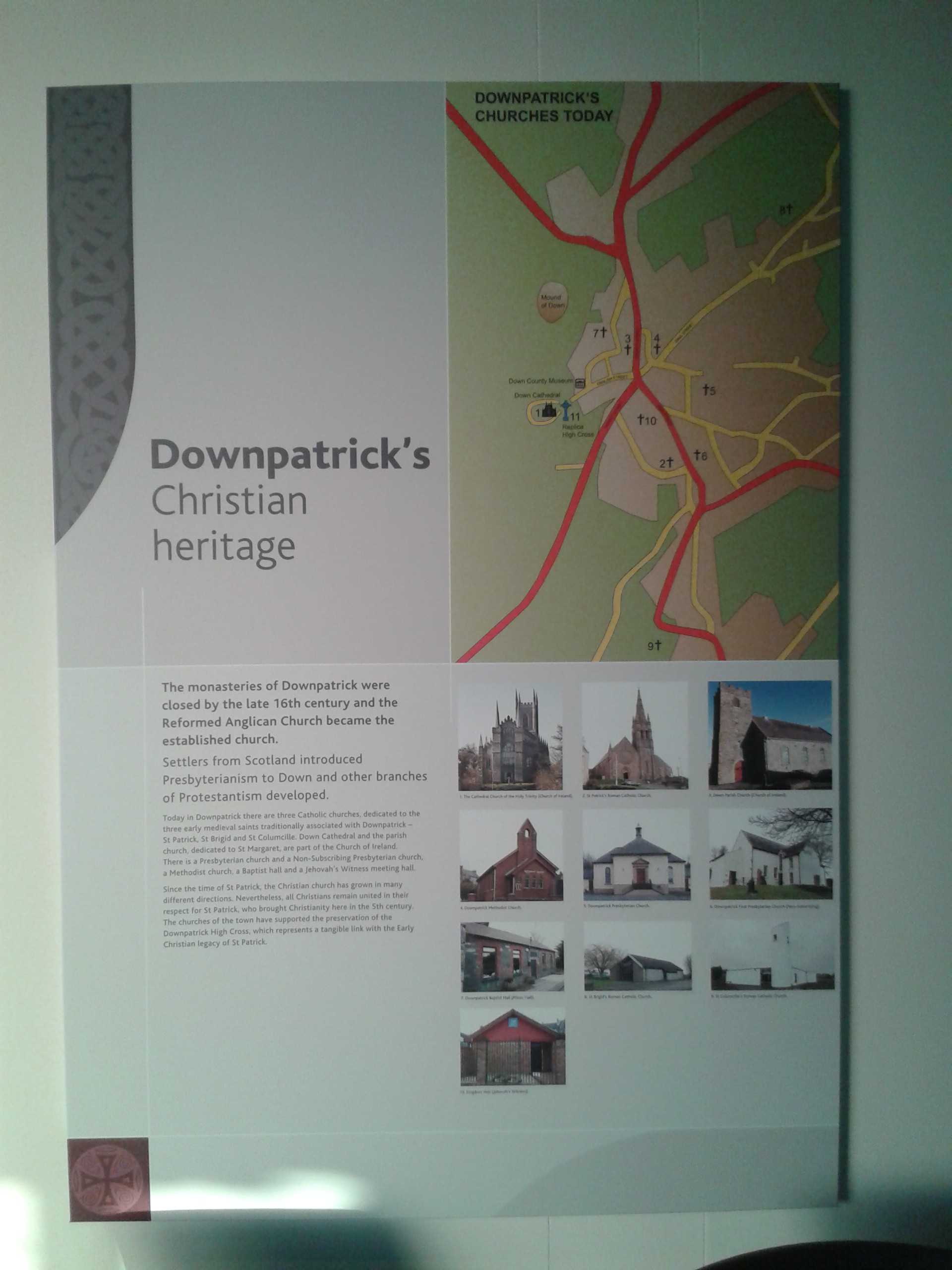
Raising the Cross in Down “tells the story of the Downpatrick High Cross and its place in the early Christian tradition of County Down” using artefacts, reconstructions and interpretative panels. It’s a good exhibition which takes the visitor through Christian history in the locality right up to a nicely inclusive panel covering the various traditions in Downpatrick today.


Downpatrick's Christian Heritage
Downpatrick’s Christian Heritage


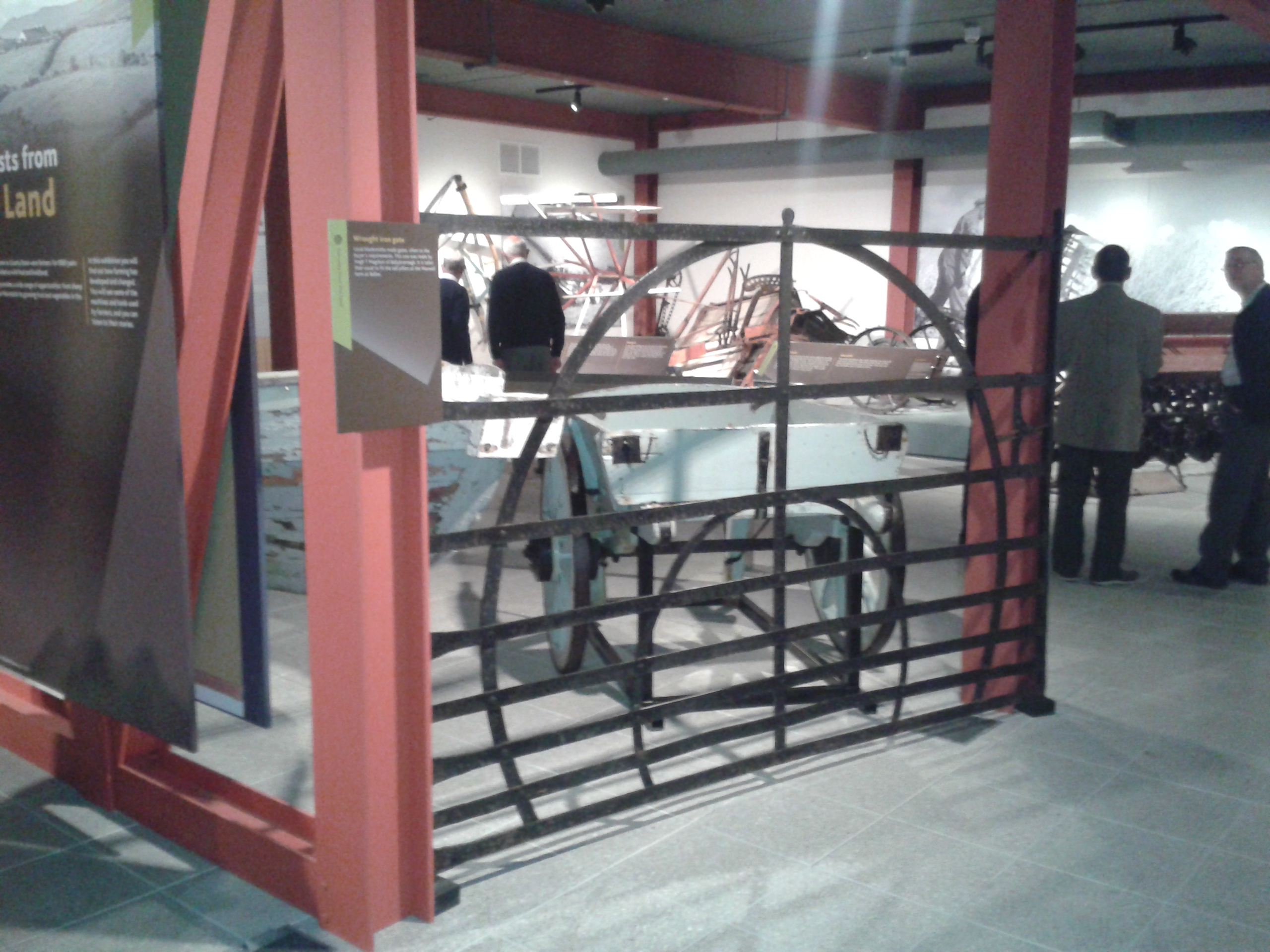
Elsewhere in the extension the new café will be run by the local charity Mainstay DRP. The tearoom has tremendous views across the rolling countryside. Downstairs Harvests from Land and Sea is an exhibition telling the story of farming and fishing in County Down which contains machines, tools and artefacts which will be familiar to many local people.


Wrought iron gate made by Hugh Magilton of Ballybranagh

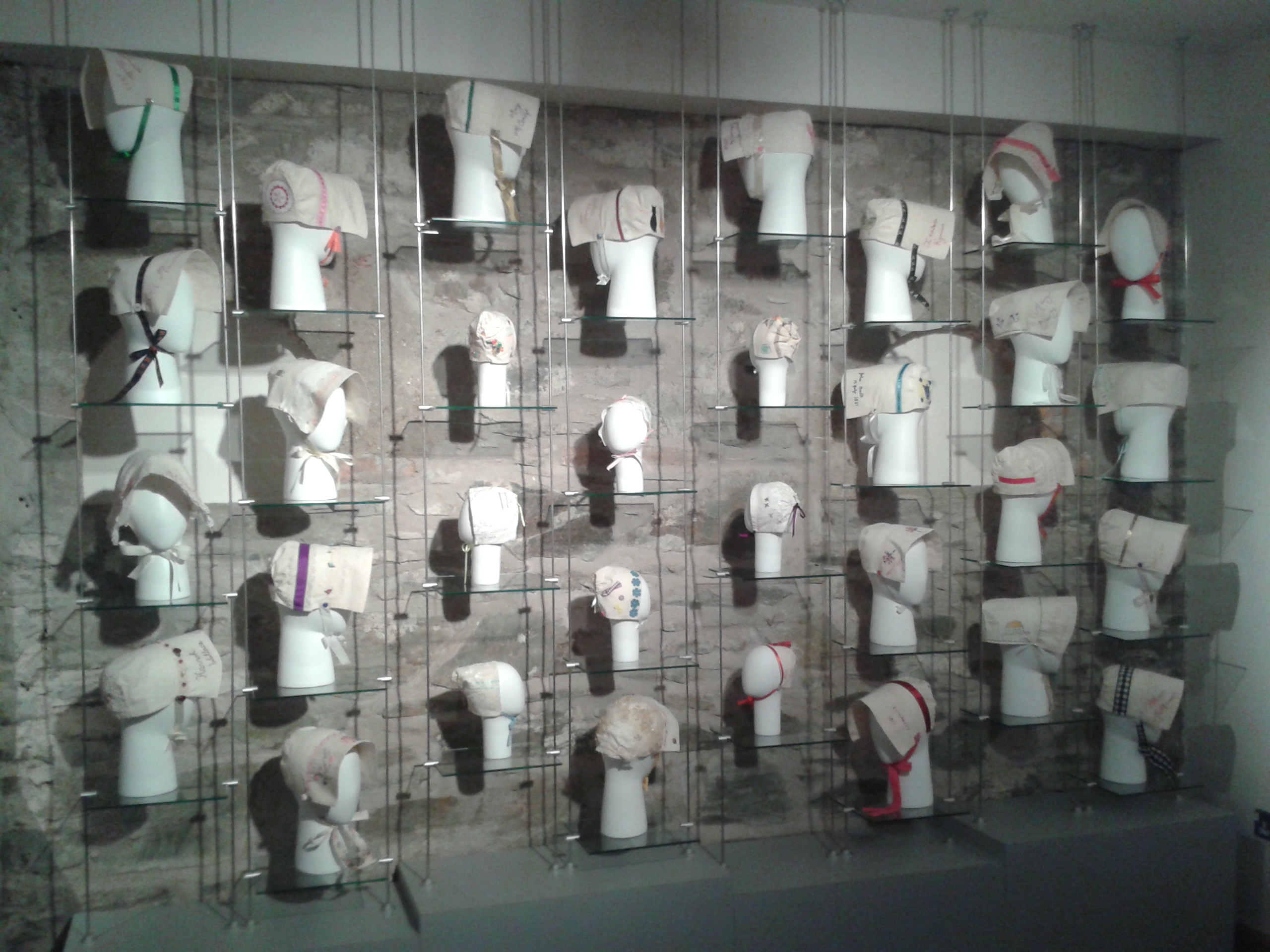
Another room includes the At Present Confined: Life in the Old Gaol exhibition which tells the story of many of those who were imprisoned in the gaol between 1796 and 1830. On show in here is a display of hand-made bonnets made by many schools and local groups as part of the ‘Roses from the Heart’ project, run by Tasmanian artist Christina Henri in 2013. A number of local groups took part in this project which was international in its scope and which commemorated the thousands of women and children who were transported to Australia in the eighteenth and nineteenth centuries.


Display of bonnets
Display of bonnets

While some of the people who were transported to Australia were hardened criminals many of them, and many of the woman, had done things which we would regard as quite trivial today. So in 1820 Jane Armstrong at the age of 16 was transported for seven years for stealing two spoons. In 1832 Mary Burns, who was born in Downpatrick, was transported for seven years on a charge of vagrancy, which today we would probably call homelessness. Quite a few women were sent away simply for vagrancy. Altogether something like 25,266 women were transported from Britain and Ireland to Australia and the artist Christina Henri has been trying to commemorate them both here and in Australia by getting people to make bonnets. Children in local schools were encouraged to make bonnets with the name of each woman on as well as the name of the ship she was transported on. Along with Canon Rogan I was very pleased to be asked to take part in a ‘blessing of the bonnets’ in the Museum at the time.

Down Museum has long been an excellent Museum but the new extension is a very impressive addition to its display that fits in well with the Museum’s care and appreciation of local history and its engagement with schools and the wider community.


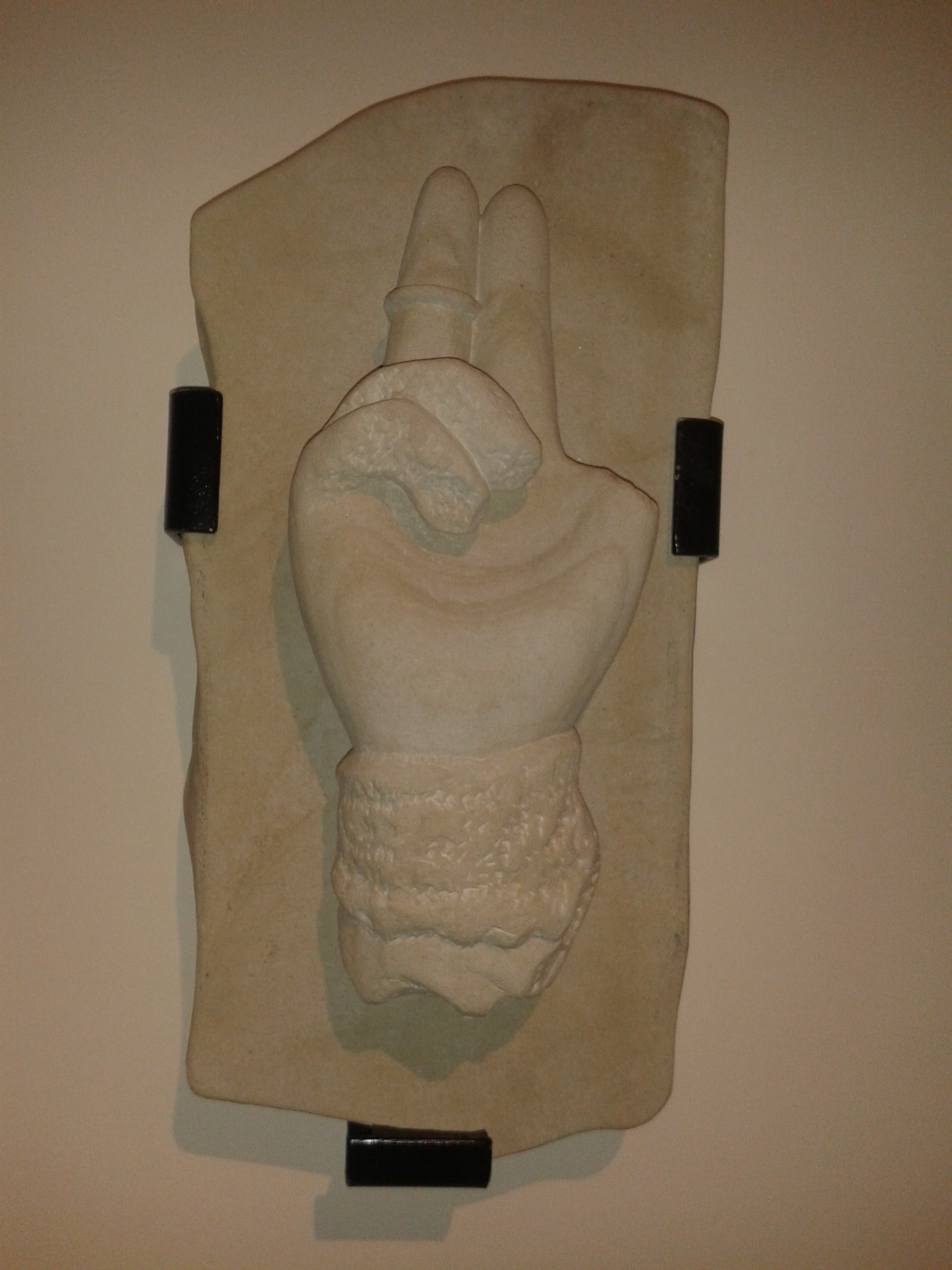
Replica in sandstone of a medieval carving of St Patrick's hand by Claire Sampson
Replica in sandstone of a medieval carving of St Patrick’s hand by Claire Sampson

Faith in the World – next year’s Faith and Freedom Calendar

If you saw a copy of last year’s Faith and Freedom Calendar then you will recognise the three images on this page as from that publication. Last year’s Faith and Freedom Calendar was well received and helped to raise a good sum for the charity Send a Child to Hucklow Fund (SACH). The journal is planning to publish another Calendar for 2016 the proceeds from which will again go to the SACH.


Princes Road Synagogue Liverpool
Princes Road Synagogue Liverpool (January 2015)


Next year’s theme will be:
Faith in the World

The publishers invite anyone to submit photographs for consideration for inclusion in next year’s Calendar in accordance with this theme. Please interpret the theme as broadly as you like – an act of worship, a faithful community or individual at work, a symbol of faith, a place of worship, it is up to you. However, the photograph should be your own work and you must be happy to give permission for it to be used in the Calendar should it be selected for inclusion. Photographs can be in colour or black and white, they should be landscape in orientation, of high resolution and sent, by email, to n.clarke884@btinternet.com


Pet service at St Andrew's United Church, Kirton Lindsey, North Lincolnshire
Pet service at St Andrew’s United Church, Kirton Lindsey, North Lincolnshire (March 2015)


All successful entrants will be sent a free copy of the Calendar and have the satisfaction of being part of an interesting project that shares the diversity and vibrancy of faith and which will also help to raise money for SACH. We may be able to include a broader number of pictures submitted in the journal’s website.
If there is a seasonal element to your entry please state it in your accompanying email as well as when and where it was taken. Please remember also that parental permission is usually required if your picture includes children under the age of 18. The deadline for submissions will be 18th September 2015.


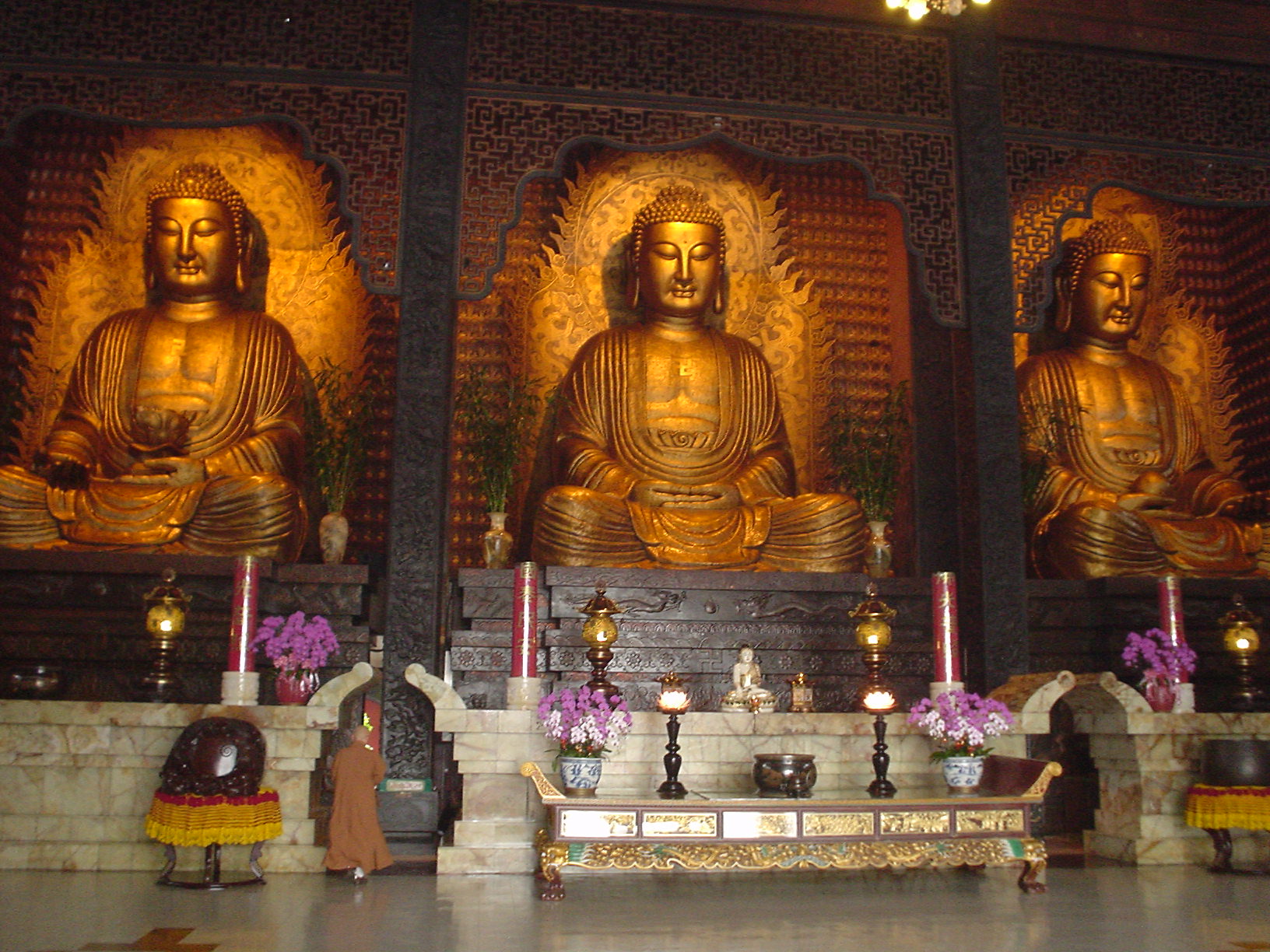
Buddhist Temple, Fo Guang Shan Monastery, Kaohsiung, Taiwan
Buddhist Temple, Fo Guang Shan Monastery, Kaohsiung, Taiwan (August 2015)

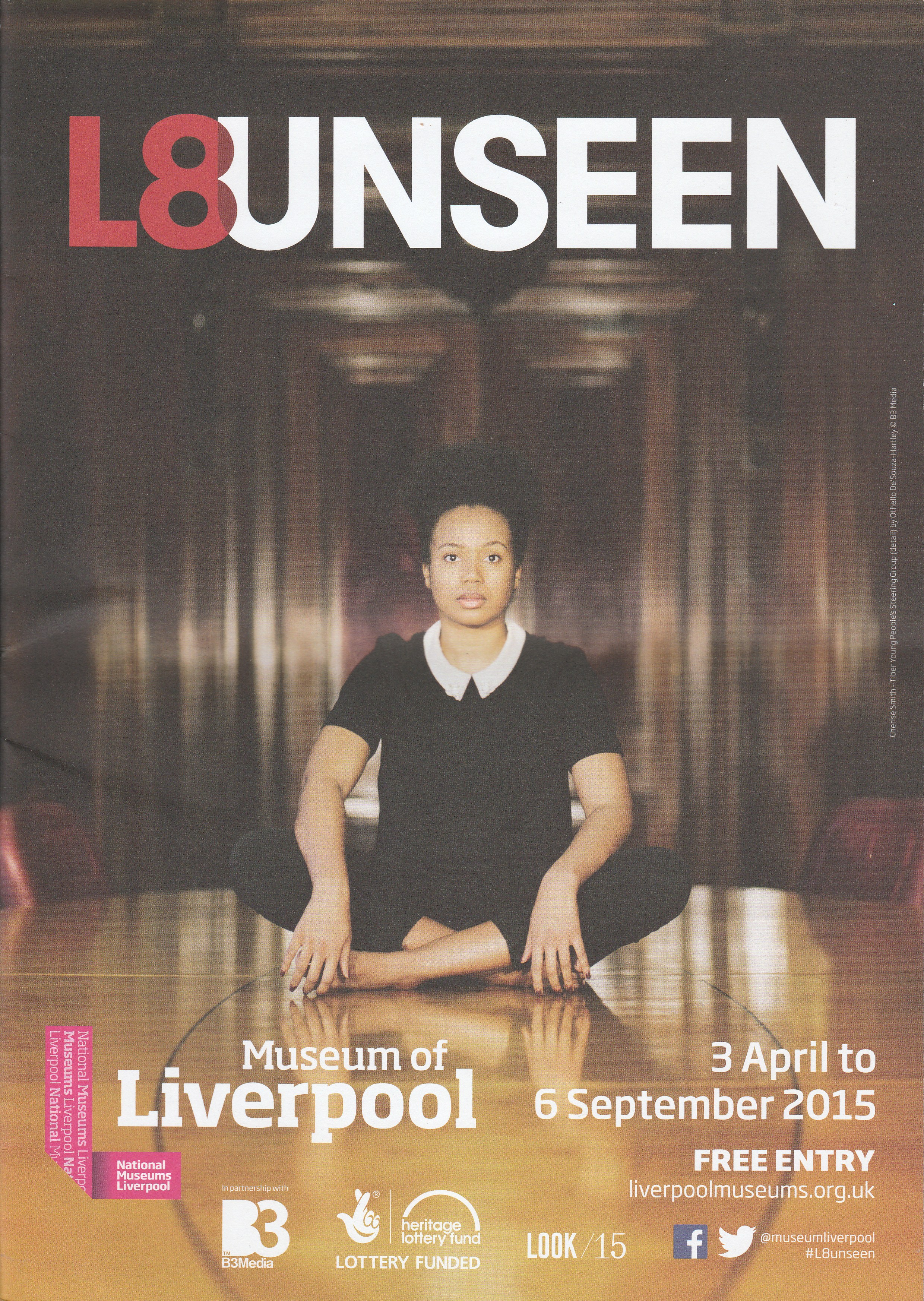
L8 Unseen, Museum of Liverpool

L8 Unseen


L8 Unseen runs at the Museum of Liverpool from 3 April to 6 September. It is a collection of striking images taken by photographer Othello de’Souza-Hartley. The pictures are all blown up to a large scale and rich in detail. Each one features someone or some group of people who live in Liverpool 8 pictured inside a building that reflects the history of Liverpool. The poster used to advertise the exhibition, and reproduced above for instance, shows Cherise Smith of the Tiber Young People’s Steering Group in the boardroom of the Liver Building.

There are also interactive elements in the exhibition in which you can listen to personal stories and send in your own photographs to add to the story. This has been incredibly successful and over 2,500 people have sent in their own photographs in the first weeks of the exhibition.

The blurb for the exhibition declares that “Liverpool 8 is a state of mind, an idea, a culture, rather than just a geographical location”. This identity is based upon diversity, something that is rooted in Liverpool’s development from the eighteenth century onwards as a major seaport that brought so many peoples and cultures to its streets. But in this also lies the downside – Liverpool’s prosperity was based, from the opening of its first dock in the early eighteenth century until 1807, on the slave trade and so the exhibition notes that many of the places used “were founded on the proceeds of the city’s international trading links and the slave trade.” This is undoubtedly true – even for buildings like the Liver Building, built as late as the twentieth century – for without that era of massive expansion when Liverpool became the pre-eminent slave ship port the continued advancement of the Victorian era and later would not have happened. This reprehensible trade carried on by so many people in Liverpool for a hundred years brought tremendous riches and provided the backbone of the city’s prosperity. So the buildings used include the Town Hall, The Black-E arts centre (which was once Great George Street Congregational Church), the Liver Building, a house in Abercomby Square, dock buildings, the Athenaeum Club and other places. There is no getting away from the fact that virtually the whole city was effectively complicit in a vicious trade but I can’t help feeling that somewhere like the Athenaeum perhaps indicates a slightly different attitude, after all it included amongst its founding members William Roscoe and his circle, people who opposed the slave trade from the start and were eventually successful in getting it stopped. We shouldn’t overlook the courage of people like Roscoe who stood out against the prevailing orthodoxy at the time.

My favourite photograph shows four religious leaders from places of worship in Liverpool 8, generally from near the top of Princes Avenue. Seated around a table in the Town Hall are representatives of the Al Taiseer Mosque, Princes Road Synagogue. St Nicholas Greek Orthodox Church and St Margaret’s Church of England, all resplendent in liturgical garb. One hopes that this gathering represents some sort of on-going dialogue between the different faiths rather than just a gathering for a photo opportunity. At least two of the religious buildings that they represent are amongst the grandest and most impressive buildings in the city and Liverpool, of course, had the first mosque ever built in England. What a shame the nearby Welsh Presbyterian Church, itself something of a mini-cathedral, is now gone, then they could have had a sober Presbyterian in preaching bands and black cassock join the group too. But the building has been derelict for years and the original congregation left in the 1970s. That illustrates one aspect of diversity which has almost entirely disappeared in Liverpool. When I was young the city was dotted with Welsh speaking churches, now I think just one small chapel remains. Sad to note the disappearance of this group, although even in Wales the types of churches that they comprised are nowhere near as prevalent as they once were.

But it is an illuminating exhibition that reflects the resilience and the vitality of Toxteth/Liverpool 8. As Laurence Westgraph says in his notes accompanying the exhibition “what is the culture of L8? Maybe it is the culture of accepting, tolerating and welcoming people from other cultures.”

Festival of Floral Art First Holywood (NS) Presbyterian Church, co. Down

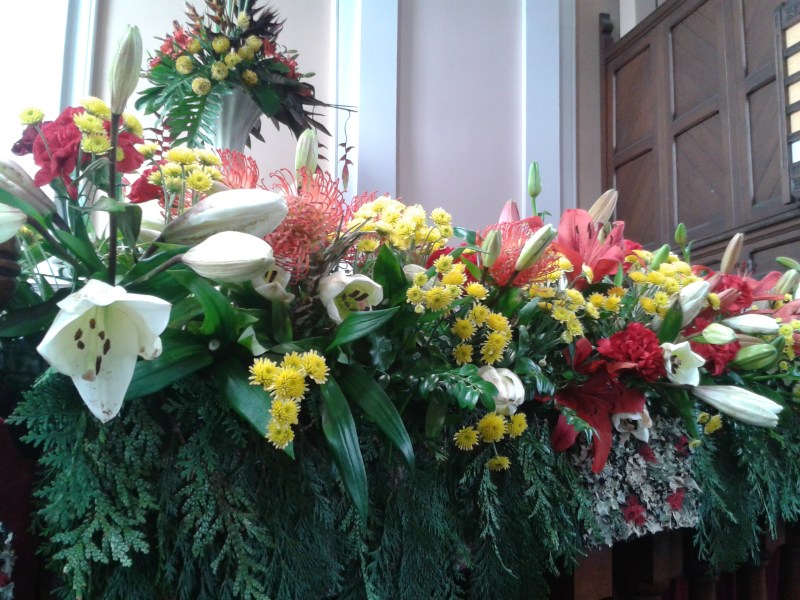
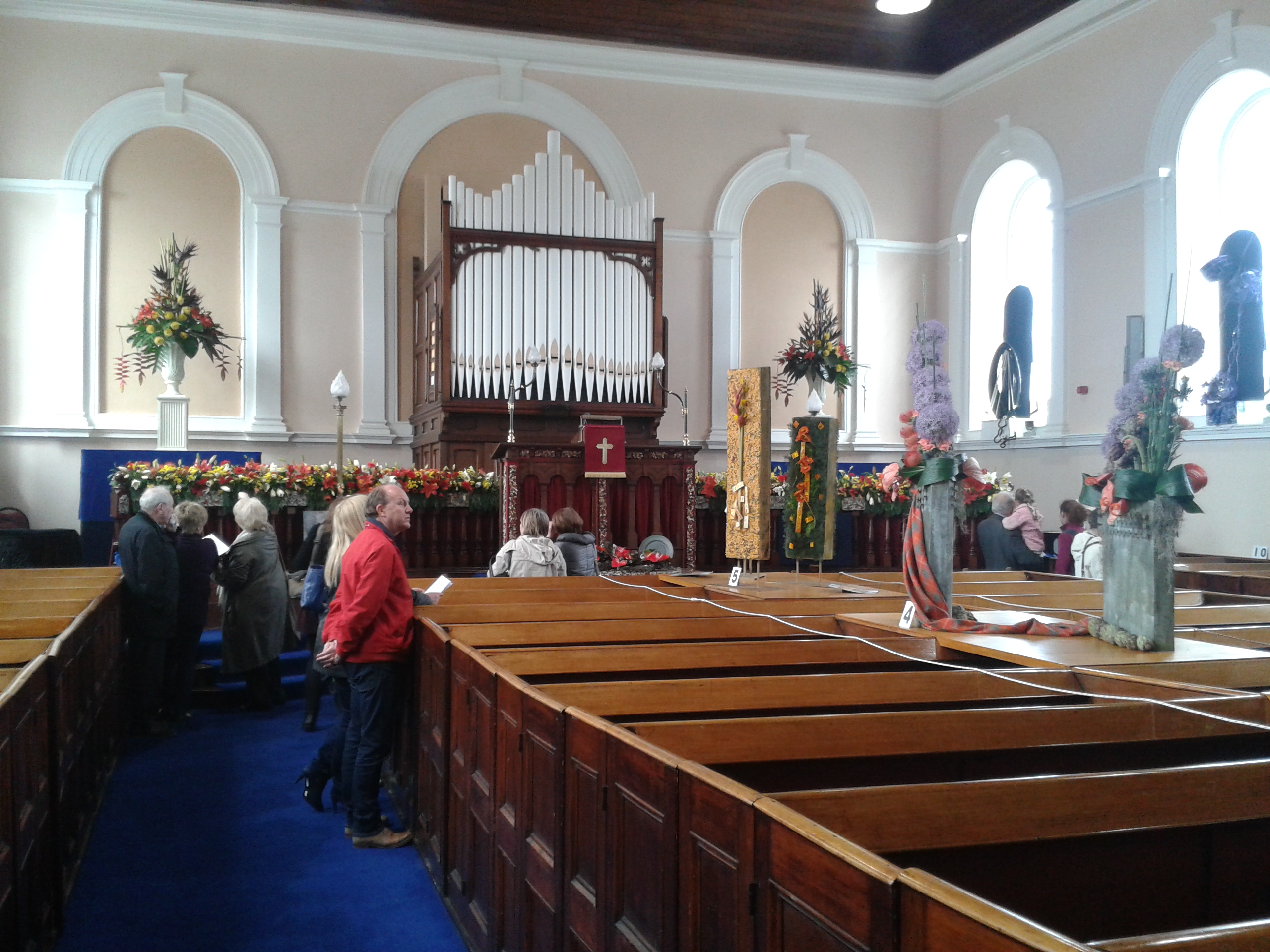
The Very Rev William McMillan has many strings to his bow. He is not just a distinguished and much loved pastoral minister, he is also a highly regarded historian who shares his knowledge readily with all enquirers. In both these areas – and others – he is highly respected but the area in which he is most pre-eminent is undoubtedly that of floral art. His fame in this role is world-wide and a few years ago he was appointed world champion no less. The Rev Mac regularly travels the world as a floral artist and over the decades must have helped to raise thousands of pounds for various charities through his artistic efforts. His latest exhibition is at Holywood Non-Subscribing Presbyterian church which not only utilises a wonderful space but also incorporates his historical knowledge and feel for the theological traditions that have contributed to the development of the church.

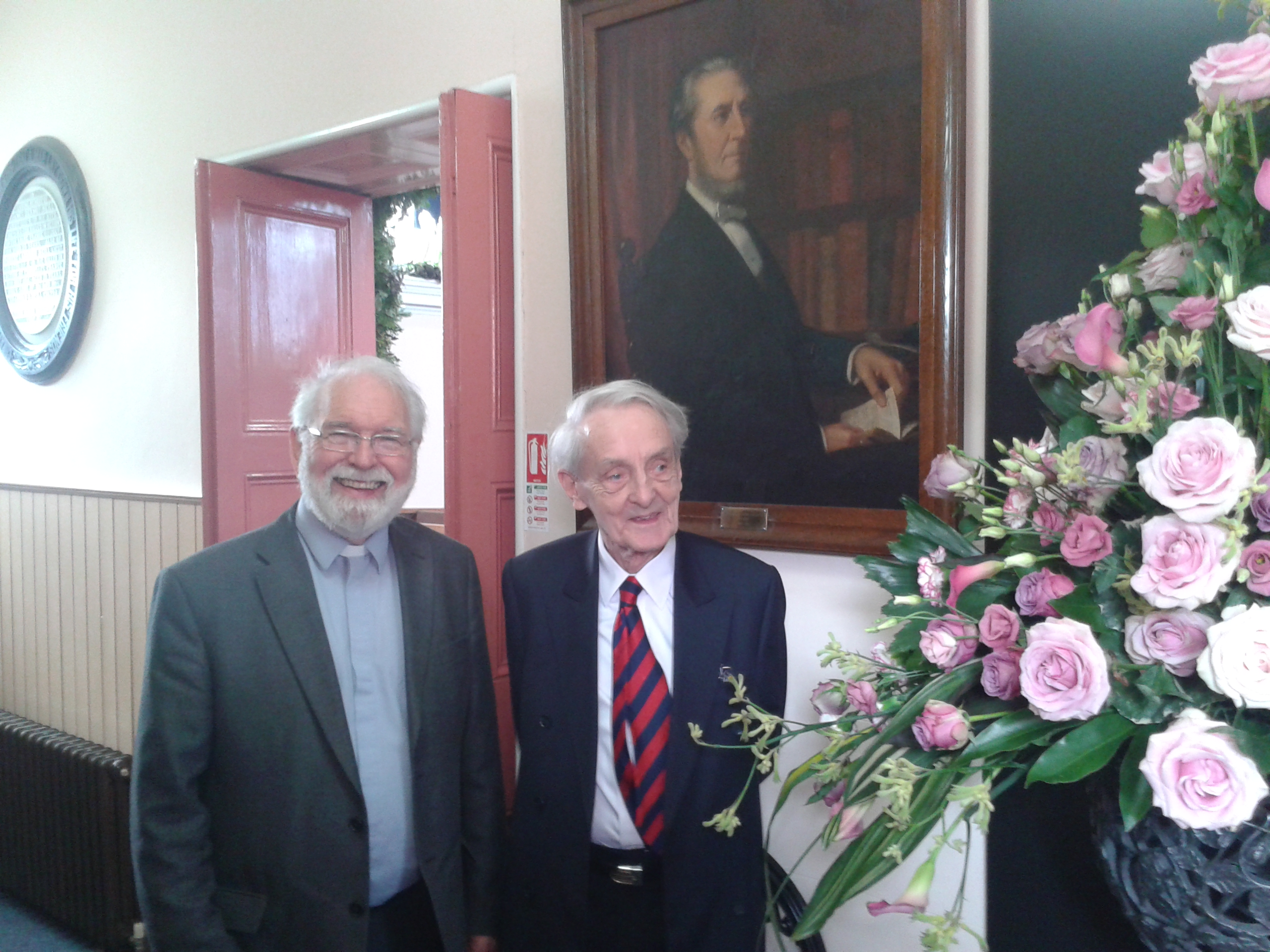
Rev Colin Campbell (left) and Rev Bill McMIllan in front of the portrait of Rev C.J. McAlester, in the vestibule of the church
Rev Colin Campbell (left) and Rev Bill McMillan in front of the portrait of Rev C.J. McAlester, in the vestibule of the church

Holywood N.S. Presbyterian church is a substantial classical fronted church dating from the mid-nineteenth century (and designed by Sir Charles Lanyon) but the congregation dates back over 400 years and this exhibition is part of the celebration of the continuation of all branches of Presbyterian witness in the town over that long period. Mac uses the Benedicite, the Song of Creation, as the theme for the exhibition and incorporates references to the rich history of the congregation including the Praeger and Bruce families.

Sophia Rosamond Praeger was, in the words of the exhibition brochure, an “acclaimed sculptor, poet and artist” and as a member of the congregation there are numerous examples of her work housed in the church. Most notable of these is the First World War memorial which she designed to include two children carrying baskets of flowers representing hope; they kneel on either side of the names of those who were killed, including one of her own brothers. Her other brother, Robert Lloyd Praeger, was a world famous botanist who became librarian of the National Library of Ireland.

Rev Michael Bruce was one of the first members of the Presbytery of Antrim and introduced the principles of non-subscription to the congregation in the 1720s. Supposedly a direct descendant of Robert the Bruce his family produced generations of Presbyterian ministers in Ireland.

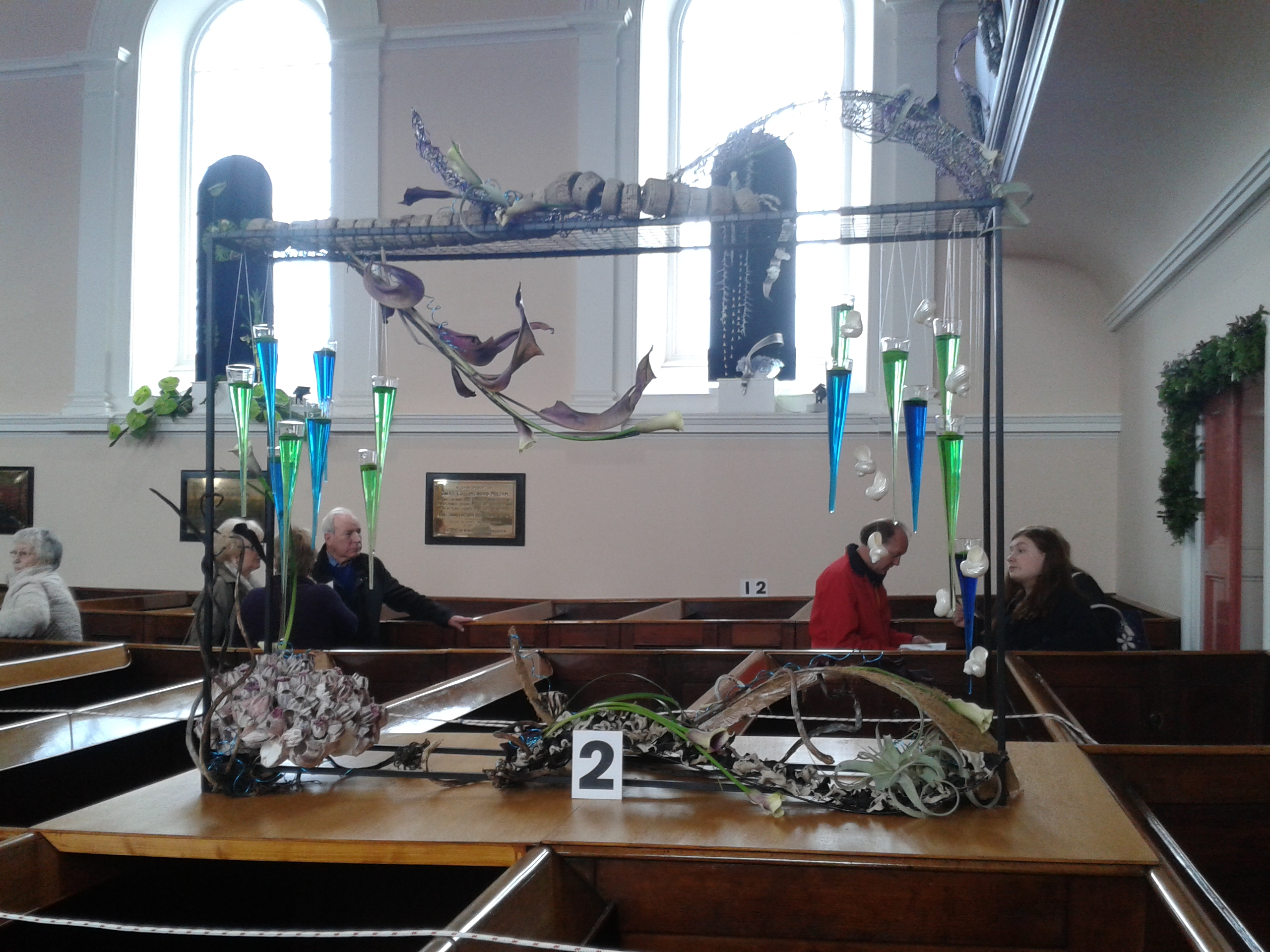
The exhibition contains material that is both traditional and strikingly modern. The line O ye Seas and Floods, bless ye the Lord takes as its cue the fact (quite new to me) that the first two buildings used by the congregation are now both submerged by the sea, and marine plants, shells and liquid are used in the design.

O ye Seas and Floods, bless ye the Lord

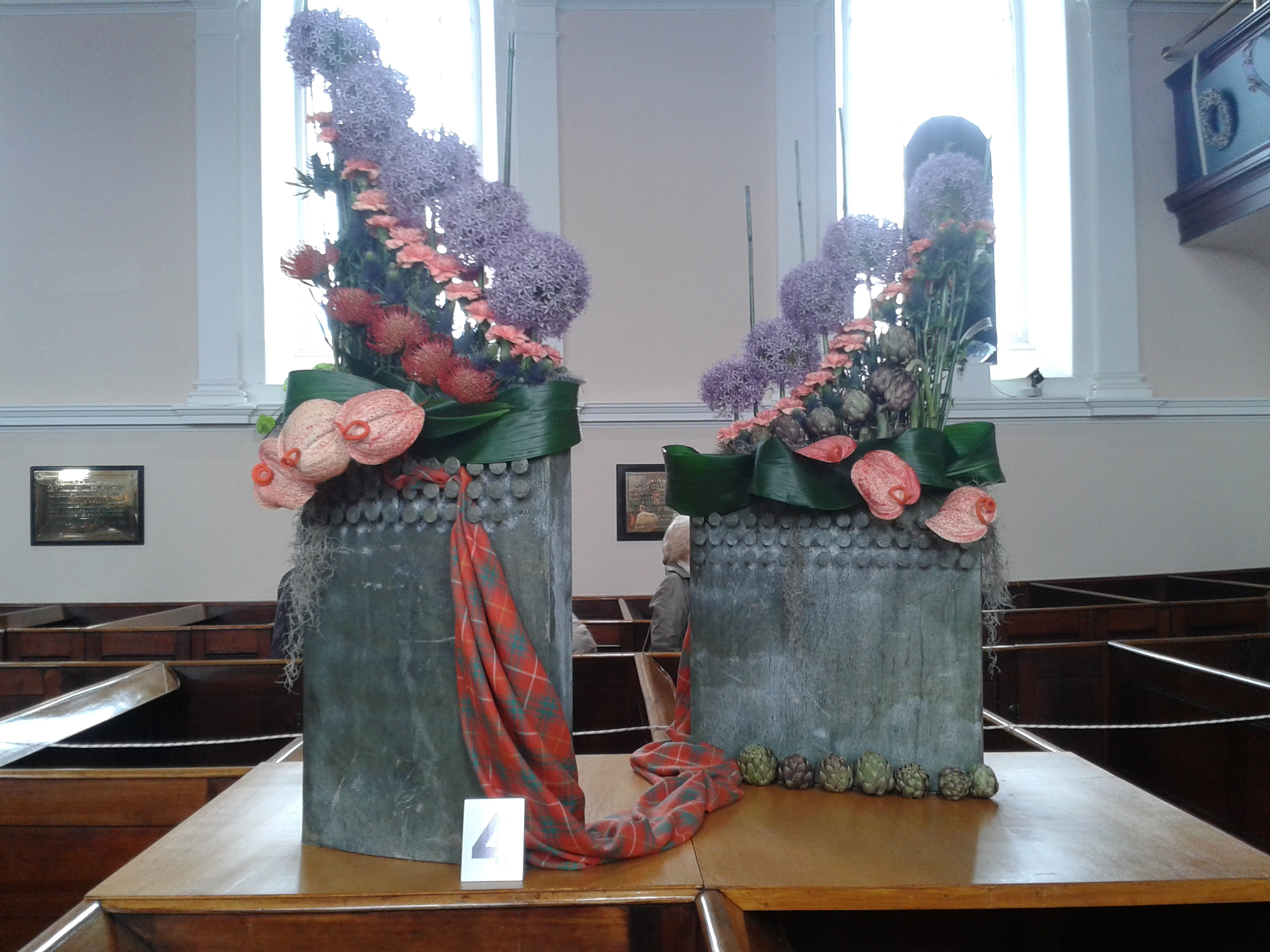
O ye Servants of the Lord, bless ye the Lord pays tributes to the Bruces and incorporates the colours of the Bruce tartan.

O ye Servants of the Lord, bless ye the Lord

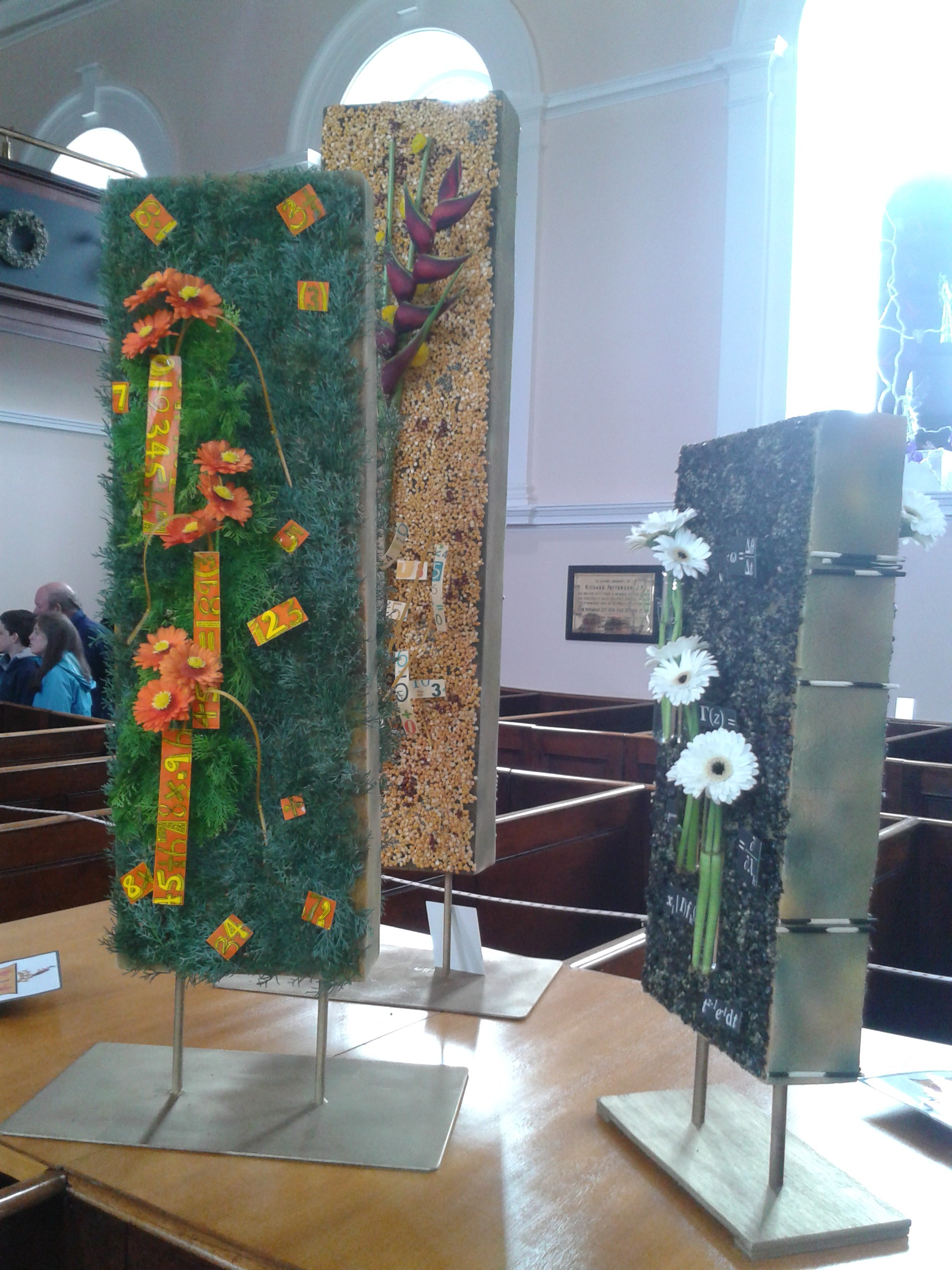
O ye Children of men, bless ye the Lord is inspired by the logo of Sullivan Upper School as a tribute to the Rev C.J. McAlester, nineteenth-century minister of the church and a scholar and a teacher. He was involved in the foundation of this school and also ran an “underground academy” in the basement of his church.

O ye Children of men, bless ye the Lord

Panels on the front of the gallery were inspired by a sketch by Rosamond Praeger entitled “County Donegal” as well as Robert Lloyd Praeger’s most famous book The Way that I Went.

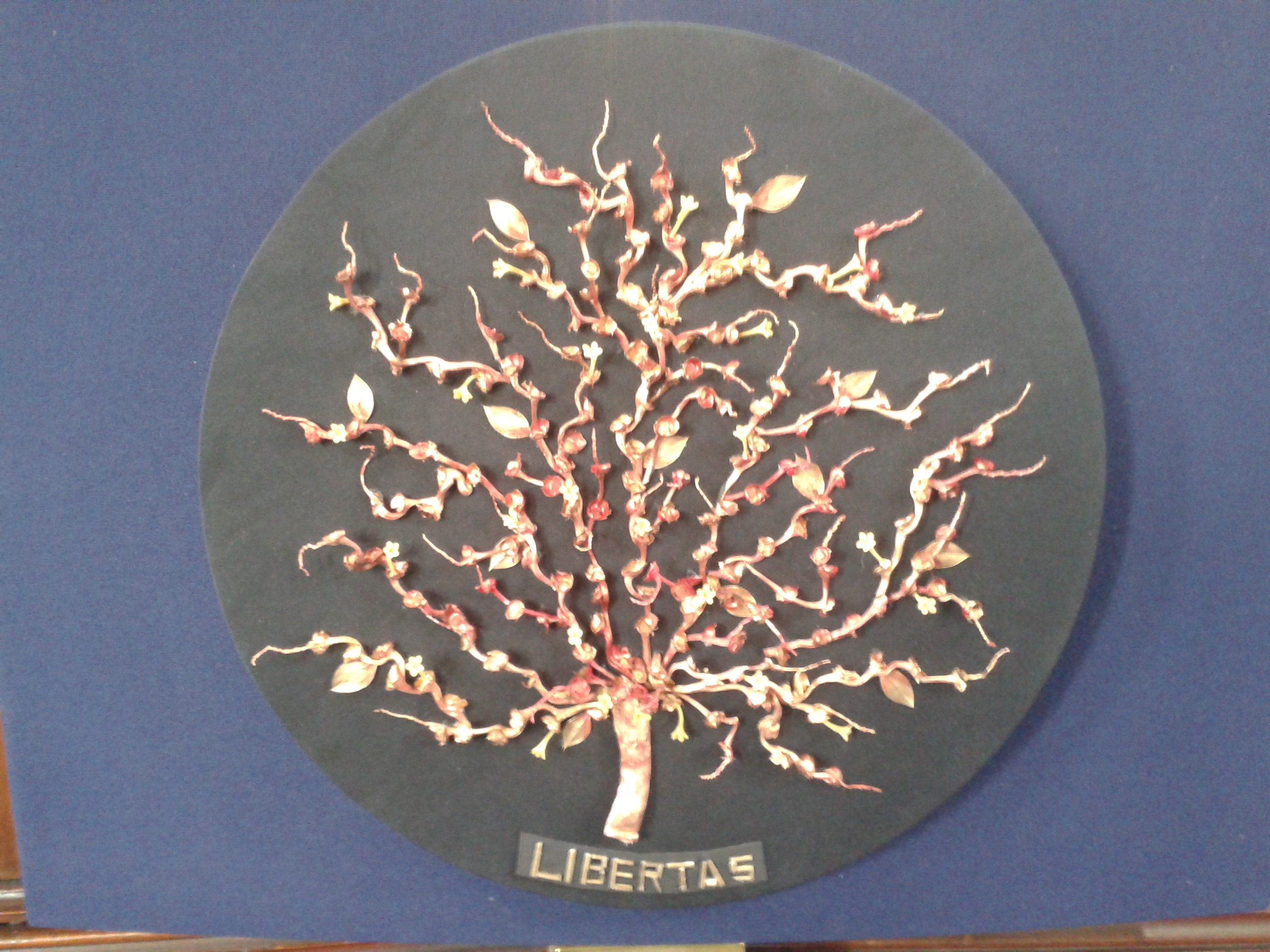
The Burning Bush symbol of the two varieties of Presbyterianism found in the town are both represented by sculptures in dried plant material and the communion table has a suitable decoration. My photographs probably don’t do the whole exhibition justice but it is nice to record at least some of what is on show in Holywood.

Burning Bush H2

Festival of Floral Art, First Holywood (NS) Presbyterian Church 23-26 April 2015, to celebrate 400 years of Presbyterian witness in Holywood.

Inside the church
Inside the church