The whole alphabet of Non-Subscription is now available to view on our YouTube channel. This tells the story of Non-Subscribing Presbyterianism in twenty-six chapters looking at a different aspect of the history, ethos, identity, theology or practice of this denomination. Filming began in June and ended in December 2021 with a service going live every week. Filmed at Downpatrick, Ballee, Clough and Dunmurry Non-Subscribing Presbyterian Churches, music has been provided by John Strain, Laura Patterson, Allen Yarr, Alfie McClelland, and Laura Neill. In addition a team of readers have taken part in these services each week including Elsie Nelson, Annabel Cleland, Noelle Wilson, Mary Stewart, Bobby Graham, Robert Neill, Emma McCrudden, and Gilbert Cameron.
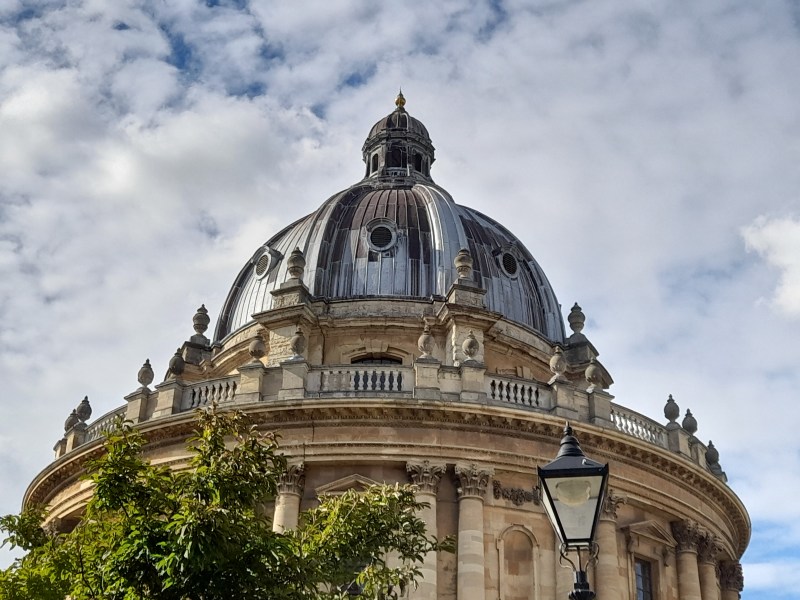
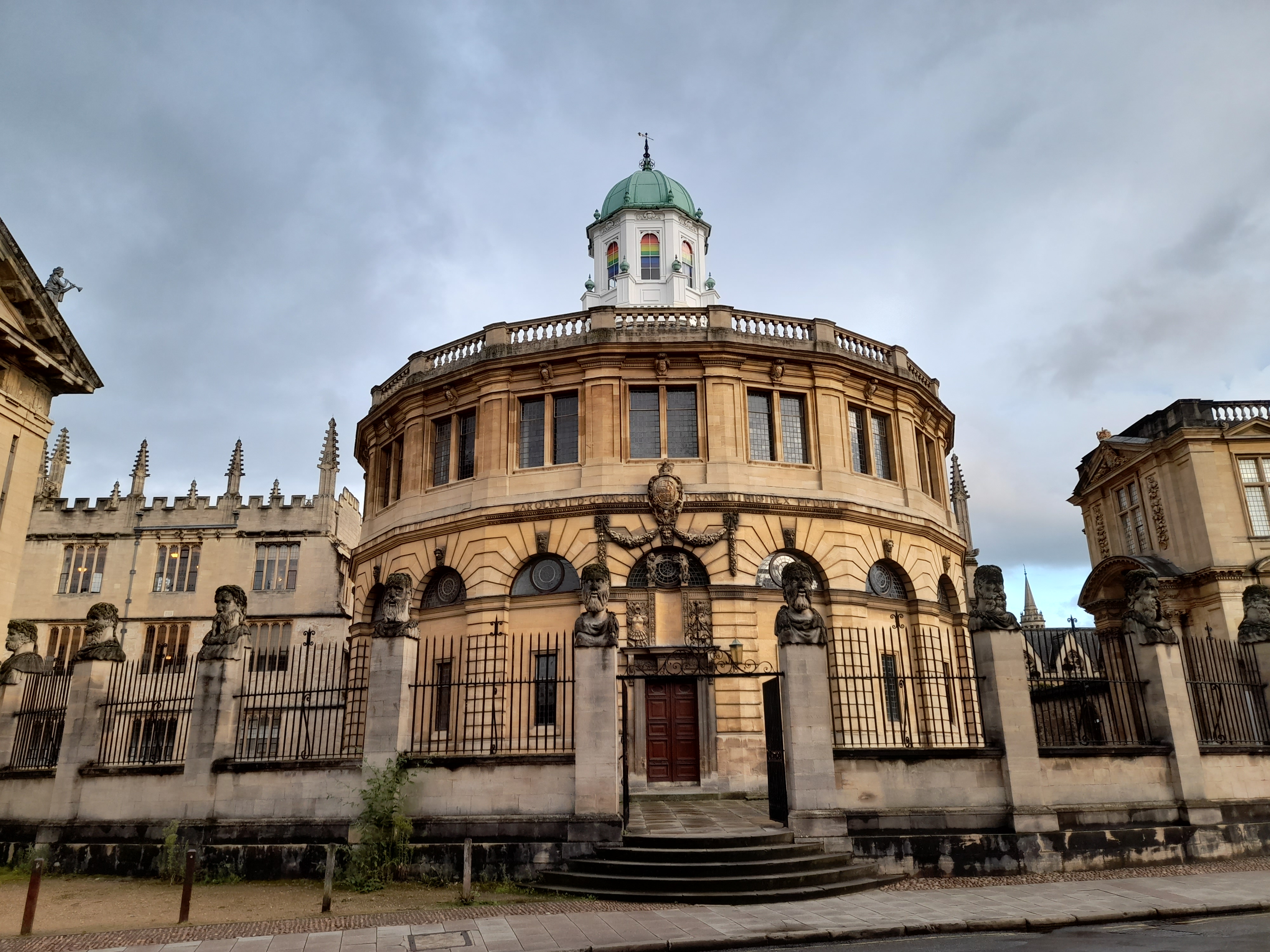
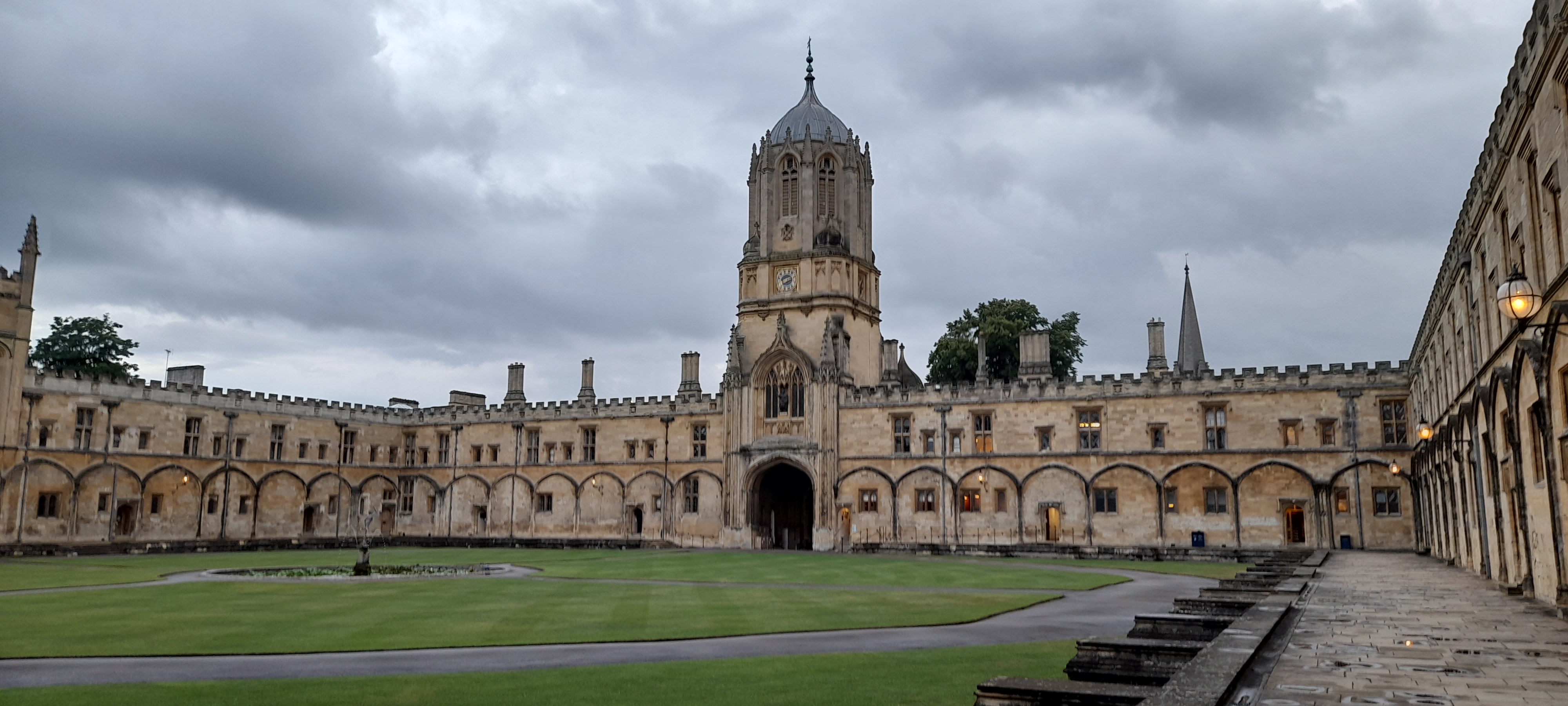
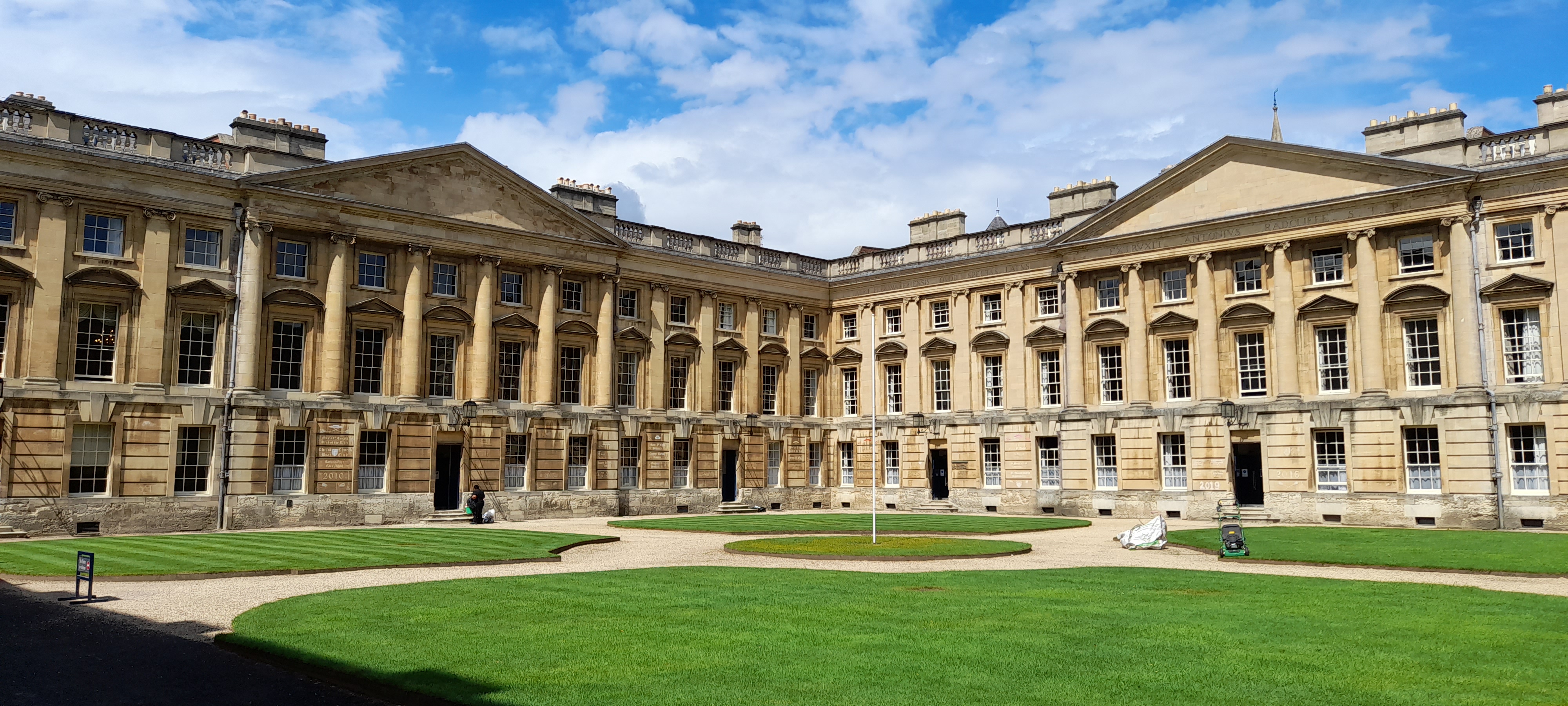
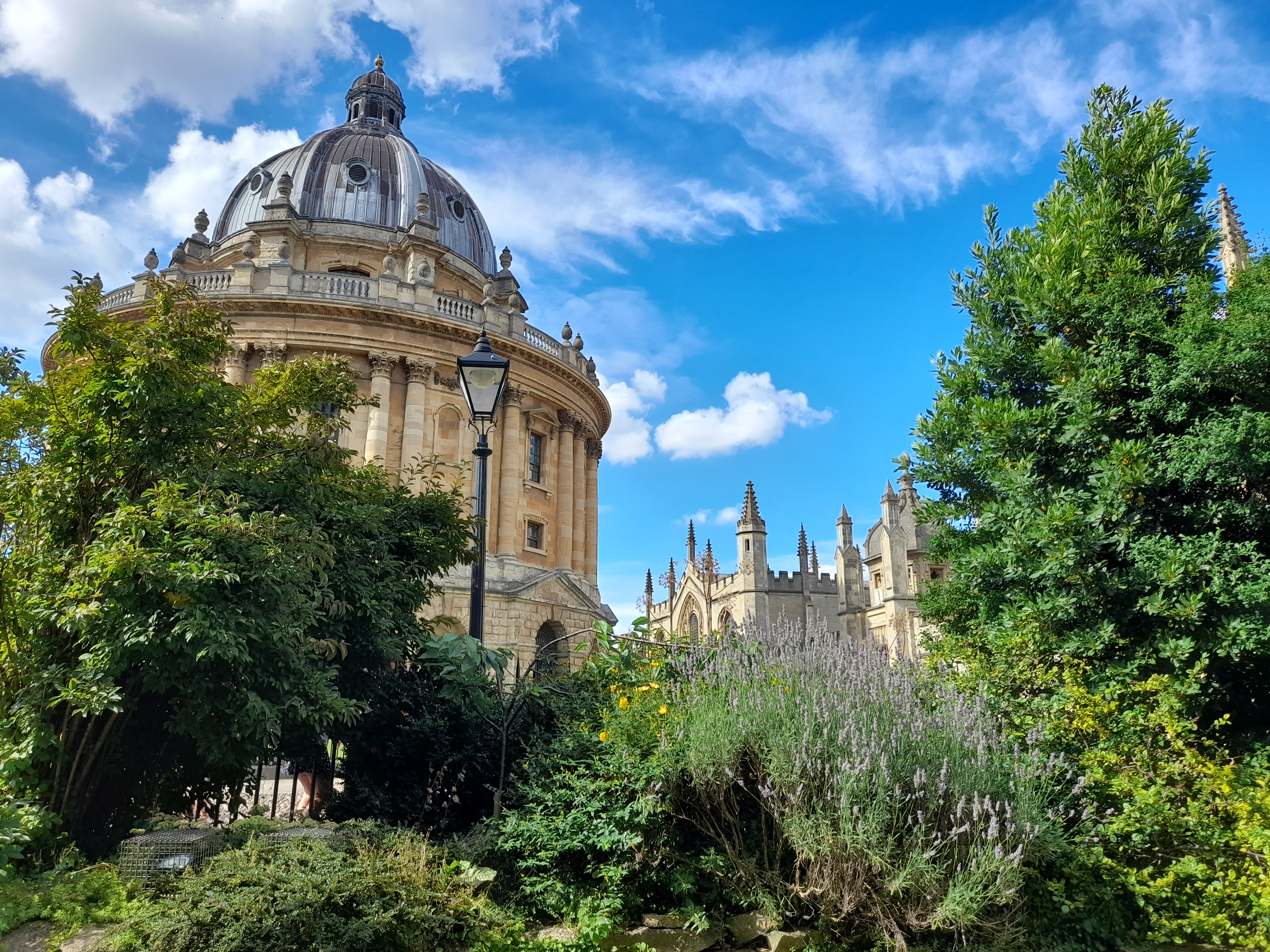
As a visual experience Oxford never disappoints. As the seasons change, as the weather or the light changes even in a single day, so the buildings repay careful scrutiny, with the colours of the stone reflecting the sun, the rain, a glowering sky or the bright blue backdrop of recent sunny days. There are less tourists now. Even the lure of Harry Potter and Inspector Morse are no longer sufficient to cram the streets with eager faces, although the city is busy enough despite the pandemic.
But here are a few images I took recently over a couple of days.
The Sheldonian Theatre, designed by Sir Christopher Wren
Tom Quad at Christ Church, with more work from Sir Christopher Wren in Tom Tower
Peckwater Quad, Christ ChurchView of the Radcliffe Camera and All Souls College from the University Church
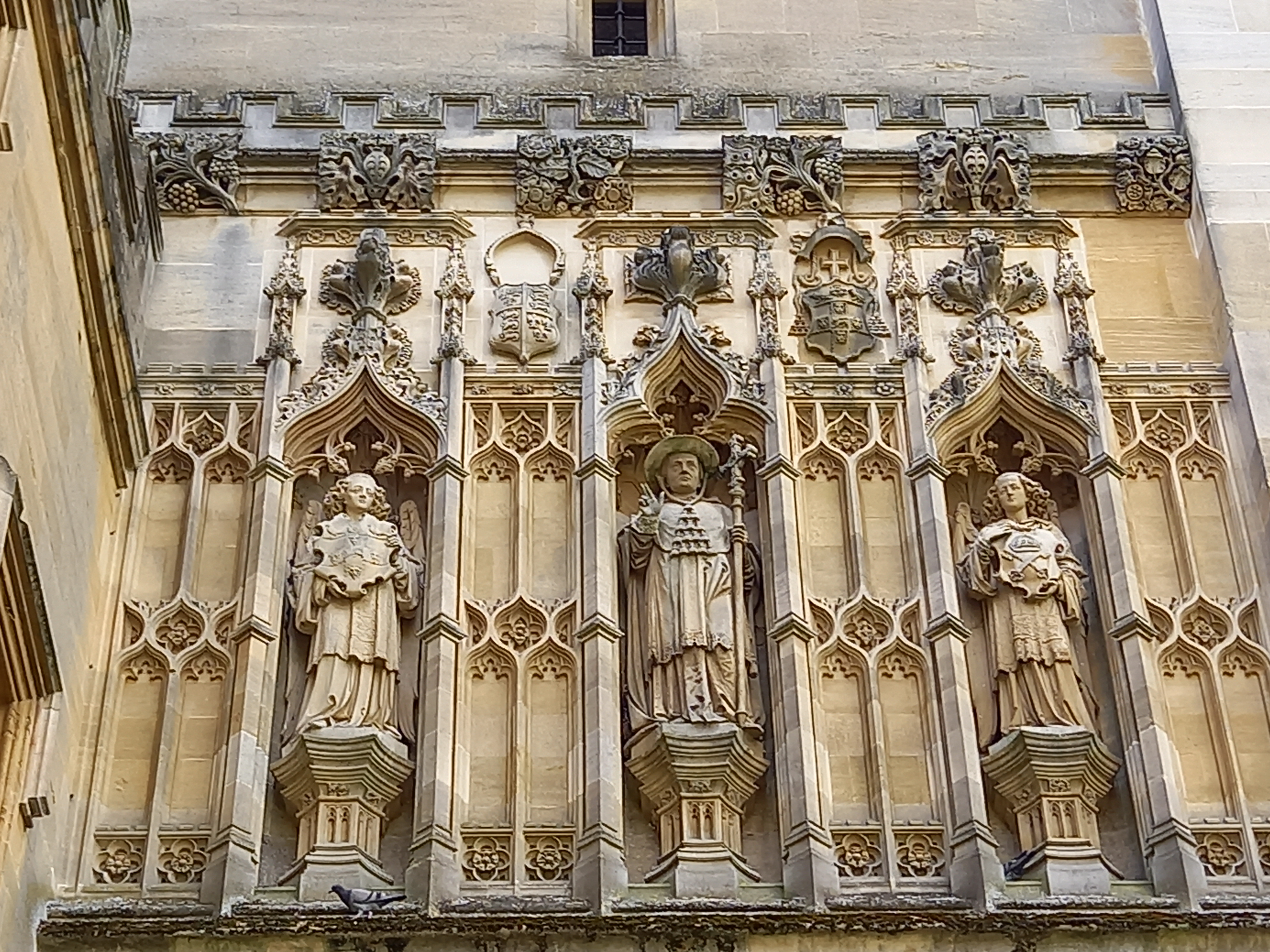
Statue of Cardinal Wolsey, Christ Church (Photo: Sue Steers)
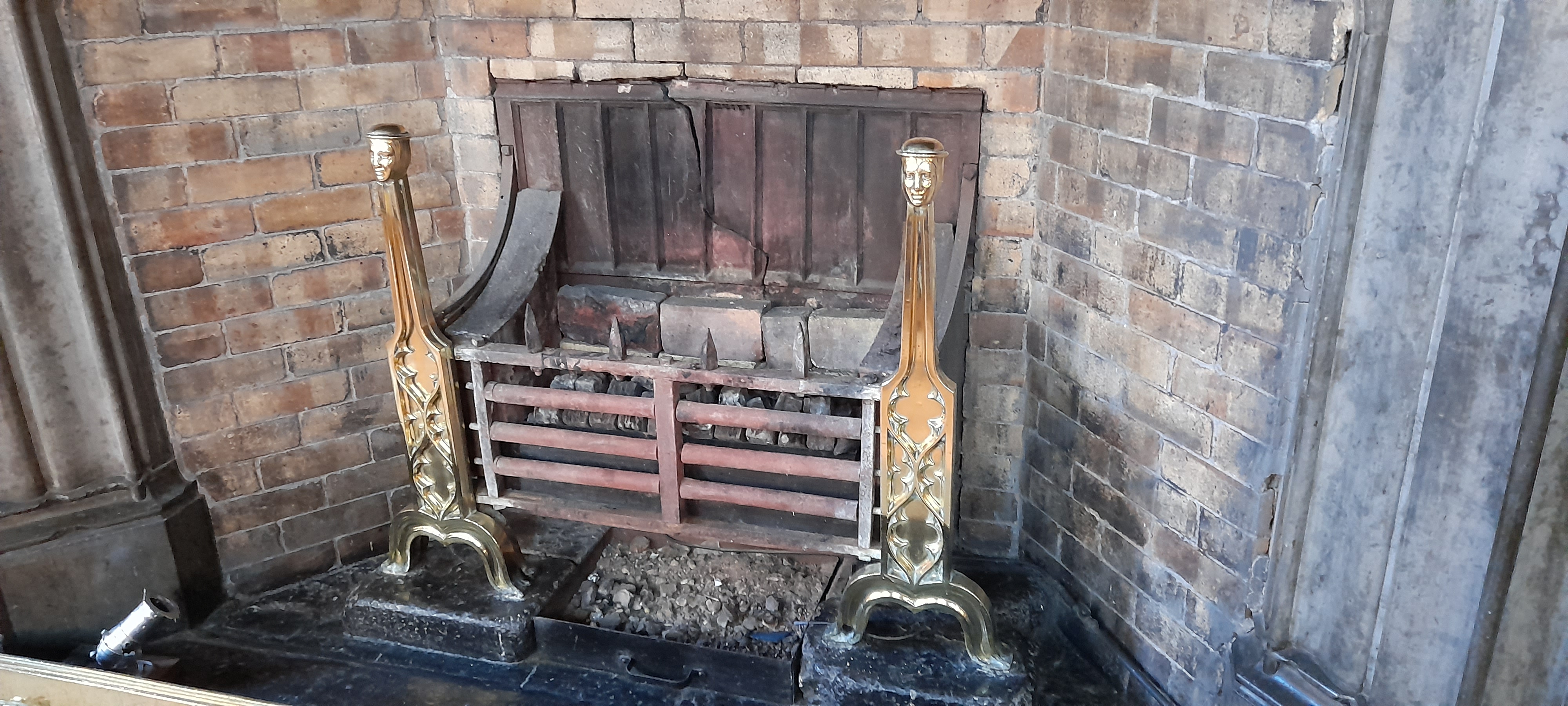
Fireplace in Christ Church Hall. The elongated necks on the brass figures on either side of the fire are said to have inspired one of the scenes in ‘Alice in Wonderland’. Lewis Carroll was a Student (ie Fellow) of Christ Church
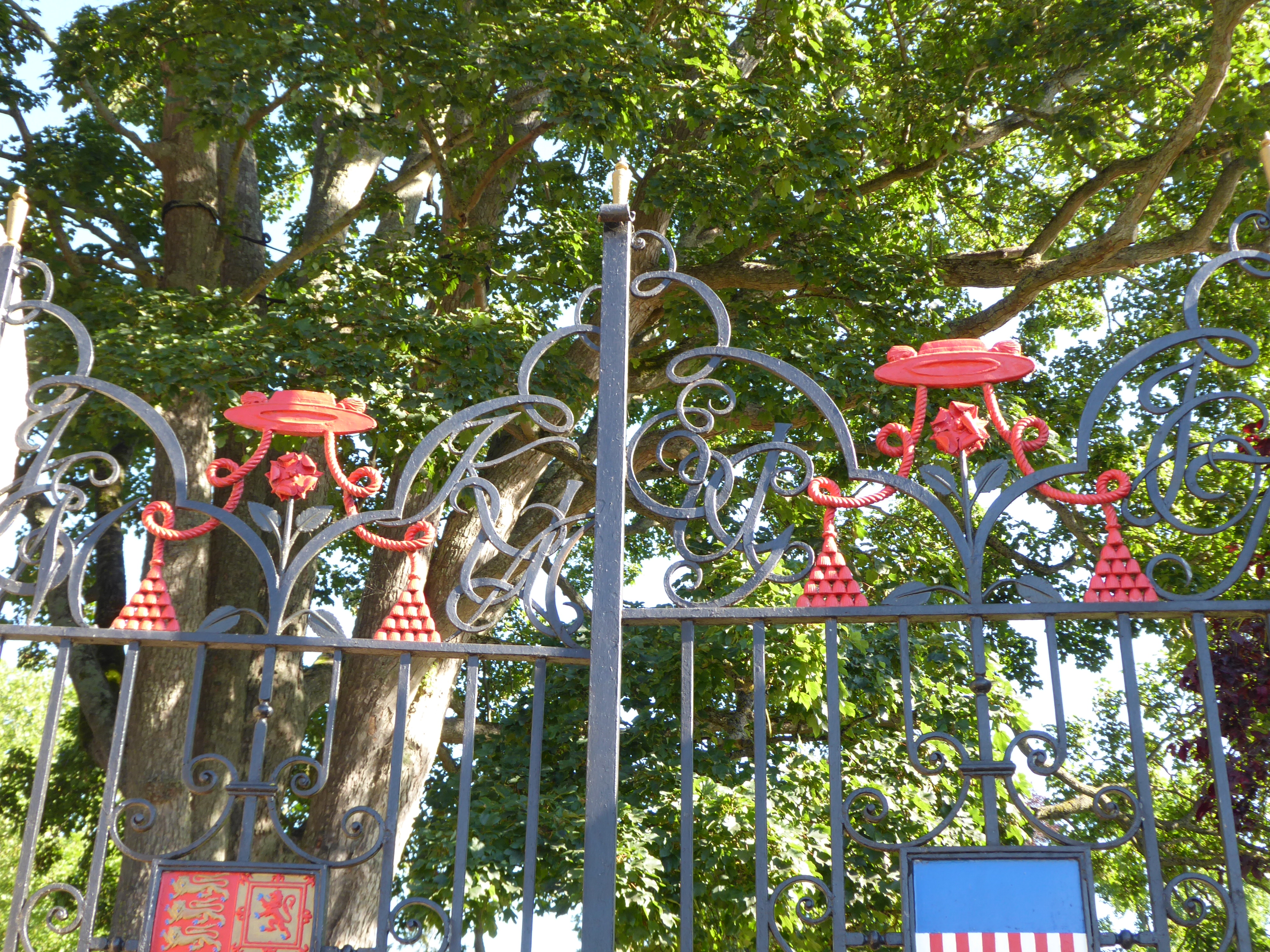
Cardinal’s hats on gates at Christ Church
Cloisters at Christ Church Cathedral, with organ playing in the Cathedral. A short video (49 seconds)
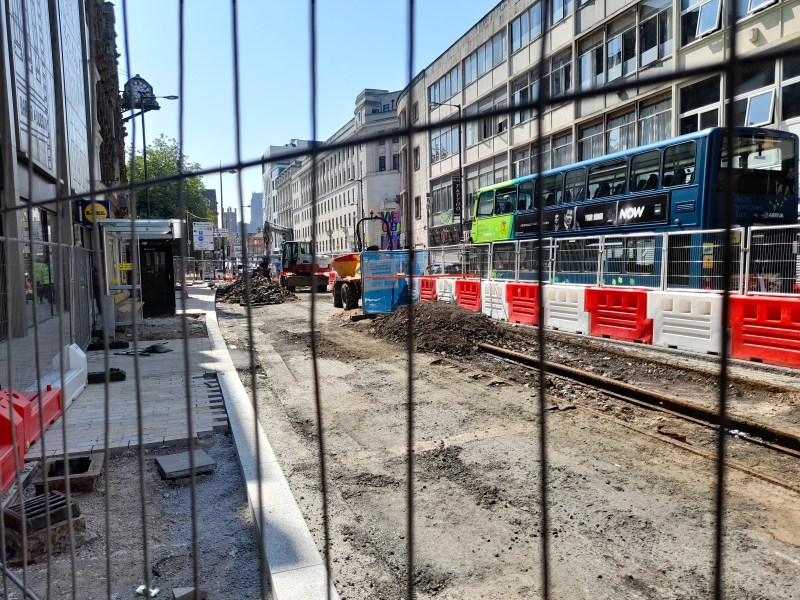
They are digging up the streets of Liverpool city centre all over the place at the moment. This is very much the case on Lime Street where they seem to be widening the pavement at one point and presumably planning to lay a new road surface.
Lime Street is a key thoroughfare in the city’s history. It has undergone some ‘development’ in recent years most notably with the controversial demolition of the old Futurist Cinema which I photographed when efforts were being made to save it. I never posted those pictures at the time although I might do in the future. The Futurist dated back to 1912 and deserved to be preserved. Over the road is the art deco frontage of the former ABC Cinema which is in some sort of limbo but also deserves preservation. I have some interesting historic photographs of Lime Street in times gone by which I might post up at some point. But walking along Lime Street now you are coralled behind a large fence, beyond which a digger is removing the old setts which can be seen in part of the road.
The orignal road surface revealed
It is interesting to see what once constituted the road surface in Lime Street. The digger is scooping up the setts, noisily shaking them about to remove all the excess debris, and then piling them high at the side of the road.
Digging up the setts
Setts piled up
But the other thing this work seems to be exposing is some of the old tramlines on Lime Street. Disused for seventy years and probably unseen for almost as long the tramlines have been uncovered by the digging.
Some of the tramlinse
Further tramlines opposite the ABC Cinema
What will happen to the old tramlines? Presumably the old setts are going to be sold off or possibly reused somewhere by the Council. I don’t know what you do with old tramlines, but it is interesting to see them, and interesting to reflect on what lies below the surface of our streets.
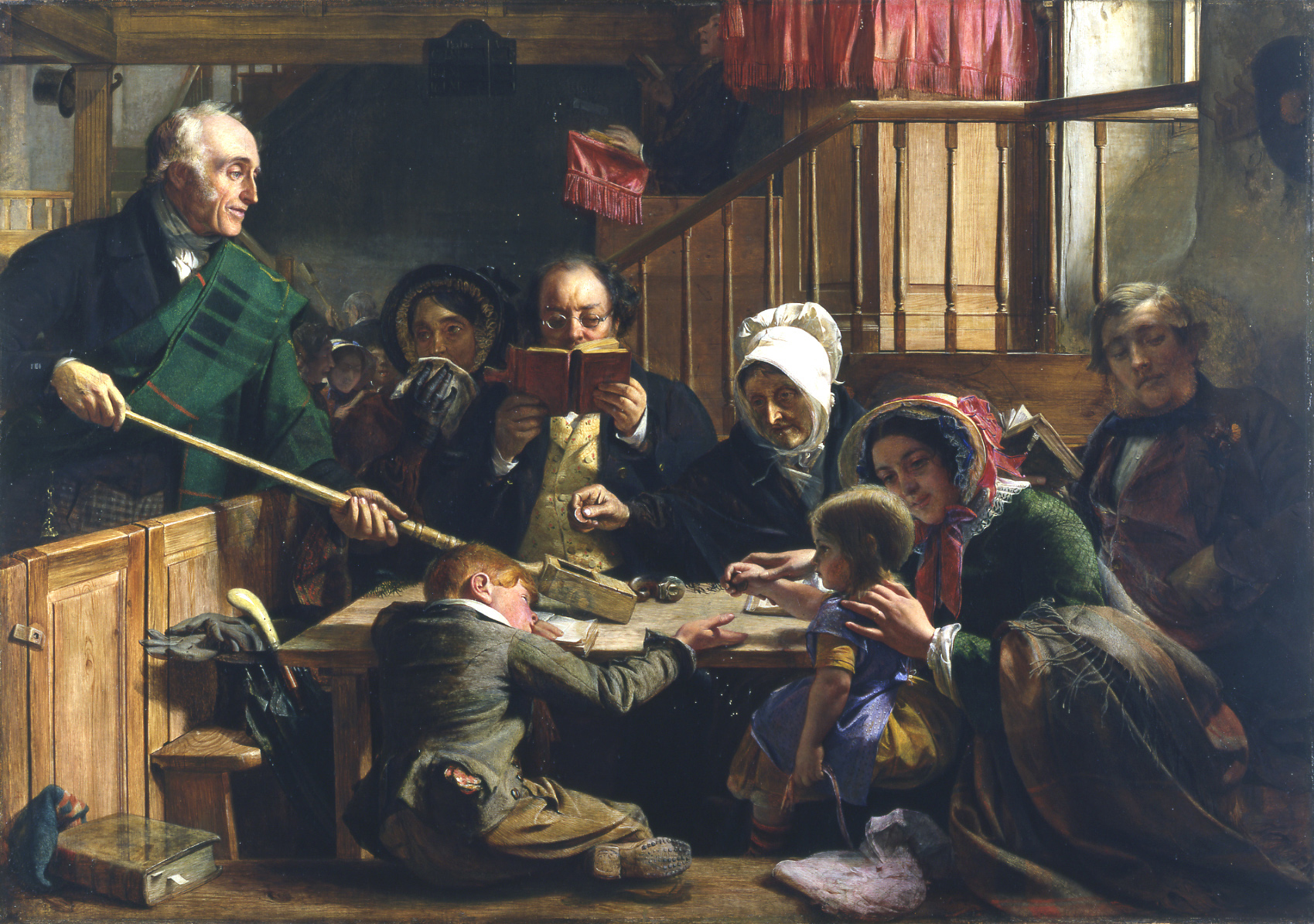
Collecting the Offering in a Scottish Kirk by John Phillip, 1855. (Public Domain. Wikimedia Commons. York Museums Trust)
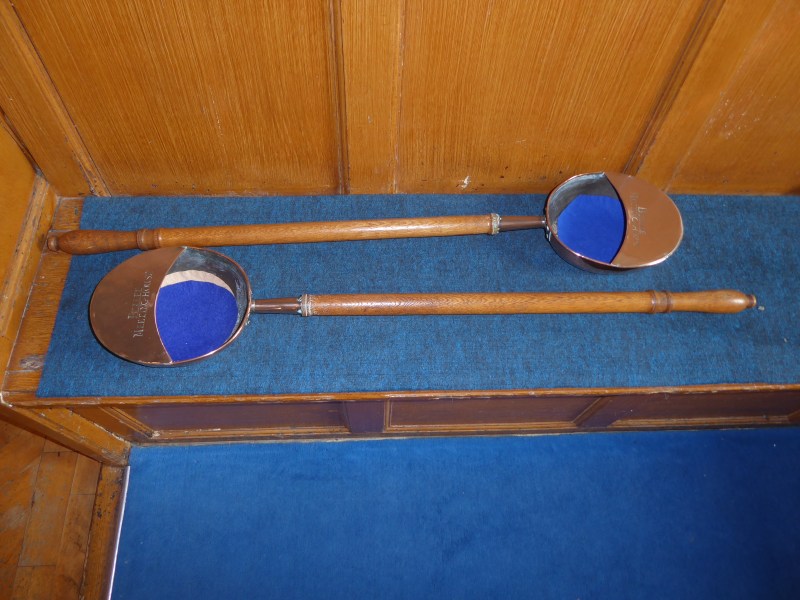
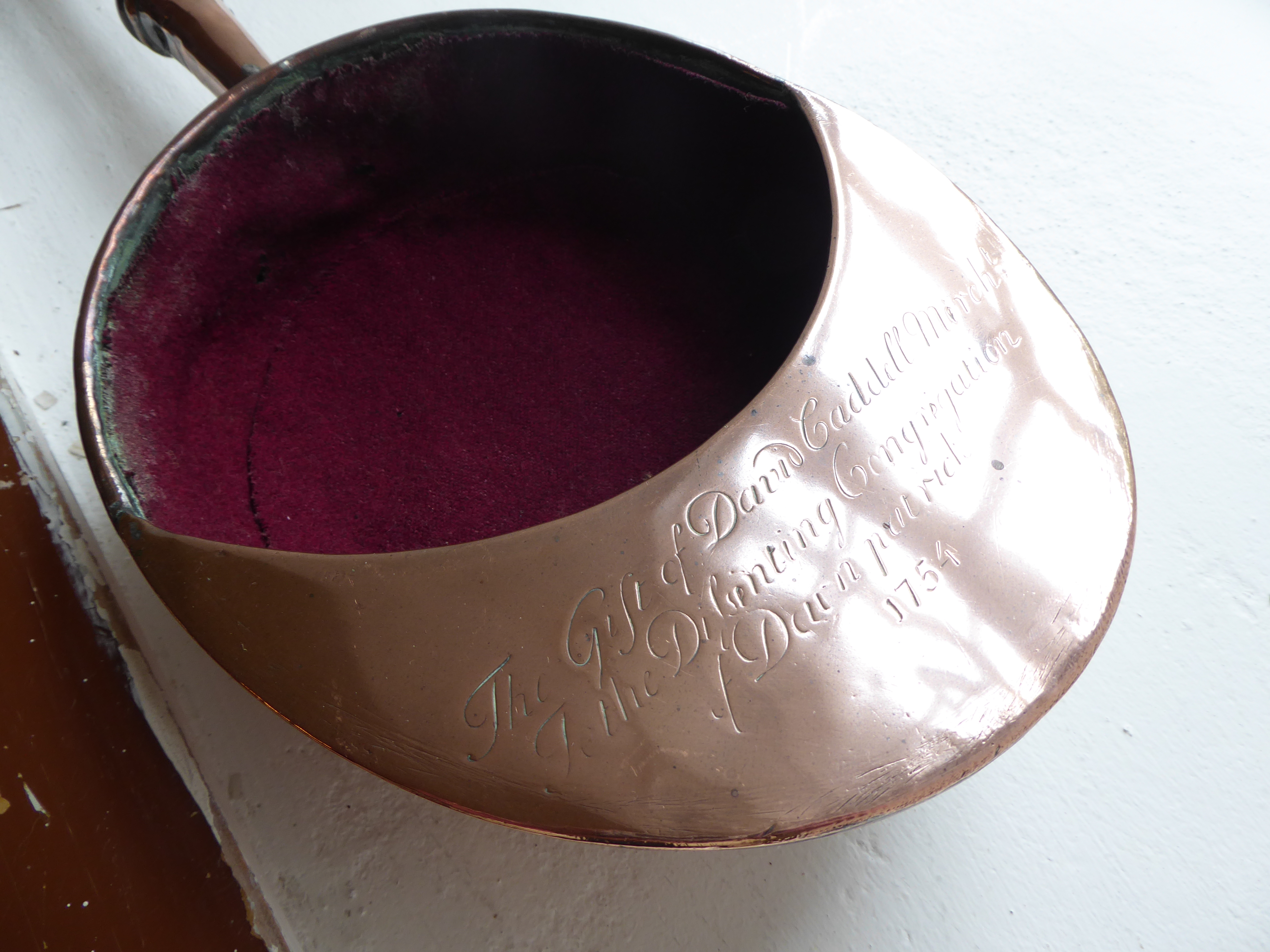
At first sight it might seem strange to select Collecting Ladles as the subject for letter ‘C’ in our alphabetical exploration of the Non-Subscribing Presbyterian Church. But Collecting Ladles formed a fairly essential part of church life for Presbyterians in Ireland and Scotland for generations. In some places they are still in use today but often aren’t recognized by those outside the Scots-Irish Presbyterian community. The above picture perfectly illustrates their use in a church in Scotland. It is a delightful image, although the people in the pew being asked for their offering seem to display something of the modern concept of the ‘messy church’ more than anything else. But collecting ladles also lead us into questions of giving and the stewardship of resources.
To see the service click on the above video after 9.45 am on Sunday, 11th July
Our service today is filmed in Downpatrick. Church organist Laura Patterson plays the hymns God has spoken to his people’ (Mission Praise 182) and How can I keep from singing (Hymns for Living 133/Mission Praise 1210). The reading is 2 Corinthians ch.9 v.6-8.
Eighteenth-century collecting ladle Downpatrick (two ladles from Ballee at the top of the page)
The latest issue of the Transactions, including a special Supplement, is now ready. New subscribers are very welcome, annual membership costs only £10. If you haven’t yet taken out a subscription or would like to renew your subscription that can be done through the Society’s treasurer who can be contacted via the Unitarian Historical Society website here.
The new issue contains the following articles:
The History of the Kolozsvár English Conversation Club
Sándor Kovács
The Unitarian College Kolozsvár/Cluj Napoca shortly after its opening in 1901
Sándor Kovács relates the hitherto unresearched story of the Kolozsvár English Conversation Club. A major source for illuminating the relationship between Unitarians in Transylvania and Hungary and in the UK and USA. The Club was founded in 1876 by János Kovács and gave local people the opportunity to learn English. It became the main point of contact for visiting Unitarians throughout the rest of the century, over the period of the celebration of the Hungarian Millennium in 1896 and on into the twentieth century.
Received with Thanks. Unitarian Hymns sung by Mainstream Churches
Nigel Lemon
Nigel Lemon investigates hymns penned by Unitarian writers which have found favour in mainstream hymnbooks. He looks at around 50 Unitarian hymns which are found in a selection of mainstream books published in the twentieth and twenty-first centuries and focusses on thirteen Unitarian authors.
Thomas Aikenhead: An Historiographical Introduction
Rob Whiteman
Old Tolbooth, Edinburgh (Wikimedia Commons)
Thomas Aikenhead was an Edinburgh student who stood trial for blasphemy in December 1696, and was put to death in the following January. Said to be the last person to be executed for blasphemy in Britain he is often also claimed as a Unitarian martyr. Rob Whiteman examines the way his trial and execution has been understood across the centuries.
Tercentenary of a Unique Donation: Glasgow University and Chowbent Chapel
David Steers
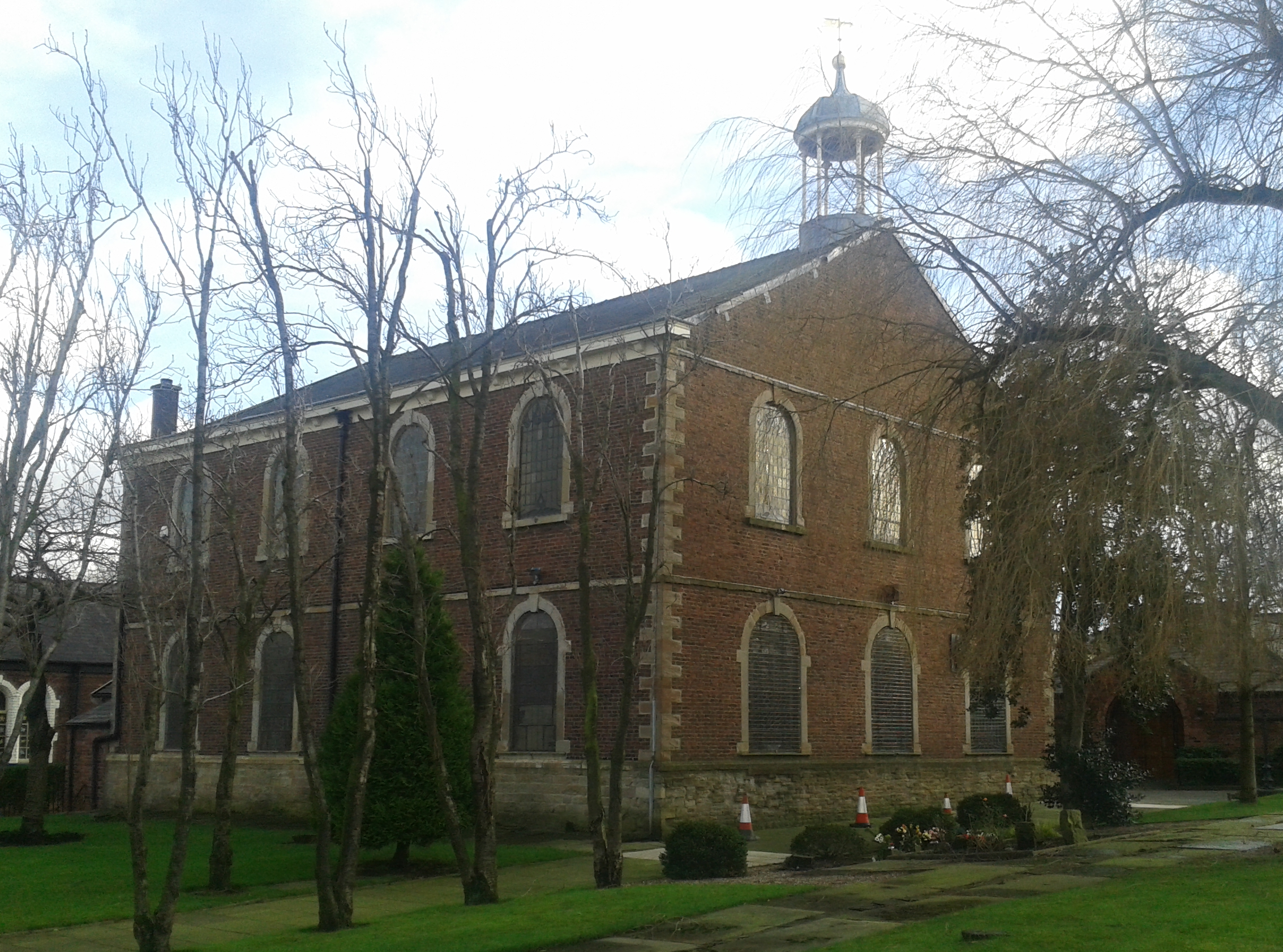
Chowbent Chapel, Atherton
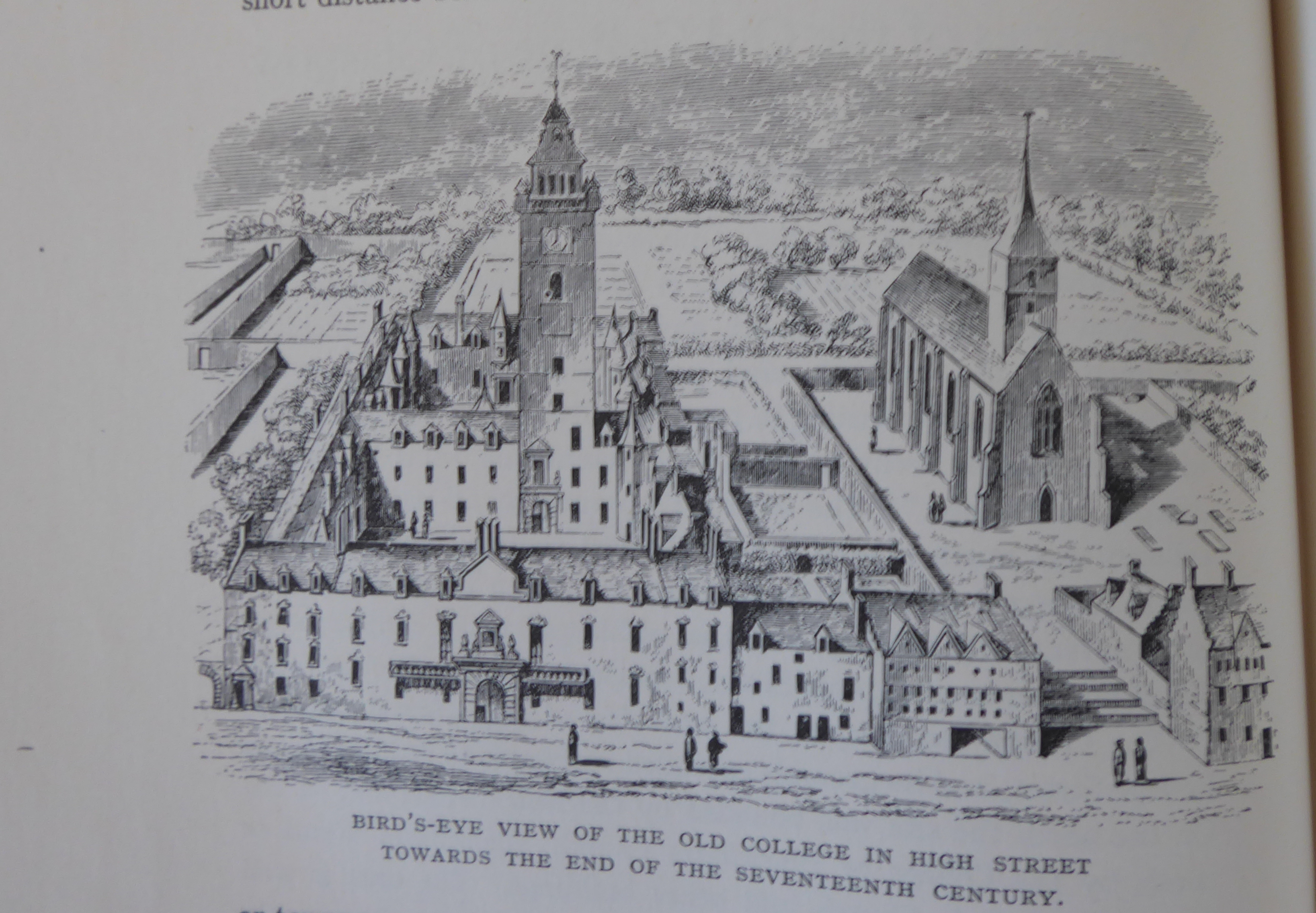
Universities are not known for their generosity to outside bodies but in 1721 the University of Glasgow (see image at the top of this page which shows Glasgow College at the end of the seventeenth century) made a donation to Chowbent Chapel whilst it was being built. The congregation had just been dispossessed from their old chapel by a new landlord. This short article explains how and why Glasgow University supported the building of the new chapel (pictured above).
Books Reviewed
Protestant Dissent and Philanthropy 1660-1914, edited by Clyde Binfield, G.M. Ditchfield and David L. Wykes, The Boydell Press, 2020, hardback, 264 pages, ISBN 978-1-78327-451-2. Studies in Modern British History Vol 39. Price £65. Reviewed by Alan Ruston Subscribers to the Transactions will be pleased to know that they are able to purchase this book with a special 35% discount using the code given in the issue.
A Radical Religious Heritage, by John Maindonald, second edition, 2020, paperback, 68 pages ISBN 978-0-473-52784-6. Price $NZ 25.00 Reviewed by Graham Murphy
Supplement
Obituaries of Ministers of Unitarian Congregations Index and synopsis of references New entries, and Additions and Corrections extended from 1 February 2014 to 31 January 2021 Compiled by ALAN RUSTON
This issue comes with Alan’s latest Supplement which brings over twenty years of research by Alan on Unitarian obituaries right up to date. It also makes use of the late Professor R.K. Webb’s index cards based on a wide variety of sources for biographical details of Unitarian ministers from circa 1780 to the early 1990s.
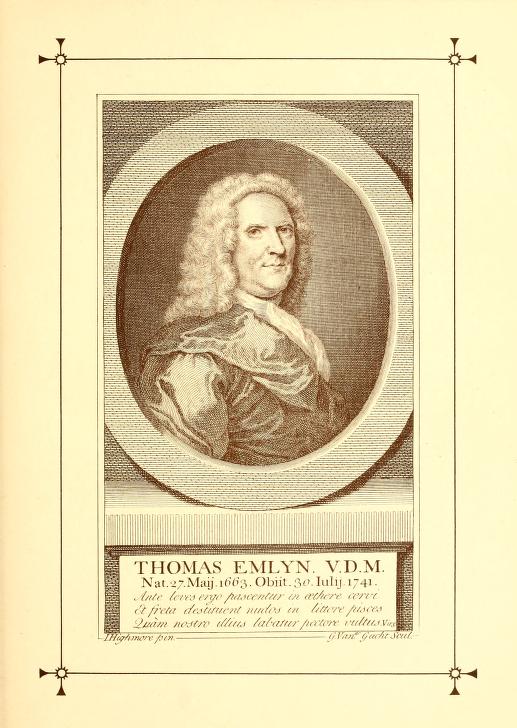
In our service this morning, from Ballee Non-Subscribing Presbyterian Church, we continue to look at the early history of the Non-Subscribing Presbyterian denomination and in this address ask questions about the meaning of ‘heresy and orthodoxy’ and look at the role of Thomas Emlyn in sparking the first subscription controversy when the Synod of Ulster introduced compulsory subscription to the Westminster Confession following his imprisonment in Dublin in 1703.
Click on the above video to see today’s service featuring the second part of the History of the Non-Subscribing Presbyterian Church of Ireland (available from 9.45 am on Sunday, 28th February 2021)
The service comes from Ballee Non-Subscribing Presbyterian Church and is conducted by the minister. The reading is from Romans ch.14 v.1-9 and is read by Sue Steers. Church organist John Strain plays the hymns Who is on the Lord’s side (Thanks and Praise 164) and Wisdom Divine, bright shining, never fading (Hymns of Faith and Freedom 55) on the church’s Carnegie organ.
Also this week we have uploaded to the Downpatrick, Ballee & Clough NSP Churches YouTube channel a service that was originally broadcast from All Souls’ Church, Belfast on BBC Radio Ulster in 1995:
Click on the above video to see the service
Converted from a cassette tape to mp3 format the service was recorded live from the radio in October 1995. The service is conducted by the minister at the time, Rev David Steers. The readers are Barbara Moneypenny (Psalm 46) and Jim Jackson (Luke ch.6 v.12-31). Muriel Singleton leads the prayers. The church organist is Albert McCartney who plays on the church’s Compton organ the hymns Praise to the Lord, the Almighty, the King of Creation; Just as I am, thine own to be; Dear Lord and Father of mankind; Immortal, invisible, God only wise and leads the Church Choir in the singing of Lead me Lord (music S.S. Wesley, words Psalm 5) and Grant us Thy Peace (music Timothy Troman, words D. Bruce-Payne).
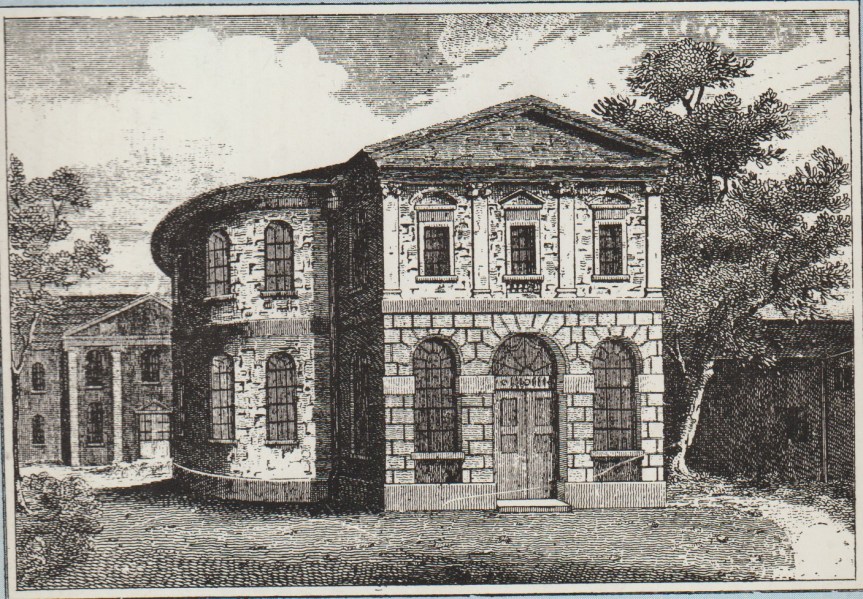
A small but historically important liberal Christian denomination, the Non-Subscribing Presbyterian Church was born out of the interaction between faith and the Enlightenment in the eighteenth century. This act of worship includes this first part of a video series telling the history of the Church. In this film detailing the origins of the denomination in the Presbytery of Antrim in 1725, the work of John Abernethy, the Belfast Society, the influence of Glasgow University, and the Church’s place in a Europe-wide movement are all discussed.
The University of Glasgow in the late seventeenth century
The service is filmed at Downpatrick, a distinctive building of 1711, and one of the best examples in Ulster of a traditional T-shaped meeting house. The organist is Laura Patterson, who plays ‘Christ be our light’ and ‘The power of the Cross’. The reading is Isaiah ch.51 v.1-6.
You can see the service and the address on the history of the denomination in the following video:
Service of Worship from Downpatrick, including part one of the History of the Non-Subscribing Presbyterian Church of Ireland (available from 9.45 am on Sunday, 14th February)
An additional special issue of the Transactions is now on its way to subscribers (new subscribers are also very welcome, if you would like to join go to the Unitarian Historical Society website here).
This issue features:
WILLIAM HAZLITT, JOSEPH PRIESTLEY AND THE ORIGINS OF UNITARIANISM IN AMERICA by STEPHEN BURLEY
The “dark, cracked, dusty and unframed” portrait of the Rev William Hazlitt (1737-1820) painted by his son in 1805. (Image and quote from ‘The Day-Star of Liberty William Hazlitt’s Radical Style’ by Tom Paulin)Rev Joseph Priestley (1733-1804). Portrait by Ellen Sharples (Source: Wikipedia)
Dr Stephen Burley’s paper is a radical reassessment of the role of William Hazlitt in the development of Unitarianism in the United States. A difficult man, Hazlitt was a fervent propagandist for Unitarianism whose contribution has frequently been overlooked or downplayed. This article adds a great deal to our understanding of him.
Rev William Hazlitt, from a miniature portrait by his son John (Source: Wikipedia)
‘STEADFAST THROUGH TROUBLES’: MOUNTPOTTINGER AND THE LAWRENCES by SANDRA GILPIN
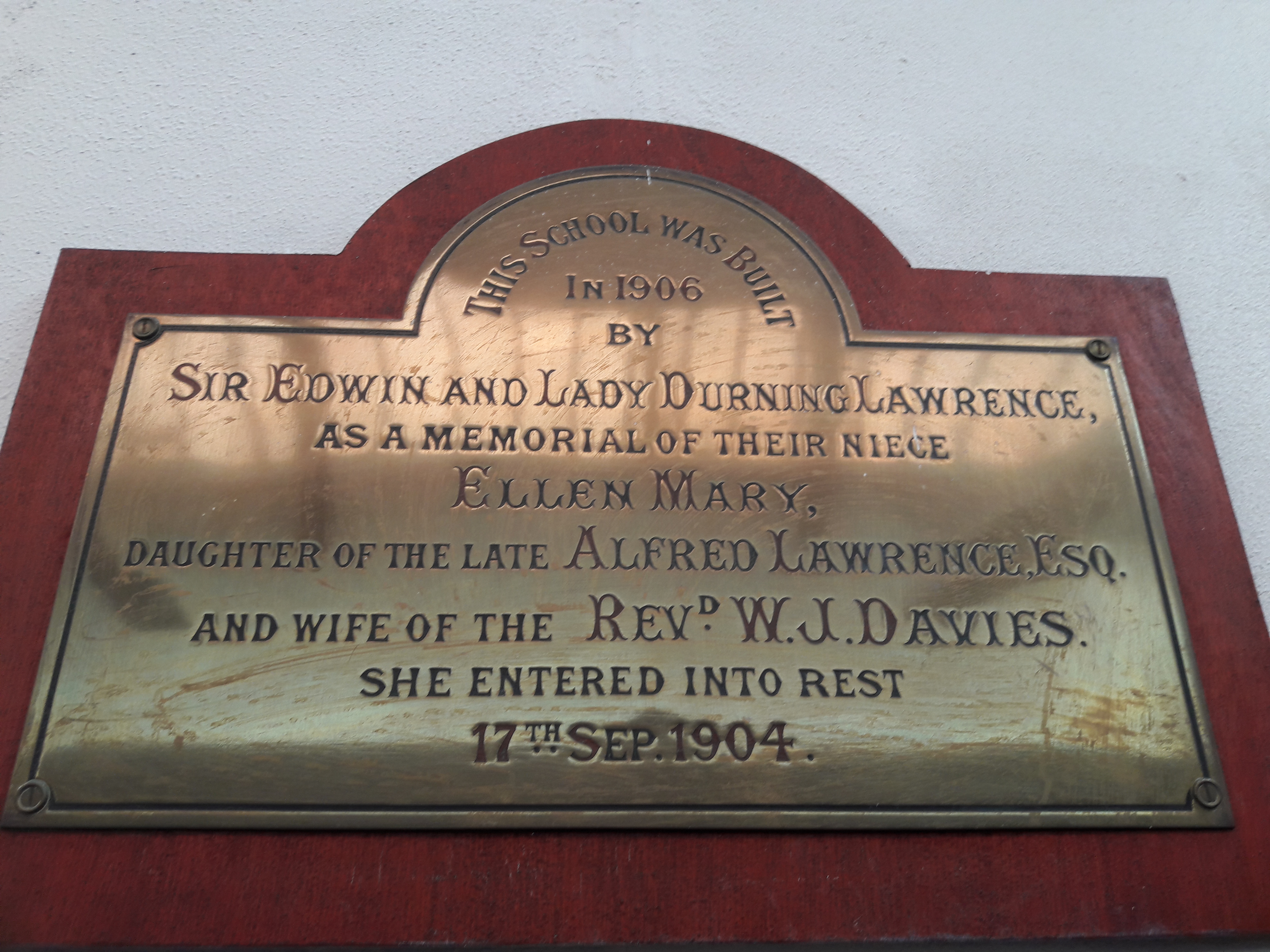
Ellen Mary Lawrence, from a portrait in Mountpottinger Church. (Photo: Adrian Moir)Plaque in the schoolroom in Mountpottinger Church in memory of Ellen Mary Lawrence (Photo: Adrian Moir)
Sandra Gilpin tells a story that weaves together Unitarian life in London, Wales and Belfast in the late nineteenth and early twentieth centuries through the lens of the Lawrence family. Its main focus is Ellen Mary Lawrence who was born in London and who married the Rev William Jenkin Davies. She died at a tragically young age and her memorial forms part of Mountpottinger NSP Church in east Belfast.
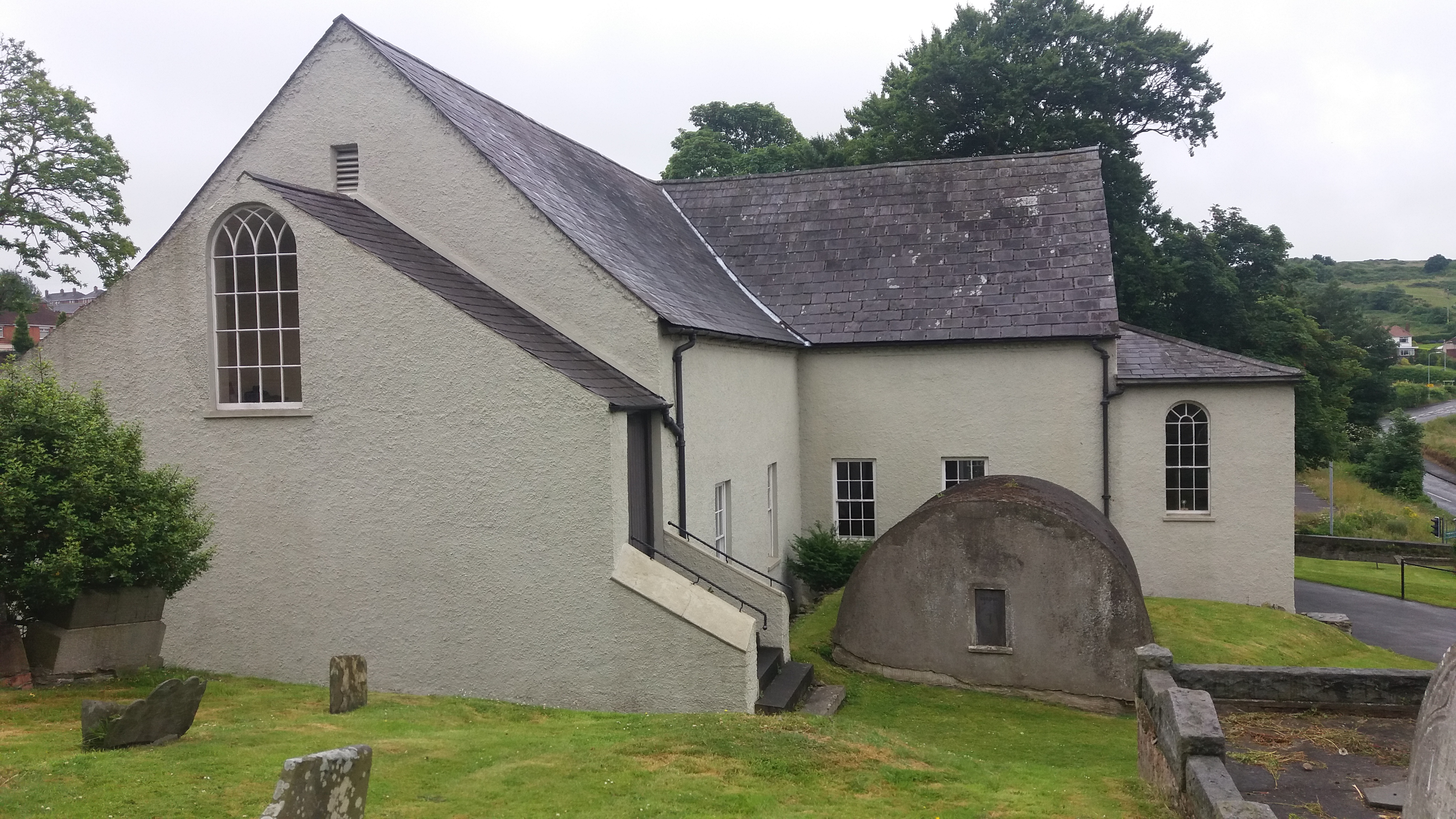
Mountpottinger Church before the extension was added in memory of Ellen Mary Lawrence and probably featuring Rev William Jenkin Davies standing in the centre. To read more about the building of Mountpottinger click on the above image.
HELEN K. WATTS – A UNITARIAN SUFFRAGETTE by ALAN RUSTON
The daughter of an Anglican vicar, Helen K. Watts became a Unitarian in Nottingham (Picture: Alan Ruston. From a booklet by Rowena Edlin-White, Nottingham Women’s History Group, Piecemeal Pamphlets, £2)
Plaque unveiled in Nottingham on 14 December 2018 in memory of Helen K. Watts (Picture: Alan Ruston. From a booklet by Rowena Edlin-White, Nottingham Women’s History Group, Piecemeal Pamphlets)
Alan Ruston brings together two sides of the life of Helen K. Watts. A ‘stalwart’ Unitarian, well-known in London and Sussex up until her death in 1972. She was also an active suffragette between 1907 to 1911 who was arrested for her campaigning and threatened with force feeding. This remarkable aspect of her life seems to have been forgotten in Unitarian circles and Alan paints a full picture of her life and achievements.
(Picture: Alan Ruston. From a booklet by Rowena Edlin-White, Nottingham Women’s History Group, Piecemeal Pamphlets)
In our Record Section Derek McAuley has used the Freedom of Information Act to uncover hitherto unknown aspects of the life of the Rev Gábor Kereki (1914-1995) who fled Hungary for Britain at the start of the Cold War in 1947. Throughout the rest of his life he made a great contribution to the Unitarian ministry in Britain and this will continue thanks to a substantial legacy left by his wife in 2016. She has established the ‘Gábor Kereki Trust’ to benefit ministers and students of the Hungarian Unitarian Church and enable them to study in the UK.
In our Reviews Derek McAuley begins what must be a long-overdue examination of the role Unitarians played in slavery prior to its abolition in 1833 with his review of Kate Donnington’s brand new book on the Hibbert family. Alan Ruston reviews the important Lindsey Press book Unitarian Women A Legacy of Dissent, edited by Ann Peart, and Andrew Hill reviews a new publication of the diaries of James Losh, a Newcastle Unitarian who observed and recorded detailed changes in nature, the environment and weather in his local area between 1803 and 1833.
Transactions of the Unitarian Historical Society
Volume 27 Number 3 December 2020 Edited by David Steers
Surely the LORD is in this place; and I did not know it
Our service today comes from Downpatrick and we are delighted to have Megan Neill giving the reading (Genesis ch.28 v.10-22), and Laura Patterson playing the organ.
The theme is Jacob’s Ladder:
And he dreamed that there was a ladder set up on the earth, and the top of it reached to heaven; and behold, the angels of God were ascending and descending on it! And behold, the LORD stood above it and said, “I am the LORD, the God of Abraham your father and the God of Isaac; the land on which you lie I will give to you and to your descendants; and your descendants shall be like the dust of the earth, and you shall spread abroad to the west and to the east and to the north and to the south; and by you and your descendants shall all the families of the earth bless themselves. Behold, I am with you and will keep you wherever you go, and will bring you back to this land; for I will not leave you until I have done that of which I have spoken to you.”
Where do we find the house of God and the gate of heaven in a lockdown?
The service can be viewed here:
Last week, in Time for a Story, Sue Steers told the story of Sir Isaac Newton and the discovery of gravity. The video, with animation by InkLightning can be seen here:
Brilliant mathematician, astronomer, discoverer of gravity, Master of the Mint, Unitarian theologian, learn about this remarkable man who is still commemorated on modern coins.














 velvethummingbee