Belfast City Cemetery

I was pleased to again take part in a tour of Belfast City Cemetery led by Tom Hartley. Tom is now the author of four books on the cemeteries of Belfast and I was pleased also to pick up a copy of his latest work, More Stories from the Belfast City Cemetery. This was his penultimate tour of the last series he would give as part of the Féile an Phobail and like all these tours there was a very large attendance.
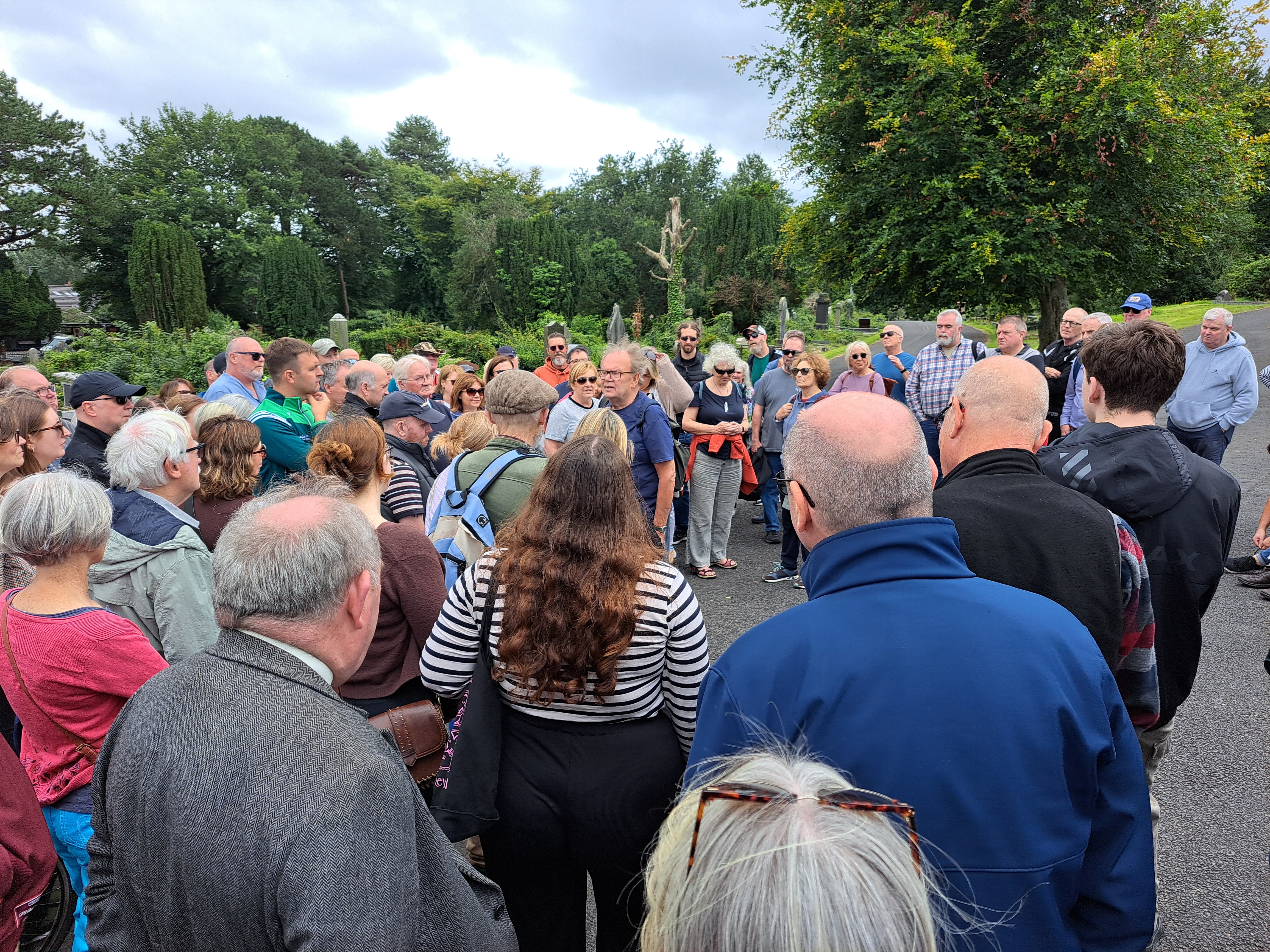
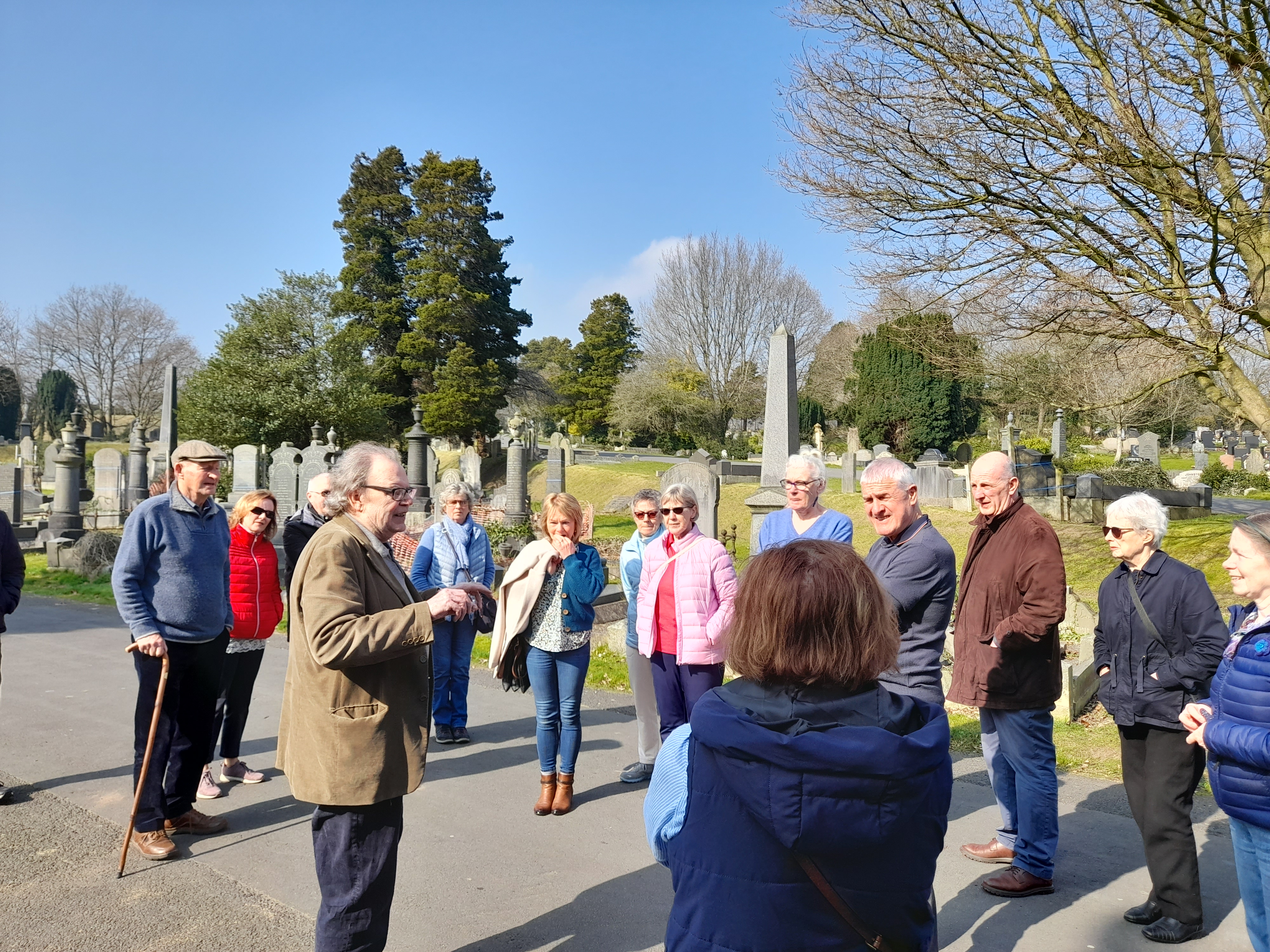
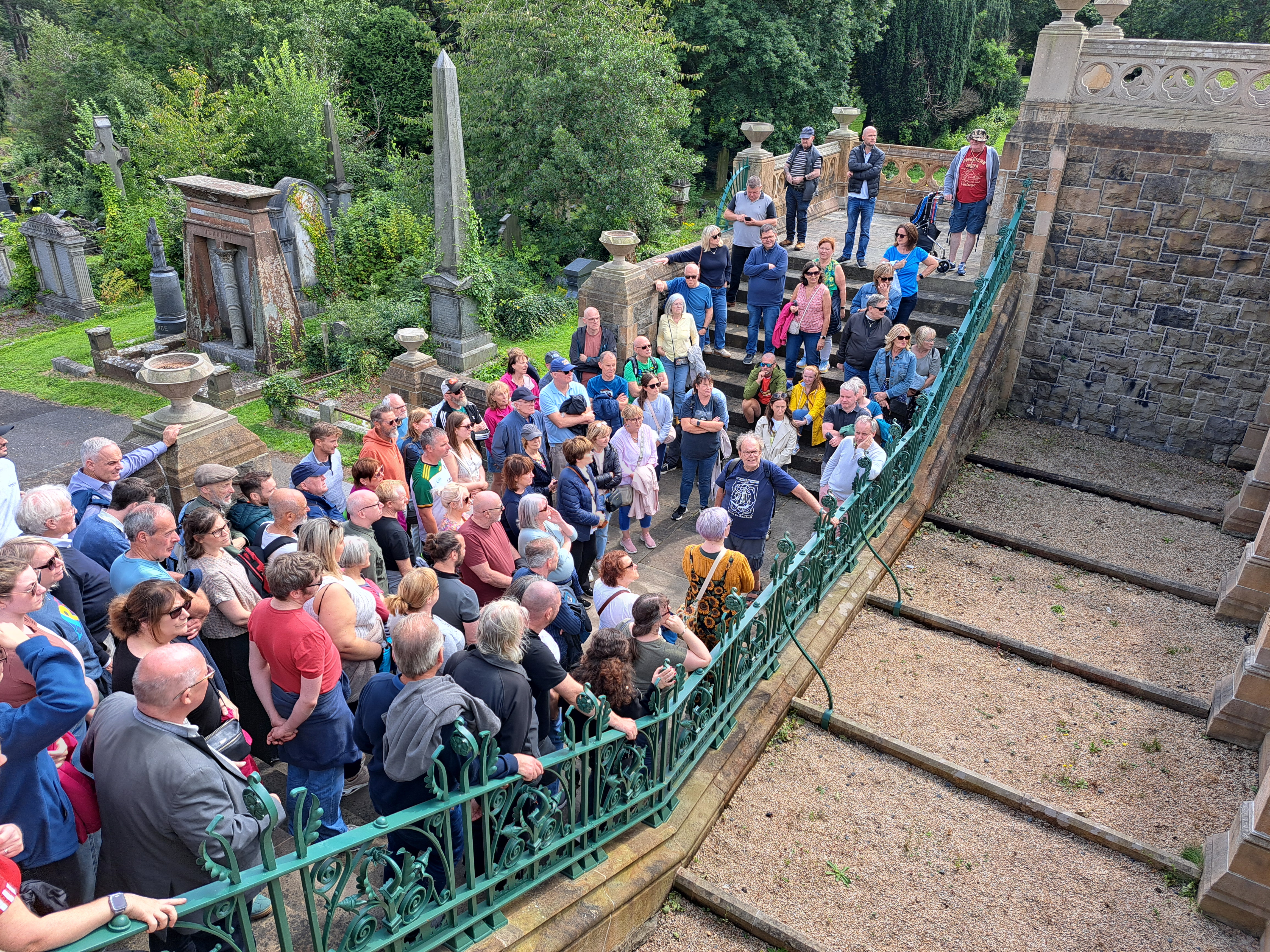
Start of the tour, showing some of those present

I see the first guided tour I attended was in March 2022. You can read that account here – Silent yet eloquent Memorials. There are a number of changes to the Cemetery made since that time, like the completion of the visitors’ centre, new signage all around the Cemetery, the restoration of the Vaults – which house the remains of such industrial luminaries as Sir Edward Harland and Thomas Gallaher – and a lot of new planting.

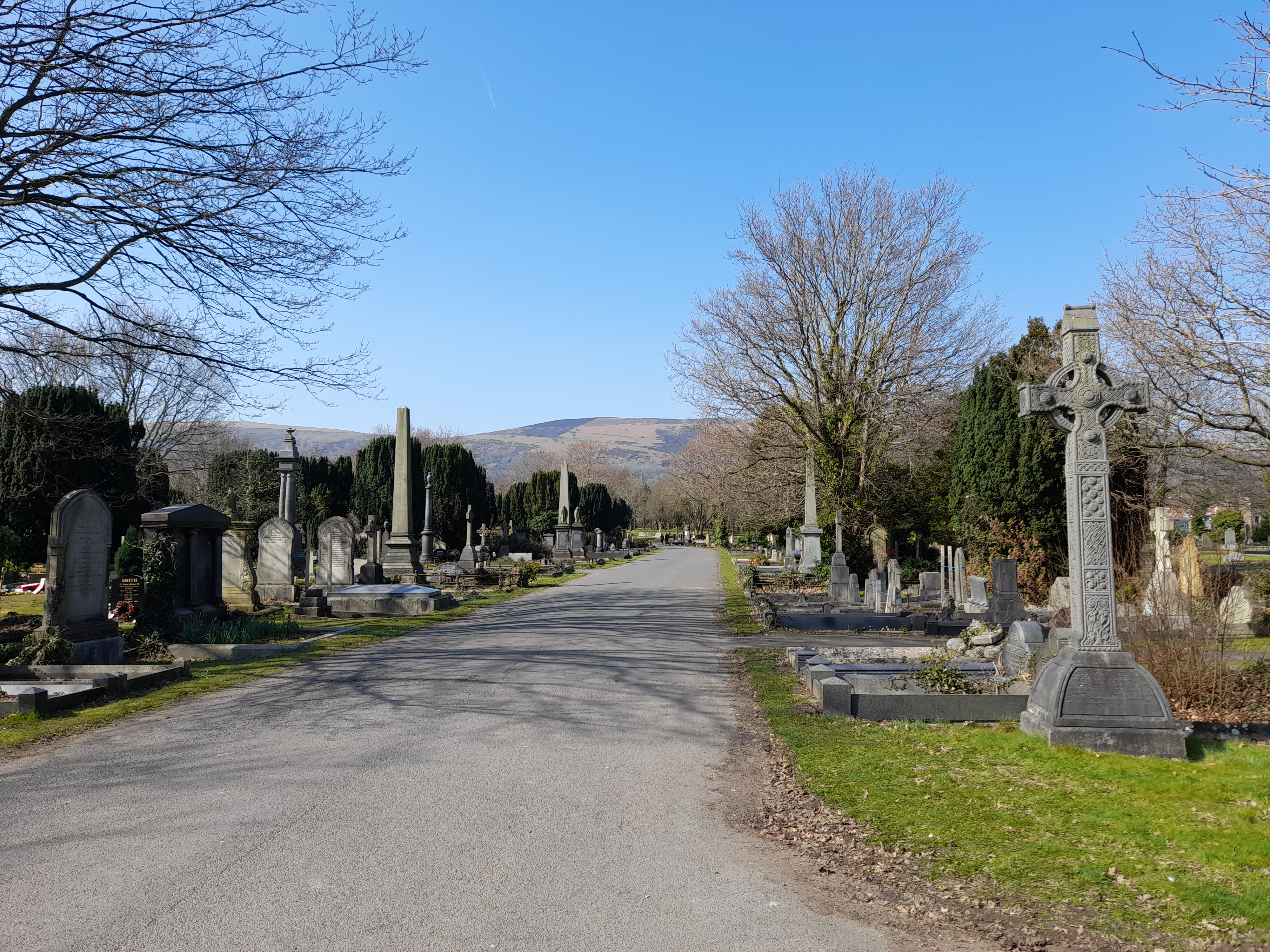
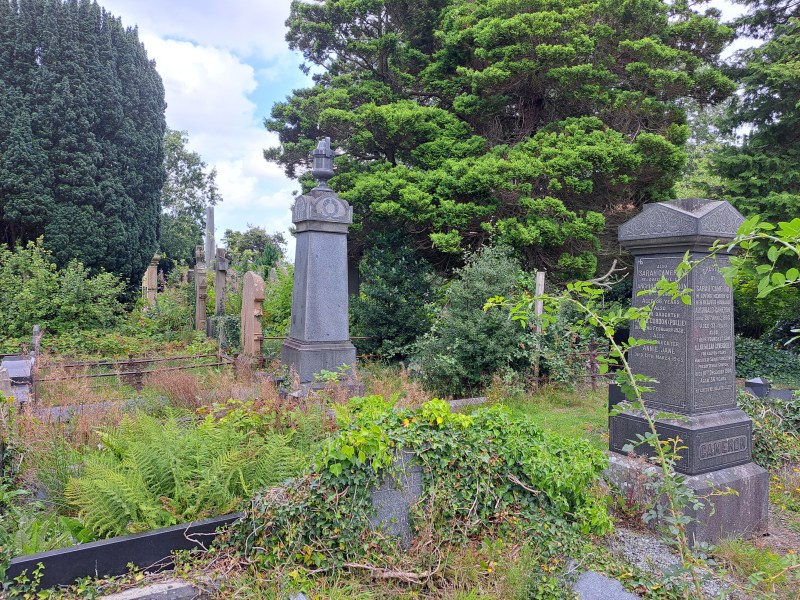
It is a very impressive cemetery, imaginatively laid out and designed by William Gay of Bradford in the shape of a bell (as in Belfast) and it contains some incredible Victorian, Edwardian and later memorials.
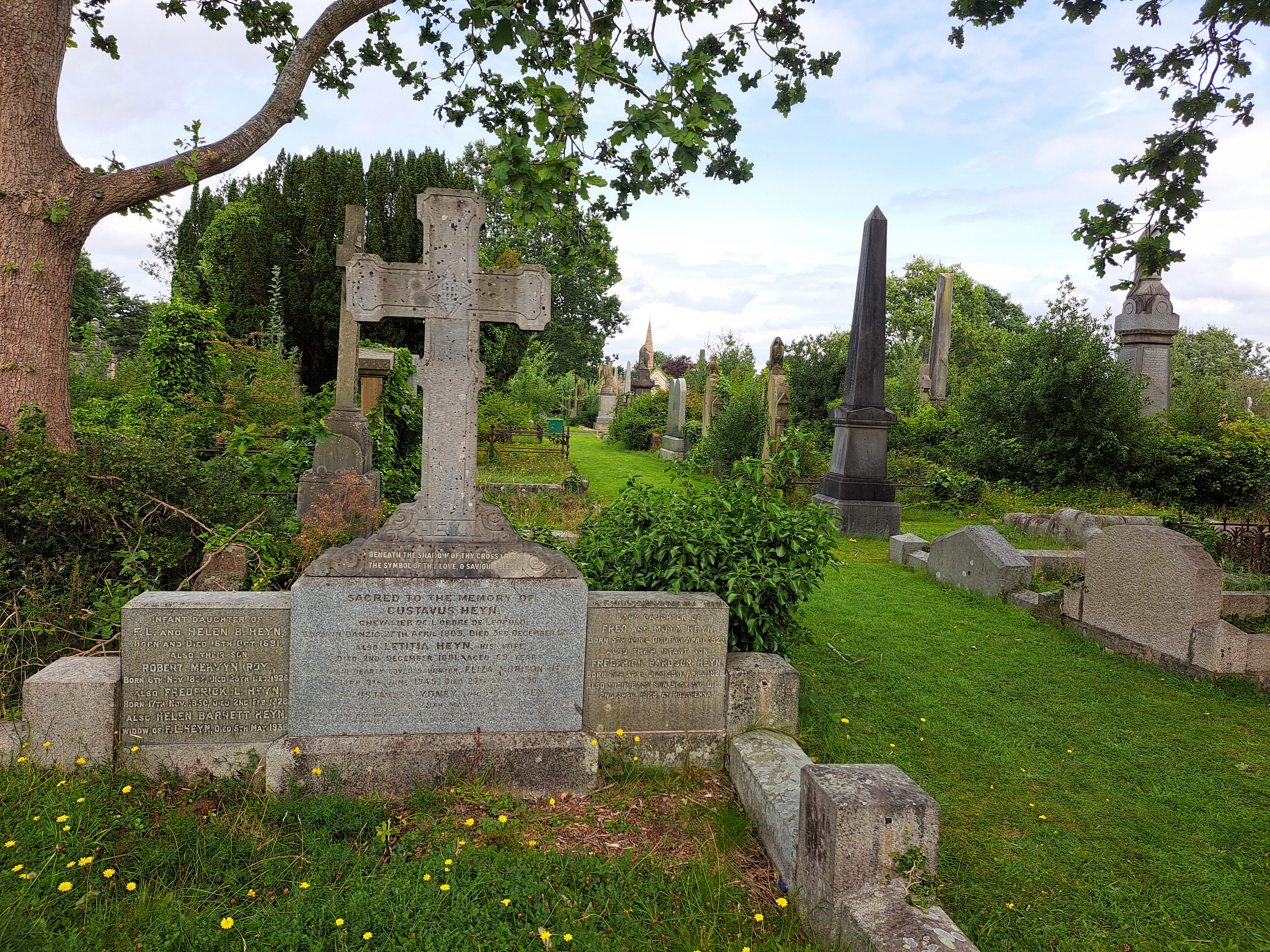
Gustavus Heyn, shipping magnate

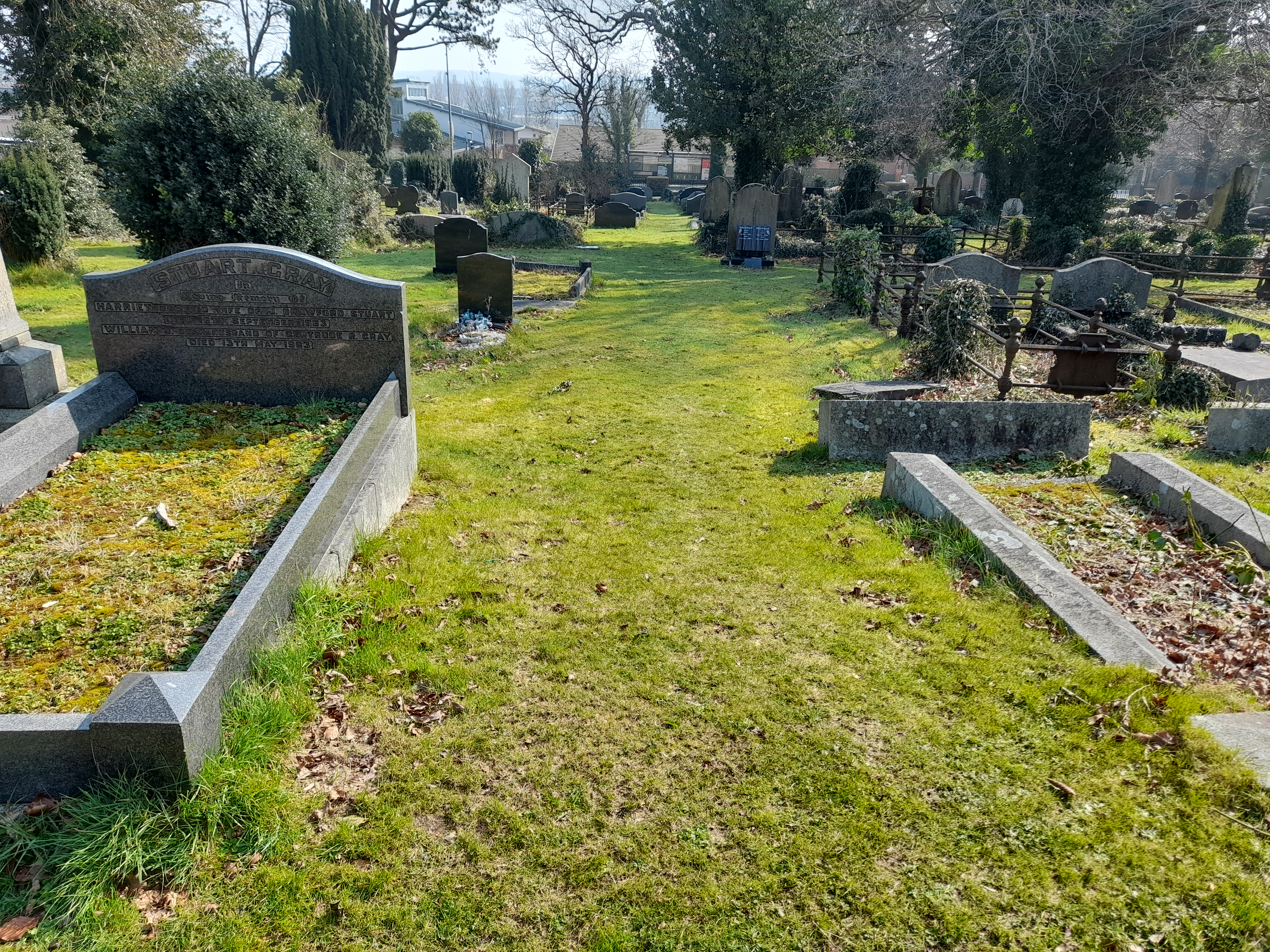
Some parts are still quite heavily overgrown and other parts have suffered badly from vandalism.
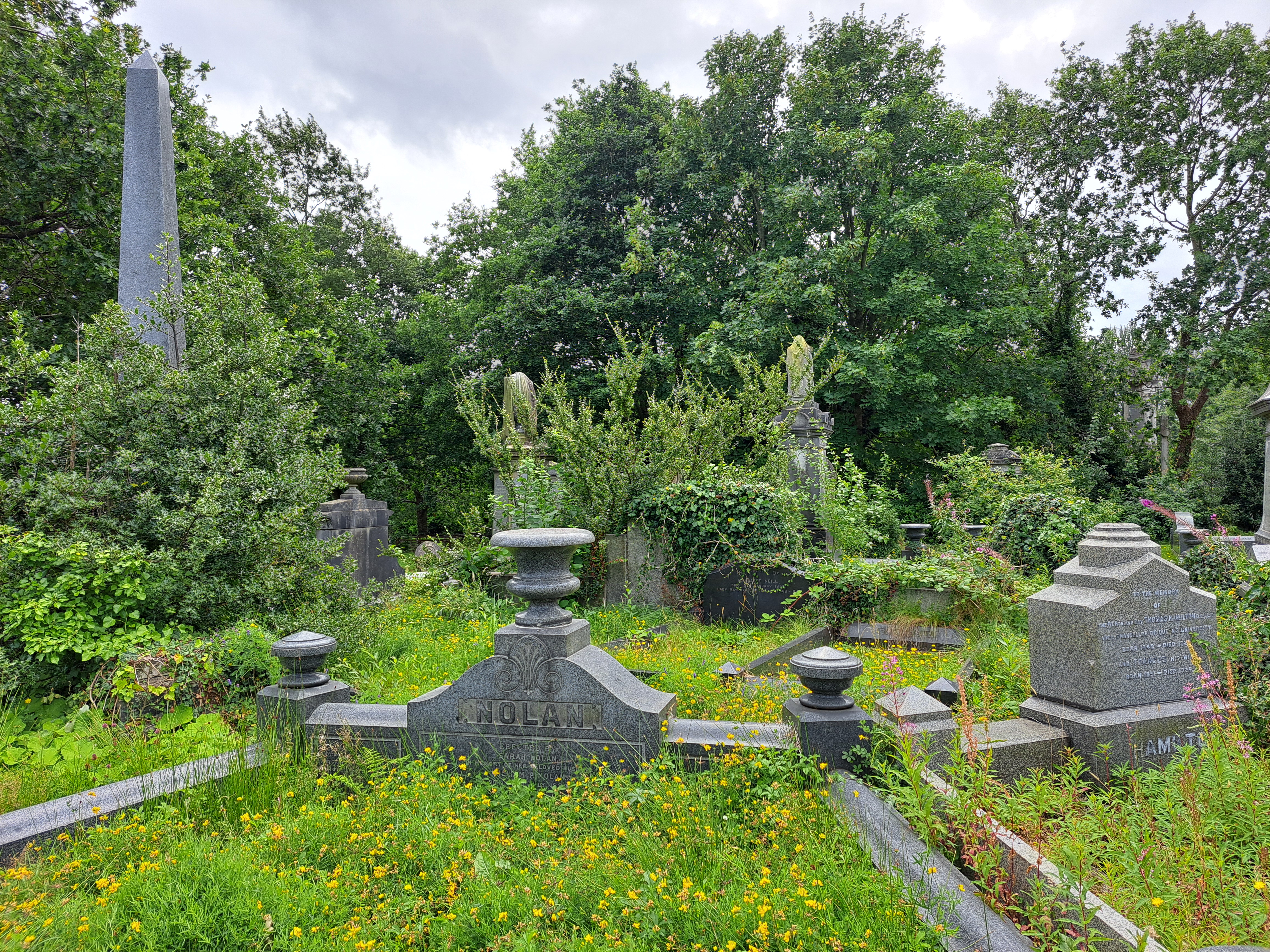
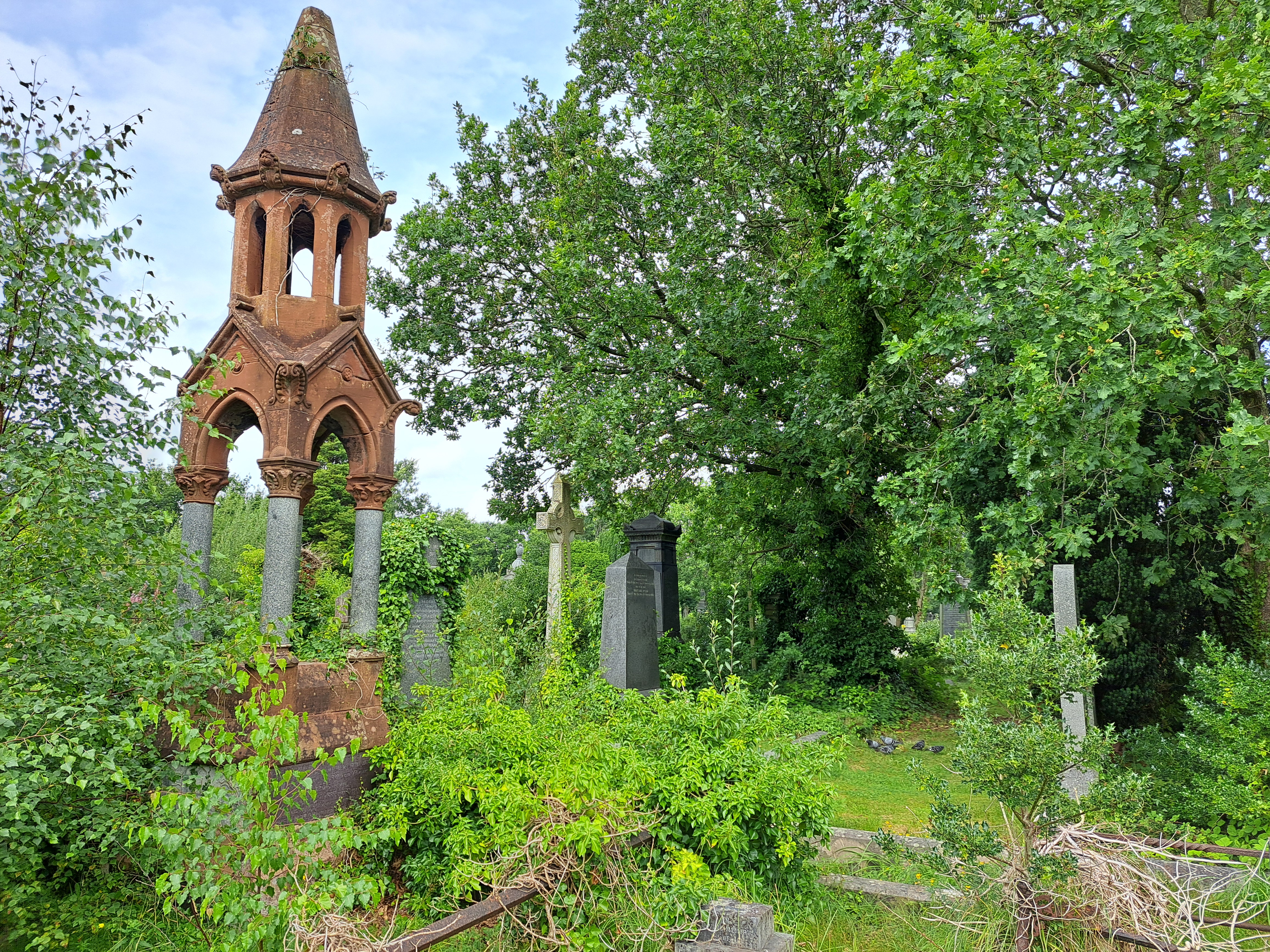
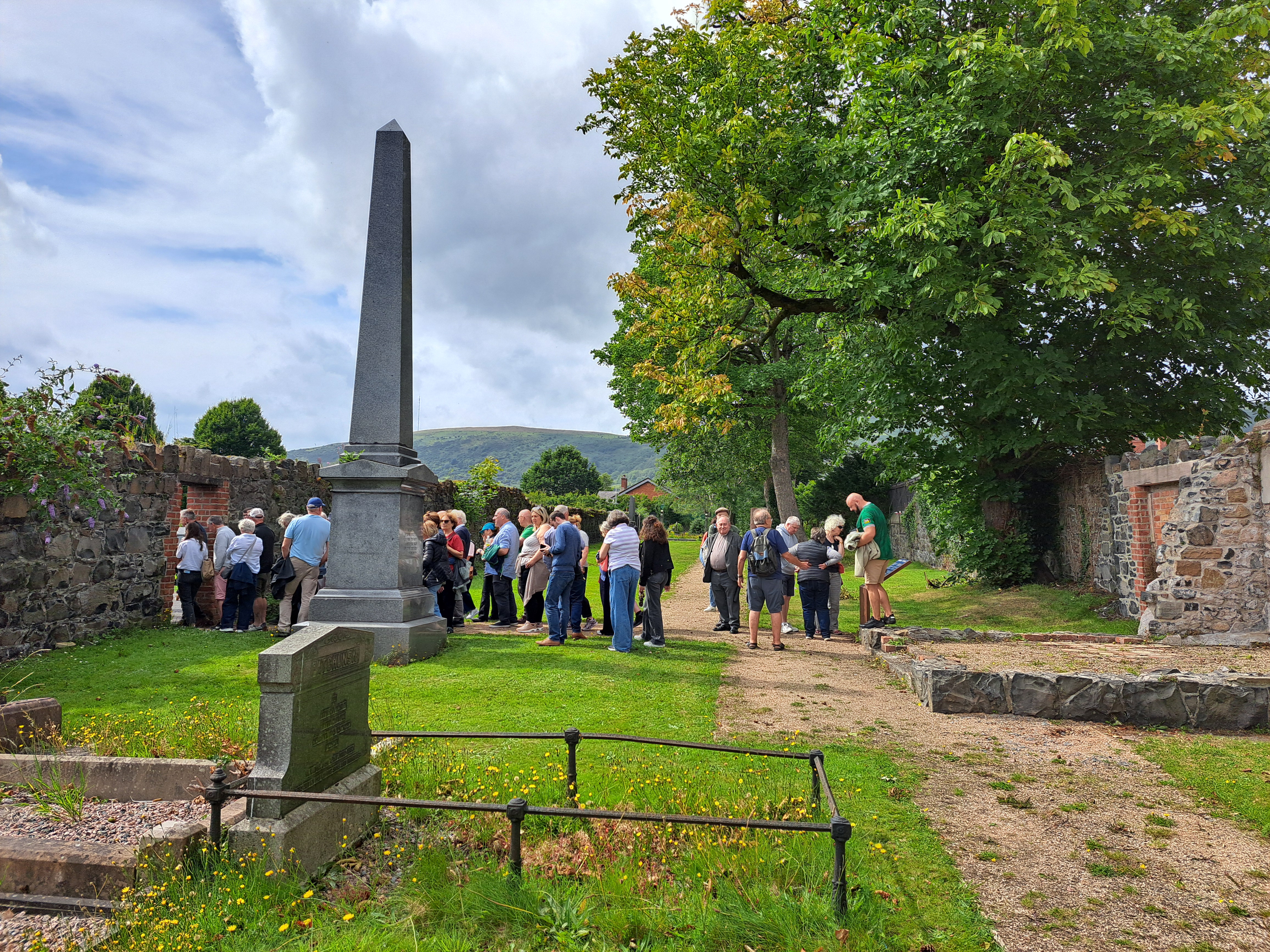
The Jewish section of the graveyard comprises a separate walled section although this has particularly suffered from vandalism and since 1964 Jewish burials now take place at Carnmoney Cemetery.
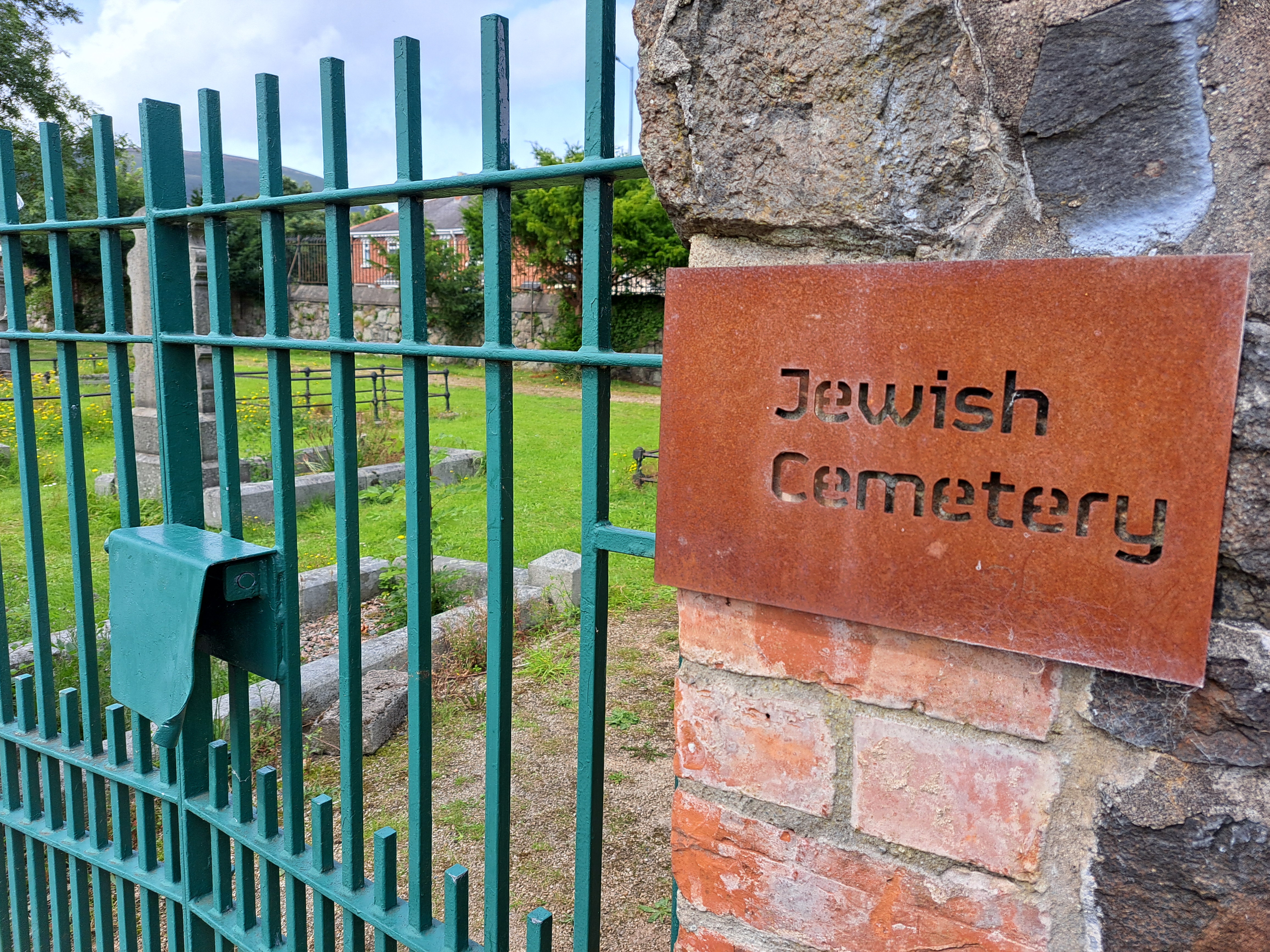
Entrance to the Jewish Cemetery
Inside the Jewish Cemetery. On the right is the remains of the Tahara, the mortuary chapel

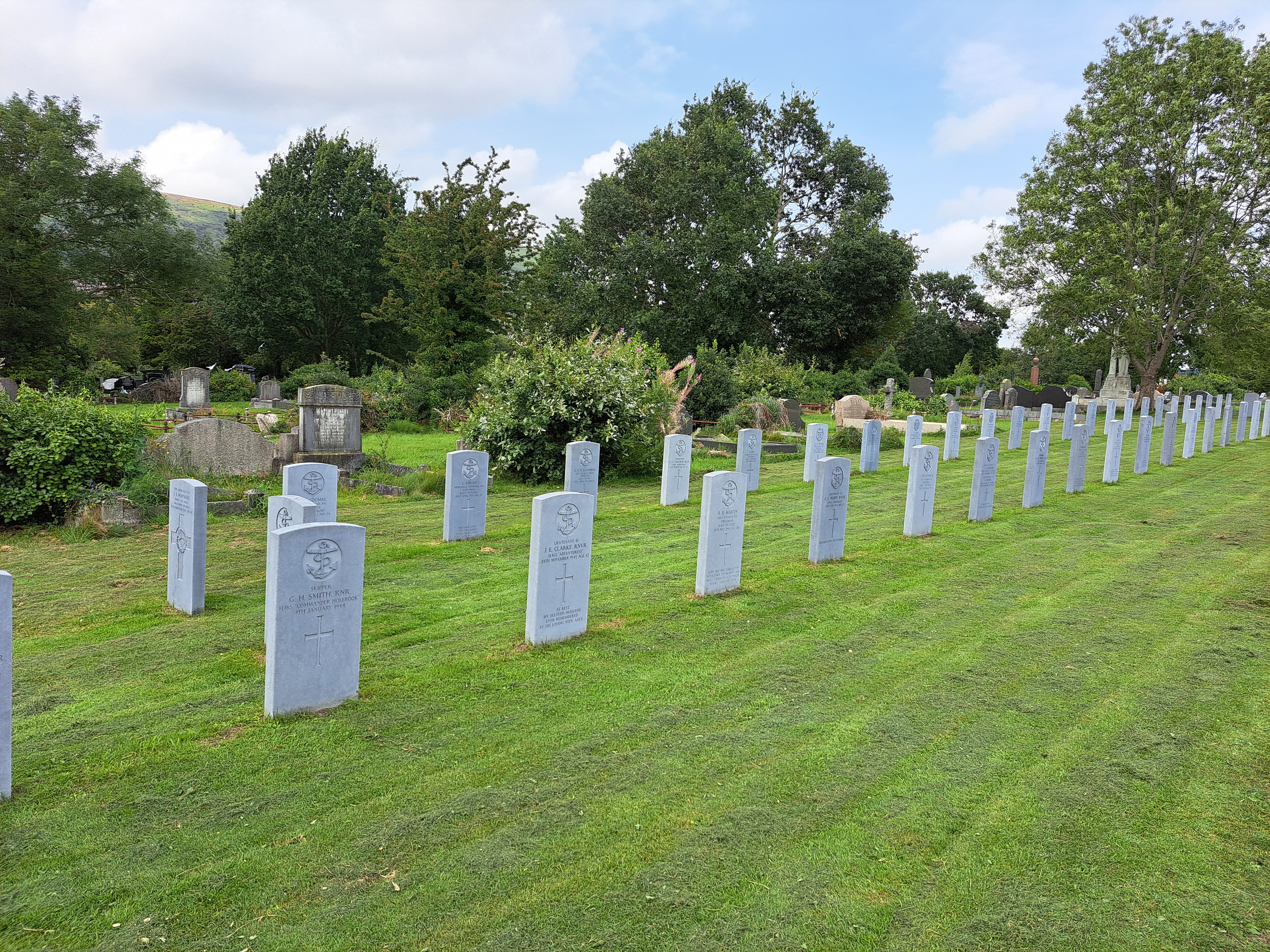
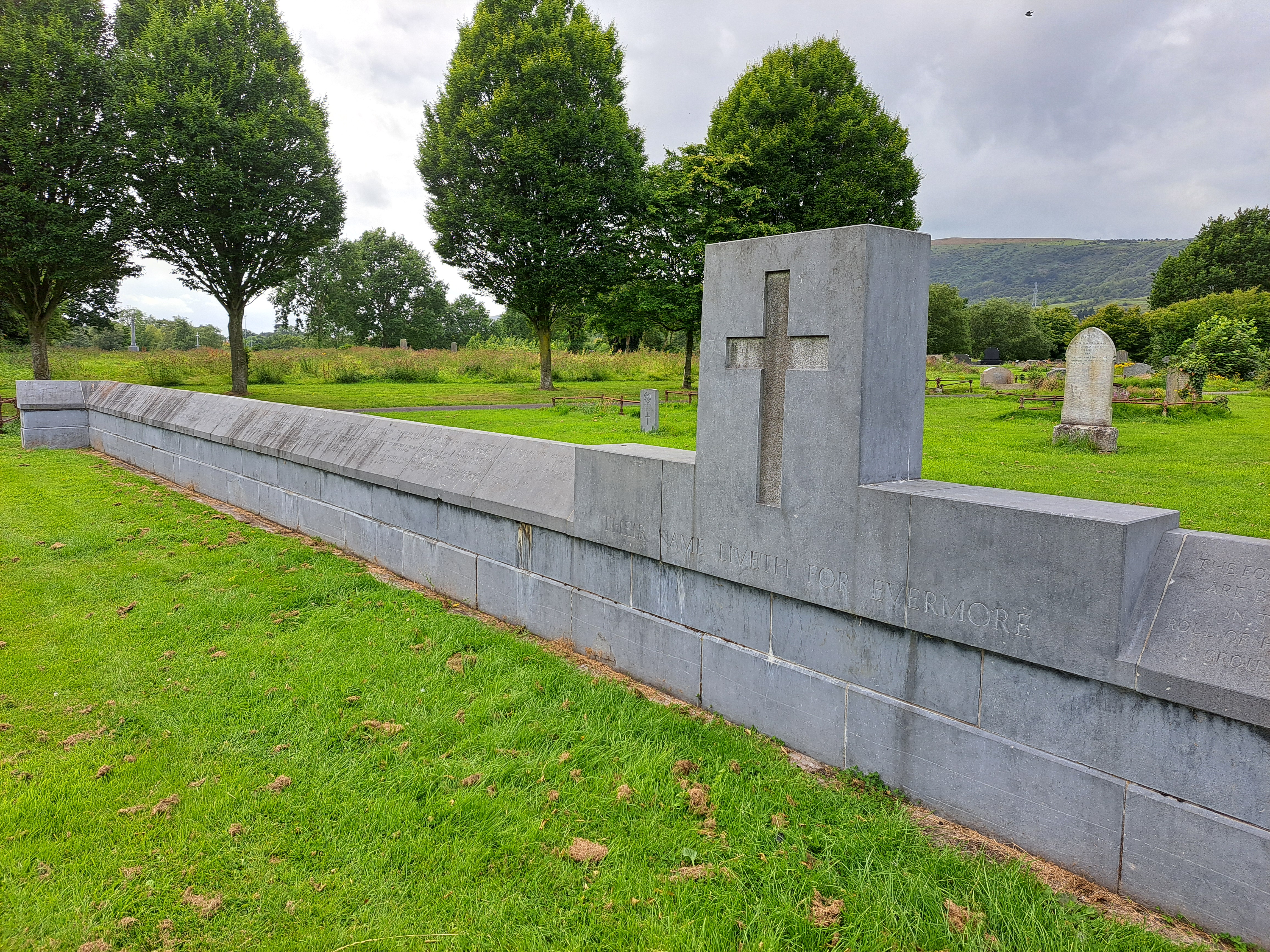
The Cemetery also includes a Commonwealth War Grave Cemetery with 296 burials from the First World War and 274 from the Second World War. There is also a Cross of Sacrifice (the same size as that in Botley Cemetery) and a First World War Screen Wall which carries the names of 74 soldiers who are buried in the First World War plot, 58 soldiers who are buried in unmarked graves and 8 soldiers who are buried elsewhere in the Cemetery.
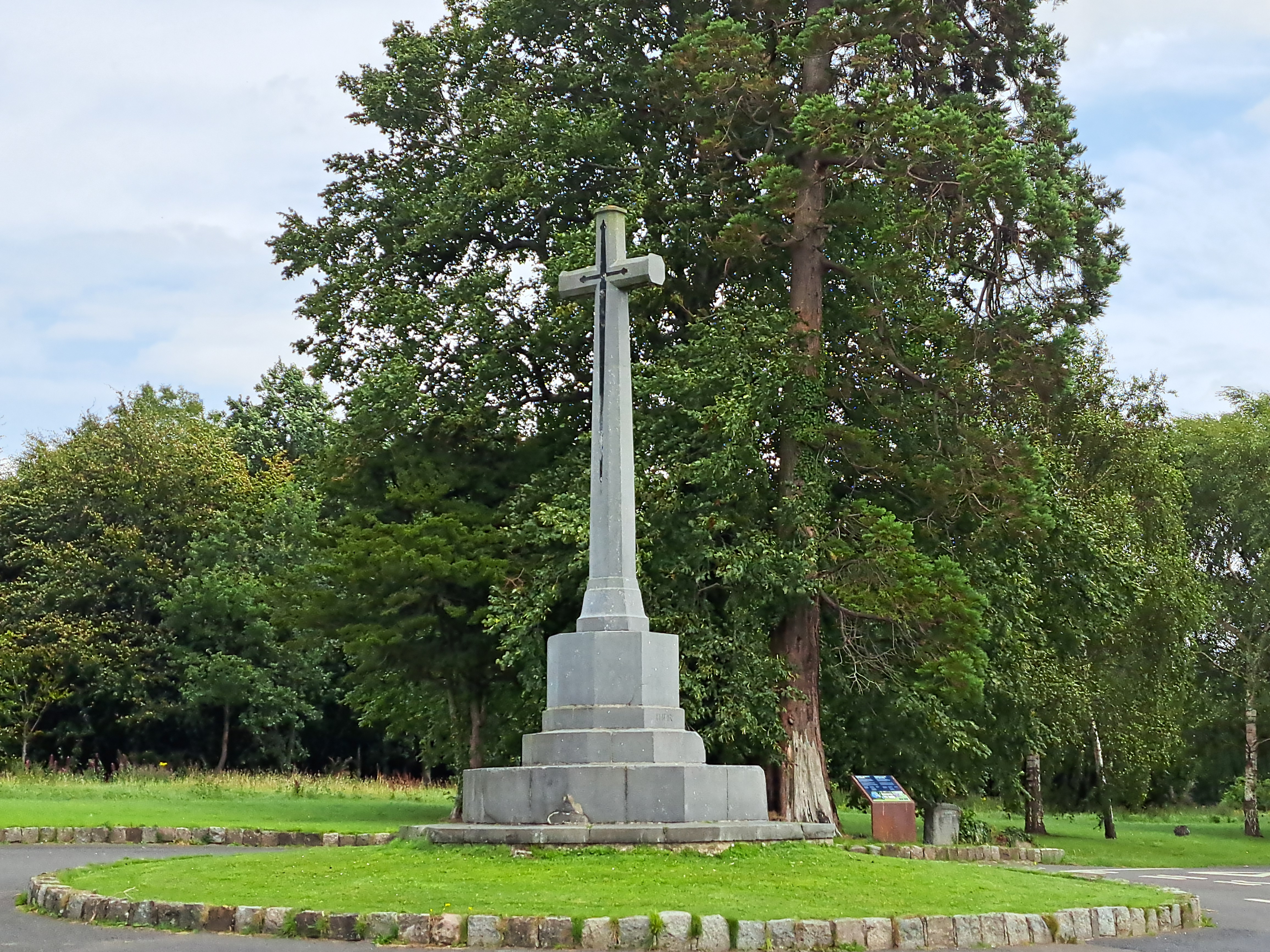
Cross of Sacrifice
Part of the First World War Screen Wall
Second World War Royal Navy and Merchant Navy graves

There are a lot of significant people from Belfast’s past who were Non-Subscribing Presbyterians who are buried here, perhaps most notable are Lord and Lady Pirrie. Viscount Pirrie was the chairman of Harland and Wolff when the Titanic was built and was to have sailed with his nephew, the designer Thomas Andrews, on its maiden voyage, but was prevented from doing so by illness.
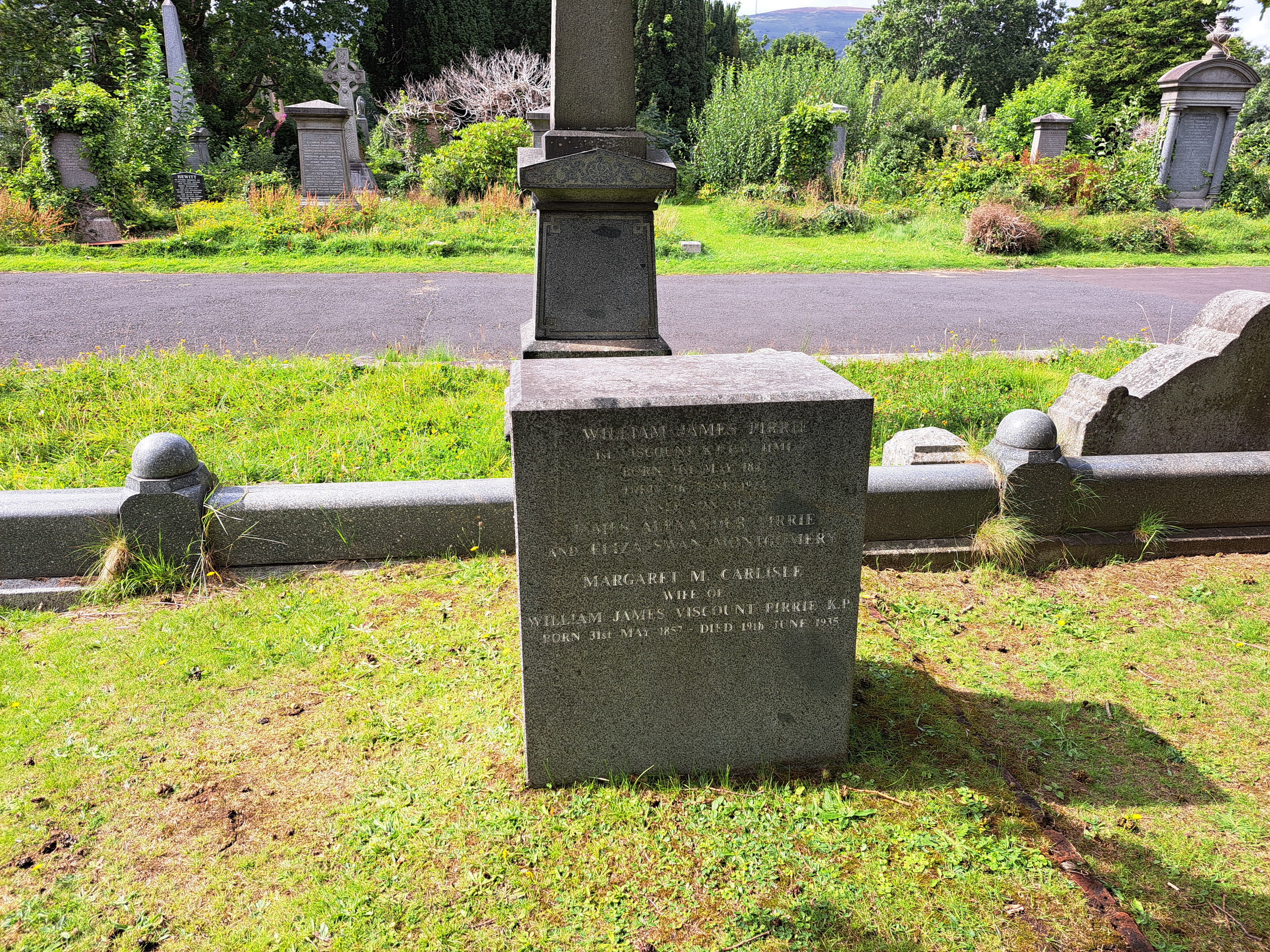
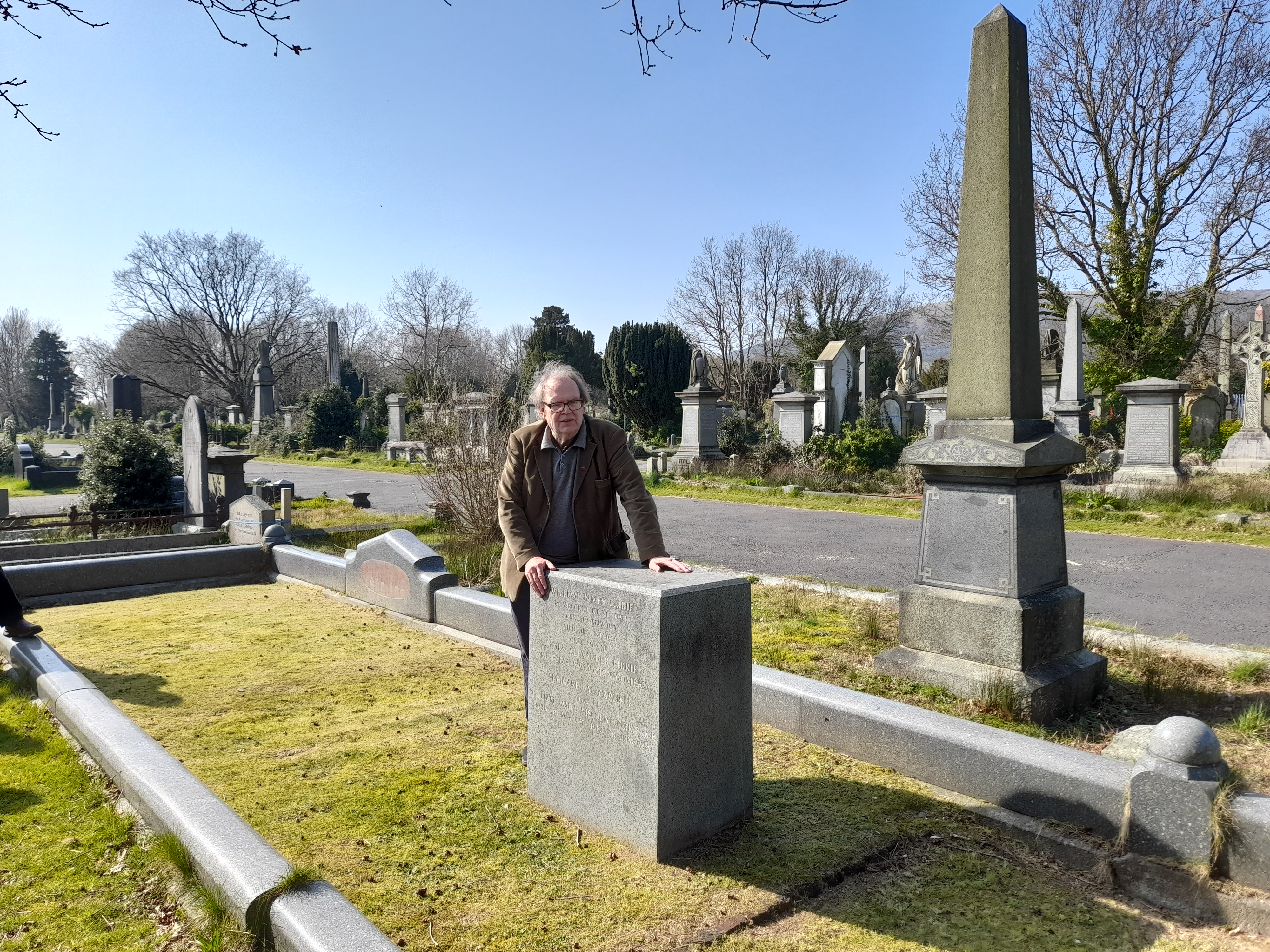
Grave of Lord and Lady Pirrie

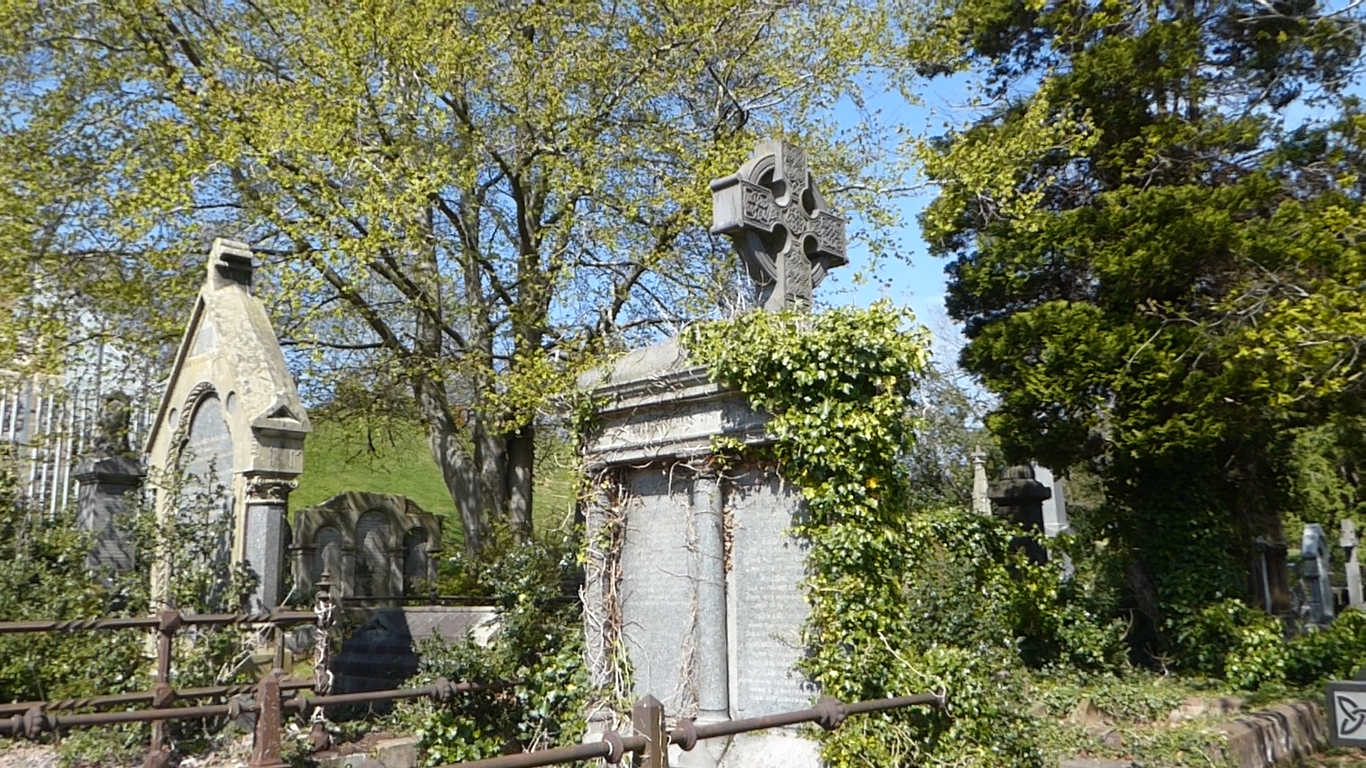
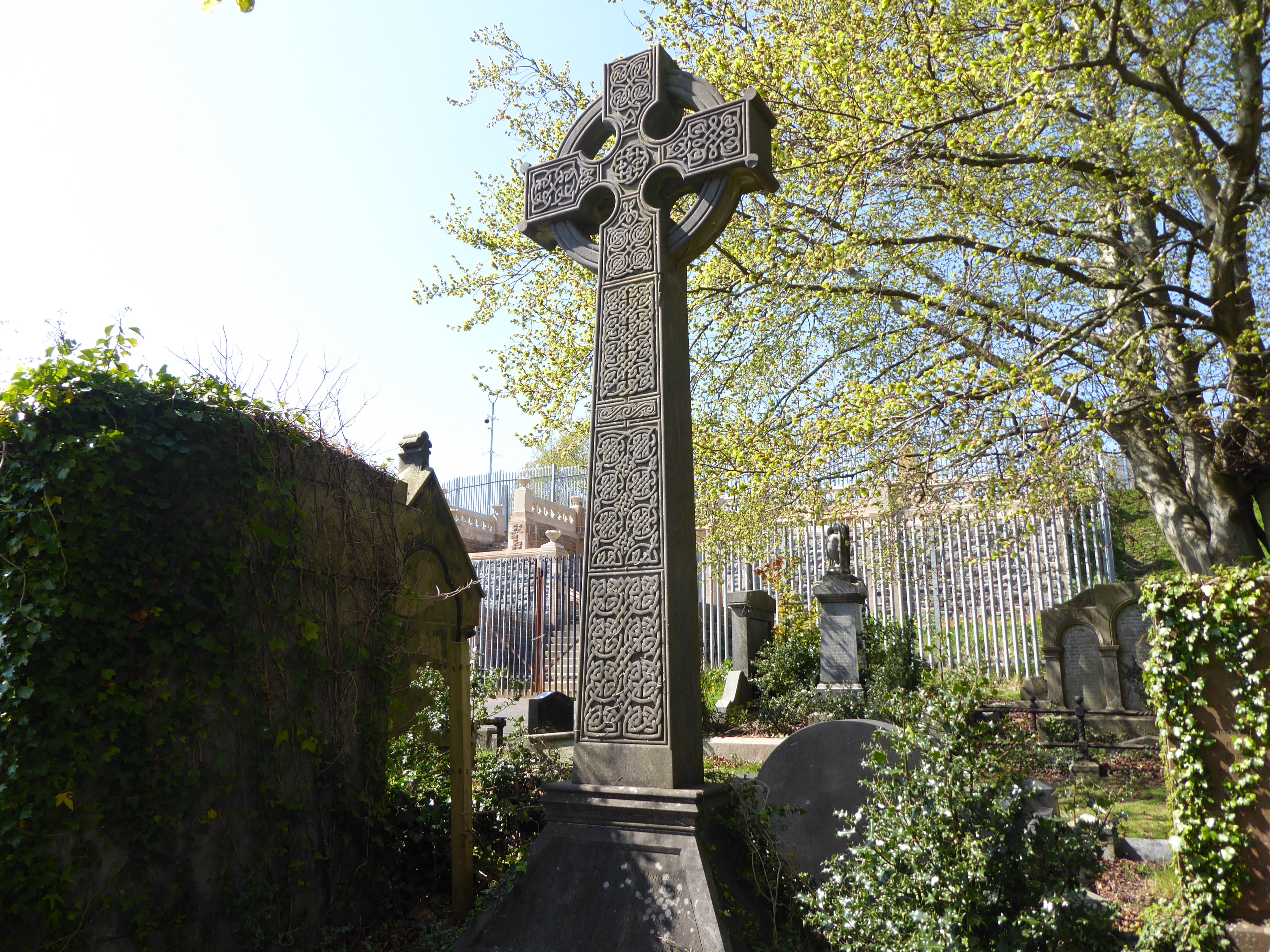
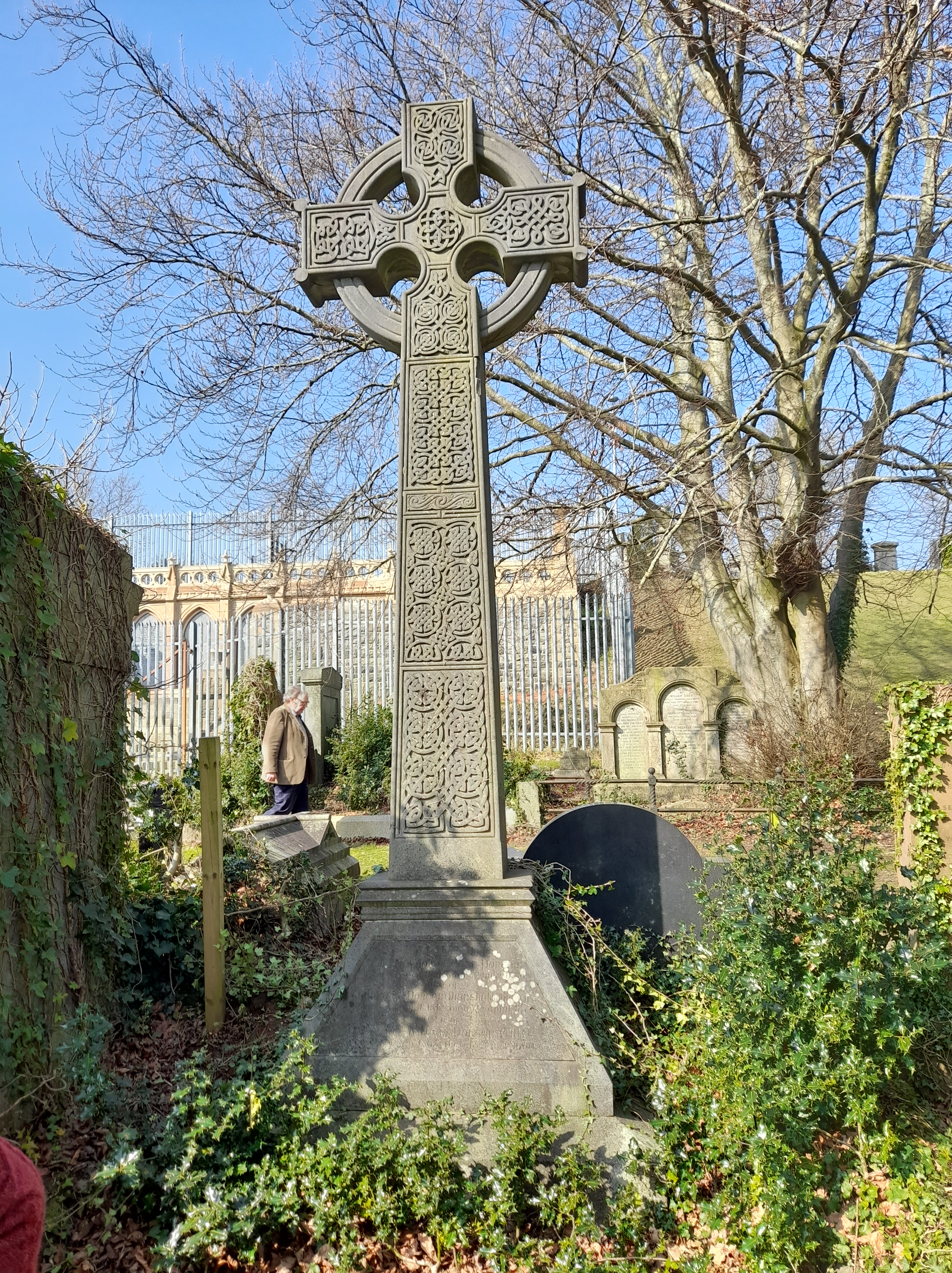
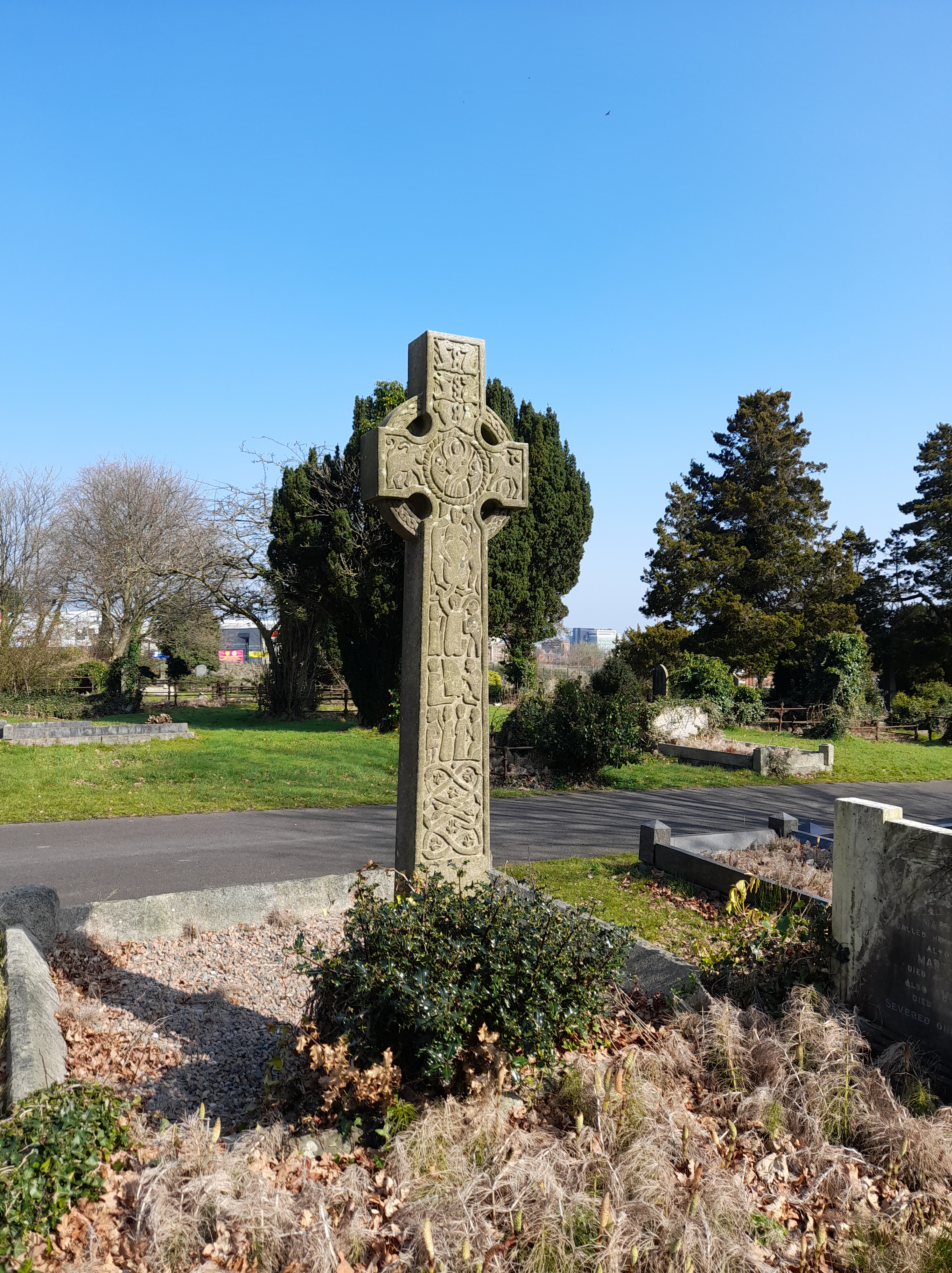
I have written before about one of the most notable Non-Subscribing Presbyterian ministers buried here, the Rev John Scott Porter, and was pleased to hear from his great great great granddaughter as a result. He is buried with his brother, William, who was once the attorney general at the Cape Colony, and actually introduced at that time a franchise that was inclusive of all races. The Celtic Cross that marks their grave is one of the most impressive in the cemetery:
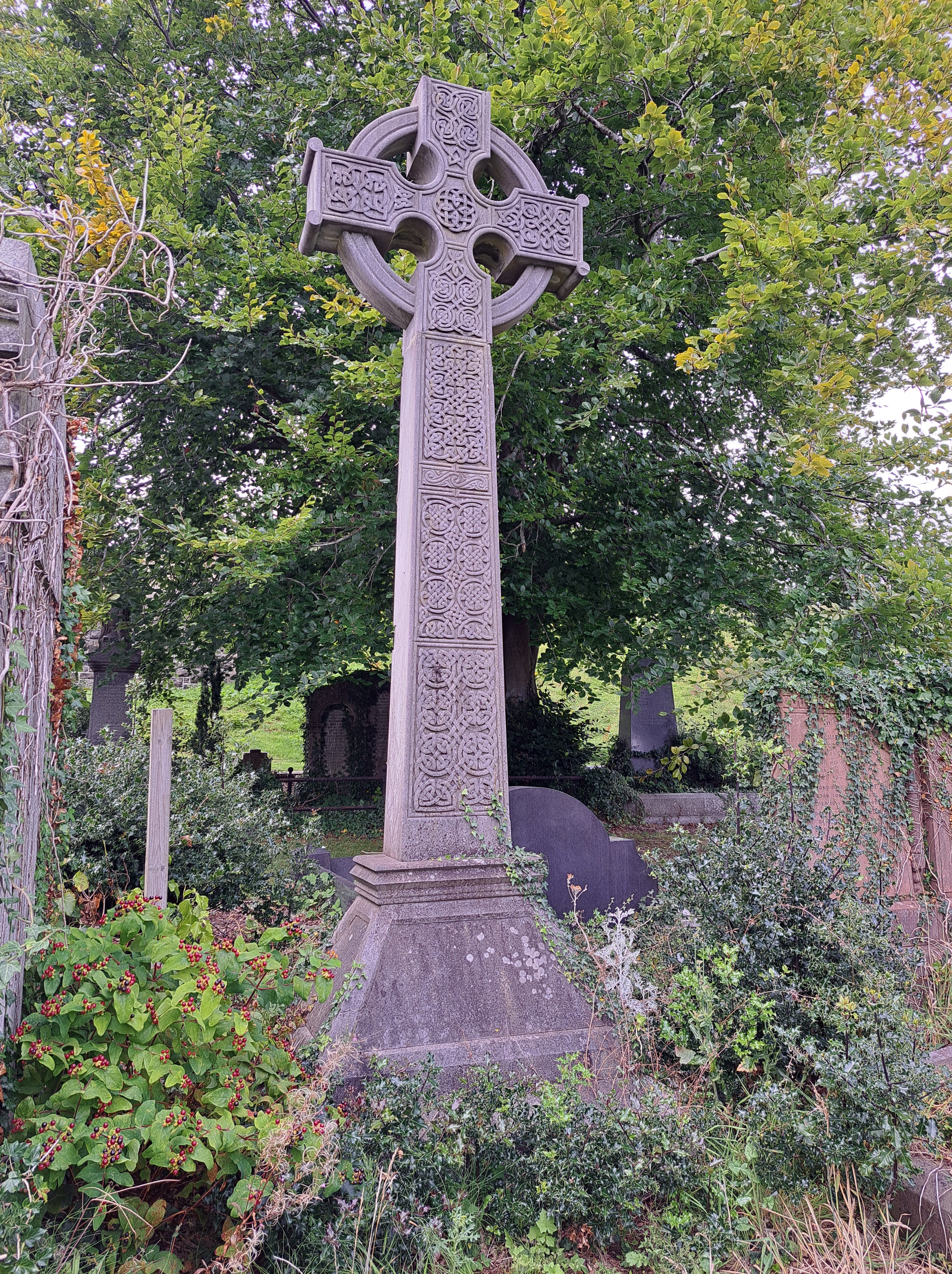
The grave of Rev John Scott Porter and William Porter

I also produced a short video about John Scott Porter at that time. This is available to view here:
Click above to see the video
The grave of Florence and Albert James Lewis, the parents of C.S. Lewis
The tour at the Vaults and Central Steps

Rev John Scott Porter (1801-1880)

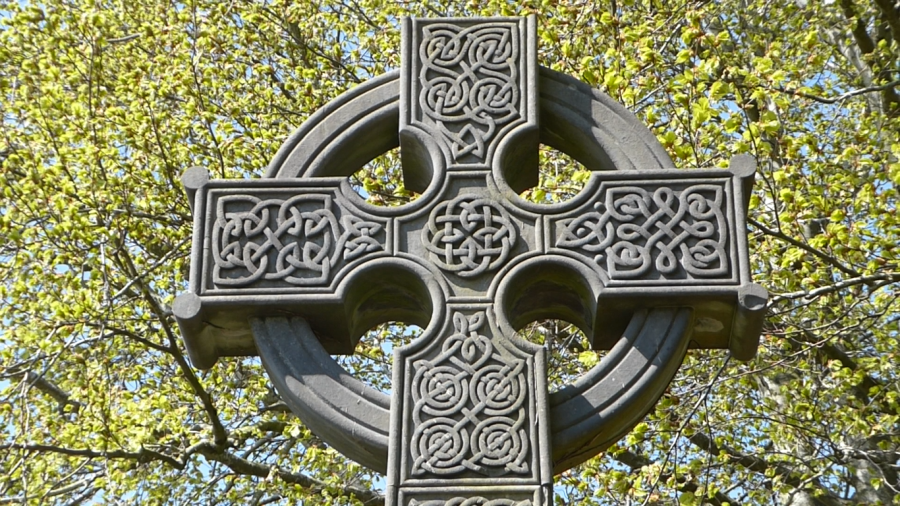
In an overgrown corner of Belfast’s City Cemetery stands a bold and intricately carved Celtic cross which marks the grave of the Rev John Scott Porter.

Son of a prominent Presbyterian minister and brother to two more he was part of a significant dynasty. This week’s Reflection looks at the life and work of John Scott Porter.

Rev John Scott Porter (1801-1880) – click on the video above (available from 8.00 am on Sunday, 8th May).

Educated at the Belfast Academical Institution he commenced his ministry at Carter Lane Chapel, London (which became Unity Chapel, Islington), where he became a prominent proponent of the Arian group within English Presbyterianism, editing the Christian Moderator. He returned to Belfast, to the First Presbyterian Church, in 1831.

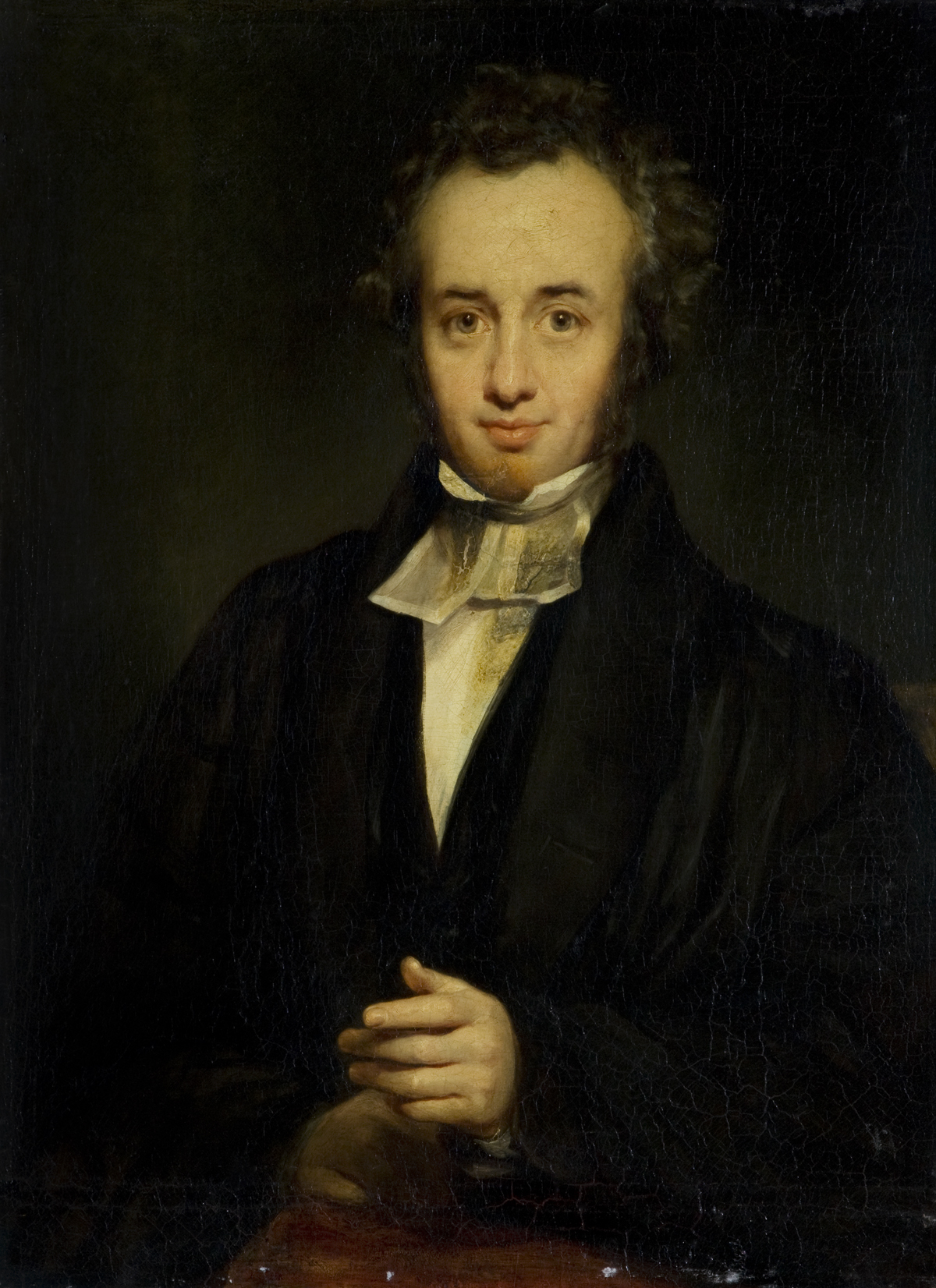
John Scott Porter c.1845 by Richard Rothwell (Ulster Museum/National Musuems Northern Ireland)

In the video we reflect on his career as a theologian, controversialist, Biblical scholar and Unitarian. Other members of his family are buried with him including his brother William, one time attorney general at the Cape Colony, who brought in a franchise that was inclusive of all races.

What can we learn from reflecting on the impressive Celtic cross that marks his grave? An eloquent Victorian statement of piety and memory, for decades long forgotten, yet still making a statement about his beliefs and his ministry.

Silent yet eloquent memorials

Starting off on the tour

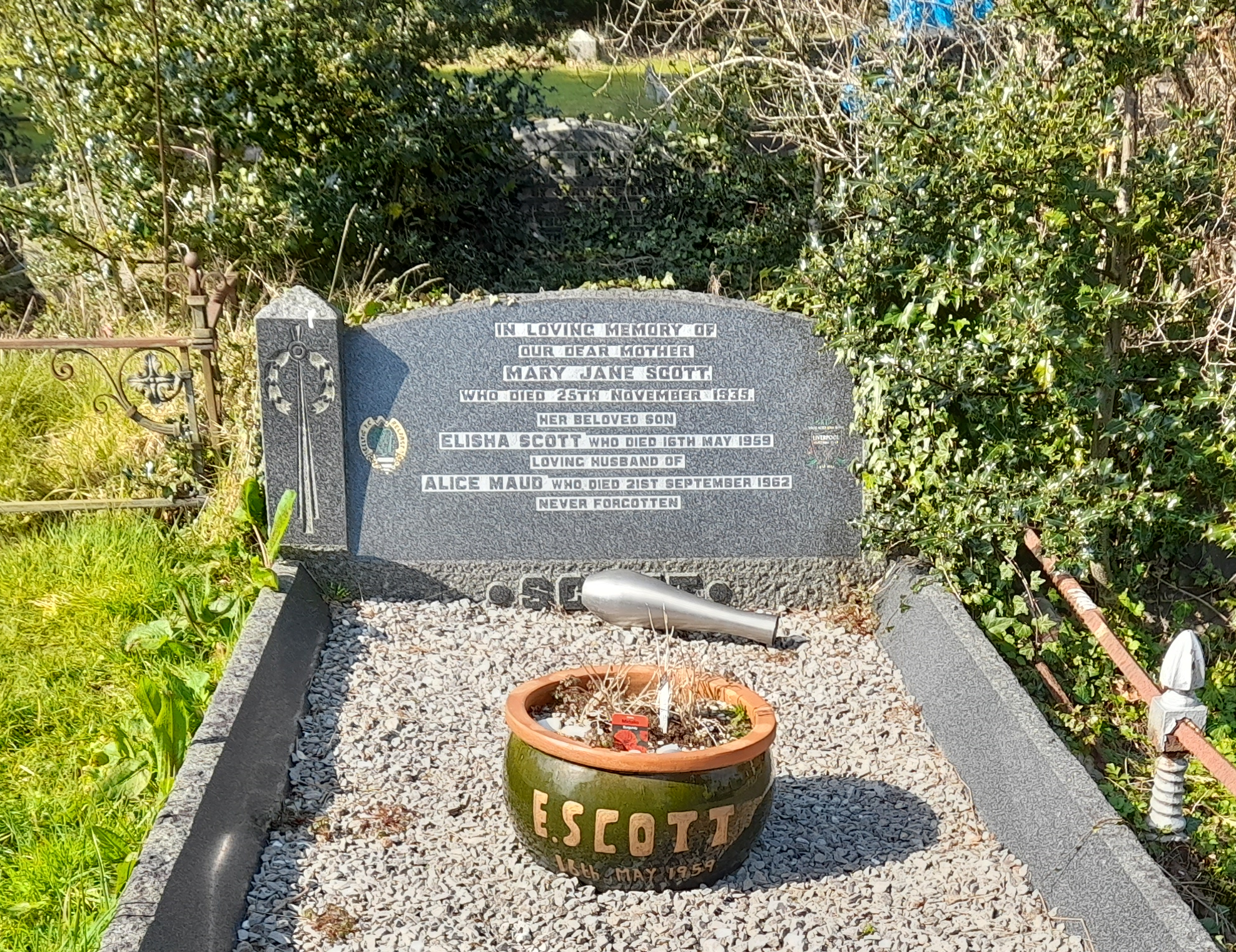
On Wednesday, 23rd March a group from the four Belfast Non-Subscribing Presbyterian Churches enjoyed an excellent visit to the Belfast City Cemetery. We were blessed by good weather, almost like a summer’s day, which showed off the whole site to its fullest advantage. Designed in the shape of a bell and opened in 1869 it has been the burial place of approximately 225,153 people ranging from the some of the poorest members of society, buried in paupers’ graves, to some of the wealthiest merchants, industrialists and businessmen of Victorian Belfast. Years of neglect and vandalism obscured the importance of the cemetery in the city’s history for a long time, but the remarkable work done by Tom Hartley on the graves and history of the cemetery, not least reflected in his book Belfast City Cemetery, has opened up the cemetery to a wider and appreciative public. It is good too to see the construction of a visitors’ centre and the restoration of some of the larger memorials. Tom Hartley has an encyclopaedic knowledge of the history and significance of the site and was our informative guide as he showed us round a large proportion of the original Victorian graveyard, so attractively laid out with the Belfast hills providing a dramatic backdrop. Tom made special reference to some of the Presbyterian and Non-Subscribing Presbyterian graves in the cemetery and we encountered the last resting places of some familiar figures from our tradition. Among others we saw the grave of Margaret Byers, the founder of Victoria College, and Elisha Scott, legendary Liverpool goalkeeper. Cemeteries are such important repositories of history: funeral monuments, grave inscriptions, memorial artwork all tell us a great deal and in this case Belfast City Cemetery provides a fascinating window into the growth, development and history of Belfast as a city. After the tour we had lunch at Cultúrlann McAdam Ó Fiaich. Below are some images of what we saw:

The grave of Rev John Scott Porter (Biblical scholar, theologian and Belfast Non-Subscribing minister) and his brother William Porter, attorney general at the Cape Colony who introduced a franchise into the colony that extended the vote, at the time, to all people irrespective of race.
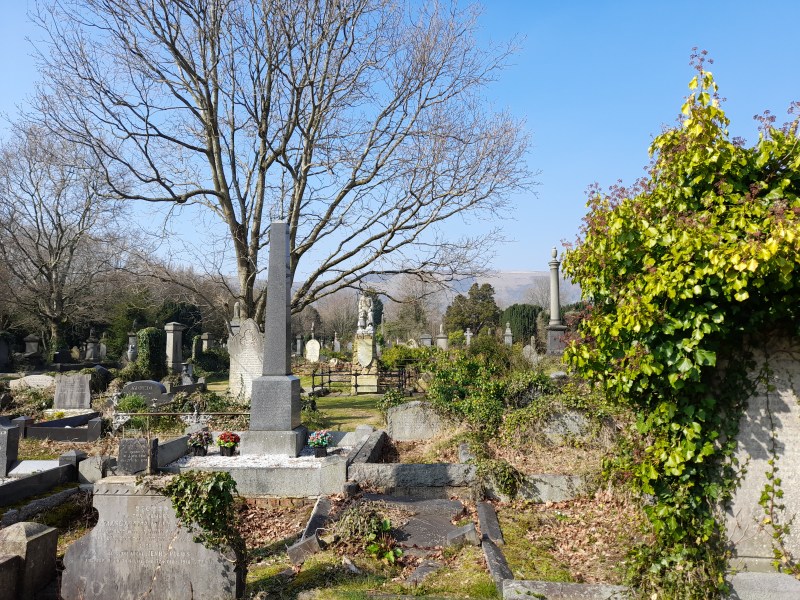
View across the cemetery showing the memorial to John Kirker (1891) on the right in the form of an ornamental Celtic Cross carved from a single piece of limestone.
.
Tom Hartley at the grave of Lord and Lady Pirrie. William Pirrie was a leading Belfast politician and shipbuilder, chairman of Harland and Wolff and responsible for the building of the ‘Titanic’. His wife Margaret Montgomery Pirrie was a significant figure in her own right, closely involved in the establishment of the Royal Victoria Hospital and a granddaughter of the Rev Henry Montgomery of Dunmurry.
Another nineteenth-century Celtic Cross containing ancient religious imagery including, in this case, the Ouroboros (at the bottom of the Cross), the snake consuming its own tail.
The infamous location in the cemetery where an underground wall, six feet tall, divided what were planned to be the Catholic and Protestant plots.
The grave of Elisha Scott, Belfast born Liverpool goalkeeper who played for the club for 22 years and made 468 appearances for Liverpool (which undoubtedly would have been more but for the First World War). He finished his career as a highly successful player-manager of Belfast Celtic until sectarian violence brought about the closure of that club.