A First World War Roll of Honour

Another resource that will be added to the Faith and Freedom Great War Project in the near future is the Roll of Honour of the Non-Subscribing Presbyterian Church of Ireland – or at least as much of this that was printed in the Non-Subscribing Presbyterian magazine at the time.

Not surprisingly that magazine carries a great deal of information about the impact of the war on the denomination. The war brings about much comment and theological reflection from ministers and lay people but the extent of the impact only gradually comes to be realised as more and more members take up arms. The magazine decided to compile a Roll of Honour and in December 1914, four or so months after the outbreak, this was printed for the first time. Already it contained 141 names, all of them obviously volunteers, and representing 24 congregations. The list includes two who have been wounded and already the first loss – a member of the Dromore congregation – David Prentice who was lost in action on HMS Monmouth in a naval engagement off the coast of Chile. HMS Monmouth was an armoured cruiser that was built in 1901 and used mostly around Chinese waters. At the start of the First World War it was sent to the West Indies fleet and was part of the battle of Coronel, here it was sunk by the Germans with the loss of all hands.

In the next year the Roll of Honour was reprinted in March 1915, when it had been expanded to include 27 congregations. In January 1916 the list is updated when 360 names (including some women involved in nursing and other war work in some congregations) were listed in 29 congregations (out of a notional total of about 35). To this denominational list an additional three names were added in February. For the denomination as a whole of these 363 names eleven were listed as killed, missing or lost.
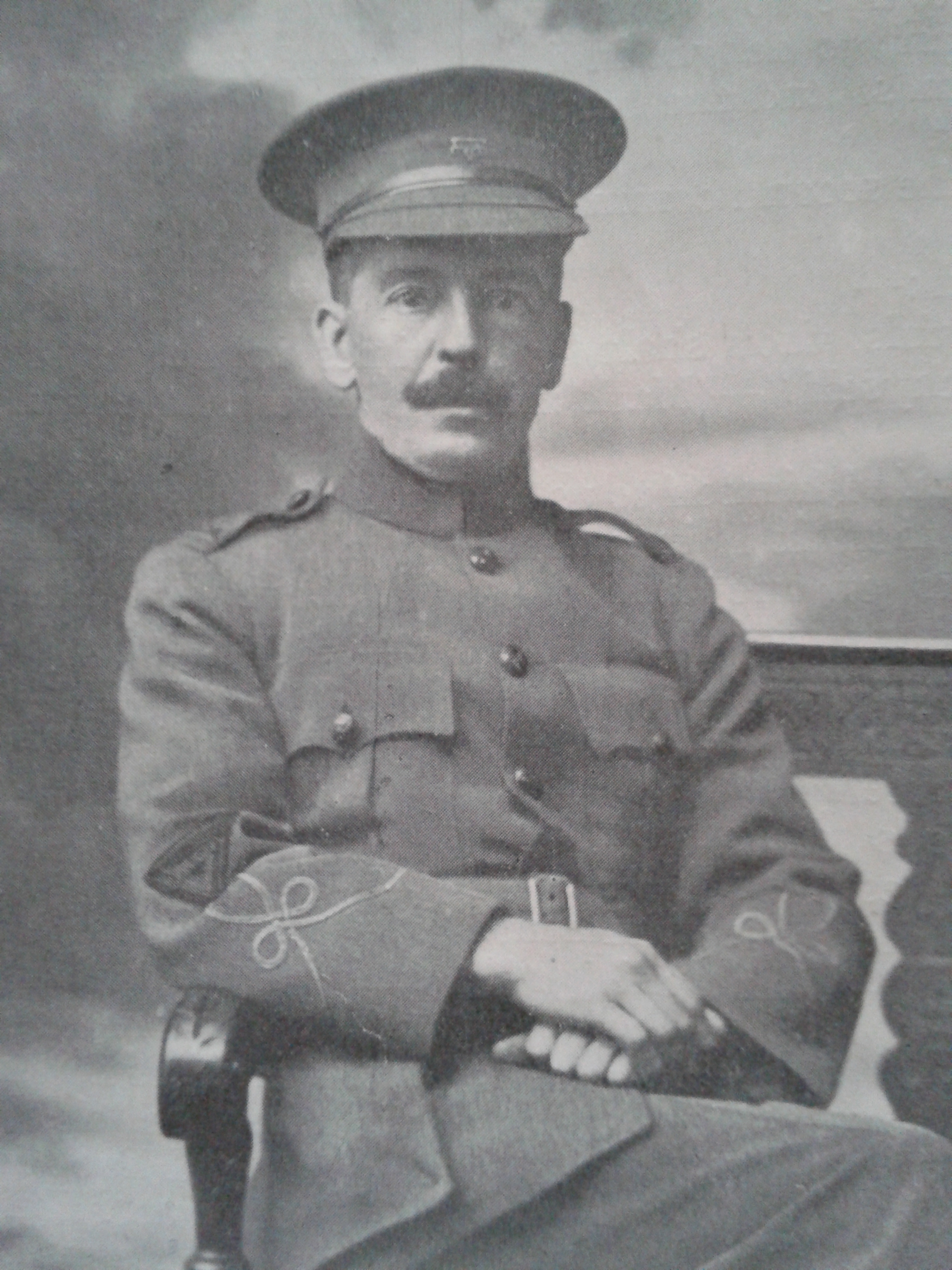
Rev Alfred Turner, minister of Templepatrick, at the front in the uniform of the YMCA

Having kept this Roll of Honour up until February 1916, strangely, it is not updated in the pages of the magazine again. At one point mention is made of an intention to publish on card the full Roll of Honour for the congregations but it is not clear if this was ever done. Why the Roll was never updated is hard to tell. The editor, the Rev Alfred Turner, was now working in France with the YMCA but the responsibility for providing this information lay with the individual congregations. Having begun keeping the record it seems strange that it stops.

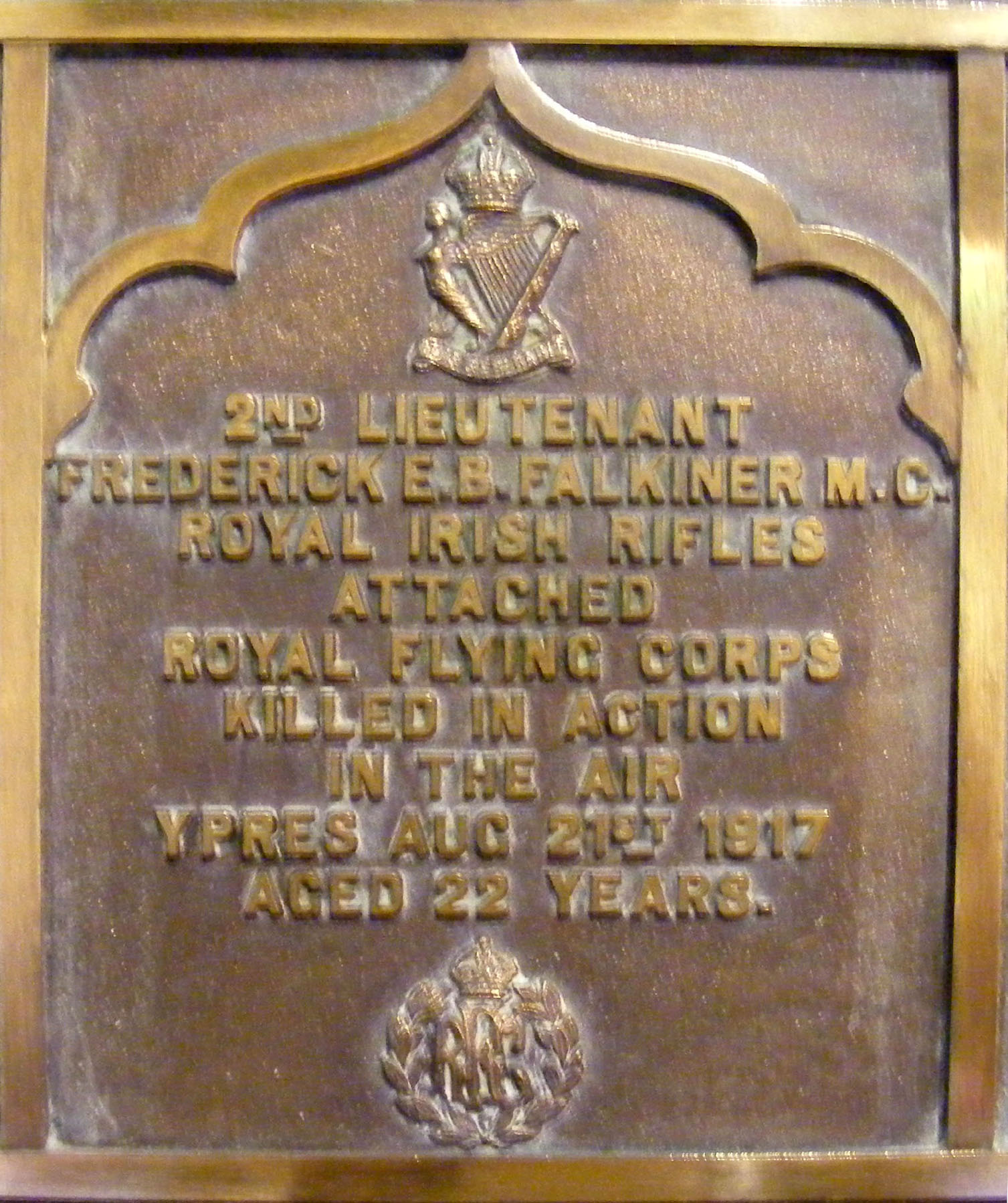
A result of the Roll never being completed is that we do not know the exact numbers of those who served in the First World War. But both the total number on the Roll of Honour and the number of those killed in the war are likely to be far greater than the numbers published between 1914 and 1916. There are, for instance, 16 obituaries of men killed in action (in two cases died of war wounds) in the magazine. Of these only three died before the publication of the January 1916 list and they do appear on the Roll of Honour but of the other thirteen only seven are listed and six are not, possibly because they had not joined up until after that date. The number of fatal casualties is likely to be much higher and a perusal of each church’s war memorial would give the true figure. If we look at the example of the Dublin congregation, for instance, on the January 1916 list there are eleven names included as having joined the armed forces. Yet the war memorial in the Church lists only those who were killed (all of them in 1917 and 1918) and of the five names preserved there three do not appear on the January 1916 list. To take another example in the case of Clough there are seven names on the published Roll of Honour, and no fatalities. However, on the Roll of Honour in the Church there are ten names, three of whom were killed in the war.
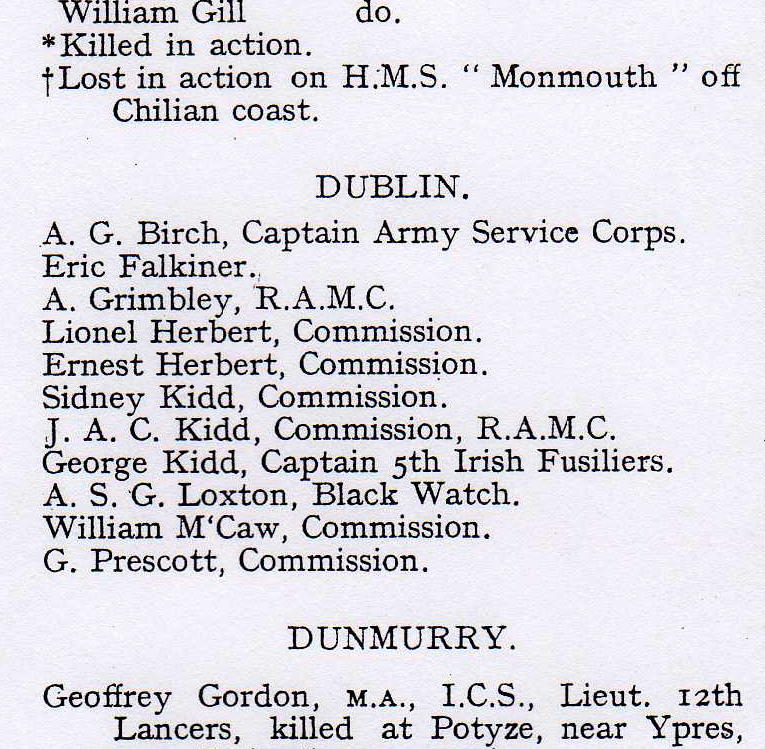
Detail of the Dublin names in the Non-Subscribing Presbyterian January 1916
Memorial to 2nd Lieut. Frederick E.B. Falkiner MC in Dublin Unitarian Church. Killed serving with the Royal Flying Corps near Ypres August 1917 aged 22. (With thanks to P. Spain for photo)

But taking the denomination as a whole the Roll of Honour plus the additional obituaries makes a total of 24 killed in the First World War noted in the magazine in this way although clearly this cannot be the final total.

Of the 16 obituaries in the magazine 14 are of officers and most include a photograph of the deceased. Four obituaries appear in the August 1916 issue, all of them of soldiers apparently killed on the first day of the battle of the Somme. Whether an obituary appeared or not seemed to be entirely due to chance but was very unlikely for those who weren’t commissioned. There are in addition three brief notices, one of them of one of the sons of the Rev Alexander Gordon, and one mention of a death in a Rademon ‘News of the Churches’ report. This would make a total of 28 names of men killed in the war mentioned in the magazine, again certainly not the final total.

But a careful comparison of all the church memorials plus the obituaries found in the magazine plus the names on the Roll of Honour would at least give us a working total for those from the Non-Subscribing Presbyterian churches in Ireland who served and lost their lives in the First World War.

Although so many of those who died did not receive an obituary in the magazine some of the obituaries in the Non-Subscribing Presbyterian are quite informative. Most of the casualties were people who joined up at the start of the war but some had been career soldiers. One such was Captain Craig Nelson of Downpatrick who was killed in action on 26th September 1915. He was an officer in the 3rd Brahman regiment, part of the Indian army and a grandson of Rev S.C. Nelson, minister of Downpatrick. His father was Dr Edwin Field Nelson, the fifth son of Samuel Craig Nelson, a senior surgeon in the locality who had himself attained the rank of Surgeon-Major in the local Militia and continued as medical officer for soldiers in the Downpatrick district during the war up to his death in May 1916. But his son, Craig Nelson, was killed the year before, his other two sons both serving officers in the navy or the army. Craig Nelson was a career officer who had been commissioned into the Royal Irish Rifles and served throughout the South African war. He subsequently transferred to the Indian Army and served first in Egypt and then on the Western Front.

The Downpatrick minister, Rev M.S. Dunbar, said of him:

We cannot help our feelings being moved when we think of the thousands of our countrymen who have fallen in this titanic struggle, but our feelings are still more acute when we suddenly learn of the fate of one who we knew, with whom we conversed not so long ago, and who, when we bade him good-bye, was in perfect health and the best of spirits. The War, with all its dread consequences, comes home to us as it never did before. Captain Nelson was brought up amongst us, and when on furlough from India, was always pleased to join in our service here, and to recall his associations with the church and the people connected with it.
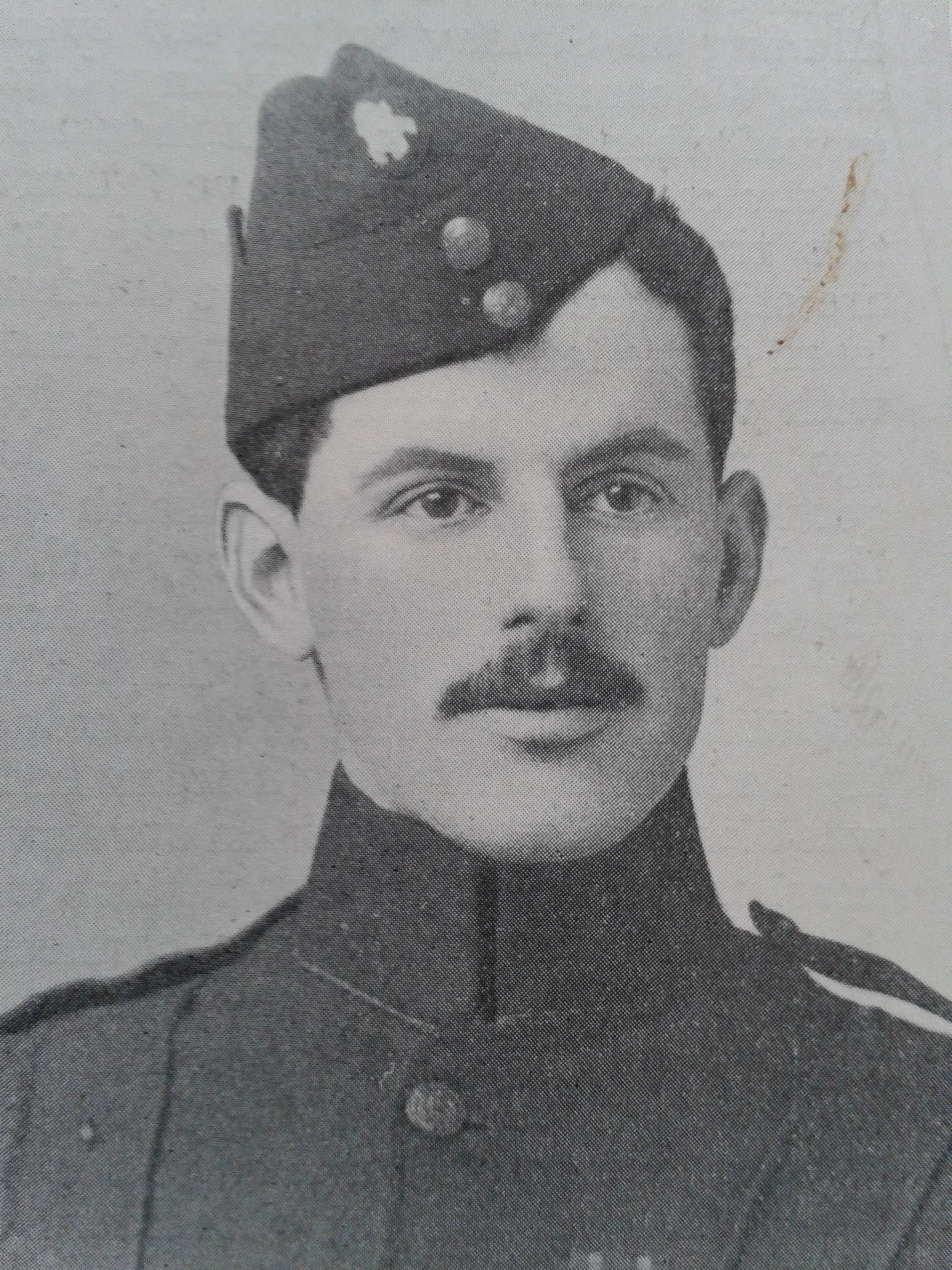
Captain Craig Nelson

The Faith and Freedom Great War Project can be seen here:
http://www.faithandfreedom.org.uk/GWindex.htm

Downpatrick High Cross

With the forthcoming opening of the extension to Down Museum to house the Downpatrick High Cross in a new interpretative centre I thought it might be appropriate to say something about the old cross.

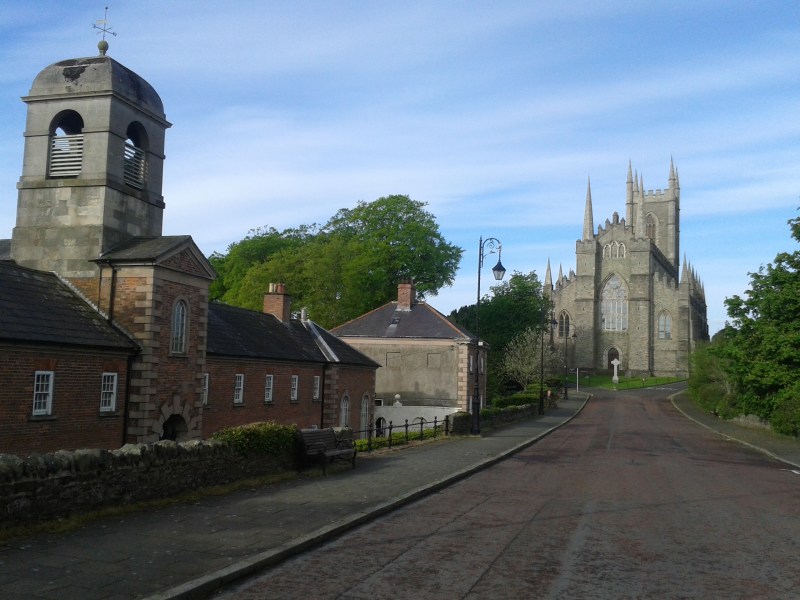
The view from behind the old cross looking along the Mall

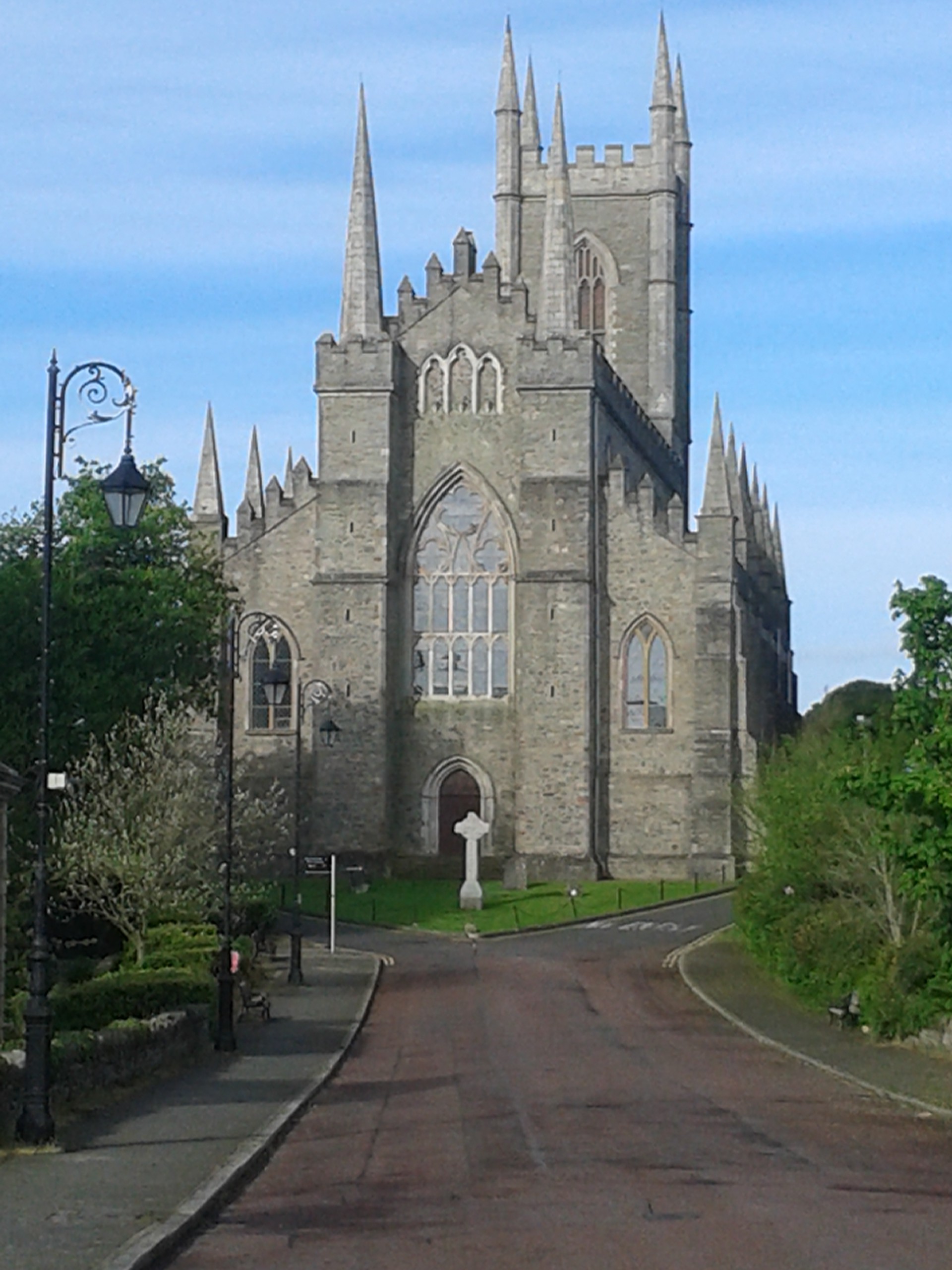
If you have been to Down Cathedral then you will have walked past the High Cross that sits just outside the Cathedral. This is very old – or to be exact it is a copy of something that is very old, because in December 2013 it was taken down and replaced with an exact copy. The original cross is about 1,100 years old and was put up in about 900 AD. This has now been taken down to be conserved and protected from the elements and has been replaced with a new one, an exact replica in Mourne granite weighing in at one tonne. Using modern technology the weathered design of the old cross was exactly replicated on the new cross.

The view of the new cross in front of the cathedral

Through the kindness of the Dean of Down, the Very Rev Henry Hull, who is always so inclusive in all the special and civic events in the Cathedral, I was privileged, along with all the local clergy, both to be present at the removal of the old cross and to take part in the blessing of the new cross that was put in its place before Easter last year.

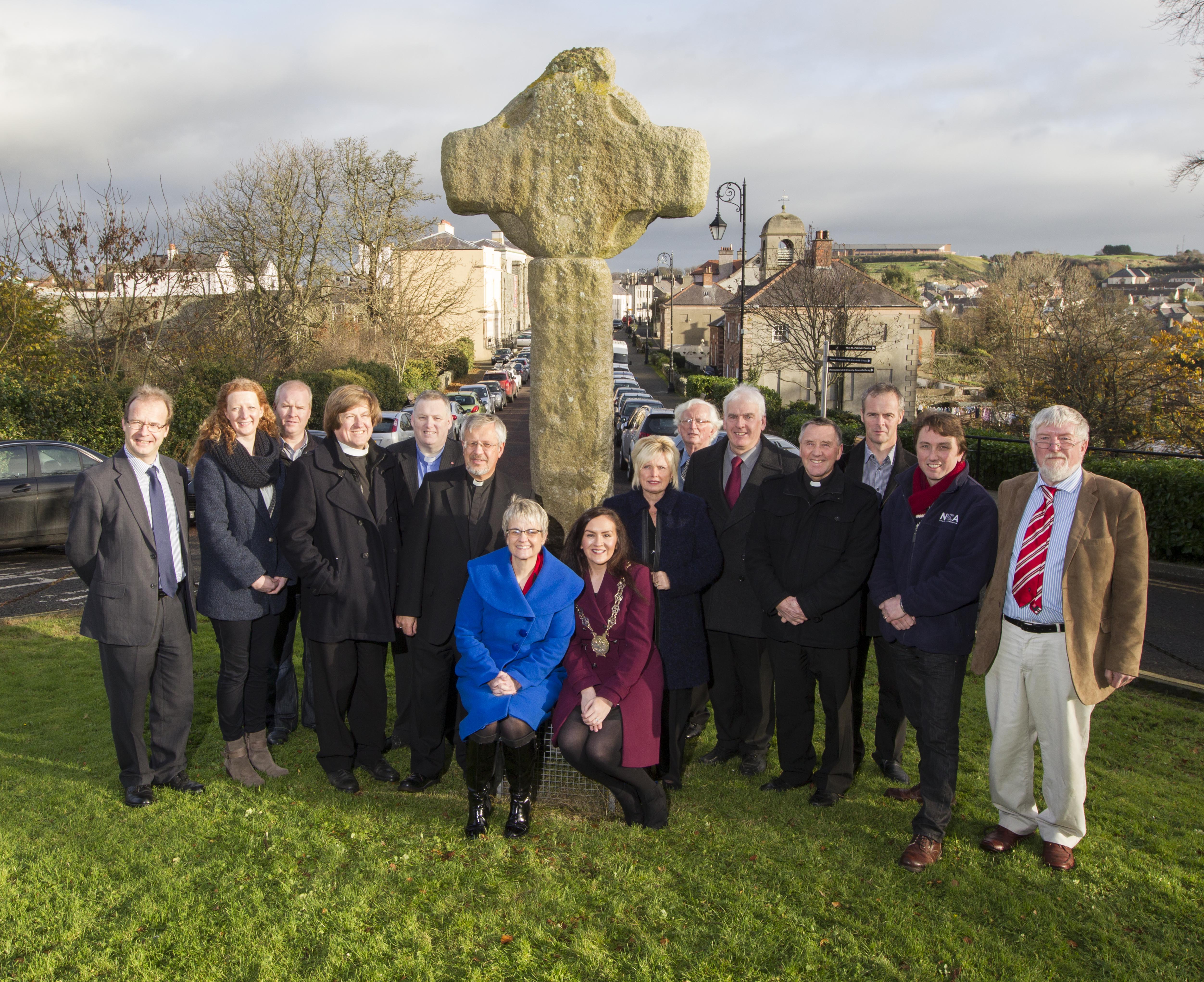
Politicans, museum staff and clergy, just prior to the removal of the old cross

The original cross stood outside the ancient monastery established in Downpatrick in the centuries following the death of St Patrick. It stayed there until the Reformation when it was taken down and used as the town’s Market Cross, located outside the Market House. Over time it was damaged and its pieces dispersed around the town until the 1890s when Francis Joseph Bigger, the famous antiquarian, reconstructed the cross and had it placed outside the Cathedral.
These ancient high crosses carried a lot of information. Although now difficult to make out in any detail they tell the Christian story. The Downpatrick Cross carries an image of the crucifixion as well as Jesus entering Jerusalem on donkey on Palm Sunday. The Cross is also believed to show the heads of Adam and Eve and Cain about to slay Abel. To me though the most interesting images on the cross are those of St Anthony and St Paul. It is very hard to make out but at the top of the shaft on one side of the cross there are two figures sat facing each other. Between them is a circle and above them something else that may be a bird. These two saints (who lived in the 3rd and 4th centuries) were important in the spread of monasticism and scholars suggest that the image represented is that of their meeting at the hermitage at Mount Colzim in Egypt, a meeting that reputedly took place in AD 347. According to the story a raven flew down and deposited a loaf of bread between them, paralleling the story of Elijah being fed by ravens in the Old Testament. The two holy men then disputed over who should have the responsibility of breaking the bread, each of them deferring to the other, until eventually they both picked up the loaf and pulled together, neatly representing the sharing of the Eucharist.

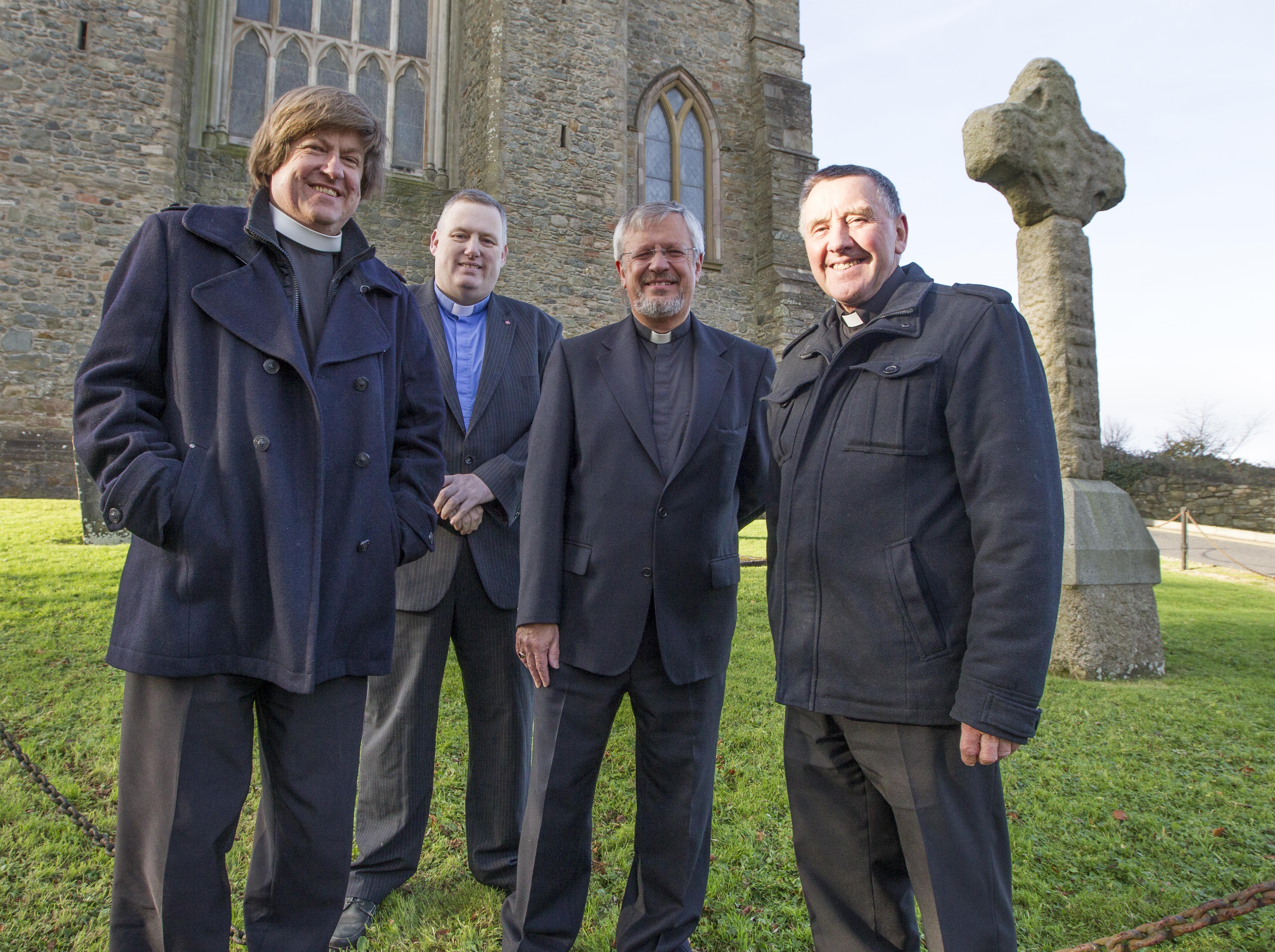
Local clergy in front of the old cross

All the detail is very worn now, and it is very hard to make out. But it is good to know that the same ancient cross that has been in the town since before the end of the first millennium is now being preserved.

After the blessing of the new cross

Downpatrick Treasure Hunt

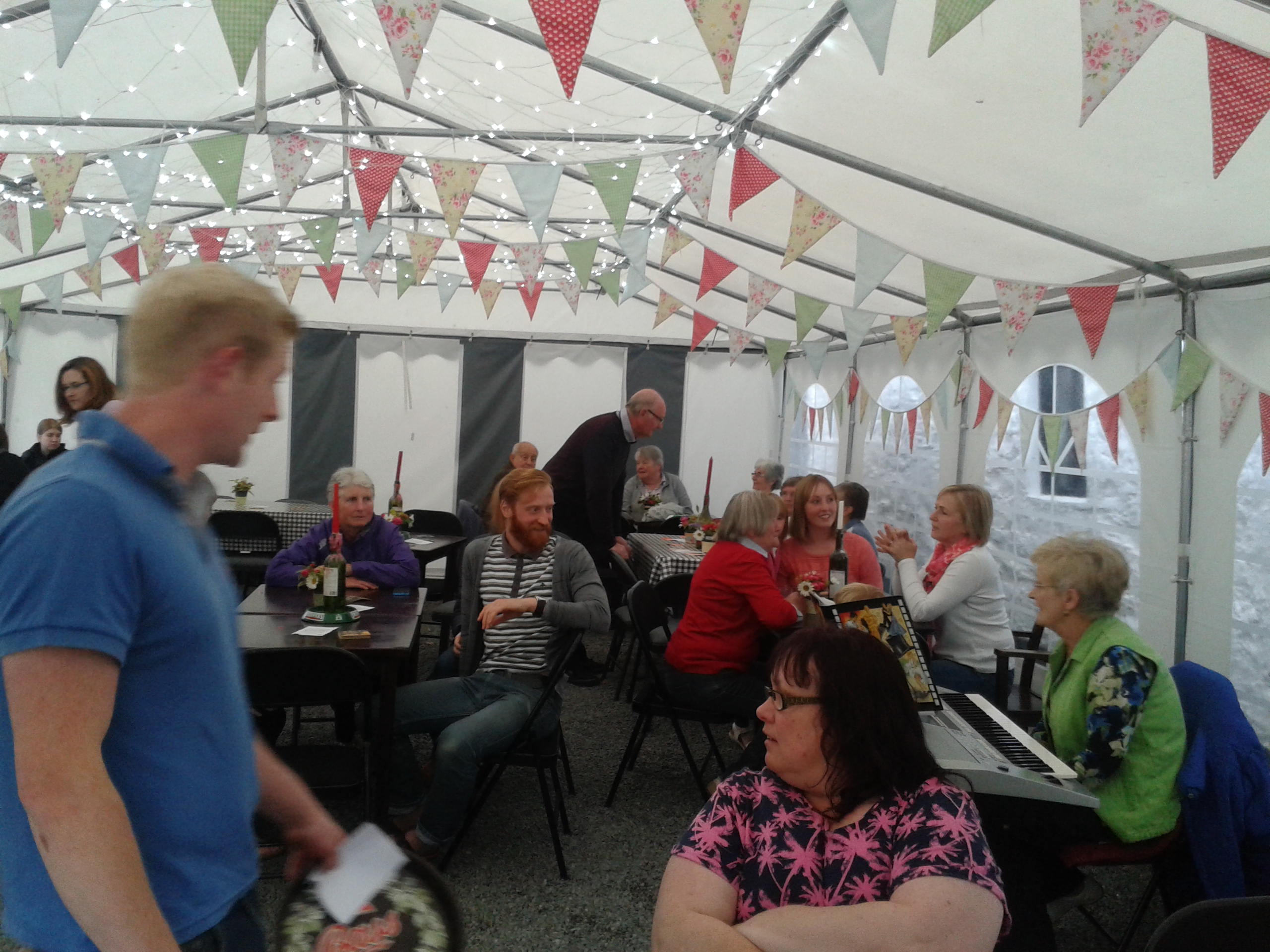
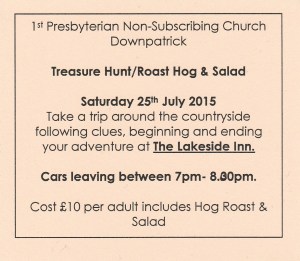
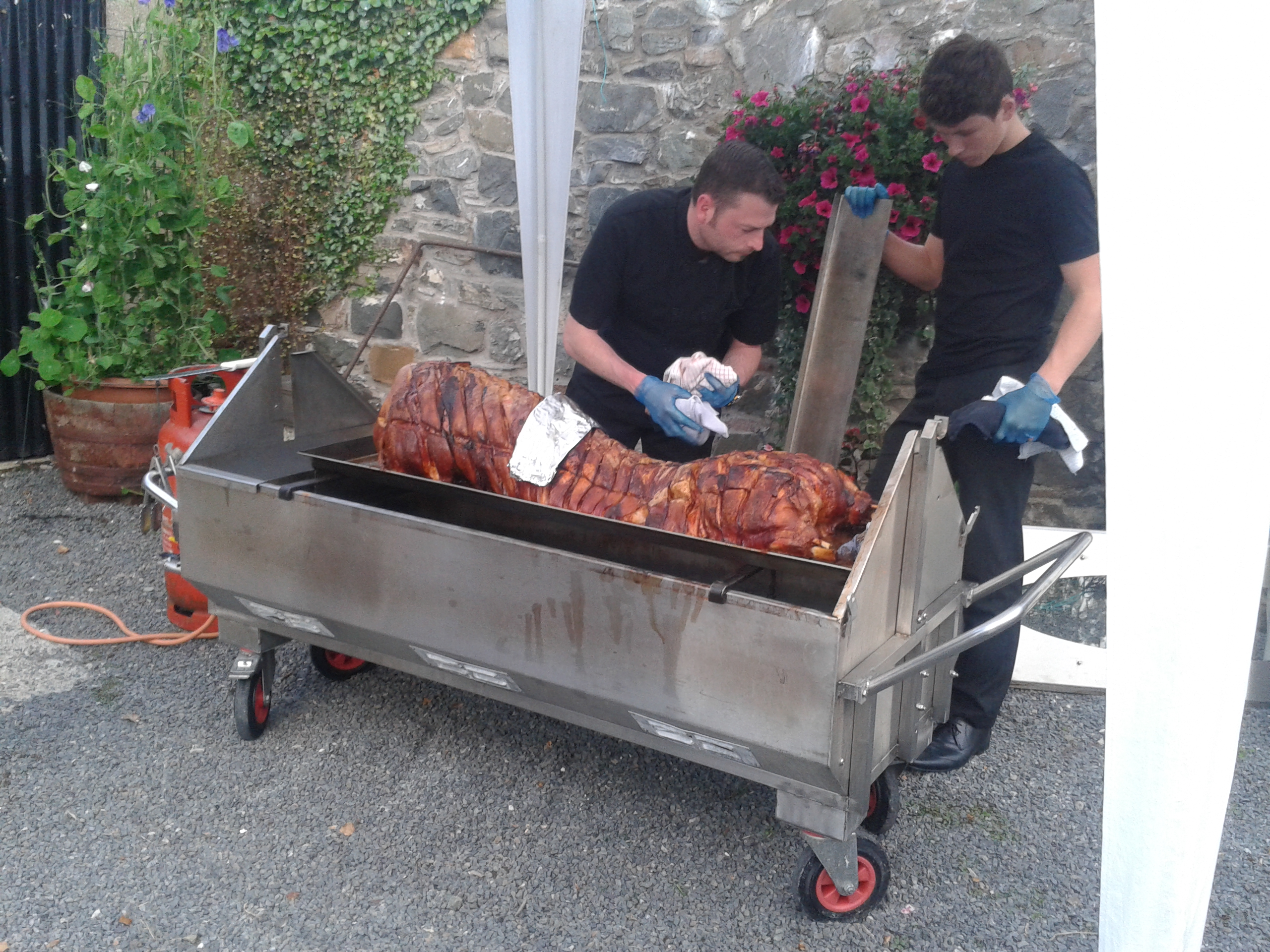
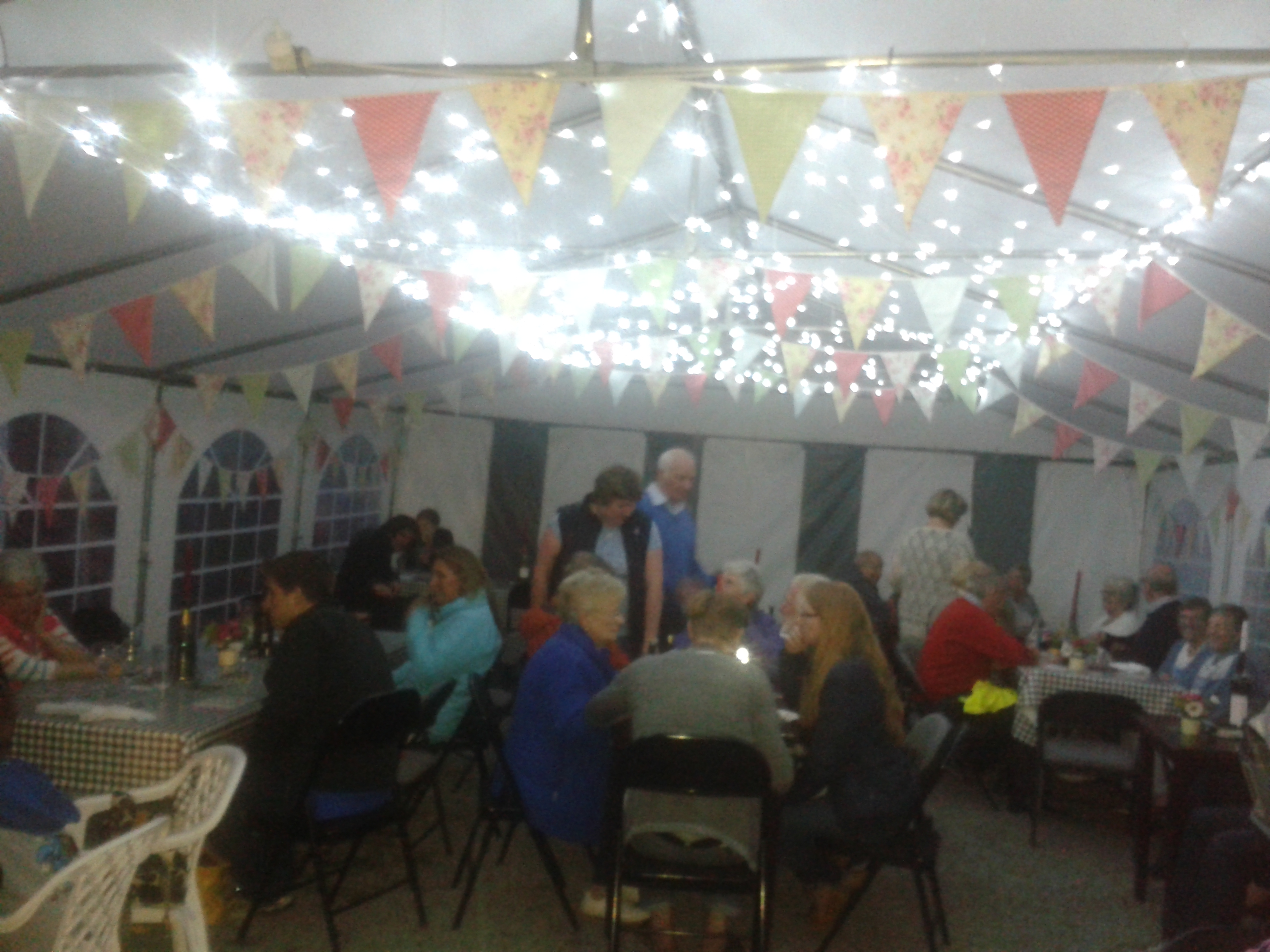
On Saturday, 25th July around 125 people took part in the Treasure Hunt organised by the First Presbyterian (Non-Subscribing) Church, Downpatrick. It was a fantastic night helped by good weather and the great venue that is the Lakeside Inn, Ballydugan, where church member and recent NI Bar Person of the Year Margaret Ferguson is the licensee. Those taking part went on a fifteen mile journey around the local countryside, answering clues along the way and coming back to a magnificent Hog Roast. As well as being a great night it also raised a very good sum for church funds.

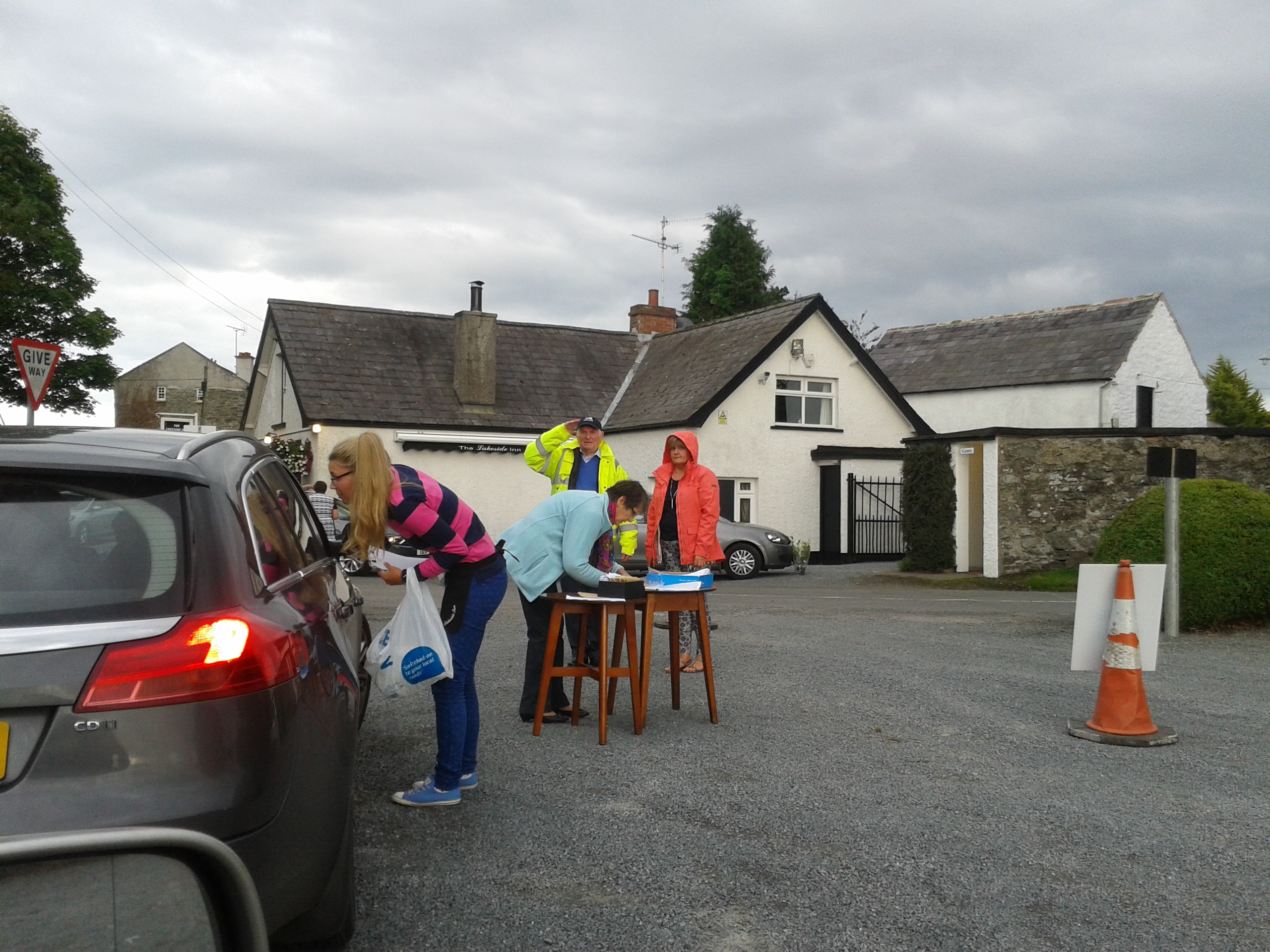
Setting off for the journey from the car park
In the marque early in the evening
Ticket to the Treasure Hunt
Preparing the Hog Roast
Part of the queue for the hog roast
The queue looking towards the road
Marquee with lights
Marquee with lights

History of the First Presbyterian (Non-Subscribing) Church Downpatrick

The meeting house of the First Presbyterian (Non-Subscribing) Church in Downpatrick was opened in 1711 at the start of the ministry of the Rev Thomas Nevin. Recognised as one of the most significant architectural examples of the T-shaped meeting-house in Ireland the building celebrated 300 years of continuous worship and witness in 2011.

Central high pulpit originally built for Thomas Nevin (Down Museum photograph)

To mark the tercentenary of the church building the congregation published the History of the First Presbyterian (Non-Subscribing) Church Downpatrick. Written and compiled by Mary Stewart, the church secretary, the book is a remarkable record of three centuries of church life in the historic building. The book details the history of the congregation in the context of Downpatrick and Irish Presbyterianism, the conflict between subscribers and non-subscribers in the 18th century, the history of the building, the congregation’s engagement with education and much more. The book includes biographies of all the ministers of the congregation going back to the 17th century, extracts from the records of the Synod of Ulster, accounts of services, special events and financial matters, and contains details of committee and session members over the centuries, lists of members going back to the 1860s, and a complete record of all the graveyard inscriptions. It will be valued by all those with an interest in Non-Subscribing Presbyterian Church history, local history, and genealogy.

Celebrating the tercentenary

In the first of the two Forewords the Very Rev William McMillan says:

Miss Stewart is to be congratulated on a truly comprehensive publication. She not only presents us with a history of the Downpatrick congregation but has collated a remarkable number of newspaper accounts, together with other printed material which will be of considerable help to future historians.

 Her commitment to the congregation is evident from the immense research that she has done and I am delighted to recommend this valuable contribution to the Denomination’s Historical Record in which Downpatrick congregation has played such an important role.

and in the second Foreword the Rev Dr JohnNelson says:

The congregation of Downpatrick has a long and notable history, reflected in the lives of the ministers and lay people who have been part of that church. A congregation which has held a significant place both within Non-Subscribing Presbyterian circles and the wider Presbyterian community.

 Perhaps the most outstanding theme of that history is the fact that for the last 300 years the congregation have worshiped in the wonderful building that is Stream Street Meeting House. While that building has always been well maintained, the interior has never been substantially altered, leaving it to-day essentially as built and evoking a sense of history, of presence, and of worship in all who enter there. It is highly appropriate that this book is published as part of the celebrations to mark the 300th anniversary of that meeting house.

Mary Stewart is to be congratulated in producing such a thorough and detailed history of the congregation. Not only does she give the story of the church, but her painstaking researches have produced a wealth of source material which will be a delight to historians, church members, and everyone interested in the heritage of Downpatrick town and community.

This book both opens a door on the past and links it with the living present.

At the tercentenary service

The book contains 408 pages and over 150 illustrations. It is bound in a full colour hard-back cover the book and is excellent value at only £15.

The cover of the book

A sense of what it contains can be seen from the list of contents:

Chapter 1        Background History of Downpatrick

Chapter 2        Arrival and Settlement of Presbyterians

Chapter 3        Subscribers and Non-Subscribers, the Faith of the Non-Subscribers

Chapter 4        Presbytery Records from 1691 including Thomas Nevin’s Trial and Consequences

Chapter 5        List of Ministers of Downpatrick, Details of Ministers

Chapter 6        The Church Building

Chapter 7        Church Site and Schools

Chapter 8        Life and Times of Samuel Craig Nelson   

Chapter 9        Special Services

Chapter 10      Special Events and Reports

Chapter 11      Church Excursions from 1881

Chapter 12      Social Evenings and Gatherings

Chapter 13      Harvest Services from 1908

Chapter 14      Financial Matters (Inc. Committee Record from 1886)

Appendix I       Rules and Regulations of the Downpatrick Congregation

Appendix II    Church Elders, Committee and Sunday School Teachers (From 1861-2007)

Appendix III   The Church Graveyard and Inscriptions

Appendix IV   Sermon by Alexander Colvill A.M. M.D. on the Death of Thomas Nevin 24th March 1744

Congregation at the tercentenary service

The cost of the book is just £15. Postage within the UK is £5. If you are interested in having a copy posted abroad please enquire for postal rates. Details of how to purchase the book can be found on the Church’s website: http://www.downpatricknsp.org.uk/History.html