Faith and Freedom 200th Issue

Having been founded in 1947 we have now reached the significant milestone of our 200th issue. Still proudly flying the flag for a thoughtful, liberal approach to religion our journal goes all round the world and has readers on every continent.
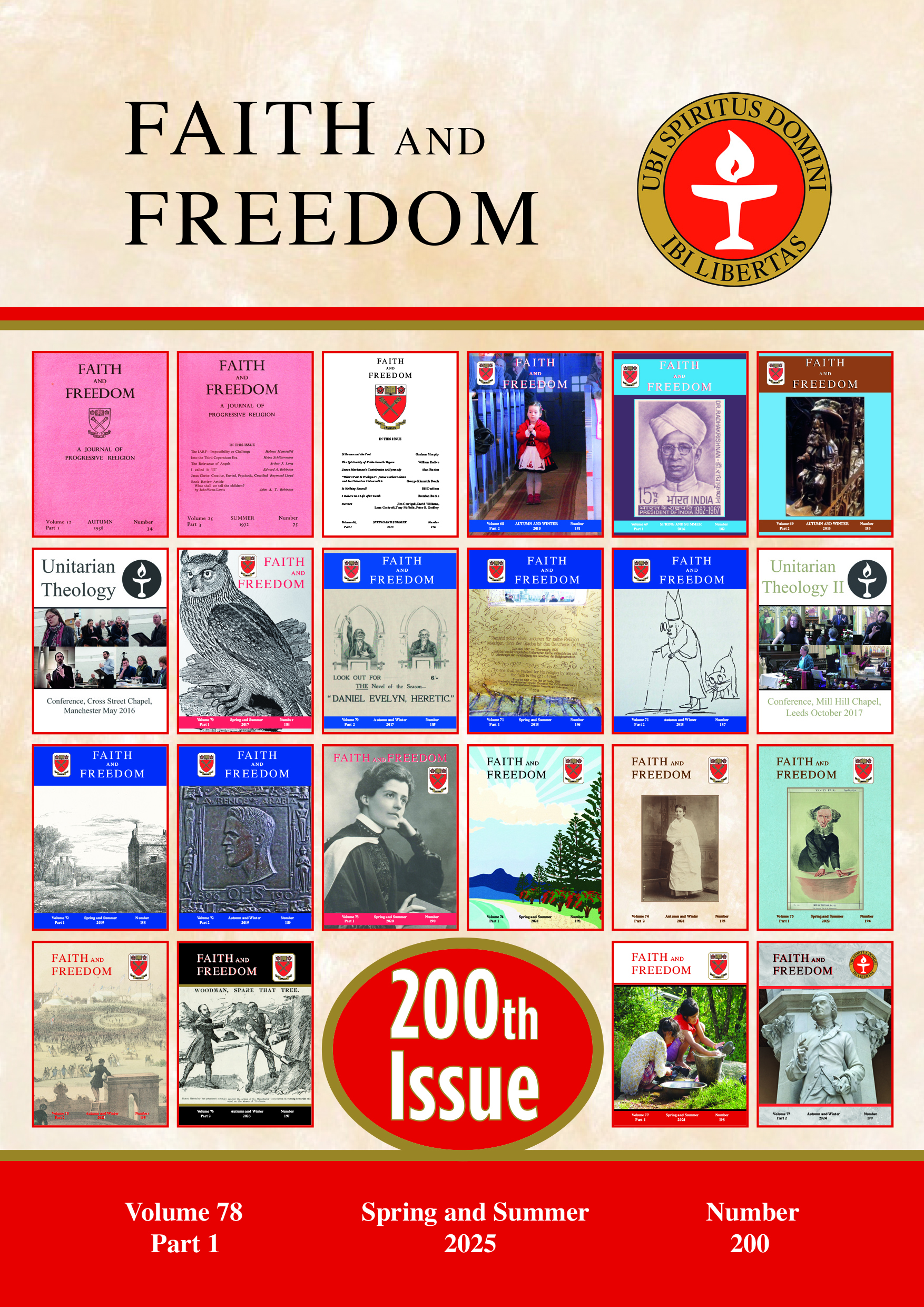
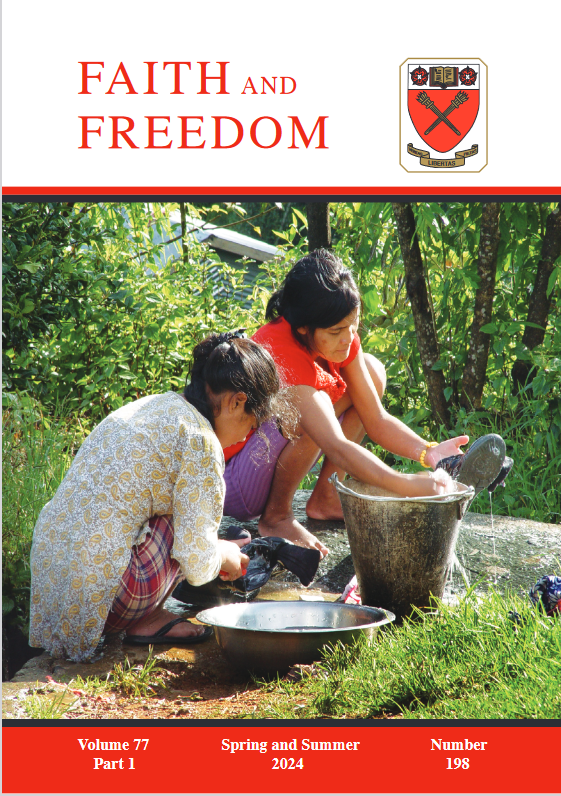
200th Issue Cover

Our Cover includes pictures of a selection of some of our 200 issues. We’ve had some splendid images in the last few years with photographs taken by some notable photographers as well some historic pictures or artworks that have really stood out.

With this being such a special issue we have selected three articles from our back catalogue that shed some light on our development over the last 78 years..

The first is from our very first issue. A Declaration of Faith by Dr Albert Schweitzer set the tone at the very genesis of this journal. It is hard to over estimate the importance of Albert Schweitzer within liberal circles at that time. A polymath thinker, theologian, humanitarian, philosopher, physician, he epitomised the cutting edge of a liberal, questioning approach to religion in the mid-twentieth century. Written for a meeting of the International Association for Religious Freedom, the world’s oldest interfaith organisation, a body which we have often had close interactions with, it was a considerable coup to have his contribution in the very first issue.

The second article is God is Necessary by H. Lismer Short published in Autumn 1958. At the time he was a future Principal of Manchester College, and his article displays the depth and breadth of his scholarship. Essentially an answer to the humanism of that age and the development of a scientific thinking that had unsettled the traditional Unitarian approach to the divine. The article declares that we ‘have been satisfied with cosmic explanations or enquiring agnosticisms, and have not sufficiently tackled religion from the end of human anxiety and dread.’ The traditional proofs of God no longer hold but ‘all the burden of living’ still required a place for faith in a personal God.
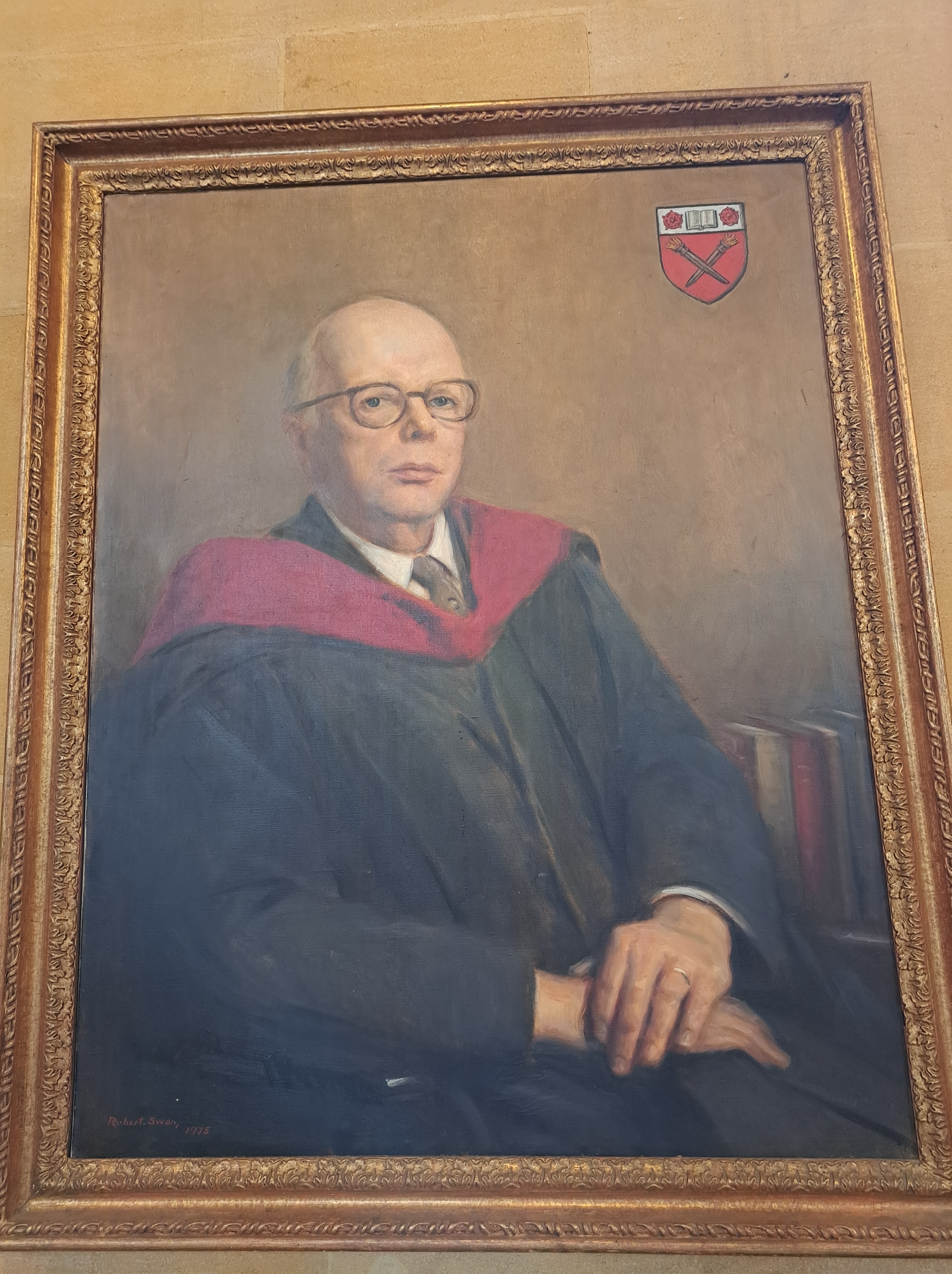
Harry Lismer Short. Portrait in Harris Manchester College

The final article from our back catalogue in this issue is A Rational Basis for Religious Belief by Arthur J. Long dating from Summer 1974. Another Unitarian Principal (this time of the Unitarian College, Manchester) this is another article which displays the writer’s considerable erudition as well, in Arthur’s case, of his irrepressible sense of humour. What is particularly interesting about this paper is that it was prepared for a long-forgotten meeting between Unitarian and Roman Catholic theologians which took place in 1973. The papers for this encounter still exist and it might be profitable at some stage to revisit them. The basis of this article is not to ask ‘Does God exist?’ but rather ‘What sort of God?’, he rejects the argument from revelation and the argument from experience and roots religious belief in a rational theism, ‘underpinned by a rational empirical theology’, and uses Peter Berger’s A Rumour of Angels to frame his apologia.
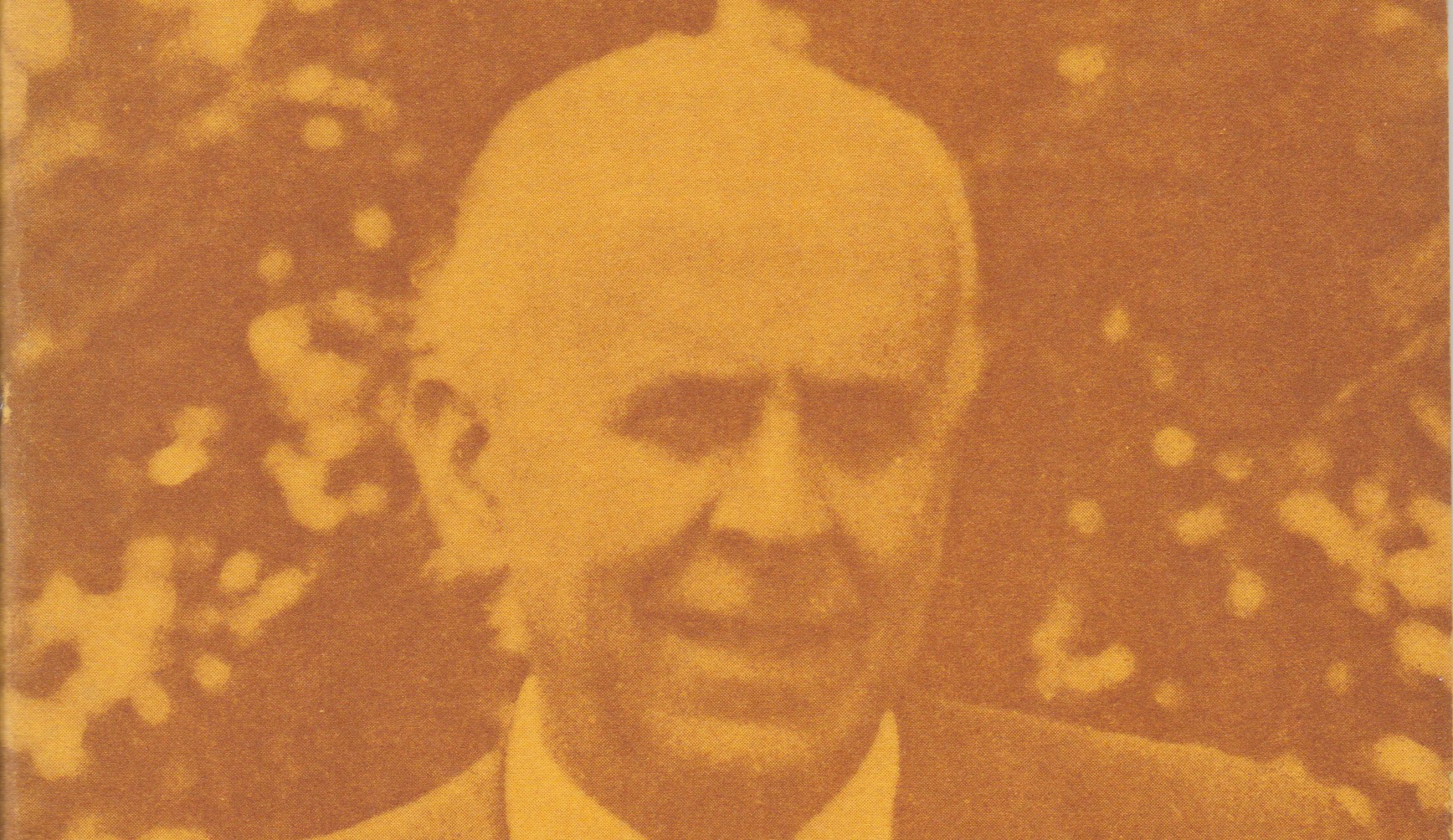
Rev Arthur Long (from the cover of his 1978 Essex Hall Lecture)

New pieces for this issue include On Reading the Koran by Barrie Needham, a timely, fair and objective assessment of this crucial text which is so frequently mentioned but very seldom examined. The other is Frank Walker’s The Sybil’s Request. Death and Our Human Imagination which explores how we understand death, Heaven and eternity and ranges over the thinking contained in the poetry and literature of such figures as T.S. Eliot, T.F. Powys and Julian Barnes, and ends, appropriately enough, with a quotation from Harry Lismer Short.

The articles are followed by a great selection of reviews:
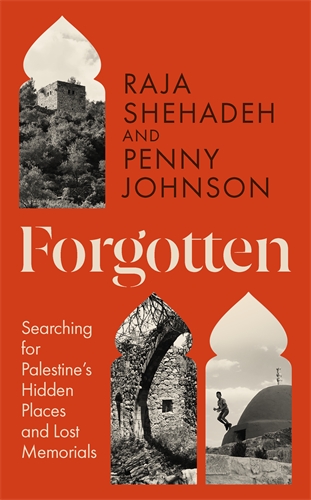
Reviewed by Graham Murphy

Raja Shehadeh and Penny Johnson, ‘Forgotten, Searching for Palestine’s Hidden Places and Lost Memorials’, Profile Books, 2025 reviewed by Graham Murphy

Michael Allured and Kate Dean, ‘Soul Deep: Exploring Spirituality, Together’, Lindsey Press, 2024, reviewed by Laura Dobson

Jade C. Angelica, ‘Where two worlds touch’, Skinner House Books, 2024, reviewed by Peter Hewis

Patrick Riordan SJ, ‘Human Dignity and Liberal Politics: Catholic possibilities for the common good’, Georgetown University Press, Washington DC, 2023, reviewed by Helena Fyfe Thonemann.

Reviewed by Laura Dobson

An annual subscription to Faith and Freedom (two issues) costs £16.00 (postage included) in the United Kingdom. Single copies can be ordered at a cost of £8.00 each (postage included). Cheques should be made out to Faith and Freedom and sent to the business manager:

Nigel Clarke,
Business Manager, Faith and Freedom,
16 Fairfields,
Kirton in Lindsey,
Gainsborough,
Lincolnshire.
DN21 4GA.

Overseas subscriptions are also available.

It is also possible to pay online. For more details see our website:
https://www.faithandfreedom.org.uk/subs.htm

The Latest issue of Faith and Freedom

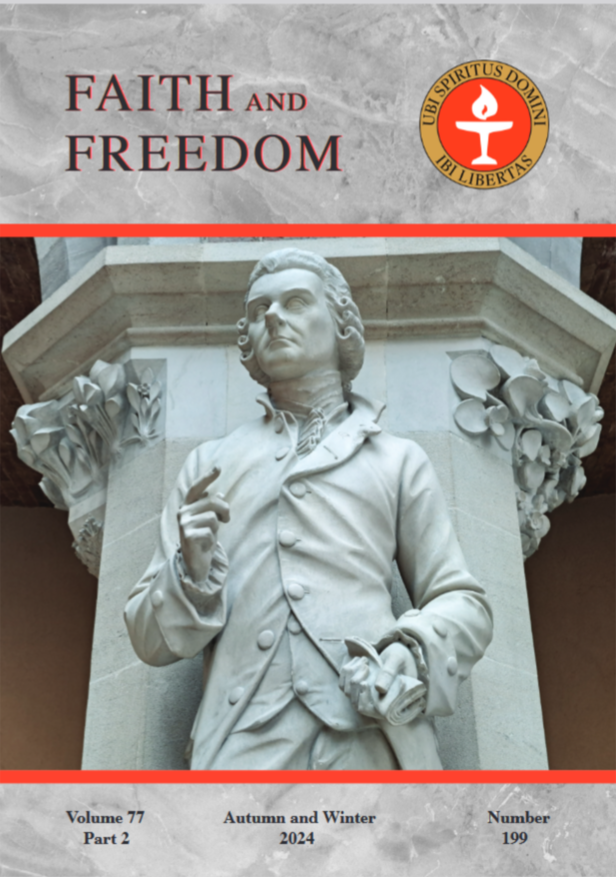
The latest issue – Volume 77, Part 2, Autumn and Winter 2024, Number 199 – is now available and will be with subscribers shortly. Details on how to subscribe (including a link to our website if you would like to pay via PayPal) can be found at the foot of this page.

This issue is special for a number of reasons. First of all we are pleased to announce the magnificent vote of approval given to us by the Merseyside and District Missionary Association who have given us very generous financial support. This is a tremendous help and together with the valued grant we already receive from the Daniel Jones Fund this means that Faith and Freedom can continue to serve our readers, maintaining the original vision set out by the Ministerial Old Students Association of Manchester College, Oxford for the promotion of liberal religious discussion and the free exchange of ideas.

Secondly we are also delighted to be able to launch our brand new Faith and Freedom Logo with this issue. Our Logo was previewed on this site a couple of weeks ago and it now takes its place atop our masthead. Specially designed for us, it is a striking representation of what we stand for as a journal and will let the world know who we are. We have already had requests for this to be produced as a badge which is something we are keen to look into.

It is very pleasing also that the journal continues to attract top quality articles from Unitarians and non-Unitarians alike from Britain and around the world. In this issue Elizabeth Kingston-Harrison, who is the Congregational Connections Lead for the General Assembly of Unitarian and Free Christians and has a PhD in Intellectual History, having studied the theology of Joseph Priestley and other eighteenth-century rational dissenters, contributes A Comet in the System: Joseph Priestley and the emergence of rational dissent in the eighteenth century. Elizabeth writes of Priestley’s role in the emergence of rational dissent and shows how, far from being a distant, dry historical study, this is something that is energising and alive today and helps us connect with our present-day religious identity. Joseph Priestley ‘was a courageous, “big picture” person’ whose scientific discoveries went hand in hand with his theological reflections. The discoverer of oxygen applied reason to scripture and developed a new way of understanding the universe.

Frank Walker considers Sir Lloyd Geering: Trinitarian-Unitarian, Humanistic Presbyterian, Centenarian and asks Can You Love the Human Race? Sir Lloyd Geering, a New Zealand Presbyterian Professor, who was once charged with heresy, may not be a name immediately familiar to most of our readers but I have no doubt that everyone will find Frank’s thoughtful examination of his theology and ideas incredibly life affirming and uplifting.

Peter Hewis addressed the Old Students Association at Harris Manchester College back in June and this paper is based on his sermon – Keep alive the dream in the heart – a quotation from Howard Thurman and an exploration of dreams in religious history and their continuing power to inspire us and drive us towards making a difference in the world,

As always we have a number of really interesting and informative reviews of a wide range of publications contributed by our readers. This issue includes:

Right Relationship in the Real World

Commissioning Editor: Jane Blackall, Right Relationship in the Real World, Learning to Live by our Unitarian Values, The Lindsey Press, London, 2024, pp 132, ISBN 978-0-8519-099-8, £7, pbk. The book can be ordered online at https://www.unitarian.org.uk/shop/

Reviewed by Peter B. Godfrey

Fideology

Richard F. Boeke, Fideology – Building Trust through the Shared Experience of Faith at the Root of the World’s Religions, 2024, pp 248, ISBN 97988844906686, £11.08 plus postage from Amazon.

Reviewed by Peter B. Godfrey

From the heights of politics via a spiritual journey to the ministry

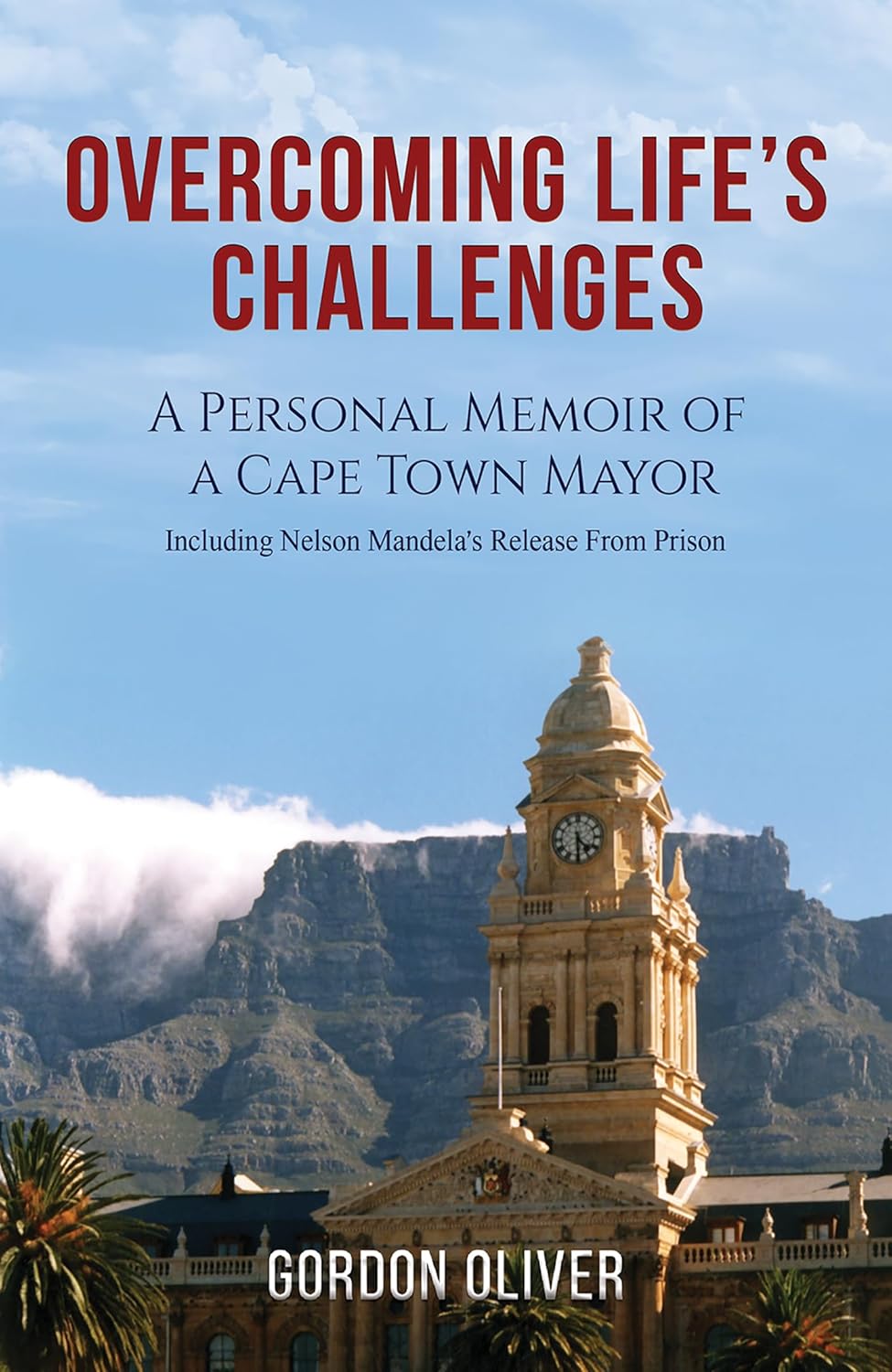
From the heights of politics via a spiritual journey to the ministry Gordon R. Oliver, Overcoming Life’s Challenges: A Personal Memoir of a Cape Town Mayor, Austin Macauley Publishers, 2024, pp.166, ISBN: 979-8891554146, £8.99, pbk.

Reviewed by John Midgley

An honest and liberal analysis of the Church

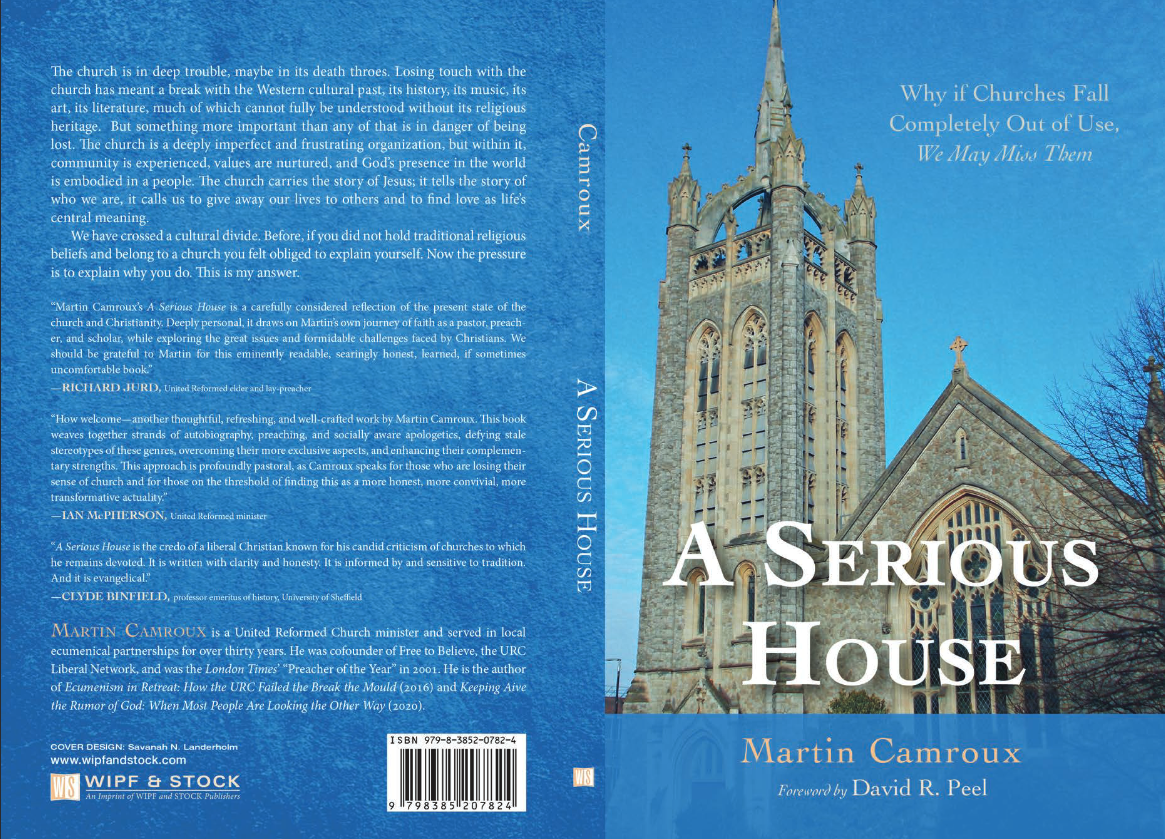
Martin Camroux, A Serious House, Why if Churches Fall Completely Out of Use We May Miss Them, Wipf and Stock, 2024, pp. 188, ISBN-13: 979-8385207824, £21 pbk, (also available direct fromthe author for £16, including postage, Martin Camroux, 4 Sorrel Close, Colchester, CO4 5UL).

Reviewed by Francis Elliot-Wright

Prayers of Many Faiths

Marcus Braybrooke, 1,000 Prayers from Around the World. Prayers of Many Faiths for Many Situations, independently published, 2024, pp.390, ISBN: 9798321565889, £39.99 hbk; ISBN: 97983439561609, £9.99 pbk black and white; ISBN: 798321565889, £19.99 pbk colour; also available on Kindle £4.99. Available to order on Amazon.

Reviewed by David Steers

An annual subscription to Faith and Freedom (two issues) costs £16.00 (postage included) in the United Kingdom. Single copies can be ordered at a cost of £8.00 each (postage included). Cheques should be made out to Faith and Freedom and sent to the business manager:

Nigel Clarke,
Business Manager, Faith and Freedom,
16 Fairfields,
Kirton in Lindsey,
Gainsborough,
Lincolnshire.
DN21 4GA.

Overseas subscriptions are also available.

It is also possible to pay online. For more details see our website:
https://www.faithandfreedom.org.uk/subs.htm

Ministerial Old Students’ Association Harris Manchester College, Oxford

Faith and Freedom was founded by the Ministerial Old Students’ Assocation of Manchester (now Harris Manchester) College, Oxford in 1947. It is always good to attend the annual meetings along with the meeting of the Friends and Honorary Governors of the College.

Attending both meetings gives the chance to see many contributors and supporters of Faith and Freedom. Amongst the attenders were three contributors to the latest issue (Ann Peart, Mária Pap and Lehel Molnár) as well as some whose writings will appear in the next issue.

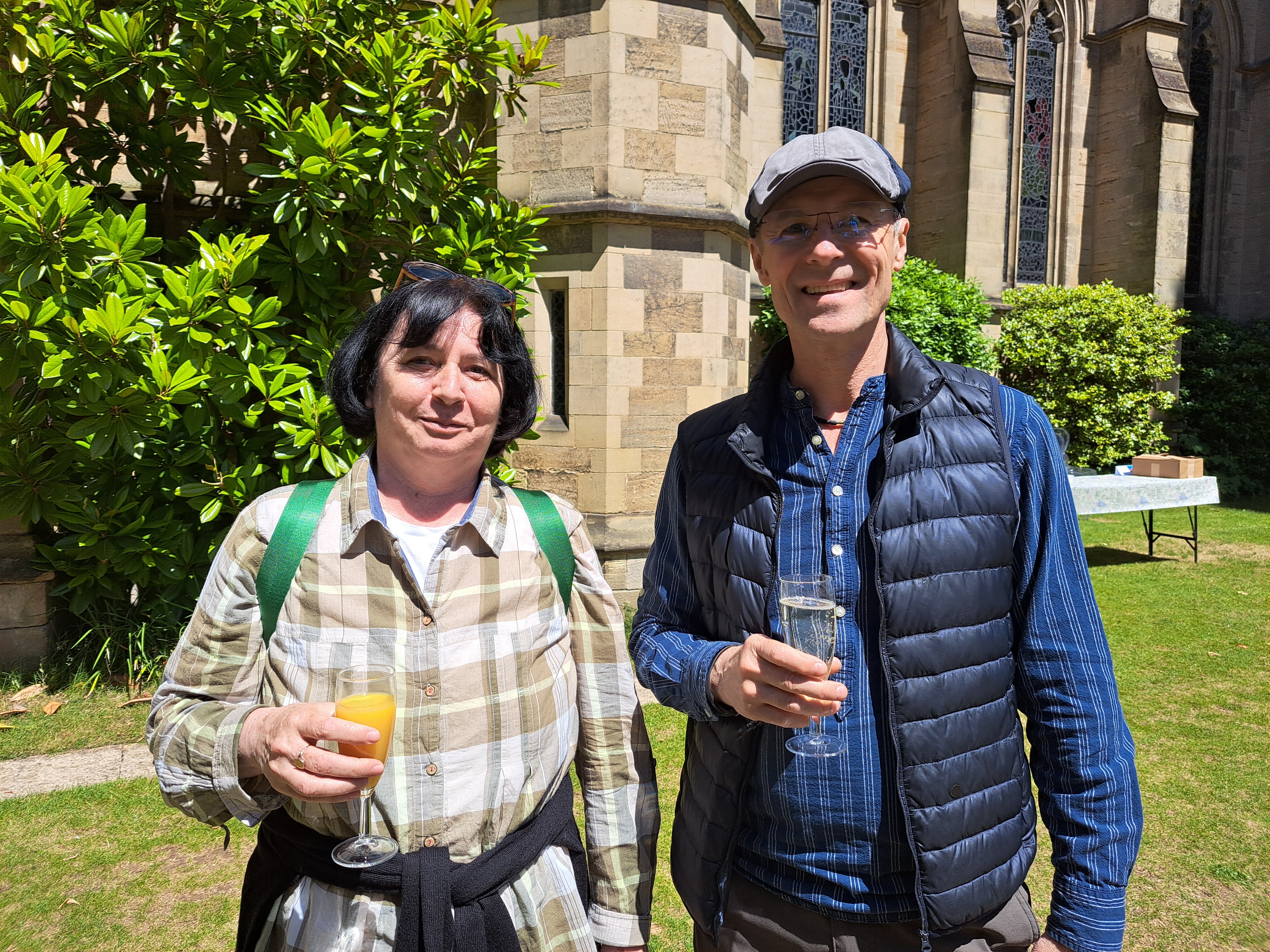
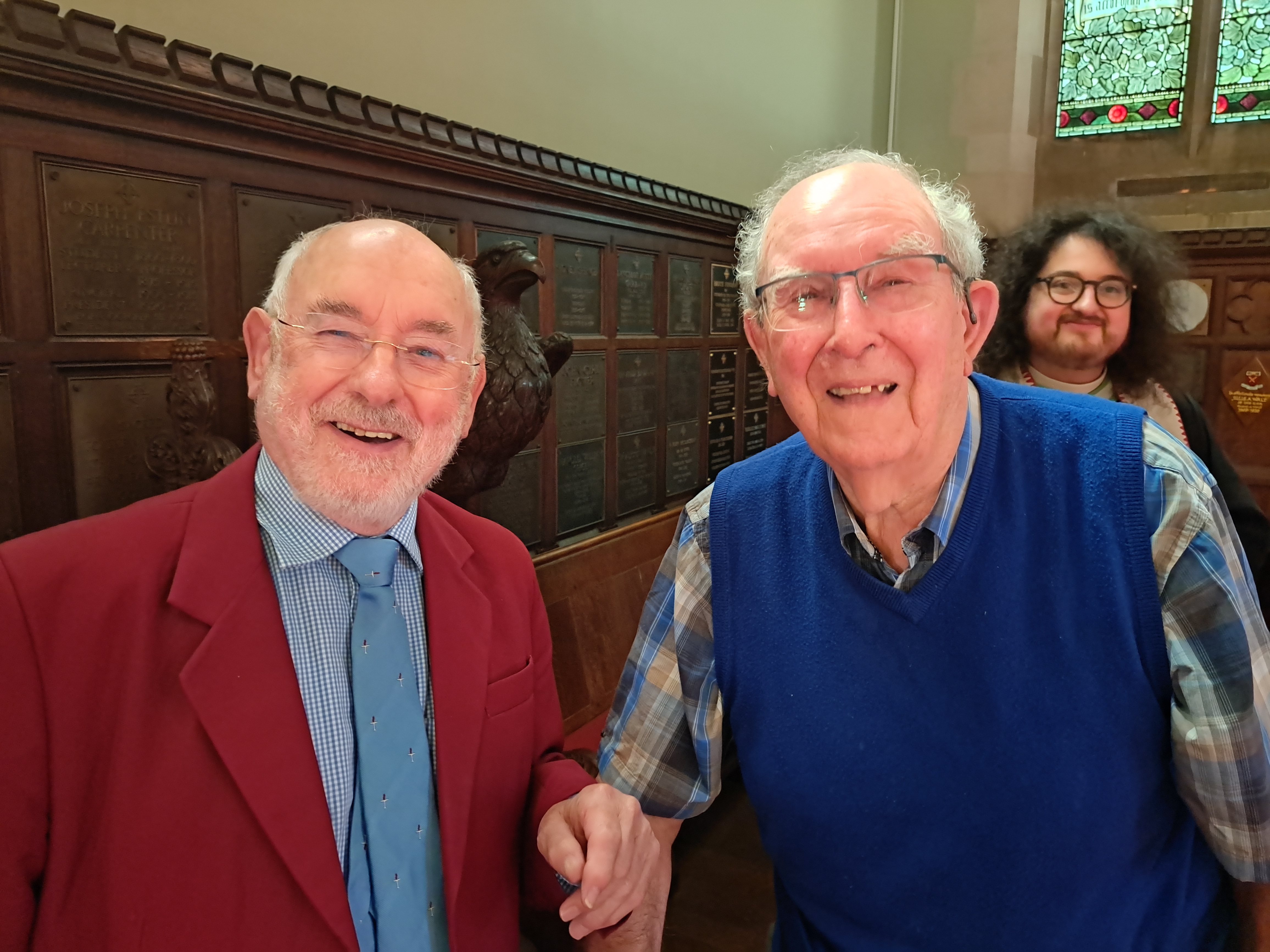
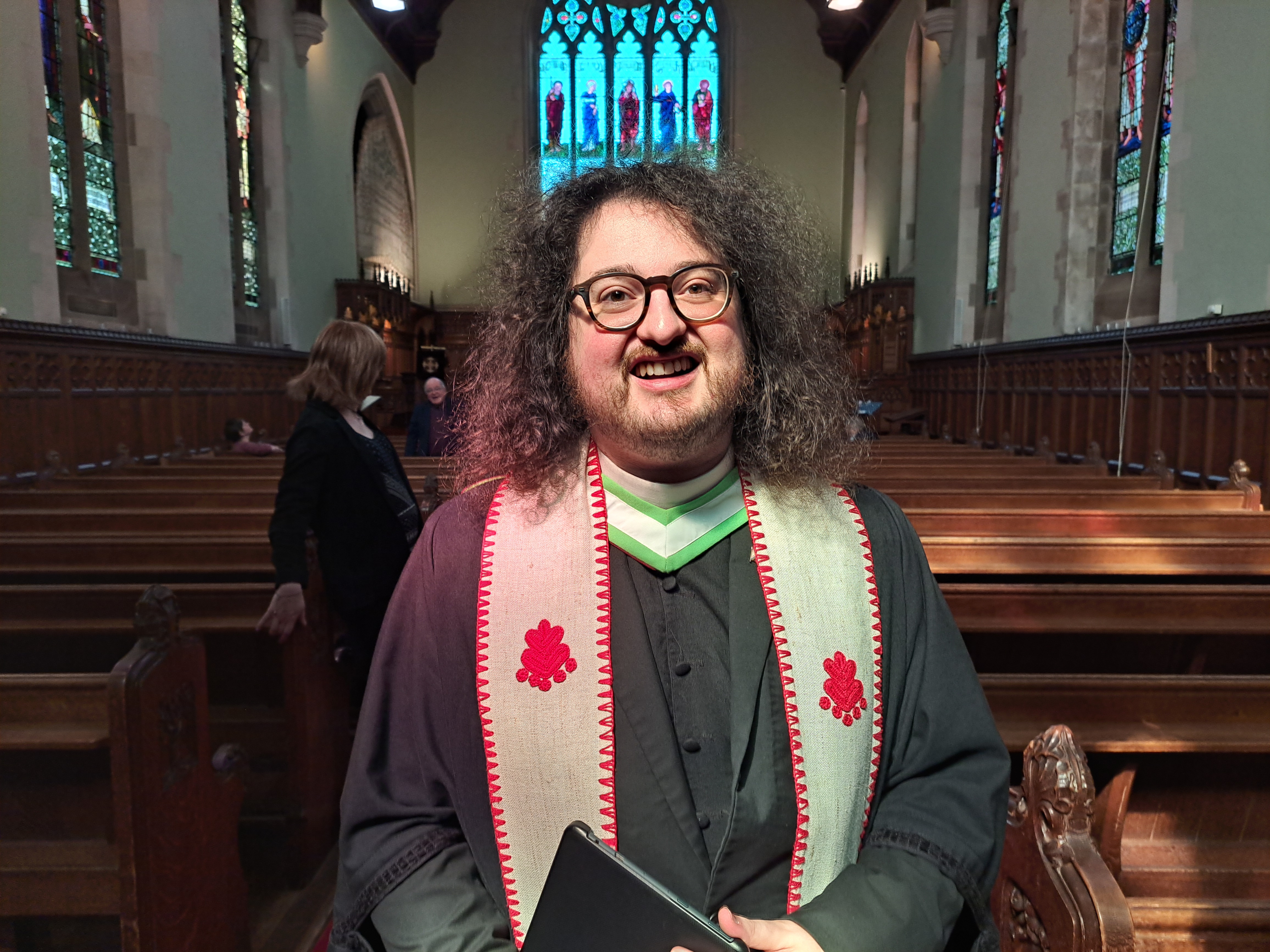
Rev Mária Pap and Rev Dr Lehel Molnár
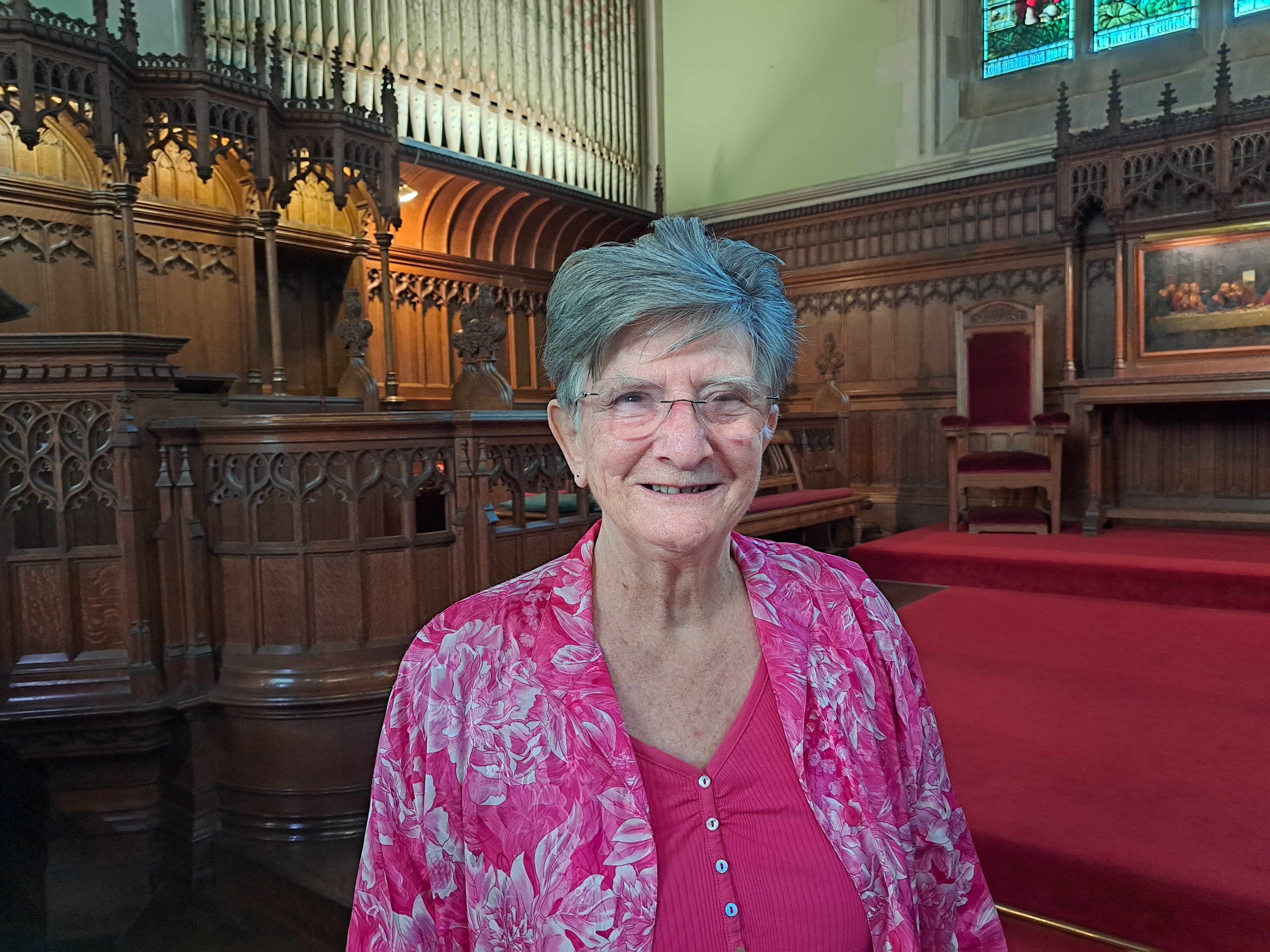
Rev Dr Ann Peart

Amongst the attenders there was also some cross-over with those associated with the Unitarian Historical Society and the concluding Old Students’ Association annual service on Friday, 21st June conducted by Rev Robin Hanford included an address, ‘Keep alive a dream in the heart’ by Rev Peter Hewis, which will appear in the next issue of the journal.

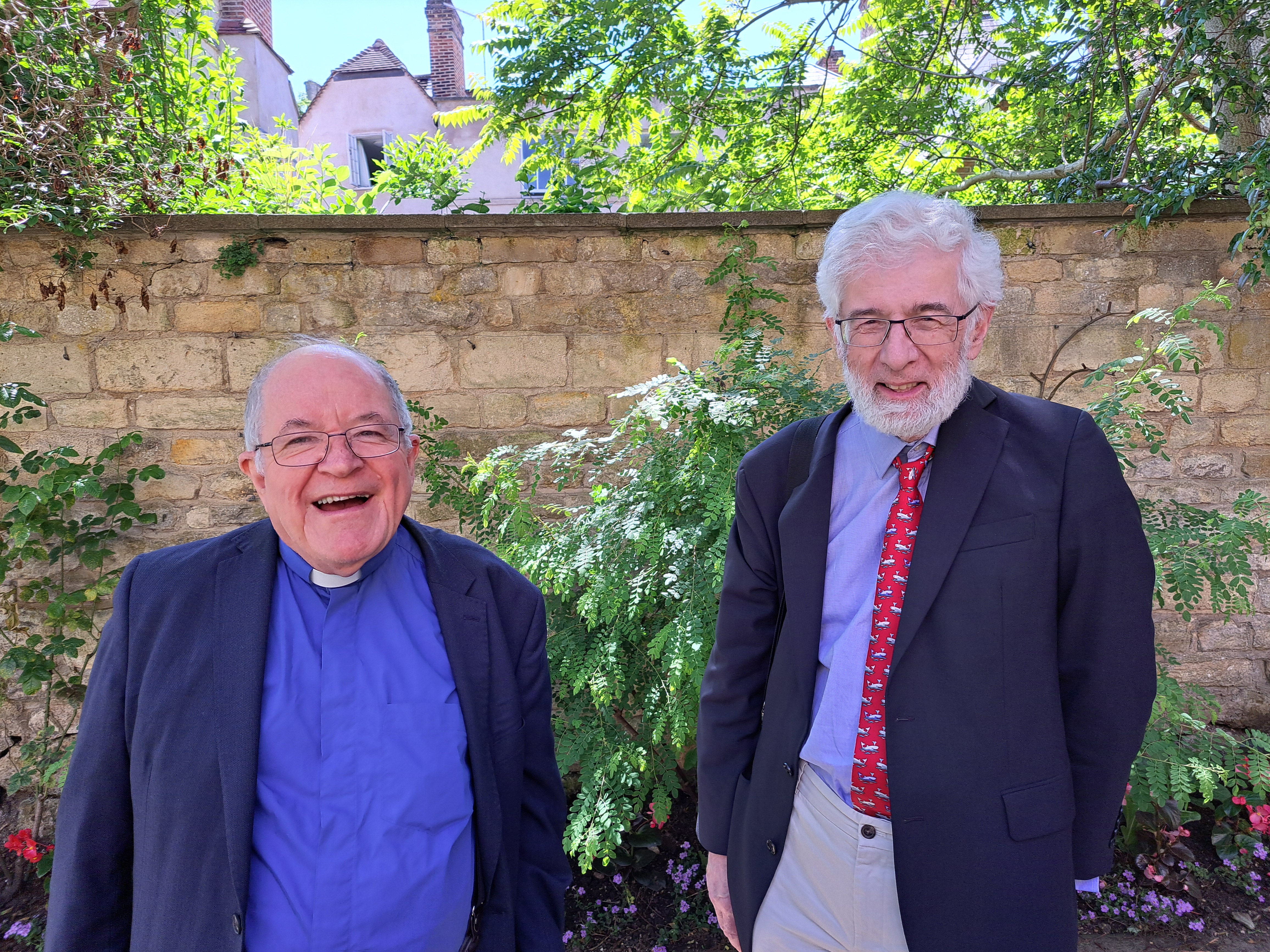
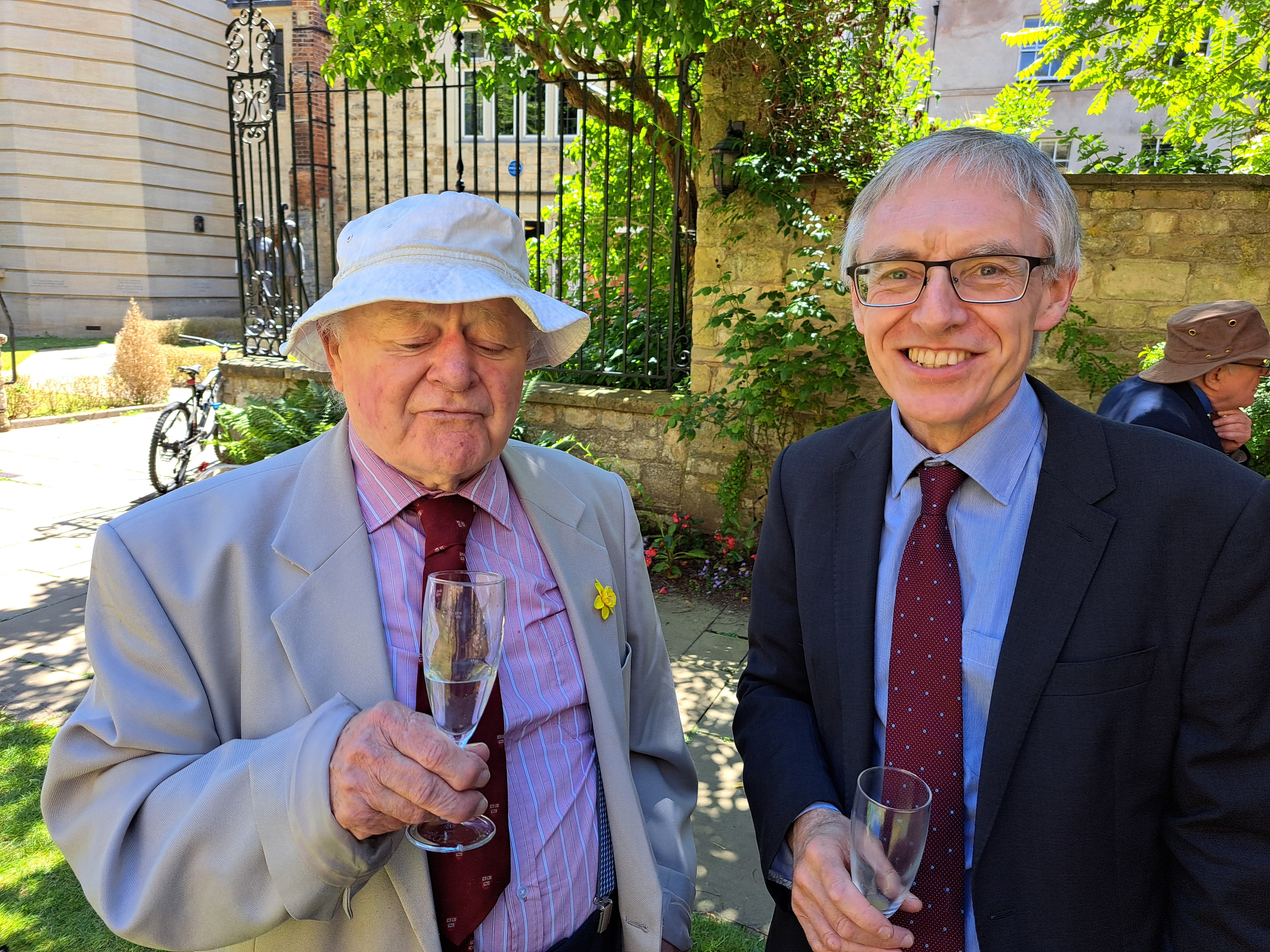
Rev Jim Corrigall and Dr David Wykes
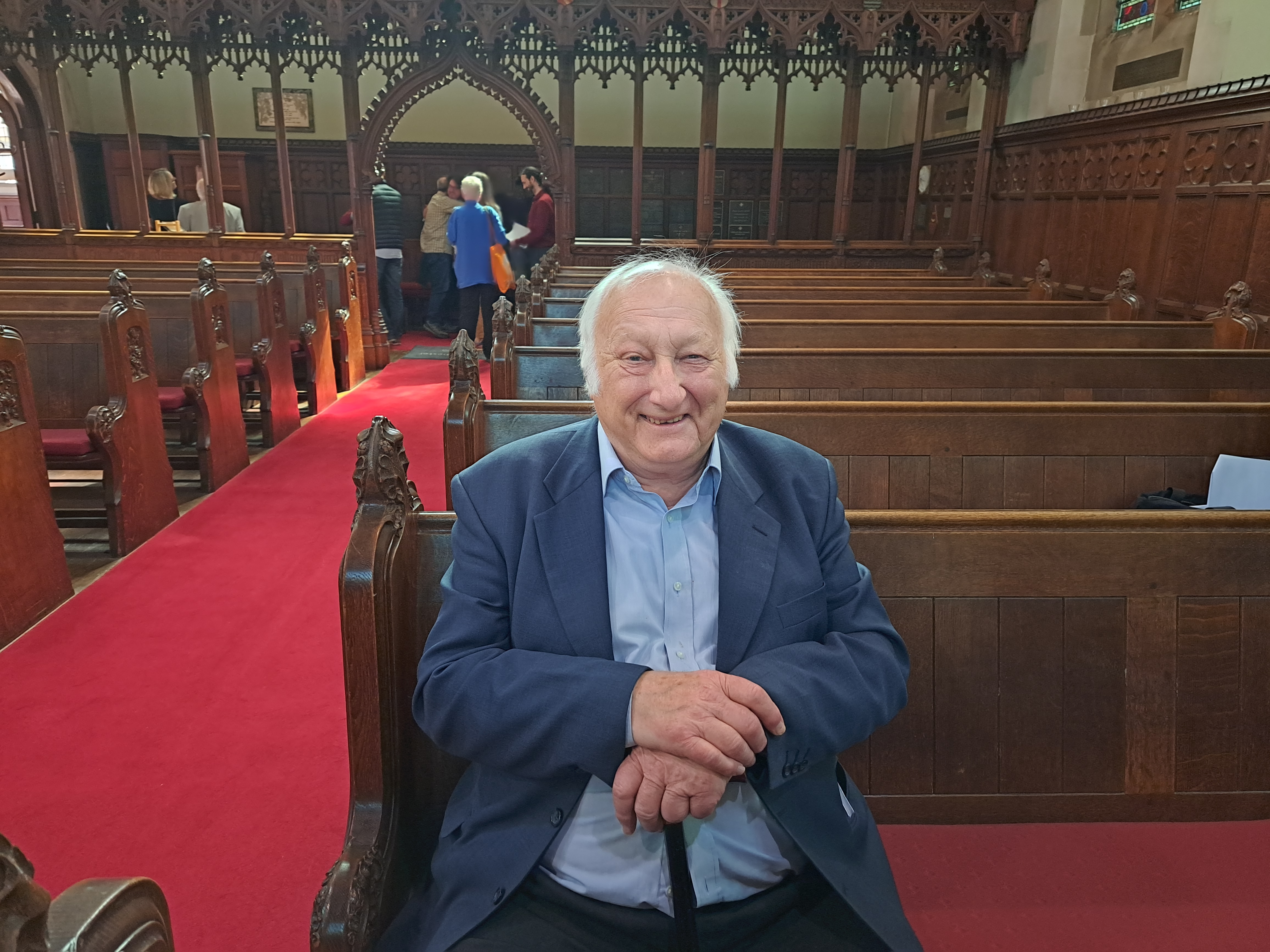
Alan Ruston in the College Chapel

Having been founded by MOSA, Faith and Freedom gives an annual report to the Association and it is also a good opportunity to keep that connection active.

Rev Frank Walker (a contributor to the forthcoming issue) with NIgel Clarke (‘Faith and Freedom’ Business Manager)
The Two Peters. Rev Peter Hewis and Rev Dr Peter Godfrey (Editor Emeritus)
Rev Robin Hanford of Hinckley who conducted the annual service in the College Chapel

To read more about the latest issue click here.

Faith and Freedom – Autumn and Winter 2022

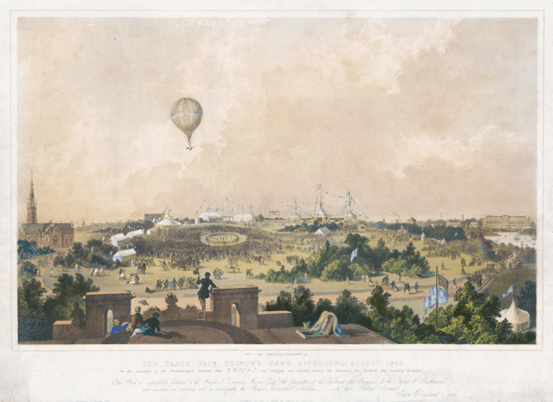
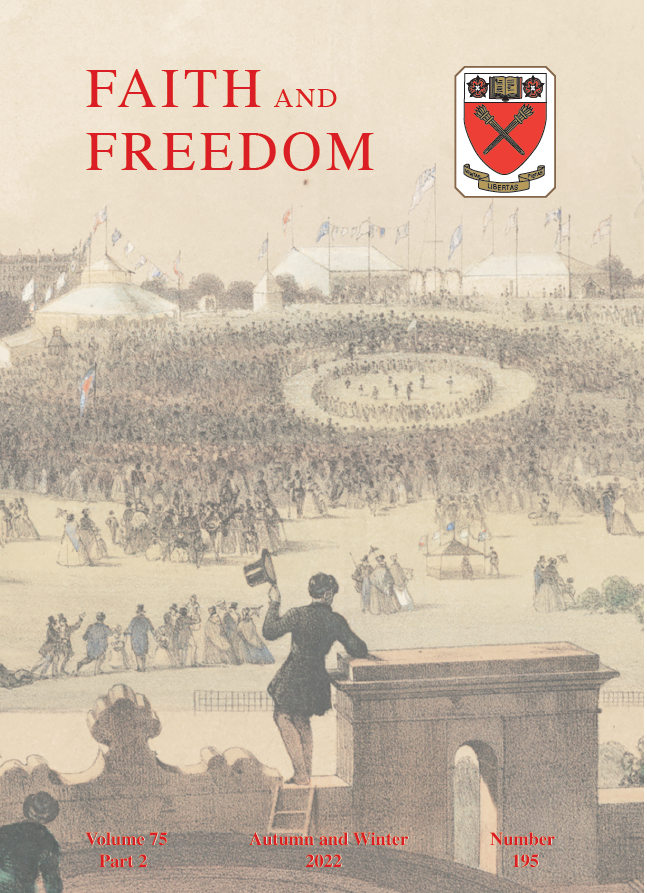
The new issue of Faith and Freedom is available now. Our cover picture shows James Martineau on top of his house in Prince’s Park, Liverpool (from a lithograph by John R. Isaac and now held by the Library of Congress).

The cover of our latest issue

Historian Jim Kenny (well known for his blog The Priory and the Cast Iron Shore, which he publishes under the name Glen Huntley) gives the first full account of the house Martineau built in Liverpool overlooking the Park. Planned in detail by Martineau himself, including a curious network of subterranean passages, it was described by a visitor as A pie-crust sort of house, with all the “curiosities and niceties that a Unitarian Minister could wish.” In the lithograph, based on an original watercolour by W.G. Herdman, James Martineau looks down on the ‘Fancy Fair’ in aid of local hospitals. The building is long gone now although the site became the centre of a struggle between developers and conservationists in recent times and the underground passages were still discoverable then, and may yet have survived to the present day.

Passage entrance on the site of Martineau’s house, c.2001. Courtesy of Friends of Williamson’s Tunnels

These and more illustrations accompany the article which tell this fascinating story of a unique house, the brainchild of the most significant Unitarian theologian of the nineteenth century, and built in the most prosperous suburb of Liverpool.

An Edwardian postcard showing nearby Prince’s Park and the Prince’s Park Mansions, neighbours of James Martineau.

Ian Rocksborough-Smith, assistant professor of US history at the University of Fraser Valley in S’ólh Téméxw/British Columbia, Canada, writes about ‘The Ambiguities of White Catholic Liberalism’ in the context of a ‘A Case Study in the Aftermath of the 1951 Race Riot in Cicero, Illinois’. He writes:

‘What did religiously-inclined white racial liberalism look like through the mid-twentieth century at a local level? This article looks at the intersections of race, religion, and civil rights in the wake of the 1951 race riot in Cicero, Illinois. Specifically, it considers the efforts of white Catholic liberals who advocated for racial reform measures well ahead of the mainstream orthodoxies of the Catholic Church – the latter of which did not pivot substantively towards civil and human rights until after Vatican II in the early-mid 1960s.’

We also have two fine examples of thoughtful and challenging sermons, the first on ‘Catching the Spirit’ given by London District Minister Jim Corrigall at New Unity congregation, North London, and the second ‘On Agreeing – But Not Quite – with Adam Gopnik’s Liberal Credo’ by Frank Walker given in the chapel of Harris Manchester College, Oxford.

Reviews include two books (in English and Welsh) reviewed by Graham Murphy, former Principal of Unitarian College, Manchester, and a Welsh-speaker, which explore the identity of Y Smotyn Du, ‘the Black Spot’, the heartland of Welsh-speaking Unitarianism, as well as two reviews on peacebuilding in the Middle East and Christian pluralism in Britain today. These are by Marcus Braybrooke, Anglican minister and a leading figure in inter-faith relations both nationally and internationally. In addition Lena Cockroft, current moderator of the Non-Subscribing Presbyterian Church of Ireland, reviews a book on mindfulness and golf.

Books Reviewed

Eric Jones, Best Foot Forward, South East Wales Unitarian Society, 2020, pp 112, £6.95 pbk.

Goronwy Evans, Procio’r Cof, Y Lolfa, 2021, pp 208, ISBN 978-1-80099-042-5, £9.99 pbk.

Ron Kronish, Profiles in Peace: Voices of Peacebuilders in the Midst of the Israeli-Palestinian Conflict, Publisher Ron Kronish in Israel, 2022. Available on Amazon Kindle and as a paperback 978-1734470093, $ 22.97.

Alan Race, My Journey as a Religious Pluralist: A Christian Theology of Religions Reclaimed. An Imprint of Wipf and Stock Publishers, pp.202. ISBN 978-1-7252-9823-1, pbk £20.00. Hbk 978-1-7252-9822-4, e-bk 978-1-7252-9824-8

Martin Wells, No One Playing. The essence of mindfulness in golf and in life. John Hunt Publishing, 2022, pp 108. ISBN: 978-1-78904-781-3, pbk £ 8.99. ISBN: 978-1-78904-782-0, e-book £ 4.99.

Subscription Details

An annual subscription for each volume (two issues) costs £16.00 (postage included) in the United Kingdom. Single copies can be ordered at a cost of £8.00 each (postage included). Cheques should be made out to Faith and Freedom and sent to the business manager:

Nigel Clarke,
Business Manager, Faith and Freedom,
16 Fairfields,
Kirton in Lindsey,
Gainsborough,
Lincolnshire.
DN21 4GA.

It is also possible to pay online. For more details see our website: https://www.faithandfreedom.org.uk/subs.htm

Faith and Freedom, Autumn and Winter 2020

The latest issue of Faith and Freedom (Autumn and Winter 2020, Number 191) is now available and on its way to subscribers.

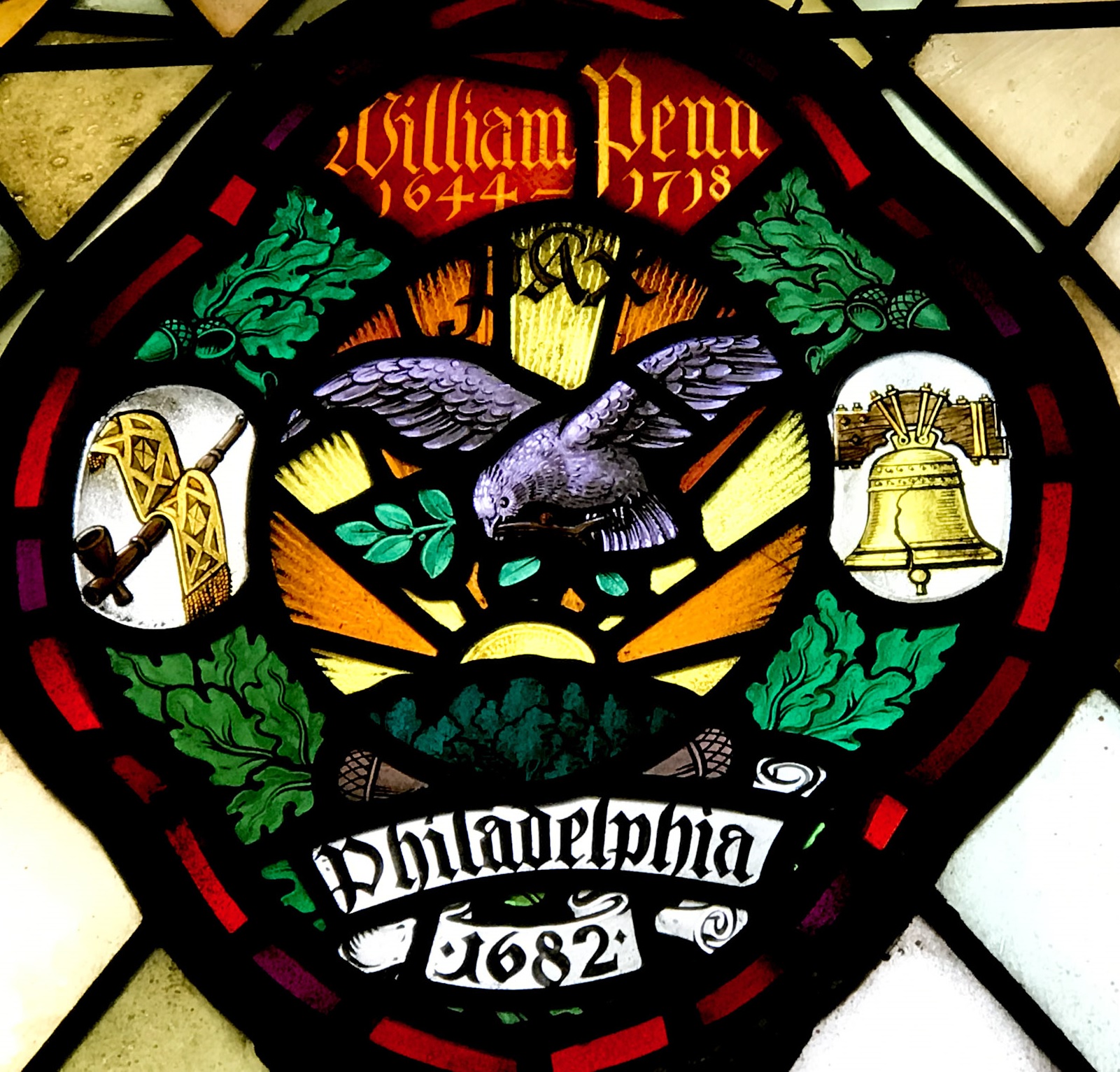
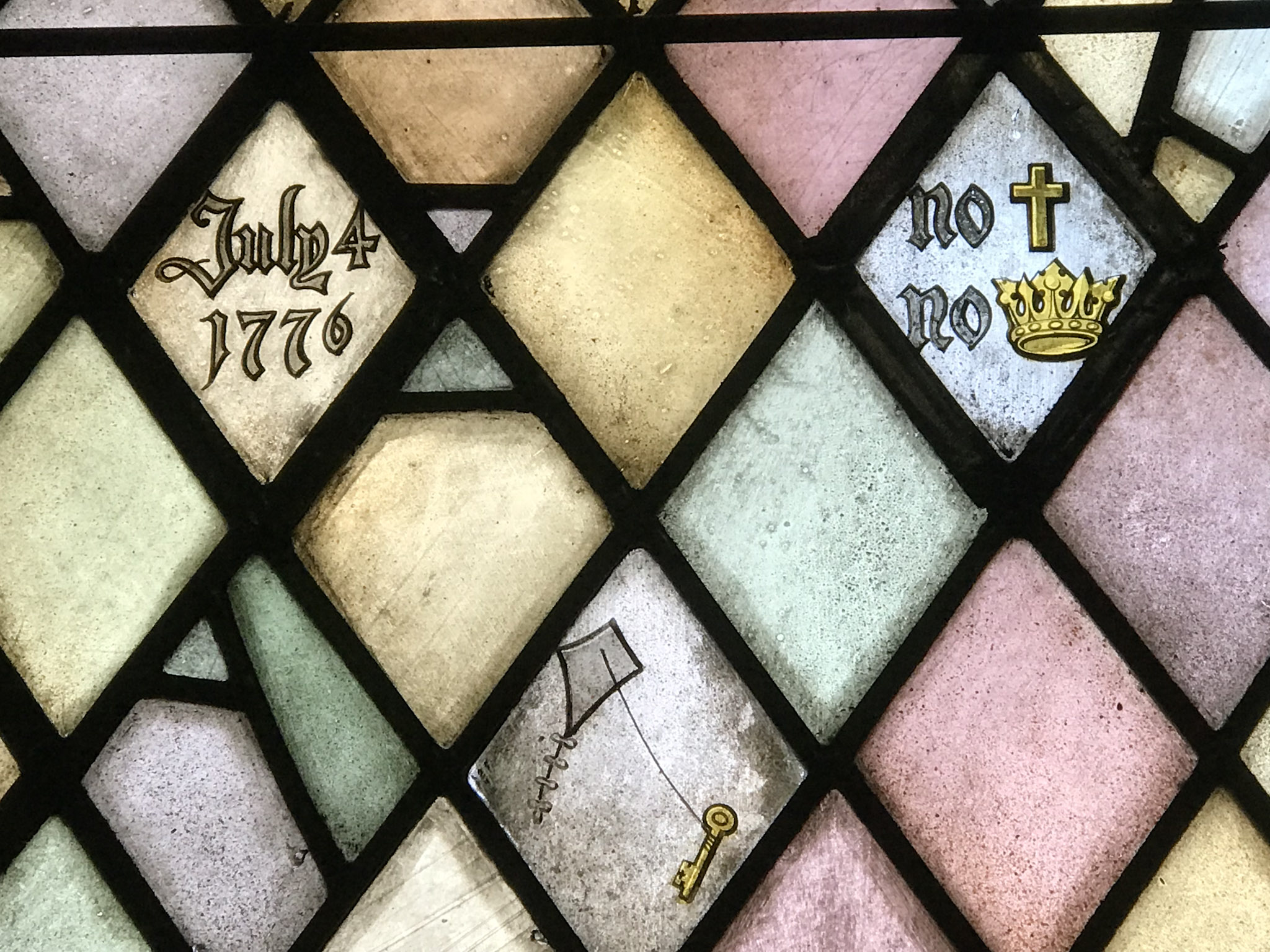
Detail from the William Penn window, Lancaster, Pennsylvania (Photo: Emily Klenin)

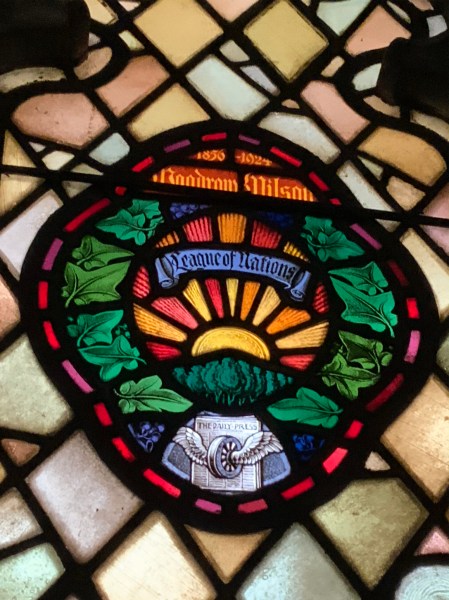
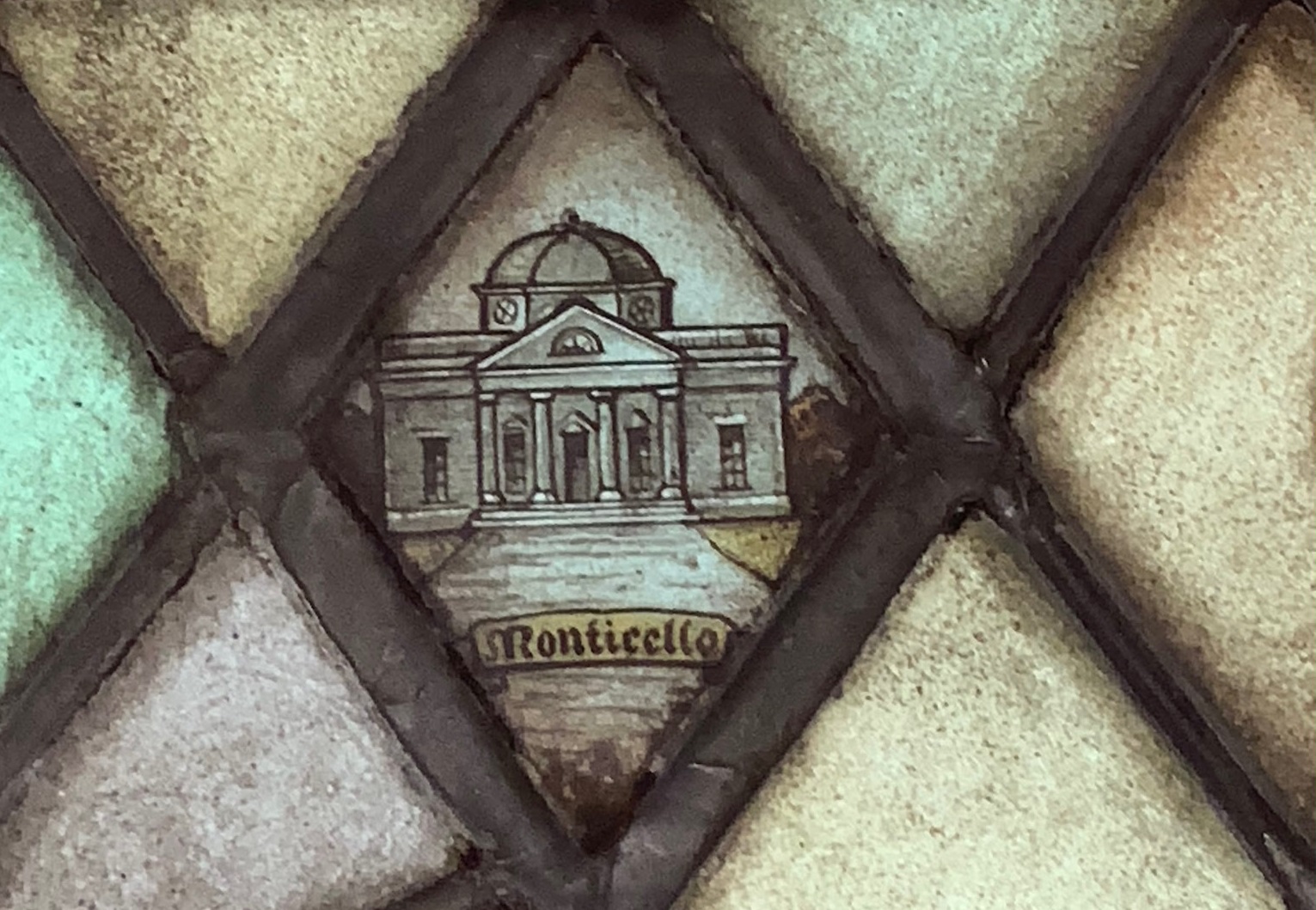
In this issue Professor Emily Klenin shares her research into a significant Unitarian Universalist Church building. Geography, History, and the Inner Light: Decorating a Unitarian Church in Central Pennsylvania, 1899 – 1932 explores the story of a unique building. The Unitarian Church of Our Father was established in Lancaster, Pennsylvania in 1902 and as the new church was built it became the venue for a remarkable experiment in art and design thanks to the involvement of local millionaire M.T. Garvin. According to Professor Klenin there is no evidence that ‘that any of his contemporaries thought him personally interesting’ but Garvin was a secretive and generous philanthropist who bequeathed his department store to his staff and funded the creation of this church in the American Gothic Revival style with Arts and Craft influences. Born a Quaker, M.T. Garvin became a Unitarian and built the church with its Chapel of the Emancipators decorated throughout with stained glass of the highest quality created by the Bavarian firm of F.X. Zettler. The ‘emancipators’ memorialized include William Ellery Channing, Theodore Parker, Joseph Priestley, William Penn, significant American Presidents and many more including a rare window celebrating the League of Nations. Devices and symbols incorporated in the windows are explained by Professor Klenin. In a masterful article Professor Klenin describes the building, its decoration and the influences that led M.T Garvin to create it. Blending theological knowledge with artistic appreciation and considerable technical knowledge she gives a brilliant account of this remarkable building:

The southeast window in this way becomes a focal point for force lines (a structural notion native to engineering…but borrowed by modernist painters) linking windows with pulpit, south window with south window opposite, and southeast with northeast and northwest. But there is more. The light from without, specified textually at the bottom of the window, also finds a vertical counterpart high above the pulpit, in the wooden bas relief showing Quaker founder George Fox, facing the congregation and accompanied by a text stating that he is ‘preaching the Inner Light’.

Further detail from William Penn’s window (Photo: Emily Klenin)

David A. Williams is a distinguished emeritus professor of astronomy and a former President of the Royal Astronomical Society. In Is anybody out there? he examines the most recent research that deals with the possibility of life elsewhere in the universe. How many ‘exoplanets’ have been found orbiting stars in the Milky Way? How many might be in the habitable zone? How long might civilizations last? How might they get in touch? All these things are discussed.

Coronavirus, conspiracy theories and paranoia is the topic discussed by Dr Charles Stewart, a pharmaceutical physician. Dr Stewart looks at how the current outbreak of Covid-19 began and ties this in with various conspiracies and fears. The Rev Frank Walker tells the story of Sebastian Castellio, the Pioneer of Toleration which includes discussion of the role played by Michael Servetus. Catherine Robinson is a member of the Unitarian congregation in Oxford which meets in the chapel of Harris Manchester College. In ‘A Sincere Communion of Souls’: Unitarians in Oxford 130 years ago she tells the story of how the congregation was founded in Oxford, a place then viewed by some Unitarians as ‘a bastion of conformity and orthodoxy’.

There are, as always, some insightful and important reviews – Jim Corrigall on Alastair McIntosh’s latest theological reflection on the climate crisis, Riders on the Storm: The Climate Crisis and the Survival of Being; and on Guy Shrubsole’s Who Owns England? How We Lost Our Green & Pleasant Land & How to Take it Back. Professor Alan Deacon reviews John Barton, A History of the Bible: A Book and its Faiths, a ‘beautiful, affirming book’ which looks at the creation and history of the Biblical texts and their relation to faith and the church. Finally, David Steers reviews a remarkable account by Gladys Ganiel and Jamie Yohanis of the theological impact of the ‘Troubles’ on members of one Irish denomination in Considering Grace. Presbyterians and the Troubles.

Window showing Monticello. Thomas Jefferson’s house, now a
National Historic Landmark and a UNESCO World Heritage Site, saved partly through the exertions of M.T. Garvin (Photo: Emily Klenin)

Emily Klenin’s photographs of the windows of the Unitarian Universalist Church of Lancaster, Pennsylvania can be seen at this link:

https://adobe.ly/31HHxiX

An annual subscription to Faith and Freedom costs £15 (postage included). Contact the business manager:

Nigel Clarke,
Business Manager, Faith and Freedom,
16 Fairfields, Kirton in Lindsey,
Gainsborough, Lincolnshire.  DN21 4GA.

It’s also possible to pay via PayPal via clicking here.

Email: faithandfreedom@btinternet.com

Faith and Freedom, Spring and Summer 2020

The Spring and Summer issue 2020 of Faith and Freedom, (Volume 73, Part 1) issue 190 is now available.

Articles include:

Sacred Stories by MARGOT STEVENSON

In Sacred Stories Margot Stevenson explores the intersection between individual stories of the sacred and the canonical stories of religious traditions. Building on six real-life stories she examines how religious convictions, spiritual experiences cannot be reduced to formulas or dogmatic positions. Unpacking the story of Pentecost in the book of Acts she shows how rather than being a foundation story for a rigid hierarchical understanding of a monolithic church it has often been an inspiration for movements for individual freedom and social equality in widely different settings. Using this as a basis she argues for democratic model of spiritual engagement.

Civility in Public Life – can it be restored? by Rabbi Baroness JULIA NEUBERGER

Rabbi Julia Neuberger delivered the Vincent Strudwick lecture on Religion in Public Life in Oxford in November 2019, just before the British general election. In it she tackles the timely question – which dominated public life just a few short months ago – of whether civility in public life could be restored. With lockdown and the coronavirus this issue has slipped off the national radar for the time being but there is no doubt that once we return to some semblance of normality it will return to the fore. Rabbi Neuberger counters the coarsening of public debate and the frequent abuse and threat of violence that many in the public eye face with the Jewish tradition of Derech Eretz, ‘the way of the earth’, following ways of courtesy rooted in but not dependent on religious practice.

The Sovereignty of Good and the Kingdom of God – a view from the hospital waiting-room by FRANK WALKER

In the Sovereignty of Good and the Kingdom of God – a view from the hospital waiting-room the Rev Frank Walker gives a very personal and moving account of his response to his late wife’s cancer diagnosis and ties that in to the care given by John Bayley to his wife Iris Murdoch who wrote ‘The Sovereignty of Good’ and suffered severely with Alzheimer’s disease towards the end of her life. In such human responses to tragedy Frank finds ‘the Good’, something not far from the Kingdom of God.

Spiritual modelling with the Findhorn Foundation by RALPH CATTS

Ralph Catts considers spirituality as the means of making meaning in life and providing the framework for social action and finds synergy within the practices of the Findhorn Foundation and Unitarian communities. Working from the experiences of groups of Unitarians who participated in the communal spiritual life of the Findhorn Foundation in 2018 he examines whether this has influenced their spirituality as part of Unitarian communities and finds that Findhorn Unitarian Experience Week allows for spiritual modelling within a permanent spiritual community while being enriched by input from a sympathetic although distinct spiritual tradition.

Images of Gertrude von Petzold by DAVID STEERS

The editor looks at images of the Rev Gertrude von Petzold, the first woman minister of an organised denomination in Britain who began her ministry in Leicester in 1904. Her entry into the ministry created an opportunity for photographers to do something that had never been done before – to photograph a woman minister. One particular photograph gained great fame and was widely used (see above) but other representations were also considered which are discussed in this short article, complete with illustrations, including the striking cover of this issue.

This article – complete with additional illustrations – can also be read online on this blog. Click here to read it.


Books reviewed:

Both Here, and Beyond

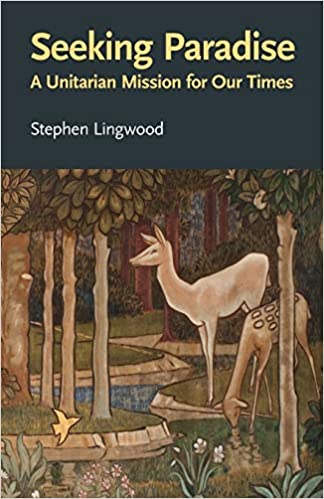
Stephen Lingwood, Seeking Paradise: A Unitarian Mission For Our Times, Lindsey Press, London 2020, pp 142, ISBN 978-085319-094-3. £10.00 pbk.

Reviewed by JIM CORRIGALL. [The full text of Jim’s article can be read on the Faith and Freedom website here]

‘THE MOST IMPORTANT BOOK OF UNITARIAN THEOLOGY IN BRITAIN FOR MORE THAN 50 YEARS’ – Jim Corrigall

51PKdq8ngyL._SX322_BO1,204,203,200_


The fountain of sweet and bitter water

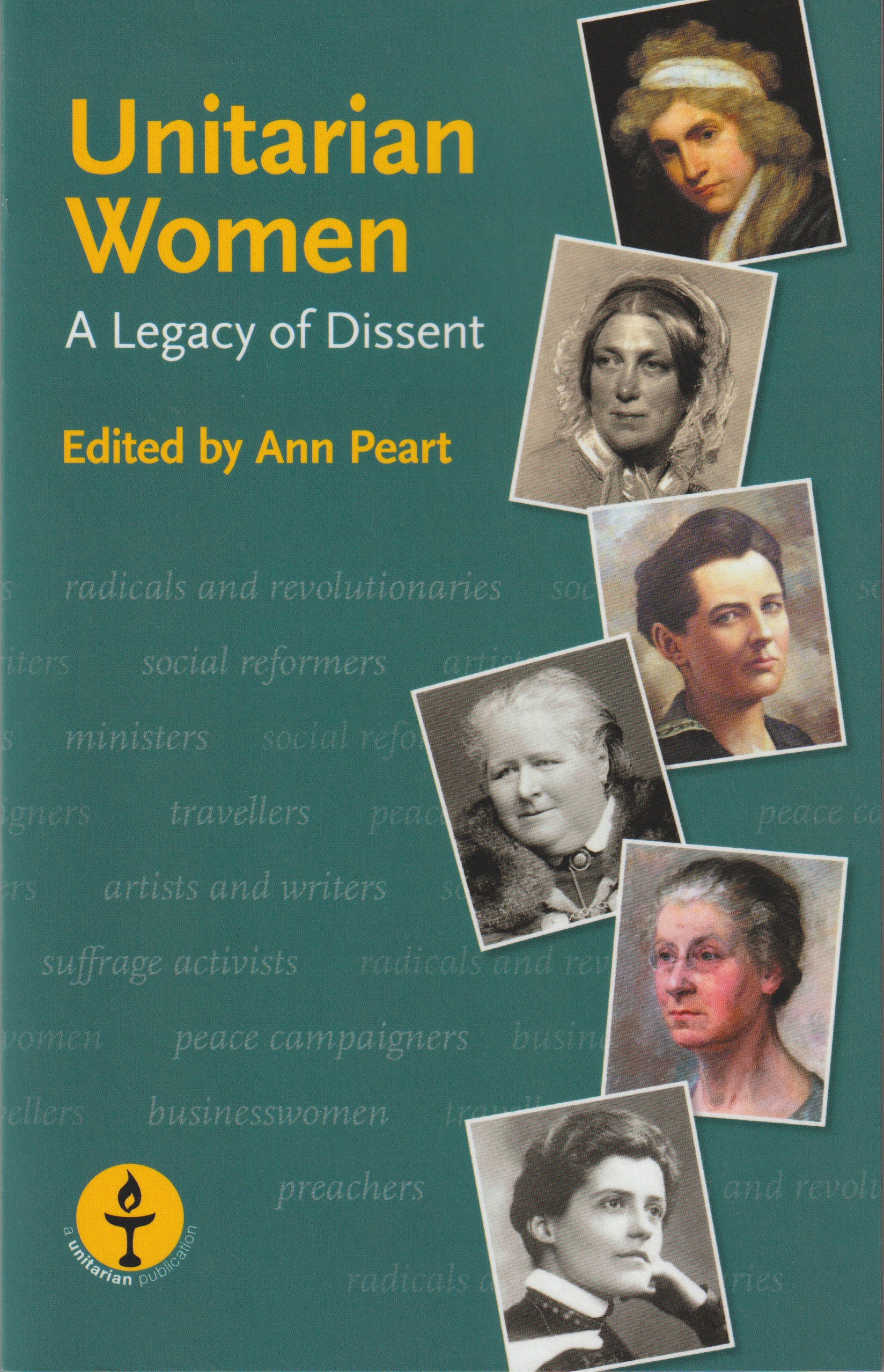
Ann Peart (ed.), Unitarian Women. A Legacy of Dissent, Lindsey Press, London, 2019, pp 241. ISBN number is: 978-0-85319-092-9. £10 pbk.

Reviewed by MÁRIA PAP.

Unitarian Women


‘A time when new life will break through’

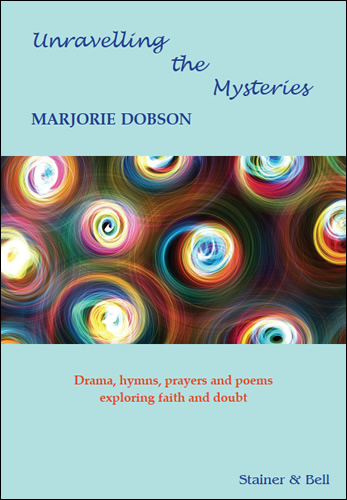
Marjorie Dobson, Unravelling the Mysteries, Stainer & Bell, London, 2019, pp 165. ISBN 978-0-85249-959-7. £15.95 ppk.

Reviewed by STEPHANIE BISBY.

B959


The Dean of the Interfaith Movement

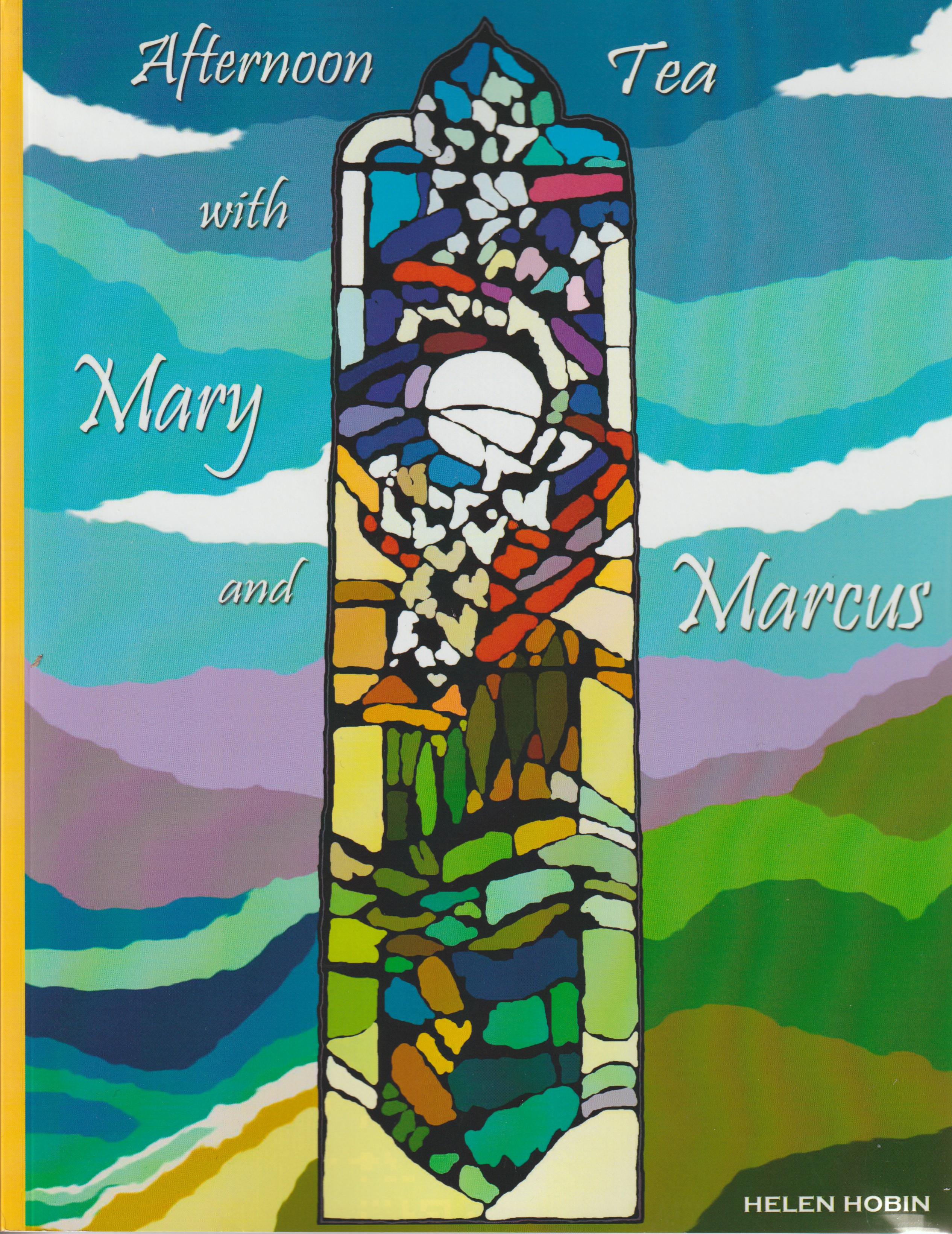
Helen Hobbin, Afternoon Tea with Mary and Marcus, Braybrooke Press, Abingdon, OX14 3EN,  2019, pp 154, ISBN 978-0-244-96888-5, £12.95.

Reviewed by PETER B. GODFREY.

Mary and Marcus cover


The Gospels, spirituality and photography

Peter Brain, The Knowable God, Circle Books, Alresford, 2019, pp 143. ISBN 978 1 78904 £12.99 pbk.

Reviewed by LENA COCKROFT.

N. Micklem, On the Lookout, Matador, Kibworth Beauchamp, 2019 (9, Priory Business Park, Wistow Road, Kibworth Beauchamp, Leicestershire LE8 0RX), pp.45. ISBN. 978 1789017 519. £7.99.

Reviewed by LENA COCKROFT.

Philip J. Richter, Spirituality in Photography, Darton, Longman and Todd, London, 2017, pp. 120. ISBN 978-0-232-53293-7. £9.99 pbk.

Reviewed by LENA COCKROFT.


Christianismi Restitutio

L. Goldstone, N. Goldstone, Out of the flames, Broadway Books, New York, 2002, pp 368. ISBN: 978–0-7679–0837–5. $24.95.

Reviewed by BARRIE NEEDHAM.


Interfaith worship and prayer

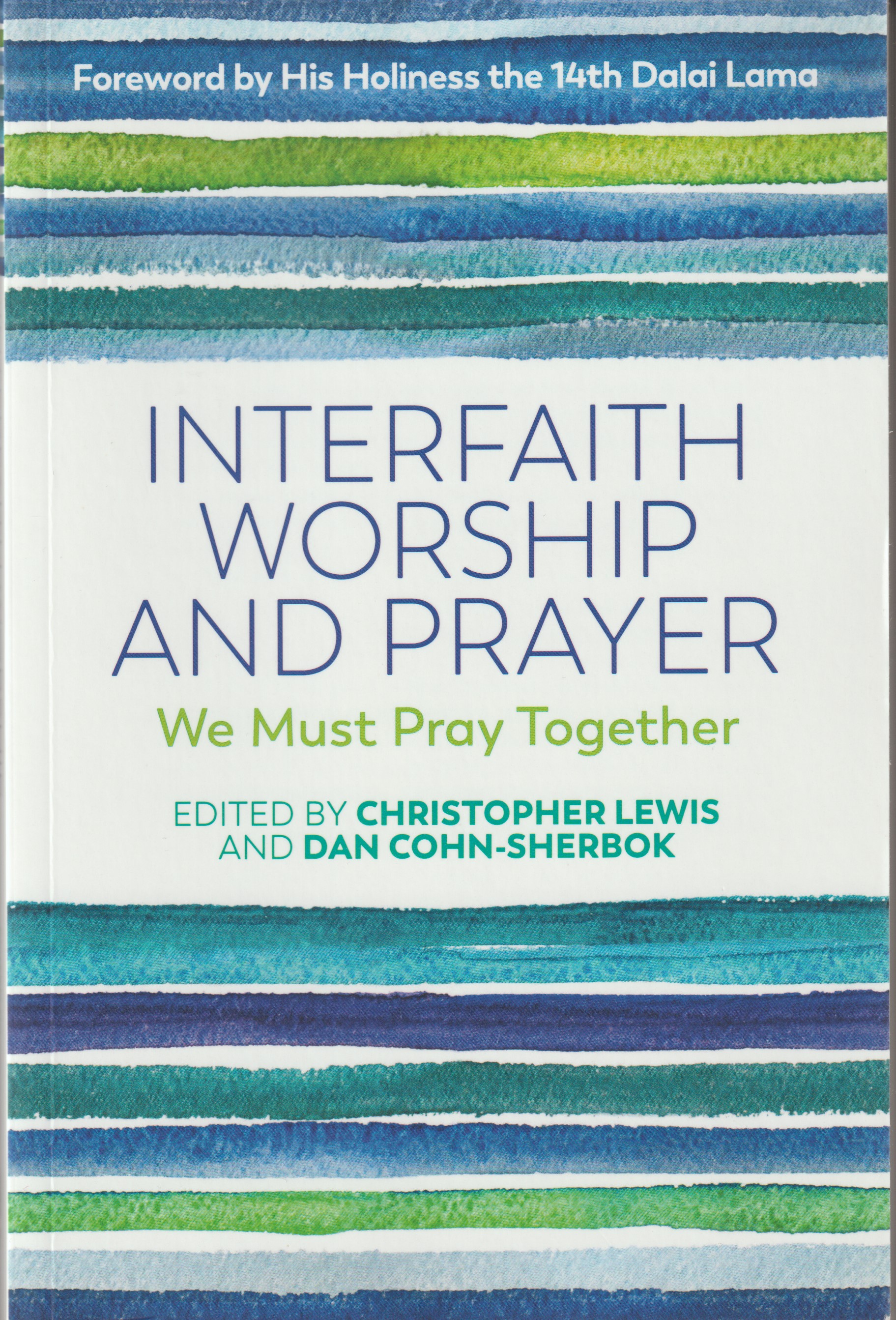
Christopher Lewis and Dan Cohn-Sherbok (eds.), Interfaith Worship and Prayer. We Must Pray Together. With a Foreword by His Holiness the 14th Dalai Lama. Jessica Kingsley Publishers, London and Philadelphia, 2019, pp.296. ISBN 978 1 78592 120 9. £19.99 pbk.

Reviewed by DAVID STEERS.

Interfaith


An annual subscription costs £15 (postage included). Contact the business manager:

Nigel Clarke,
Business Manager, Faith and Freedom,
16 Fairfields, Kirton in Lindsey,
Gainsborough, Lincolnshire.  DN21 4GA.

It’s also possible to pay via PayPal via clicking here.

Email: faithandfreedom@btinternet.com

Faith and Freedom Number 187

The latest issue of Faith and Freedom (Autumn and Winter 2018, Volume 71 Part 2,  Number 187) is now available.

The front cover has a self-portrait of Edward Lear as the ‘Archbishoprick of Canterbury’ with his cat Foss which relates to Howard Oliver’s article Beyond the Nonsense: Edward Lear and his Writings on Religion and Faith, a rare examination of the religious thought of this unique artist. Other articles include Barrie Needham’s exploration of language, reason and faith in Mysteries Too Deep for Words; Dan C. West’s For Fear of the New, Missing the God of Surprises looks at how we respond religiously to the destructive contemporary challenges that are emerging in society on both sides of the Atlantic; Frank Walker makes a distinction between ‘official’ and ‘unofficial’ Christianity in What has Christianity ever done for us?; and Peter B. Godfrey recounts his experiences and memories of A Theological Student at Oxford 1953 to 1956.

As always the journal is richly supplied with reviews, including two review articles:

Alastair McIntosh, Poacher’s Pilgrimage – An Island Journey, Birlinn, Edinburgh, March 2018, pp 285, ISBN 9781780274683.  £9.99 Pbk. Reviewed by Jim Corrigall. An insightful evaluation of this book informed by an interview Jim conducted with the author.

Unitarian Theology II. Papers given at the Unitarian Theology Conference, Mill Hill Chapel, Leeds October 2017. Edited by David Steers. (Faith and Freedom, 2018). ISSN 0014-701X. Reviewed by Bob Janis-Dillon who gives a close examination of the supplement which accompanied the Number 186 of Faith and Freedom.

Other books reviewed are:

Derek Guiton A Man that Looks on Glass: Standing up for God in the Religious Society of Friends (Quakers), FeedARead Publishing, 2015, pp 266. ISBN: 978-1-78610-232-4. Reviewed by Stephen Lingwood.

Rachel Hewitt, A Revolution of Feeling: The Decade that Forged the Modern Mind, Granta, 2017, pp 560. ISBN 978 1 84708 573 3. Hbk £25. Reviewed by Ernest Baker.

Jane Shaw, Pioneers of Modern Spirituality: The Neglected Anglican Innovators of a ‘Spiritual but not Religious’ Age,  Darton, Longman and Todd, London 2018, pp 117, ISBN 978-0232053286-9. £12.99 pbk. Reviewed by Jim Corrigall.

Mike Aquilina and Grace Aquilina, A History of the Church in 100 Objects, Ave Maria Press/Alban Books. Notre Dame/Edinburgh, 2017, pp 424. ISBN 9781594717505. £20.99 pbk. Reviewed by David Steers.

Simenon Honoré, Education for Humanity, Spirit of the Rainbow, Suite 70, 2, Mount Sion, , Tunbridge Wells, TN1 1UE, pp88, ISBN 978-0-9566767-5-7, PB £5, plus £2 p&p. Reviewed by Peter B. Godfrey.

If you would like to take out an annual subscription please send a cheque for £15 to the business manager:

Nigel Clarke,
Business Manager, Faith and Freedom,
16 Fairfields,
Kirton in Lindsey,
Gainsborough,
Lincolnshire.
DN21 4GA.

Or you can go online and subscribe via PayPal:

http://www.faithandfreedom.org.uk/subs.htm


Faith and Freedom: Autumn and Winter 2017


Faith and Freedom

Autumn and Winter issue 2017

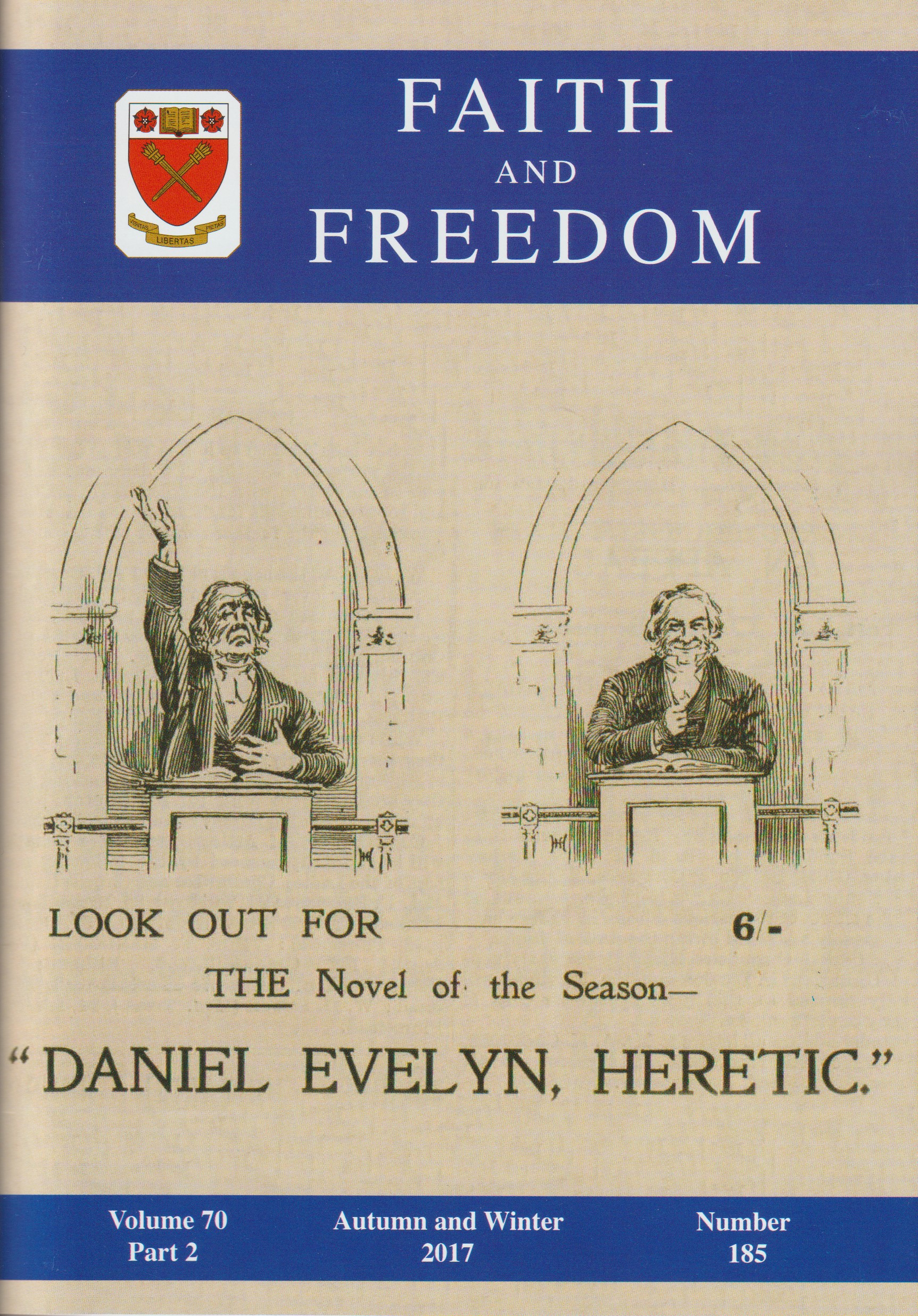
Volume 70 Part 2. Number 185.

In the latest issue of Faith and Freedom Professor Emily Klenin breaks new ground with an exploration of the writings of David Delta Evans, the Flintshire-born son of a miner who went on to become a Unitarian minister, printer, editor of the Christian Life, novelist and poet in English and Welsh. Emily looks in detail at his 1913 novel Daniel Evelyn, Heretic, which is both a fictionalized account of his childhood and youth and a confession of faith. She draws out the importance of this long-forgotten novel in the religious and social landscape of England and Wales at the time. It’s a fascinating account of a remarkable man who has been long neglected.

Stephen Lingwood develops ‘A Unitarian Theology of Tradition’. He asks “in what sense do we claim religious continuity in a non-creedal tradition that allows the freedom of religious evolution? In what sense is the Unitarianism of the past the same thing as the Unitarianism of the present?” These are important questions for Unitarians to grapple with and drawing on sources such as James Luther Adams, Susan B. Anthony, George Lindbeck and Alasdair MacIntyre and taking scientific method as an analogy he gives a compelling explanation of the way Unitarians can understand their own tradition.

In ‘Manchester College Oxford Old Students Association – The Early Years’ Alan Ruston uncovers the early history of the OSA and describes its birth pangs and early development, concluding with its creation of Faith and Freedom and the encouraging observation: “F&F has proved to be a successful long-lasting journal of mainly intellectual content representing the Unitarian position, which is now in its seventieth year. Its creation can be considered the single most important initiative to have been undertaken by MOSA.”

F&FCover185

Our review section is extensive and wide-ranging. Graham Murphy reviews Diarmaid MacCulloch’s All Things Made, New Writings on the Reformation (Allen Lane/Penguin). It’s an excellent review of a timely and important book, Graham writes: “MacCulloch guides us around rooms of the past, noting progress, noting dystopia, and here and there a glimmer of light: ‘a Declaration in the parish church of a town called Torda, a place which should be more of a centre of pilgrimage than it is’ – Toleration.”

Stephen Lingwood’s incisive review of Frederic Muir’s edited collection Turning Point: essays on a new Unitarian Universalism (Skinner House) draws out the ‘trinity of errors’ identified there, including exceptionalism, an aversion to authority and, especially, individualism. This latter tendency is the root of the philosophy of Samuel Smiles and in his fascinating review of John Hunter’s The Spirit of Self-Help. A Life of Samuel Smiles (Shepheard-Walwyn) Bob Janis-Dillon shows how the sometime attender at Mill Hill Chapel, Leeds adapted Emersonian individualism to his ‘Self-Help’ idea, “a mode of thinking we need to challenge if we are to advance as a species”.

Rev Dr Marcus Braybrooke, joint president of the World Congress of Faiths, looks at three books that inform on the place of Islam in modern Britain (James Ferguson, Al-Britainnia, My Country: A Journey Through Muslim Britain, Bantam Press; Richard Sudworth, Encountering Islam: Christian Muslim Relations in the Public Square, SCM Press; Rahim Snow, Remember Who You Are, 28 Spiritual Verses from the Holy Quran, Remembrance Studio), an essential starting point for those who wish to open up dialogue and debate in this area. Marcus also provides two reviews of works that deal with Jewish–Christian relations and pluralism – Tony Bayfield (ed.), Deep Calls to Deep: Transforming Conversations between Jews and Christians (SCM Press) and Hans Ucko (ed.), Thanking Together: On Pluralism, Violence, and the Other (Journal of Ecumenical Studies).

In his review of what may be Don Cupitt’s “last and most important book” (Ethics in the Last Days of Humanity, Polebridge Press) Frank Walker lifts about fifteen random insights from the book. These all bear careful reflection. One takes up the theme of Muslim relations (“Western scholars should publish fully critical studies of the origins and the developing theology of the Qur’an and of the hadith”). In another Don Cupitt asserts: “Ordinary people will need a religious discipline like that of the Buddhist sangha to help people to calm their violent passions and to think rationally about how best to live.” It’s difficult not reflect on the plight of Muslims in Myanmar on reading this. But it is an important book concerned, as Frank says, “in the most down-to-earth way” with the end-times.

Faith, hope and healing are the themes of three reviews. Pat Frankish reviews The Enduring Melody (Darton, Longman Todd) by Michael Mayne about one man’s struggle with cancer, “a powerful and painful book, with a thread of reality and hope”. Christian Wiman’s book My bright abyss: meditations of a modern believer (Farrar, Straus and Giroux) is similarly a tale of a struggle with cancer, in this case that of a poet who tries to make sense of religion and God through his suffering. It is reviewed by Barrie Needham who draws out many profound insights from it. Barrie writes: “Faith which is self-centred does not, according to Wiman, recognise God impinging on this world through love. ‘The only way to ascertain the truth of religious experience: it propels you back towards the world and other people, and not simply more deeply within yourself’.” Andrew Hill also reviews a new book of hymns: Hymns of Hope and Healing: words and music to refresh the church’s ministry of healing (Stainer & Bell), a modern, progressive collection of hymns which covers a subject index of more than 250 topics. Andrew mentions some of them but those listed alphabetically from A to D give an idea of the books radical emphases: “ageing, balance, birth, carers, dementia, DNA, drugs…”

So many of the reviews are about finding and connecting with the divine in one way or another and Jim Corrigall reviews Lorraine Cavanagh’s new book Waiting on the Word: Preaching Sermons that connect people with God (Darton, Longman and Todd). Jim quotes the author “Sermon preparation is a matter of waiting in the pain of others, rather than worrying what we are going to say.” Finally Peter Godfrey reviews Crocodiles do not swim here (Avian House) by John Smith Wilkinson who looks at doctrine, Biblical interpretation and religious understanding from fresh angles.

If you would like to take out an annual subscription to Faith and Freedom you can do so online at http://www.faithandfreedom.org.uk/subs.htm or by sending a cheque for £15 to the Business Manager, Nigel Clarke., 16 Fairfields, Kirton in Lindsey, Gainsborough, Lincs, DN21 4GA.