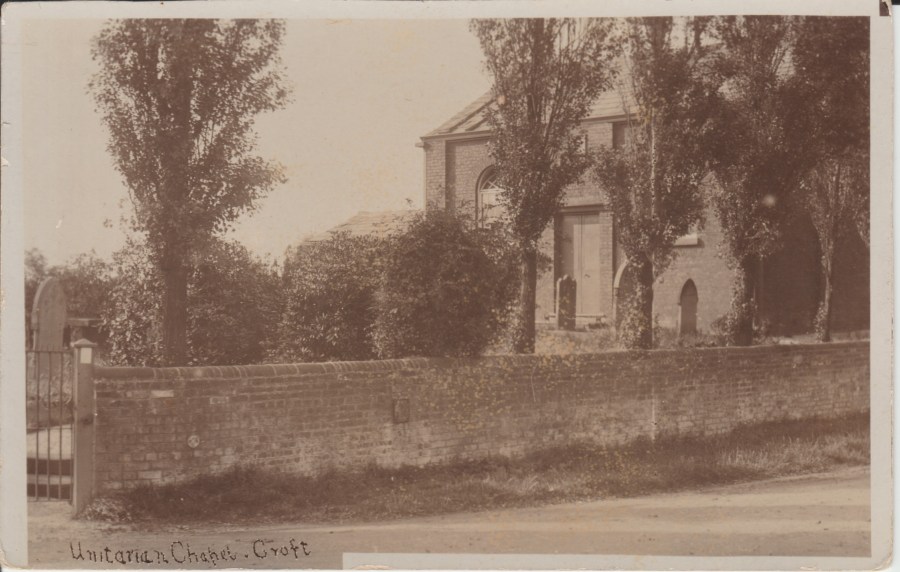
It’s many years since I last visited the graveyard of the Unitarian Chapel at Croft. The Chapel was demolished long ago and the graveyard is not easy to find but I was encouraged to re-visit it by the purchase of a rare post card of the Chapel on eBay.
That invaluable book, The Unitarian Heritage, doesn’t have a picture of the Chapel but it does carry all the main points of its history:
Croft, Lady Lane. Lancashire. 1839. Originated at Risley in 1707 from which Unitarians were expelled (Chapel there demolished 1971 – in path of M62 motorway). Closed 1959 and demolished, though graveyard survives, neatly maintained by Warrington Corporation.
But there is a rather more poignant tale to its story, well-told by the late Rev Dr Ian Sellers in the Transactions of the Unitarian Historical Society of 1978. He outlines the history of the Risley Chapel, seized through the courts by the Presbyterian Church in England who expelled the Unitarian congregation (or most of them), and who kept it until the M62 brought about its destruction in the early 1970s.
In 1839 the dispossessed Unitarians had built a new chapel at Croft, a remote rural area near Warrington. Much of the energy for the creation of the congregation came from the labours of one woman – Ellen Yates – a woman who organised a public demonstration against the loss of the Chapel in the village square at Risley. In the autumn of 1838 she opened her house for worship and in the company of her husband travelled the north-west on foot raising money for the new Chapel. She raised £500 in the end which was used to secure the plot, establish an endowment for the preachers, and build the Chapel, with most of the labour provided by the members. All was ready by September 1839 and on 27th of that month opening services were held with the special preachers being Rev James Martineau and Rev John Hamilton Thom.
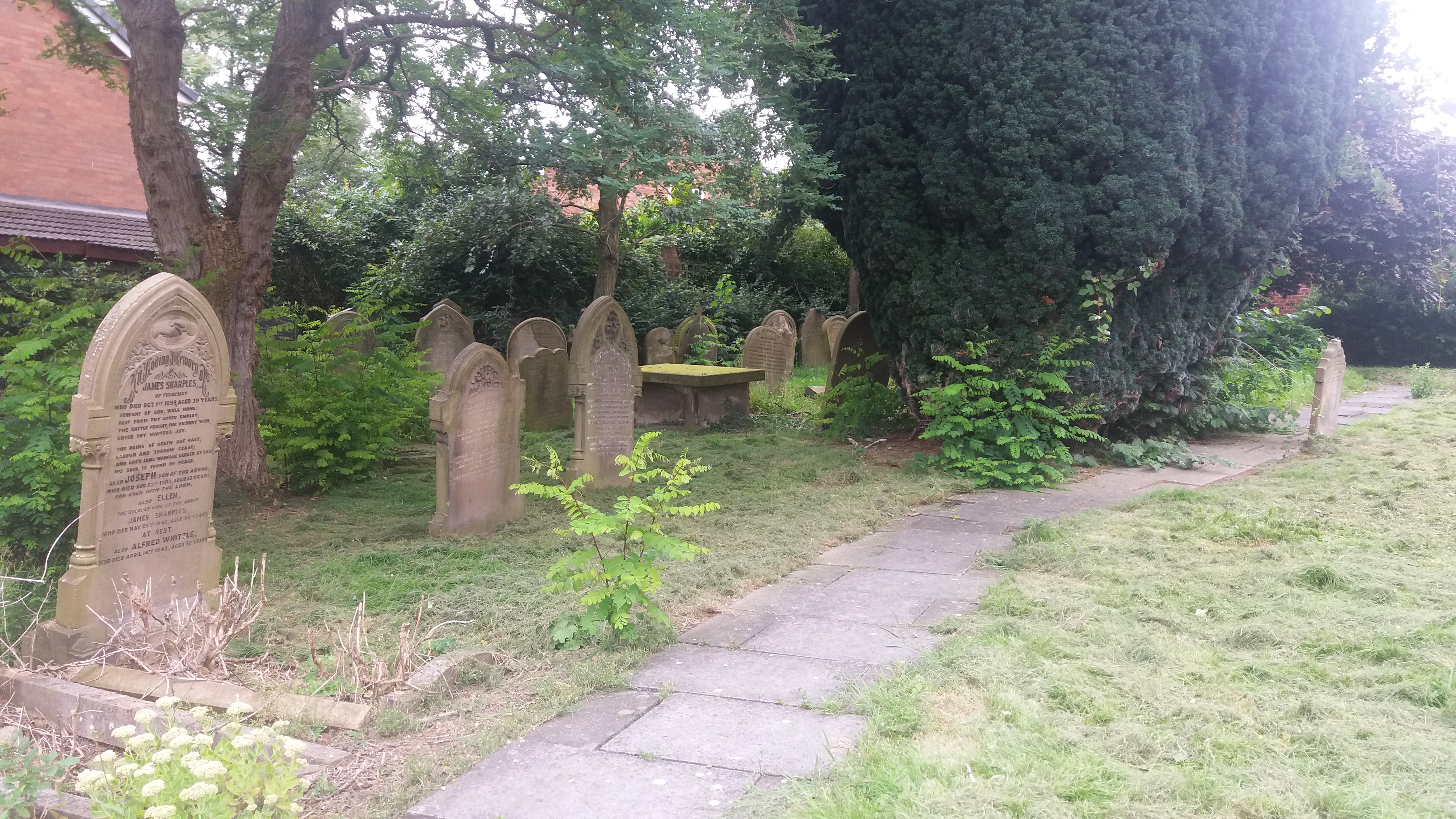
It’s hard to date the old post card, although sometime at the start of the twentieth century would be a very reasonable guess. Most of the graves date from the nineteenth century and many of them can be seen and compared on both photographs.
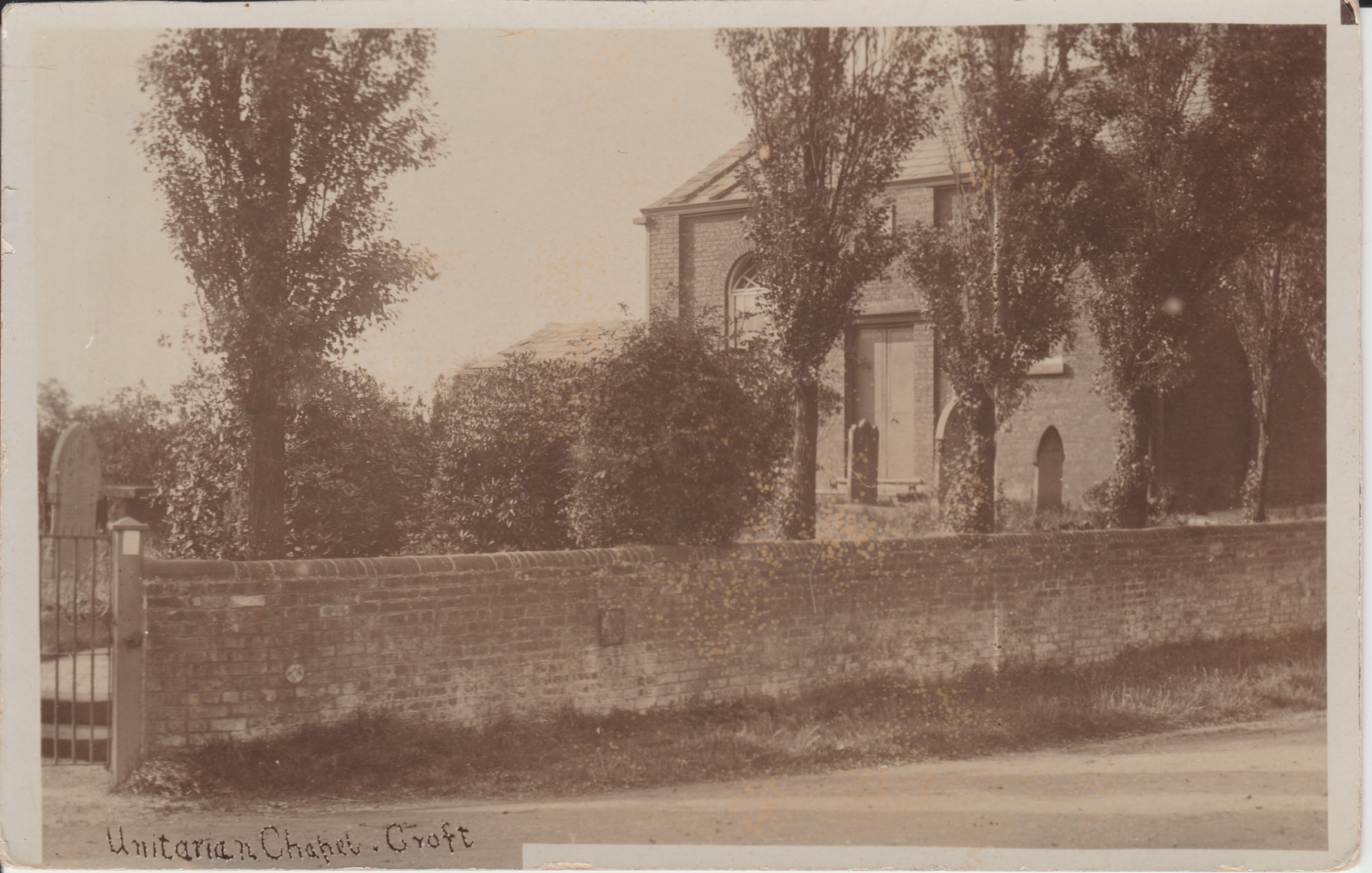
The Chapel c.1910
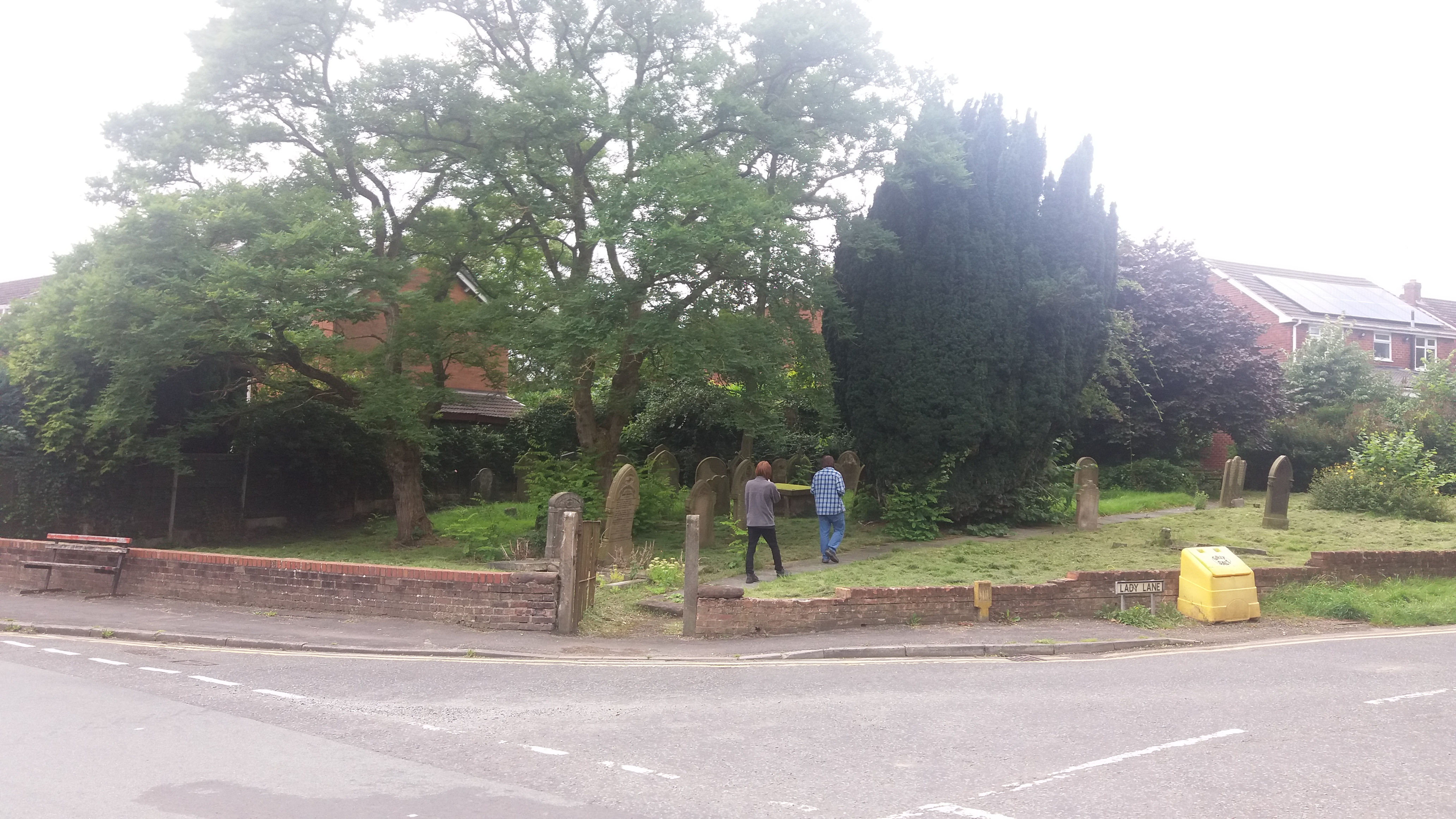
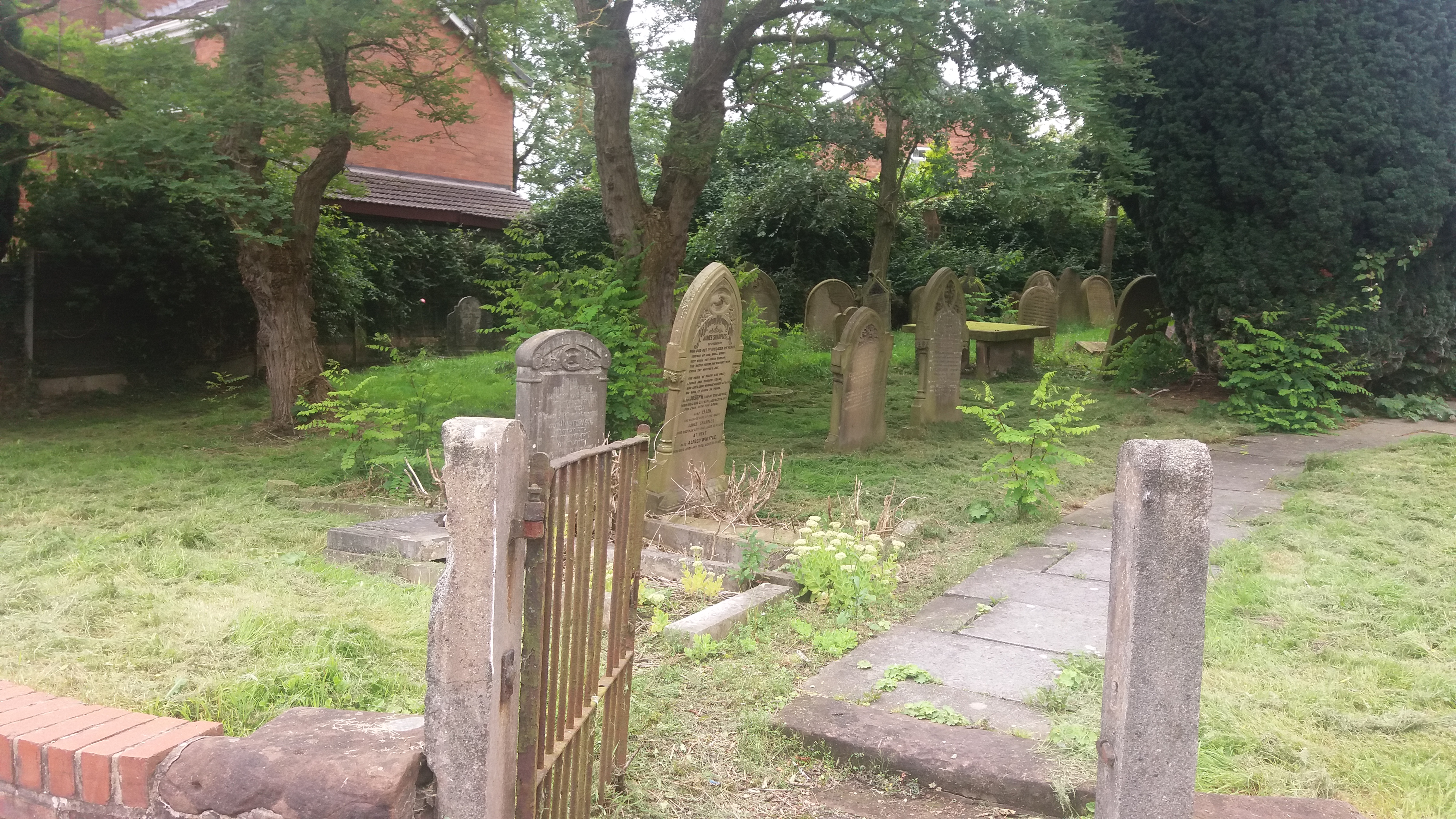
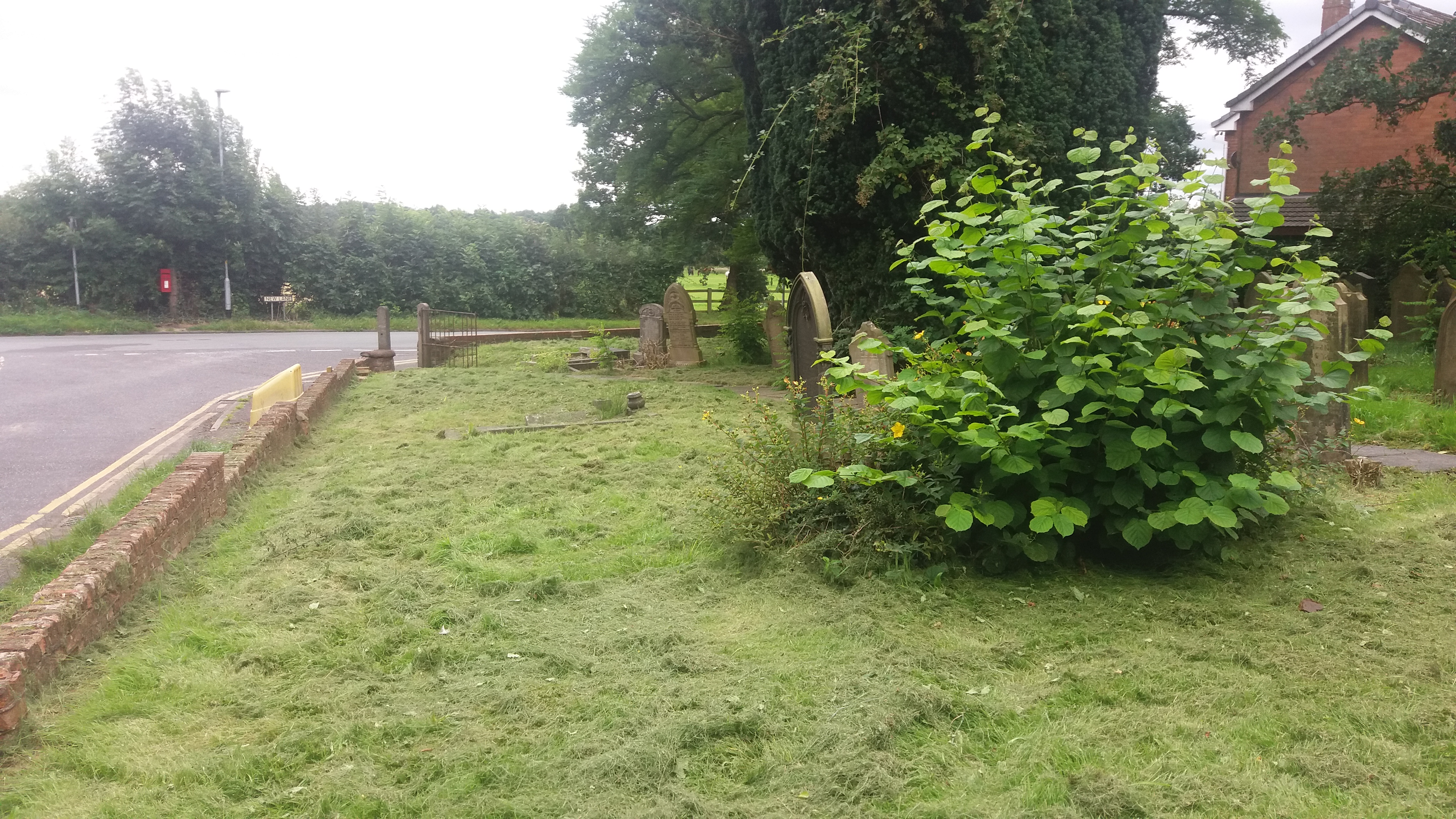
The site in 2016
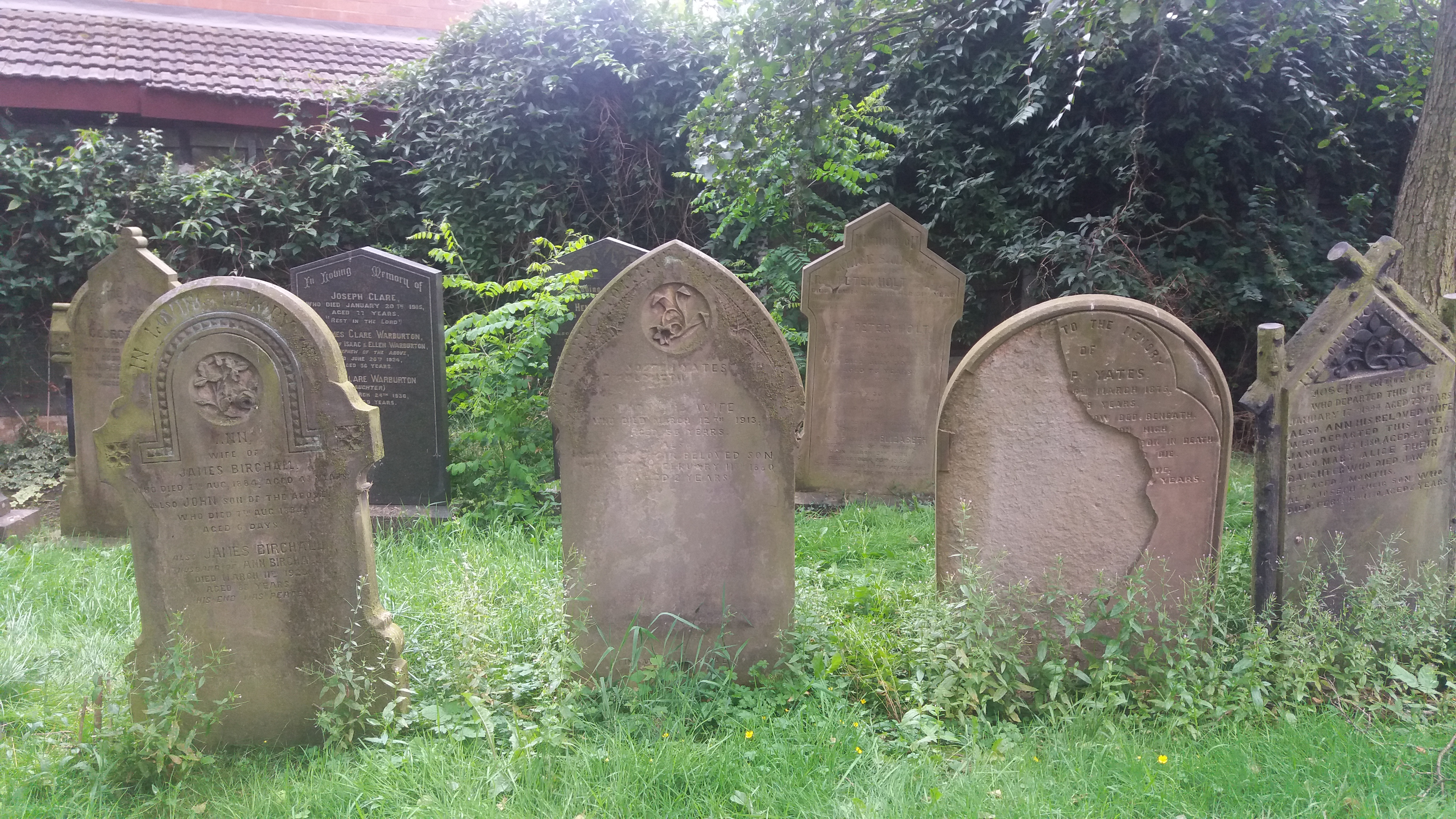
The Chapel was demolished in 1959 and Ian Sellers states that the site of the Chapel was sold for building. A major difference with the old photograph is that the site is now surrounded with modern housing but it may be that the Chapel site itself was either not sold or only part of it was disposed of. There is quite a large secluded area at the back of the graveyard which must have been part of the Chapel and the old photograph appears to show the Chapel very near to the graves.
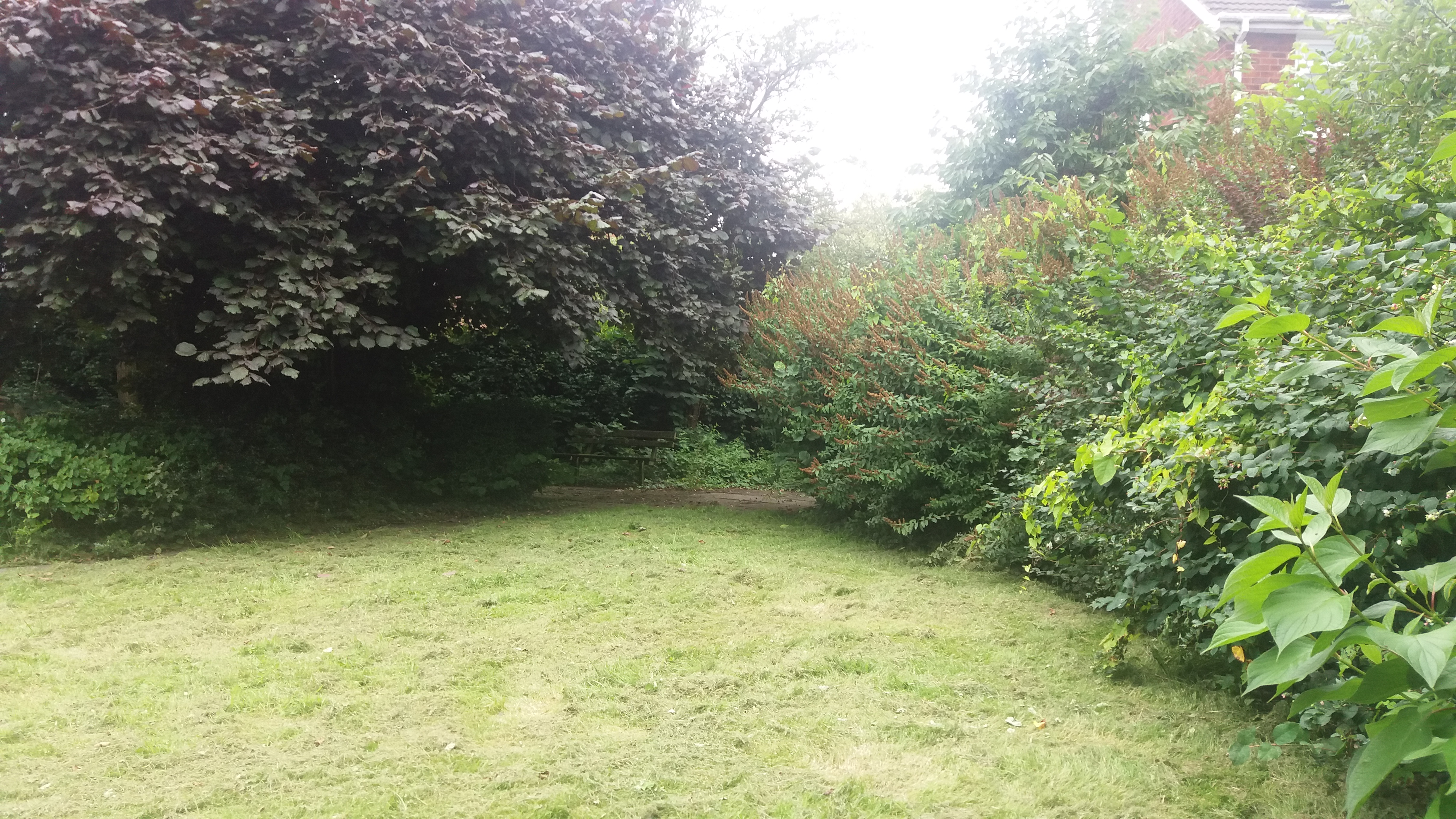
The back of the site
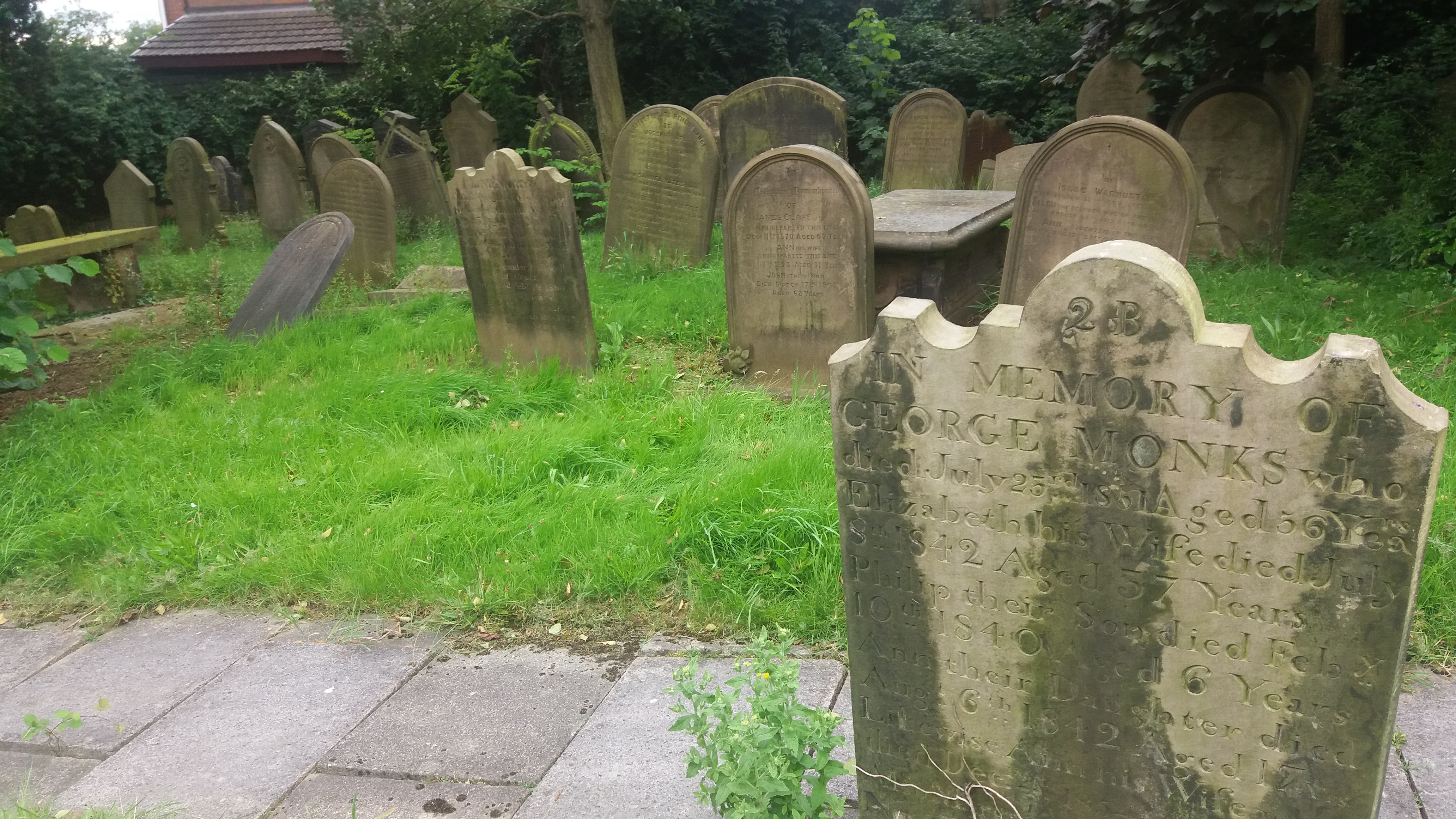
The graves themselves are worth looking at. They include two with inscriptions for soldiers killed in the First World War. One is for Rifleman Harold Houghton, who died from wounds received at the battle of Neuve Chappelle, 24th March 1915 aged 24. The other commemorates Corporal William Whittle of the 1st Battalion the Royal Fusiliers who died on 14th June 1918 in Aubergue Hospital aged 29.
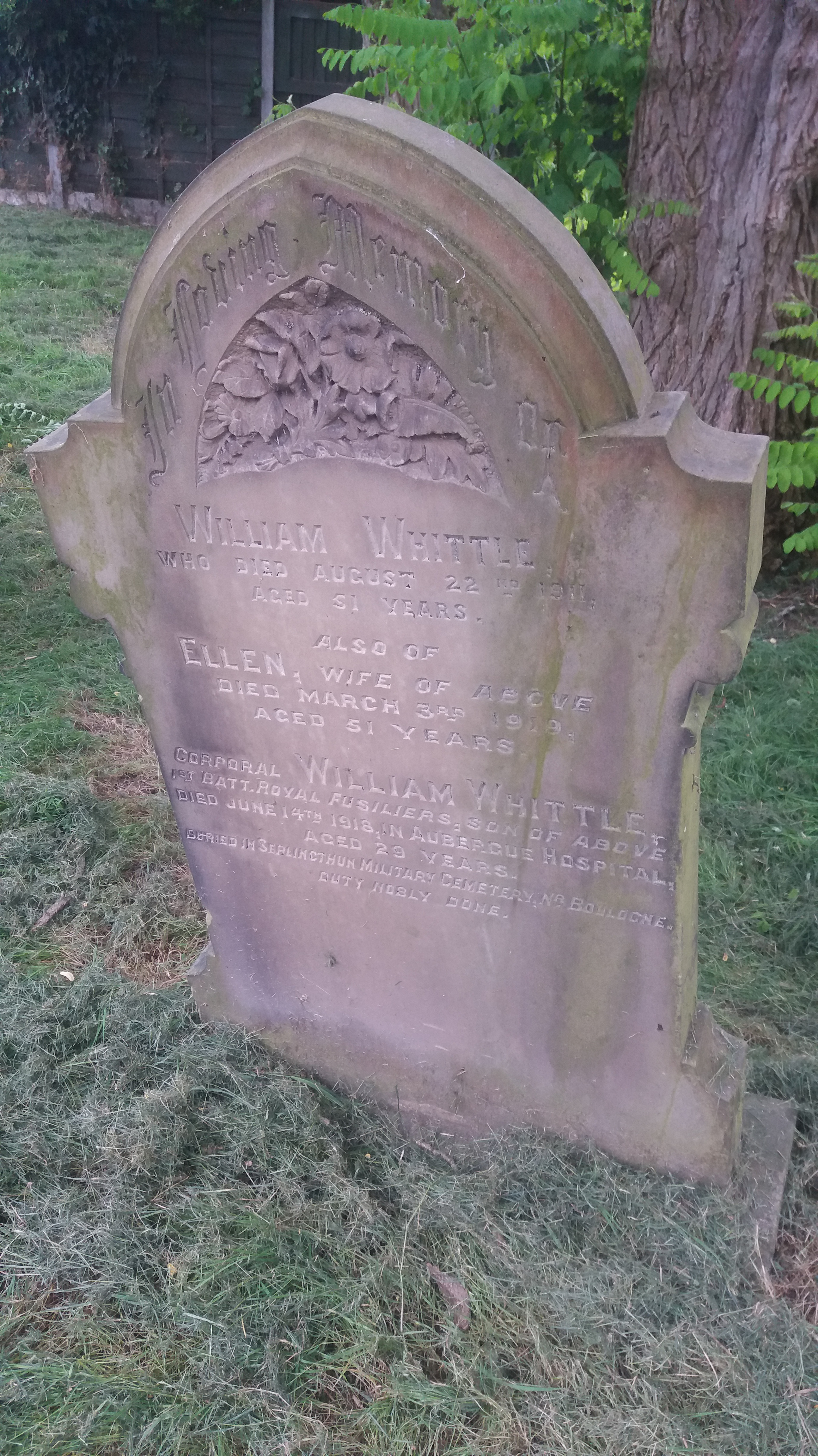
Whittle family grave
I remembered from my first visit the grave of the Rev Peter Holt. Most of the graves are in very good condition although this one seems to be starting to split which is a shame. Peter Holt was the first full-time minister at Croft, from 1880 to 1889, also serving as minister at Leigh (1889-1894) and Astley (1889-1927). He was the father to two other ministers – the Rev Raymond V. Holt, distinguished scholar, tutor at Manchester College, Oxford and principal of the Unitarian College, Manchester, and the Rev Felix Holt minister of Ballymoney in county Antrim.
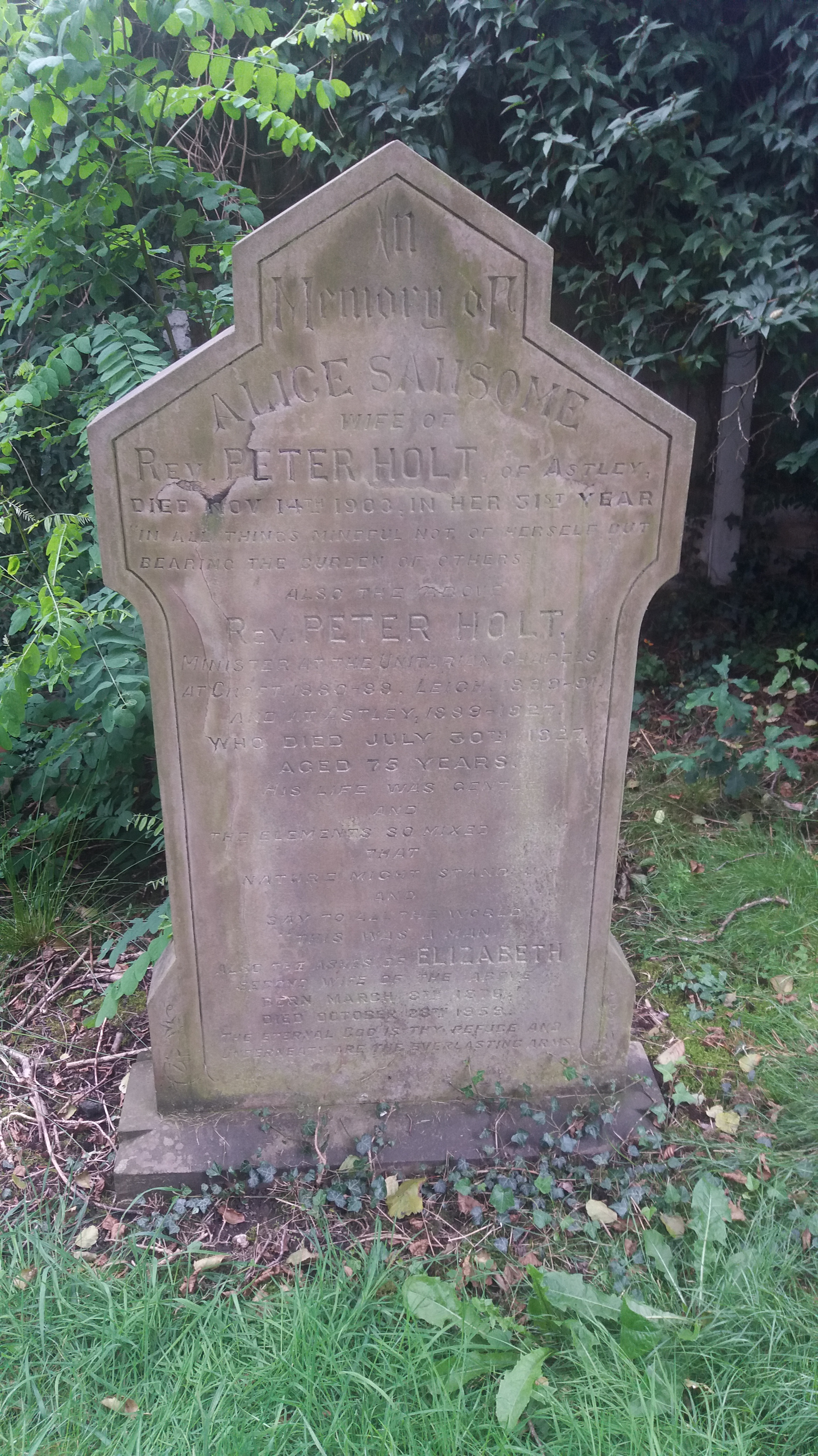
Grave of the Rev Peter Holt
At the time of closure the graveyard was transferred to the care of the local council. Originally in Lancashire it is now located in Cheshire. As Ian Sellers says of it (and the graveyard of Risley itself which also still survives) it is somewhere that “only the most insensitive would find unworthy of remembrance”.


 velvethummingbee