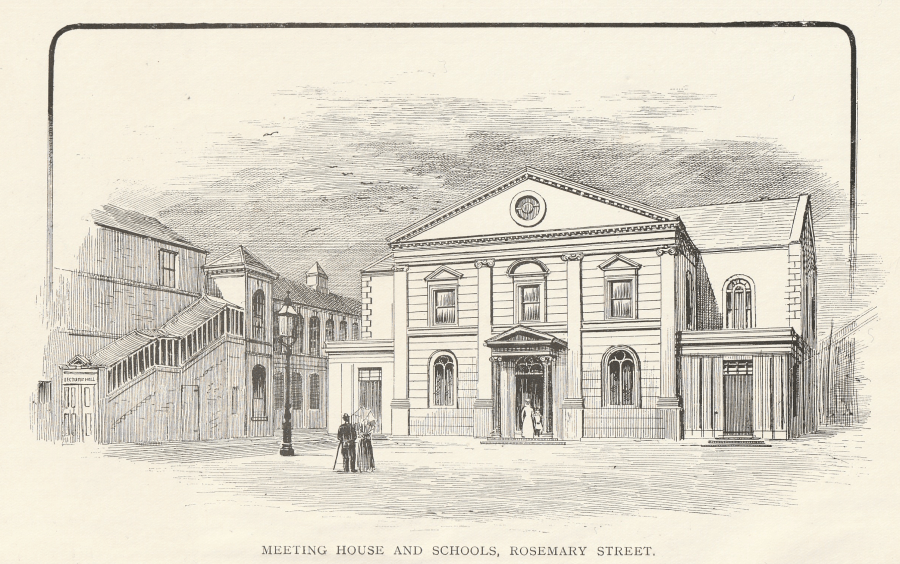
Rev William Hamilton Drummond

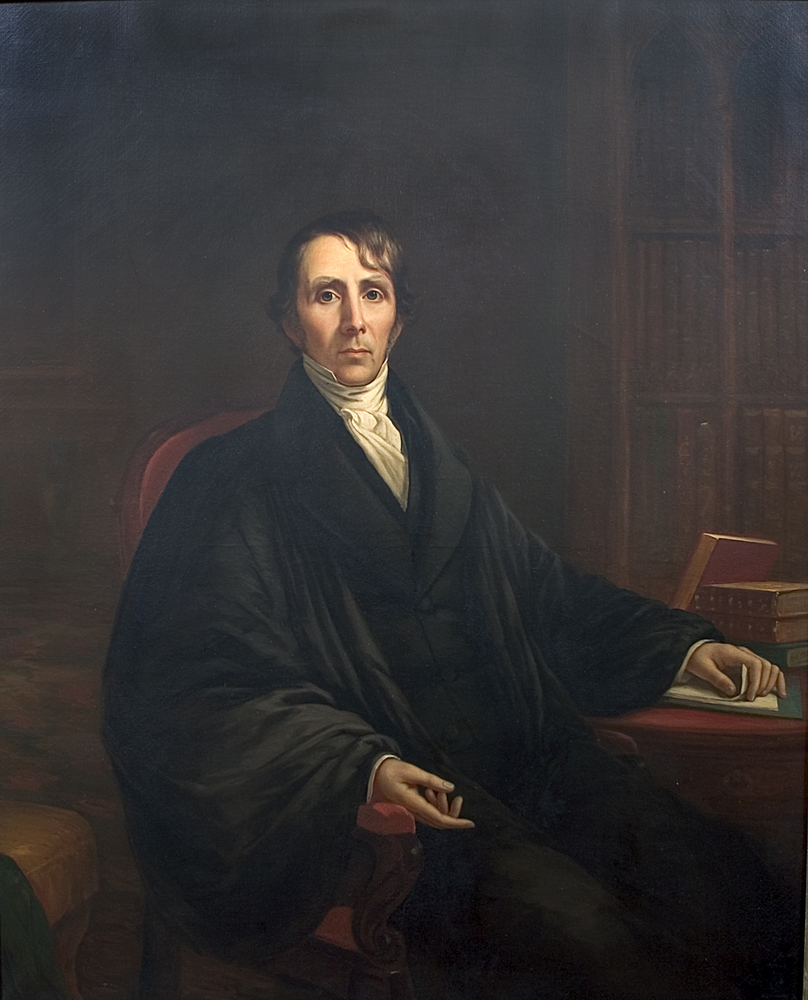
Today’s worship, from Ballee, incorporates the second in our series that looks at significant Non-Subscribing Presbyterians in history. Today’s subject is William Hamilton Drummond who was born in Larne in 1778 and died in Dublin in 1865.

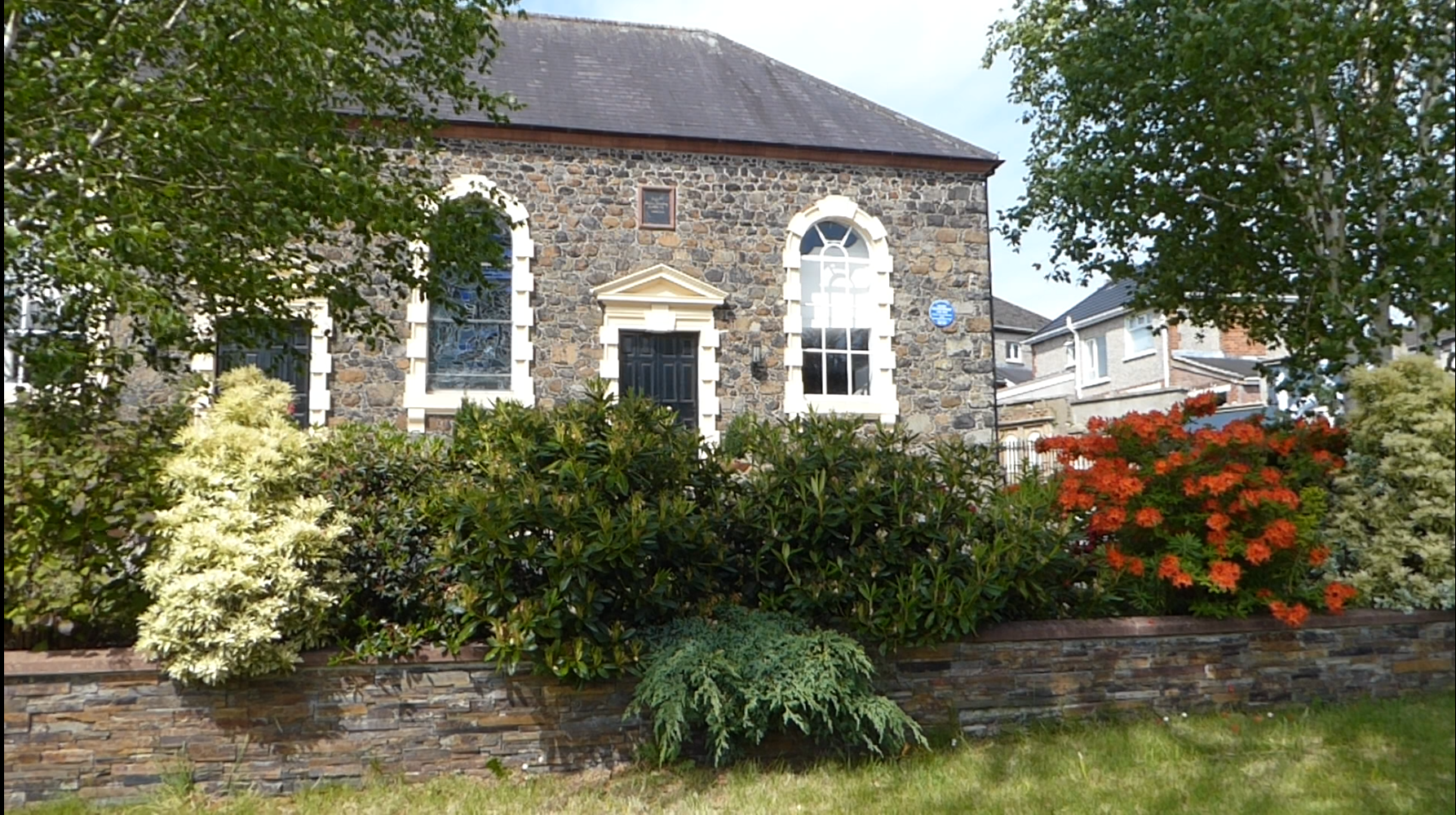
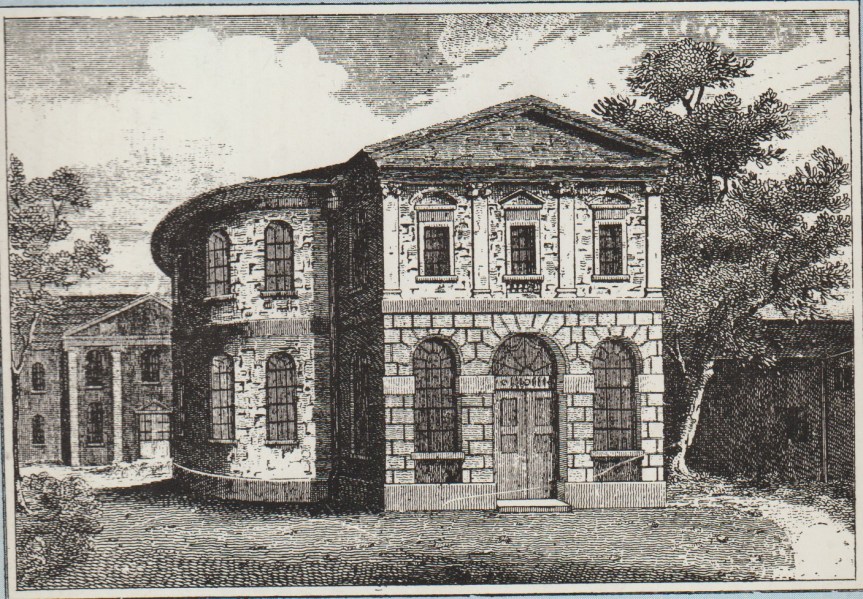
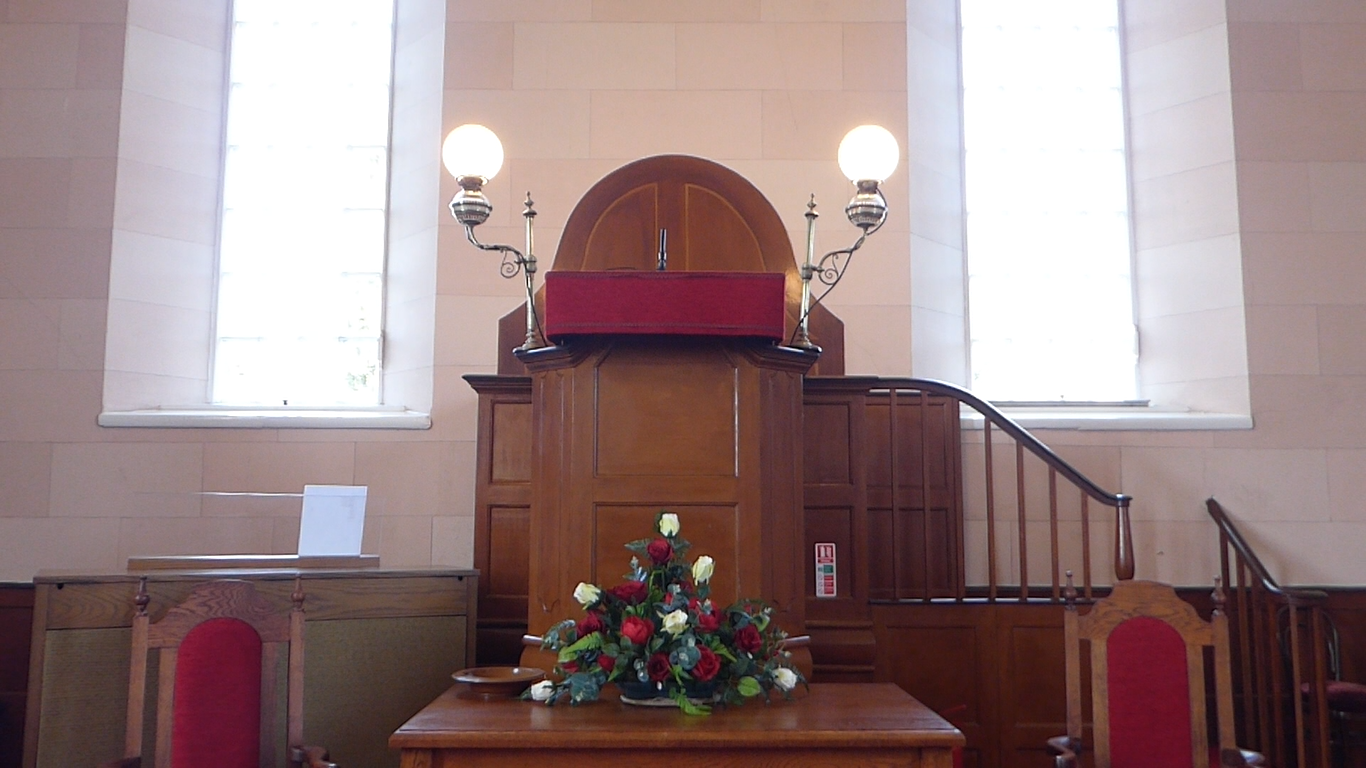
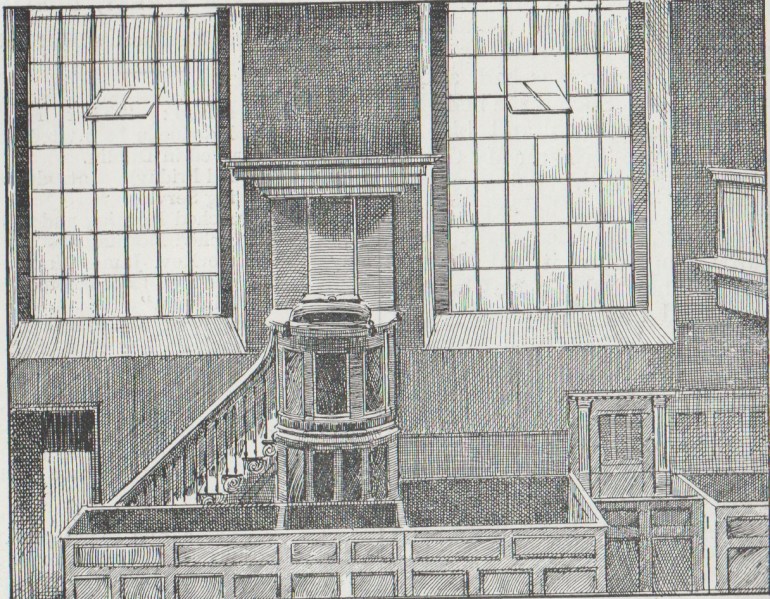
Drummond had a long and multi-faceted career. As a young man he supported the 1798 Rebellion and as a student at Glasgow University first turned his hand to verse, producing poems that supported the aims of the United Irishman. Leaving Glasgow without a degree he nevertheless progressed towards the ministry and was called to Belfast’s Second Congregation (see picture above) in 1800. In Belfast, as a minister, he was at the heart of the city’s educational, commercial, cultural and religious life. He produced a number of epic poems. Many of these now extolled the virtues of the Union of 1801 with Great Britain whilst the most famous of all was The Giant’s Causeway, published in 1811.
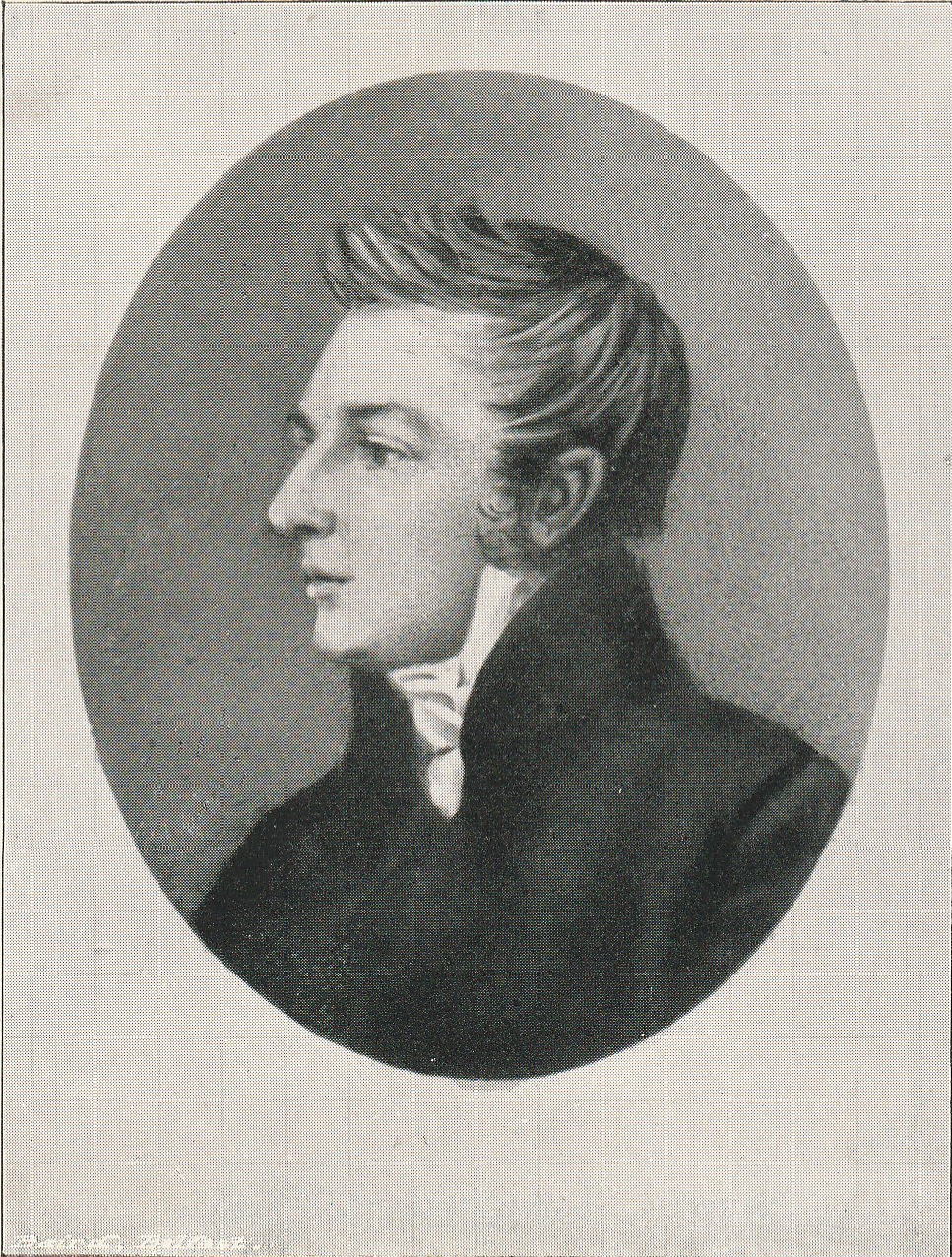
William Hamilton Drummond

In 1815 he was a candidate for the Chair of Logic and Belles Lettres at the Belfast Academical Institution. When he was unsuccessful, because so many of the electors were members of his own congregation who did not wish to see him leave, he left Belfast for Dublin instead, where he commenced a ministry of fifty years in which he achieved further notability as a theological controversialist, a biographer and a supporter of the rights of animals.

Sunday Worship, Ballee Non-Subscribing Presbyterian Church. Click on the video above after 9.45 am on Sunday, 13th June 2021

The service comes from Ballee. The reading is from Psalm 8 and is given by Mary Stewart at Downpatrick. Church organist John Strain plays the hymns Come sing praises to the Lord (Irish Presbyterian Hymnbook 113), Lord the light of your love is shining (Irish Presbyterian Hymnbook 621). Also played is Father I place into your hands.

The Rights of Animals. Published in London 1838.

Flow, LAGAN flow – though close thy banks of green,

Though in the picture of the world unseen…

Flow on fair stream – thy gathering waves expand,

And greet with joy the Athens of the land;

Through groves of masts thick crowding o’er thy tide,

A new Ilissus, roll in classic pride.

From The Giant’s Causeway, A Poem 1811
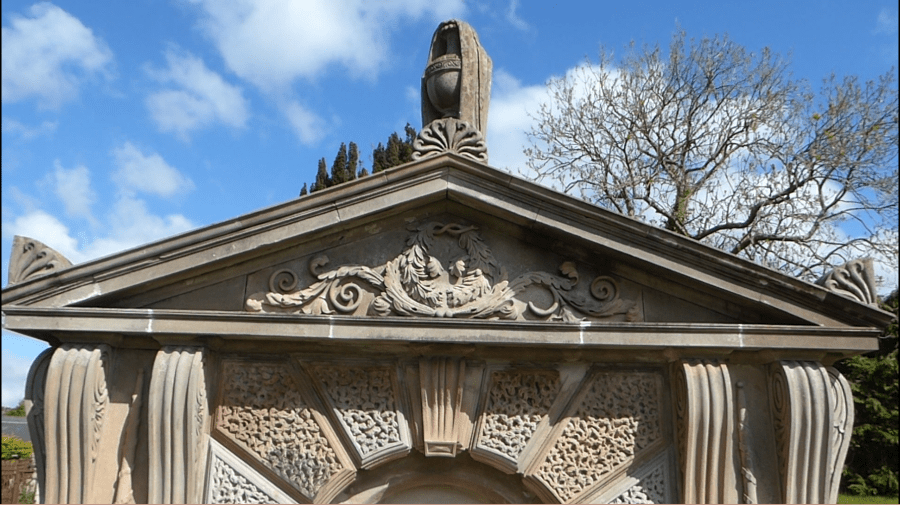
Murland Mausoleum, Clough

Churches in County Down are replete with interesting ancient mausolea and tombs and this is especially true in the area around Lecale, most particularly amongst the Non-Subscribing Presbyterian churches, and the churchyard at Downpatrick, for instance, alone has eight or nine large tombs of different designs.

But the most celebrated Mausoleum of all is at Clough.

A view of the now restored Murland Mausoleum at Clough

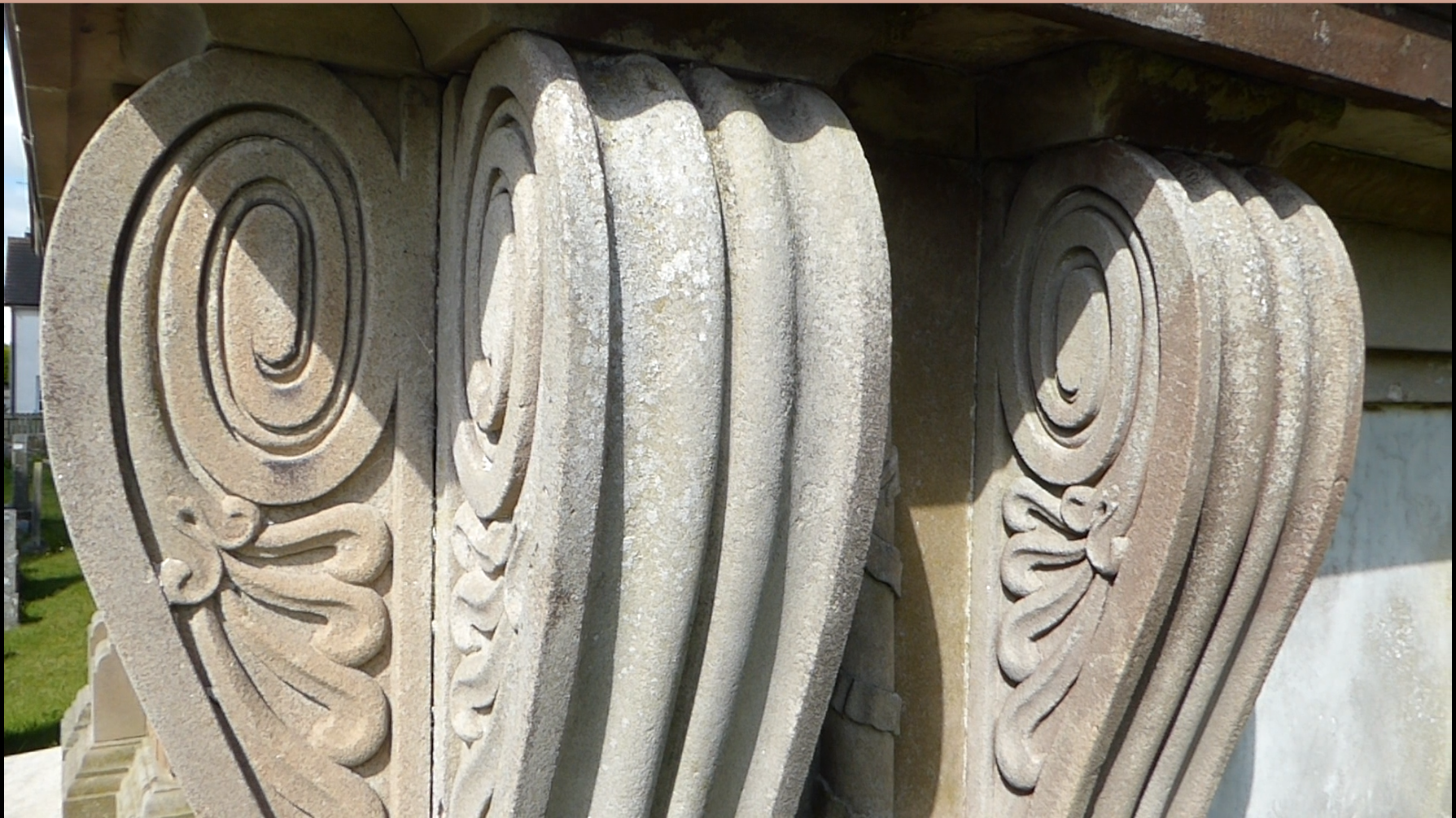
The Murland Mausoleum was built in about 1860 by a family who were closely connected to the Non-Subscribing Presbyterian congregation at Clough for generations. The Murland family were wealthy local mill owners, they lived at Ardnabannon and it is thought that the architect who designed their house also designed the family mausoleum. This was Thomas Turner, a Dublin-born architect who began his career as an assistant to Charles Lanyon in Belfast and who had a long and productive career designing buildings all over Ireland including Stormont Castle and Coleraine Town Hall.

But it is very clear when you look at the Murland Mausoleum that this was the work of someone steeped in the designs of classical architecture and particularly ancient funerary architecture. The inverted torch is used in Christian iconography to represent the resurrection and the eternal life of the soul. But it actually goes back to ancient Greece where it represented Thanatos the Greek god of death.

It is a very rich design.

Professor James Stevens Curl describes it as

something one might expect to find in the cemetery of Père-Lachaise or in one of the great American cemeteries, rather than in a small rural churchyard in the shadow of the Mountains of Mourne.

The Ulster Architectural Heritage Society list describes the mausoleum as ‘the phenomenal Murland vault of about 1860, furnished with all the pompe funebre of the classical manner, with trimmings.’

For local schoolchildren it is a place well-known for decades as somewhere where the bravest of them could stand near the open grill and peer in at the coffins resting in the dusty gloom.

As such an old structure the building was gradually becoming in need of restoration and to see this done the church was able to partner with the experience and expertise of the Follies Trust, a body set up in 2006 to help, in their own words, with ‘the conservation, preservation, restoration and protection, in their original setting, of mausolea and monuments; follies; grottoes; garden buildings and other structures of particular beauty or historic, environmental, architectural or industrial significance.’

At the church we were very pleased to welcome local expert Dr Finbar McCormick of Queen’s University, Belfast who gave a fascinating talk on the history and development of memorials to the dead in Ireland and beyond, looking at the influence of the Reformation and classical ideas.

This was a prelude to the work being done on the mausoleum. A number of specialists have looked at the building, and the job of restoring the structure was given to Noel Killen, noted for his work in restoring the nearby Mill at Ballydugan.

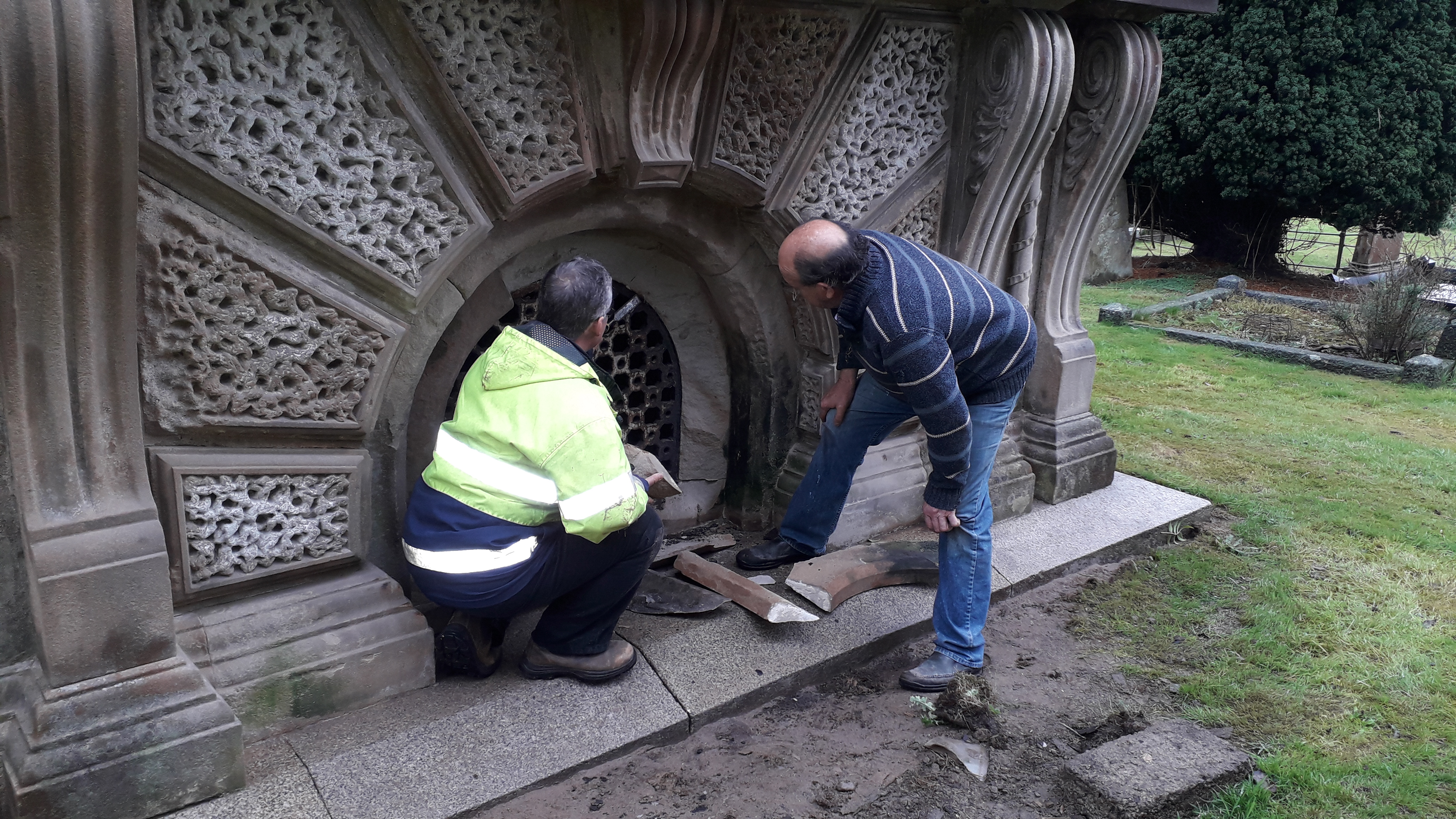
Work on the restoration getting under way

Generally, considering its great age, the building was in good shape but there was lots to be done to make the structure fully watertight and secure again for the future. Stonework that had crumbled had to be replaced. The iron work in the grills and the heavy door had to be conserved. They were also repainted in the original colour, which had largely long faded from view.

Work commenced in August 2019 and was completed within a few months. To mark the completion of this work and the collaboration that was involved we planned a special service of celebration with representatives of the Follies Trust and others, but this wasn’t to be. Like so many other plans it fell foul of the pandemic and couldn’t be held. But the important thing is that this striking and unique structure is now restored and fit to last for another 160 years.

Short video telling the story of the restoration of the Mausoleum

All the trees of the wood will rejoice

This week our service comes from Dunmurry. We reflect on Psalm 96, recast by J.S.B. Monsell into the famous hymn O Worship the Lord in the beauty of holiness.

Let the heavens rejoice, and let the earth be glad; Let the sea roar, and all its fullness;

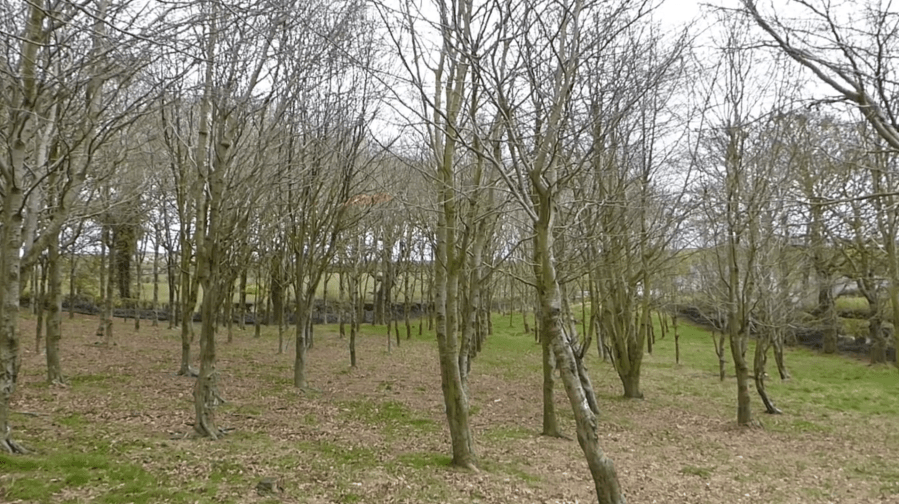
Let the field be joyful, and all that is in it. Then all the trees of the woods will rejoice before the Lord.

Psalm 96 v.11-12

Online service. Click on the video above after 9.45 am on Sunday, 6th June 2021

The service is conducted by the minister in charge, Rev Dr David Steers. The reading from Psalm 96 is given by Lorraine Donaldson. Church organist Allen Yarr plays the hymns Praise to the Lord, the Almighty (Church Hymnary 22) and O Worship the Lord in the beauty of Holiness (Hymns of Faith and Freedom 18) as well as an excerpt from Music for the Royal Fireworks by G.F. Handel, all on the piano.

In May

The Welsh poet W.H. Davies (1871-1940) lived a difficult life (described in his Autobiography of a Super-Tramp of 1908) but achieved a high level of popular appreciation for his verses during his lifetime. He is probably best known today for his poem Leisure.

What is this life if, full of care,

We have no time to stand and stare.

No time to stand beneath the boughs

And stare as long as sheep or cows.

No time to see, when woods we pass,

Where squirrels hide their nuts in grass.

No time to see, in broad daylight,

Streams full of stars, like skies at night.

No time to turn at Beauty’s glance,

And watch her feet, how they can dance.

No time to wait till her mouth can

Enrich that smile her eyes began.

A poor life this if, full of care,

We have no time to stand and stare.

In today’s service I make use of another of his poems, one that is, perhaps, less well-known – In May. It features in our act of worship from First Presbyterian (Non-Subscribing) Church, Downpatrick.

Click on the video to join our service which goes live at 9.45 am on Sunday, 23rd May 2021

The service is conducted by the minister, Rev Dr David Steers and the organist is Laura Patterson. The reading is Psalm 103 and the hymns played are 10,000 Reasons, Great is thy faithfulness, and Be still for the presence of the Lord.

Rev Alexander Gordon

Our worship today comes from Ballee Non-Subscribing Presbyterian Church and is the first in a new series considering significant Non-Subscribers from history.

Alexander Gordon was born in Coventry on 9th June 1841 and died in Belfast on 21st February 1931. A self-styled Englishman by birth, Scotsman by education and an Irishman by inclination Alexander Gordon was the foremost historian of religious dissent in the British Isles whose influence is still recognized today.

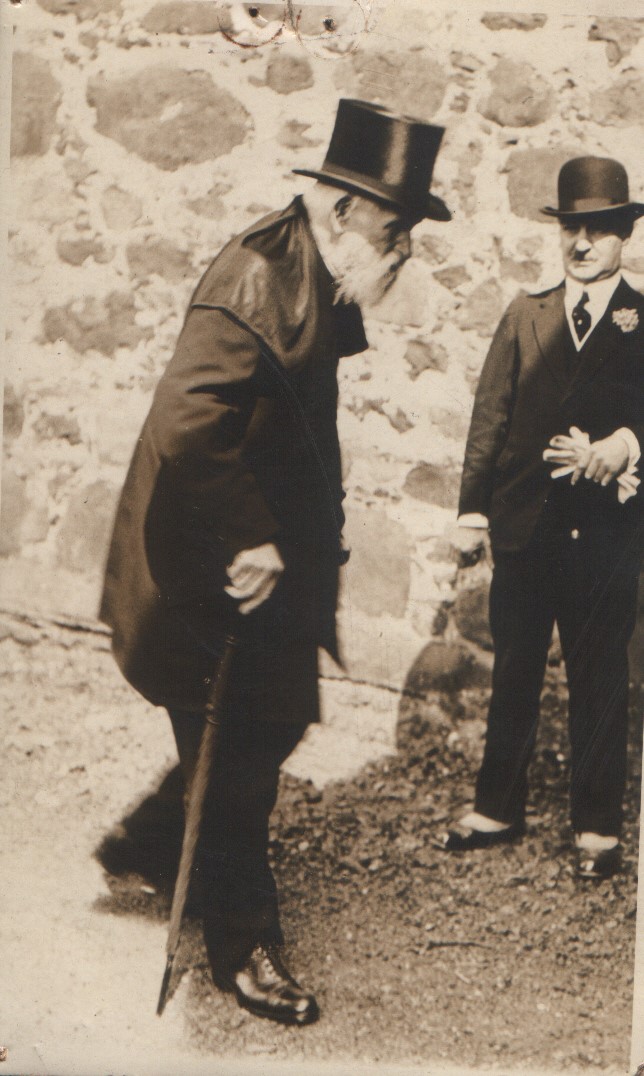
Alexander Gordon arriving at Dunmurry, 18th January 1931

I’ve mentioned before the above photograph of Alexander Gordon, (click here to see the original post) the last known picture of him, arriving at Dunmurry to take the service in 1931 and this and many other images are used in the video for today’s service.

Click on the video to see the latest service (from 9.45 am on Sunday, 16th May 2021)

The service is recorded in Ballee Non-Subscribing Presbyterian Church and is conducted by the minister. The reader is Carol Nixon who reads Psalm 100 and the organist is John Strain who plays the hymns Spirit of God, unseen as the wind (Irish Presbyterian Hymn Book 478) and Fairest Lord Jesus (Irish Presbyterian Hymn Book 19). Also played at the beginning and end of the service are As the deer pants and Who is on the Lord’s side.

As well as the images connected with Alexander Gordon the film includes video of the eighteenth-century roof beams of Ballee Church constructed from Memel pine.

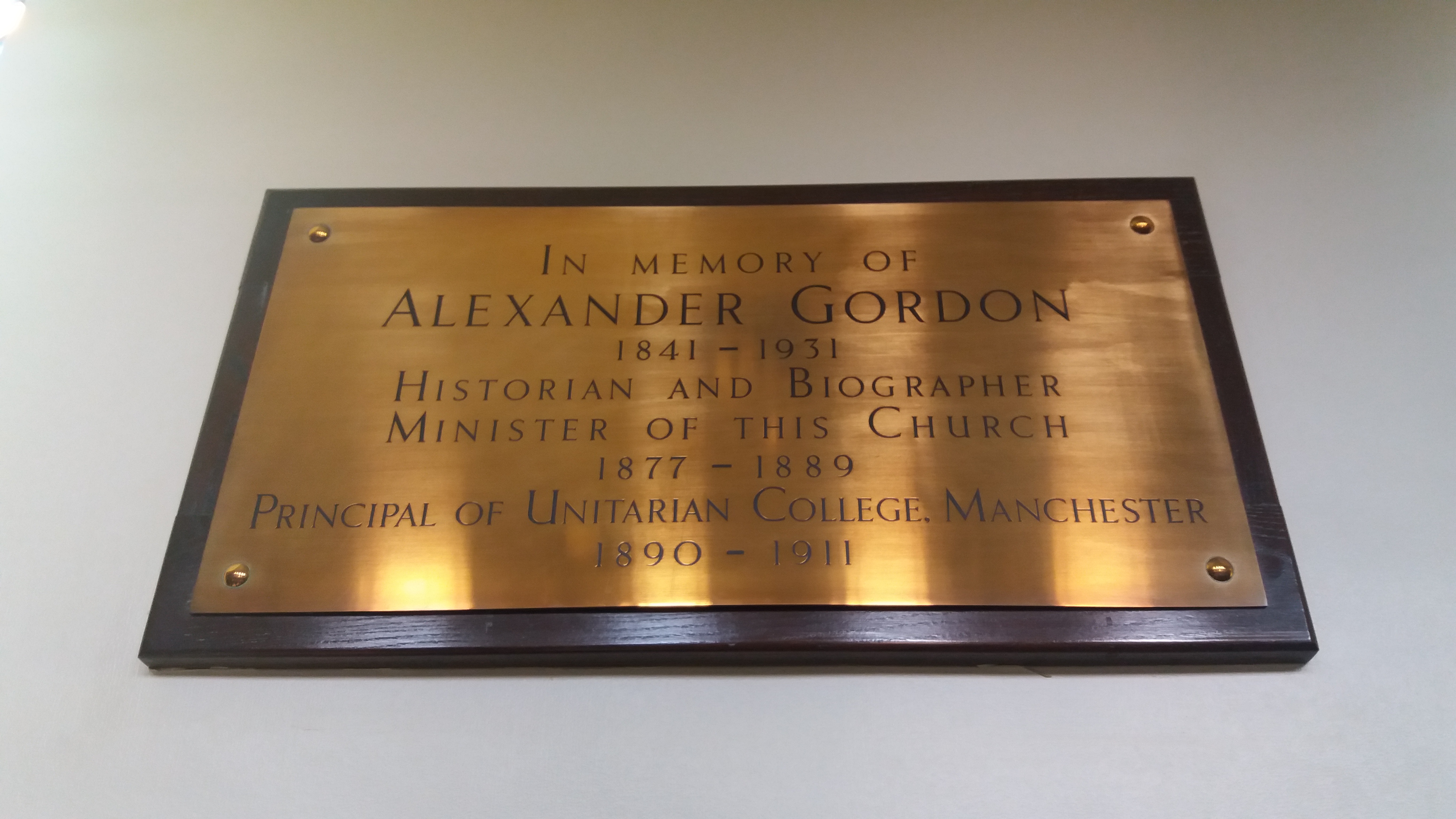
Memorial in First Presbyterian Church, Rosemary Street, Belfast

Over the course of a long career Gordon was minister of a number of congregations in England and Ireland and was Principal of the Unitarian College, Manchester and lecturer in Ecclesiastical History at the University of Manchester, in what was then the first free faculty of Theology in Britain. He was also a renowned historian who travelled all over Europe in the course of his work. He regularly travelled between England and Ireland, even throughout the First World War, and always travelled from wherever he was to Dunmurry in order to attend the twice yearly communion services there. He also travelled across Europe visiting record offices and archives – most notably in Poland, Hungary and Transylvania – at a time when such visits were rare and logistically difficult. This is referenced in the service. His researches, whose subject matter stretched over centuries and many areas of religious life, link us with the past and with his life. They set us in context and in time.

Time

Time is the feather’d thing,
And, whilst I praise
The sparklings of thy looks and call them rays,
Takes wing,
Leaving behind him as he flies
An unperceived dimness in thine eyes.
His minutes, whilst they’re told,
Do make us old;
And every sand of his fleet glass,
Increasing age as it doth pass,
Insensibly sows wrinkles there
Where flowers and roses do appear.
Whilst we do speak, our fire
Doth into ice expire,
Flames turn to frost;
And ere we can
Know how our crow turns swan,
Or how a silver snow
Springs there where jet did grow,
Our fading spring is in dull winter lost.
Since then the Night hath hurl’d
Darkness, Love’s shade,
Over its enemy the Day, and made
The world
Just such a blind and shapeless thing
As ’twas before light did from darkness spring,
Let us employ its treasure
And make shade pleasure:
Let ‘s number out the hours by blisses,
And count the minutes by our kisses;
Let the heavens new motions feel
And by our embraces wheel;
And whilst we try the way
By which Love doth convey
Soul unto soul,
And mingling so
Makes them such raptures know
As makes them entranced lie
In mutual ecstasy,
Let the harmonious spheres in music roll!


Jasper Mayne (1604-1672)

The Free Mind

This Sunday’s online service comes from the First Presbyterian (Non-Subscribing) Church, Downpatrick and is conducted by the minister, Rev Dr David Steers. The reading comes from Luke ch.6 v.43-49. Church organist Laura Patterson plays the hymns and also accompanies Molly McCloy who sings ‘My Lighthouse’ as a solo.

Click on the above video to see the service (available from 9.45 am on Sunday, 25th April 2021)

I call that mind free, which, through confidence in God and in the power of virtue, has cast off all fear but that of wrong-doing, which no menace or peril can enthrall, which is calm in the midst of tumults, and possesses itself though all else be lost. (W.E. Channing)

The service makes use of W.E. Channing’s sermon on ‘Spiritual Freedom’ given in Boston, Mass. in May 1830.

William Ellery Channing (1780-1842) by Henry Cheever Pratt, 1857 (Source: Wikimedia Commons Public Domain)

Tercentenary of Ballee

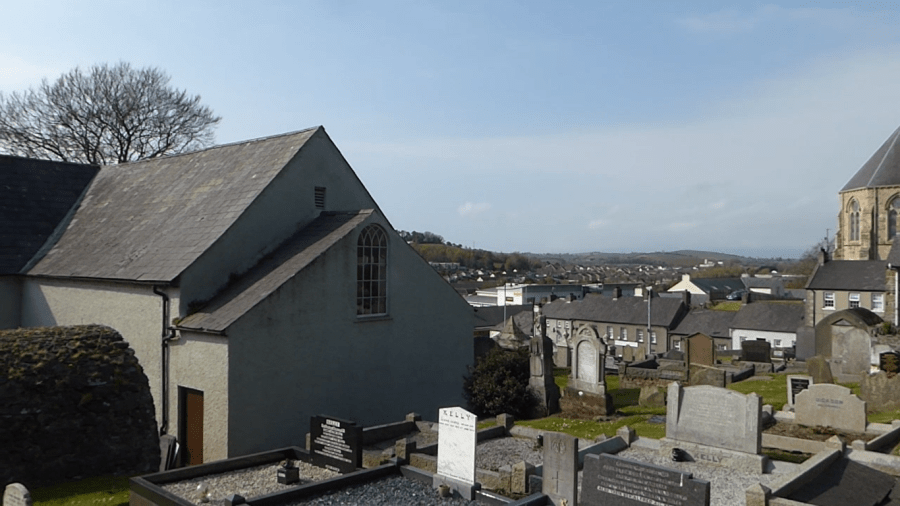
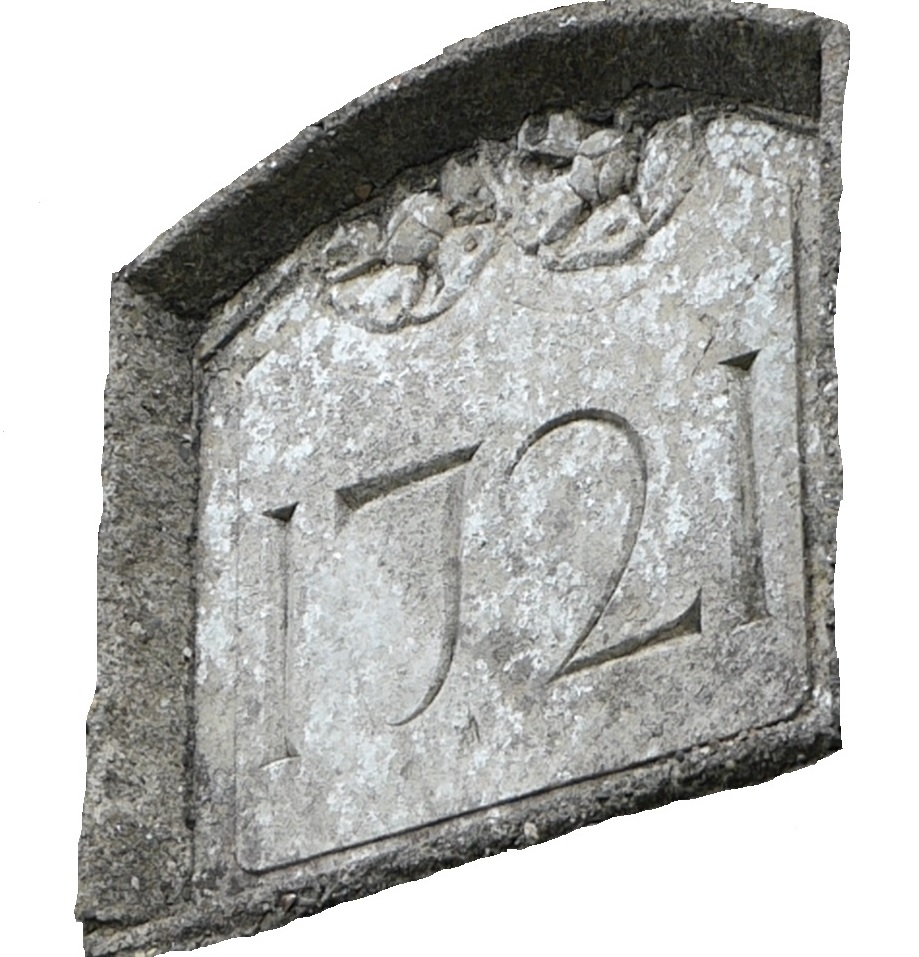
For three hundred years our congregation at Ballee Non-Subscribing Presbyterian Church has been worshipping in its T-shaped meeting-house of 1721. It couldn’t be described as entirely unchanged since that year – originally the building would have been thatched and at some point later in the eighteenth century it had a new roof built of Memel pine, later still the old box pews were removed and used to fit out new rooms in the church. But still the walls are the same walls that have stood as silent witness to our faith for three hundred years.

To join the service click on the video after 9.45 am on Sunday, 18th April 2021

The service is conducted by the minister, Rev Dr David Steers, and the reading is from John ch.4 v.31-38. The church’s organist, John Strain, plays the hymns Lord of all Hopefulness (Hymns of Faith and Freedom 257) and Sent forth by God’s blessing (Hymns of Faith and Freedom 443). At the start and end of the service John also plays Thine be the glory (Hymns of Faith and Freedom 288).

The video includes many of the special features of this historic church and explores the history of the congregation.

In the Ordnance Survey Memoir for this part of County Down in 1835 it notes that the Presbyterians:

have a house of worship at Ballee bridge, and at the late schism of the Synod of Ulster, the congregation departed from the body and joined the Remonstrants. The minister of the congregation receives 50 pounds a year stipend from his hearers and 75 pounds a year regium donum….

The regium donum was a government grant paid to ministers. But the Ordnance Survey also reports, under a section entitled Habits of the People:

A more intelligent or industrious population is rarely to be found, being punctually honest in their dealings and generally attached to the form of religious worship they profess without being intolerant.

On the Road to Emmaus

Two disciples walk along a dusty road towards Emmaus, a village about seven miles from Jerusalem. In their grief and confusion they are joined by a stranger who talks to them about what they have been through, yet at no point do they recognise him until later when they break bread together.

In today’s service we examine this story and its meaning where Jesus is only known in the breaking of the bread:

When he was at the table with them, he took bread, gave thanks, broke it and began to give it to them. Then their eyes were opened and they recognized him.

Today’s service comes from Clough Non-Subscribing Presbyterian Church. It is conducted by the minister, Rev Dr David Steers, with the reading from Luke ch.24 v.13-35 given by Robert Neill. Church organist Alfie McClelland plays Lord of all being, throned afar (‘Hymns of Faith and Freedom’ 2) and Come all who look to Christ today (‘Hymns of Faith and Freedom’ 236) as well as Praise to the Lord, the Almighty at the start and end of the service. Molly McCloy also sings the solo Bless the Lord, O my soul accompanied by Laura Patterson on the organ at Downpatrick.

Service from Clough, available from 9.45 am on Sunday, 11th April 2021

Click on the above video to join in our act of worship.

In the Garden of Eden

The story of Adam and Eve in the Garden of Eden is a powerfully potent one in the human imagination. Often seen as the source of sin in the world, in today’s service we examine this well-known story in the light of a view of the Bible that is less hidebound by fundamentalism and a literal approach and which relies instead on the use of human imagination and appreciates the importance of metaphor. A tradition that goes back at least to the writings of Origen.

The service comes from the First Presbyterian (NS) Church, Downpatrick and is conducted by the Rev David Steers. The reading is from Genesis ch.2 v.15 – ch.3 v.8. Church organist Laura Patterson plays You are my strength, When He cometh and For the beauty of the earth.

Evening in Lissagally (Photo: Paul Eliasberg) From the 2018 ‘Faith and Freedom’ Calendar

So out of the ground the Lord God formed every animal of the field and every bird of the air, and brought them to the man to see what he would call them; and whatever the man called every living creature, that was its name. The man gave names to all cattle, and to the birds of the air, and to every animal of the field.

(Genesis ch.2 v.19-20).

The History of the Non-Subscribing Presbyterian Church of Ireland – part two

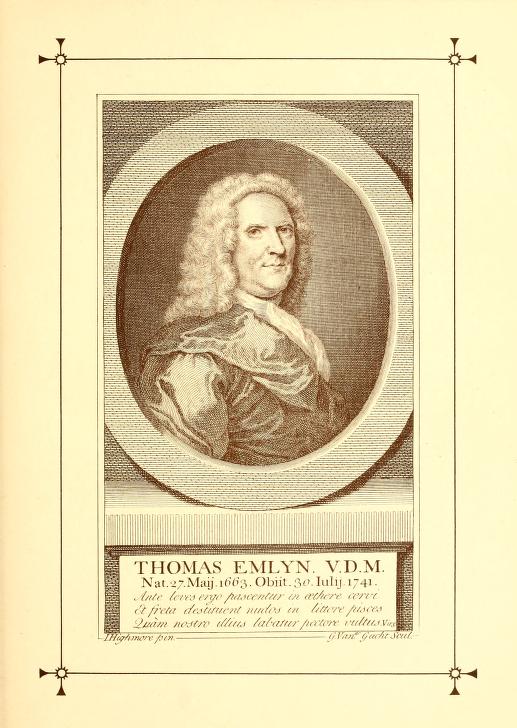
In our service this morning, from Ballee Non-Subscribing Presbyterian Church, we continue to look at the early history of the Non-Subscribing Presbyterian denomination and in this address ask questions about the meaning of ‘heresy and orthodoxy’ and look at the role of Thomas Emlyn in sparking the first subscription controversy when the Synod of Ulster introduced compulsory subscription to the Westminster Confession following his imprisonment in Dublin in 1703.

Click on the above video to see today’s service featuring the second part of the History of the Non-Subscribing Presbyterian Church of Ireland (available from 9.45 am on Sunday, 28th February 2021)

The service comes from Ballee Non-Subscribing Presbyterian Church and is conducted by the minister. The reading is from Romans ch.14 v.1-9 and is read by Sue Steers. Church organist John Strain plays the hymns Who is on the Lord’s side (Thanks and Praise 164) and Wisdom Divine, bright shining, never fading (Hymns of Faith and Freedom 55) on the church’s Carnegie organ.

Also this week we have uploaded to the Downpatrick, Ballee & Clough NSP Churches YouTube channel a service that was originally broadcast from All Souls’ Church, Belfast on BBC Radio Ulster in 1995:

Click on the above video to see the service

Converted from a cassette tape to mp3 format the service was recorded live from the radio in October 1995. The service is conducted by the minister at the time, Rev David Steers. The readers are Barbara Moneypenny (Psalm 46) and Jim Jackson (Luke ch.6 v.12-31). Muriel Singleton leads the prayers. The church organist is Albert McCartney who plays on the church’s Compton organ the hymns Praise to the Lord, the Almighty, the King of Creation; Just as I am, thine own to be; Dear Lord and Father of mankind; Immortal, invisible, God only wise and leads the Church Choir in the singing of Lead me Lord (music S.S. Wesley, words Psalm 5) and Grant us Thy Peace (music Timothy Troman, words D. Bruce-Payne).