Harry Midgley: 1938 Election Address

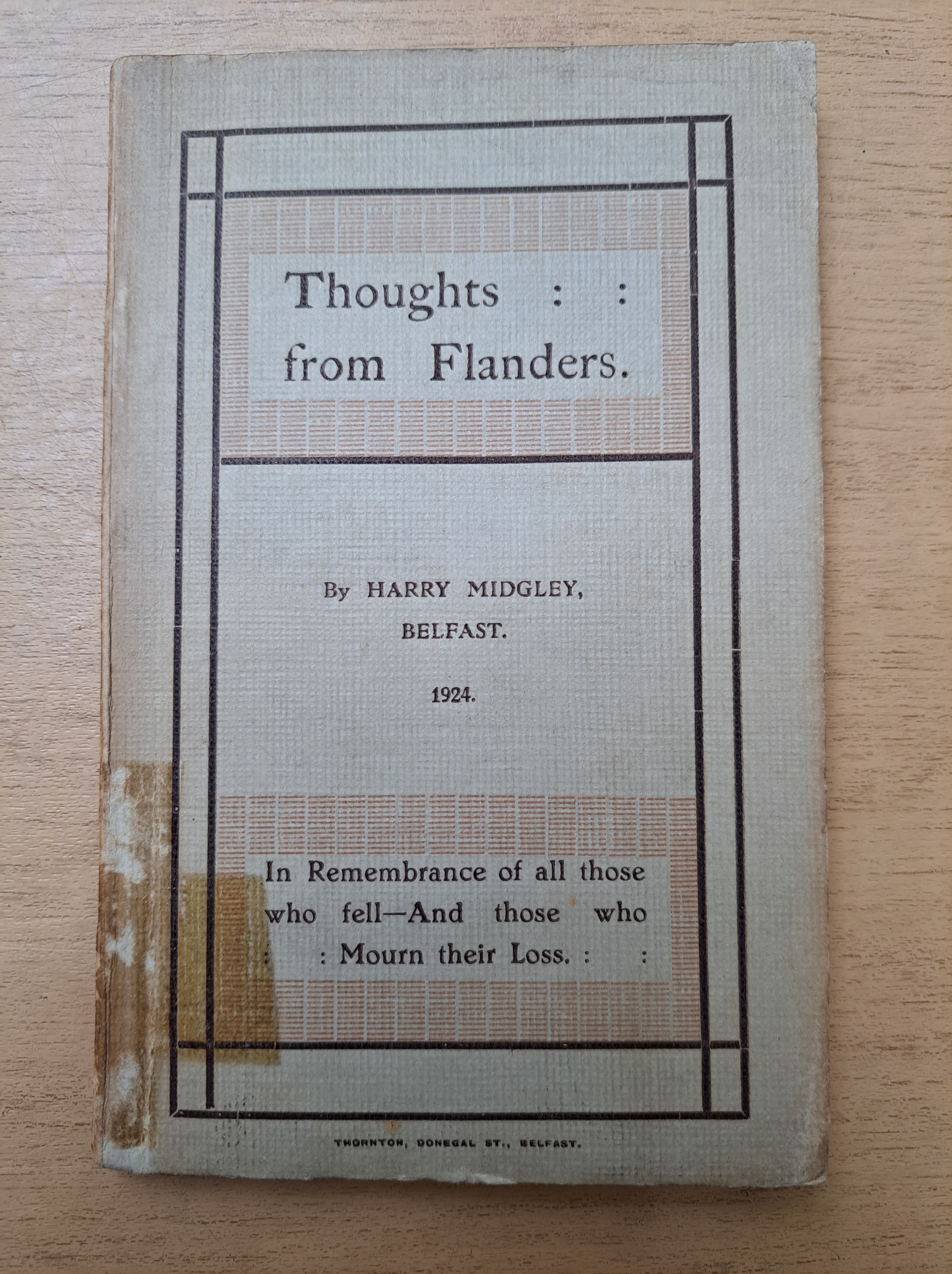
One of the recently discovered items in the Very Rev William McMillan Library is the election address produced by Harry Midgley for the Dock Constituency in the 1938 Stormont Election. This is a fascinating piece of history, a very rare survival, that tells us about the career of a controversial figure in Belfast political history:

Click above to see the video

Harry Midgley was born in North Belfast, in Tiger’s Bay, and from his youth was involved in the nascent Labour movement in Northern Ireland. According to the ‘Dictionary of Irish Biography’ as a boy he attended a Sunday School connected with the Independent Labour Party in Belfast and he certainly met Keir Hardy in Befast as a youth and began speaking on behalf of the ILP on the Custom House steps while still a teenager. In his early days, right up to the early 1920s, Harry Midgley supported the all-Ireland Socialist ideals of James Connolly, nevertheless on the outbreak of war in 1914, along with his brothers, he joined up, enlisting in the Royal Inniskilling Fusiliers and served throughout the First World War. Later, in 1924, he published his reflections on his war-time experiences in poetic form. Much influenced by Kipling his verses also show the mixture of Christian values coupled with utopian socialist ideals which underpinned his politics throughout his career.
On his return from the war he immersed himself in politics, firstly getting a job as a shipyard joiner with Harland and Wolff, and soon after being appointed as organising secretary of the Irish Linenlappers’ and Warehouse Workers’ Union. This was his entry into the Labour movement and he became active in different organisations particularly the Belfast Labour Party.
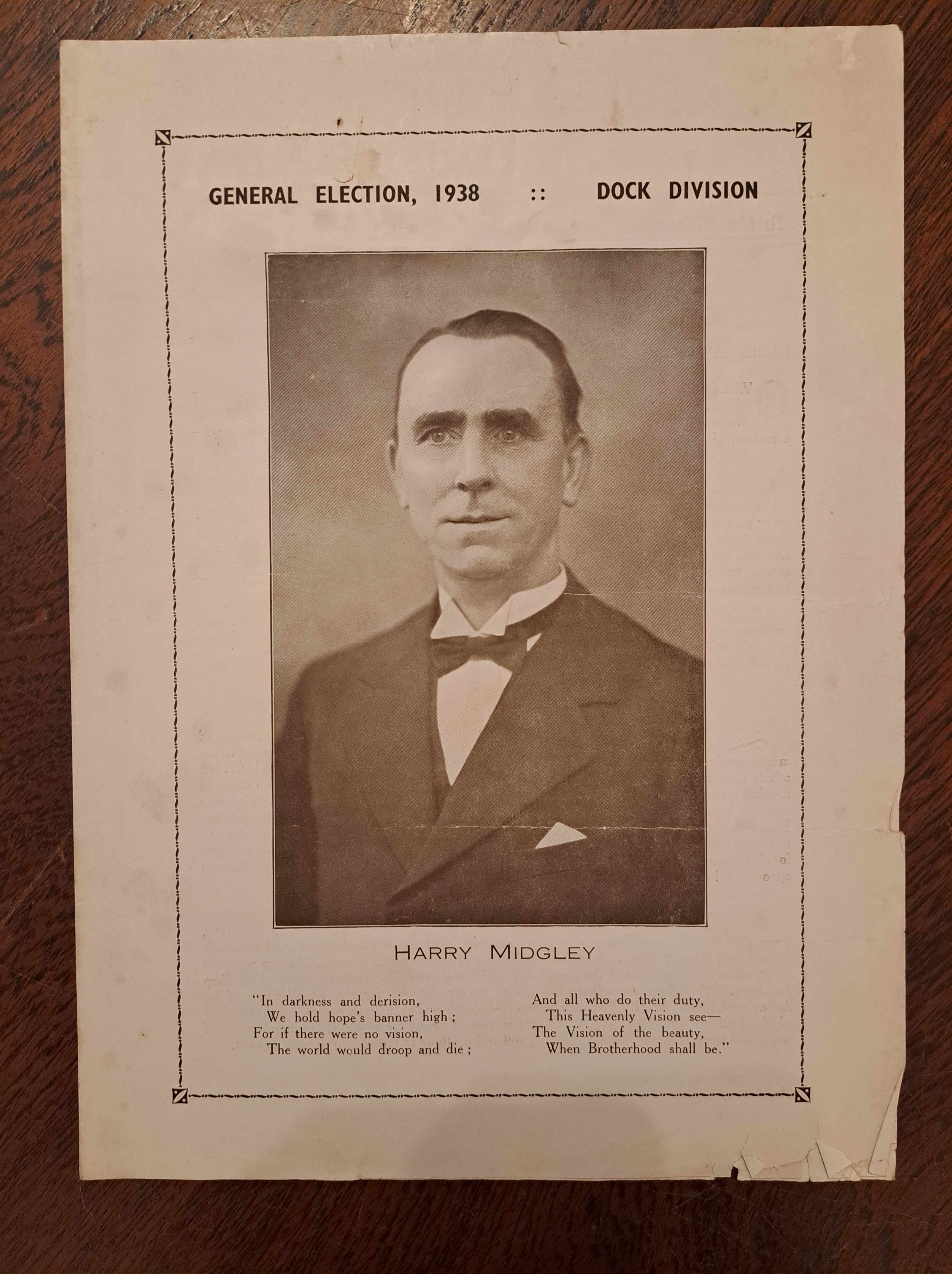
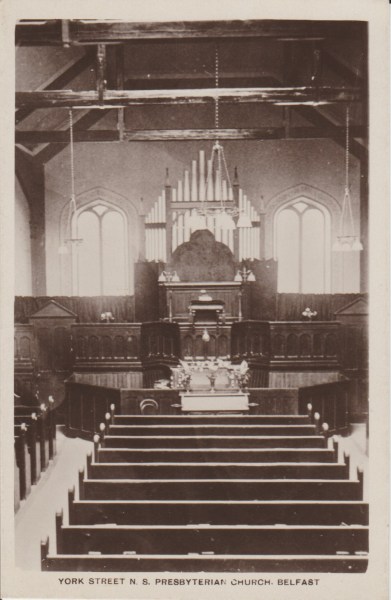
He also became a member of York Street Non-Subscribing Presbyterian Church (see picture at the top of this page) at a time when it was perceived as very left-orientated under the ministry of the Rev A.L. Agnew. Indeed when he fought the West Belfast Westminster constituency in 1924 (gaining over 21,000 votes, although not proving victorious) A.L. Agnew and the Rev E.I. Fripp, minister of All Souls’ NSP Church, were amongst his most prominent supporters. York Street Church was also characterised by very open political debate in the early 1920s, and welcomed speakers of all political backgrounds to its ‘mock parliaments’.

The Belfast Labour Party had proved very successful at its inception. In 1920 it won 10 out of the 60 seats in the municipal elections in Belfast. The Party gradually transformed to the Northern Ireland Labour Party and Harry Midgley became the first secretary.

In 1925 he was a elected to the council as a representative of the Dock Ward and a few years later, in 1933, he was successful in winning the Dock Constituency in the Stormont Parliament. However, in 1938 he lost this seat, partly due to the fall out from the Spanish Civil War. It is this from this election that the printed address in the Dunmurry Library comes. To see it and find out more about it click on the video above.

Gradually the Northern Ireland Labour Party adopted a pragmatic view of partition and Harry Midgley went along with this view. But for a party that tried to stand outside the sectarian divide the issue of the border was one that would not go away. The Northern Ireland Labour Party itself became divided over the position to take on the question of the border and eventually Harry Midgley was expelled, partly because of the strongly pro-Union position he ultimately adopted. He then formed his own Commonwealth Labour Party which enjoyed some success and as a Member of Parliament in Stormont he served in the war-time government, the first non-Unionist representative to be in government in Northern Ireland. Later he joined the Ulster Unionist Party, reconciled by the party’s willingness to follow the post-war social policies of the Westminster government. Having been elected as the MP for the Belfast Willowfield constituency at a by election in 1941 he continued to represent the same constituency up to the time of his death in 1957, first for the Northern Ireland Labour Party, then the Commonwealth Labour Party and ultimately for the Ulster Unionist Party, the only member of the Stormont Parliament to represent the same constituency for three different parties.

In later life he joined the Orange Order and the Royal Black Preceptory. A life-long supporter of Linfield FC he became a director of the club and ultimately the Chairman. At the time of his death he was Minister of Education.
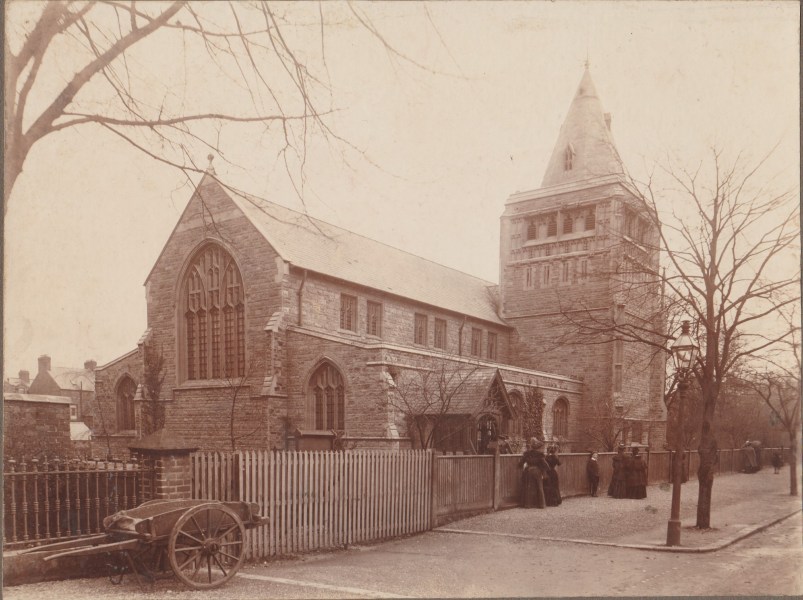
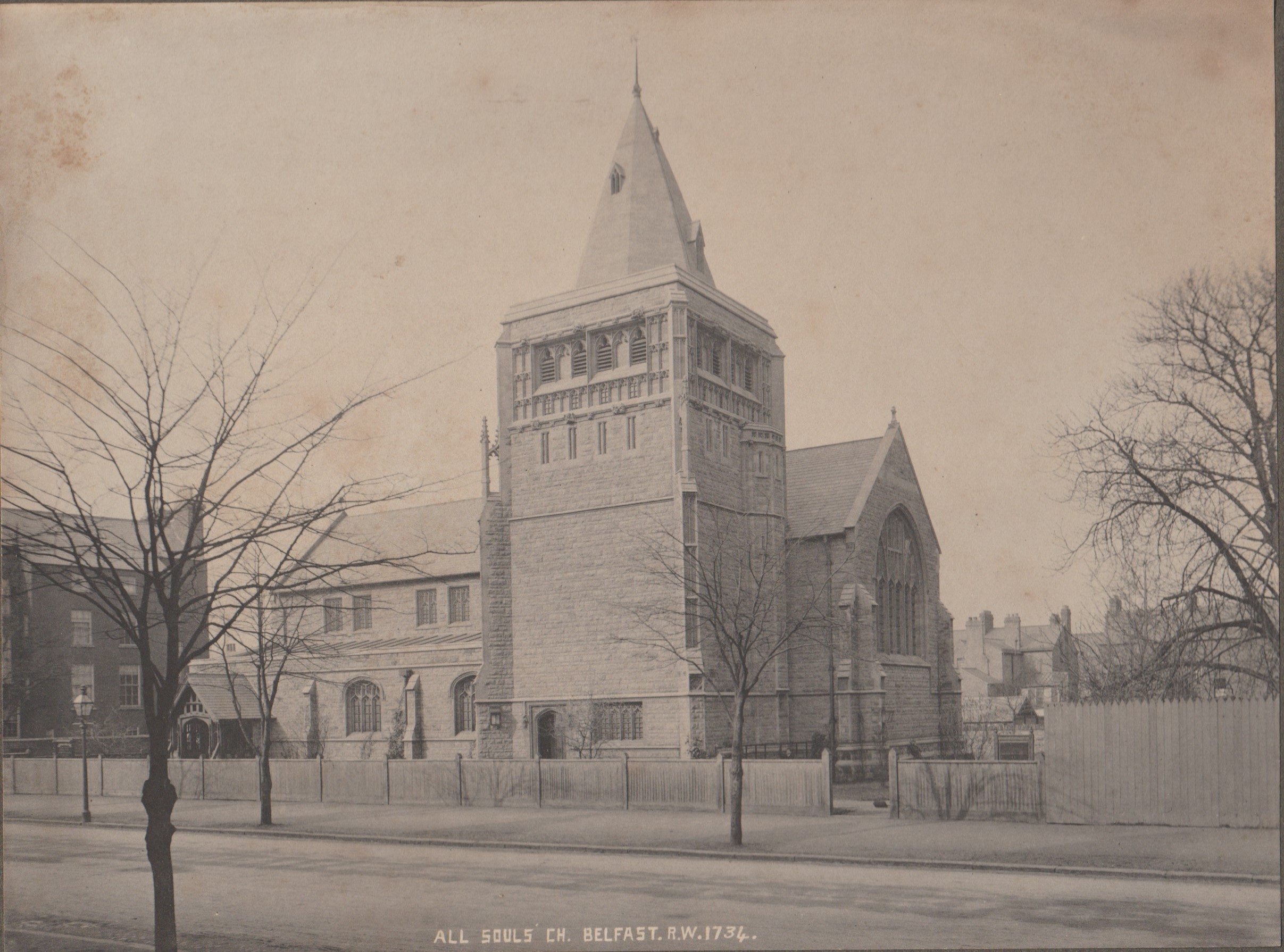
All Souls’ Church, Belfast built 1896

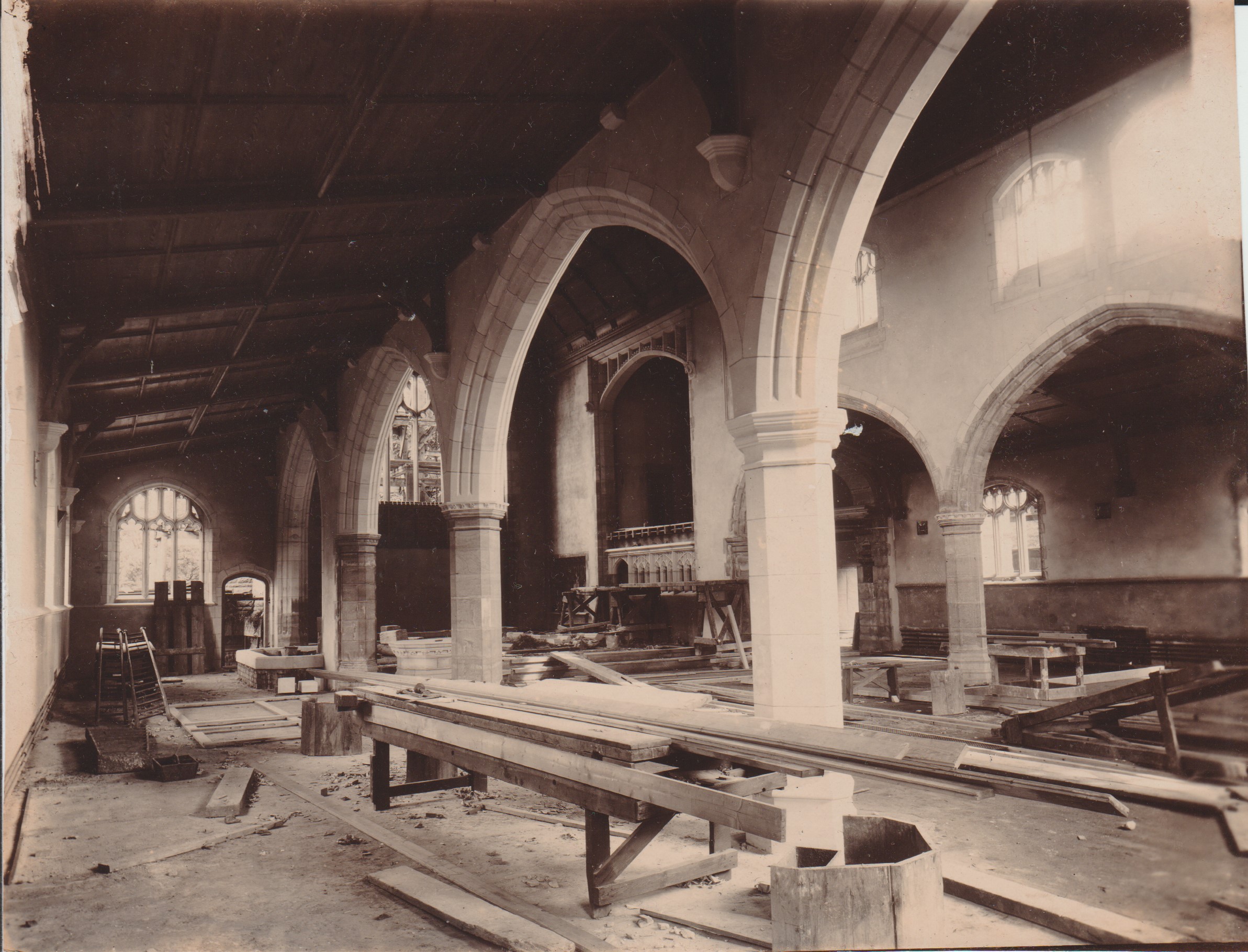
All Souls’ Church, Belfast exterior is modelled on Croyland Abbey in Lincolnshire. Built by the architect Walter Planck and opened for worship in 1896 it is the only church designed by that architect in Ireland. But it is interesting to note how closely the interior resembles the interiors of a number of fifteenth-century English parish churches. The arches, pillars, chancel, east window, clerestory windows all are reminiscent of a number of such places. I realised this when I saw a picture of the interior of the Church of St Mary in North Petherton. An Edwardian postcard of this interior  looks almost identical to All Souls’. Even the pews in All Souls’ underline this effect, the pews were brought in from the old meeting house on Rosemary Street when that church was vacated. These originally dated from the 1870s and a lot of Victorian parish churches would have installed new, modern pews at that time. The choice of this kind of architecture was quite deliberate by the minister, the Rev Edgar Innes Fripp in 1896. He was reaching back to medieval England to establish the kind of devotion he thought was most truly authentic. But architecturally it is a marvel. John McLachlan (in The Unitarian Heritage) says it is “unique in Irish Non-Subscribing church architecture”. But there is nothing like it in English Unitarian church architecture either which has a lot of remarkable gothic buildings.

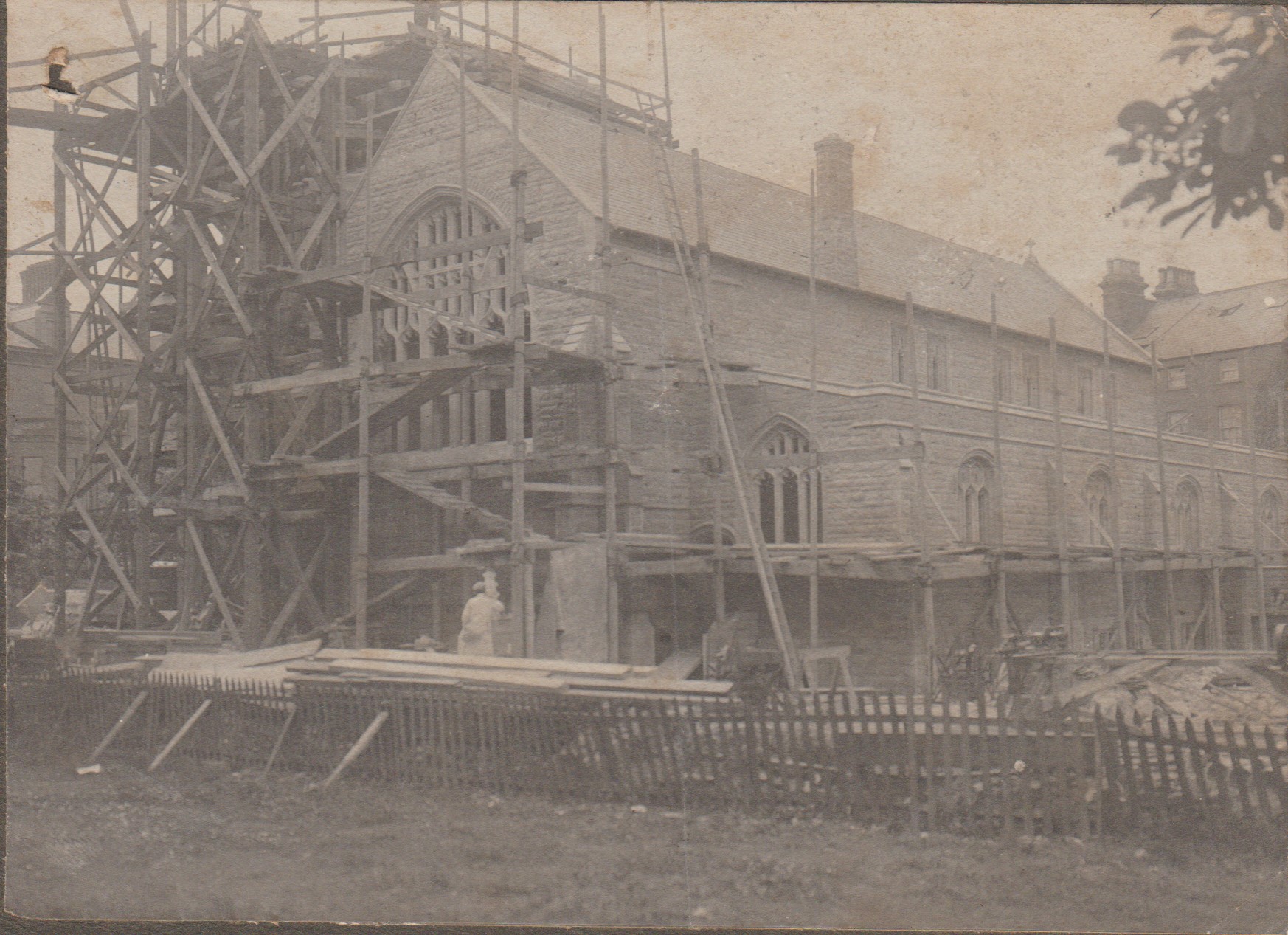
All Souls ext construction 02

Simon Walker (Historic Ulster Churches) says “it would be as fitting in a rural English setting as in Belfast’s busy University area”. Richard Oram (Expressions of Faith Ulster’s Church Heritage) notes that “It is a unique and beautiful, little building”. Paul Larmour (Belfast: an illustrated architectural guide) calls it “a gem of Victorian architecture”.

All Souls int construction 01

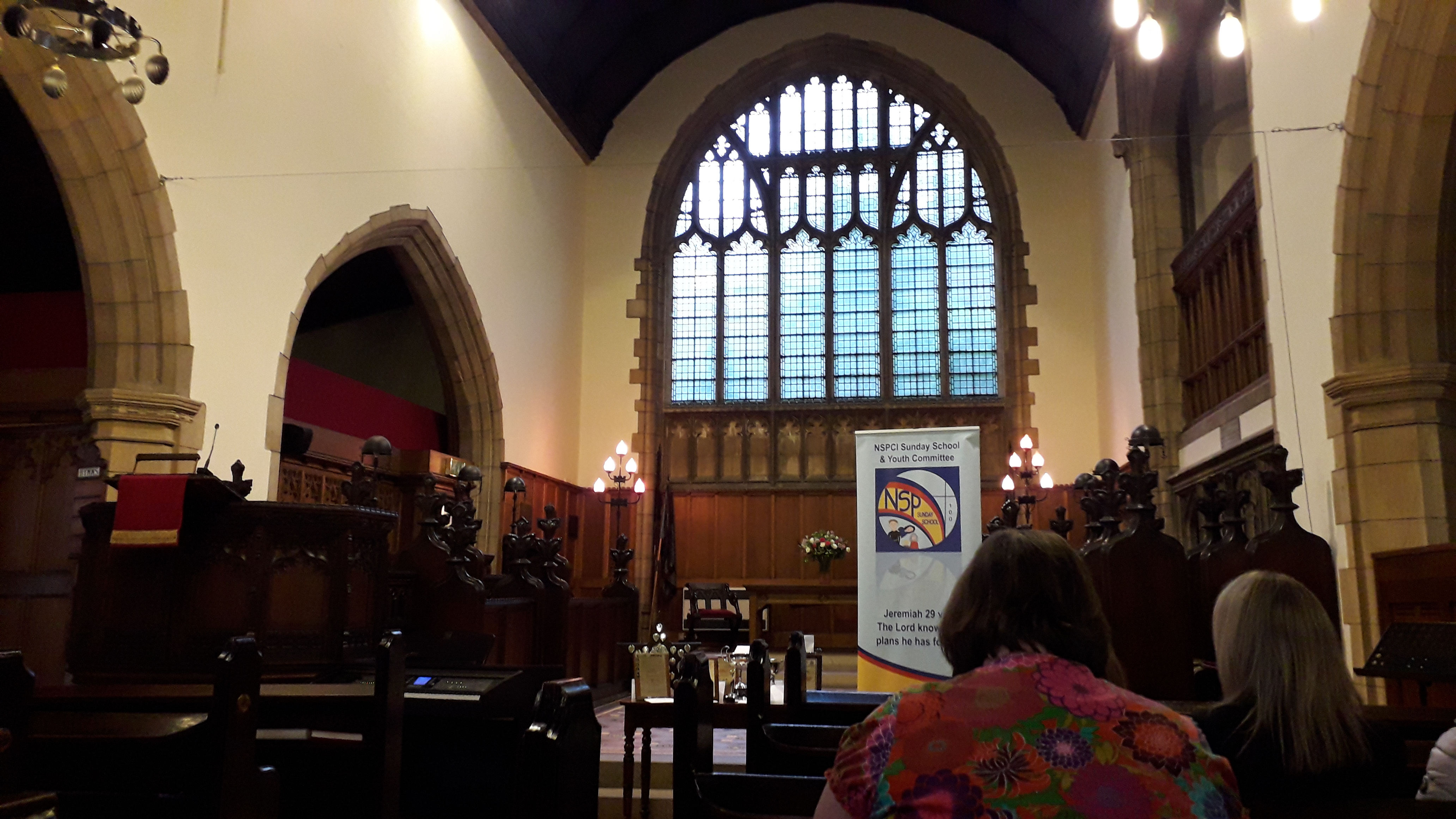
The pictures on this page show the church under construction and soon after it was built, plus a view of the chancel taken before the NSPCI Sunday School service held there on 7th June 2019.

All Souls ext completed 01

All Souls June 2019

The Old Meeting House, Mansfield

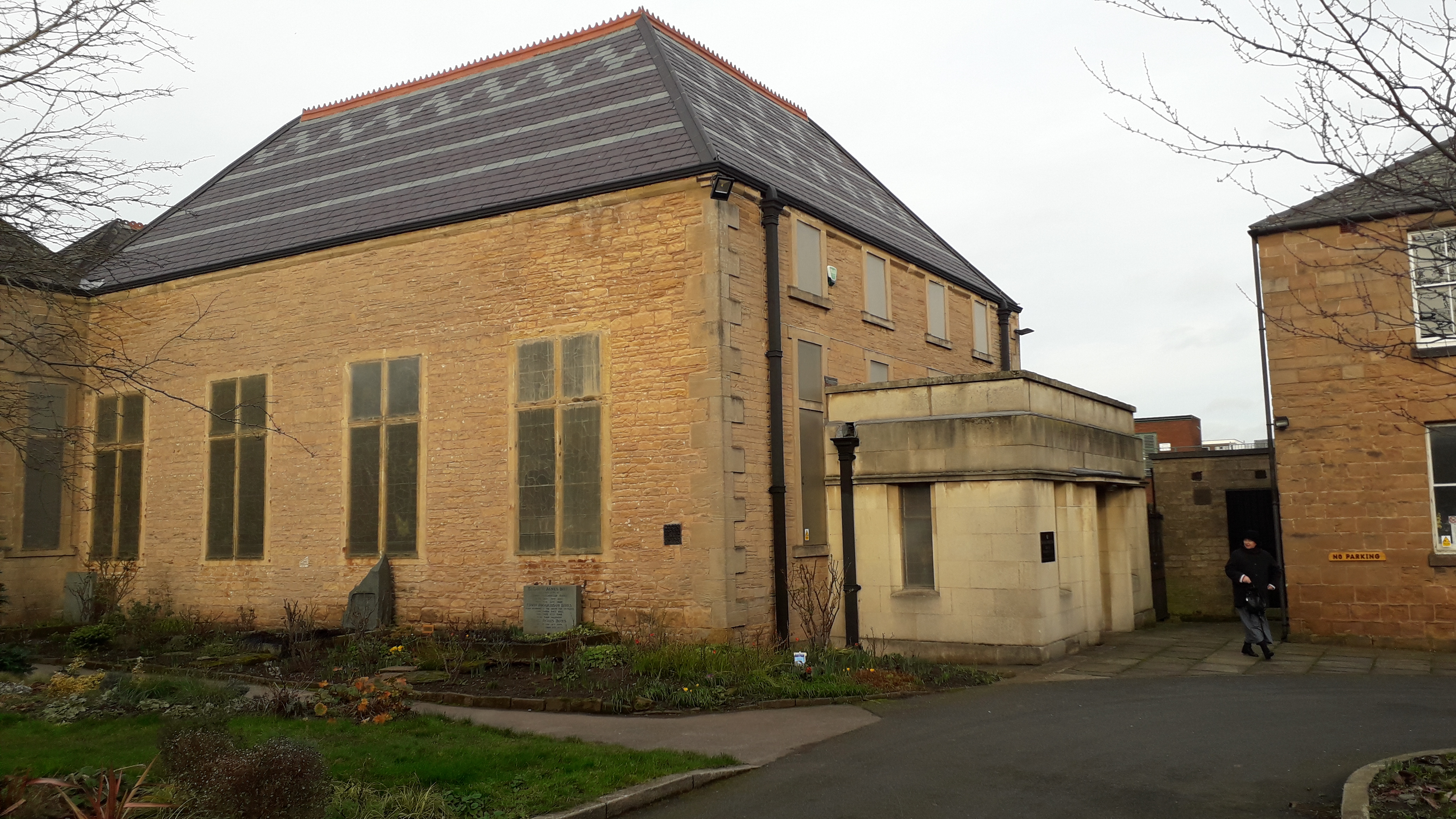
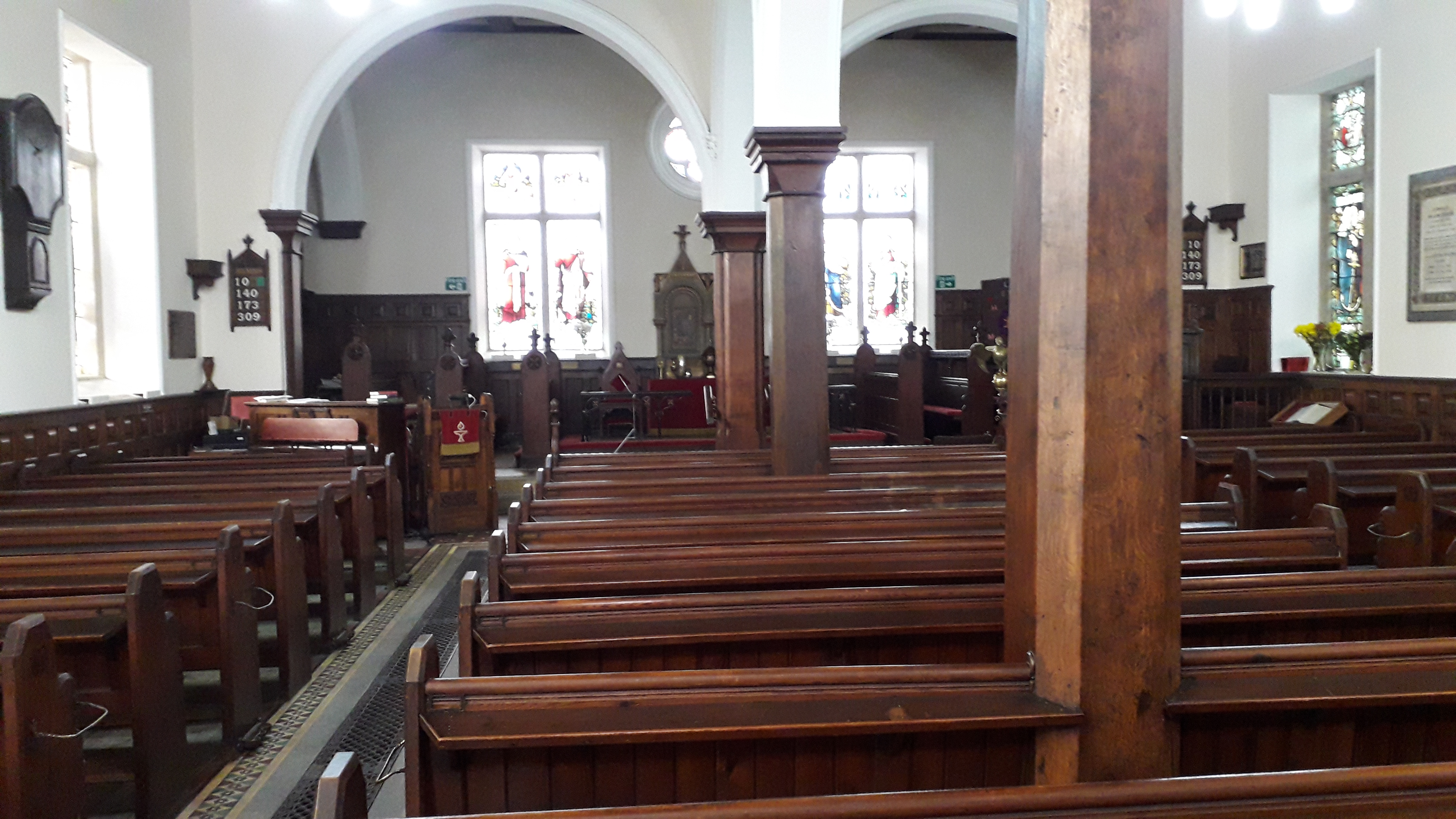
I was pleased to get the chance in February to visit, for the first time, the Old Meeting House, Mansfield and to be shown around by the minister, the Rev Mária Pap. It’s a very attractive meeting house, dating from 1702, with a warm and comfortable interior that is more Victorian than anything else, but is situated in the middle of some of the dreariest late twentieth-century development that one could imagine. The meeting house, with its ancillary buildings, is marooned in the midst of car parks, underpasses, shopping centres and other buildings of the sort that give town planners a bad name.

Mansfield Exterior

Exterior, including the porch

Mansfield Interior looking towards chancel 02

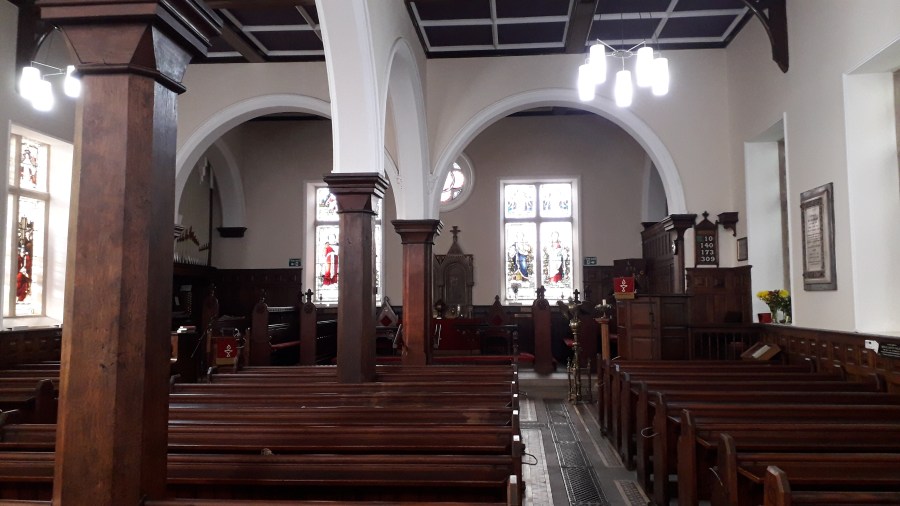
Interior looking towards the chancel

The chapel is not really recognisable as an eighteenth-century meeting house. This is not just because of the Gothicised interior but also because of the porch added in 1940. The stone of the porch doesn’t quite match the original building and as The Unitarian Heritage points out it spoils the symmetry of the original frontage although it must add a useful meeting space for the congregation before and after worship.

Mansfield Halls

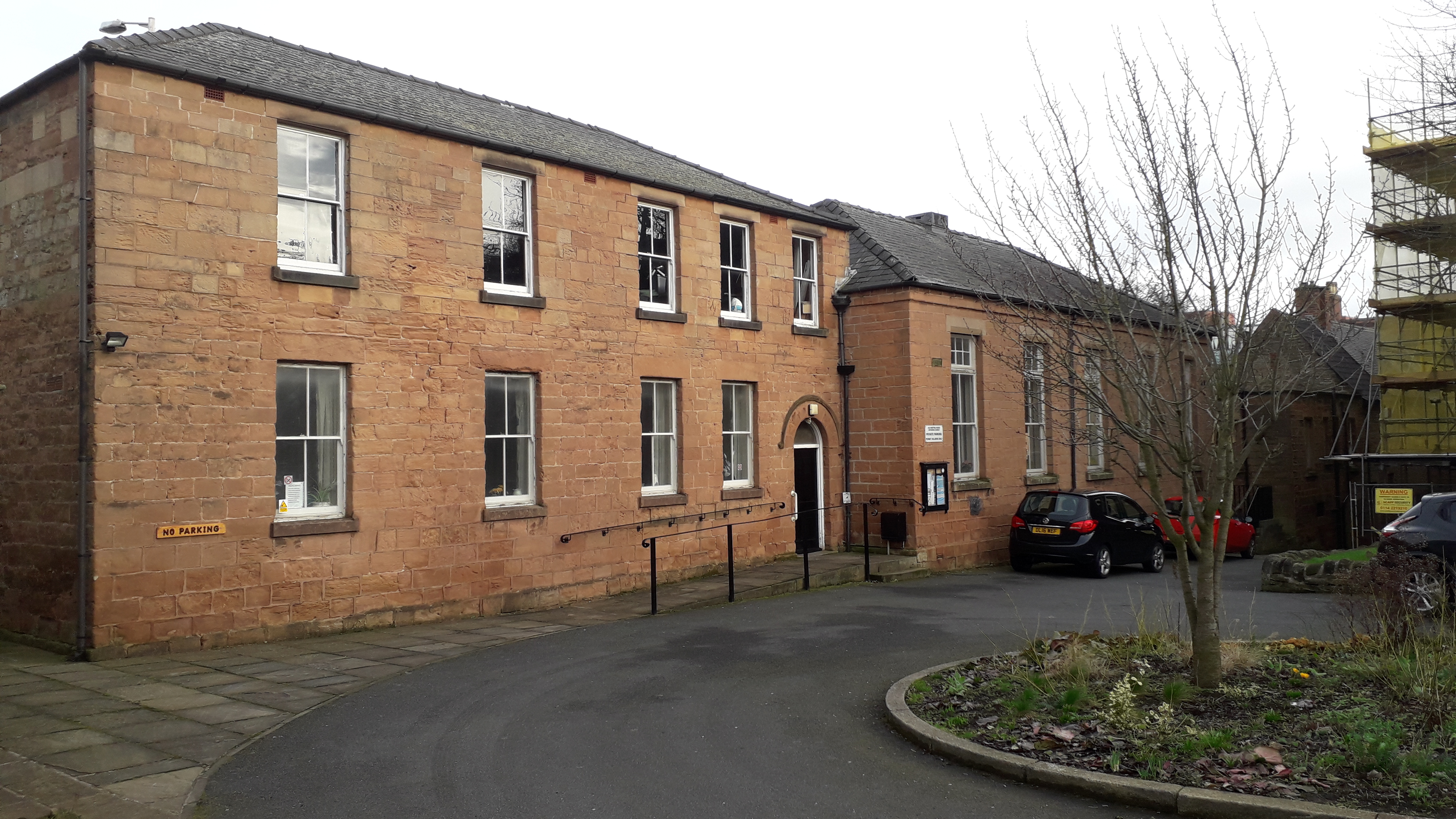
The congregation’s schools and halls

Mansfield parsonage crop

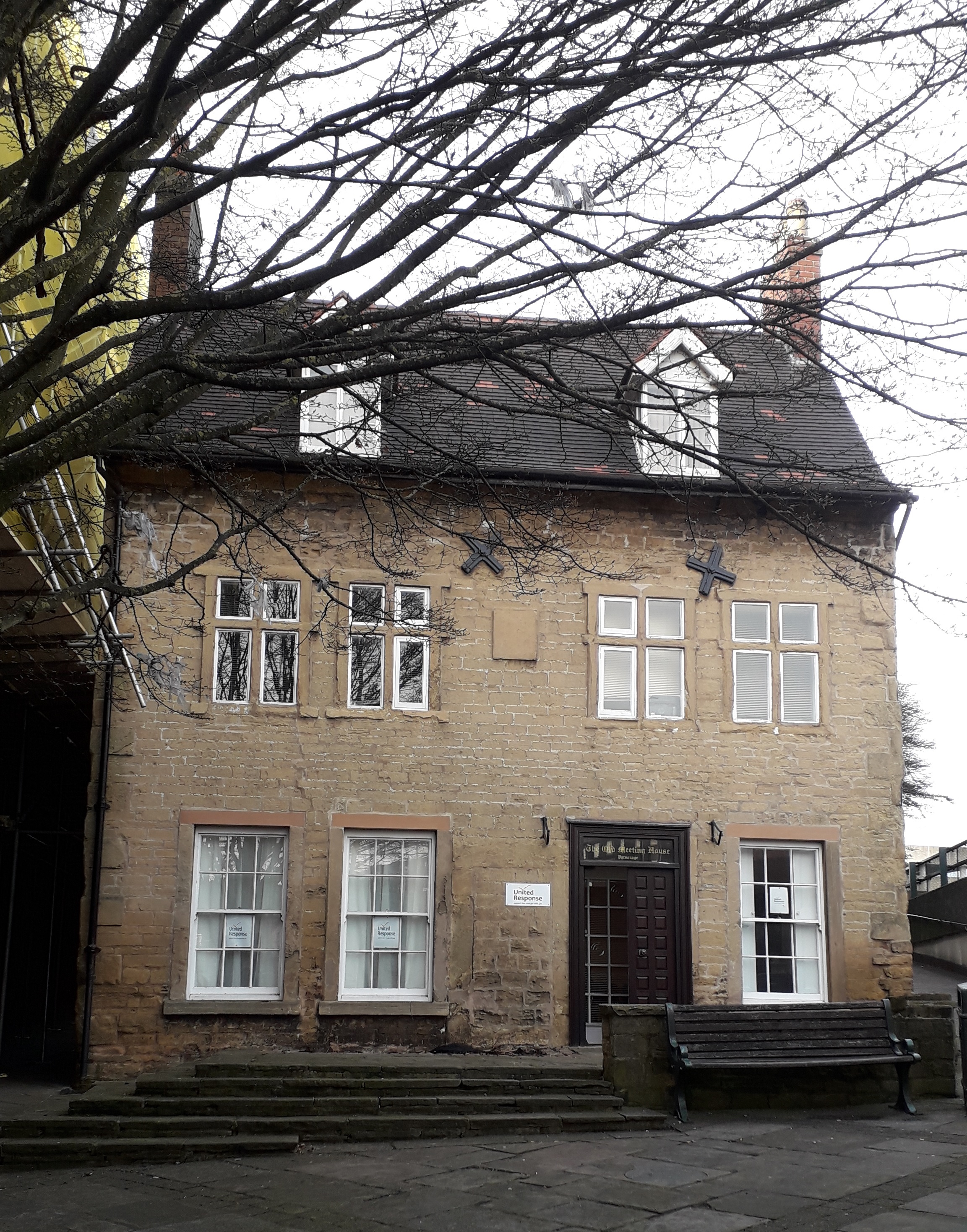
The nearby old parsonage, now let out to a charity

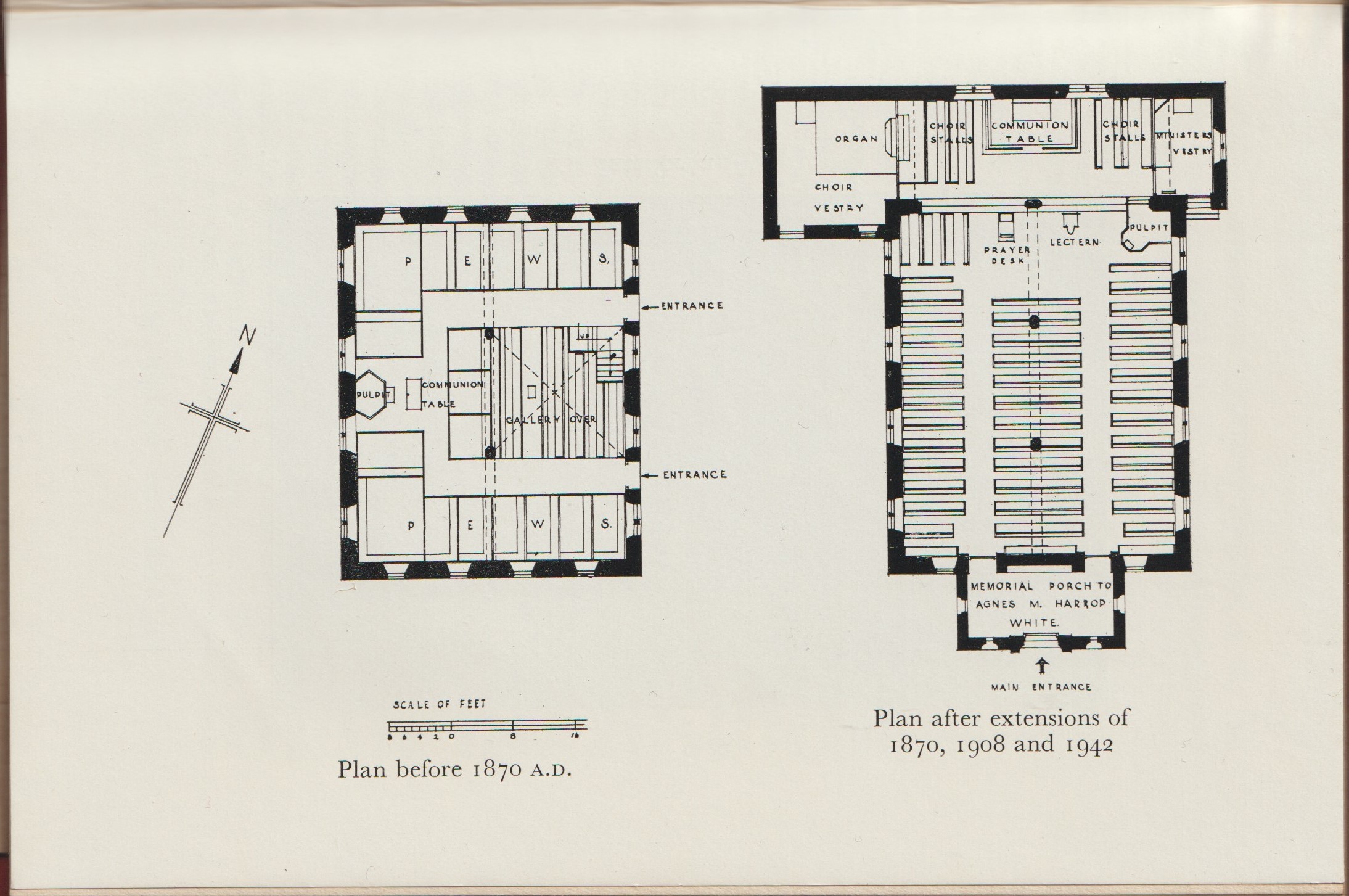
One reason I was interested in the building is because of its connection with the Rev Edgar Innes Fripp who was one of my predecessors in the ministry in Belfast. I blogged about him in connection with the 400th anniversary of the death of William Shakespeare, that can be read here – Edgar Innes Fripp and William Shakespeare. He came from Mansfield to Belfast in 1891 (where he built All Souls’ Church in 1896) and left in 1900 to go back to Mansfield. He had a lot of input to the liturgical development of both places, compiling a version of the Prayer Book, using a robed choir, generally moving to what would be regarded as a more Anglican liturgy. He built a new church in Belfast and I had always assumed that he was responsible for adding a chancel to the originally square shaped meeting house in Mansfield. But Mansfield was ‘turned’ in 1870 and the chancel added in 1881, before E.I. Fripp was called to be minister, although the chancel was further enlarged in 1908, just after he left for the second time but probably modelled on his plans.

Re-orientating and refitting the interiors of old meeting houses was a common practice for many congregations in the second half of the nineteenth century, those that did not demolish and build anew. J. Harrop White’s book The Story of the Old Meeting House, Mansfield (1959) contains plans of the building before and after the various refurbishments:

Mansfield plan

The church possesses a number of interesting stained glass windows including three Burne-Jones windows made by William Morris & Co. These depict ‘Truth and Sincerity’, ‘Justice and Humility’ and ‘Mary Magdalene and Jesus’.

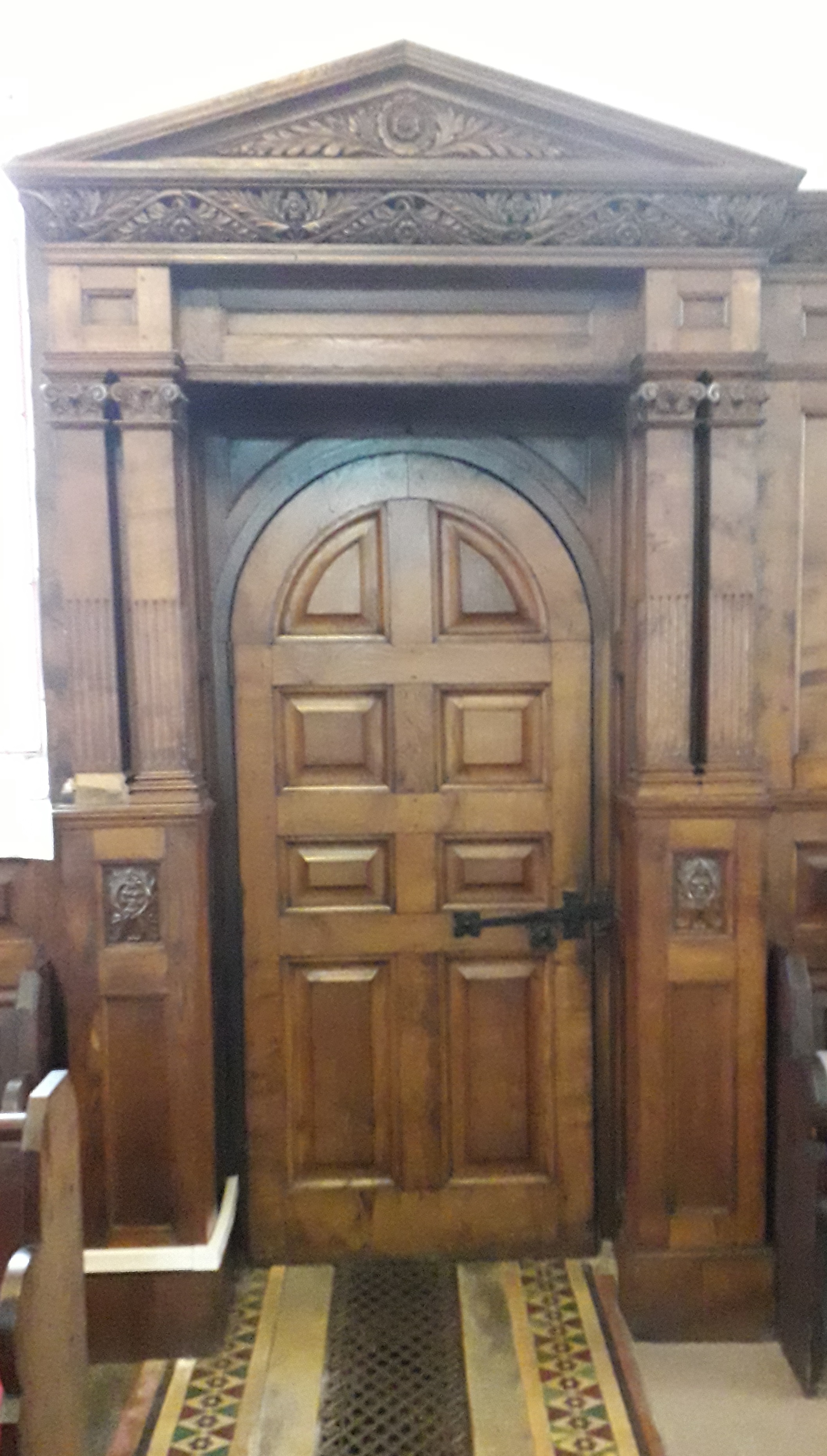
The late nineteenth century woodwork in the church is very impressive.

Mansfield doorcase crop

Oak door case dating from 1890

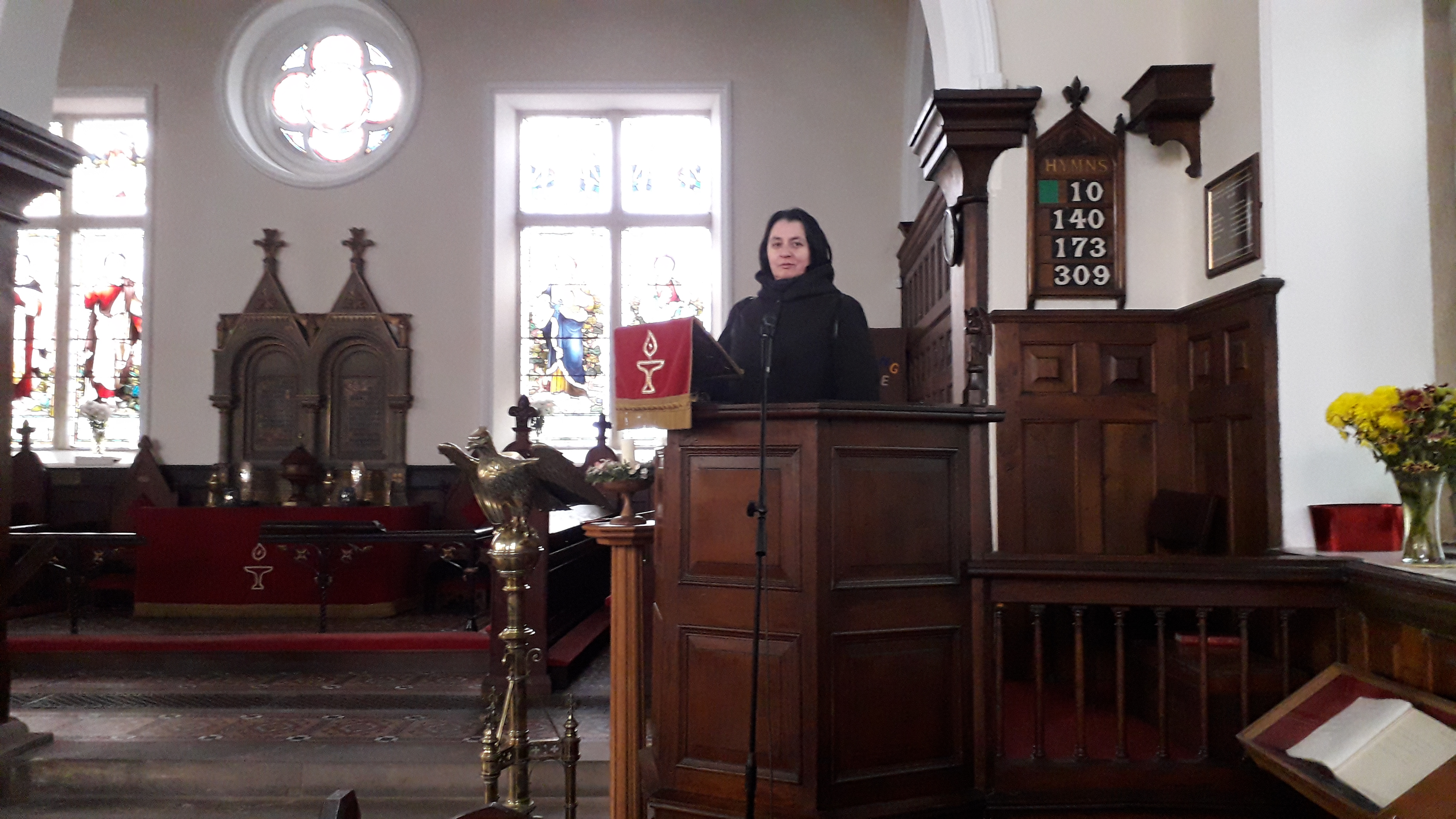
I was pleased to see the chapel and see the evident good work that is being done there by the congregation under their new minister, the Rev Mária Pap, not only the first woman minister to the congregation but the first minister to come to Mansfield from the Hungarian Unitarian Church, bringing insight and a deep spirituality from that ancient church which dates from the Reformation.

Mansfield Pulpit

The Rev Mária Pap in the pulpit at Mansfield