Faith and Freedom Number 196 (2023)

The latest issue of Faith and Freedom (Spring and Summer 2023, Number 196) is now available and will be with subscribers. New subscribers are very welcome, details of how to subscribe can be found below.
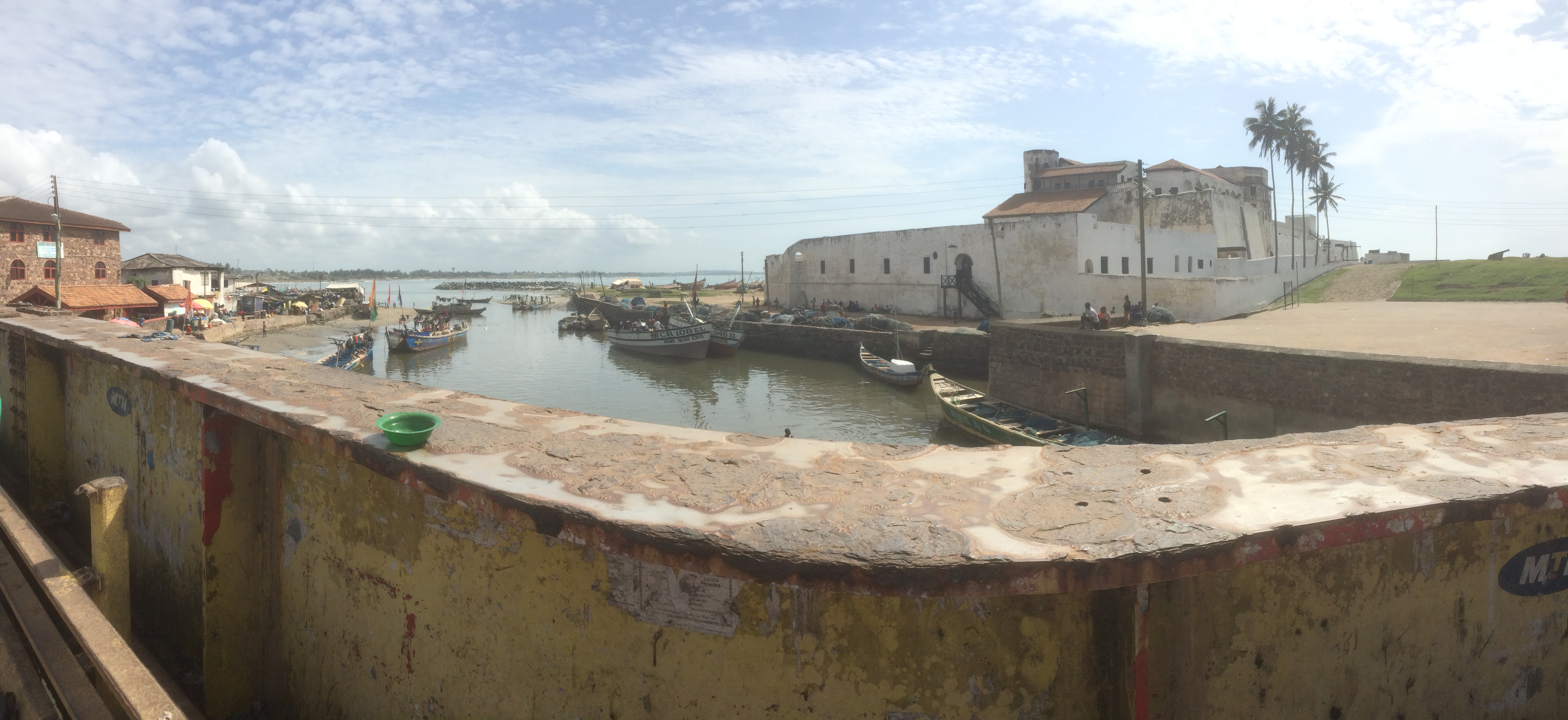
Elmina Castle, Ghana (Photo: Aidan McQuade)

The cover picture features a collection of shackles used on slaves in Elmina Castle, Ghana, a photograph taken by Aidan McQuade who contributes our first article – Ireland – slavery and anti-slavery.
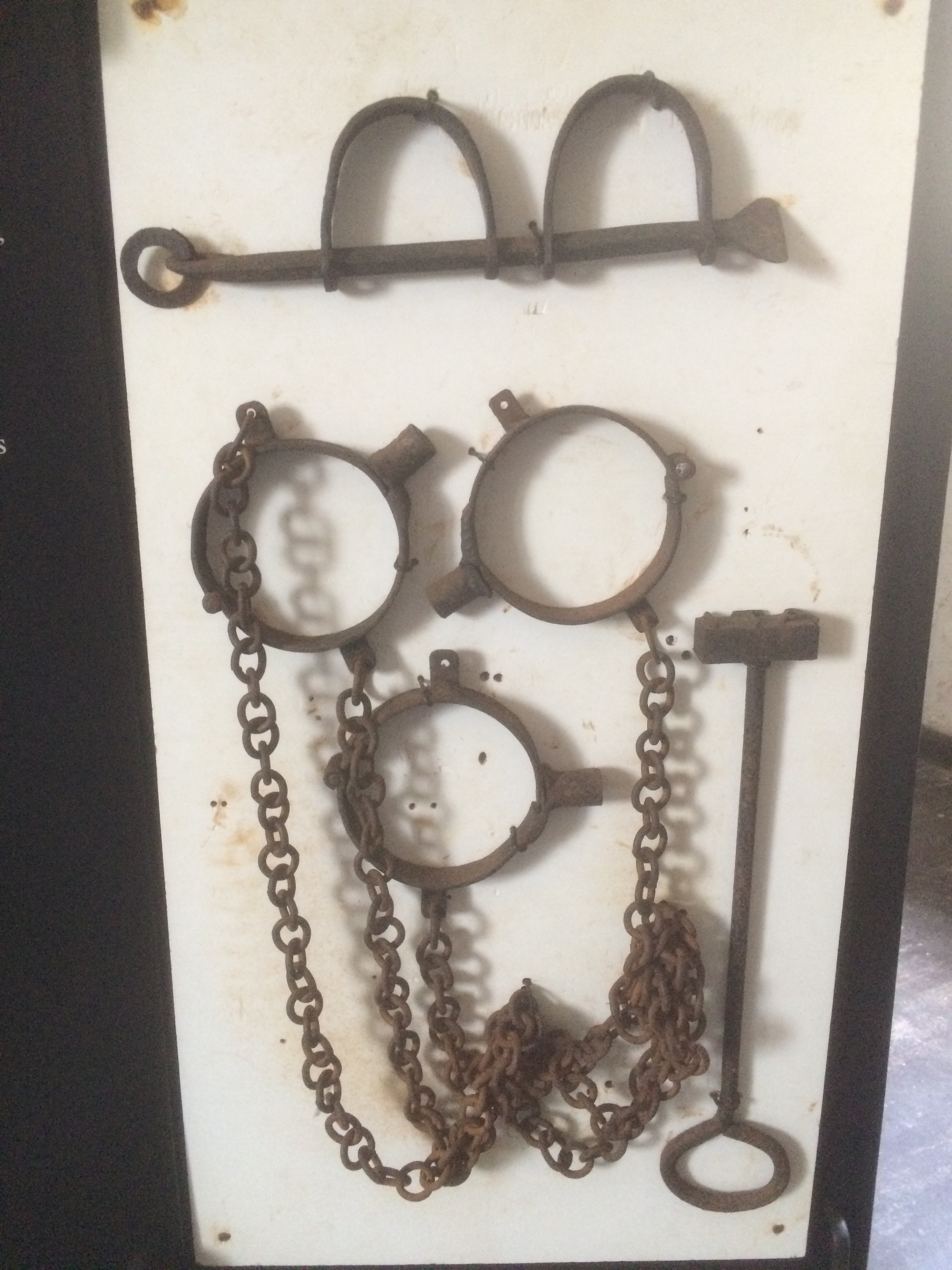
Cover picture – Photo Aidan McQuade

Aidan McQuade is a former director of Anti-Slavery International and has worked extensively in development and humanitarian operations, including leading Oxfam GB’s emergency responses to the civil war in Angola from 1996 to 2001. He writes of the horrors of the slave trade looking through the lens of Irish involvement and noting also those individuals who contributed to anti-slavery activism in the eighteenth century.

He writes:

“Over hundreds of years slavery devastated the African interior as wars and raids, encouraged by the European powers, kidnapped millions of people, many of them children, to feed the demand from the Americas for human beings who could and would be worked to death to produce cash crops, mostly for European markets.

As with today, it is easy to ignore the exploitation that occurs within the political economy – the systems that govern business, trade and employment – when the are concealed far away from us.

So, when it was first brought to public attention by Thomas Clarkson, the image of the Brookes ship shocked the world. It presented in stark detail a visceral reality of the slave trade: how slaves would be packed like sardines into the holds of the slave ships. Clarkson’s friend and comrade in the anti-slavery struggle Olaudah Equiano had direct personal experience of being treated as this sort of cargo and he described it in his auto-biography”:

 …we were all put under deck …The stench of the hold while we were on the coast was so intolerably loathsome, … but now that the whole ship’s cargo were confined together, it became absolutely pestilential. The closeness of the place, and the heat of the climate, … almost suffocated us. … many died, …. This wretched situation was again aggravated by the galling of the chains, now become insupportable; and the filth of the [latrine buckets], into which the children often fell, and were almost suffocated. The shrieks of the women, and the groans of the dying, rendered the whole a scene of horror almost inconceivable… Every circumstance I met with served only to render my state more painful, and heighten my apprehensions, and my opinion of the cruelty of the whites.

The door of no return, through which slaves would leave Elmina Castle for the slave ships. (Photo: Aidan McQuade)

John Maxwell Kerr, is a founder member of the Society of Ordained Scientists. His paper, originally given at Harris Manchester College, examines The Search for Meaning in Nature. It is a wide-ranging and deep study using the author’s knowledge of science and religion, incorporating all the riches of literature and poetry, and reaching a surprising conclusion.

Rev John Maxwell Kerr

Barrie Needham’s article on ‘De-churching’ or To the church no more looks at patterns of belief and church attendance in the twenty-first century. What can churches do to overcome these tendencies, what do they need to offer?
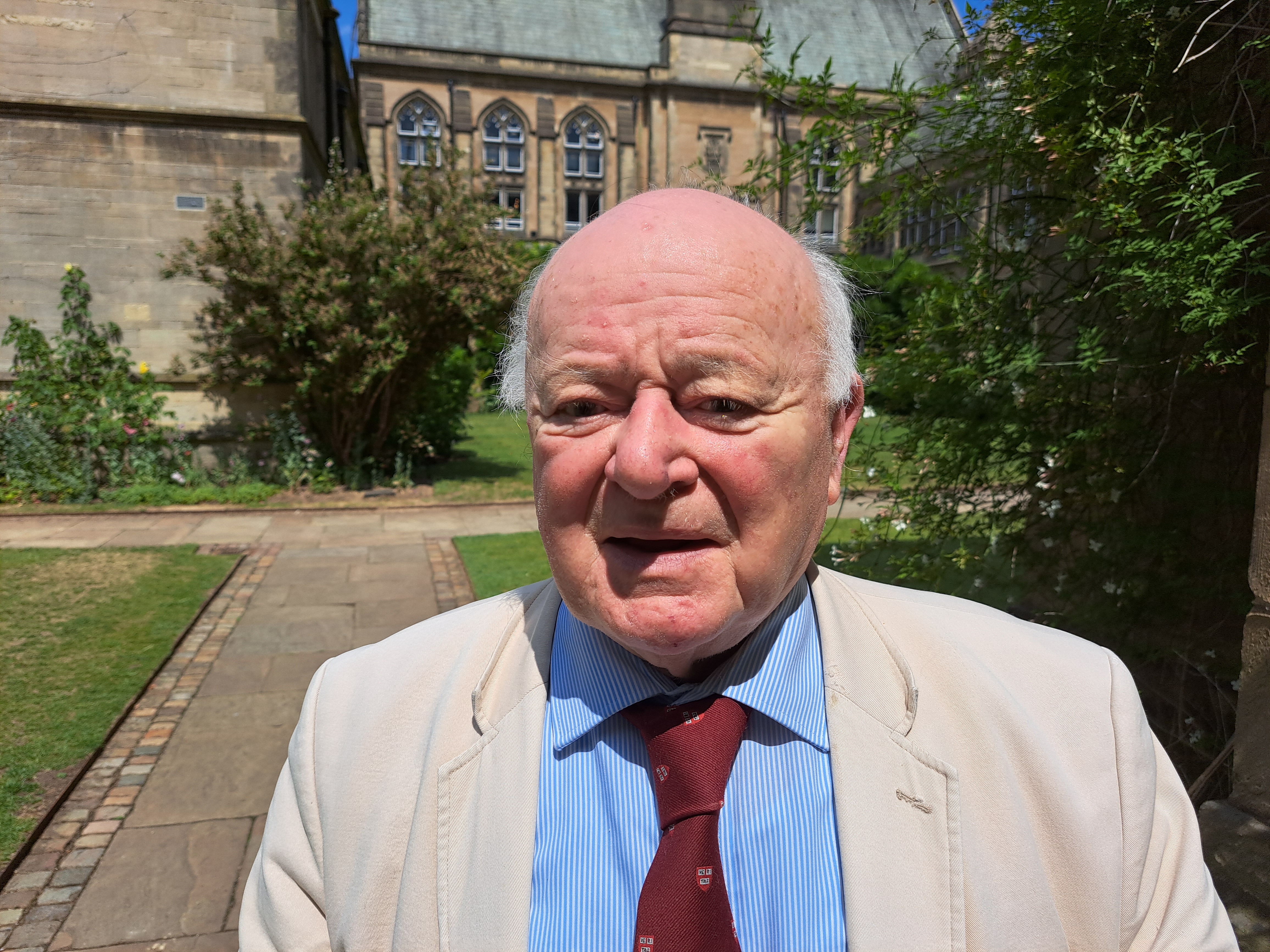
Rev Frank Walker

We have an inspiring sermon by Frank Walker, Outlooks on life that still challenge and encourage us, and Graham Murphy provides a review article and essay on Matthew Teller’s valuable book Nine Quarters of Jerusalem, A new Biography of the Old City, which gives such insight to this troubled city, Graham writes:

“In his book about the Old City he describes a place we can visualise, though we may never have been there. We see in our minds eye a golden Dome set within castellated walls as if true to the plans in history books and illustrated bibles. How we imagine Jerusalem is freighted with biblical notions which Teller’s book tends to undermine with doses of reality. He draws our attention to lesser-known aspects of the city’s past and finds himself fascinated by the religious rituals. He interviews the people who live and work beside the pilgrim routes and sacred sites. He shows us how they regard their city, how they cope with its recurrent crises and the lack of rights for the majority who live there.”

And as ever we are blessed by some wonderful reviews. In this issue we feature:

Facing up to Climate Change

Mike Berners-Lee, There Is No Planet B – A Handbook for the Make or Break Years. Cambridge University Press, 2021 (updated edition) pp 316. ISBN 9781108821575, £9.99 pbk. Gaia Vince, Nomad Century – How to Survive the Climate Upheaval. Allen Lane, 2022, pp 260. ISBN 9780241522318, £20.00 hbk. Greta Thunberg, The Climate Book. Allen Lane, 2022, pp 446. ISBN 9780241547472, £25.00 hbk. Reviewed by Professor David A. Williams

A ‘warts and all’ attention to church history

John W. Nelson, A Short History of the Non-Subscribing Church of Ireland including sketches of individual congregations and a Fasti of ministers who served in them, published by The Rev Dr J.W. Nelson, 2022, pp 420, ISBN 9781739978501, £15 hbk. Reviewed by Philip Blair

Praying to an ‘unknowable God’

Bert Hoedemaker, Never-Ending Prayer – A Case for the Christian Tradition. The Lutterworth Press, 2022, pp 136. ISBN: 978 07188 96027, pbk £20. Reviewed by Jim Corrigall
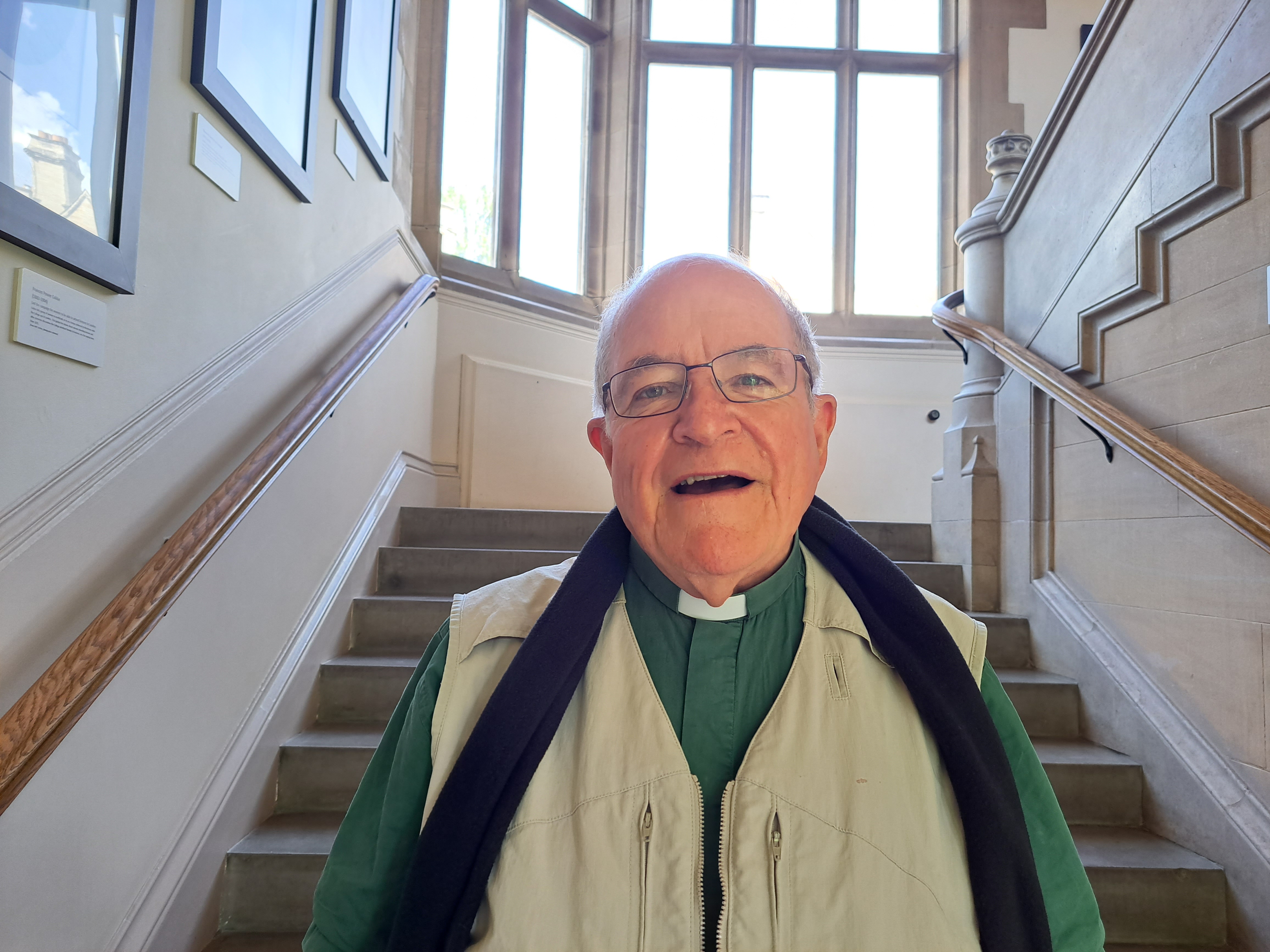
Rev Jim Corrigall

and

Eavesdropping on fascinating conversations

Philip Allott, The Music of Time: Twenty-Four Fables for Today, Matador, 2022, pp 408. ISBN 9781803132228, £7.99 pbk. Reviewed by Frank Walker

Subscription Details

An annual subscription for each volume (two issues) costs £16.00 (postage included) in the United Kingdom. Single copies can be ordered at a cost of £8.00 each (postage included). Cheques should be made out to Faith and Freedom and sent to the business manager:

Nigel Clarke,
Business Manager, Faith and Freedom,
16 Fairfields,
Kirton in Lindsey,
Gainsborough,
Lincolnshire.
DN21 4GA.

It is also possible to pay online. For more details see our website: https://www.faithandfreedom.org.uk/subs.htm

Rev Dr Peter Godfrey, Editor Emeritus

It was good to be at the Old Students Association meeting at Harris Manchester College, where some of the images of contributors seen above were taken. And good to see Rev Dr Peter Godfrey, Editor Emeritus of Faith and Freedom.
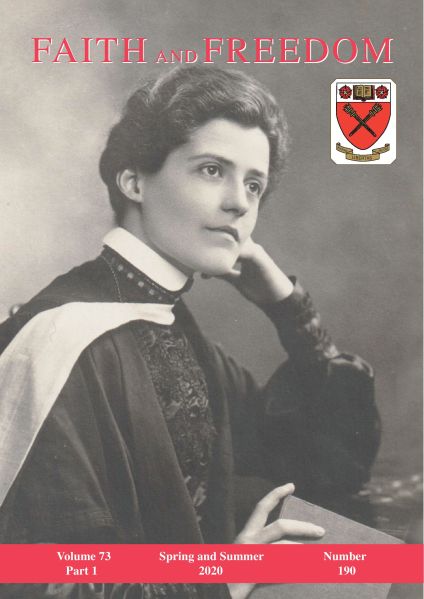
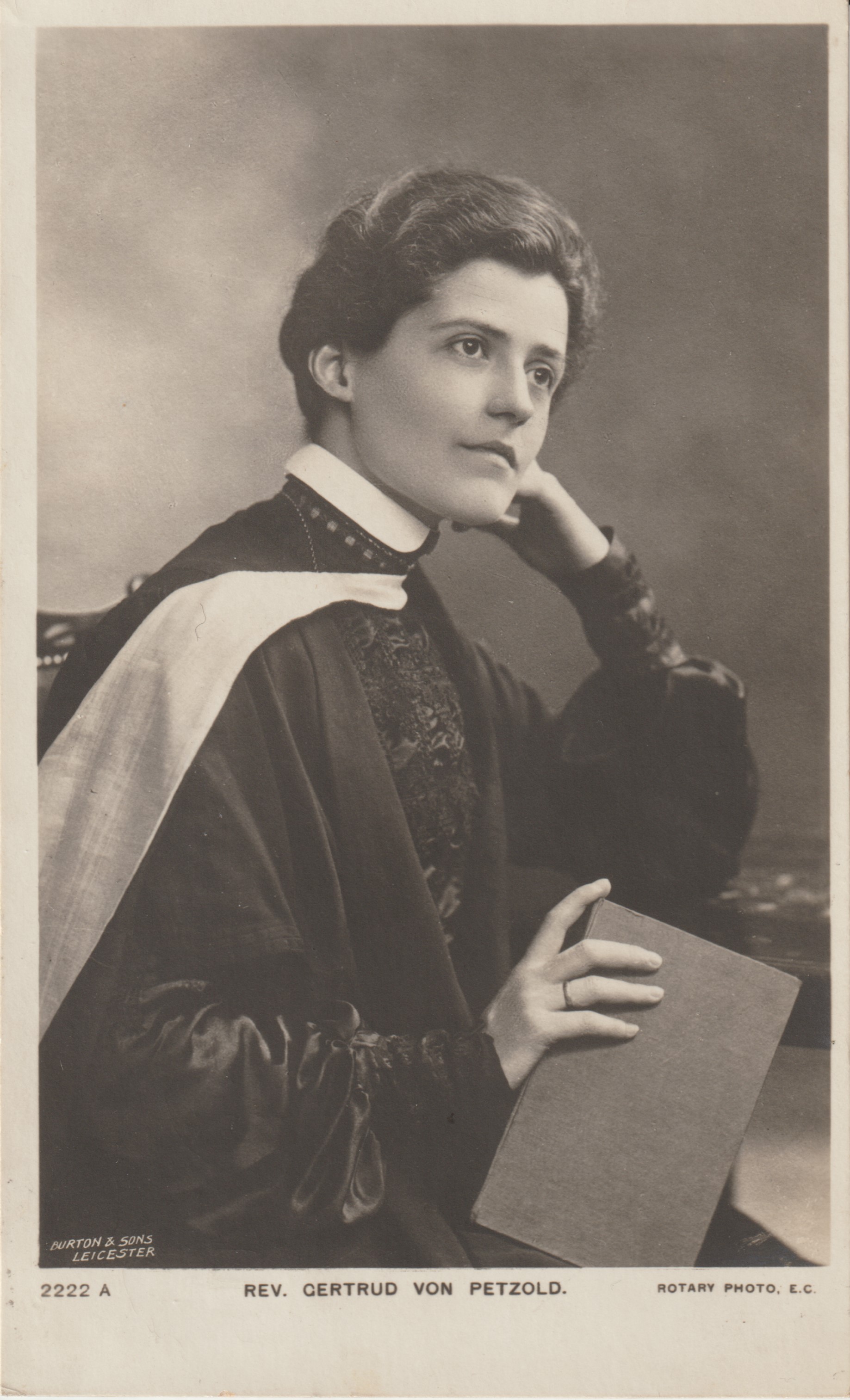
Images of Gertrude von Petzold

In this issue [of Faith and Freedom: Volume 73, Part 1, Number 190] we are pleased to include Mária Pap’s review of the Lindsey Press’s new book Unitarian Women. A Legacy of Dissent. One of the subjects rightly featured in the book, and also included within the book’s cover illustration, is Gertrude von Petzold. Although her career as a Unitarian minister was relatively short it was also quite effective and was remarkable because it was such a trailblazing achievement, the first woman minister of any organised denomination in Britain. Her achievement is perhaps all the more impressive because she was not born in Britain, English was not her first language, and she achieved all that she did in the teeth not only of prejudice because of her sex but also because of her nationality. In every sense she was an outsider in her chosen field and yet she established herself in her profession as a leader of considerable authority who inspired tremendous affection and loyalty from her congregations.

Gertrude von Petzold A 01

Postcard of Gertrude von Petzold, taken by Burton & Sons published by Rotary

She was also an undoubted celebrity in her own right. The image of her reproduced in the book and on the cover of this issue travelled far and wide and has retained a place in the public imagination, at least for those interested in this aspect of Unitarian or women’s history. In the last couple of years an enlargement of this same image has been framed and hung on the walls of Harris Manchester College, a fitting tribute from her old college, but a compliment too to the photographer.

When the picture was first taken in 1904 it was ubiquitous. It must have sold, as a postcard, in the thousands. Not only that, three weeks after being inducted as pastor of Narborough Road Free Church in Leicester the same image graced the cover of the Tatler magazine.

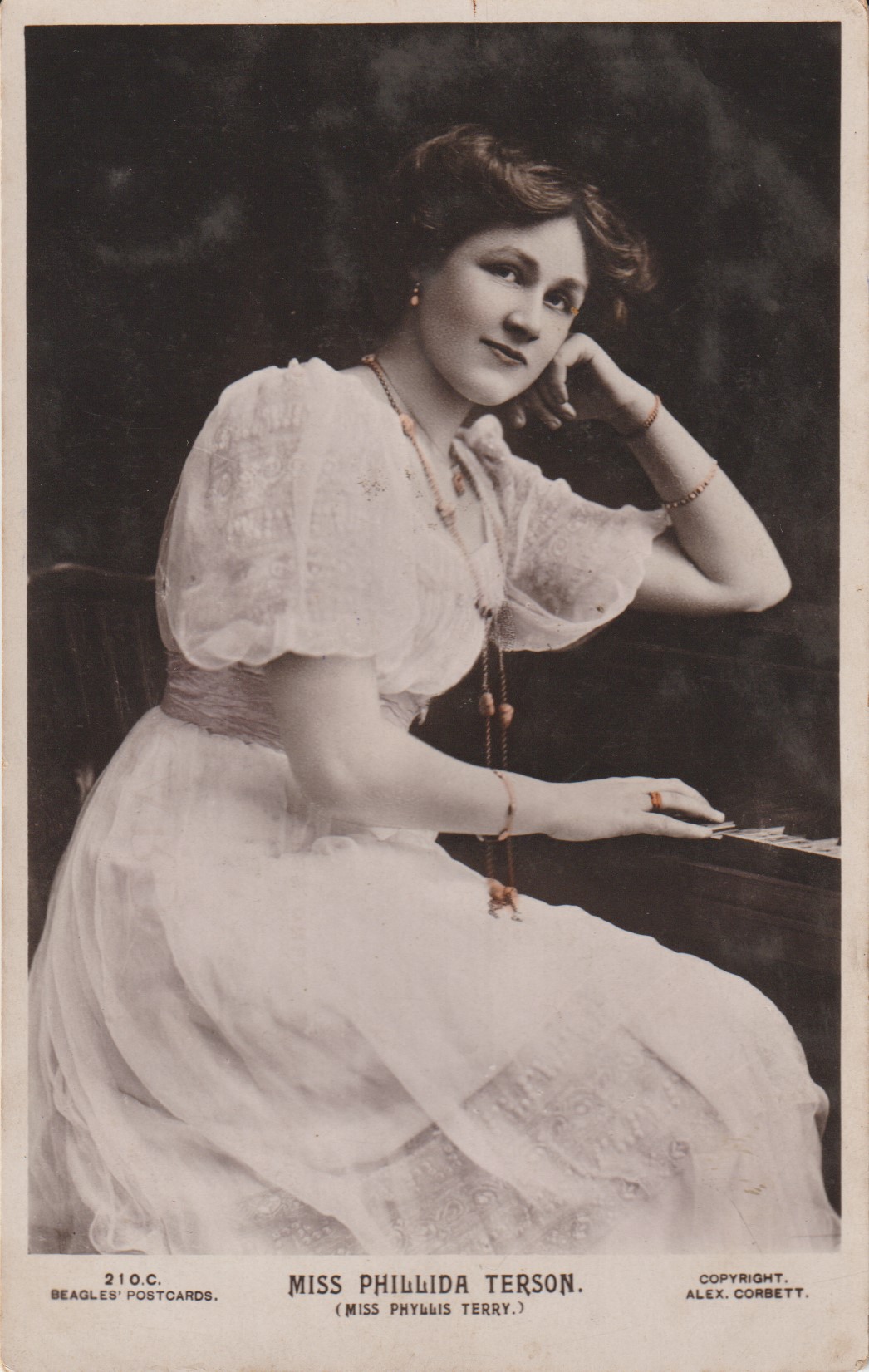
The picture was taken by Burton & Sons, a long-established photographer local to Leicester but with studios across the Midlands. They also had the task of creating something new – no one had ever photographed a woman minister before. How should such a subject be depicted? With what clothes, posture, style? How do you present someone doing an entirely new thing, the first of her kind? There is no precedent for this kind of illustration. So where do they go for inspiration? The answer is simple, it is a celebrity photograph. The model used by the photographer, and by market leader Rotary who subsequently produced and sold her image as a postcard, is that of the top celebrities and postcard favourites of their day – the stars of the stage. Although she is wearing her academic hood and holds a book as indicators of her academic status, Gertrude von Petzold is dressed very elegantly, she gazes off into the middle distance her head resting on her left hand. This is a classic pose of an actress or musical hall star in 1904, she was being packaged as a celebrity in the terms of her era.

MIss Phillida Terson

Postcard of Miss Phillida Terson/Miss Phyllis Terry published by J. Beagles & Co. 1912. As can be seen the pose is almost identical to that in Rotary photograph of Gertude von Petzold. (Described as ‘an actress of distinction’ in the ODNB she combined stage appearances with film roles in later life).

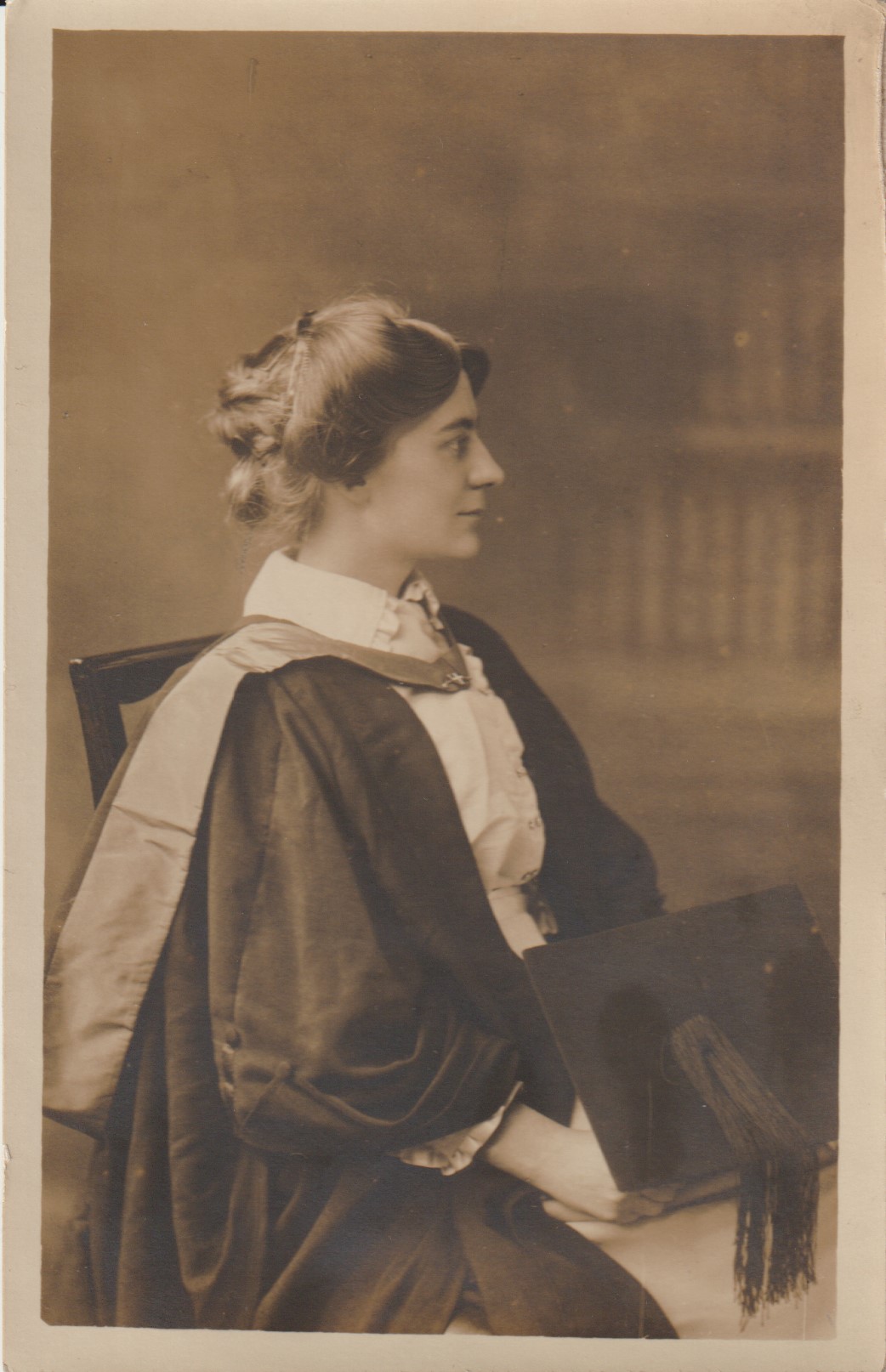
You have to acknowledge too that she also must have projected something of a star quality herself. You can find other examples of pictures of women graduates from this era and they lack that extra element that undoubtedly helped to make this postcard sell.

Unnamed Graduate Wickens Studios Bangor N.W.

Unnamed Pre-1914 female graduate. Wickens Studios, Bangor, North Wales

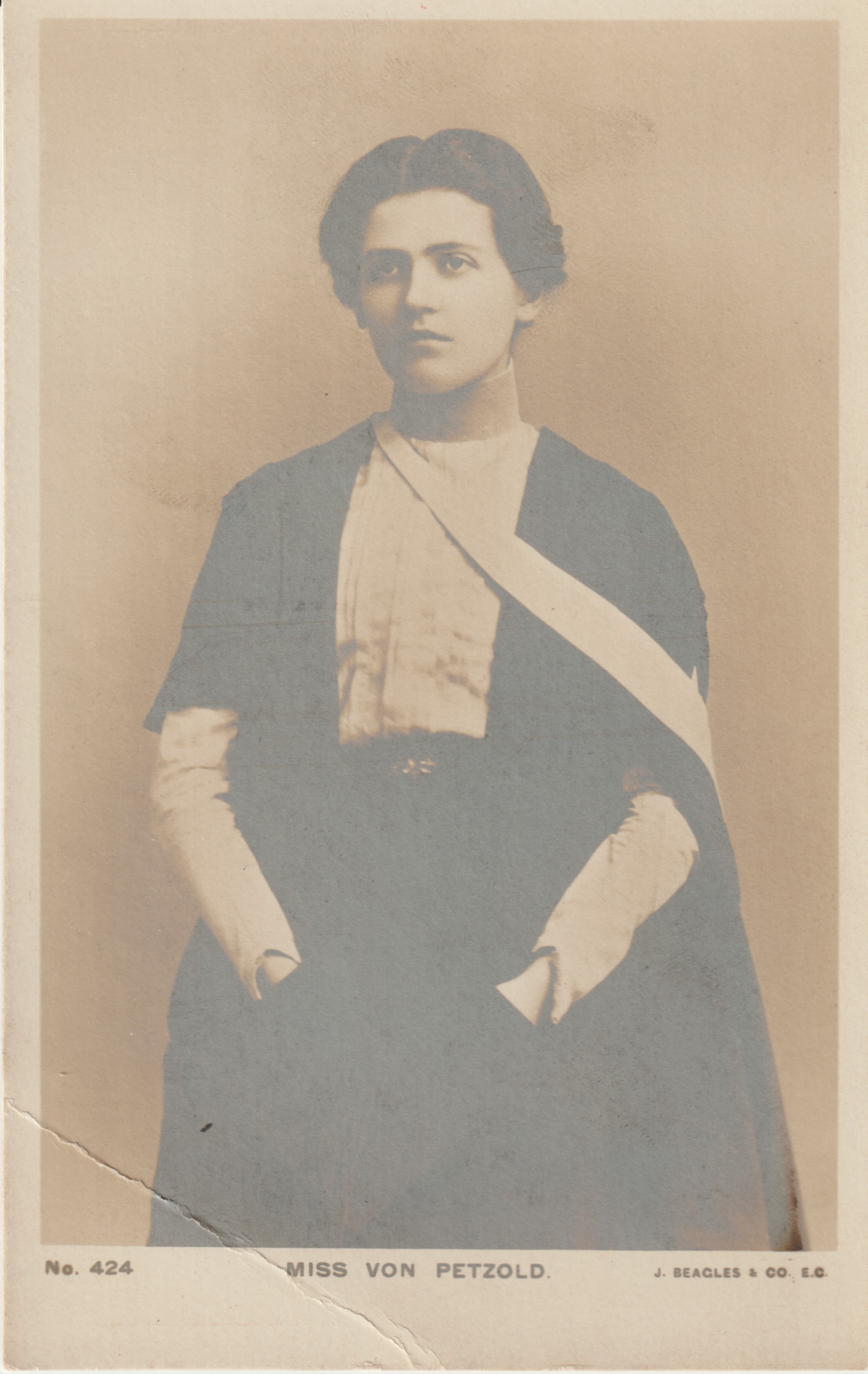
To many of us this [image of Gertrude von Petzold] is a familiar picture. But it was not an inevitable depiction of the first woman minister. How else might an Edwardian photographer think that a woman minister might be shown? Well the answer comes with the postcard that is reproduced alongside this article. This is a far rarer postcard than the one produced by Rotary and, it has to be said, is not as well produced although it was published by J. Beagles a long-established London photographic publisher. Like Rotary they specialised in royalty, musical hall artistes and actors and actresses but unlike them they had a different model in mind for the picture of the first female minister. What inspired them was the image of a woman as a nurse.

Gertrude von Petzold B 01

Postcard of Gertrude von Petzold by J. Beagles & Co. London 1904.

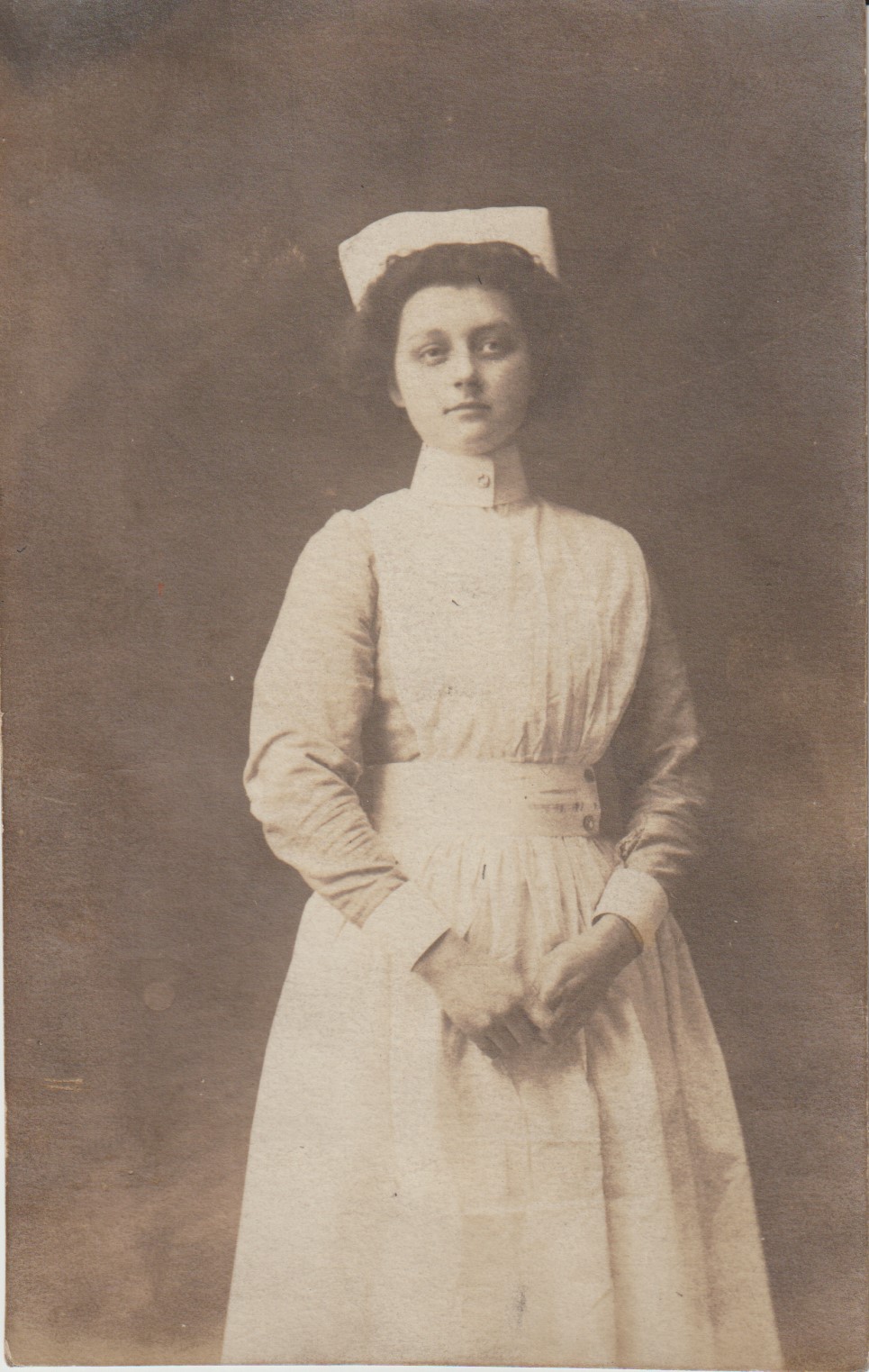
This was already a well established outlet for women’s work – a caring profession characterised by service, so it was not a surprising model to be chosen by the photographer. Although again there are academic accoutrements, this picture, with plainer clothes, a high collar, long sleeves and even the hands pushed into the pockets of the skirt or pinafore, is exactly reminiscent of contemporary photographs of nurses. With a fuller face, if not exactly gazing directly at the camera, this is one of the ways that members of the nursing profession were presented on postcards in the Edwardian era and right through the First World War. J. Beagles were not alone in this; Elliot and Fry, another firm of London photographers, also produced similar images of Gertrude von Petzold.

Edwardian Nurse Postcard

Postcard of an Edwardian nurse (‘With very best wishes for the future from Eunice to Molly’, no photographer or  publisher named). She doesn’t have her hands in her pockets as many similar photographs did but the similarities of pose and dress can be seen with J. Beagles’ photograph of Gertude.

But here we have two ideas of this pioneering woman minister. Was she a star, a glamorous personality, an elegant figure fit to grace the cover of magazines? Or was she a nurse, someone inspired by practical purpose, a worker, a servant? I wonder how she preferred to be seen herself? In the end, though, there is no doubt which card was the most popular. The ‘nurse’ picture is very rare indeed. The postcard image of this minister as a celebrity and star is very common and is frequently offered for sale on eBay right up to the present day.

This article appears in the SPRING AND SUMMER 2020 Volume 73, Part 1 Number 190 of Faith and Freedom. All the illustrations are from my own collection and may not be reproduced without my express permission.

An annual subscription to Faith and Freedom costs £15 (postage included). Contact the business manager:

Nigel Clarke,
Business Manager, Faith and Freedom,
16 Fairfields, Kirton in Lindsey,
Gainsborough, Lincolnshire.  DN21 4GA.

It’s also possible to pay via PayPal via clicking here.

Email: faithandfreedom@btinternet.com

The current situation with Covid-19 has delayed production and distribution of this issue but another article in the current issue can also be read online. To read Jim Corrigall’s review of Stephen Lingwood, SEEKING PARADISE: A UNITARIAN MISSION FOR OUR TIMES, Lindsey Press, London 2020, pp 142, ISBN 978-085319-094-3. £10.00 pbk. click here.