John Wesley and Belfast

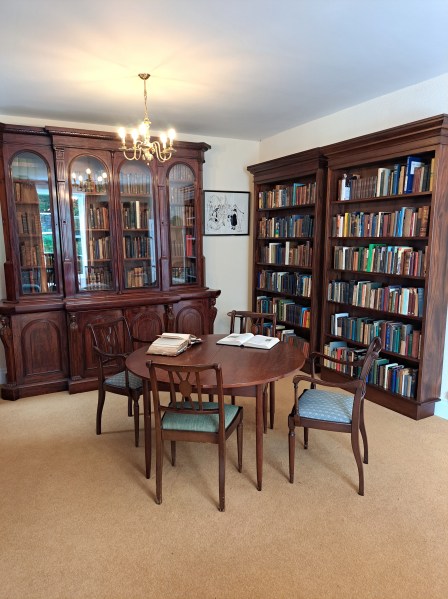
In the latest of our videos exploring the Very Rev William McMillan Library at Dunmurry we take a (brief) look at the eight volumes of the Journal of John Wesley. In particular we look at his visits to Belfast and his relationship with the Non-Subscribing Presbyterian churches in Belfast.

Exploring the Library at Dunmurry, episode 4. Click on the video above

John Wesley visited Belfast 11 times in the course of his career, always preaching in the town, sometimes in the market-house, sometimes in the open air. Often it seems he visited at times of cold, windy or wet weather. Only once did he preach in a church and the only church to ever be open to him was First Presbyterian Church, Rosemary Street. But this visit was mired in controversy and was not repeated. I am grateful to Des McKeown of First Church who recently gave me a copy of a letter to The Northern Whig dated 3 December 1873 written by the minister of First Church, the Rev John Scott Porter. This features in the video and it is interesting to see his opinion of Wesley’s visit almost one hundred years previously.
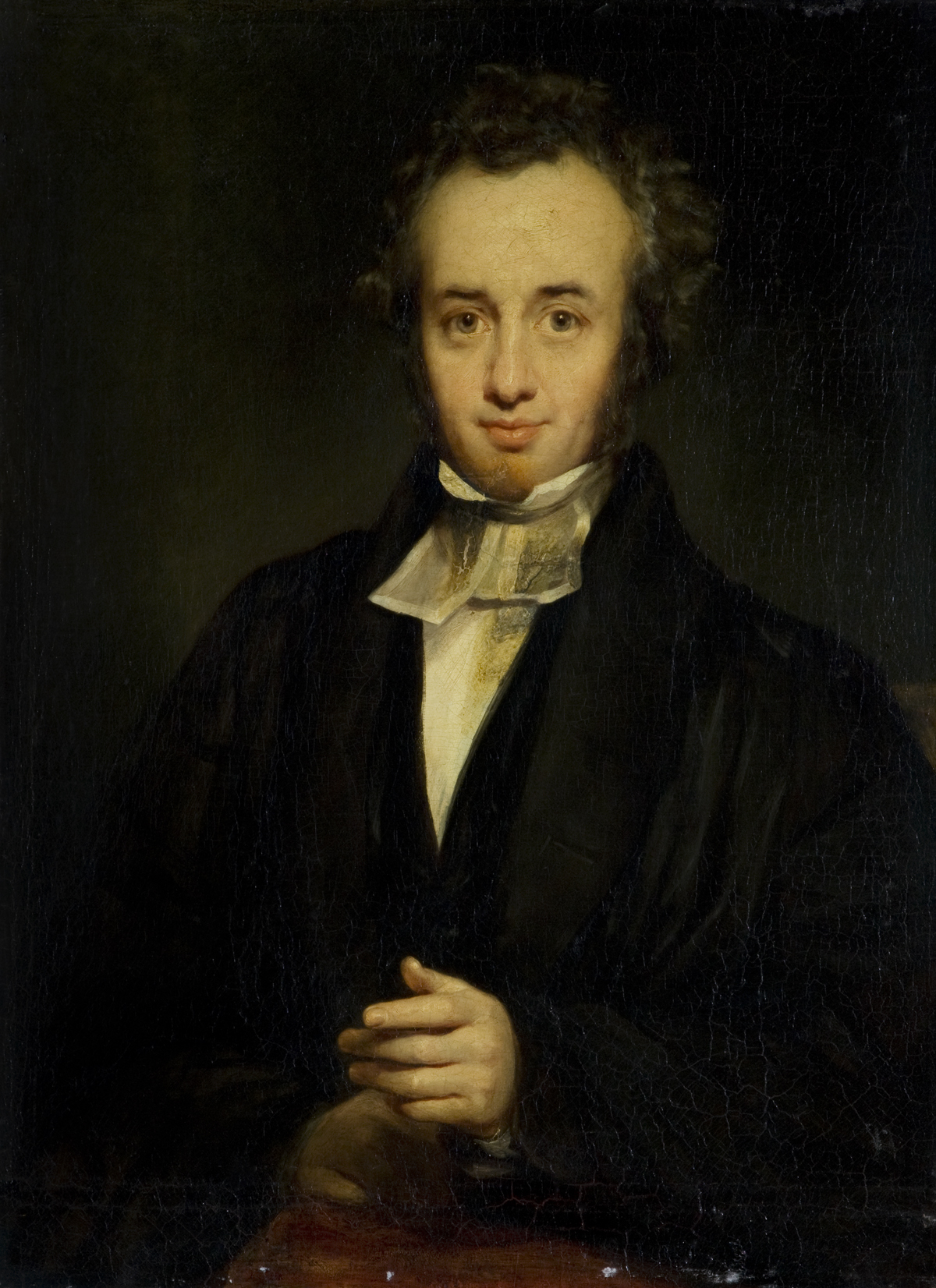
A youthful John Scott Porter

But another feature of Wesley’s Journal is his identification of followers of Dr John Taylor in the crowds that came to hear him in Belfast. John Taylor was minister of the Octagon Chapel in Norwich and the author of the The Scripture Doctrine of Original Sin. What are the implications of this in Belfast in the 1760s? We try to unpack the meaning of this for John Wesley’s reception in Belfast in the video.
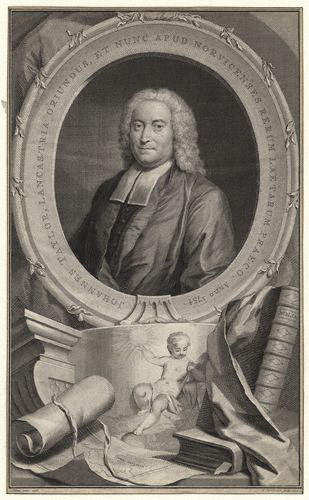
John Taylor (Source: Wikipedia)

In search of the Rev John Cameron (1725-1799)

P1040584

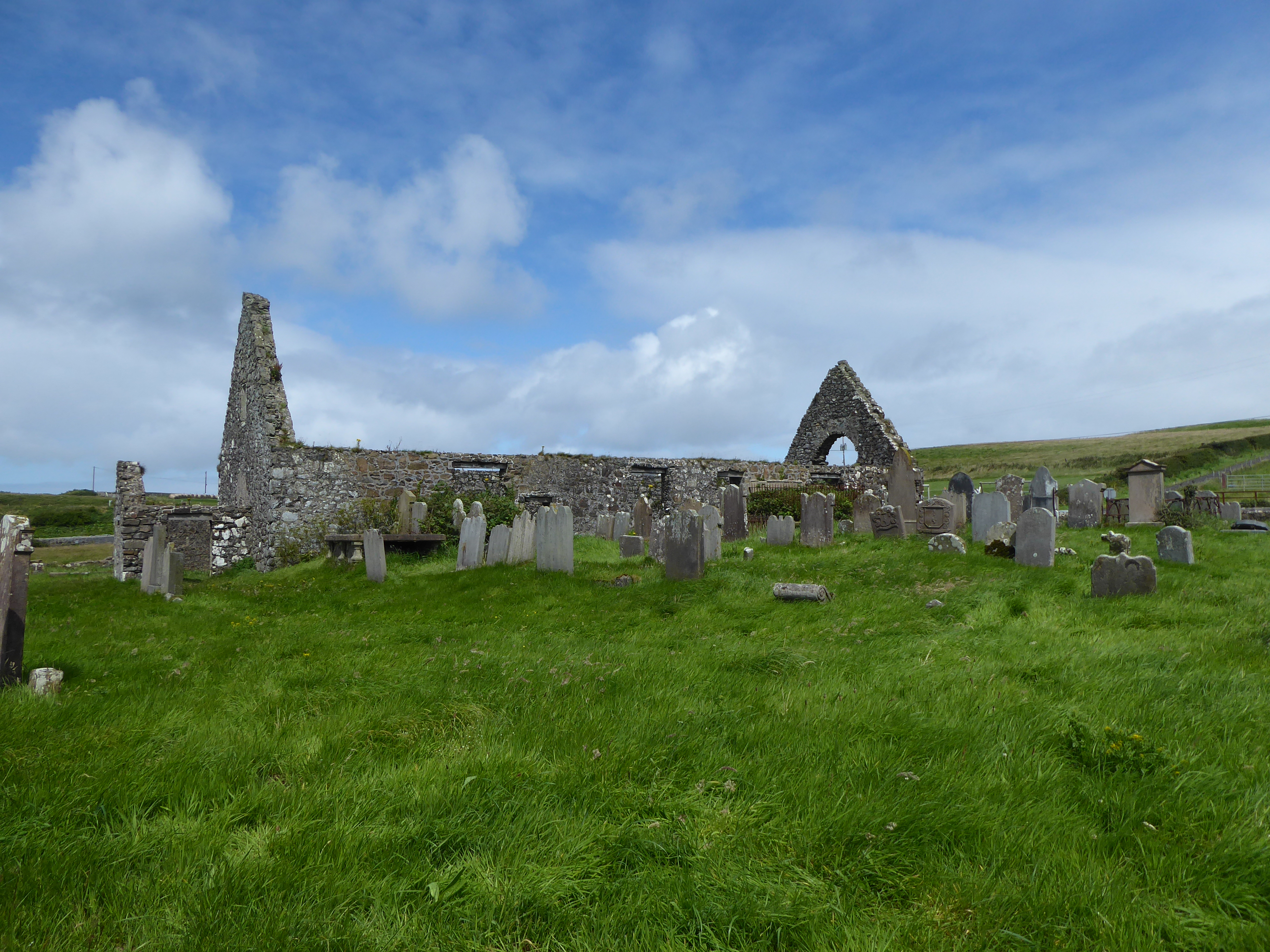
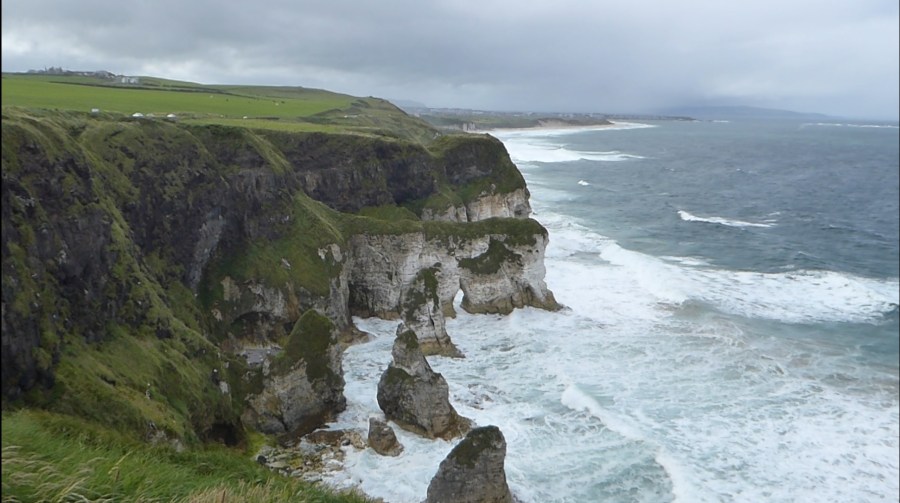
The ancient parish churchyard of Dunluce on the North Antrim coast

John Cameron is a name which I suspect is not widely known today. He was the minister of Dunluce Presbyterian Church for around 45 years but his career was quite richly textured. Born in Edinburgh and educated at the university there he came to Ulster as a missionary of the Reformed Presbytery but he was offered and accepted the ministry of the new Presbyterian Church at Dunluce in 1755. In time he was the moderator of the Synod of Ulster but he also became a Non-Subscriber, following the ideas on original sin of John Taylor of Norwich, becoming a correspondent of Joseph Priestley and opening up dialogue with the Presbytery of Antrim. His main theological work was published nearly thirty years after his death and edited by a Non-Subscribing Presbyterian minister. The history and connections of the Rev John Cameron are traced in today’s service.

The full elegy can be heard in the service but the Rev George Hill wrote ‘Lines written at the grave of Cameron’ in 1837 of which this is an extract:

Peace to the gentle but undaunted spirit

That shrunk not from the side of simple truth,

When multitudes were leagued to quench her life,

And Priests betrayed, or traded with her name!

In this lone region, ‘mid surrounding gloom,

One “shining light” arose, one voice was heard

Re-echoing the words which Jesus spake,

Asserting the grand doctrine which all time

and nature, and religion have averred –

One God the Father, merciful and just,

One God in all, through all the universe

Dunluce crop

Dunluce Presbyterian Church today

The service can be seen in the above video which is filmed in Ballee, Dunmurry and Dunluce. The organist is John Strain who plays the hymns Be still for the presence of the Lord and There’s a wideness in God’s mercy on the organ at Ballee.


Time for a Story: Slow and Steady

This week’s Time for a Story tells the story from Aesop’s Fables of the Tortoise and the Hare. With animation by InkLightning, special music and illustrations you can see the story, told by Sue Steers, by clicking on the above link.


Bewick

Fable of The Hare and the Tortoise; hare at left, facing a tortoise in a field, a fox standing by; in an oval, within rectangle; illustration to the ‘The Fables of Æsop, and Others’ (Newcastle upon Tyne, 1818, p.221); after Thomas Bewick; proof, this state probably 1823.Wood-engraving, printed on light tawny India paper. © The Trustees of the British Museum