Frederick Douglass (1818-1895) Abolitionist and Human Rights Campaigner

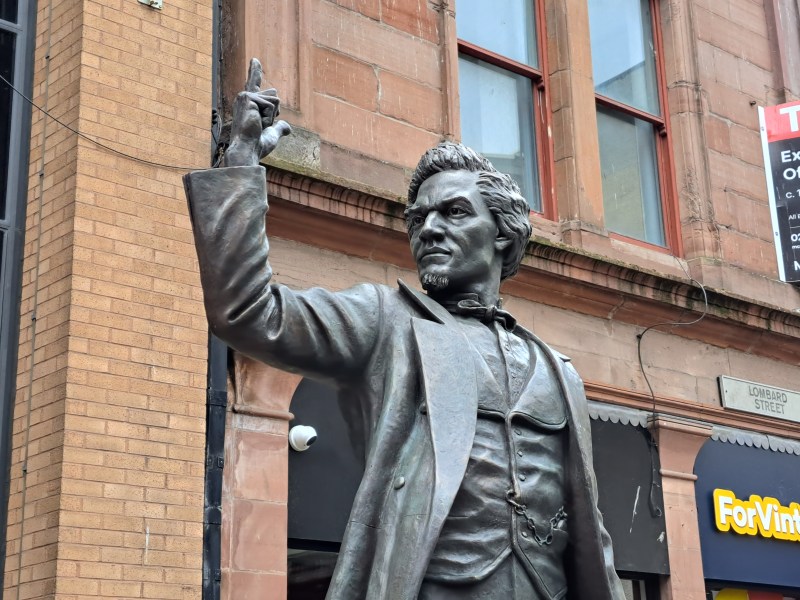
I was pleased to be present for the inauguration of the new statue of Frederick Douglass on Monday, 31st July 2023. I only found out about it by chance but it was good to be there for the formal recognition of Frederick Douglass as part of Belfast’s history.
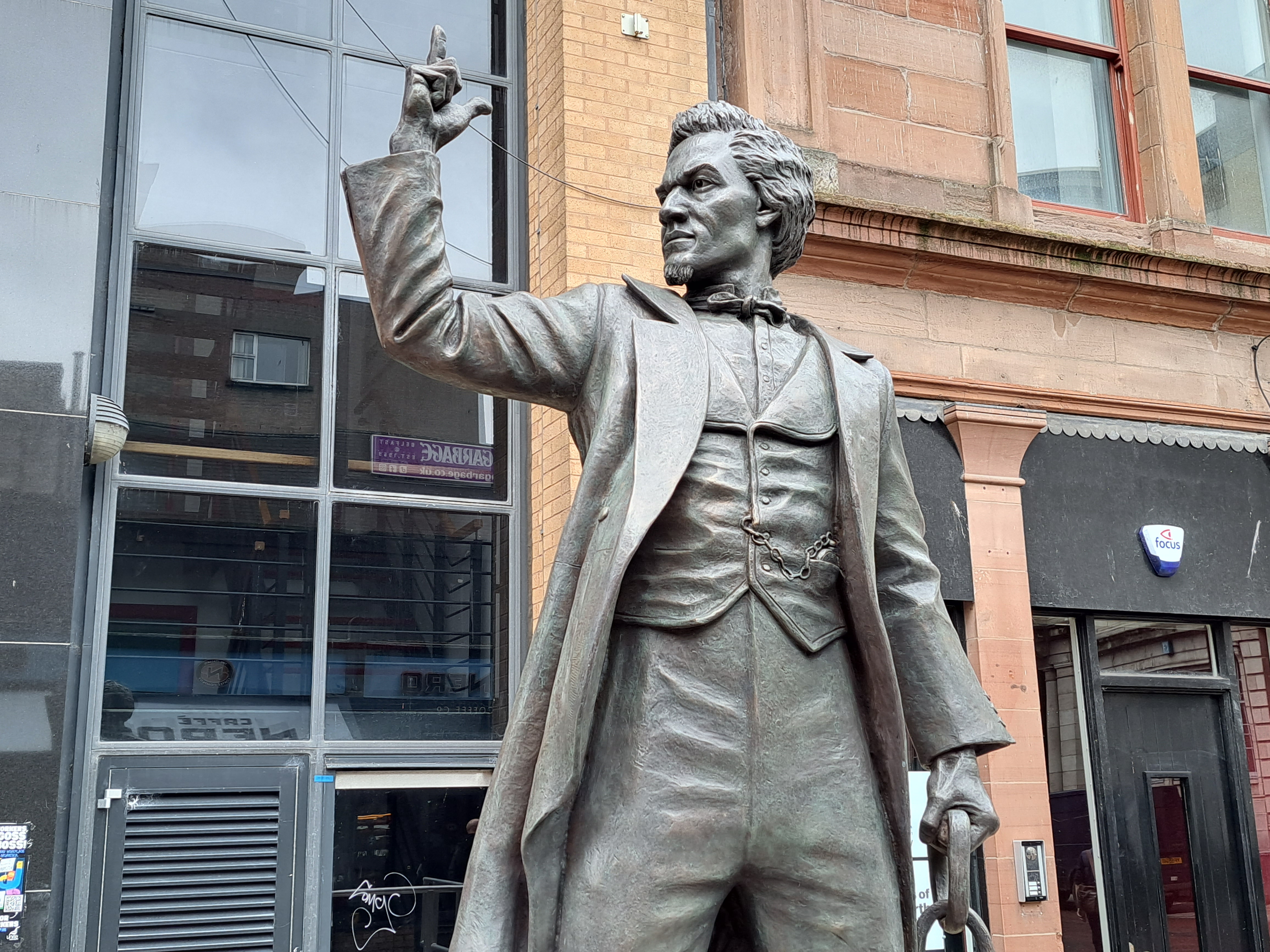
Frederick Douglass was born a slave in February 1818, on Holme Hill Farm, near Easton, Talbot County, Maryland. Although slaves were not supposed to be taught to read he was taught the alphabet, taught himself to read and developed a life-long reading habit.

In 1838, at his third attempt, he successfully escaped from slavery and managed to get to New York where he married Anna Murray (1813–1882) of Baltimore. He became a preacher in the African Methodist Episcopal Zion Church and an associate of William Lloyd Garrison and an activist in the anti-slavery movement.
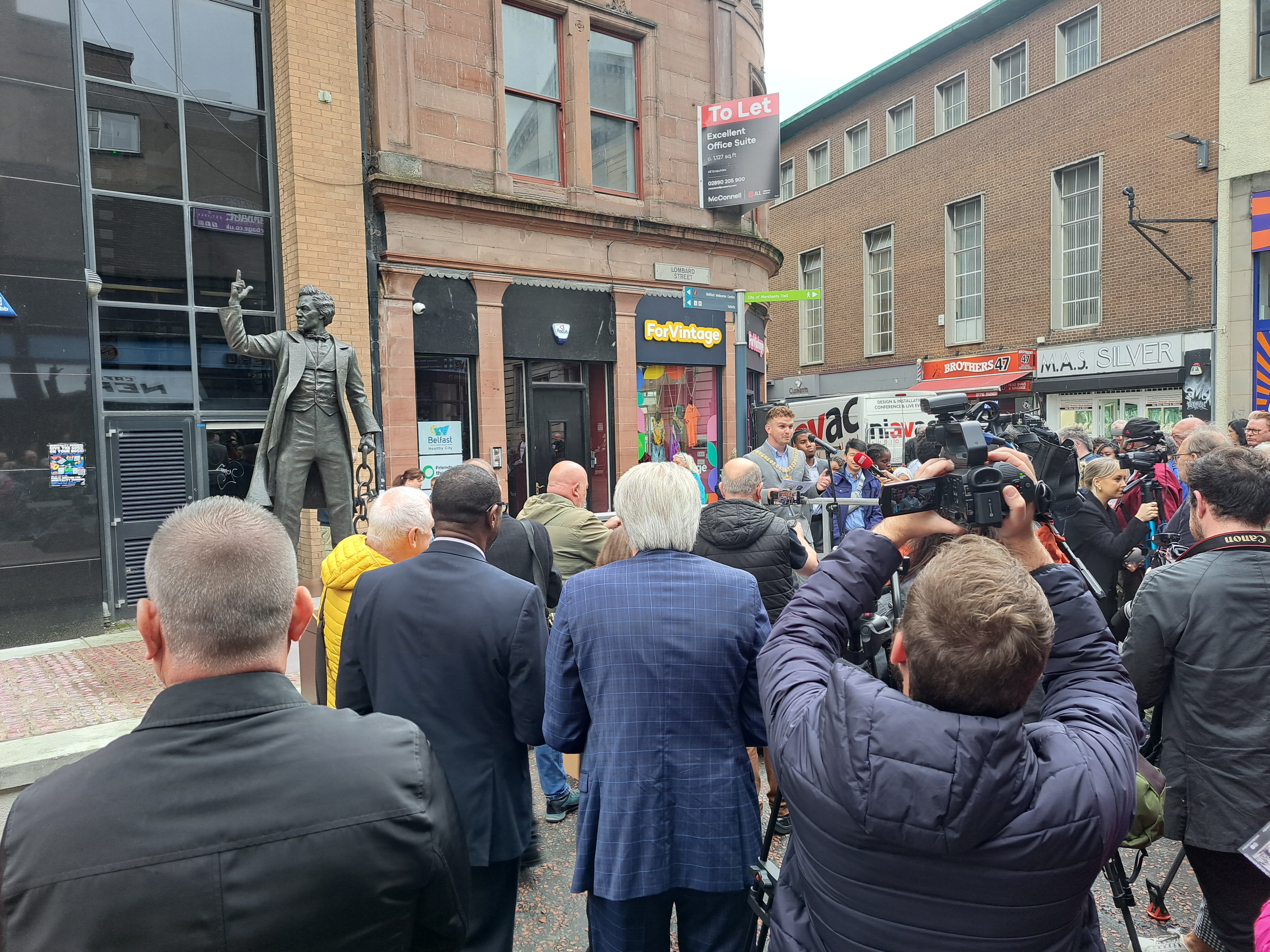
The Lord Mayor introduces the speakers

In 1845 he published the Narrative of the Life of Frederick Douglass, an American Slave, the first of three volumes of autobiography, and became so prominent in the anti-slavery movement that threats were made against him which led to him travelling to Britain and Ireland on a speaking tour. He spent two years speaking all over England, Scotland and Ireland. In Dublin he shared a platform with Daniel O’Connell and British supporters raised $700 to buy his freedom in the United States. This in itself was controversial as many thought it wrong to give any recognition to the idea that a human being could be bought or sold as someone’s property.
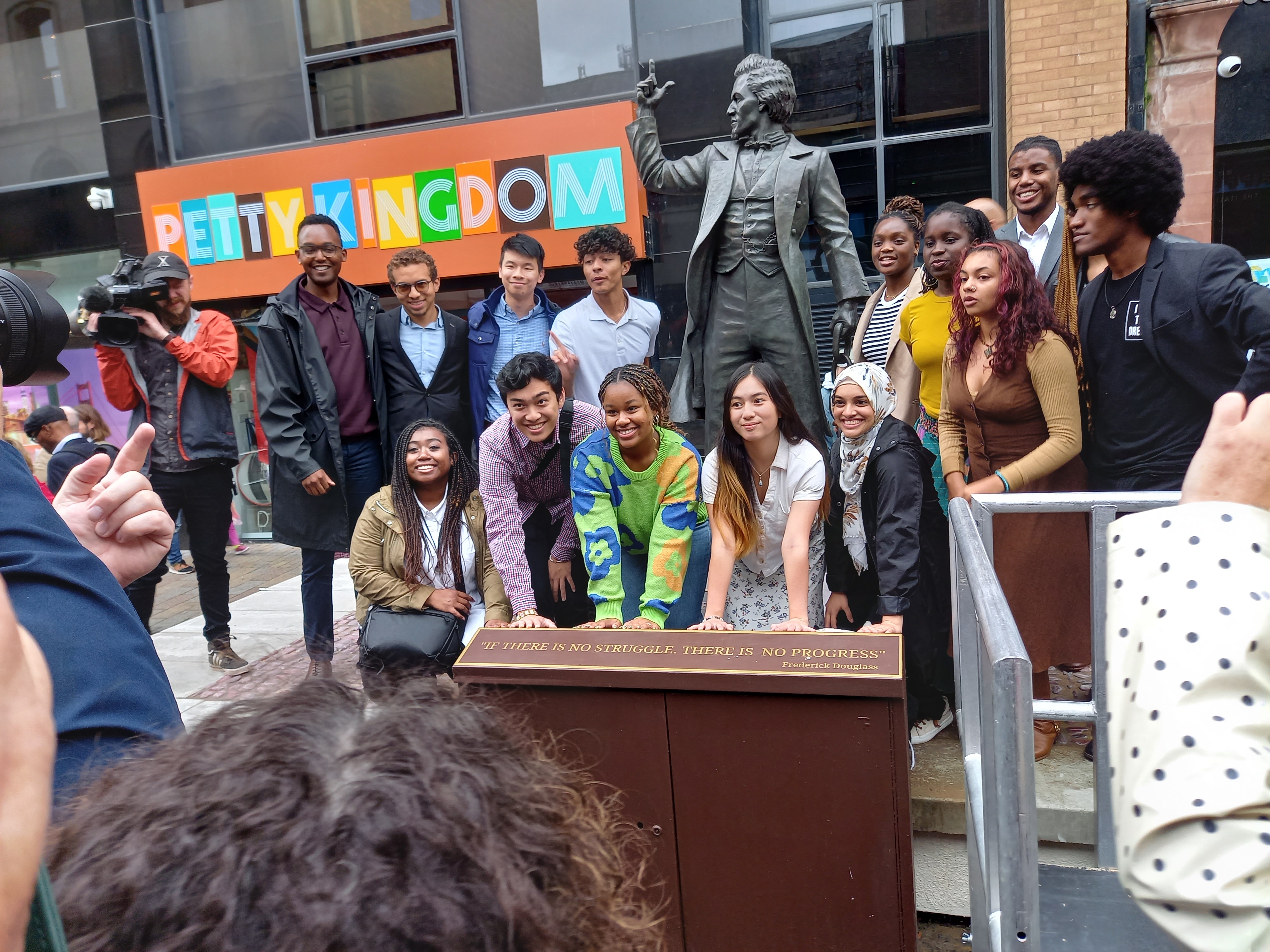
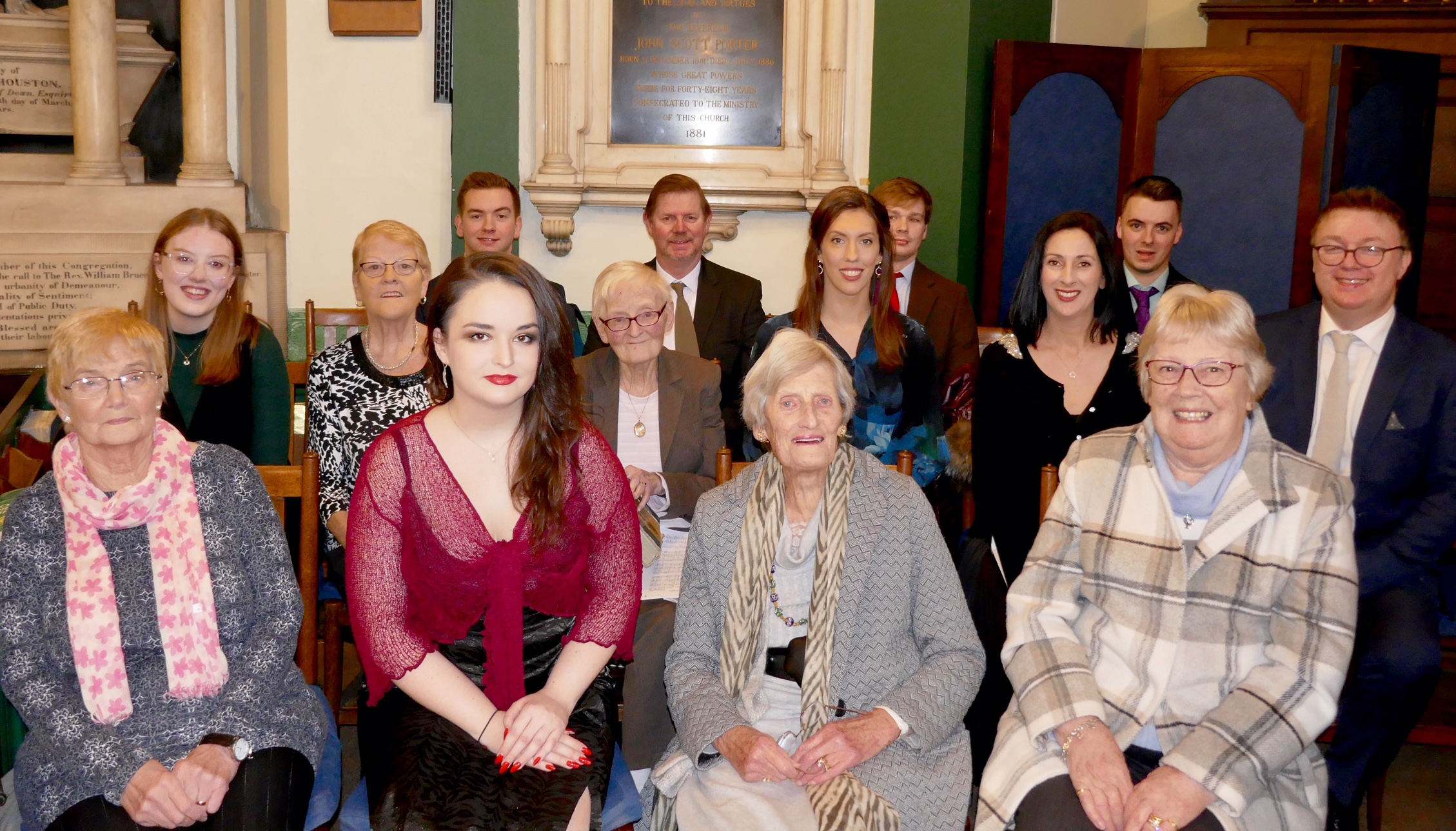
Some of those present

In the words of the Oxford Dictionary of National Biography, during his speaking tour:

He filled public halls, private homes, chapels, and churches, his audiences sometimes numbering thousands, and he often spoke on different subjects at more than one meeting a day. As well as making the abolitionist case, he spoke on women’s rights (he felt that he could not accept the vote as a black man if it was denied to women), temperance, land reform, education, and capital punishment, issues on which he never ceased to agitate. 
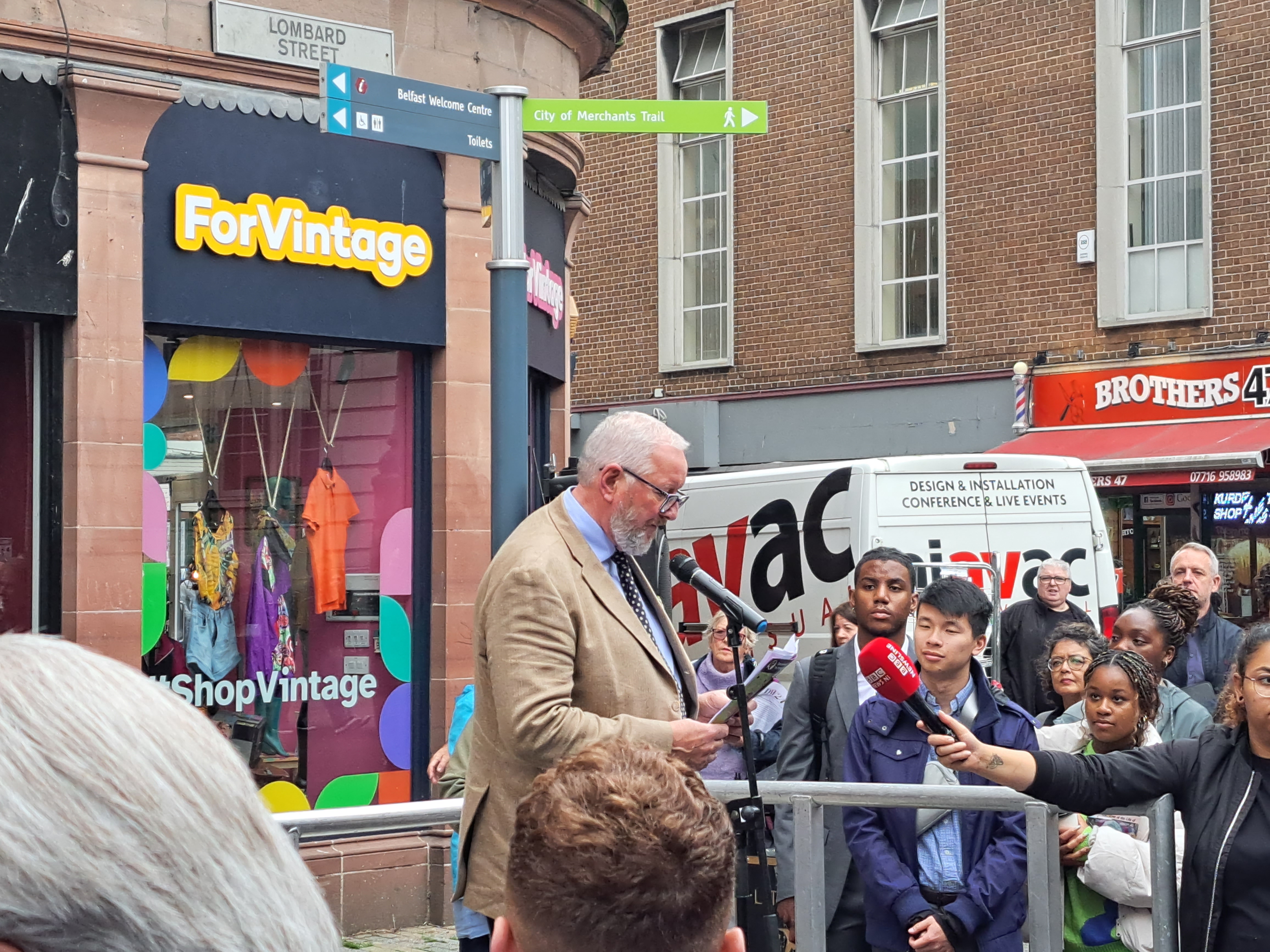
Alan Beattie Herriot, sculptor

Of his time in Belfast he wrote:

I shall always remember the people of Belfast, and the kind friends I now see around me, and wherever else I feel myself to be a stranger, I will remember I have a home in Belfast.

Words which are among those inscribed on the plinth of his statue.
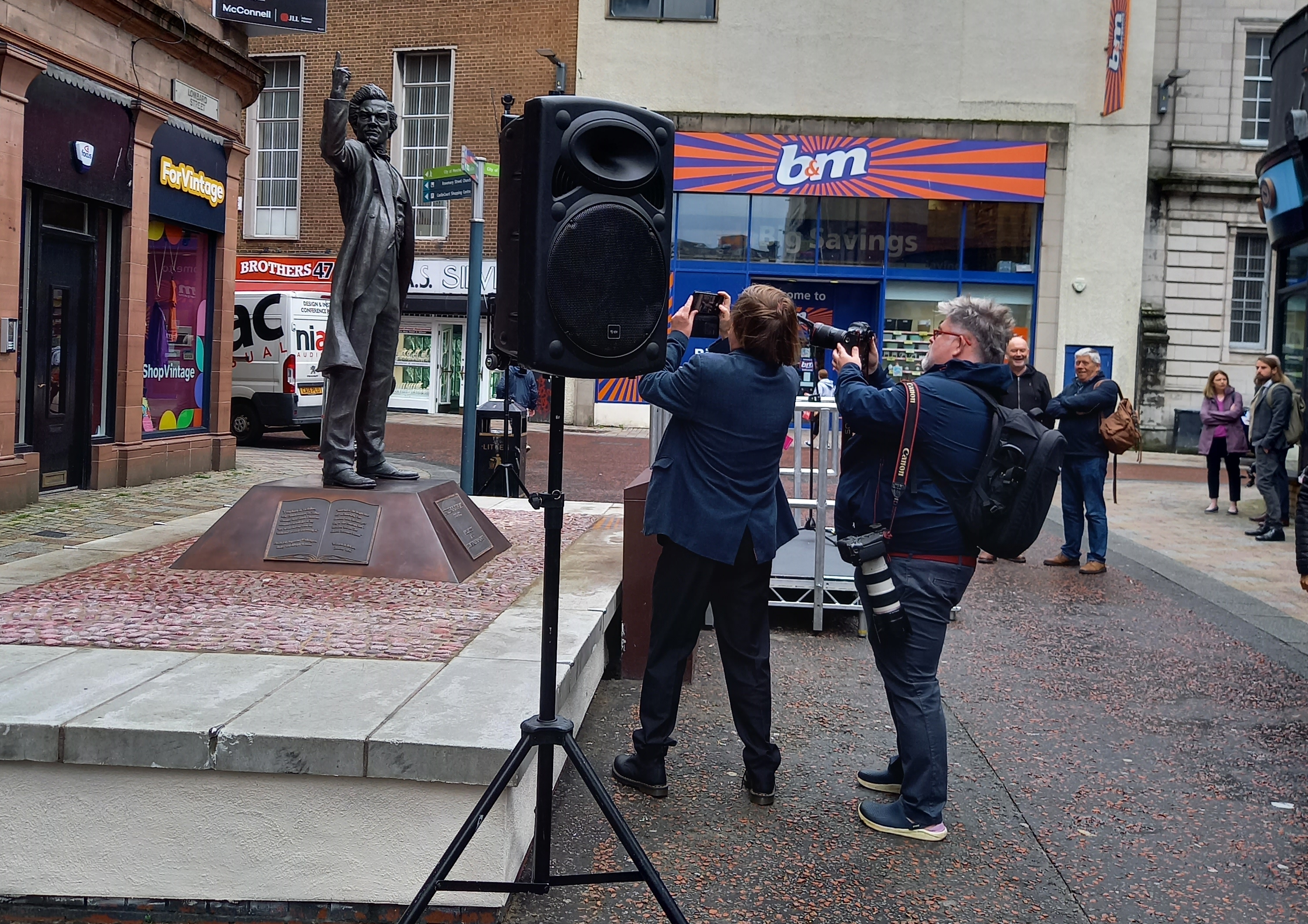
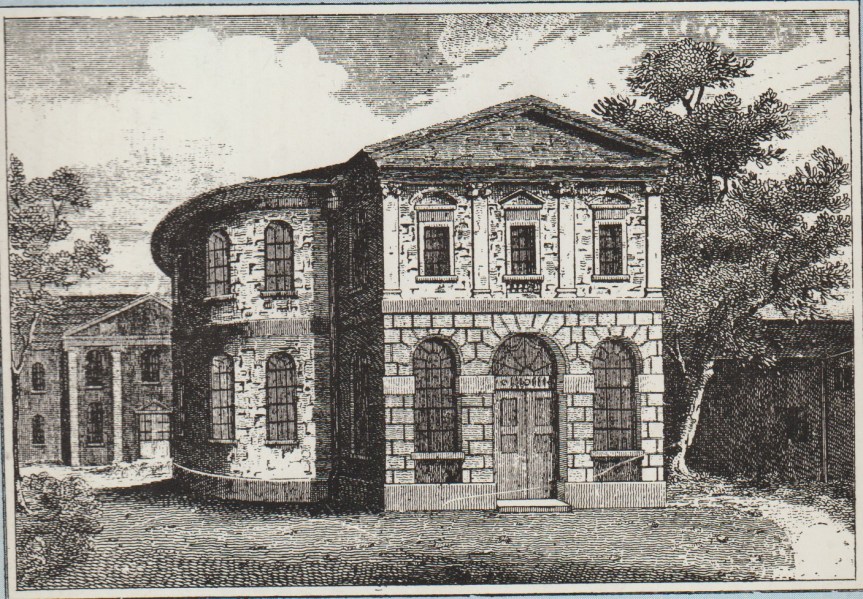
At the opening of the statue Professor Christine Kinealy said that in Belfast he spoke in Rosemary Street Presbyterian Church. But this is ambiguous because there were then three churches on Rosemary Street, two non-subscribing and one orthodox. The booklet available at the opening also suggested that he spoke in First Church on Rosemary Street. In fact he spoke at the meeting-house of the Second (Non-Subscribing) Congregation which stood behind First Church and was finally demolished in the early 1960s. He was granted the use of the meeting-house of the Second Congregation on 7th December 1845 ‘to lecture on behalf of the Anti-Slavery Society’. But it is very fitting that he should have such a fine statue erected in his memory so close to Rosemary Street.
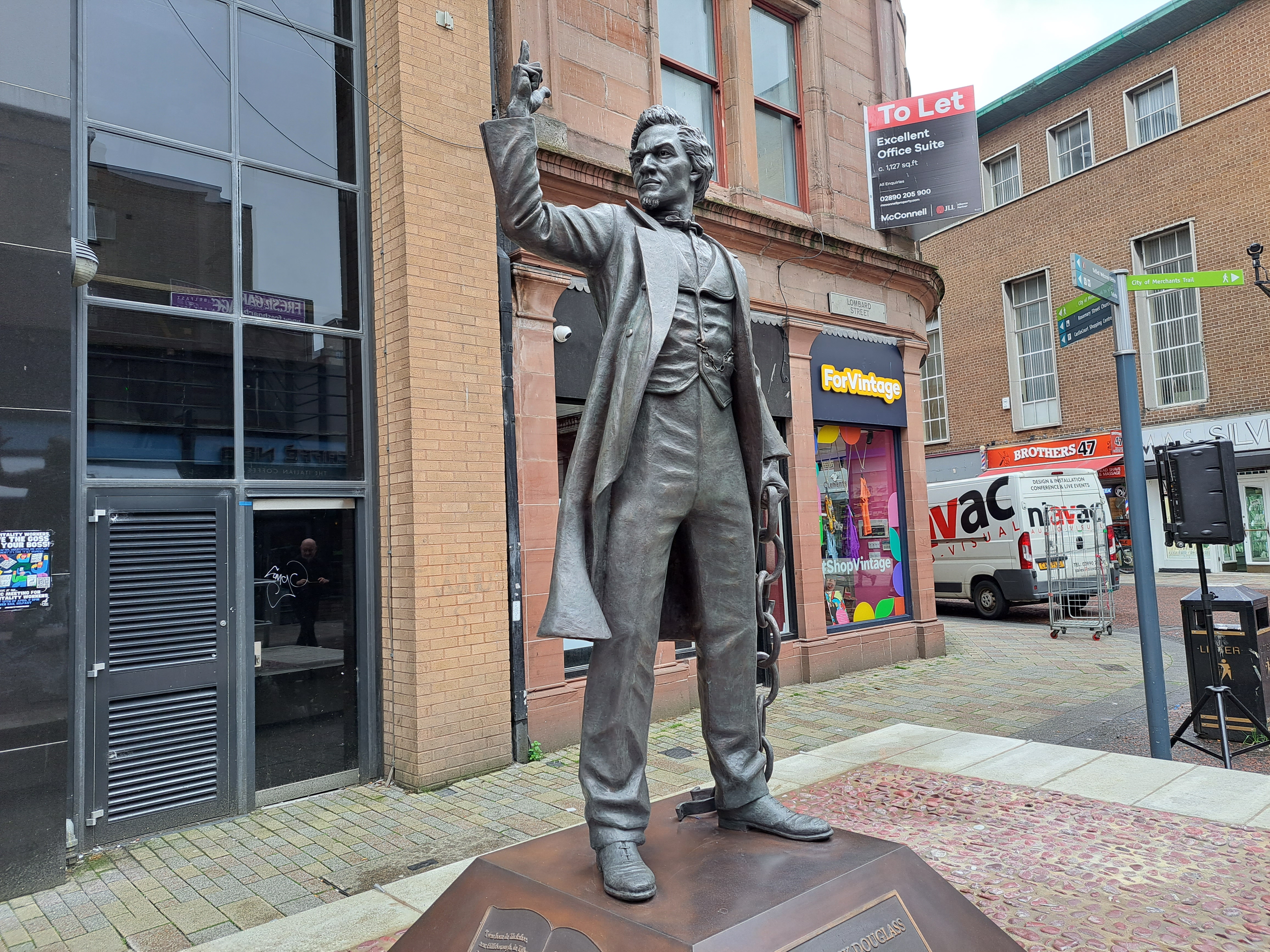
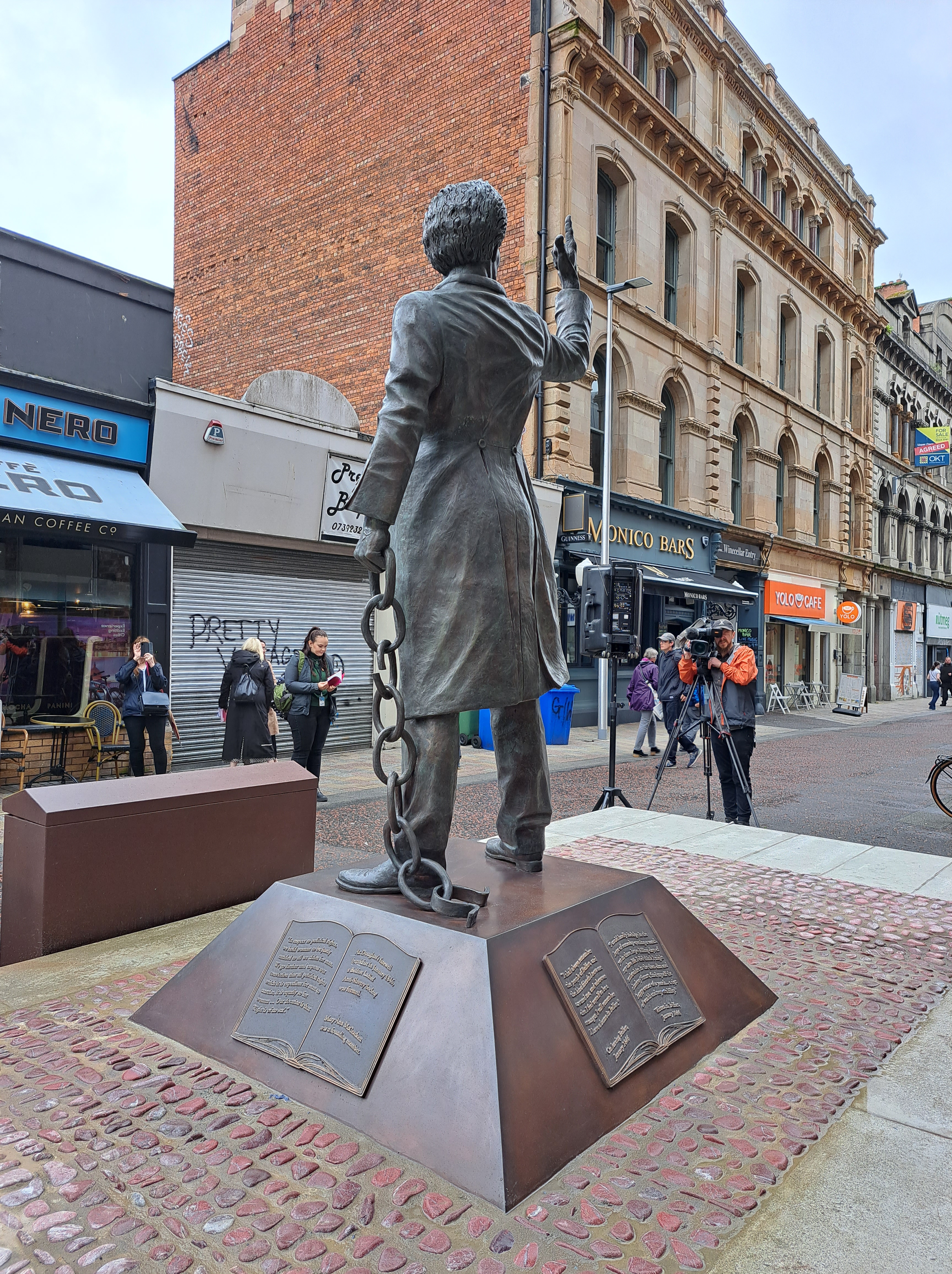
The view looking towards Rosemary Street
Looking down Lombard Street

Rev Alexander Gordon

Our worship today comes from Ballee Non-Subscribing Presbyterian Church and is the first in a new series considering significant Non-Subscribers from history.

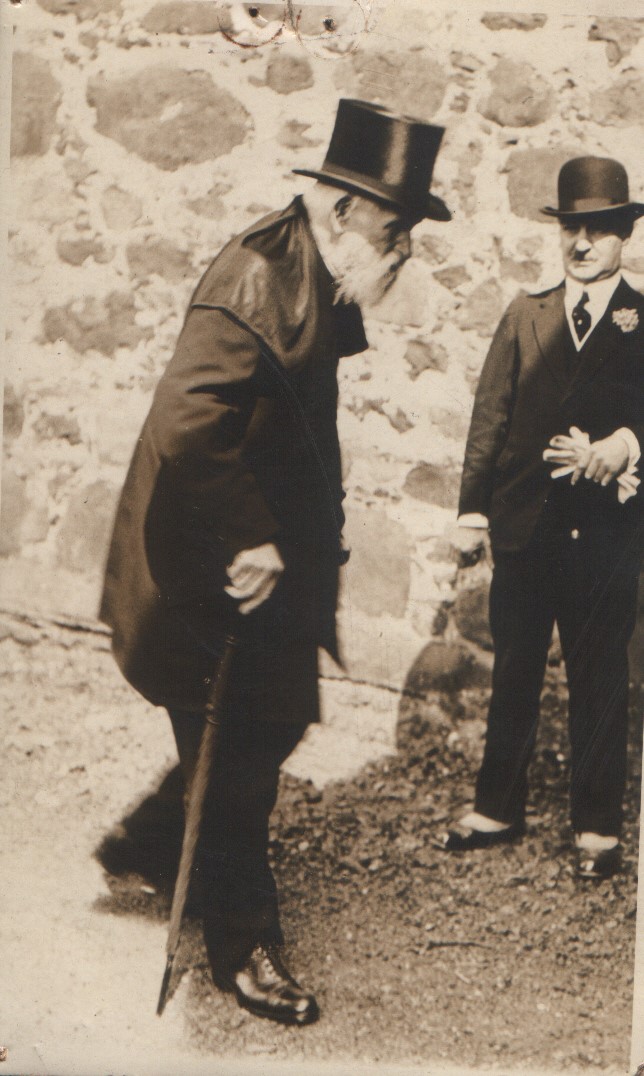
Alexander Gordon was born in Coventry on 9th June 1841 and died in Belfast on 21st February 1931. A self-styled Englishman by birth, Scotsman by education and an Irishman by inclination Alexander Gordon was the foremost historian of religious dissent in the British Isles whose influence is still recognized today.

Alexander Gordon arriving at Dunmurry, 18th January 1931

I’ve mentioned before the above photograph of Alexander Gordon, (click here to see the original post) the last known picture of him, arriving at Dunmurry to take the service in 1931 and this and many other images are used in the video for today’s service.

Click on the video to see the latest service (from 9.45 am on Sunday, 16th May 2021)

The service is recorded in Ballee Non-Subscribing Presbyterian Church and is conducted by the minister. The reader is Carol Nixon who reads Psalm 100 and the organist is John Strain who plays the hymns Spirit of God, unseen as the wind (Irish Presbyterian Hymn Book 478) and Fairest Lord Jesus (Irish Presbyterian Hymn Book 19). Also played at the beginning and end of the service are As the deer pants and Who is on the Lord’s side.

As well as the images connected with Alexander Gordon the film includes video of the eighteenth-century roof beams of Ballee Church constructed from Memel pine.

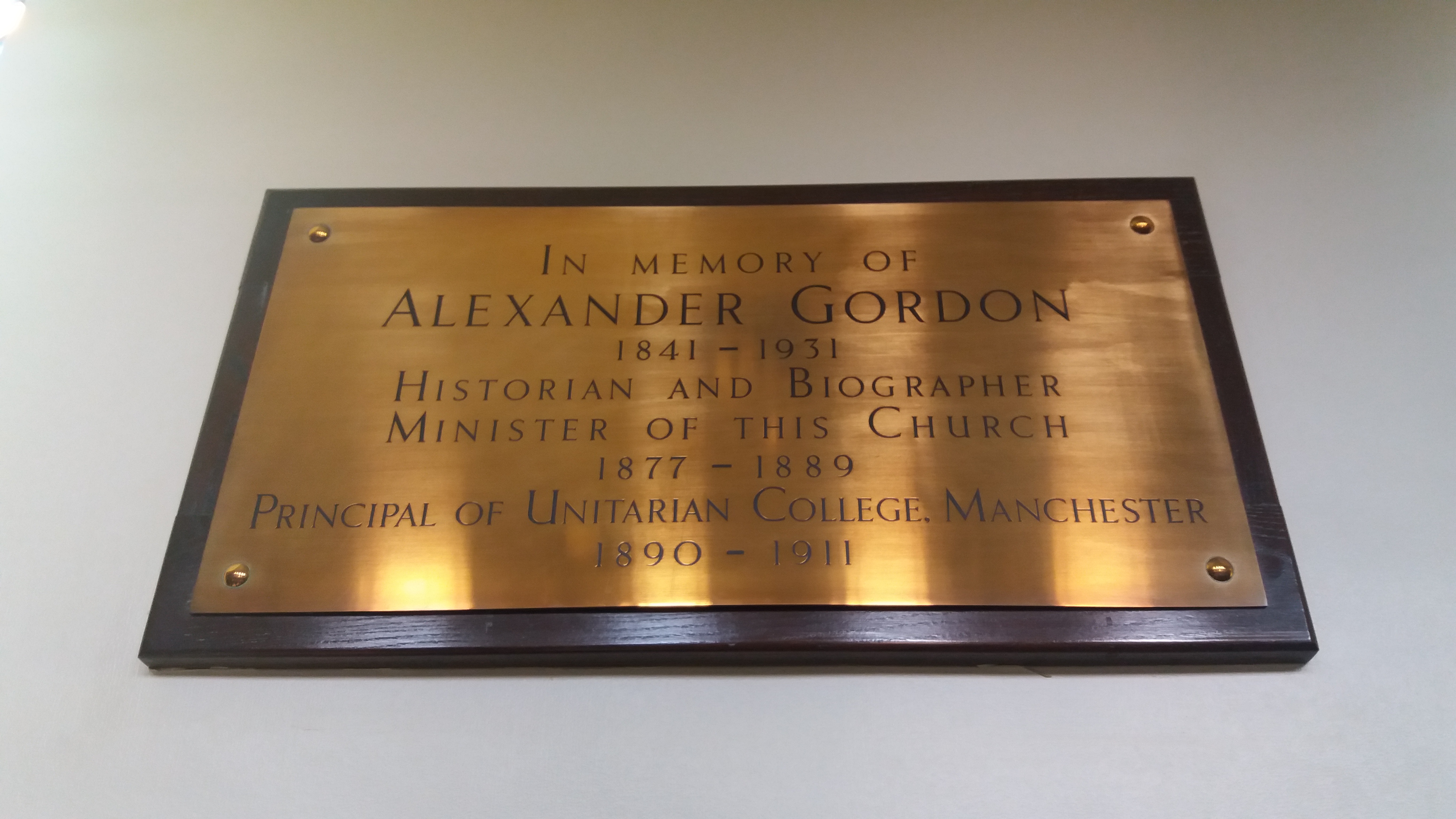
Memorial in First Presbyterian Church, Rosemary Street, Belfast

Over the course of a long career Gordon was minister of a number of congregations in England and Ireland and was Principal of the Unitarian College, Manchester and lecturer in Ecclesiastical History at the University of Manchester, in what was then the first free faculty of Theology in Britain. He was also a renowned historian who travelled all over Europe in the course of his work. He regularly travelled between England and Ireland, even throughout the First World War, and always travelled from wherever he was to Dunmurry in order to attend the twice yearly communion services there. He also travelled across Europe visiting record offices and archives – most notably in Poland, Hungary and Transylvania – at a time when such visits were rare and logistically difficult. This is referenced in the service. His researches, whose subject matter stretched over centuries and many areas of religious life, link us with the past and with his life. They set us in context and in time.

Time

Time is the feather’d thing,
And, whilst I praise
The sparklings of thy looks and call them rays,
Takes wing,
Leaving behind him as he flies
An unperceived dimness in thine eyes.
His minutes, whilst they’re told,
Do make us old;
And every sand of his fleet glass,
Increasing age as it doth pass,
Insensibly sows wrinkles there
Where flowers and roses do appear.
Whilst we do speak, our fire
Doth into ice expire,
Flames turn to frost;
And ere we can
Know how our crow turns swan,
Or how a silver snow
Springs there where jet did grow,
Our fading spring is in dull winter lost.
Since then the Night hath hurl’d
Darkness, Love’s shade,
Over its enemy the Day, and made
The world
Just such a blind and shapeless thing
As ’twas before light did from darkness spring,
Let us employ its treasure
And make shade pleasure:
Let ‘s number out the hours by blisses,
And count the minutes by our kisses;
Let the heavens new motions feel
And by our embraces wheel;
And whilst we try the way
By which Love doth convey
Soul unto soul,
And mingling so
Makes them such raptures know
As makes them entranced lie
In mutual ecstasy,
Let the harmonious spheres in music roll!


Jasper Mayne (1604-1672)

Remembering Tom Banham

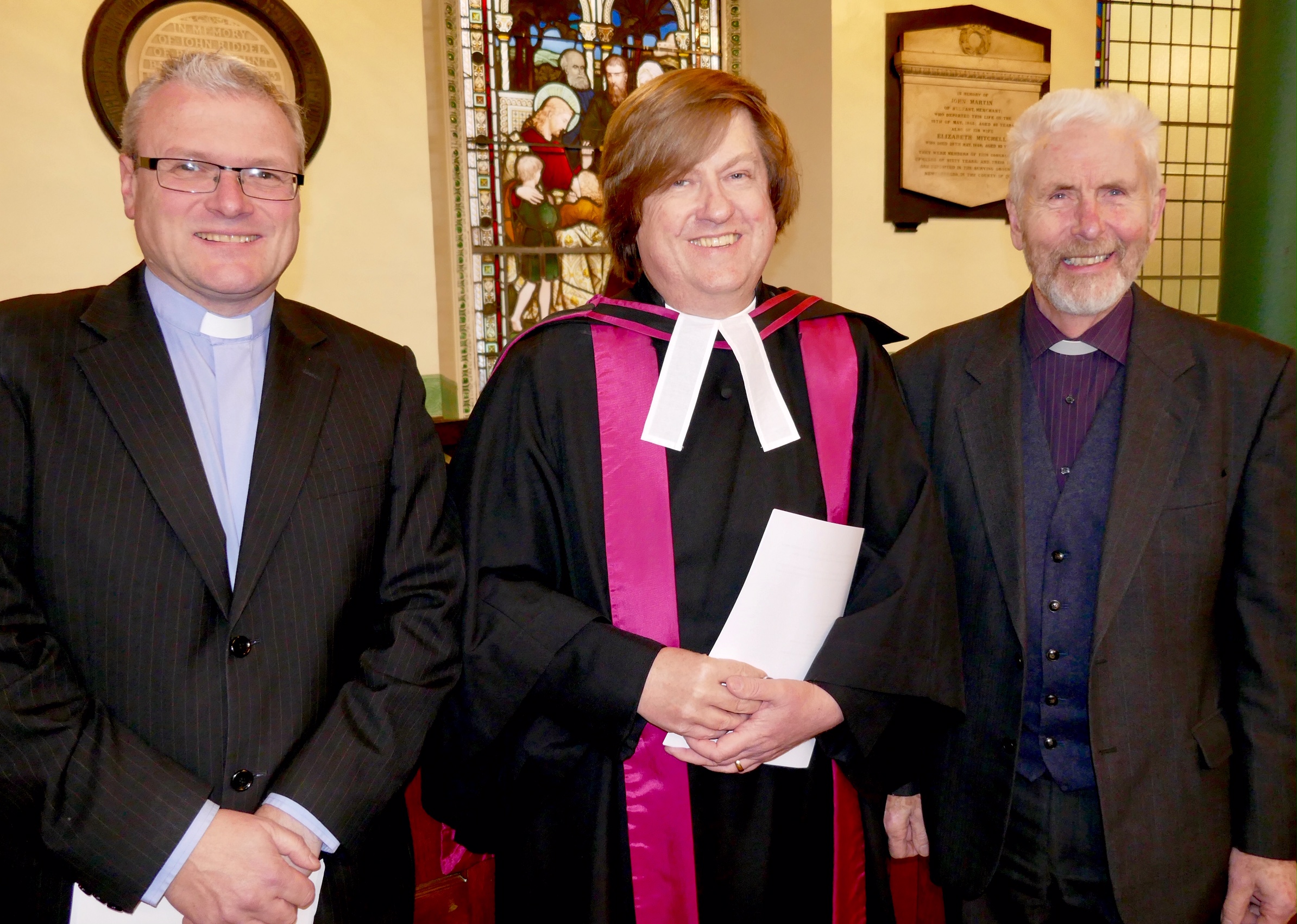
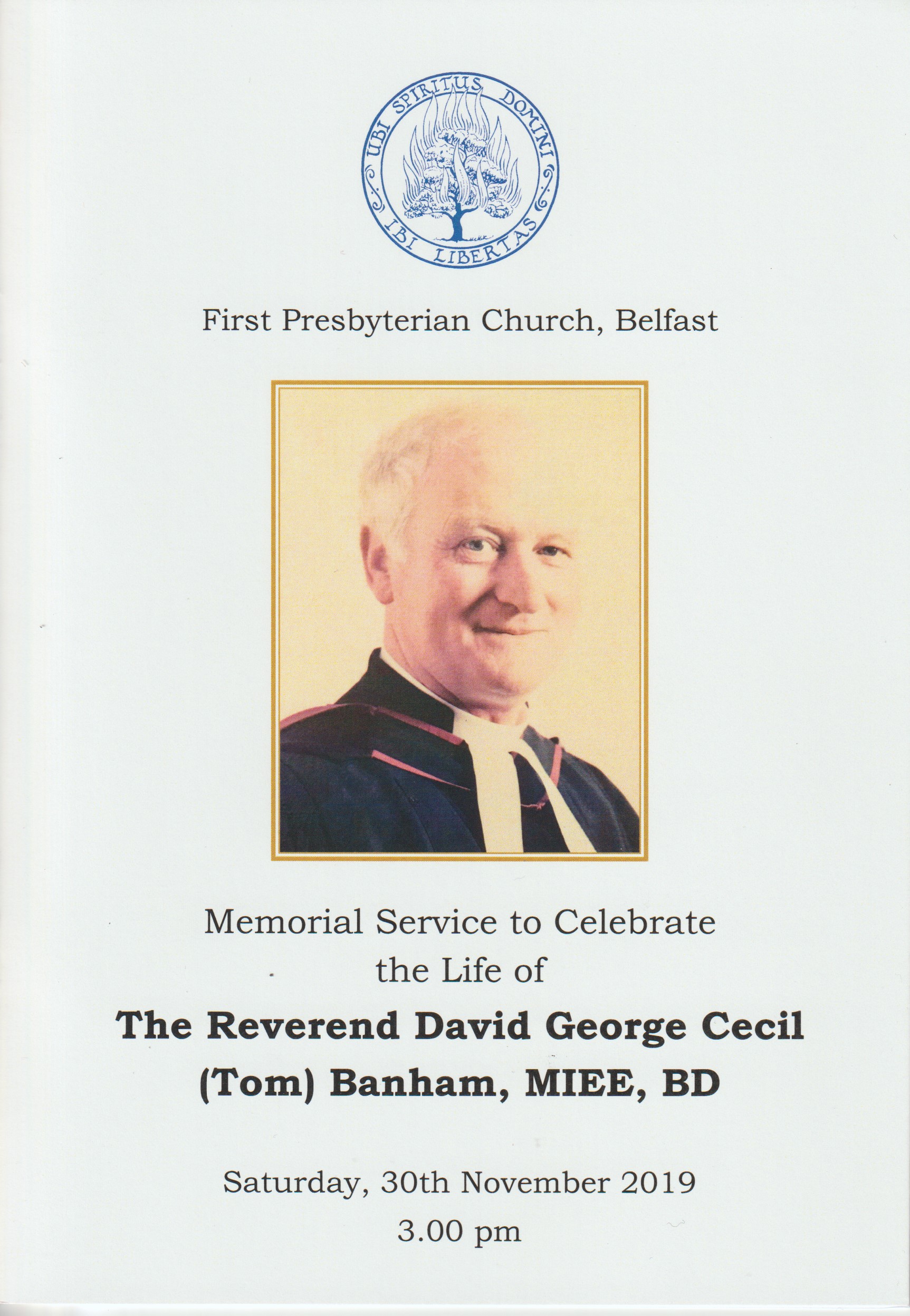
On Saturday, 30th November I was honoured to be asked to lead the service and give the address at the Memorial Service for the Rev Tom Banham at First Presbyterian Church, Rosemary Street, Belfast. Tom was the minister of First Church from 1975 until his retirement in 1993 and was senior minister from then until his death in August 2019.

IMG_1951

With Rev Simon Henning and Rev Robert McKee (Photo: Mark Adair)

It was a very impressive service indeed with contributions from Rev Simon Henning, Dr Pamela Topping, the church secretary, who read So Many Different Lengths of Time by Brian Patten, and Mark Adair who spoke warmly of his memories of Tom and read Praise of a Man by Norman McCaig.

Memorial Service

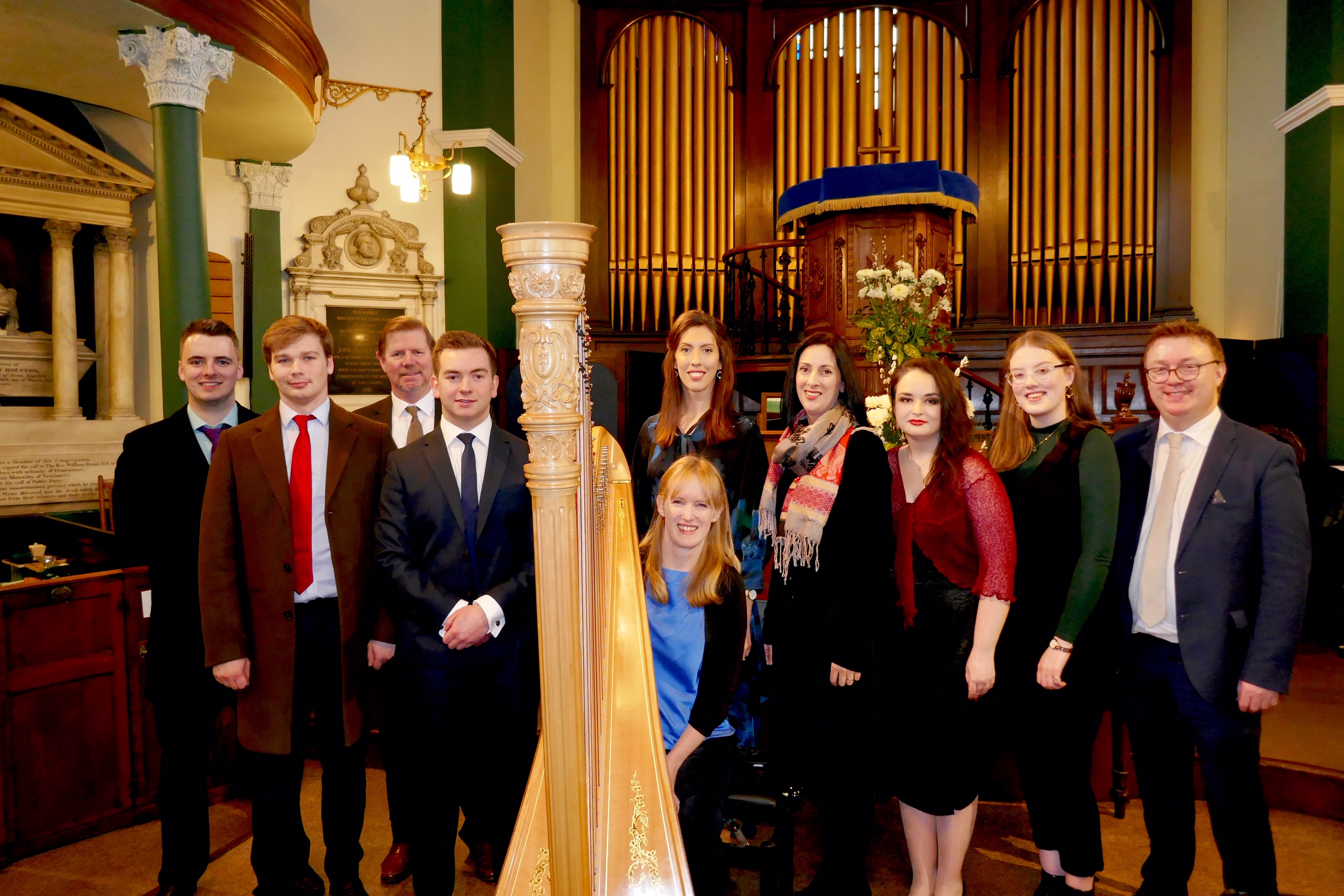
The service was particularly notable for its musical contributions under the leadership of the church’s Director of Music, Richard Yarr. Tanya Houghton, the newly appointed Musician in Residence, played two pieces on the harp and the eight Banham Scholars gave their first ever public performance. The organist was Nigel McClintock.

IMG_1947

Tanya Houghton with the Banham Scholars and Richard Yarr (Photo: Mark Adair)

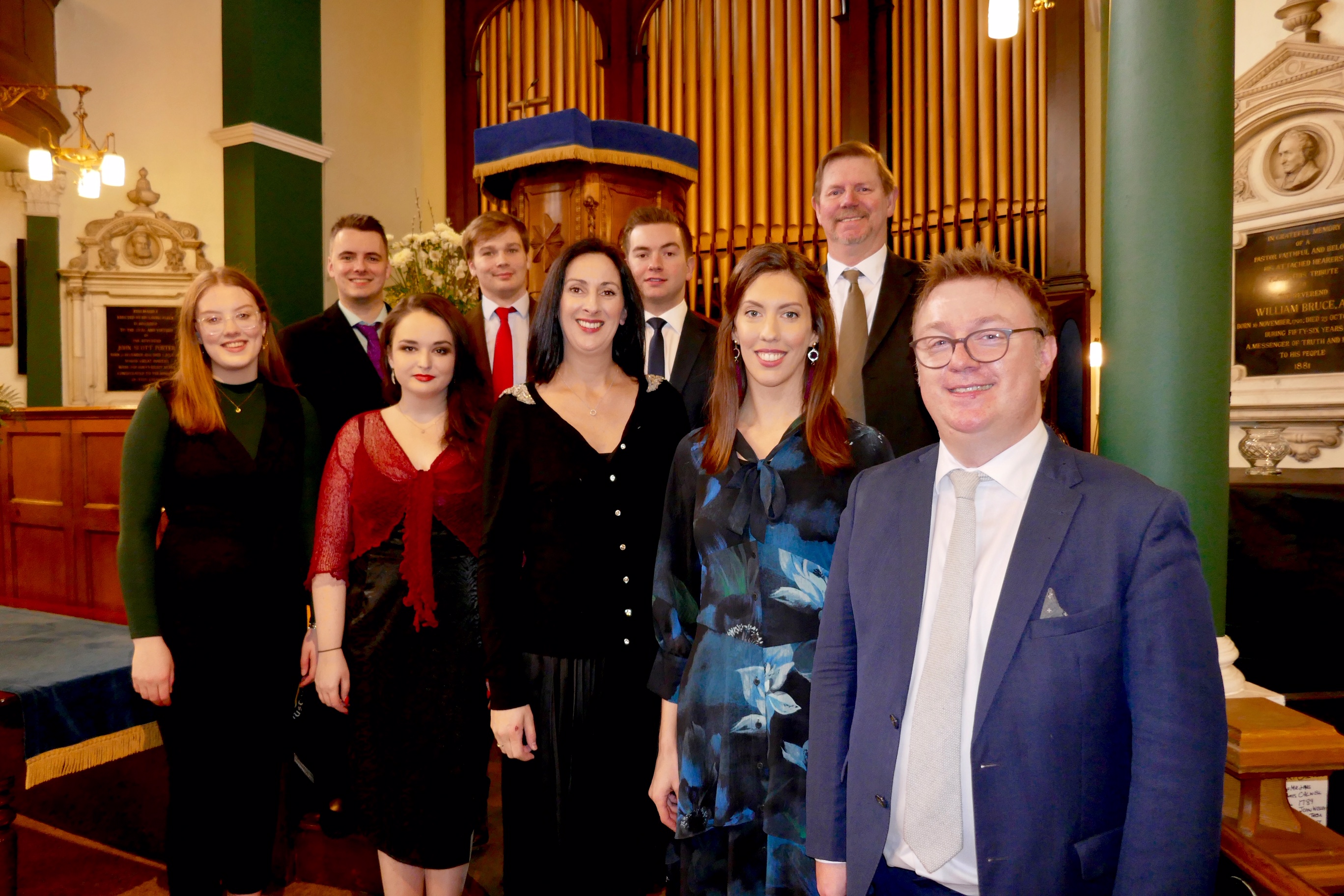
Before he died Tom endowed the church to enable them to establish a choral scholarship scheme for the church. As a result a group of choral scholars have been formed who, it is planned, will sing once a month at Rosemary Street, as well as on special occasions, and will undertake outreach projects on the church’s behalf. The congregation has named them the Banham Scholars in Tom’s memory.

IMG_1949

The Banham Scholars and Richard Yarr (Photo: Mark Adair)

The musical programme in the service comprised pieces which reflected Tom’s own musical interests and some of his favourite pieces:

Church Choir & Banham Scholars: Beethoven – Creation’s Hymn

Tanya Houghton (harp), Musician in Residence, First Church –

Puccini: O Mio Babbino Caro, from Gianni Schicchi (with soprano Mary McCabe)

Mascagni: Intermezzo from Cavalleria Rusticana

Banham Scholars –

Rutter: The Lord Bless You And Keep You

Handel: Hallelujah Chorus, from Messiah

The Banham Scholars are eight professional singers: two Sopranos: Mary McCabe and Katie Lyons; two Altos: Dawn Burns and Sarah Richmond; two Tenors: Owen Lucas and Mark Tilley; and two Basses: James Cooper and Adam Reaney.

IMG_1950

The Church Choir and the Banham Scholars (Photo: Mark Adair)

The hymns were Love divine, all loves excelling, The day thou gavest, Lord, is ended and Guide me, O thou great Jehovah.

The whole occasion was such a fitting tribute to someone who was a major figure in his denomination for so long and who made such a great contribution to society through his ministry and leadership.

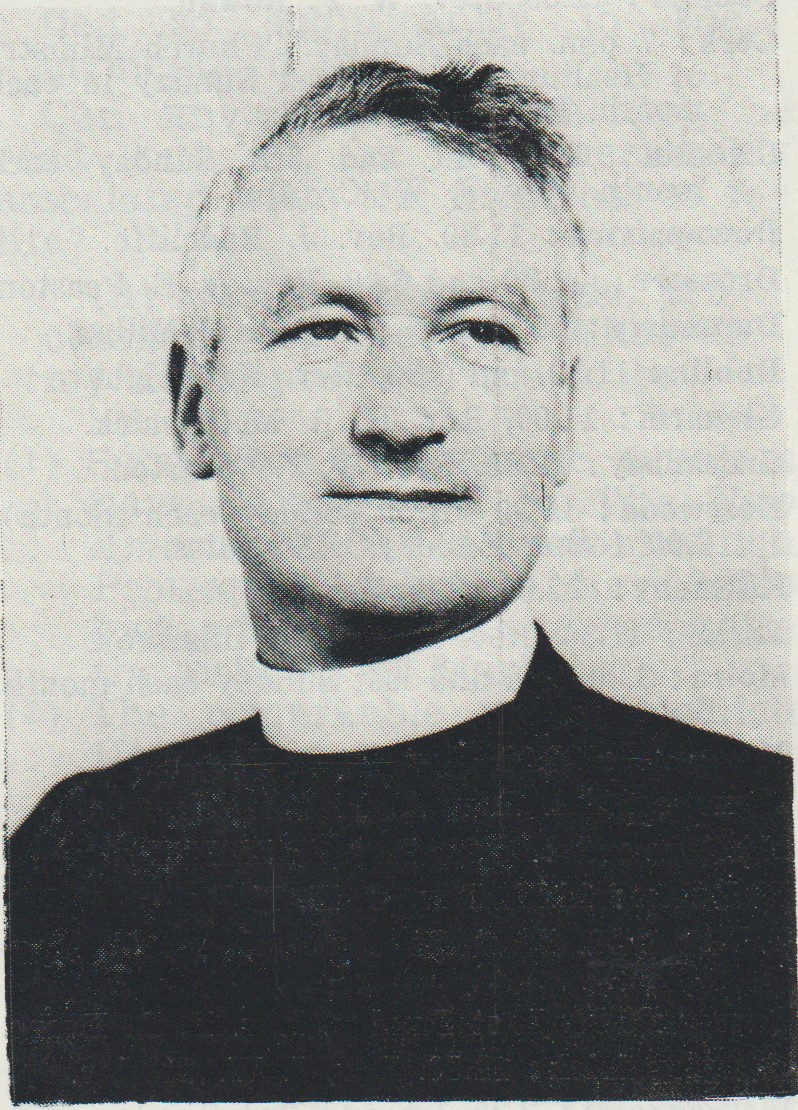
Rev Tom Banham 1971

Rev Tom Banham 1929 – 2019

Lieutenant Commander, Royal Navy

Minister, Ballycarry and Raloo 1971 – 1975

Minister, First Presbyterian Church, Belfast 1975 – 1993, senior minister 1993 – 2019

(Picture taken in 1971)


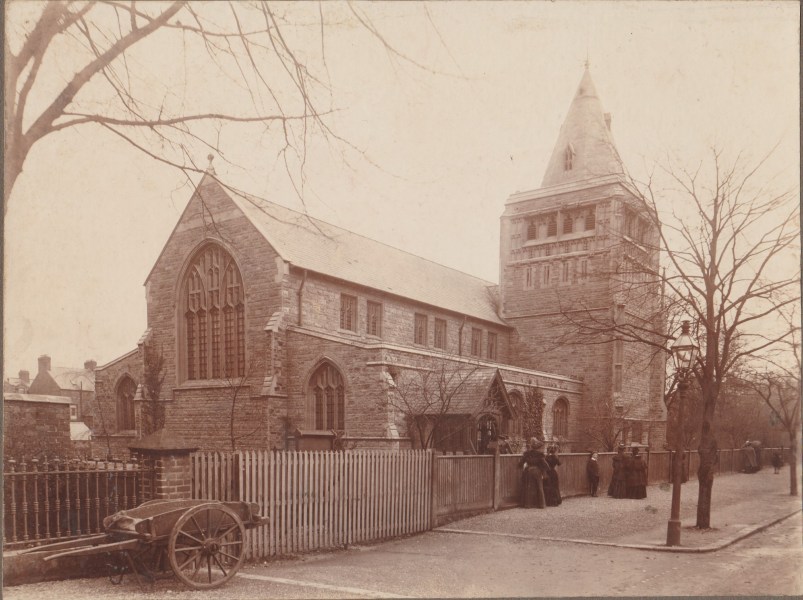
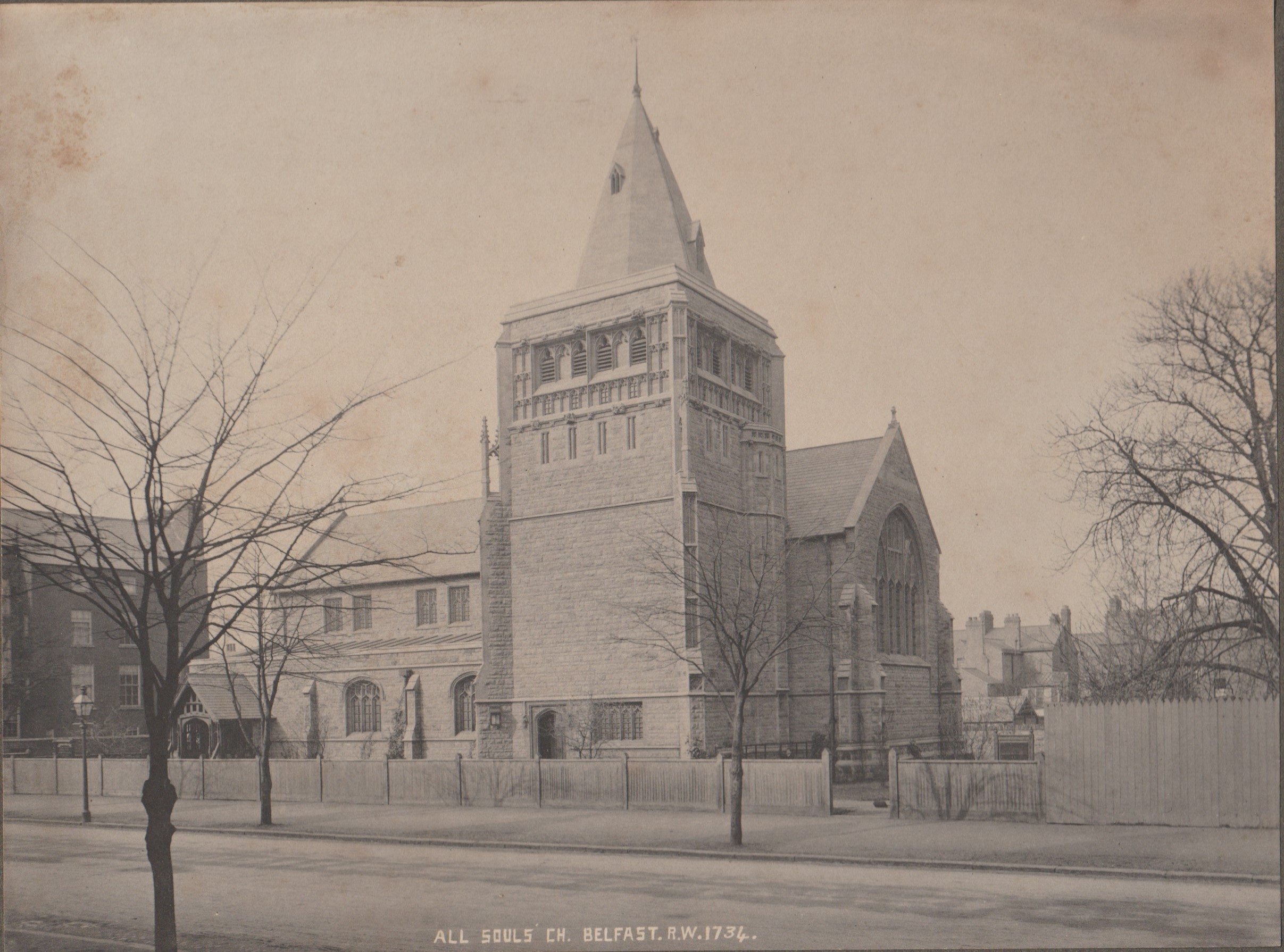
All Souls’ Church, Belfast built 1896

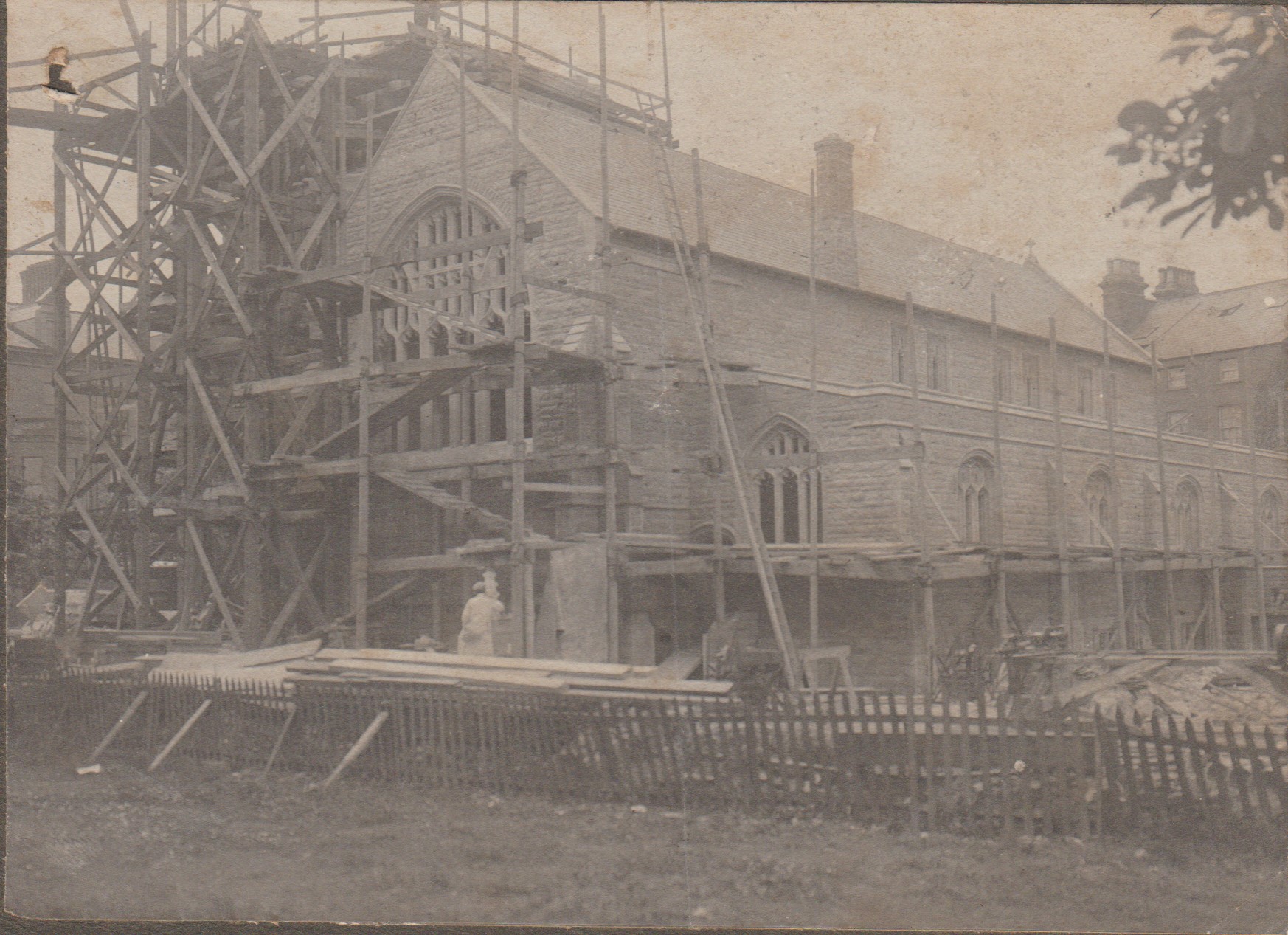
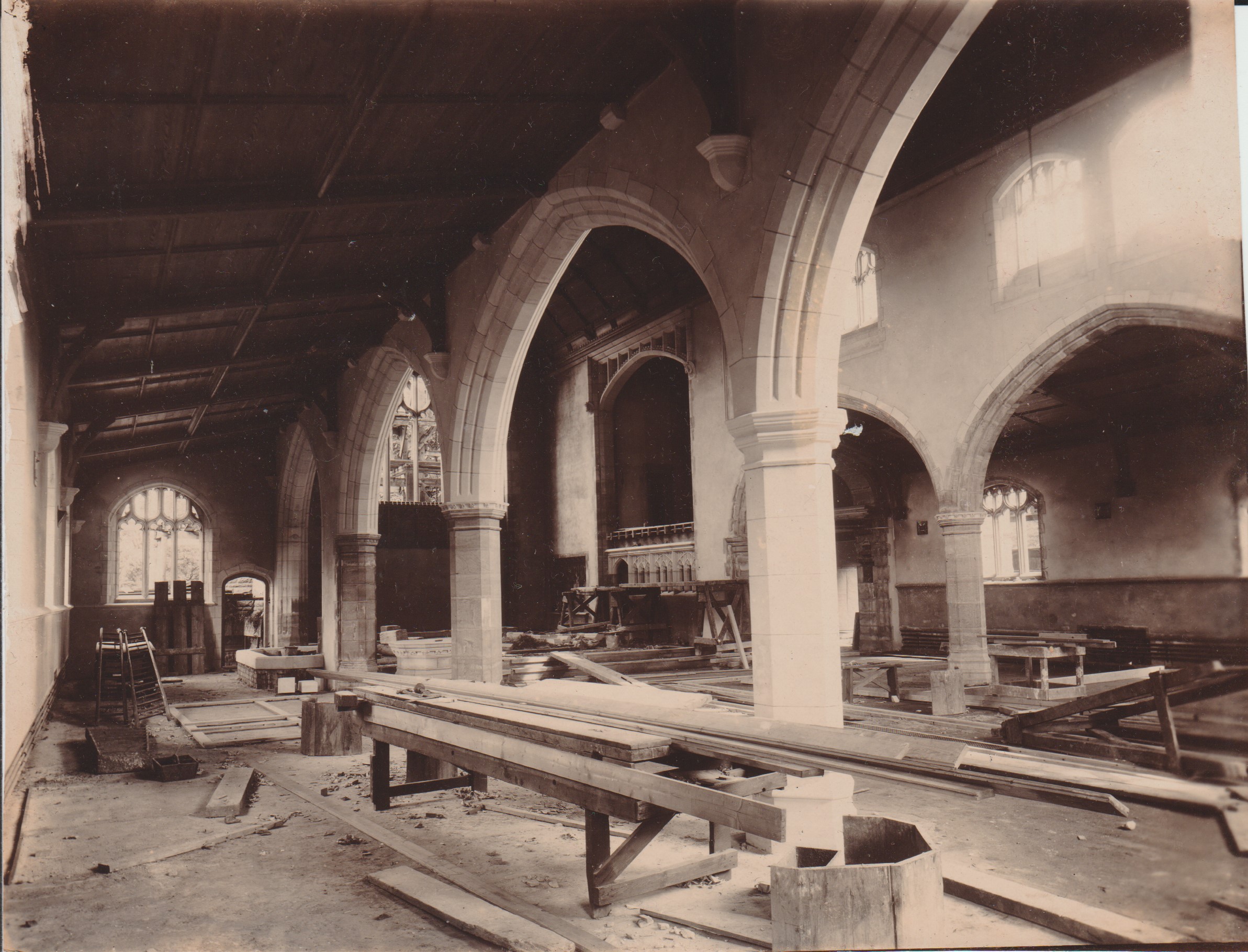
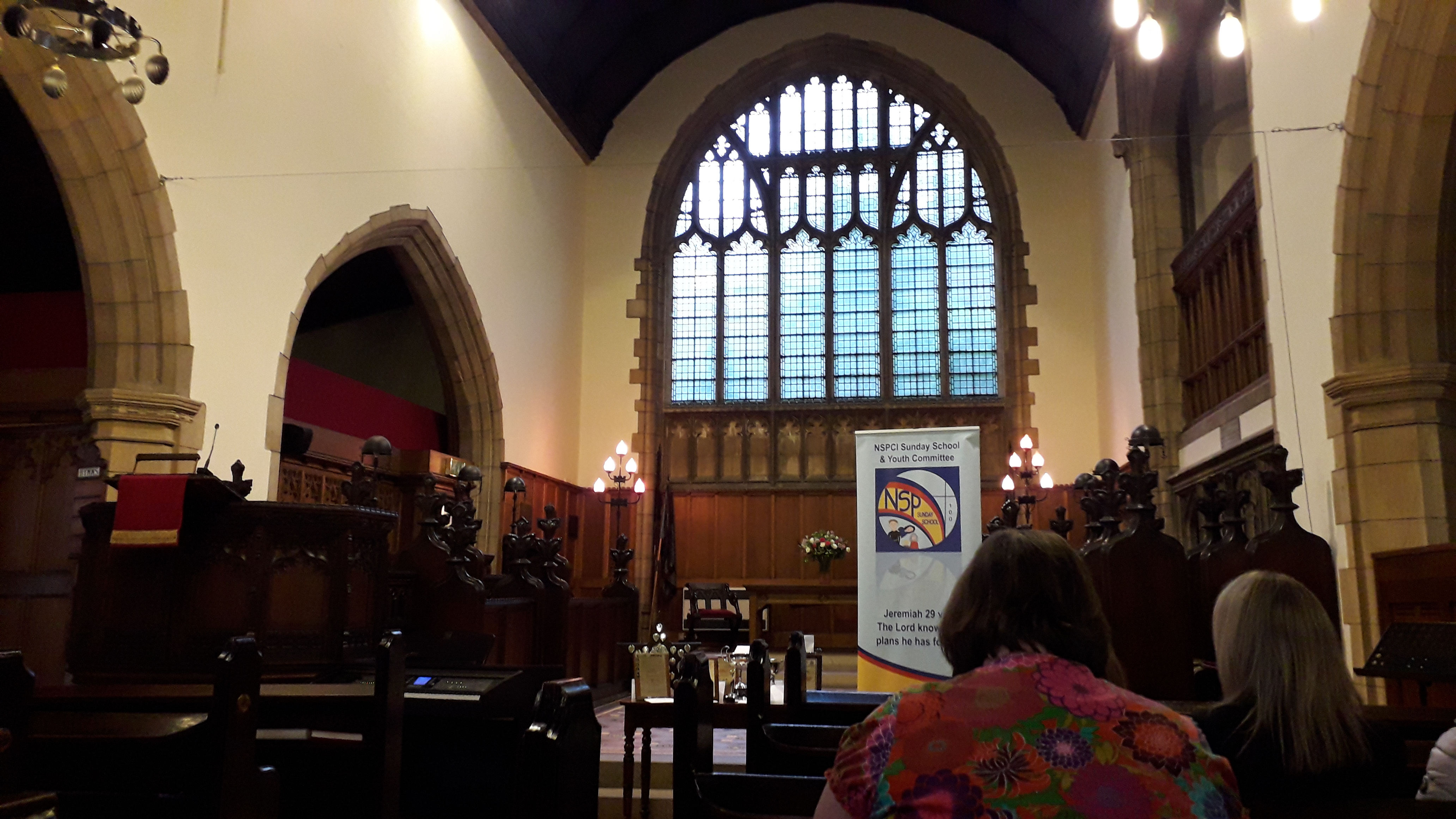
All Souls’ Church, Belfast exterior is modelled on Croyland Abbey in Lincolnshire. Built by the architect Walter Planck and opened for worship in 1896 it is the only church designed by that architect in Ireland. But it is interesting to note how closely the interior resembles the interiors of a number of fifteenth-century English parish churches. The arches, pillars, chancel, east window, clerestory windows all are reminiscent of a number of such places. I realised this when I saw a picture of the interior of the Church of St Mary in North Petherton. An Edwardian postcard of this interior  looks almost identical to All Souls’. Even the pews in All Souls’ underline this effect, the pews were brought in from the old meeting house on Rosemary Street when that church was vacated. These originally dated from the 1870s and a lot of Victorian parish churches would have installed new, modern pews at that time. The choice of this kind of architecture was quite deliberate by the minister, the Rev Edgar Innes Fripp in 1896. He was reaching back to medieval England to establish the kind of devotion he thought was most truly authentic. But architecturally it is a marvel. John McLachlan (in The Unitarian Heritage) says it is “unique in Irish Non-Subscribing church architecture”. But there is nothing like it in English Unitarian church architecture either which has a lot of remarkable gothic buildings.

All Souls ext construction 02

Simon Walker (Historic Ulster Churches) says “it would be as fitting in a rural English setting as in Belfast’s busy University area”. Richard Oram (Expressions of Faith Ulster’s Church Heritage) notes that “It is a unique and beautiful, little building”. Paul Larmour (Belfast: an illustrated architectural guide) calls it “a gem of Victorian architecture”.

All Souls int construction 01

The pictures on this page show the church under construction and soon after it was built, plus a view of the chancel taken before the NSPCI Sunday School service held there on 7th June 2019.

All Souls ext completed 01

All Souls June 2019