Liverpool’s Titanic Memorial

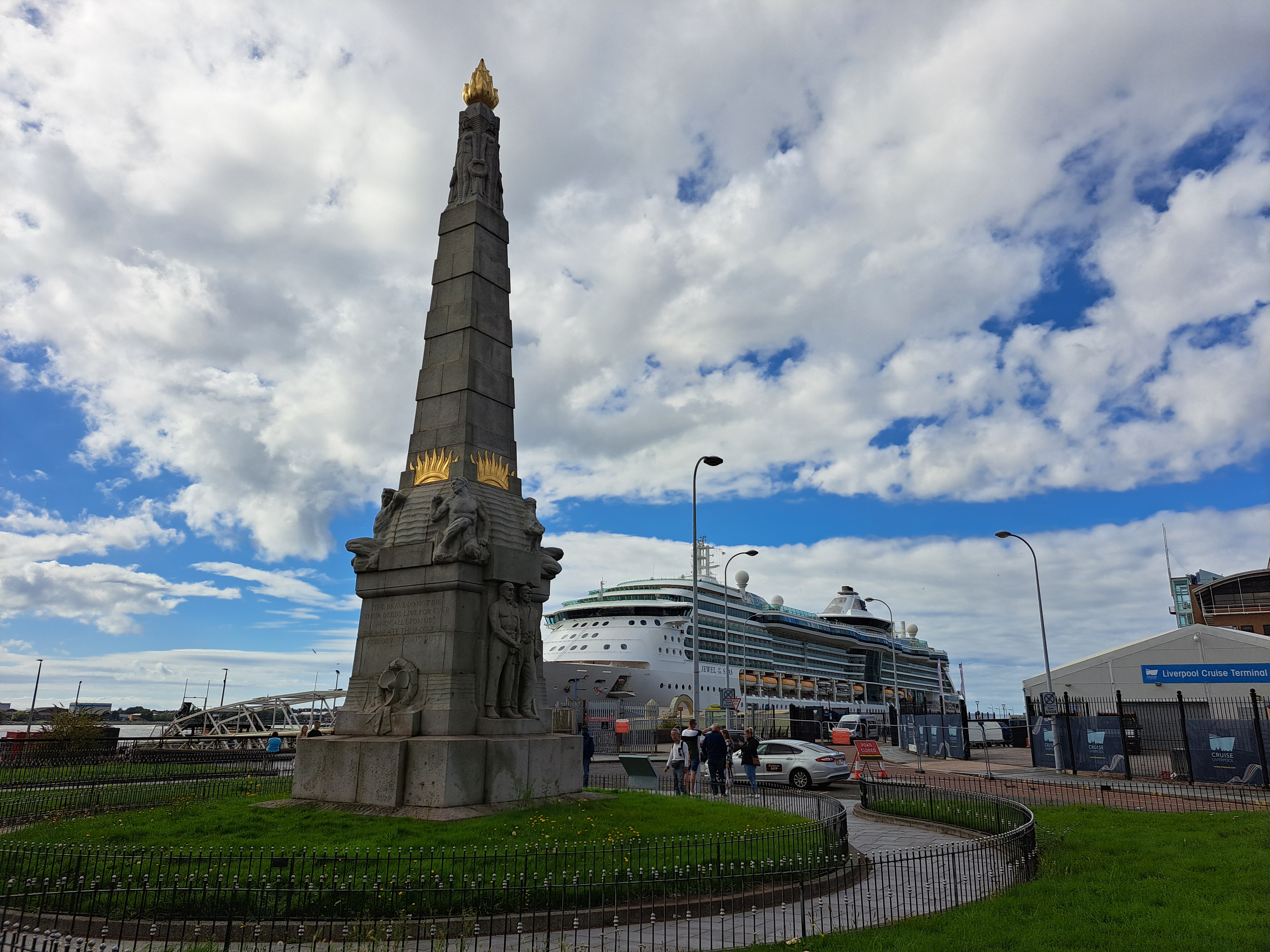
This memorial near Liverpool’s Pier Head is dedicated in honour of the Heroes of the Marine Engine Room. It is often referred to as the ‘Titanic Memorial’ because the original intention was to commemorate those lost in that disaster. The RMS Titanic was registered in Liverpool and the headquarters of the White Star Line was not far from the Pier Head, indeed the building is still there to this day. Although the Titanic didn’t visit Liverpool there were many local connections with the ship and there are a number of Titanic memorials in the city to this day.

But the original idea of the memorial was to commemorate the 244 engine room
staff who remained at their post after the ship struck the iceberg on 15th
April 1912 keeping the ship’s systems running as long as possible to help
people escape as the ship sank.

However, by the time it came to be erected, two other major naval disasters needed to be commemorated. The first was the sinking of the Empress of Ireland which was another Liverpool-registered ship which had regularly made the crossing from Liverpool to Quebec between 1906 and 1914. On 29th May 1914 it sank after a collision in the mouth of the Saint Lawrence River with the loss of 1,012 lives. The next year, during the First World War, another ship with very close Liverpool connections was sunk by a German U-boat on 7th May 1915. This was the Lusitania which was sunk about 11 miles off the coast of Ireland with the loss of 1,201 lives. It was a brutal attack on a passenger ship which also included a number of American citizens at a time when the United States had not yet entered the war.

The Memorial to Heroes of the Marine Engine Room in front of the Liver Building

So when the memorial was unveiled in May 1916 it was dedicated to ‘All Heroes of the Marine Engine Room’. It was designed by Sir William Goscombe John and is seen as one of the first memorials to commemorate the heroism of working men who are depicted on the memorial. As Terry Cavanagh puts it in his Public Sculpture of Liverpool it is ‘a rare example in Liverpool of the commemoration not of a single, high-ranking individual but of the “ordinary” workers of the city’.
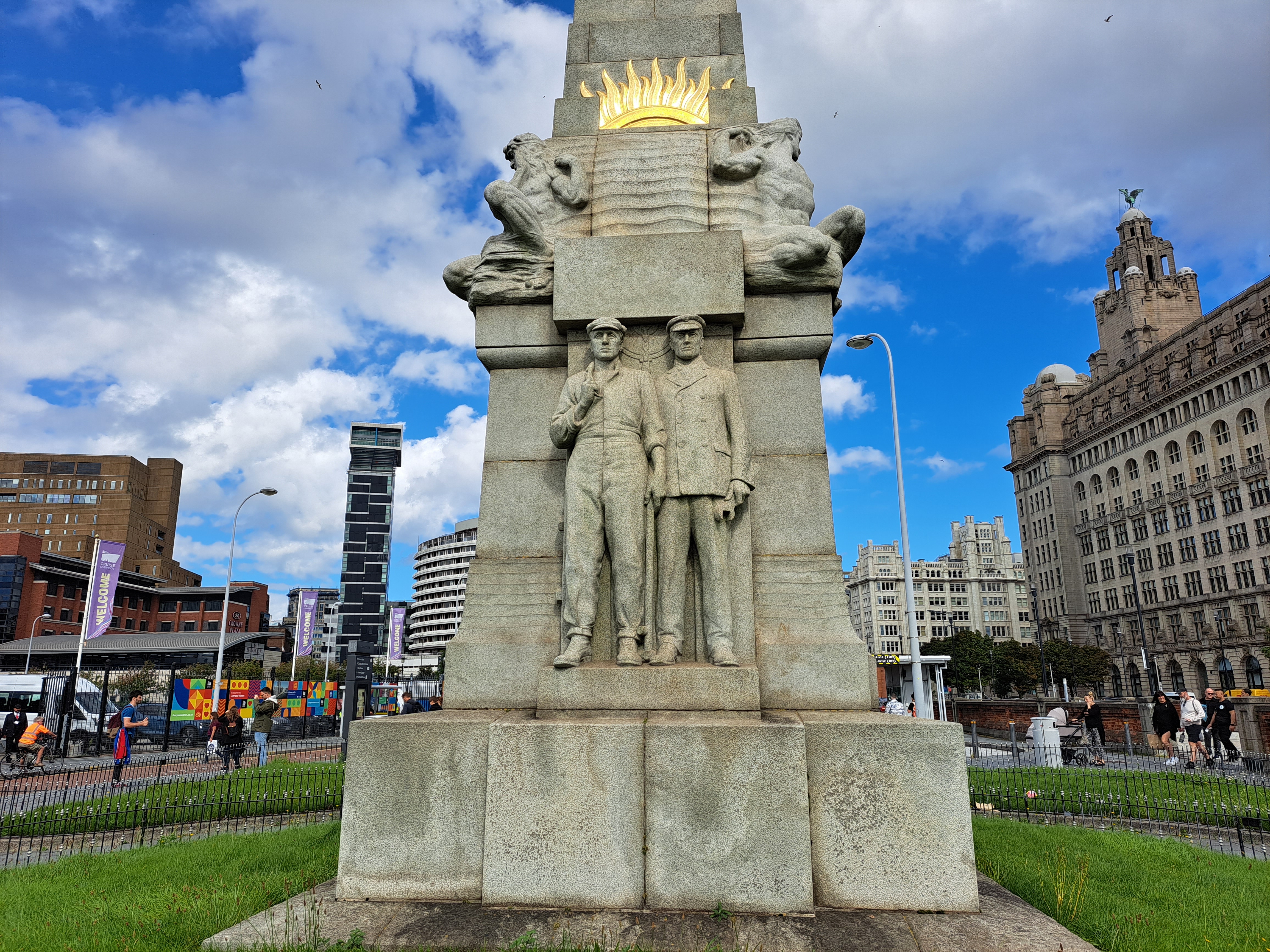
The west face of the memorial: Two engineers, one holds a stoking-hatch lever and the other a spanner
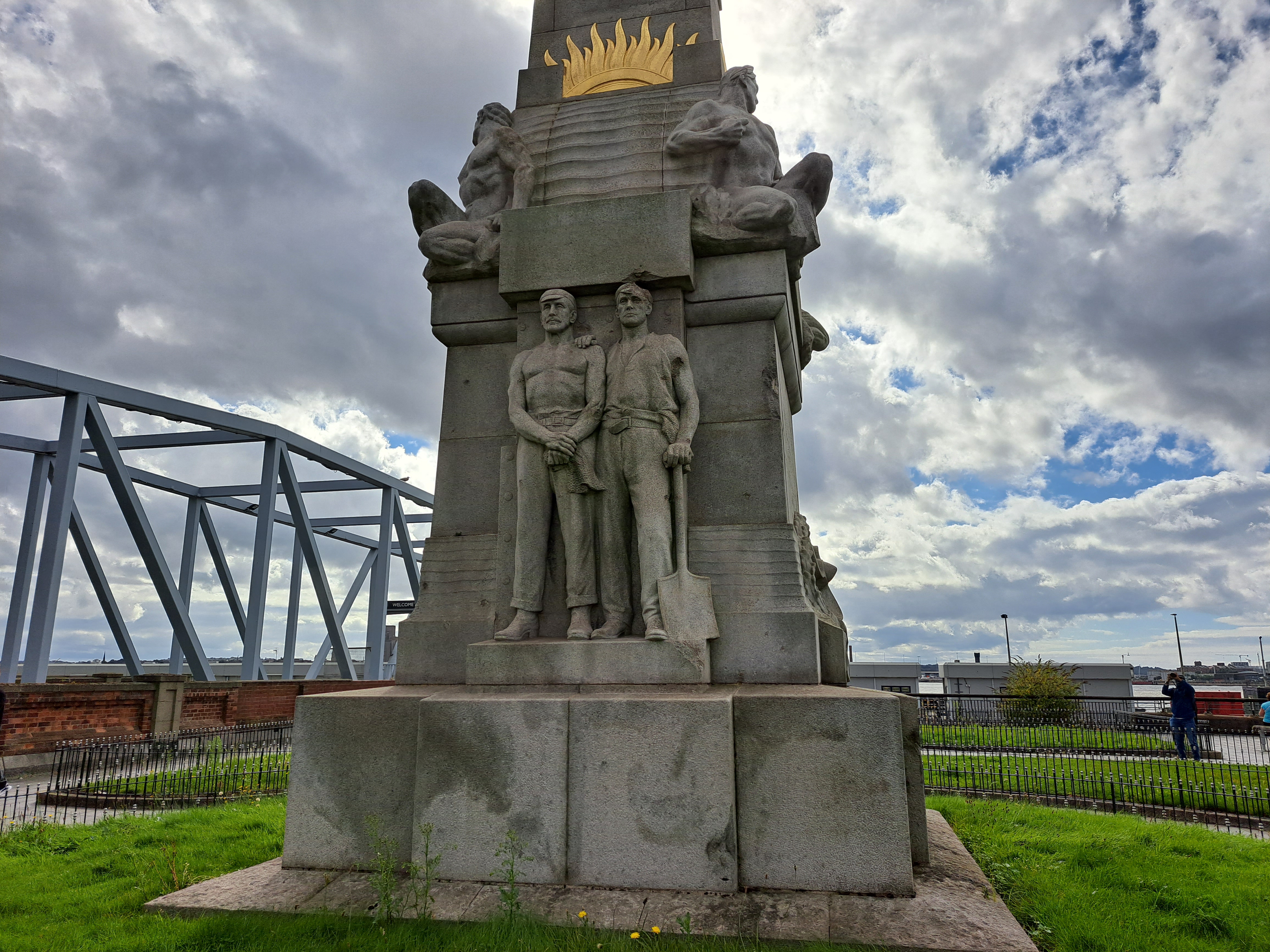
Figures on the east face: Two stokers, one holding a cloth, the other a shovel. The four figures above, on the corners, represent the elements and, at the very top, four female figures represent the sea

Something like £4,000 was raised from donations around the world before August 1912 to build the memorial. When it was finally unveiled on 9th May 1916 it was done with very little ceremony although it still attracted large crowds, many of them mourners of people who were lost on the Titanic and the Lusitania, although by then the intention was to honour all maritime engine room fatalities incurred during the performance of duty.
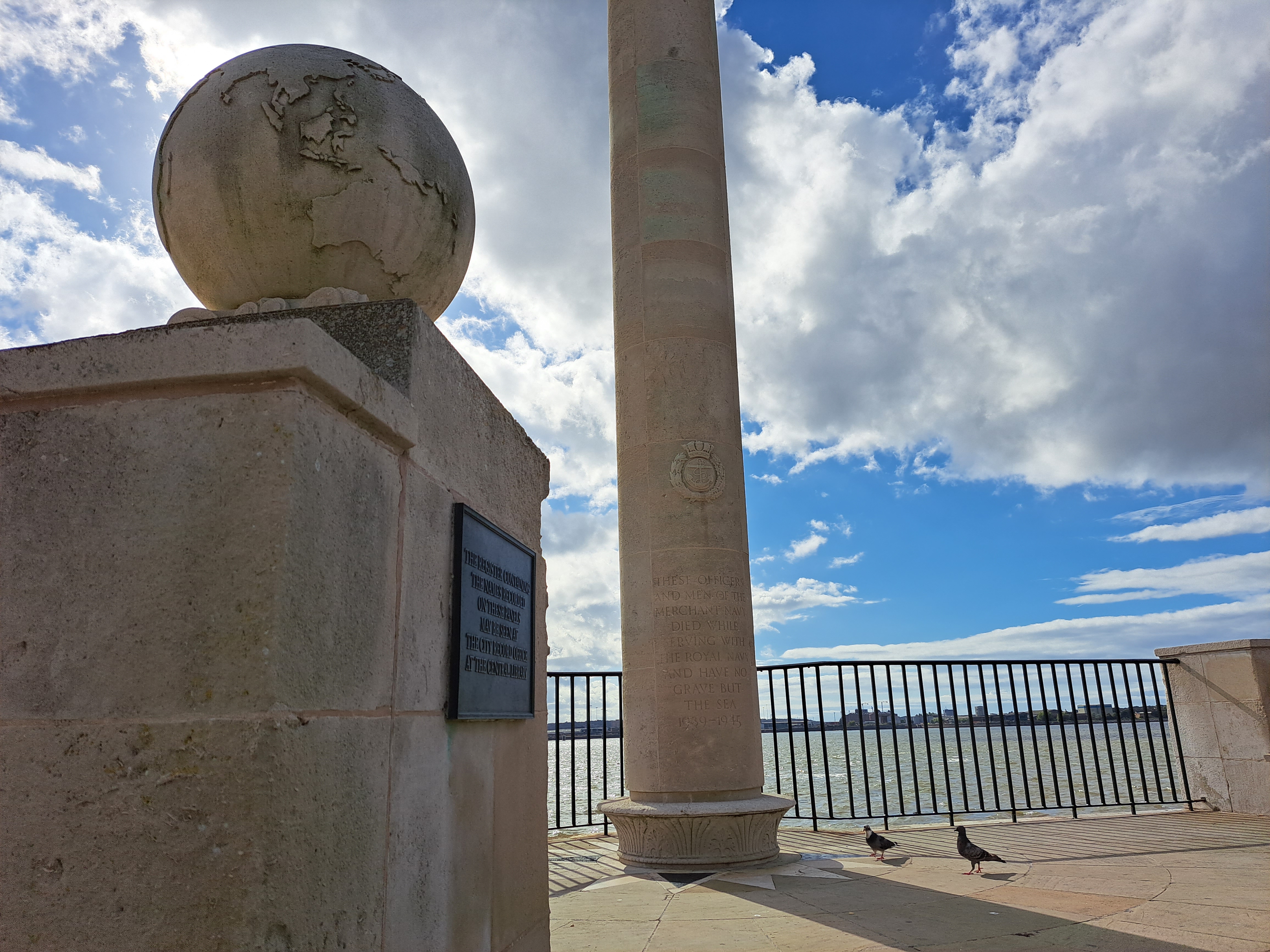
Memorial to the Missing of the Naval Auxiliary Personnel of the Second World War

Many more memorials have been added to the Pier Head since the Second World War including the Merchant Navy War Memorial (Memorial to the Missing of the Naval Auxiliary Personnel of the Second World War), the Merchant Navy Memorial dedicated to the men and women who gave their lives in both World Wars and have no other grave than the sea, and an area with a succession of memorials of sailors of different nationalities who served in the Second World War including Belgian, Dutch, Chinese, Norwegian, and Polish merchant seamen and other servicemen and women. In addition there are plaques remembering the sinking of the SS Arandora Star, torpedoed off the coast of Donegal in 1940 with the loss of over 800 people, mainly non-combatants; HMT Lancastria which was sunk while evacuating servicemen at St Nazaire on 17th June 1940 with the loss of about 6,000 people (said to be the worst disaster in British maritime history); and a memorial to the ships that repatriated 20,000 people held in captivity in the Far East up to the end of the Second World War.

Merchant Navy Memorial
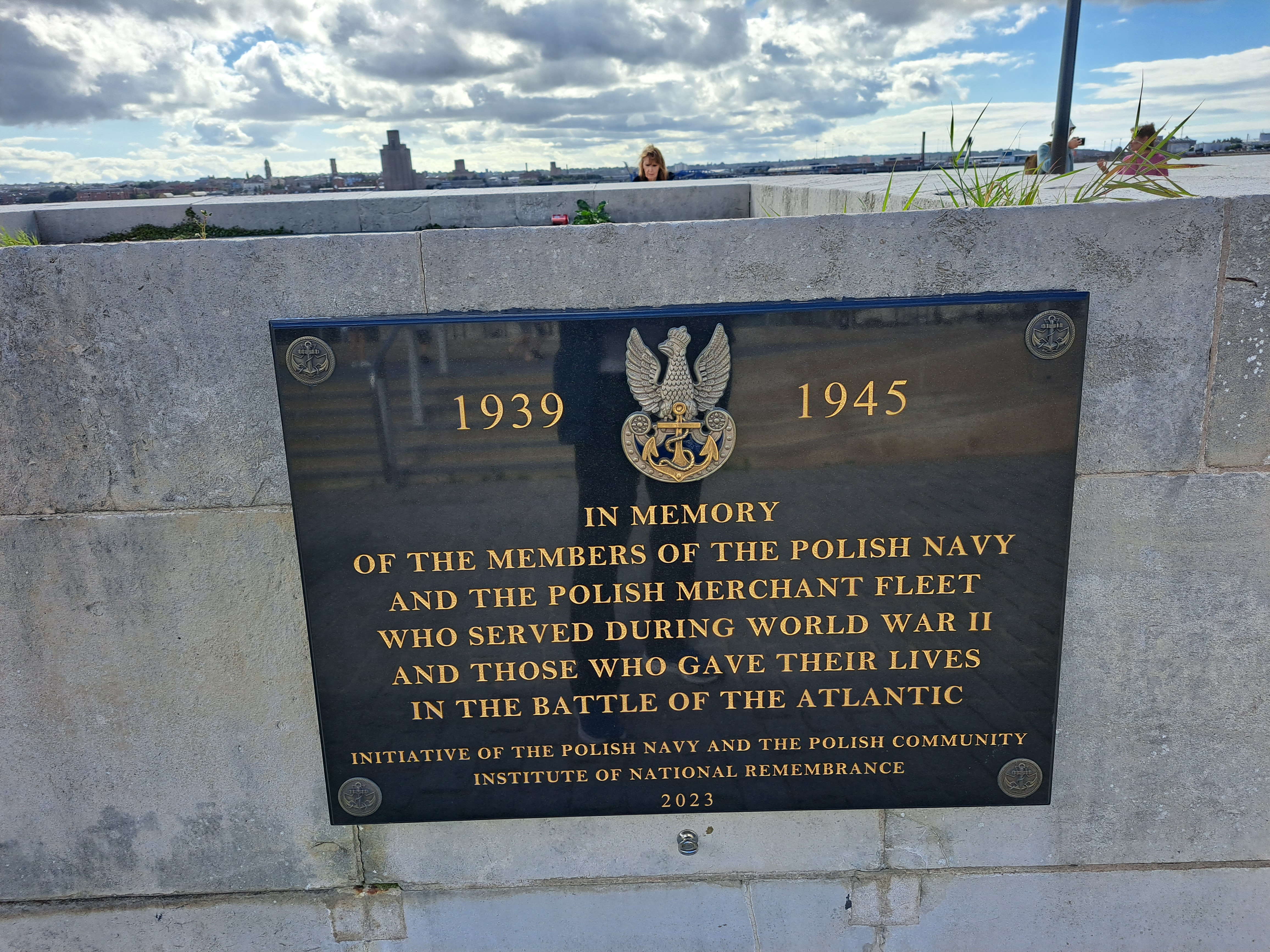
In memory of members of the Polish Navy and Polish Merchant Fleet
Video: The Royal Liver Building clock strikes 4 o’clock

Silent yet eloquent memorials

Starting off on the tour

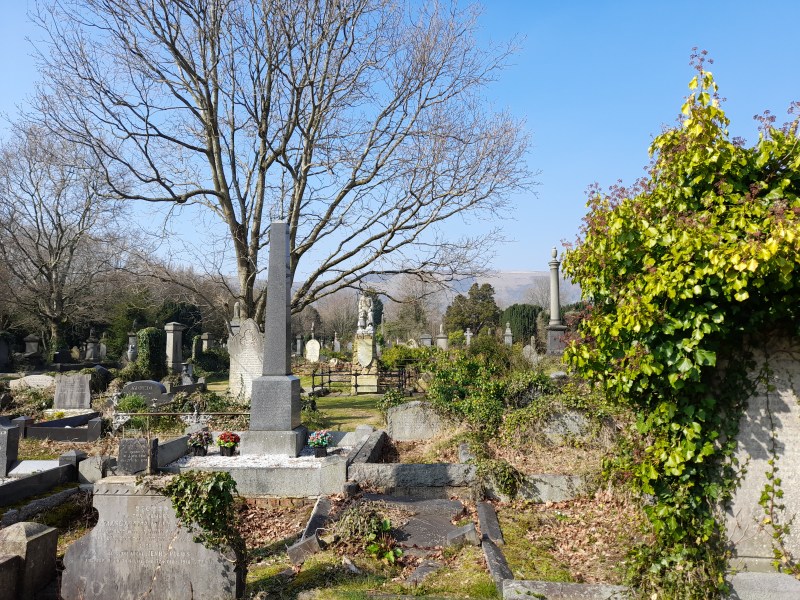
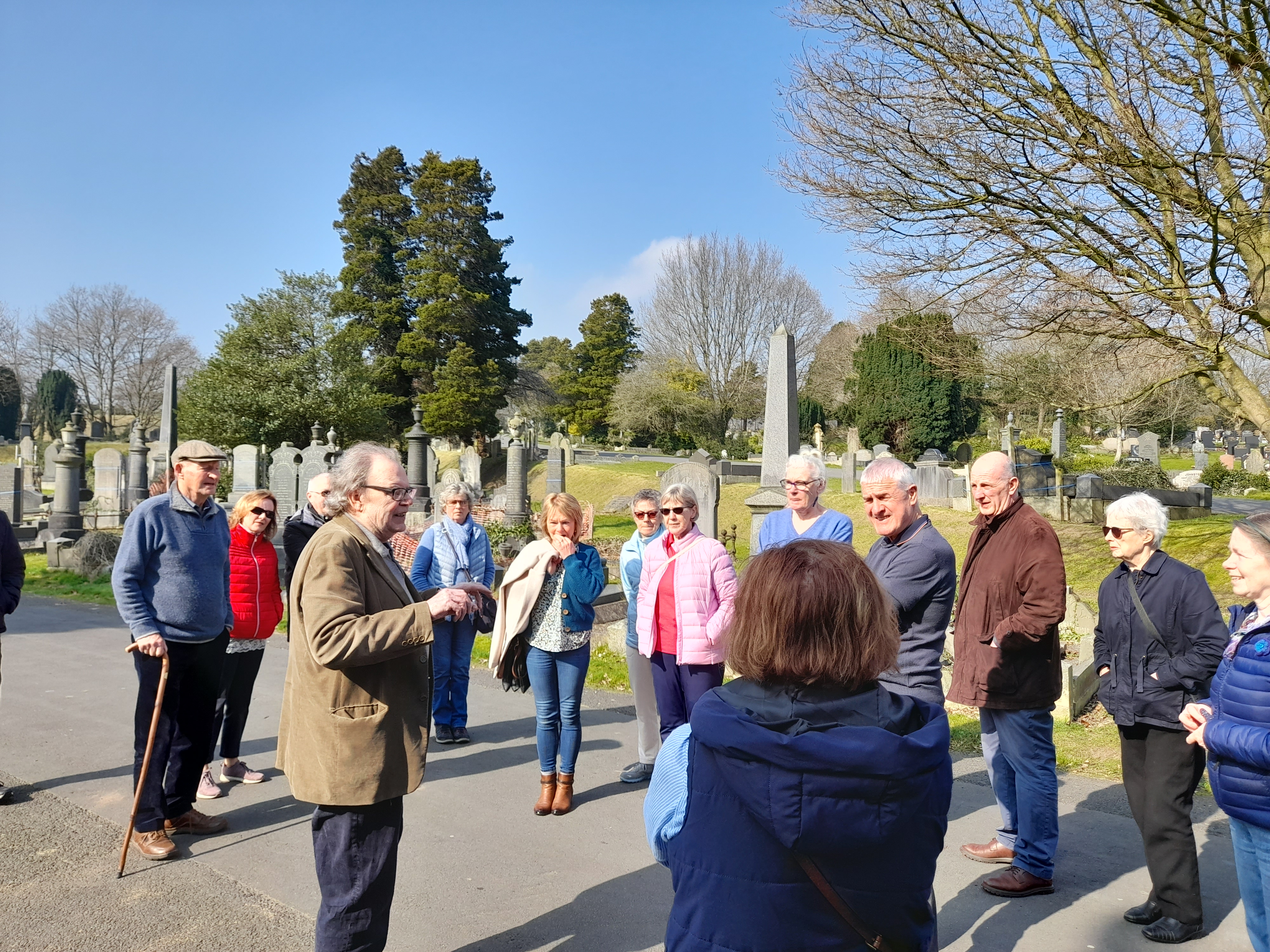
On Wednesday, 23rd March a group from the four Belfast Non-Subscribing Presbyterian Churches enjoyed an excellent visit to the Belfast City Cemetery. We were blessed by good weather, almost like a summer’s day, which showed off the whole site to its fullest advantage. Designed in the shape of a bell and opened in 1869 it has been the burial place of approximately 225,153 people ranging from the some of the poorest members of society, buried in paupers’ graves, to some of the wealthiest merchants, industrialists and businessmen of Victorian Belfast. Years of neglect and vandalism obscured the importance of the cemetery in the city’s history for a long time, but the remarkable work done by Tom Hartley on the graves and history of the cemetery, not least reflected in his book Belfast City Cemetery, has opened up the cemetery to a wider and appreciative public. It is good too to see the construction of a visitors’ centre and the restoration of some of the larger memorials. Tom Hartley has an encyclopaedic knowledge of the history and significance of the site and was our informative guide as he showed us round a large proportion of the original Victorian graveyard, so attractively laid out with the Belfast hills providing a dramatic backdrop. Tom made special reference to some of the Presbyterian and Non-Subscribing Presbyterian graves in the cemetery and we encountered the last resting places of some familiar figures from our tradition. Among others we saw the grave of Margaret Byers, the founder of Victoria College, and Elisha Scott, legendary Liverpool goalkeeper. Cemeteries are such important repositories of history: funeral monuments, grave inscriptions, memorial artwork all tell us a great deal and in this case Belfast City Cemetery provides a fascinating window into the growth, development and history of Belfast as a city. After the tour we had lunch at Cultúrlann McAdam Ó Fiaich. Below are some images of what we saw:

The grave of Rev John Scott Porter (Biblical scholar, theologian and Belfast Non-Subscribing minister) and his brother William Porter, attorney general at the Cape Colony who introduced a franchise into the colony that extended the vote, at the time, to all people irrespective of race.
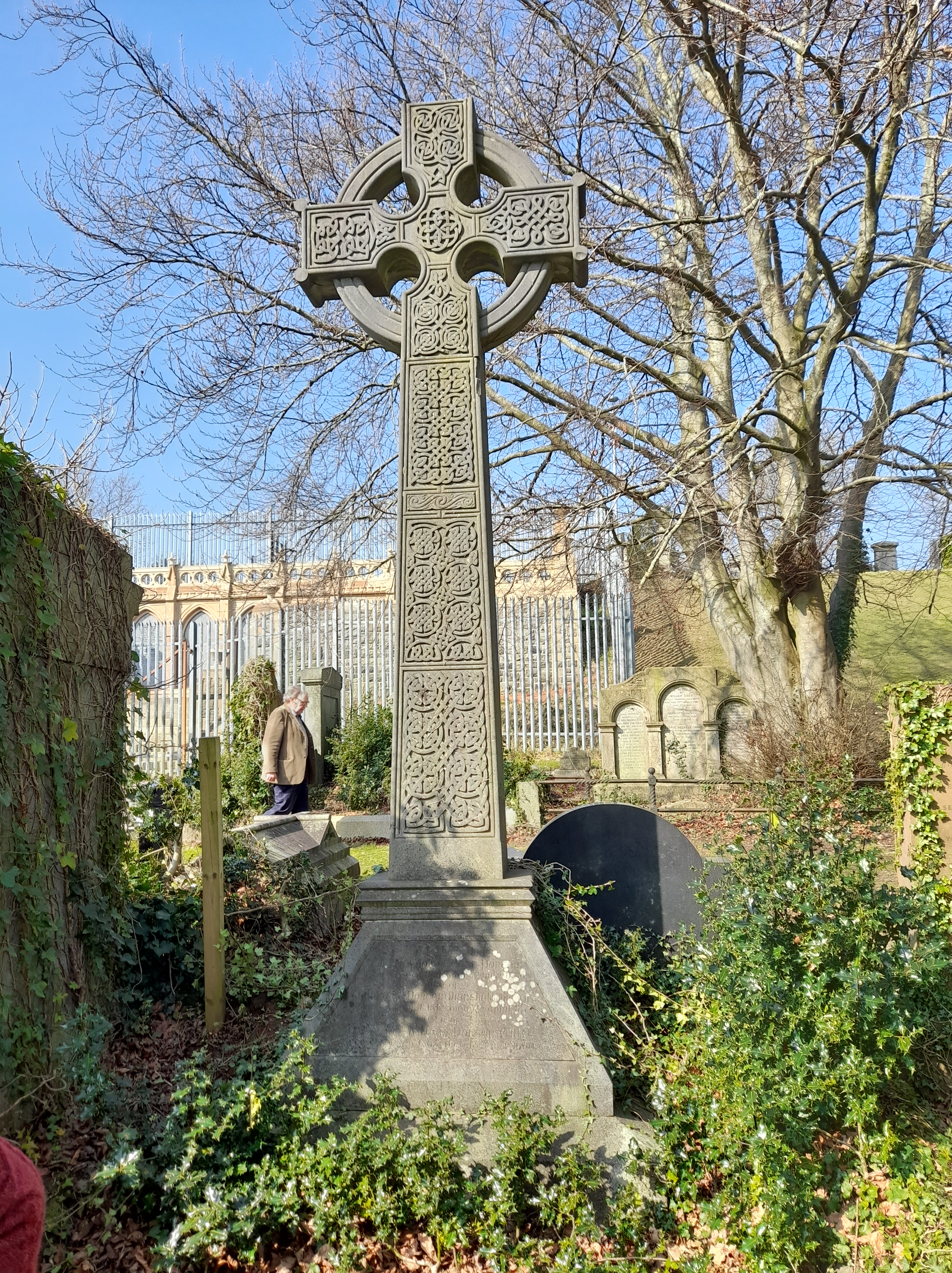
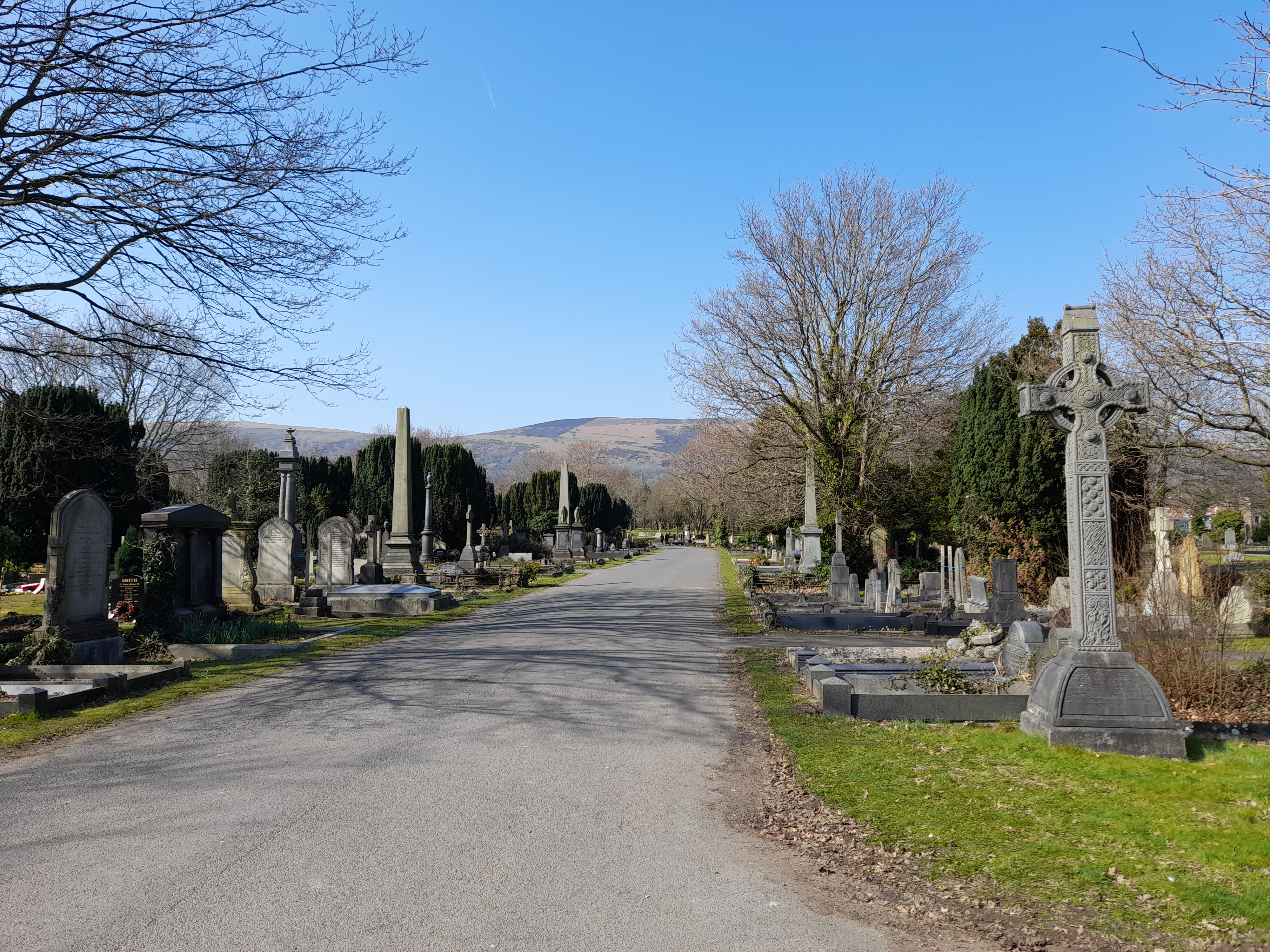
View across the cemetery showing the memorial to John Kirker (1891) on the right in the form of an ornamental Celtic Cross carved from a single piece of limestone.
.
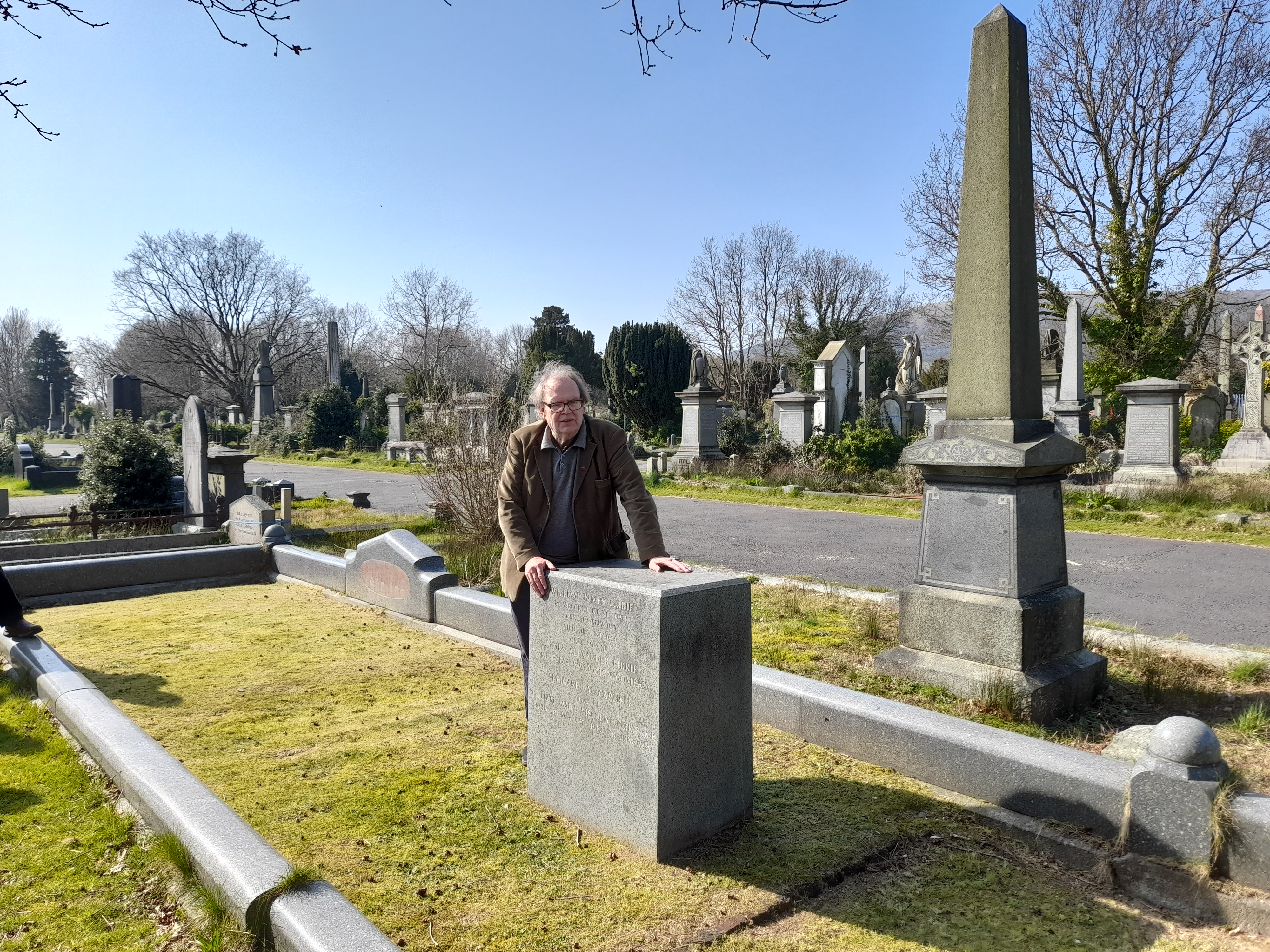
Tom Hartley at the grave of Lord and Lady Pirrie. William Pirrie was a leading Belfast politician and shipbuilder, chairman of Harland and Wolff and responsible for the building of the ‘Titanic’. His wife Margaret Montgomery Pirrie was a significant figure in her own right, closely involved in the establishment of the Royal Victoria Hospital and a granddaughter of the Rev Henry Montgomery of Dunmurry.
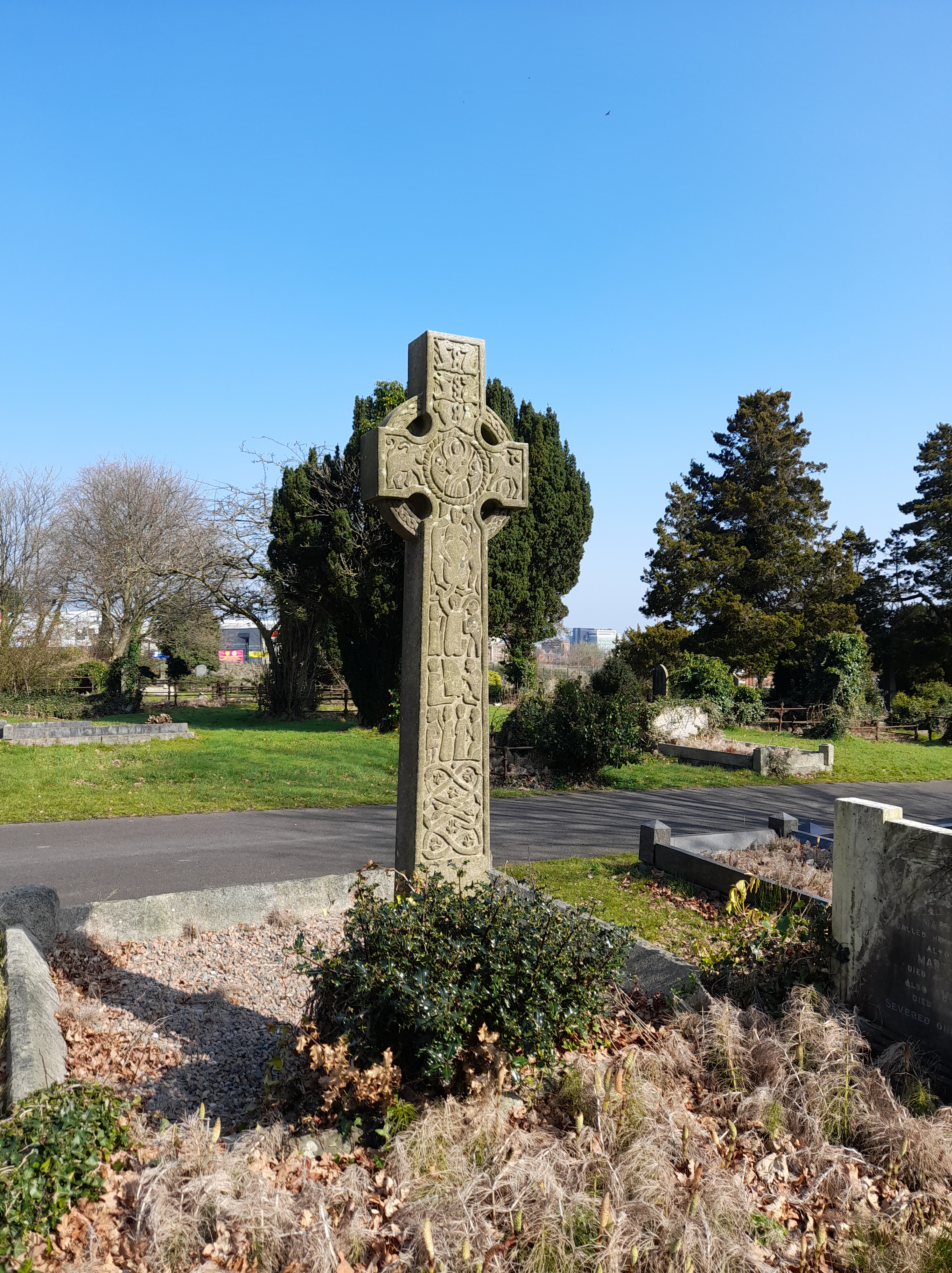
Another nineteenth-century Celtic Cross containing ancient religious imagery including, in this case, the Ouroboros (at the bottom of the Cross), the snake consuming its own tail.
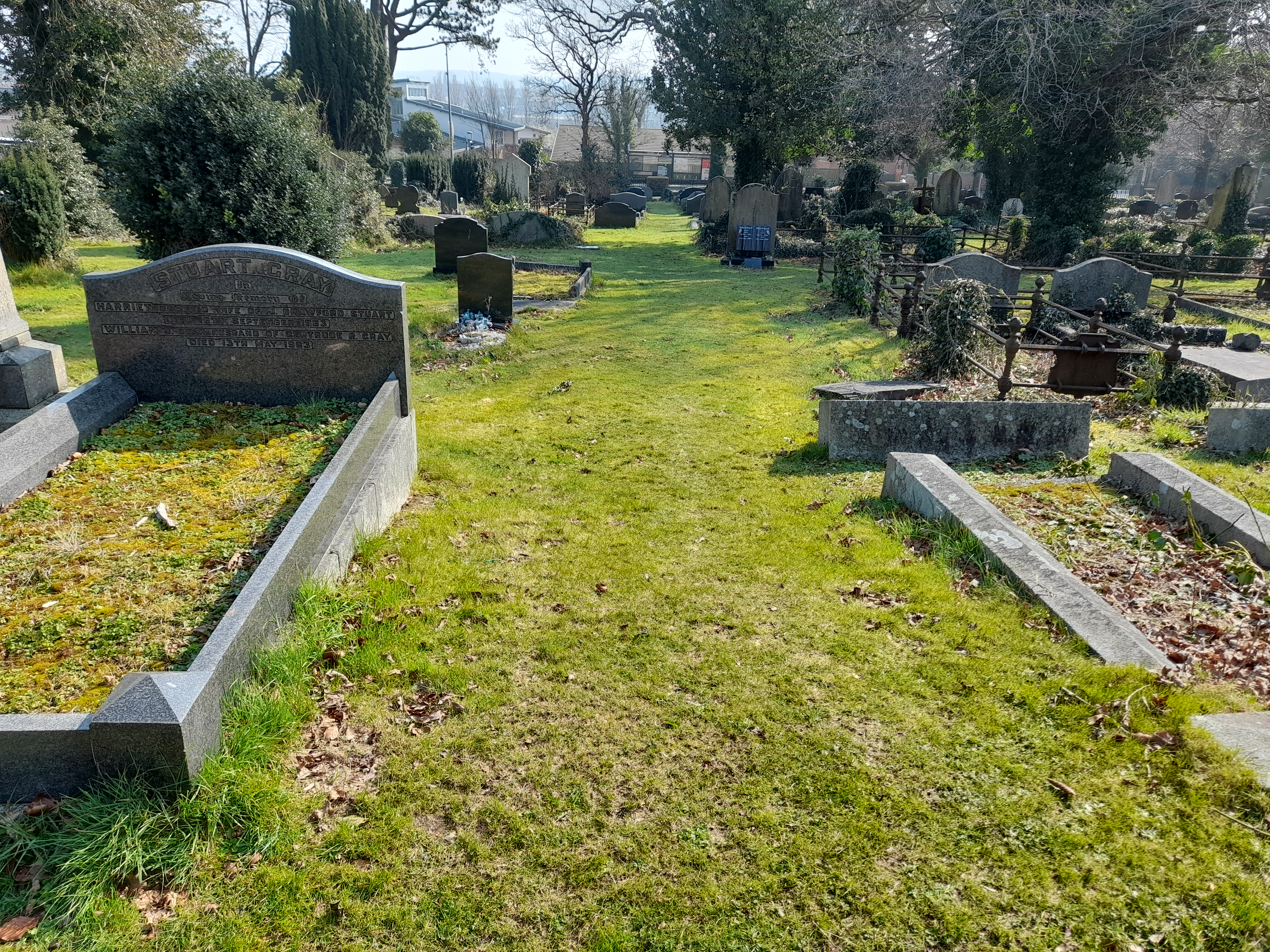
The infamous location in the cemetery where an underground wall, six feet tall, divided what were planned to be the Catholic and Protestant plots.
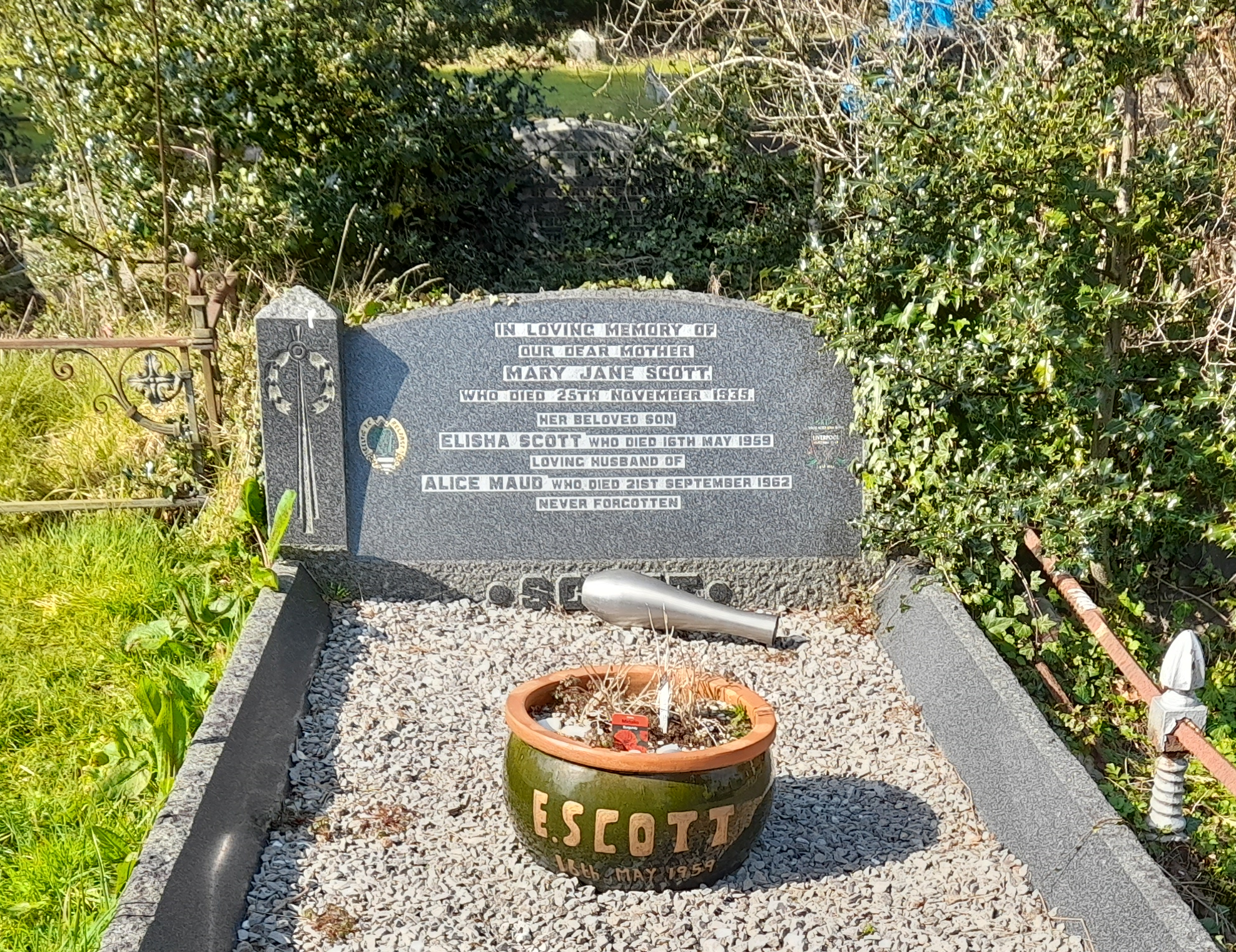
The grave of Elisha Scott, Belfast born Liverpool goalkeeper who played for the club for 22 years and made 468 appearances for Liverpool (which undoubtedly would have been more but for the First World War). He finished his career as a highly successful player-manager of Belfast Celtic until sectarian violence brought about the closure of that club.

St Helens – Lucem House Cinema

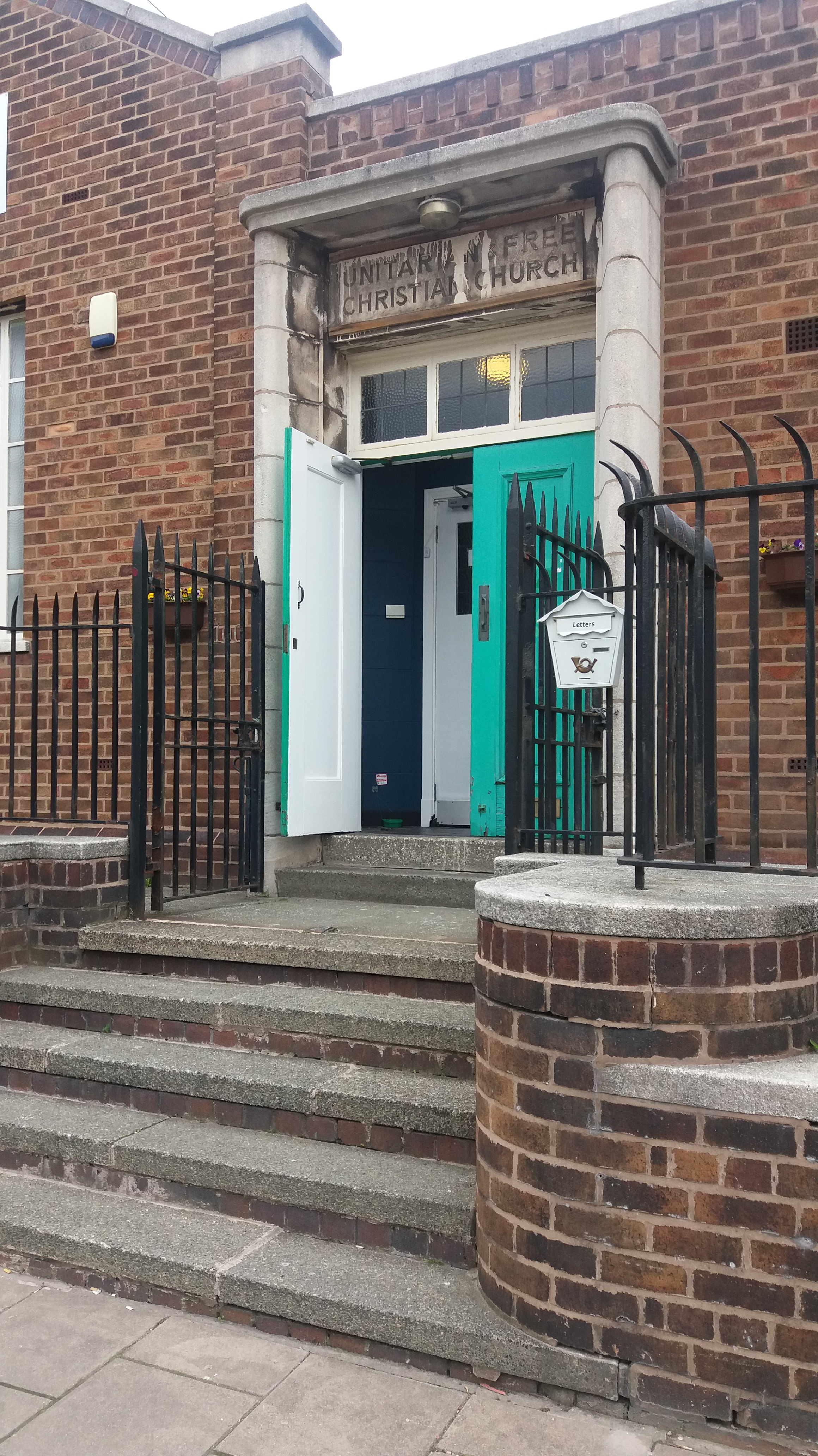
I wasn’t looking for the former Unitarian Church in St Helens but stumbled across it by accident. I was glad I did because whilst it is always a shame when any church closes (and this congregation came to an end in 1998) old church buildings can sometimes be utilised in ways that are imaginative, in keeping with the original purpose and bring some social advantage to the community. All this is certainly the case with St Helens, a solid and utilitarian building that is now a cinema.


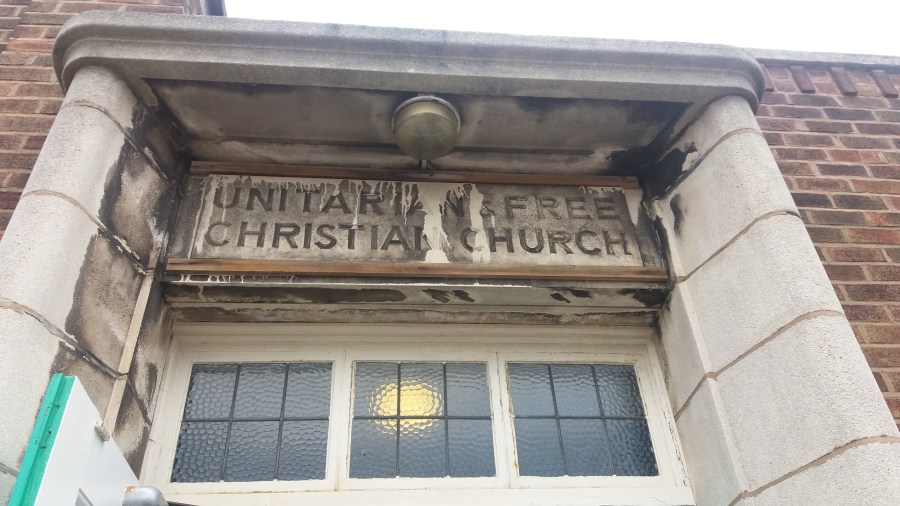
As I walked past my eye caught the inscription above the door proclaiming it to be the Unitarian and Free Christian Church, although it is many years since this was actually the case. In fact there are more reminders of the original function of the building despite it being well converted to other purposes. On the front wall the foundation stone is very prominent, recording the role of Anne Holt my distinguished predecessor as editor of the Transactions of the Unitarian Historical Society – a highly regarded historian and member of the famous Liverpool ship owning family – who had inaugurated the building in 1949. Inside there is another tablet which commemorates the opening of the church in 1950 under the presidency of Elizabeth Ann Fryer.


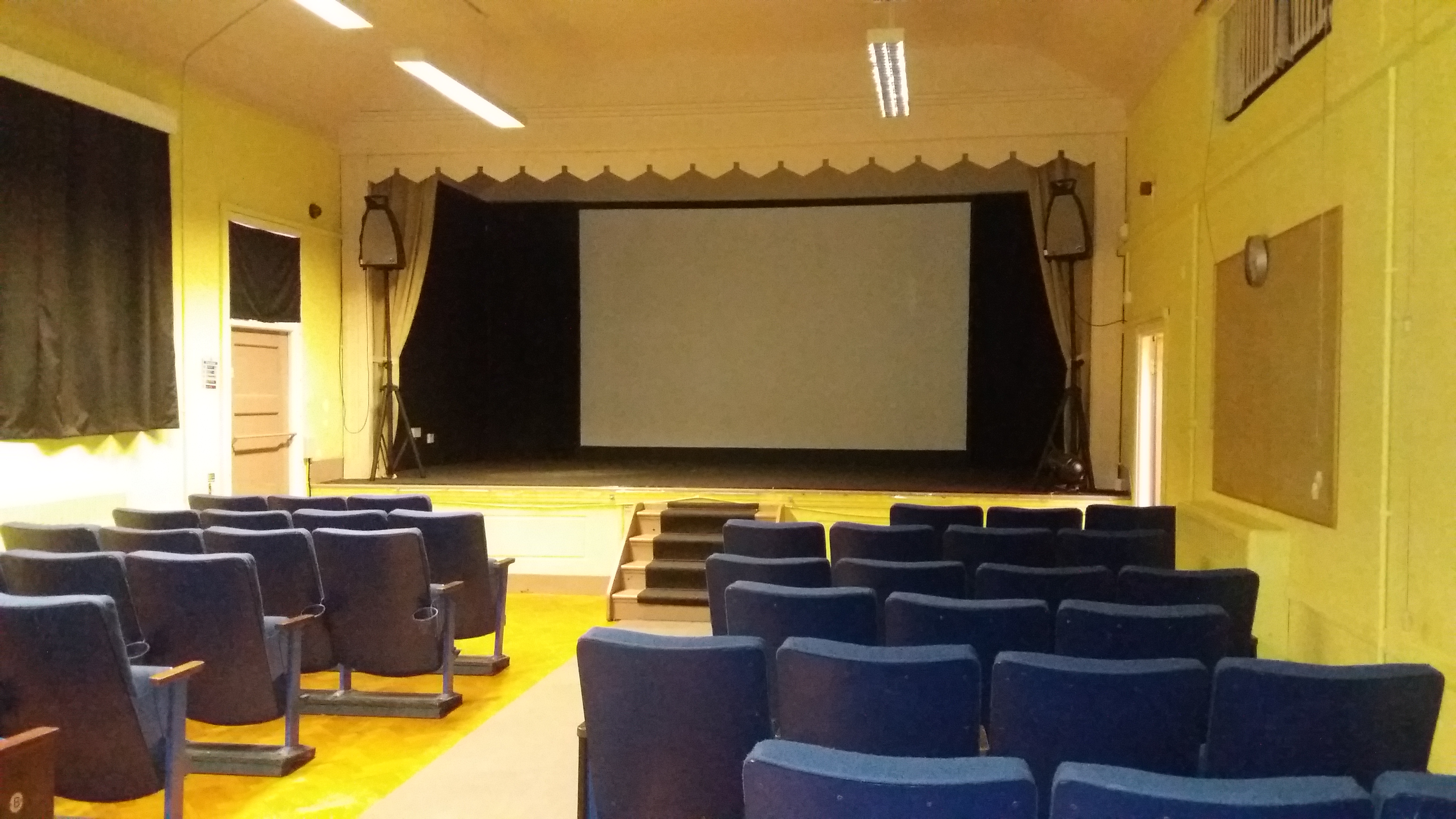
The sanctuary was not large but the group of buildings were varied and clearly adapted to a number of uses. Nowadays the building is a cinema, named Lucem House, a volunteer-led social enterprise. It takes its name from the motto of the borough of St Helens, Ex Terra Lucem – ‘Out of Earth – Light’ (so I was told by Paul Jones the operations manager of the cinema) and the church itself has been nicely turned into a small cinema auditorium. In the foyer they have created an attractive box office and the whole place has a pleasant ambience.


Paul told me that the cinema has been in operation for over three years, the building also being let out for functions and used by a local photography club. They have a screening every week and the day I was there were looking forward to A Night to Remember starring Kenneth More. Paul Jones is an expert on the Titanic (another item of history with notable Unitarian connections) and this film certainly reflects his interests. The film was to be followed by a poetry reading by Len Saunders, the head steward and a poet and actor who has been known – so I was told – to dress up on suitable Titanic related occasions as Captain Smith or Lord Pirrie. He wasn’t in character that day but shared with me some of his poems.


The Unitarian Heritage (published in 1986) says the congregation was founded in 1901 and the original chapel built in 1904. I can’t locate any images of the original building but it was destroyed during the blitz of 1941 and apparently rebuilt on the same site after the war. Now, after a period of neglect, the buildings have been well restored and well adapted to another imaginative use.

Front elevation angle

St Helens Unitarian Church – now Lucem House

Foundation Stone 01

Foundation Stone

Front Entrance

Front entrance

Box Office 03

Paul Jones in the box office

Tablet location

Commemorative plaque

Auditorium 01

Auditorium

Ron Saunders 01

Len Saunders

Update 1st August 2017.

I was very shocked and saddened to read that Len Saunders was the victim of a violent unprovoked assault in July which tragically resulted in his death at the end of the month. There are details and tributes to him in the local paper:

http://www.sthelensstar.co.uk/news/15445606.Family_of_Len_Saunders_pays_tribute_to__a_beautiful_soul_/

http://www.sthelensstar.co.uk/news/15444860._An_unsung_hero_of_St_Helens___Touching_tribute_paid_to_Len_Saunders/?ref=mrb&lp=3

http://www.sthelensstar.co.uk/news/15444390.Tributes_paid_to_friendly_performer_and_poet___39_Len_Banana__39_/?ref=mrb&lp=6

http://www.sthelensstar.co.uk/news/15443460.UPDATED__Two_youths_arrested_on_suspicion_of_murdering_St_Helens_poet_Len_Saunders/?ref=mrb&lp=2


There is a crowdfunding page set up to raise money to provide step free access to Lucem House Cinema in Len Saunders’ memory. The page can be accessed here:

https://www.justgiving.com/crowdfunding/len-saunders?utm_id=107&utm_term=gARZbR5qD