Transactions of the Unitarian Historical Society April 2022

The issue for 2022 (vol 28 No.1) will be with subscribers shortly and once again this is a very full and very special issue because members will receive two journals for their subscription. Part One contains three important articles plus reviews and more, Part Two is produced in collaboration with the Reckoning International Unitarian and Unitarian Universalist Histories Project.

Part One

The cloisters, Ullet Road Church Liverpool

In Part One our main articles look at Unitarianism, slavery and philanthropy. A number of Unitarians were actively involved in the abolition of slavery. One very prominent example of this was William Roscoe whose memorial is located in the cloisters in Ullet Road Church, a set of buildings constructed at the end of the nineteenth and start of the twentieth centuries which perfectly illustrate the enormous philanthropic contributions of wealthy Unitarians at this time.

‘Jewel Case’ – The Man and his Money Derek McAuley

Very Rev George Case, MA, DD (used with permission of Clifton Diocesan Archives)

Derek McAuley traces the story of the Very Rev George Case whose journey from the Anglican to Catholic priesthood was followed by a very generous bequest to the Unitarian movement. His father was a contemporary of William Roscoe in Liverpool but unlike Roscoe he was deeply implicated in the slave trade. Using modern tools and databases Derek examines the source of Dr Case’s wealth.

Reflections on a Window Rory Delany

The Wilson Memorial Window, Dublin Unitarian Church (Photo: Rory Delany)

The most prominent and striking window within Dublin Unitarian Church, St Stephen’s Green is the Wilson Memorial Window which memorializes Thomas Wilson, long standing member of the congregation and generous benefactor. In this article Rory Delany looks at the source of Thomas Wilson’s wealth, again using the databases and records which have become available and which highlight those families involved in the slave trade. He contrasts Thomas Wilson’s attitudes and business interests with his contemporary and fellow church member James Haughton who was a noted anti-slavery campaigner.

Unitarians and Philanthropy 1860-1914 Alan Ruston

Looking towards the library at Harris Manchester College

Alan Ruston gives a substantial survey of Unitarian philanthropy between 1860 and 1914. Many wealthy Unitarians gave vast sums to build churches, establish charities and develop educational institutions such as Manchester College (see above) which was founded in 1786 in Manchester but moved to Oxford in 1893 following a number of very generous donations.

Books Reviewed
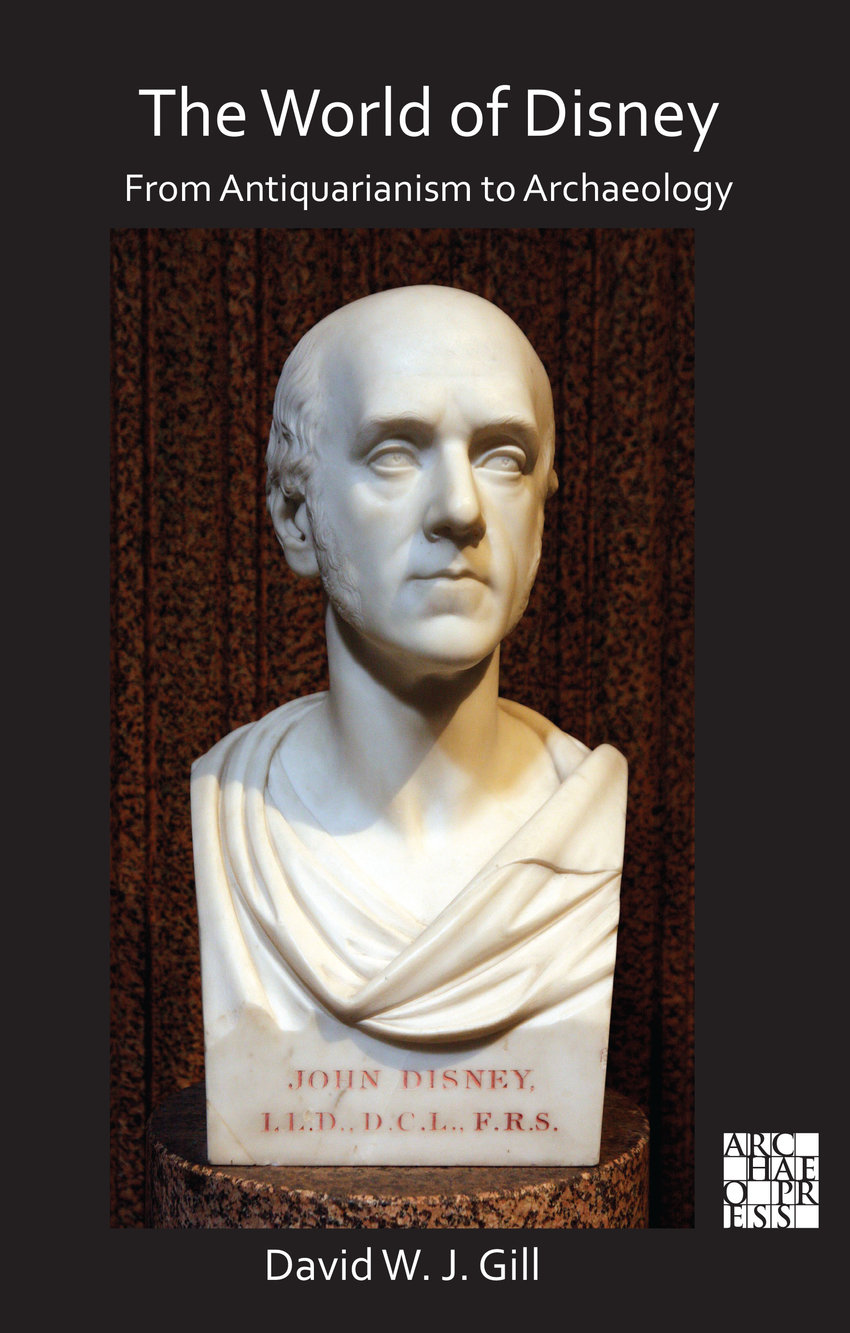
Reviewed by David Wykes, Alan Ruston and David Steers

Part Two

The ethnographic composition of Hungary in 1910 (Map: Lehel Molnár)

Part Two of this issue develops the successful initial event of the Reckoning International U/UU Histories Project which was entitled ‘Transylvanian Unitarians Resisting and Surviving in Authoritarian Times’ and which took place on Thursday, 4 November 2021. This can be viewed online at the Starr King School for the Ministry YouTube channel (https://youtu.be/ozH1fnDkSHk).
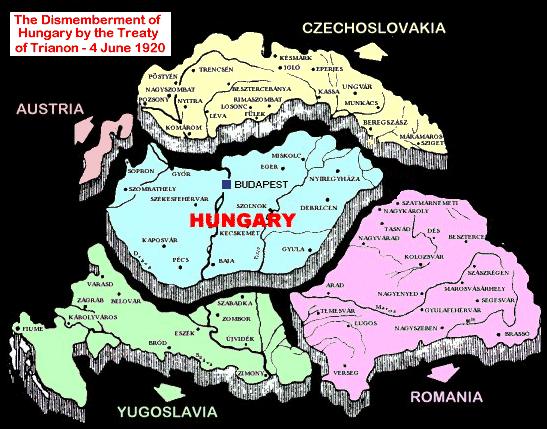
The dismemberment of Hungary by the Treaty of Trianon (Map: Lehel Molnár)

We are very pleased to be able to carry in this issue an introduction and summary of the whole Reckoning project compiled by its co-ordinators Claudia Elferdink and Lehel Molnár This is followed by two articles which are not transcripts of the original webinar but which give additional insight and information on the experience of Hungarian Unitarians over the last one hundred years, particularly following the Communist takeover in Romania after the Second World War. The first of these is ‘The Hungarian Unitarian Church in the Twentieth Century’ by Sándor Kovács and Lehel Molnár, an explanation of the struggles of the church from the Treaty of Trianon – when Hungary lost two thirds of its historic territory – to the present century. This is followed by ‘Resistance or/and Compromise. The Struggles and Service of Unitarian Bishop Elek Kiss (1888–1971) in Communist Romania’ by Sándor Kovács which gives a very detailed view of the problems and stresses experienced by the church in the Communist era.

The ethnographic compostion of Hungary in 1880

New subscribers are very welcome, annual membership costs only £10. If you haven’t yet taken out a subscription or would like to renew your subscription that can be done through the Society’s treasurer who can be contacted via the Unitarian Historical Society website here.

Sunday Worship, Dunmurry 2nd August


Dunmurry window 2016

A great eagle, with great wings and long pinions,

rich in plumage of many colours,

came to Lebanon.

He took the top of the cedar,

broke off its topmost shoot;

he carried it to a land of trade,

set it in a city of merchants.

Today’s service comes from Dunmurry with a reading given by church member Emma McCrudden (Ezekiel ch.17 v.1-8) and the hymns played by church organist Allen Yarr.

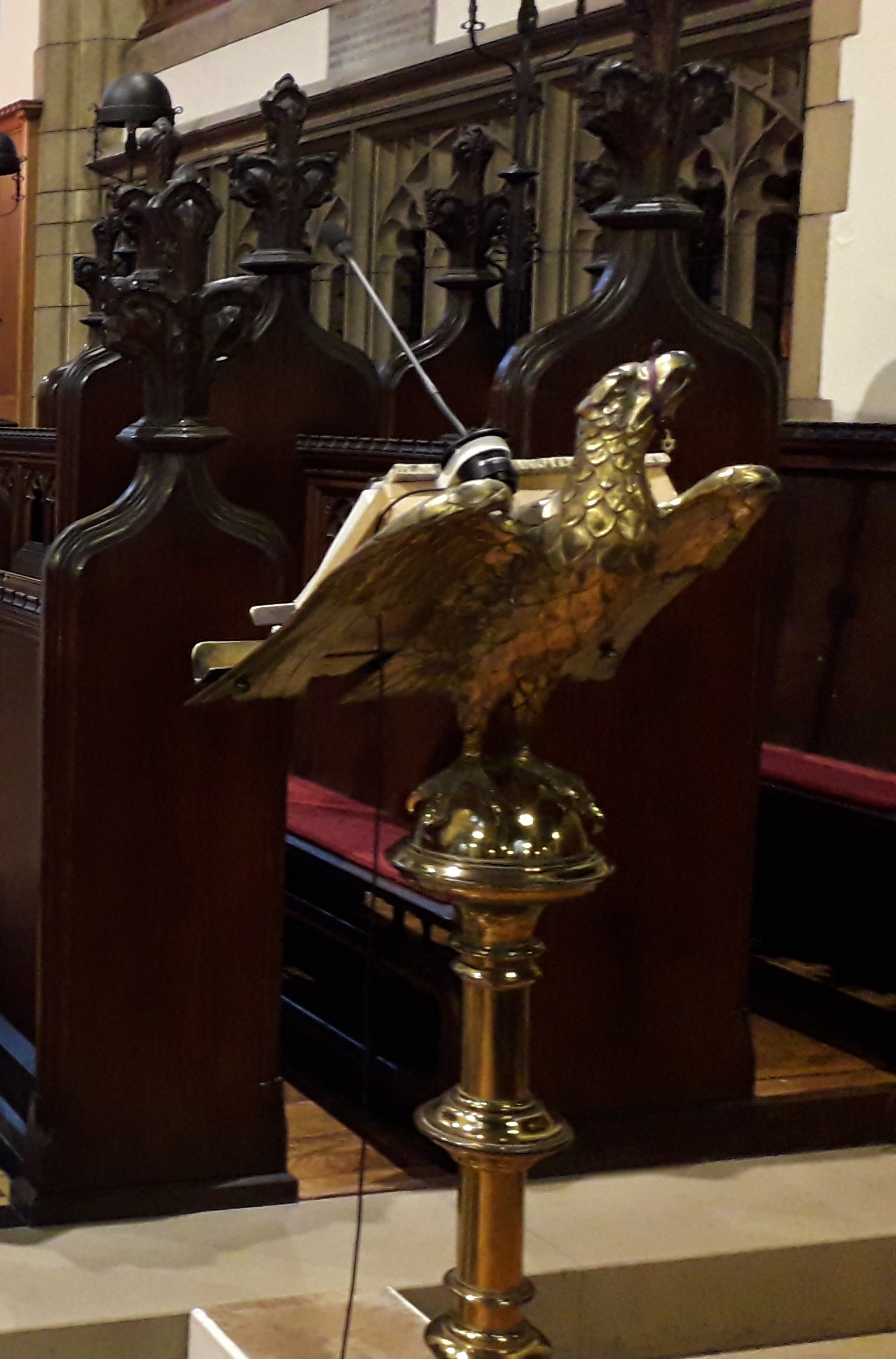
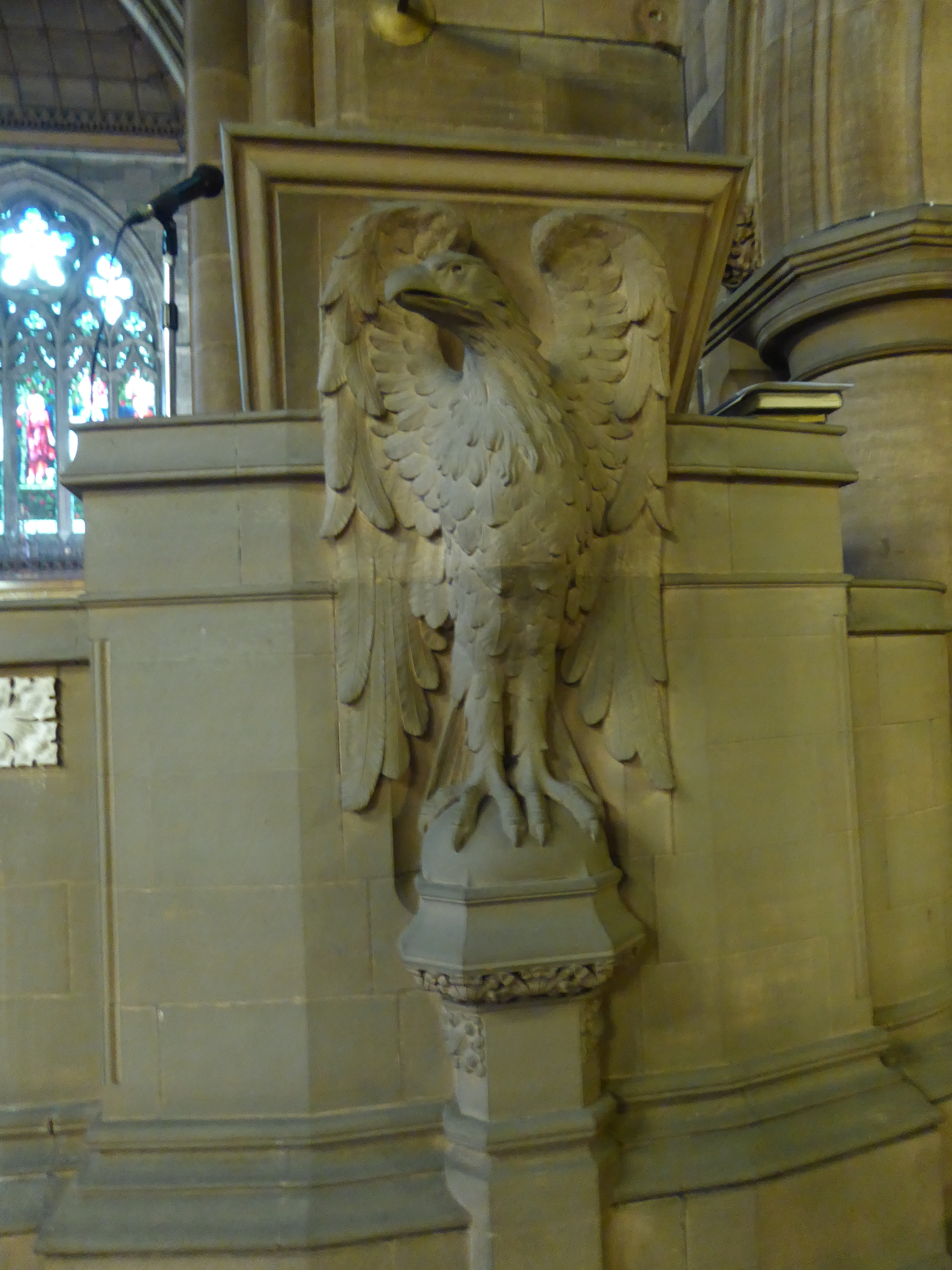
Eagles are frequently found in the Bible and in Christian iconography. They are often found in churches:

P1040546

Lectern Ullet Road Church, Liverpool


All Souls Eagle

Lectern All Souls’ Church, Belfast


Click on the video to see today’s service from Dunmurry


Time for a Story: Navigation

This week’s Time for a Story is filmed in First Presbyterian (NS) Church, Banbridge and deals with the question of finding True North. With illustrations of the North Pole from the British Museum and some special music. How do we find our own internal compass to return home to the place where we wish to be?

North Pole 01

Scenes from the North Pole

First communication with the natives of Boothia Felix. Several figures standing outside igloos, mountain in the background with a flag. 1834 Mezzotint. © The Trustees of the British Museum

St Mark, St Thomas and St Michael – a trinity of Unitarian saints?

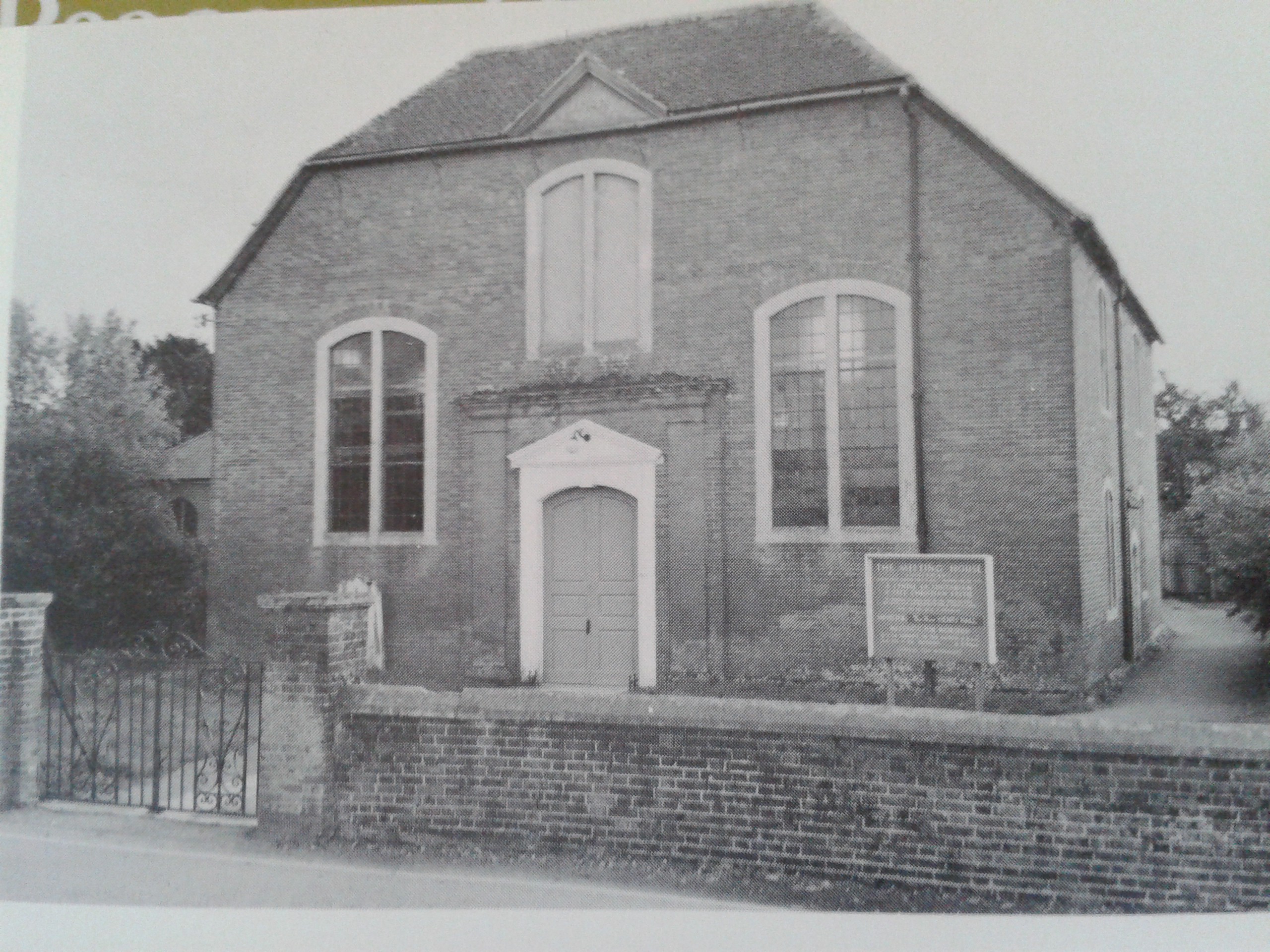
In my previous post about Rev Porter Orr I mentioned St Thomas’ Unitarian Chapel in Ringwood, Hampshire. This particular meeting house (which closed in the mid-1970s) had the rare designation for a Unitarian chapel of being dedicated to (or at least named after) a saint. This is not unique – by far the most famous Unitarian church named after a saint is St Mark’s in Edinburgh – but it is worth giving some consideration to.

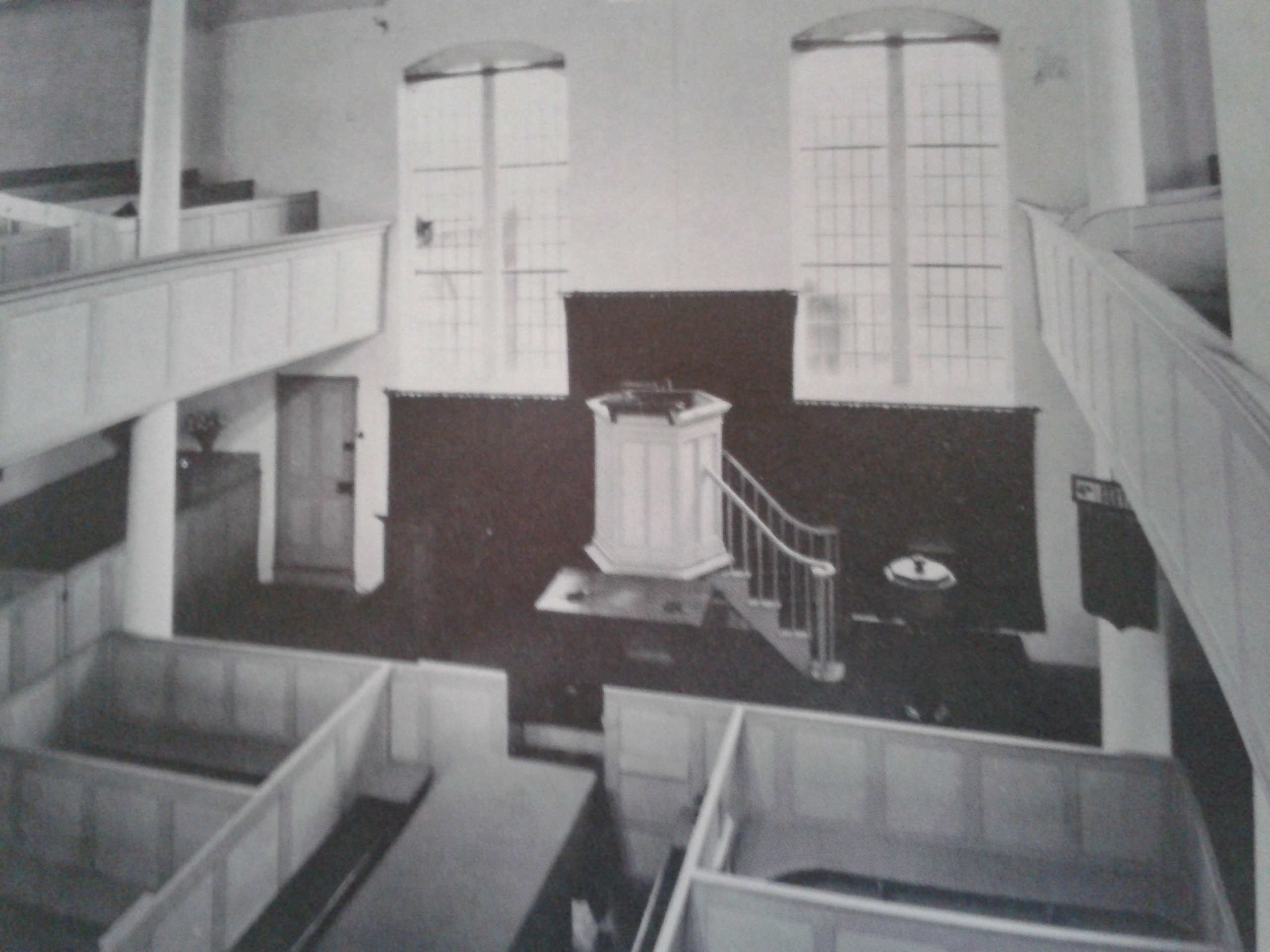
St Thomas' Unitarian Chapel Ringwood (from 'The Unitarian Heritage')
St Thomas’ Unitarian Chapel Ringwood (from ‘The Unitarian Heritage’)

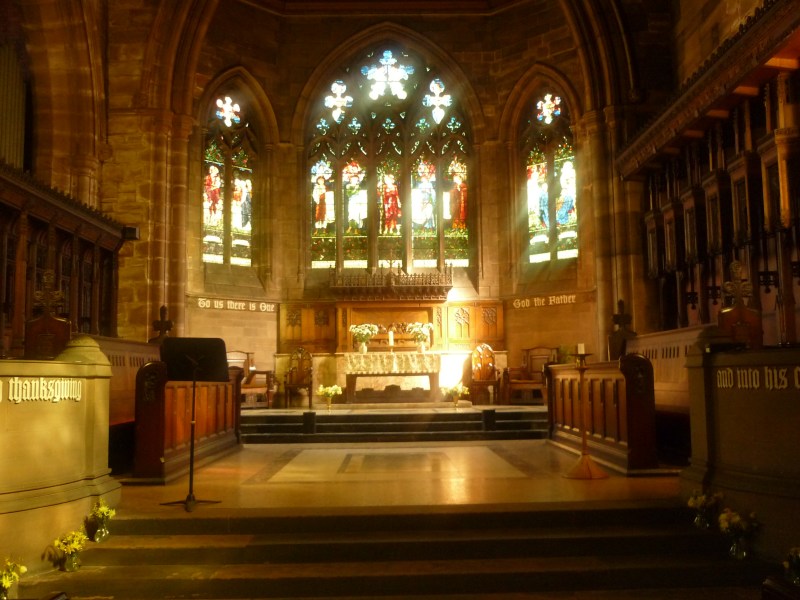
Victorian Unitarian church builders could often be quite keen on saints, of course. In the era of gothic rebuilding in the nineteenth century decorative windows featuring Burne Jones saints were often inserted, as the above view of the chancel of Ullet Road Church shows.

Most Unitarian churches get very dull names, they usually get called after the street they are situated on or the district they are in although sometimes more interesting terminology can be applied such as ‘Great Meeting’ or ‘New Meeting’ (or indeed ‘Old Chapel’). What they tend not to be is named after saints.

That is not to say that Unitarians couldn’t be creative – and also very orthodox – in their church names when they wanted to be. A quick trawl through the invaluable Vestiges of Protestant Dissent published by George Eyre Evans in 1897 (which contains a list of all the Unitarian congregations at that time) reveals no less than eight congregations called ‘Christ Church’ ( I think Bridgwater may be the only survivor of this group). Not mentioned in Vestiges are most of the three churches that I can think of called ‘All Souls’’. This designation probably comes from a slightly later period (All Souls’, Belfast had just been built in 1896) and although to outsiders this probably comes across as a very high Anglican name it is really a more typically Unitarian name in the twentieth century than Christ Church, although the use of this name in England, at least, has ceased I think.

Other popular nineteenth-century Unitarian names (none of them still in use so far as I know) were ‘Church of the Saviour’, which was used by three congregations, and the ‘Church of the Messiah’ and the ‘Church of our Father’ which each had a single use. More overtly Unitarian names were ‘Unity’, which had five takers in 1897 some of them still continuing today, and one ‘Church of the Divine Unity’.

What Unitarians have tended not to do is name churches after individuals –saints in the sense of the people of God – but there are three examples of this that I can think of – Matthew Henry, John Pounds and Edmund Kell, who all have their congregational memorials.

Methodist Unitarians were very keen on Biblical names for their churches – ‘Bethlehem’ and ‘Nazareth’ being the best-known examples of this. In Vestiges there is also one obscure ‘Salem’ founded as a break away from Calvinistic Baptists in King’s Lynn in 1811.

But naming a Unitarian church after a saint is something that does raise questions. How and why did the congregation select that saint? Which saint of that name did they actually mean? Was there ever any suggestion of the congregation being directly inspired by that saint?

It is often thought that St Mark’s Church is a unique example of the naming of a Unitarian church after a saint but clearly that is not so. What is curious about Ringwood is that the chapel (which is now an interpretative centre for local history) was built in 1727 but only started using the name of St Thomas some time in the first half of the nineteenth century. Why this was so is anybody’s guess. The name was certainly used for a long time, the Rev John Midgely has found instances of it being used in advertisements in the Inquirer in the 1930s, although it seems to have been dropped before it closed in 1975. What is different about St Mark’s in Edinburgh is that this was the name chosen at the time of its building in 1835 and in use ever since. The Rev Andrew Hill has suggested that no one knows why the name was chosen, but presumably the gospel writer was regarded with favour by the Edinburgh people.

The interior of St Thomas' Chapel (from 'The Unitarian Heritage')
The interior of St Thomas’ Chapel (from ‘The Unitarian Heritage’)

But, according to the Vestiges, there was another chapel that took the name of a saint. This was St Michael’s Chapel in Selby. This congregation dated from 1672 and built a new chapel in 1699 which G.E. Evans suggests was called St Michael’s from the start. This seems unlikely in 1699 but the name was definitely in use for a long time and was transferred to the modest new building that was finally opened in 1903 (following some years in a temporary building from 1886). The congregation closed in 1968 according to The Unitarian Heritage and the building passed into other uses, although it still seems to stand.

So there we have the three Unitarian churches named after saints. There were quite a number of churches built on streets with saints’ names – St Nicholas’ Street etc – and there are a few examples of Unitarian chapels later being consecrated by the Church of England and being given a saint’s name. But these are the only three that are definitely named after saints. Can anyone shed any further light on them? It would be interesting to hear any accounts of either St Thomas’ or St Michael’s or indeed of any other saintly churches. In the meantime we have a Unitarian trinity – St Mark, St Thomas and St Michael.

Addendum:

With regard to St Michael’s Chapel, Selby the Rev Andrew Hill has sent the following interesting information:

“The congregation at Selby traces its origin to the visit of a puritan preacher, Noah Ward, from York, in the year 1660. As an itinerant minister he continued to make frequent visits to Selby down to the time of his death, which occurred in 1699. It is said that in honour of the memory of this preacher St. Michael’s Chapel was built in that same year by a gentleman of the name of Barstow. It seems to have owed its name to the fact that one of the Christian names of the said gentleman was Michael, whose good deed it was thought would be perpetuated by calling the place after Michael the archangel. After the death of Mr. Barstow the Chapel was given in trust by his widow, Alice Barstow. contemporary with the Barstow family there were two other families of similar social standing who were associated with the Chapel; these were the Bacons and the Morritts. Beatrix Bacon, wife of Christopher Bacon, bequeathed the land near the town, from which a portion of the minister’s stipend is still paid. A silver Communion Cup is still preserved, on which is engraved: “The Gift of Beatrix Bacon to the Selby Chapel.” The first minister was John Troviss; who was followed by a John Hodgson, and on the removal of the latter to Lincoln, a Mr. Foljamb took his place. From this date until nearly the end of 1886, when worship in the old Chapel ceased on account of its dilapidated state, there were eight ministers of whom Thomas Smith was the first and J. M. Pilkington the last. The new chapel, which is of red brick and on the old site, has been erected to an approximate cost of £400, including the interior fittings, and has accommodation for 125 It was opened on September 24th, 1903, the Rev. Ceredig Jones, M.A., of Bradford, preaching on the occasion. the present minister is the Rev. John Dale.” From: The Unitarian Chapels of Yorkshire.

Does anyone remember the chapel built in 1903? Dare one ask is the silver communion cup still preserved today?