Harry Midgley: 1938 Election Address
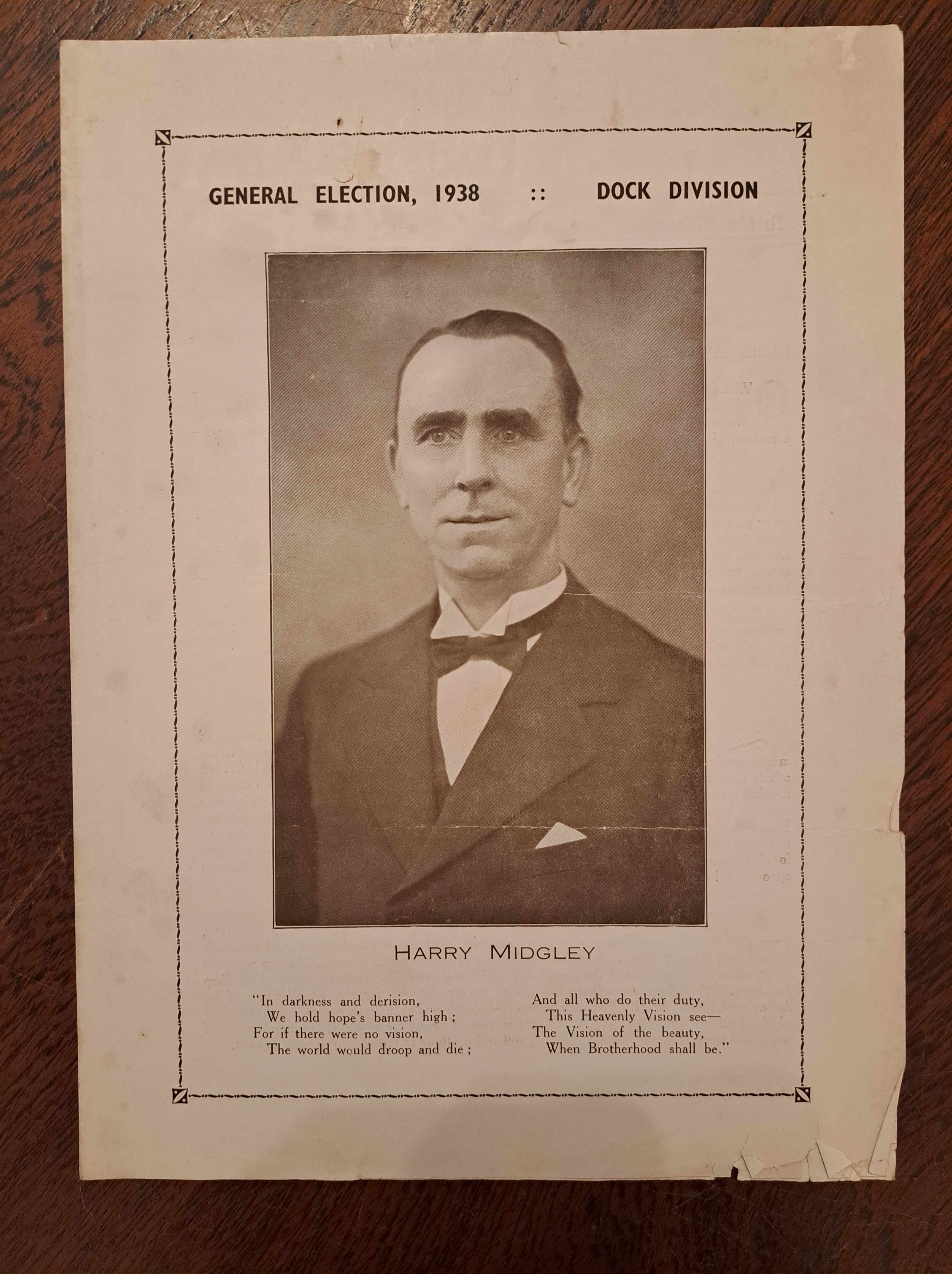
One of the recently discovered items in the Very Rev William McMillan Library is the election address produced by Harry Midgley for the Dock Constituency in the 1938 Stormont Election. This is a fascinating piece of history, a very rare survival, that tells us about the career of a controversial figure in Belfast political history:
Click above to see the video

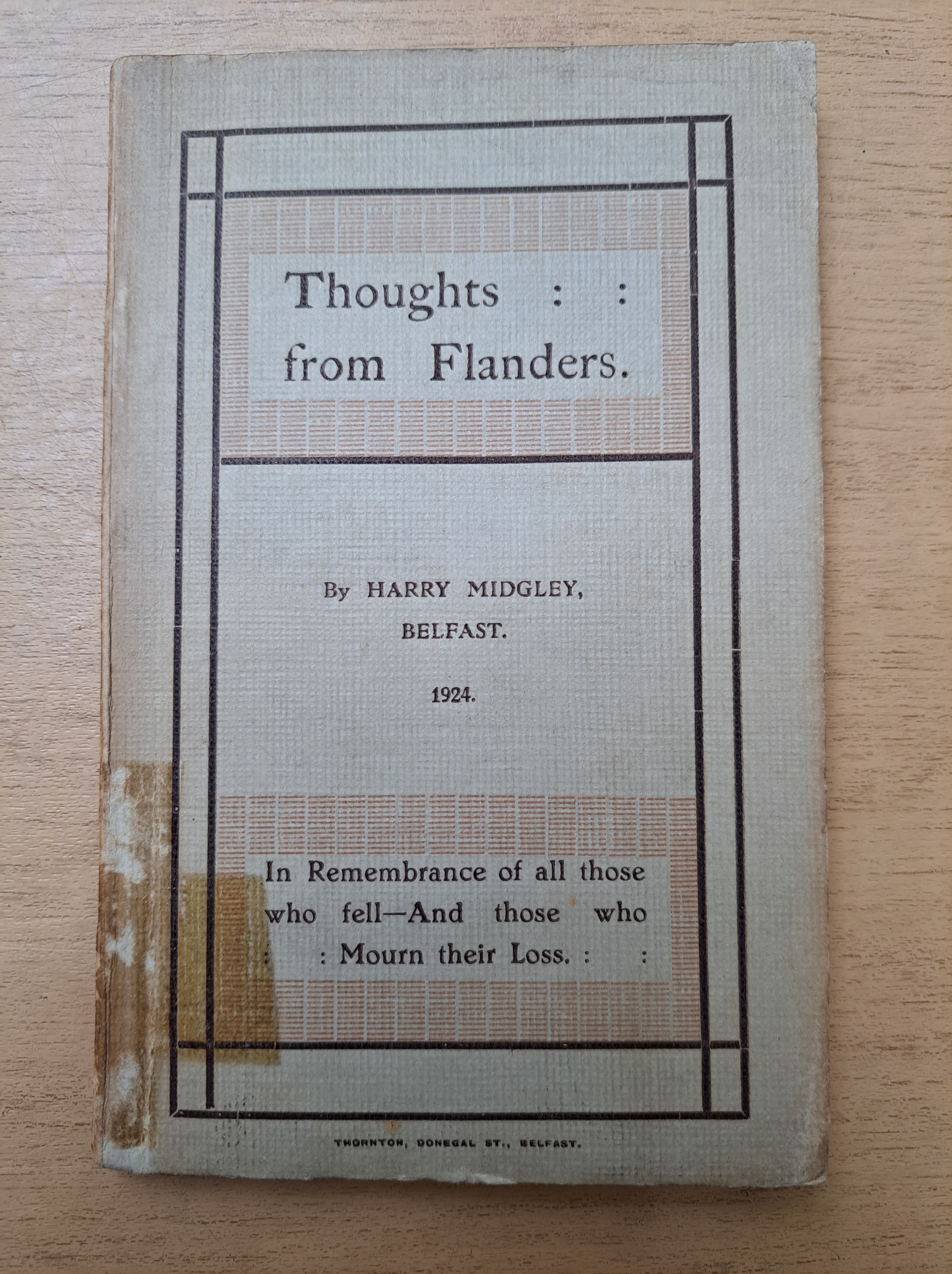
Harry Midgley was born in North Belfast, in Tiger’s Bay, and from his youth was involved in the nascent Labour movement in Northern Ireland. According to the ‘Dictionary of Irish Biography’ as a boy he attended a Sunday School connected with the Independent Labour Party in Belfast and he certainly met Keir Hardy in Befast as a youth and began speaking on behalf of the ILP on the Custom House steps while still a teenager. In his early days, right up to the early 1920s, Harry Midgley supported the all-Ireland Socialist ideals of James Connolly, nevertheless on the outbreak of war in 1914, along with his brothers, he joined up, enlisting in the Royal Inniskilling Fusiliers and served throughout the First World War. Later, in 1924, he published his reflections on his war-time experiences in poetic form. Much influenced by Kipling his verses also show the mixture of Christian values coupled with utopian socialist ideals which underpinned his politics throughout his career.

On his return from the war he immersed himself in politics, firstly getting a job as a shipyard joiner with Harland and Wolff, and soon after being appointed as organising secretary of the Irish Linenlappers’ and Warehouse Workers’ Union. This was his entry into the Labour movement and he became active in different organisations particularly the Belfast Labour Party.

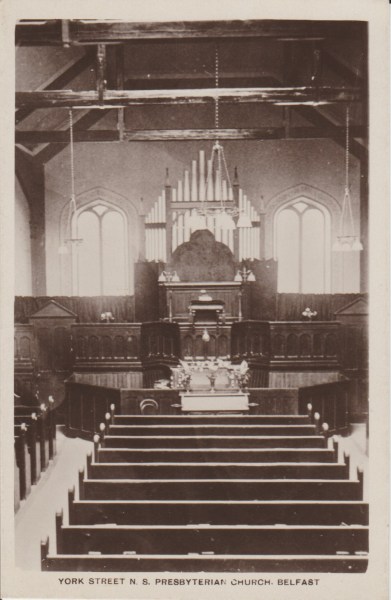
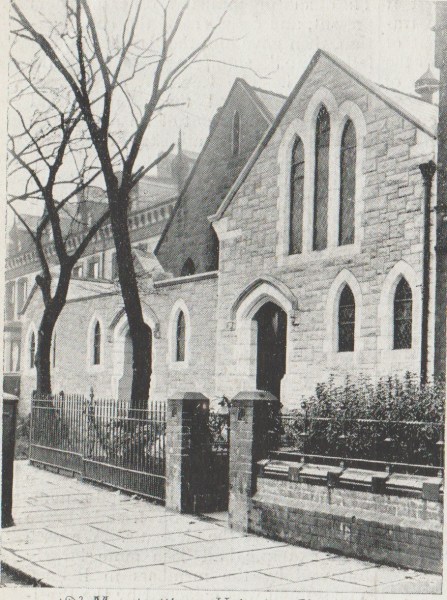
He also became a member of York Street Non-Subscribing Presbyterian Church (see picture at the top of this page) at a time when it was perceived as very left-orientated under the ministry of the Rev A.L. Agnew. Indeed when he fought the West Belfast Westminster constituency in 1924 (gaining over 21,000 votes, although not proving victorious) A.L. Agnew and the Rev E.I. Fripp, minister of All Souls’ NSP Church, were amongst his most prominent supporters. York Street Church was also characterised by very open political debate in the early 1920s, and welcomed speakers of all political backgrounds to its ‘mock parliaments’.

The Belfast Labour Party had proved very successful at its inception. In 1920 it won 10 out of the 60 seats in the municipal elections in Belfast. The Party gradually transformed to the Northern Ireland Labour Party and Harry Midgley became the first secretary.

In 1925 he was a elected to the council as a representative of the Dock Ward and a few years later, in 1933, he was successful in winning the Dock Constituency in the Stormont Parliament. However, in 1938 he lost this seat, partly due to the fall out from the Spanish Civil War. It is this from this election that the printed address in the Dunmurry Library comes. To see it and find out more about it click on the video above.

Gradually the Northern Ireland Labour Party adopted a pragmatic view of partition and Harry Midgley went along with this view. But for a party that tried to stand outside the sectarian divide the issue of the border was one that would not go away. The Northern Ireland Labour Party itself became divided over the position to take on the question of the border and eventually Harry Midgley was expelled, partly because of the strongly pro-Union position he ultimately adopted. He then formed his own Commonwealth Labour Party which enjoyed some success and as a Member of Parliament in Stormont he served in the war-time government, the first non-Unionist representative to be in government in Northern Ireland. Later he joined the Ulster Unionist Party, reconciled by the party’s willingness to follow the post-war social policies of the Westminster government. Having been elected as the MP for the Belfast Willowfield constituency at a by election in 1941 he continued to represent the same constituency up to the time of his death in 1957, first for the Northern Ireland Labour Party, then the Commonwealth Labour Party and ultimately for the Ulster Unionist Party, the only member of the Stormont Parliament to represent the same constituency for three different parties.

In later life he joined the Orange Order and the Royal Black Preceptory. A life-long supporter of Linfield FC he became a director of the club and ultimately the Chairman. At the time of his death he was Minister of Education.

The Antrim Meeting of 1626 and Rowel Friers

A recent post looked at the two wonderful Rowel Friers cartoons which hang on the wall of the Library in Dunmurry, as well as the video which explains the story about them. As the post explains these pictures were commissioned by the Rev William McMillan for his impressive Exhibition illustrating the history of the Presbytery of Antrim held in January 1976.

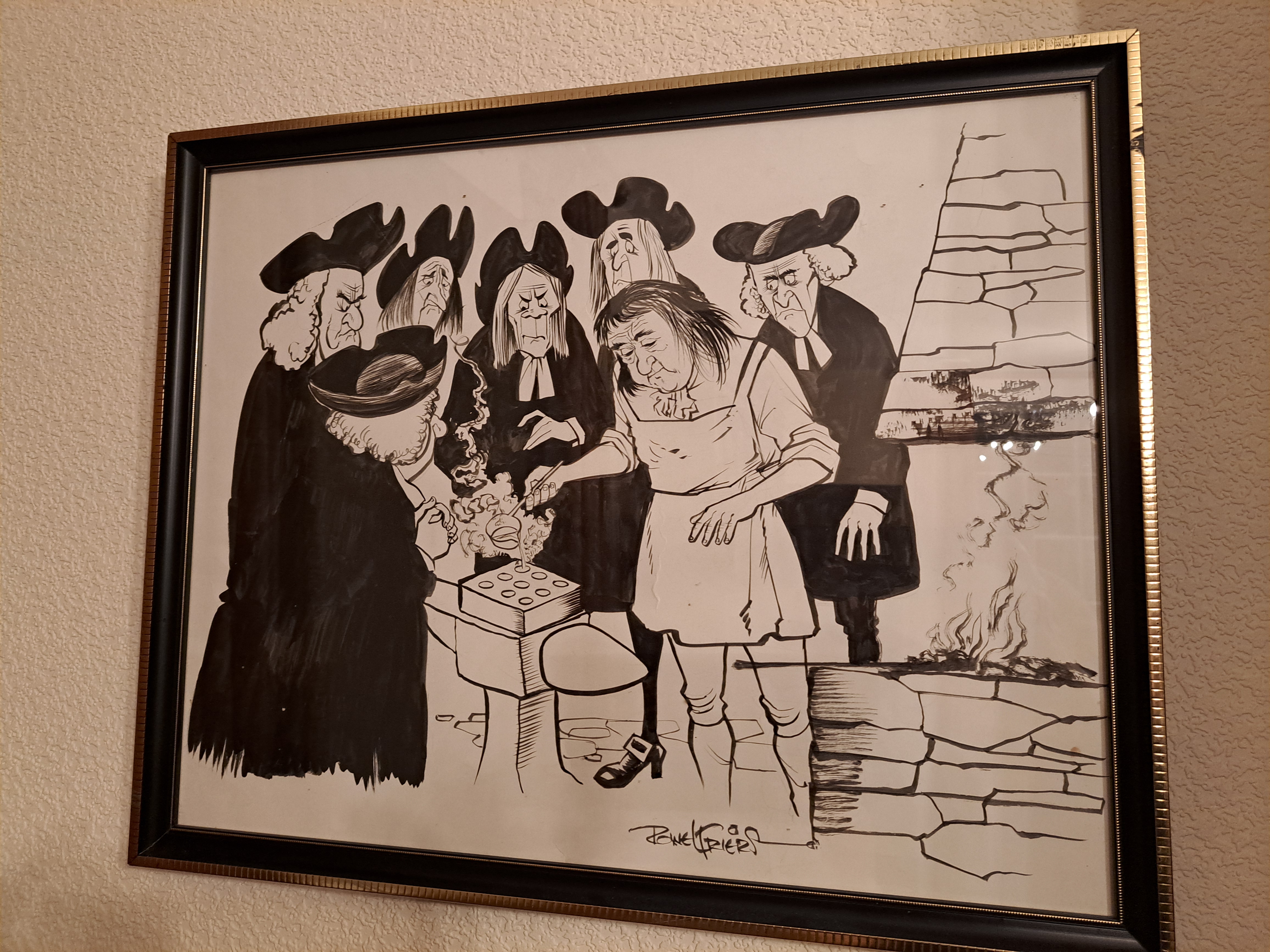
It must have been an attractive display in the McCleery Hall, the Rev Mac sourced portraits, books, communion plate, swords and pikes from the ’98 Rebellion, sculptures by Rosamond Praegar, commmunion tokens, copper collecting pans and all sorts of material from all over Northern Ireland. There was even a mould for making eighteenth-century communion tokens from Ballycarry and – something I had not previously heard of – an eighteenth-century family token box, described as ‘a wooden box holding a small leadbox in which the token was taken to the meeting house.’

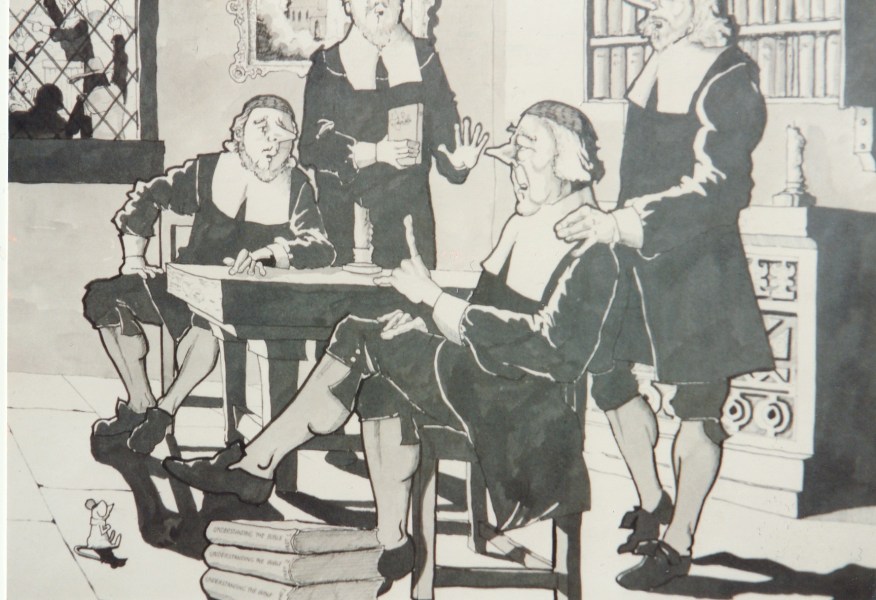
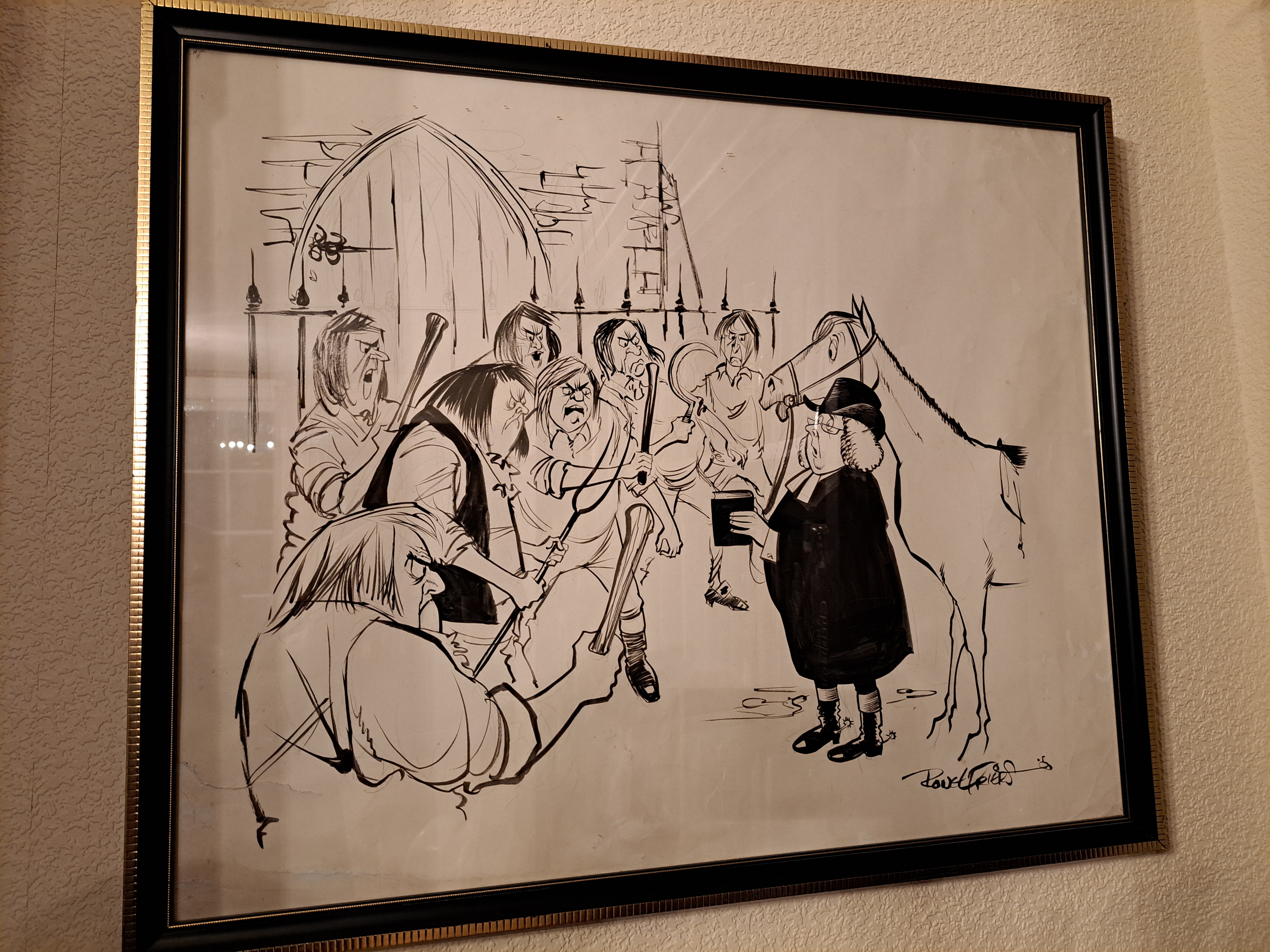
One feature of the Exhibition for the 250th anniversary of the Presbytery of Antrim is that there were in fact three, not two, Rowel Friers cartoons included. Unfortunately one of these has been missing for fifty years. However, we have now discovered a photograph of the lost picture and this features in our latest video:

Click on the video to see the video about the 1626 Antrim Meeting

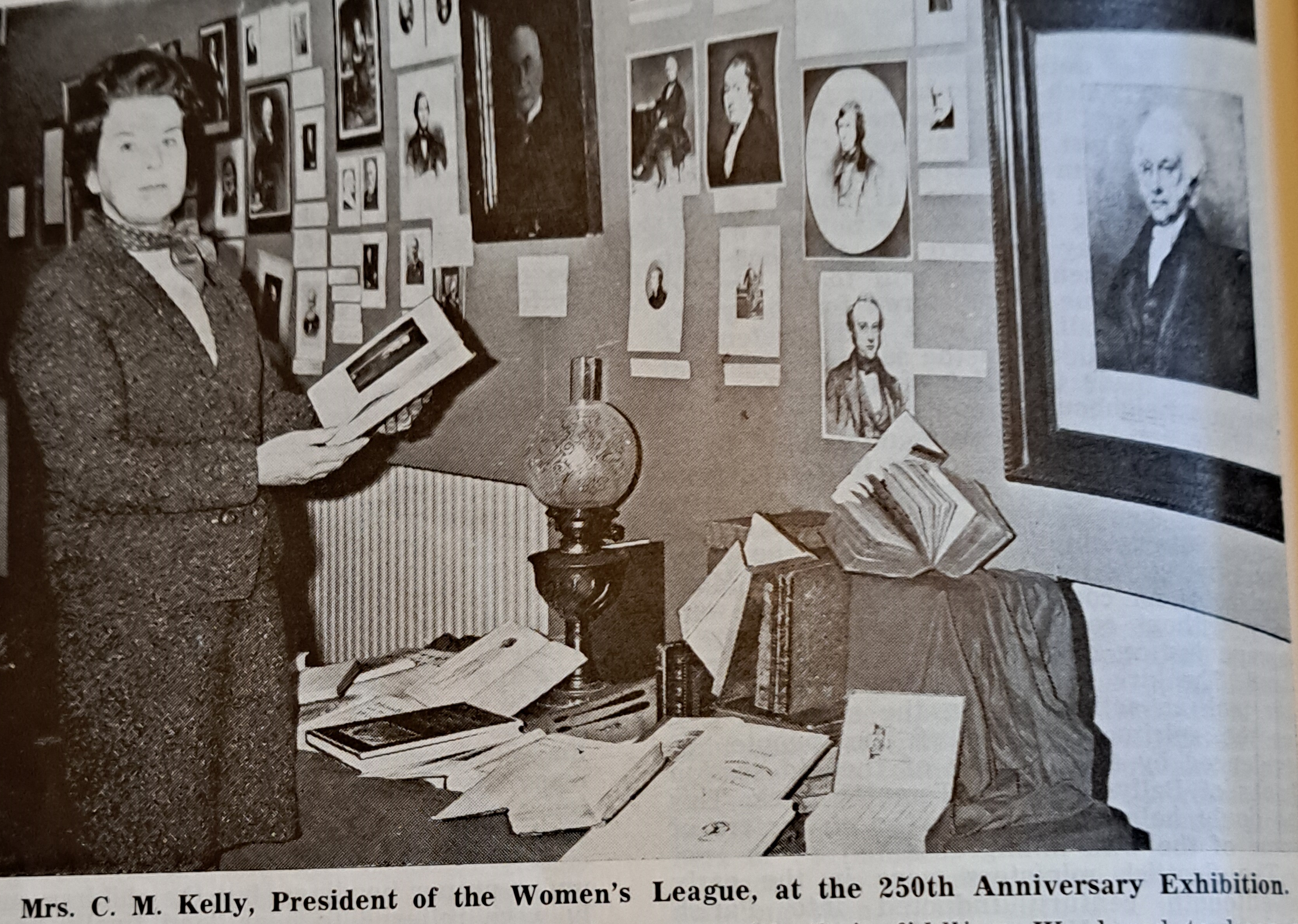
The Exhibition was held in January 1976 and covered both the creation of the Presbytery of Antrim in 1725 and its separation from the Synod of Ulster. It was also intended to cover the anniversary of the creation in 1626 of the original Antrim Meeting. The Exhibition must have been fascinating but unfortunately in that pre-digital age there were very few photographs taken. There is only one that shows the Exhibition in the Non-Subscribing Presbyterian magazine at the time:

Betty Kelly at the Exhibition in the McCleery Hall in 1976

There were a large number of dignitaries invited to the dinner that followed the Exhibition, representatives of all denominations, figures in public life, historians and international figures. Many of the speeches are recorded in the Non-Subscribing Presbyterian magazine and the Rev John Radcliffe, clerk of the Synod, made reference to the third Rowel Friers cartoon:

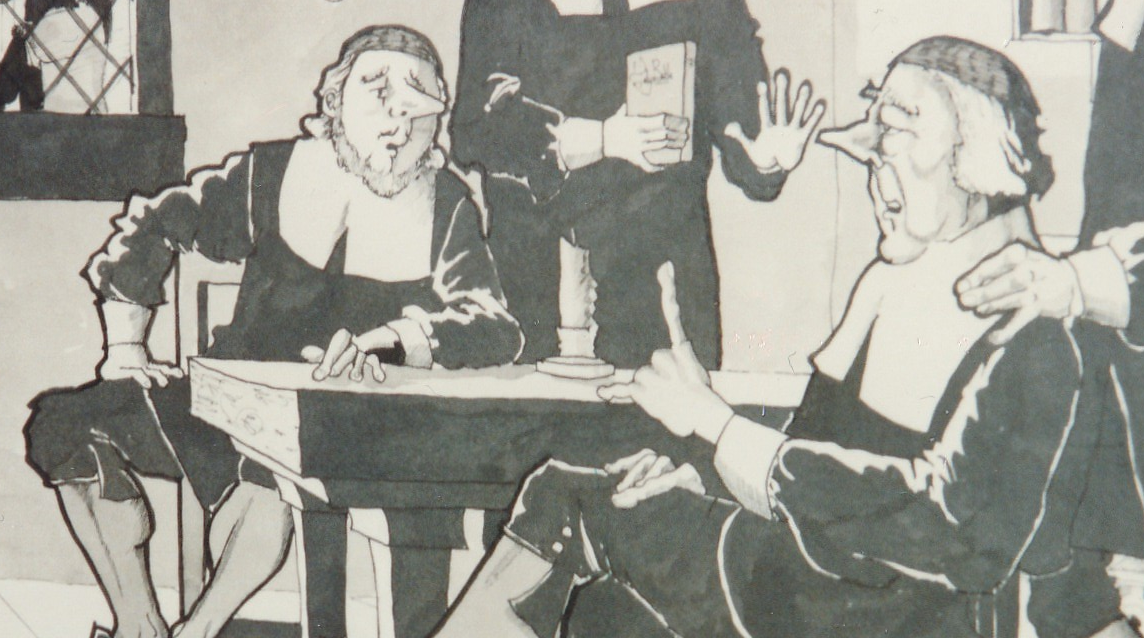
‘There are two extreme forms of the expression of religious sentiment. There is one that is very well expressed in the person here described: “His mind and voice had precisely the fluid quality of some clear, subtle liquid: one felt it could flow around anything and overcome nothing.” That is the extreme of presenting the Christian faith in such delightfully attractive style, with such a fluency of language, with such a vividness of imagery, that it will flow around anything and overcome nothing. At the other extreme there is another sort of Christianity, corybantic Christianity. There is a cartoon on the wall there, a drawing of four rather austere clerics, and the date is 1626. Outside you see somebody rousing a rabble – not unheard of in these days. The four rather serious looking clerics are trying to bring a bit of reason into it all; and the man outside is an exponent of corybantic Christianity, the Christianity that is the direct oppposite of that I have been describing tonight – and appeals all the time to the emotions in which people get carried away, and leads in the end to a very dangerous, in fact terrible, fanaticism – the very negation of the Christian spirit.’

Detail from the photograph

It is a fascinating footnote to our previous post and video about our Rowel Friers cartoons, another part of the story that takes us back even further in time, in this case to 1626.

Mountpottinger 150th Anniversary

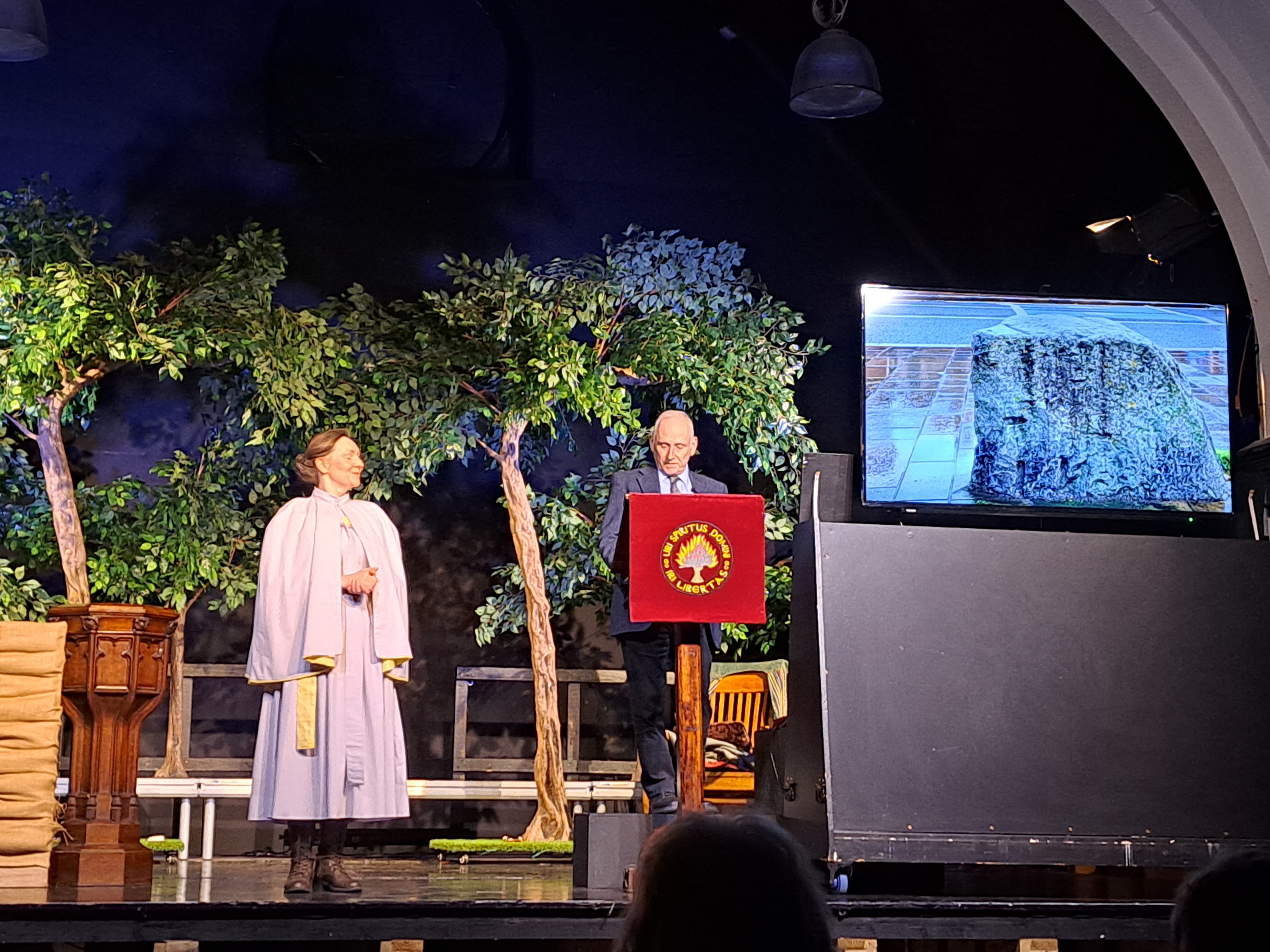
I’ve blogged before about Mountpottinger – most notably here and here where more details about its history can be seen – it is an interesting building on a prominent site in that part of Belfast and the congregation has a very distinctive history. Today the building is leased to the Bright Umbrella Drama Company who are turning the old school hall into the Studio Theatre and the church itself into the Sanctuary Theatre. But the congregation still has a place on the premises and the exact date of the anniversary of the opening of the building – 3rd January 2025 – was the occasion for this remarkable celebration of the 150 years of Mountpottinger.

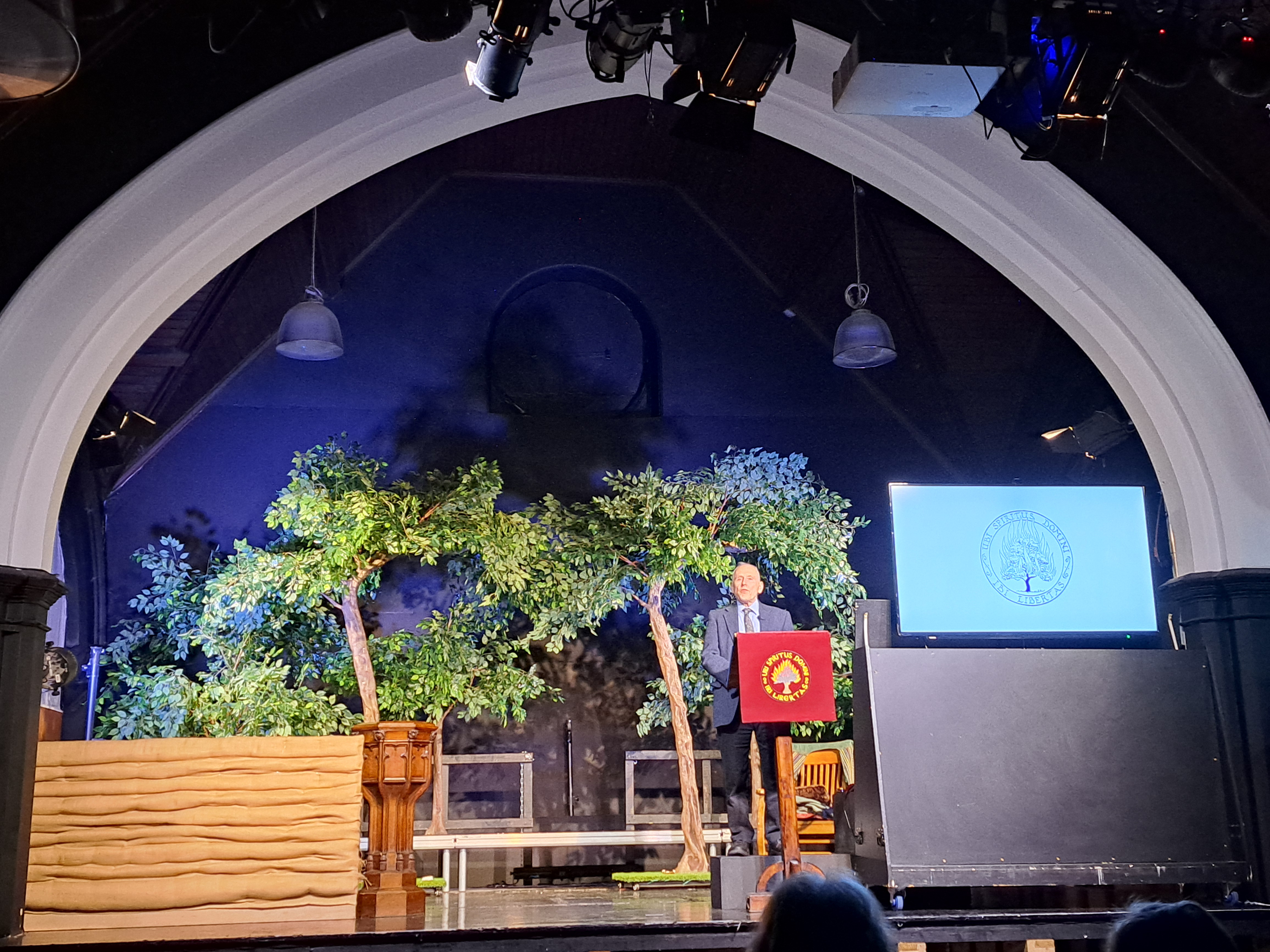
Adrian Moir introduces the evening

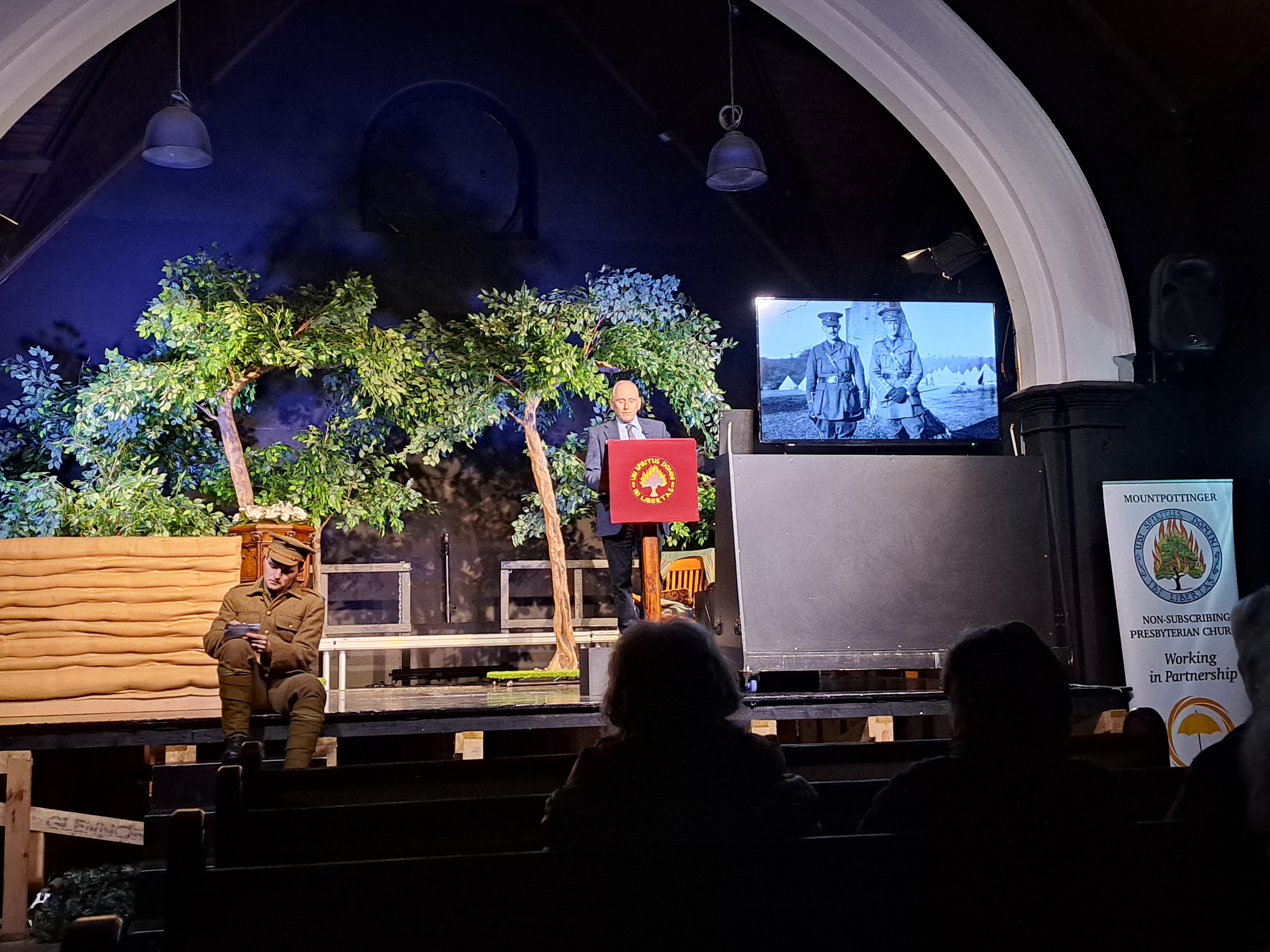
A lot of credit must go to Adrian Moir, the church secretary and former ‘Warden of the Fabrique’, as the Very Rev Charlie Kelly once termed him, who wrote and narrated this excellent celebration of the life of the congregation. It was a very positive collaboration between the church and the Drama Company which brought the history of the church to life covering three themes:

Foundation and Hope

Tragedy and Remembrance

Adapting to the times and a glimpse of the future

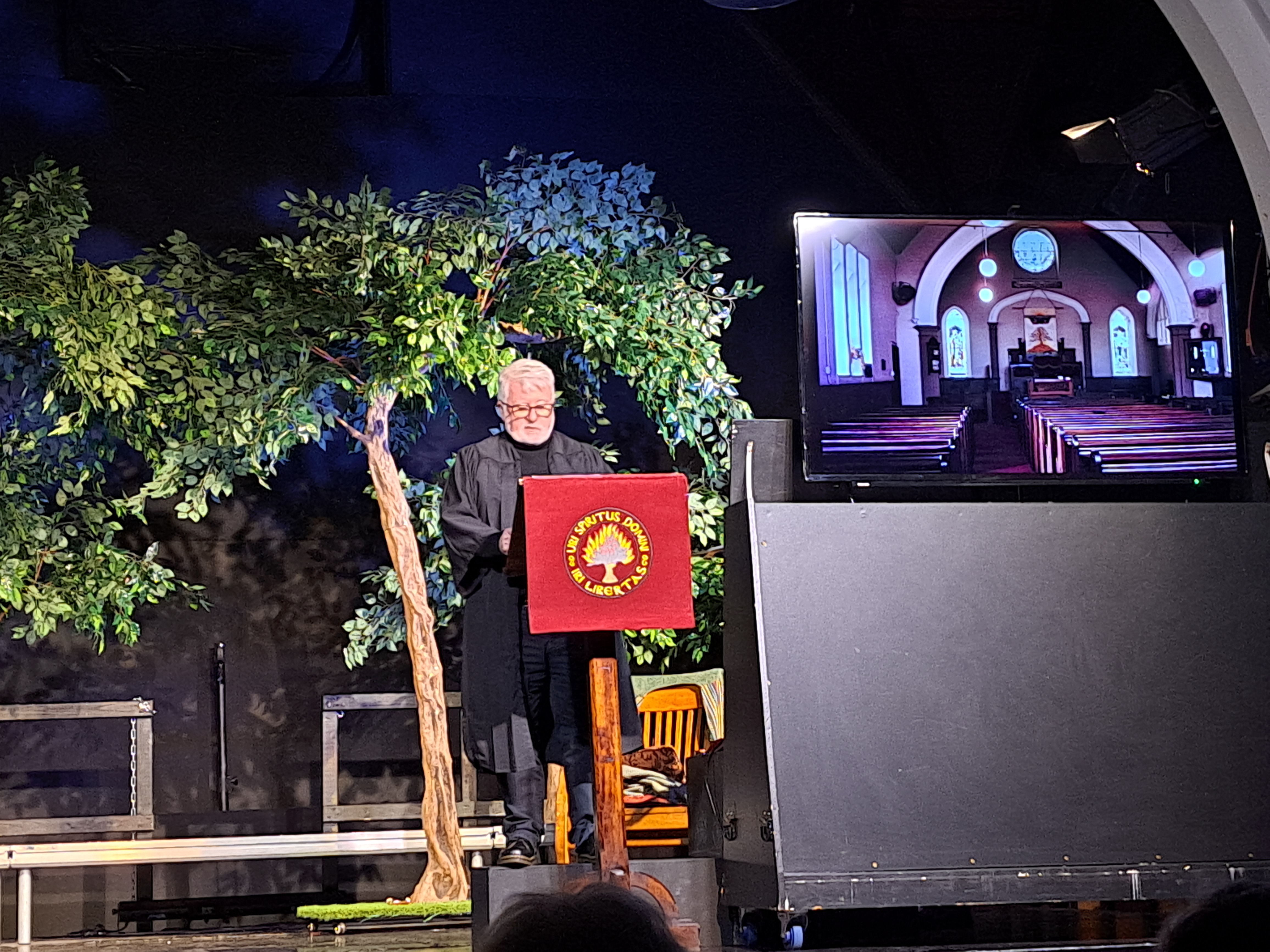
Trevor Gill delivers the Rev David Maginnis’s speech at the opening of the building in 1875. David Maginnis was a controversial but effective minister at York Street who came back to Belfast from Stourbridge to participate in the opening ceremony

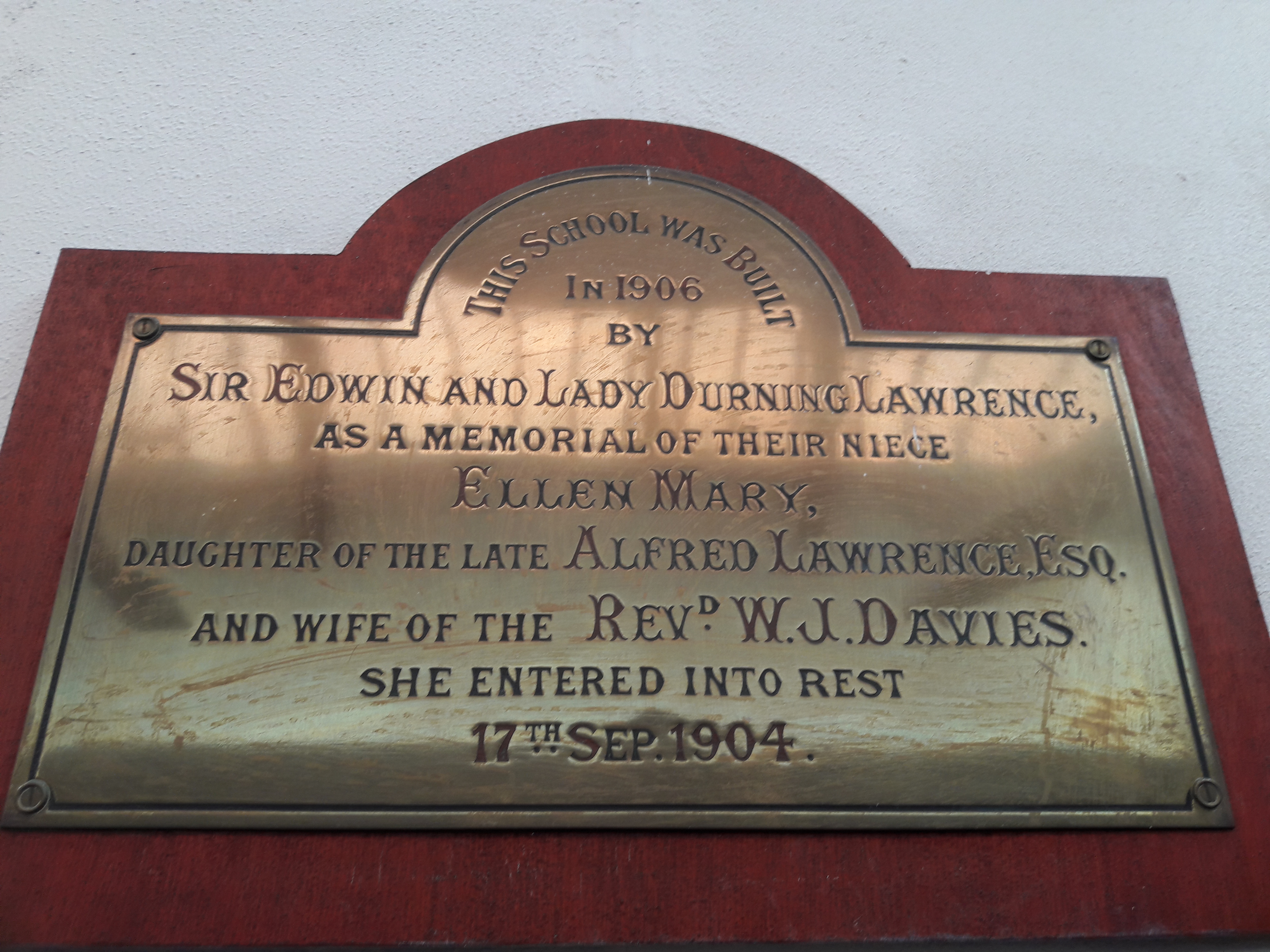
The evening was interesting, engaging and witty and also very moving as it looked at the story of Ellen Mary Davies, the wife of the Rev William Jenkin Davies, who died tragically young and in whose memory the school room was built.

Memorial in the School Room

Lindsay Charrington playing the role of Ellen Mary Davies

There was further tragedy with the loss of members of the church in the First World War, including Captain James Samuel Davidson in 1916, on the first day of the battle of the Somme. Also remembered on the evening was church member Sydney Agnew who was killed during the ‘Troubles’ in 1971 to prevent him giving evidence at a trial. It was both fitting and touching that members of Sydney’s family were there to lay a wreath in his memory.

Glenn McGivern writing home from the front as Captain J.S. Davidson

But the whole evening was very impressive, a fitting tribute to 150 years of work and witness which now has the opportunity to be part of a brave new venture as a community hub working in the arts and in drama in the Mountpottinger area.

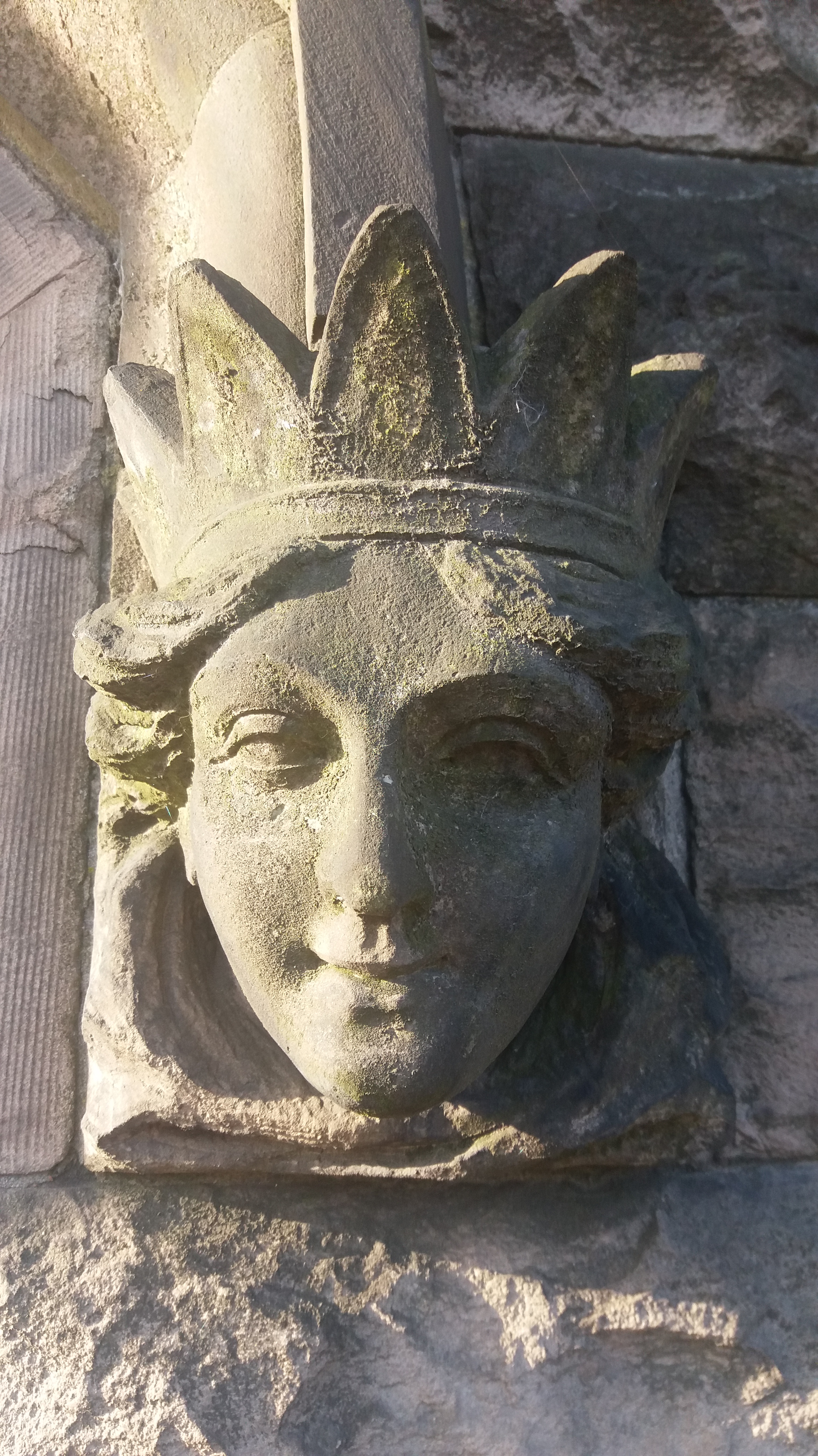
One of the ‘Regal Heads’ of Mountpottinger

Christmas 2024

In celebration of Christmas we have this short video which looks at Charles Dickens and Christmas. The work of Charles Dickens has become deeply entwined in the way we celebrate and enjoy Christmas, most notably through his work A Christmas Carol but it runs through all his writing. A lot of the Victorian imagery that accompanies so much Christmas celebration probably harks back to DIckens as much as anything else.

This short video makes some use of words by Chales Dickens with images from the Continental Market in Belfast and trumpet playing by Jack Steers:

Click on the video

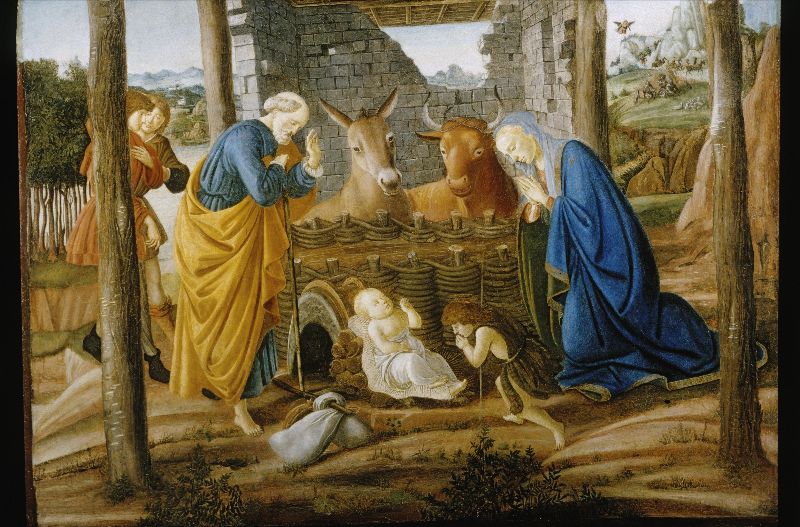
Botticelli Nativity (Source: Wikimedia Commons)

Christmas Prayer

Let us pray that strength and courage abundant be given to all who work for a world of reason and understanding; that the good that lies in every one’s heart may day by day be magnified; that we will come to see more clearly not that which divides us, but that which unites us; that each hour may bring us closer to a final victory, not of nation over nation, but of humans over their evils and weaknesses; that the true spririt of this Christmas Season – its joy, its beauty, its hope, and above all its abiding faith – may live among us; that the blessings of peace be ours – the peace to build and grow, to live in harmony and sympathy with others, and to plan for the future with confidence.

(from Celebrating Christmas An Anthology, ed. Carl Seaburg)

Click on the video for an audio recording of our carol service with pictures from the day

We held our Congregational Carol Service at Dunmurry on Sunday, 22nd December. This was a wonderful occasion that was hugely enjoyable with contributions by the Youth Group and Sunday School. With thanks to Allen Yarr for playing the organ and Jack Steers on the trumpet.

Rowel Friers

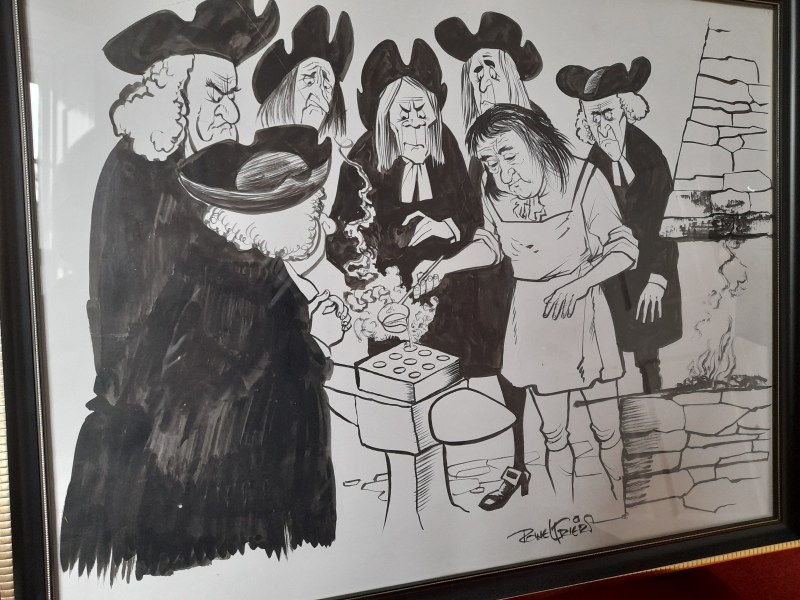
Belfast-born Rowel Friers (1920-1998) was perhaps the most famous cartoonist in Ulster, especially for his work during the ‘Troubles’. He began his working life in the art department of the Belfast printing firm of S. C. Allen and Co and studied at the Belfast College of Art. A keen watercolourist and oil painter he nevertheless was best known for his cartoons, which gently but effectively satirised the political situation in Northern Ireland. Our latest video looks at two cartoons by Rowel Friers, although they illustrate his versatility as a cartoonist and relate to life in the eighteenth century.

We have two fine examples of his work hanging on the walls of the Very Rev William McMillan Library in the First Presbyterian Church, Dunmurry. They were commissioned by the Rev William McMillan for an exhibition celebrating the 250th anniversary of the Presbytery of Antrim in 1975.

They are both immediately recognisable as his work. The faces of the figures convey exactly what is going on. One (above) is an imagined gathering of clergy around a blacksmith and relates to the practice of communion and the use of communion tokens. The other (below) relates to a specific incident in the history of the Comber congregation at the time of creation of the Presbytery of Antrim at the end of the First Subscription controversy when all the Non-Subscribers were separated from the Synod of Ulster and placed together in the Presbytery of Antrim.

It is good to give them special consideration now, as we prepare for the 300th anniversary of the creation of the Presbytery of Antrim. The full story of both pictures can be seen in the short video above.

Antitrinitarianism and Unitarianism in the Early Modern World

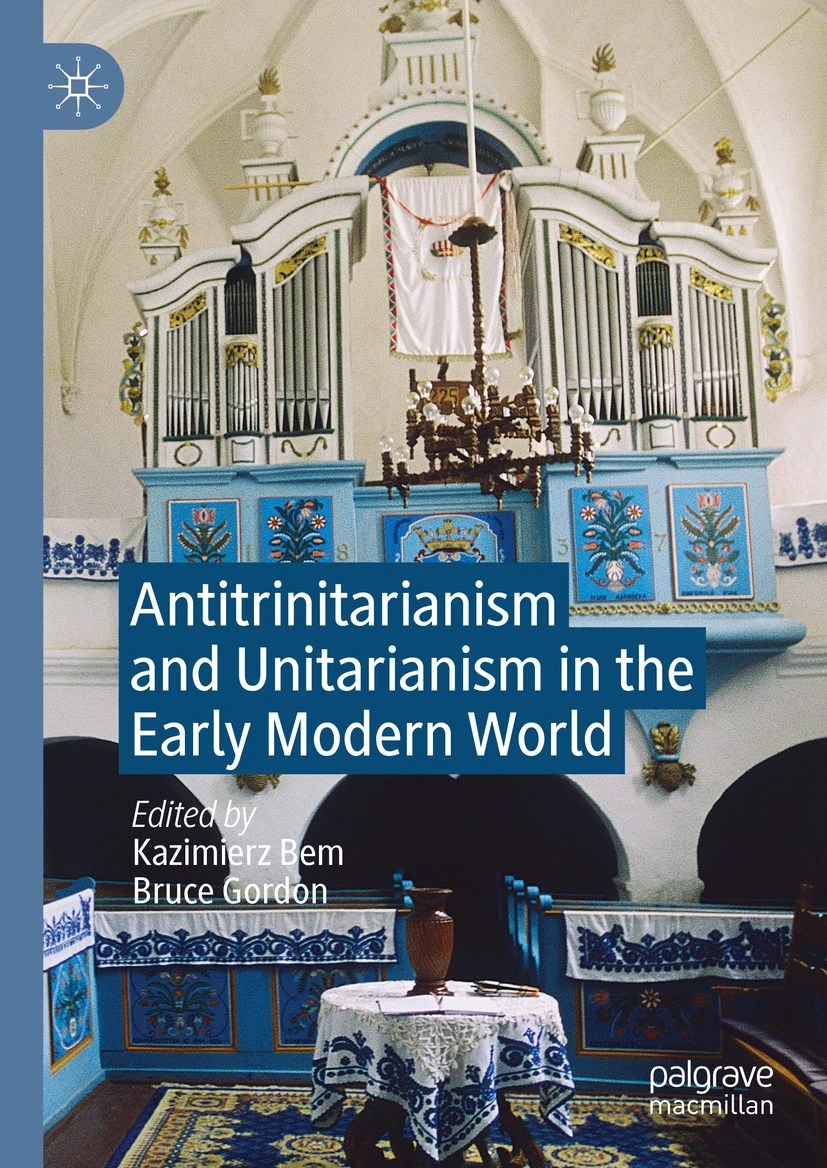
I was very pleased to be asked to contribute to this book which has just been published by Palgrave Macmillan:

Antitrinitarianism and Unitarianism in the Early Modern World

The publishers describe the volume in these terms:

This collection offers an innovative and fresh interpretation of Antitrinitarian and rational dissent in the early modern world. The central themes focus on the fierce debates surrounding Antitrinitarianism and Unitarianism that emerged from the Reformation and the lived cultures of these dissenting movements. The chapters take an interdisciplinary approach addressing ideas in context, their reception and appropriation, and the diverse and often conflicting visions of Christianity. Drawing on previously unused sources, many from Eastern Europe and often in inaccessible languages, this book challenges our understanding of dissent as marginal and eccentric and places it at the center of contesting convictions about the nature of religious reform.

The contents are as follows:

Introduction

The Porous Boundaries of Dissent

Bruce Gordon

Antitrinitarianism and Its Influence in Italy and Poland

Italian Antitrinitarianism and the Legitimacy of Dissent

Odile Panetta

Scripture, Piety, and Christian Community in the Thought of the Polish Brethren

Sarah Mortimer

Religiosity in the Ethos of Polish Brethren in Light of Funeral and Wedding Speeches from the Seventeenth Century

Maria Barłowska

True Heirs of Jan Łaski: Polish Brethren Church Discipline in the Polish-Lithuanian Commonwealth and During Their Exile in Transylvania

Kazimierz Bem

Transylvanian Unitarianism

The Late Confessionalization of the Transylvanian Unitarian Church and the Polish Brethren

Gizella Keserű

Introduction to the Transylvanian Unitarian Disciplina Ecclesiastica

Lehel Molnár

De Disciplina Ecclesiastica: On Ecclesiastical Discipline (1626)

Alexander Batson

The Term, Development, Purpose, and Practice of Church or Canonical Visitation: Unitarians in Háromszék in the Seventeenth Century Between Conventional Rhetoric and Reality

Lehel Molnár

Some Aspects of the Hungarian Unitarian Liturgy in the Sixteenth to Eighteenth Centuries

Sándor Kovács

Engagement and Divorce Cases Before the Unitarian Consistory in Seventeenth-Century Transylvania. Frameworks in Church Law and the Doctrine of Marriage

David Szigeti Molnar

England, Ireland, and New England

The Historical Critique of Heresiology in the Seventeenth Century and the Origins of John Milton’s Arianism

R. Bradley Holden, Samuel J. Loncar

Authority, Reason, and Anti-trinitarianism: John Abernethy and the Competing Pressures Within Irish Presbyterianism in the Early Eighteenth Century

A. D. G. Steers

The 1662 Book of Common Prayer and Its Adaptation in Eighteenth-Century Rational Dissent

Bryan Spinks

New England Congregationalists and Unitarianism in Late Eighteenth Century/Early Nineteenth Century

Peter Field

The editors are:

Kazimierz Bem, Pastor of First Church in Marlborough (UCC), USA and a senior lecturer in Church History at the Evangelical School of Theology in Wrocław, Poland.

Bruce Gordon, Titus Street Professor of Ecclesiastical History at Yale Divinity School, USA.

  Hardcover ISBN978-3-031-69657-2

  Softcover ISBN978-3-031-69660-2

  eBook ISBN978-3-031-69658-9

You can find out more about this book via this link.

Christmas Readings

Our latest video (Number 7) exploring the collection of the Very Rev William McMillan Library at First Dunmurry looks at some Christmas readings. We also have O Come all ye faithful played by Jack Steers on the trumpet.

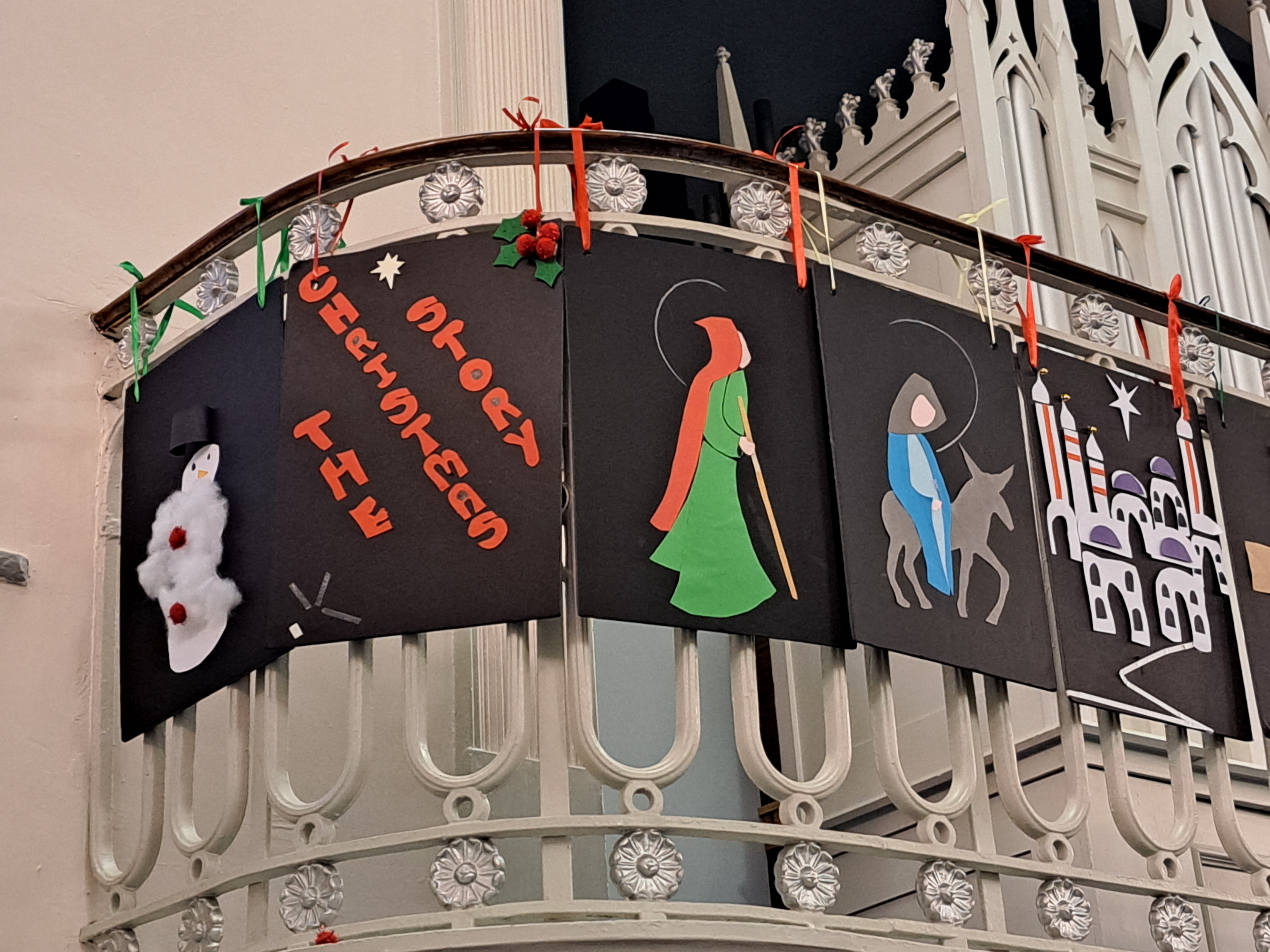
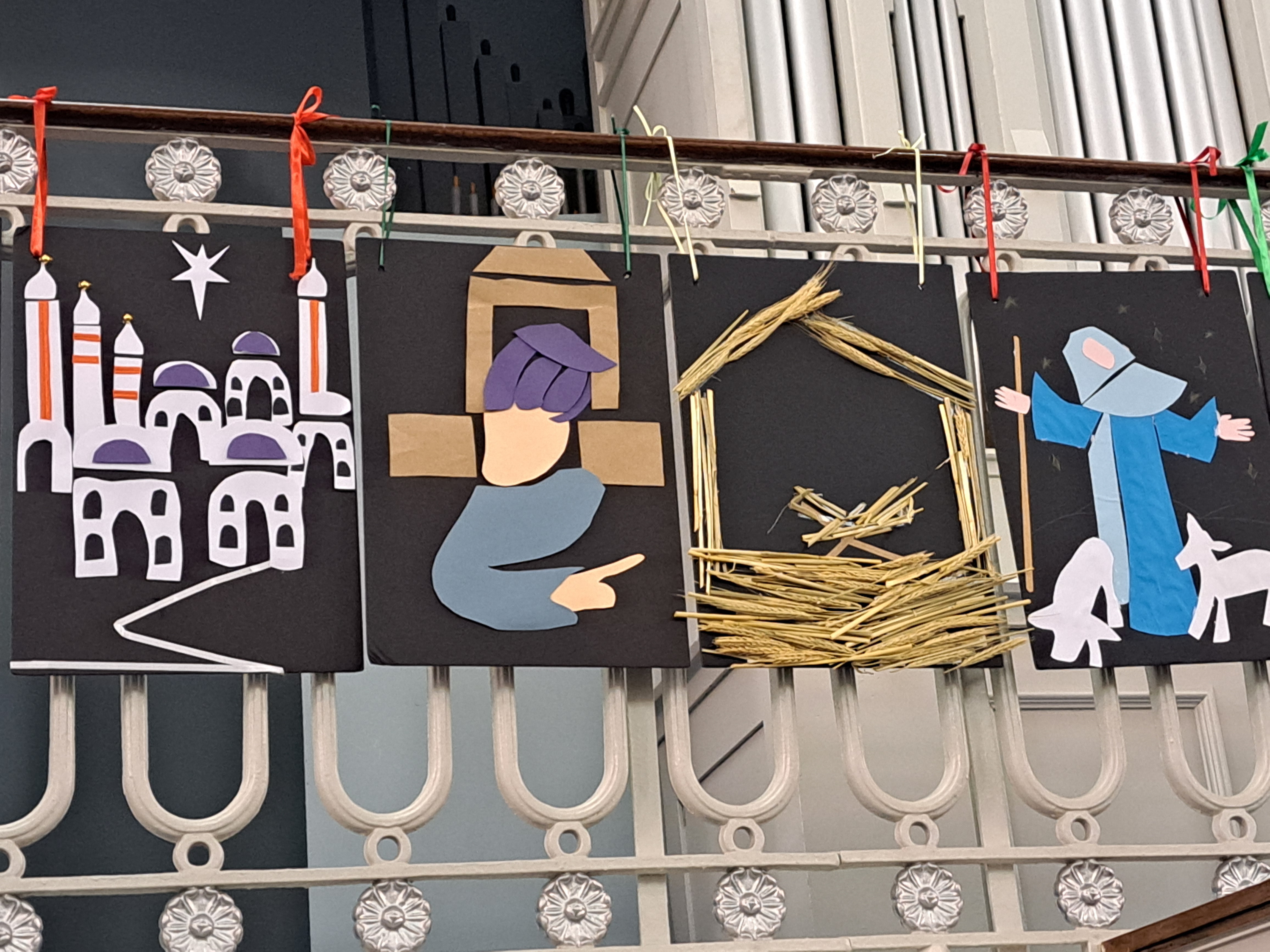
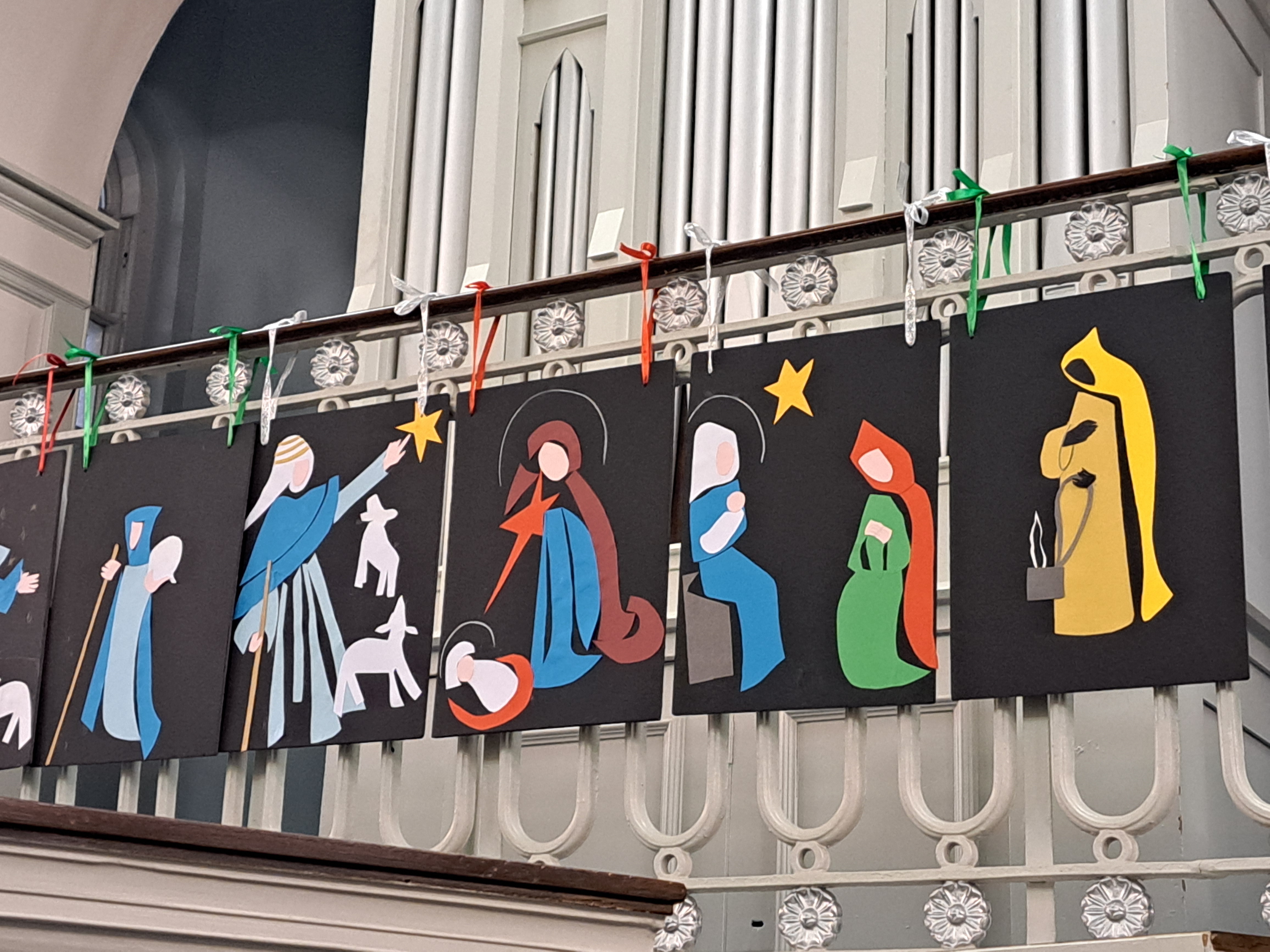
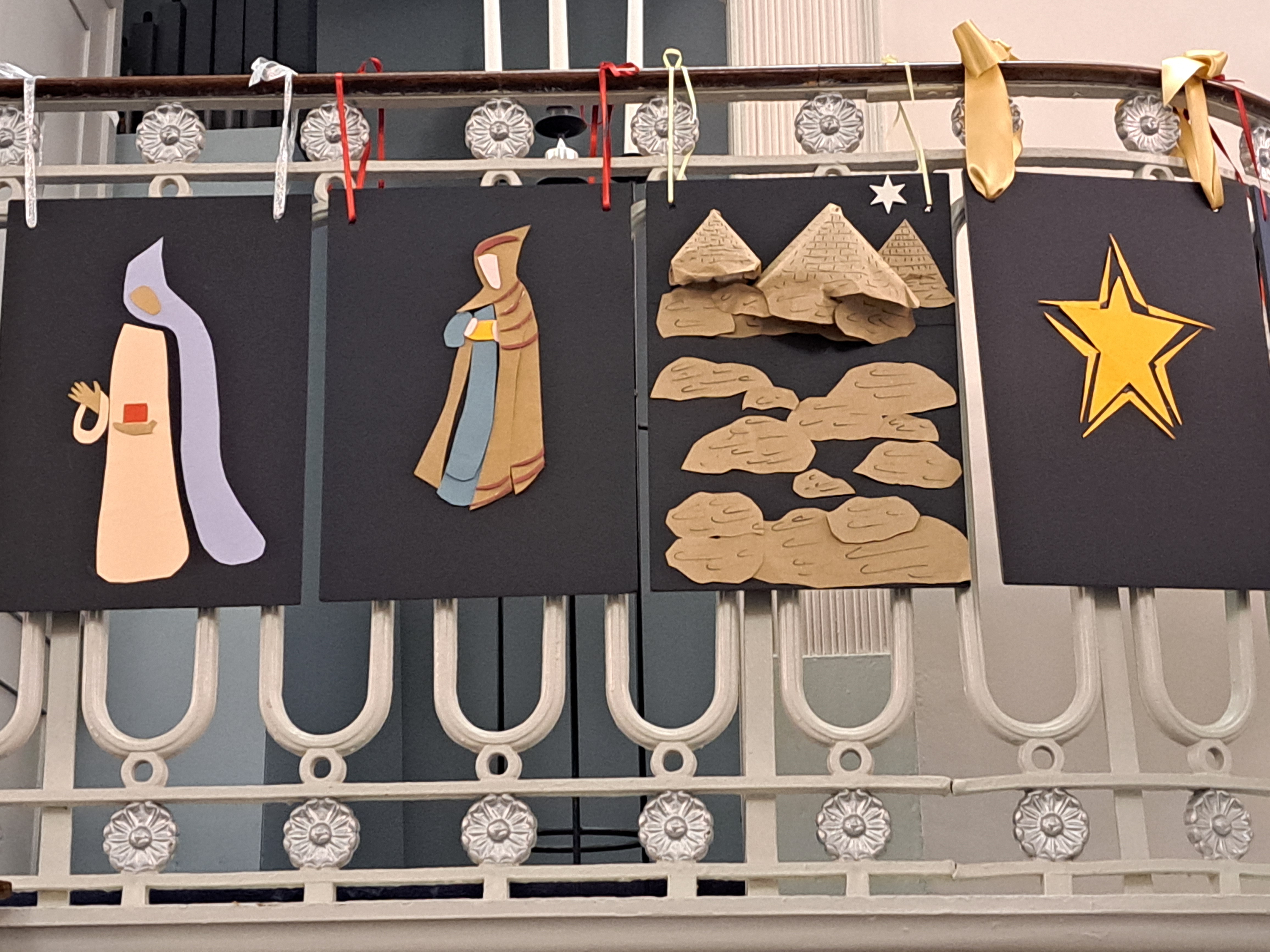
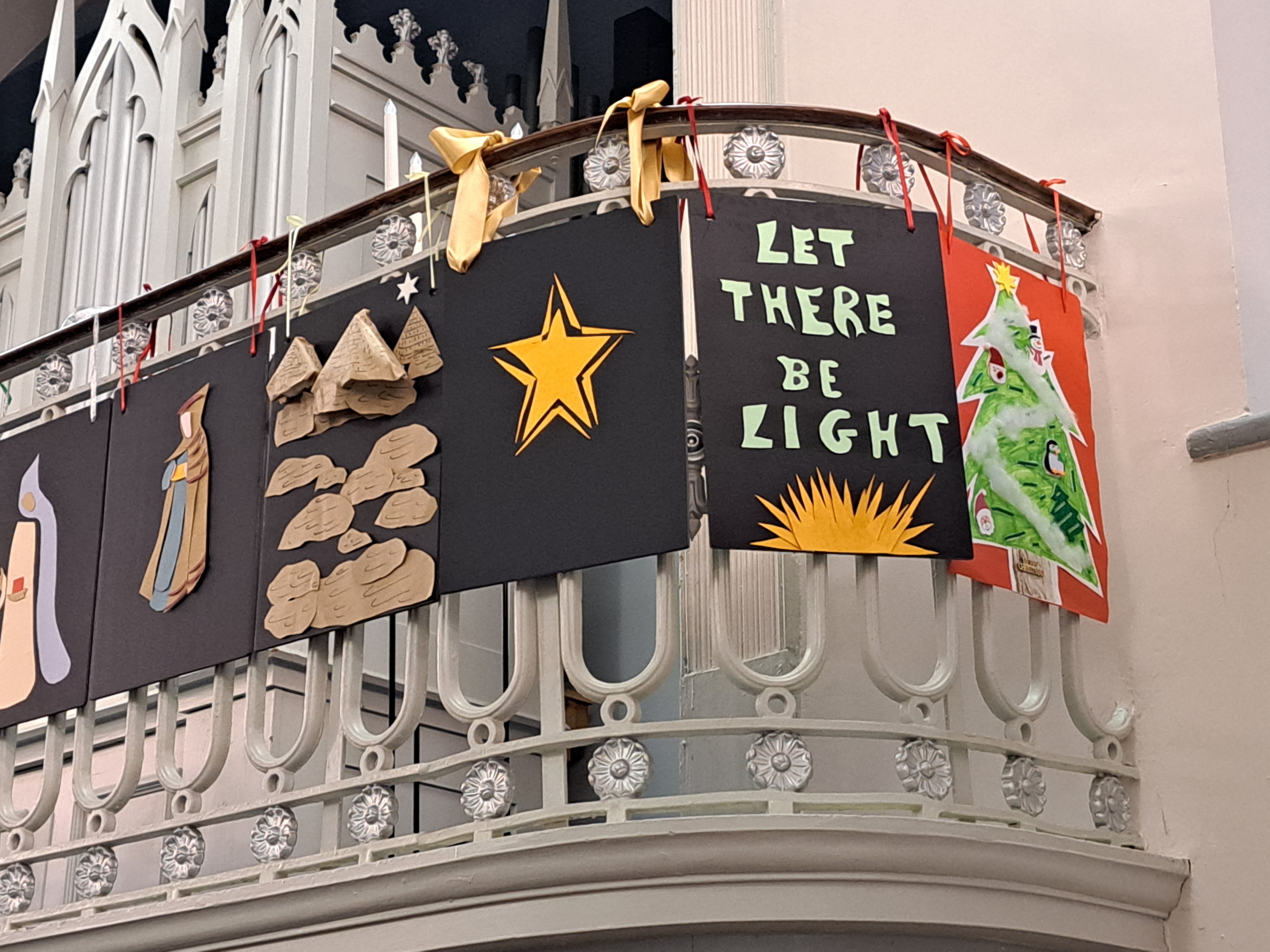
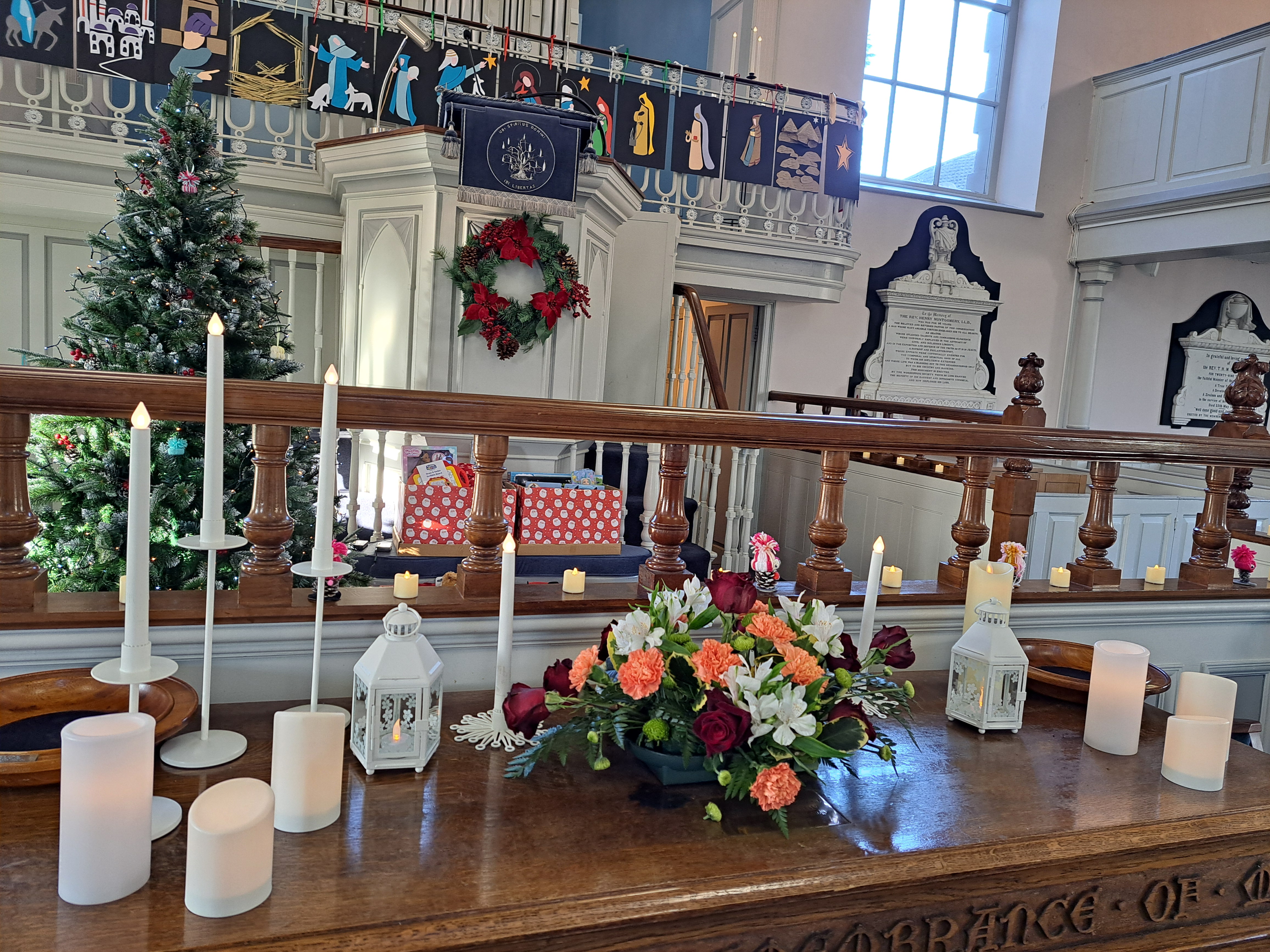
The video also includes some of the Christmas decoration in the Church including the excellent frieze created by the children of the Youth Group along the rail behind the pulpit, which can be seen in more detail below:

Carols by Candlelight at Dunmurry

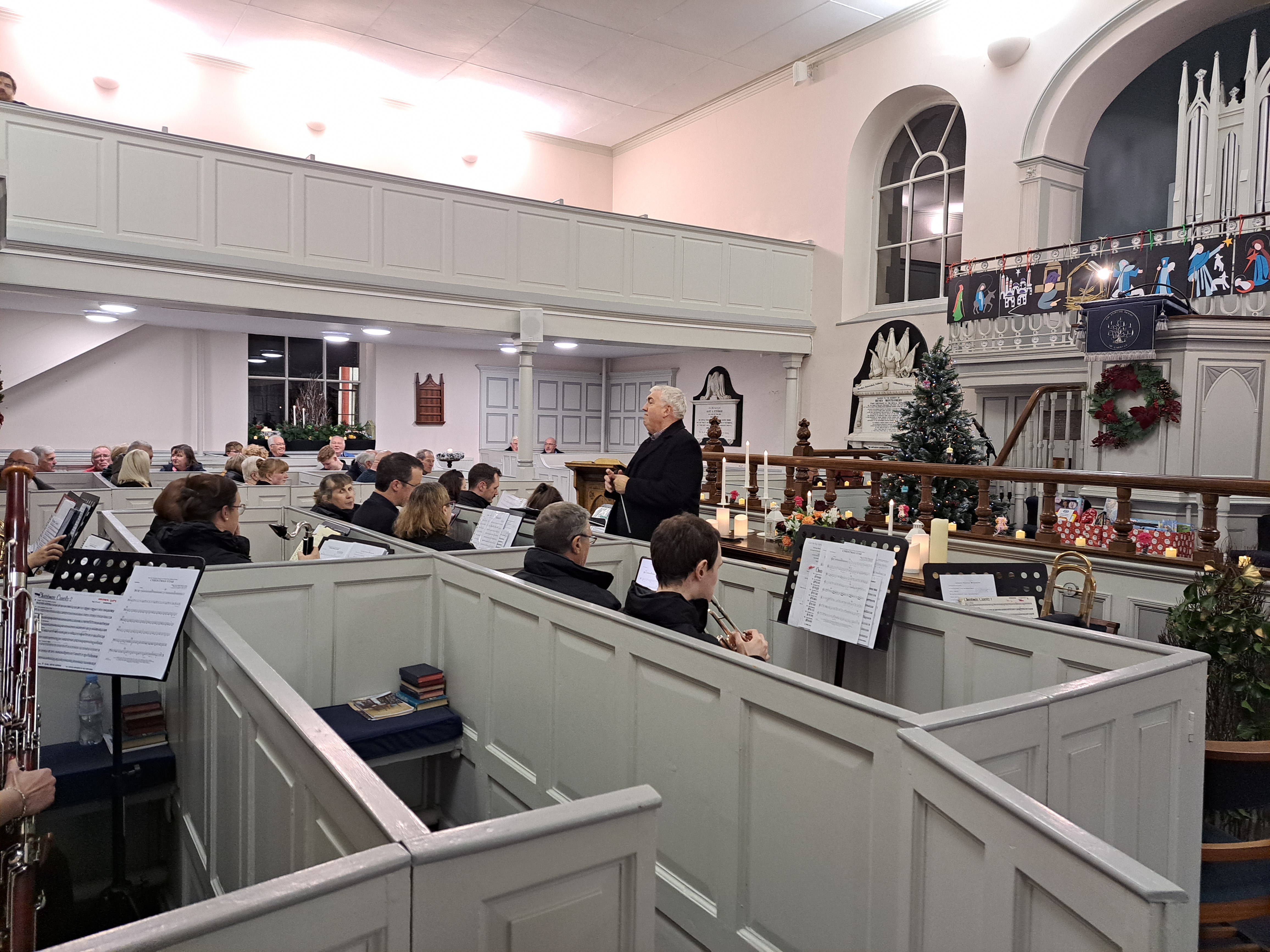
Despite the presence of Storm Darragh on Friday, 6th December we still were able to hold our well-attended service of Carols by Candlelight featuring Harmonic Sounds Concert Band under the direction of Paul Hamilton. It was a great evening and the whole service was livestreamed. You can watch the service here:

Click on the video

The service was conducted by the minister, Rev Dr David Steers, and our readers came from our own Church and our sister churches. They were David Kerr (First Church, Belfast), Kathy Yuille, Sylvia McBride, Adele Johnston, Diana Taggart, Erin Black, Rev Chris Hudson (All Souls’ Church, Belfast), Gilbert Cameron, Rev Chris Carson (Church of Ireland).

Band about to play

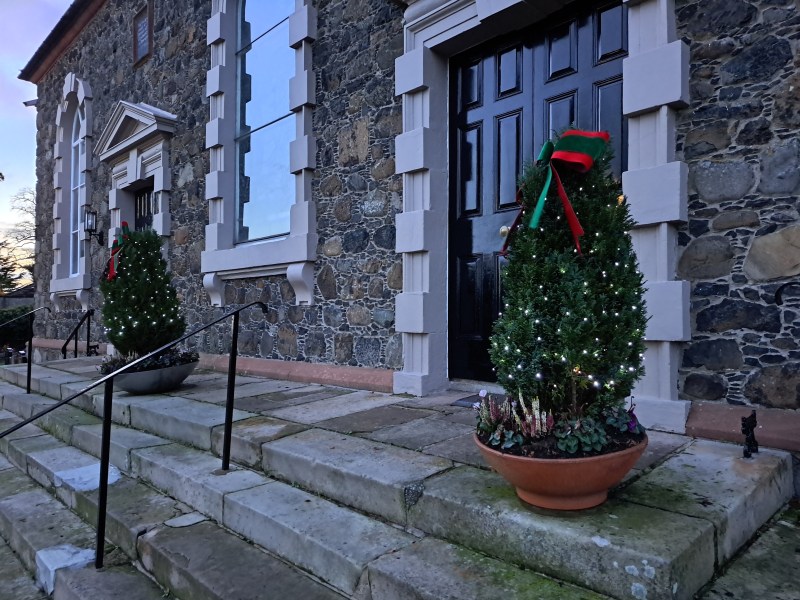
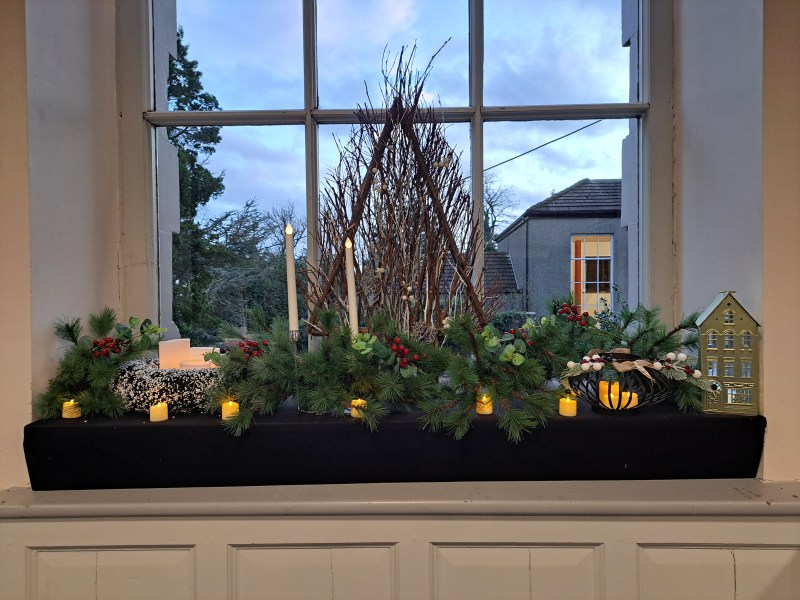
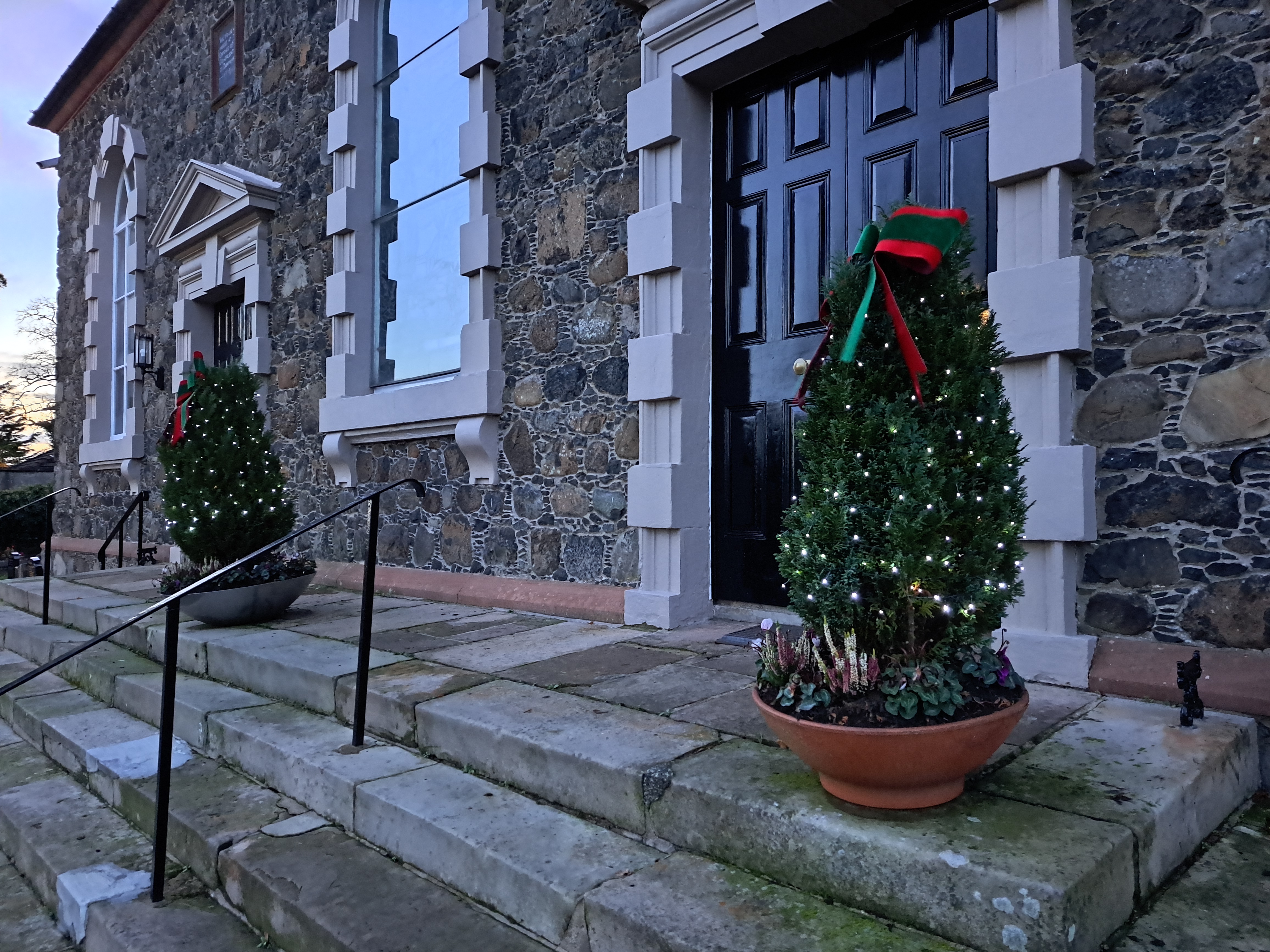
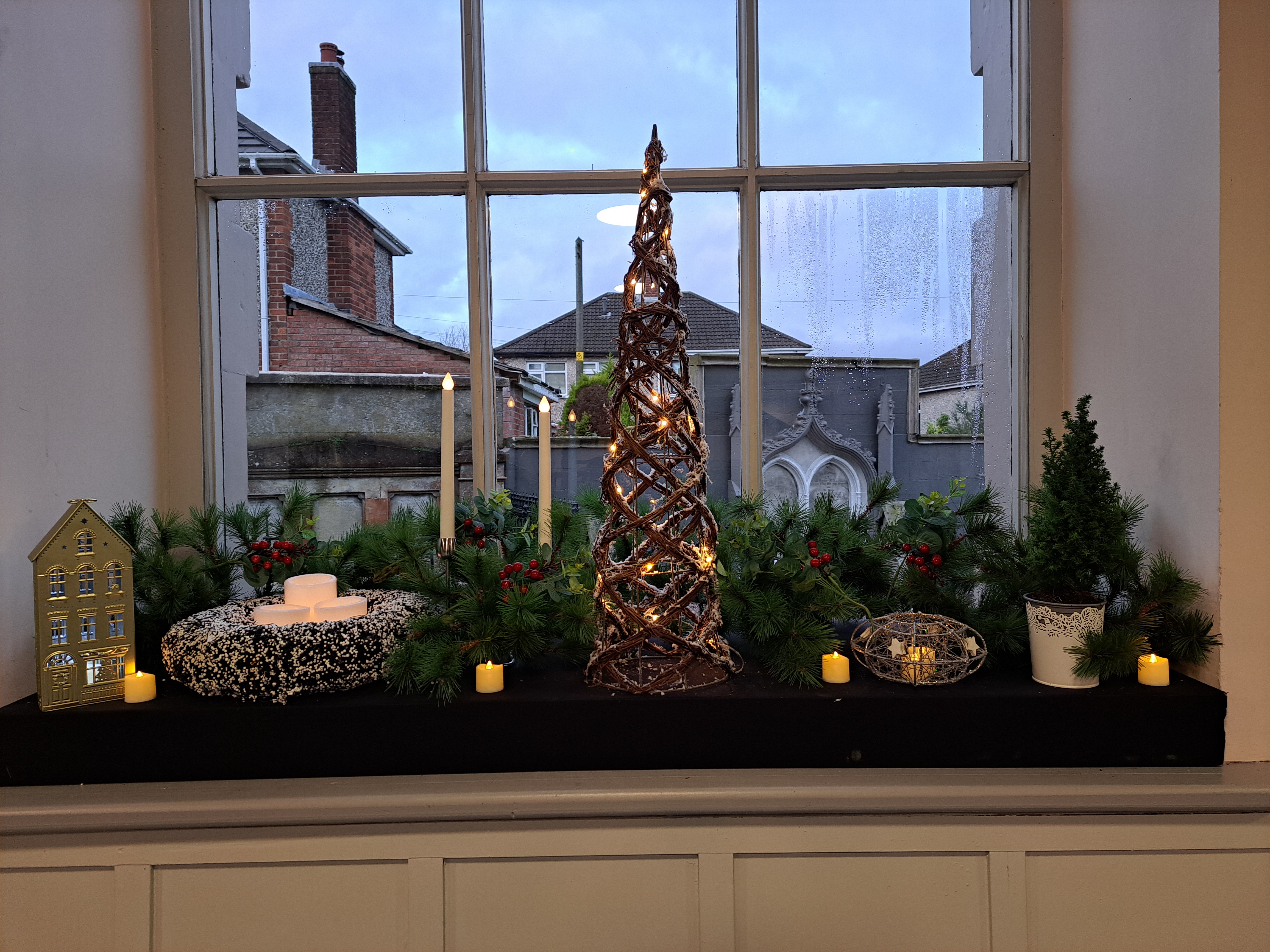
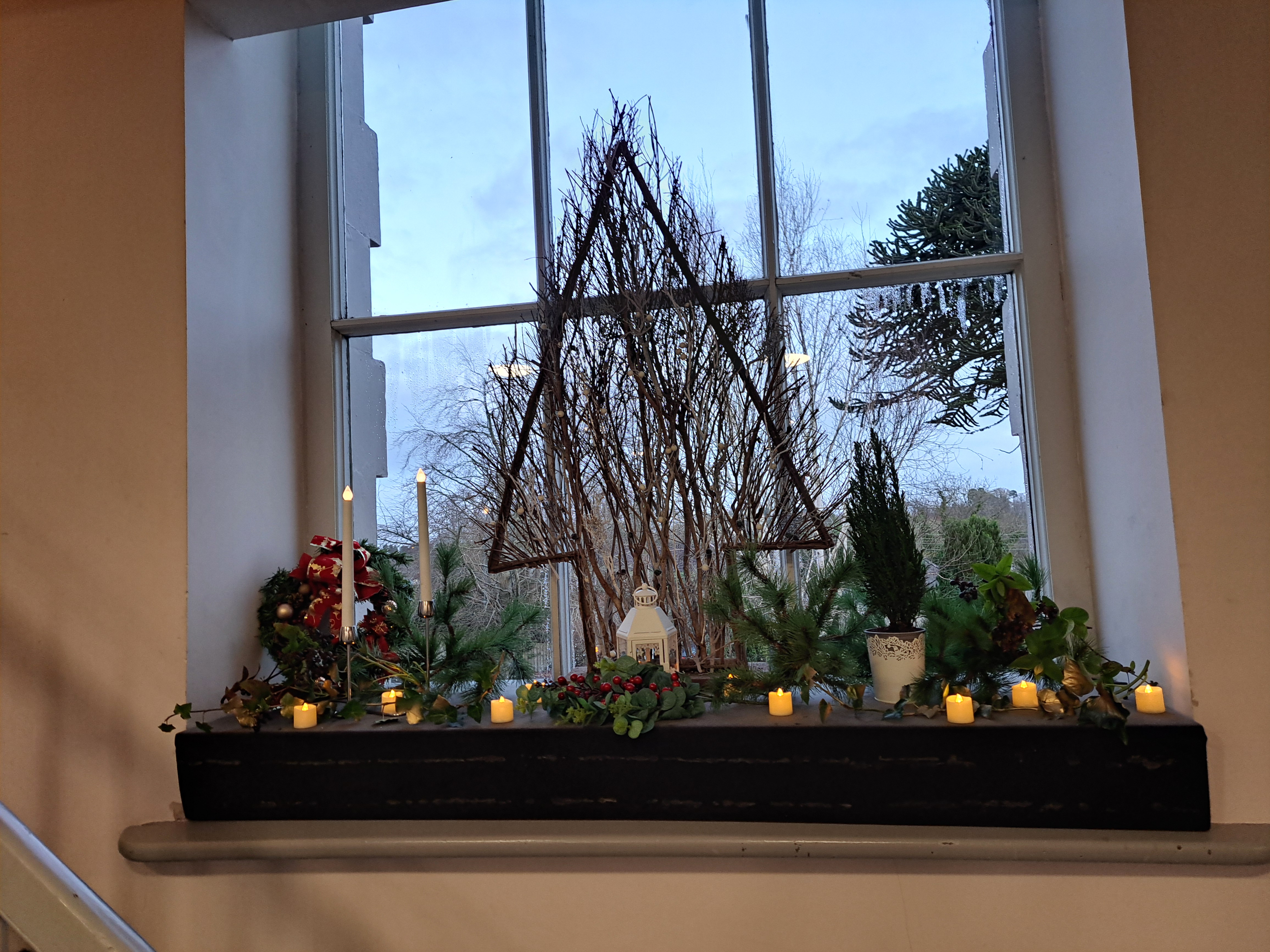
The Church was beatifully decorated both outside and in.

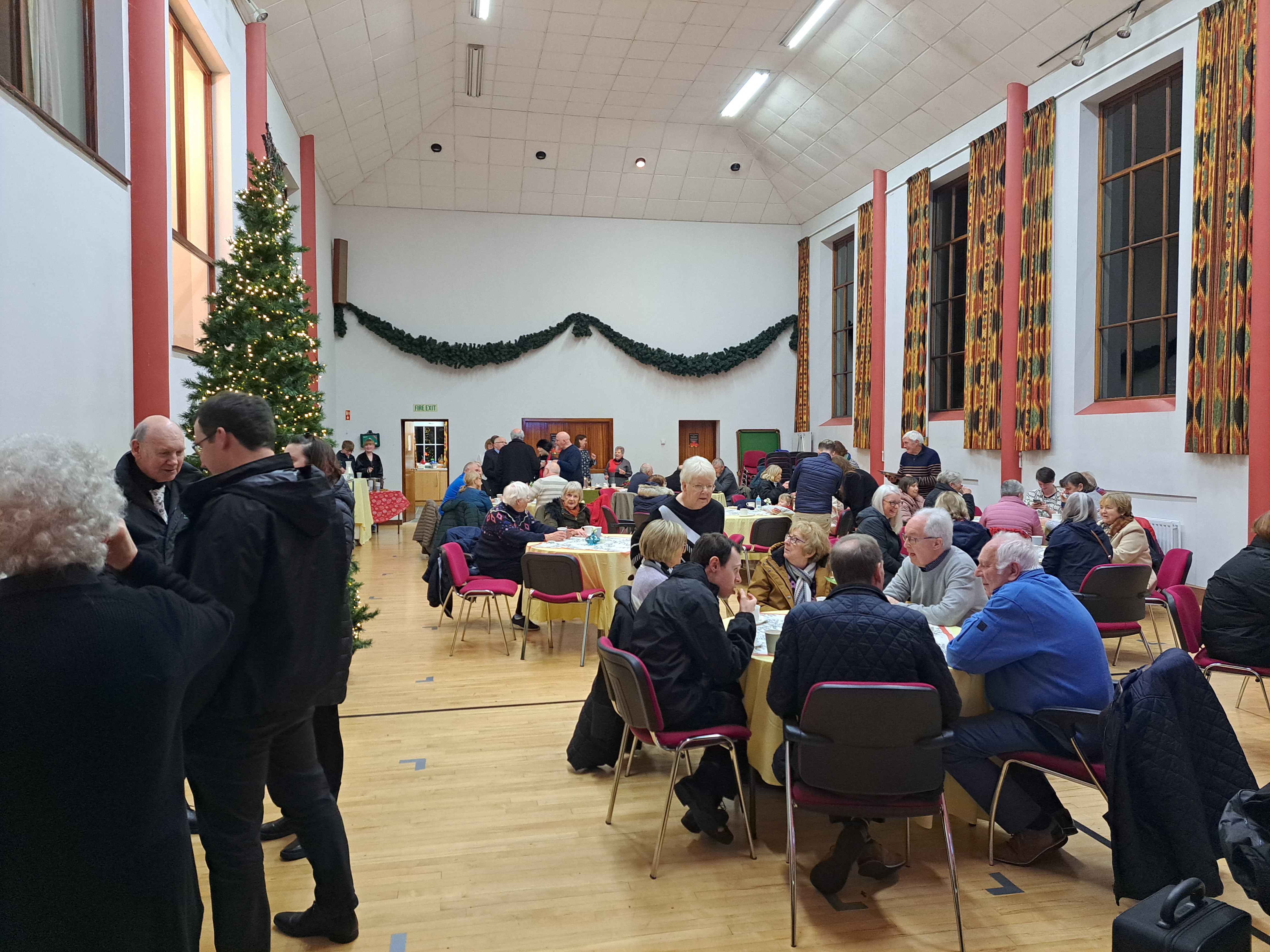
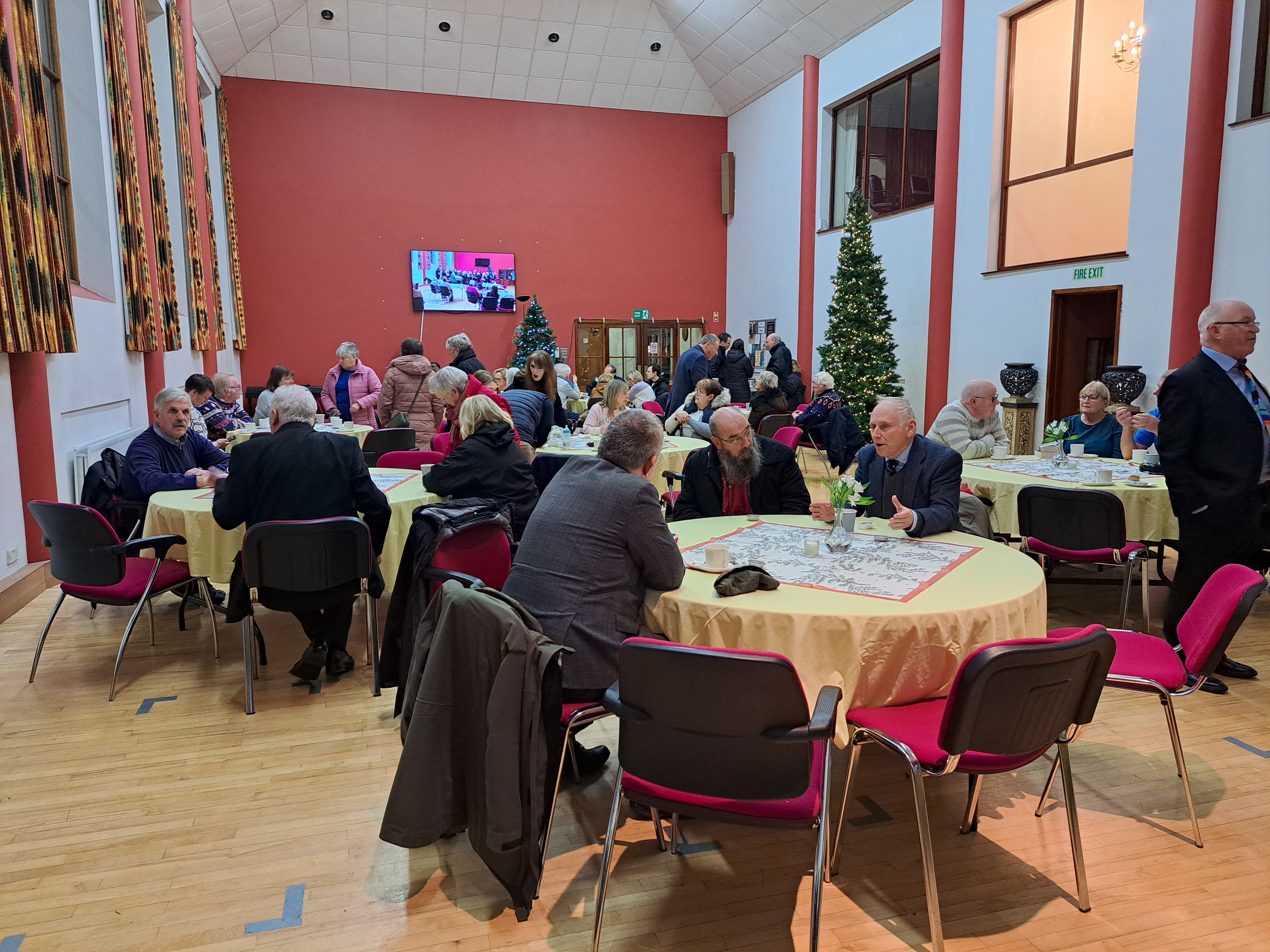
And many of those present were able to come over to the Hall for refreshments after the service.

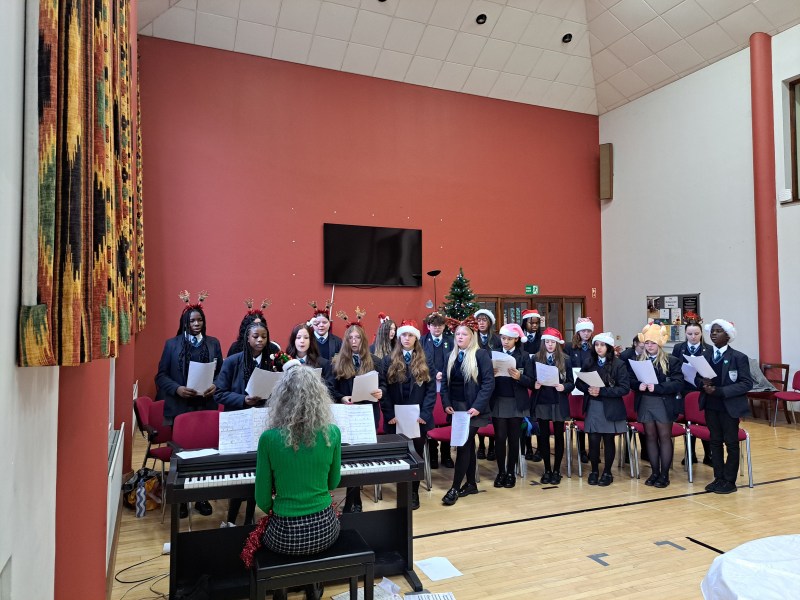
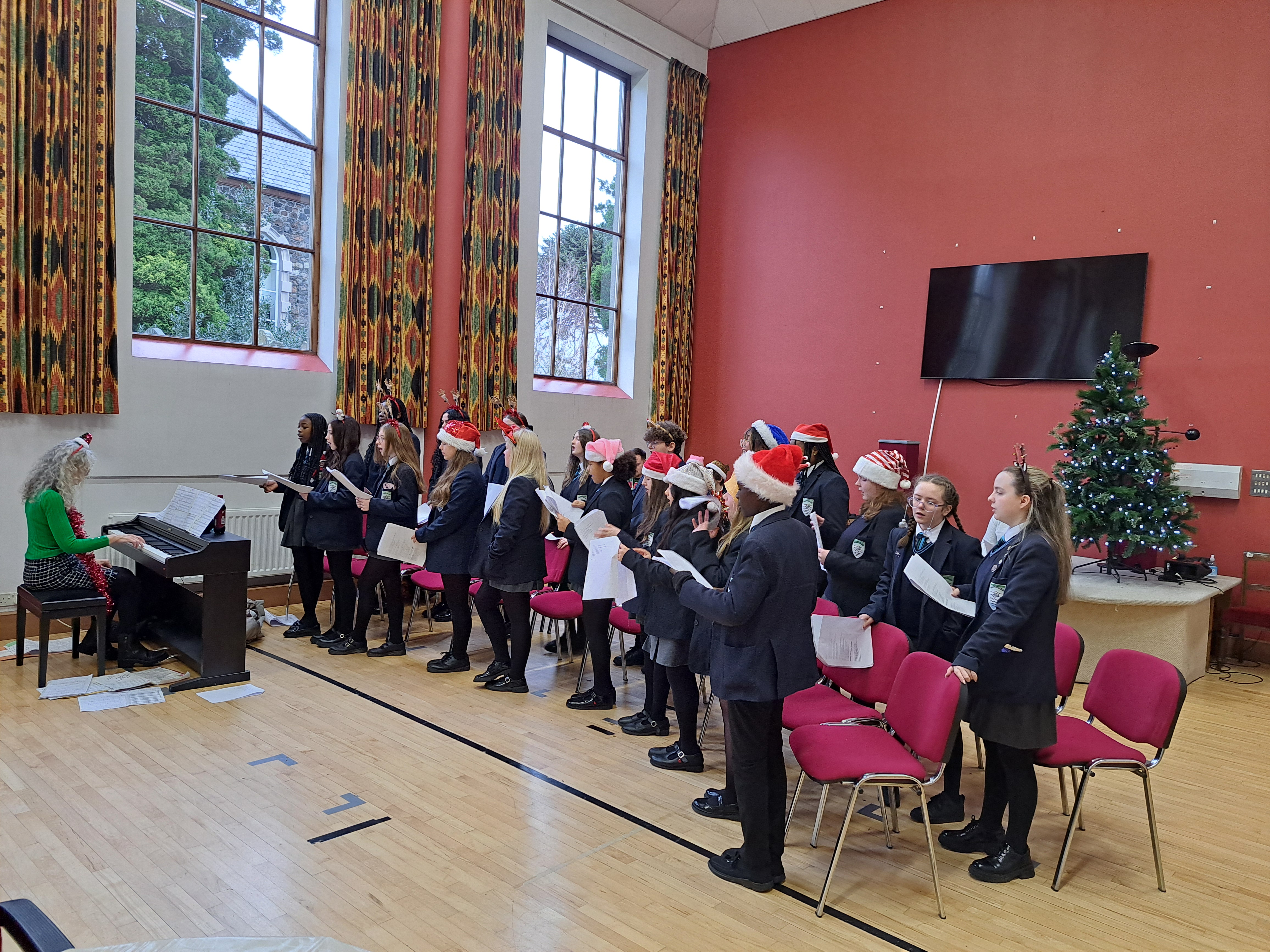
Malone Integrated College Choir at First Dunmurry

We were delighted to welcome the Choir of Malone College to our Warm Space Coffee Morning at Dunmurry on Thursday morning, 5th December under the direction of their musical director, Mrs Caroline Mitchell.

Click on the video to see Malone College Choir performing at First Dunmurry

The Choir sang a varied programme and were with us for two hours. The video above contains some of their repertoire. We are so glad that Mrs Mitchell, her staff and the Choir are able to take the time out to visit us at the start of the Christmas season, its an occasion that everyone looks forward to and fills us all with a strong sense of the Christmas spirit.

Malone Integrated College Choir at First Dunmurry (NS) Presbyterian Church

The Latest issue of Faith and Freedom

The latest issue – Volume 77, Part 2, Autumn and Winter 2024, Number 199 – is now available and will be with subscribers shortly. Details on how to subscribe (including a link to our website if you would like to pay via PayPal) can be found at the foot of this page.

This issue is special for a number of reasons. First of all we are pleased to announce the magnificent vote of approval given to us by the Merseyside and District Missionary Association who have given us very generous financial support. This is a tremendous help and together with the valued grant we already receive from the Daniel Jones Fund this means that Faith and Freedom can continue to serve our readers, maintaining the original vision set out by the Ministerial Old Students Association of Manchester College, Oxford for the promotion of liberal religious discussion and the free exchange of ideas.

Secondly we are also delighted to be able to launch our brand new Faith and Freedom Logo with this issue. Our Logo was previewed on this site a couple of weeks ago and it now takes its place atop our masthead. Specially designed for us, it is a striking representation of what we stand for as a journal and will let the world know who we are. We have already had requests for this to be produced as a badge which is something we are keen to look into.

It is very pleasing also that the journal continues to attract top quality articles from Unitarians and non-Unitarians alike from Britain and around the world. In this issue Elizabeth Kingston-Harrison, who is the Congregational Connections Lead for the General Assembly of Unitarian and Free Christians and has a PhD in Intellectual History, having studied the theology of Joseph Priestley and other eighteenth-century rational dissenters, contributes A Comet in the System: Joseph Priestley and the emergence of rational dissent in the eighteenth century. Elizabeth writes of Priestley’s role in the emergence of rational dissent and shows how, far from being a distant, dry historical study, this is something that is energising and alive today and helps us connect with our present-day religious identity. Joseph Priestley ‘was a courageous, “big picture” person’ whose scientific discoveries went hand in hand with his theological reflections. The discoverer of oxygen applied reason to scripture and developed a new way of understanding the universe.

Frank Walker considers Sir Lloyd Geering: Trinitarian-Unitarian, Humanistic Presbyterian, Centenarian and asks Can You Love the Human Race? Sir Lloyd Geering, a New Zealand Presbyterian Professor, who was once charged with heresy, may not be a name immediately familiar to most of our readers but I have no doubt that everyone will find Frank’s thoughtful examination of his theology and ideas incredibly life affirming and uplifting.

Peter Hewis addressed the Old Students Association at Harris Manchester College back in June and this paper is based on his sermon – Keep alive the dream in the heart – a quotation from Howard Thurman and an exploration of dreams in religious history and their continuing power to inspire us and drive us towards making a difference in the world,

As always we have a number of really interesting and informative reviews of a wide range of publications contributed by our readers. This issue includes:

Right Relationship in the Real World

Commissioning Editor: Jane Blackall, Right Relationship in the Real World, Learning to Live by our Unitarian Values, The Lindsey Press, London, 2024, pp 132, ISBN 978-0-8519-099-8, £7, pbk. The book can be ordered online at https://www.unitarian.org.uk/shop/

Reviewed by Peter B. Godfrey

Fideology

Richard F. Boeke, Fideology – Building Trust through the Shared Experience of Faith at the Root of the World’s Religions, 2024, pp 248, ISBN 97988844906686, £11.08 plus postage from Amazon.

Reviewed by Peter B. Godfrey

From the heights of politics via a spiritual journey to the ministry

From the heights of politics via a spiritual journey to the ministry Gordon R. Oliver, Overcoming Life’s Challenges: A Personal Memoir of a Cape Town Mayor, Austin Macauley Publishers, 2024, pp.166, ISBN: 979-8891554146, £8.99, pbk.

Reviewed by John Midgley

An honest and liberal analysis of the Church

Martin Camroux, A Serious House, Why if Churches Fall Completely Out of Use We May Miss Them, Wipf and Stock, 2024, pp. 188, ISBN-13: 979-8385207824, £21 pbk, (also available direct fromthe author for £16, including postage, Martin Camroux, 4 Sorrel Close, Colchester, CO4 5UL).

Reviewed by Francis Elliot-Wright

Prayers of Many Faiths

Marcus Braybrooke, 1,000 Prayers from Around the World. Prayers of Many Faiths for Many Situations, independently published, 2024, pp.390, ISBN: 9798321565889, £39.99 hbk; ISBN: 97983439561609, £9.99 pbk black and white; ISBN: 798321565889, £19.99 pbk colour; also available on Kindle £4.99. Available to order on Amazon.

Reviewed by David Steers

An annual subscription to Faith and Freedom (two issues) costs £16.00 (postage included) in the United Kingdom. Single copies can be ordered at a cost of £8.00 each (postage included). Cheques should be made out to Faith and Freedom and sent to the business manager:

Nigel Clarke,
Business Manager, Faith and Freedom,
16 Fairfields,
Kirton in Lindsey,
Gainsborough,
Lincolnshire.
DN21 4GA.

Overseas subscriptions are also available.

It is also possible to pay online. For more details see our website:

https://www.faithandfreedom.org.uk/subs.htm