Two views of a junction in Toxteth

Park Road postcard

Park Road

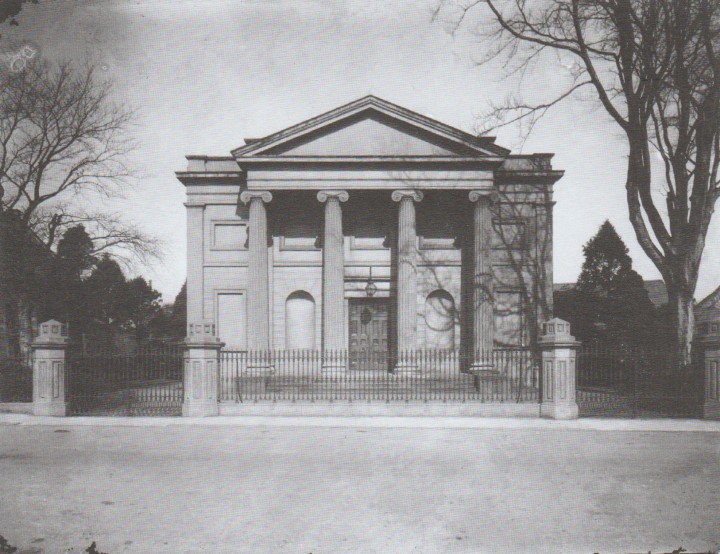
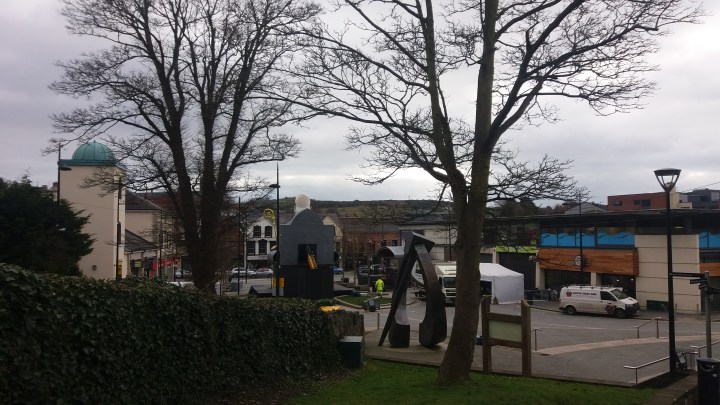
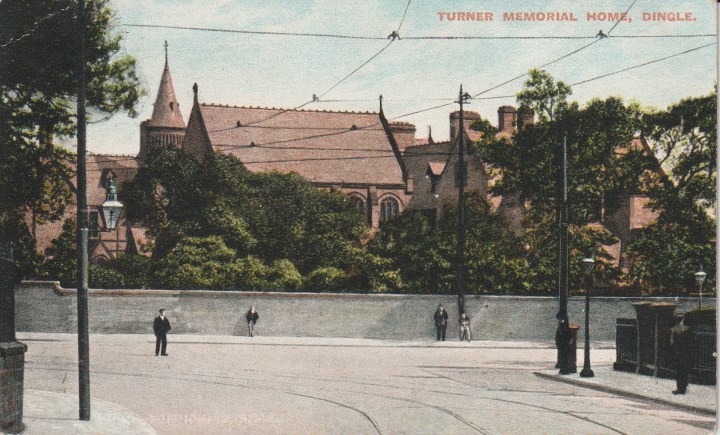
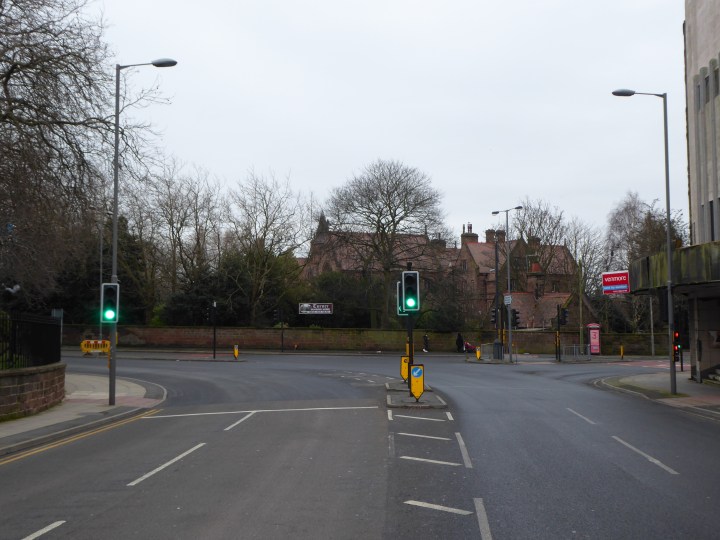
Two views of the same place taken in Liverpool about 113 years apart. The postcard at the top is dated 1905 and was sent from Birkenhead to Miss D. Caulson at Grange over Sands. The view is of the Turner Memorial Home, a large hospital and nursing home built in 1884 on land originally owned by the Yates family. The Yates family were Unitarians and had links with the Ancient Chapel of Toxteth, the corner of which outside wall can be seen in both pictures on the left hand side. They were ministers, radicals, campaigners and major benefactors to the city, Richard Vaughan Yates donating Princes Park to the city in 1842.

It’s a curving corner junction in both images although once, long ago, before Toxteth was developed, it was a country track. In 1905 tramlines curl around the corner. In 2018 traffic lights and traffic islands keep pedestrians and traffic apart.

The road has been widened since 1905 and the post box taken away. Thirty-two years after the first picture was taken the Gaumont Cinema was opened on the right. A striking art deco cinema it is a sorry sight today having been abandoned for twenty years. Seating 1,500 people it once was a key venue for the people of the Dingle. Sold at auction in the early part of 2018 it was listed on the market at £75,000. It looks like a private house occupies that site in 1905. Just seven years after the card was posted the first cinema was built on that corner, the Dingle Picturedrome, the predecessor of the Gaumont.

The postcard and the photograph tell the viewer very little about the Turner Memorial Home, an endowed gift from Anne Turner in memory of her husband and son to provide residential care for the sick, an institution which has remained in continuous operation ever since.

It is really a postcard view of a road junction, and a junction in time.


Chester Cathedral Refectory

Chester Cathedral refectory ph

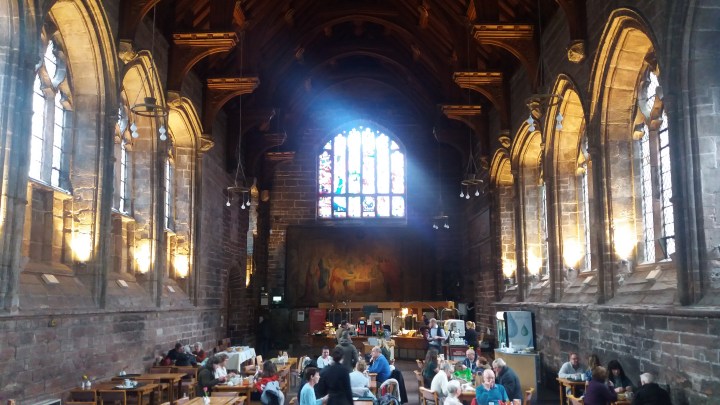
British Cathedrals are often good places to eat. Mindful of providing the full experience for the tourist market most large cathedrals are well-attuned to the culinary needs of visitors. Sometimes the restaurants are squeezed into the holy places in a slightly insensitive way but cathedrals do often have the ideal space for a café in the form of the refectory. The best cathedral that I have eaten in is undoubtedly St David’s in Wales, where the refectory is a very pleasant place to go. But the most interesting refectory in use as a restaurant, even if the food isn’t great, is probably that of Chester Cathedral.

Chester Cathedral refectory counter

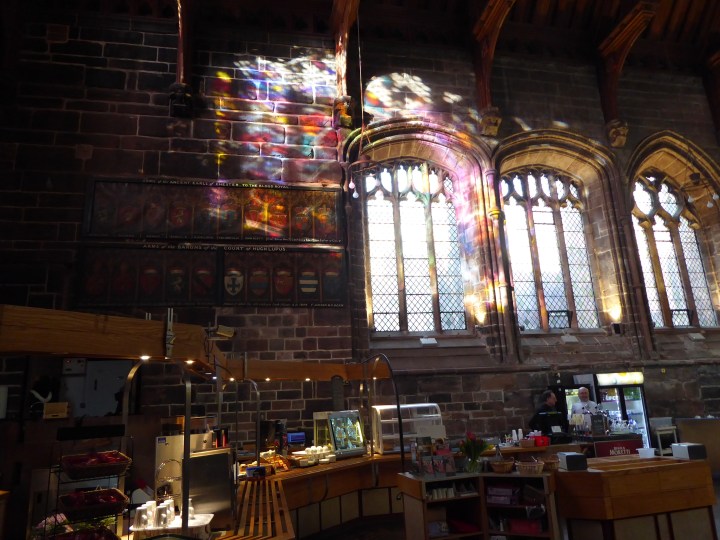
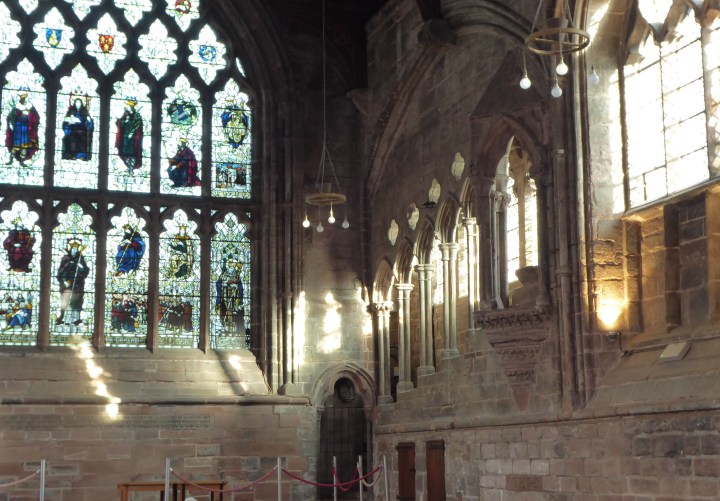
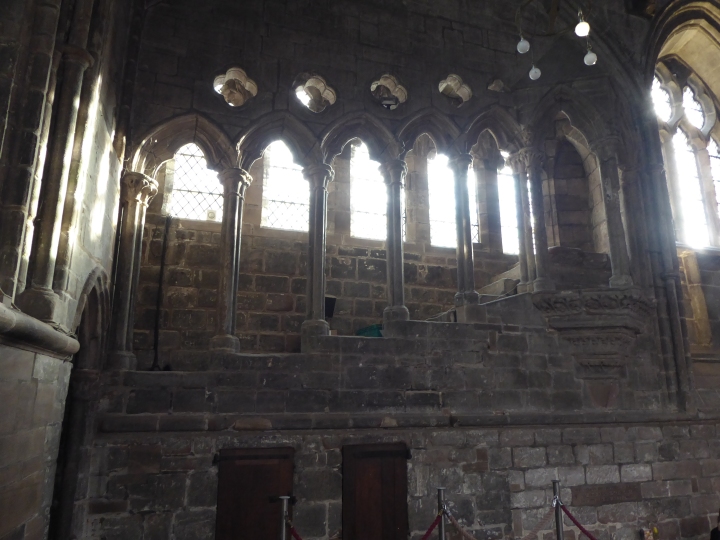
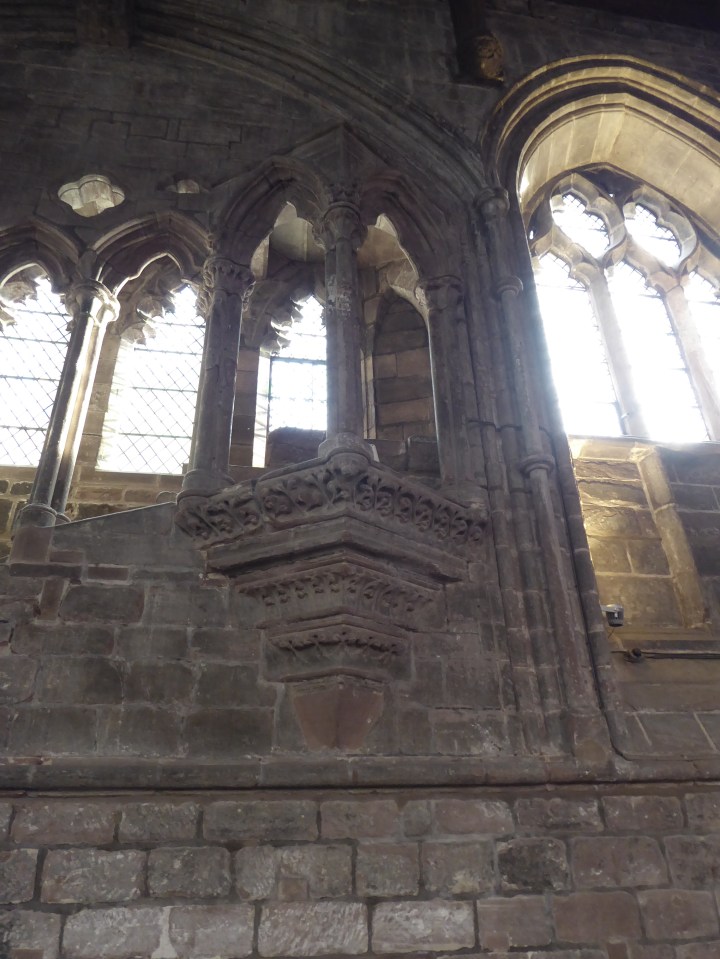
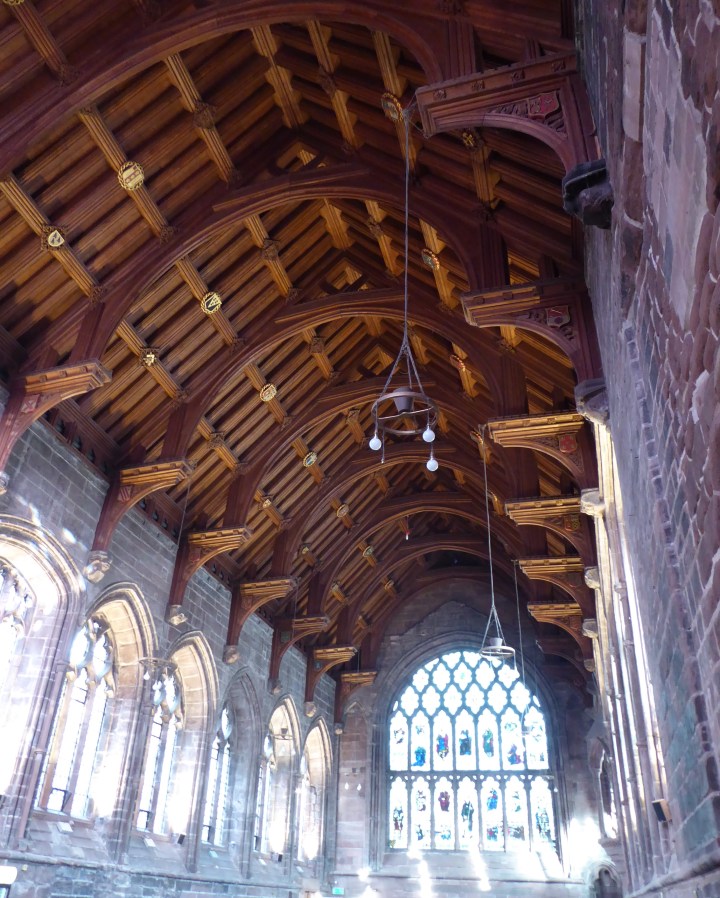
The Early English Gothic refectory, originally part of the medieval Benedictine abbey, dates from the thirteenth century and is constructed in the red local sandstone used throughout the Cathedral and in many places in the region. It’s an impressive monastic space although the roof is entirely modern dating from 1939. For most of its recent history (from 1613 to 1876) the refectory was part of the King’s School, presumably used as the school dining room. But it has a very interesting ancient pulpit approached through a long arcaded staircase.

Chester Cathedral refectory pulpit stairs crop

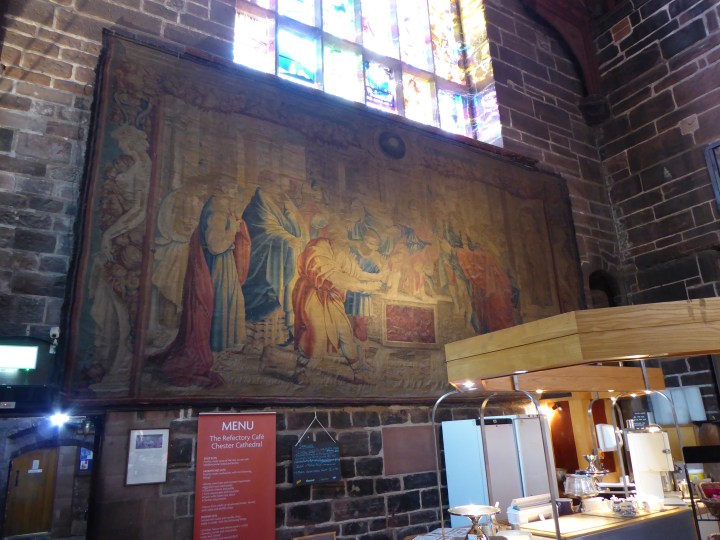
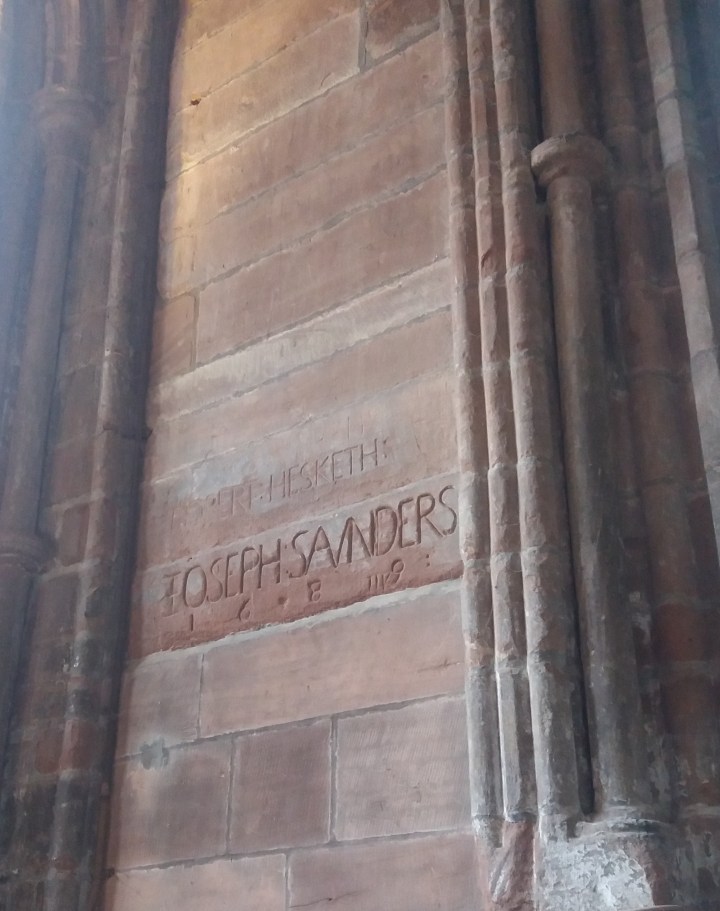
Here a monk will have sat reading the scriptures while his colleagues enjoyed their repast. The walls contain the carved graffiti of seventeenth-century scholars and the early twentieth-century east window contains a whole selection of saints at the centre of which presides St Werburgh, to whom the original abbey was dedicated. At the other end a colourful stained glass window commemorates the millennium under which hangs a rather tired looking Mortlake tapestry which is not well displayed. But the full effect of the refectory is a good one, although the over-priced sausage rolls are probably best left un-sampled.

Chester Cathedral refectory pulpit stairs 02

Stairs to the pulpit

Chester Cathedral refectory pulpit

Pulpit

Chester Cathedral refectory roof crop

Refectory roof

Chester Cathedral refectory tapestry

Mortlake tapestry depicting Paul and Elymas

Chester Cathedral refectory graffiti ph crop

Seventeenth-century graffiti

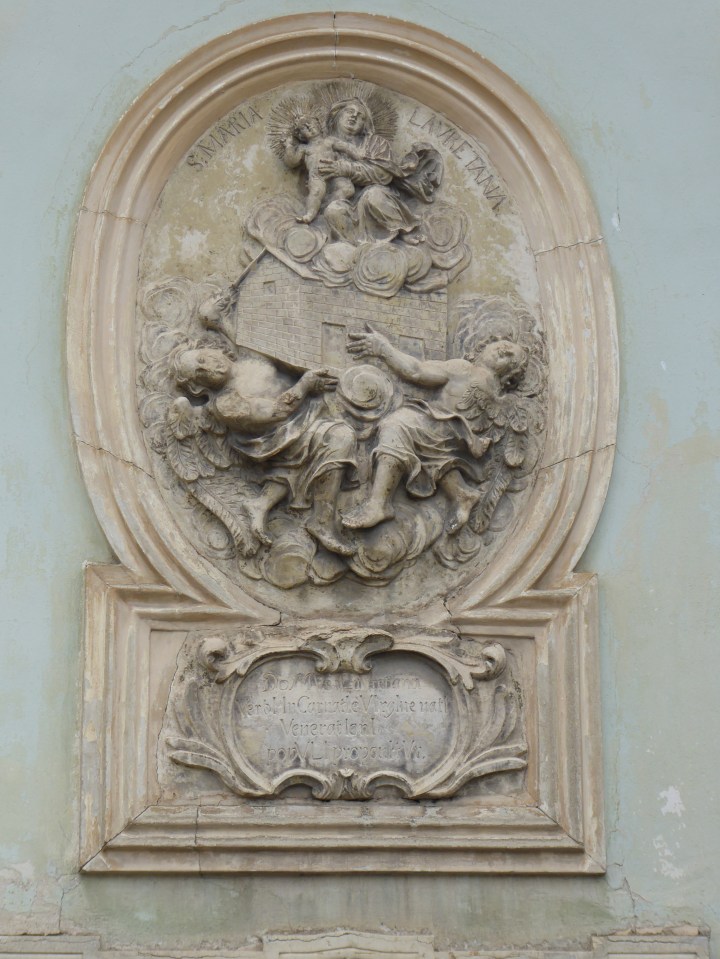
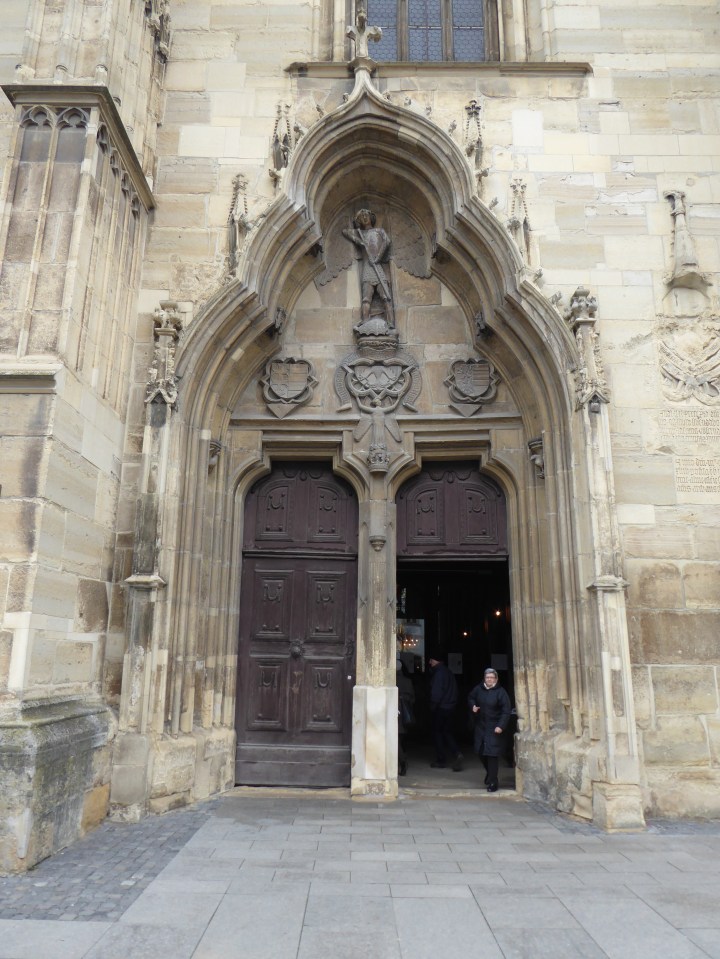
Kolozsvár/Cluj monuments, inscriptions and doors

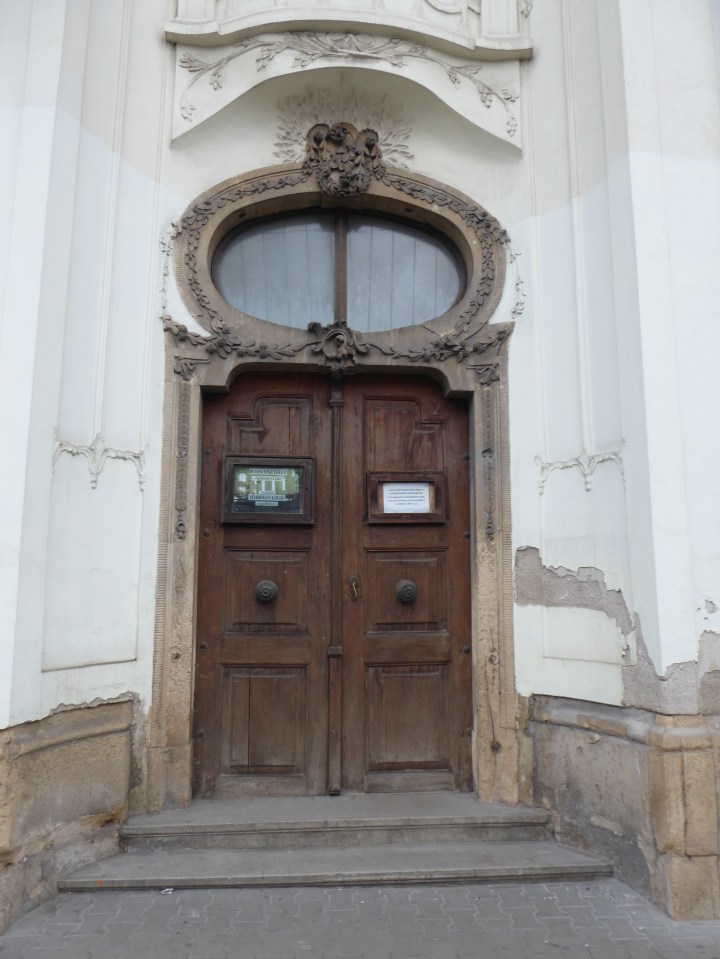
Unitarian Church door detail

Unitarian Church door

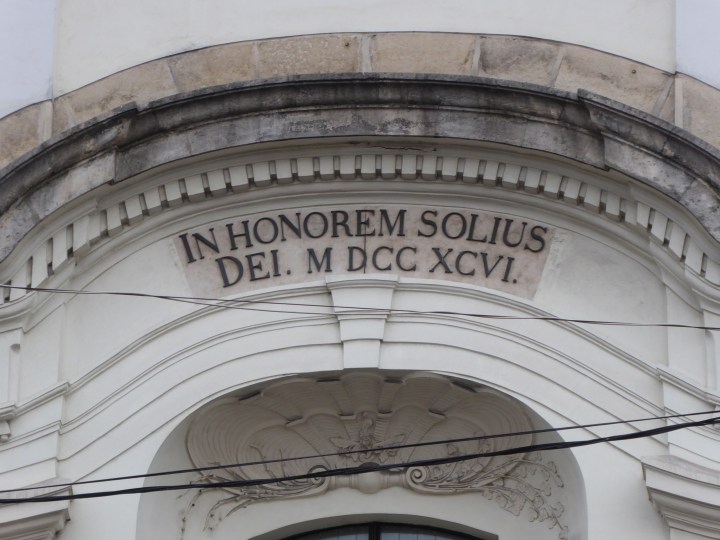
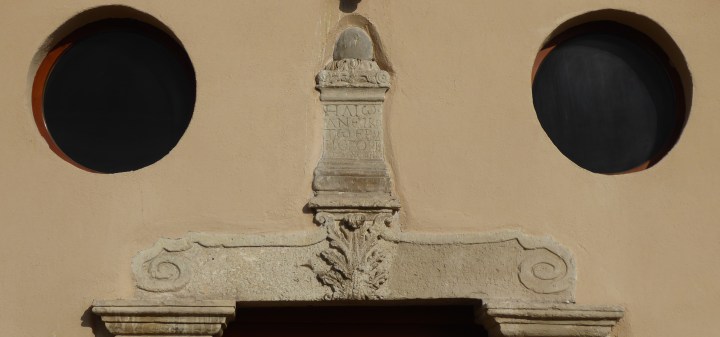
Unitarian Church inscription

Unitarian inscription

Franciscan Church

Franciscan Church plaque

Lutheran Church inscription

Lutheran Church inscription

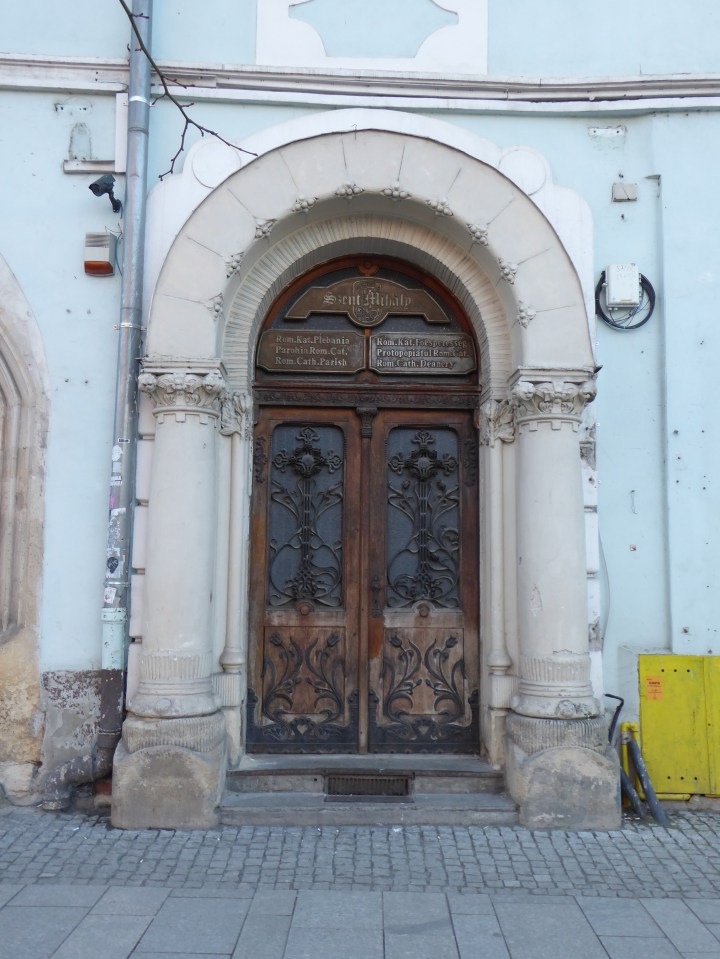
Door to St Michael's Church

St Michael’s Church door

Catholic building door

Roman Catholic parochial house door

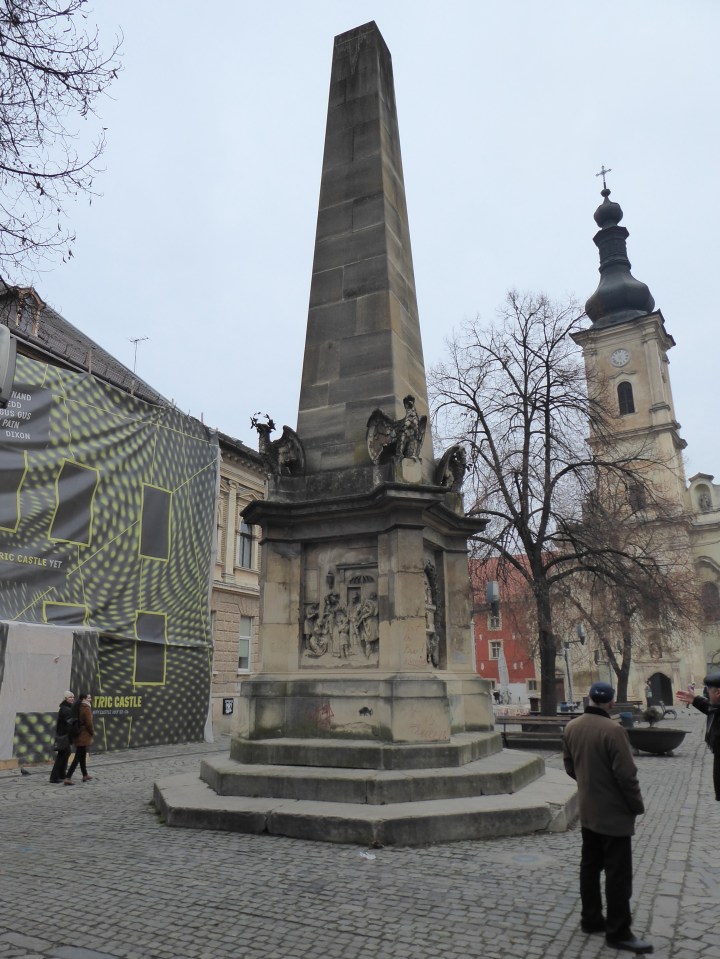
Obelisk

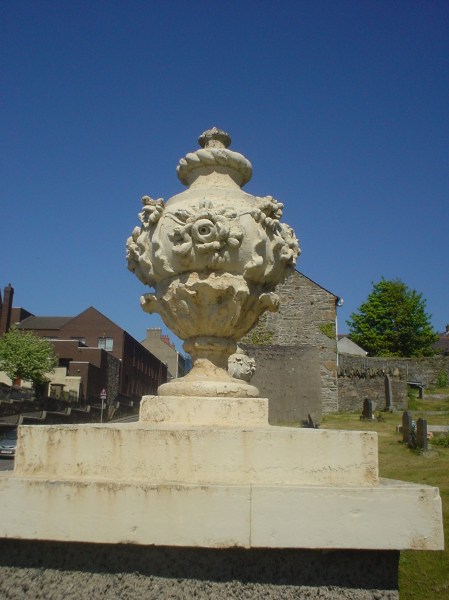
Obelisk commemorating the visit of the emperor. Built in 1831.

Obelisk detail

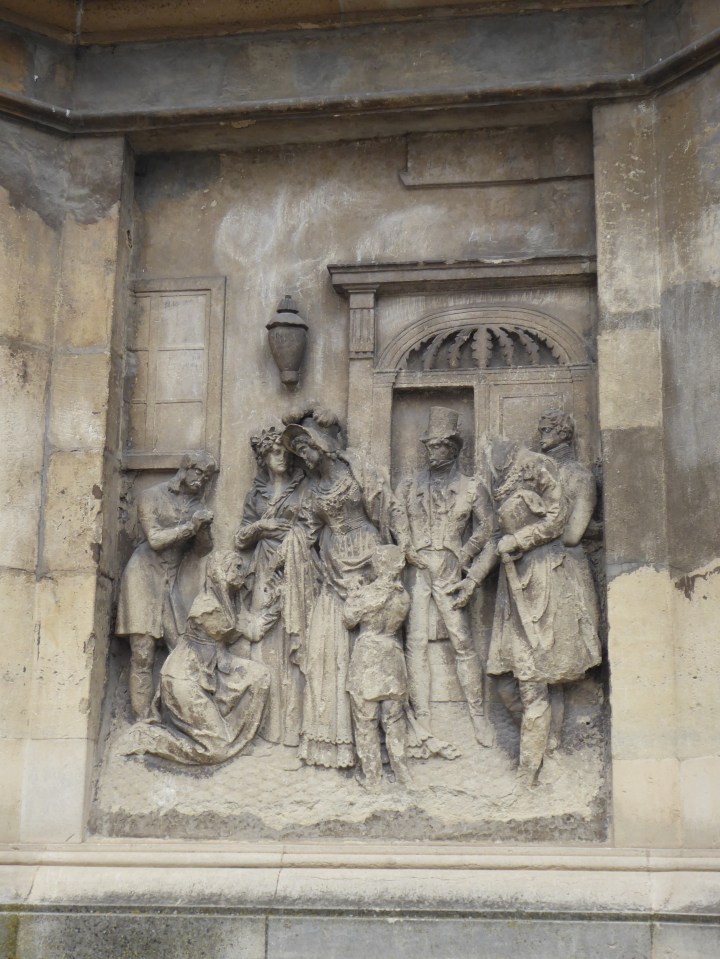
Obelisk detail by Austrian sculptor Josef Klieber. The emperor and his wife visit the city hospital. Note the gas lamp.

Original city arms

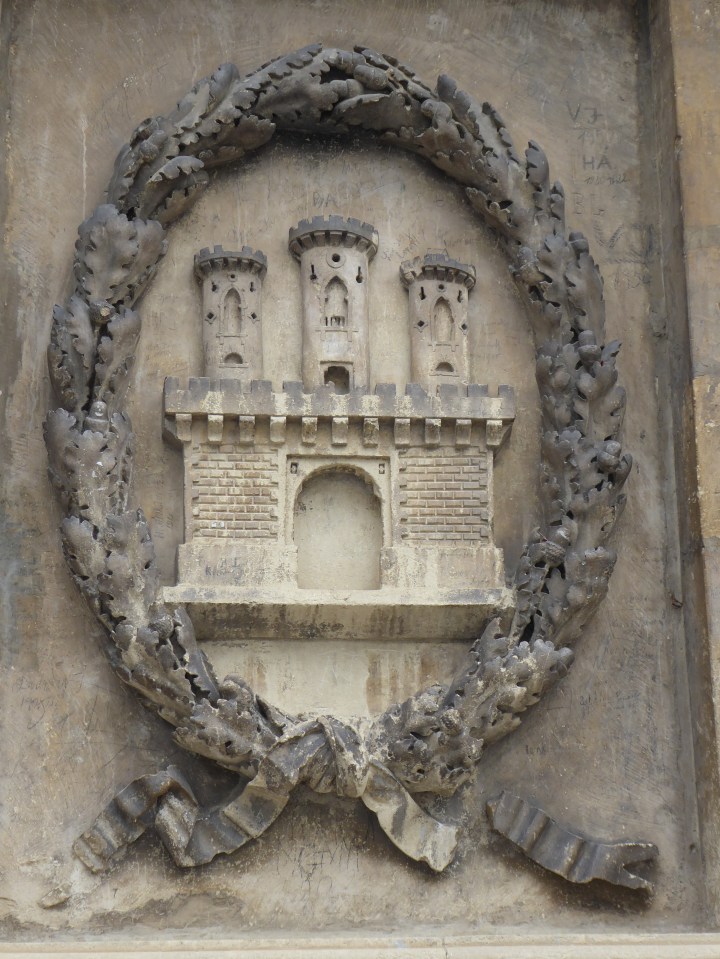
The  original arms of the city

Plaque commemorating visit of emperor

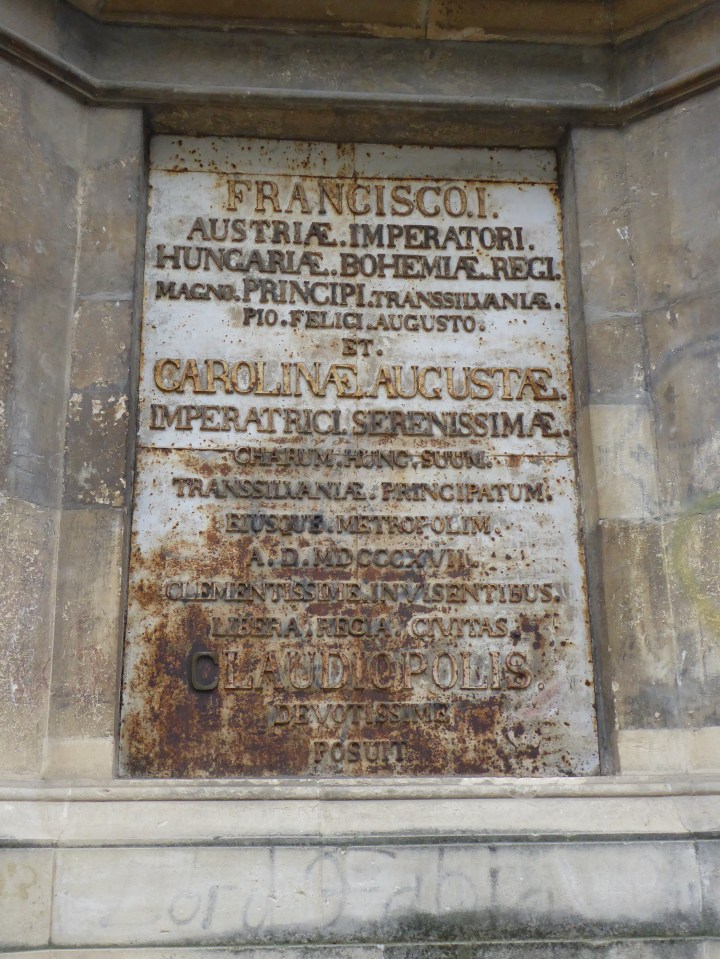
Plaque commemorating the visit of Emperor Francis I and Princess Caroline Augusta to ‘Claudiopolis’ in 1817

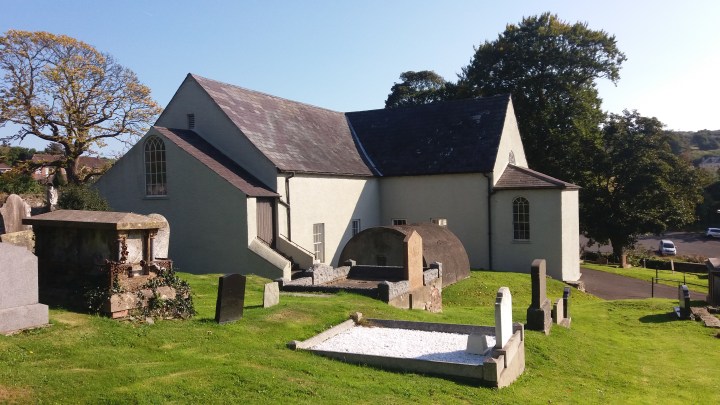
Downpatrick First Presbyterian (Non-Subscribing) Church

Downpatrick 1 Oct 2016

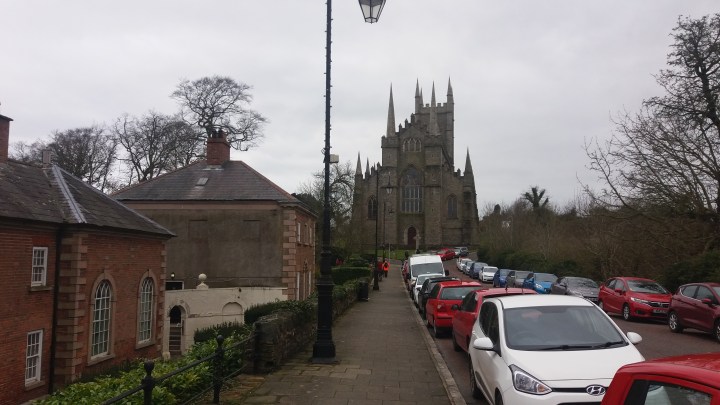
Downpatrick is one of the finest 18th-century T-shaped meeting-houses in Ireland. Built in 1711 at the start of the ministry of the Rev Thomas Nevin, a pioneer Non-Subscribing Presbyterian minister who became a founder member of the Presbytery of Antrim, the church is one of the most notable buildings in this part of county Down.

It is not a new thing but it is worth flagging up the 360 degree virtual tour of the interior which was put online courtesy of VirtualVisitTours. The panoramic view can be explored here:

http://www.virtualvisittours.com/downpatrick-first-presbyterian-non-subscribing-church/


The Edict of Torda

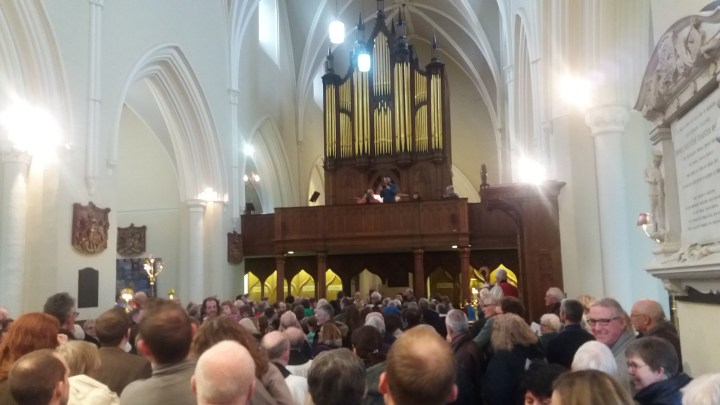
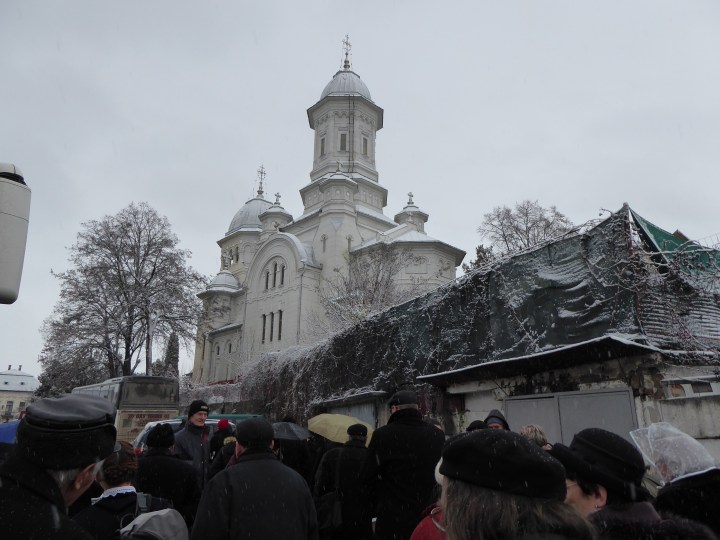
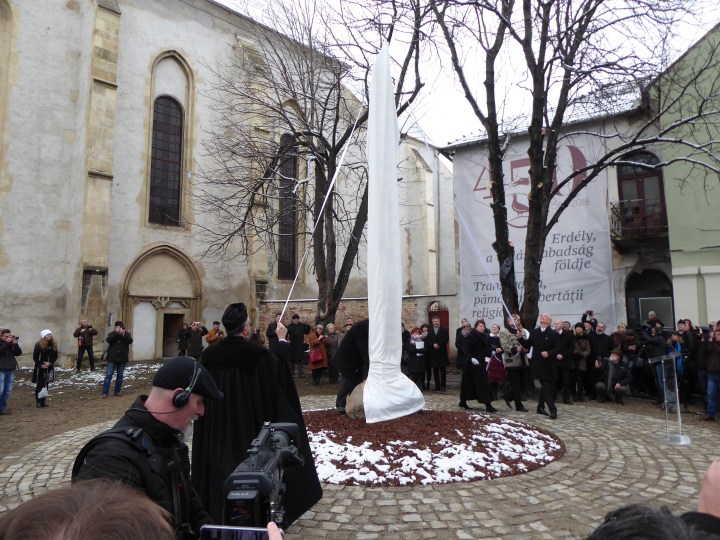
I was privileged to be present at the special celebration to mark the 450th anniversary of the Edict of Torda held in Torda, Romania, on Saturday, 13th January. It was a remarkable occasion with three churches filled in the town, the service relayed to a screen in the town square and the event broadcast live on Hungarian television.


The Edict of Torda was the first promulgation of religious toleration in Europe. From the point of view of Western Europe it came at the surprisingly early date of 1568 and took place in Transylvania under the rule of King John II Sigismund, the only Unitarian king in history.


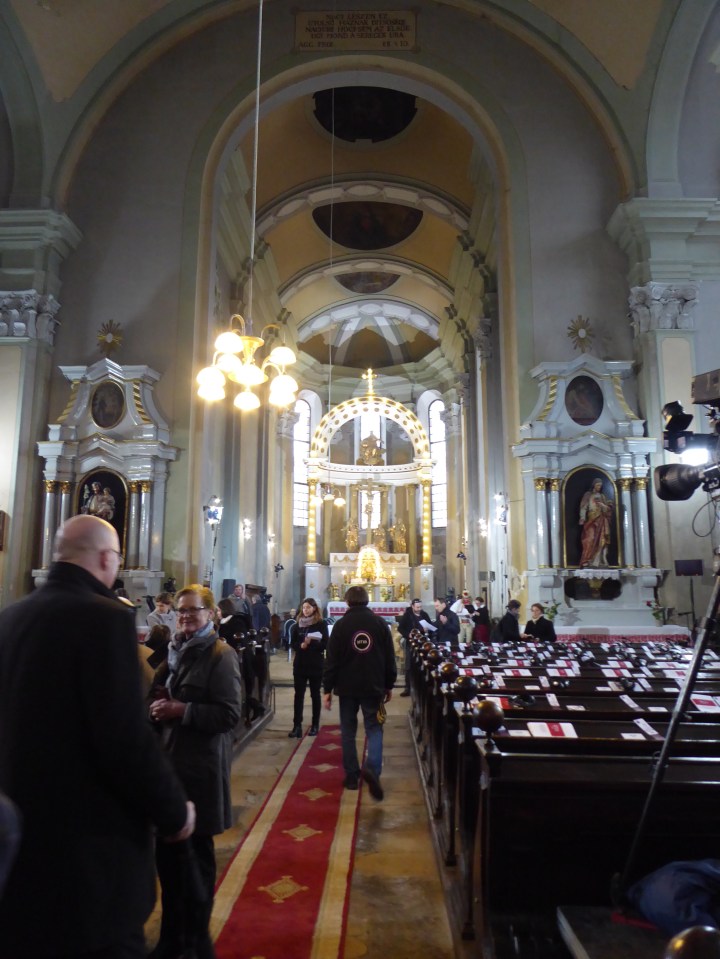
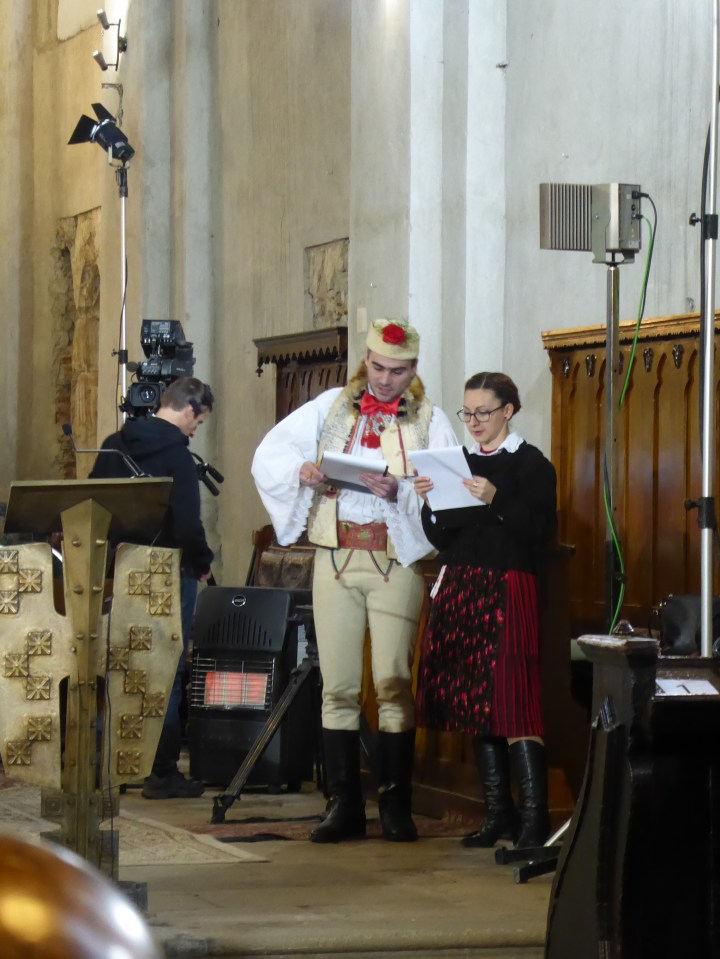
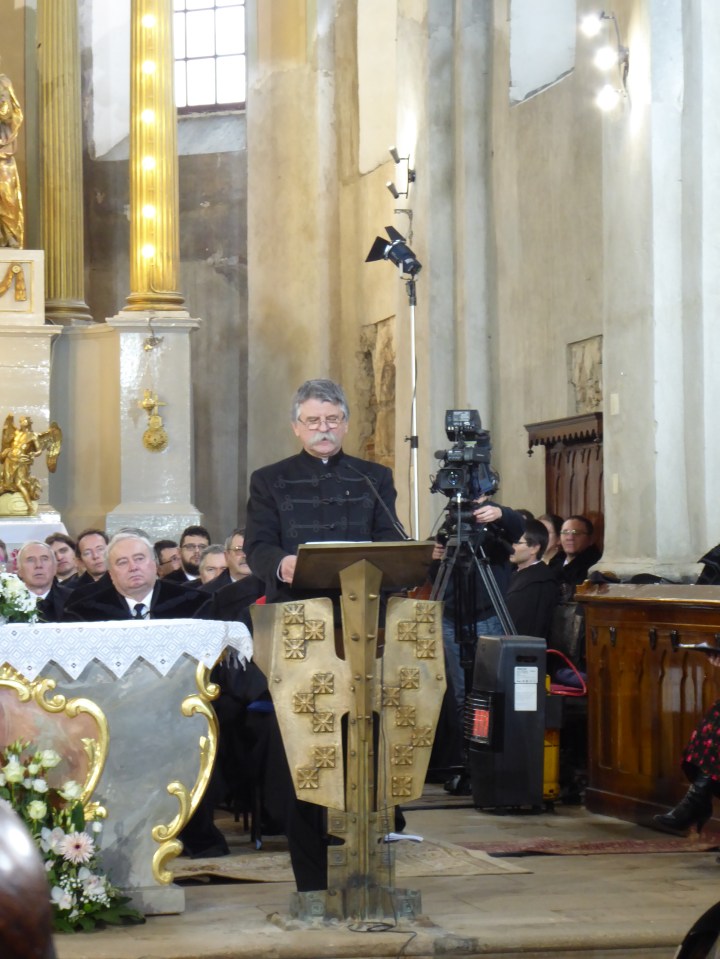
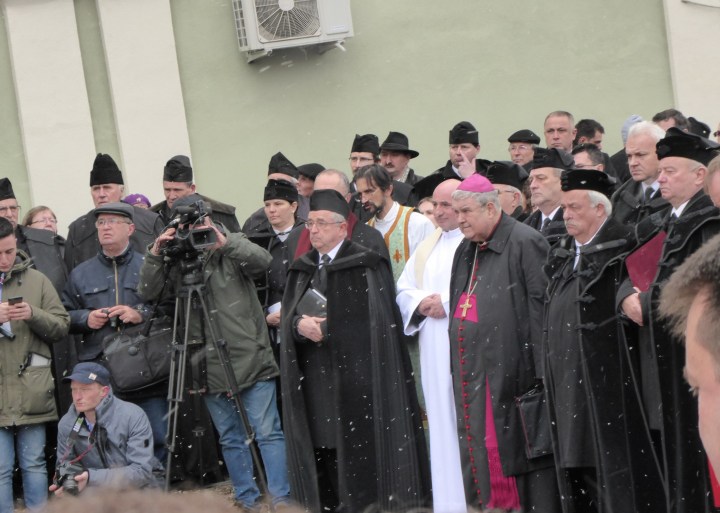
Here I will post some images from the service held in the Catholic Church in Torda, traditionally regarded as the location for the meeting of the Diet of 1568.

Assembing in Torda near the Orthodox Church

Assembling in Torda near the Orthodox Church

Walking up to the Catholic Church

Walking up to the Catholic Church

Inside the Church before the service

Inside the Church before the service

Rev Marton Csesc and Rev Imola Molnar who introduced the 16 speakers in the Church

Rev Márton Csésc and Rev Imola Molnár who introduced the 16 speakers at the service

Laszlo Kover President of the Hungarian Parliament

Lászlo Kövér, President of the Hungarian Parliament

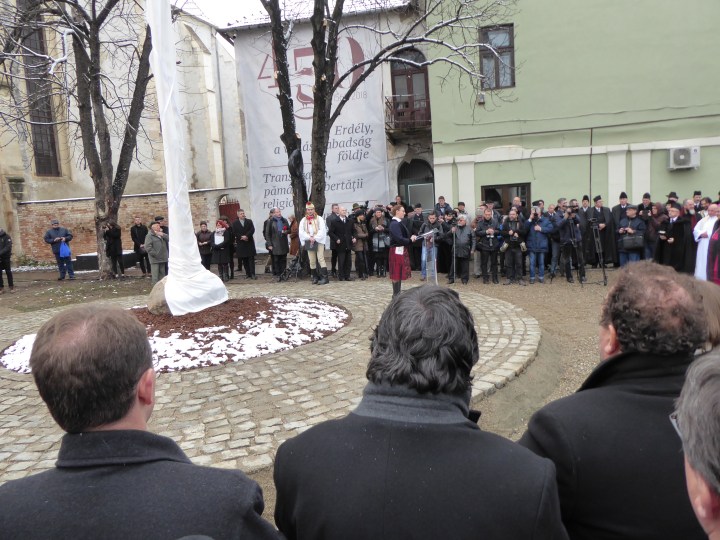
Preparing to unveil the new monument to religious freedom after the service

Preparing to unveil the new monument to religious freedom after the service

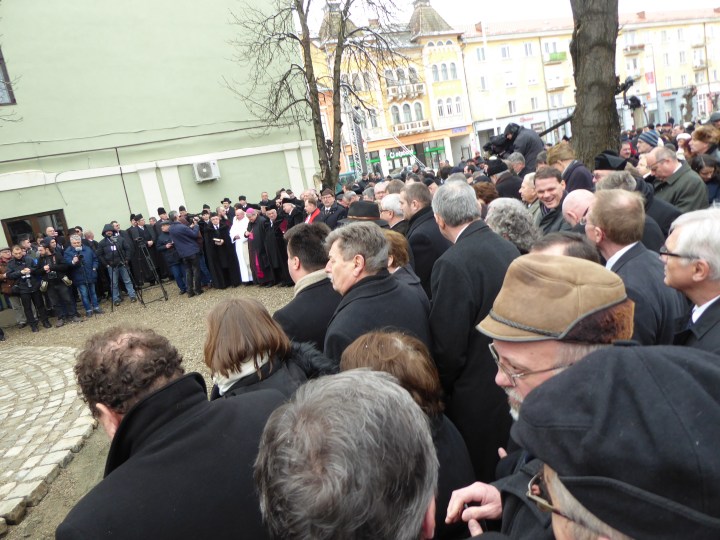
Some of the congregation outslde

Some of the congregation outside

Bishop Ferenc Balint Benczedi of the HUC and Archbishop Gyorgy Jakubinyi

Bishop Ferenc Bálint Benczédi of the Hungarian Unitarian Church, Archbishop György Jakubinyi of the Roman Catholic Church and other dignitaries

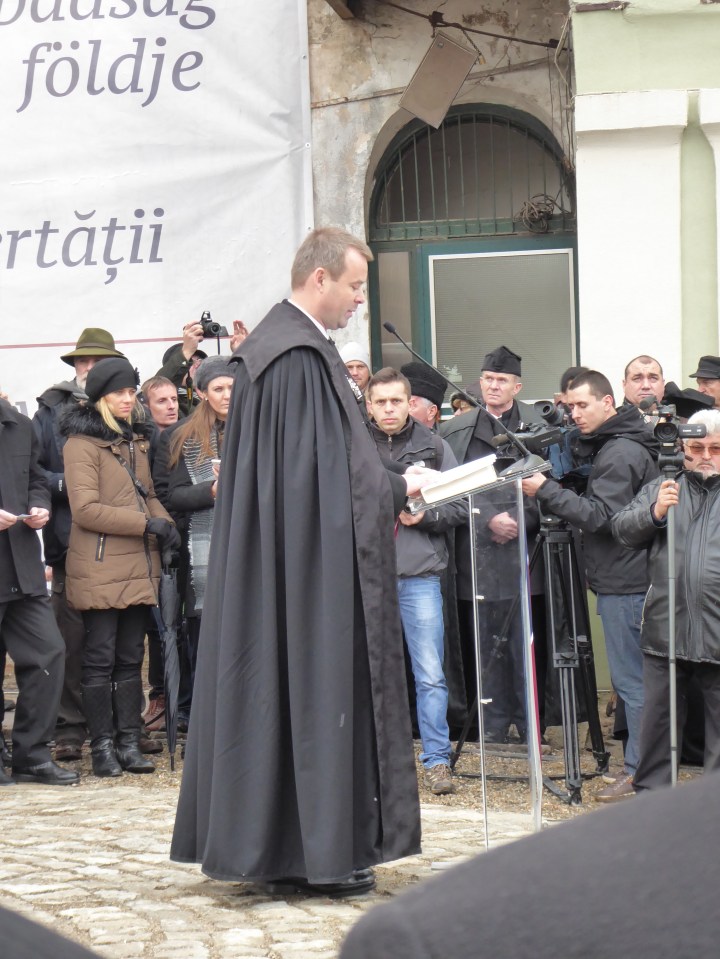
Rev David Gyero deputy bishop of the Hungarian Unitarian Church delivers the homily

Rev Dávid Gyerő, deputy bishop of the Hungarian Unitarian Church delivers the homily

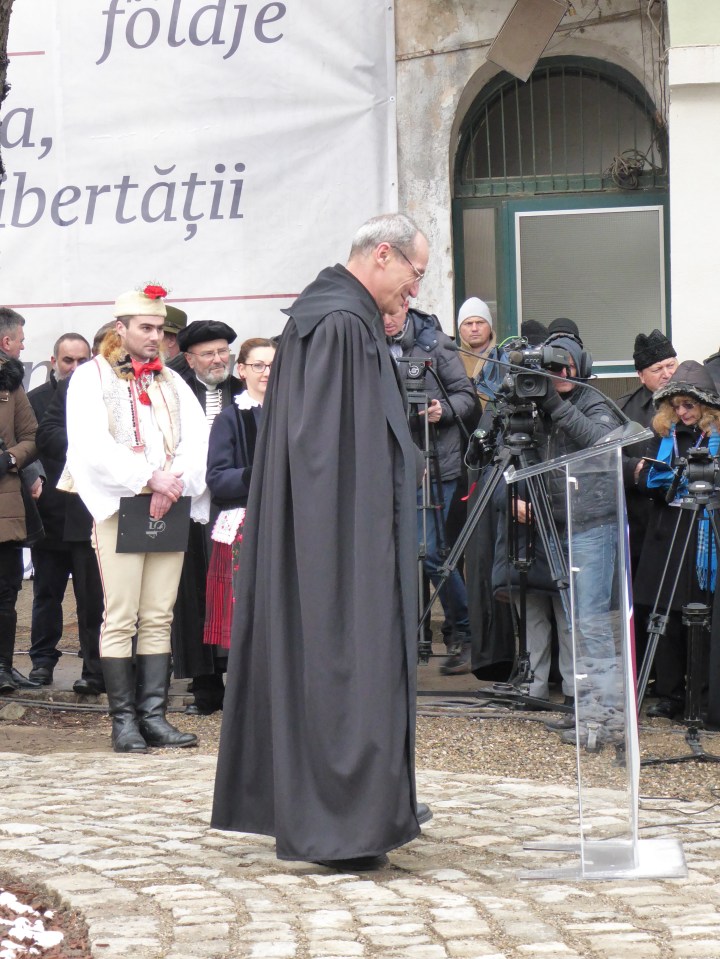
Rev Istvan Kovacs Director of Public Affairs HUC

Rev István Kovács Public Affairs Director of the Hungarian Unitarian Church

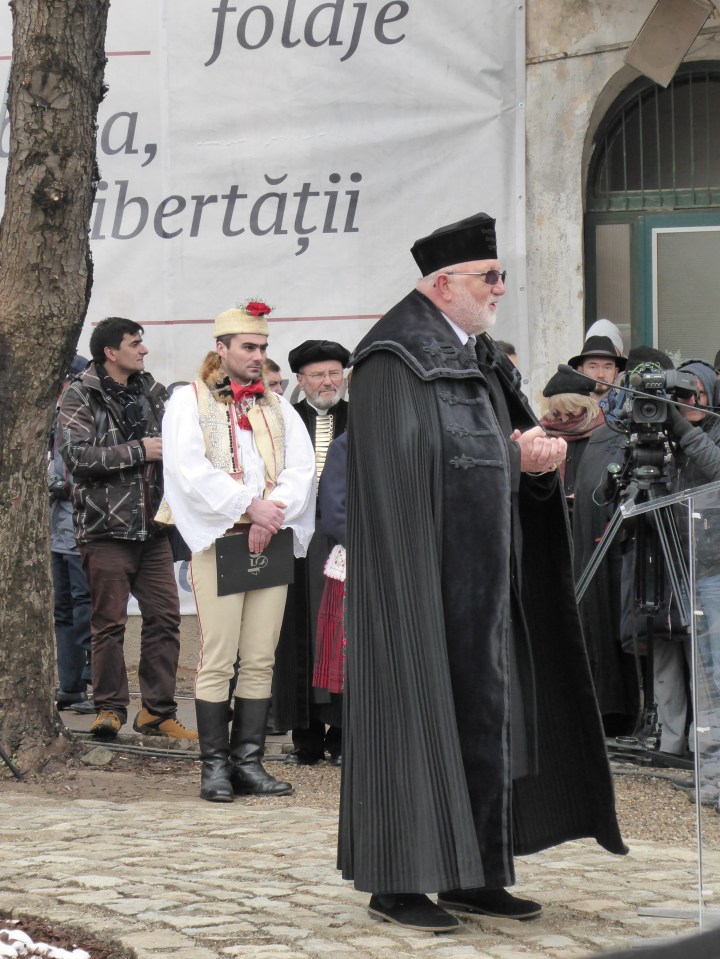
Rev Jozsef Kaszoni

Rev József Kászoni-Kövendi, deputy bishop of the Hungarian Unitarian Church

UNveiling the memorial

Unveiling the memorial

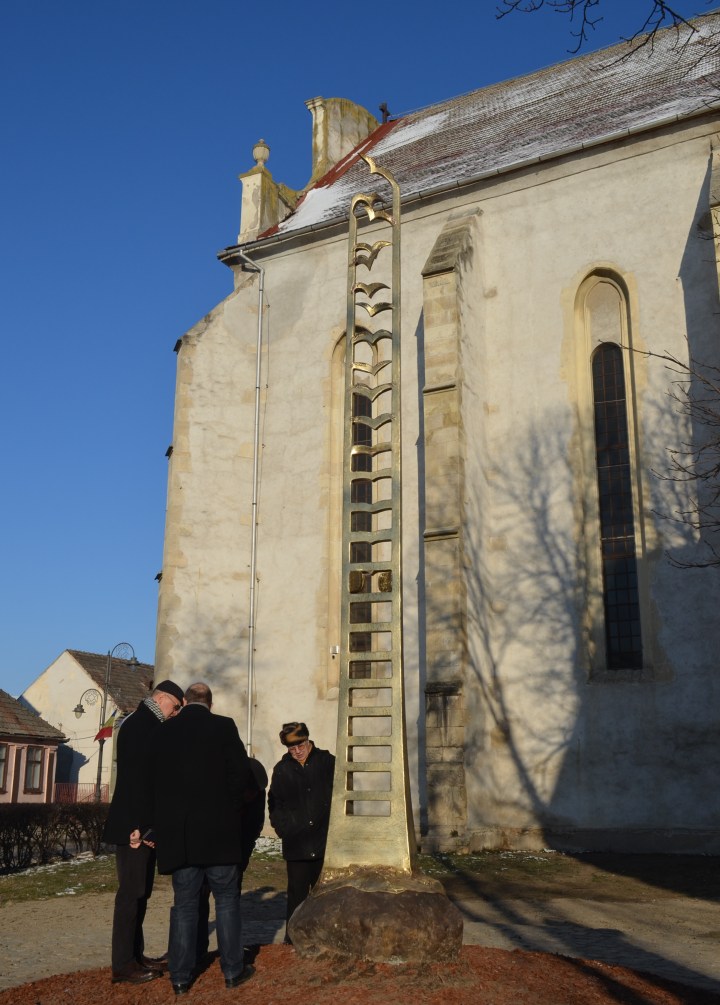
The new memorial to religious freedom at Torda

The new memorial to religious freedom, Ad Astra, by Liviu Mocan

Faith and Freedom Calendar 2018

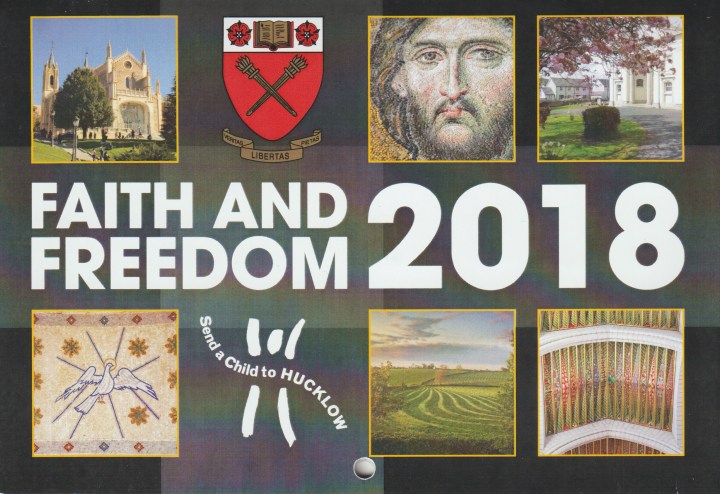
The 2018 Faith and Freedom Calendar is now available. A complimentary copy has been sent to every subscriber to the journal and additional copies can be ordered.

Faith and Freedom Calendar Cover 2018

If you would like to order additional copies please contact Nigel Clarke (faithandfreedom@btinternet.com). For any extra copies we suggest you consider making a donation of £5. All proceeds will be donated to the Send a Child to Hucklow Fund, to help further its work in enabling disadvantaged children to enjoy a much-needed holiday in the Peak District.

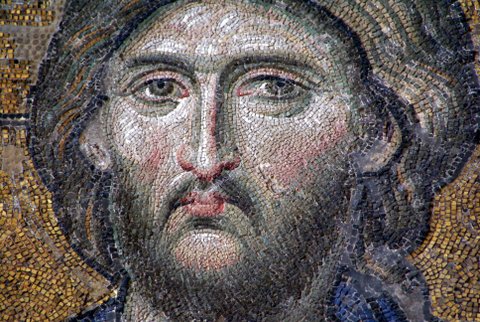
We have some magnificent images – and receive far more than we could ever use, although we try to include as many as possible in the cover. The image at the top of this page is taken from the cover – it is a detail of a mosaic at the monastery of Sumela, Trebizond, taken by Anne Wild, who contributes a number of spectacular images to the Calendar.

Here are some more images from the 2018 Calendar:

Chester Calendar

West Window, Chester Cathedral (Photo: Alison Steers)

Cows Calendar

Evening in Lissagally (Photo: Paul Eliasberg)

The back page of the Calendar lists some of the thanks owed to those involved in the production. Thanks also go to Trimprint, our printers, and to Nigel Clarke who directs the whole project. Order your copy while stocks last!

Faith and Freedom Calendar Back Cover 2018

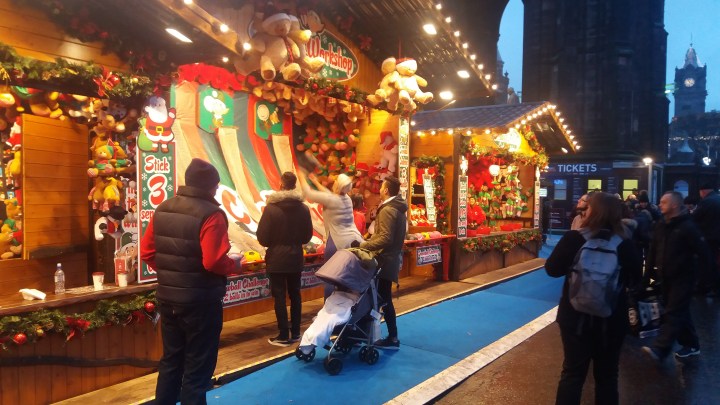
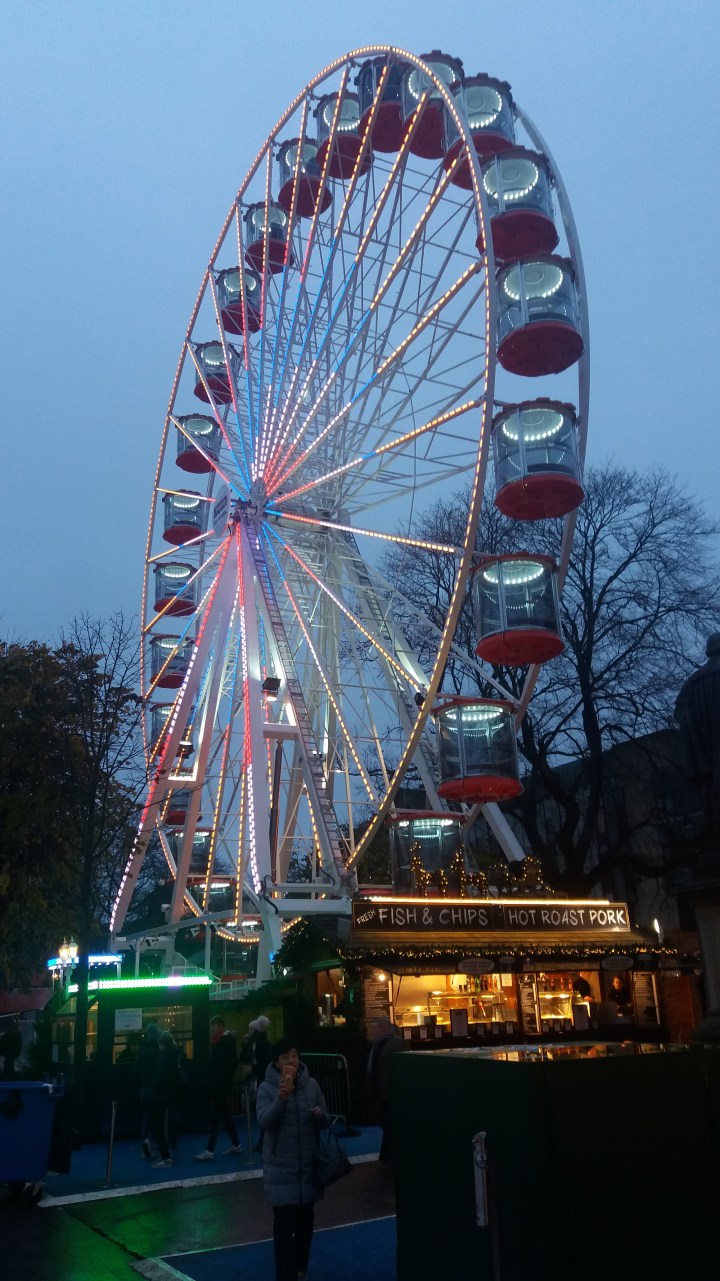
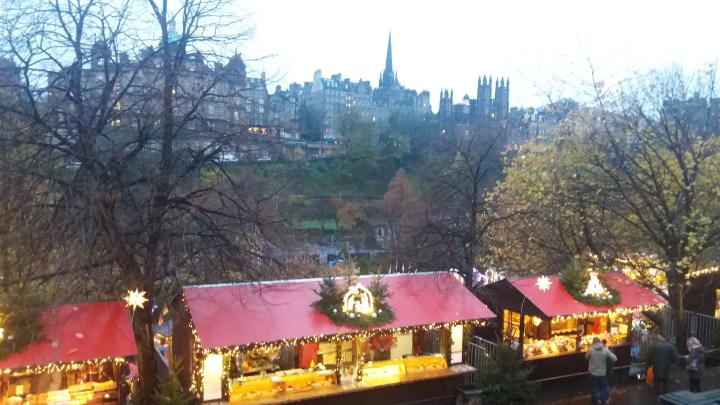
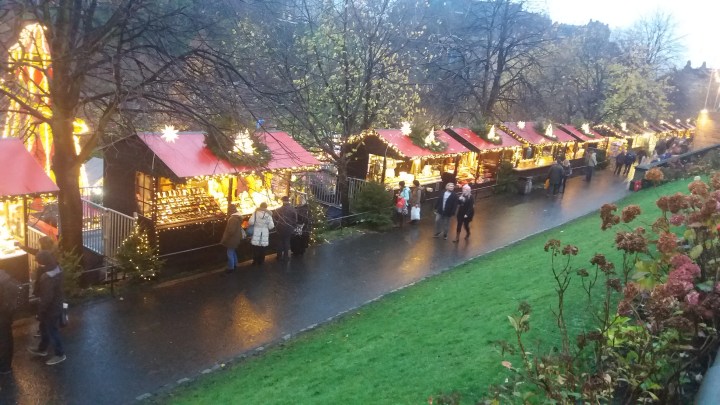
Edinburgh in November

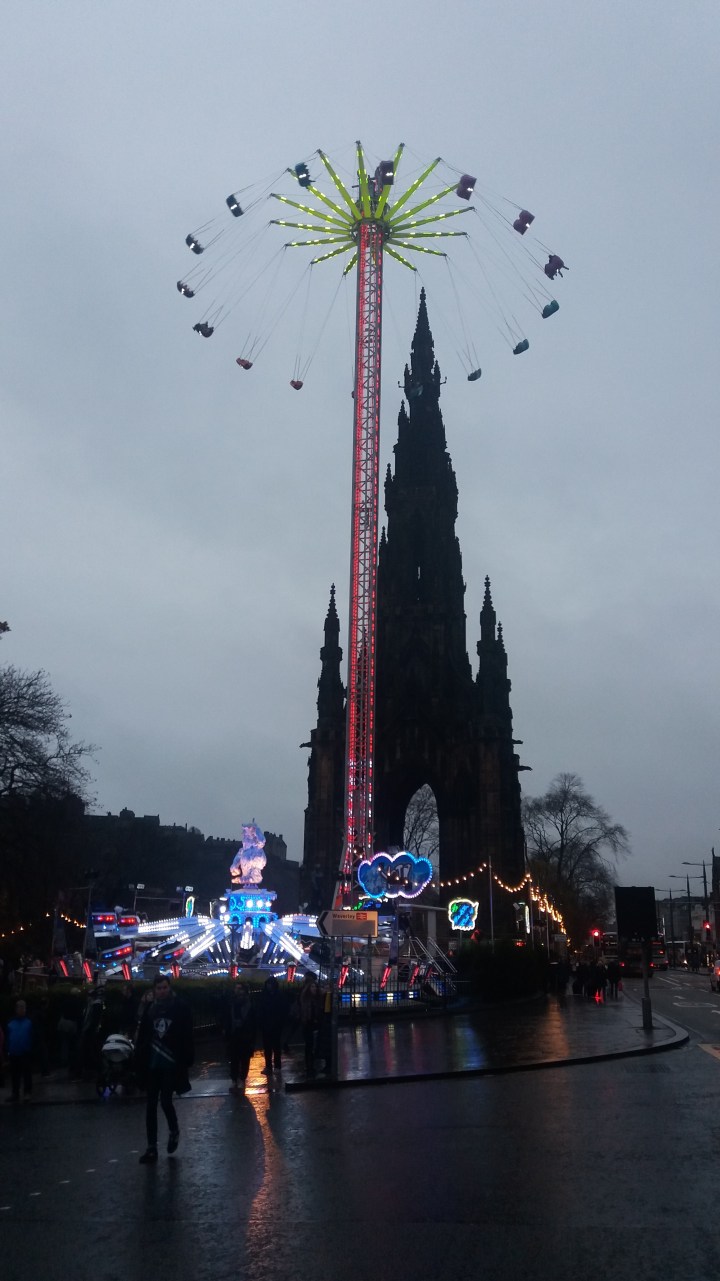
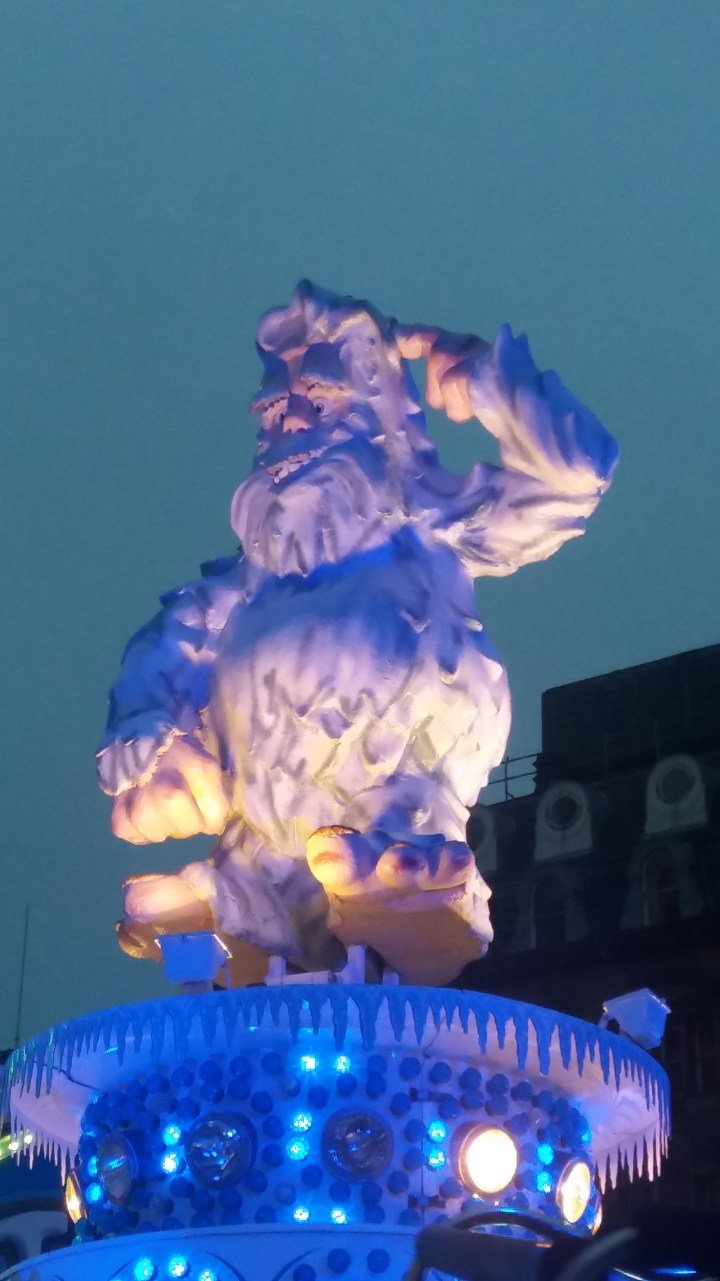
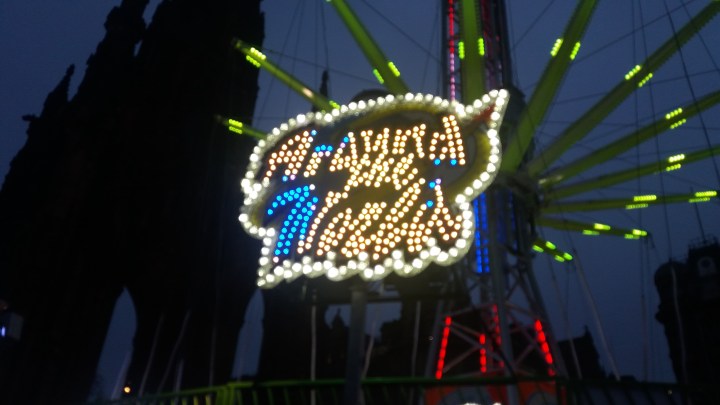
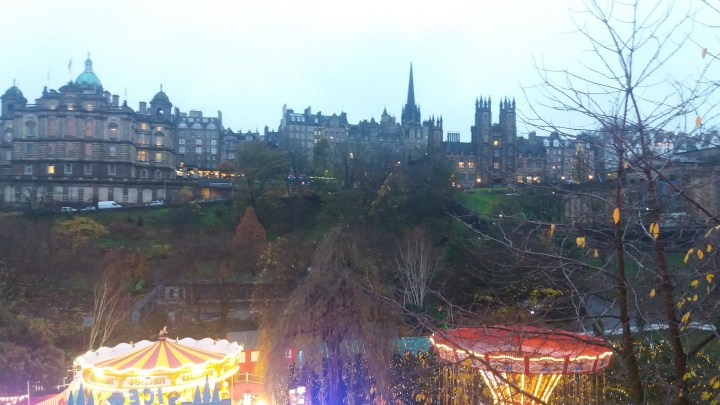
Princes Street in Edinburgh must have one of the most dramatic backdrops of any shopping street in Europe. At this time of year the dour presbyterian cityscape seems to glower at the frivolity of the market below.

20171120_153527

20171120_15500220171120_155035

20171120_155335

20171120_155159

20171120_155243

20171120_155136

20171120_155106


Todmorden Unitarian Church

I last visited Todmorden Church decades ago and it was in a pretty sorry state then, heavily vandalised and with no electricity, it had an air of dilapidation about it. So it was good to return in the company of some colleagues to see the church now.

Group 03

Ministers: Jo James, Bob Janis-Dillon, Jim Corrigall, David Steers, Phil Waldron in front of the chancel

One of the things you can’t miss about the church is its dominance on the landscape, it is a big church, an impressive feature of the local topography. But what I had forgotten and what in some ways it is easy to miss is the attention to detail within the building – the marble inlays, the subtle little carvings, the attractive stained glass windows, even the colours of the massive marble pillars. Partly this is because it is actually quite dark inside. The Unitarian Heritage An Architectural Heritage says it has an “under-lit interior” and blames this on the stained glass by “M. Capronnier of Brussels”. An excellent new book Chapels of England Buildings of Protestant Nonconformity by Christopher Wakeling (Historic England, 2017) describes it as the “one unmissable place of worship in Todmorden” and says “despite the clerestory windows – externally unseen – and tiny openings higher in the roof, the light levels foster a sense of religious mystery, augmented by the stained and coloured glass.” I tend to agree with the Unitarian Heritage assessment, I do find the interior a bit too dark but that is a minor quibble. It is a fine building designed by John Gibson of Westminster who also built the local town hall and the Fielden family residence.

20171102_133937

The church tower

Since 1994 the church has been in the care of the Historic Chapels Trust and they seem to be doing a good job, with the church being looked after by local volunteers. They have a varied programme of activities in the church including regular services plus weddings and even some recent christenings. When we visited, Joanna and Richard kindly took time out to show us round.

Verger

Richard Butterworth (verger) and Joanna Drake (volunteer)

The church now has kitchens and toilets sensitively added to the interior which perhaps underlies what a valued resource for local people this church building is. Its history is fascinating, coming, as it did, out of the Methodist Unitarian movement founded by Joseph Cooke and building a new chapel, which still survives, in 1824. The congregation was taken under the wing of enlightened mill owner John Fielden who extinguished their debt and whose three sons built the new church as a memorial to their father, built, it was said at the time, “for the public worship of the one God the Father, and for the instruction in the simple teachings of Jesus Christ, as opposed to such traditional doctrines as those of original sin and eternal punishment”. It opened for worship in 1869 and cost around £35,000. It is the only Unitarian church that I know that has a porte cochère where the wealthy benefactors could dismount and enter the church by a side door protected from the elements. Two of the sons are buried close to the church and matching memorials to all three of them are found on the walls of the interior.

20171102_133709

Porte cochère

The church has what must be one of the earliest and most elaborate church fonts of any Unitarian church, it is probably in need of restoration but it still in better condition than when I last saw it.

Detail on the font

One feature of Todmorden is the repeated motif of the pelican, I am not sure why this is such a popular image here but there is a pelican in the chancel window, and two carved in the choir stalls. There is possibly also another one carved in the end of a pew (almost all the pew ends feature flowers except for this one which houses an angel and what may be another pelican).

Phoenix carving

Choir stall pelican (see note below)

It is heartening to see the clock working and to know that the peal of eight bells are still rung by local bell ringers. Todmorden was a really flourishing congregation for most of its existence and it is interesting that this large building and its congregation left such an imprint in the locality that even now worship continues within it and it provides the home for much activity. It’s good to see the gradual recovery of Todmorden Unitarian Church.

side view up

The view up the carriage drive

Pulpit eagle 03

Pulpit eagle

window round

Rose Window

A 360 degree view of the interior can be seen on the church’s website:

http://360.tuc-congregation.org.uk/

Note:

A couple of people have pointed out to me that the carving in the choir stalls which I originally named as a phoenix is in fact what is known as a ‘pelican in her piety’. It is the mother pelican who – in the ancient story – feeds its own chicks (or revives them after they die) with its own blood. I had confused this story with that of the phoenix which, of course, is famous for its ability to resurrect itself. Both the phoenix and the pelican became popular within Christian iconography from early times to represent Christ, for obvious reasons. But I am happy to make that correction and rename the image in the choir stalls. The carving on the pew end looks a good deal more phoenix like, although, to be honest, the photograph I took is not as clear as it might be and I am not able to make a certain identification. It is quite plausible that there are both phoenixes and pelicans in the church, but nevertheless I have removed the references to the phoenix and given credit to the pelican. Both are actually slightly surprising images to be found in a Unitarian church of 1869. The presence of a ‘pelican in her piety’ in Todmorden is probably a unique occurrence in a Unitarian church – unless anyone else knows differently!


Harvest Services 2017


The Services of Harvest Thanksgiving in October 2017 were all successful and enjoyable events in Downpatrick, Ballee and Clough churches. The first took place at Downpatrick where the guest preacher was the Rev Ernie Boggs, Minister Emeritus of Downpatrick Presbyterian Church, and special music was provided by the Lindsay Chorale with their conductor John Dallas. The congregational hymns were accompanied by church organist Laura Patterson. Over the year the Sunday School and young people of the church raised £400 for the work of Daisy Lodge and during the service Laura Neill presented a cheque to Aisling Gibson, the South Down regional fundraiser for Daisy Lodge, a purpose-built therapeutic centre located in Newcastle for families affected by cancer.

DpkVestibule

DpkAngelsHarvest


DpkPulpit

DpkSquireGallery

Downpatrick Harvest Daisy Lodge

Presentation to Aisling Gibson of Daisy Lodge.


At Ballee the service was held on Sunday, 8th October at 3.00 pm when the guest preacher was the Rev Adrian Dorrian, minister of Ballee Parish, Church of Ireland and special music was provided by the Quoile Area WI Choir conducted by Isabel Keenan and accompanied by Kathleen Gill. Congregational hymns were accompanied by John Strain, the church organist.

BalleePulpit02

Balleedisplay

BalleeFlowers02

BalleeHare

BalleeChoir08

Quoile Area WI Choir including also Rev Adrian Dorrian


Clough held their annual service of harvest thanksgiving on Sunday, 15th October at 3.00 pm. There was a large congregation present to hear the visiting preacher, the Rev Paul Reid, of the Old Presbyterian Church, Larne and special music provided by local choir Harmonic Progression, the Seaforde based Community Choir for Women under the direction of Carolyn Ross. It was also pleasing to see that the painting of the exterior of the church had been completed in time for the harvest.
CloughHarvestpulpit201702

CloughHarvesttable201701

CloughHarvestwindow201701

CloughHarvestservice201701

CloughChoir01

Harmonic Progression including Rev Paul Reid (Old Presbyterian Church, Larne)

On 30th September Ballee also acted as a key staging post for Christian Aid’s Strangford Sportive, a cycle event covering up 120 km around this part of county Down which raised over £6,500 for the charity.
This slideshow requires JavaScript.