Roscoe Gardens – cause for concern

The congregational memorial in 2019

In July 2019 I published a post about Roscoe Gardens, Mount Pleasant in Liverpool, a little-known green space near Liverpool city centre. It is the site of the burial ground of Renshaw Street Chapel and the home of a memorial to the chapel and its members including such notable figures as William Roscoe and Joseph Blanco White. You can see the original post here. In the last year this has become one of the two most frequently visited posts on this blog, the other being Croft Unitarian Chapel to which I hope to return in the near future.

Memorial to William Roscoe

The reason for the frequency of views of the Roscoe Gardens post has been a developing abuse of the site that has seen scant disregard for for its importance to the city and its status as a burial ground and memorial.

Inscription on the memorial

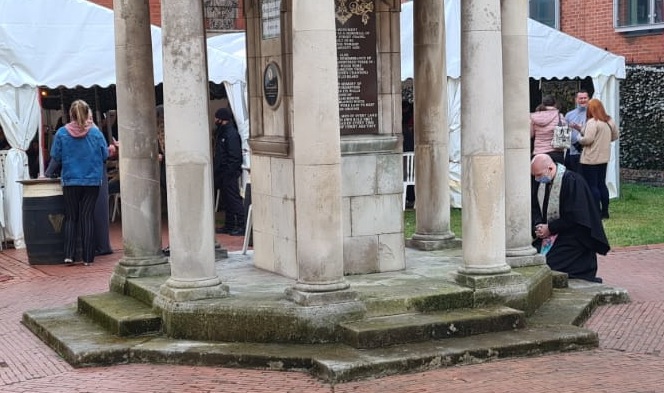
On the evening of Friday, 30th April the Rev Phil Waldron went to Roscoe Gardens in his clerical robes to kneel in prayer at the congregational memorial to highlight this ongoing problem. In solidarity with his stand I am pleased to publish his press release below which explains all the issues. Let us all pray that this leads to some action by Liverpool City Council:

Rev Phil Waldron kneels in prayer in Roscoe Gardens, Friday, 30th April 2021

Statement from Rev Phil Waldron and the Unitarian community in Liverpool:

Since July 2020 Liverpool City Council has been complicit in the desecration of the graves of many of our city’s citizens and the gifting of an entire public park to a private business. Since July 2020 Roscoe Gardens has been locked off, and public access removed and denied, consistently by the business operating in the space.

Roscoe Gardens is not just a public park, but a Unitarian burial ground and needs to be treated with the basic levels of decency, dignity and respect that is not only presumed human moral basics but also obligations under the law of the local authority.

The council have allowed a marquee structure of such vast size, it should be subject to planning requirements, to be erected over and pegged into the graves of those interred on the site.

The Listed memorial of William Roscoe, one of the first abolitionists is currently in a state of disrepair, as is the green space of the park itself. Members of the Unitarian congregation are being denied their right to pay their respects to those interred at the site. Members of the local community, including the elderly and those less able of body, have been deprived of their nearest greenspace during a pandemic and lockdown.

The structure erected by the business is directly adjacent to, and outside of peoples homes. Families of children have had nothing short of months of misery, endured by the obscene and lurid content matter of the ‘entertainment’ blasted directly into their homes, let alone the anti-social behaviour of customers.

This is nothing short of an affront to those buried in the ground beneath them, including founders of the Temperance movement.

As B G Orchard once wrote, “… no group of men has so manifested far-sighted appreciation of great questions affecting social wellbeing of the town or worked with more dogged ardour to promote national education, public parks, free libraries and museums… at present Renshaw Street Chapel is probably the greatest political force in our midst.” –

we are shocked Liverpool City Council sees fit to allow the graves of these people who built the socialist foundations of our city, to be desecrated and ran into disrepair, in such a way.

Liverpool City Councillors and Officers, and even our local MP, have been made aware of ongoing complaints since August 2020 and failed to act. In fact, to this date, Liverpool City Council have ignored every reference to desecration to the graves made, and to this date, not one single Councillor or Officer has had the foresight to contact the Unitarian Church, not only to apologise, but to seek the permission they are obliged to, for use of the space, as set out under the Burial Act.

The business operator has shown no willingness to listen to the community and currently only allows access to the space if a petition is signed in support of their continued occupation of consecrated ground. The business has also consistently breached the terms of the Land Use Agreement they had with the council, and evidence has been provided, again consistently, to the responsible officers and no action has been taken.

Liverpool City Council has failed in its duty to protect this sacred, public space and abandoned its commitment and obligations to respecting culture, faith and our city’s history.

We have asked several times for answers to the simple questions overleaf, and still await a response from the council. We are now demanding the immediate restoration of the dignity of those interred at the site and unfettered public access to the public park resumed.
Tercentenary of Ballee

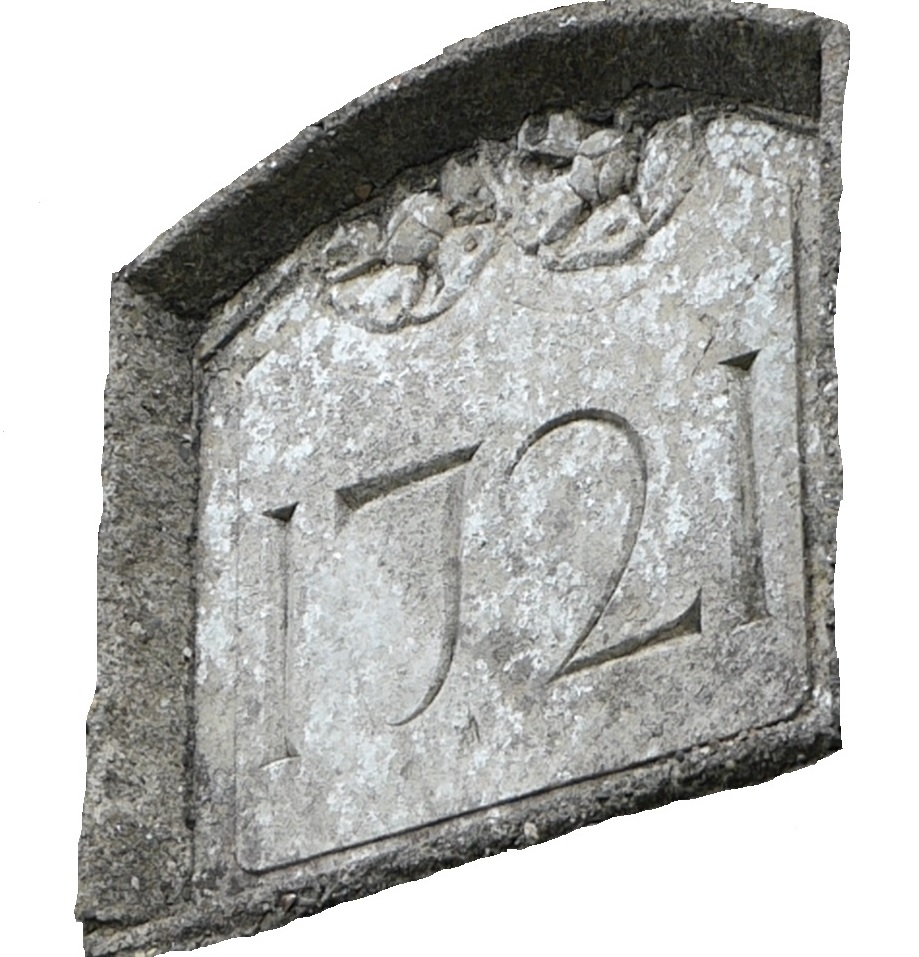
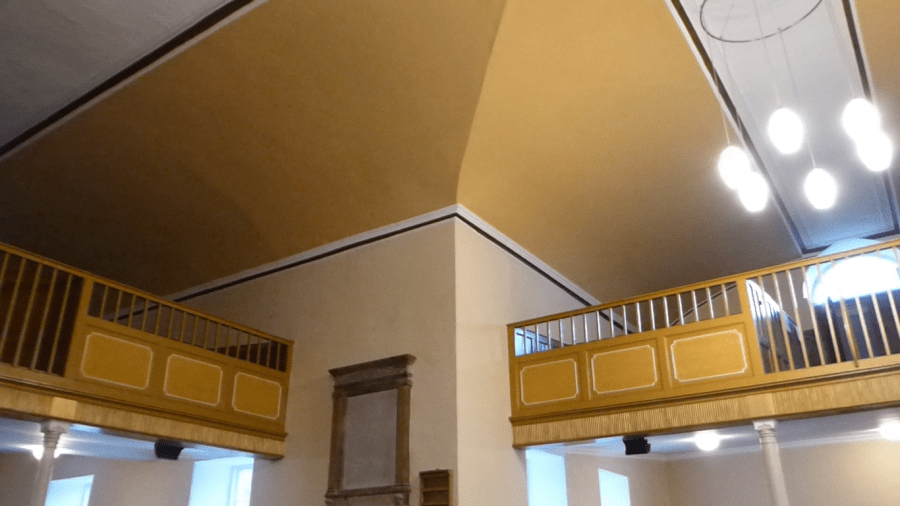
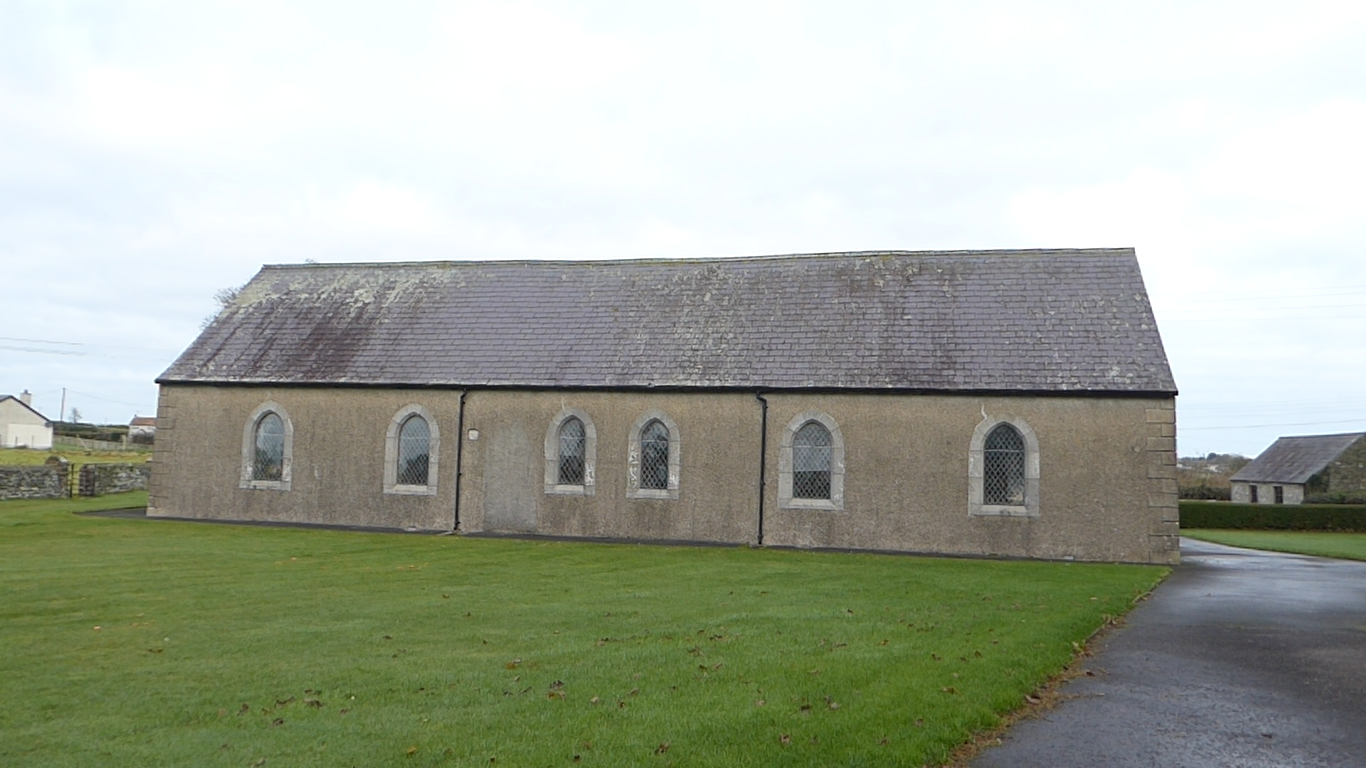
For three hundred years our congregation at Ballee Non-Subscribing Presbyterian Church has been worshipping in its T-shaped meeting-house of 1721. It couldn’t be described as entirely unchanged since that year – originally the building would have been thatched and at some point later in the eighteenth century it had a new roof built of Memel pine, later still the old box pews were removed and used to fit out new rooms in the church. But still the walls are the same walls that have stood as silent witness to our faith for three hundred years.

To join the service click on the video after 9.45 am on Sunday, 18th April 2021

The service is conducted by the minister, Rev Dr David Steers, and the reading is from John ch.4 v.31-38. The church’s organist, John Strain, plays the hymns Lord of all Hopefulness (Hymns of Faith and Freedom 257) and Sent forth by God’s blessing (Hymns of Faith and Freedom 443). At the start and end of the service John also plays Thine be the glory (Hymns of Faith and Freedom 288).

The video includes many of the special features of this historic church and explores the history of the congregation.

In the Ordnance Survey Memoir for this part of County Down in 1835 it notes that the Presbyterians:

have a house of worship at Ballee bridge, and at the late schism of the Synod of Ulster, the congregation departed from the body and joined the Remonstrants. The minister of the congregation receives 50 pounds a year stipend from his hearers and 75 pounds a year regium donum….

The regium donum was a government grant paid to ministers. But the Ordnance Survey also reports, under a section entitled Habits of the People:

A more intelligent or industrious population is rarely to be found, being punctually honest in their dealings and generally attached to the form of religious worship they profess without being intolerant.

Palm Sunday 2021

Today’s service for Sunday, 28th March celebrates Palm Sunday.

The crowd spread their garments on the road, and others cut branches from the trees and spread them on the road.
And the crowds that went before him and that followed him shouted, “Hosanna to the Son of David! Blessed is he who comes in the name of the Lord! Hosanna in the highest!”
And when he entered Jerusalem, all the city was stirred, saying, “Who is this?”
And the crowds said, “This is the prophet Jesus from Nazareth of Galilee.”

Matthew ch.21 v.8-11

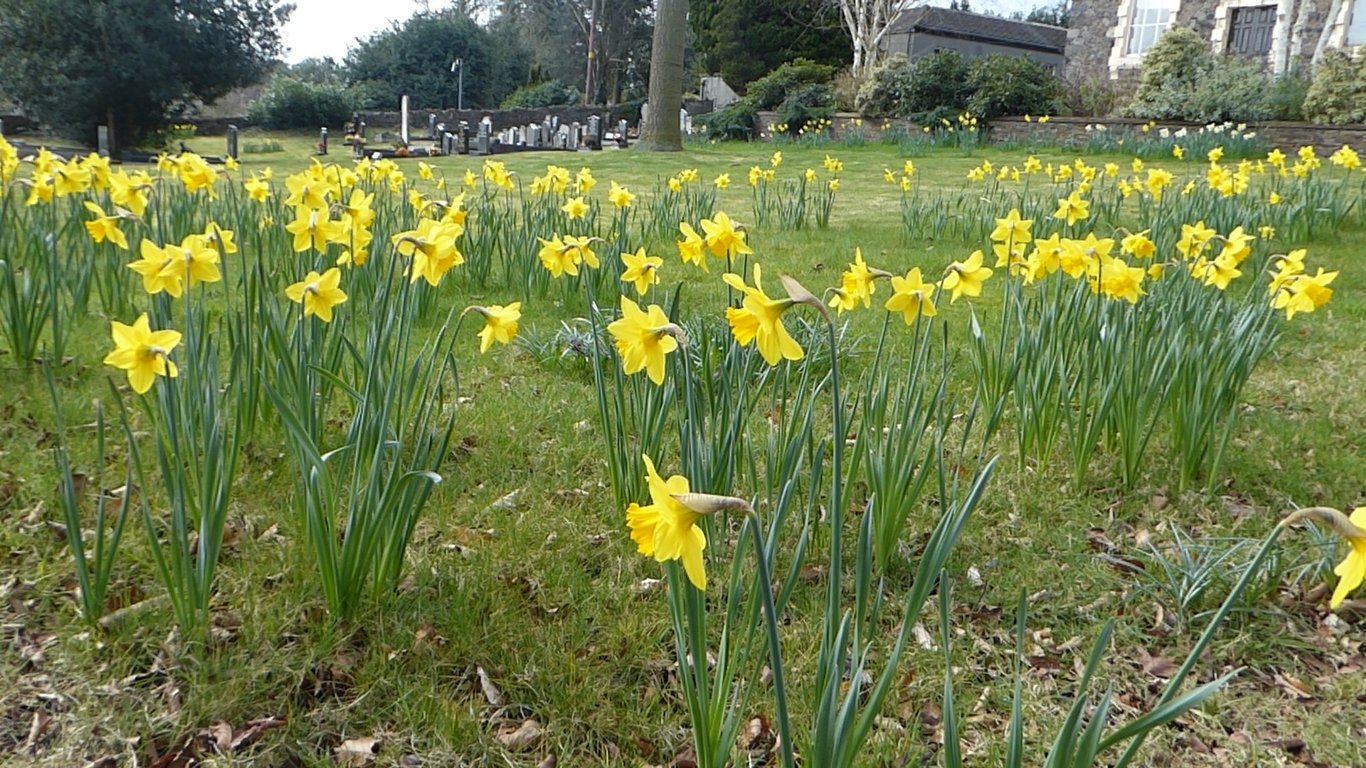
Our service comes from Dunmurry where Dillon and Haydn read Philippians ch. 2 v.6-11 and John ch.12 v.12-16, the gospel reading complete with palm leaves. Church organist Allen Yarr plays the hymns: Ride on! Ride on in majesty! (Church Hymnary 92) and When I survey the wondrous cross (Church Hymnary 106). The opening and closing shots of the church show the glorious crop of daffodills in the church yard.

Palm Sunday Service, 28th March 2021

Click on the above video to join in the service (after 9.45 am on 28th March 2021)

Hosanna!

Blessed is he who comes in the name of the Lord!

The History of the Non-Subscribing Presbyterian Church of Ireland

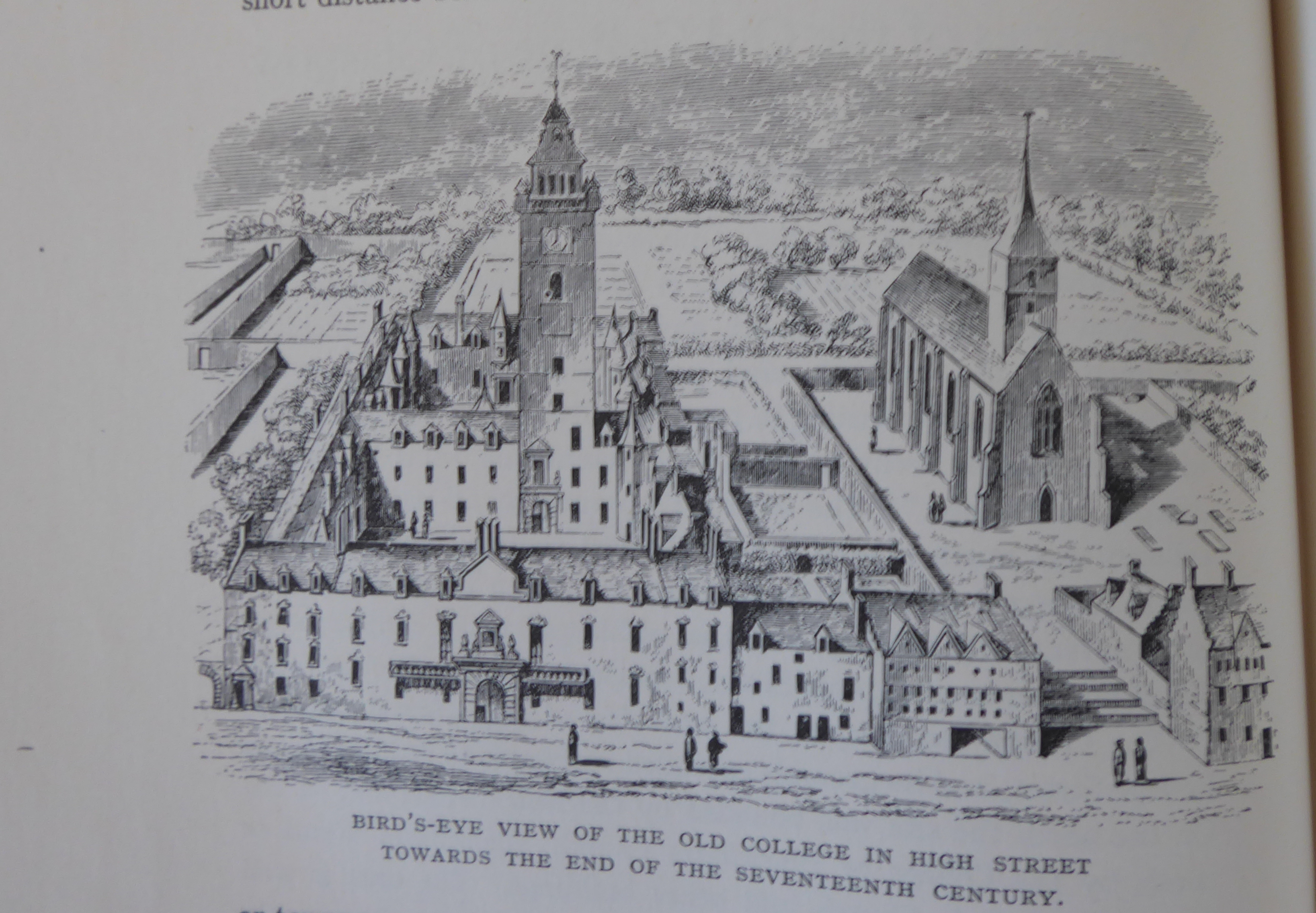
A small but historically important liberal Christian denomination, the Non-Subscribing Presbyterian Church was born out of the interaction between faith and the Enlightenment in the eighteenth century. This act of worship includes this first part of a video series telling the history of the Church. In this film detailing the origins of the denomination in the Presbytery of Antrim in 1725, the work of John Abernethy, the Belfast Society, the influence of Glasgow University, and the Church’s place in a Europe-wide movement are all discussed.

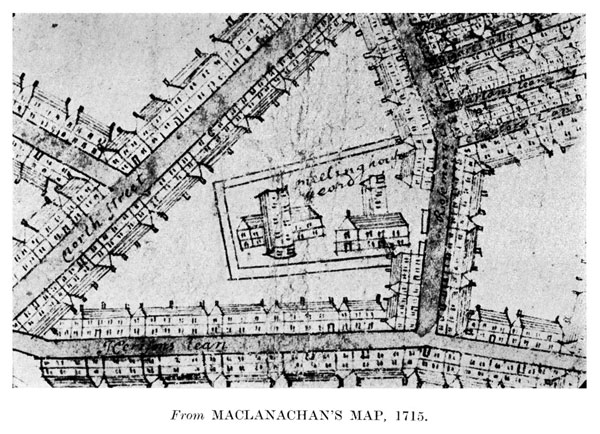
The University of Glasgow in the late seventeenth century

The service is filmed at Downpatrick, a distinctive building of 1711, and one of the best examples in Ulster of a traditional T-shaped meeting house. The organist is Laura Patterson, who plays ‘Christ be our light’ and ‘The power of the Cross’. The reading is Isaiah ch.51 v.1-6.

You can see the service and the address on the history of the denomination in the following video:

Service of Worship from Downpatrick, including part one of the History of the Non-Subscribing Presbyterian Church of Ireland (available from 9.45 am on Sunday, 14th February)

Blessed are the meek

You’re blessed when you’re content with just who you are — no more, no less. That’s the moment you find yourselves proud owners of everything that can’t be bought.

Matthew ch.5 v.5 ‘The Message’

This Sunday’s service comes from the First Presbyterian (NS) Church, Downpatrick and is conducted by the minister. Mary Stewart, the church secretary, gives the reading from Matthew ch.5 v.1-10 as we consider the idea of ‘the meek’ and humility. Church organist Laura Patterson plays the hymns How can I keep from singing (Hymns for Living 133/Mission Praise 1210) and Hide me now under Your wings (Mission Praise 1057) as well as Shall we gather at the river as an introduction to the service.

Click on the following video to see the service:

Service Downpatrick, Sunday, 24th January 2021

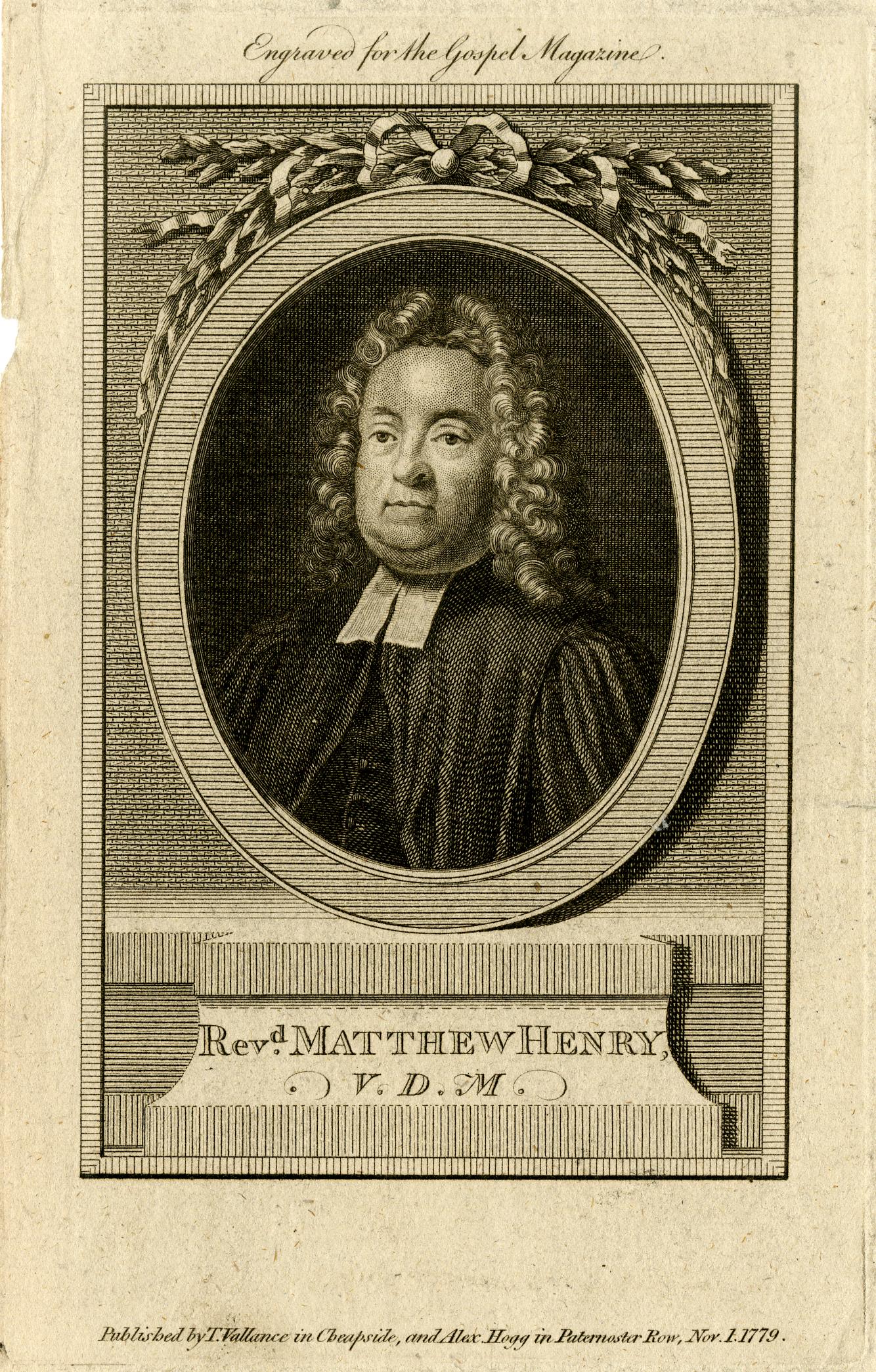
During the service we also quote the Rev Matthew Henry (you can see a picture of his chapel in Chester on this blog by clicking here) :

Portrait of Matthew Henry, half-length, in an oval surmounted by ribbons and laurels, slightly turned to the left, dressed in an academic gown with bands at his neck and a periwig on his head, illustration to the “Gospel Magazine” (1779) Engraving and etching

© The Trustees of the British Museum

What does the Lord require of you?

In Micah chapter 6 verse 8 we read the famous statement:

He has shown you, O mortal, what is good.
    And what does the Lord require of you?
To act justly and to love mercy
    and to walk humbly with your God.

In our service today, from Clough Non-Subscribing Presbyterian Church, we explore how you can summarize – in a few words or a sentence – the real meaning of faith.

On one occasion someone asked Rabbi Hillel to recite the whole of the Torah while standing on one leg. He said simply, ‘What is hateful to you, do not do to others. That is the whole of Torah, the rest is commentary on it.’

Sunday Service, 17th January 2021

The service is conducted by the minister, Rev Dr David Steers. Robert Neill gives the reading from Micah ch.6 v.6-8 and Alfie McClelland, the church organist, plays the hymns which are Praise to the Lord, the Almighty (Hymns of Faith and Freedom 22), Sun of my soul, thou Saviour dear (Hymns of Faith and Freedom 439) and Rejoice! the Lord is King (Hymns of Faith and Freedom 62). Click on the above video to see the service.

Search me, O God, and know my heart

Our service for this Sunday comes from Ballee Non-Subscribing Presbyterian Church which this year celebrates its tercentenary.

The service is conducted by the minister, Rev Dr David Steers, and John Strain, the church organist, plays the hymns ‘O Love that wilt not let me go’ (Hymns of Faith and Freedom 276) and ‘Spirit of the living God’ (Hymns of Faith and Freedom 178) as well as ‘How deep the Father’s Love for us’ (Irish Church Hymnal 224) which is played at the beginning and end of the service. The reading is Psalm 139 v.1-12, 23-24.

Click on the video to join in our service
Ballee NSP Church, built 1721

And suddenly you know: It’s time to start something new and trust the magic of beginnings

The above quotation comes from Meister Eckhart and it seems a fitting thought to have in mind at the start of a new year, especially after all the difficulties of the year that has gone before.

This new year is also the 300th anniversary of the building of the Ballee meeting-house and both the new year and this tercentenary feature in our service for Sunday, 3rd January. The date is close too, to the feast of the Epiphany and a reflection on the story and meaning of the Magi features in our worship.

Christmas Crib at Ballee from a couple of years ago

Service of worship

With music played by John Strain on the organ at Ballee Non-Subscribing Presbyterian Church, Jack Steers on the trumpet and Laura Neill on the bagpipes. The reading comes from Matthew ch.2 v.1-12.

Ballee Non-Subscribing Presbyterian Church traces its origins back to the middle of the seventeenth century but the present meeting-house was built in 1721, after the previous one blew down in a storm. For three hundred years the congregation have worshipped in this important example of an early eighteenth-century T-shaped meeting-house. We have a number of special events planned to celebrate this significant milestone.

God is not only interested in religion

The words at the top of this page are by Marcus Braybrooke. They are a distillation of a longer quotation from William Temple (Archbishop of Canterbury 1942-1944) quoted in Marcus’s book Peace in Our Hearts, Peace in our World:

It is a great mistake to suppose that God

is interested only, or even, primarily in religion.

Religion is more than doing things a certain way, it is about the way we live our lives. Consequently faith is supposed to find its conclusion in the way we live. We are reminded of this in the Letter of James:

What does it profit, my brethren, if a man says he has faith but has not works? Can his faith save him?
If a brother or sister is ill-clad and in lack of daily food,
and one of you says to them, “Go in peace, be warmed and filled,” without giving them the things needed for the body, what does it profit?
So faith by itself, if it has no works, is dead.

James ch.2 v.14-17

How we live and how we interact with the world is a measure of how far the Kingdom of God is being constructed.

As Mahatma Gandhi said:

No work that is done in God’s name

And dedicated to God is small.

A scavenger who works in God’s service shares equal distinction

With a king who uses his gifts in God’s name.

This is the theme of today’s online service. Filmed in Clough Non-Subscribing Presbyterian Church Alfie McClelland plays the organ and Elsie Nelson gives the reading. The hymns played are Thou Whose Almighty Word (‘Hymns of Faith and Freedom’ 173) and Guide me, O Thou Great Jehovah (‘Hymns of Faith and Freedom’ 326).

The service can be seen here:

Sunday Worship Clough Non-Subscribing Presbyterian Church

Faith and Freedom, Autumn and Winter 2020

The latest issue of Faith and Freedom (Autumn and Winter 2020, Number 191) is now available and on its way to subscribers.

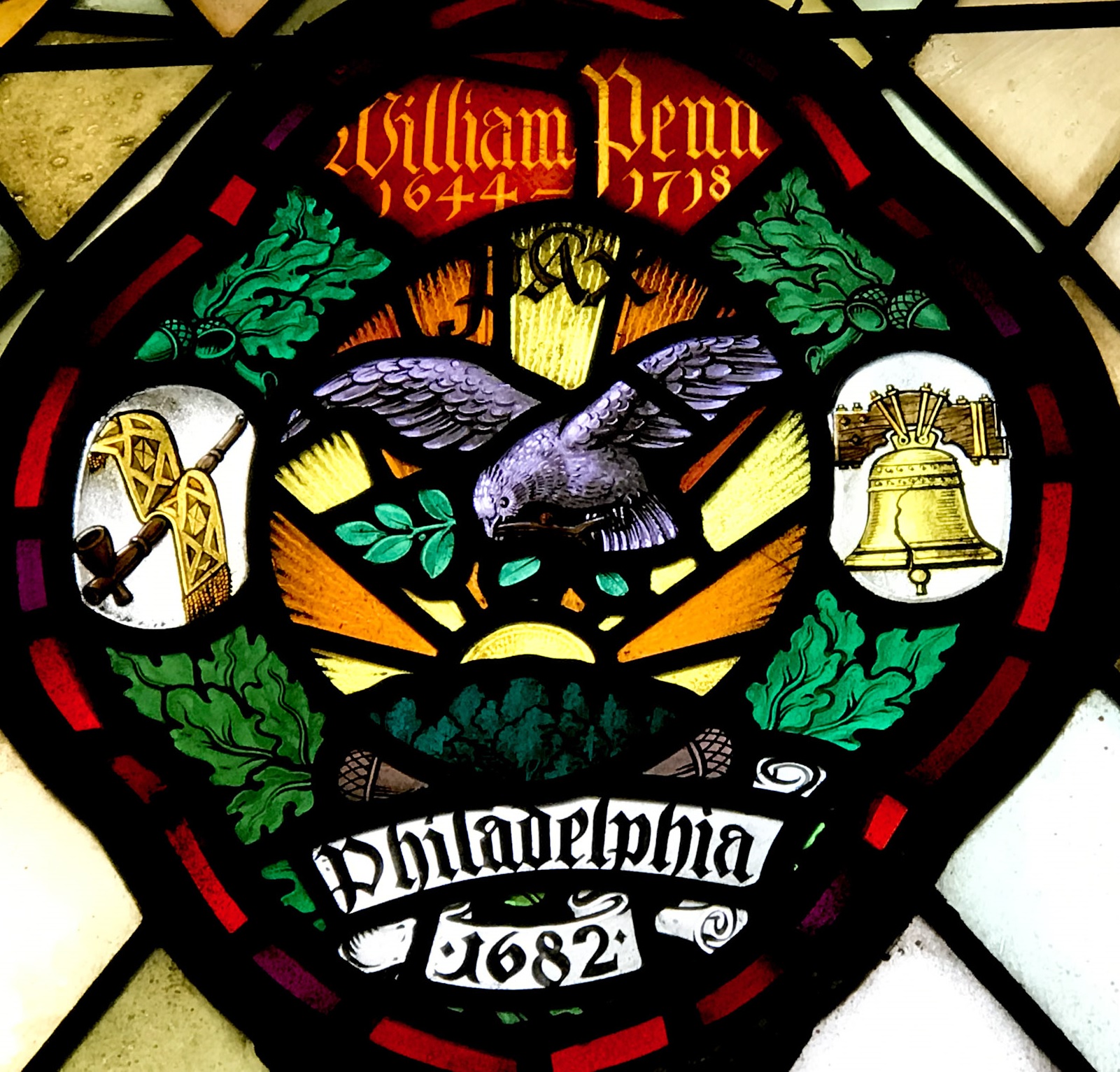
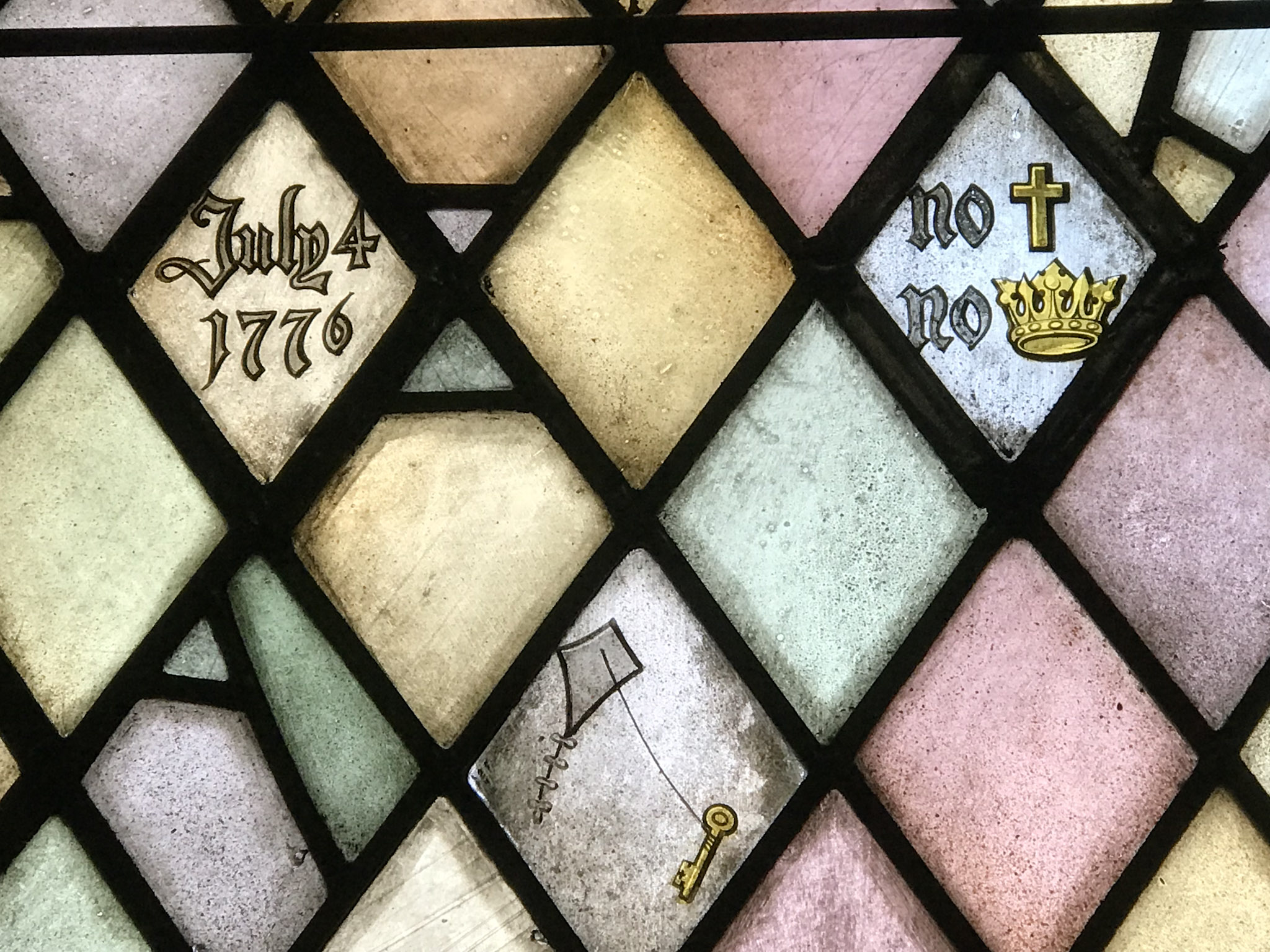
Detail from the William Penn window, Lancaster, Pennsylvania (Photo: Emily Klenin)

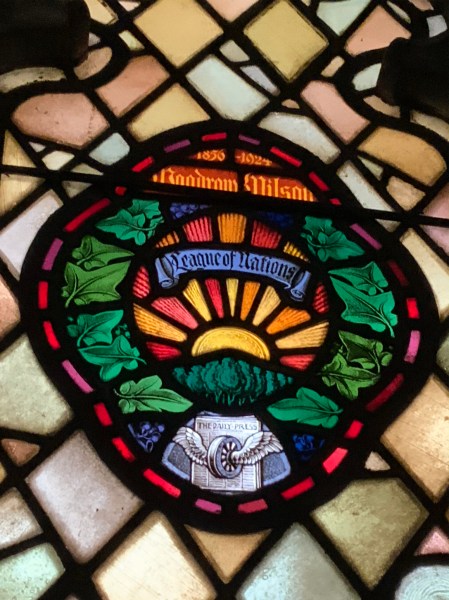
In this issue Professor Emily Klenin shares her research into a significant Unitarian Universalist Church building. Geography, History, and the Inner Light: Decorating a Unitarian Church in Central Pennsylvania, 1899 – 1932 explores the story of a unique building. The Unitarian Church of Our Father was established in Lancaster, Pennsylvania in 1902 and as the new church was built it became the venue for a remarkable experiment in art and design thanks to the involvement of local millionaire M.T. Garvin. According to Professor Klenin there is no evidence that ‘that any of his contemporaries thought him personally interesting’ but Garvin was a secretive and generous philanthropist who bequeathed his department store to his staff and funded the creation of this church in the American Gothic Revival style with Arts and Craft influences. Born a Quaker, M.T. Garvin became a Unitarian and built the church with its Chapel of the Emancipators decorated throughout with stained glass of the highest quality created by the Bavarian firm of F.X. Zettler. The ‘emancipators’ memorialized include William Ellery Channing, Theodore Parker, Joseph Priestley, William Penn, significant American Presidents and many more including a rare window celebrating the League of Nations. Devices and symbols incorporated in the windows are explained by Professor Klenin. In a masterful article Professor Klenin describes the building, its decoration and the influences that led M.T Garvin to create it. Blending theological knowledge with artistic appreciation and considerable technical knowledge she gives a brilliant account of this remarkable building:

The southeast window in this way becomes a focal point for force lines (a structural notion native to engineering…but borrowed by modernist painters) linking windows with pulpit, south window with south window opposite, and southeast with northeast and northwest. But there is more. The light from without, specified textually at the bottom of the window, also finds a vertical counterpart high above the pulpit, in the wooden bas relief showing Quaker founder George Fox, facing the congregation and accompanied by a text stating that he is ‘preaching the Inner Light’.

Further detail from William Penn’s window (Photo: Emily Klenin)

David A. Williams is a distinguished emeritus professor of astronomy and a former President of the Royal Astronomical Society. In Is anybody out there? he examines the most recent research that deals with the possibility of life elsewhere in the universe. How many ‘exoplanets’ have been found orbiting stars in the Milky Way? How many might be in the habitable zone? How long might civilizations last? How might they get in touch? All these things are discussed.

Coronavirus, conspiracy theories and paranoia is the topic discussed by Dr Charles Stewart, a pharmaceutical physician. Dr Stewart looks at how the current outbreak of Covid-19 began and ties this in with various conspiracies and fears. The Rev Frank Walker tells the story of Sebastian Castellio, the Pioneer of Toleration which includes discussion of the role played by Michael Servetus. Catherine Robinson is a member of the Unitarian congregation in Oxford which meets in the chapel of Harris Manchester College. In ‘A Sincere Communion of Souls’: Unitarians in Oxford 130 years ago she tells the story of how the congregation was founded in Oxford, a place then viewed by some Unitarians as ‘a bastion of conformity and orthodoxy’.

There are, as always, some insightful and important reviews – Jim Corrigall on Alastair McIntosh’s latest theological reflection on the climate crisis, Riders on the Storm: The Climate Crisis and the Survival of Being; and on Guy Shrubsole’s Who Owns England? How We Lost Our Green & Pleasant Land & How to Take it Back. Professor Alan Deacon reviews John Barton, A History of the Bible: A Book and its Faiths, a ‘beautiful, affirming book’ which looks at the creation and history of the Biblical texts and their relation to faith and the church. Finally, David Steers reviews a remarkable account by Gladys Ganiel and Jamie Yohanis of the theological impact of the ‘Troubles’ on members of one Irish denomination in Considering Grace. Presbyterians and the Troubles.

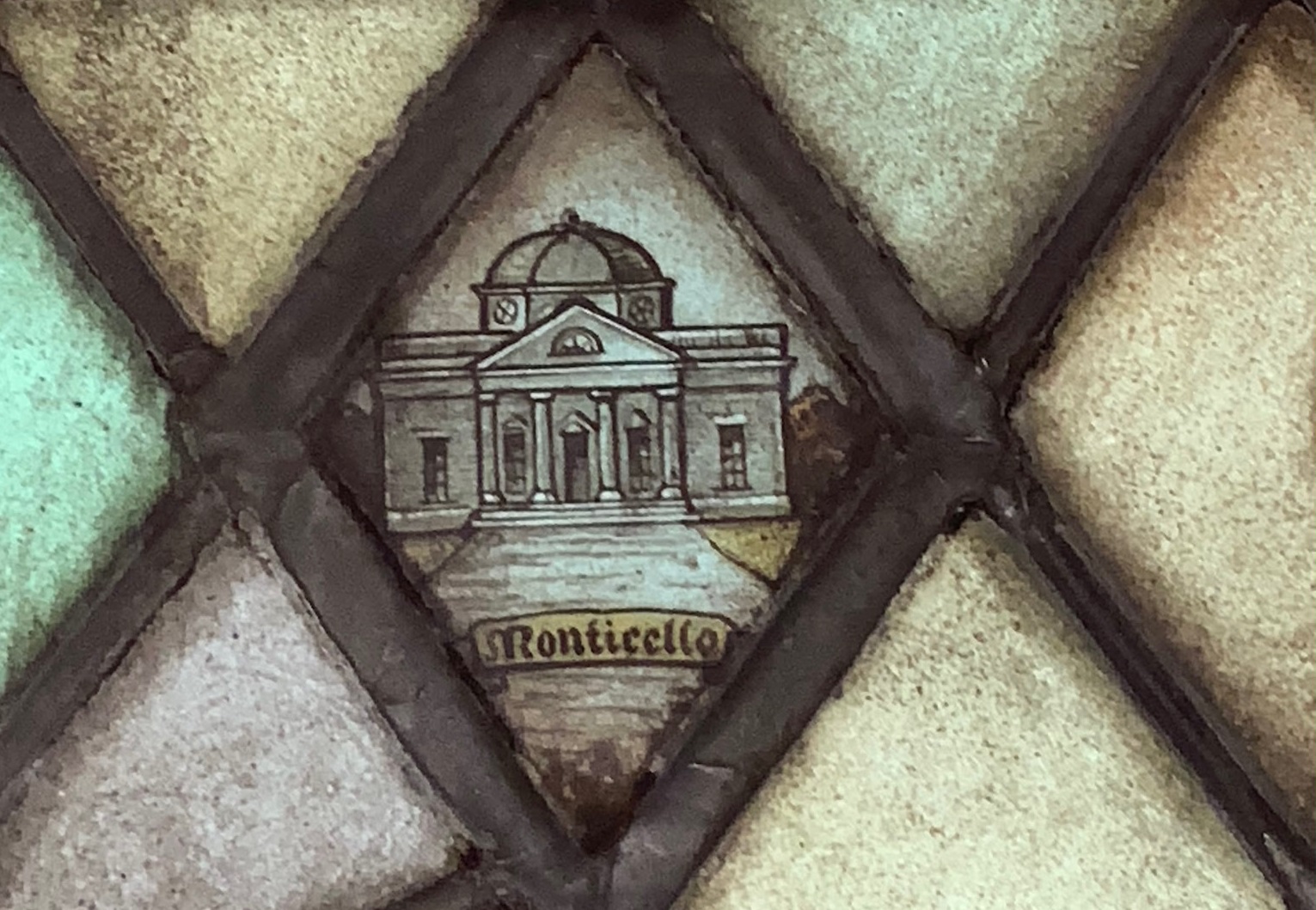
Window showing Monticello. Thomas Jefferson’s house, now a
National Historic Landmark and a UNESCO World Heritage Site, saved partly through the exertions of M.T. Garvin (Photo: Emily Klenin)

Emily Klenin’s photographs of the windows of the Unitarian Universalist Church of Lancaster, Pennsylvania can be seen at this link:

https://adobe.ly/31HHxiX

An annual subscription to Faith and Freedom costs £15 (postage included). Contact the business manager:

Nigel Clarke,
Business Manager, Faith and Freedom,
16 Fairfields, Kirton in Lindsey,
Gainsborough, Lincolnshire.  DN21 4GA.

It’s also possible to pay via PayPal via clicking here.

Email: faithandfreedom@btinternet.com