Homer’s Iliad 1686

Click above to watch the video

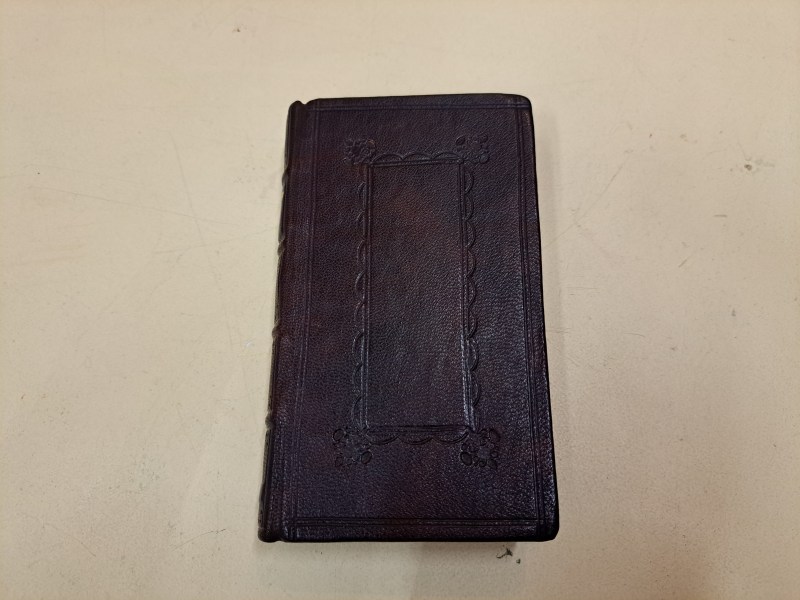
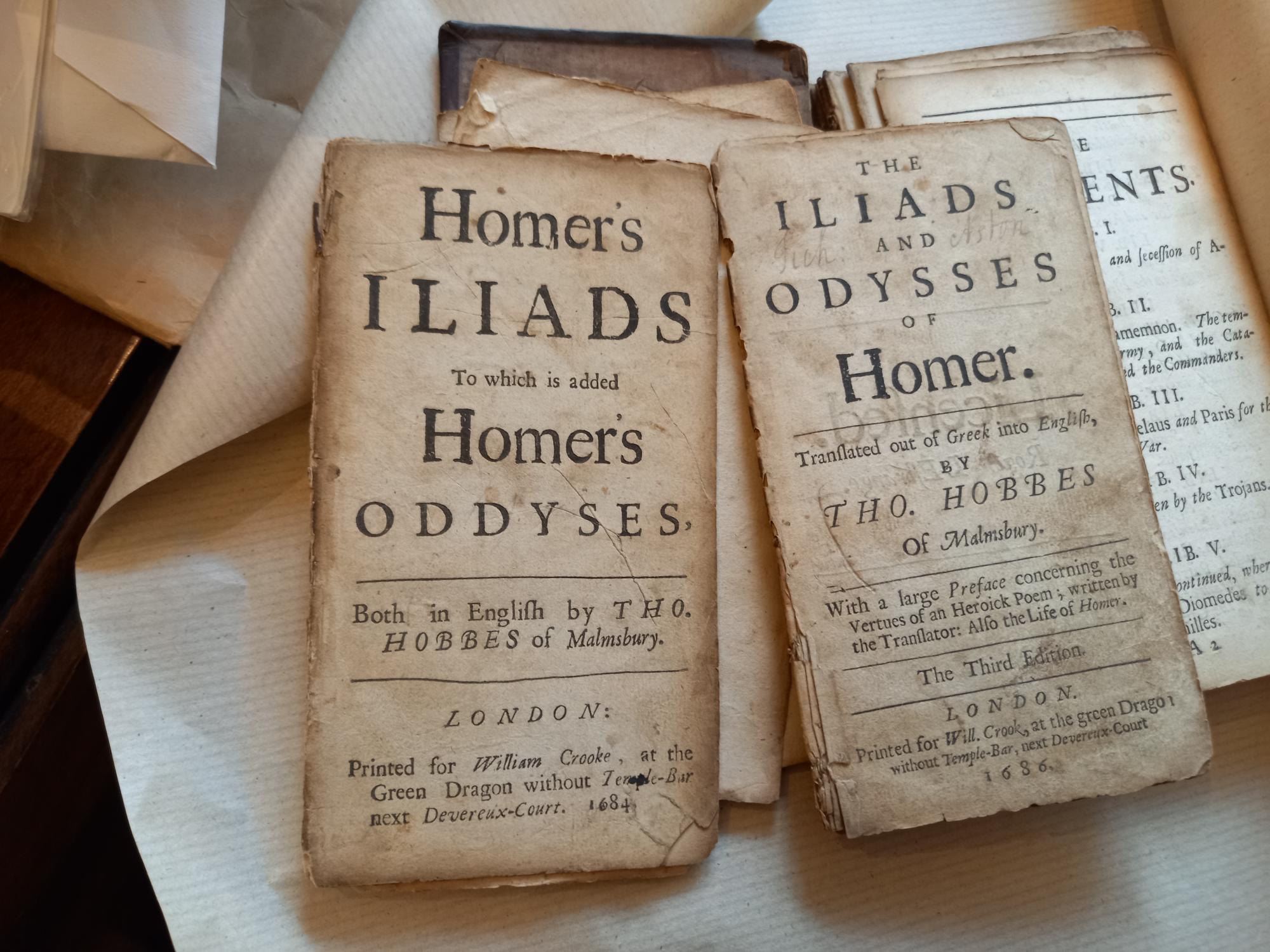
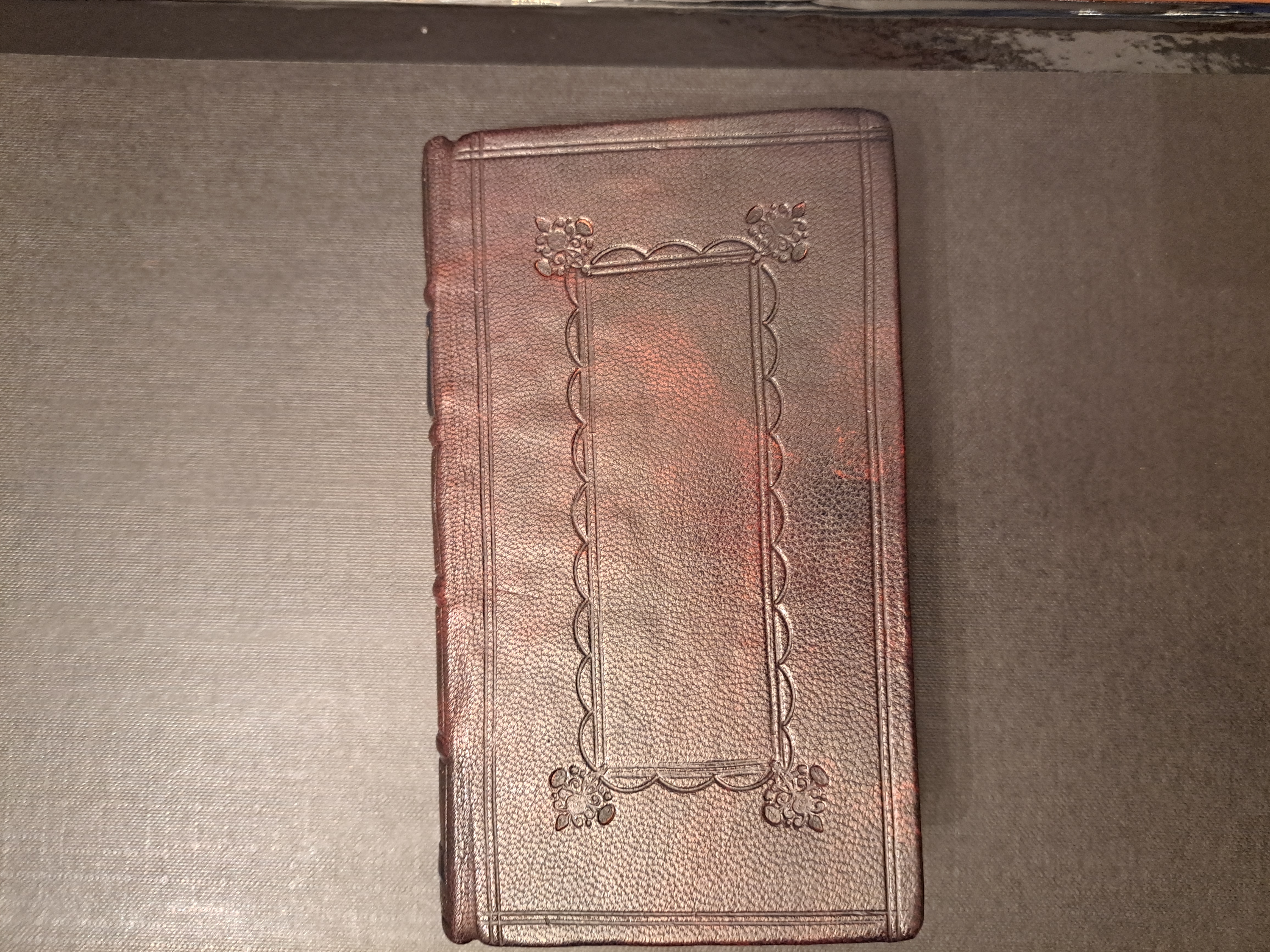
The oldest book in our Library at Dunmurry is this volume, the Third Edition of Thomas Hobbes’ translation of Homer’s Iliad published in London in 1686. The video tells the story of the book and its recent restoration in Belfast.

The book before restoration

The book following its recent restoration

Christmas at First Dunmurry

Christmas Events at First Dunmurry

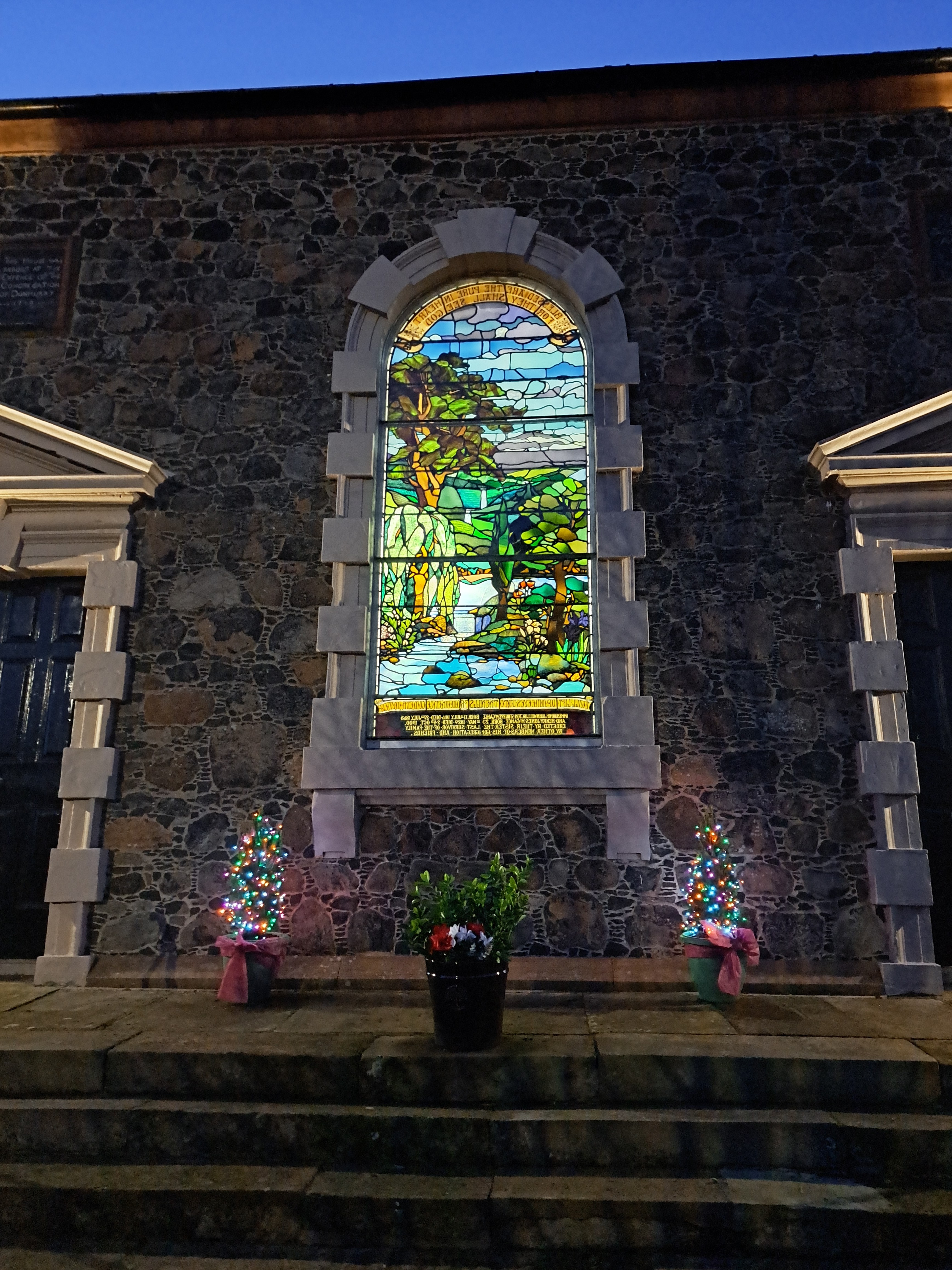
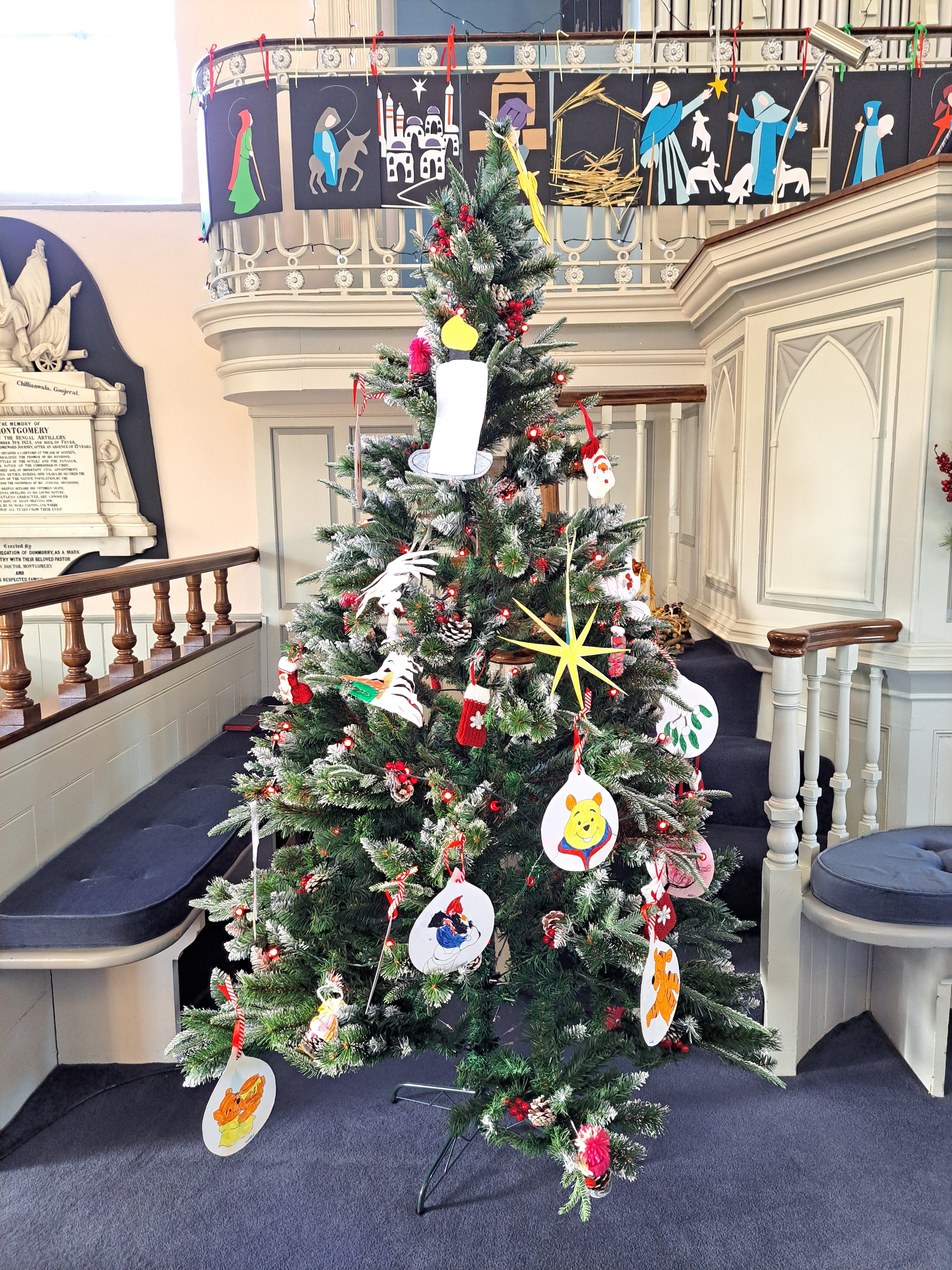
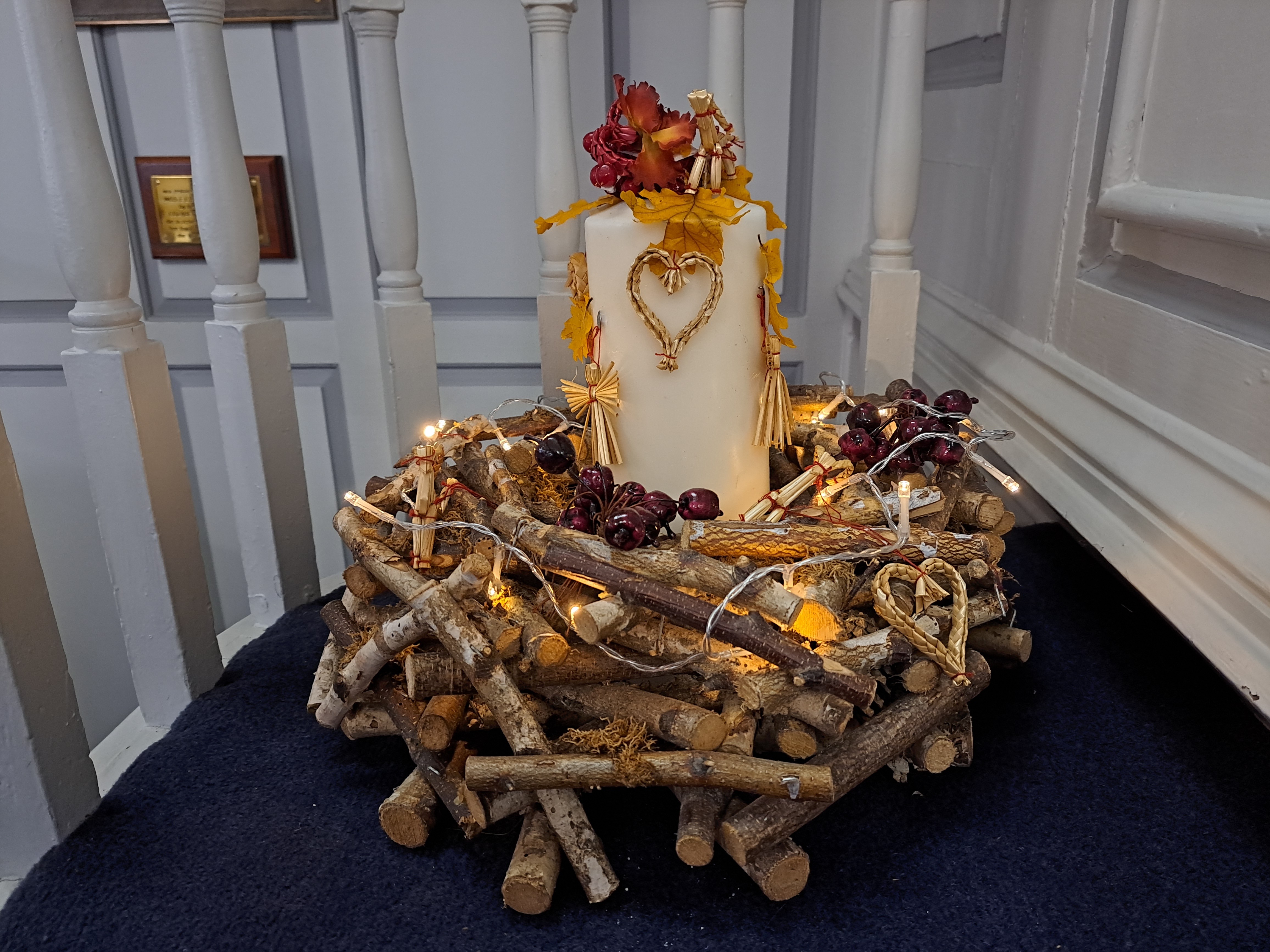
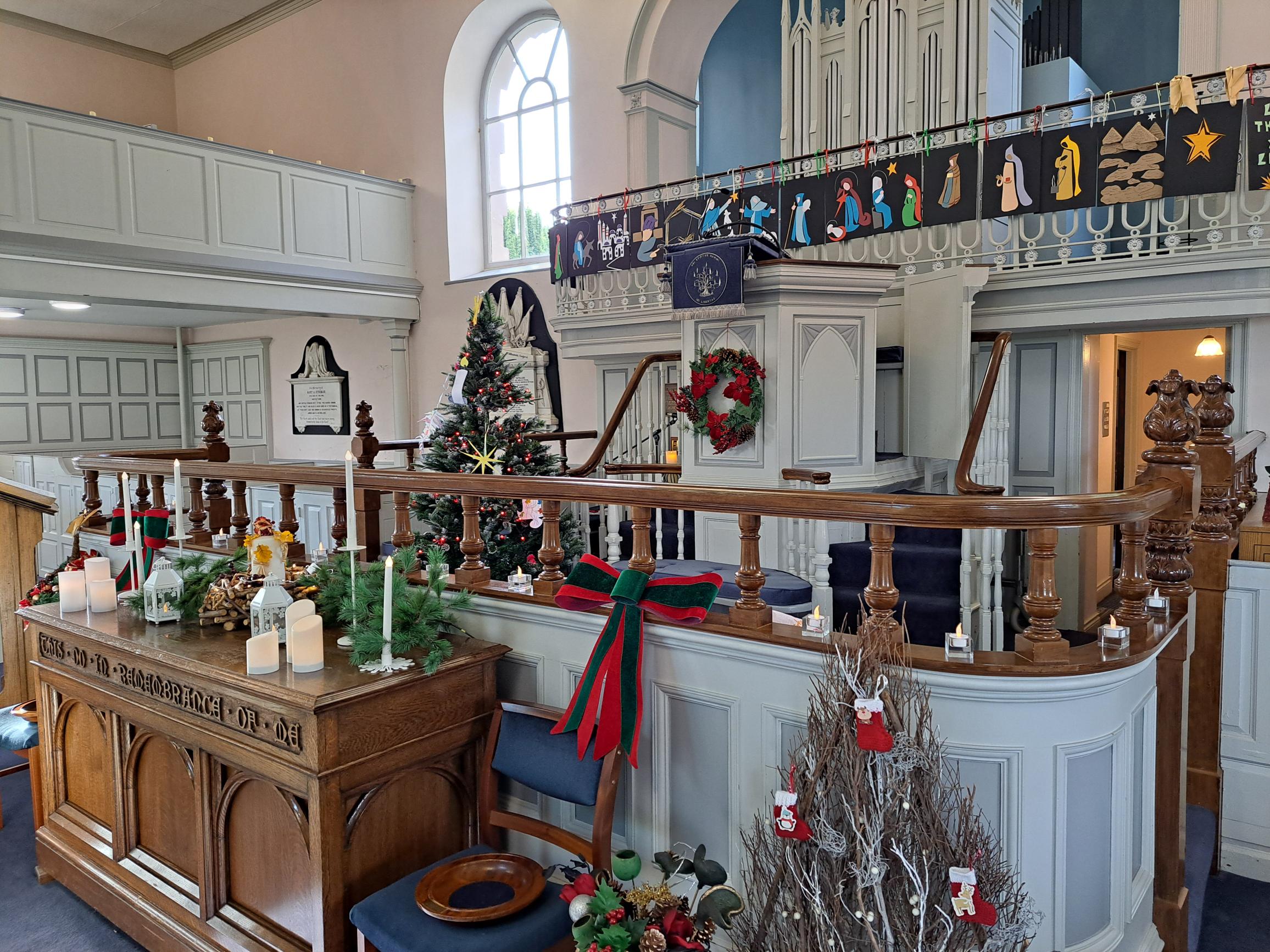
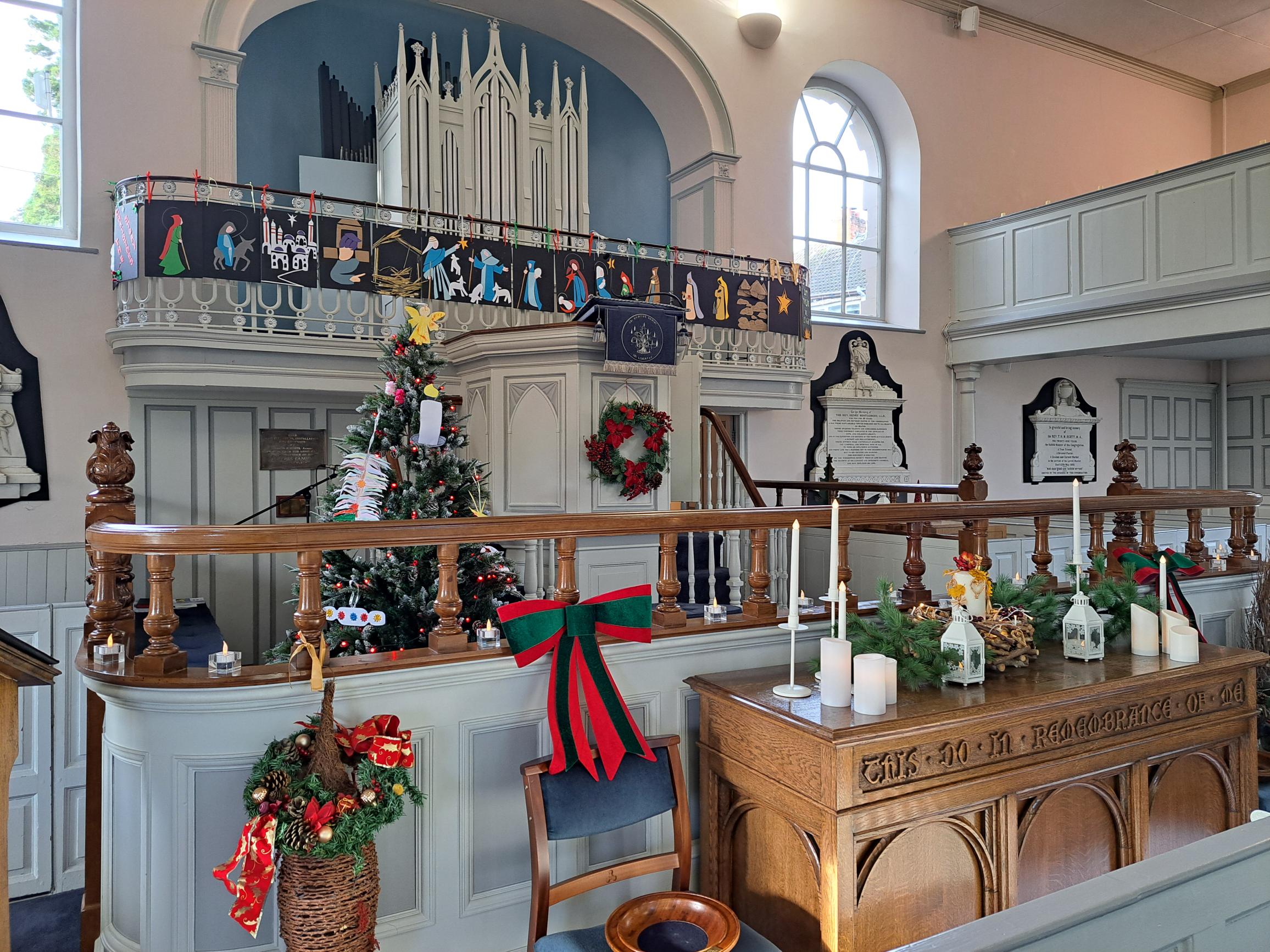
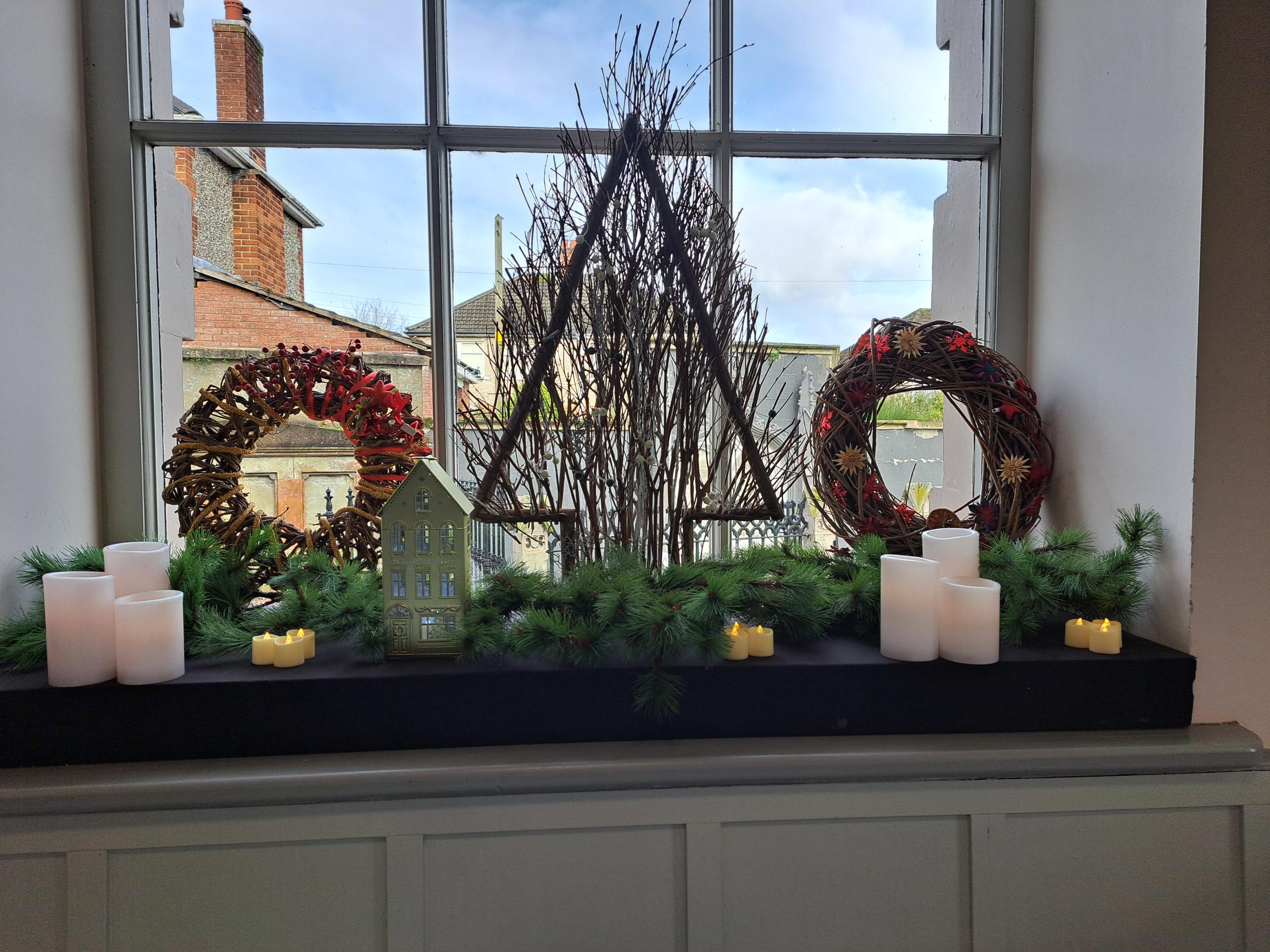
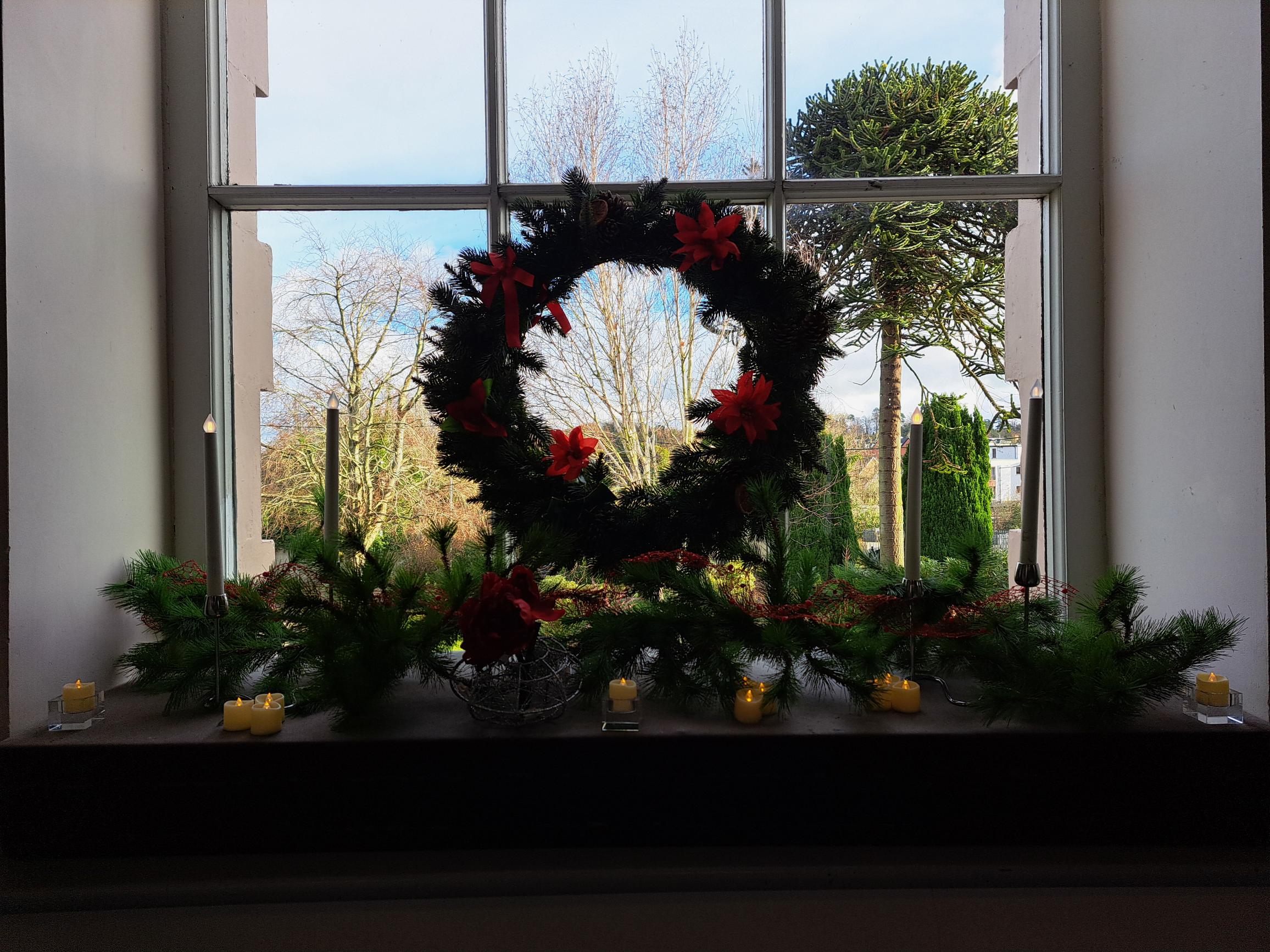
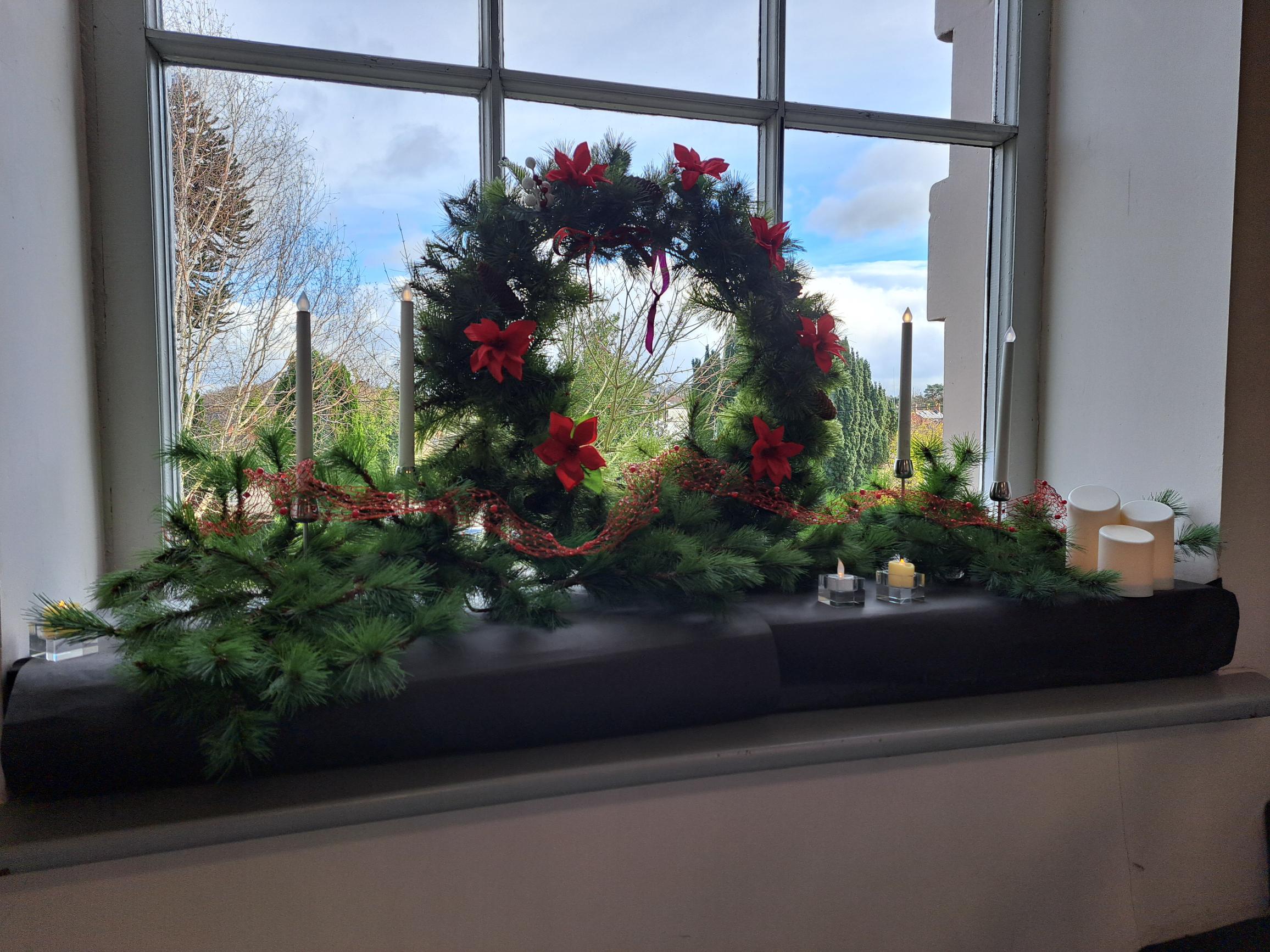
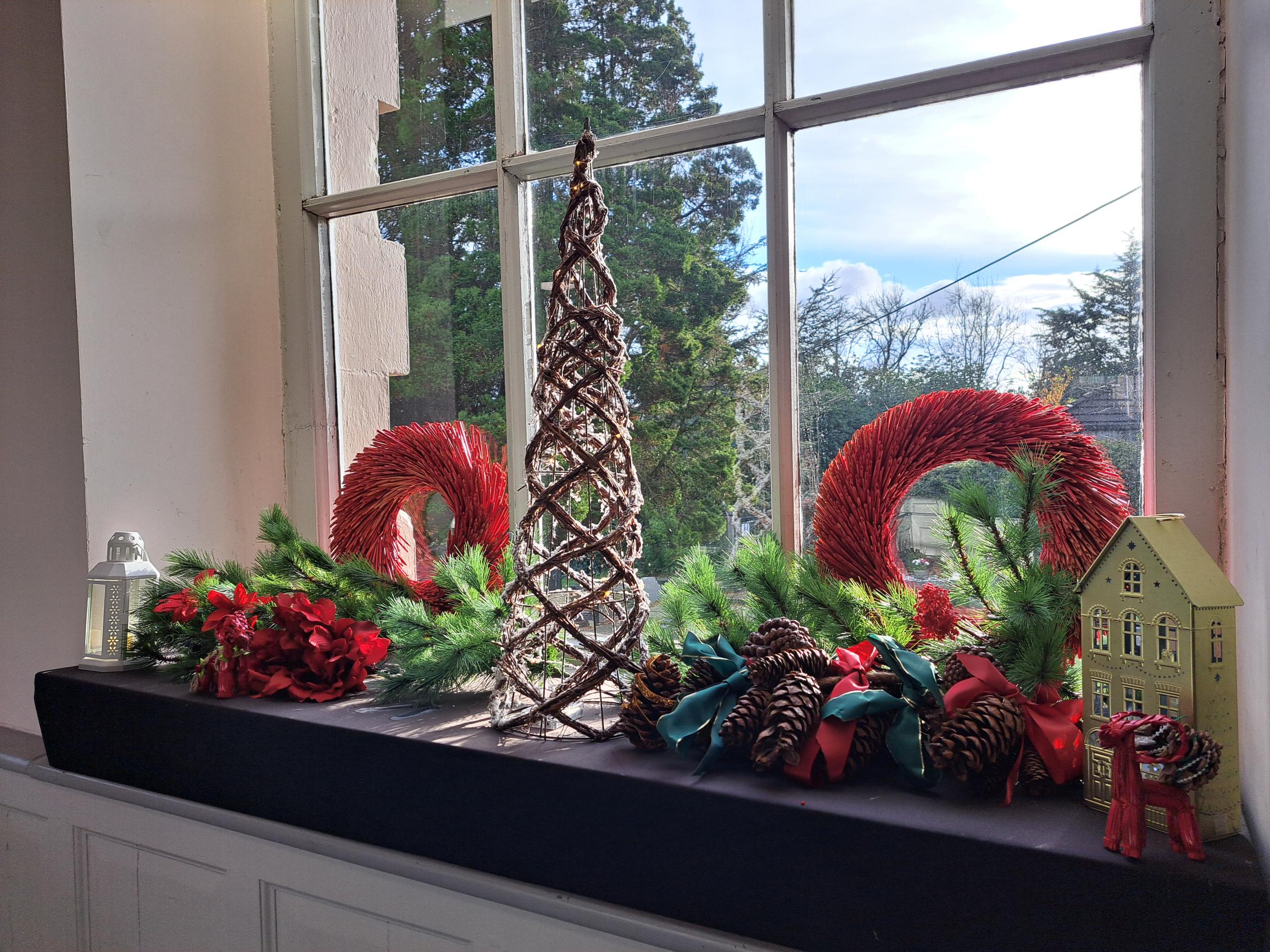
We’ve a number of special events coming up at Dunmurry and all are welcome to join them. Thank you to everyone who helped to decorate the Church in time for our service on the first Sunday in Advent, 30th November.


Visit of the Choir of Malone Integrated College

with their musical director Caroline Mitchell

Thursday, 4th December
10.00 am – 12 Noon in the McCleery Hall – with refreshements


Candlelight Carol Service with Harmonic Sounds Concert Band

Friday, 12th December at 7.30 pm

Followed by Refreshments in the Hall

Admission Free

Retiring Collection for the Motor Neurone Disease Association Northern Ireland


Congregational Carol Service
Sunday, 21st December
11.30 am


Short Service for Christmas Day
Thursday, 25th December
10.30 am

Everyone Welcome at each event

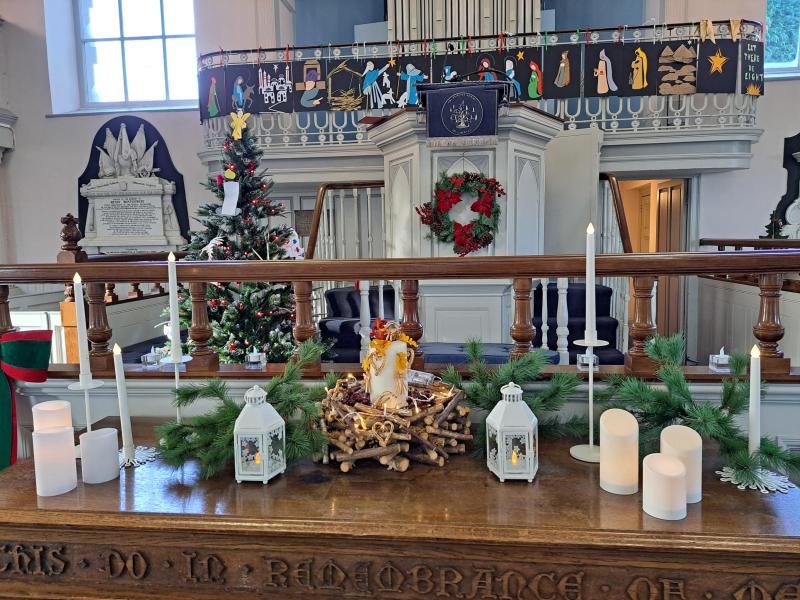
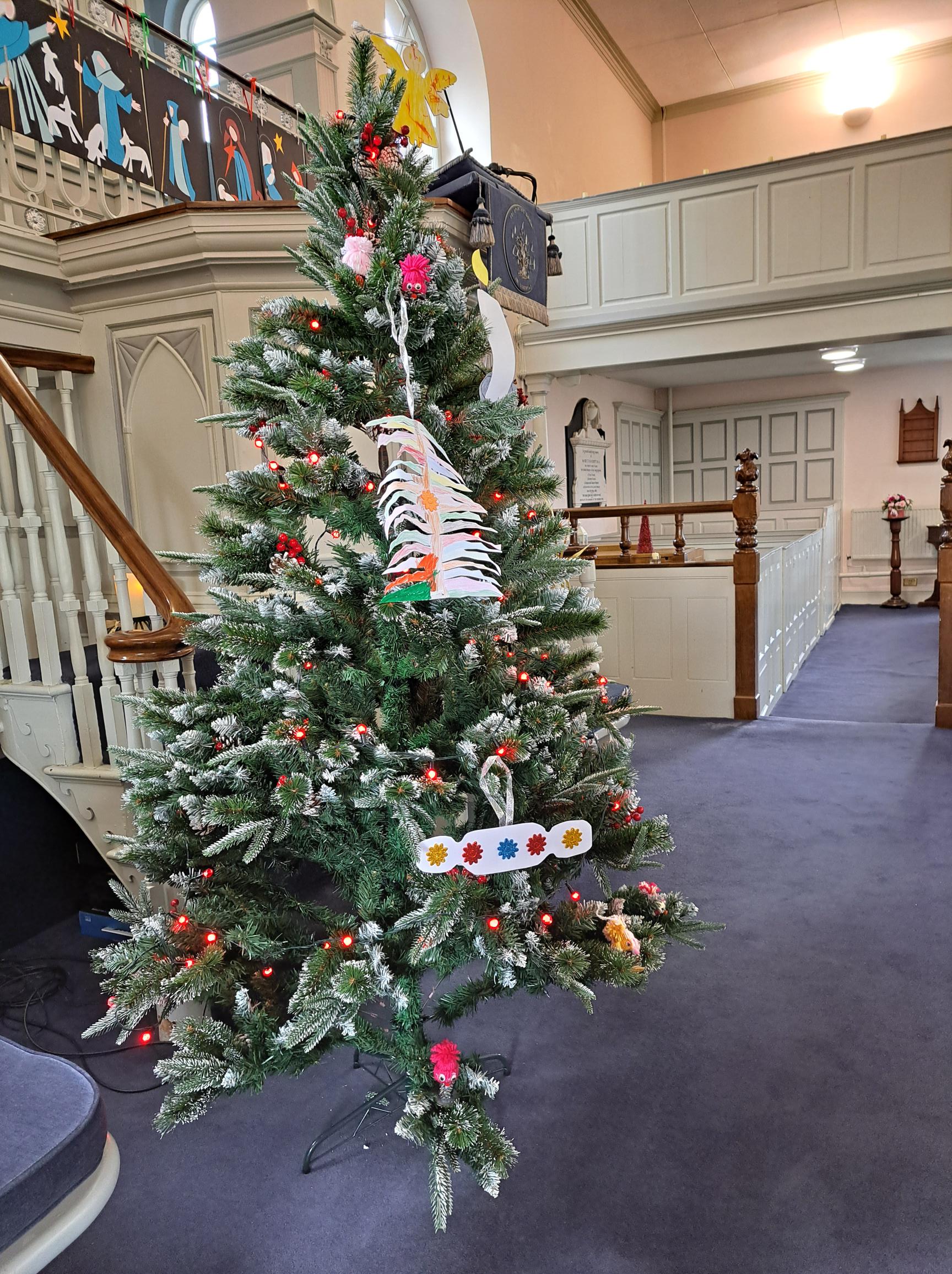
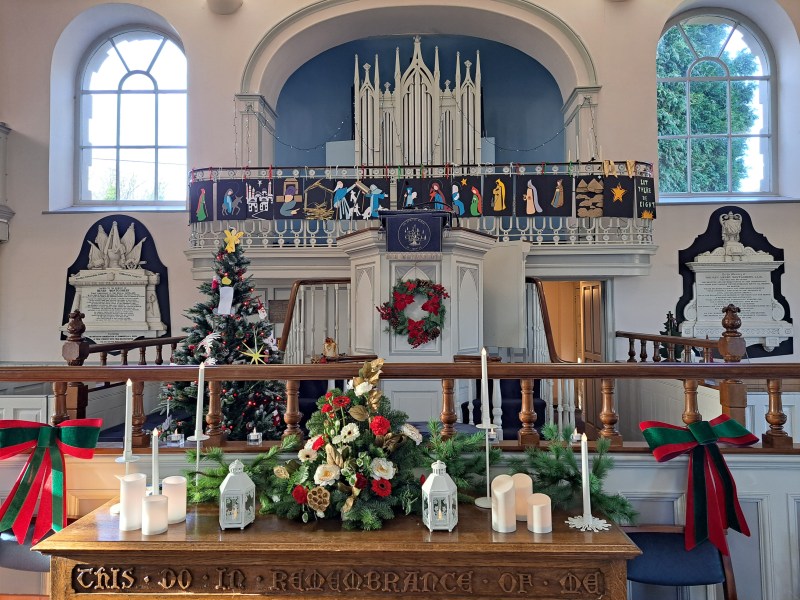
Frieze depicting the Christmas story made by the Youth Group. Decorations for the Christmas tree made by the Sunday School

Dunmurry Harvest 2025

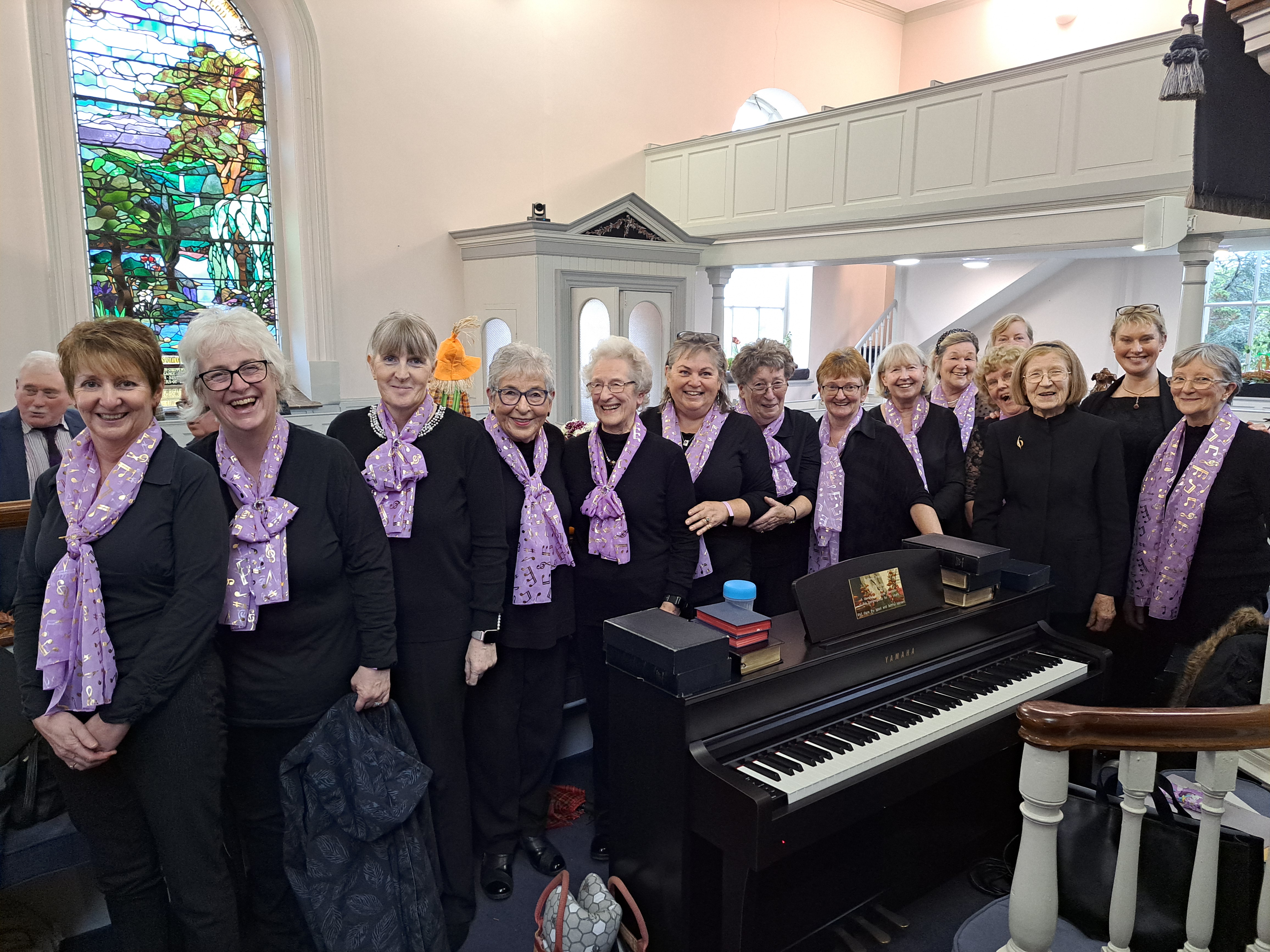
Quoile Area WI Choir at Dunmurry
Click on the video above to see Dunmurry Harvest Thanksgiving Service as recorded live

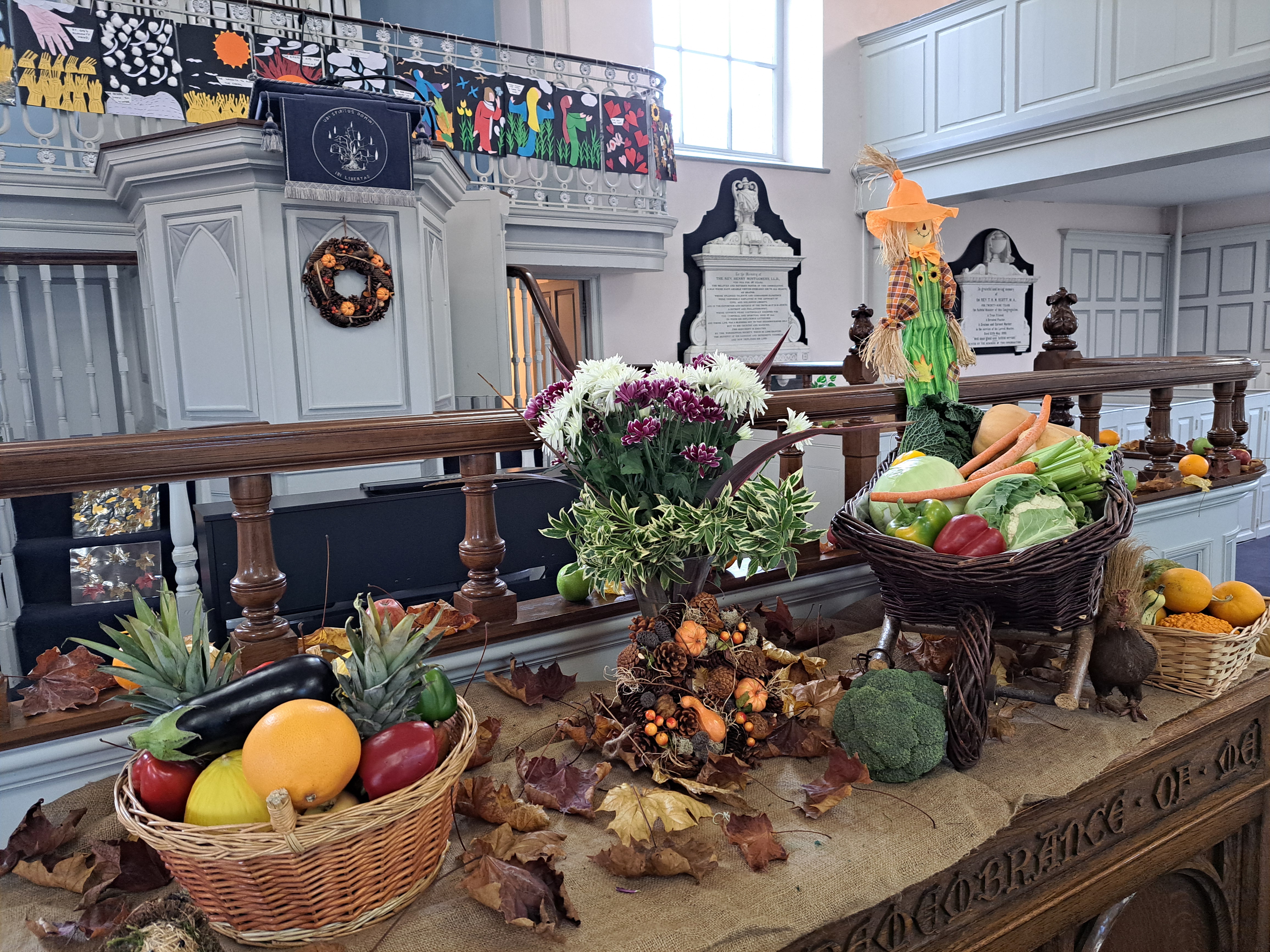
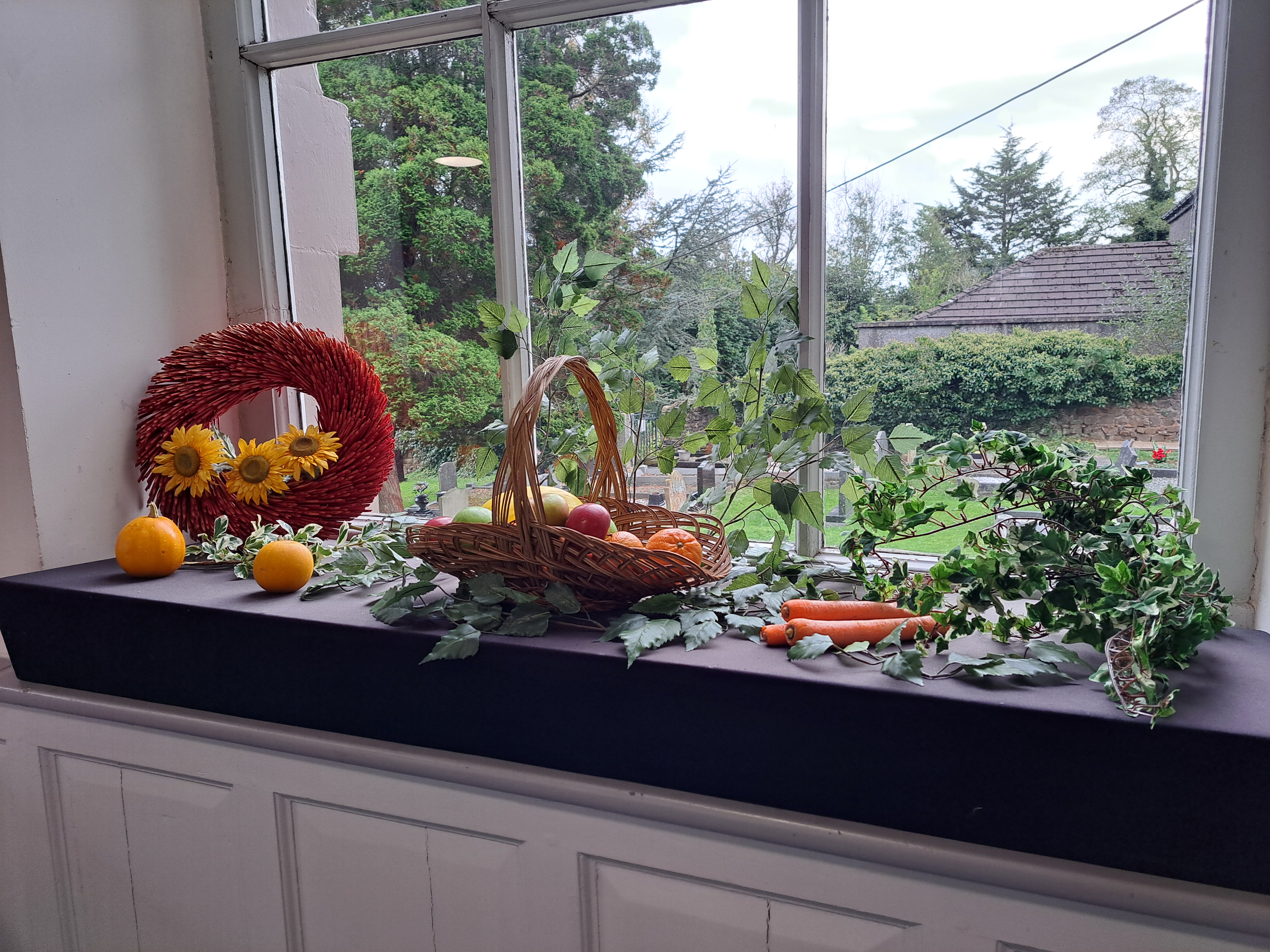
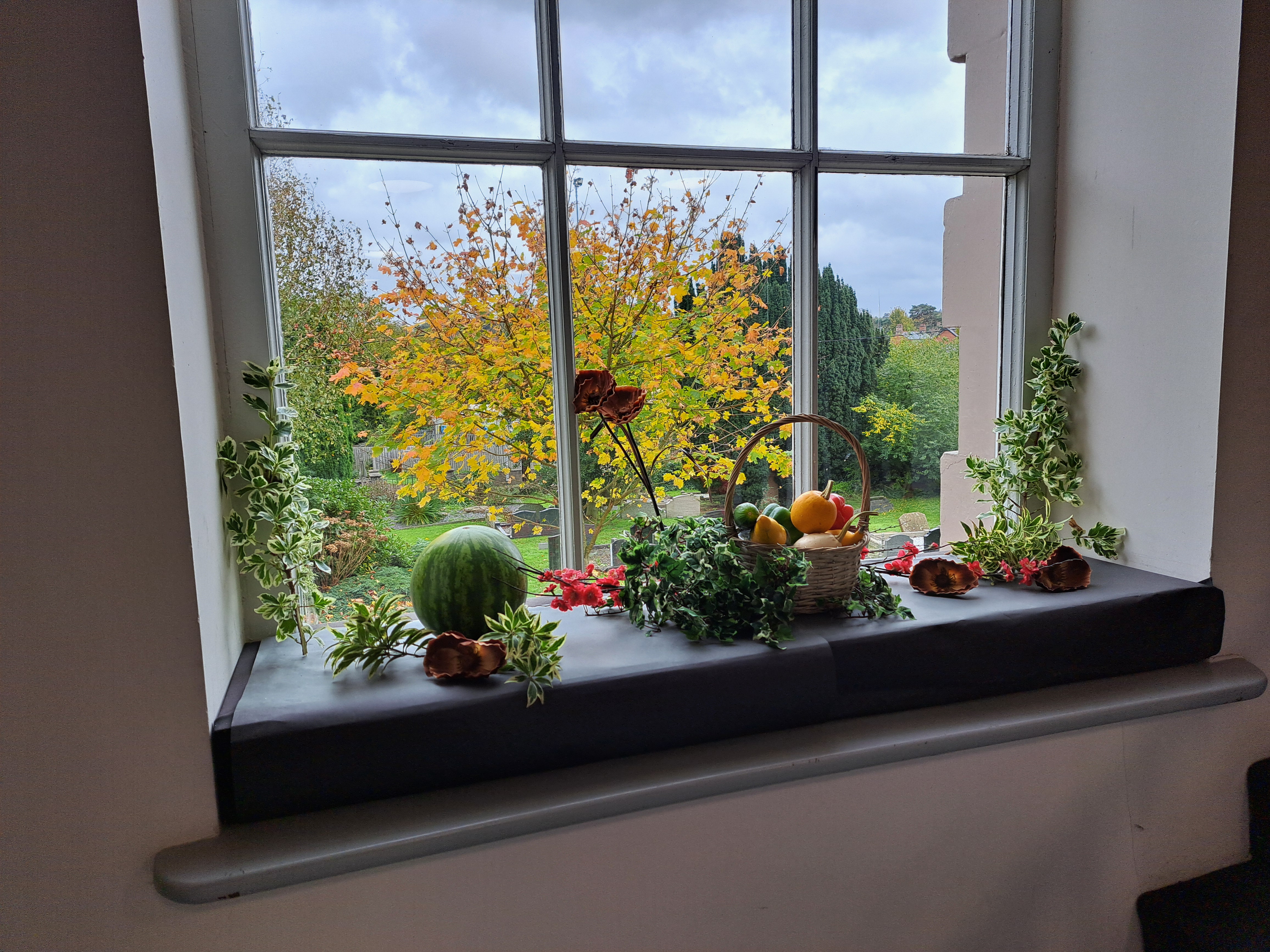
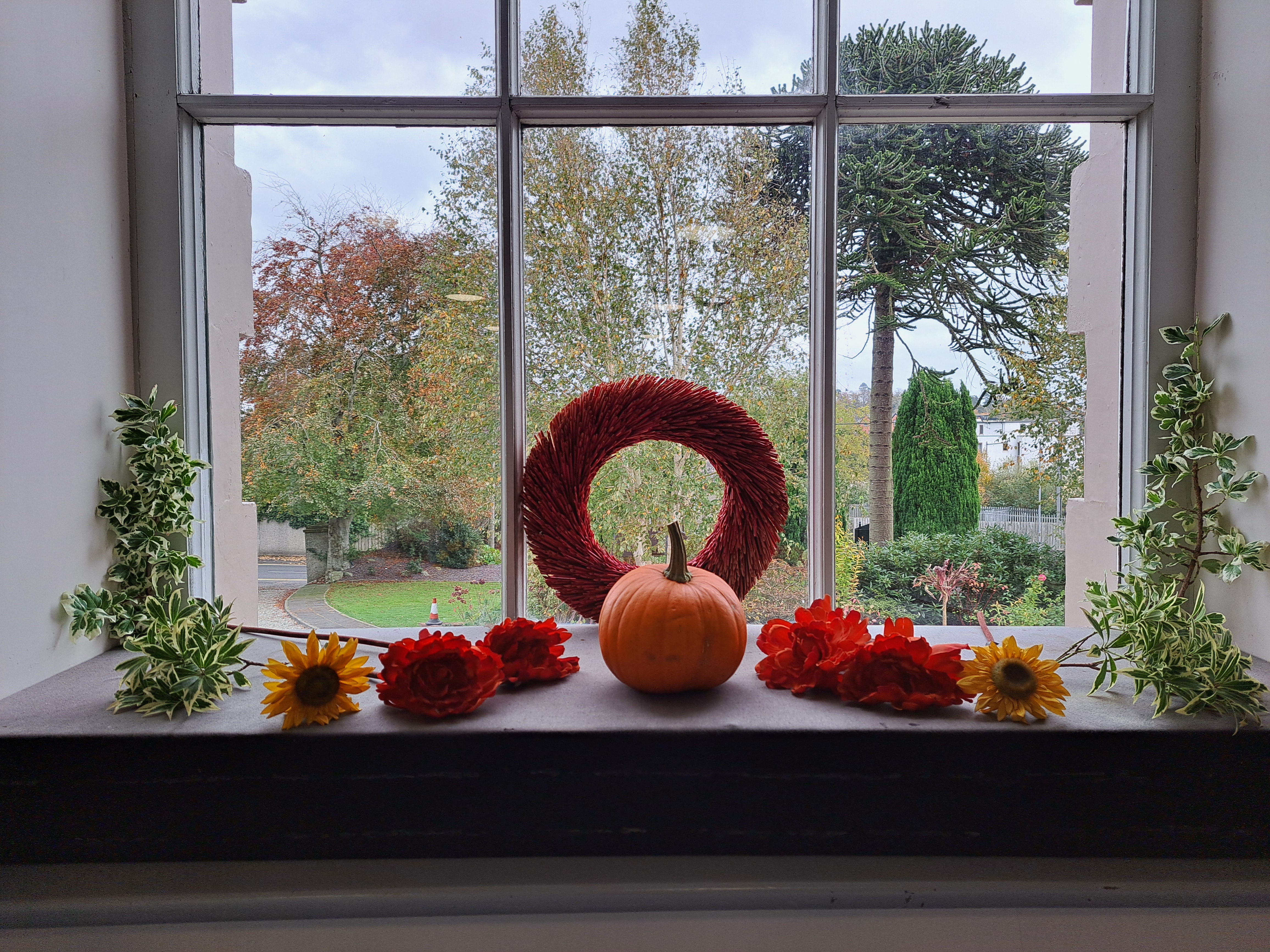
We held a wonderful service of Harvest Thanksgiving at Dunmurry on Sunday, 19th October 2025. We were particularly pleased to welcome the Quoile Area WI Choir conducted by Judith Harper with their accompanist Kathleen Gill. They sang three pieces – This Day, All things bright and beautiful(a setting by Philip Stopford), River Song, plus the vesper Go Now in Peace (arranged by I.E. Keenan), while Allen Yarr, our organist, played for the hymns and Jack Steers played Trumpet Voluntary during the collection.

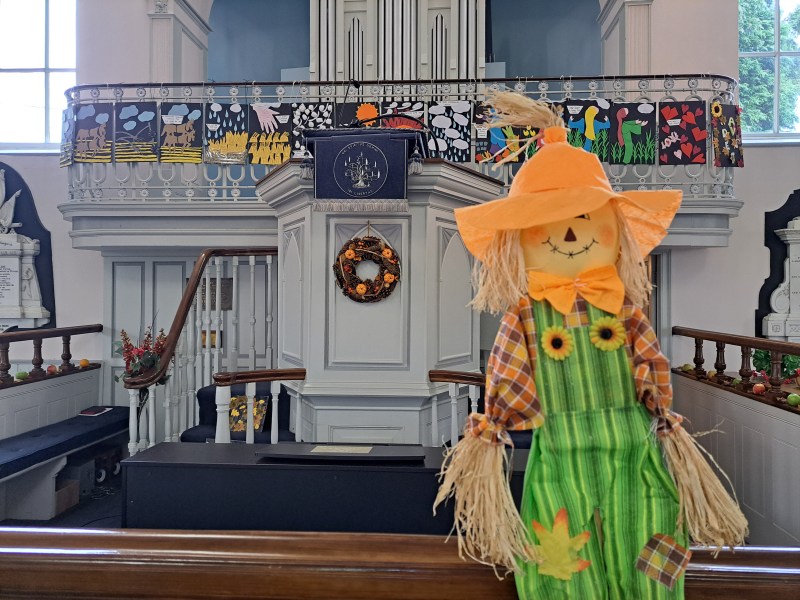
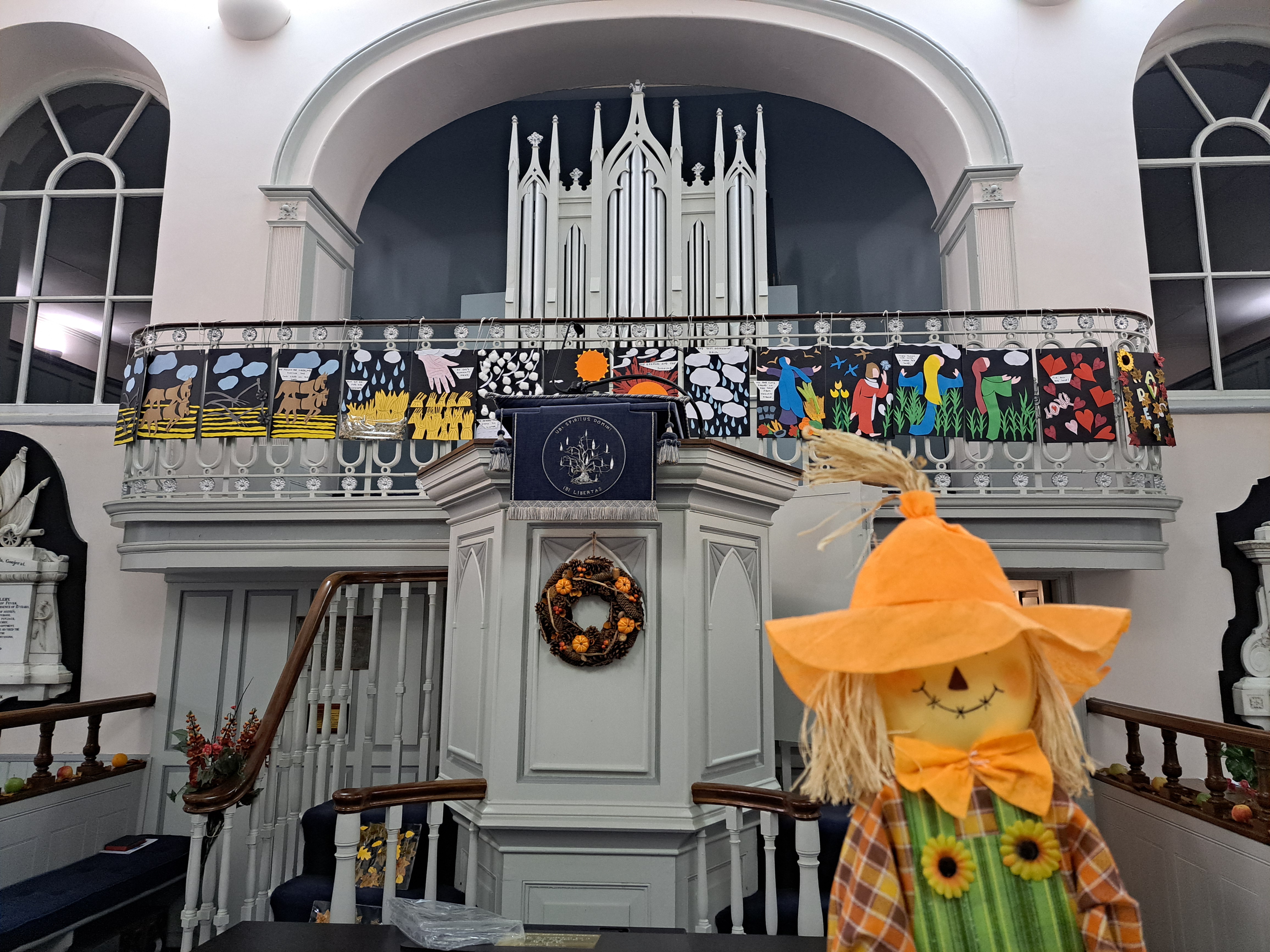
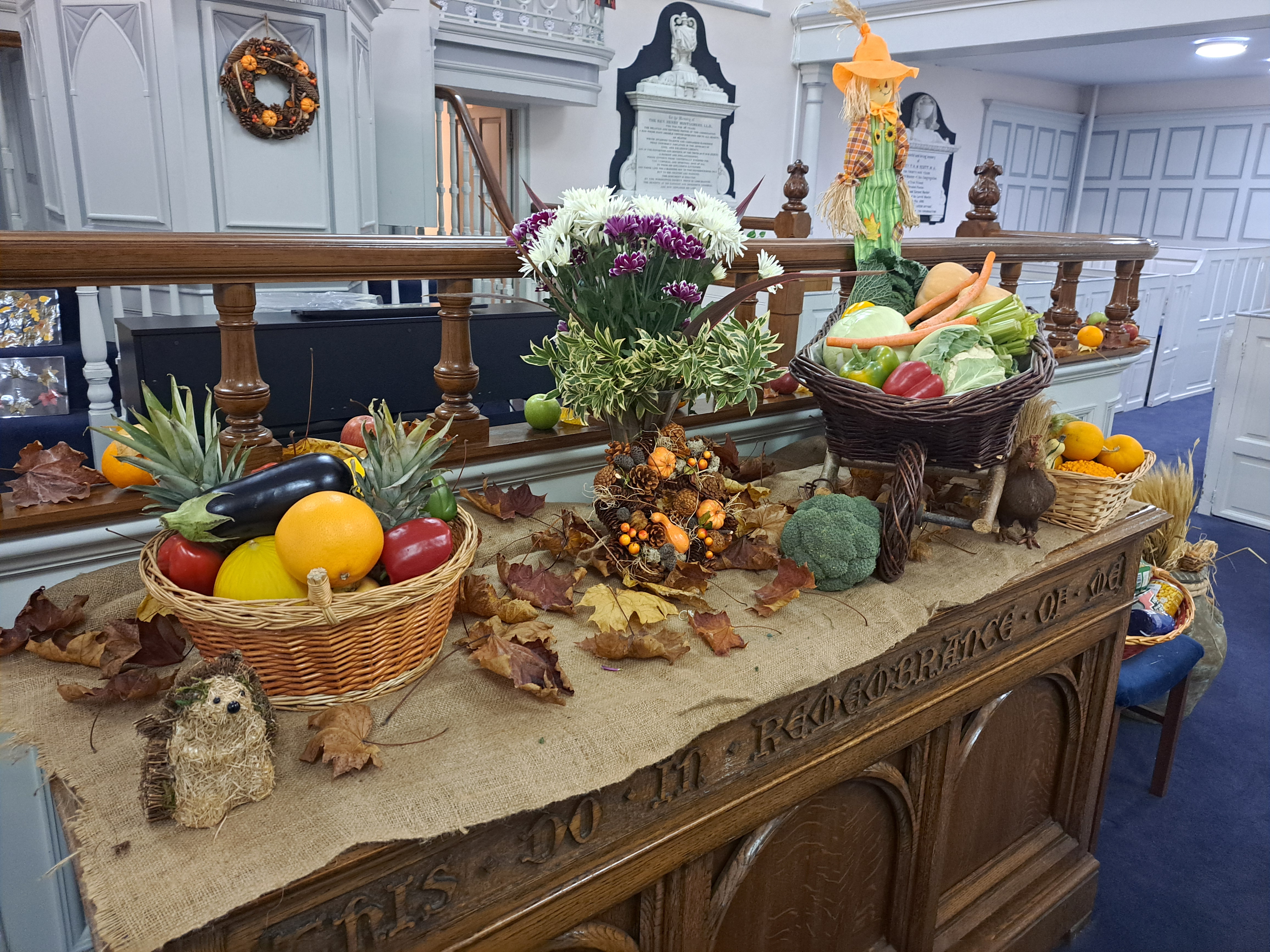
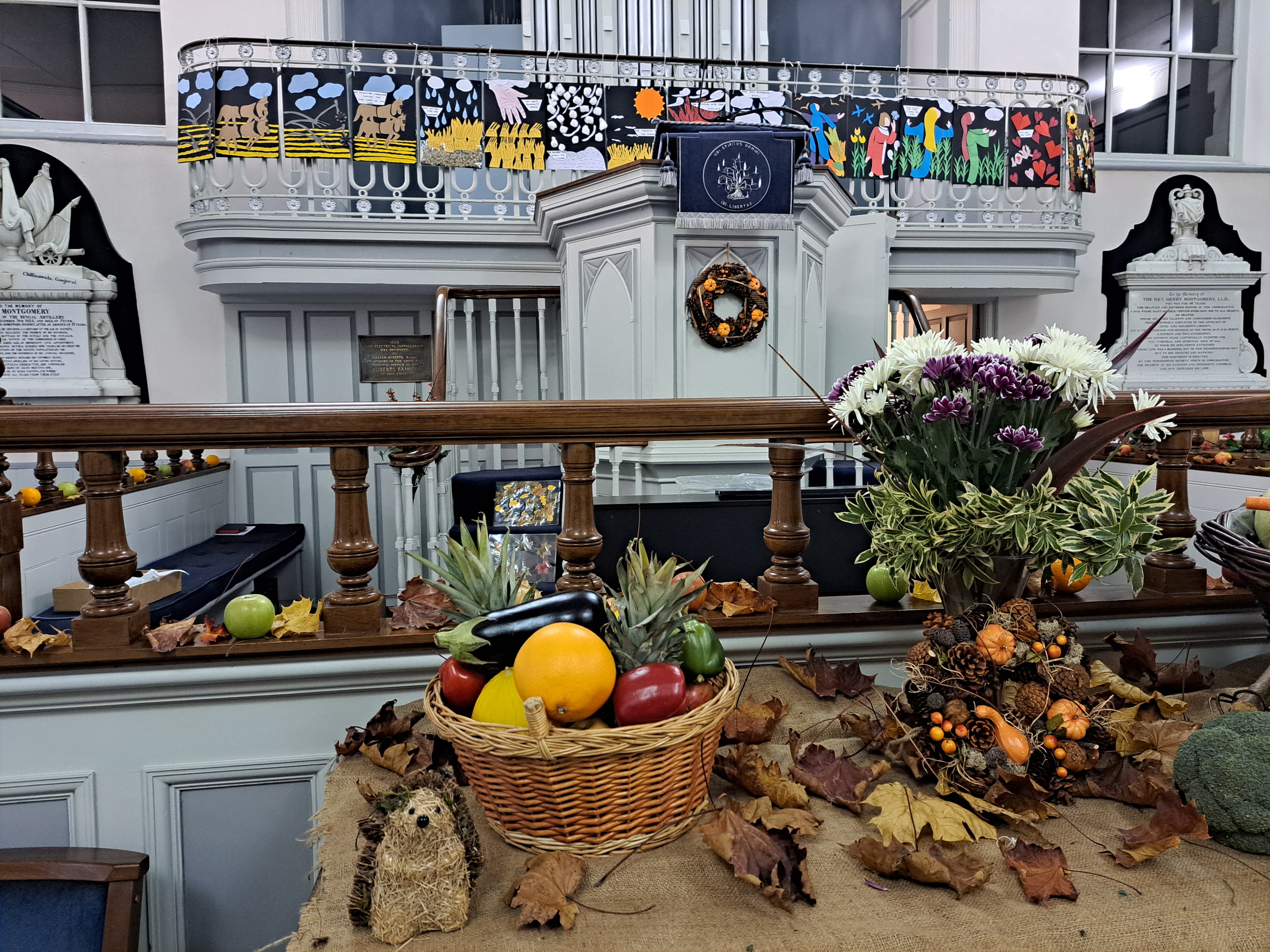
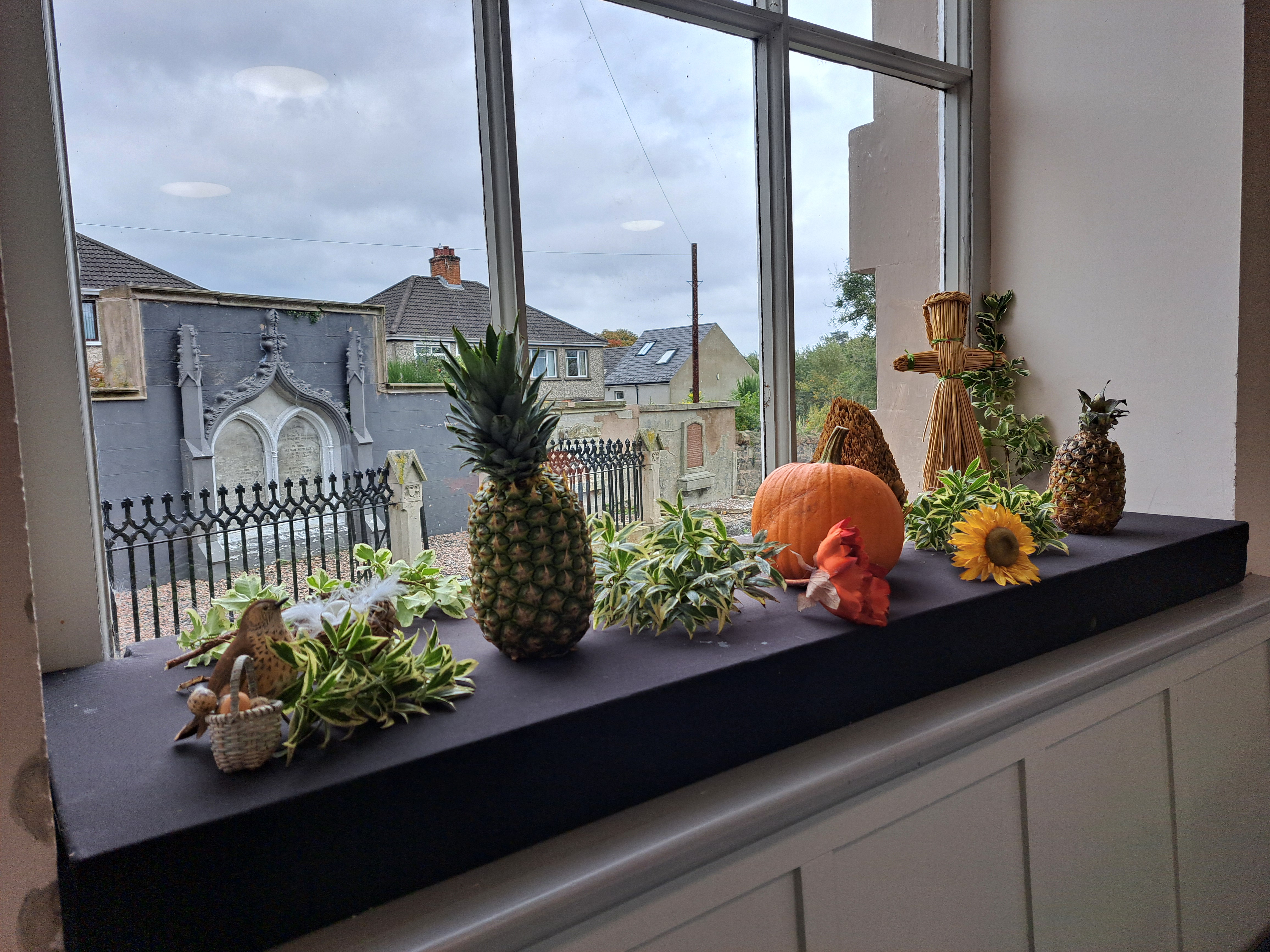
The service was led by members of the Sunday School and Youth Group with Harry opening the service with words of welcome, readings being given by Jenna, Lochlan, Erin, and Bryn, and Adele and Sue, leading us in prayer. The church was beautifully decorated throughout and the Youth Group made the frieze depicting scenes from the hymn We plough the fields and scatter (which we also sang) which adorned the rail above the pulpit.

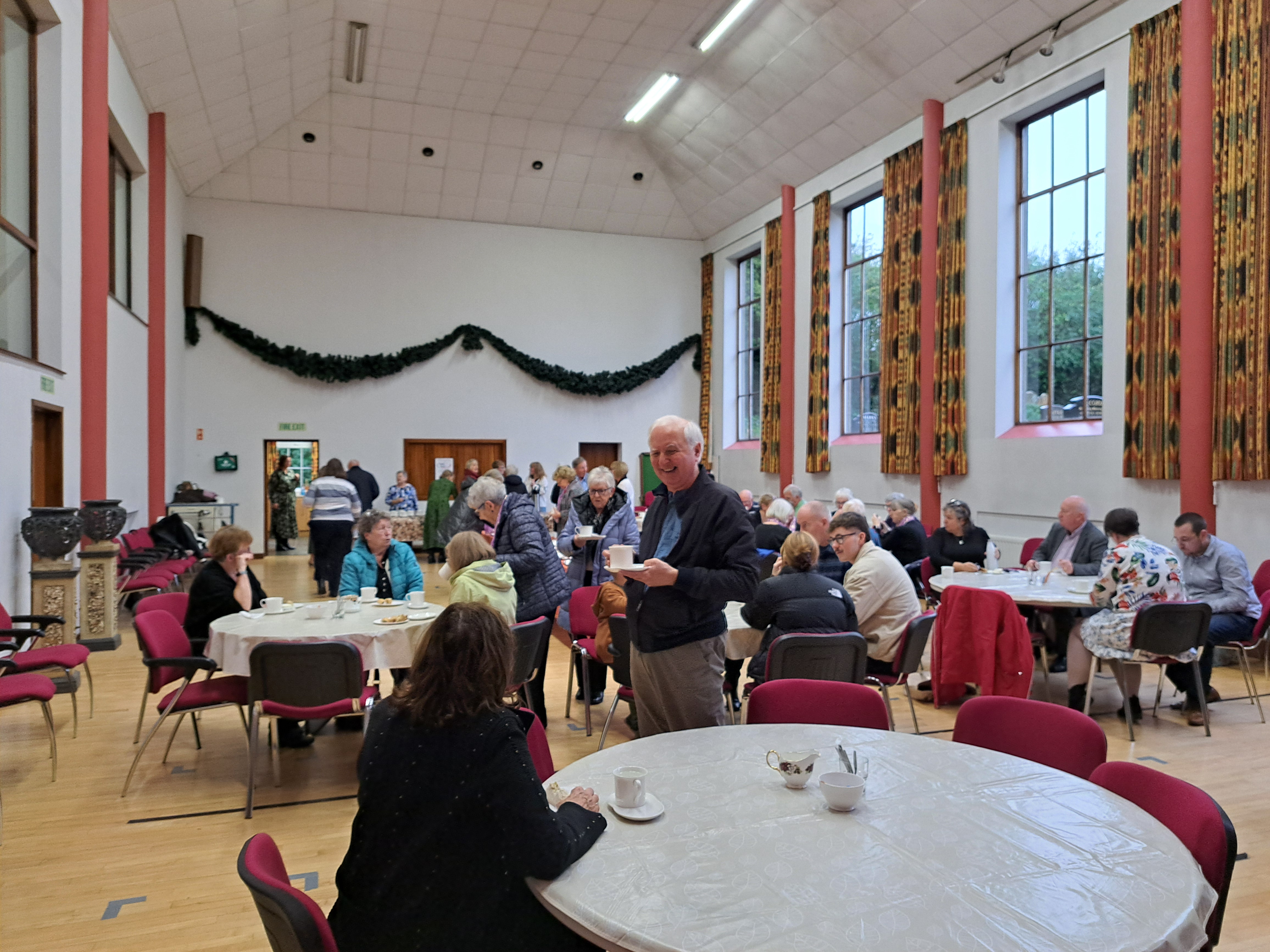
Following the service we had refreshments and a time of fellowship in the Hall, with many people coming back for that.

On the following Monday members of the congregation distributed the all the produce which had been donated to  L’Arche Village, Belfast.

Postcards from Finaghy – and the Moore family of Finaghy and Dunmurry

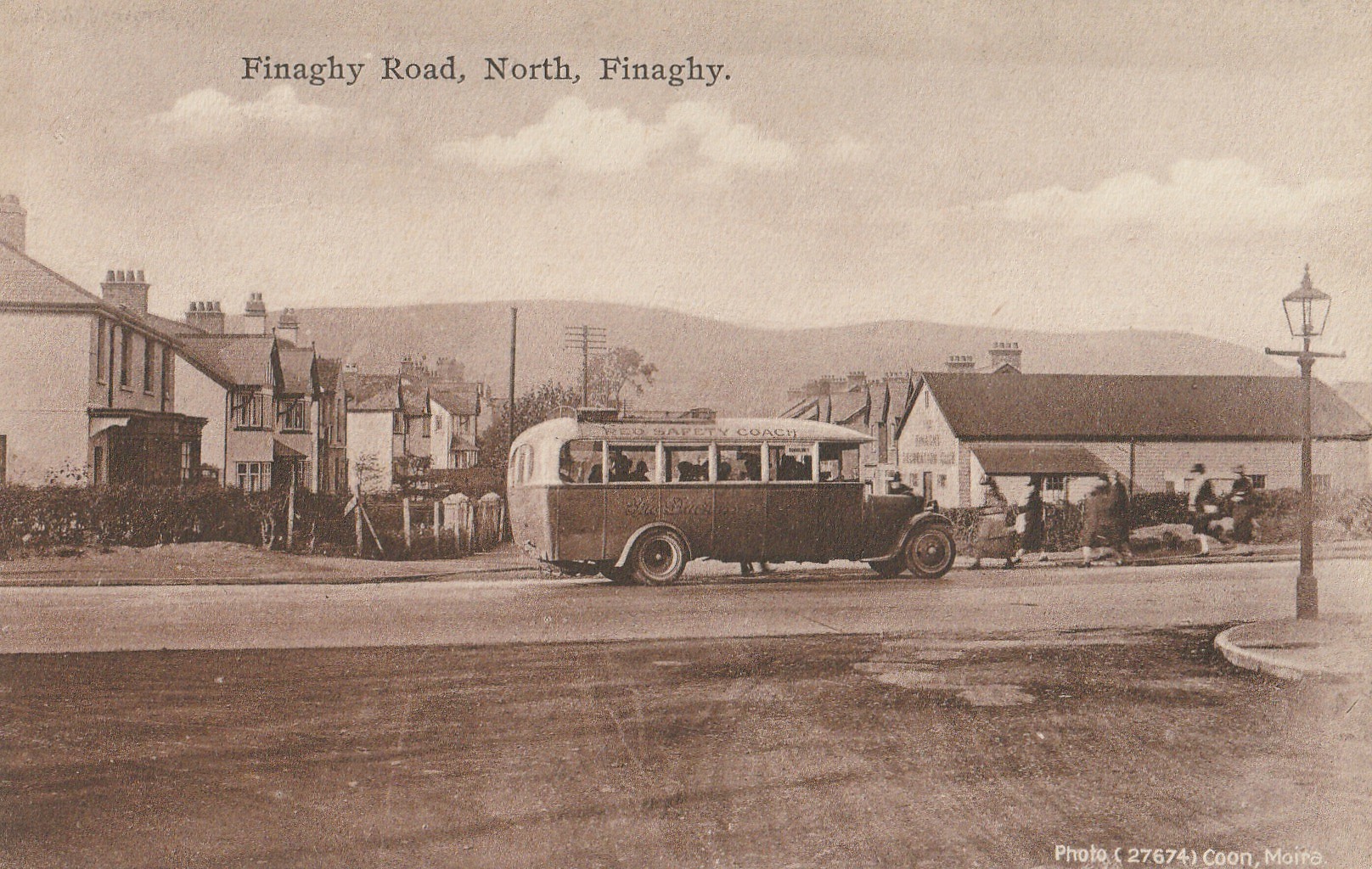
Following our postcard views of Dunmurry in the 1930s I thought I would post some postcards from a place a short distance away; pictures of Finaghy, which probably date from a few years before, and which we know were taken by Allen Daniel Coon of Letterkenny and Moira.

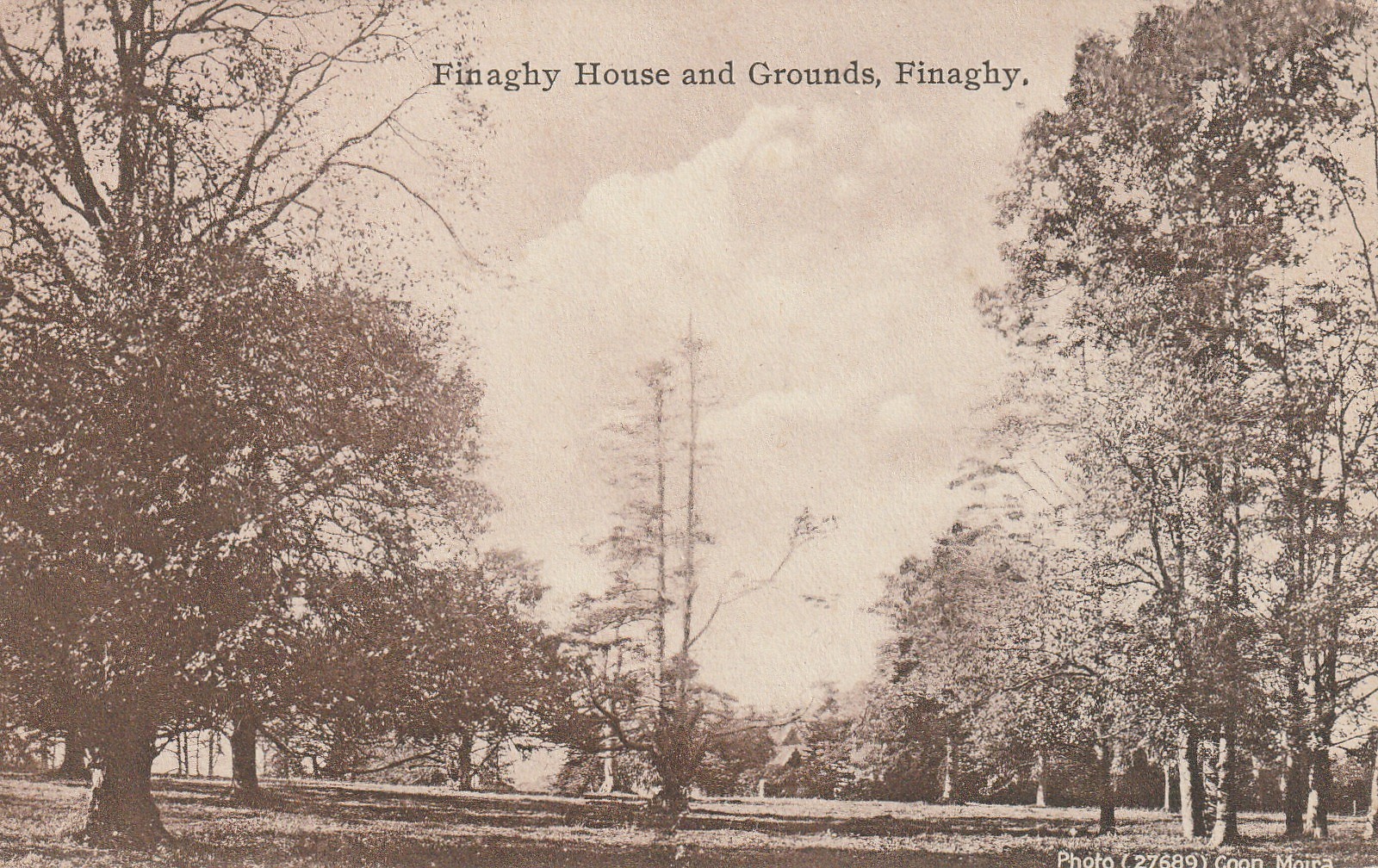
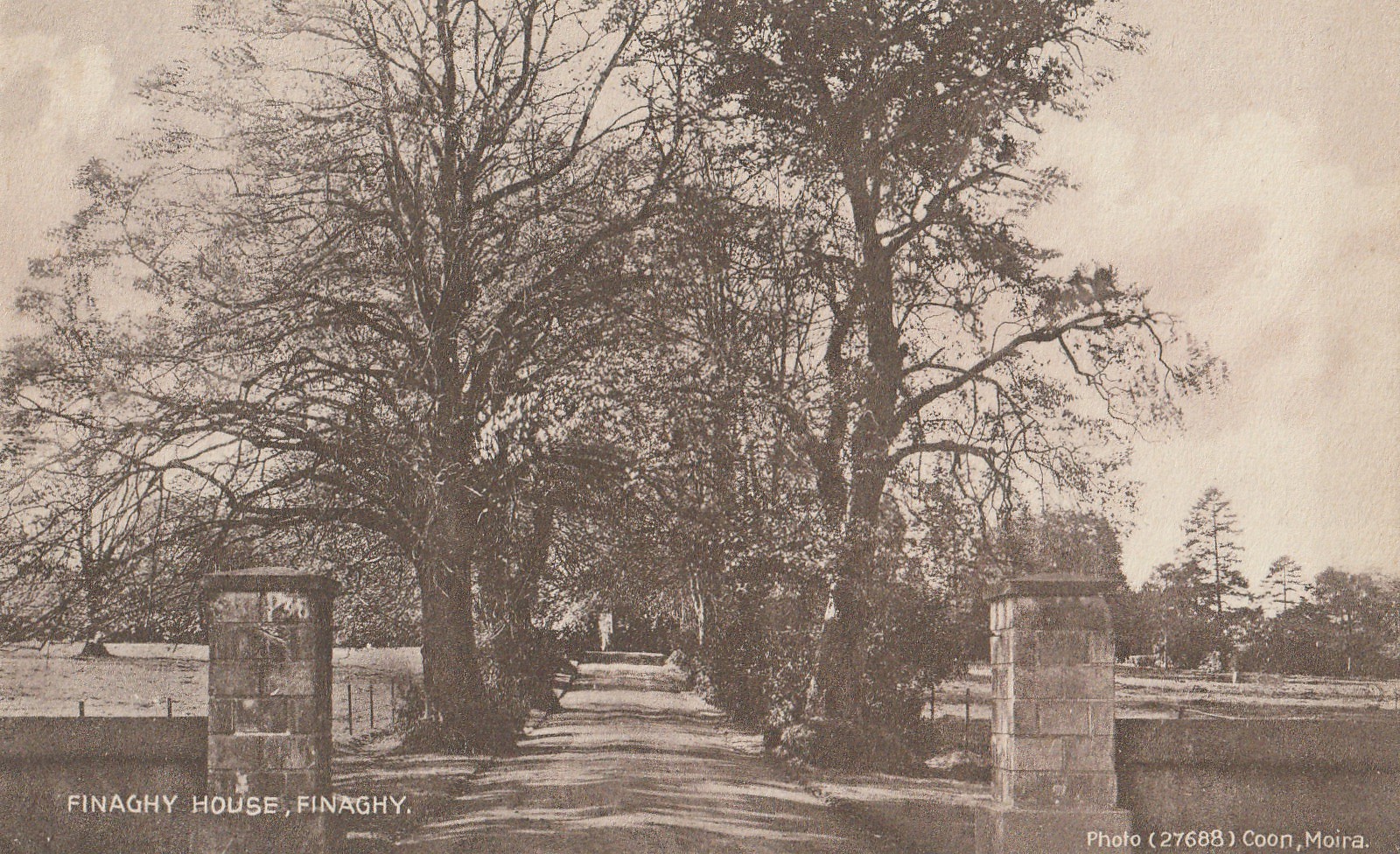
The numbering system on the four cards is believed to point to a date in 1927 for their production. According to the excellent catalogue of Allen Coon’s cards produced by Brian Hamilton in 2016 there were five cards published in this series for W.J. Ross of Finaghy Stores but I only have four of them. These four images are quite common but I have to admit that I have never seen an example of the fifth card which is named as ‘Finaghy Road South looking North’.

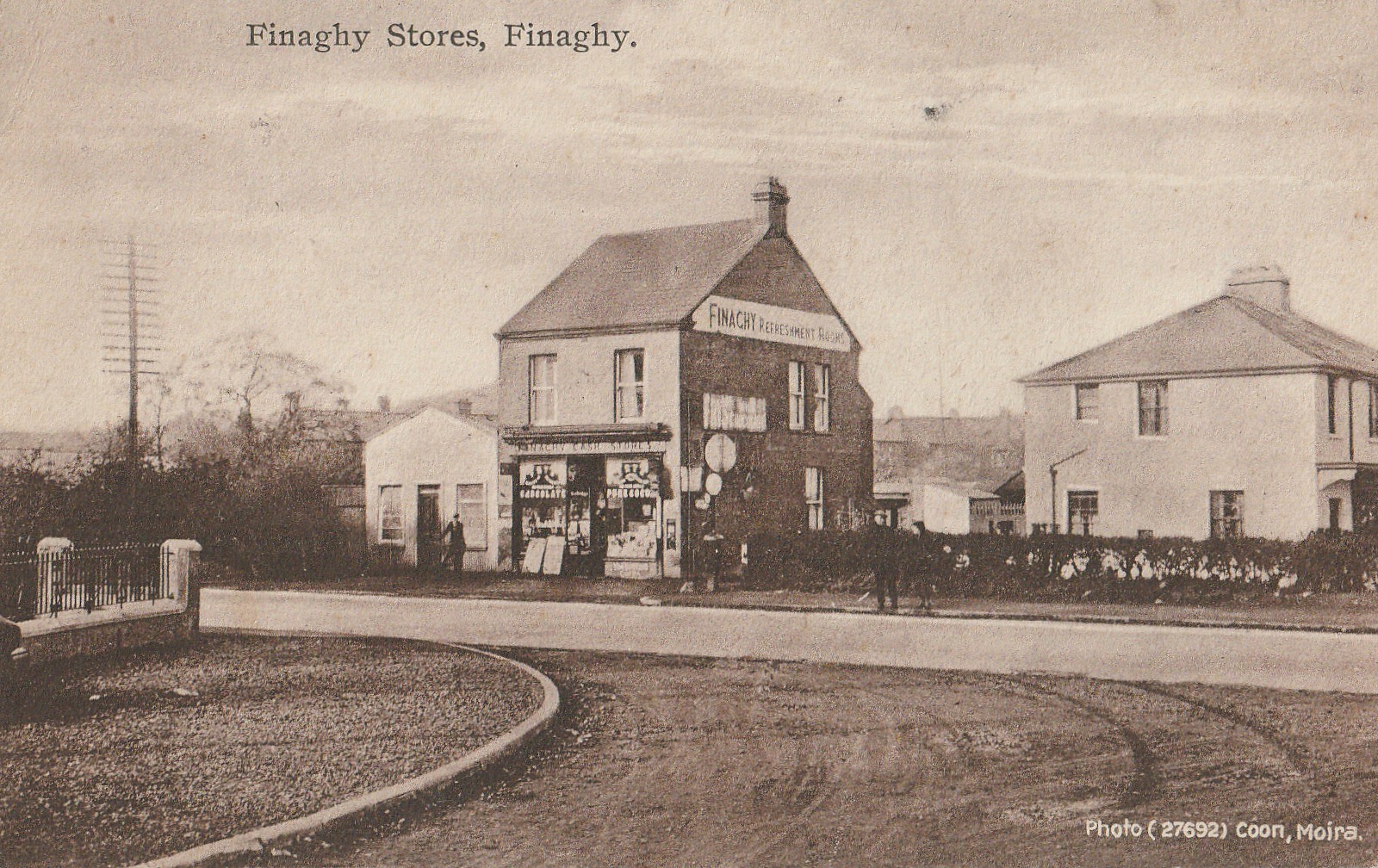
Finaghy Stores, Finaghy

The ‘Finaghy Stores’ postcard shows a solitary shop, that of W.J. Ross’s Cash Stores and Refreshment Rooms. It stands out very prominently in those days, but later had another shop joined to it and was surrounded by a number of other shops, including a couple of banks. The shop was well known to me in more recent times when it belonged to John Frazer, an active member of All Souls’ Church when I was minister there.

Finaghy Road, North, Finaghy

The postcard ‘Finaghy Road, North, Finaghy’ looks across the crossroads to Finaghy Road North and dates from a time when there was so little traffic that a bus could stop in the middle of the road to pick up passengers to be taken into town. This view has essentially not changed except for the addition of shops on one side and what was a bank on the other side of the road.

The other two postcards are a little more curious. Named as ‘Finaghy House’ and ‘Finaghy House and Grounds’, they could more accurately be titled ‘Finaghy House gateposts’ and ‘Finaghy House Grounds’ since neither card features any more than the merest suggestion of Finaghy House.

Finaghy House and Grounds

This is a pity really because Finaghy House will have been a major landmark at the time. Lord Belmont in Northern Ireland tells us all about Finaghy House in his excellent blog which you can read here. He tells us that the original house was built by Richard Woods at the end of the seventeenth century but was sold to the Charley family, a prominent linen family in 1727. Lord Belmont quotes the 1830 Ordnance Survey Memoirs as saying ‘the walls are nearly four feet thick and run together by grouted lime, similar to other ancient buildings.’ A descendant of the family said it was ‘an imposing mansion in a large park, with extensive outhouses and stables … a remarkable feature [of the interior] being a revolving fireplace between the drawing-room and the dining-room.’ The Charley family sold the house to a family named Brewis who, it is said, bred corgis, one of which had the distinction of being the first corgi owned by Queen Elizabeth, The Queen Mother.

In about 1890 Finaghy House was sold to James Moore and this is where a connection can be found with the Non-Subscribing Presbyterian Church of Ireland. James Moore was a direct descendant of Rev Henry Montgomery and the family were all members of our church at Dunmurry. In the 1901 Census he is listed as a Manufacturing Stationer living with his wife, Maria Lydia, who had been born in New Orleans. They and their three children (Harold Montgomery, Kenneth Montgomery and Sybil) all give their religion as Unitarian. As well as the five family members there are three servants listed as resident in the house. Harold and Kenneth are respectively stationer’s assistant and stationer’s apprentice to their father in 1901, Sybil is still at school. By the 1911 Census the three children are no longer living at home although there are still three (different) servants; a parlour maid, a cook and a housemaid.

Finaghy House by A.D. Coon

By 1911 James Moore was a JP in County Antrim. In the First World War Kenneth Montgomery Moore was commissioned into the 11th Battalion Royal Irish Rifles and was awarded the Military Cross. He returned home safely at the end of the war and his name is listed in the First World War Roll of Honour of the Non-Subscribing Presbyterian Church of Ireland  (published 2018).

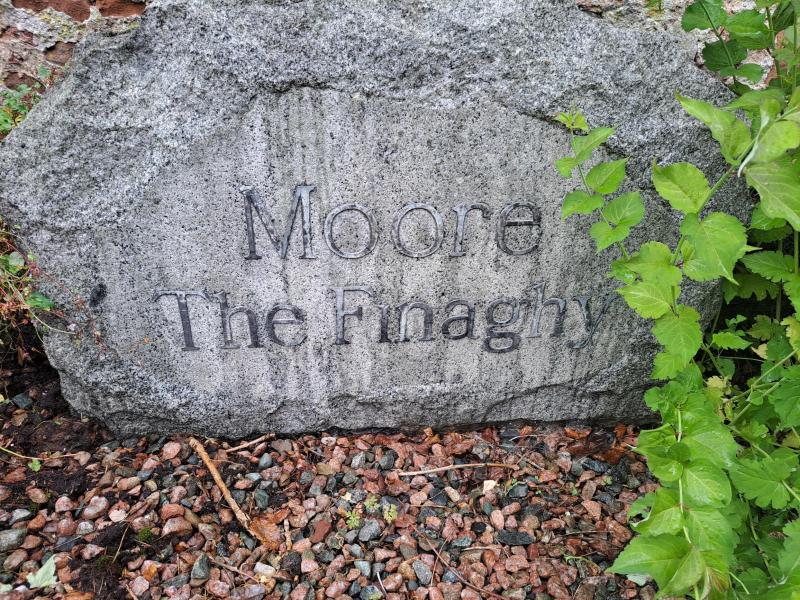
The Moore family burial ground can be found in their church, the First Presbyterian (NS) Church, Dunmurry. Marked simply as ‘Moore, The Finaghy’ it can be seen at the top of this page.

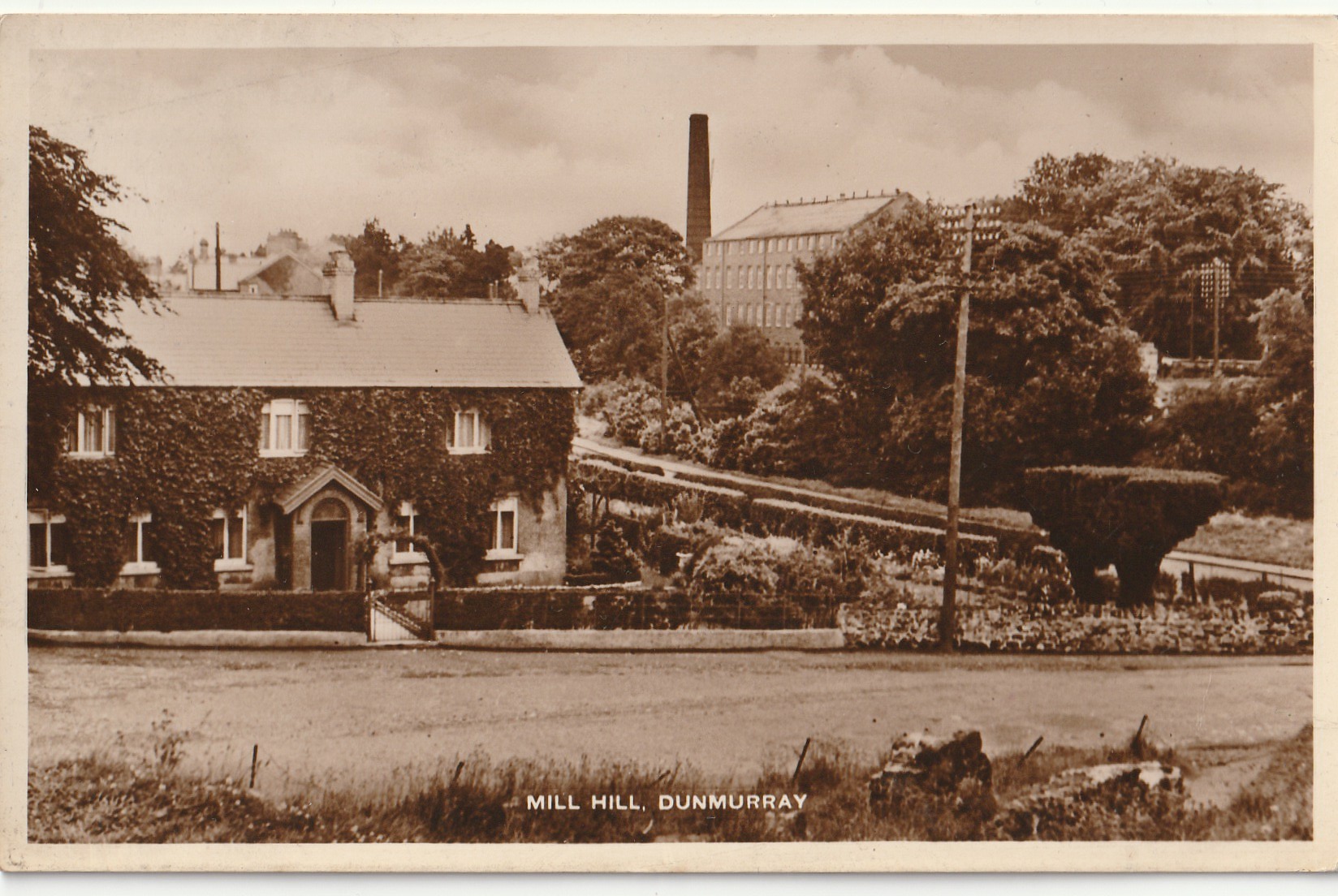
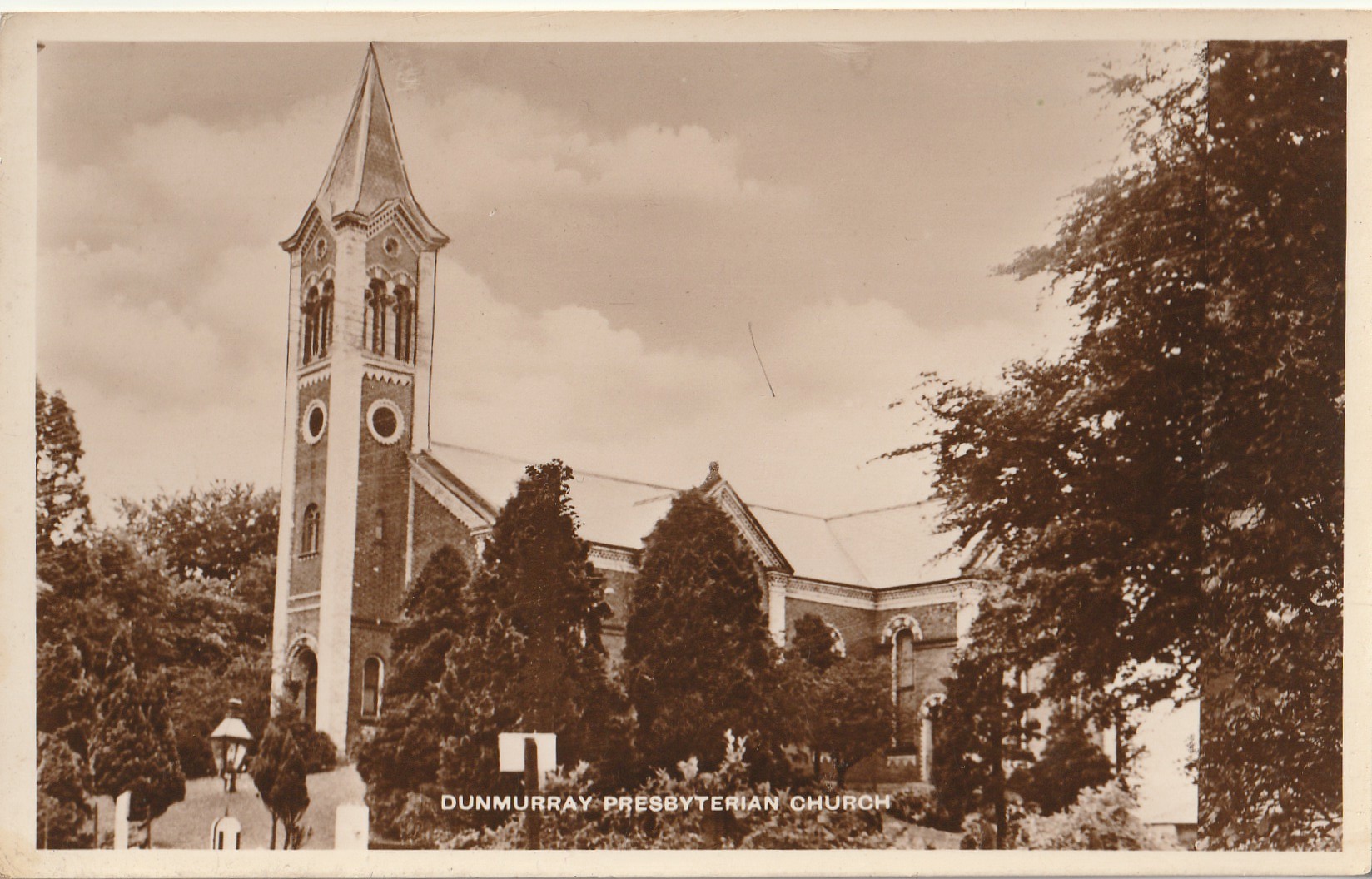
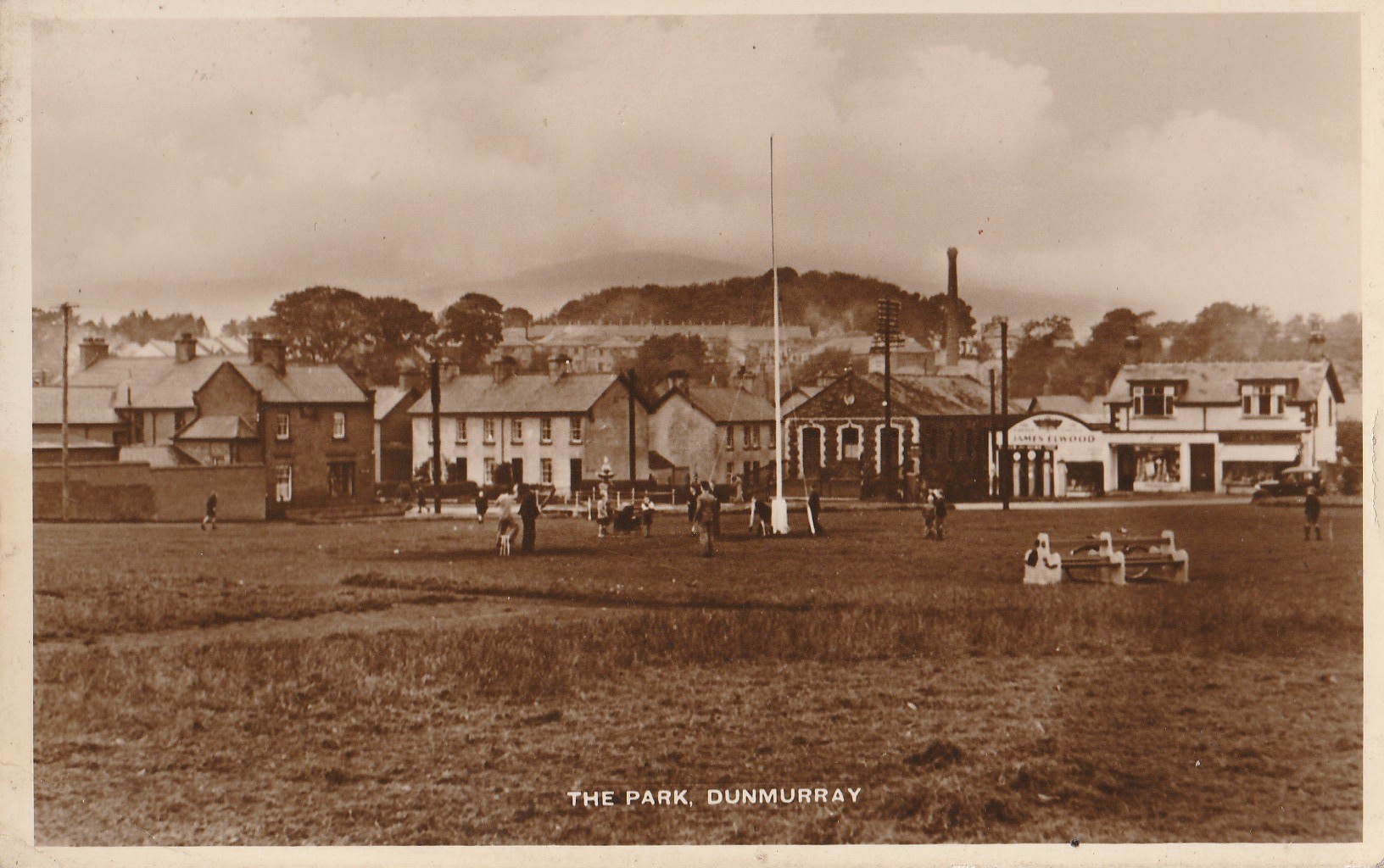
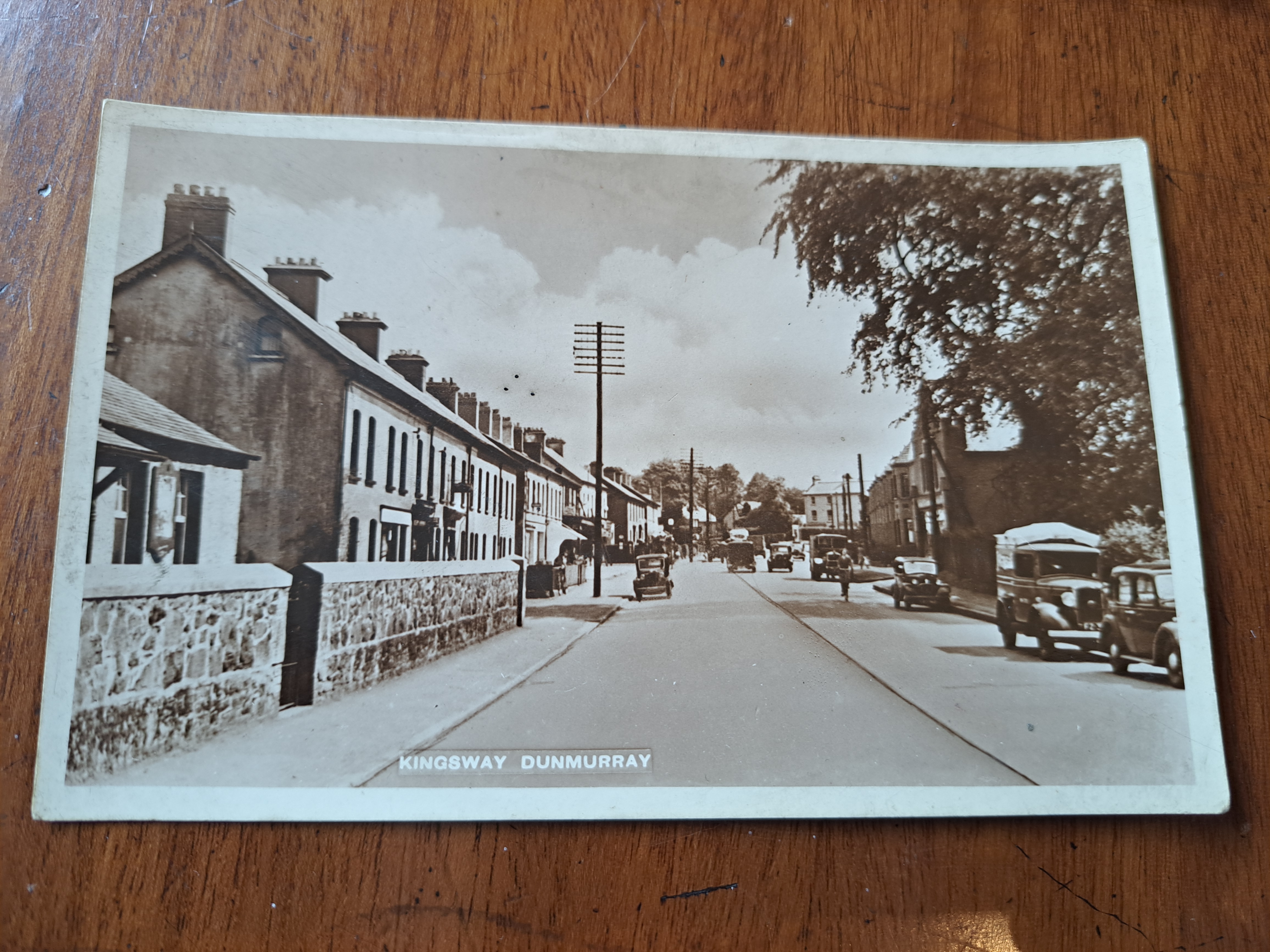
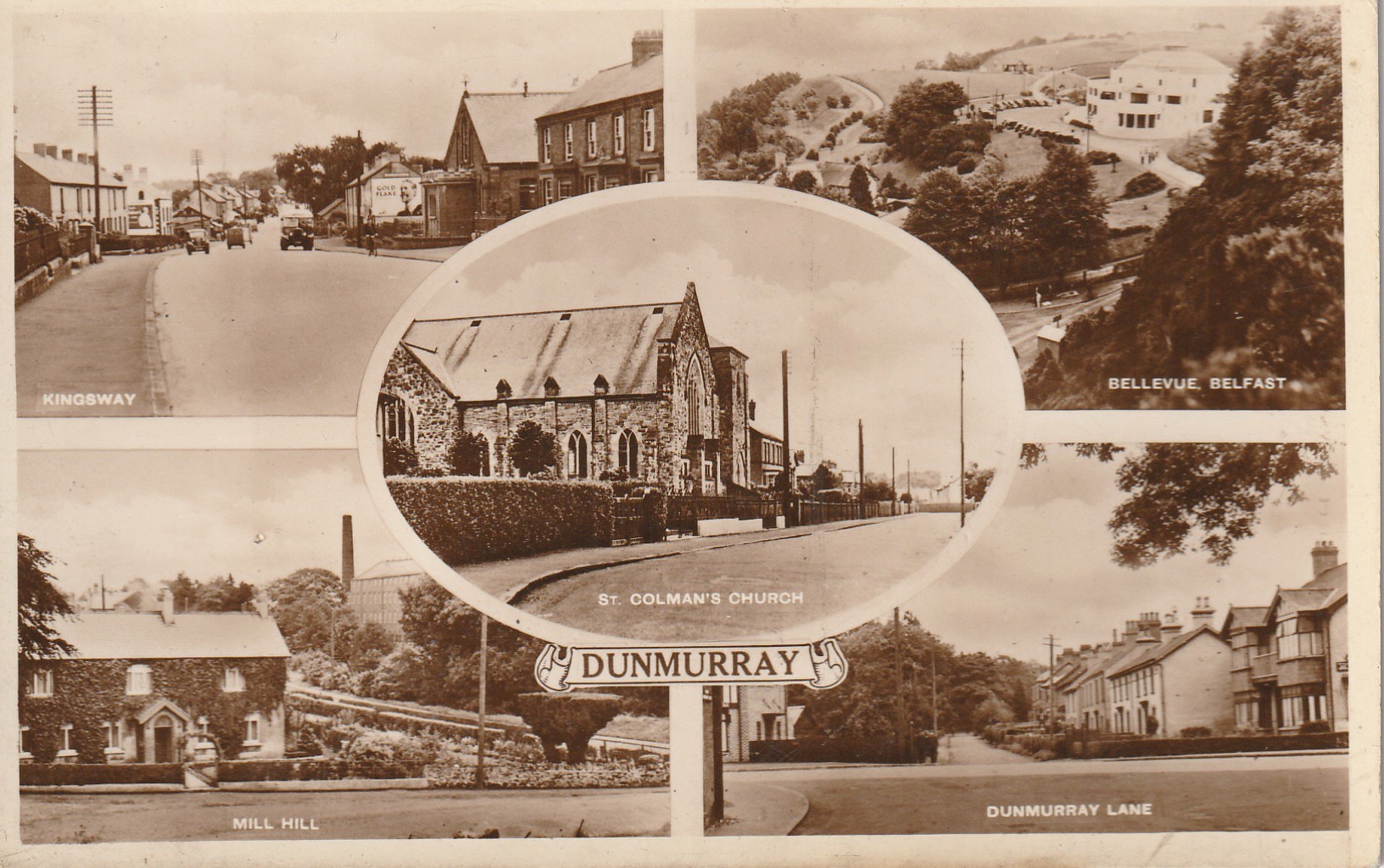
Dunmurry Postcards

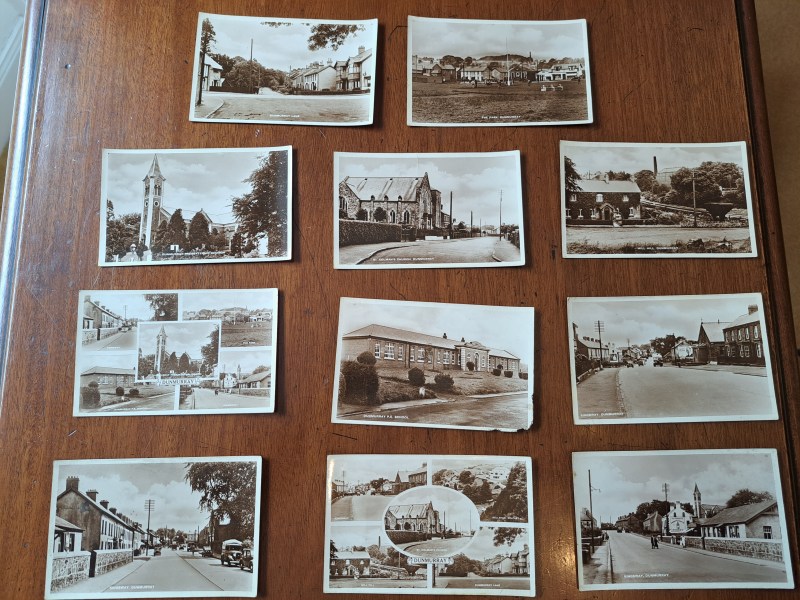
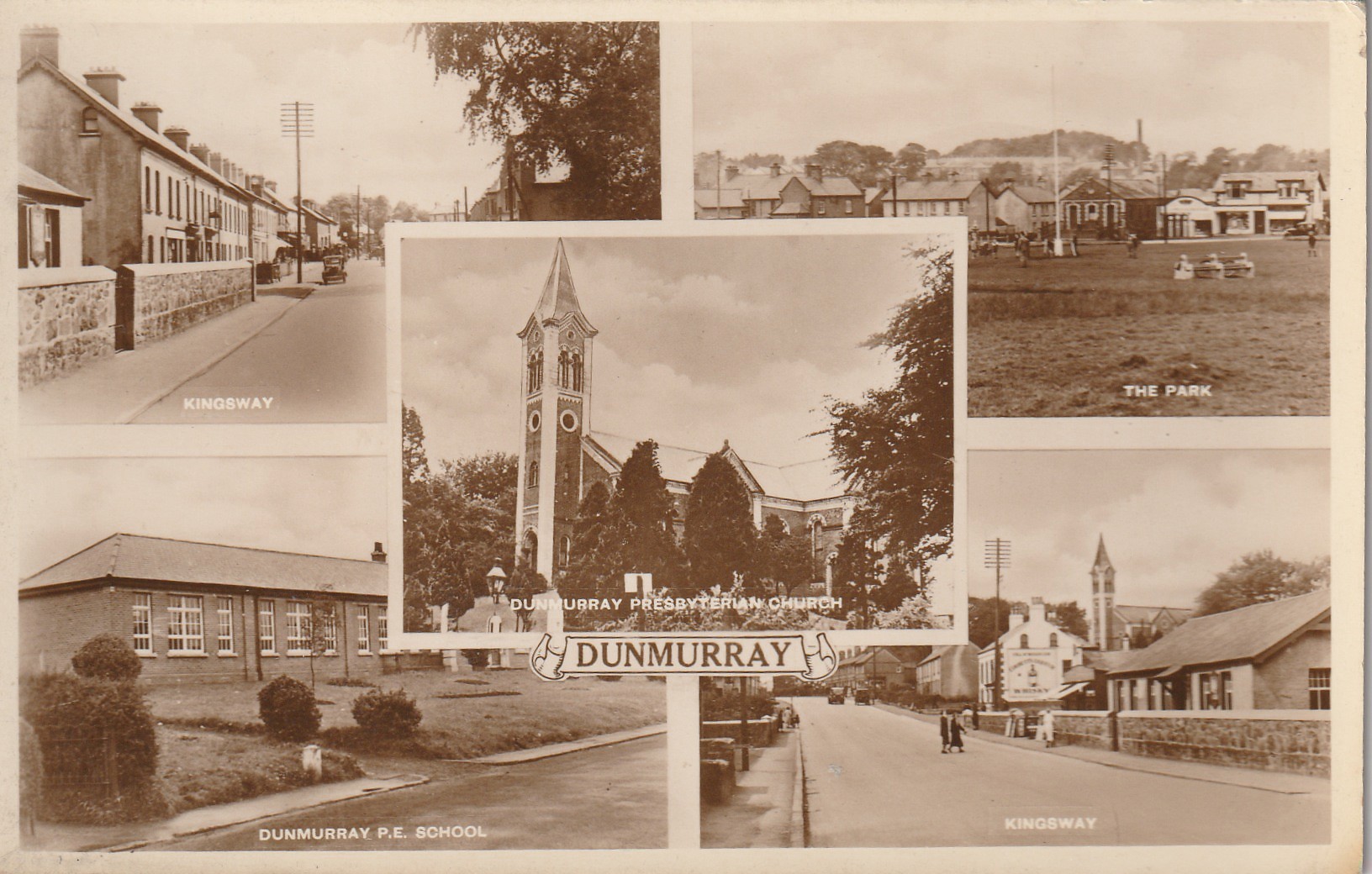
We have a good collection of postcards of Dunmurry in our Library at First Dunmurry (Non-Subscribing) Presbyterian Church. The following video tells their story:

Here are the postcards:

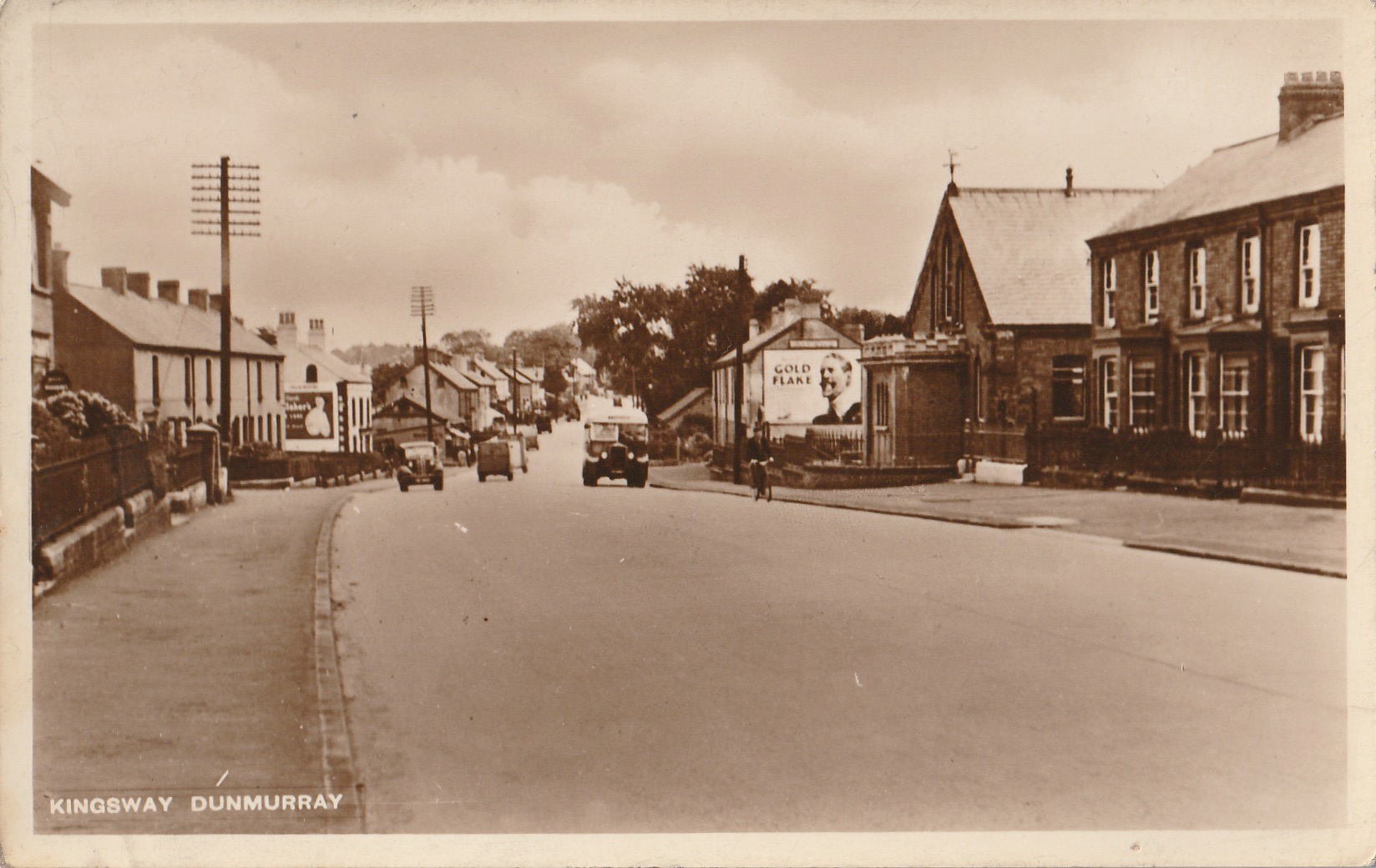
Kingsway 1
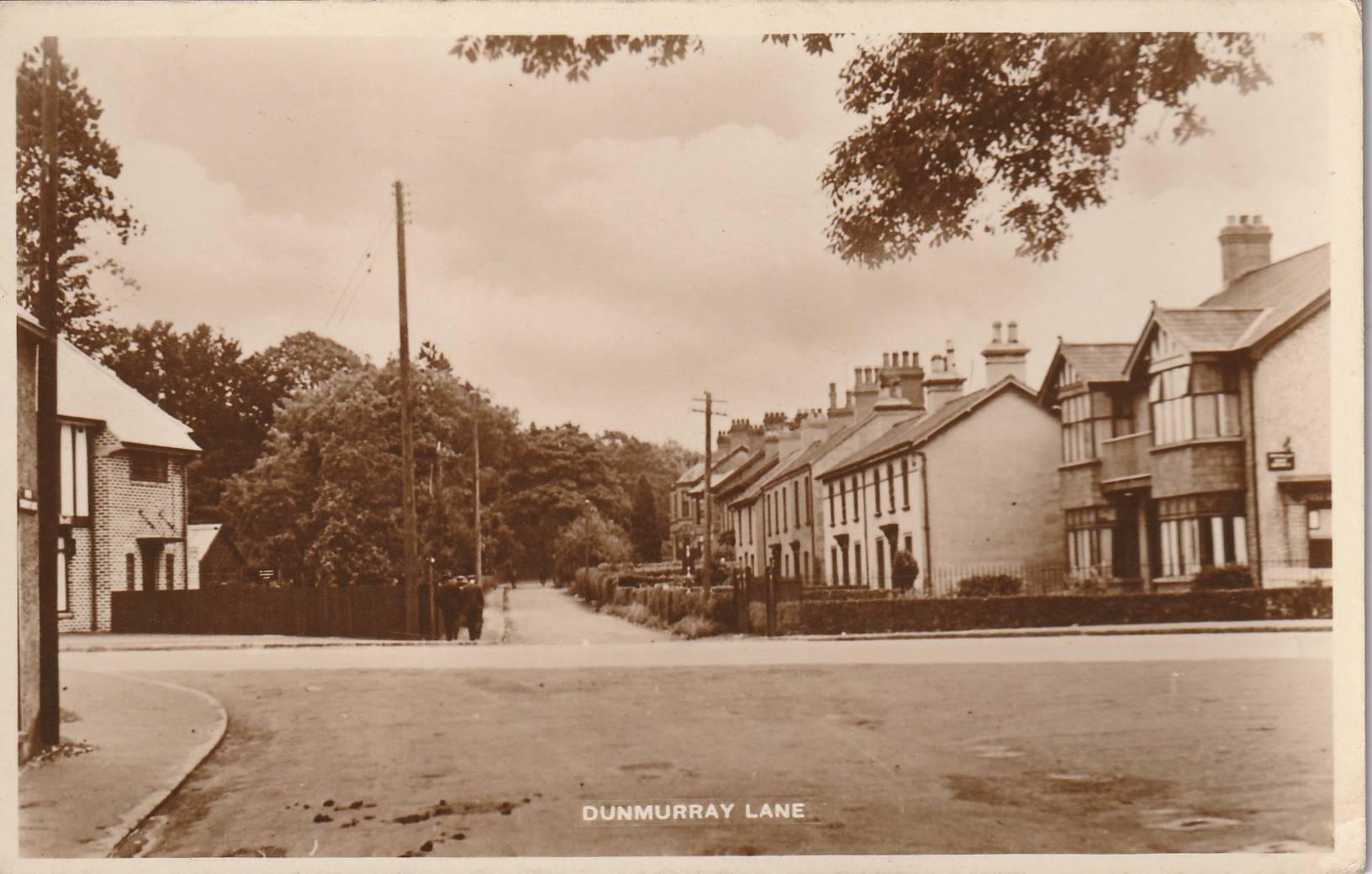
Dunmurry Lane
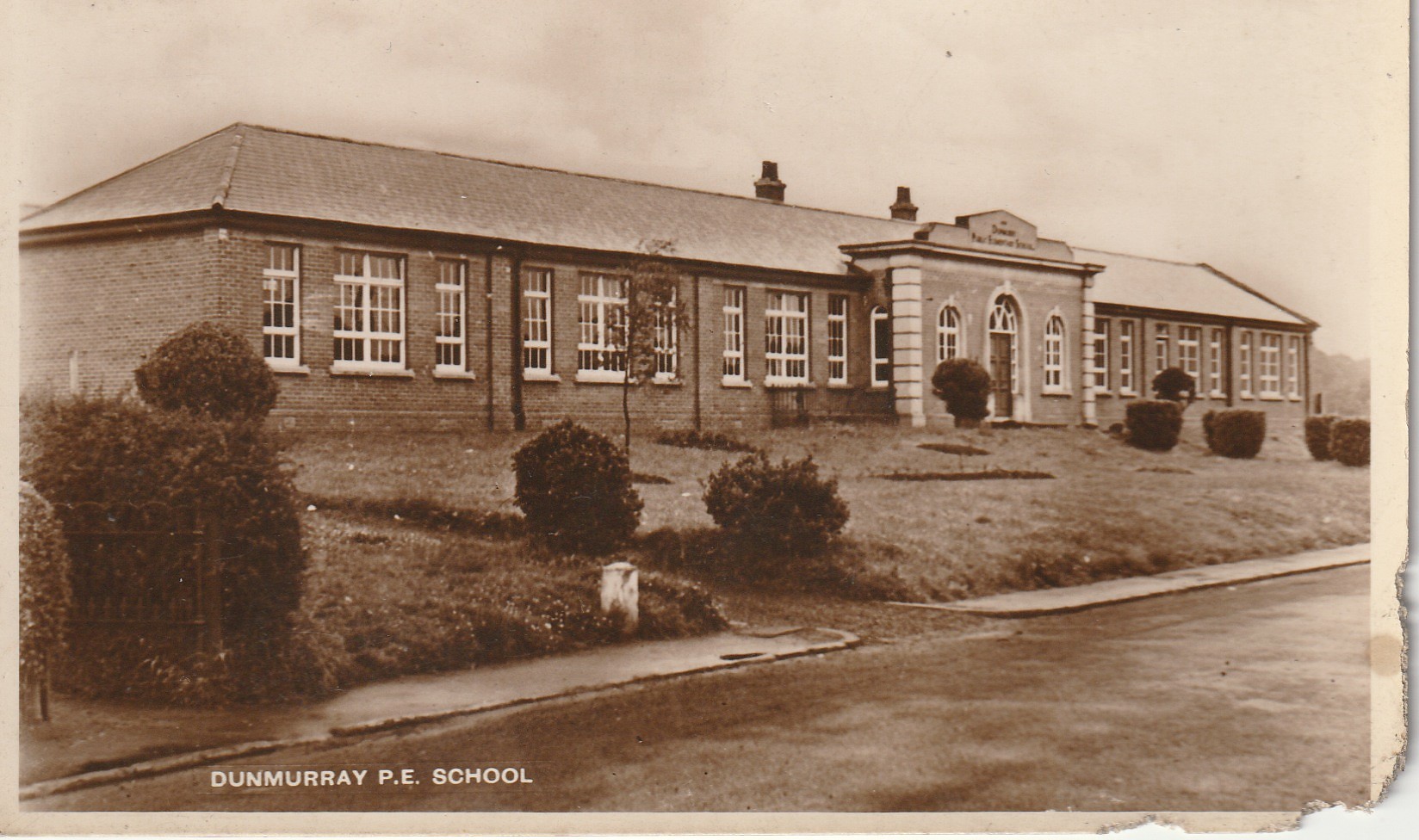
Dunmurry Primary School
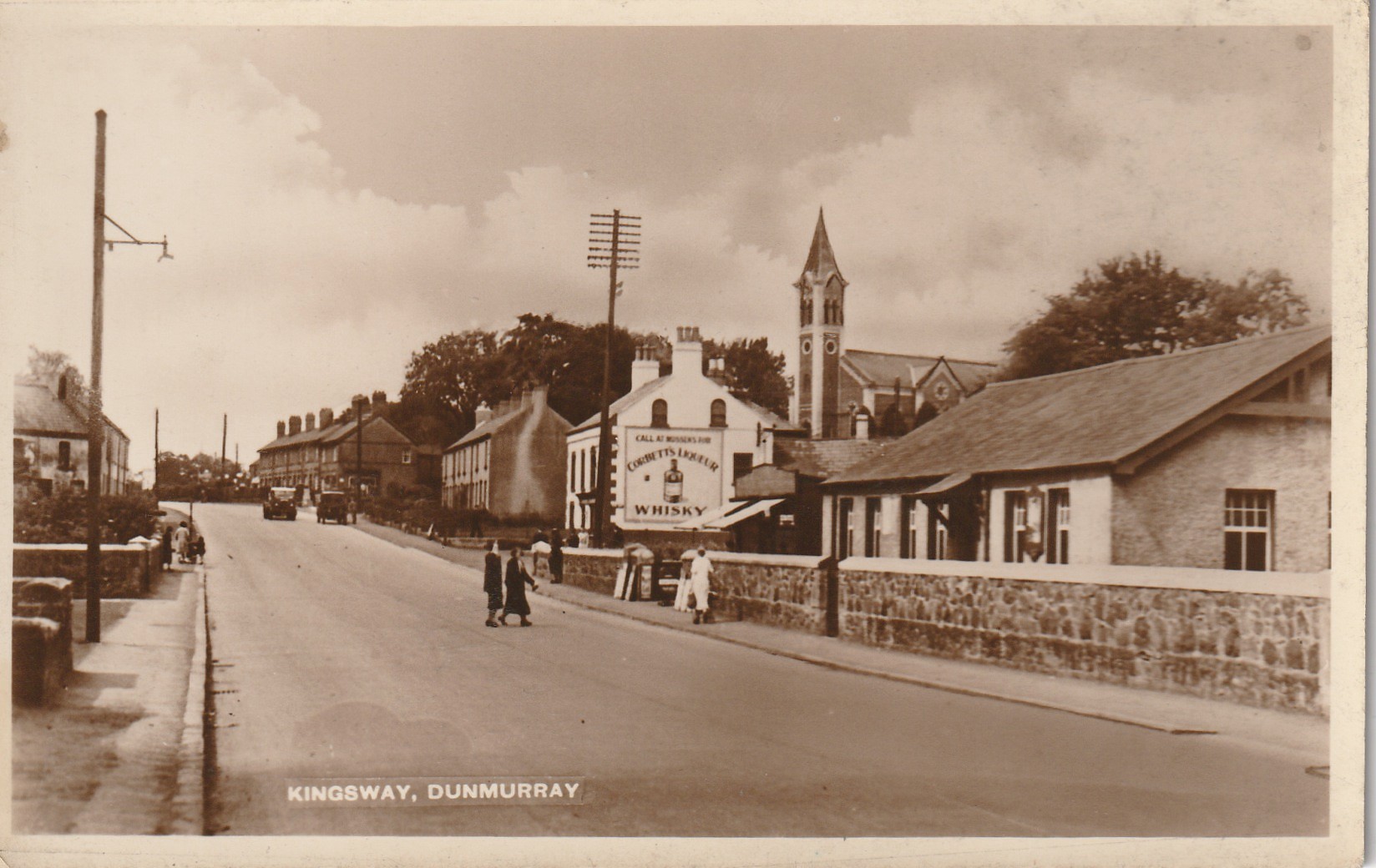
Kingsway 2
Multi-view 1
Mill Hill
Presbyterian Church
Multi-view 2
The Park
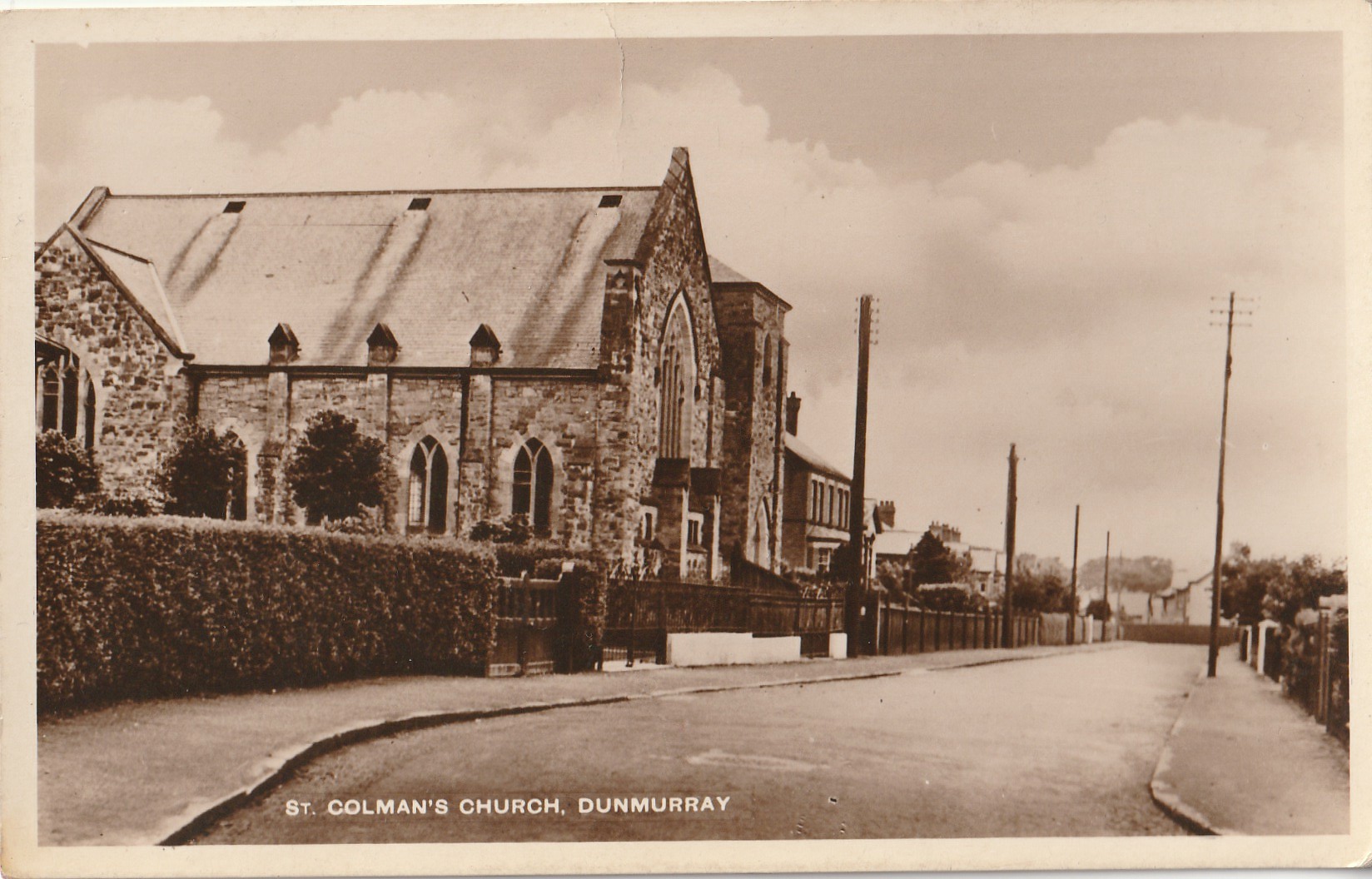
St Colman’s
Kingsway 3

All published by W. McCartney, Stationer, Newsagent & Tobacconist, Dunmurry. All with the unusual spelling of ‘Dunmurray’ on the front and back of each card!

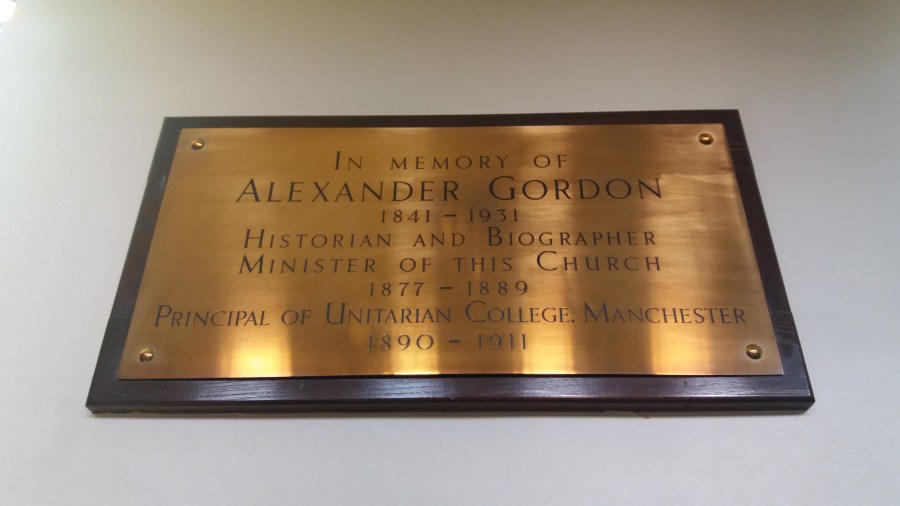
Alexander Gordon (1841 – 1931)

Historian, Biographer, Minister of First Church, Belfast. ‘An Englishman by birth, a Scotsman by education and an Irishman by inclination’.

On Thursday, 22nd May, 2025, we had an illustrated talk in First Dunmurry (NS) Presbyterian Church about the great historian Alexander Gordon.

Talk at Dunmurry by Rev Dr David Steers

A distinguished minister in England and Ireland, he served at Aberdeen; Hope Street, Liverpool; Norwich and at First Church, Belfast, before becoming Principal of the Unitarian Home Missionary College, Manchester and a lecturer in Ecclesiastical History in the first Free Faculty of Theology in the British Isles.

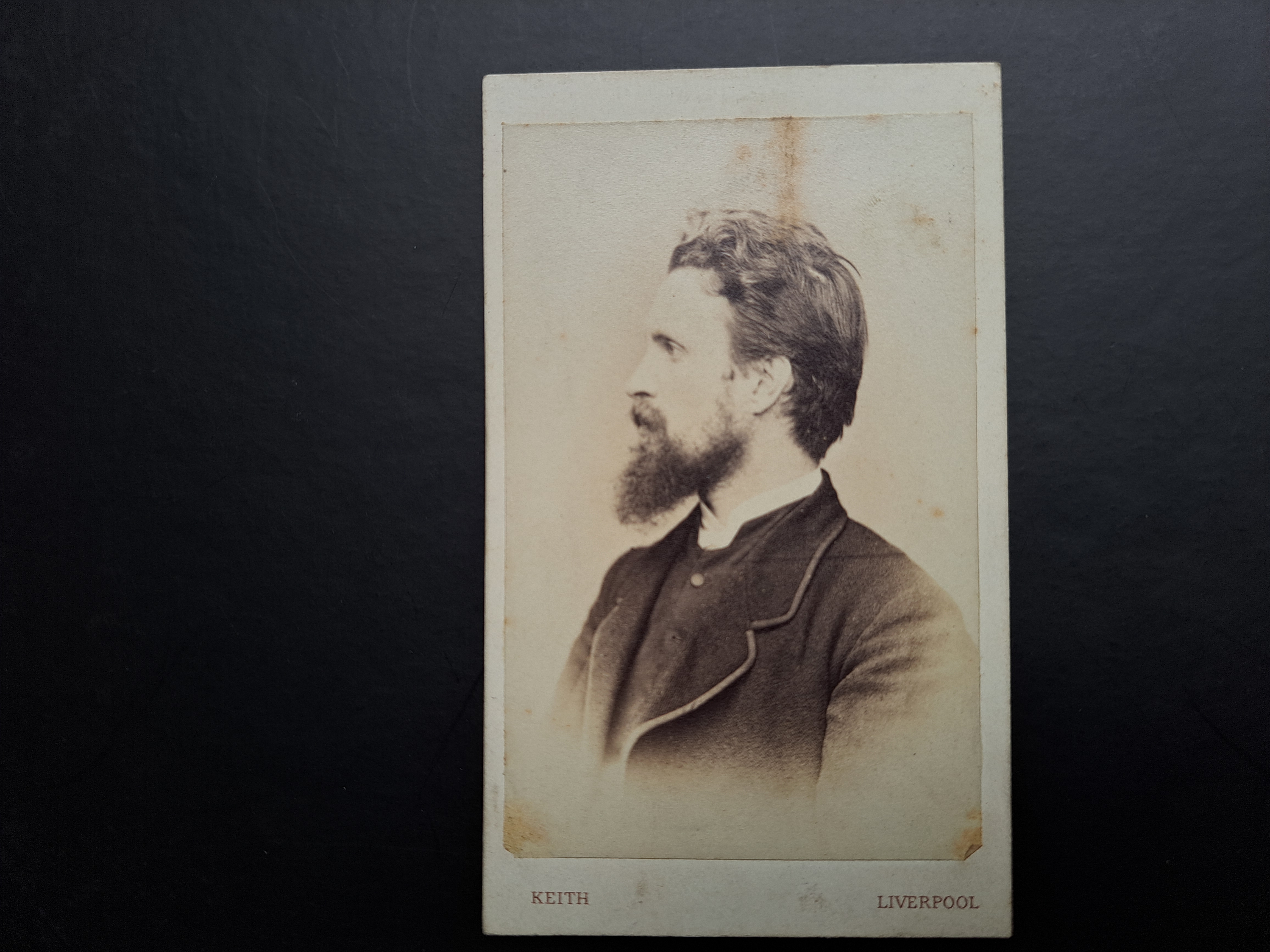
The earliest known photograph of Alexander Gordon, taken in Liverpool c.1872 at the time of his marriage to Clara Maria Boult

His scholarship was widely acknowledged all over the world, contributing 778 entries to the Dictionary of National Biography, 39 articles to the eleventh edition of the Encyclopaedia Britannica and much more. A superb linguist and experienced traveller his researches took him all over Europe. Among other things he was closely involved in the creation of the Non-Subscribing Presbyterian Church of Ireland in 1910.

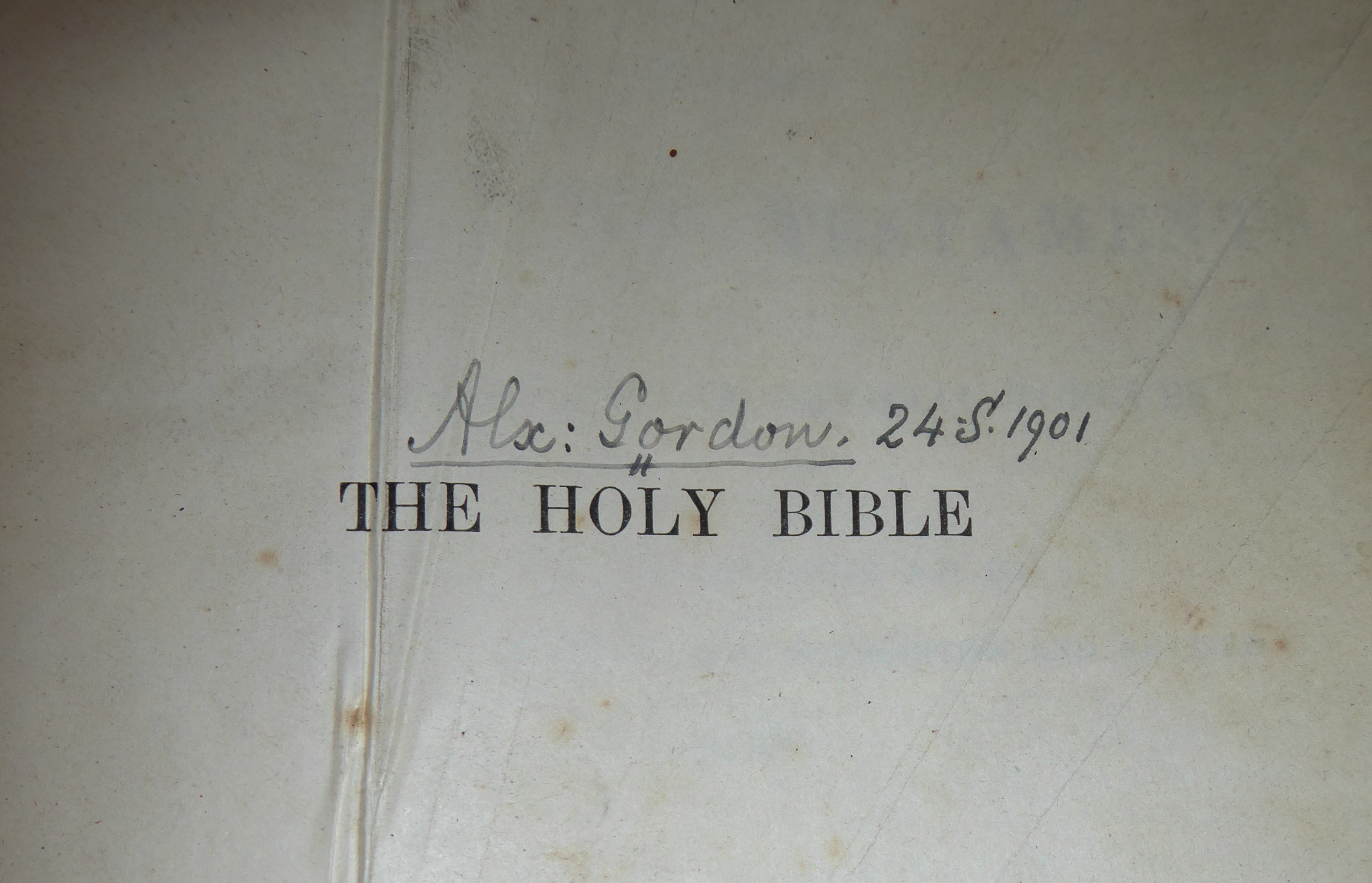
Gordon’s distinctive signature in a personal copy of his Bible (Revised Version)

The talk looks at his education, his work as a biographer and historian, and his commitment to the churches in Ireland which he served as secretary to the Association of Irish Non-Subscribing Presbyterians and later being closely involved in the setting up of the Non-Subscribing Presbyterian Church of Ireland itself.

He was a distinguished minister at First Church but even after leaving for Manchester kept a very close connection with the Irish churches, particularly through Dunmurry where he was regarded as the unpaid curate of his friend the Rev J.A. Kelly, despite the incredible heavy work load of his high profile work. From 1895 until the year of his death in 1931 he only missed one communion service at Dunmurry – and that was because of an unexpected train timetable change that left him stranded in Dublin one weekend during the First World War. For a very experienced traveller, particularly rail traveller, this must have been especially galling for Gordon. The lecture also looks at Alexander Gordon as a travel writer.

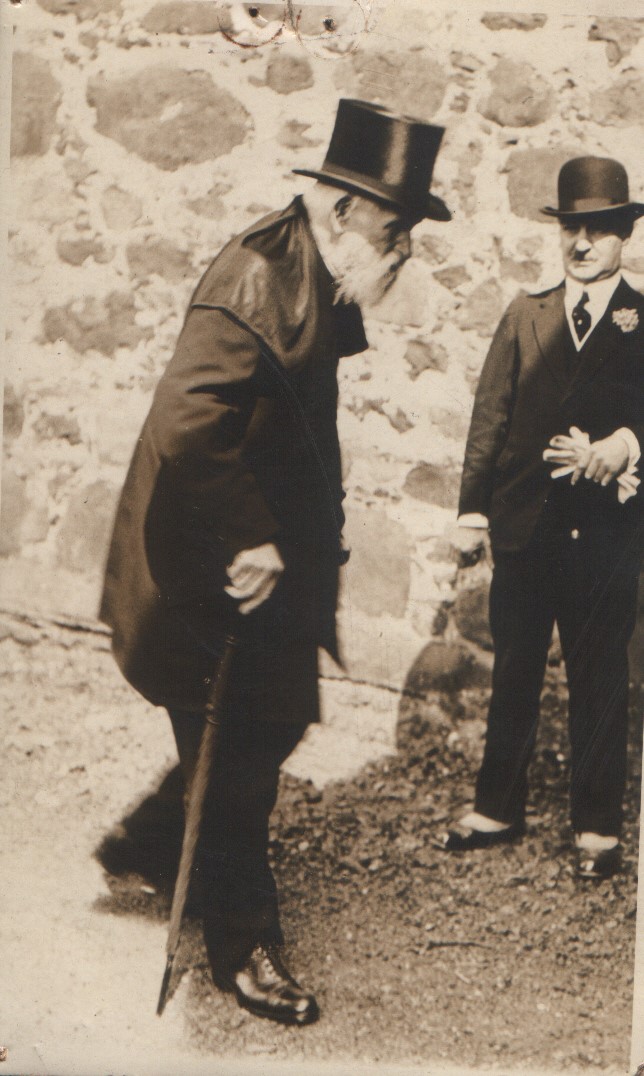
The last photograph of Alexander Gordon taken at Dunmurry on 18th January 1931

It examines too his family background, which was frequently touched by tragedy. But he inspired great loyalty and affection in the generations of students he trained for the ministry.

Principal of the Unitarian Home Missionary College, Manchester

He was buried in Dunmurry, just a short time after he conducted his final service there on 18th January 1931.

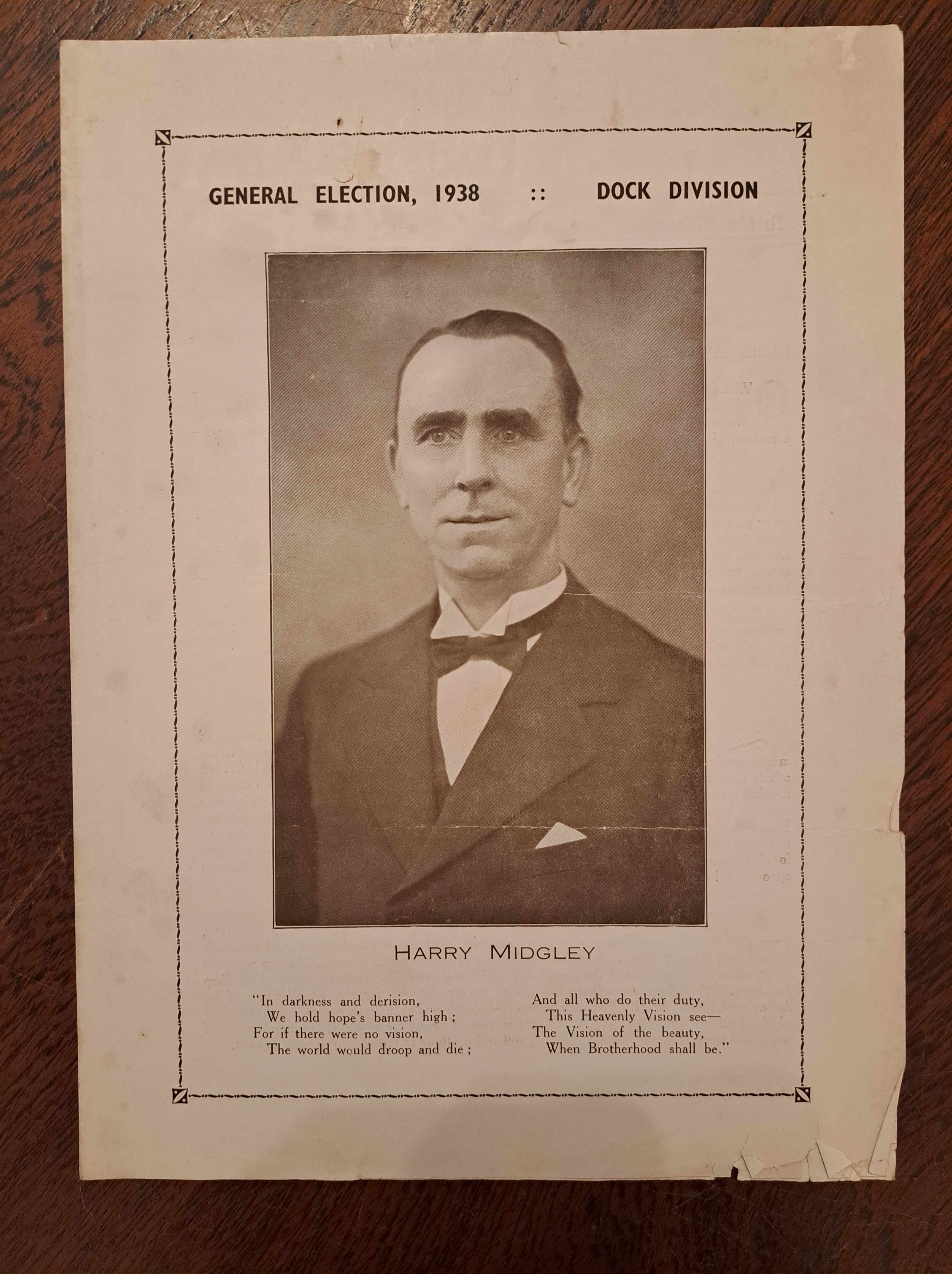
Harry Midgley: 1938 Election Address

One of the recently discovered items in the Very Rev William McMillan Library is the election address produced by Harry Midgley for the Dock Constituency in the 1938 Stormont Election. This is a fascinating piece of history, a very rare survival, that tells us about the career of a controversial figure in Belfast political history:

Click above to see the video

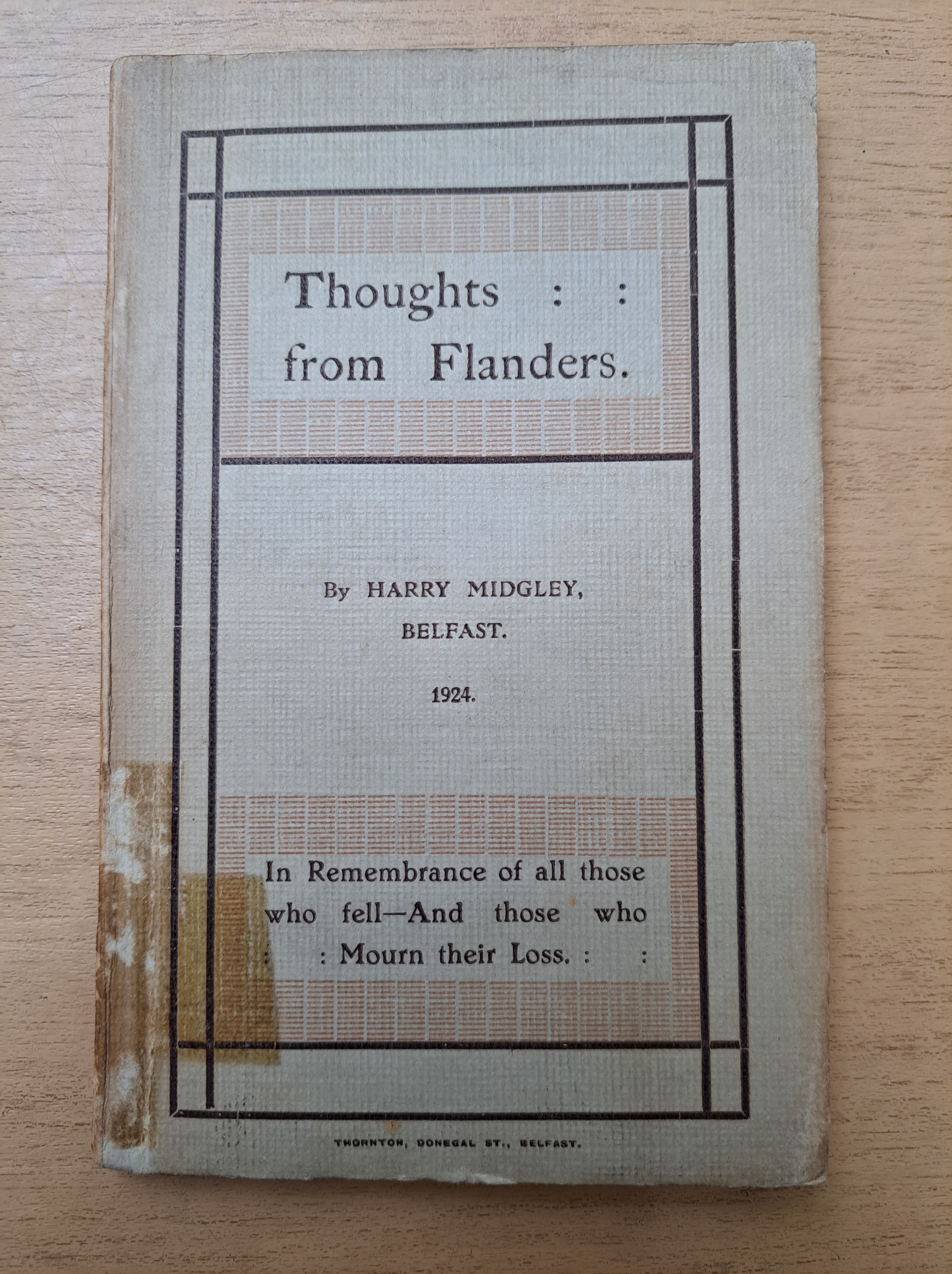
Harry Midgley was born in North Belfast, in Tiger’s Bay, and from his youth was involved in the nascent Labour movement in Northern Ireland. According to the ‘Dictionary of Irish Biography’ as a boy he attended a Sunday School connected with the Independent Labour Party in Belfast and he certainly met Keir Hardy in Befast as a youth and began speaking on behalf of the ILP on the Custom House steps while still a teenager. In his early days, right up to the early 1920s, Harry Midgley supported the all-Ireland Socialist ideals of James Connolly, nevertheless on the outbreak of war in 1914, along with his brothers, he joined up, enlisting in the Royal Inniskilling Fusiliers and served throughout the First World War. Later, in 1924, he published his reflections on his war-time experiences in poetic form. Much influenced by Kipling his verses also show the mixture of Christian values coupled with utopian socialist ideals which underpinned his politics throughout his career.

On his return from the war he immersed himself in politics, firstly getting a job as a shipyard joiner with Harland and Wolff, and soon after being appointed as organising secretary of the Irish Linenlappers’ and Warehouse Workers’ Union. This was his entry into the Labour movement and he became active in different organisations particularly the Belfast Labour Party.

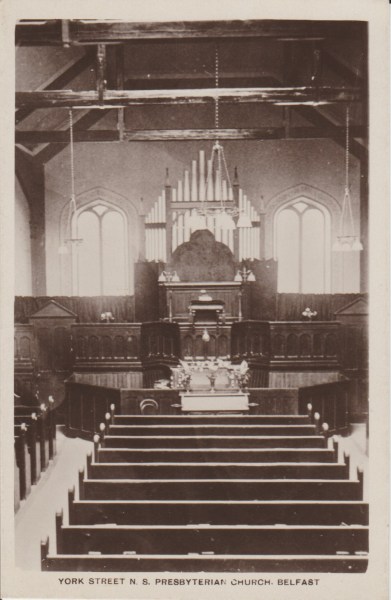
He also became a member of York Street Non-Subscribing Presbyterian Church (see picture at the top of this page) at a time when it was perceived as very left-orientated under the ministry of the Rev A.L. Agnew. Indeed when he fought the West Belfast Westminster constituency in 1924 (gaining over 21,000 votes, although not proving victorious) A.L. Agnew and the Rev E.I. Fripp, minister of All Souls’ NSP Church, were amongst his most prominent supporters. York Street Church was also characterised by very open political debate in the early 1920s, and welcomed speakers of all political backgrounds to its ‘mock parliaments’.

The Belfast Labour Party had proved very successful at its inception. In 1920 it won 10 out of the 60 seats in the municipal elections in Belfast. The Party gradually transformed to the Northern Ireland Labour Party and Harry Midgley became the first secretary.

In 1925 he was a elected to the council as a representative of the Dock Ward and a few years later, in 1933, he was successful in winning the Dock Constituency in the Stormont Parliament. However, in 1938 he lost this seat, partly due to the fall out from the Spanish Civil War. It is this from this election that the printed address in the Dunmurry Library comes. To see it and find out more about it click on the video above.

Gradually the Northern Ireland Labour Party adopted a pragmatic view of partition and Harry Midgley went along with this view. But for a party that tried to stand outside the sectarian divide the issue of the border was one that would not go away. The Northern Ireland Labour Party itself became divided over the position to take on the question of the border and eventually Harry Midgley was expelled, partly because of the strongly pro-Union position he ultimately adopted. He then formed his own Commonwealth Labour Party which enjoyed some success and as a Member of Parliament in Stormont he served in the war-time government, the first non-Unionist representative to be in government in Northern Ireland. Later he joined the Ulster Unionist Party, reconciled by the party’s willingness to follow the post-war social policies of the Westminster government. Having been elected as the MP for the Belfast Willowfield constituency at a by election in 1941 he continued to represent the same constituency up to the time of his death in 1957, first for the Northern Ireland Labour Party, then the Commonwealth Labour Party and ultimately for the Ulster Unionist Party, the only member of the Stormont Parliament to represent the same constituency for three different parties.

In later life he joined the Orange Order and the Royal Black Preceptory. A life-long supporter of Linfield FC he became a director of the club and ultimately the Chairman. At the time of his death he was Minister of Education.
The Antrim Meeting of 1626 and Rowel Friers

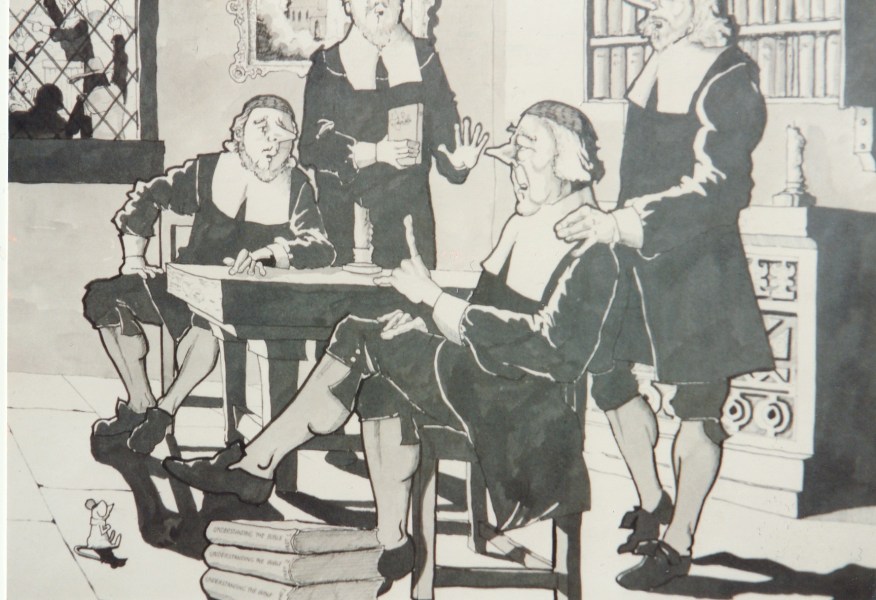
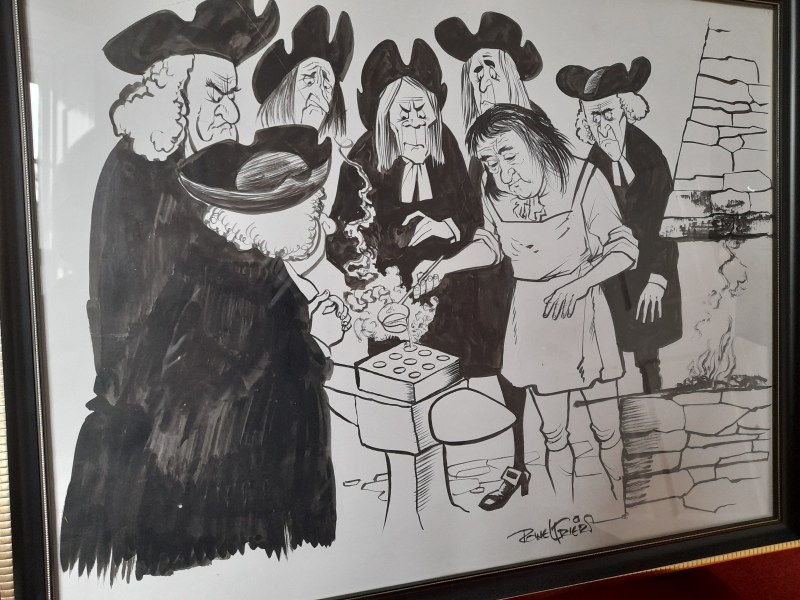
A recent post looked at the two wonderful Rowel Friers cartoons which hang on the wall of the Library in Dunmurry, as well as the video which explains the story about them. As the post explains these pictures were commissioned by the Rev William McMillan for his impressive Exhibition illustrating the history of the Presbytery of Antrim held in January 1976.

It must have been an attractive display in the McCleery Hall, the Rev Mac sourced portraits, books, communion plate, swords and pikes from the ’98 Rebellion, sculptures by Rosamond Praegar, commmunion tokens, copper collecting pans and all sorts of material from all over Northern Ireland. There was even a mould for making eighteenth-century communion tokens from Ballycarry and – something I had not previously heard of – an eighteenth-century family token box, described as ‘a wooden box holding a small leadbox in which the token was taken to the meeting house.’

One feature of the Exhibition for the 250th anniversary of the Presbytery of Antrim is that there were in fact three, not two, Rowel Friers cartoons included. Unfortunately one of these has been missing for fifty years. However, we have now discovered a photograph of the lost picture and this features in our latest video:

Click on the video to see the video about the 1626 Antrim Meeting

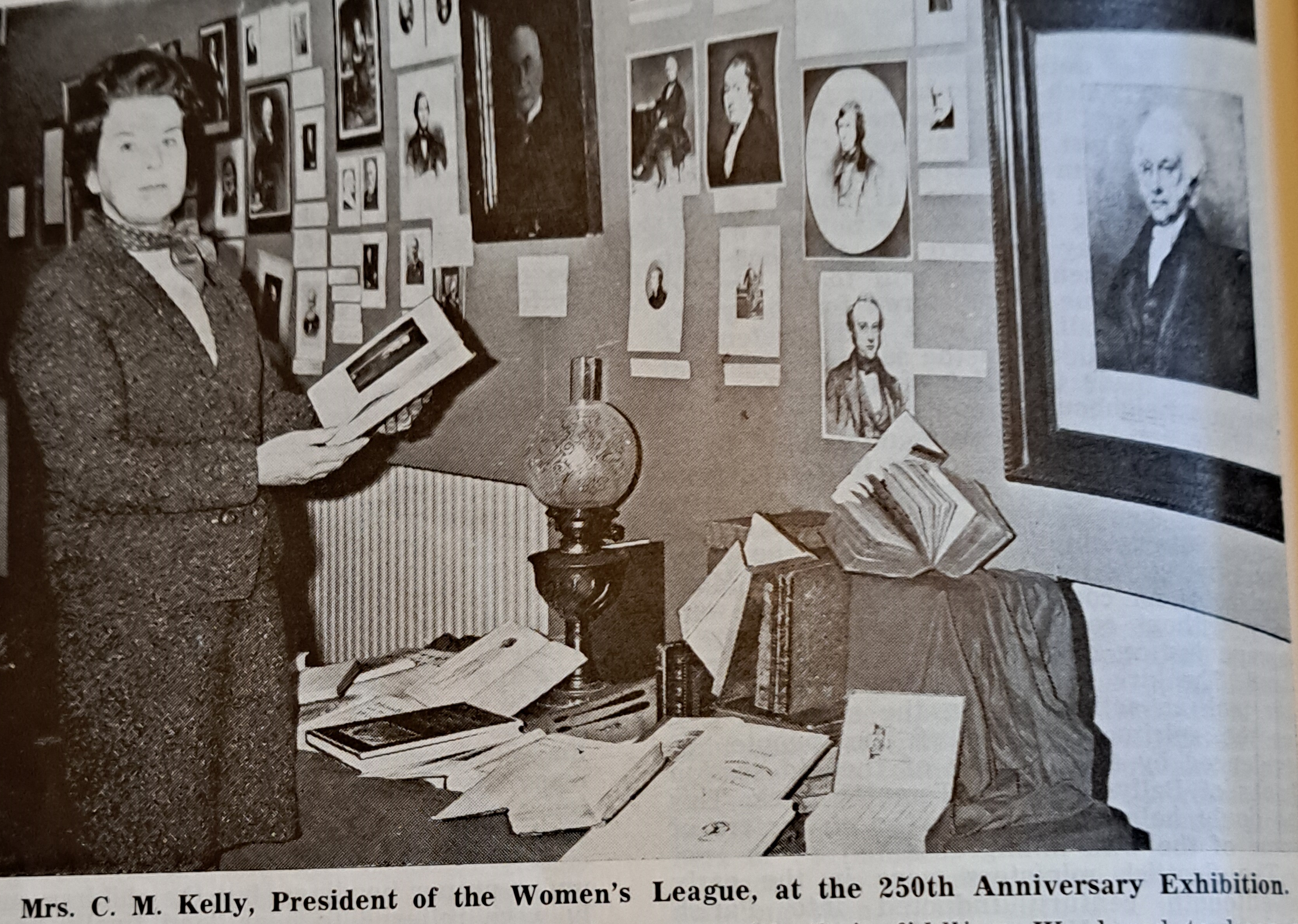
The Exhibition was held in January 1976 and covered both the creation of the Presbytery of Antrim in 1725 and its separation from the Synod of Ulster. It was also intended to cover the anniversary of the creation in 1626 of the original Antrim Meeting. The Exhibition must have been fascinating but unfortunately in that pre-digital age there were very few photographs taken. There is only one that shows the Exhibition in the Non-Subscribing Presbyterian magazine at the time:

Betty Kelly at the Exhibition in the McCleery Hall in 1976

There were a large number of dignitaries invited to the dinner that followed the Exhibition, representatives of all denominations, figures in public life, historians and international figures. Many of the speeches are recorded in the Non-Subscribing Presbyterian magazine and the Rev John Radcliffe, clerk of the Synod, made reference to the third Rowel Friers cartoon:

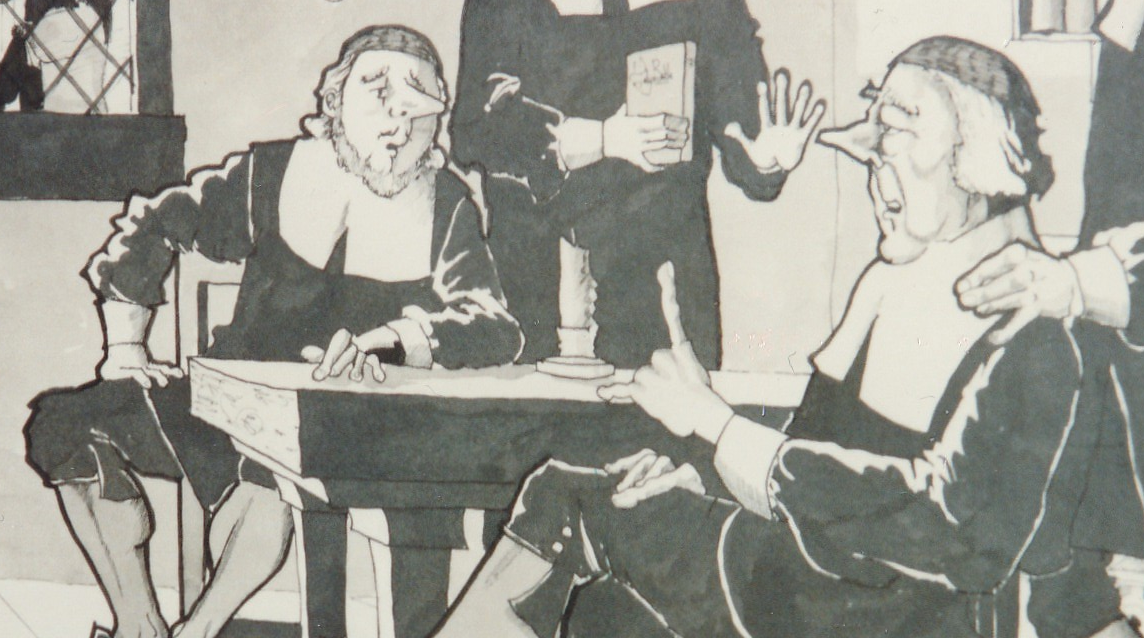
‘There are two extreme forms of the expression of religious sentiment. There is one that is very well expressed in the person here described: “His mind and voice had precisely the fluid quality of some clear, subtle liquid: one felt it could flow around anything and overcome nothing.” That is the extreme of presenting the Christian faith in such delightfully attractive style, with such a fluency of language, with such a vividness of imagery, that it will flow around anything and overcome nothing. At the other extreme there is another sort of Christianity, corybantic Christianity. There is a cartoon on the wall there, a drawing of four rather austere clerics, and the date is 1626. Outside you see somebody rousing a rabble – not unheard of in these days. The four rather serious looking clerics are trying to bring a bit of reason into it all; and the man outside is an exponent of corybantic Christianity, the Christianity that is the direct oppposite of that I have been describing tonight – and appeals all the time to the emotions in which people get carried away, and leads in the end to a very dangerous, in fact terrible, fanaticism – the very negation of the Christian spirit.’

Detail from the photograph

It is a fascinating footnote to our previous post and video about our Rowel Friers cartoons, another part of the story that takes us back even further in time, in this case to 1626.

Rowel Friers

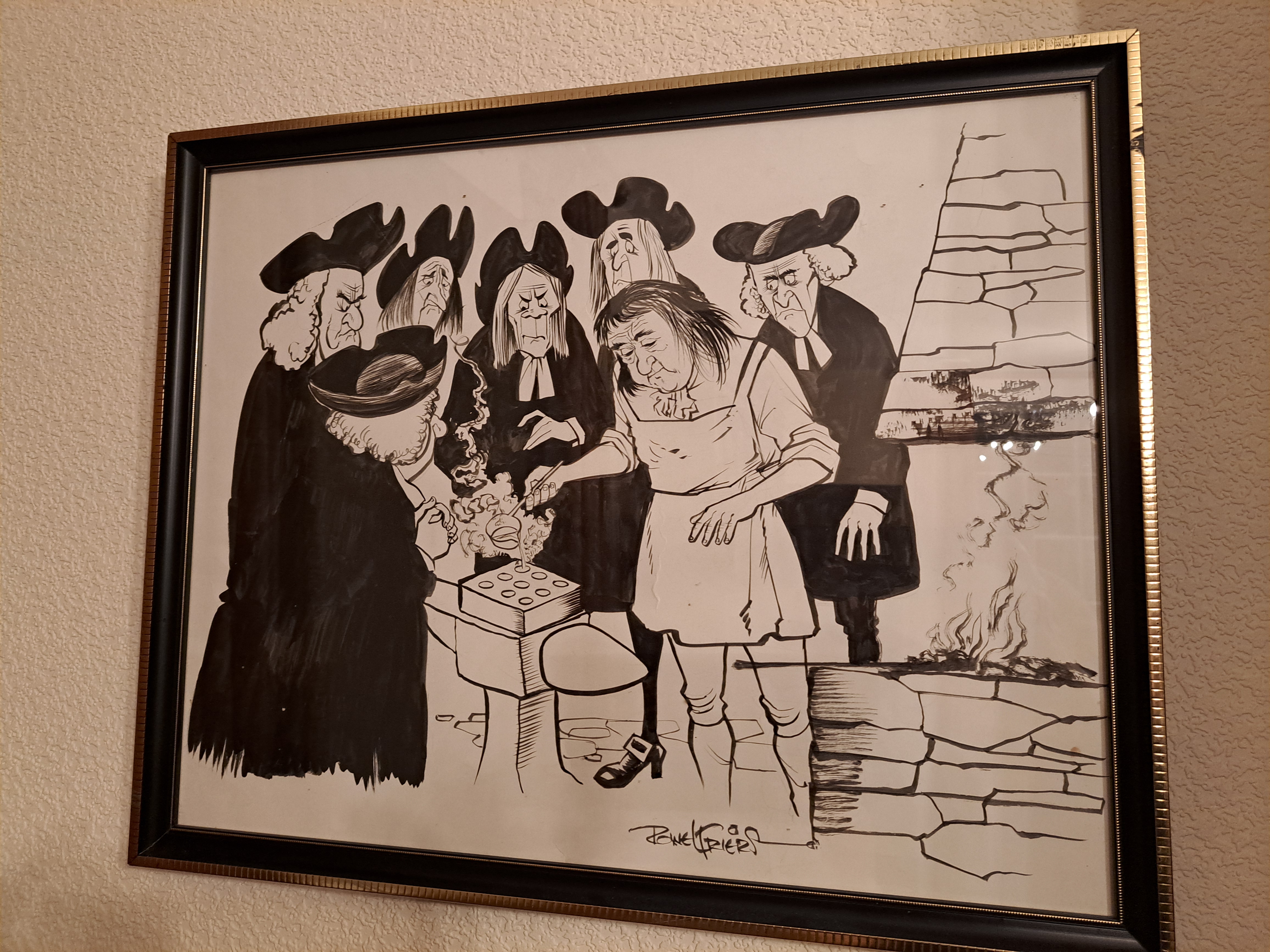
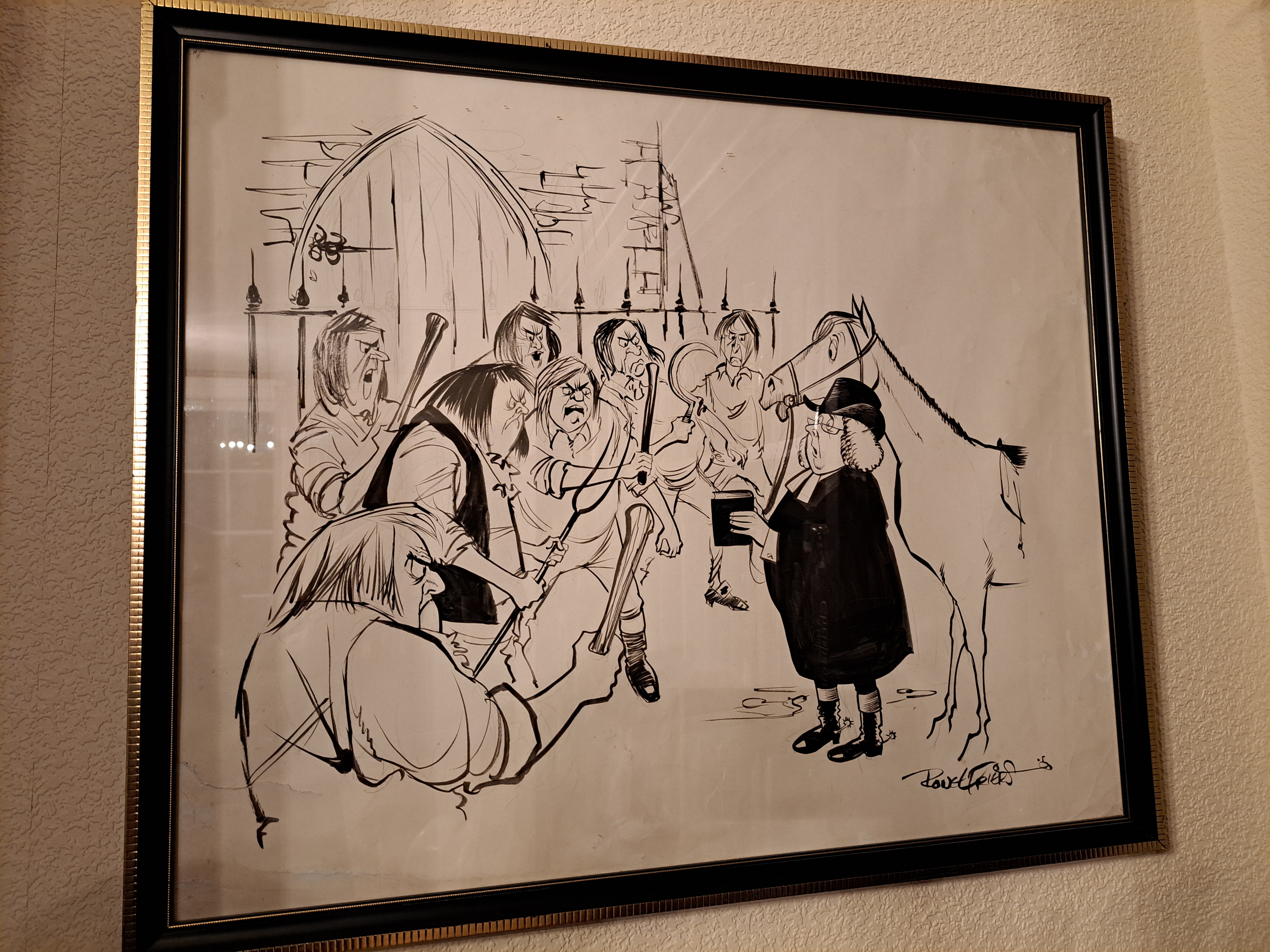
Belfast-born Rowel Friers (1920-1998) was perhaps the most famous cartoonist in Ulster, especially for his work during the ‘Troubles’. He began his working life in the art department of the Belfast printing firm of S. C. Allen and Co and studied at the Belfast College of Art. A keen watercolourist and oil painter he nevertheless was best known for his cartoons, which gently but effectively satirised the political situation in Northern Ireland. Our latest video looks at two cartoons by Rowel Friers, although they illustrate his versatility as a cartoonist and relate to life in the eighteenth century.

We have two fine examples of his work hanging on the walls of the Very Rev William McMillan Library in the First Presbyterian Church, Dunmurry. They were commissioned by the Rev William McMillan for an exhibition celebrating the 250th anniversary of the Presbytery of Antrim in 1975.

They are both immediately recognisable as his work. The faces of the figures convey exactly what is going on. One (above) is an imagined gathering of clergy around a blacksmith and relates to the practice of communion and the use of communion tokens. The other (below) relates to a specific incident in the history of the Comber congregation at the time of creation of the Presbytery of Antrim at the end of the First Subscription controversy when all the Non-Subscribers were separated from the Synod of Ulster and placed together in the Presbytery of Antrim.
It is good to give them special consideration now, as we prepare for the 300th anniversary of the creation of the Presbytery of Antrim. The full story of both pictures can be seen in the short video above.

Christmas Readings

Our latest video (Number 7) exploring the collection of the Very Rev William McMillan Library at First Dunmurry looks at some Christmas readings. We also have O Come all ye faithful played by Jack Steers on the trumpet.

The video also includes some of the Christmas decoration in the Church including the excellent frieze created by the children of the Youth Group along the rail behind the pulpit, which can be seen in more detail below: