Inch Abbey, county Down

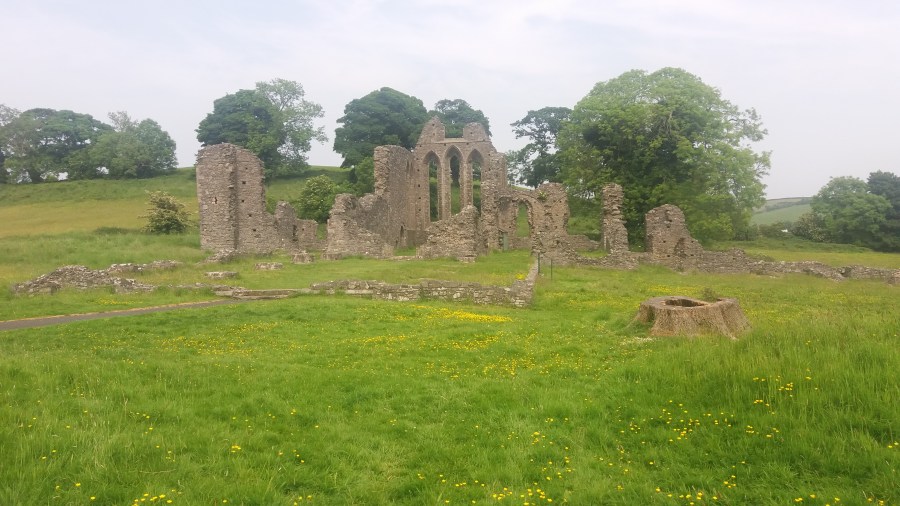
IA Inch Abbey 04

Inch Abbey is located in what is a still remarkably peaceful and secluded setting. Founded by John de Courcy in the 1180s as his atonement for his destruction of Erenagh Abbey on the other side of Downpatrick, Cistercian monks were brought here to populate it from Furness Abbey in Lancashire. According to the tourist board it is (along with Grey Abbey on the Ards peninsula) “the earliest example of Gothic architecture in Ireland and finest example of Anglo-Norman Cistercian architecture in Ulster.” There was a monastery on this site before the present monastery, a timber church and ancillary buildings surrounded by an earth bank, founded as early as 800 AD. But this was plundered by the Vikings on at least two occasions and destroyed before its re-establishment under John de Courcy.

IA Inch Abbey 03

The nave

The view across the Quoile to Downpatrick and its cathedral gives an idea of its location near to the main settlement but quite separate from it.
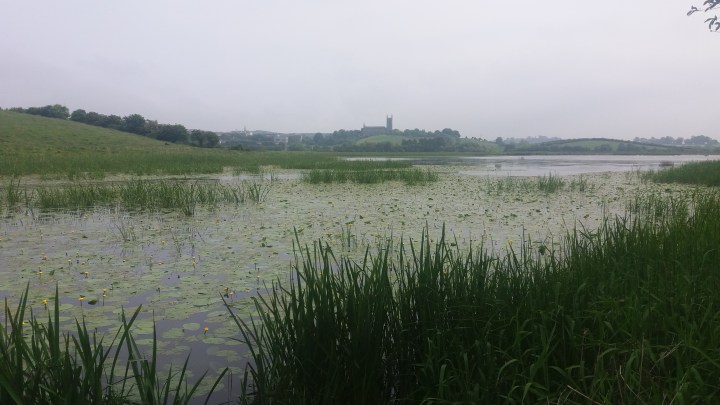
IA view to Cathedral

Looking across the Quoile to Down Cathedral

The cathedral was also originally established as a monastery by John de Courcy in the 1180s with Benedictine monks from St Werburgh’s monastery in Chester (see https://velvethummingbee.wordpress.com/2018/02/24/chester-cathedral-refectory/).
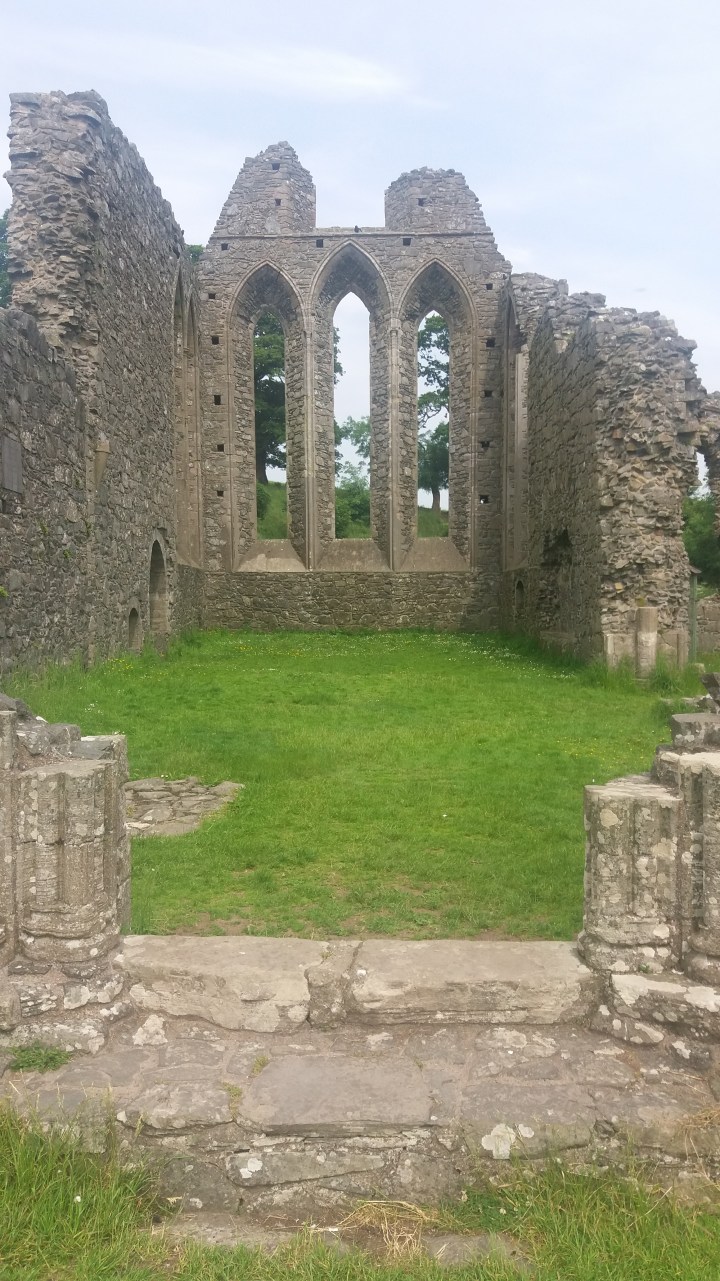
IA Inch Abbey entrance b

Entrance to the chancel

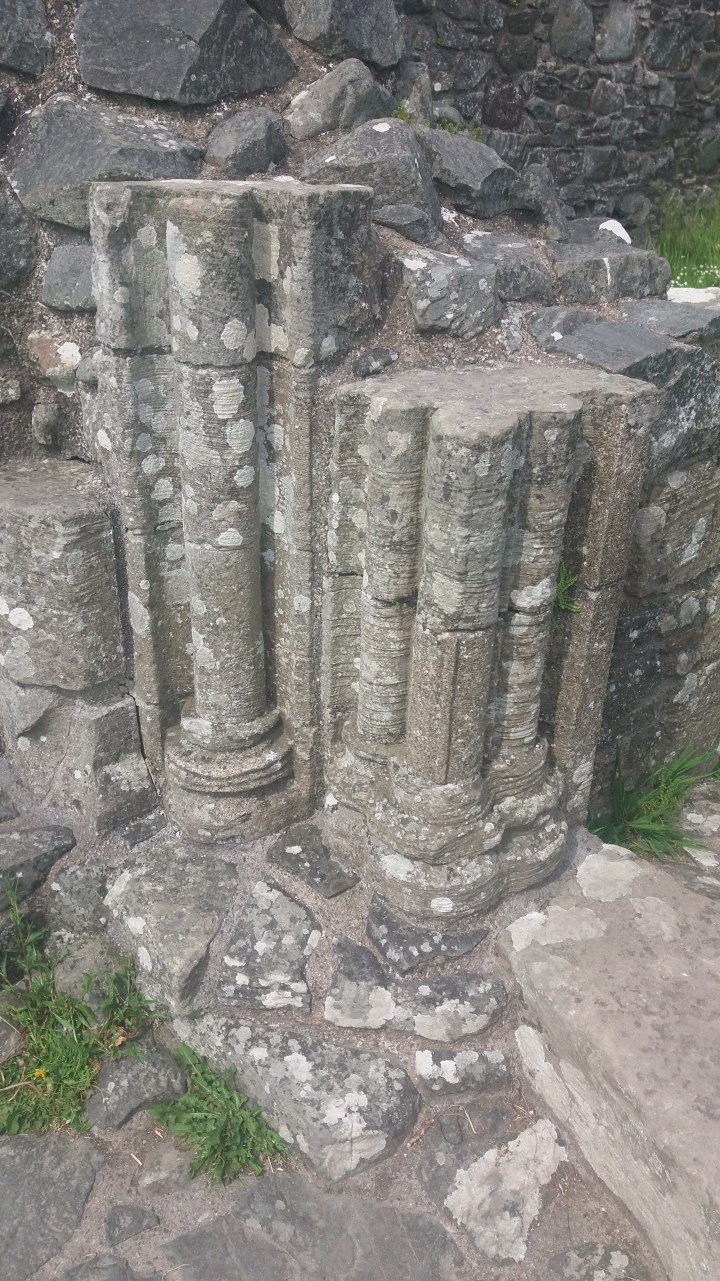
IA Inch Abbey base of columns at entrance

Base of column

The Cistercians followed a strict rule, with much silence, little music and a self-sufficiency that eschewed the use of meat. There would have been a plentiful supply of fish for them here, the site originally was an island.

IA Inch Abbey chapter house

Chapter house

Around the ruins of the Abbey there are the remains of what have been identified as the kitchen, a bakehouse, a guest house, the infirmary and a well. The Abbey was dissolved in 1541.
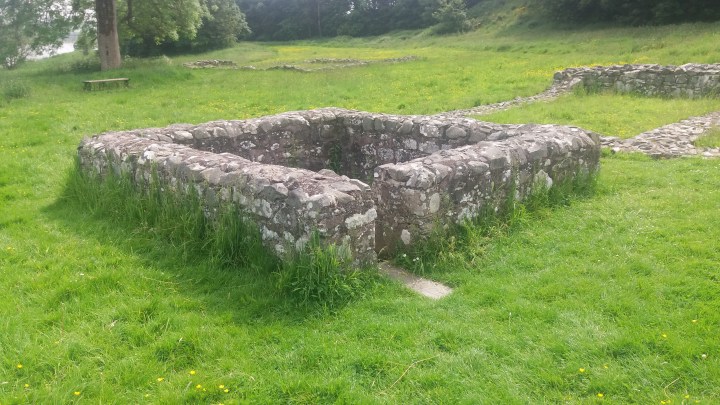
IA Inch Abbey well

Abbey well

St Patrick’s Day, Downpatrick 2018

Preparations underway

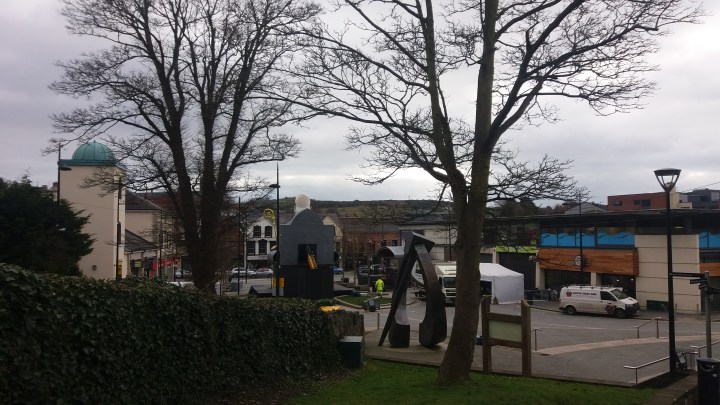
Preparations getting underway in the town


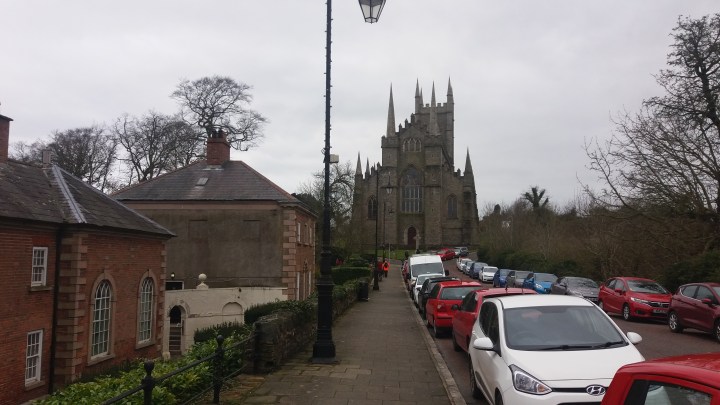
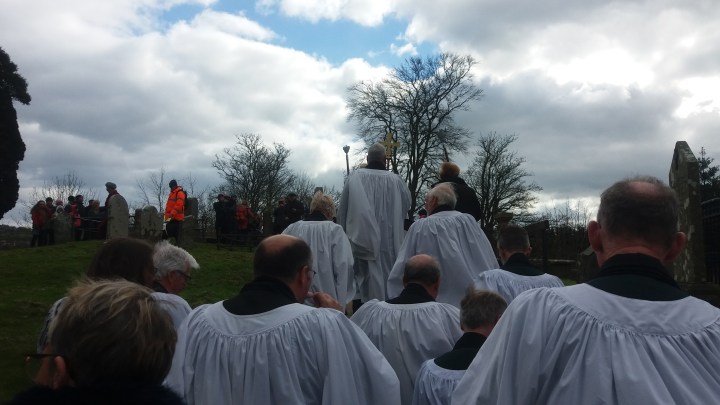
Going up to the Cathedral

Going up to the Cathedral for the service


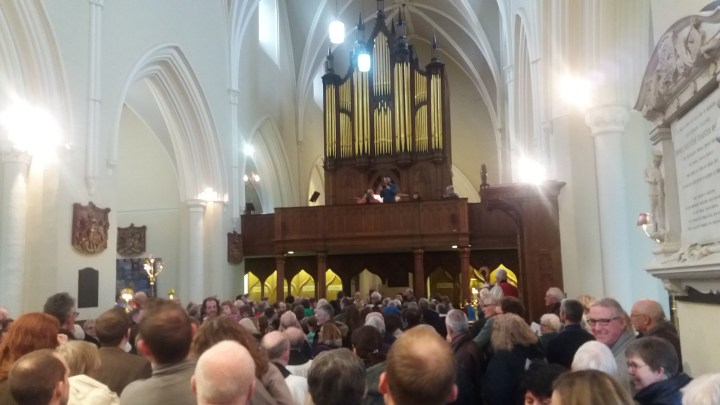
Congregation photographed

The congregation gather for a photograph inside the Cathedral


20180317_131239

Processing up to the grave after the service


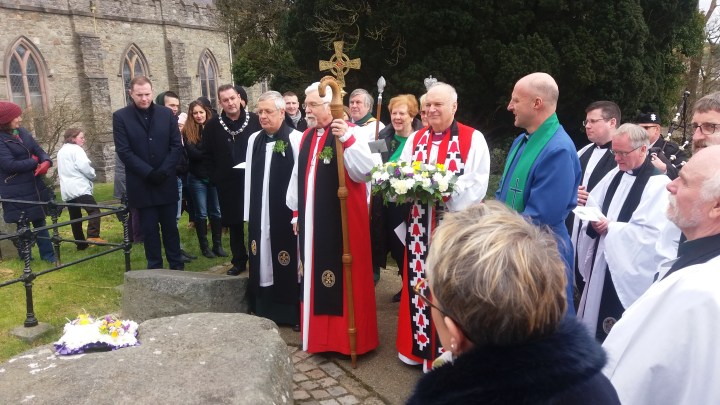
Laying wreath

Visiting Bishop Alf Cooper from Chile lays a wreath


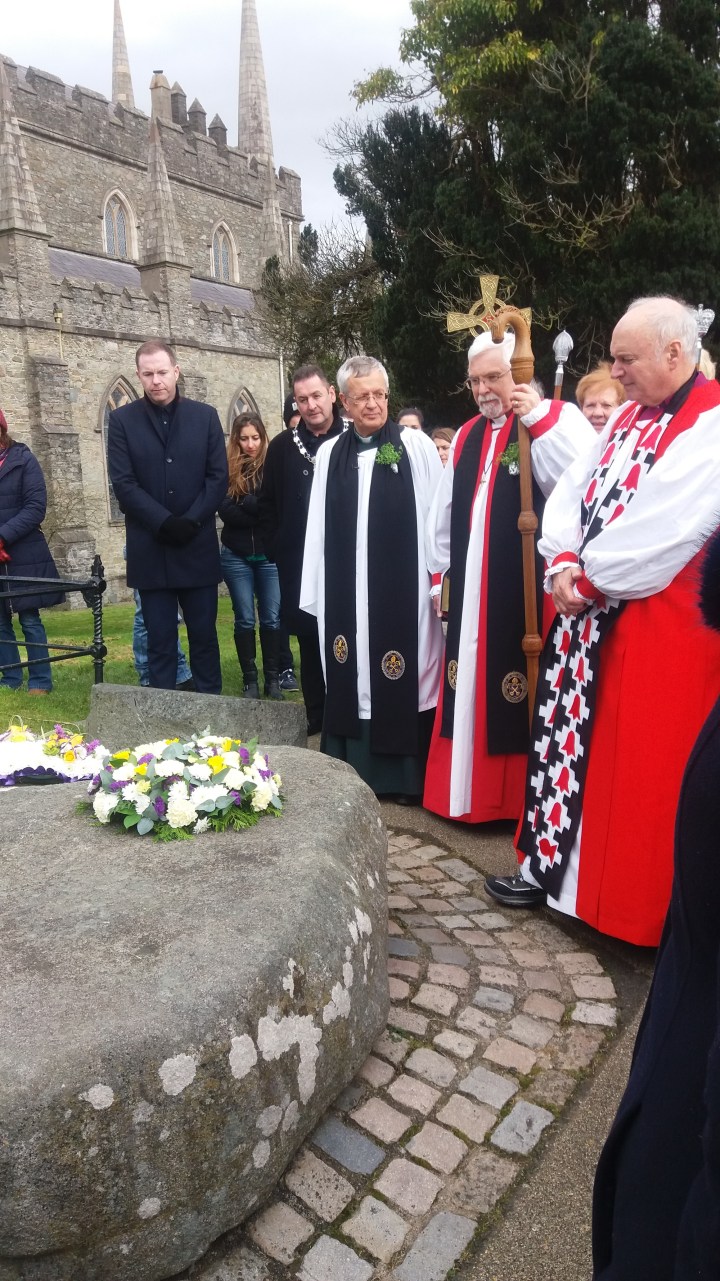
St Patrick's grave

St Patrick’s grave outside Down Cathedral


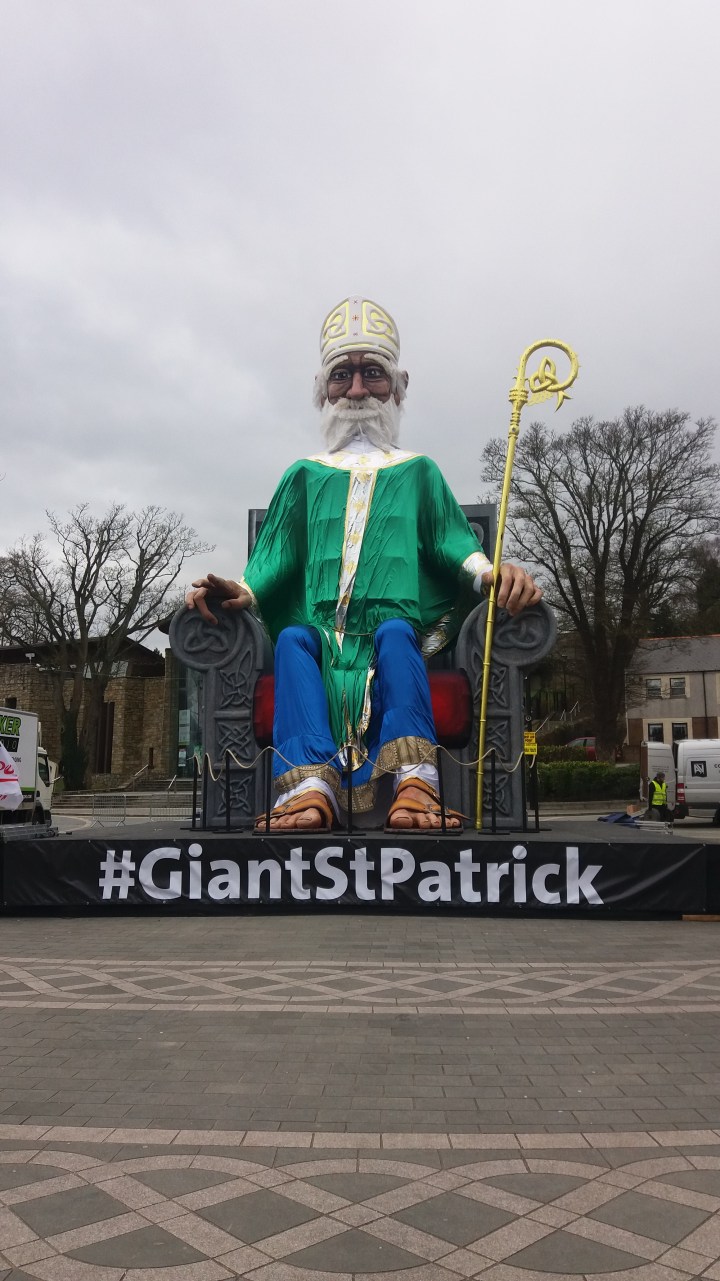
Giant Saint 01

The giant statue of the saint

Pew Numbers


It is hard not to imagine that every feature of dissenting meeting-houses has been subject to some serious scrutiny at one time or another. The regular publication of surveys of non-conformist churches and the work of the Chapels Society are testimony to the ongoing interest that there is in these types of buildings. But I was led to reflect on one aspect of the history of old meeting-houses that may not have had too much attention over the years by the ‘discovery’ recently of a long discarded pew number in my church at Ballee.

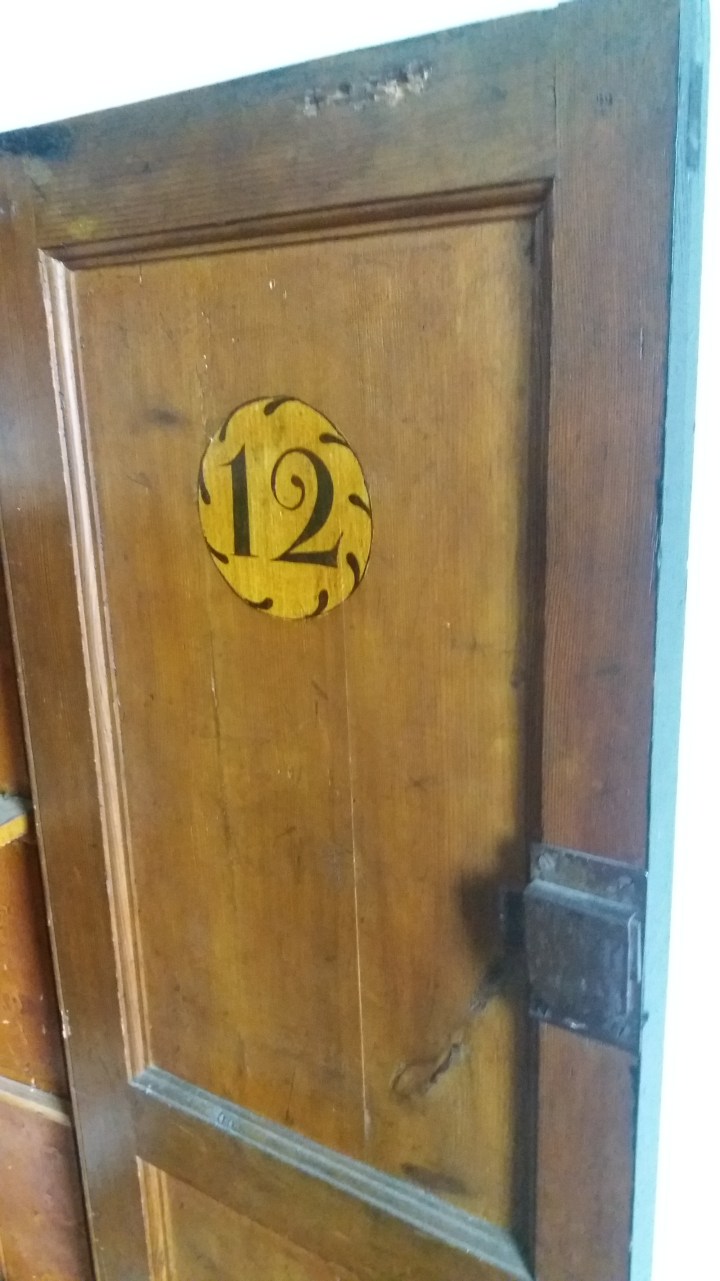
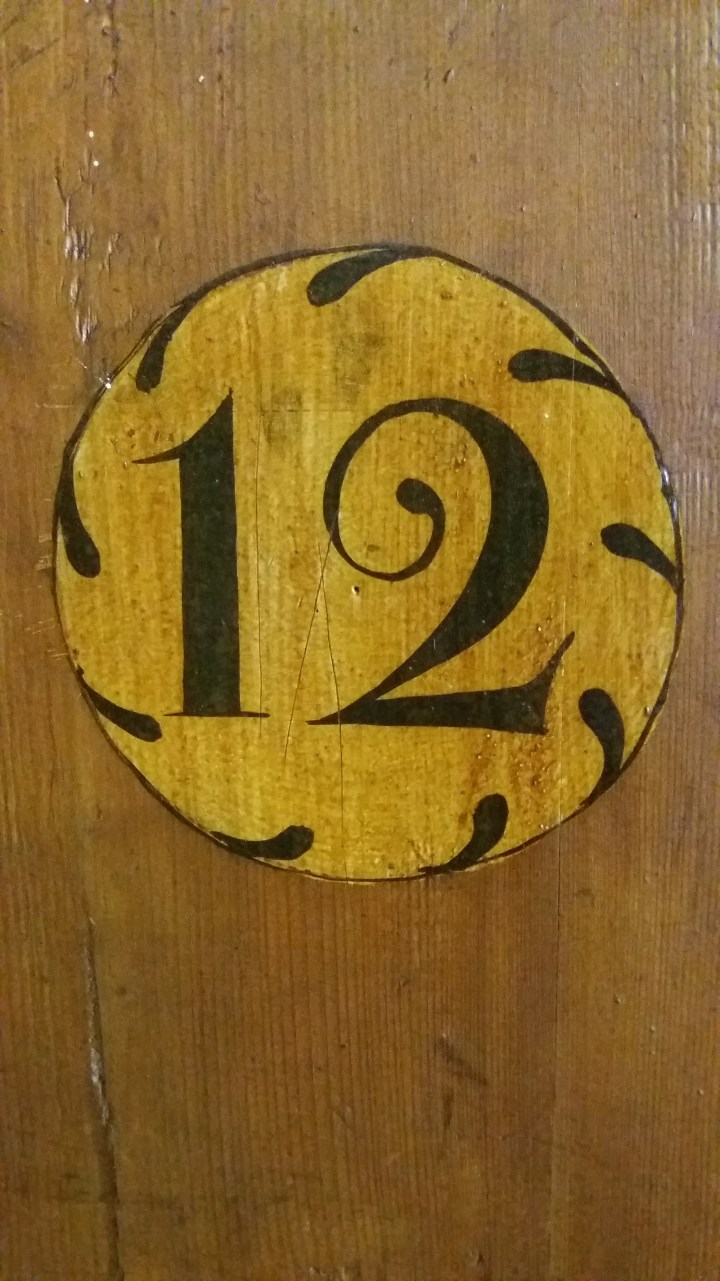
It wasn’t really a discovery since I and many people knew it was there all along but, for the first time, I took a close look at it and realised that it is a work of art in its own right. When the Ballee meeting-house was refurbished in 1912 they replaced the old box pews with ‘modern’ open ones. They may have re-used the timber from the old pews to make the new ones, they certainly used the old pews to make partitions and features in the rooms they created in both ends of the long arm of the ‘T’ of the church.

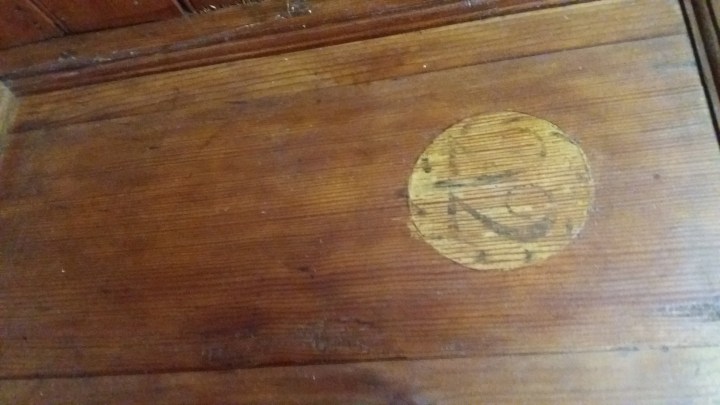
This number 12 is in the inside of a cupboard in the vestry. When you look at it, a lot of the wood which was used there and in the library and in the store room at the other end of the church, must clearly have once formed the original box pews, probably dating back as far as the early eighteenth century. Much of it has been stained a very dark colour but in some places the original colouring can be seen and there are two places where the pew numbers are visible. One is a slightly faded number 22 but the other is this one inside the vestry cupboard.

BalleeCupboard12 01

Inside the cupboard

It has been protected from the sun for over a hundred years and it is clear that at some point after it was painted on the door of the pew when in situ someone had carefully left it untouched when re-varnishing the rest of the door. An expert could probably date this number more or less exactly. I would guess it dates from the end of the eighteenth or the start of the nineteenth century. It is certainly very carefully done. It must have been an important project for the congregation at that time to see that their pews were so clearly labelled, and done in such an attractive manner.

BalleePew22 01

A panel high in the corner of a store room – number 22

For most types of dissenting congregations pew numbers and pew rents were a central feature of the finance and management of a church or chapel. Who owned which pew and who sat where were important questions so their clear numbering was an important thing. For the historian financial records of pew rents are an important source but I can’t remember much discussion of the way numbers were added to pews.

In the nineteenth century, and probably before, it was possible to buy ceramic or brass numbers to fix on pew ends or doors. But very often the numbers were painted on. The pews in Ballee today are all unnumbered, as they are in Clough. In Downpatrick, which still has its original box pews, the numbers have all been removed downstairs but they survive in the galleries. These are very neatly done and to me look like eighteenth-century adornments.

Some of the Downpatrick numbers

But the now almost completely vanished pew numbers from Ballee must have looked very impressive. I will look out for more examples of historical pew numbering from now on.

Ballee 12 02

Number 12

The History of the Non-Subscribing Presbyterian Church of Ireland

The General Synod of the Non-Subscribing Presbyterian Church of Ireland was only created as recently as 1910 but it represents a liberal theological tradition that runs through Irish history back to the origins of Presbyterianism. Surprisingly there is no generally available history of this small but significant denomination. Over the summer of 2017 I was asked to deliver a series of addresses on this history, I have now put these together on a new website which is intended to give an outline history of the Non-Subscribing Presbyterian Church of Ireland (NSPCI) in five chapters.

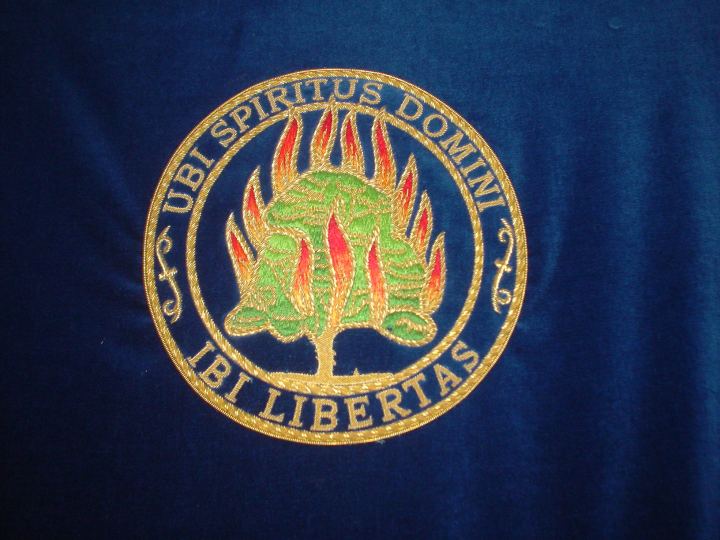
Ballee Pulpit fall IMTom Caven

Ballee Pulpit Fall featuring the logo and motto of the Church


The site is broken down into:

The First Subscription Controversy [of the 1720s]

The Second Subscription Controversy [of the 1820s]

The Dissenters’ Chapels Act [of 1844]

Division and Controversy [the second half of the nineteenth century]

Consolidation [the reunification of the different Non-Subscribing elements in 1910]

It is an interesting and valuable history and one that is increasingly overlooked or misunderstood even by those who are involved in the NSPCI. But I hope this website will go some way to providing an accessible way of learning about this history both for those who are familiar with something of the story and for newcomers. I hope also to make it a useful database for images connected with NSPCI history.

The site can be found here:

https://nonsubscribingpresbyterian.wordpress.com/

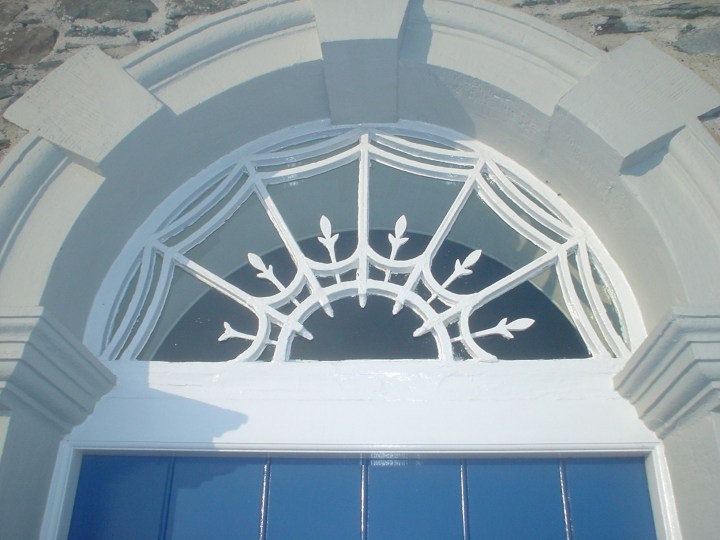
Rademon window 2008

Rademon fanlight