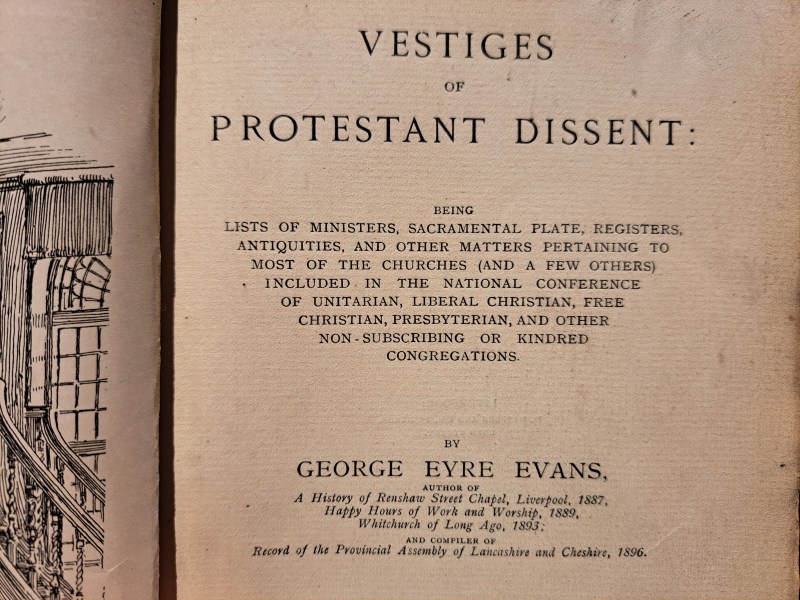
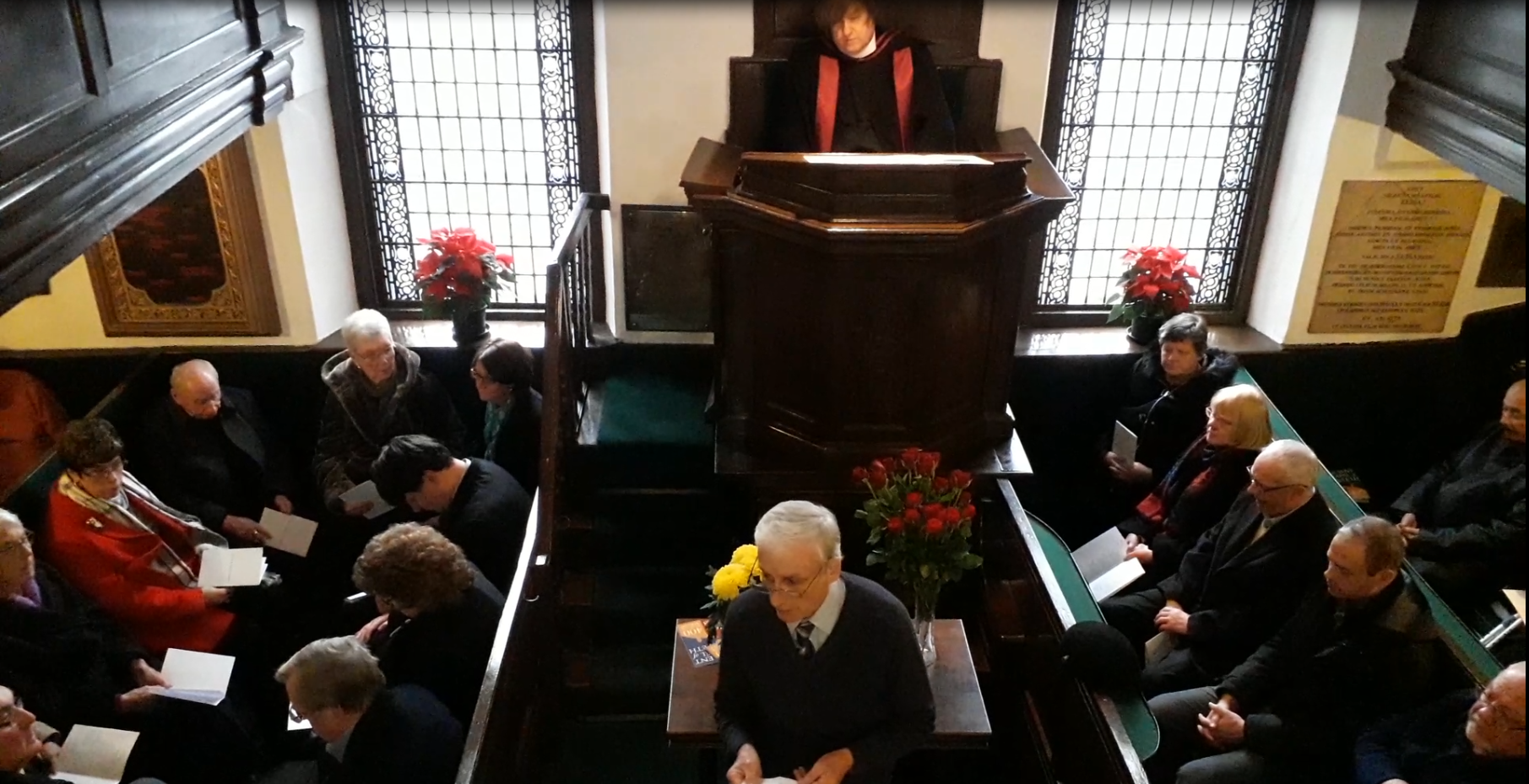
Everyone who has an interest in the study of Non-Subscribing Presbyterian/Unitarian history in the British Isles will know George Eyre Evans’s book the Vestiges of Protestant Dissent. Published in 1897 it was just one publication that came out of the extensive researches of G.E. Evans. His book is the subject of our latest video which is the second to explore the contents of the Very Rev William McMillan Library here at Dunmurry which will be opened and dedicated on Sunday, 22nd September 2024 at 3.00 pm:
The Library copy once belonged to a prominent lay member of the congregation who gave it to his minister before the end of the nineteenth century, but the full story can be seen on the video.
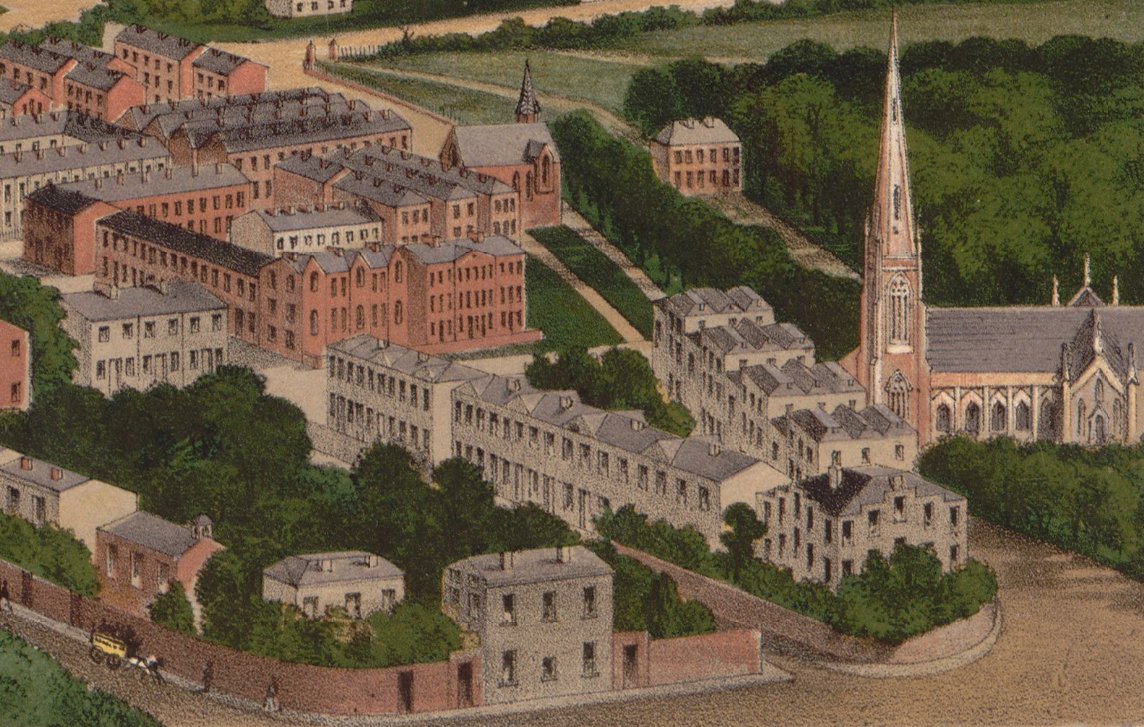
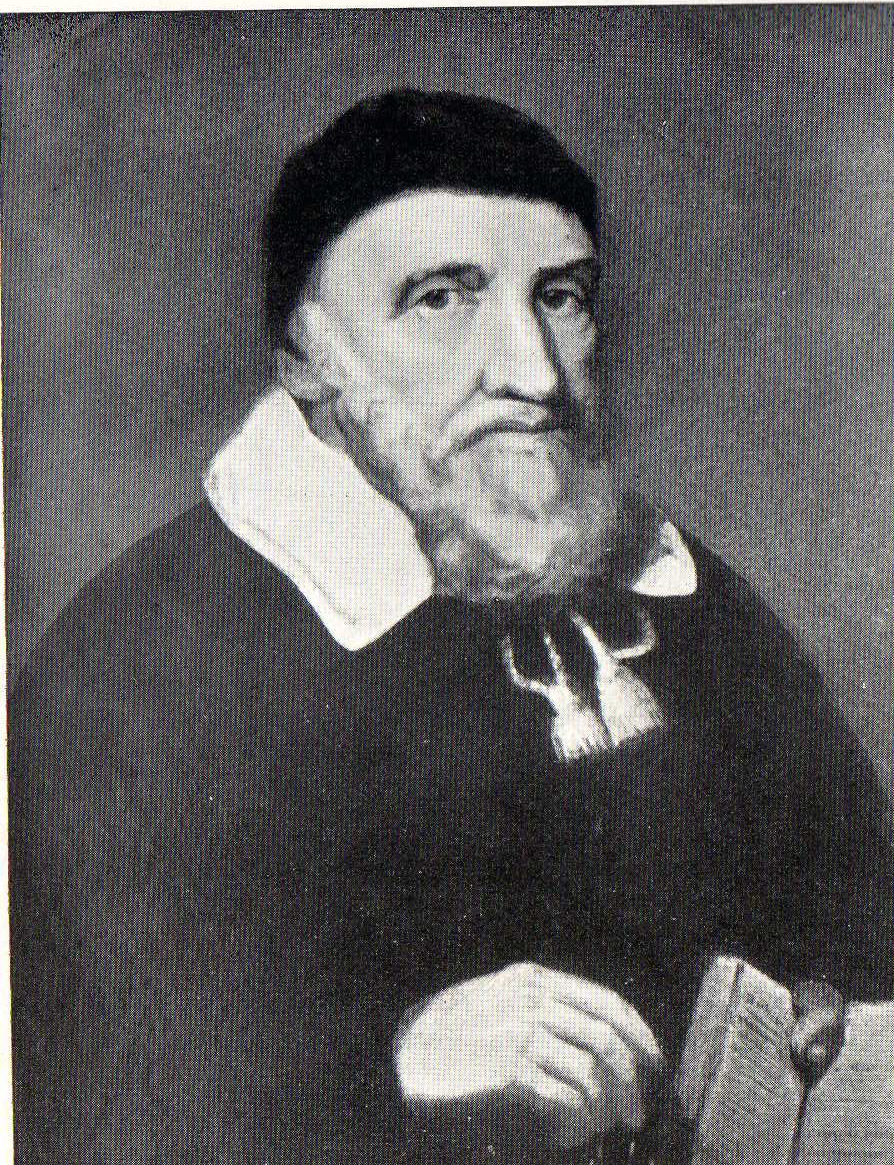
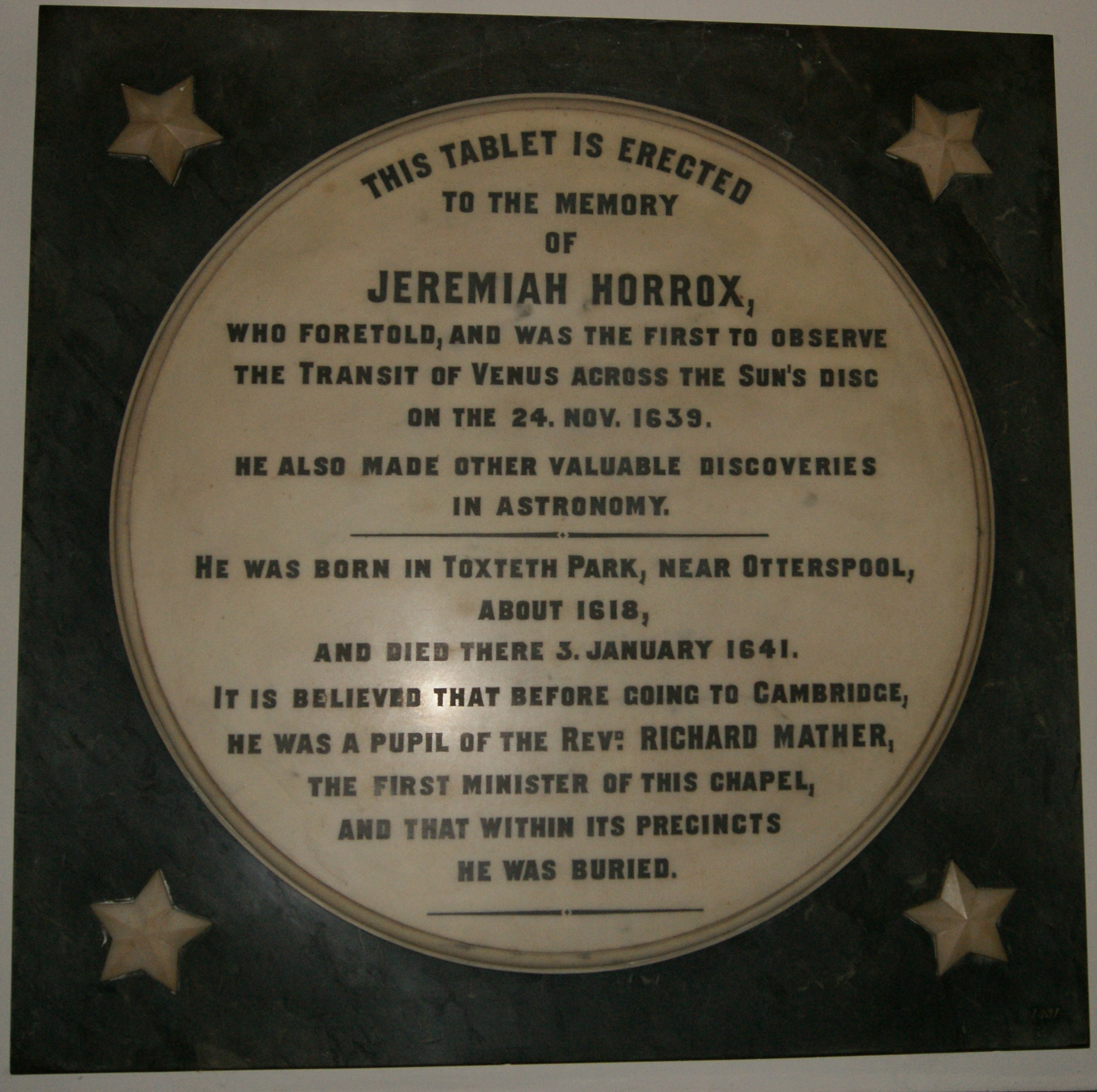
One of the things I try to draw attention to in the video is the occasional unusual detail G.E. Evans adds to the book, such as this picture, which exists in every copy as a real photograph pasted in to the book:
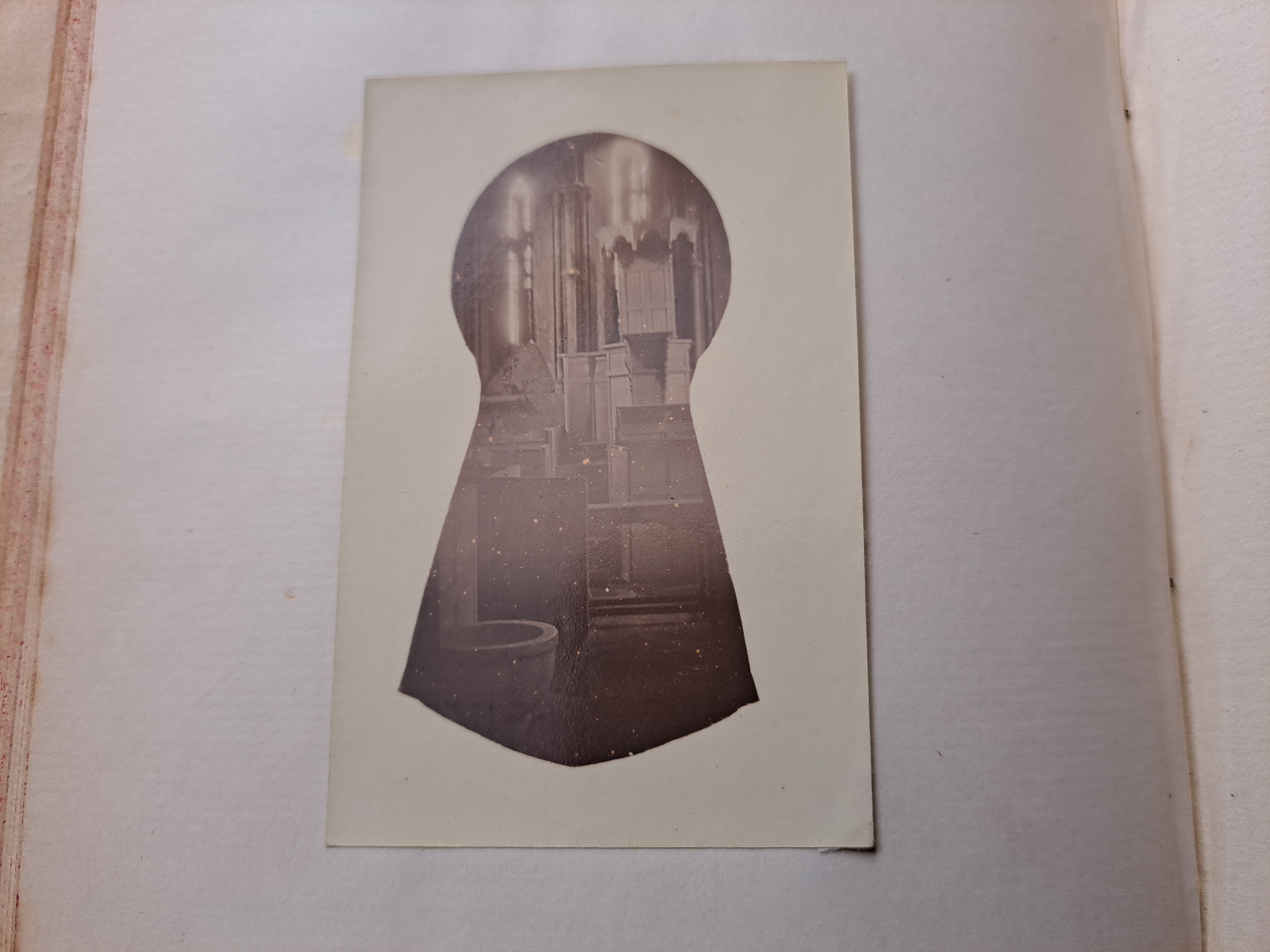
The meaning of the photograph is explained in the video.
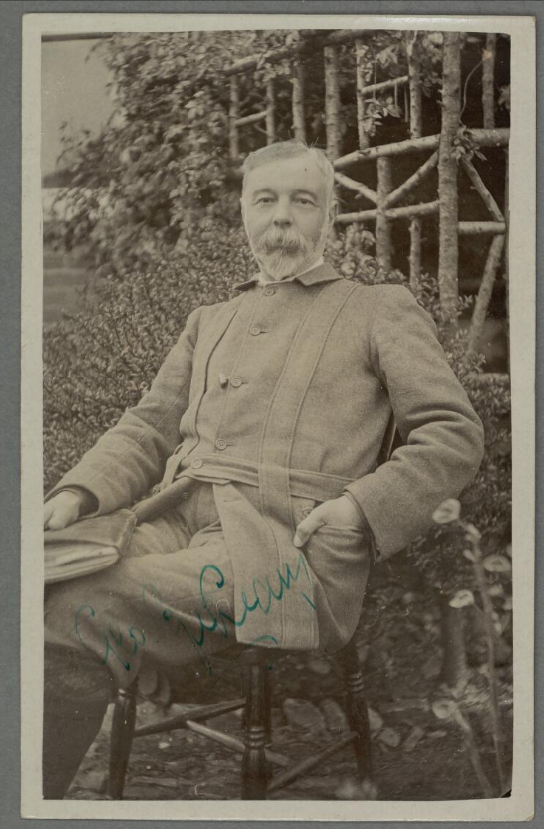
G.E. Evans was born in Colyton, Devon, the son of Welsh parents. His father was Rev David Lewis Evans, Unitarian minister at a number of places in Wales and England, including Colyton where his son was born, and ultimately being tutor in Hebrew, mathematics, and natural philosophy at the Presbyterian College, Carmarthen. He was also one of the founders of Yr Ymofynydd, although he wrote little in Welsh himself.
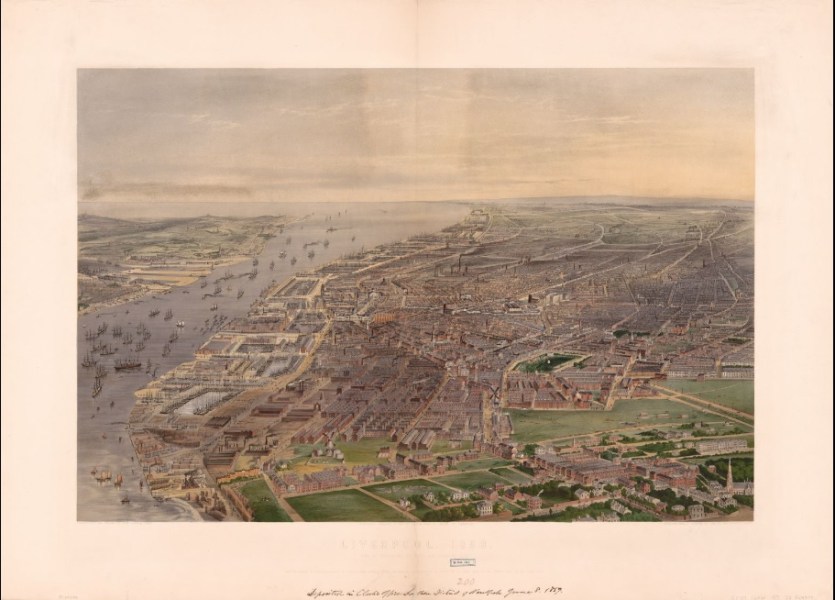
George E. Evans followed his father into the ministry and served at the Church of the Saviour at Whitchurch (1889-1897) as well as unpaid minister at Aberystwyth later in life. Primarily though he was an historian and antiquarian. Many of his publications relate to his interest in the history Unitarianism. Vestiges of Protestant Dissent is probably his best known work of this type although he also produced Record of the Provincial Assembly of Lancashire and Cheshire, a very useful detailed study of churches and their ministers in the north west of England, and Midland Churches: A History Of The Congregations On The Roll Of The Midland Christian Union. This all displays his wide geographical interests, also seen in publishing works about places such as Whitchurch, Colyton and Lampeter. He also wrote the first history of Renshaw Street Chapel in Liverpool, a city where he studied after being at the school of Gwilym Marles, the noted Unitarian minister and social reformer.
His main research interests increasingly centred on Wales, however. He was a founder member, secretary and editor of the journal of the Carmarthenshire Antiquarian Society. A member of the Cambrian Archaeological Society, he sat on its general committee and became a member of its editorial board, contributing to its journal Archaeologia Cambrensis. He was active in helping to establish two local museums in Wales and served on the Court of Governors of the University College of Wales, Aberystwyth, the Council of the National Museum of Wales, Cardiff, and the Council of the National Library of Wales, Aberystwyth. But this is by no means the full extent of his labours. He was made an Inspecting Officer of the Royal Commission on Ancient Monuments in Wales and Monmouthshire and in that capacity visited almost every monument or historic site in Wales. He joined the Boy Scouts in his 60s and became a County Scout Commissioner for Carmarthenshire and in 1928 became deputy Scout Commissioner for Wales. In 1937, two years before he died at the age of 82, he was made a Freeman of the Borough of Carmarthen where the Carmarthenshire Antiquarian Society has placed a blue plaque on one of the museums he founded and worked in.
He was a member of the Council of the Unitarian Historical Society and a frequent contributor to the Transactions, particularly writing about ‘Our communion plate and other treasures’. He visited Ireland in preparation for producing the Vestiges, mainly to inspect the communion plate, and from notes in his book we can follow his progress through Ireland in August 1892 when he went from Dublin (16th August), to Newry and Warrenpoint (17th), Clough, Downpatrick, and Rademon (19th), Moneyrea and Newtownards (20th), Ballycarry, Carrickfergus, and Larne, (22nd), and finishing up at Antrim, Templepatrick and Belfast (23rd). The only visit outside this sequence came on 14th October 1896, just a year before publication, when he visited Dunmurry and where he will have met the Rev J.A. Kelly who had been installed as minister on 23rd July of that year.















 velvethummingbee