NSP Lives of the Great War: 01 Alfred Turner


I am currently working towards the production of a Roll of Honour for the Non-Subscribing Presbyterian Church of Ireland in the First World War. All being well we should be on course for the publication of as complete a Roll of Honour as possible of all the men and women of the denomination in Ireland who served in the Great War including all those who gave their lives. This will be published at a service in Downpatrick on Sunday, 18th November at 3.00 pm.

The Roll will comprise two parts –  a list, by congregation, of all the men and women whose name is known who served in any capacity in the war, and a list, with brief biographical details, of all those who were killed during the conflict or died as a direct result of their service.

It is a melancholy task to trawl through the records trying to identify the service of the hundreds of names (often no more than names to start with) and to place them in the context of a regiment or ship or other area of service. The first part of the book will consist – because of its nature – of a list of names, the second will contain a bit more detail. But all the names dealt with are human stories and there is in the case of everyone behind the name a detailed account of a life, a family, service, sacrifice, bravery and suffering.

Alongside the production of the book I thought I would add here some more detailed stories of some of the people who appear in the book. I begin, with this post, with the Rev Alfred Turner.
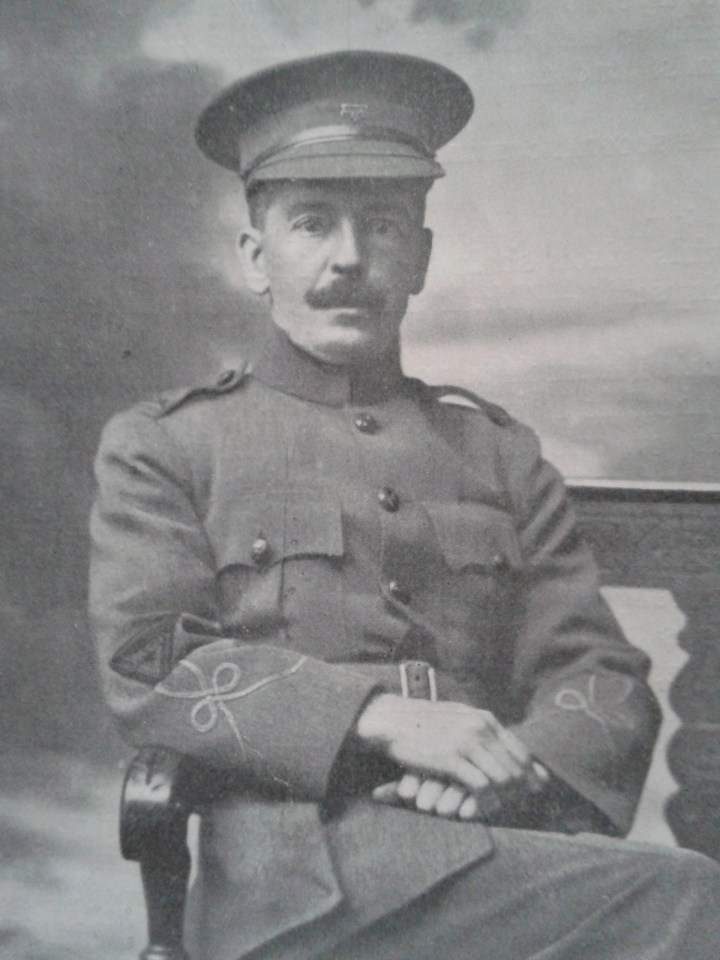
Alfred Turner 10 1916

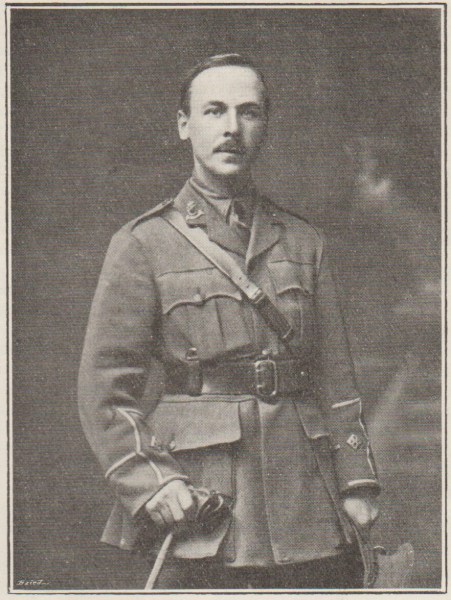
Rev Alfred Turner in the uniform of the YMCA

Alfred Turner was the highly respected minister of Templepatrick for a number of years and alongside his ministry held the position of the first editor of the Non-Subscribing Presbyterian magazine. Under his guidance the magazine began to maintain a Roll of Honour as the Great War commenced although this stopped at the start of 1916 and kept no record of the last two years of the war. One of the reasons for this is that Alfred Turner himself was heavily involved in war work. He served with the YMCA at the front as a uniformed non-combatant bringing support to the troops and working essentially as a chaplain. As such he was one of about five Non-Subscribing Presbyterian ministers who took on this role, although his contribution was the most extensive. As YMCA workers they conducted worship for the soldiers, distributed tea and cocoa and sold biscuits, cake, chocolate, cigarettes and candles to the troops. Alfred Turner gives full accounts of his work in the NSP and writes of feeding up to 3,000 soldiers in one go and of leading worship in packed huts where:

A great quiet pervades the place whilst the minister says prayer, and you can feel the communion of Spirit when, in the course of prayer, he commends to our Father’s guidance and keeping the loved ones in the homelands. It is a prayer in which all hearts and desires are joined, and then all unite in saying the Lord’s Prayer.

His accounts (and those of some of the others working with the YMCA) are valuable descriptions of the privations of the troops as well as their morale and attitudes which I will probably return to at some point.

The Irish Census for 1901 and 1911 record Alfred Turner’s growing family on the point of the cataclysm of the First World War. In 1901 with his wife Mary they record two sons and a daughter, his sister in law and a visiting relative plus two live-in servants. By 1911 they have two more children (a boy and a girl) another visiting relative but no live-in servants, instead there is a German governess for the growing family. In 1911 Alfred Turner misread the instructions for recording place of birth in the census and before adding ‘England’ here had written and subsequently deleted Bradford, Yorks.

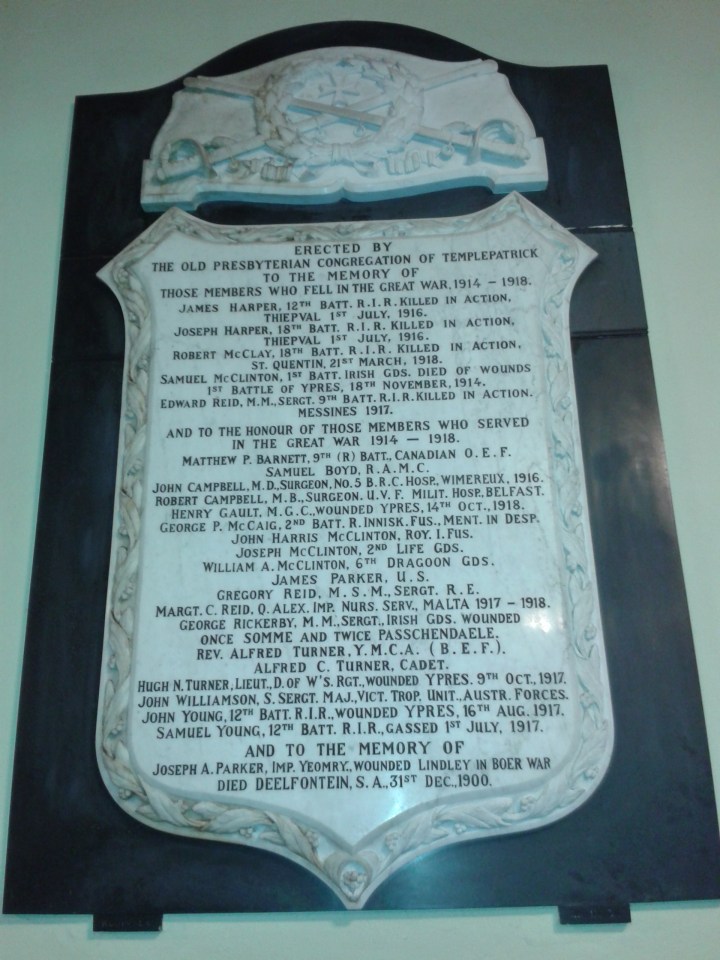
His eldest son (Hugh Nelson Turner) was 14 in 1911, his next eldest son (Alfred Clough Turner) just 10. Shortly after the outbreak of war Alfred joined the Queen’s University Veteran’s Corps and patrolled the Docks with that Corps. He later also worked as a munitions worker in Belfast. His eldest son had been studying for the ministry but joined up and is listed first of all in the NSP Roll of Honour as part of the Queen’s University Officer Training Corps. By March 1915 he is listed as being with the 14th Battalion Royal Irish Rifles, later still being commissioned into the Duke of Wellington’s (West Riding) Regiment with which regiment he was wounded at Ypres in October 1917. His younger brother Arthur Clough Nelson is recorded on the War Memorial in Templepatrick Church as himself having become a Cadet before the end of the war. He would have been about 17 by then.
Templepatrickmemorial04

Old Presbyterian Church Templepatrick War Memorial

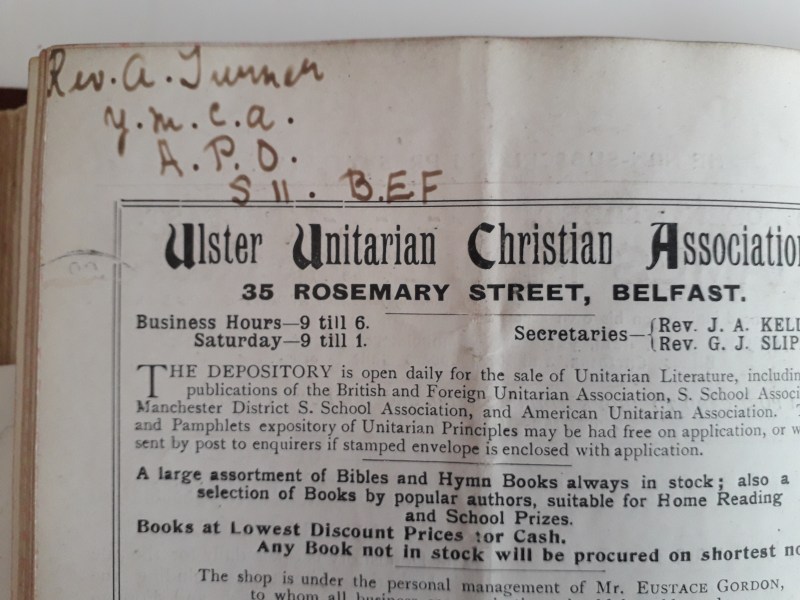
The Rev Alfred Turner was 53 in the year the Great War broke out and he managed to pack a lot into his war service as well as see his eldest son join up and face all the horrors of the Western Front, with his next son not far behind. He made a number of extended journeys to France to work with the YMCA. While he was away somebody deputised for him as editor of the NSP. I have his personal bound set of the first ten years of the magazine. It is a poignant memento and contains a copy of the October 1916 issue sent out to him at the front. That issue contains his portrait (as shown above). In my copy a line runs through the photograph where it was folded to post and on the back page is written the military postal destination where Alfred Turner was based at the time (picture above).

 

Downpatrick visit to Streamvale Open Farm


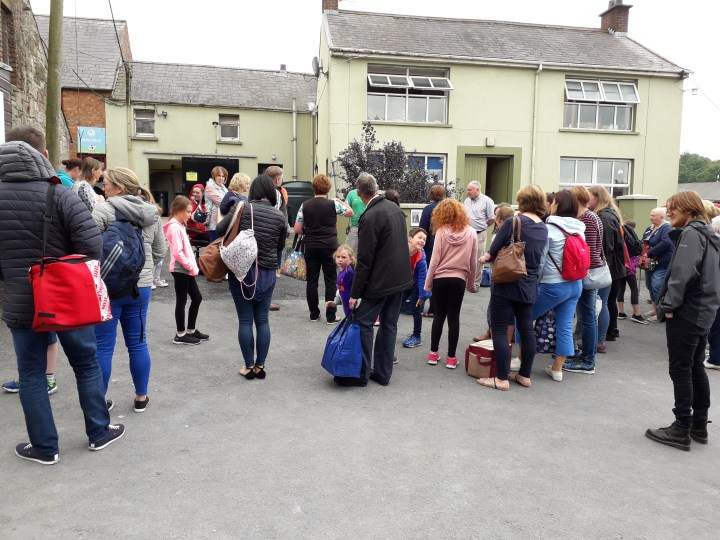
Streamvale arrival

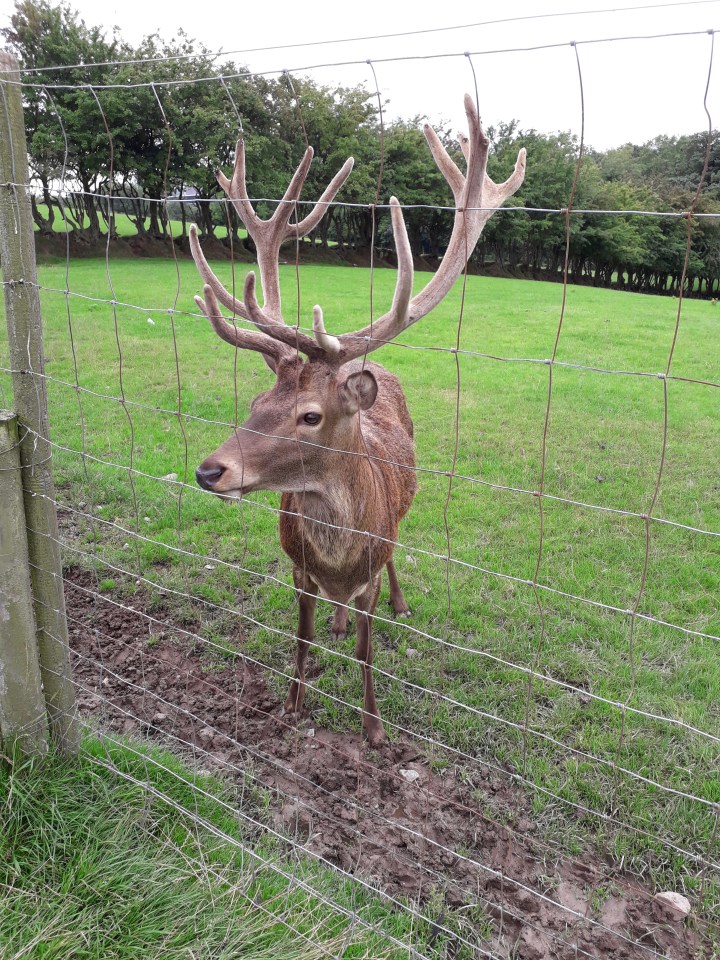
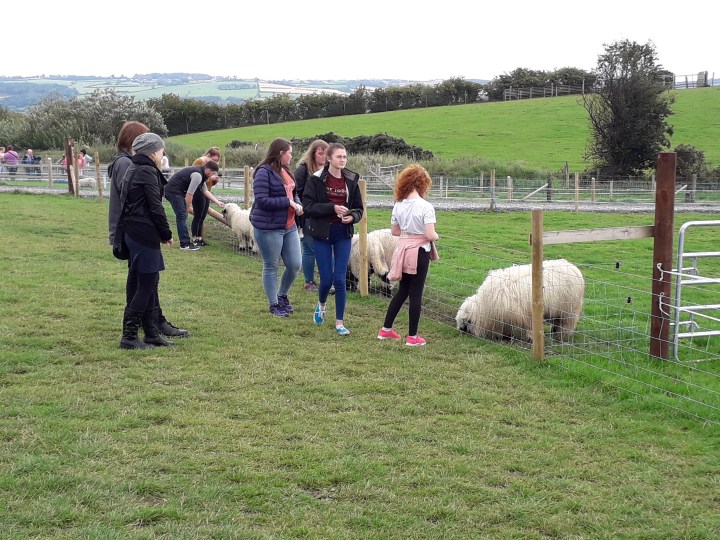
On Tuesday, 21st August a party of over 50 adults and children enjoyed the Downpatrick Sunday School visit to Streamvale Open Dairy Farm. The weather was kind and the large party were able to enjoy the various attractions on offer including feeding all manner of animals (deer, Highland cattle, sheep), tractor rides, sheep racing and a whole lot more. It was a hugely enjoyable day out for everyone and a big thank you to Annabel for arranging the coach.

Streamvale Highland Catte 02


Streamvale dog display

Dog display

Streamvale sheep racing

Sheep (and goat) racing

Streamvale waiting for tractor

Waiting for the tractor

Streamvale tractor turning

Streamvale tractor drive 01

Streamvale tractor drive 02

Tractor drive

Streamvale deer

This slideshow requires JavaScript.

Feeding the deer

Streamvale Swiss sheep 03

Streamvale feeding Valois sheep

Valois Blacknose sheep

Streamvale feeding cattle

Streamvale Highland Catte 03

Highland cattle


Downpatrick Treasure Hunt 2018

20180804_181206

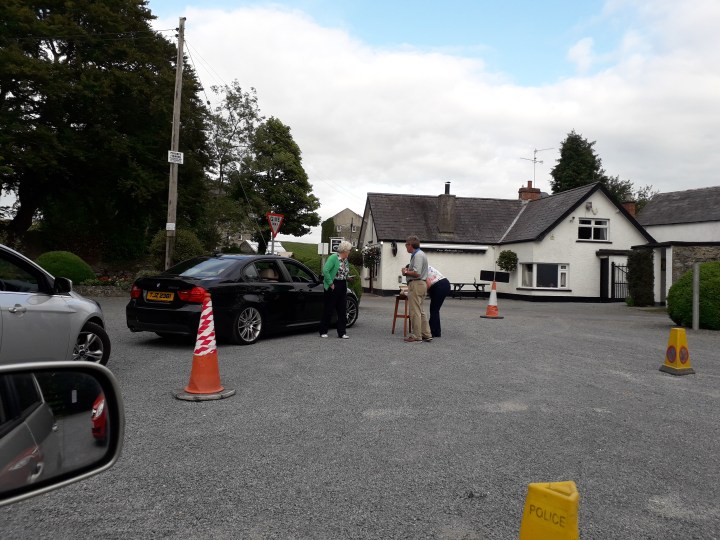
Sending the cars out from the Lakeside Inn at the start of the Treasure Hunt

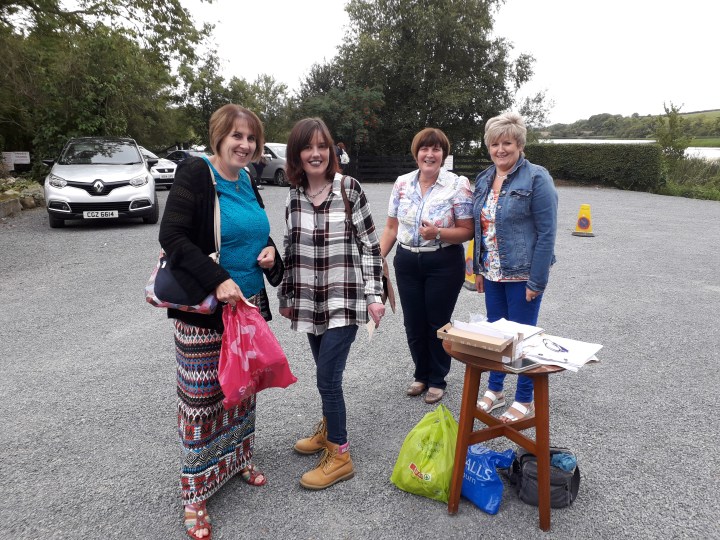
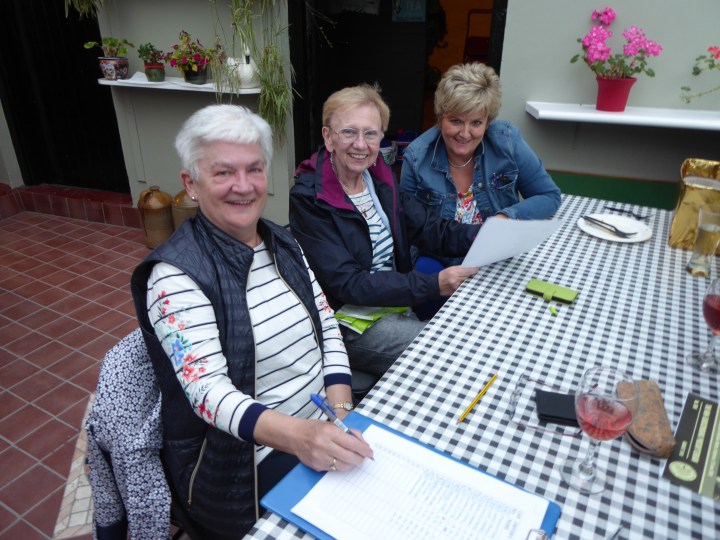
The Downpatrick congregation held a very successful and well-supported Treasure Hunt on Saturday, 4th August. With a new route taking us in part through the town and up to Struell Wells with thirty-eight fiendish questions devised by Marion and Anna the journey took approximately one hour and back at the Lakeside there was a very welcome hog roast for participants. A large team made sure everything went smoothly with cars being timed out and back in again and everyone enjoyed a really excellent evening. Renie entertained everyone with her playing and we were again very fortunate with the weather. Thanks goes to everyone who helped in any way including those who donated prizes and to Margaret and Geoffrey for making the Lakeside Inn available to us. We also raised, at the time of writing, around £850 for church funds. A very successful evening.

P1020165

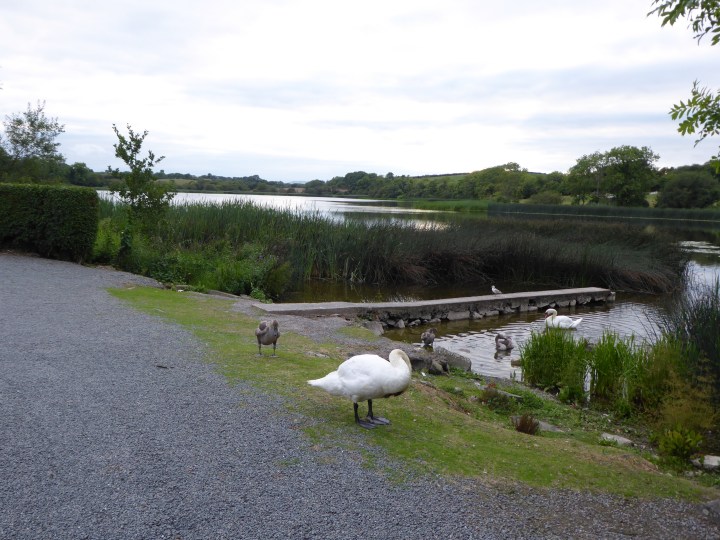
Ballydugan Lake

20180804_184157

Struell Wells, where St Patrick sang Psalms and prepared to Christianize Ireland

20180804_192813

Greeting the cars on their return

P1020169

Recording the returning cars’ times

P1020167

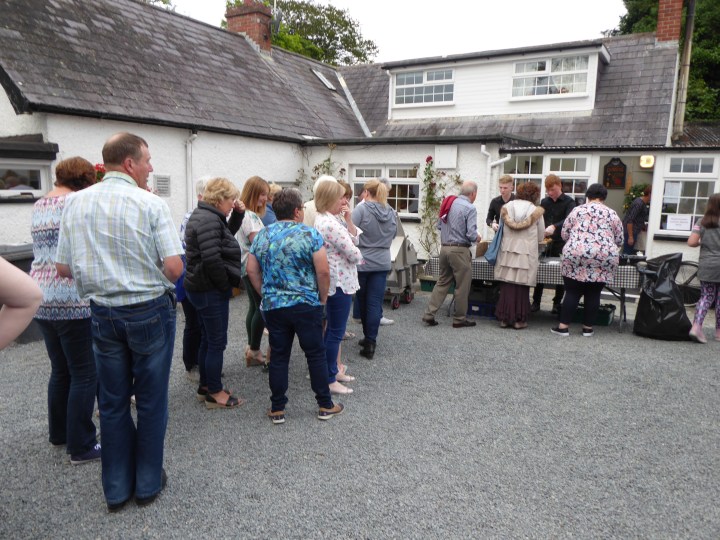
Queuing for the hog roast

20180804_220327

Making the draw for the ballot

20180804_221200

Inside the marquee


Swans and cygnets (Photos: Jack Steers)

Non-Subscribing Presbyterians and the Great War

On the 102nd anniversary of the beginning of the battle of the Somme in 1916 I thought I should publish on this site my appeal for any information about members of the Non-Subscribing Presbyterian Church of Ireland who served in the First World War.

I am currently in the process of compiling a full of Roll of Honour of all the men and women of the denomination who served in the Great War. This will be published at a service held at Downpatrick on Sunday, 18th November at 3.00 pm. To date I have identified over 500 men and women who served in the Great War and the names of over 80 men who gave their lives. Having issued an appeal to all churches for information I have received a great deal of help, however, I am also anxious to hear from any church members who had relatives who served in the First World War and were Non-Subscribers.

The number of people who joined up varies from one congregation to another, generally it would be larger in city or town congregations, but the numbers that have so far come to light in some places are almost certainly not complete. So I would appreciate it especially if church officers could make a check of their records and minute books just to see if there are any additional names which may have been overlooked, particularly in those churches where the numbers are currently low.

Also anyone who had a relative involved in the Great War or knows of anyone who served in the First World War and belonged to the Non-Subscribing Presbyterian Church of Ireland can contact me on editor@faithandfreedom.org.uk to let me know their name and service record.

So far these are the numbers that I have for each congregation (with the number of people who were killed in action or died of wounds shown in brackets):

Antrim 1 (0); Ballee 3 (1); Ballycarry 10 (0); Ballyclare 1 (0); Ballyhemlin 5 (0); Ballymoney 5 (0); Banbridge 12 (2); Belfast All Souls’ 31 (3); Belfast Domestic Mission 22 (0); Belfast Mountpottinger 20 (4); Belfast Rosemary Street 43 (6); Belfast York Street 12 (0); Cairncastle 3 (0); Clough 10 (3); Comber 49 (10); Cork 1 (0); Crumlin 1 (0); Downpatrick 35 (3); Dromore 51 (7); Dublin 11 (5); Dunmurry 14 (1); Glenarm 8 (5); Greyabbey 2 (0); Holywood 54 (9); Killinchy 8 (0); Larne 50 (15); Moira 1 (0); Moneyreagh 6 (2); Newry 21 (2); Newtownards 11 (0); Rademon 7 (3); Raloo 2 (0), Ravara 0 (0); Templepatrick 25 (5); Warrenpoint 0 (0).
The photograph at the top of the page (taken by Baird of Belfast) is of Second-Lieutenant Percival Godding. Originally from Wandsworth he was minister of Ballyclare Non-Subscribing Presbyterian Church in 1917 and was commissioned in the Royal Irish Rifles in that year. He spent six months in a German prisoner of war camp but returned home safely at the end of the war.


Exposition of Presbyterian Church Order


A number of people asked me for a copy of the Exposition of Presbyterian Church Order given at the ordination and installation of the Rev Dr Heather Walker at Rademon this afternoon. Our best wishes go to Dr Walker and her congregation as they begin this new ministry. A number also spoke to me about John Henry Lorimer’s ‘The Ordination of Elders in a Scottish Kirk’ which I am pleased to reproduce here.

It is my responsibility today to deliver what is called the Exposition of Presbyterian Church Order. This part of the service is required by the Code of Discipline to be delivered at all services of ordination or installation of both elders as well, in fact, as ministers.

It is meant to describe and explain the system that governs our church life which we term Presbyterian. The Oxford Dictionary of the Christian Church defines ‘Presbyterianism’ as ‘a form of ecclesiastical polity wherein the Church is governed by presbyters’.

So what is a presbyter? Basically this comes from the Greek word presbuteros, which generally means elder, a word found in the New Testament as describing those who were given positions of leadership in the early church. In Acts ch.14 v.20-23 we see Paul and the disciples appoint the first presbyters in the new churches they founded:

When they had preached the gospel to that city and had made many disciples, they returned to Lystra and to Iconium and to Antioch,
strengthening the souls of the disciples, exhorting them to continue in the faith, and saying that through many tribulations we must enter the kingdom of God.
And when they had appointed elders for them in every church, with prayer and fasting they committed them to the Lord in whom they believed. 

The Greek word behind what is rendered here as elders is presbuteros a word also used by followers of the Jewish religion at the time who administered their synagogues through bodies of presbuteroi.

So this is the Biblical root for our system and our name. Of course, other ecclesiastical systems are also derived from the Bible, based on different understandings of different words and the different traditions that have grown up over the centuries. Presbyterianism really re-emerges after the Reformation when the reformers develop a system of church government that they presented as truest to the earliest formation of the church.

Presbyterianism begins in Geneva but spreads across Europe as the reformed church spreads. It can take different forms, in different places. In England historic Presbyterianism was based not round the presbytery but on what they termed the classis. English Presbyterianism was crucially important at one time, however else would we have got a document termed the Westminster Confession of Faith? But in the English-speaking world generally the Church of Scotland becomes the model and example of how a Presbyterian church is formed and governs itself.

One of the places we think of first when think of Presbyterianism is Scotland and particularly Edinburgh. The figure of John Knox played an important part in the development of Presbyterianism in these islands and Edinburgh was right at the heart of this development.

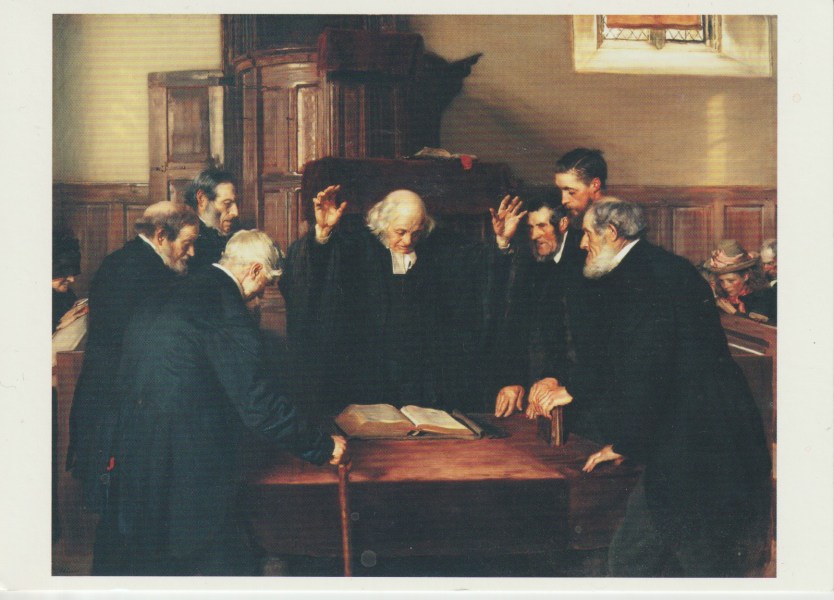
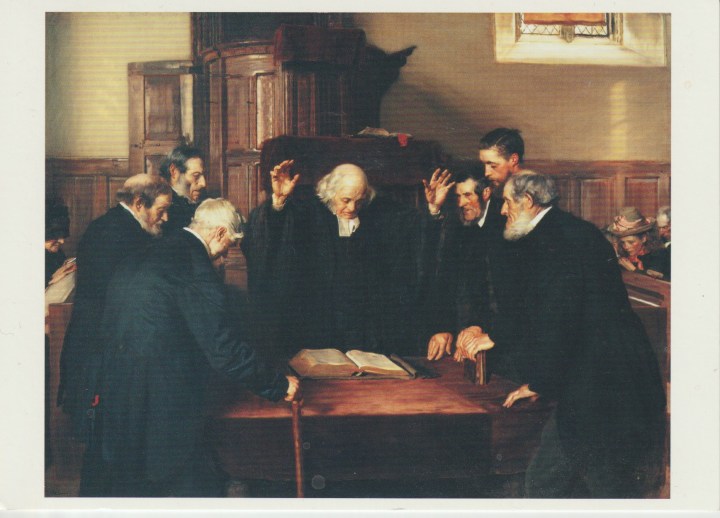
If you go to Edinburgh and visit the National Gallery of Scotland you can inspect many wonderful, beautiful and fascinating paintings, but one of my favourites there is entitled ‘The Ordination of Elders in a Scottish Kirk’ by John Henry Lorimer. This was painted in 1891 and shows a minister offering prayer over a group of newly ordained elders gathered before the pulpit in a plain church, maybe one not dissimilar from this meeting house. The minister and the elders stand in front of the pulpit situated at the centre of a long wall pretty much as in this building.

Ordination of Elders

‘The Ordination of Elders in a Scottish Kirk’, John Henry Lorimer. (National Gallery of Scotland).

To me it exhibits something of the best of the Presbyterian tradition at its widest. It captures the simple but sincere piety of the occasion. There is a great humanity about the expressions of the people captured in the painting and the down to earth setting frames what is an encounter with the divine, something holy, as the new elders bow their heads in prayer.

But it shows Presbyterianism in action. Of course, any system can be a success if it is operated by men and women of goodwill but this is the system that history has bequeathed to us. If we take our system seriously and endow it with proper respect – without treating it as an end in itself – then it will not be a burden or a restraint on us but rather an effective means for the expression of our faith.

In our tradition the presbyter – or the elder – takes two forms:

the ruling elder

and the teaching or preaching elder, who is more commonly styled the minister.

Both are chosen by members of the congregation and both are ordained in the same way by the representatives of the presbytery which is really all the local congregations acting together.

In our system each congregation is managed by a committee and a session both of which are elected by the members. For us the committees are elected each year and look after the financial and material and organisational side of church business. The membership of the session, which comprises the elders and the minister, is elected for life and they have charge of the spiritual side of the church. It is the role of the minister to chair the committee and session, to be the moderator of the session.

Originally the elders shared in the task of what was called discipline, that is to say the oversight of Christian morality. But we would see that in modern terms as pastoral care, having care for the well-being of all the members of the congregation. Tied in to this the elders also have a part to play in the administration of communion and in visiting. But in both pastoral care and the administration of the sacraments the minister clearly has the central and essential role.

The elders also have a role in providing representatives to the other courts of the church, namely the presbyteries and the synods. And this is a key fact that all our church bodies are made up of both ministers and lay representatives, and the elders, as the lay representatives, play an equal part in the work of these bodies. So each congregation has one representative elder who attends the various courts of the church alongside the minister.

The Presbyterian system is a representative system with each level being made up of representatives of the basic unit, the congregation. It is a democratic structure with congregations at the base. Above that a representative meeting of ministers and elders make the presbytery and above that congregational representatives and ministers within a group of presbyteries come together to form a synod. In larger denominations than ours a group of synods would form a general assembly.

But the basic building block for the system is the congregation. This congregation has a long and impressive history tracing its origins back to 1713 and being associated with the pioneering academy run by Rev Moses Neilson which educated boys of all religious backgrounds, many of whom entered the ministry or the priesthood. This illustrates very well the role freedom of thought and openness to inquiry has played in the formation of our denomination across the centuries.

So for us each individual congregation belongs to a presbytery. This could be the Presbytery of Antrim which was formed in 1725 when the first Non-Subscribers – those who objected to the imposition of the Westminster Confession – were placed together in the same presbytery.

It could be the Presbytery of Bangor of which this congregation is a member, founded following the second subscription controversy again by those who objected to the Westminster Confession on principle. They took the view that the Bible alone was the rule of faith and practice. No secondary document was necessary because it would either be repeating what was already in the Bible and therefore superfluous, or it was introducing something new, which could be, they said, pernicious.

Or a congregation could be a member of the Synod of Munster which has the standing of both presbytery and synod within our system and is the third element in our basic structure.

The Presbytery of Antrim and the Presbytery of Bangor when they meet together – or when their composite ministers and representative elders assemble for a stated meeting – do so as the Remonstrant Synod of Ulster.

And when the Remonstrant Synod of Ulster representatives and the Synod of Munster ministers and elders gather together then they do so as the General Synod of the Non-Subscribing Presbyterian Church of Ireland, the highest court of our church body.

This, very briefly, is the outline of the Presbyterian system as it has come to us. It is derived from the course of our history, it is rooted in the Bible and it symbolises – at its best – a system that is democratic and inclusive.

With this in mind we should thank God for our system which in the end exists solely to help us build his kingdom. As we gather under its auspices today we pray for God’s blessing on our assembly and the work we do in his name, on this congregation, and on the minister who this day we ordain.


Postcard from Banbridge

Banbridge Post Card

Banbridge July 2017 ext 01

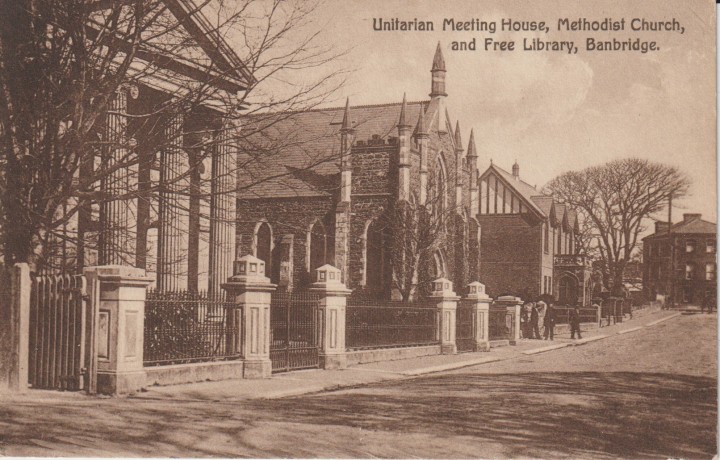
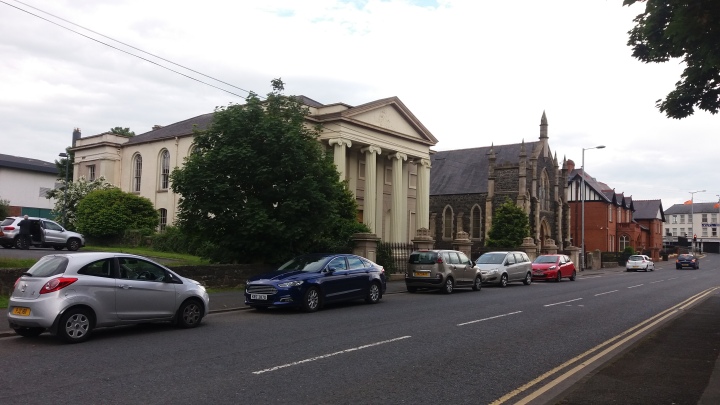
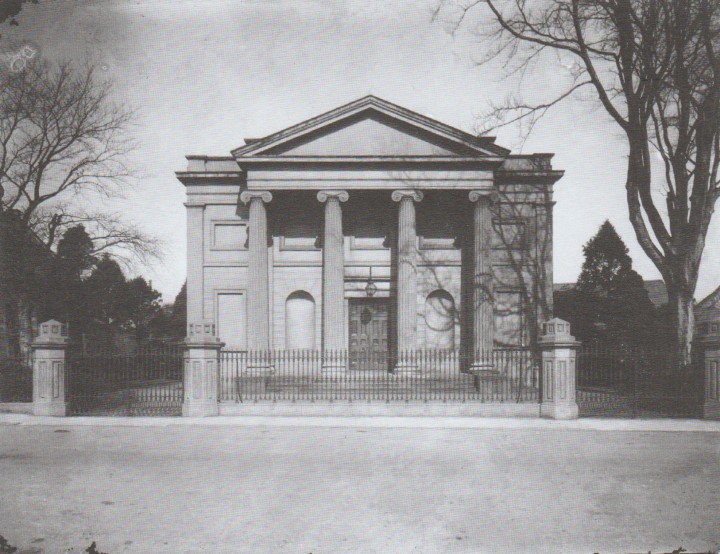
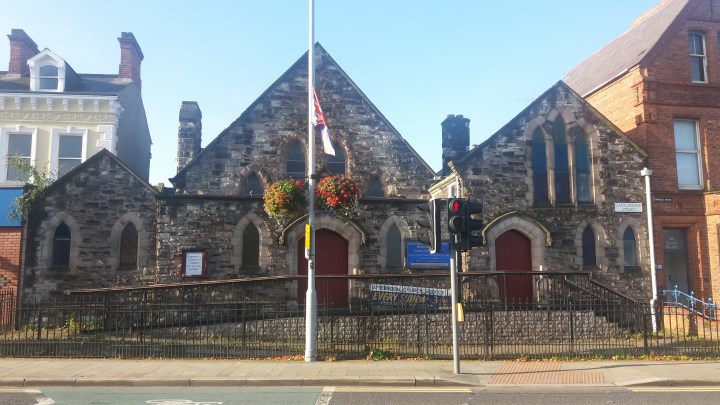
This postcard view of the Non-Subscribing Presbyterian Church in Banbridge along with the Methodist Church and what was then the library in Banbridge must date from before the First World War. It is not particularly rare but I was pleased to pick one up quite cheaply recently. I must have had the view in mind when I took the picture of the same group of buildings in 2017 and, apart from the inevitable cars parked in the way, the view has essentially not changed in a hundred years. The First Presbyterian (Non-Subscribing) Church, Banbridge is a remarkably imposing edifice both inside and out, the four fluted ionic columns tell the visitor that this meeting-house is a significant place. Built between 1844 and 1846 it speaks of the confidence of the congregation building anew immediately after the Dissenters’ Chapels Act of 1844 and choosing a style of architecture that eloquently expressed their identity.

banbridge

A Victorian photograph of the exterior

Candlelight Carol Service

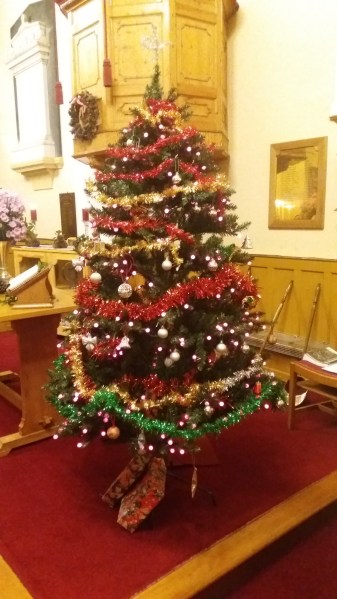
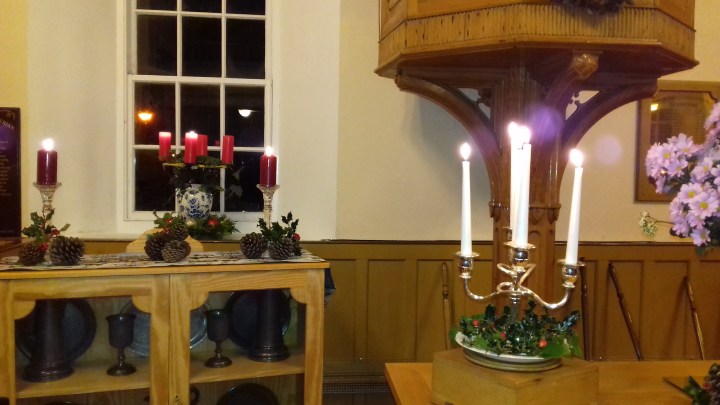
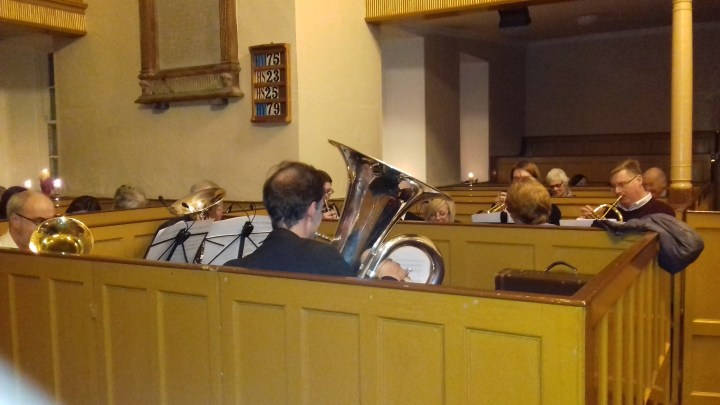
The congregations of Downpatrick, Ballee and Clough held their joint Candlelight Carol Service on Wednesday, 6th December at Downpatrick at 7.30 pm. The church was attractively decorated and as well as Alfie McClelland on the organ we were delighted to have the Laganvale Ensemble accompanying the carols and playing some other pieces. The mellow sound of the band filled the eighteenth-century meeting-house magnificently.

Candlelight 02 MS

Underneath the pulpit

Candlelight 04 MS

Laganvale Ensemble

We had readers from all three congregations, including one passage read first in German by Eleanor to commemorate Martin Luther’s translation of the Bible, begun 500 years ago. The readers were Amanda Ramsey, Thomas Rooney, Eleanor Baha, Tierna Kelly, Megan Neill, Elsie Nelson, Robert Neill, Doreen Chambers, Roy Kelly, and Charles Stewart.

Original of Readers

Readers

Candlelight Gallery daytime 02

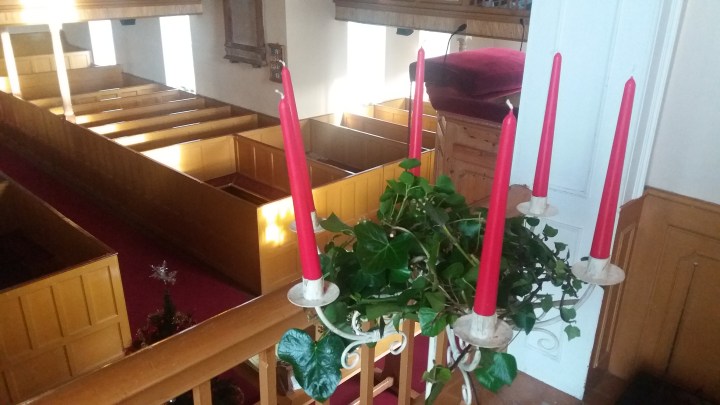
The view from the Squire’s Gallery earlier in the day

The regal heads of Mountpottinger

On my History of the Non-Subscribing Presbyterian Church of Ireland blog I have been gradually posting two images of every church in the denomination together with a short description of the building. My aim is to include every active church plus as many of the former churches for which images survive. You can view them here:

https://nonsubscribingpresbyterian.wordpress.com/blog/

I have amassed a large database of images in various formats over the years but passing near the Mountpottinger church in Belfast recently I decided to stop to take an up to date view.

Mountpottinger front 03 2017

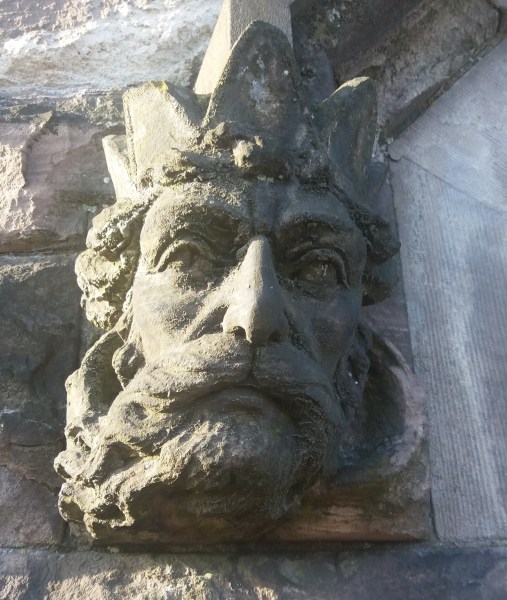
Looking at the church close up I noticed something that I had never seen before, namely that there are four corbel heads at the base of the main entrance arches which depict crowned heads. I know I am not alone in having previously missed this intriguing detail but close up you can see four regal faces, two of them male and two female:


Who are they meant to represent? Biblical figures? Historical? Shakespearean perhaps? Or are they purely decorative? It seems clear that they were added when the church was extended in 1899. The foundation stone for the original church was laid in 1874 but the young congregation was very successful and in 1899 they extended the building.

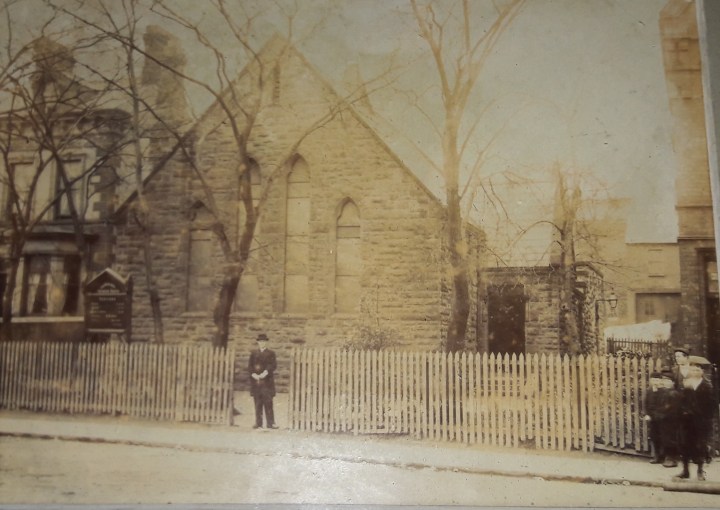
Adrian Moir, the congregational treasurer and representative elder, has sent me the follwing interesting photograph of the original building as it looked before 1899. Standing in front, he thinks, is the Rev William Jenkin Davies minister from 1896 – 1903 who was married to the niece of Sir Edwin Durning-Lawrence who donated the new schoolroom as a memorial to her following her death:

MountpottingerChurchpre1899 01AMcropped

Sir Edwin Durning-Lawrence was a major Unitarian benefactor, an MP who declared the Unitarian College, Manchester open when it moved to Summerville in 1905, a friend of the Rev Alexander Gordon and the leading proponent of the theory that Shakespeare’s plays were actually the work of Francis Bacon!

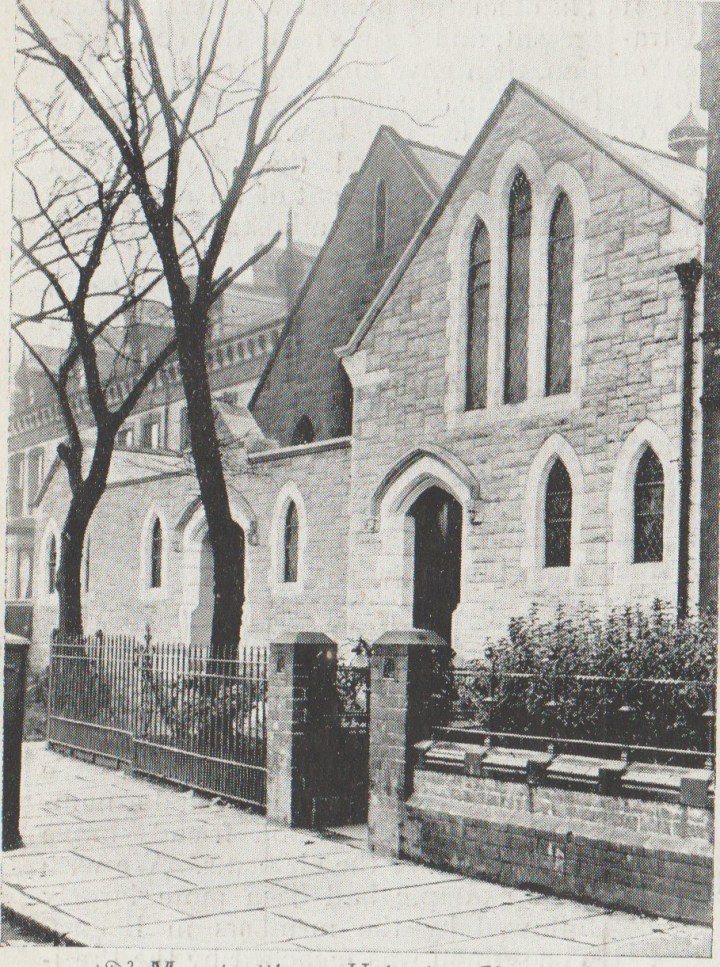
A comparison of the new buildings of 1899 with the old one shows how they added a schoolroom and ancillary rooms on both sides of the original church with a common frontage uniting all the structures. In very recent times a disabled ramp was added to the church.

Belfast Mountpottinger 1907

A view of the church published in 1907, showing the new additions to the building

But it would be interesting to know the identity of the four regal heads who adorn the outside wall of Mountpottinger church.

Pew Numbers


It is hard not to imagine that every feature of dissenting meeting-houses has been subject to some serious scrutiny at one time or another. The regular publication of surveys of non-conformist churches and the work of the Chapels Society are testimony to the ongoing interest that there is in these types of buildings. But I was led to reflect on one aspect of the history of old meeting-houses that may not have had too much attention over the years by the ‘discovery’ recently of a long discarded pew number in my church at Ballee.

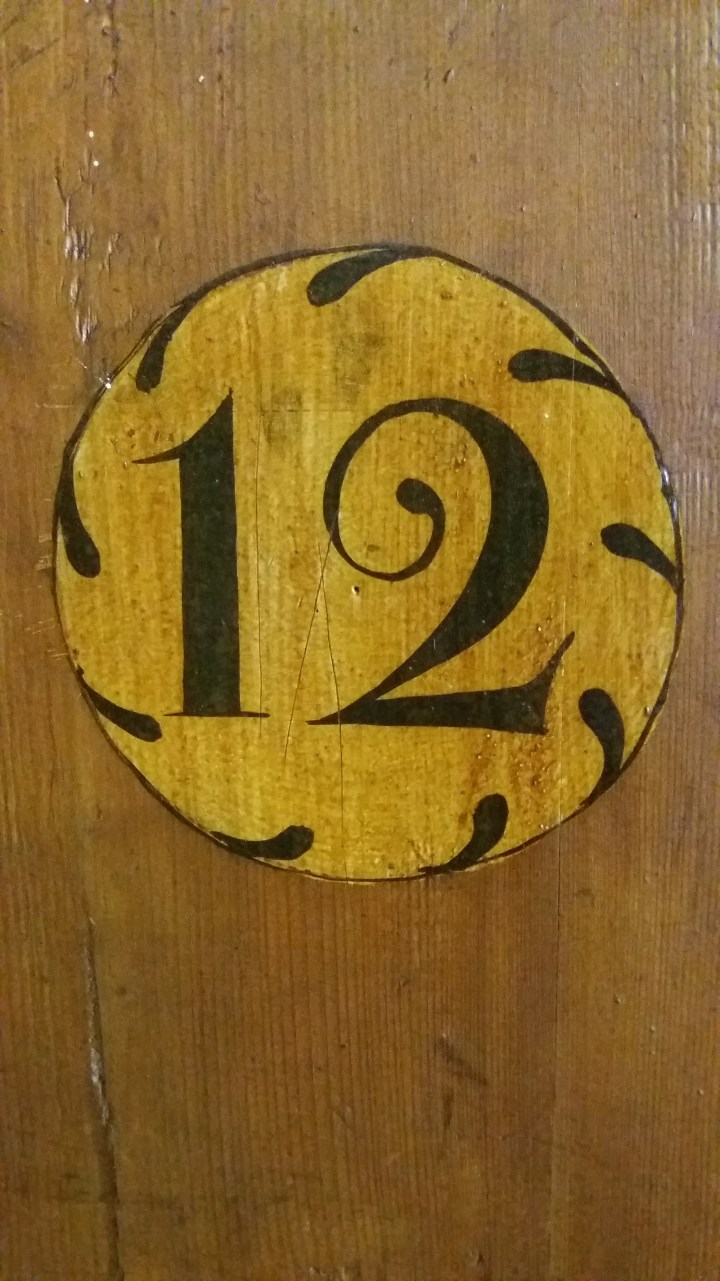
It wasn’t really a discovery since I and many people knew it was there all along but, for the first time, I took a close look at it and realised that it is a work of art in its own right. When the Ballee meeting-house was refurbished in 1912 they replaced the old box pews with ‘modern’ open ones. They may have re-used the timber from the old pews to make the new ones, they certainly used the old pews to make partitions and features in the rooms they created in both ends of the long arm of the ‘T’ of the church.

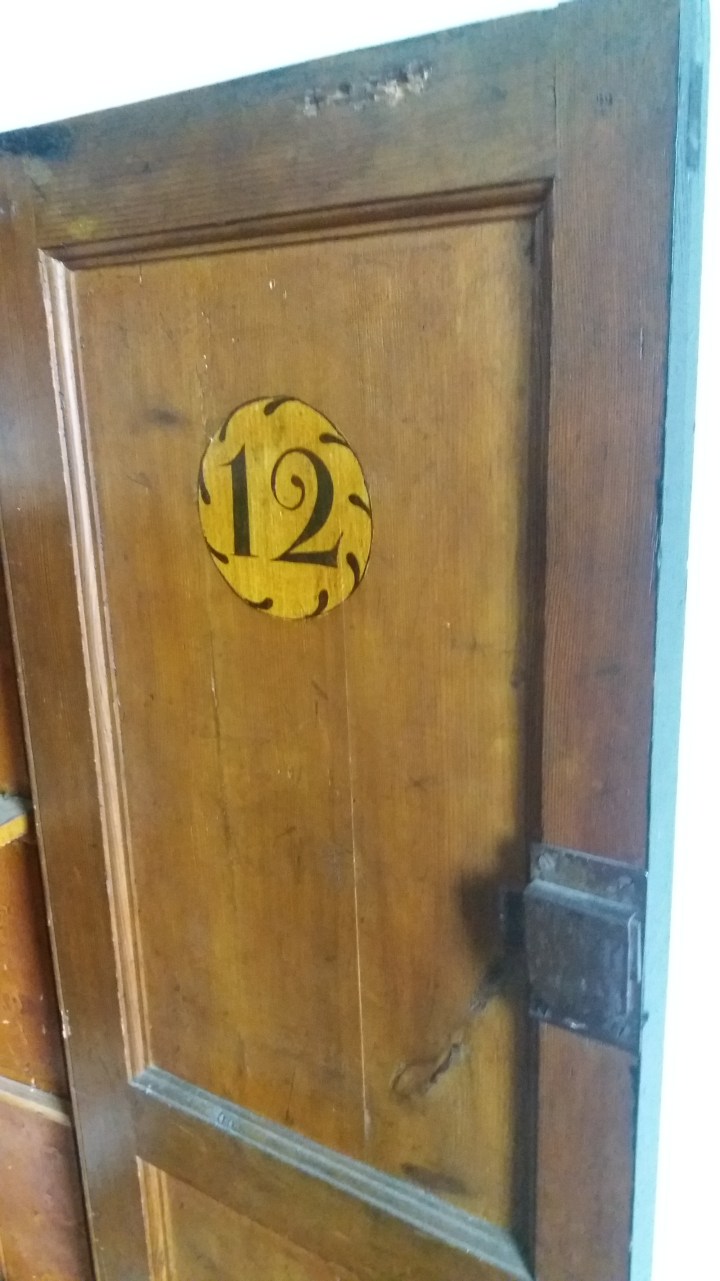
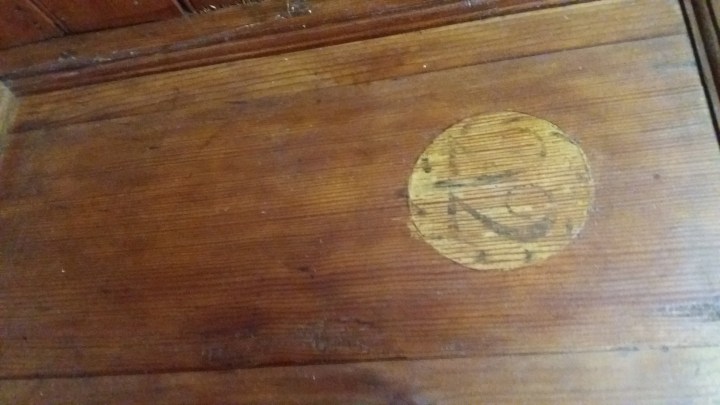
This number 12 is in the inside of a cupboard in the vestry. When you look at it, a lot of the wood which was used there and in the library and in the store room at the other end of the church, must clearly have once formed the original box pews, probably dating back as far as the early eighteenth century. Much of it has been stained a very dark colour but in some places the original colouring can be seen and there are two places where the pew numbers are visible. One is a slightly faded number 22 but the other is this one inside the vestry cupboard.

BalleeCupboard12 01

Inside the cupboard

It has been protected from the sun for over a hundred years and it is clear that at some point after it was painted on the door of the pew when in situ someone had carefully left it untouched when re-varnishing the rest of the door. An expert could probably date this number more or less exactly. I would guess it dates from the end of the eighteenth or the start of the nineteenth century. It is certainly very carefully done. It must have been an important project for the congregation at that time to see that their pews were so clearly labelled, and done in such an attractive manner.

BalleePew22 01

A panel high in the corner of a store room – number 22

For most types of dissenting congregations pew numbers and pew rents were a central feature of the finance and management of a church or chapel. Who owned which pew and who sat where were important questions so their clear numbering was an important thing. For the historian financial records of pew rents are an important source but I can’t remember much discussion of the way numbers were added to pews.

In the nineteenth century, and probably before, it was possible to buy ceramic or brass numbers to fix on pew ends or doors. But very often the numbers were painted on. The pews in Ballee today are all unnumbered, as they are in Clough. In Downpatrick, which still has its original box pews, the numbers have all been removed downstairs but they survive in the galleries. These are very neatly done and to me look like eighteenth-century adornments.

Some of the Downpatrick numbers

But the now almost completely vanished pew numbers from Ballee must have looked very impressive. I will look out for more examples of historical pew numbering from now on.

Ballee 12 02

Number 12

Postcards from All Souls’


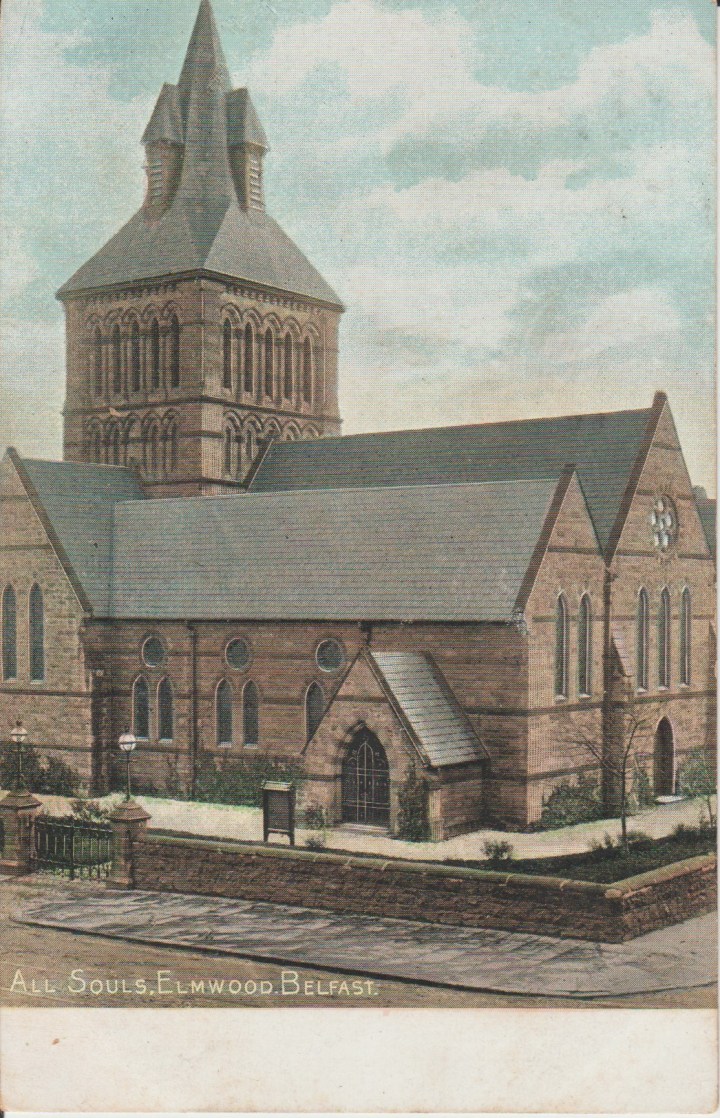
Edwardian postcards of Non-Subscribing Presbyterian churches are not unknown but they are not common. Obviously some churches feature more prominently in this format than others although generally some of the churches in towns outside of Belfast – such as Dromore and Banbridge – are the most frequently seen. In Belfast All Souls’ Church appears on four postcards that I am aware of although two of them are very curious in their own right.

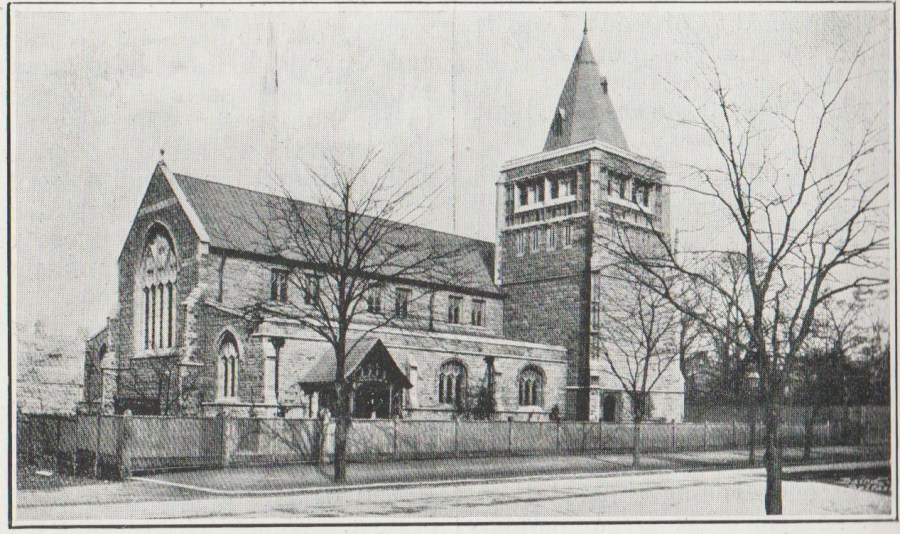
The picture at the top of this page (not taken from a postcard as it happens) is a fairly obvious view which does appear as a postcard. Another postcard that does sometimes turn up is of an architect’s line drawing of the Rosemary Hall which was published before the Hall was opened.

The other two cards, of which I have copies, raise a number of questions. The first is this one:

Postcard St Marys All Souls

What the eagle-eyed will immediately notice is, that whatever the inscription says at the bottom of the picture, this is not a postcard of All Souls’ Church, Elmwood Avenue, Belfast. It is quite neatly printed and isn’t badly produced. On the reverse it says it is part of ‘The “National” series’ and was printed in Britain. So it may not have been locally produced which might account for the error. But I wonder how many copies they sold? Who would have bought them?

It is in fact a picture of St Mary’s Church of Ireland on the Crumlin Road. Does this mean that there is in existence a view of St Mary’s Church that has been carelessly titled ‘All Souls’ Church’ by the printers. I have not seen one if such a thing was ever printed.

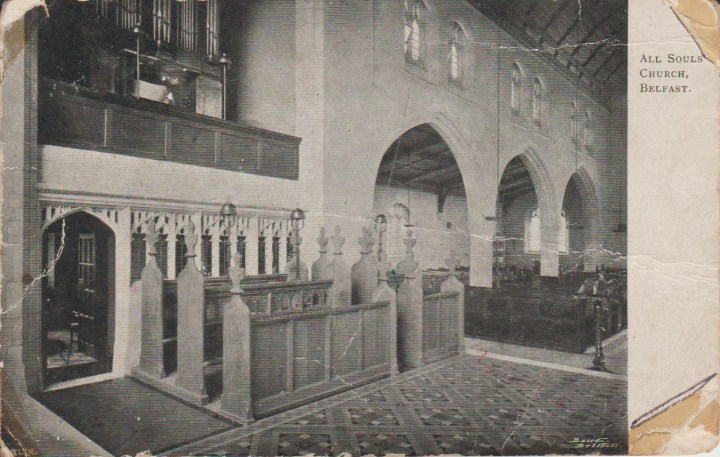
The other card definitely is of the interior of All Souls’. It is quite a well-taken view showing the organ, the chancel and part of the nave and published by Baird’s of Belfast. Unfortunately my example is a bit dog-eared and creased but I am glad to have it because these postcards are fairly rare these days.

Postcard All Souls

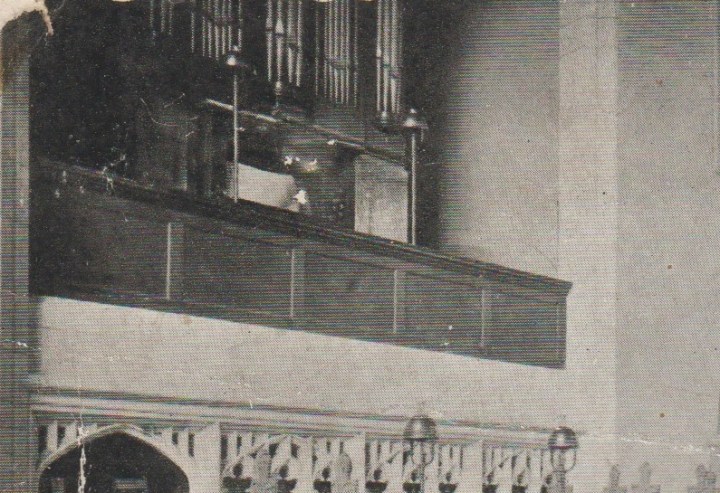
The church does have an enlargement of this view which was held in some awe by some of the members. The reason for this can be seen if you look carefully at the organ console. This was the original organ that was moved to All Souls’ in 1896 when the congregation migrated from Rosemary Street. Originally opened in 1806 it was the first organ used by a Presbyterian congregation certainly in the north of Ireland. I have written before about the history of this interesting instrument which is still in regular use in Newry Non-Subscribing Presbyterian Church where it moved in the 1920s. But much mythology attached to the organ. One story was that it had been built for St George’s Chapel, Windsor by the famous organ builder John Snetzler. This was very widely repeated and continues to be repeated sometimes in the present day. Some years ago I discovered and published the true origin of the organ (which was constructed in Belfast as you might expect) but many people still prefer the legend! Attached to the legend was a belief that the old organ was haunted, and haunted by no less a ghost than that of George Frideric Handel. This is where the postcard comes in because it was believed by many that the picture shows his ghost sitting at the organ:

Postcard All Souls cropped

One person told me that this picture had been subjected to a battery of tests but no one could explain the blurred image in front of the organ keys. My scan is not wonderful but there is a blurred image that is printed on the photograph. If you look carefully though you can just about make out the figure of an Edwardian lady in a large hat. I don’t think it is G.F. Handel.