Downpatrick Harvest 2018


Dpk Harvest entrance

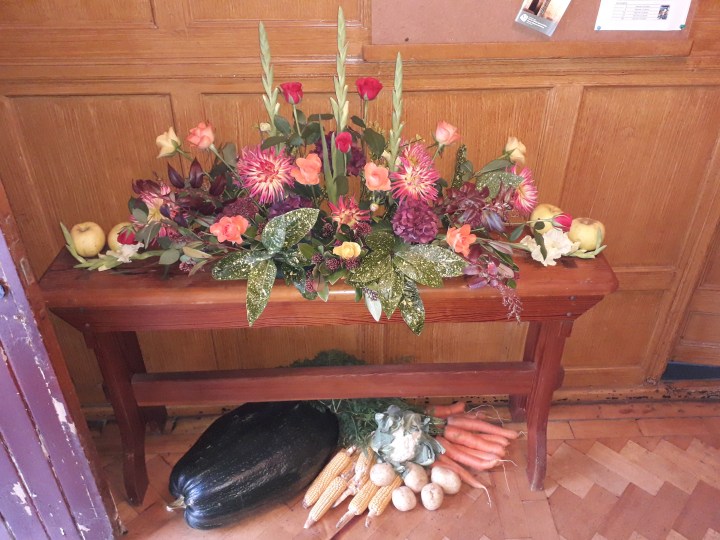
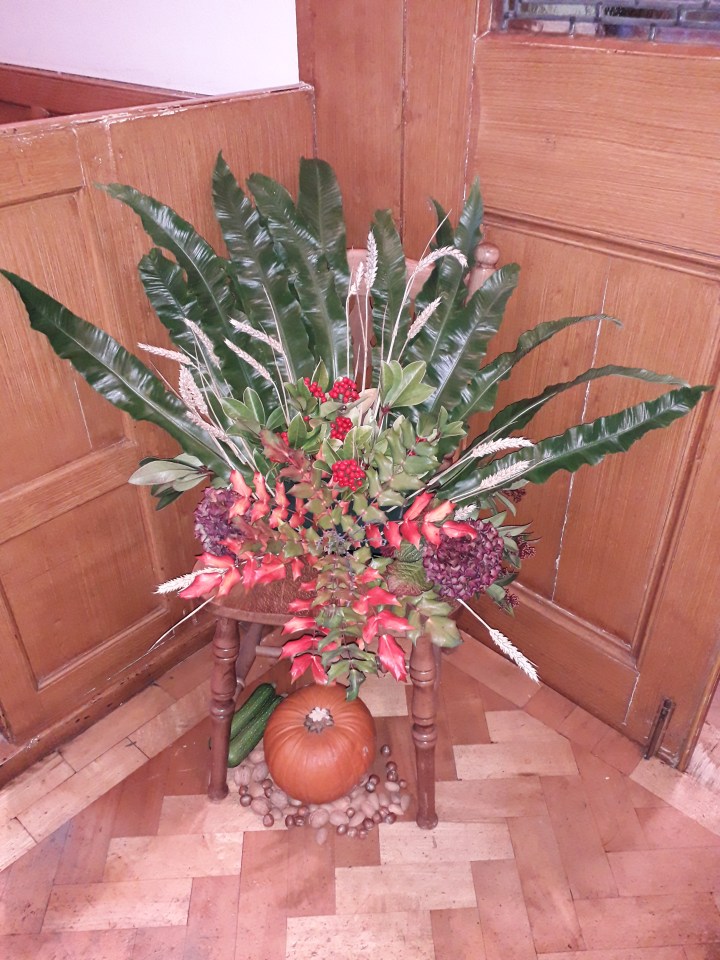
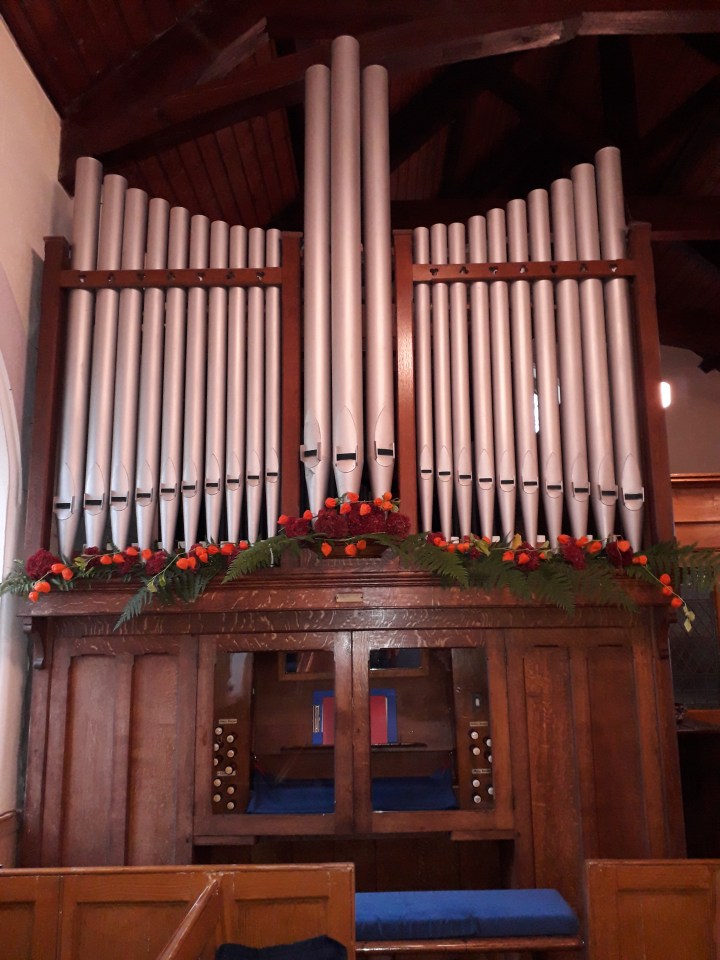
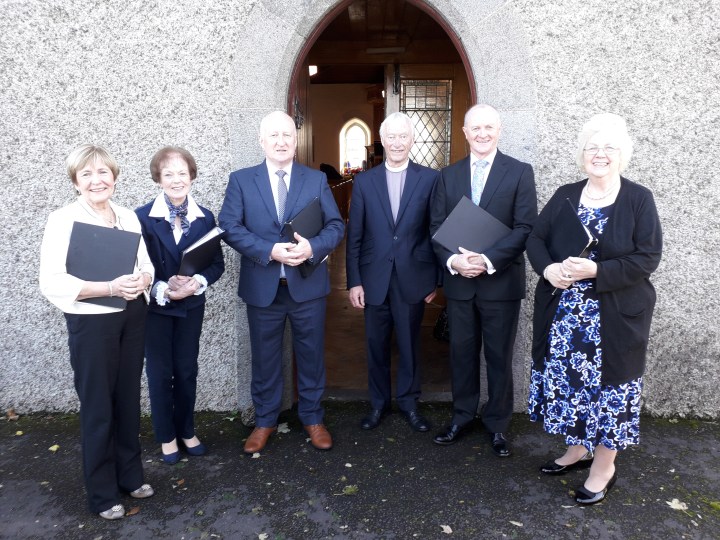
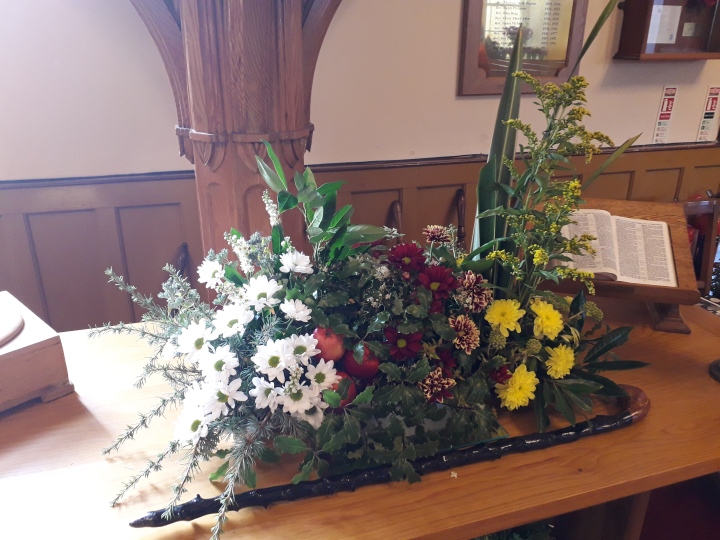
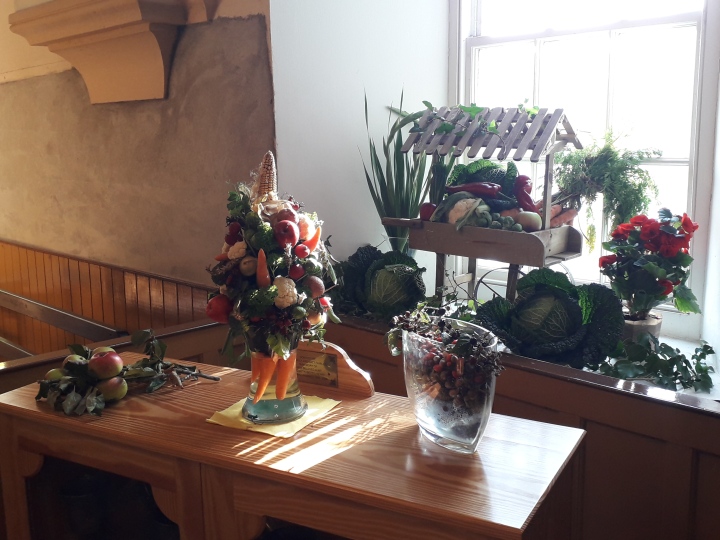
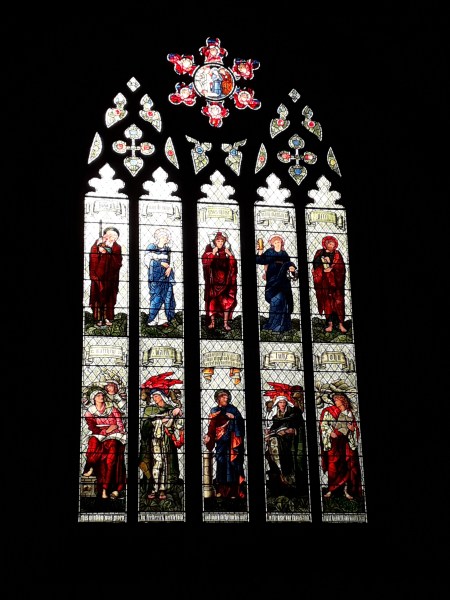
The First Presbyterian (Non-Subscribing) Church, Stream Street, Downpatrick held their annual Service of Harvest Thanksgiving on Sunday, 7th October. The Church was beautifully decorated for the occasion at which the congregation welcomed the visiting preacher, Rev Roger McKee from Newtownards and Greyabbey NSP Churches, and the visiting choir, the Lindsay Chorale.

During the service Sunday School member Laura Neill presented a cheque for £450 which was raised by the children and young people of the congregation over the year for Air Ambulance NI. The cheque was received by Colleen Milligan the local Air Ambulance representative who spoke of the important work the charity is doing.

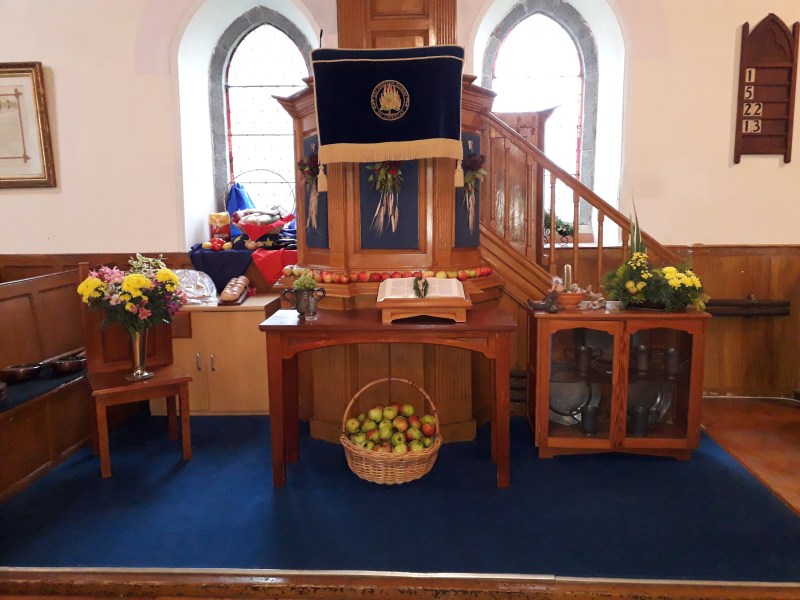
The theme of the decorations was ‘Traditional Harvest’ and the images here show some of the features included.

Dpk Harvest Pulpit

Pulpit and communion table

Dpk Harvest fruit

Dpk Harvest marrow

Dpk Harvest Communion Table

Dpk Harvest cabinet

Dpk Harvest knitted

Crocheted vegetables

This slideshow requires JavaScript.

Some of the window displays

Dpk Harvest Air Ambulance Cheque

Laura Neill makes the presentation to Colleen Milligan of Air Ambulance NI. (Photo: Mary Stewart)

Dpk Harvest Lindsay Chorale

The Lindsay Chorale at Downpatrick, including John Dallas, conductor (extreme left), Sheelagh Greer, accompanist (second left), Rev David Steers, minister (extreme right), Rev Roger McKee, visiting preacher (second right). (Photo: Mary Stewart)


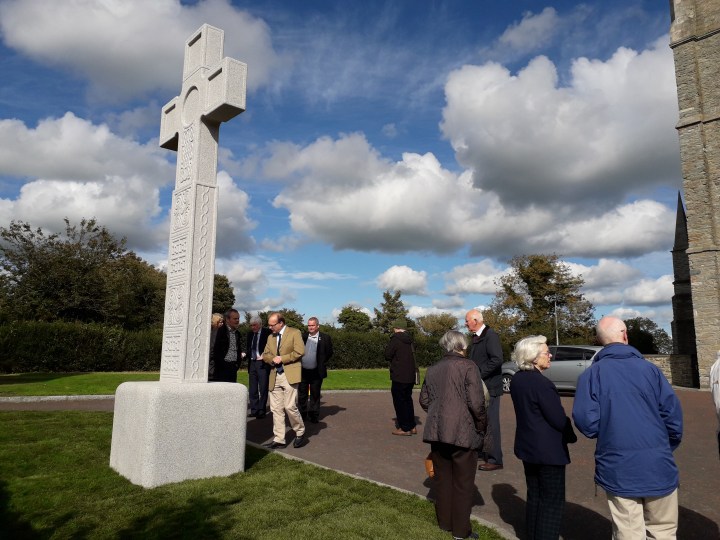
New St Patrick’s Cross at Down Cathedral


Cross long view

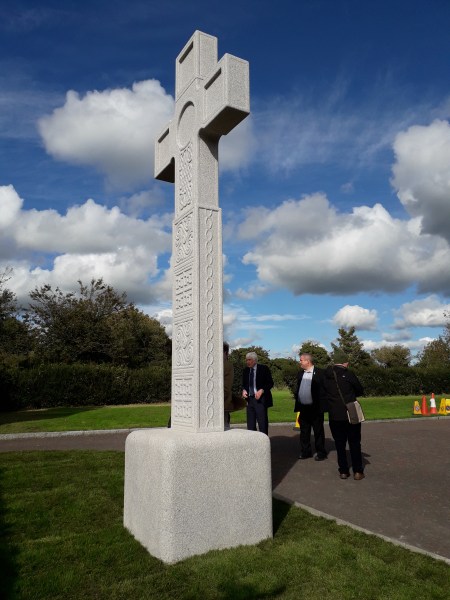
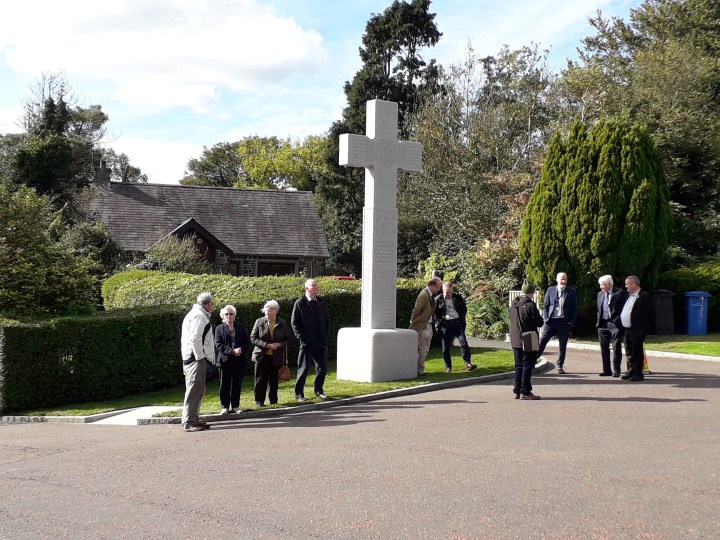
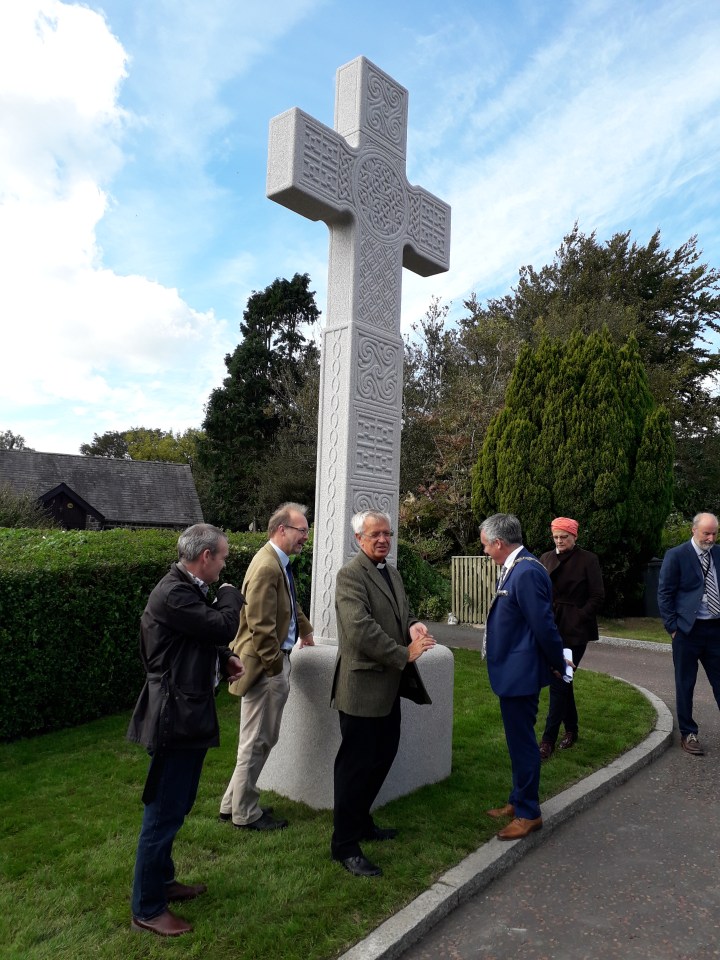
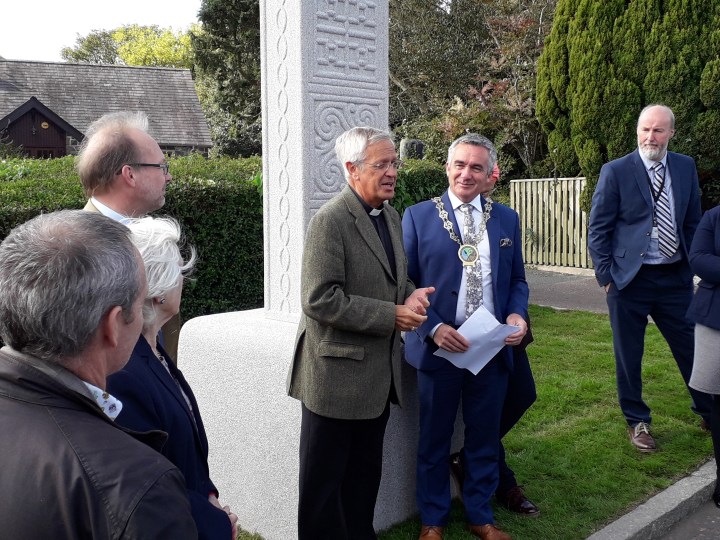
I was very pleased to be amongst those present for the Civic reception for the new High Cross erected at Down Cathedral on 24th September. Based on fragments of an ancient cross kept in the Cathedral it is carved from Mourne granite, weighs five tonnes and towers over its immediate surroundings. It is an impressive structure, a work that eloquently reflects the legacy of St Patrick so close to his grave. The fragments that are inside the Cathedral were originally found on the site that is now marked as St Patrick’s grave and are thought to date from the eighth century. The pieces were digitally scanned and the decoration carved onto the new Cross to create a pristine replica of what may once have stood at the entrance to the Benedictine monastery which originally stood on the hill.

Cross reverse view

Cross front view

Cross speeches

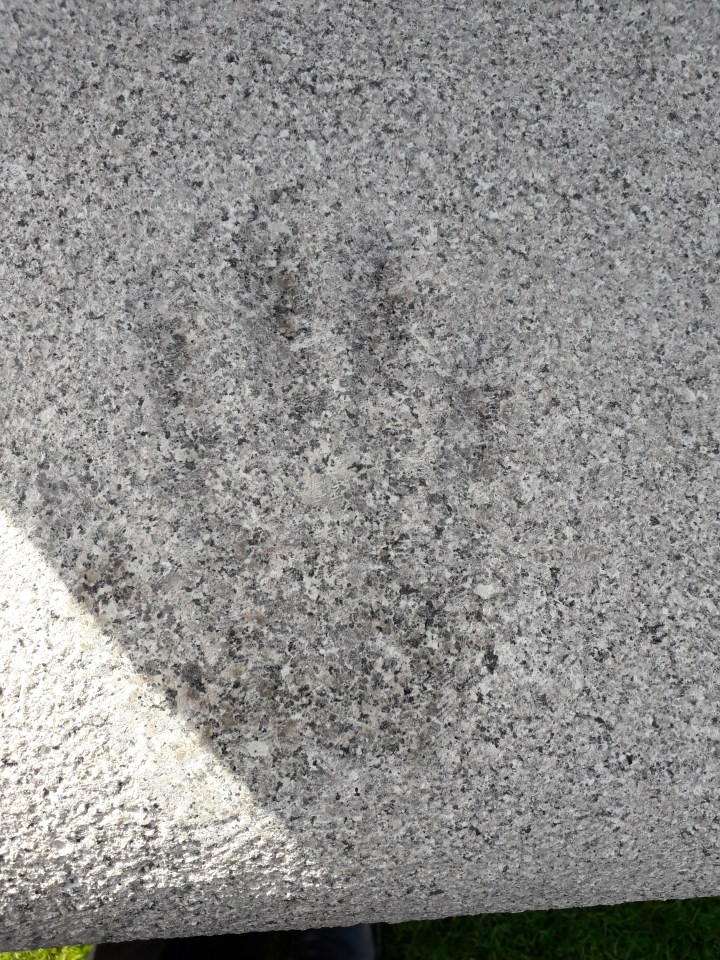
Cross hand print

Hand print at the foot of the Cross for pilgrims


NSP Lives of the Great War: 01 Alfred Turner


I am currently working towards the production of a Roll of Honour for the Non-Subscribing Presbyterian Church of Ireland in the First World War. All being well we should be on course for the publication of as complete a Roll of Honour as possible of all the men and women of the denomination in Ireland who served in the Great War including all those who gave their lives. This will be published at a service in Downpatrick on Sunday, 18th November at 3.00 pm.

The Roll will comprise two parts –  a list, by congregation, of all the men and women whose name is known who served in any capacity in the war, and a list, with brief biographical details, of all those who were killed during the conflict or died as a direct result of their service.

It is a melancholy task to trawl through the records trying to identify the service of the hundreds of names (often no more than names to start with) and to place them in the context of a regiment or ship or other area of service. The first part of the book will consist – because of its nature – of a list of names, the second will contain a bit more detail. But all the names dealt with are human stories and there is in the case of everyone behind the name a detailed account of a life, a family, service, sacrifice, bravery and suffering.

Alongside the production of the book I thought I would add here some more detailed stories of some of the people who appear in the book. I begin, with this post, with the Rev Alfred Turner.
Alfred Turner 10 1916

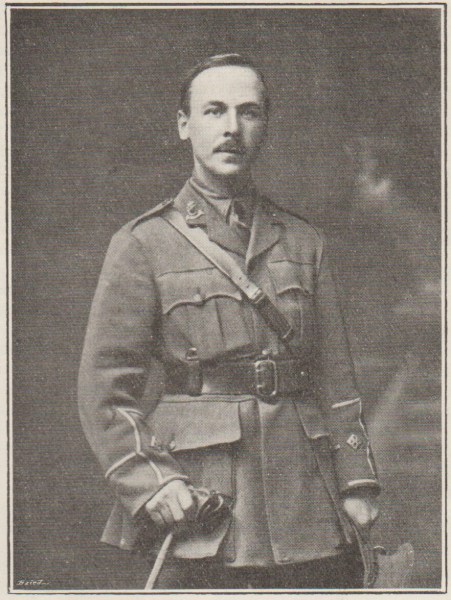
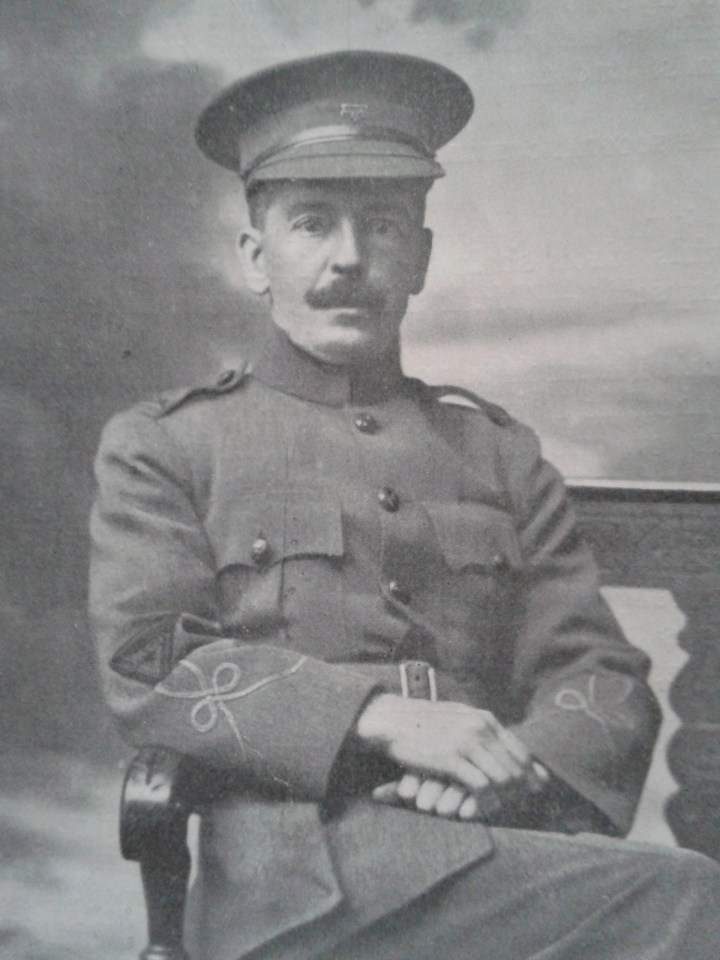
Rev Alfred Turner in the uniform of the YMCA

Alfred Turner was the highly respected minister of Templepatrick for a number of years and alongside his ministry held the position of the first editor of the Non-Subscribing Presbyterian magazine. Under his guidance the magazine began to maintain a Roll of Honour as the Great War commenced although this stopped at the start of 1916 and kept no record of the last two years of the war. One of the reasons for this is that Alfred Turner himself was heavily involved in war work. He served with the YMCA at the front as a uniformed non-combatant bringing support to the troops and working essentially as a chaplain. As such he was one of about five Non-Subscribing Presbyterian ministers who took on this role, although his contribution was the most extensive. As YMCA workers they conducted worship for the soldiers, distributed tea and cocoa and sold biscuits, cake, chocolate, cigarettes and candles to the troops. Alfred Turner gives full accounts of his work in the NSP and writes of feeding up to 3,000 soldiers in one go and of leading worship in packed huts where:

A great quiet pervades the place whilst the minister says prayer, and you can feel the communion of Spirit when, in the course of prayer, he commends to our Father’s guidance and keeping the loved ones in the homelands. It is a prayer in which all hearts and desires are joined, and then all unite in saying the Lord’s Prayer.

His accounts (and those of some of the others working with the YMCA) are valuable descriptions of the privations of the troops as well as their morale and attitudes which I will probably return to at some point.

The Irish Census for 1901 and 1911 record Alfred Turner’s growing family on the point of the cataclysm of the First World War. In 1901 with his wife Mary they record two sons and a daughter, his sister in law and a visiting relative plus two live-in servants. By 1911 they have two more children (a boy and a girl) another visiting relative but no live-in servants, instead there is a German governess for the growing family. In 1911 Alfred Turner misread the instructions for recording place of birth in the census and before adding ‘England’ here had written and subsequently deleted Bradford, Yorks.

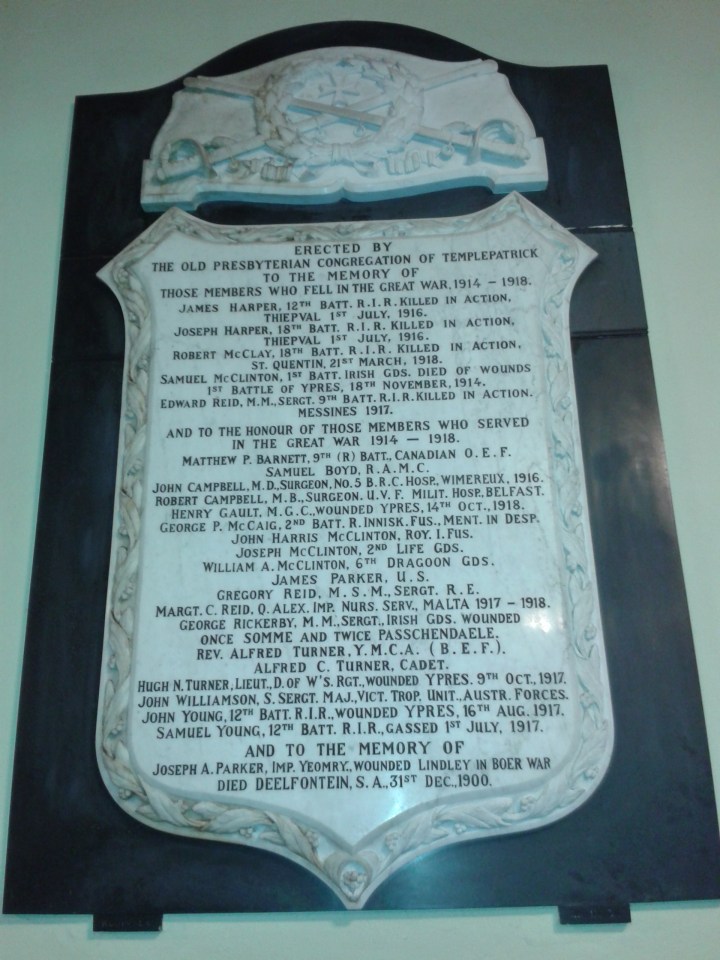
His eldest son (Hugh Nelson Turner) was 14 in 1911, his next eldest son (Alfred Clough Turner) just 10. Shortly after the outbreak of war Alfred joined the Queen’s University Veteran’s Corps and patrolled the Docks with that Corps. He later also worked as a munitions worker in Belfast. His eldest son had been studying for the ministry but joined up and is listed first of all in the NSP Roll of Honour as part of the Queen’s University Officer Training Corps. By March 1915 he is listed as being with the 14th Battalion Royal Irish Rifles, later still being commissioned into the Duke of Wellington’s (West Riding) Regiment with which regiment he was wounded at Ypres in October 1917. His younger brother Arthur Clough Nelson is recorded on the War Memorial in Templepatrick Church as himself having become a Cadet before the end of the war. He would have been about 17 by then.
Templepatrickmemorial04

Old Presbyterian Church Templepatrick War Memorial

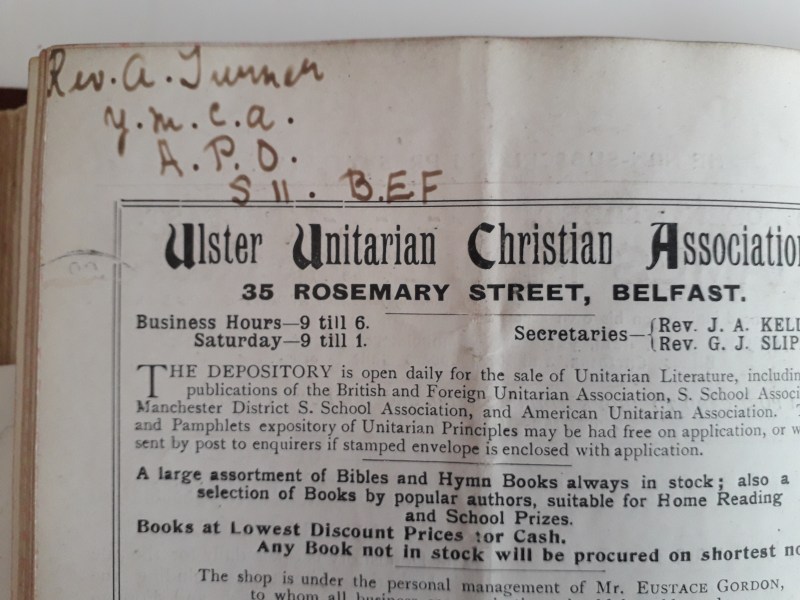
The Rev Alfred Turner was 53 in the year the Great War broke out and he managed to pack a lot into his war service as well as see his eldest son join up and face all the horrors of the Western Front, with his next son not far behind. He made a number of extended journeys to France to work with the YMCA. While he was away somebody deputised for him as editor of the NSP. I have his personal bound set of the first ten years of the magazine. It is a poignant memento and contains a copy of the October 1916 issue sent out to him at the front. That issue contains his portrait (as shown above). In my copy a line runs through the photograph where it was folded to post and on the back page is written the military postal destination where Alfred Turner was based at the time (picture above).
 

The most interesting place in Southport


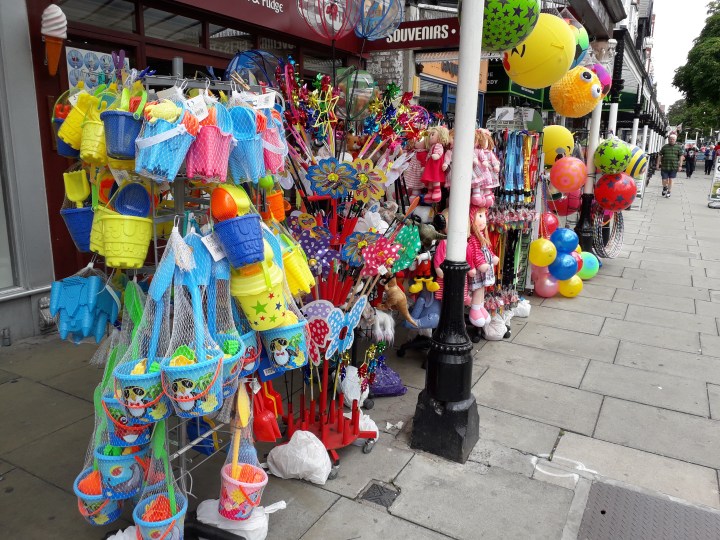
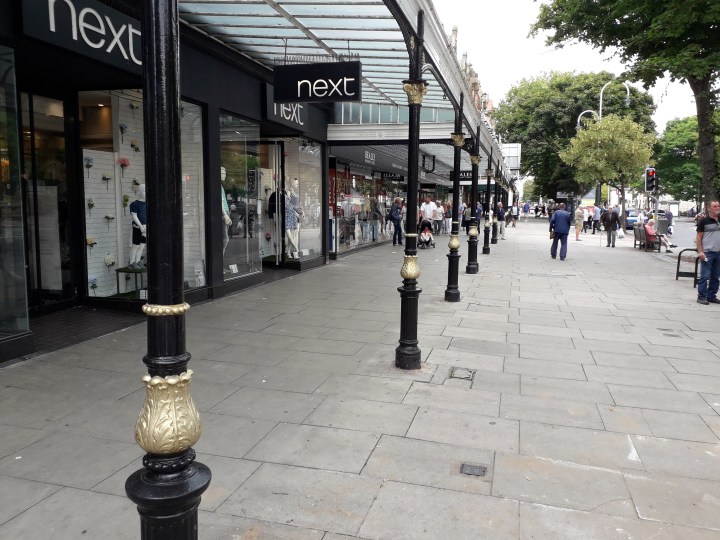
Southport is always an interesting place. It has all the usual seaside details you would expect plus some features that mark it out as a little more dignified than the usual destination. Most notably these include the intricate nineteenth-century cast iron verandahs which adorn Lord Street.

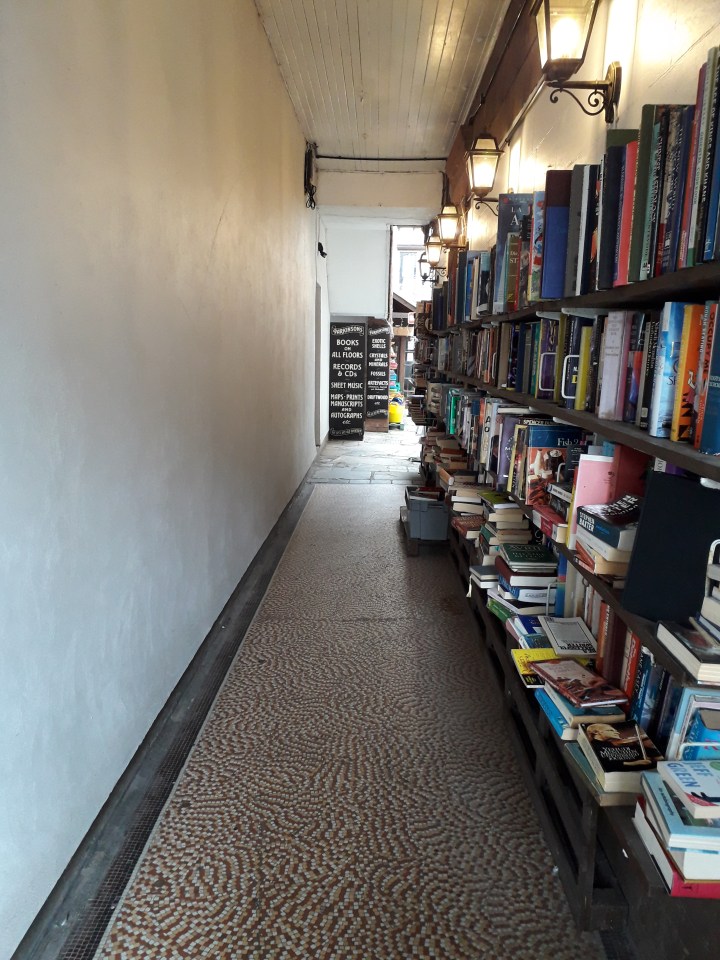
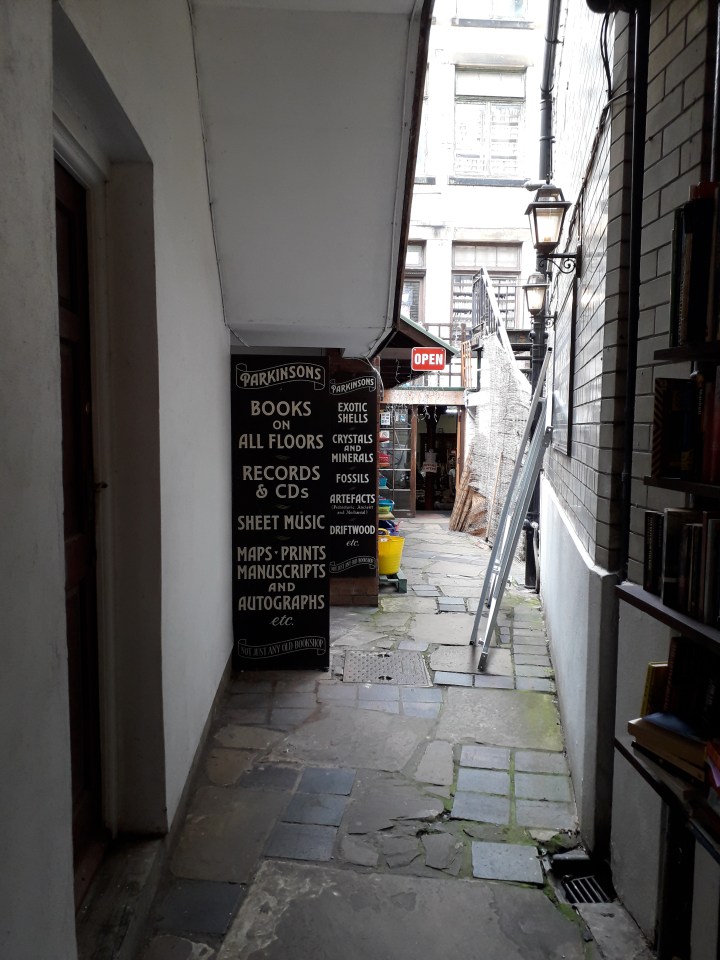
But for me, for as long as I can remember, the one place that really stands out is the Shell Shop. You could easily miss it if you didn’t know it was there but it is a place I never walk past without going in.

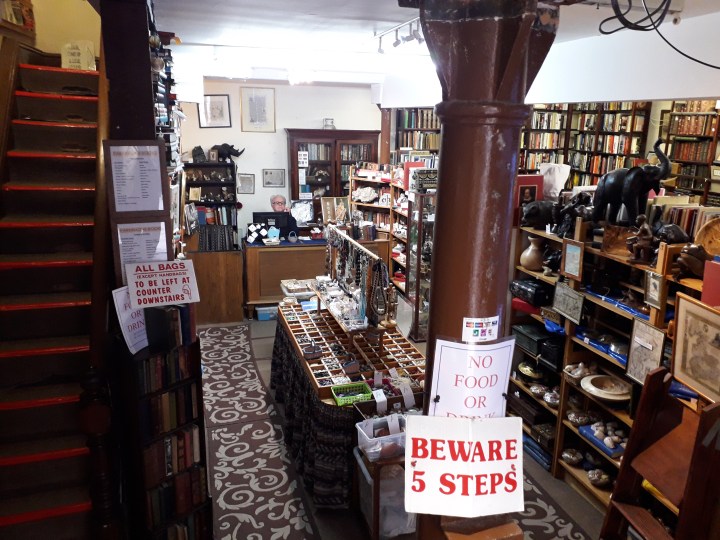
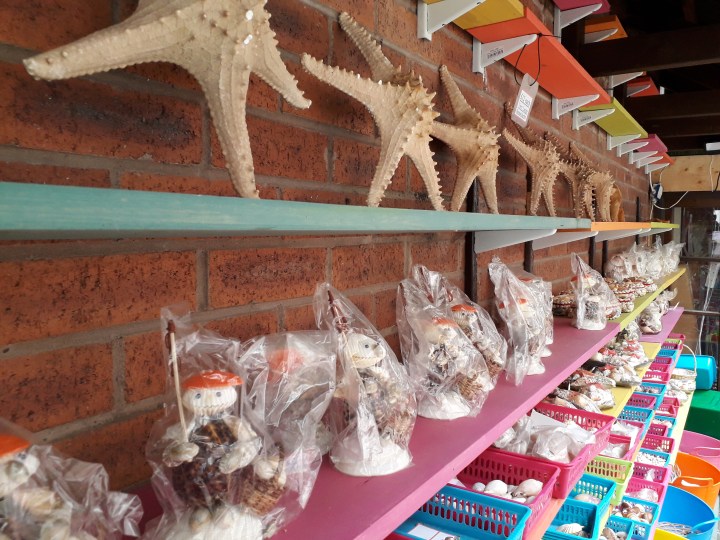
Youthful visits to Southport with church and youth groups always included a trip to the Shell Shop. It was arranged as a museum around some rickety staircases and took the visitor on an eccentric journey to the South Sea Islands. A large and grubby looking plug from borstal hung near the end of the experience along with, I was recently reminded by Tony the current owner, a large model of a witch doctor placed there to discourage young visitors from shop lifting! Nowadays I don’t go so much for the shells as for the three floors of second hand books. I didn’t realise until a recent visit that the original Shell Shop and book shop were two separate businesses and indeed both were different to the current business, Parkinsons Books, but such was the demand from visitors for shells and other unusual items that the large stock of shells, fossils and curios from around the world remain very much a part of the display.

There is always a good selection of theology upstairs and it is always worth the hike to see what is there. But the shadowy passageway containing the 50p bargains never fails to yield some great finds. Not so long ago I purchased six random volumes of the original Dictionary of National Biography for 50p each. You might wonder why I wanted them since they are quite bulky and are, of course, available online these days, but you couldn’t leave them there for £3. Besides I only have to find 16 more and I will have the full set.

Southport shop front

A Lord Street shop front

Southport colonnade

Victorian cast iron and glass shop canopies

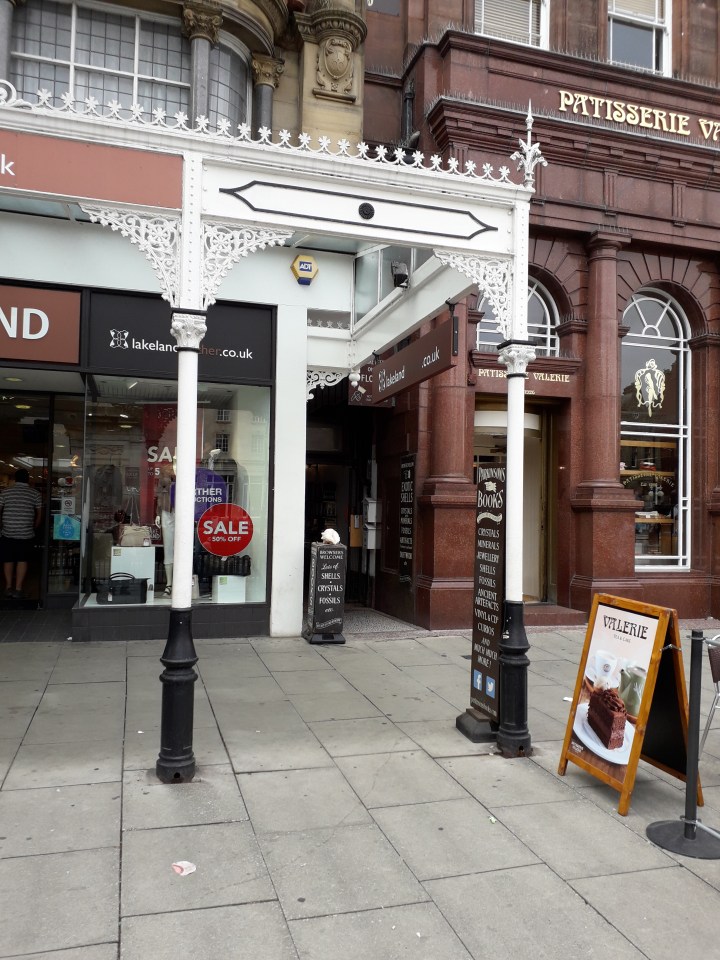
Southport shell entrance

The entrance to the Shell Shop

Southport shell 50p books

50p bargains

Southport shell passage

Getting nearer to the shop

Southport shell books

Ground floor

Southport shell shelves

Some shells

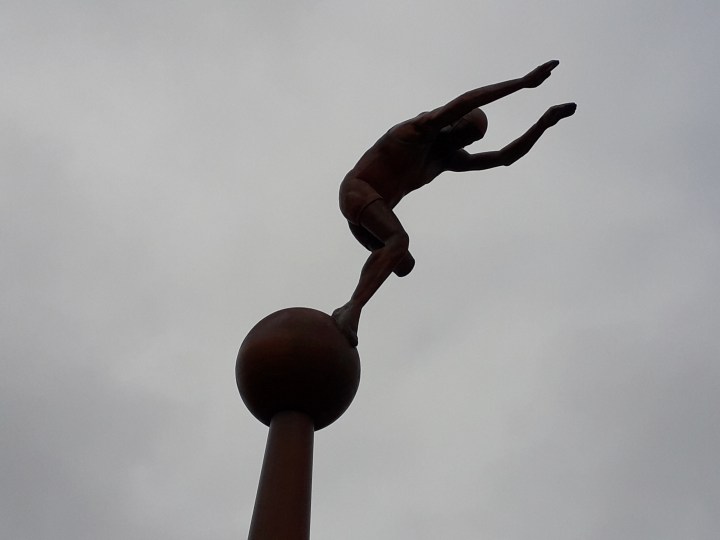
Southport diver

Don’t forget the diver. Southport statue

Downpatrick visit to Streamvale Open Farm


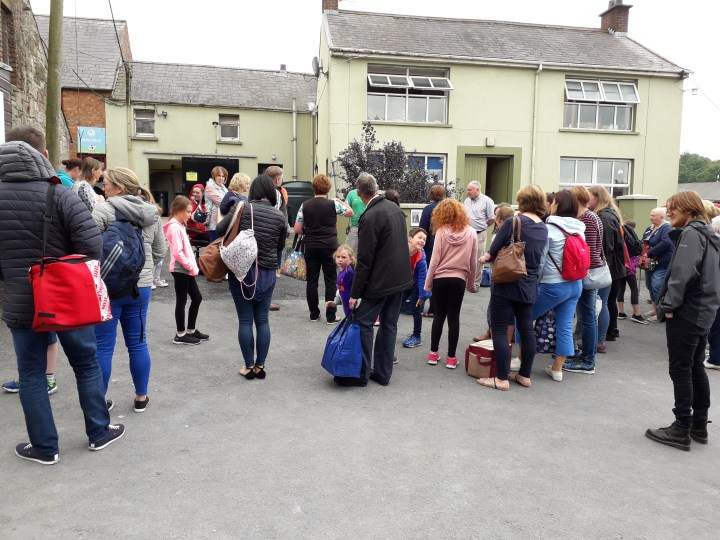
Streamvale arrival

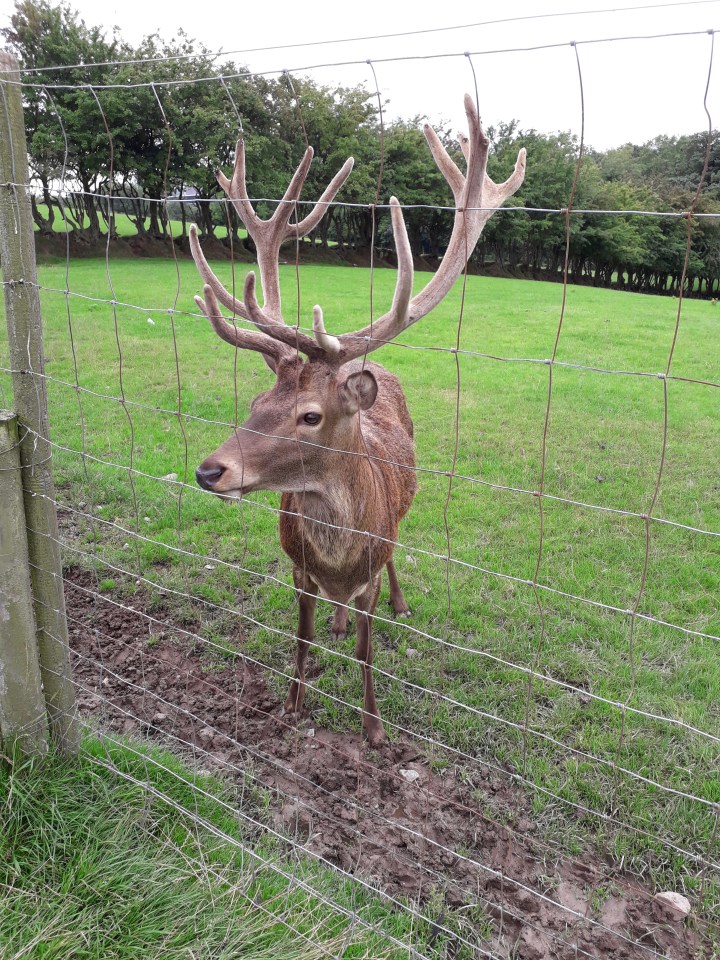
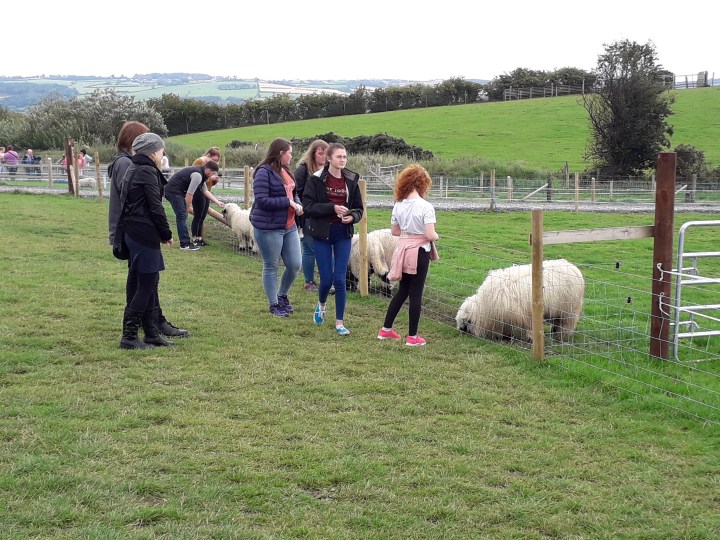
On Tuesday, 21st August a party of over 50 adults and children enjoyed the Downpatrick Sunday School visit to Streamvale Open Dairy Farm. The weather was kind and the large party were able to enjoy the various attractions on offer including feeding all manner of animals (deer, Highland cattle, sheep), tractor rides, sheep racing and a whole lot more. It was a hugely enjoyable day out for everyone and a big thank you to Annabel for arranging the coach.

Streamvale Highland Catte 02


Streamvale dog display

Dog display

Streamvale sheep racing

Sheep (and goat) racing

Streamvale waiting for tractor

Waiting for the tractor

Streamvale tractor turning

Streamvale tractor drive 01

Streamvale tractor drive 02

Tractor drive

Streamvale deer

This slideshow requires JavaScript.

Feeding the deer

Streamvale Swiss sheep 03

Streamvale feeding Valois sheep

Valois Blacknose sheep

Streamvale feeding cattle

Streamvale Highland Catte 03

Highland cattle


Downpatrick Treasure Hunt 2018

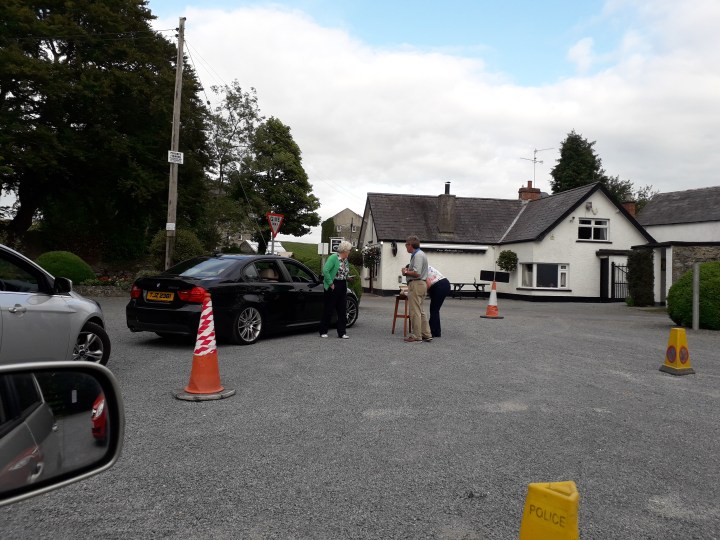
20180804_181206

Sending the cars out from the Lakeside Inn at the start of the Treasure Hunt

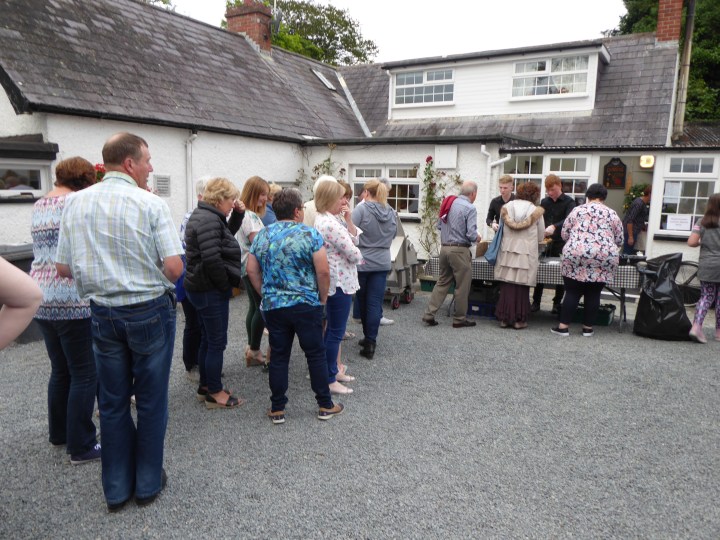
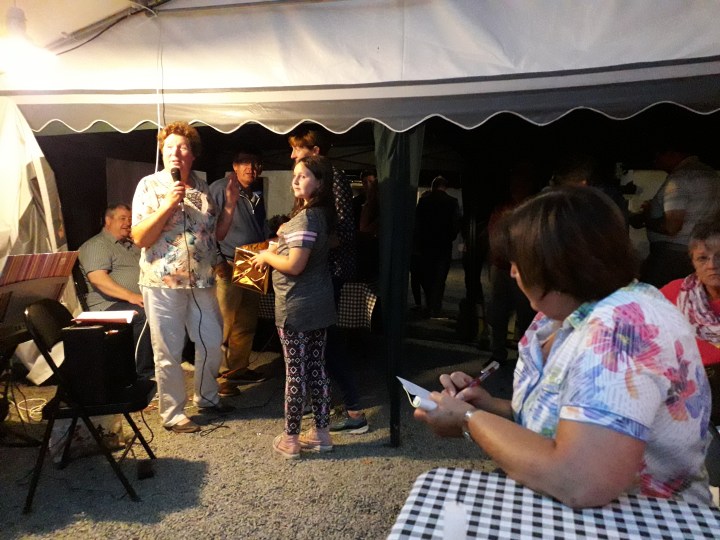
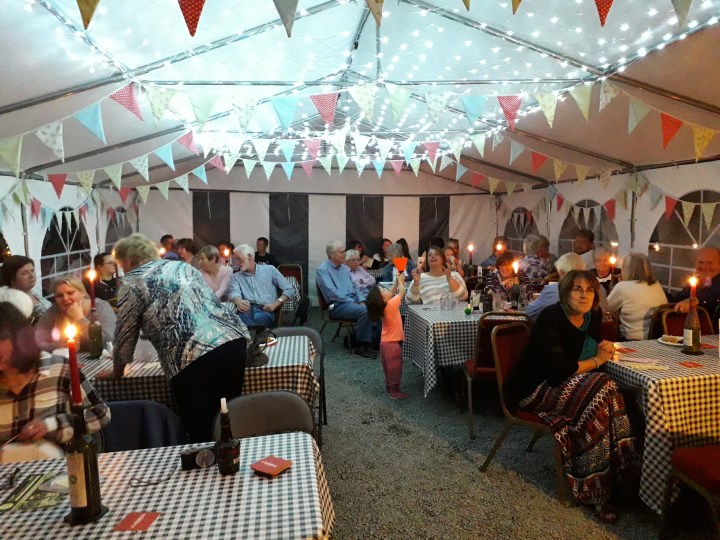
The Downpatrick congregation held a very successful and well-supported Treasure Hunt on Saturday, 4th August. With a new route taking us in part through the town and up to Struell Wells with thirty-eight fiendish questions devised by Marion and Anna the journey took approximately one hour and back at the Lakeside there was a very welcome hog roast for participants. A large team made sure everything went smoothly with cars being timed out and back in again and everyone enjoyed a really excellent evening. Renie entertained everyone with her playing and we were again very fortunate with the weather. Thanks goes to everyone who helped in any way including those who donated prizes and to Margaret and Geoffrey for making the Lakeside Inn available to us. We also raised, at the time of writing, around £850 for church funds. A very successful evening.

P1020165

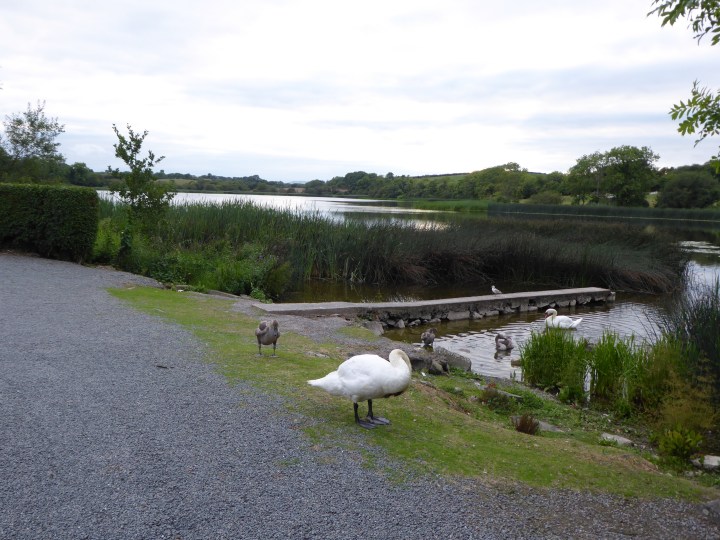
Ballydugan Lake

20180804_184157

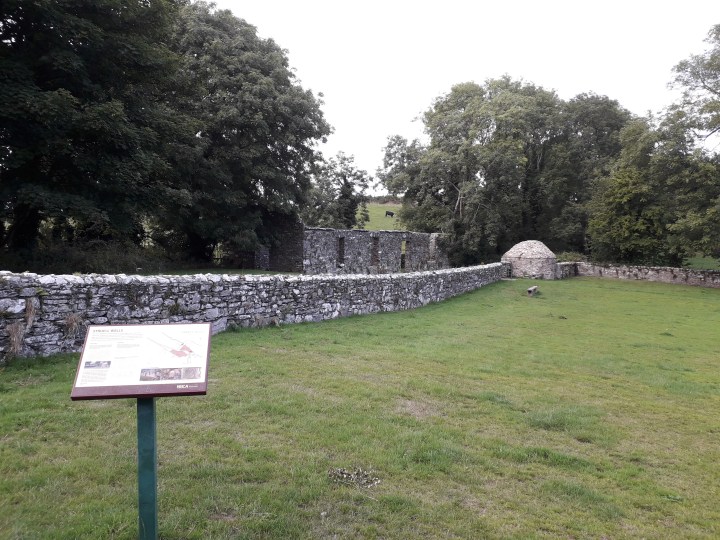
Struell Wells, where St Patrick sang Psalms and prepared to Christianize Ireland

20180804_192813

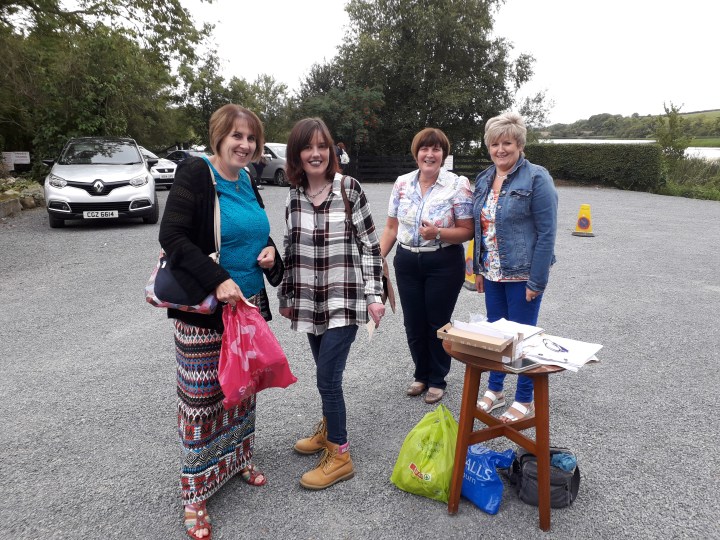
Greeting the cars on their return

P1020169

Recording the returning cars’ times

P1020167

Queuing for the hog roast

20180804_220327

Making the draw for the ballot

20180804_221200

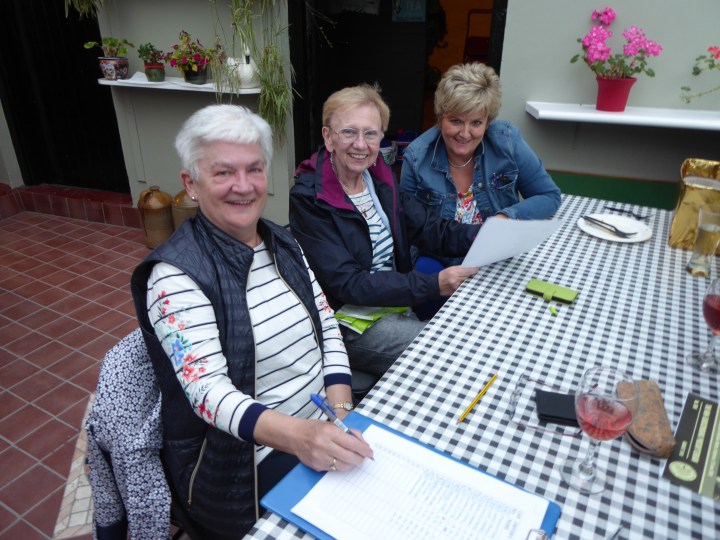
Inside the marquee


Swans and cygnets (Photos: Jack Steers)

Non-Subscribing Presbyterians and the Great War

On the 102nd anniversary of the beginning of the battle of the Somme in 1916 I thought I should publish on this site my appeal for any information about members of the Non-Subscribing Presbyterian Church of Ireland who served in the First World War.

I am currently in the process of compiling a full of Roll of Honour of all the men and women of the denomination who served in the Great War. This will be published at a service held at Downpatrick on Sunday, 18th November at 3.00 pm. To date I have identified over 500 men and women who served in the Great War and the names of over 80 men who gave their lives. Having issued an appeal to all churches for information I have received a great deal of help, however, I am also anxious to hear from any church members who had relatives who served in the First World War and were Non-Subscribers.

The number of people who joined up varies from one congregation to another, generally it would be larger in city or town congregations, but the numbers that have so far come to light in some places are almost certainly not complete. So I would appreciate it especially if church officers could make a check of their records and minute books just to see if there are any additional names which may have been overlooked, particularly in those churches where the numbers are currently low.

Also anyone who had a relative involved in the Great War or knows of anyone who served in the First World War and belonged to the Non-Subscribing Presbyterian Church of Ireland can contact me on editor@faithandfreedom.org.uk to let me know their name and service record.

So far these are the numbers that I have for each congregation (with the number of people who were killed in action or died of wounds shown in brackets):

Antrim 1 (0); Ballee 3 (1); Ballycarry 10 (0); Ballyclare 1 (0); Ballyhemlin 5 (0); Ballymoney 5 (0); Banbridge 12 (2); Belfast All Souls’ 31 (3); Belfast Domestic Mission 22 (0); Belfast Mountpottinger 20 (4); Belfast Rosemary Street 43 (6); Belfast York Street 12 (0); Cairncastle 3 (0); Clough 10 (3); Comber 49 (10); Cork 1 (0); Crumlin 1 (0); Downpatrick 35 (3); Dromore 51 (7); Dublin 11 (5); Dunmurry 14 (1); Glenarm 8 (5); Greyabbey 2 (0); Holywood 54 (9); Killinchy 8 (0); Larne 50 (15); Moira 1 (0); Moneyreagh 6 (2); Newry 21 (2); Newtownards 11 (0); Rademon 7 (3); Raloo 2 (0), Ravara 0 (0); Templepatrick 25 (5); Warrenpoint 0 (0).

The photograph at the top of the page (taken by Baird of Belfast) is of Second-Lieutenant Percival Godding. Originally from Wandsworth he was minister of Ballyclare Non-Subscribing Presbyterian Church in 1917 and was commissioned in the Royal Irish Rifles in that year. He spent six months in a German prisoner of war camp but returned home safely at the end of the war.


Faith and Freedom

Faith and Freedom was able to report on another successful year at the Ministerial Old Students Association and the Annual Meeting of Friends and Honorary Governors held at Harris Manchester College, Oxford on 18th – 20th June. The meetings also marked the retirement of the Principal, Rev Dr Ralph Waller, now Sir Ralph Waller KBE to whom goes warmest congratulations. It was also pleasing to see Rev Dr Peter Godfrey, our Editor Emeritus at the meetings.

HMCO June 2018 PG NC

Rev Dr Peter Godfrey, Editor Emeritus, and Nigel Clarke, Business Manager, Faith and Freedom

HMCO June 2018 principal

Retiring Principal Sir Ralph Waller, KBE, addresses the Annual Meeting of Friends and Governors

Cover

The cover of the latest issue depicting the inscription at the base of the new religious freedom monument in Torda. ‘No one shall be reviled for his religion by anyone, for faith is the gift of God’. Quotation from the Edict of Torda of 1568 inscribed on the new memorial, ‘Ad Astra’ by Liviu Mocan, unveiled at Torda, Transylvania, Romania on 13th January 2018. 

Public Parades, Liverpool c.1902

The other two photographs which I acquired with the picture of Water Street, Liverpool in 1902 shown in the previous post (and it definitely is a picture of the festivities surrounding the coronation in 1902) are posted on this page.

They obviously date from around the same time, and may actually depict elements of the celebrations surrounding the same event. Both unfortunately have suffered damage when they were torn from their album. But one has no features that could be used to accurately locate it. It is in fact a pretty grim picture by our standards. Like the Water Street photograph it is a quickly taken snap, probably of part of a parade. A man and a boy stare straight into the camera from the right. On the left a policeman has his back to the photographer. In the centre is a large caged trailer carrying two beasts, so far as I can tell they are bears. These unfortunate animals were being dragged through the city presumably as part of some publicity for a circus or similar event, probably not I would guess a coronation float. In many ways it is an image more redolent of the sixteenth rather than the twentieth century.

1900 animals Liverpool b

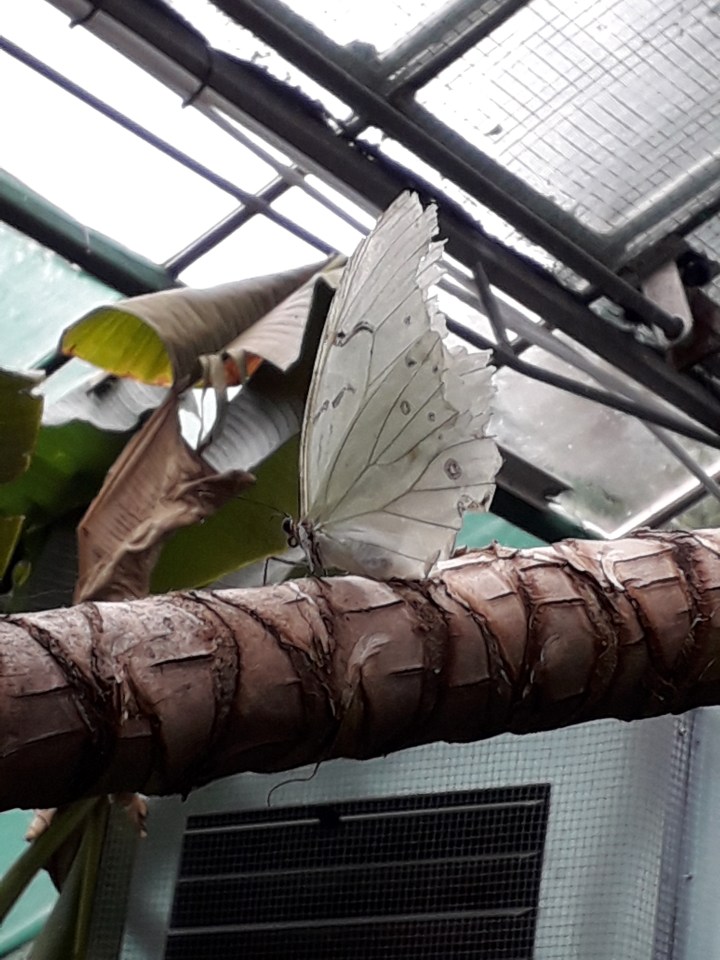
The other picture certainly looks like it was taken in Liverpool and could well be part of the parade for the coronation of Edward VII. I haven’t, so far, been able to find any details of exactly what took place in Liverpool at this time but there is extant film of a large parade in Bradford for instance which gives a good idea of the sort of thing that happened in large cities to mark the coronation of the new monarch. Bands were intermixed with floats representing aspects of civic history or different industries or companies. In this picture the photographer has caught a military style band resting, the road is festooned with flags and bunting, and a large crowd looks on.

!900 Band Liverpool

It could well be part of the Liverpool parade to mark the coronation and that seems likely since it came with another picture of that day. However, there are other alternatives. Patriotic and religious parades were a big deal in Liverpool at the time. This one does not look like it might have been ‘contentious’, as we would say today. So it could be linked to some church event. Unfortunately the details on the banner are not remotely legible but I would guess it is a church related banner rather than an Orange one (there are no signs of any sashes or collarettes in the parade so it is not an Orange parade).
1900 Band Liverpool 02

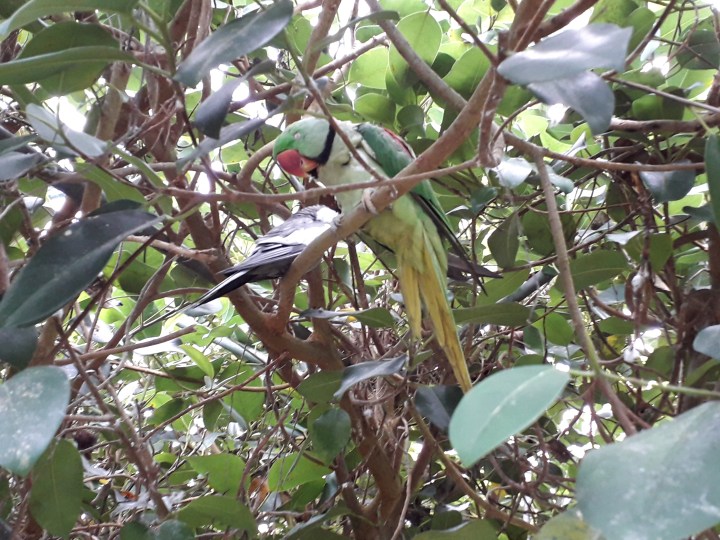
But I am reminded by Giles Fraser on Radio 4’s ‘Thought for the Day’ today (29th May) that today is Oak Apple Day, once a public holiday to celebrate the restoration of the monarchy in 1660. There were groups in Liverpool who marked this day and if you look closely at the two well-dressed men on the left (both of African or Caribbean origin by the way) you can see that one of them is wearing some kind of flower or emblem that resembles oak leaves. The older man on the right with a beard also seems to be wearing the same emblem/oak leaves. The lapels of the other men in the parade are not visible unfortunately.
1900 Band Livrepool 01

So is this an Oak Apple Day parade? It could be. But then what is the large object that looks a bit like a railway signal in the centre of the cropped image above? I am not at all sure. But it could be something from the end of a float. If that was the case then this might be a picture of part of the 1902 Liverpool parade for the coronation of Edward VII.

No pictures or text may be reproduced from this site without the express permission of the author.