Chester Cathedral Refectory

Chester Cathedral refectory ph

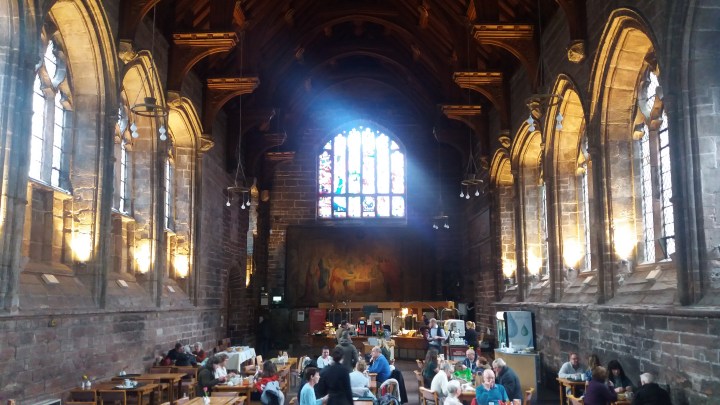
British Cathedrals are often good places to eat. Mindful of providing the full experience for the tourist market most large cathedrals are well-attuned to the culinary needs of visitors. Sometimes the restaurants are squeezed into the holy places in a slightly insensitive way but cathedrals do often have the ideal space for a café in the form of the refectory. The best cathedral that I have eaten in is undoubtedly St David’s in Wales, where the refectory is a very pleasant place to go. But the most interesting refectory in use as a restaurant, even if the food isn’t great, is probably that of Chester Cathedral.

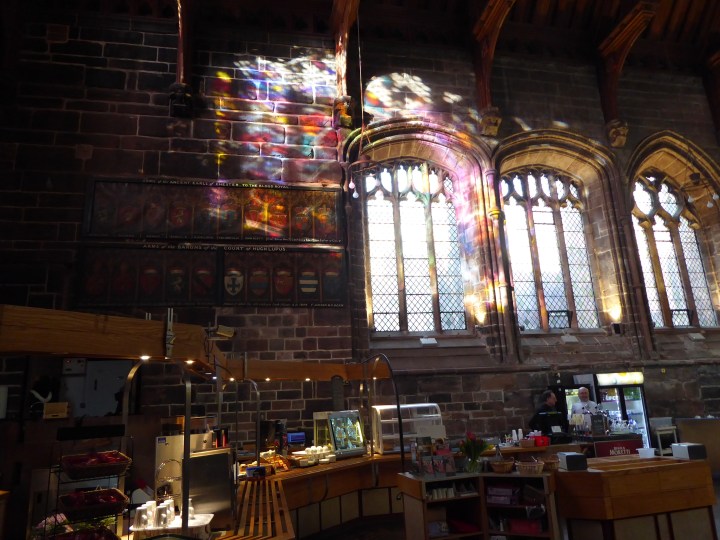
Chester Cathedral refectory counter

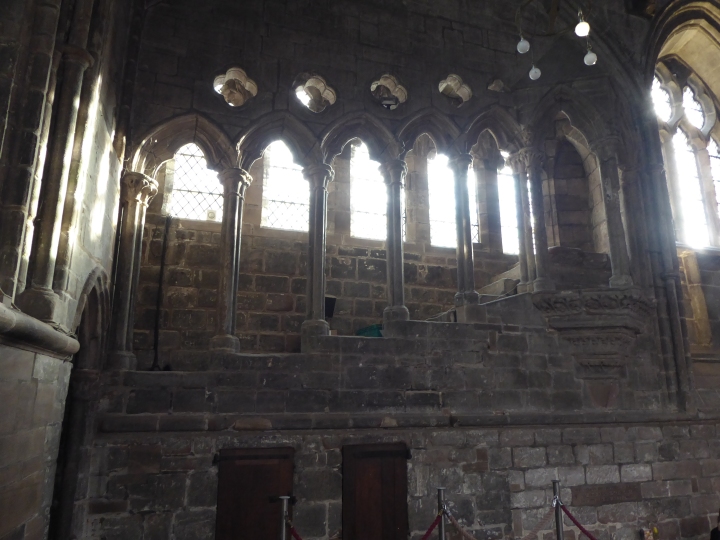
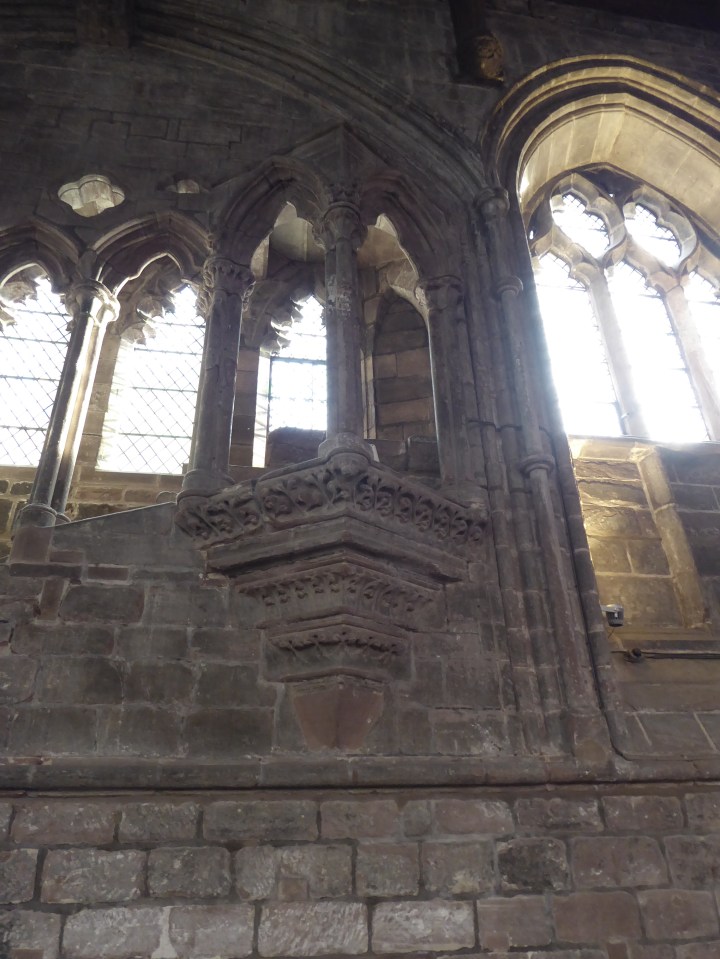
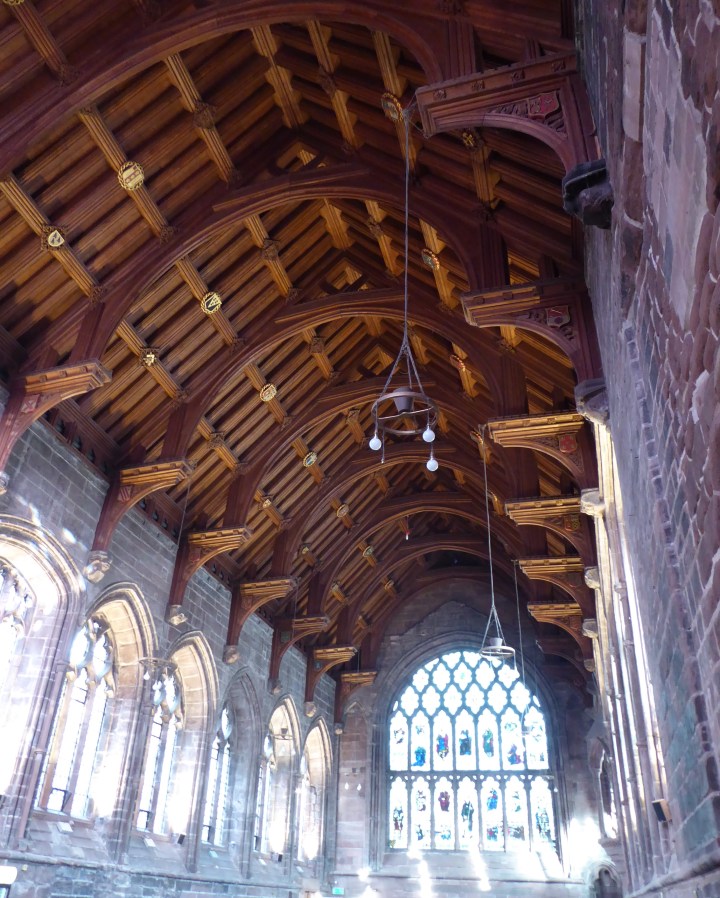
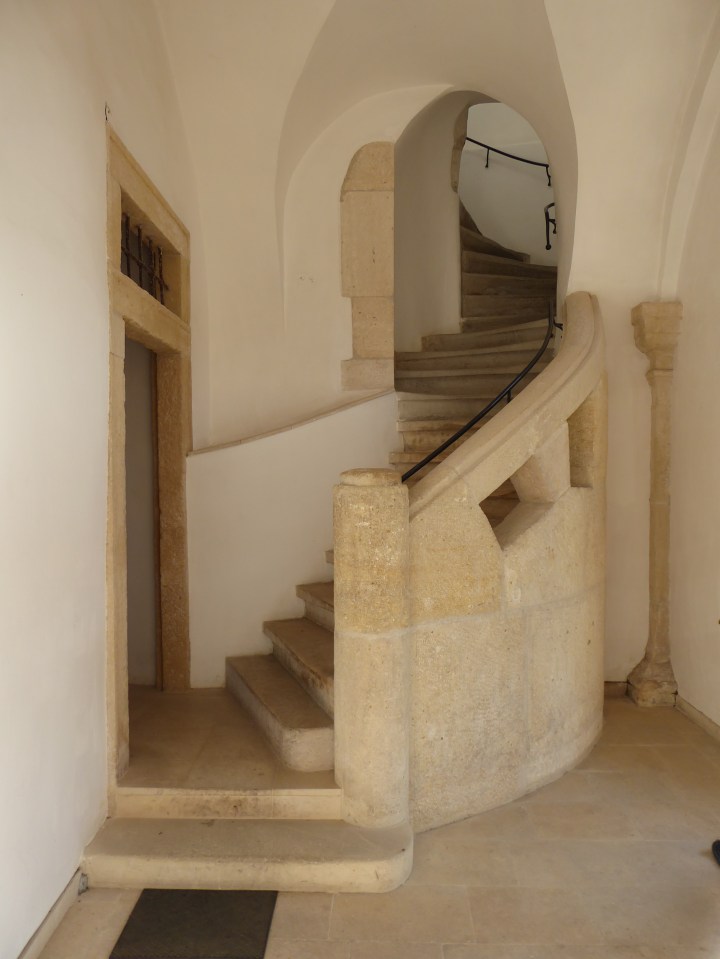
The Early English Gothic refectory, originally part of the medieval Benedictine abbey, dates from the thirteenth century and is constructed in the red local sandstone used throughout the Cathedral and in many places in the region. It’s an impressive monastic space although the roof is entirely modern dating from 1939. For most of its recent history (from 1613 to 1876) the refectory was part of the King’s School, presumably used as the school dining room. But it has a very interesting ancient pulpit approached through a long arcaded staircase.
Chester Cathedral refectory pulpit stairs crop

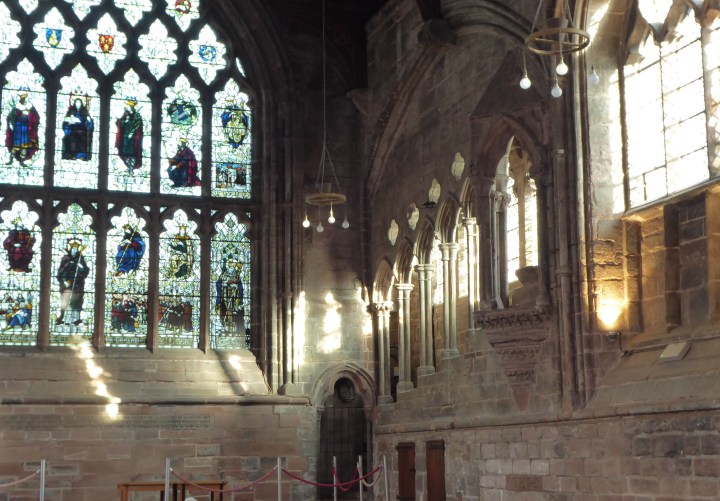
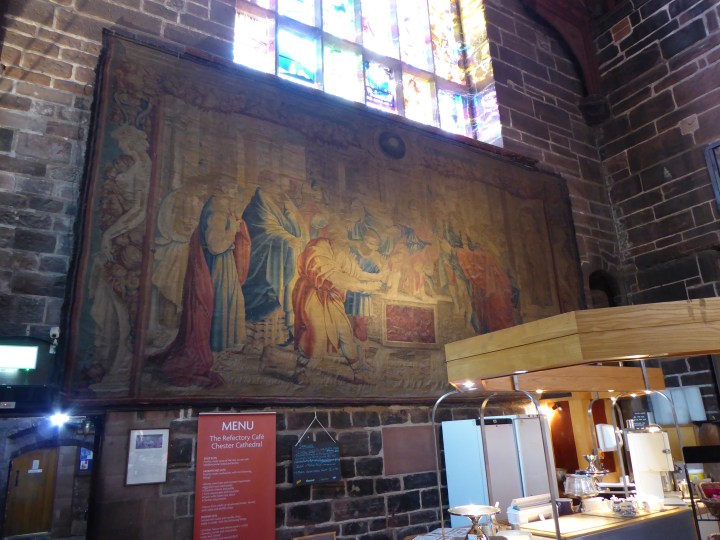
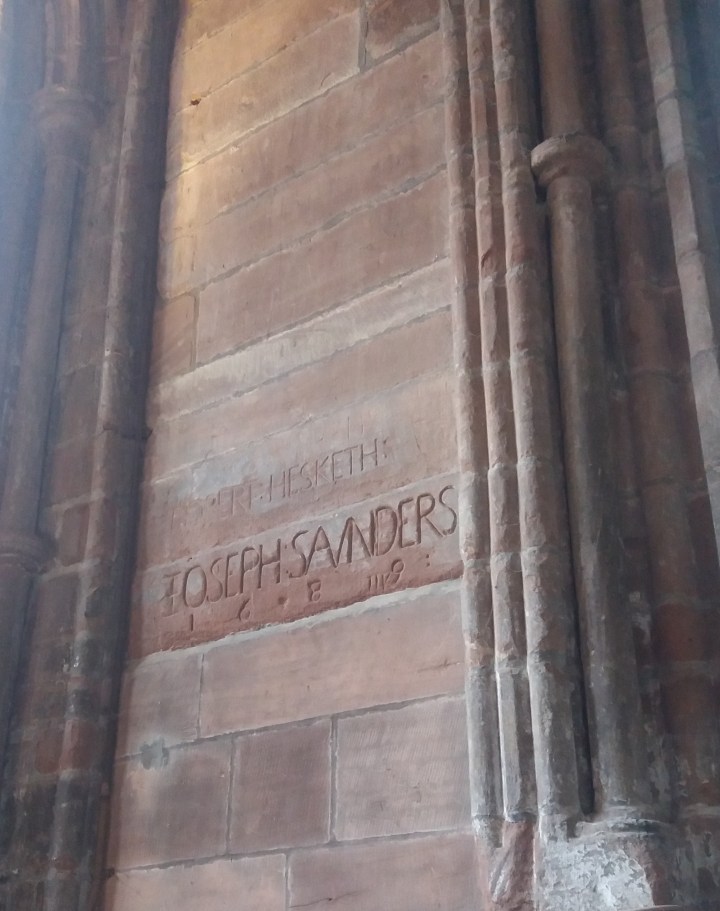
Here a monk will have sat reading the scriptures while his colleagues enjoyed their repast. The walls contain the carved graffiti of seventeenth-century scholars and the early twentieth-century east window contains a whole selection of saints at the centre of which presides St Werburgh, to whom the original abbey was dedicated. At the other end a colourful stained glass window commemorates the millennium under which hangs a rather tired looking Mortlake tapestry which is not well displayed. But the full effect of the refectory is a good one, although the over-priced sausage rolls are probably best left un-sampled.
Chester Cathedral refectory pulpit stairs 02

Stairs to the pulpit

Chester Cathedral refectory pulpit

Pulpit

Chester Cathedral refectory roof crop

Refectory roof

Chester Cathedral refectory tapestry

Mortlake tapestry depicting Paul and Elymas

Chester Cathedral refectory graffiti ph crop

Seventeenth-century graffiti

Kolozsvár/Cluj monuments, inscriptions and doors

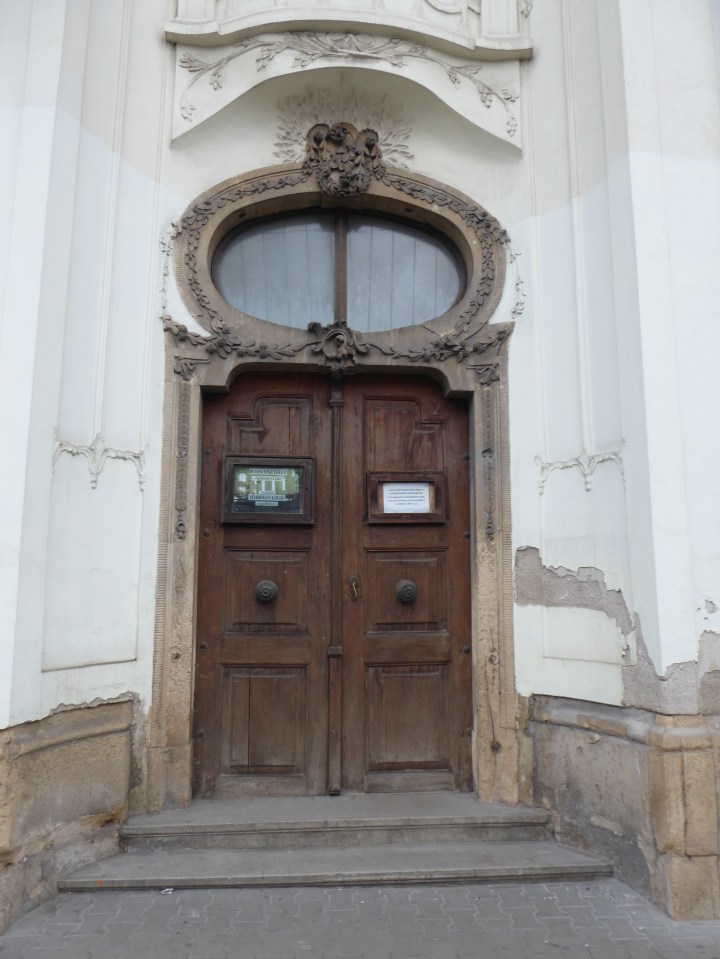
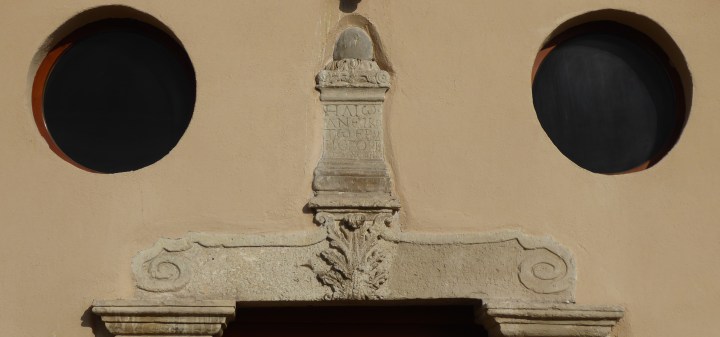
Unitarian Church door detail

Unitarian Church door

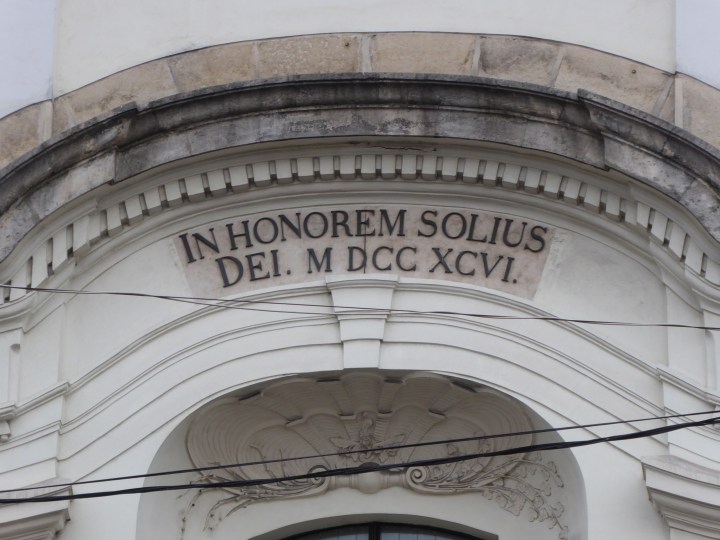
Unitarian Church inscription

Unitarian inscription

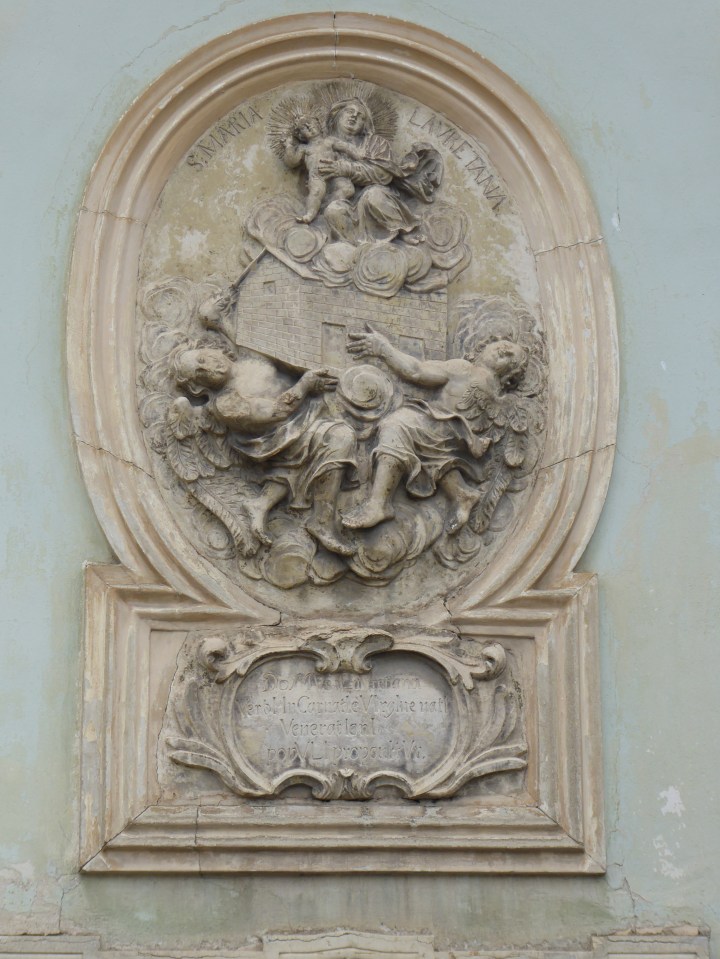
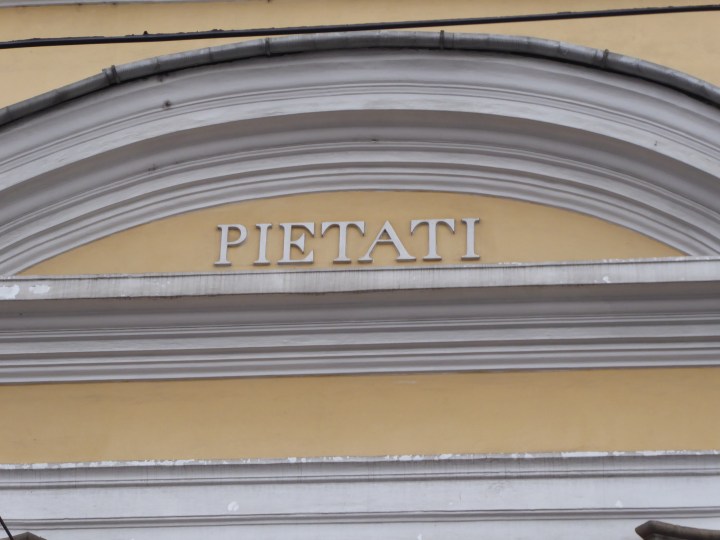
Franciscan Church

Franciscan Church plaque

Lutheran Church inscription

Lutheran Church inscription

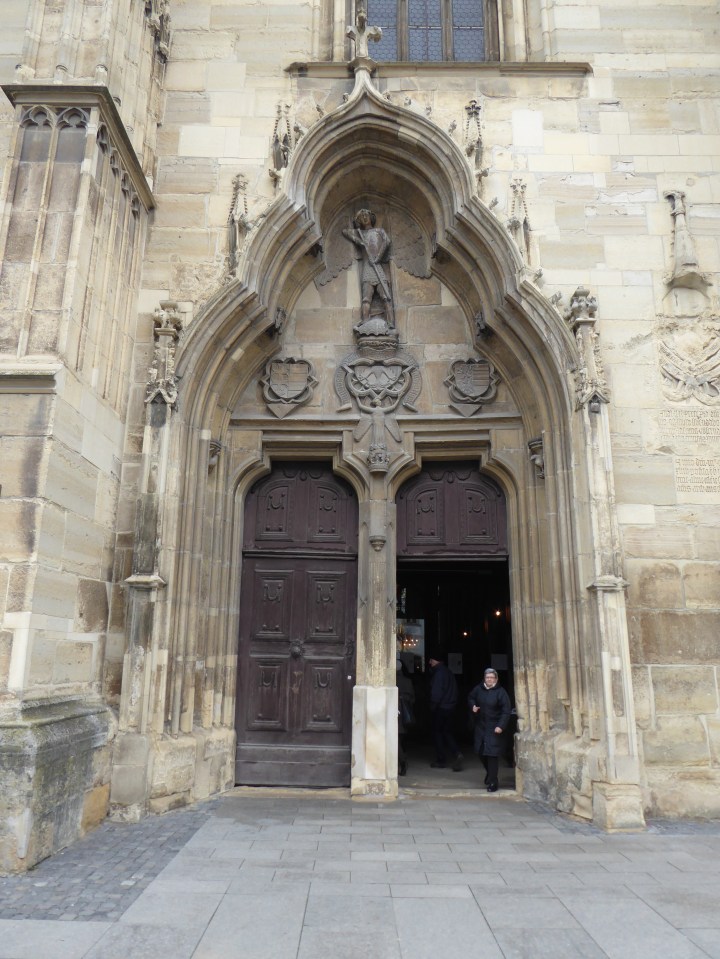
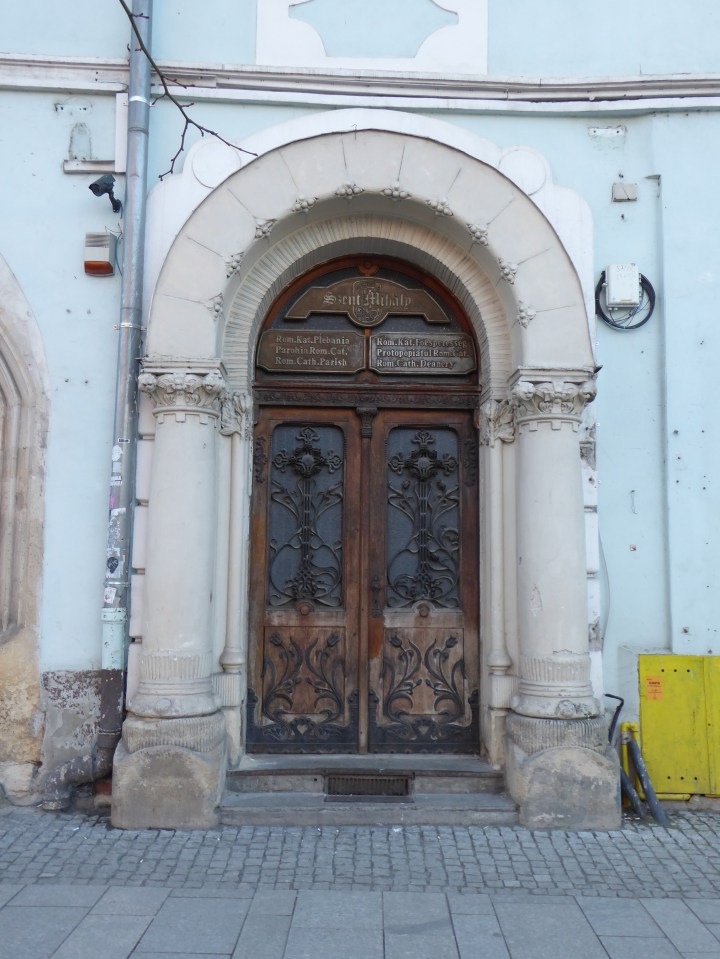
Door to St Michael's Church

St Michael’s Church door

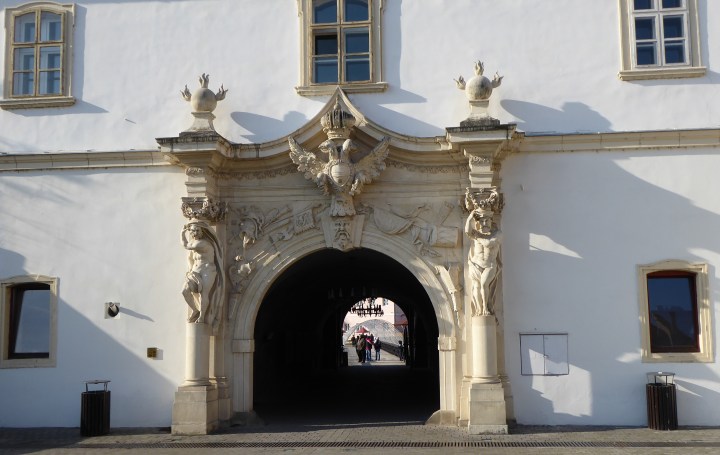
Catholic building door

Roman Catholic parochial house door

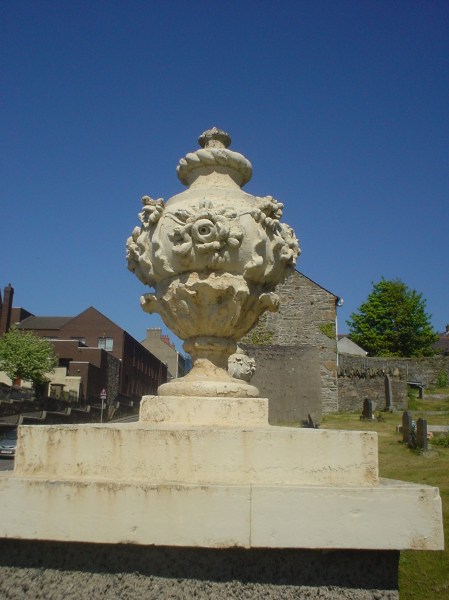
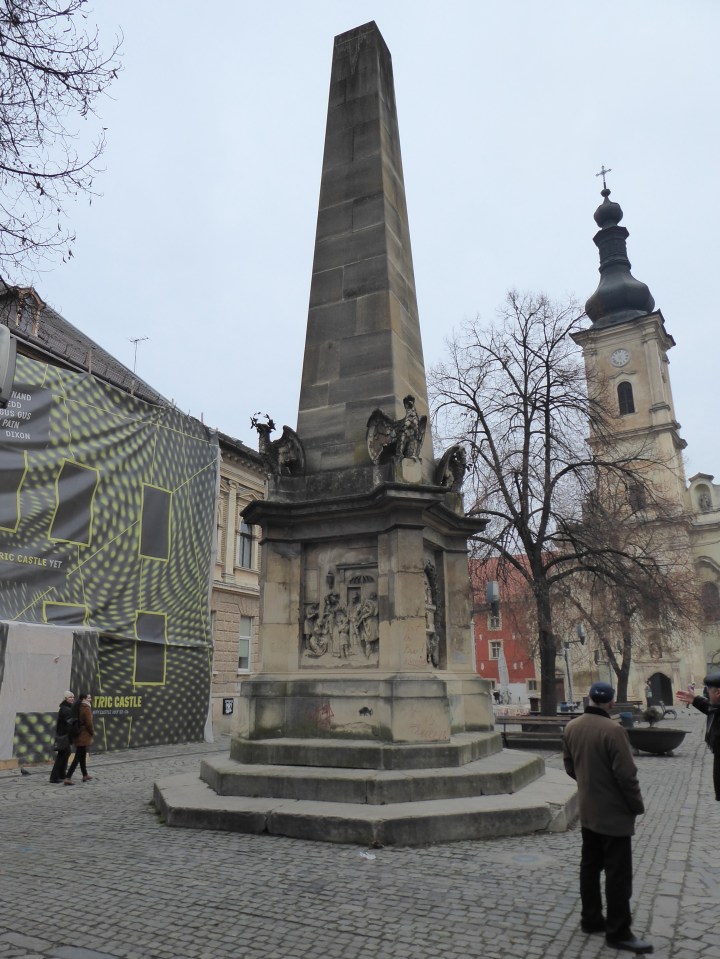
Obelisk

Obelisk commemorating the visit of the emperor. Built in 1831.

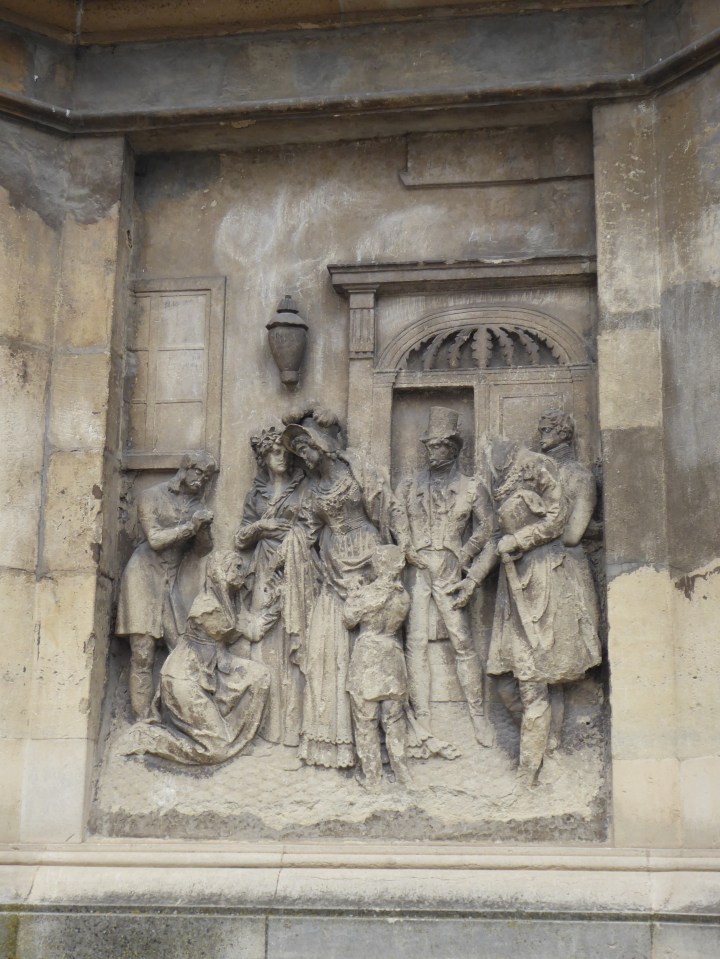
Obelisk detail

Obelisk detail by Austrian sculptor Josef Klieber. The emperor and his wife visit the city hospital. Note the gas lamp.

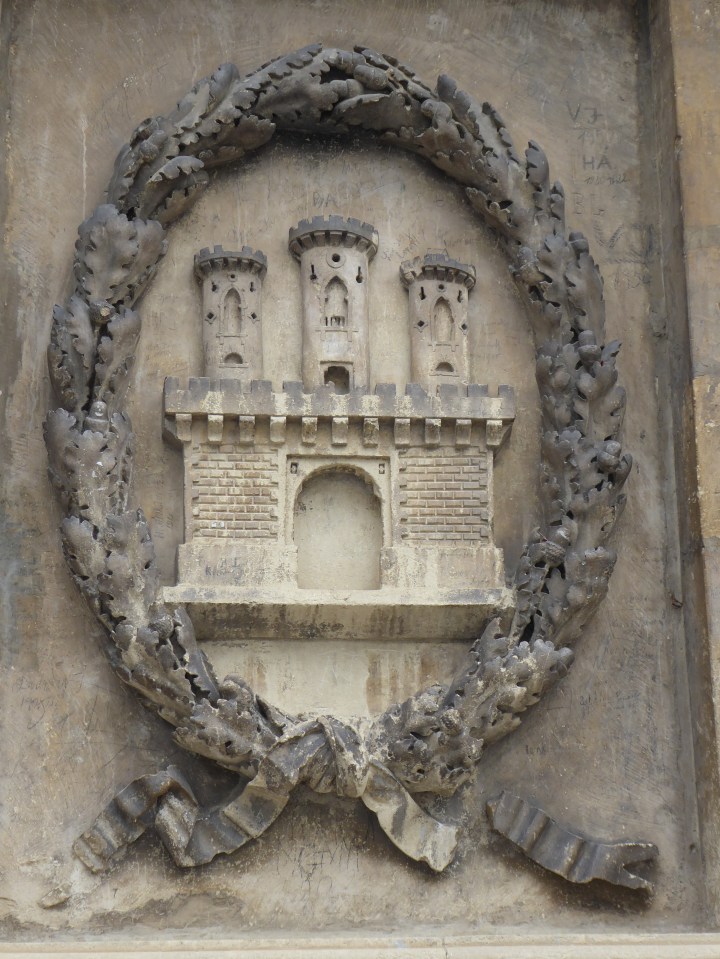
Original city arms

The  original arms of the city

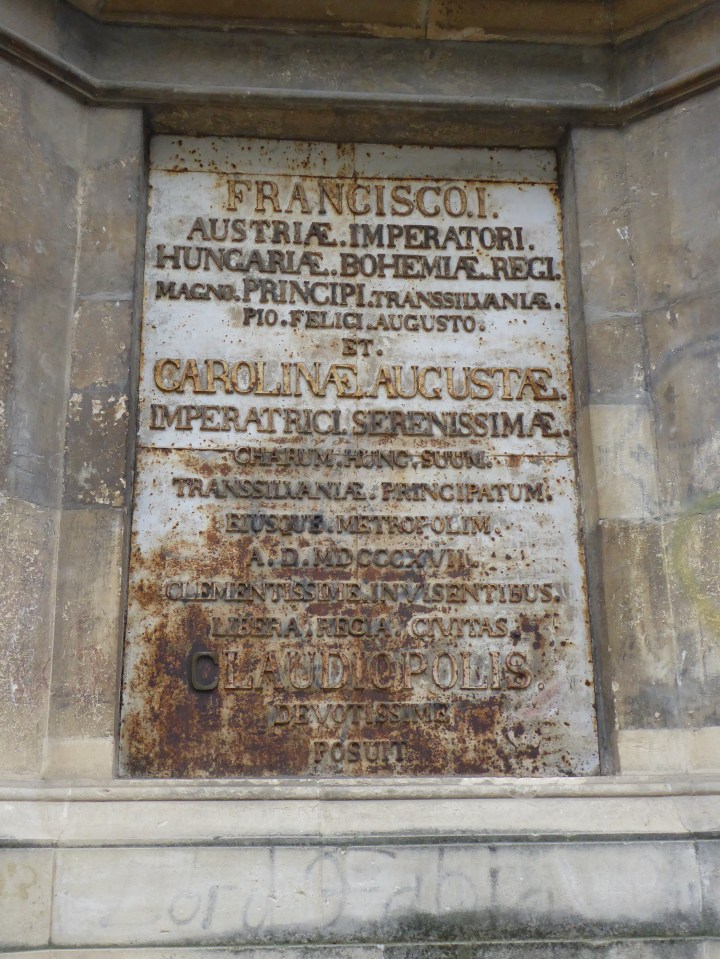
Plaque commemorating visit of emperor

Plaque commemorating the visit of Emperor Francis I and Princess Caroline Augusta to ‘Claudiopolis’ in 1817

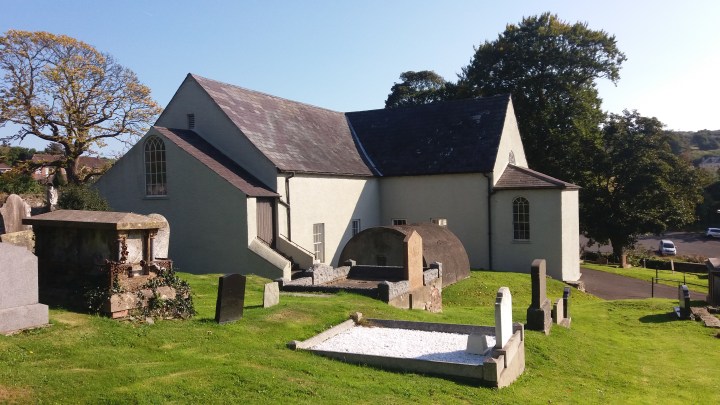
Downpatrick First Presbyterian (Non-Subscribing) Church

Downpatrick 1 Oct 2016

Downpatrick is one of the finest 18th-century T-shaped meeting-houses in Ireland. Built in 1711 at the start of the ministry of the Rev Thomas Nevin, a pioneer Non-Subscribing Presbyterian minister who became a founder member of the Presbytery of Antrim, the church is one of the most notable buildings in this part of county Down.

It is not a new thing but it is worth flagging up the 360 degree virtual tour of the interior which was put online courtesy of VirtualVisitTours. The panoramic view can be explored here:

http://www.virtualvisittours.com/downpatrick-first-presbyterian-non-subscribing-church/


The Edict of Torda

I was privileged to be present at the special celebration to mark the 450th anniversary of the Edict of Torda held in Torda, Romania, on Saturday, 13th January. It was a remarkable occasion with three churches filled in the town, the service relayed to a screen in the town square and the event broadcast live on Hungarian television.


The Edict of Torda was the first promulgation of religious toleration in Europe. From the point of view of Western Europe it came at the surprisingly early date of 1568 and took place in Transylvania under the rule of King John II Sigismund, the only Unitarian king in history.


Here I will post some images from the service held in the Catholic Church in Torda, traditionally regarded as the location for the meeting of the Diet of 1568.

Assembing in Torda near the Orthodox Church

Assembling in Torda near the Orthodox Church

Walking up to the Catholic Church

Walking up to the Catholic Church

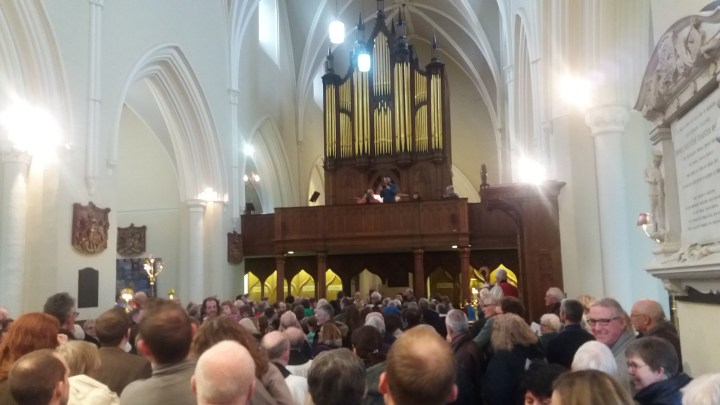
Inside the Church before the service

Inside the Church before the service

Rev Marton Csesc and Rev Imola Molnar who introduced the 16 speakers in the Church

Rev Márton Csésc and Rev Imola Molnár who introduced the 16 speakers at the service

Laszlo Kover President of the Hungarian Parliament

Lászlo Kövér, President of the Hungarian Parliament

Preparing to unveil the new monument to religious freedom after the service

Preparing to unveil the new monument to religious freedom after the service

Some of the congregation outslde

Some of the congregation outside

Bishop Ferenc Balint Benczedi of the HUC and Archbishop Gyorgy Jakubinyi

Bishop Ferenc Bálint Benczédi of the Hungarian Unitarian Church, Archbishop György Jakubinyi of the Roman Catholic Church and other dignitaries

Rev David Gyero deputy bishop of the Hungarian Unitarian Church delivers the homily

Rev Dávid Gyerő, deputy bishop of the Hungarian Unitarian Church delivers the homily

Rev Istvan Kovacs Director of Public Affairs HUC

Rev István Kovács Public Affairs Director of the Hungarian Unitarian Church

Rev Jozsef Kaszoni

Rev József Kászoni-Kövendi, deputy bishop of the Hungarian Unitarian Church

UNveiling the memorial

Unveiling the memorial

The new memorial to religious freedom at Torda

The new memorial to religious freedom, Ad Astra, by Liviu Mocan

Martin Luther: Postage Stamps

As part of the commemoration last year of the 500th anniversary of Martin Luther posting his 95 Theses, our churches in county Down put together an illustrated exhibition on the history of the Reformation from 1517. One part of this was a collection of stamps from around the world all related to Luther. It is surprising how many countries have seen Martin Luther as a suitable subject for a postage stamp. I don’t imagine this is an exhaustive collection of Martin Luther related stamps but it is interesting to compare the variety of images and styles utilised. Some are very artistic, others less so.

Stamps 01

Top row, left to right:

USA 1983 20c, 500th anniversary of Luther’s birth; French Polynesia 1983 90F, 500th anniversary of Luther’s birth; Bulgaria 1996 300 lev, 450th anniversary of Luther’s death; Germany 2017 .70 euro, 500th anniversary of reformation.

Second row, left to right:

Lithuania 2017 .39 euros, 500th anniversary of reformation; West Germany 1971 30c, 450th anniversary of the diet of Worms; Estonia 2017 .65 Euro, 500th anniversary of reformation; France 1983 3.30F, 500th anniversary of Luther’s birth.

Stamps 02

Left to right:

South Africa 1967 12.5 c, 450th anniversary of reformation; South Africa 1967 2.5 c, 450th anniversary of reformation; West Germany 1979 50 pf, 450th anniversary of Luther’s Catechism; Germany 1995 100 pf, 450th anniversary of the Worms Reichstag.

Stamps 03

Left to right:

Germany 2002 56 pf, 500th anniversary Martin Luther University Halle-Wittenberg; West Germany 1983 80 pf, 500th anniversary of Luther’s birth; West Germany 1961 15 pf, 415th anniversary of Luther’s death; Germany 1996 100pf, 450th anniversary of Luther’s death.

Stamps 04

Left to right:

East Germany 1983 85 pf, 500th anniversary of Luther’s birth; East Germany 1983 20 pf, 500th anniversary of Luther’s birth; East Germany 1983 10 pf, 500th anniversary of Luther’s birth; East Germany 1983 35 pf, 500th anniversary of Luther’s birth.


Faith and Freedom Calendar 2018

The 2018 Faith and Freedom Calendar is now available. A complimentary copy has been sent to every subscriber to the journal and additional copies can be ordered.

Faith and Freedom Calendar Cover 2018

If you would like to order additional copies please contact Nigel Clarke (faithandfreedom@btinternet.com). For any extra copies we suggest you consider making a donation of £5. All proceeds will be donated to the Send a Child to Hucklow Fund, to help further its work in enabling disadvantaged children to enjoy a much-needed holiday in the Peak District.

We have some magnificent images – and receive far more than we could ever use, although we try to include as many as possible in the cover. The image at the top of this page is taken from the cover – it is a detail of a mosaic at the monastery of Sumela, Trebizond, taken by Anne Wild, who contributes a number of spectacular images to the Calendar.

Here are some more images from the 2018 Calendar:

Chester Calendar

West Window, Chester Cathedral (Photo: Alison Steers)

Cows Calendar

Evening in Lissagally (Photo: Paul Eliasberg)

The back page of the Calendar lists some of the thanks owed to those involved in the production. Thanks also go to Trimprint, our printers, and to Nigel Clarke who directs the whole project. Order your copy while stocks last!

Faith and Freedom Calendar Back Cover 2018

Candlelight Carol Service

The congregations of Downpatrick, Ballee and Clough held their joint Candlelight Carol Service on Wednesday, 6th December at Downpatrick at 7.30 pm. The church was attractively decorated and as well as Alfie McClelland on the organ we were delighted to have the Laganvale Ensemble accompanying the carols and playing some other pieces. The mellow sound of the band filled the eighteenth-century meeting-house magnificently.

Candlelight 02 MS

Underneath the pulpit

Candlelight 04 MS

Laganvale Ensemble

We had readers from all three congregations, including one passage read first in German by Eleanor to commemorate Martin Luther’s translation of the Bible, begun 500 years ago. The readers were Amanda Ramsey, Thomas Rooney, Eleanor Baha, Tierna Kelly, Megan Neill, Elsie Nelson, Robert Neill, Doreen Chambers, Roy Kelly, and Charles Stewart.

Original of Readers

Readers

Candlelight Gallery daytime 02

The view from the Squire’s Gallery earlier in the day

Edinburgh in November

Princes Street in Edinburgh must have one of the most dramatic backdrops of any shopping street in Europe. At this time of year the dour presbyterian cityscape seems to glower at the frivolity of the market below.

20171120_153527

20171120_15500220171120_155035

20171120_155335

20171120_155159

20171120_155243

20171120_155136

20171120_155106


‘Blood Swept Lands and Seas of Red’. Poppy dedicated at Downpatrick


An important part of the remembrance service at Downpatrick NSP Church on Remembrance Day, Sunday, 12th November 2017 was the dedication of a new memorial to Rifleman John Hayes of the 1st Battalion Royal Irish Rifles who was a member of the congregation who was killed in the First World War at the Battle of the Somme on 31st October 1916 at the age of just 24. The memorial contains a ceramic poppy from the Tower of London. The Tower was the location for ‘Blood Swept Lands and Seas of Red’ an impressive special installation produced at the start of 2014 which contained 888,246 hand-made ceramic poppies, one for every man or woman from Britain and the Commonwealth who died in military service in the Great War.

Tower_Poppies_7_November_7

Poppies at the Tower of London, 7th November 2014 (Photo: Wikimedia Commons)

The poppies were designed by Paul Cummins and each one was individually hand made by a large team of volunteers so that no two flowers are the same. The poppies gradually encircled the Tower, creating a spectacular visual display and a moving location for personal reflection. The scale of the installation, containing so many individual poppies, was intended to bring home the magnitude of the event commemorated and over five million people travelled from all over the world to see the display. It was an impressive creation which continues to have a profound effect. All the poppies were sold to members of the public in memory of those who died, raising millions of pounds for service charities and extending the practical effect of the memorial all over the country which is how the poppy came to Downpatrick. Thelma Lowry, church member and a niece of John Hayes, bought one of the poppies and presented it to the church on behalf of her family in memory of her uncle.

DownpatrickPoppy05

Memorial, First Presbyterian (Non-Subscribing) Church, Downpatrick

The church has a war memorial from the First World War containing the names of the 32 members of the congregation who served in the First World War as well as the three members who made the supreme sacrifice – Craig Nelson, Francis McMurray and John Hayes.

leaflet-cover

Cover of the church’s leaflet about the three members who lost their lives in the First World War. For more details see:

https://velvethummingbee.wordpress.com/2016/10/04/three-lives-remembered/

At the service Jack Steers played the Last Post on the trumpet and Laura Neill played ‘Abide with Me’ on the bagpipes following the dedication. This new memorial is a family memorial but of a church member who was killed during the Battle of the Somme over one hundred years ago. As such it ties the church into a remarkable act of remembrance that began at the Tower of London but which has travelled around the world taking poppies from the installation back to the cities, towns and villages which were once the homes of those who were killed in the Great War.

A special site now records the locations to which the poppies have travelled:

https://www.wherearethepoppiesnow.org.uk/the-poppy-map/

DownpatrickPoppyplaquecrop

Memorial plaque