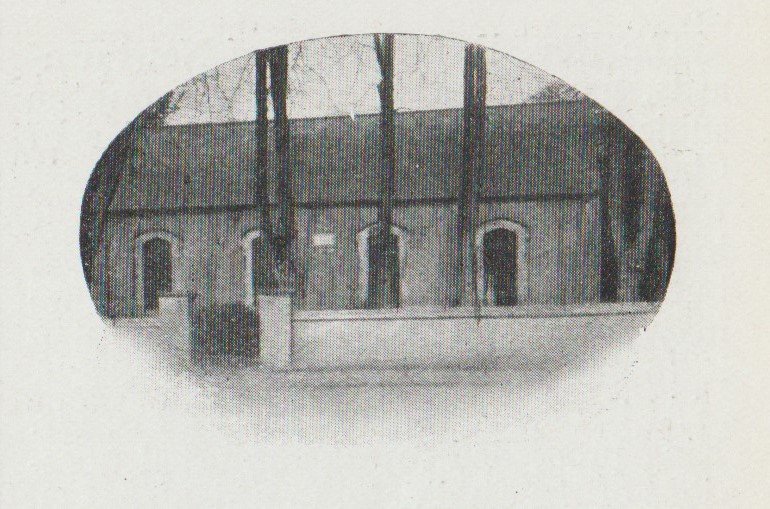
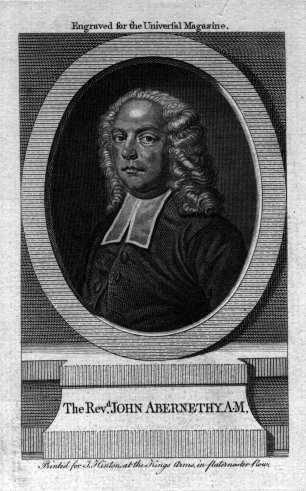
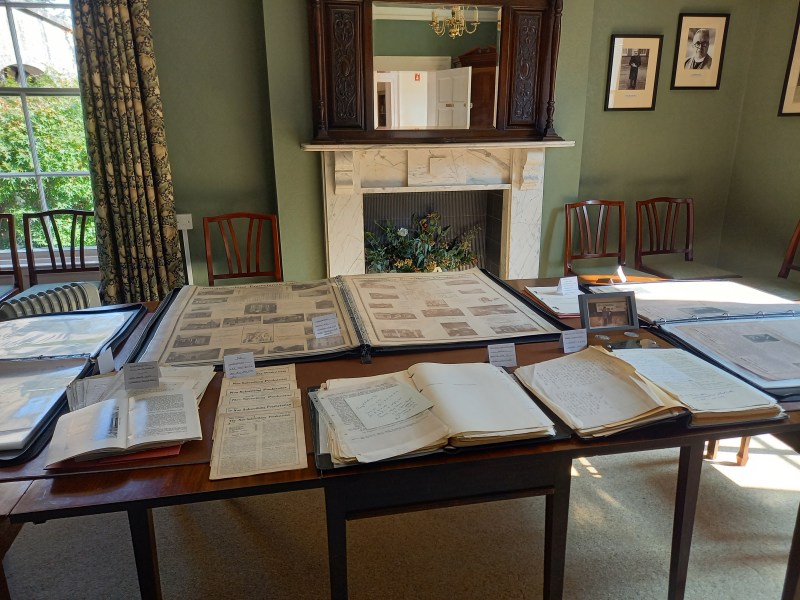
Episode 6 of our explorations of the Very Rev William McMillan Library at Dunmurry looks at the writings of the Rev John Abernethy (1680-1740). Without doubt the most prominent Presbyterian minister in Ireland in the early eighteenth century and the foremost exponent of Non-Subscription, he was minister at Antrim (see picture above) and later Wood Street, Dublin.
Click on the video to see John Abernethy’s books
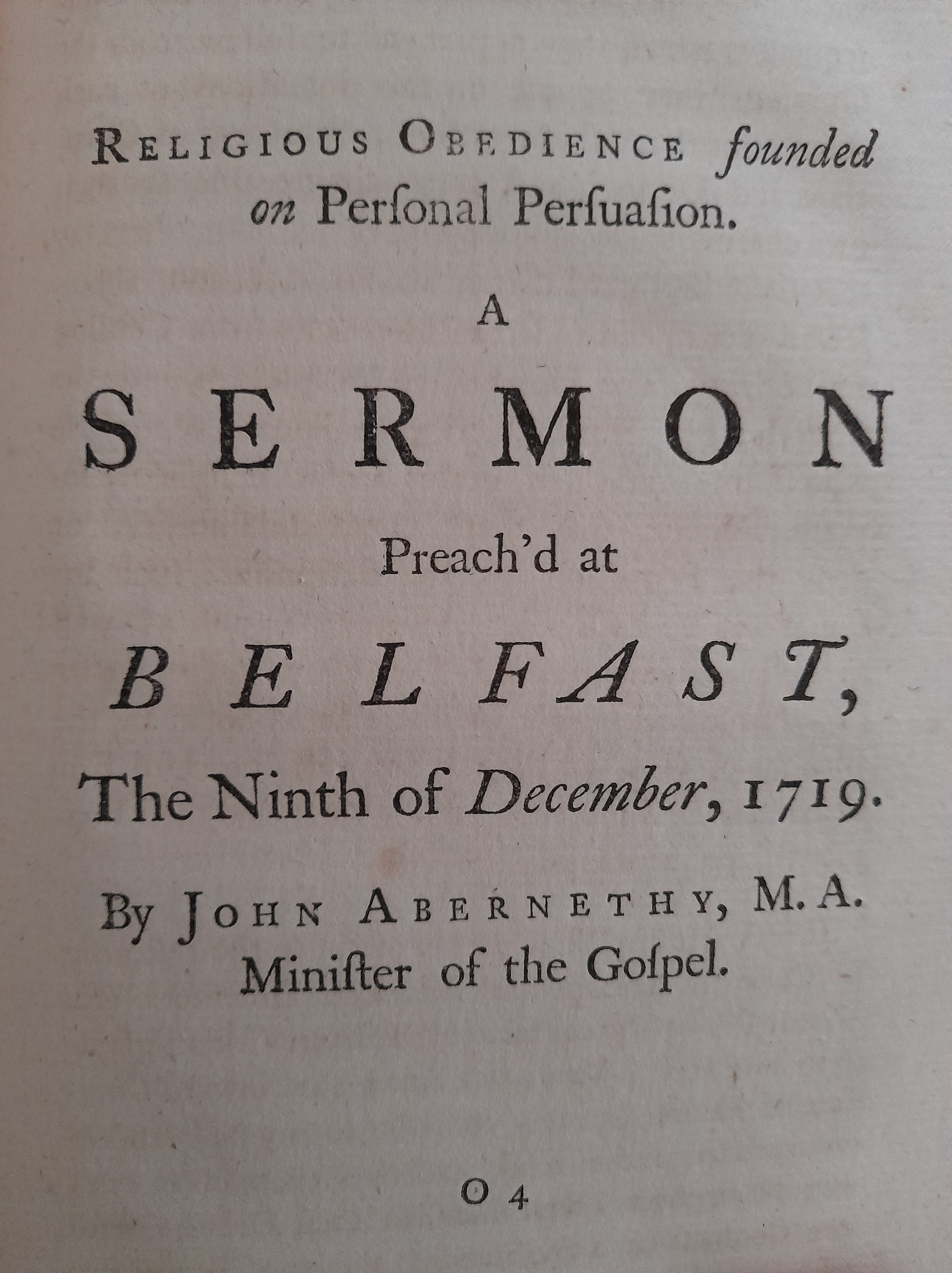
Some of his books were the best sellers of their day and some of his publications were seen as either controversial theological statements or the key to opening up a new way to understand faith, depending on your point of view. Ironically at the time of the first subscription controversy the minister of Dunmurry, the Rev John Malcome, was a vocal opponent of the Non-Subscribers and was the first to use the term ‘New-Light’ about them. But Dunmurry Library has a good selection of his published works, most of them published after Abernethy’s death.
The founder of the Belfast Society in 1705, an outspoken advocate of the rights of the dissenting minority in Ireland and an established philosopher of some importance, John Abernethy’s books had considerable influence and this video looks at his publications held by our Library in Dunmurry.
On Sunday, 10th November we held a well-attended Remembrance Service at Dunmurry and the video can be seen below. Special thanks go to John Neill for delivering Binyon’s Lines, to Jack Steers for playing the Last Post and Reveille, and to Allen Yarr for playing the organ.
Click above to see the Remembrance Service from First Dunmurry 10 November 2024
In the service I make full use of the booklet For Remembrance mentioned in the previous post. Indeed this little book, particularly the contribution by the Rev R. Nicol Cross, as it is mentioned in the previous video, has already sparked a lot of responses. Along with some of the other pieces it is a poignant and very honest reflection on the situation in 1919 for those returning from the front after the Armistice.
At the time he wrote his contribution Nicol Cross was minister of Mill Hill Chapel, Leeds, later he was minister of First Church, Belfast and later still Principal of Manchester College, Oxford. But from 1915 to 1919 he served as a private with the Royal Army Medical Corps. His perspective on the war was quite different from what you might otherwise have guessed.
Title page of the booklet
It is a very rare book, very few copies have survived. In the 2019 issue of the Transactions of the Unitarian Historical Society Alan Ruston contributed an article entitled ‘1919 – a re-evaluation of the part played by Unitarians in the First World War’. In his article he reveals that he had not previously come across the book, the copy he was sent while writing the article was the only one known to him. It certainly has not made its way into library collections. So this copy, in the Very Rev William McMIllan Library, is one of only two known copies.
One feature of For Remembrance that I didn’t mention in the first video or in the service above is that there is also a short note from the American Unitarian Association (AUA) included in the booklet. It seems to have come from a message sent out by the AUA to reurning troops and reads:
OUR GREETING AND PLEDGE
You have successfully met the challenge of the most powerful armies the world ever saw. You have shared in the most significant victory in all history. By a devotion that has won the affectionate admiration of the civilized world, you have helped to make possible a new and nobler life for humanity, and a truer brotherhood of man.
We welcome you again to our homes and our homeland. We pledge ourselves anew to the ideals for which you went forth to suffer; and because of your example we will rise to meet the duties of the new day with unwavering faith. Through our church we will unite our powers with yours in defence of the principles for which so great a price has been paid.
Your courage, cheerfulness, and fortitude will strengthen the church of your fathers.
From the Message of the American Unitarian Association
It would be interesting to know if this was the whole message of the AUA or whether they produced a book similar to For Remembrance.
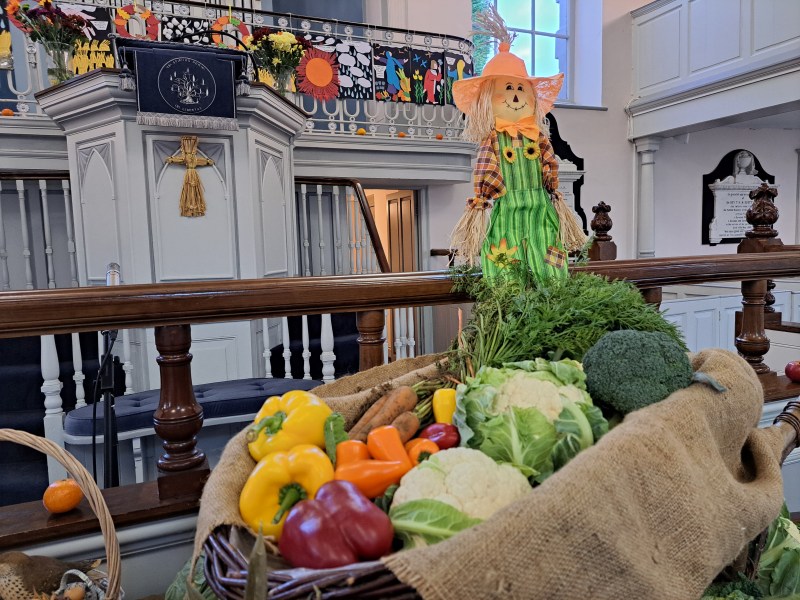
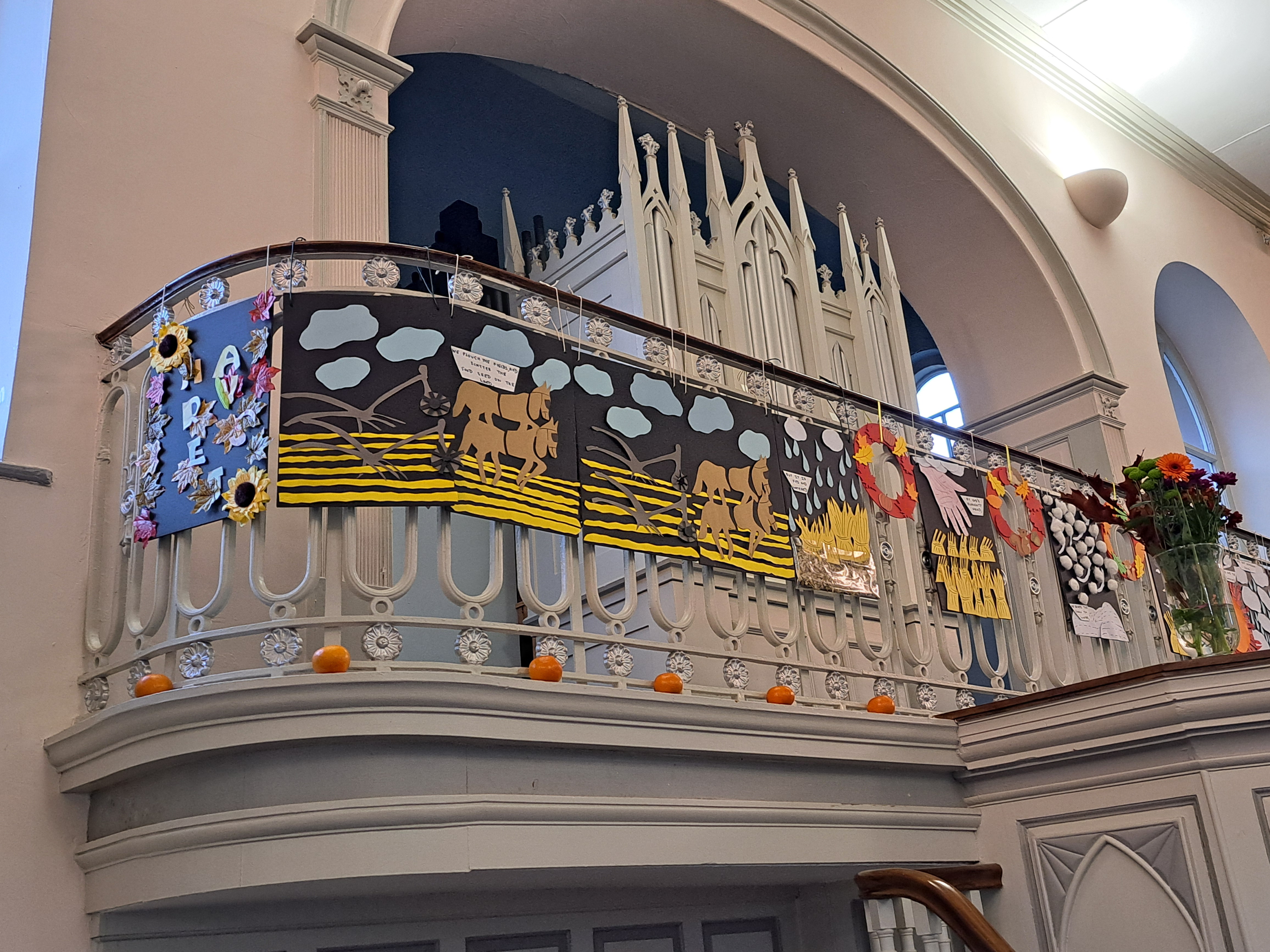
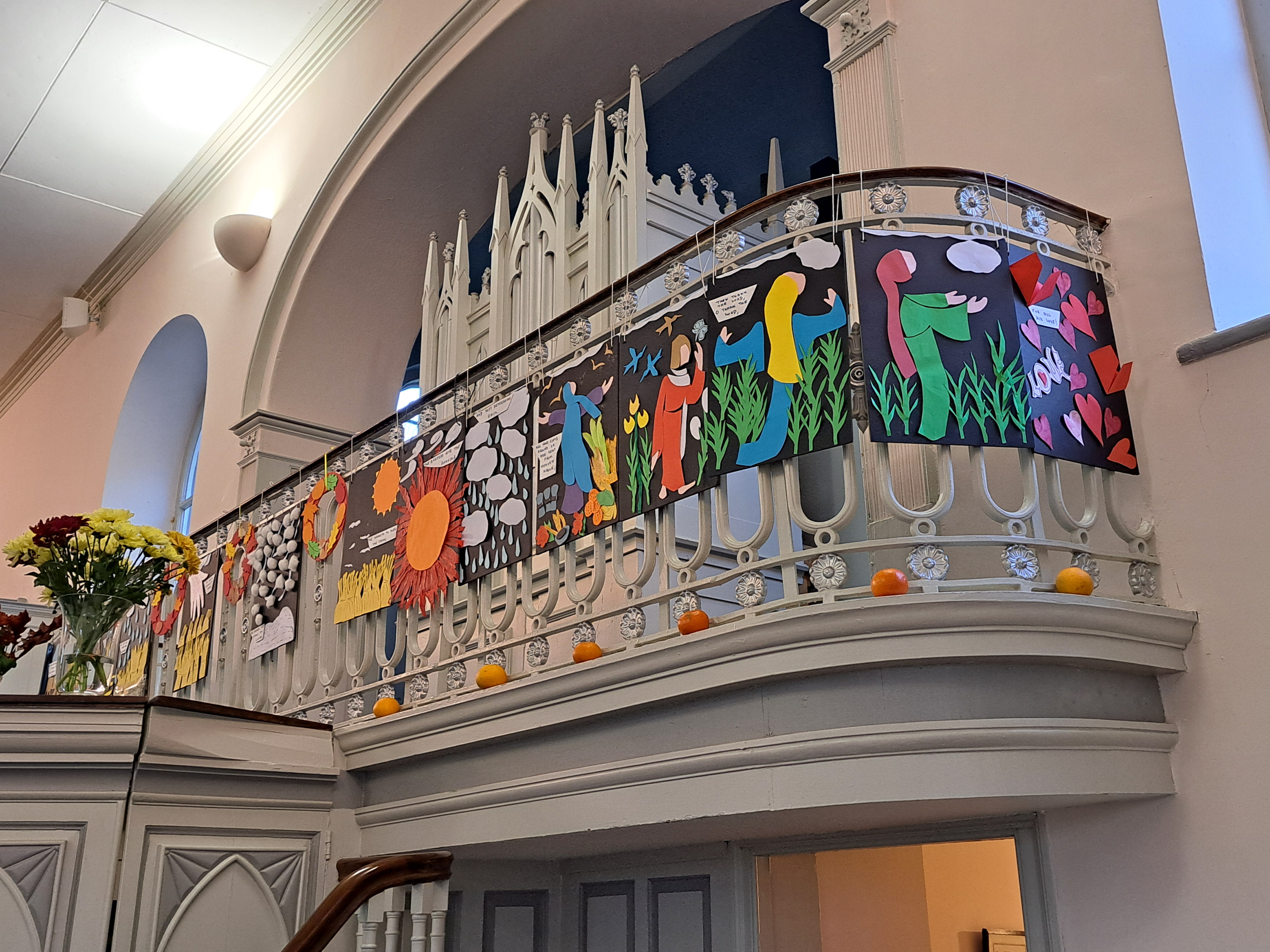
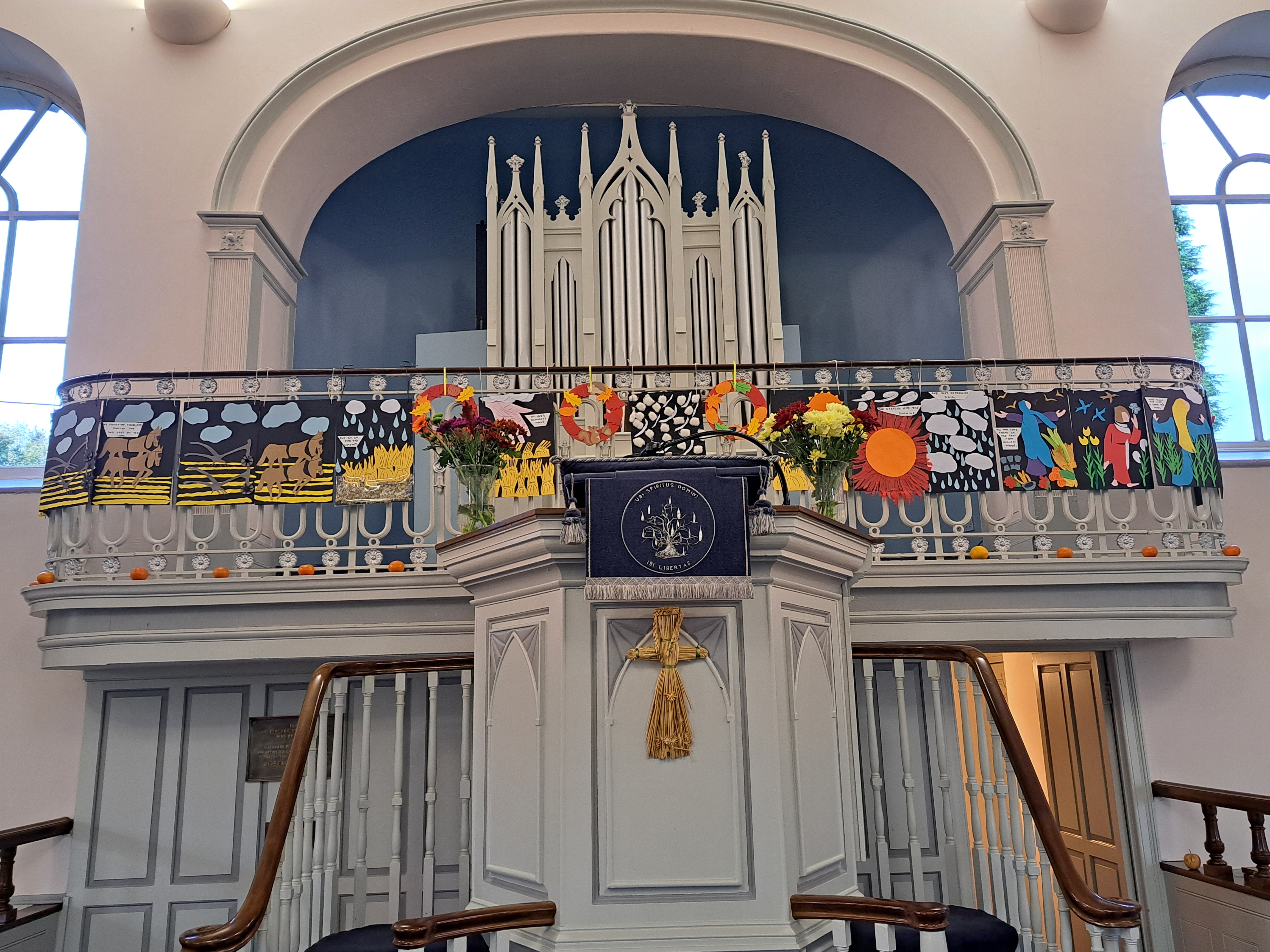
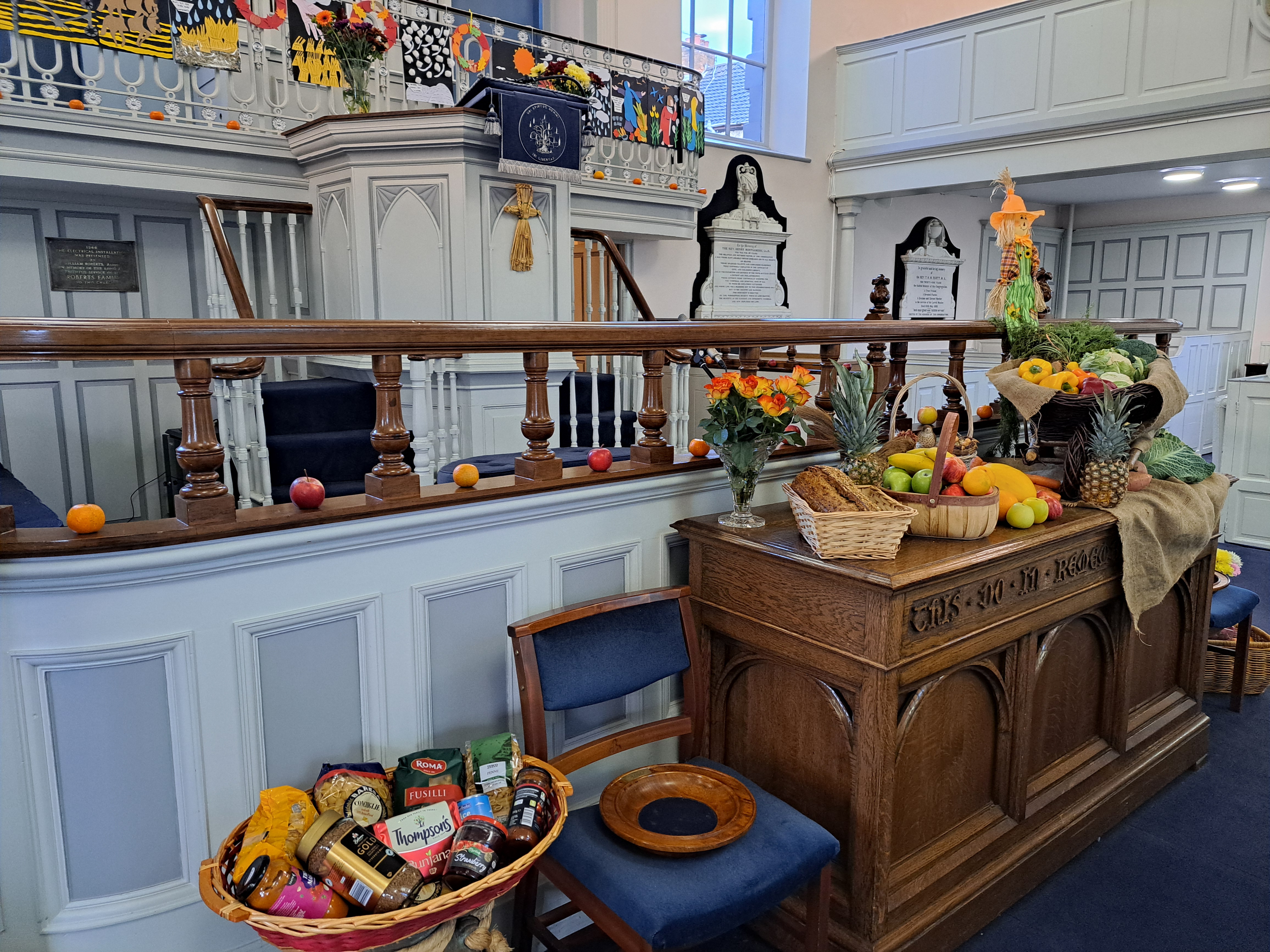
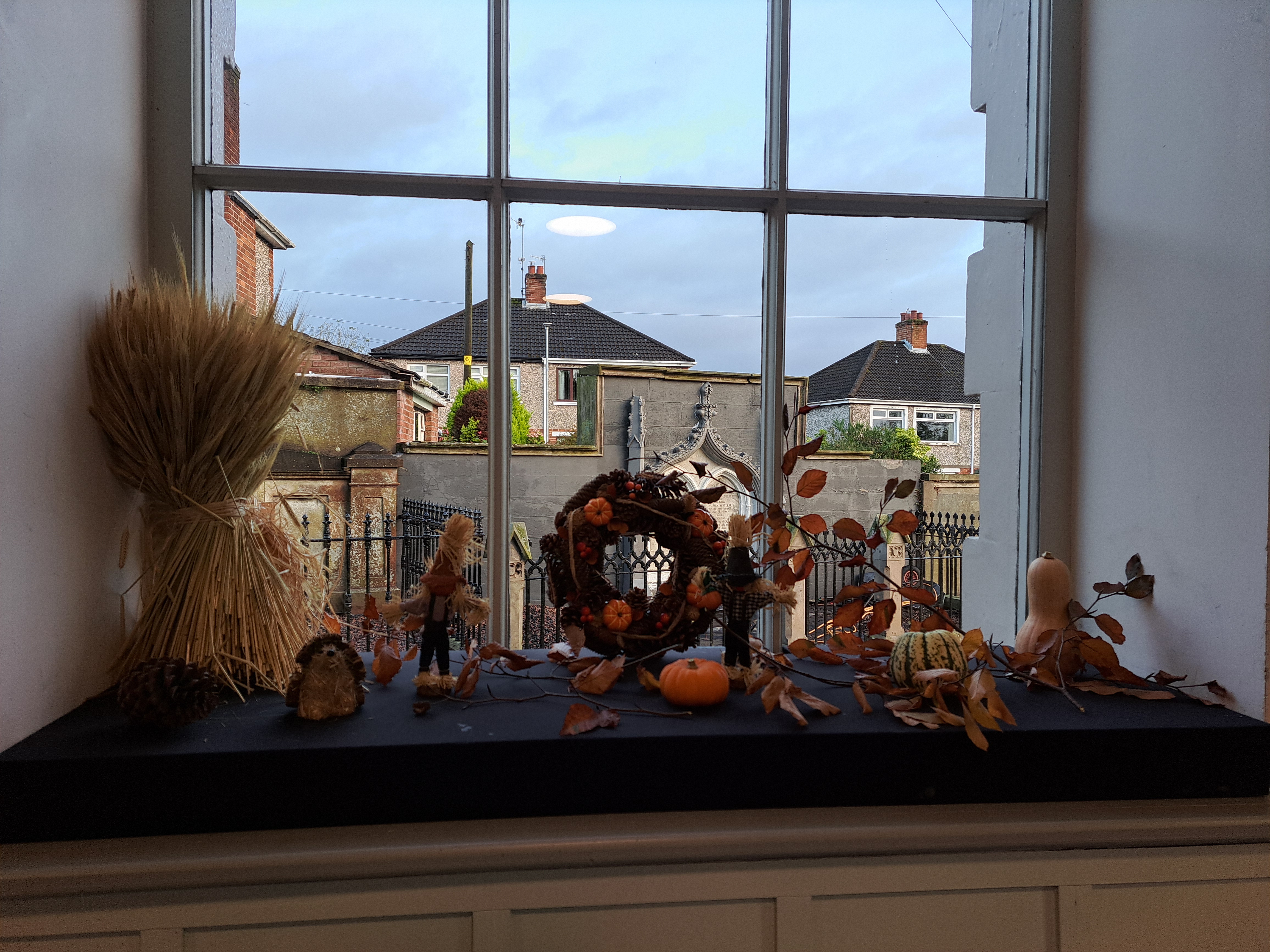
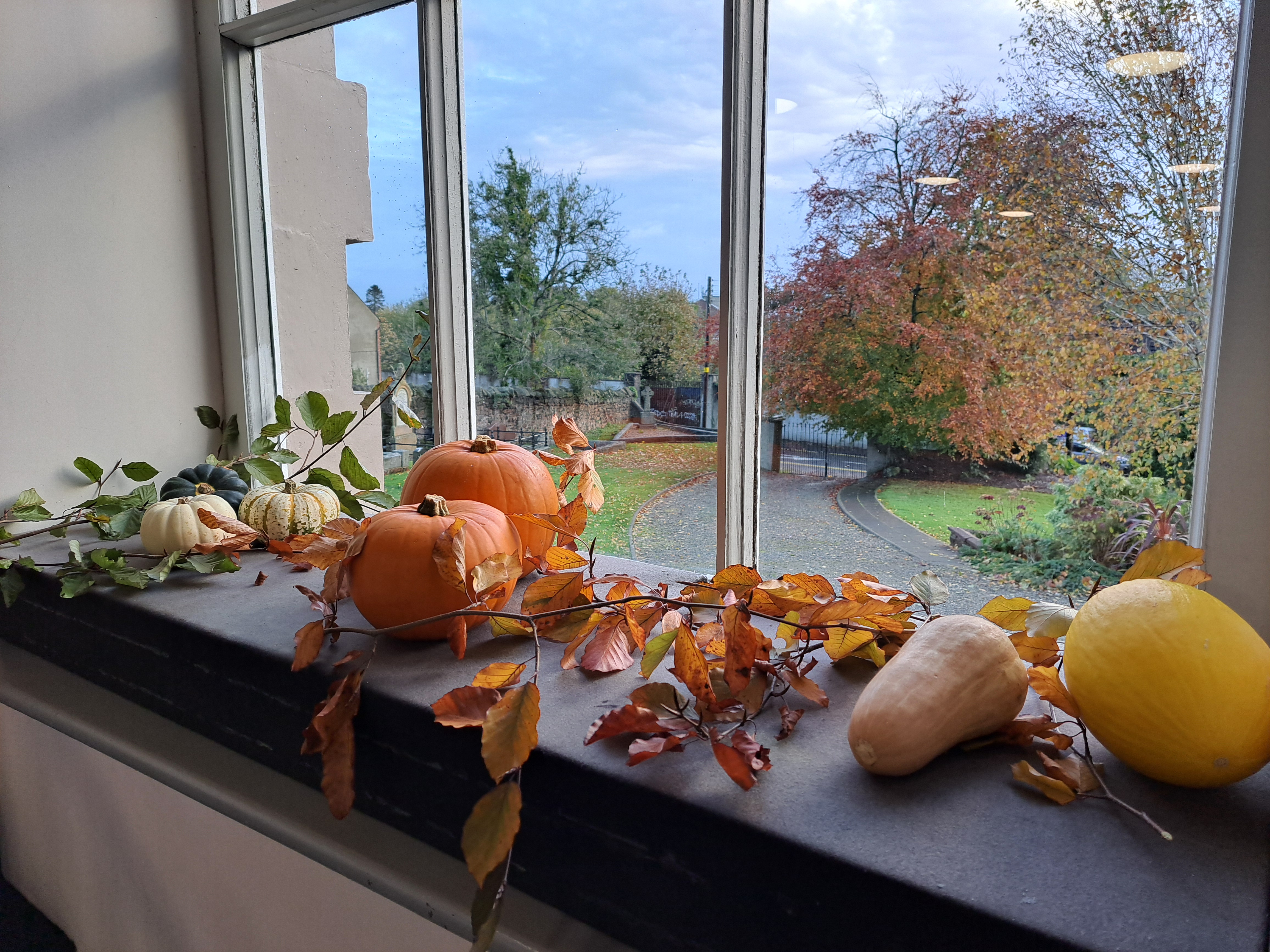
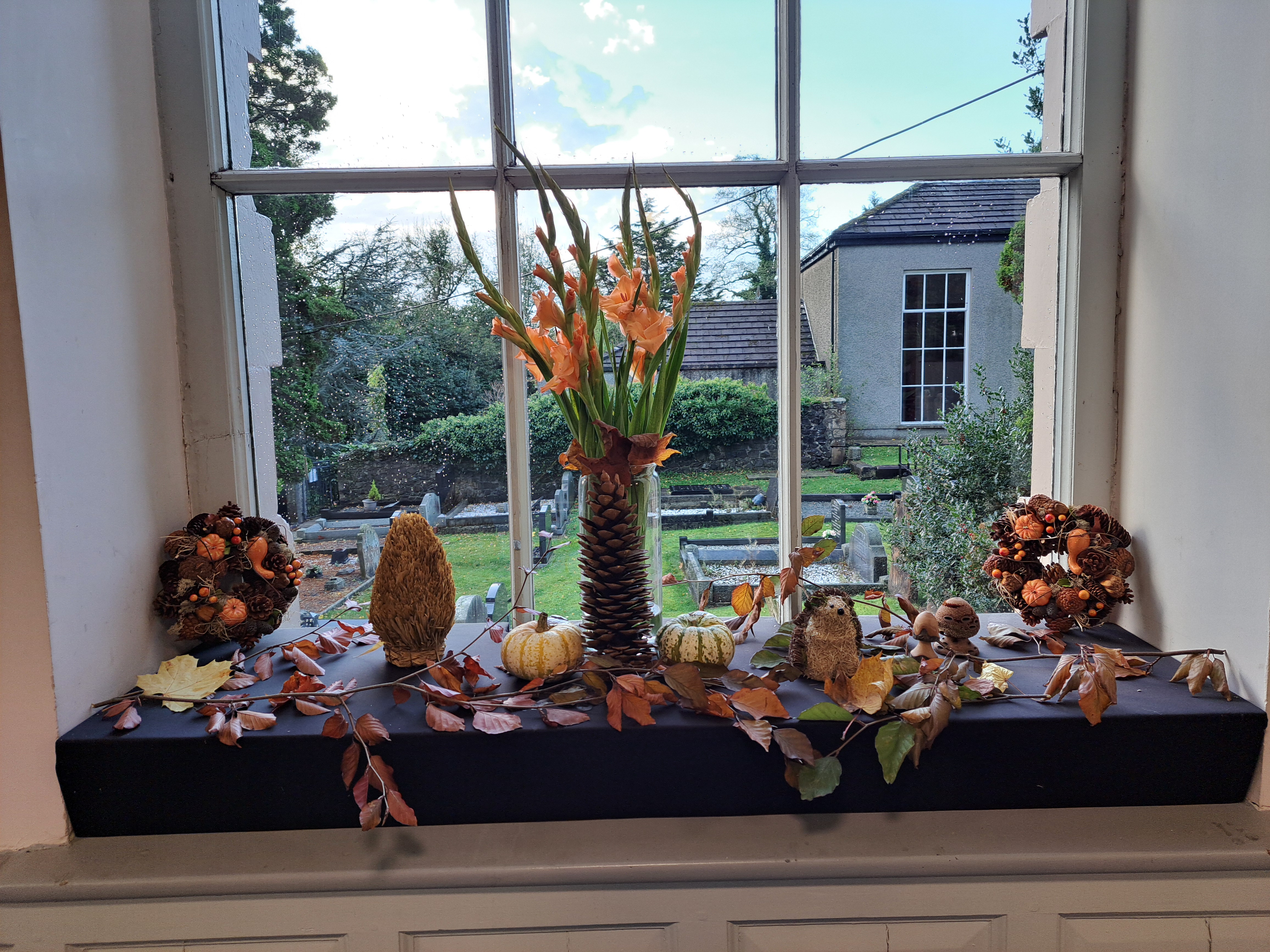
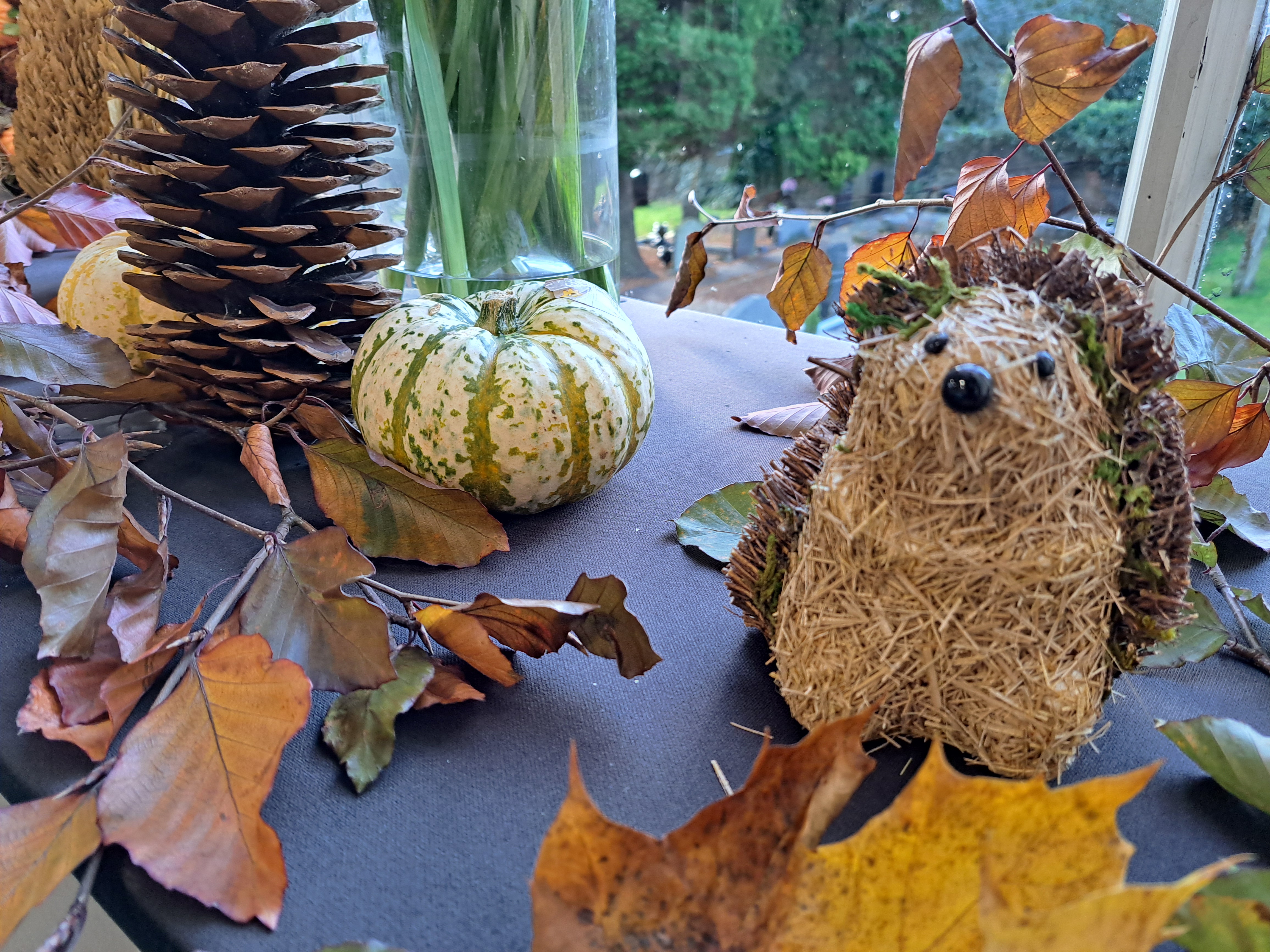
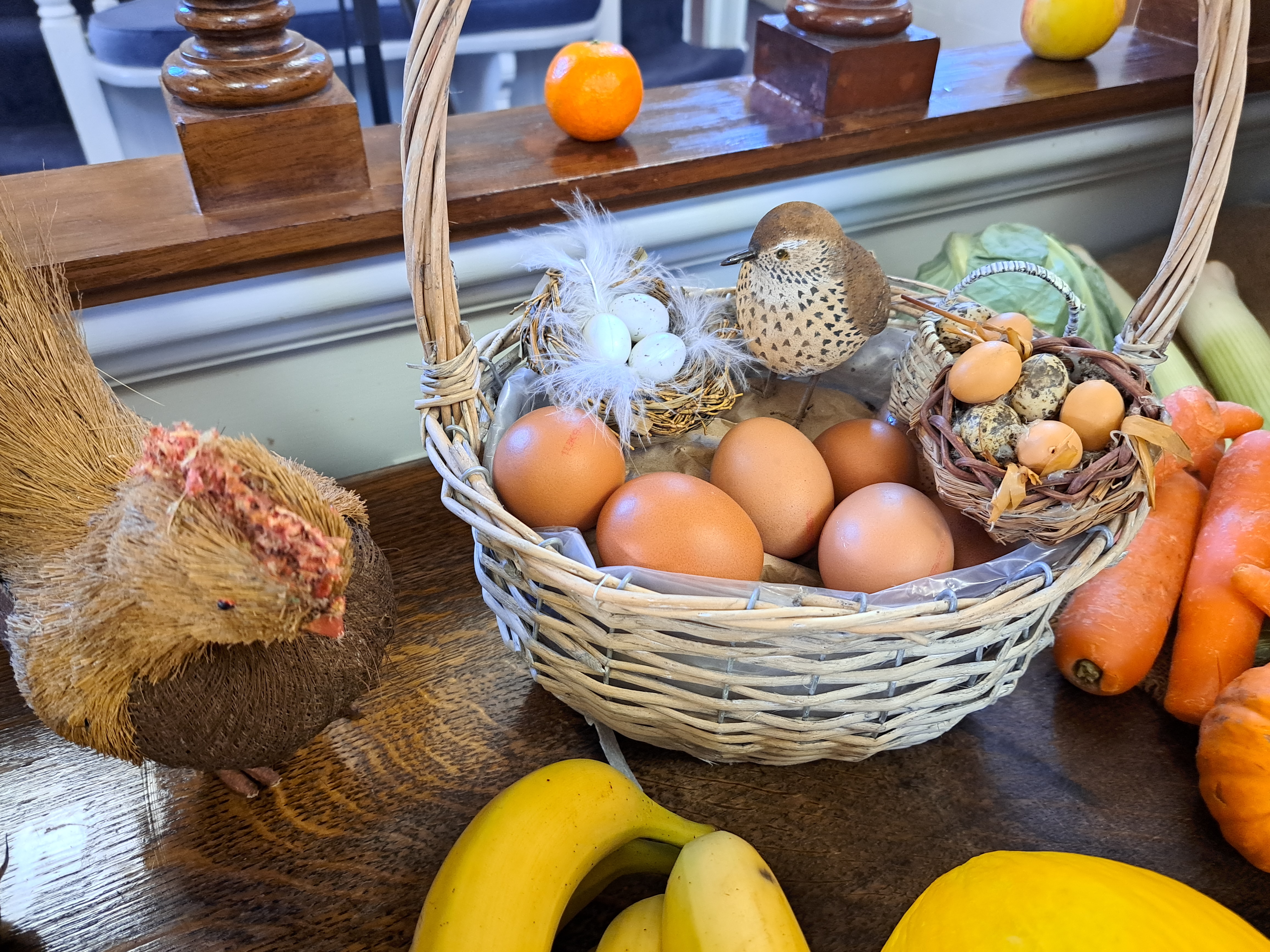
We had a wonderful Harvest Thanksgiving Service on Sunday, 20th October 2024. The service was conducted by Rev Dr David Steers, the organist was Allen Yarr and the readers were Lochlan Black and Erin Black. The Church was beautifully decorated throughout including the frieze depicting We Plough the Fields and Scatter made by the Sunday School and Youth Group. The service was live streamed and you can view it here on YouTube:
Here are some images from the day, beginning with We Plough the Fields and Scatter frieze created by the children and young people:
We were very pleased to welcome the Moderator, Rt Rev Alister Bell, who spoke warmly of the service and the work done by the children.
We also gathered a considerable amount of produce, both fresh vegteables and fruit, as well as tinned and dried foods, biscuits, pasta, sauces, tea, coffee etc. All of this has now been distributed to L’Arche Belfast.
What Is L’Arche?
“L’Arche (French for ‘The Ark’) is an international federation of 140 communities worldwide founded on faith and inspired by the gifts of people who have learning disabilities. By ‘community’ we mean a group of people of different ages, creeds, capacities and social and ethnic backgrounds connected to one another through a belief that everyone, irrespective of their circumstances, can have a positive impact on the lives of others. In our communities people with and without learning disabilities choose to live together in a spirit of friendship. We recognise the unique value of every person, the gifts we have to offer and our need for one another.” (From L’Arche website).
The newly created garden at the centre of the L’Arche community Belfast
You can find out more about L’Arche Belfast by clicking here.
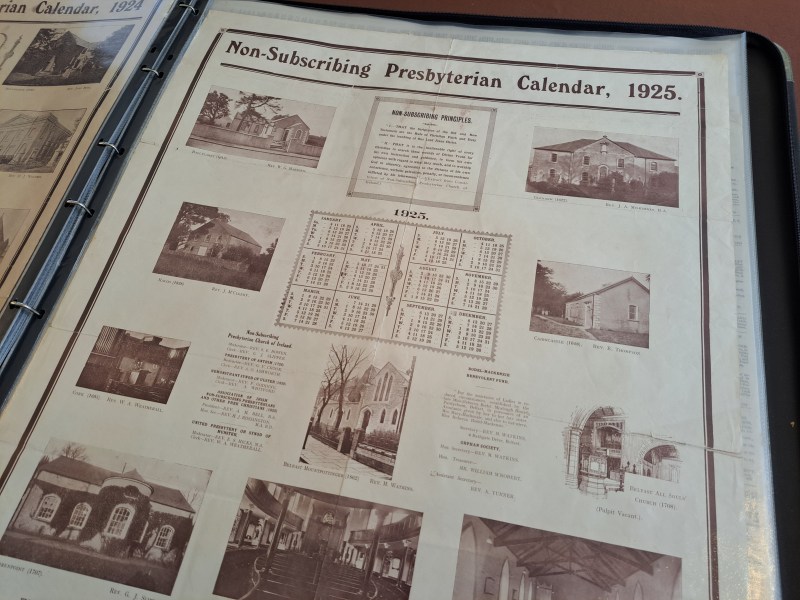
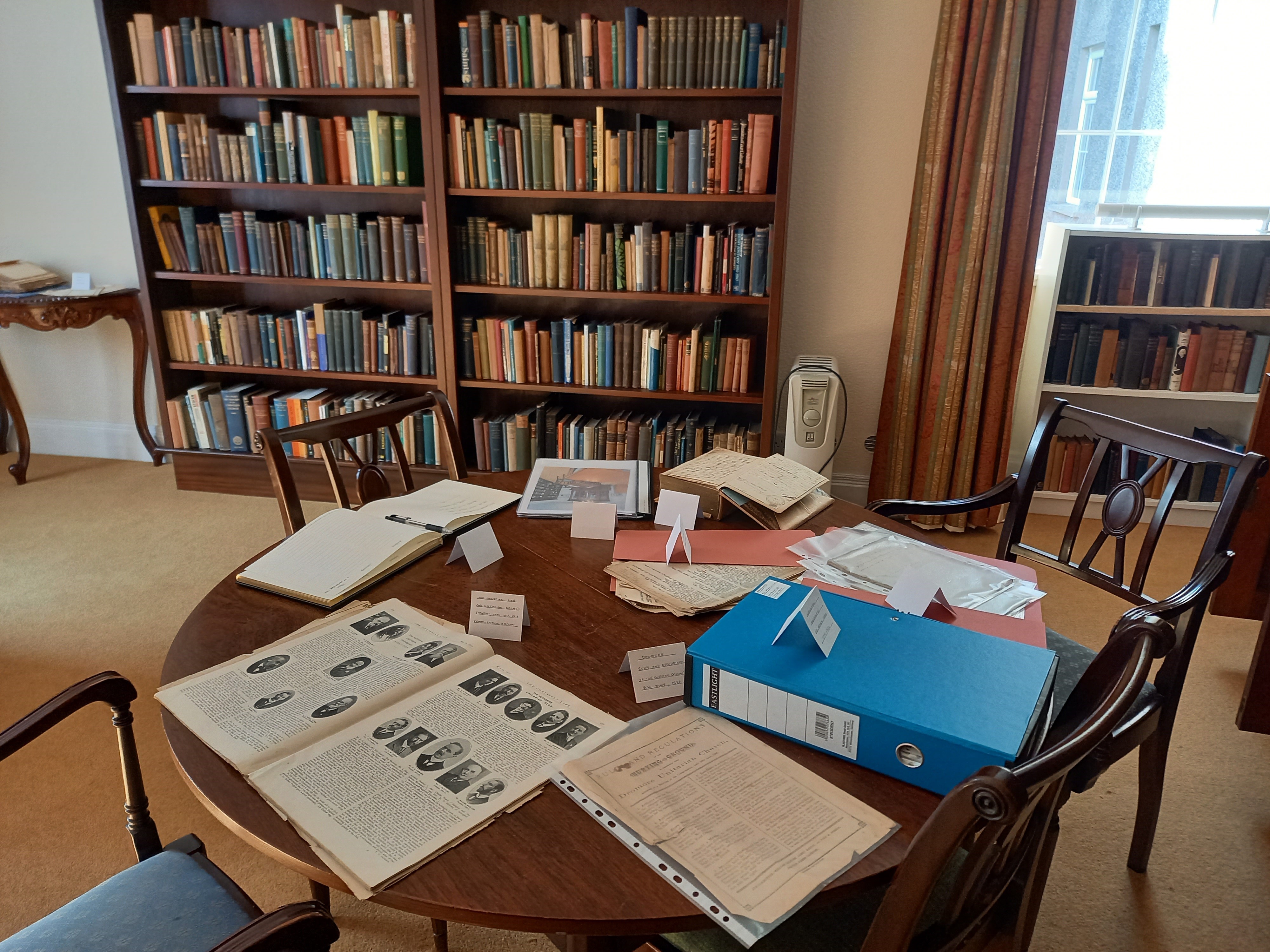
Ephemera is the term given for items that weren’t usually expected to last. Usually printed items, they had only a limited shelf-life and were generally expected to be thrown away when they had been used. Inevitably such things tend to become interesting to collectors because they often illuminate some aspect of social history that might otherwise be lost. Our new Very Rev William McMillan Library is rich in ephemera and this latest video explores two items held by the Library:
Click above to see Episode 3 of the explorations of Dunmurry NSP Library
In 1924 and 1925 the congregation of York Street Church, Belfast, under the leadership of Rev Dr A.L. Agnew, produced a calendar to sell to the denomination. Over the two years they included a picture of all the churches in the denomination in Ireland and they make for interesting documents. Many of the pictures date from a bit before the mid-1920s but it makes for an interesting collection of early twentieth-century photographs. Some images are quite well-known and have often been published. Some are quite rare like this picture of Ballymoney:
There’s also a reminder of an attempt at outreach in Bangor which lasted for a few years, and seemed to be successful for these years at least:
But altogether they are interesting documents. They must have captured a lot of interest at the time but at the end of the year what do you do with an old calendar but throw it away? Which is why so few have survived. You can find out all about it by watching the video.
Thank you to everyone who came along for our service of dedication and formal opening of the Very Rev William McMillan Library on Sunday, 22nd September. The service was livestreamed on Facebook and this video now on YouTube includes not just the service but also the Act of Dedication outside the Library, Sheila McMillan’s speech and cutting of the ribbon, the presentation to Sue Steers, and Colin Flinn’s speech after the tea as well as some scenes from the McCleery Hall, the Library and the Session Room.
Click above to see the service and the other events of the day
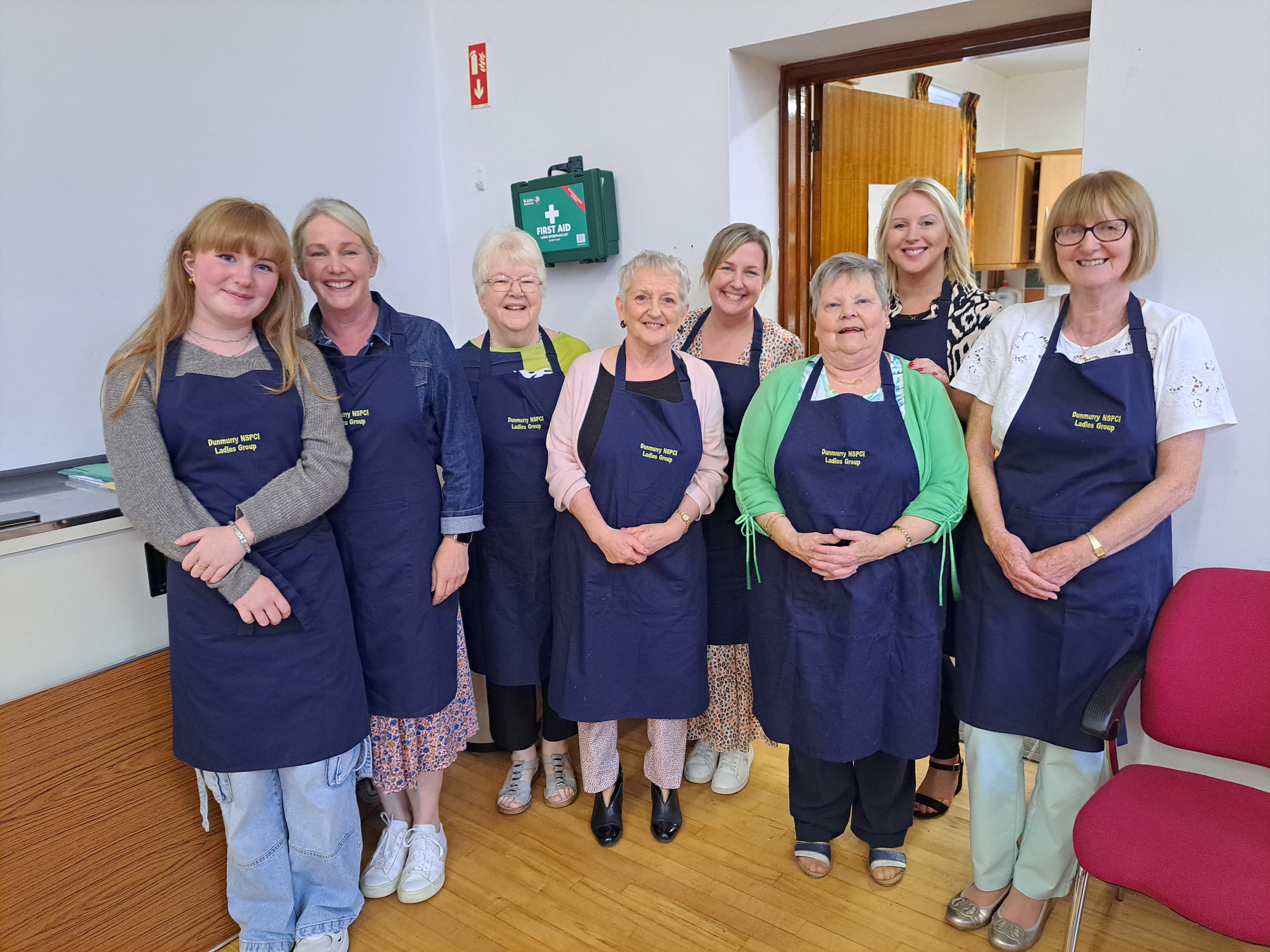
A big thank you goes to everyone who helped on the day, especially the ladies who prepared the wonderful refreshments. In his speech Colin Flinn commended them for their smart turn out and expressed a hope that on future occasions some men might join them in their ranks!
Dunmurry NSPCI Ladies Group
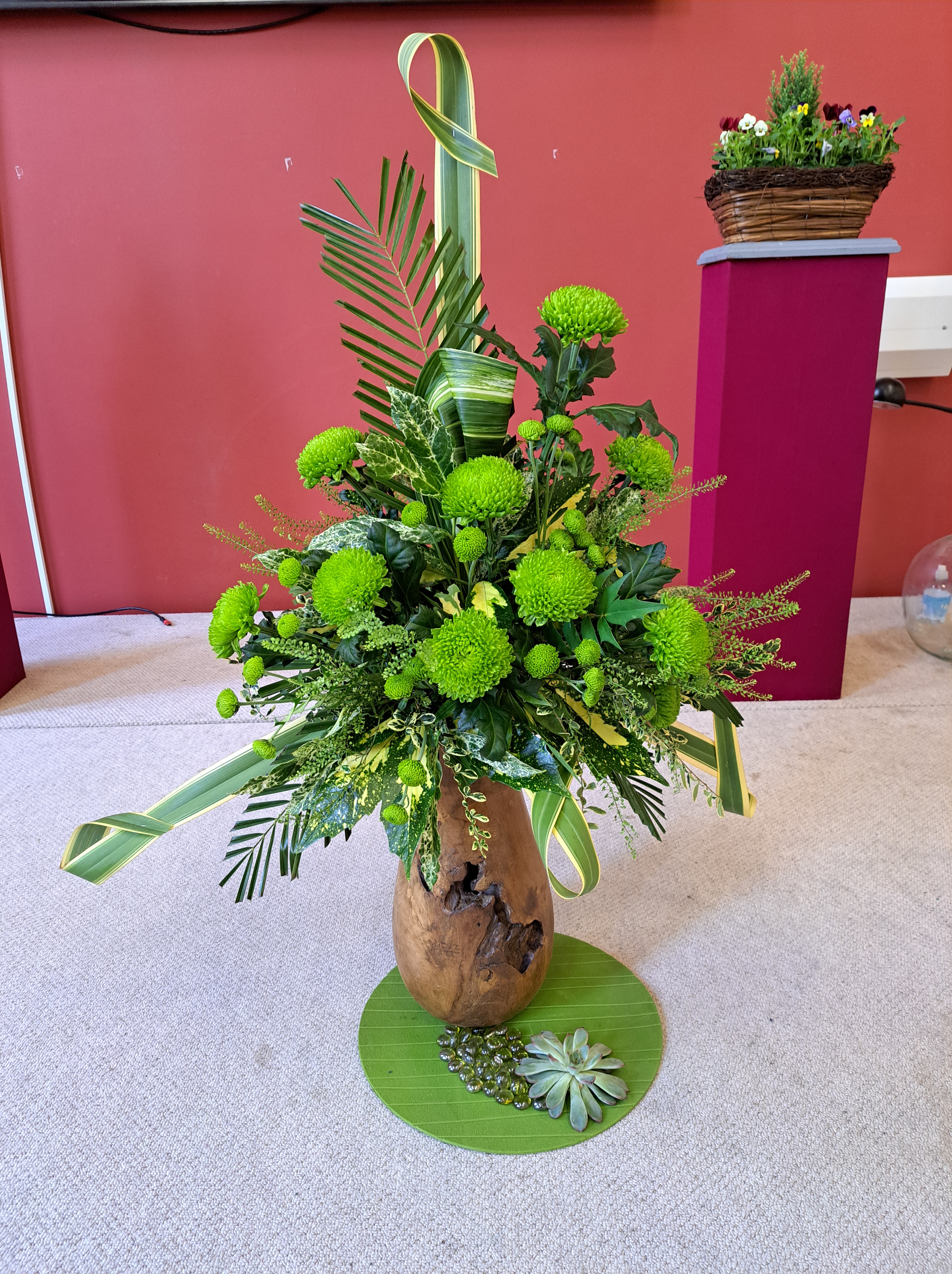
A big thank you goes to Elma McDowell for her floral arrangements and to Allen Yarr for playing the organ. All these things and more can be seen on the video.
Flowers in the Hall
The congregation of Dunmurry is grateful to the Bright Fund for their financial support for the project and to everyone who has made donations to the Library over the last few years. We gratefully acknowledge the receipt of books and other items donated to the Library. Special thanks also goes to Sue, Kathy and the members of the Library Group for all their hard work in cataloguing the Library over the last four years.
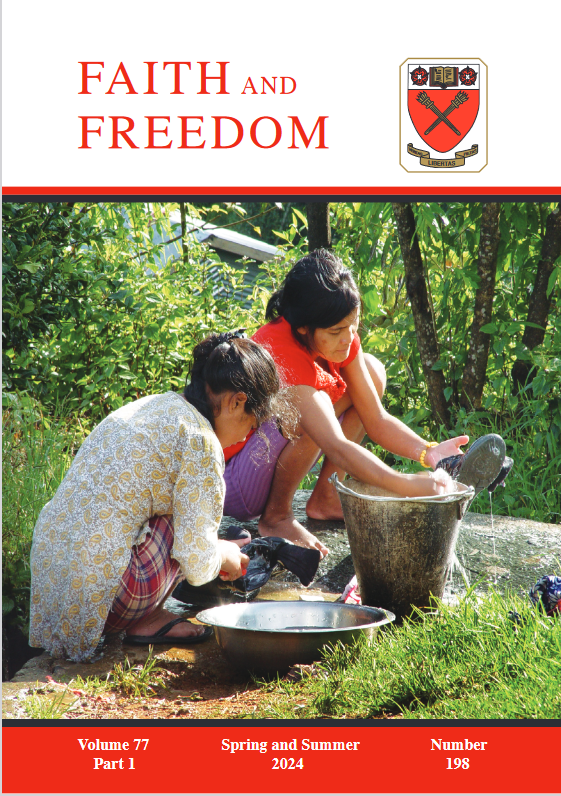
The latest issue of Faith and Freedom is now available. In this issue we are pleased to publish the entire transcript of the most recent Reckoning International Unitarian and Universalist Histories Project webinar. Entitled Uncovering the Hidden Power of Women in Unitarian and Universalist History the discussion comprises an international panel with an introduction by Lehel Molnár, Unitarian archivist at Koloszvár, Transylvania, and with Rosemary Bray McNatt, President of the Starr King School for Ministry, Berkeley, California, as the moderator and concluding responder. The main papers are ‘The Story of Pharienbon Rani and Unitarianism in the Khasi Hills, India’ by Alisha Rani, professor of sociology at Shillong, India, and ‘Profiling Black Women’s Ministries in Unitarian Universalism’ by Qiyamah A. Rahman, a UU minister and activist in the United States. Responses are given by Olga Flores (Bolivia), Ann Peart (UK), and Mária Pap (UK and Transylvania), with closing remarks by Mark W. Harris, one of the main planners for the Reckoning Histories Project. The journal also includes some photographs (including the cover – see above and top) by John Hewerdine taken at the Annie Margaret Barr Memorial Orphanage in Meghalaya which help illustrate the theme of both Alisha Rani’s paper and a review by Derek McAuley also found in this issue.
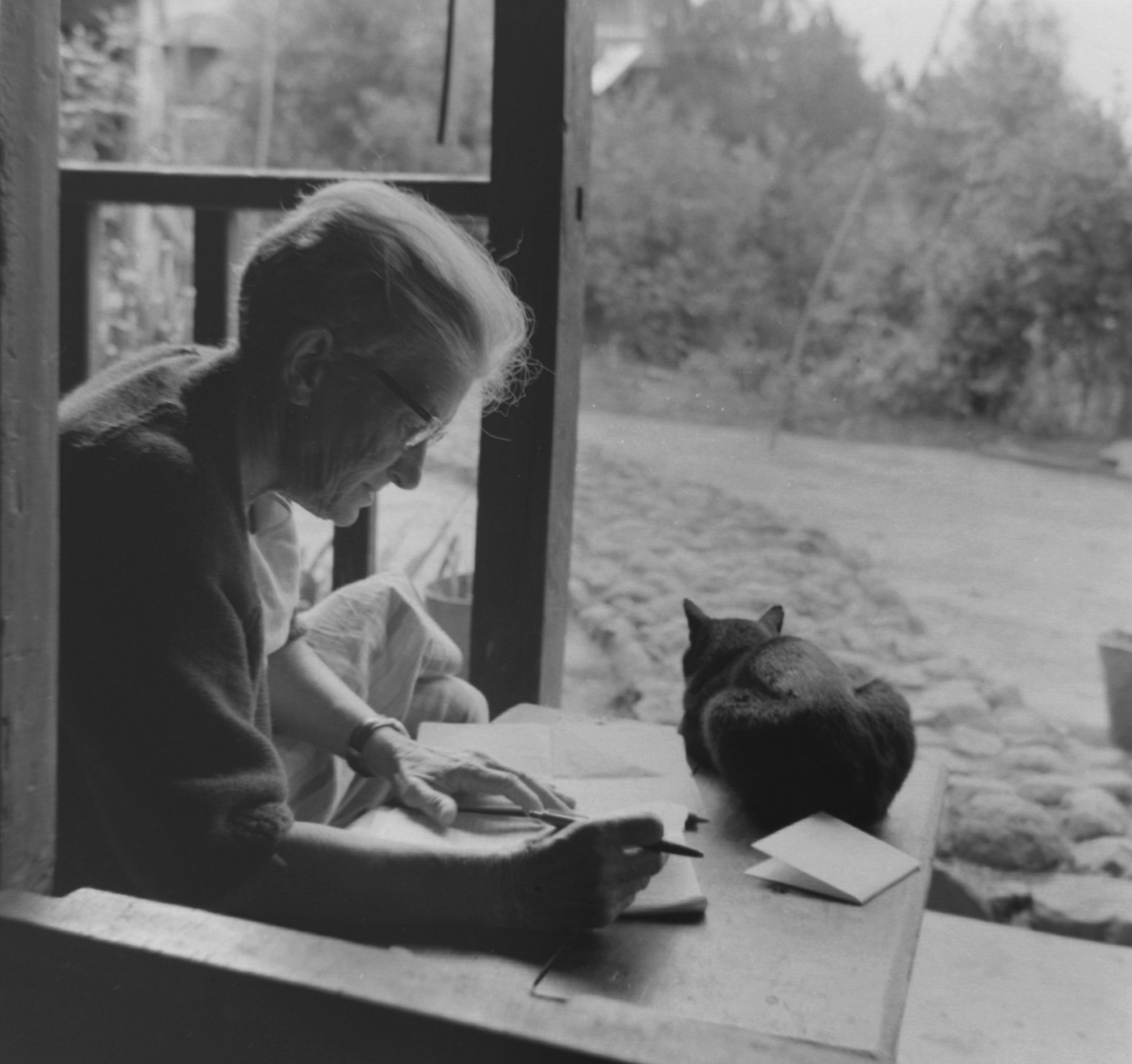
Margaret Barr in her office in the Khasi Hills (Photo: John Hewerdine)
Other papers include Wayne Facer’s Mr Jellie’s Romance, an account of the pioneering days of Unitarianism in New Zealand and how amidst his work to establish the cause he fell in love with and eventually married Ella Macky. She was a member of an active Unitarian family but her own commitments frequently took her to the other side of the world to attend University and to participate in the International Council of Unitarian and Other Liberal Religious Thinkers and Workers in Amsterdam in 1903, while Jellie carried out his work establishing the congregation in Auckland and supporting Unitarians elsewhere in New Zealand.
Barrie Needham examines the life and poetry of Gerard Manley Hopkins, Catholic convert and Jesuit priest, whose poetry remained unpublished in his own lifetime but which has gained a great following from the early twentieth century onwards. A Victorian poet but one whose style is as bold and striking as anything written at any point since. Barrie Needham shows how Hopkins wrestled with his poetry to express his faith in God and his understanding of God in nature, and shows the philosophical understanding that underscored his writing. If you have ever read any Hopkins or heard his poems being read you will find this article immensely helpful.
In addition we have four excellent reviews of notable recent books.
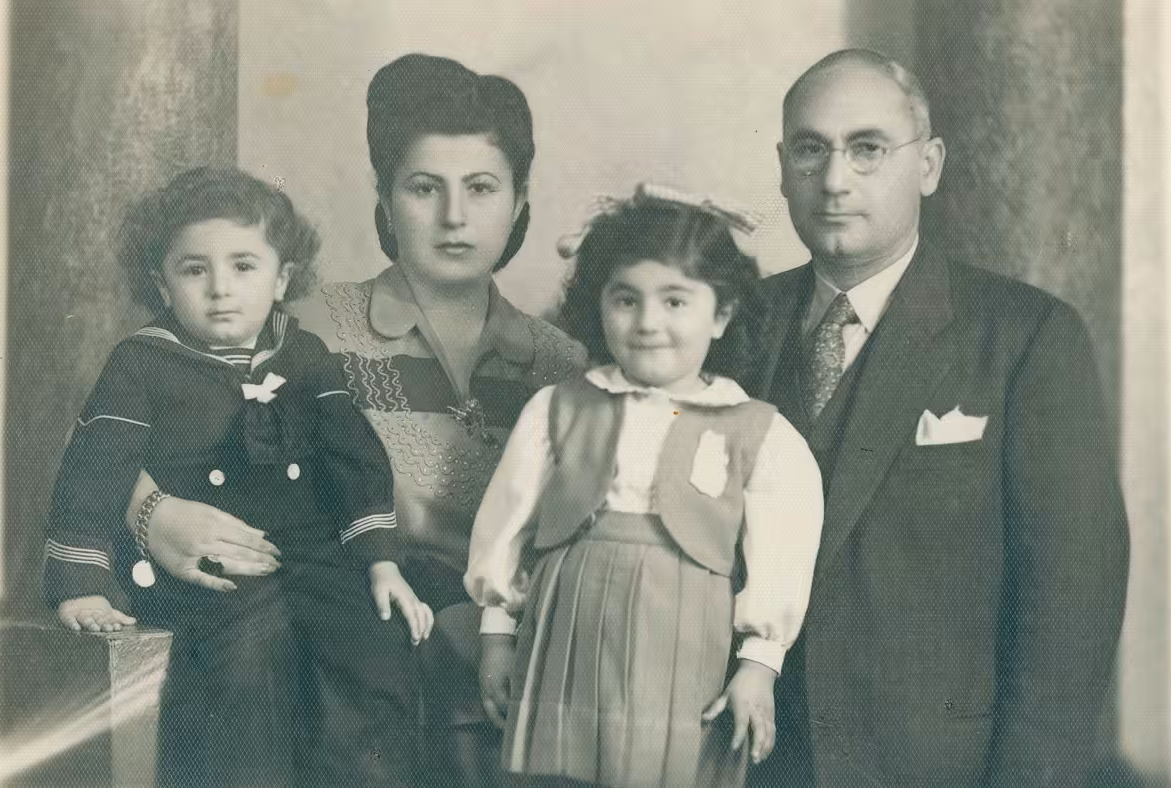
Avi Shlaim, aged two, with his parents and sister in Baghdad, 1947. From the cover of his book.
Graham Murphy reviews Avi Shlaim, Three Worlds, Memoirs of an Arab-Jew, (Oneworld Publications, 2023). The book of the year for both the Times Literary Supplement and the New Statesman, Avi Shlaim tells his own story as someone who was born into the prosperous and significant Jewish community of Iraq following the Second World War and who was forced, with most of the Jewish population, to emigrate to Israel in 1950. At the age of 15 his life changed when he managed to come to the UK, ending up at Cambridge and ultimately as Professor of International Relations at St Antony’s College, Oxford. As a young man he served in the Israel Defense Force but is not afraid to criticise Israel or Zionism. His most recent research has gone back to Iraq and his own origins as part of ‘a Diaspora that had been the living embodiment of Muslim-Jewish co-existence [which] was no more’. In Shlaim’s view ‘As Israel expanded, the Palestinians, Arab natives of historic Palestine, not the Germans or the Russians, would take the burden of punishment for the European pogroms of modern history and the Final Solution.’ His reflections on his Jewish past in Iraq and on Arab-Israeli relations ever since are well worth reading, especially at the present time.
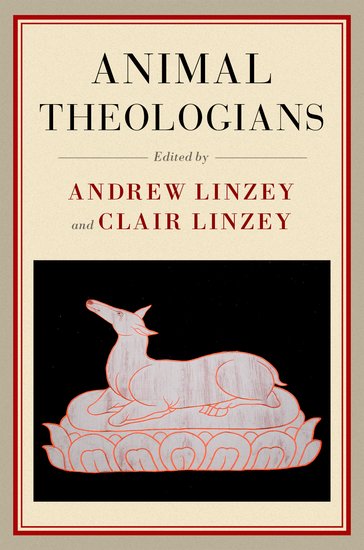
Andrew Linzey and Clair Linzey (eds.), Animal Theologians (Oxford Academic, Oxford University Press, 2023) is reviewed by Feargus O’Connor who takes us through the theological contributions to the consideration of animal rights, vivisection and animal cruelty. A number of the subjects of the book are Unitarians – most notably Frances Power Cobbe and Charles Hartshorne – and many would find agreement with Gandhi who Feargus quotes:
The greatness of a nation and its moral progress can be judged by the way animals are treated. Vivisection is the blackest of all the black crimes that man is at present committing against God and His fair creation. It ill becomes us to invoke in our daily prayers the blessings of God, the Compassionate, if we in turn will not practise elementary compassion towards our fellow creatures.
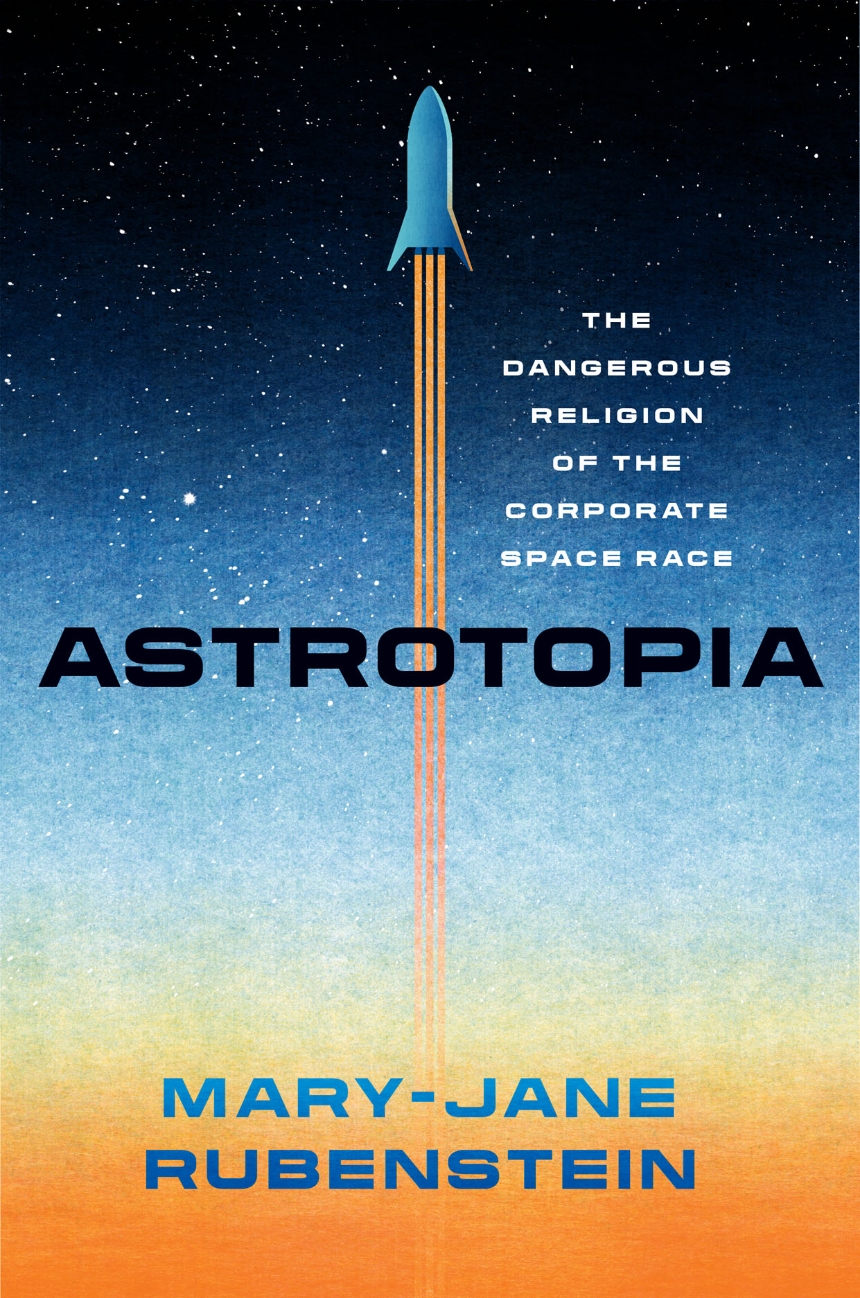
Professor David Williams reviews Mary-Jane Rubenstein, Astrotopia: the Dangerous Religion of the Corporate Space Race (University of Chicago Press, 2022) a book which raises the issue of humankind’s increasingly exploitative attitude to space exemplified in the attitudes of such figures as Elon Musk and Jeff Bezos, described by the reviewer as ‘both so grotesquely wealthy that they can have dreams of both colonising space and the funds to achieve those aims’. It is clear too that the United States no longer views ‘outer space as the common heritage of all humanity.’ In the light of this how should we progress human interaction with space?
Inside the former NSP meeting-house Ballymoney (Photo: David Steers)
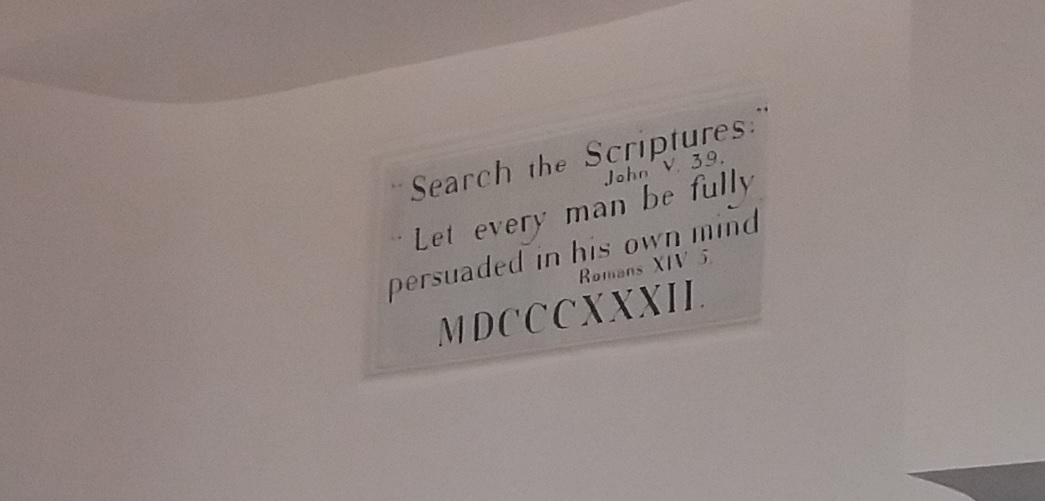
Liz McManus is a former Minister for Housing and Urban Renewal in the Republic of Ireland. Since leaving politics she has become a writer and in When Things Come To Light (Arlen House, 2023) she has drawn on her own family experiences to ‘craft an insightful and compelling novel’ in the words of Derek McAuley, our reviewer. Liz McManus’s grandparents were Unitarians/Non-Subscribers from County Antrim. Remarkably life took them to the Khasi Hills where (in the novel at least) they encounter the Rev Margaret Barr and Kissor Singh, the founder of the Unitarian Church in North India. In a strange piece of synchronicity Kissor Singh quotes St Paul ‘Let every man be fully persuaded in his own mind’, words which Liz McManus’s grandfather recognises as inscribed on the wall of his home church back in Ballymoney in Ulster. A fascinating novel incorporating Unitarians, family history, Ireland and India.
An annual subscription to Faith and Freedom (two issues) costs £16.00 (postage included) in the United Kingdom. Single copies can be ordered at a cost of £8.00 each (postage included). Cheques should be made out to Faith and Freedom and sent to the business manager:
Nigel Clarke, Business Manager, Faith and Freedom, 16 Fairfields, Kirton in Lindsey, Gainsborough, Lincolnshire. DN21 4GA.
Overseas subscriptions are also available.
It is also possible to pay online. For more details see our website:
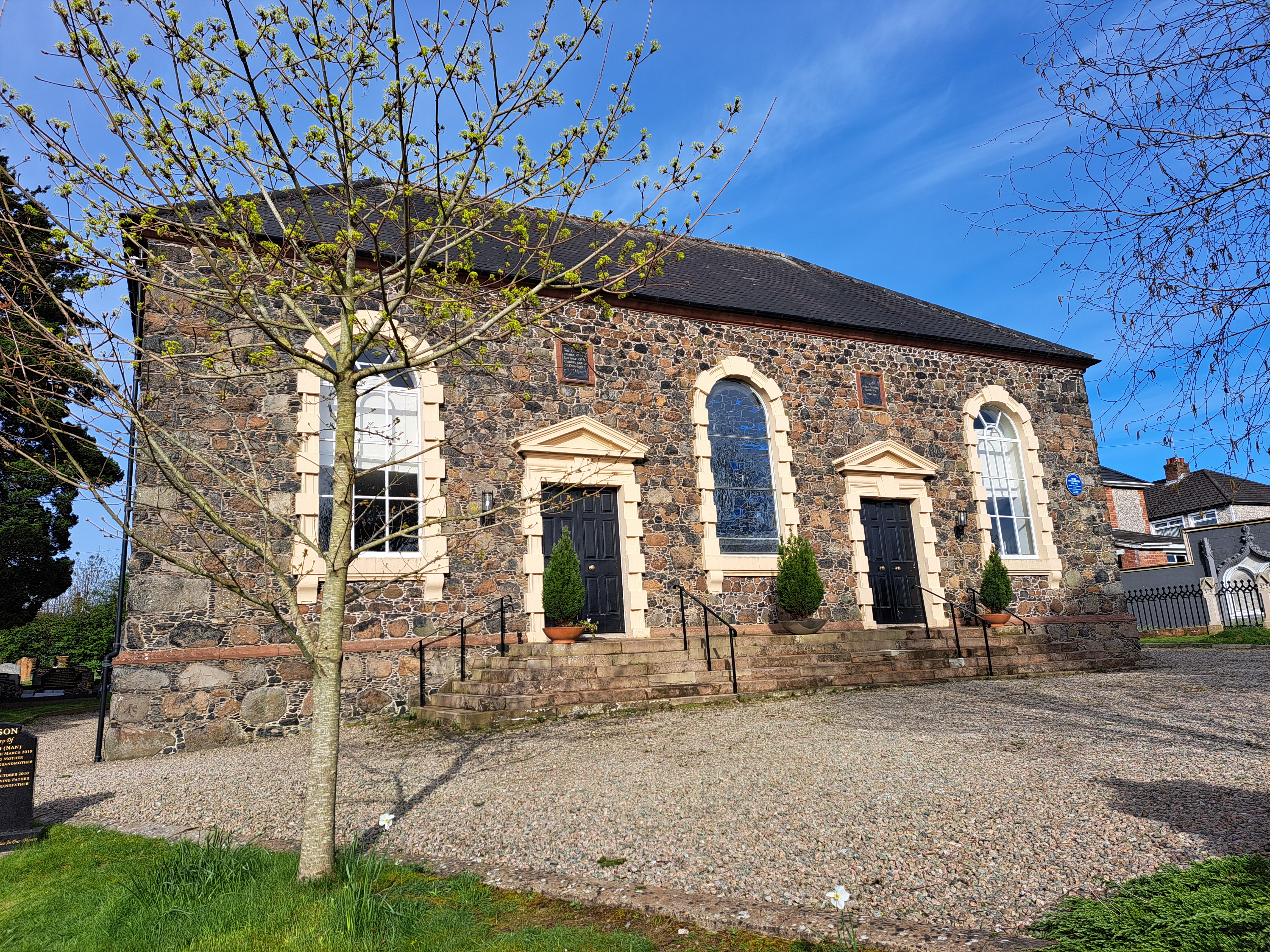
The congregation of First Dunmurry has existed since around 1676. The first meeting house was an old lime kiln, later a meeting house was built in 1714, and this was eventually replaced with the present remarkable building of 1779. So the congregation is almost 350 years old and the building itself is 245 years old. Since 1839 the church’s nearest neighbour has been the railway. That is a long time to be neighbours. The railway has run alongside the Church for all that time. Of course, it has been run by different operators over the years, steam trains have been supplanted by diesel, it has even changed gauge at one point, but the Belfast to Lisburn line was created back in 1839, the station at Dunmurry being added at the same time.
Because of this proximity the railway has inadvertently helped create for First Dunmurry a small footnote in film history. In June 1897 the cinematographer Alexandre Promio came to Ireland on behalf of the famous Lumière brothers to make the first moving film in Ireland. He filmed in Belfast, including street scenes in Castle Place and on Queen’s Bridge, fire-fighters practising, and a few seconds of the first football match ever to be filmed, which was Glentoran v Cliftonville at the Oval in East Belfast.
He also filmed short sections of the rail journey between Belfast and Dublin. Cameras were cumbersome and had to be hand cranked. To capture movement they had to be pointed at crowds or some human activity or placed on a moving platform like a train or a tram. So the train was an obvious place to go and filming the view as the train pulled out of a station was a good way to catch a local view.
As the steam train chugged out of Dunmurry station, sometime in the Summer of 1897, Promio filmed the view and the result was a 37 second burst of film called Départ de Dunmurry. The opening few seconds shows an intensely industrial scene based around the long demolished mill, not immediately recognisable as the modern Dunmurry. By the end of the film we are into open countryside.
This new video enables us to compare the trail blazing film of 1897 with a contemporary film of the same view in 2024. Départ de Dunmurry 2024 enables the viewer to make that comparison:
Click on the video to seeDépart de Dunmurry 2024
We can reflect on what has changed over those 127 years between 1897 and 2024. In one way we have to marvel at the technological progress that has taken place. In 1897 film was in its infancy, cameras were cumbersome, very expensive and required a lot of skill to use. Alexandre Promio was an expert who had filmed all over the world, one of only a handful of people who could do that. Today I am just one of literally millions of people who has a phone that is also a camera which can take digital films in colour with sound merely by pointing it in the right direction.
Imagine if you could show Alexandre Promio a modern phone or a digital camera. He would be more astonished than we could imagine. So we might ask what will technology be like 127 years from now? It is impossible to imagine.
But in the film what do we see today that is different? Today there are cars, lots of cars, there is a significant quantity of graffiti, but actually more trees and more houses. We can notice too that the old steam train takes a bit longer to get up speed than the modern diesel one. You wouldn’t know just looking at the videos though that the railways were much more extensive in 1897 than today. There were around 5,630 km of railway lines in those days, more than twice what there is today, and you could go virtually anywhere in Ireland by rail then. You are restricted to very limited routes today, particularly in Northern Ireland.
But when you compare the two films from 1897 and 2024 one thing has not changed and that is our church. Indeed it has not changed in any big way since 1779 when it was built. As the train curves to the right you can look up Glebe Road and see the church in its prominent position on top of the hill.
It represents our faith, our witness, and though the world changes around us in so many different ways, what we stand for and what we do is always equally important. As we look out of the window of the railway carriage we can see the changes and notice too our Church, the one constant in an ever changing world.
We also have another new video uploaded to YouTube. Non-Subscribing Presbyterian Reflections on Spring, Pentecost, and Psalm 104 from the newly refurbished Session Room and the grounds of First Dunmurry (NS) Presbyterian Church. With the Rev Dr David Steers, minister, and Allen Yarr, organist:
Between 7th and 9th May, Dunmurry congregation was visited by four Unitarian ministers from Great Britain. These included Rev Laura Dobson, minister at Chorlton, Rev Mária Pap, minister at Mansfield, Francis Elliot-Wright, student minister at Knutsford, and Rev Jim Corrigall, the London District Minister. On the evening of Tuesday, 7th May Dunmurry congregation welcomed them, plus members of other congregations and a good number of local ministers, to a social evening in the McCleery Hall. I conducted an interview/dialogue with Jim who told us about his role as London District Minister, growing up in South Africa and his anti-apartheid activities, his decades as a journalist around the world which took him to Northern Ireland among other places, as well as the theological reflections which led him eventually to enter the ministry. As part of the evening Jim shared with us the reading that means most to him in his ministry – ‘God’s Grandeur’ by Gerard Manley Hopkins – and we listened to his favourite piece of music – Nkosi Sikelel iAfrika, God Bless Africa. It was a great night enjoyed by everyone.
Left to right Rev Dr David Steers, Rev Mária Pap, Rev Lynda Kane, Rev Laura Dobson, Francis Elliot-Wright, Rev Jim Corrigall, Rev Stephen Reain Adair, Rev Brian Moodie in the McCleery Hall, Dunmurry.
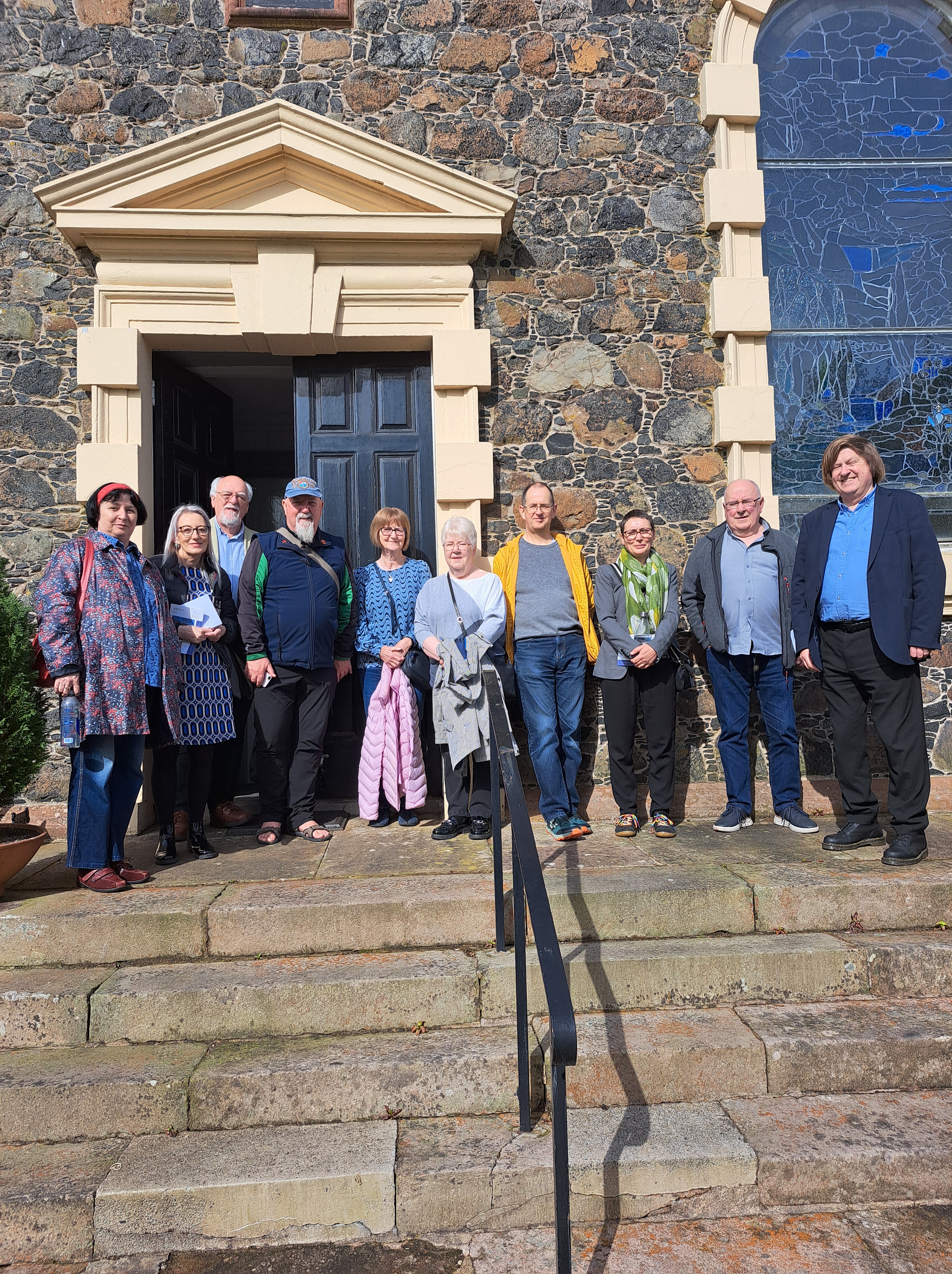
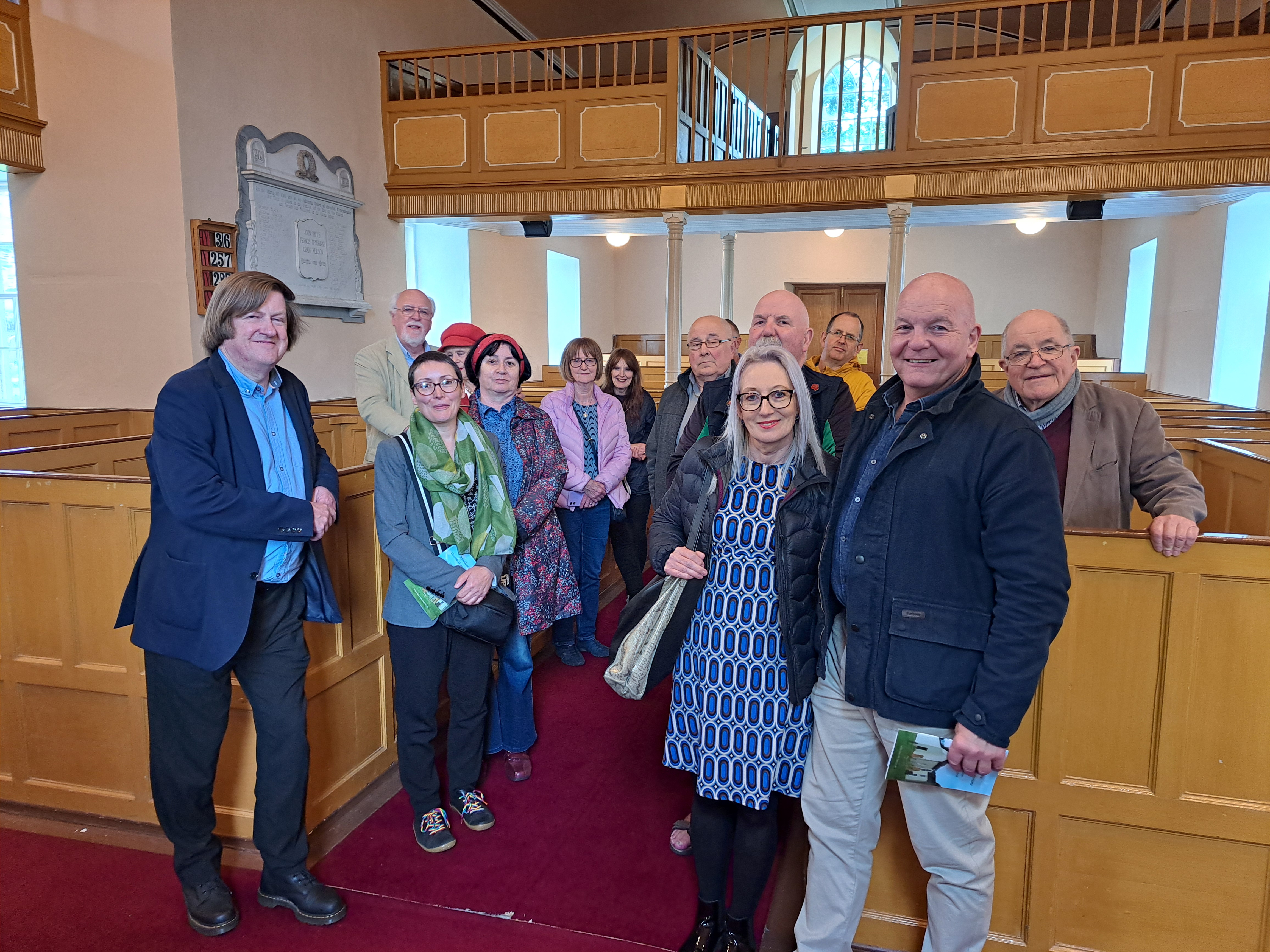
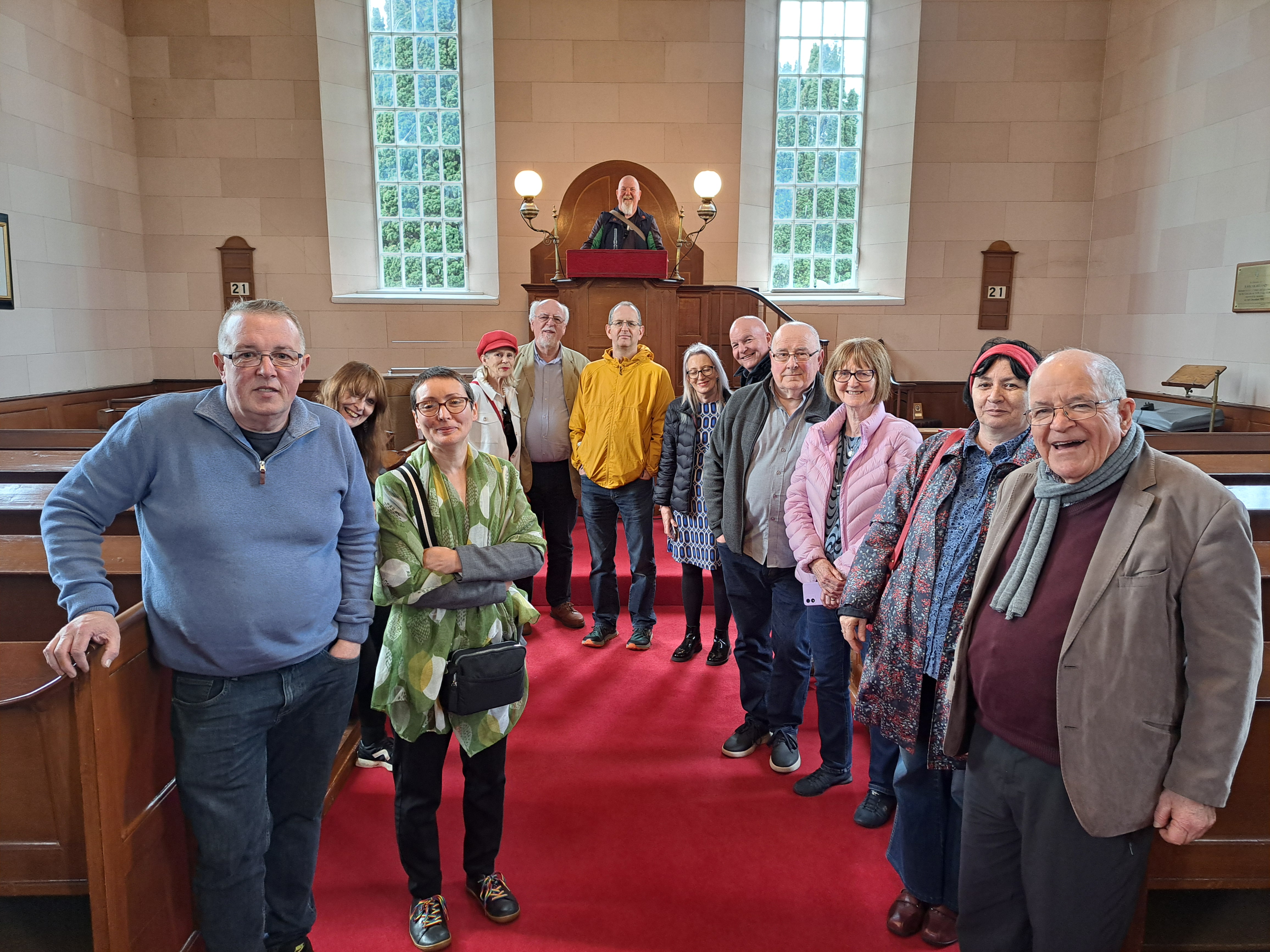
On Wednesday morning we made an early start in the company of a group of members of Dunmurry and First Church to visit six churches in Belfast and county Down and learn something about their history and witness. Thanks to Gary Douds we were taken around the churches in a minibus in great comfort and we were also blessed with fantastic weather.
Some of the party at Dunmurry, ready to set off at 9.00 am.
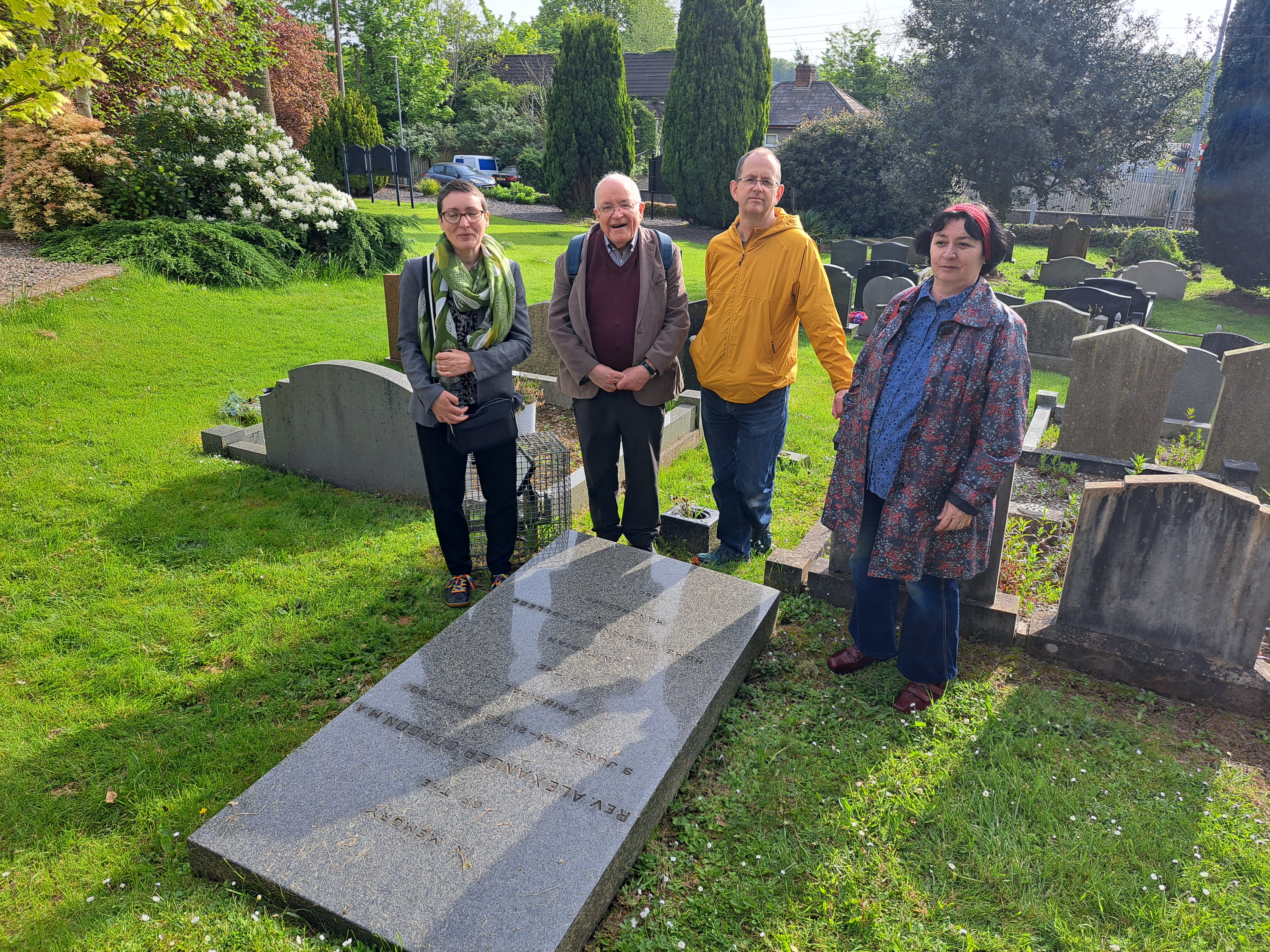
Laura, Jim, Francis and Mária visit the grave of Rev Alexander Gordon (Principal of the Unitarian Home Missionary College) at Dunmurry.
Outside Rademon later in the day.
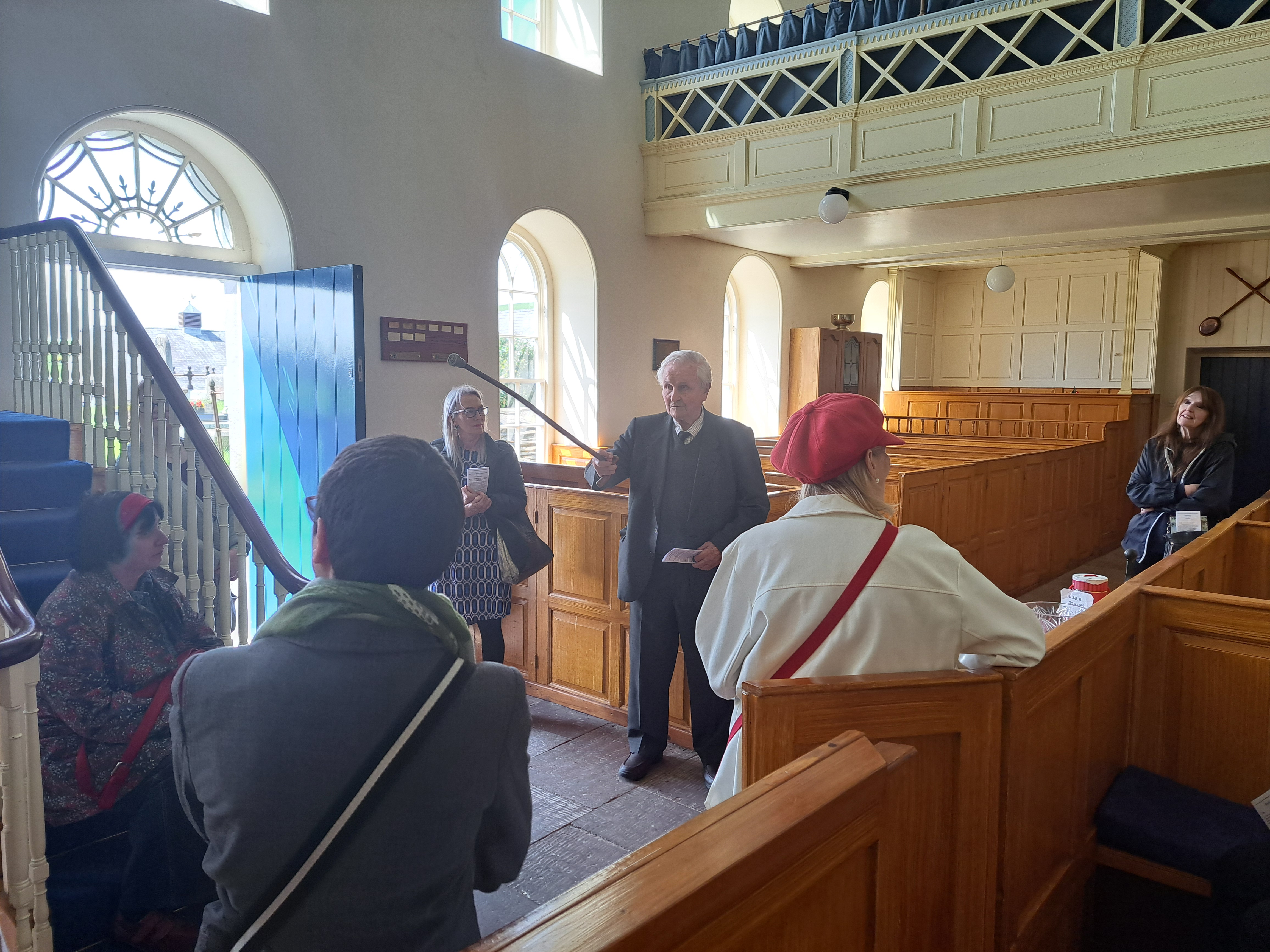
In most of the churches I said something about the building and the history of the congregation and in Rademon Jim Ferris shared his historical expertise to give us a talk about his congregation. Our thanks go to all the ministers and members who welcomed us in our travels including Des McKeown, Rev Chris Hudson, Rev Dr Heather Walker, Mary Stewart and David Rooney, as well as Jim Ferris.
Des McKeown welcomes everyone to First Church, Rosemary Street.
Rev Chris Hudson welcomes everyone in the chancel in All Souls’.
We had lunch in Denvir’s in Downpatrick and returned to Dunmurry just 15 minutes later than our planned schedule had anticipated, so all in all a great day out.
In Downpatrick.
Jim Ferris explains the history of Rademon.
We visited in turn Dunmurry (1779), First Belfast (1783), All Souls’ Belfast (1896), Rademon (1713), Downpatrick (1711) and Clough (1837), buildings of different styles and ages but all with their own story to tell as part of our distinctive tradition.
Back in January 2023 I posted a piece about a postcard of Dunmurry which showed the classic view of the church built in 1779. It was published in Lisburn by F.W. Harding and posted in November 1906. This is the picture:
As I mention in that post, postcards of Non-Subscribing Presbyterian churches are not that common. I have seen the 1906 view before and there is also a much later one but I was pleased to discover another postcard featuring the church, this one new to me:
This dates from a little later and although it is taken from a less popular vantage point in many ways it gives a much clearer view of the building. This card was published locally by ‘W. McCartney, Stationer and Tobacconist, Dunmurry’ in the ‘Signal Series’. It has at the bottom left hand corner the title ‘Unitarian Church, Dunmurry’ and was never posted. On the back, however, it is dated May 19th 1919 and has a message to an unnamed recipient which reads ‘With best wishes for your welfare from the People of Dunmurry and district from W. Laursen’. The name is actually a bit hard to make out but that is my best guess.
In a way it is a clearer picture than the 1906 view, being a Real Photograph, if a little damaged. But the view is not obscured by trees and you can clearly see the large amount of ivy that was then being allowed to grow over the left hand door. This is actually also present on the 1906 view although it is hard to make out behind the tree.
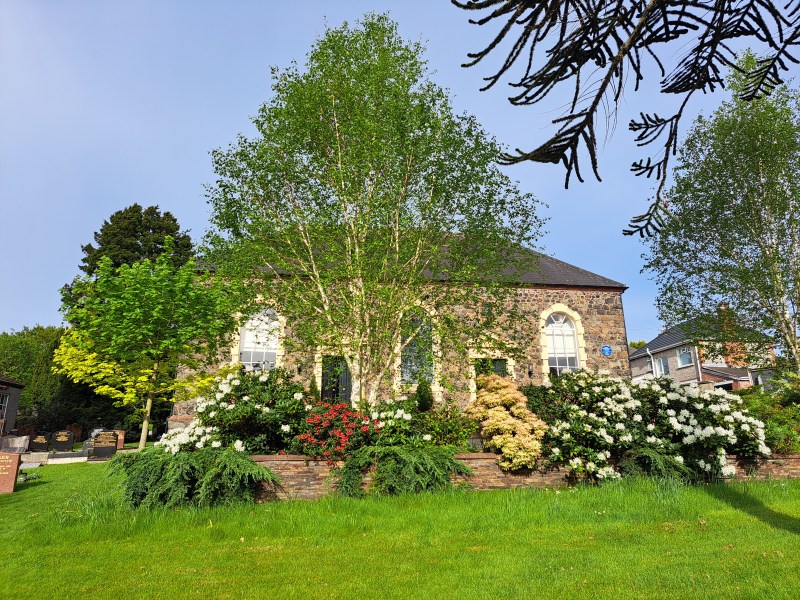
A modern image from more or less the same angle, taken a couple of weeks ago, shows the same view:
The view of the church hasn’t changed between 1919 and 2024. There are now houses along the side which weren’t there but the splendid building of 1779 is reassuringly the same.
I added this short video to our YouTube channel featuring the church and some of the grounds at Dunmurry built around a short passage on prayer written by Valentine David Davis. V.D. Davis trained for the ministry at Manchester College when it was still in London and James Martineau was Principal. He was one of the last links between that generation of ministers and the mid-twentieth century. His little book The Lord’s Prayer An Interpretation. Together with an Address on The Offering of Prayer was published by the Lindsey Press in 1938.
Click on the video to see ‘Reflections on Prayer’ from Dunmurry
His book on prayer is full of insight. He is perhaps someone who is rather overlooked in our history. On leaving Manchester College he went to Christ Church, Nottingham as minister for a few years before moving on to the Ancient Chapel of Toxteth for eleven years. This was followed by a further ministry at Wallasey. In Merseyside he was greatly influenced by John Hamilton Thom whose devotional Services and Prayers he later edited along with a selection of J.H. Thom’s writings in a A Minister of God. Ministry in Liverpool and Wallasey was followed by eleven years as editor of The Inquirer before returning to the ministry in Bournemouth where he served for twenty years up to retirement. He made some more important contributions to devotional publishing and to history, producing A Book of Daily Strength as well as A History of Manchester College and a history of the London Domestic Mission Society. He was editor also of Hymns of Worship, first published in 1927, reprinted a number of times, then republished with a Supplement (1951), and later still republished in a revised format in 1962. Even Hymns of Faith and Freedom, published in 1991, described itself as a radical revision of Hymns of Worship. So as one of the first fruits of the collaboration that led to the new General Assembly and ‘offered, in the interest of unity and comprehension, with the prayer that it may be blessed in its ministry to the fellowship of our churches’ it proved remarkably successful.
We also uploaded to YouTube our full Easter Day service at Dunmurry recently. The full service, including hymns, prayers and readings can be seen here:











 velvethummingbee