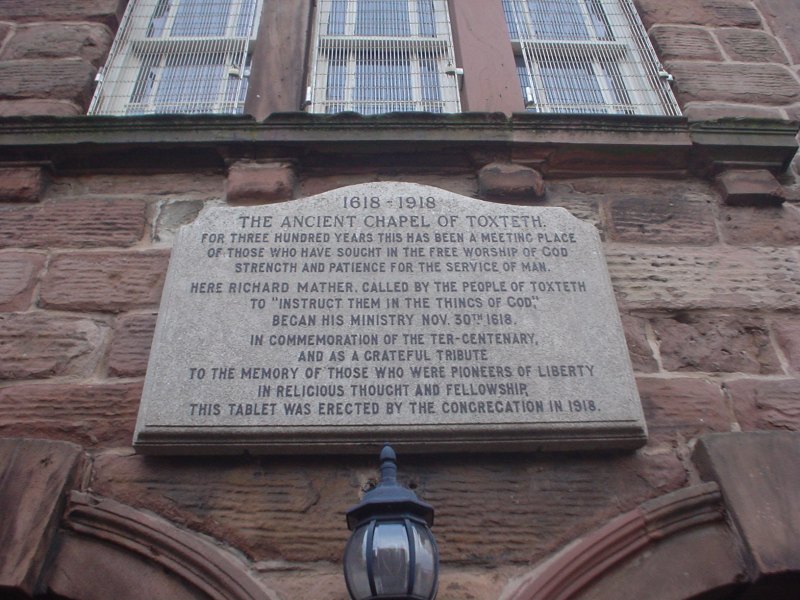
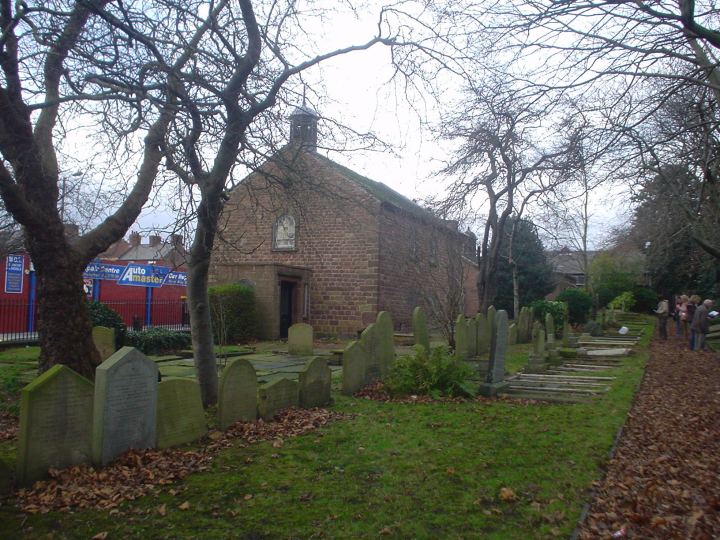
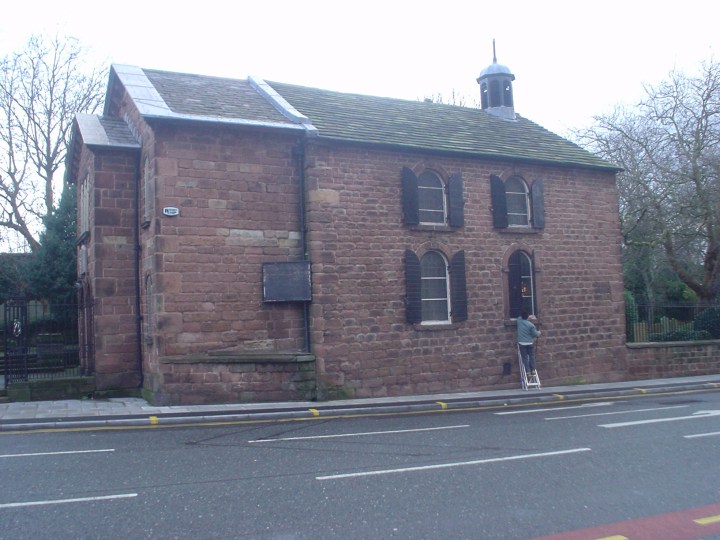
Ancient Chapel of Toxteth 400th Anniversary

Ancient Chapel of Toxteth celebrates 400 years of worship and witness

Two images of the Chapel separated by about 120 years:

ACT Victorian 02

ACT Ext 05


Service to Commemorate the

400th Anniversary

of the

Ancient Chapel of Toxteth

Sunday, 25th November 2018

2.30 pm

Please note the service to commemorate the 400th anniversary of the Ancient Chapel of Toxteth will be held on Sunday, 25th November as advertised. However, the time of the start of the service has been changed it will now commence at 2.30 pm and not at the previously stated time.

ACT Ext 07

Preparing for worship

ACoT landscape logo

Ballee Harvest 2018

Ballee Harvest 04

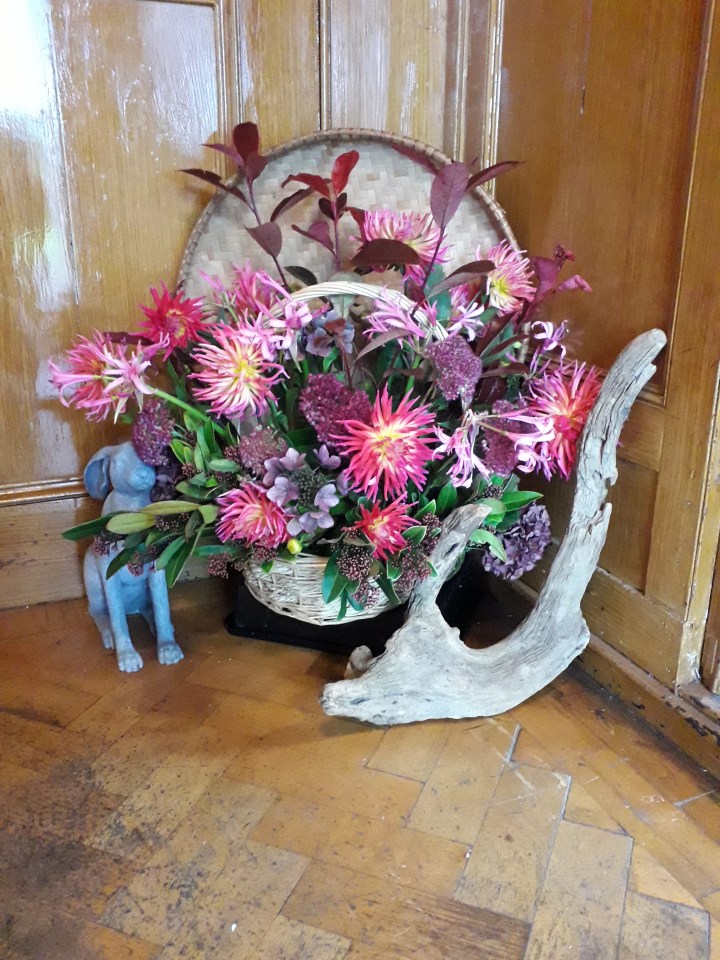
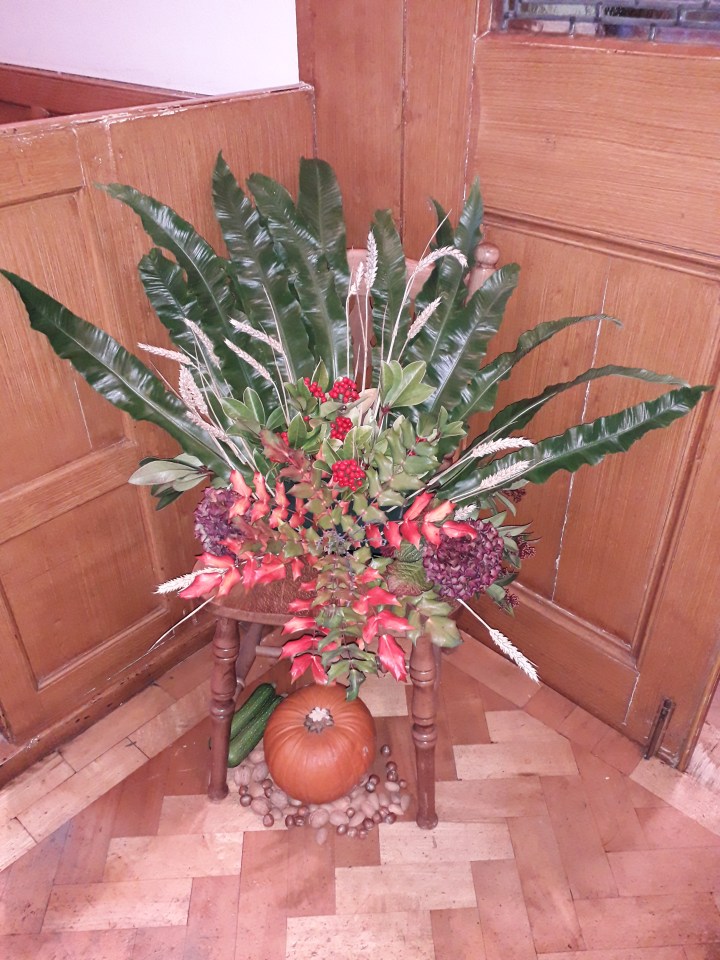
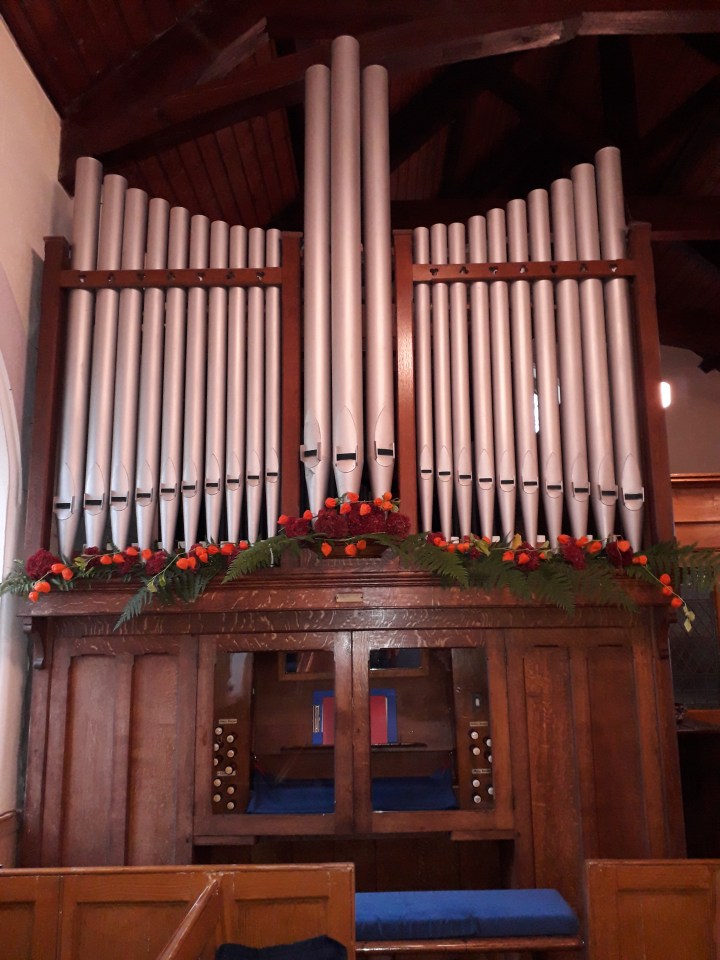
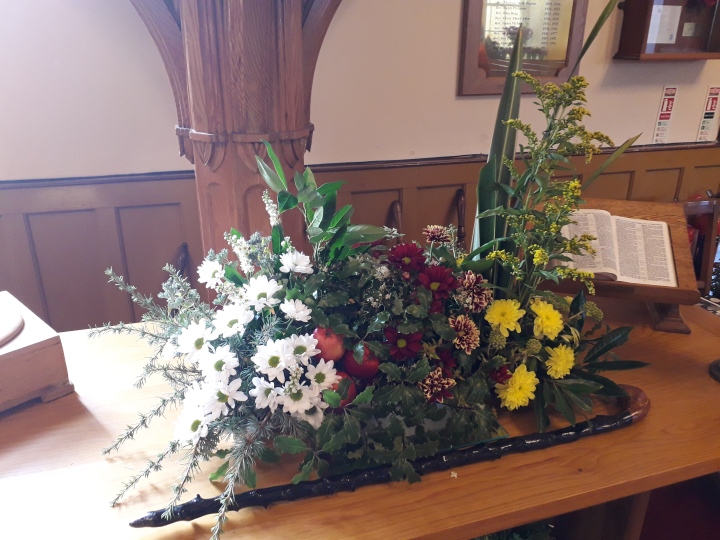
Ballee Non-Subscribing Presbyterian Church held their annual service of Harvest Thanksgiving on Sunday, 14th October at 3.00 pm. The church was beautifully decorated by church members with the theme ‘World Harvest’, with special displays depicting harvest from the five continents. The special preacher was the Rev Dr Will Patterson, who led the worship, with special music contributed by local singing group Harmony. It was a wonderful occasion and following the service all the non-perishable produce was distributed to the Downpatrick Foodbank.

Ballee Harvest 05

Ballee Harvest 03

Ballee Harvest Organ

This slideshow requires JavaScript.

Window display showing the Harvest of the World by continent

Ballee Harvest

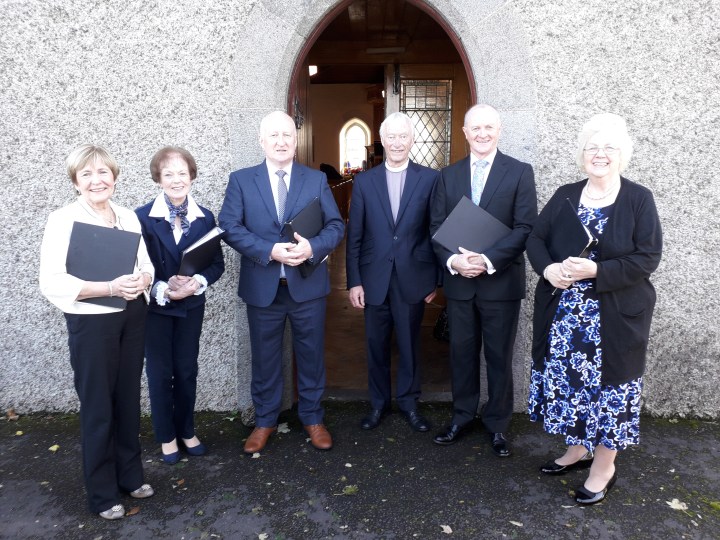
Members of Harmony with the visiting preacher, Rev Dr Will Patterson, outside the church after the service

Downpatrick Harvest 2018


Dpk Harvest entrance

The First Presbyterian (Non-Subscribing) Church, Stream Street, Downpatrick held their annual Service of Harvest Thanksgiving on Sunday, 7th October. The Church was beautifully decorated for the occasion at which the congregation welcomed the visiting preacher, Rev Roger McKee from Newtownards and Greyabbey NSP Churches, and the visiting choir, the Lindsay Chorale.

During the service Sunday School member Laura Neill presented a cheque for £450 which was raised by the children and young people of the congregation over the year for Air Ambulance NI. The cheque was received by Colleen Milligan the local Air Ambulance representative who spoke of the important work the charity is doing.

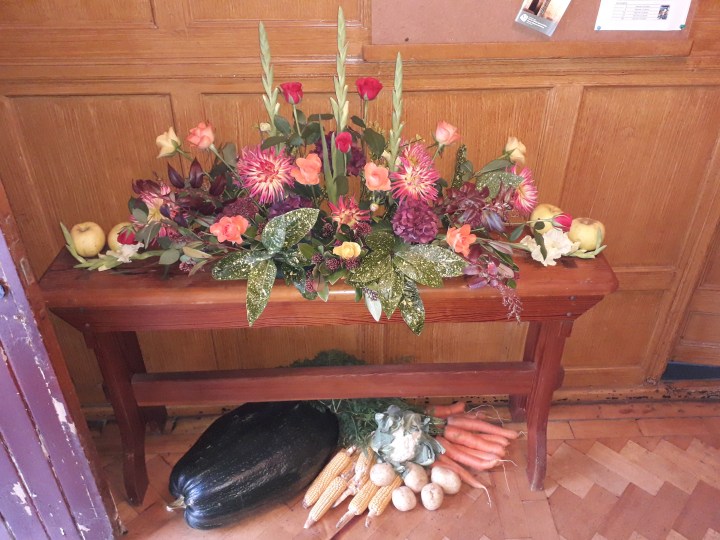
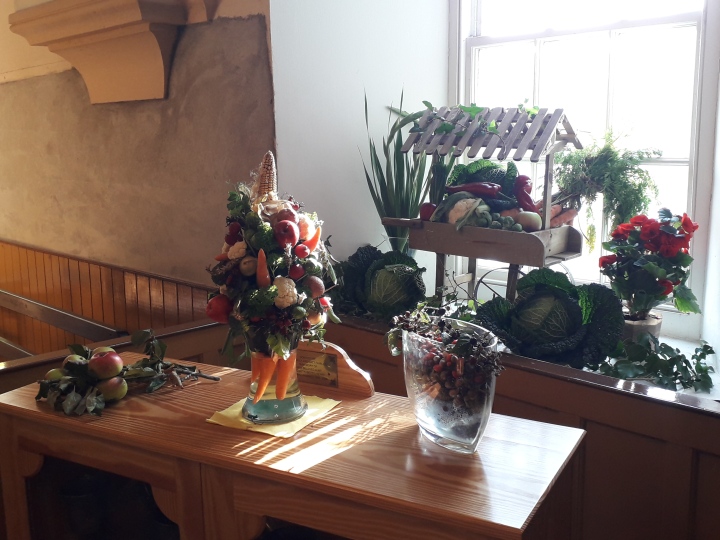
The theme of the decorations was ‘Traditional Harvest’ and the images here show some of the features included.

Dpk Harvest Pulpit

Pulpit and communion table

Dpk Harvest fruit

Dpk Harvest marrow

Dpk Harvest Communion Table

Dpk Harvest cabinet

Dpk Harvest knitted

Crocheted vegetables

This slideshow requires JavaScript.

Some of the window displays

Dpk Harvest Air Ambulance Cheque

Laura Neill makes the presentation to Colleen Milligan of Air Ambulance NI. (Photo: Mary Stewart)

Dpk Harvest Lindsay Chorale

The Lindsay Chorale at Downpatrick, including John Dallas, conductor (extreme left), Sheelagh Greer, accompanist (second left), Rev David Steers, minister (extreme right), Rev Roger McKee, visiting preacher (second right). (Photo: Mary Stewart)


New St Patrick’s Cross at Down Cathedral


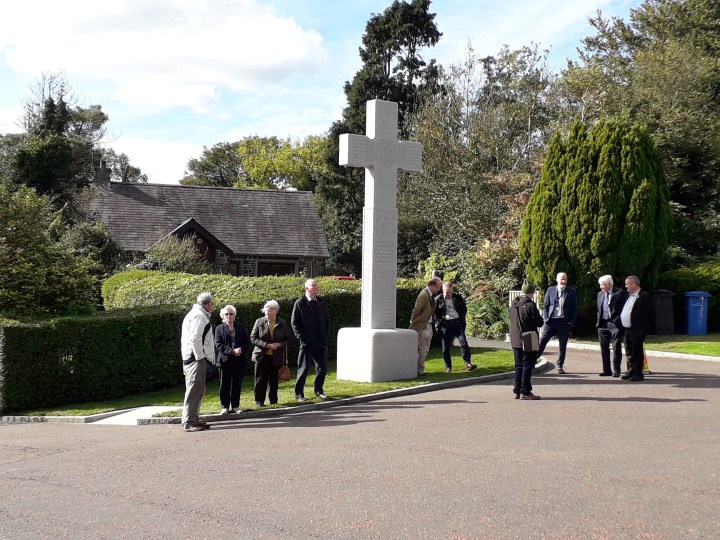
Cross long view

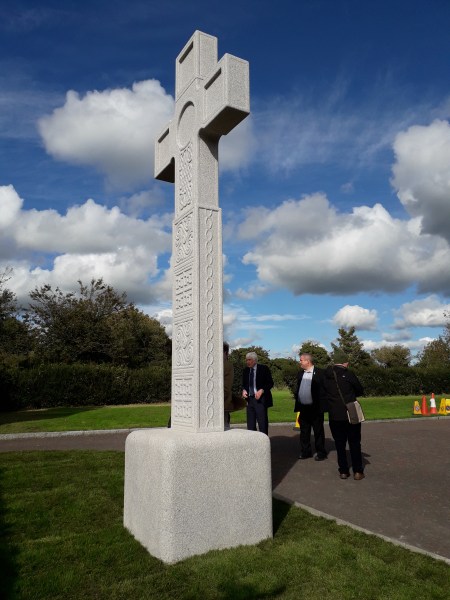
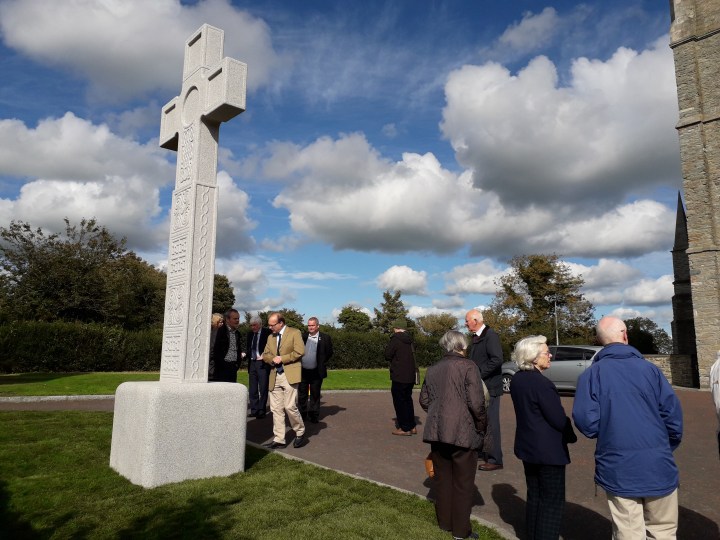
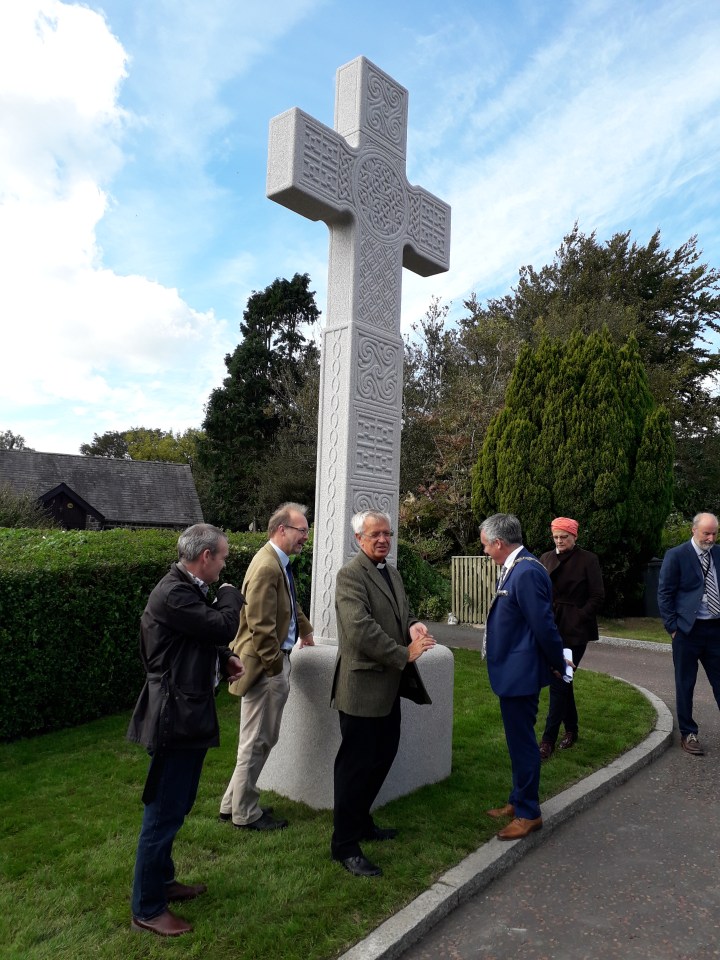
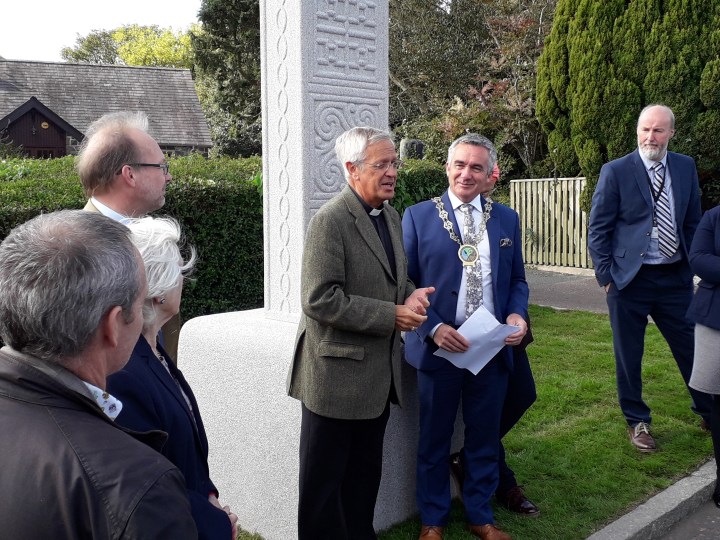
I was very pleased to be amongst those present for the Civic reception for the new High Cross erected at Down Cathedral on 24th September. Based on fragments of an ancient cross kept in the Cathedral it is carved from Mourne granite, weighs five tonnes and towers over its immediate surroundings. It is an impressive structure, a work that eloquently reflects the legacy of St Patrick so close to his grave. The fragments that are inside the Cathedral were originally found on the site that is now marked as St Patrick’s grave and are thought to date from the eighth century. The pieces were digitally scanned and the decoration carved onto the new Cross to create a pristine replica of what may once have stood at the entrance to the Benedictine monastery which originally stood on the hill.

Cross reverse view

Cross front view

Cross speeches

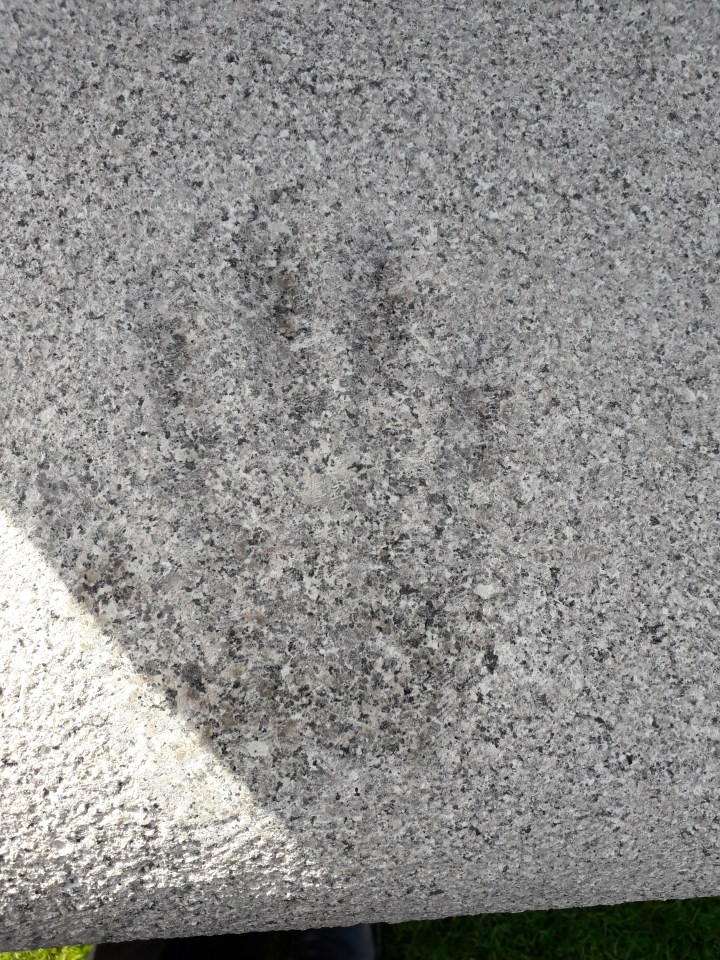
Cross hand print

Hand print at the foot of the Cross for pilgrims


NSP Lives of the Great War: 02 Thomas Cooke

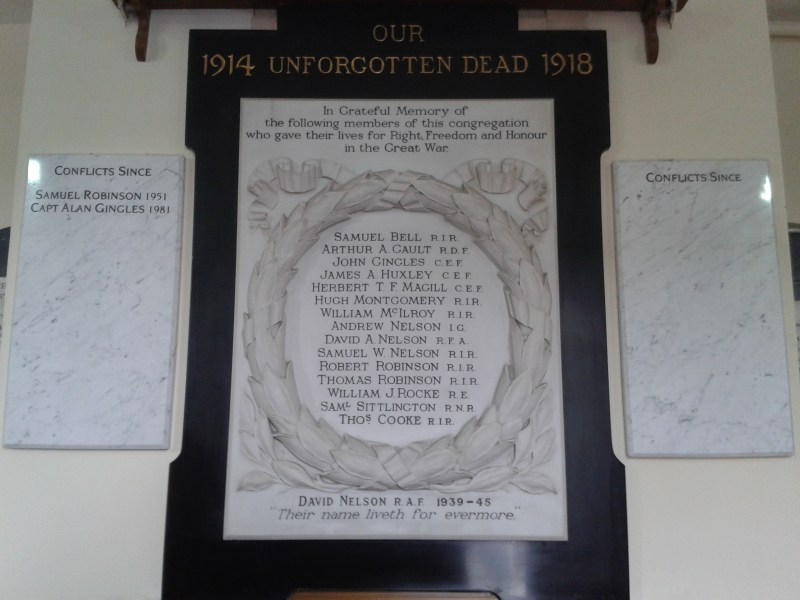
Researching the names of those who will appear on the Roll of Honour is a poignant and often melancholy experience. Many of the stories of those who served are stories of loss – loss of young life, loss of a son, a husband, a father. When I was working through the list of names on the Larne War Memorial (see above) and comparing the list of those who gave their lives with the Roll of Honour published in the Non-Subscribing Presbyterian between December 1914 and January 1916 and with the written Roll of Honour maintained by the Larne congregation I noticed a discrepancy. In the Non-Subscribing Presbyterian one name featured throughout, that of Thomas Cooke (actually spelt Cook) who was listed as ‘missing’. The Larne written Roll (which must date from 1918) also named him but included him as someone who had served rather than having lost his life.

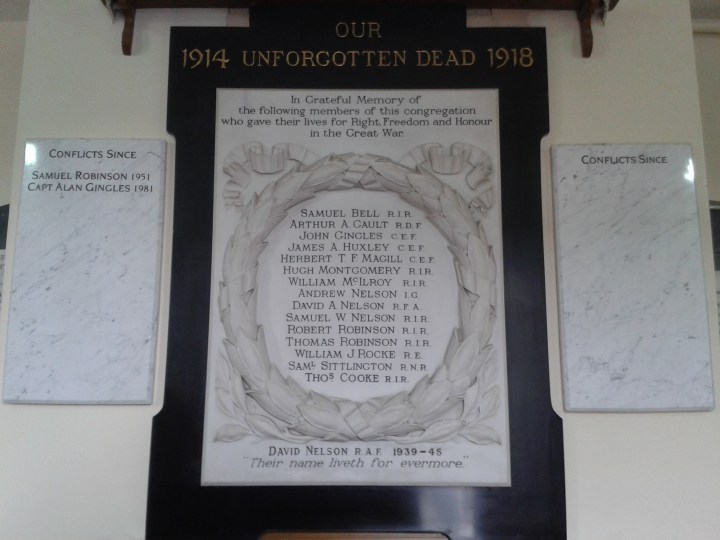
I didn’t see his name on the Larne Memorial at first, it wasn’t where I expected it to be. In fact it clearly is there but also quite clearly was added to the list at the end. The Rev Dr John Nelson tells me that the order of service for the Larne unveiling has a picture of the memorial but Thomas Cooke’s name has been added by hand. This is confirmed by the Non-Subscribing Presbyterian for November 1921 which lists the names on the memorial but does not include that of Thomas Cooke. I don’t know when Thomas Cooke’s name was added.

Thomas Cooke was born in Larne, c.1891, the son of Thomas and Martha Cooke of Browndodd, Larne. He was married to Agnes. His exact date of birth is not known. The census shows that his father was 44 in 1911 and his mother 38, they had been married for 20 years. It also reveals that they had had 14 children, of whom eight were still alive. Seven daughters were listed as living at home with them in that year.

At the outbreak of war he was on the reserve and so was called up almost immediately, consequently he arrived in France on 19th September 1914 serving with the 2nd Battalion Royal Irish Rifles, just a few weeks after the outbreak of the war. He was killed in action just over a month later on 27th October 1914. Nearly a month after that, on 21st November, he was officially listed as ‘missing’ and it is not clear when exactly he was officially declared to have been killed.

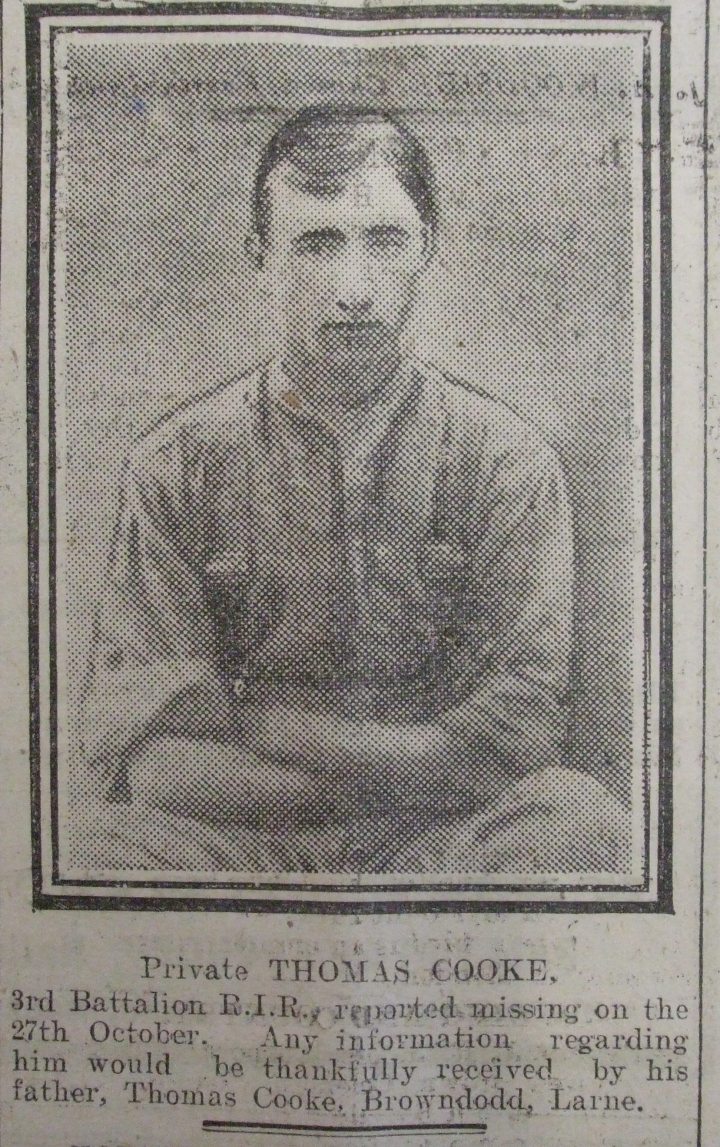
First World War researcher Jeffrey Martin of Dromore has been of considerable help to me and has helped confirm the identity of Thomas Cooke. He has also provided a photograph of Thomas Cooke from the Ballymena Weekly Times in 1915 which he was given from Nigel Henderson’s extensive archive.

Cooke, Thomas, Private, Royal Irish Rifles, Browndodd

Credit: Nigel Henderson (Great War Belfast Clippings)

We can imagine the anxiety felt by his family and it may be that this anxiety continued for some years after the war. Perhaps definite confirmation of his death did not come until after the Larne Church War Memorial had been erected? Perhaps even by 1921 they still hoped he might one day return? But he died on 27th October 1914 and has no known grave. He is commemorated on the Le Touret Memorial, Pas de Calais, France.

LarneWM02

War Memorial, Old Presbyterian Church of Larne and Kilwaughter

The most interesting place in Southport


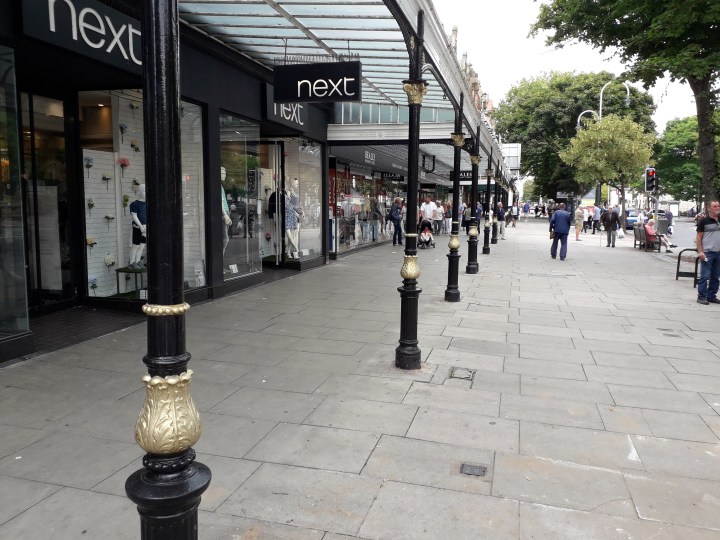
Southport is always an interesting place. It has all the usual seaside details you would expect plus some features that mark it out as a little more dignified than the usual destination. Most notably these include the intricate nineteenth-century cast iron verandahs which adorn Lord Street.

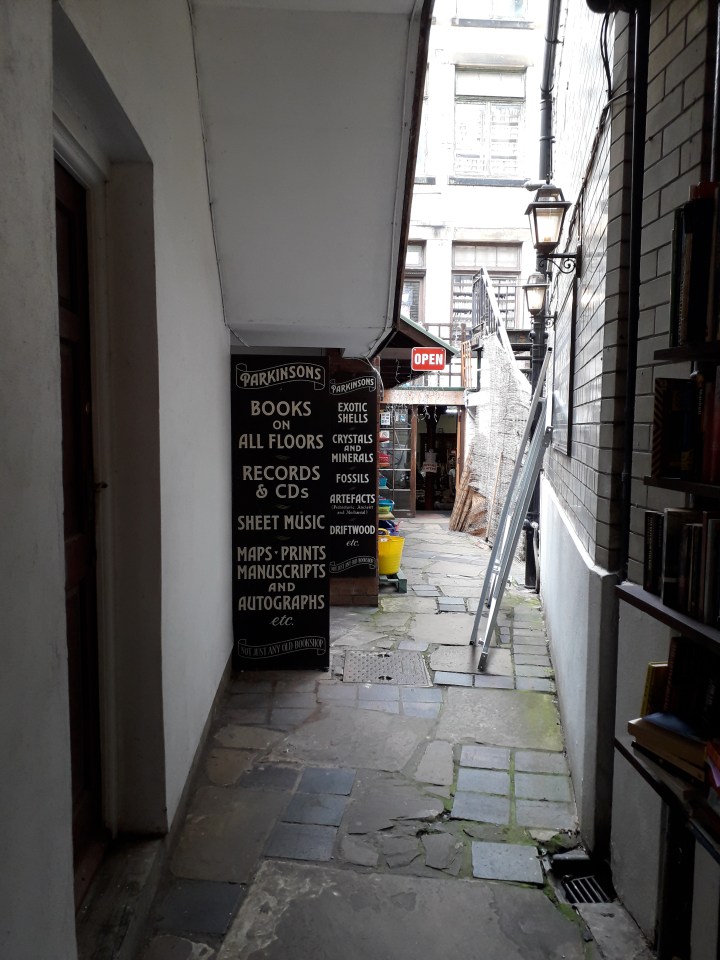
But for me, for as long as I can remember, the one place that really stands out is the Shell Shop. You could easily miss it if you didn’t know it was there but it is a place I never walk past without going in.

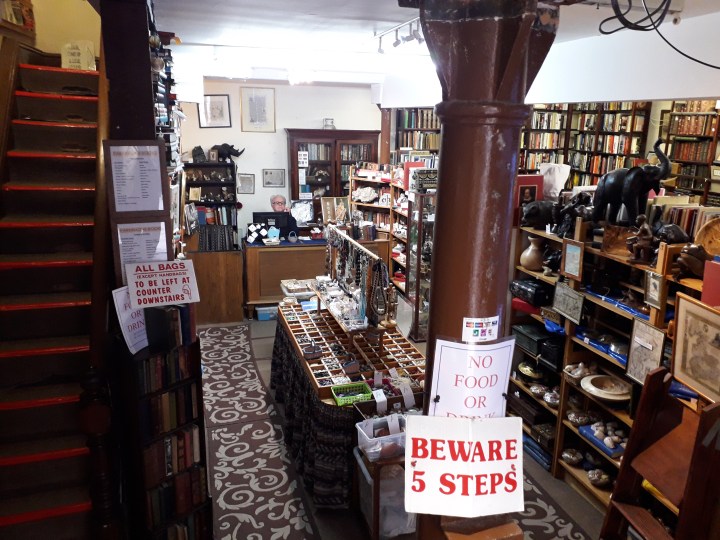
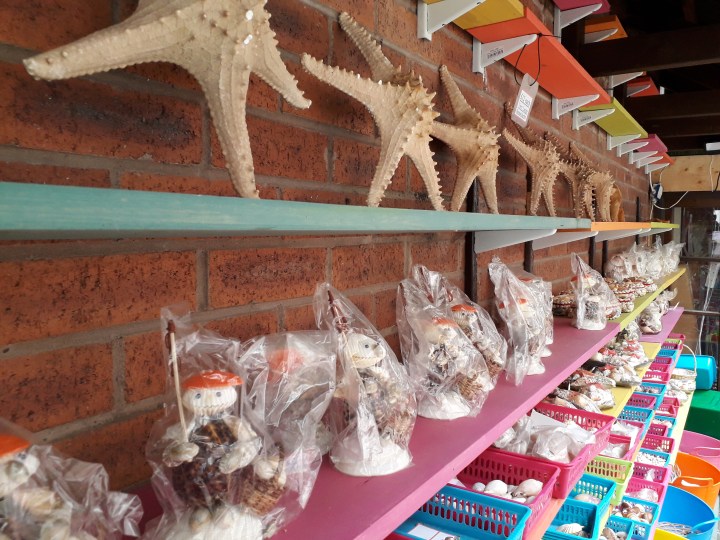
Youthful visits to Southport with church and youth groups always included a trip to the Shell Shop. It was arranged as a museum around some rickety staircases and took the visitor on an eccentric journey to the South Sea Islands. A large and grubby looking plug from borstal hung near the end of the experience along with, I was recently reminded by Tony the current owner, a large model of a witch doctor placed there to discourage young visitors from shop lifting! Nowadays I don’t go so much for the shells as for the three floors of second hand books. I didn’t realise until a recent visit that the original Shell Shop and book shop were two separate businesses and indeed both were different to the current business, Parkinsons Books, but such was the demand from visitors for shells and other unusual items that the large stock of shells, fossils and curios from around the world remain very much a part of the display.

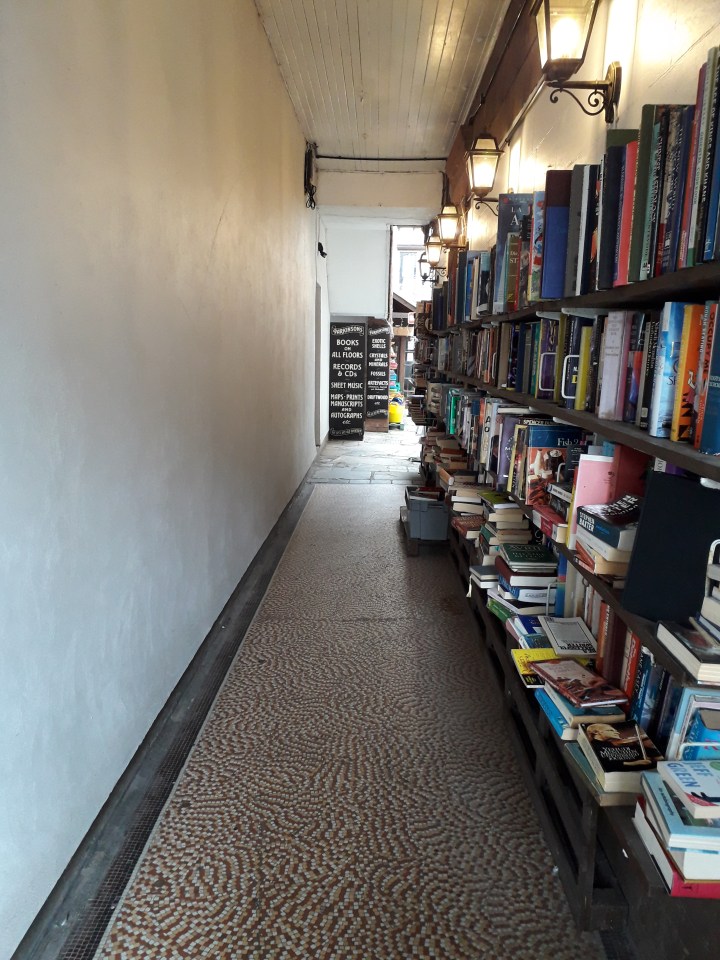
There is always a good selection of theology upstairs and it is always worth the hike to see what is there. But the shadowy passageway containing the 50p bargains never fails to yield some great finds. Not so long ago I purchased six random volumes of the original Dictionary of National Biography for 50p each. You might wonder why I wanted them since they are quite bulky and are, of course, available online these days, but you couldn’t leave them there for £3. Besides I only have to find 16 more and I will have the full set.

Southport shop front

A Lord Street shop front

Southport colonnade

Victorian cast iron and glass shop canopies

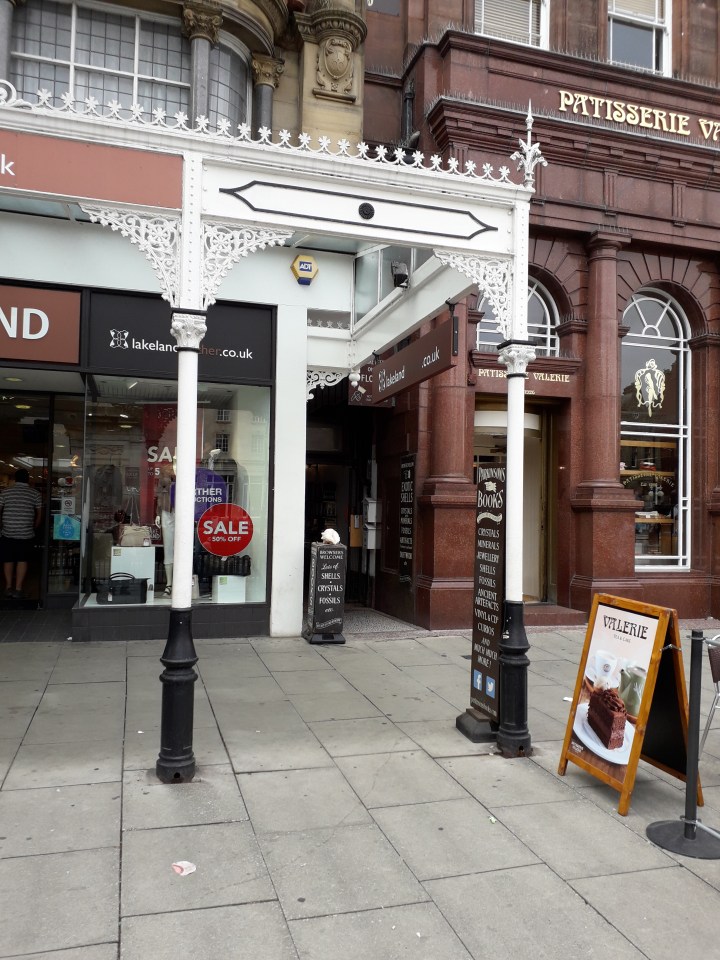
Southport shell entrance

The entrance to the Shell Shop

Southport shell 50p books

50p bargains

Southport shell passage

Getting nearer to the shop

Southport shell books

Ground floor

Southport shell shelves

Some shells

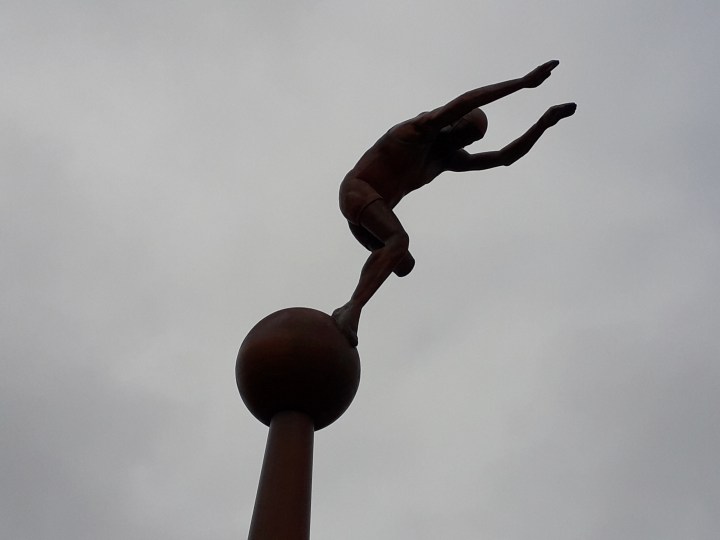
Southport diver

Don’t forget the diver. Southport statue

Downpatrick visit to Streamvale Open Farm


Streamvale arrival

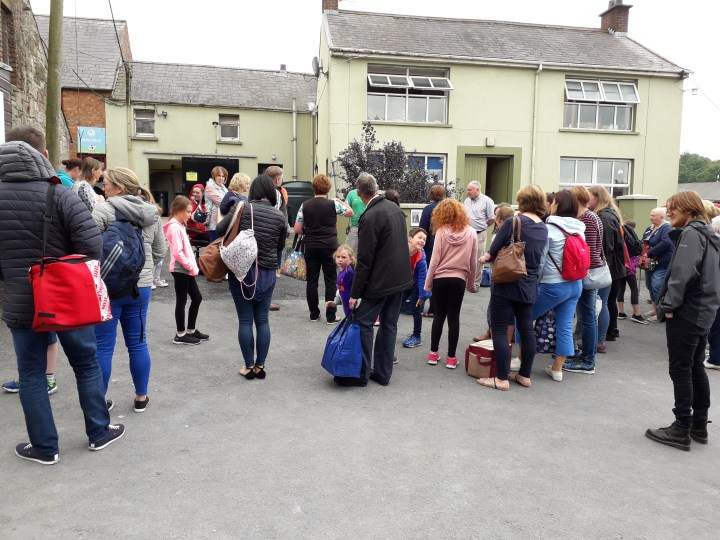
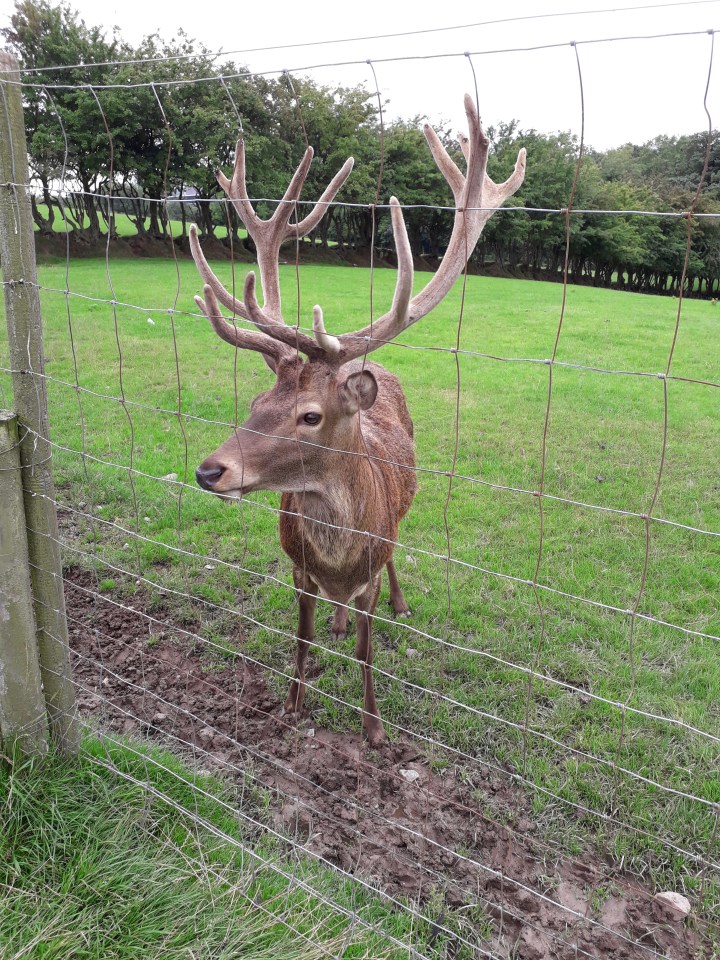
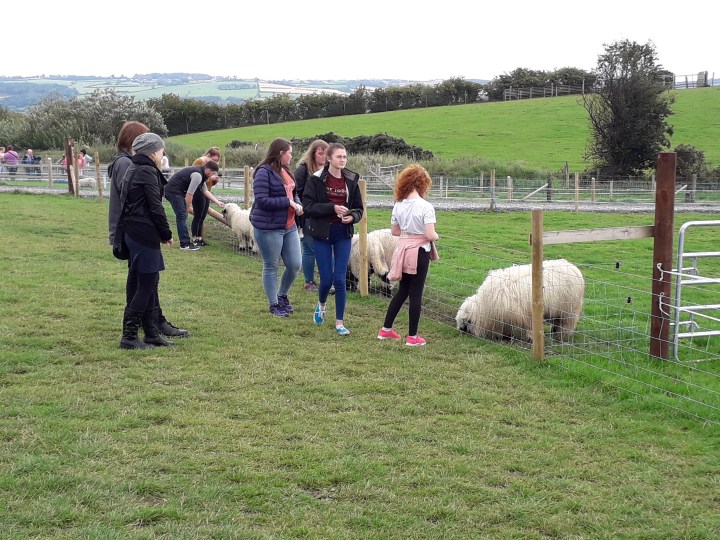
On Tuesday, 21st August a party of over 50 adults and children enjoyed the Downpatrick Sunday School visit to Streamvale Open Dairy Farm. The weather was kind and the large party were able to enjoy the various attractions on offer including feeding all manner of animals (deer, Highland cattle, sheep), tractor rides, sheep racing and a whole lot more. It was a hugely enjoyable day out for everyone and a big thank you to Annabel for arranging the coach.

Streamvale Highland Catte 02


Streamvale dog display

Dog display

Streamvale sheep racing

Sheep (and goat) racing

Streamvale waiting for tractor

Waiting for the tractor

Streamvale tractor turning

Streamvale tractor drive 01

Streamvale tractor drive 02

Tractor drive

Streamvale deer

This slideshow requires JavaScript.

Feeding the deer

Streamvale Swiss sheep 03

Streamvale feeding Valois sheep

Valois Blacknose sheep

Streamvale feeding cattle

Streamvale Highland Catte 03

Highland cattle


Public Parades, Liverpool c.1902

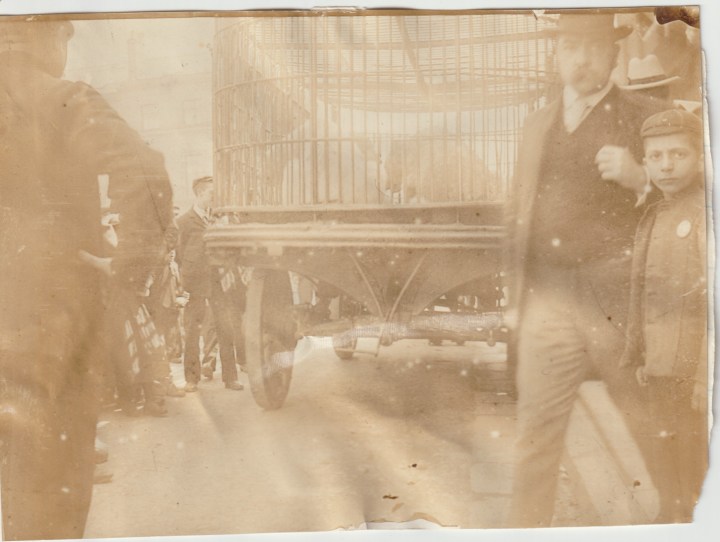
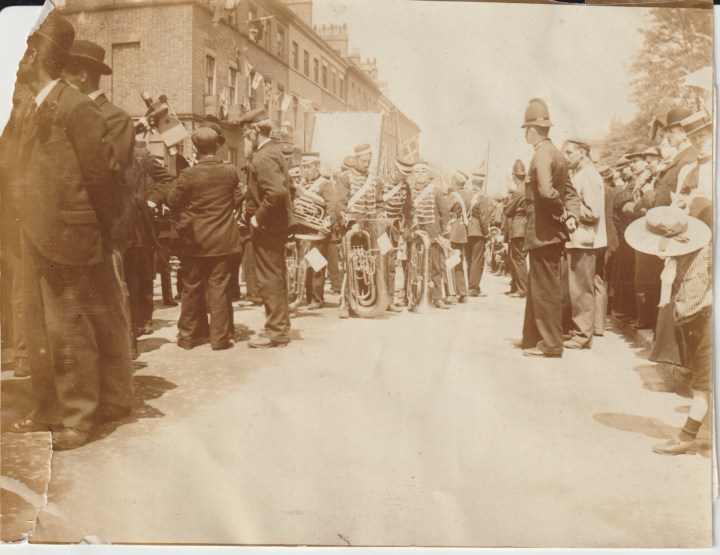
The other two photographs which I acquired with the picture of Water Street, Liverpool in 1902 shown in the previous post (and it definitely is a picture of the festivities surrounding the coronation in 1902) are posted on this page.

They obviously date from around the same time, and may actually depict elements of the celebrations surrounding the same event. Both unfortunately have suffered damage when they were torn from their album. But one has no features that could be used to accurately locate it. It is in fact a pretty grim picture by our standards. Like the Water Street photograph it is a quickly taken snap, probably of part of a parade. A man and a boy stare straight into the camera from the right. On the left a policeman has his back to the photographer. In the centre is a large caged trailer carrying two beasts, so far as I can tell they are bears. These unfortunate animals were being dragged through the city presumably as part of some publicity for a circus or similar event, probably not I would guess a coronation float. In many ways it is an image more redolent of the sixteenth rather than the twentieth century.

1900 animals Liverpool b

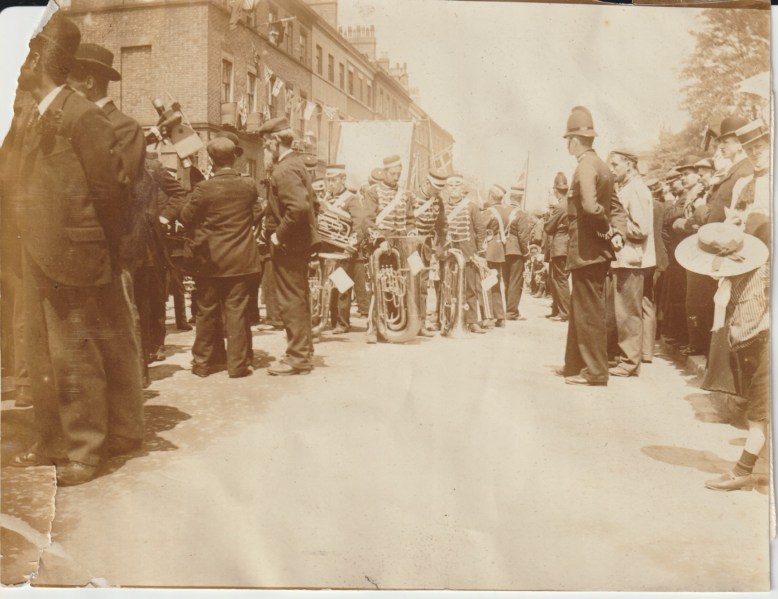
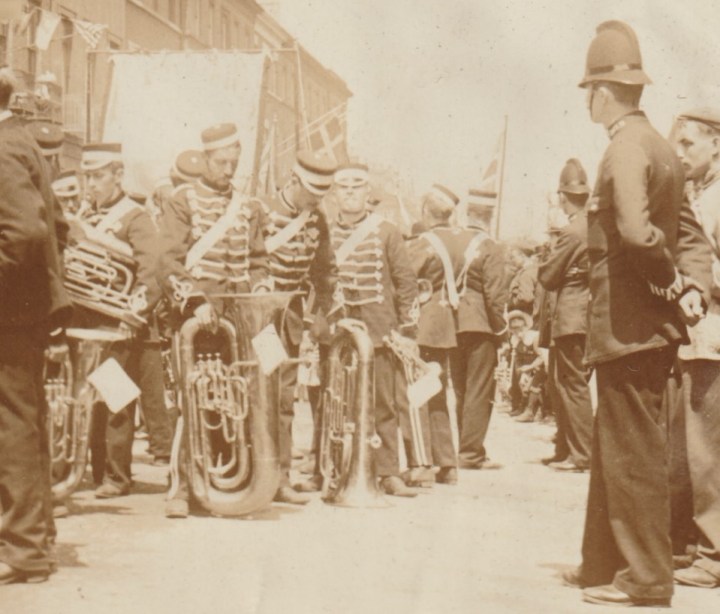
The other picture certainly looks like it was taken in Liverpool and could well be part of the parade for the coronation of Edward VII. I haven’t, so far, been able to find any details of exactly what took place in Liverpool at this time but there is extant film of a large parade in Bradford for instance which gives a good idea of the sort of thing that happened in large cities to mark the coronation of the new monarch. Bands were intermixed with floats representing aspects of civic history or different industries or companies. In this picture the photographer has caught a military style band resting, the road is festooned with flags and bunting, and a large crowd looks on.

!900 Band Liverpool

It could well be part of the Liverpool parade to mark the coronation and that seems likely since it came with another picture of that day. However, there are other alternatives. Patriotic and religious parades were a big deal in Liverpool at the time. This one does not look like it might have been ‘contentious’, as we would say today. So it could be linked to some church event. Unfortunately the details on the banner are not remotely legible but I would guess it is a church related banner rather than an Orange one (there are no signs of any sashes or collarettes in the parade so it is not an Orange parade).

1900 Band Liverpool 02

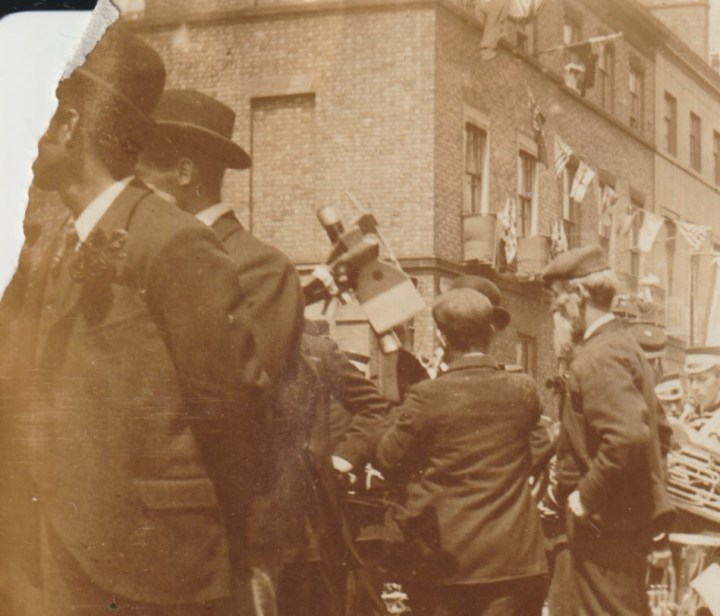
But I am reminded by Giles Fraser on Radio 4’s ‘Thought for the Day’ today (29th May) that today is Oak Apple Day, once a public holiday to celebrate the restoration of the monarchy in 1660. There were groups in Liverpool who marked this day and if you look closely at the two well-dressed men on the left (both of African or Caribbean origin by the way) you can see that one of them is wearing some kind of flower or emblem that resembles oak leaves. The older man on the right with a beard also seems to be wearing the same emblem/oak leaves. The lapels of the other men in the parade are not visible unfortunately.

1900 Band Livrepool 01

So is this an Oak Apple Day parade? It could be. But then what is the large object that looks a bit like a railway signal in the centre of the cropped image above? I am not at all sure. But it could be something from the end of a float. If that was the case then this might be a picture of part of the 1902 Liverpool parade for the coronation of Edward VII.

No pictures or text may be reproduced from this site without the express permission of the author.

Water Street, Liverpool c.1902

I recently purchased three photographs on eBay. They weren’t very expensive and aren’t particularly outstanding examples of the photographers’ art but they are very interesting and quite intriguing. They are quite small (about 4 inches by 3 inches) and at some point have been unceremoniously torn from an album or scrap book. This is a pity because not only has this caused a fair amount of damage it has also separated them from their provenance.

But there is no mistaking that one of them is definitely taken in Liverpool. This makes it likely that the other two are also taken in the same city. Of the other two one has a location that is virtually impossible to identify and the other one might be possible to identify but would take a lot of work.

The print that is easily identified is a view of Water Street in Liverpool. It is instantly recognisable and the vague outline of the entrance to the Town Hall at the top of the hill confirms the location. But in fact most of the buildings that can be seen have been replaced although the character of the street has hardly changed. Apart from the Town Hall possibly the only other building in the view that still survives is Oriel Chambers. Built in 1864 with extensive use of plate glass in its façade it was then and remains today a startlingly modern building. But it can hardly be made out in this print, situated at the end of the second block of buildings on the left.
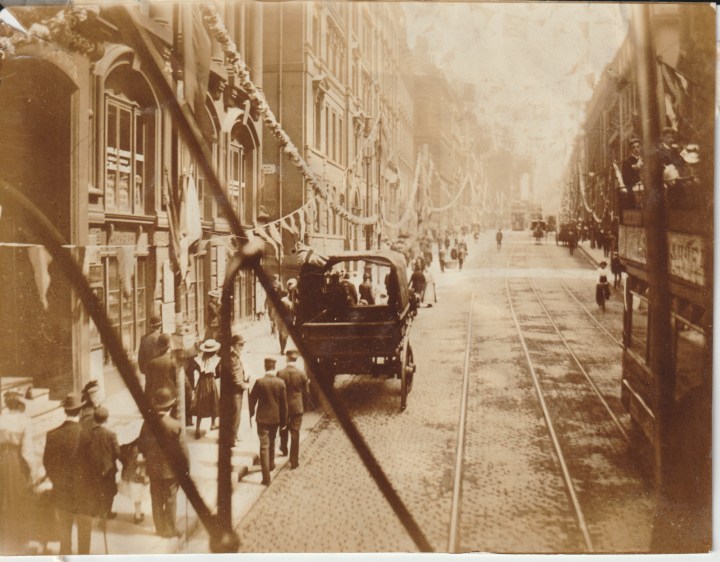
1900 Water Street Liverpool b

What is clear from the image is that the street is decorated with bunting, suggestive of a high profile occasion being celebrated. In this era this would often mean a royal event which could be a royal visit or (judging by the costume, transport etc) the coronation of Edward VII which took place on 9th August 1902 after an earlier postponement. I would guess this to be the most likely occasion.

What’s interesting about this photograph is that it is so casually composed, it is clearly not professionally taken and is a typical snap probably captured on a box Brownie. These were introduced at the start of the century and made photography both instant and available to all.
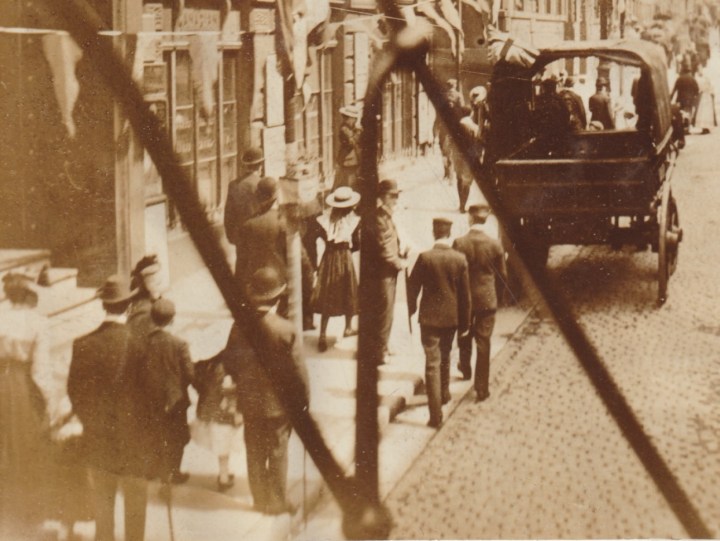
1900 Water Street Liverpool b cropped 01

Detail from the photo

So this photographer stood upstairs on the back of a tram and, holding the camera at waist height, looked down into the viewfinder and took a picture looking up the hill as the tram trundled down towards the Strand. It is a moment in time and a moment of time.

The view reminded me of the recent BBC television series The City and The City starring David Morrissey. Water Street was one of the locations used to illustrate the two cities of ‘Beszel’ and ‘Ul Qoma’ which exist in the same overlapping space but enjoy quite separate existences. It was possible to pass from one city to the other but fraught with difficulties. Water Street provided the set for one of the places where it was possible to see across the border. Other parts of Liverpool provided many of the locations for one city or the other. It was an entertaining series based on a book by China Miéville which was certainly new to me. David Morrissey explains the story like this:

The concept is strange, it is a detective story told in this city, which is actually two cities that share the same footprint, but there are very strict regulations about the fact that one city cannot see the other city’s populace, they can’t look there, they can’t acknowledge them or interact with them and that creates all sorts of strange rules. Inside there is a secret police force called Breach and they are there to make sure that nobody breaks those laws of interacting between the cities.

Here is a screen grab from the programme showing Water Street:
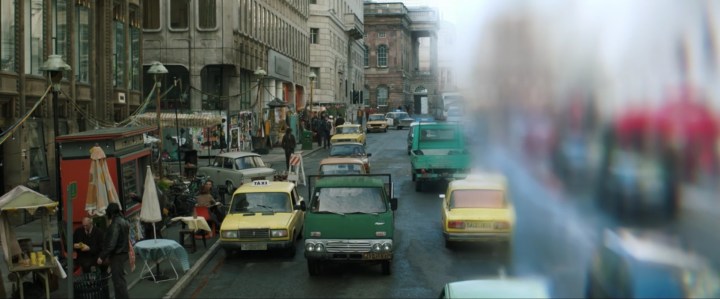
TheCityandtheCity

Oriel Chambers is on the left

A stylish and imaginatively created set. But our unknown photographer, standing on the upper deck of a briefly stopped tram, succeeded in creating an atmospheric picture of his own at some point in the early years of the twentieth century.
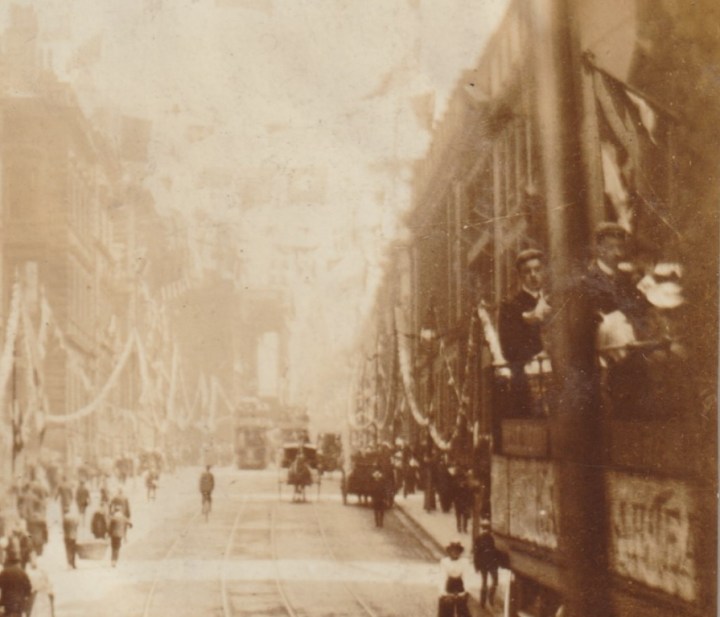
1900 Water Street Liverpool b cropped 02

I will return to the other two photographs in another post.
No pictures or text may be reproduced from this site without the express permission of the author.