Old Meeting House Antrim

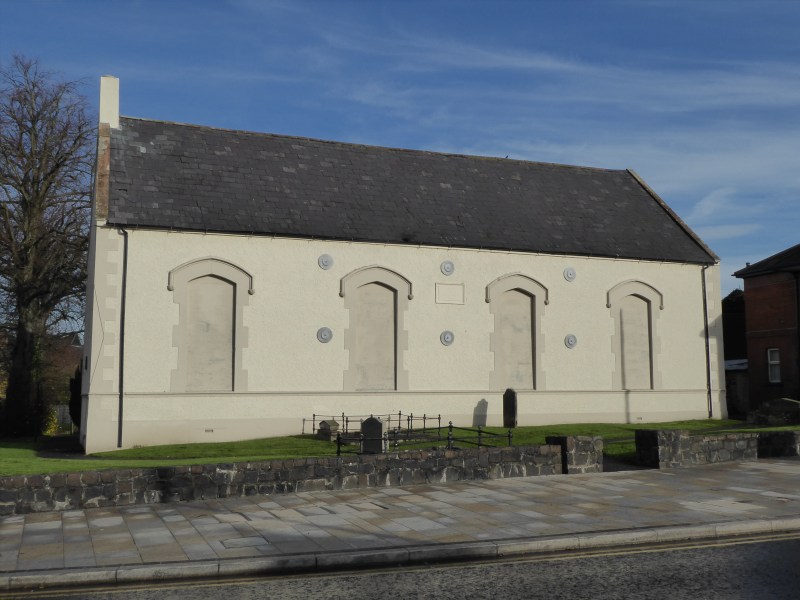
Earlier this week I was pleased to get a look inside the Old Meeting-House at Antrim in the company of Rev Dr John Nelson and architect Dara O’Malley. This is the original Presbyterian meeting-house in the town which became Non-Subscribing under the leadership of Rev John Abernethy, the ‘father of Non-Subscription’ in Ireland.

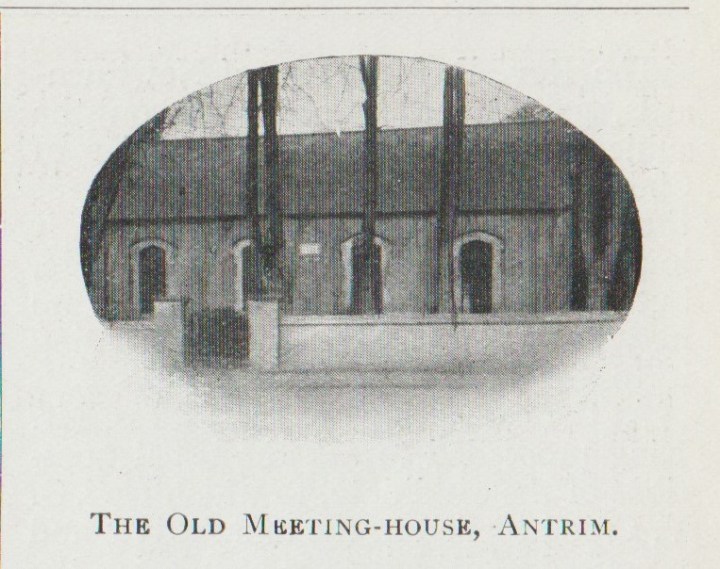
Antrim June 1913

The meeting-house in 1913

Not a very large building but the home of an active and important congregation for a long time. In the 1970s the congregation was faced with a struggle to maintain the building and it was transferred to the local Council which was then Antrim Borough Council. From 1980 it was let out as a boxing club which closed some years ago and this year the meeting-house was returned to the church. As the photos show the building has faced some years of neglect but this point marks the beginning of the restoration of the meeting-house and the renewal of the congregation’s witness in the town.

This slideshow requires JavaScript.

The interior in 2018

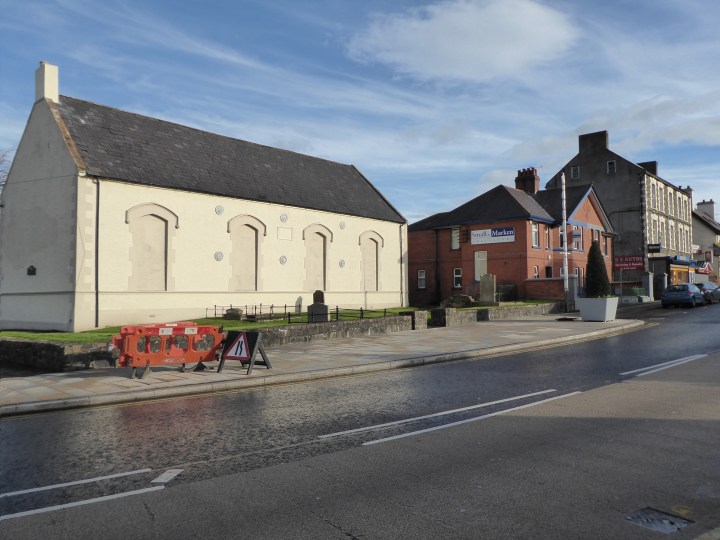
It is quite a prominent building as you come into the town and nearby a large three-storey building is the original manse. I wrote about the story of the manse a couple of years ago, the post can be read here:

https://velvethummingbee.wordpress.com/2015/05/07/a-vestige-of-protestant-dissent-in-antrim-town/

Antrim Exterior front including manse

View of the meeting-house, the old manse is on the extreme right of the picture

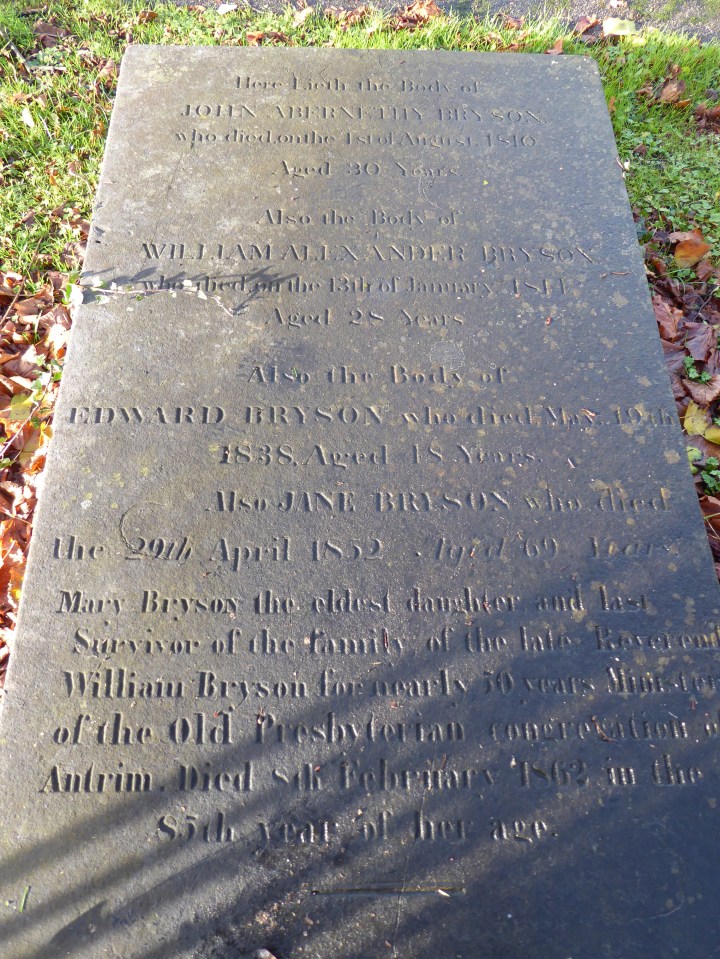
Most of the graveyard is now managed by the Council and this includes some interesting grave stones including the tombstone of the family of Rev William Bryson, minister at Antrim from 1764 to 1810. He was married to a granddaughter of John Abernethy and whilst holding a very radical theology was less radical in the political upheavals of the 1790s.

Antrim Bryson family tombstone

Bryson family tombstone

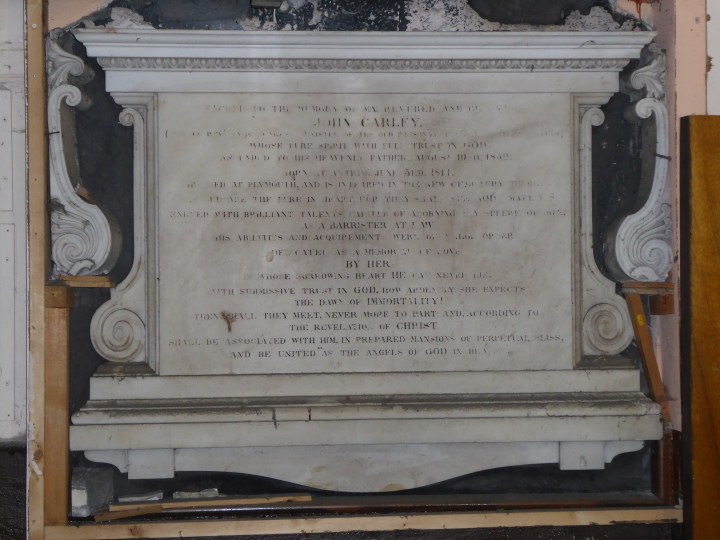
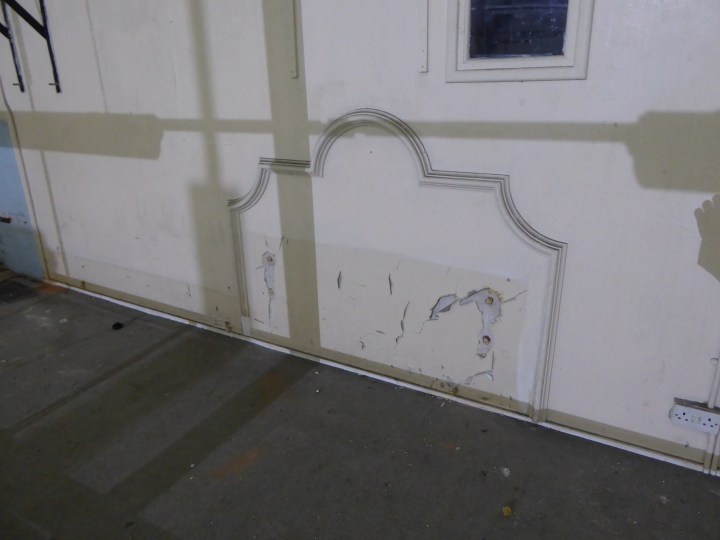
Inside there is little obvious reminder of the building’s life as a church although a memorial to John Carley, a barrister at law and the son of the Rev John Carley (minister 1811-1861) , can be found, as well as the outline of the decorative moulding around the long vanished pulpit and the place where the sounding board was once attached.

Antrim John Carley memorial

Memorial to John Carley

Antrim pulpit moulding

Moulding above the site of the pulpit of 1891

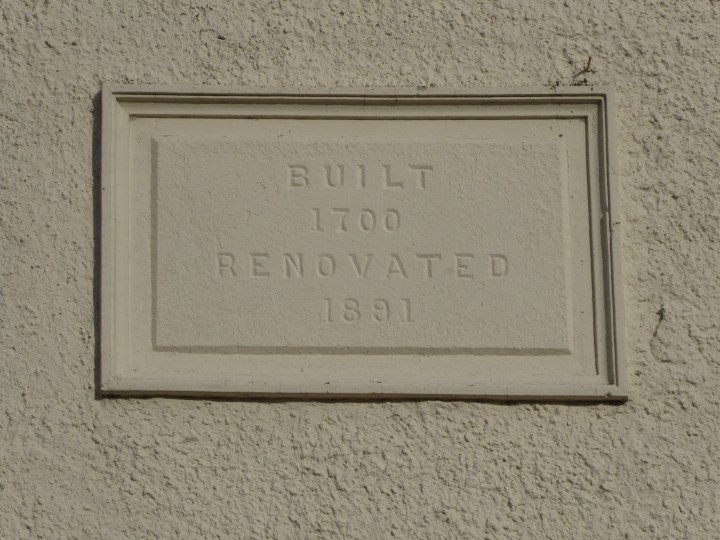
The interior was ‘turned’ in 1891, that is the location of the pulpit was moved from the centre of the long wall to the short wall at one end and the pews re-arranged accordingly. All those fittings are long gone but there is now tremendous potential for this survival from 1700.

Antrim Datestone

Datestone

No pictures or text may be reproduced from this site without the express permission of the author.

Ancient Chapel of Toxteth 400th Anniversary

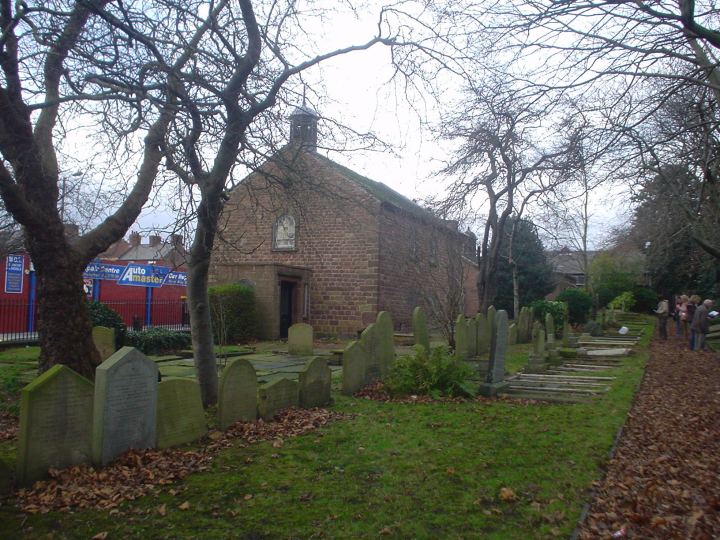
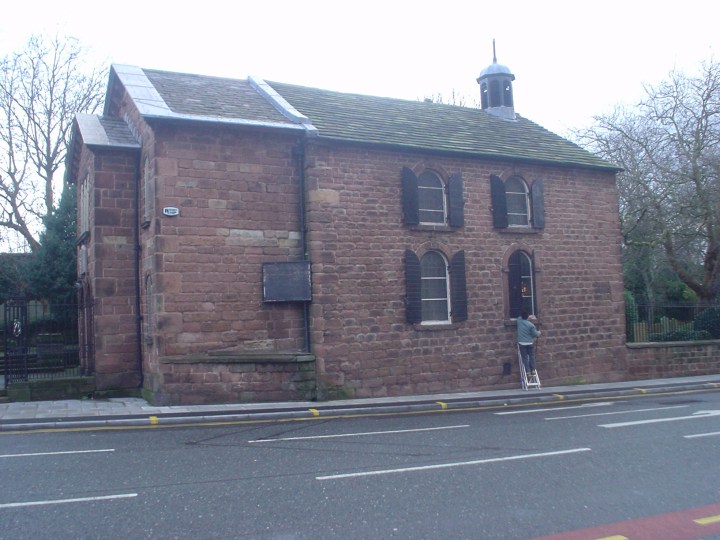
Ancient Chapel of Toxteth celebrates 400 years of worship and witness

Two images of the Chapel separated by about 120 years:

ACT Victorian 02

ACT Ext 05


Service to Commemorate the

400th Anniversary

of the

Ancient Chapel of Toxteth

Sunday, 25th November 2018

2.30 pm

Please note the service to commemorate the 400th anniversary of the Ancient Chapel of Toxteth will be held on Sunday, 25th November as advertised. However, the time of the start of the service has been changed it will now commence at 2.30 pm and not at the previously stated time.

ACT Ext 07

Preparing for worship

ACoT landscape logo

400th Anniversary of the Ancient Chapel of Toxteth


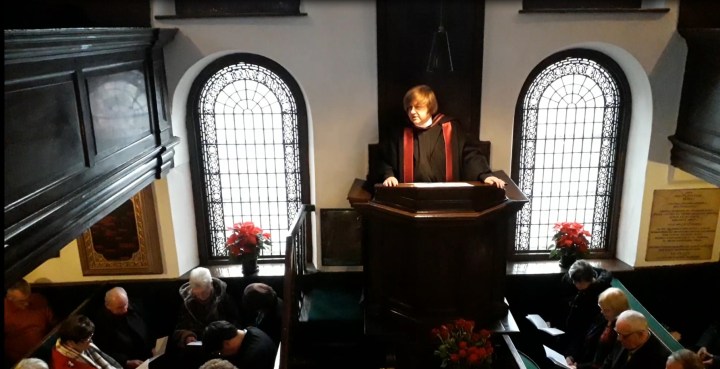
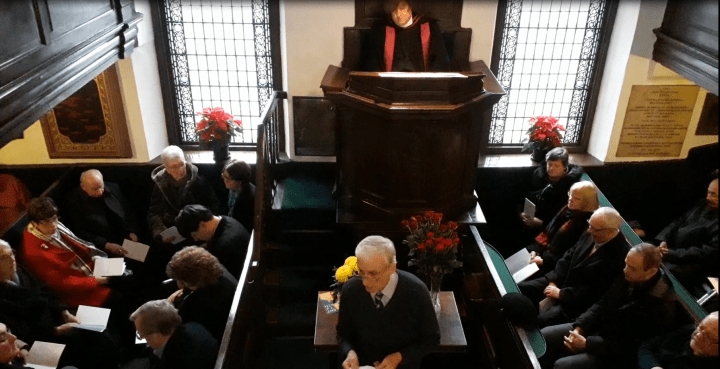
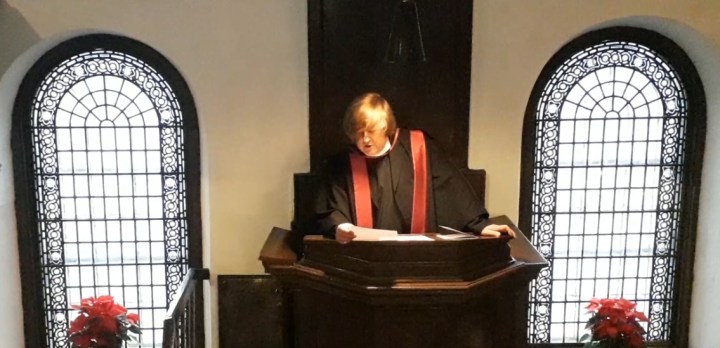
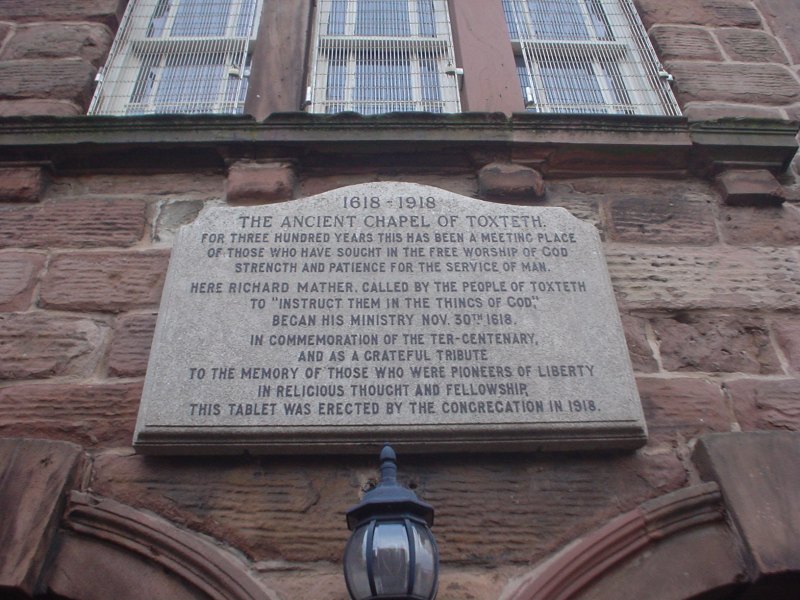
The Ancient Chapel of Toxteth was built in 1618 during the ministry of the Rev Richard Mather in the former royal deer park of Toxteth by Puritans who desired to worship according to the dictates of their own conscience. Originally situated in a remote rural community the Chapel is now in the midst of a heavily built-up suburb of Liverpool. This year marks the 400th anniversary of the Chapel which has been in continuous use since 1618. A special service to celebrate this 400th anniversary of this historic Chapel will be held on Sunday, 25th November at 2.30 pm.

ACoT portrait logo

Please note – if you are thinking of attending this service – that the time has been changed from 3.00 pm to 2.30 pm – as shown above.

New St Patrick’s Cross at Down Cathedral


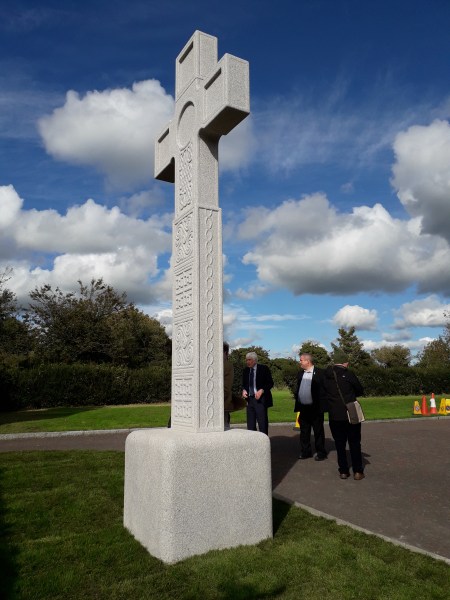
Cross long view

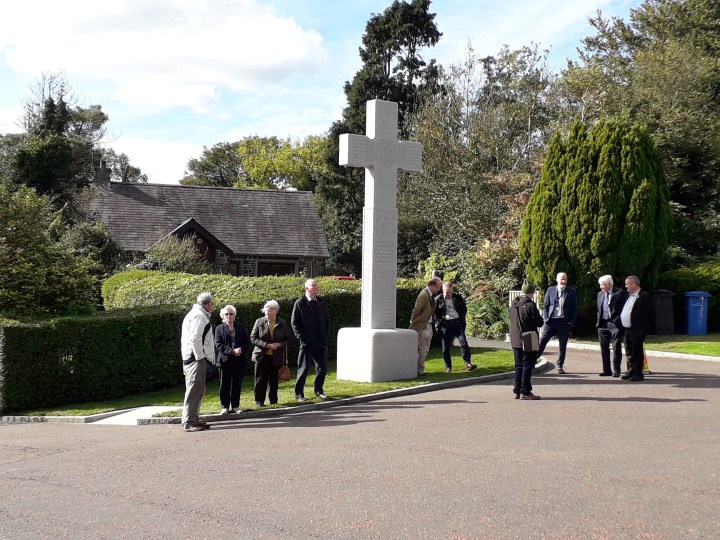
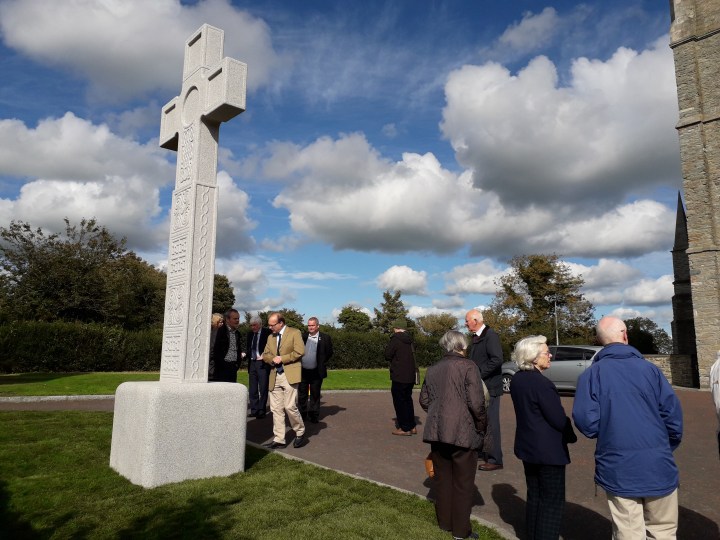
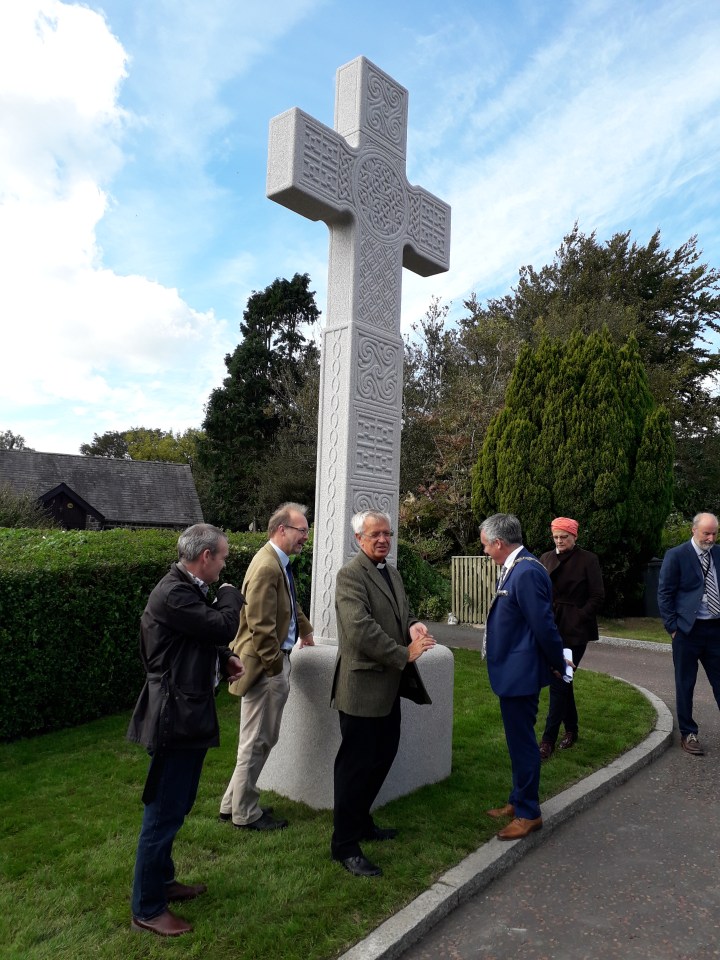
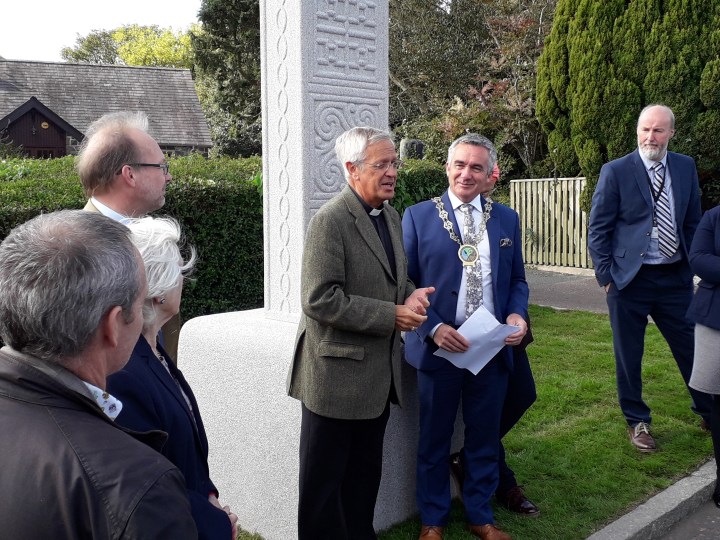
I was very pleased to be amongst those present for the Civic reception for the new High Cross erected at Down Cathedral on 24th September. Based on fragments of an ancient cross kept in the Cathedral it is carved from Mourne granite, weighs five tonnes and towers over its immediate surroundings. It is an impressive structure, a work that eloquently reflects the legacy of St Patrick so close to his grave. The fragments that are inside the Cathedral were originally found on the site that is now marked as St Patrick’s grave and are thought to date from the eighth century. The pieces were digitally scanned and the decoration carved onto the new Cross to create a pristine replica of what may once have stood at the entrance to the Benedictine monastery which originally stood on the hill.

Cross reverse view

Cross front view

Cross speeches

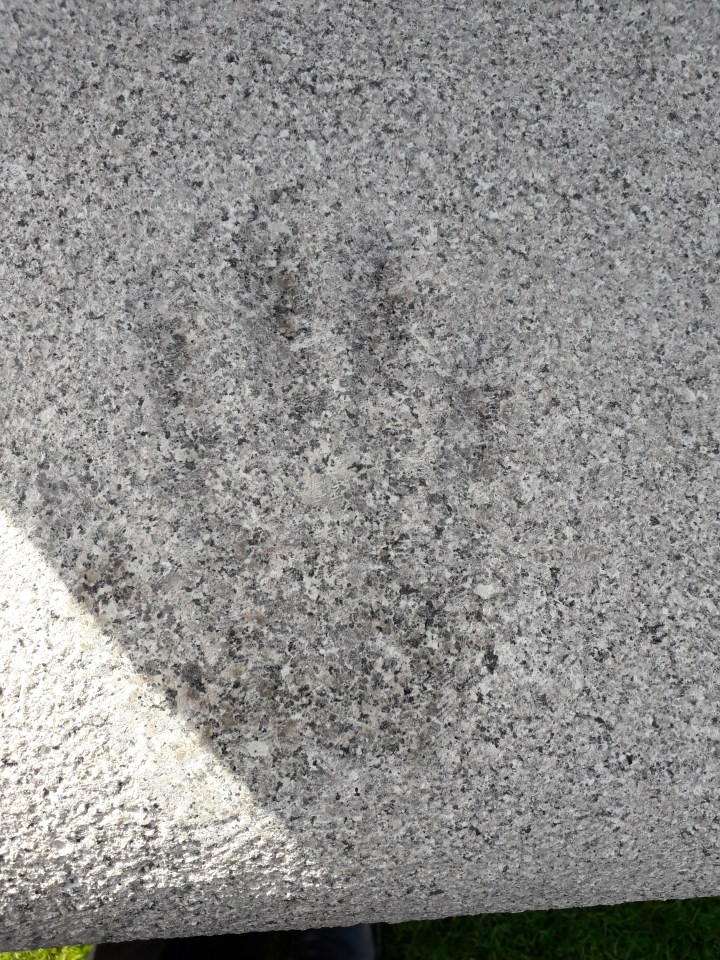
Cross hand print

Hand print at the foot of the Cross for pilgrims


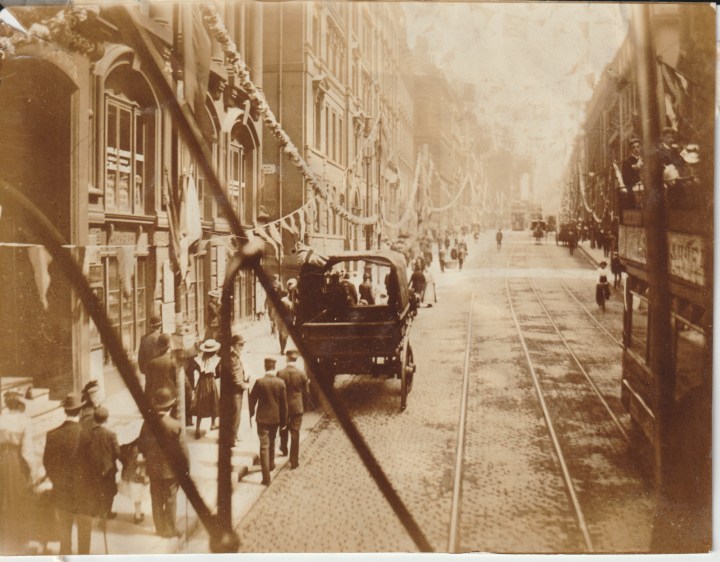
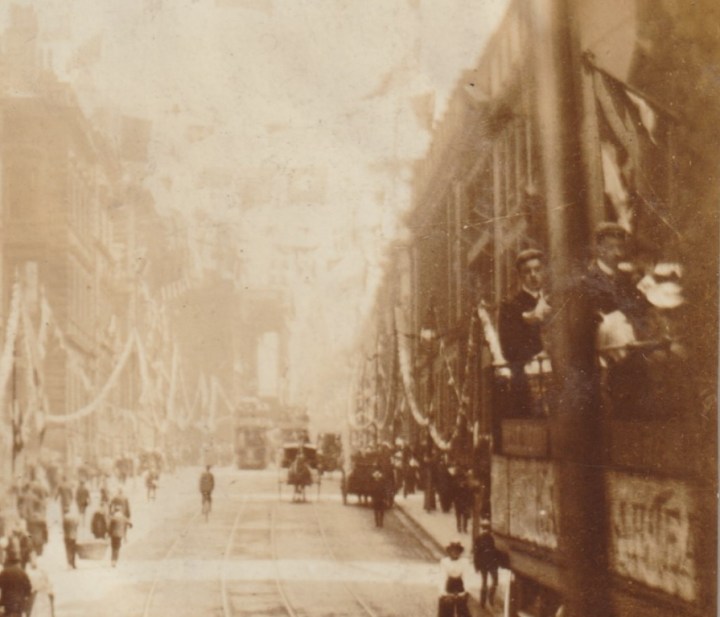
Water Street, Liverpool c.1902

I recently purchased three photographs on eBay. They weren’t very expensive and aren’t particularly outstanding examples of the photographers’ art but they are very interesting and quite intriguing. They are quite small (about 4 inches by 3 inches) and at some point have been unceremoniously torn from an album or scrap book. This is a pity because not only has this caused a fair amount of damage it has also separated them from their provenance.

But there is no mistaking that one of them is definitely taken in Liverpool. This makes it likely that the other two are also taken in the same city. Of the other two one has a location that is virtually impossible to identify and the other one might be possible to identify but would take a lot of work.

The print that is easily identified is a view of Water Street in Liverpool. It is instantly recognisable and the vague outline of the entrance to the Town Hall at the top of the hill confirms the location. But in fact most of the buildings that can be seen have been replaced although the character of the street has hardly changed. Apart from the Town Hall possibly the only other building in the view that still survives is Oriel Chambers. Built in 1864 with extensive use of plate glass in its façade it was then and remains today a startlingly modern building. But it can hardly be made out in this print, situated at the end of the second block of buildings on the left.

1900 Water Street Liverpool b

What is clear from the image is that the street is decorated with bunting, suggestive of a high profile occasion being celebrated. In this era this would often mean a royal event which could be a royal visit or (judging by the costume, transport etc) the coronation of Edward VII which took place on 9th August 1902 after an earlier postponement. I would guess this to be the most likely occasion.

What’s interesting about this photograph is that it is so casually composed, it is clearly not professionally taken and is a typical snap probably captured on a box Brownie. These were introduced at the start of the century and made photography both instant and available to all.

1900 Water Street Liverpool b cropped 01

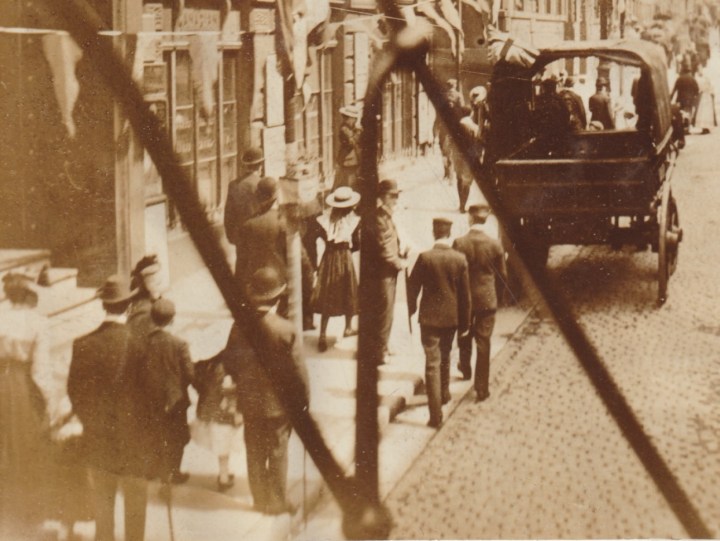
Detail from the photo

So this photographer stood upstairs on the back of a tram and, holding the camera at waist height, looked down into the viewfinder and took a picture looking up the hill as the tram trundled down towards the Strand. It is a moment in time and a moment of time.

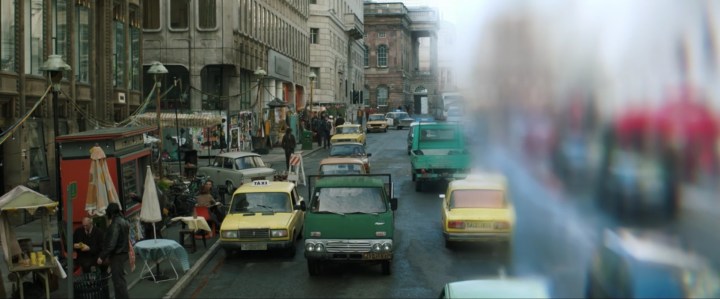
The view reminded me of the recent BBC television series The City and The City starring David Morrissey. Water Street was one of the locations used to illustrate the two cities of ‘Beszel’ and ‘Ul Qoma’ which exist in the same overlapping space but enjoy quite separate existences. It was possible to pass from one city to the other but fraught with difficulties. Water Street provided the set for one of the places where it was possible to see across the border. Other parts of Liverpool provided many of the locations for one city or the other. It was an entertaining series based on a book by China Miéville which was certainly new to me. David Morrissey explains the story like this:

The concept is strange, it is a detective story told in this city, which is actually two cities that share the same footprint, but there are very strict regulations about the fact that one city cannot see the other city’s populace, they can’t look there, they can’t acknowledge them or interact with them and that creates all sorts of strange rules. Inside there is a secret police force called Breach and they are there to make sure that nobody breaks those laws of interacting between the cities.

Here is a screen grab from the programme showing Water Street:

TheCityandtheCity

Oriel Chambers is on the left

A stylish and imaginatively created set. But our unknown photographer, standing on the upper deck of a briefly stopped tram, succeeded in creating an atmospheric picture of his own at some point in the early years of the twentieth century.

1900 Water Street Liverpool b cropped 02

I will return to the other two photographs in another post.

No pictures or text may be reproduced from this site without the express permission of the author.


Inch Abbey, county Down

IA Inch Abbey 04

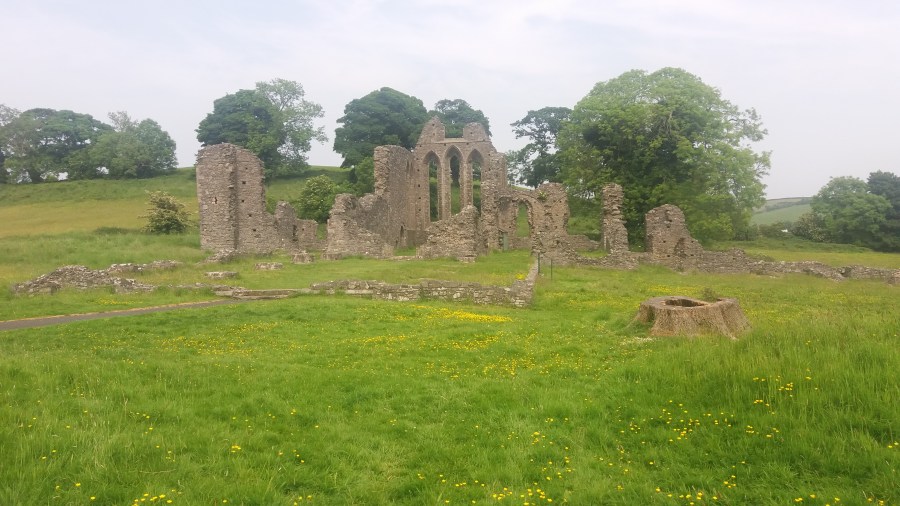
Inch Abbey is located in what is a still remarkably peaceful and secluded setting. Founded by John de Courcy in the 1180s as his atonement for his destruction of Erenagh Abbey on the other side of Downpatrick, Cistercian monks were brought here to populate it from Furness Abbey in Lancashire. According to the tourist board it is (along with Grey Abbey on the Ards peninsula) “the earliest example of Gothic architecture in Ireland and finest example of Anglo-Norman Cistercian architecture in Ulster.” There was a monastery on this site before the present monastery, a timber church and ancillary buildings surrounded by an earth bank, founded as early as 800 AD. But this was plundered by the Vikings on at least two occasions and destroyed before its re-establishment under John de Courcy.

IA Inch Abbey 03

The nave

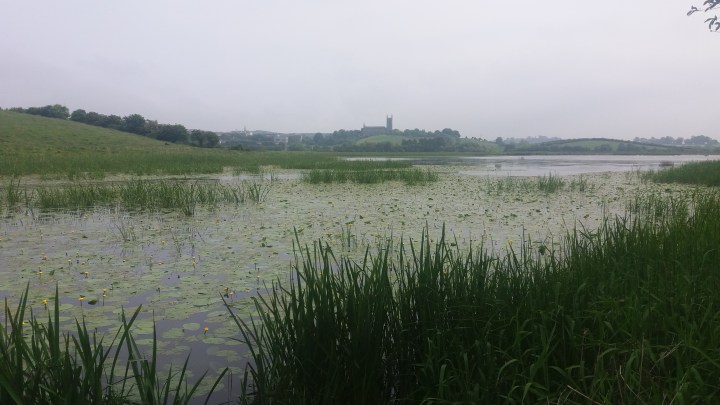
The view across the Quoile to Downpatrick and its cathedral gives an idea of its location near to the main settlement but quite separate from it.

IA view to Cathedral

Looking across the Quoile to Down Cathedral

The cathedral was also originally established as a monastery by John de Courcy in the 1180s with Benedictine monks from St Werburgh’s monastery in Chester (see https://velvethummingbee.wordpress.com/2018/02/24/chester-cathedral-refectory/).

IA Inch Abbey entrance b

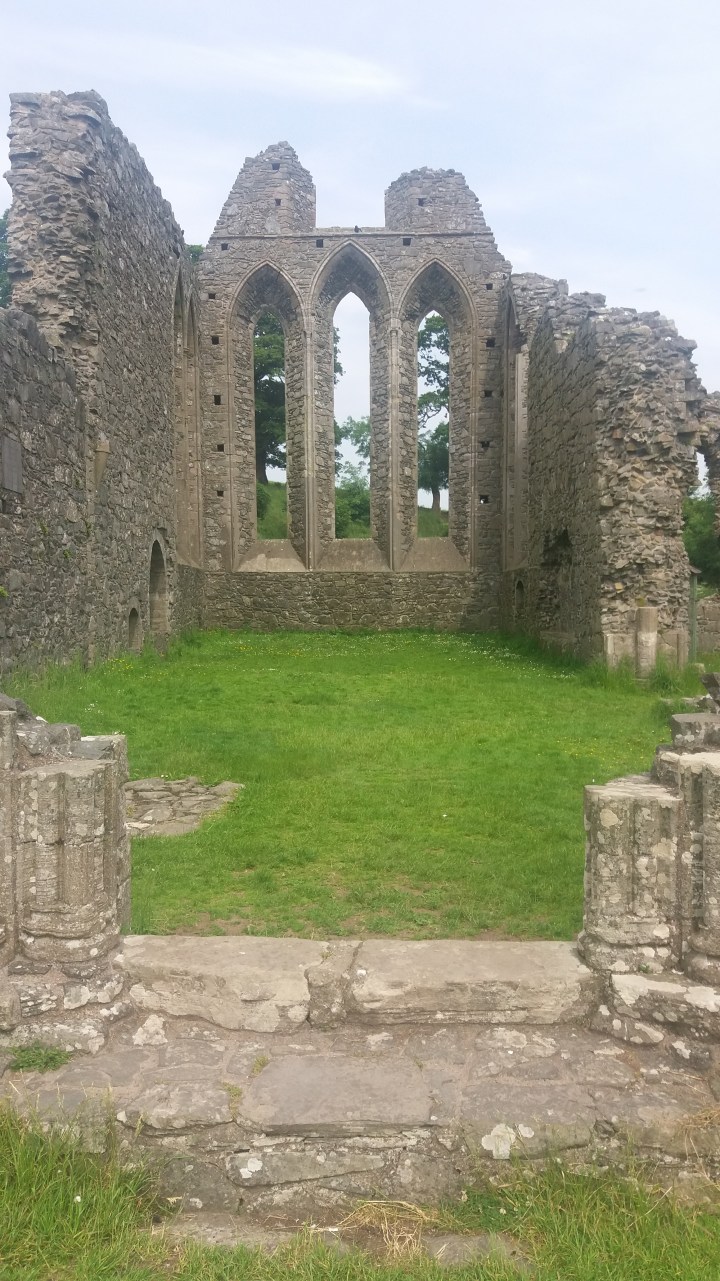
Entrance to the chancel

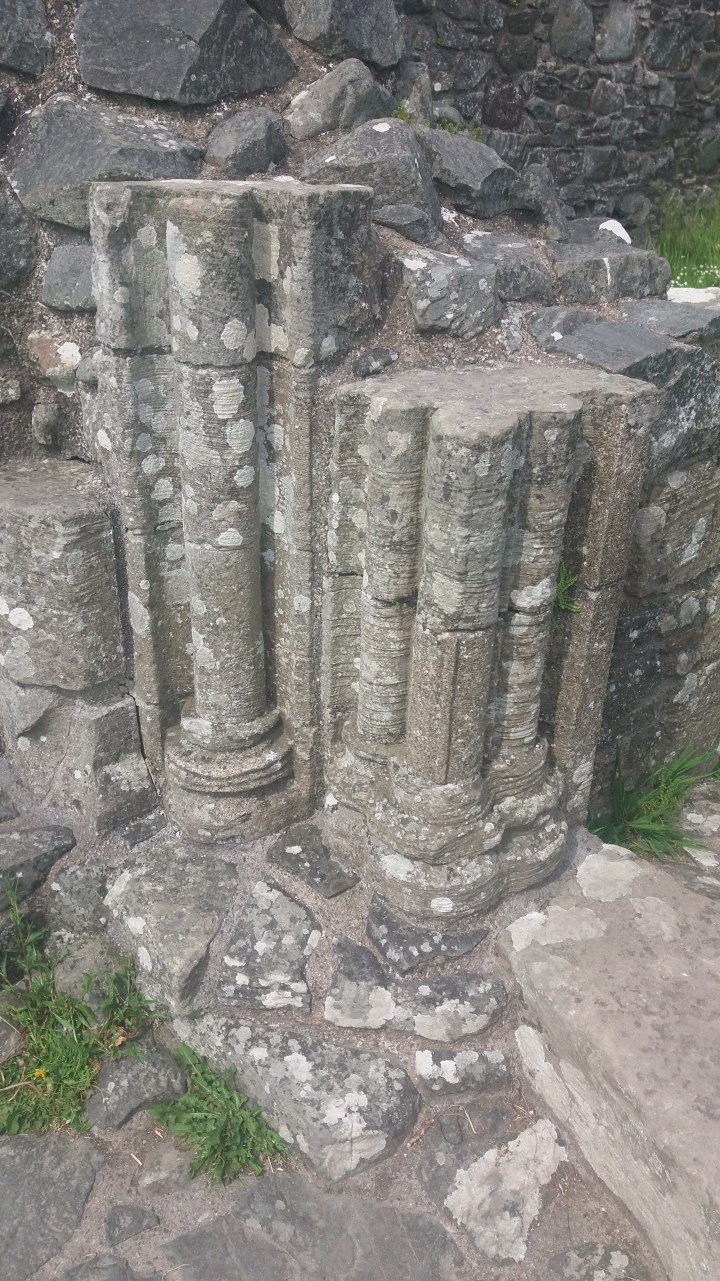
IA Inch Abbey base of columns at entrance

Base of column

The Cistercians followed a strict rule, with much silence, little music and a self-sufficiency that eschewed the use of meat. There would have been a plentiful supply of fish for them here, the site originally was an island.

IA Inch Abbey chapter house

Chapter house

Around the ruins of the Abbey there are the remains of what have been identified as the kitchen, a bakehouse, a guest house, the infirmary and a well. The Abbey was dissolved in 1541.

IA Inch Abbey well

Abbey well

Chapels of England, Buildings of Protestant Nonconformity

Chapels of England, Buildings of Protestant Nonconformity, Christopher Wakeling, Historic England, 2017, hardback, 312 pages, ISBN 978-1-84802-032-0, £50

Review

Nonconformist chapels, churches and meeting-houses have attracted an increasing amount of interest in recent years. They are an important part of religious and cultural history and remain a notable part of the topography of cities, towns and rural areas. The foundation of the Chapels Society has been a major contributor to this growth in interest as well as a great variety of publications that tell the story from denominational, local history and architectural points of view. Christopher Stell’s substantial four-volume Inventory of Nonconformist Chapels and Meeting-Houses in England provided an essential guide to chapels all over England, many of which had disappeared. Unitarians are fortunate to have Graham and Judy Hague’s The Unitarian Heritage An Architectural Survey of Chapels and Churches in the Unitarian Tradition in the British Isles, published in 1986 and still an indispensable source. Across denominations there has been an increasing awareness of the need to preserve this aspect of our history and where congregations have been unable to sustain some buildings the Historic Chapels Trust has taken over their maintenance. With the publication of this new book, Chapels of England, Buildings of Protestant Nonconformity, by Christopher Wakeling, we now have a beautifully illustrated scholarly account of the patterns of chapel buildings amongst all branches of nonconformity from separatist, pre-ejection times up to the twenty-first century.
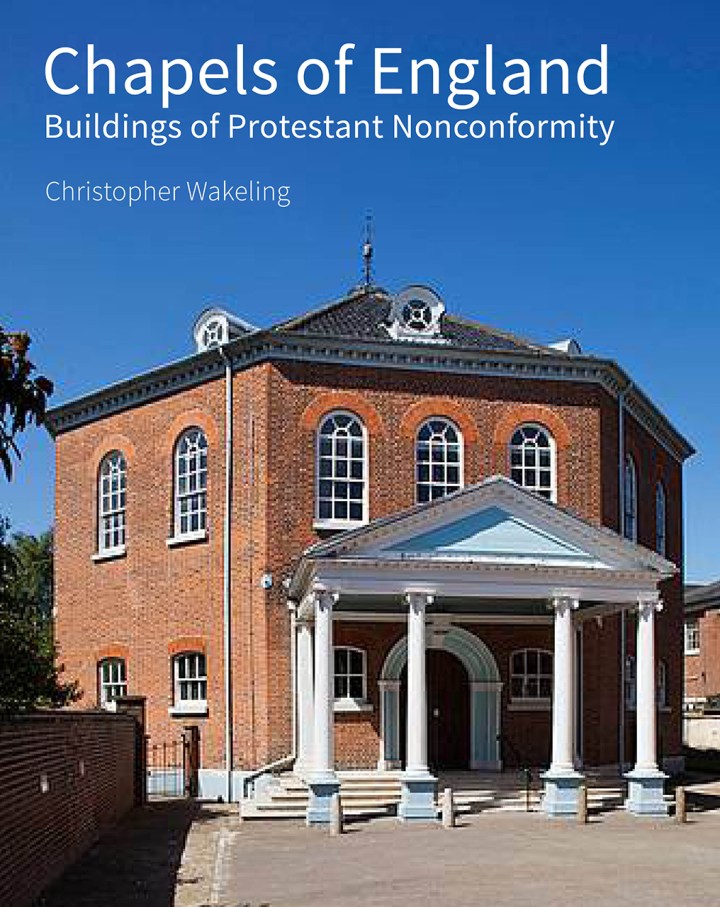
Chapels of England

The author brings a thorough architectural appreciation of these kinds of buildings and relates their historical development to the different denominations, the streams of theological thinking and liturgical practice within each of them, local architectural traditions and influences, and the interplay between dissent and the patterns of church building and the use of different styles by the established church. As such it is a tremendously impressive guide to what is a complicated and diffuse subject. Christopher Wakeling is well versed in the varieties of attitudes found within the different churches and sects that built chapels outside of the Church of England. Apparently the total number of surviving examples of Nonconformist chapels is still around 20,000 today, which is a significant number of buildings of one particular type. Dr Wakeling shows how chapel building accelerated at different times, such as the second decade of the nineteenth century when an average of five new meeting-houses were built a week, so that “nonconformist chapels became as characteristic a part of the Regency scene as cinemas were of the 1930s  or supermarkets have become today” (page 73).

Not all dissenters deliberately chose that path. In the first chapter Dr Wakeling makes good use of the sermon preached by John Fairfax at the opening of the Ipswich meeting-house in 1700 when he stated: “Had we the liberty of those places [ie. the parish churches], we should seek no other” (page 2).

And the Ipswich meeting-house with its spiral turned balusters and carved doves and cherubs worthy of Grinling Gibbons is clear evidence that early dissenters (particularly Presbyterians) were not averse to decoration.

But the whole book is an impressively thorough examination of the development of different styles of buildings as theologies changed, as denominations developed, as political circumstances evolved and as economic opportunity came and went. For Unitarians the Dissenters’ Chapels Act gave an added impetus to the frequent nonconformist impulse to build on the grand scale. Dr Wakeling quotes the preacher at the opening of Hyde Gee Cross in 1848 (not named in the text but presumably Charles Wicksteed) as saying the new church was:

Asserting the right of a Dissenting Chapel to look like a parish church, and to be used as a parish church without the least danger of our worship being interrupted (page 128).

But not all nonconformity took this form. Some was uncompromisingly evangelical and required a vast preaching station or a massive complex of buildings surrounding a central hall. In villages and towns small, unobtrusive chapels continued to be built throughout the nineteenth century. The period after the First World War and on into this century has brought a whole new set of challenges. Dr Wakeling shows how different circumstances, both local and national, produced these changes in architecture and the different types of building. The book is also peppered with ‘boxed essays’ which explain some of the terms used or the role practices such as communion had in chapel building over time or features such as seating and graveyards. This helps make for a very complete treatment of the whole subject since what might otherwise be a dry account of architectural history is, rather, rooted in the cultural, theological and liturgical experiences of the people who built the chapels. Consequently the book is also a history of nonconformity told through its buildings.

The book is richly illustrated in colour throughout, with page after page of striking photographs of interior and exterior shots, this is a particularly appealing feature of the book. If I was going to be hyper-critical I would say that the full-page picture of the chancel of Ullet Road Church (page 204) is astonishingly dark and gloomy, it is a much better lit area than this photo suggests. But this is to nit-pick, it’s the only disappointing picture in the book, generally the photographs are sharp and detailed throughout and are a really strong accompaniment to the text.

The author provides a glossary of the various nonconformist groups referred to in the book and is clearly familiar with the ethos and history of each of them, moving assuredly from one tradition to another. Historic England should be commended for producing such an impressive book, it is destined to become an essential publication for anyone with an interest in this aspect of religious history.

This review appears in Volume 26, Number 4, April 2018 of the ‘Transactions of the Unitarian Historical Society’.

See

https://velvethummingbee.wordpress.com/2018/03/28/transactions-of-the-unitarian-historical-society-2018/

for details of how to subscribe.
 

Unitarian College Cluj/Kolozsvár

College LS 05

Kolozsvar Unitarian HQ 01

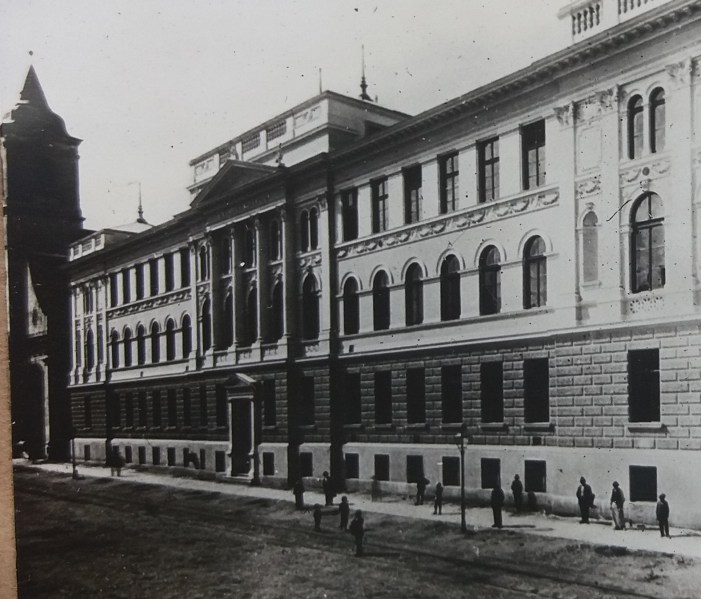
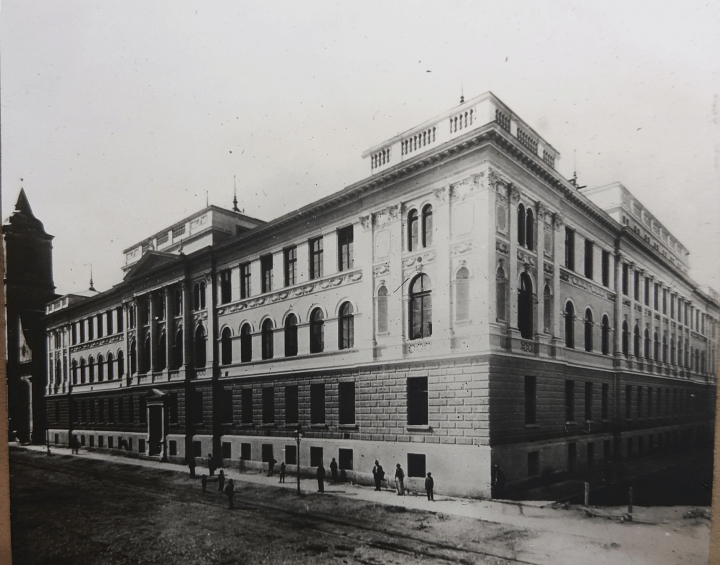
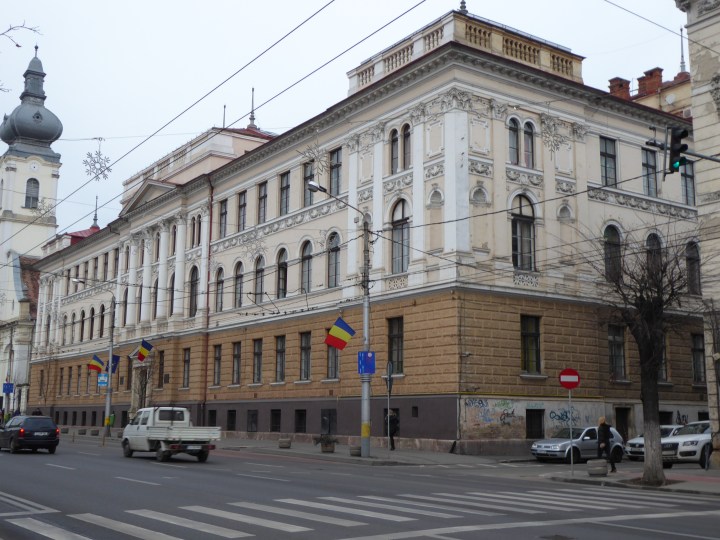
Recently I have published a couple of ‘then and now’ shots featuring Edwardian postcards and contemporary photographs on this blog. One featured a view of a street in Toxteth and one some of the churches in Banbridge. This is another ‘then and now’ view but, in this case, it is taken from a glass lantern slide of the Unitarian College building in Cluj/Kolozsvár.
I have an interesting set of magic lantern slides depicting notable sites in Hungary and Transylvania, some of them showing groups of people at what must be some sort of gathering, possibly international. The purpose of the collection, which is in a poor state and which is probably not complete, is to illustrate something about the Unitarian history and life of that region. They are not easy to date exactly but this slide helps enormously.

The Unitarian College was built in 1901, then a very modern, state of the art building which is still impressive and giving excellent service as headquarters, College as well as senior and junior schools.

It is right next door to the First Unitarian Church which can just be seen on the left of the photograph. This helps us date the slides since the College was built in 1901 and the church had the top of its tower replaced in 1908. In that year Lajos Pákey, the city architect who was educated at the Unitarian College and was also responsible for many of the prominent buildings and monuments in the town, redesigned the tower in its present baroque form. I had always assumed that this feature dated to the 1790s when the church was built and had never seen a picture of the original tower before finding this slide.

By chance I took a picture in January 2018 from the same place as the photographer of 1901-1908, not surprising since there are not so many vantage points for such a large building. But here we have the same view, separated by about 110 years.

As time and circumstance permit I will try and digitise the glass lantern slides and post them on here.


Postcard from Banbridge

Banbridge Post Card

Banbridge July 2017 ext 01

This postcard view of the Non-Subscribing Presbyterian Church in Banbridge along with the Methodist Church and what was then the library in Banbridge must date from before the First World War. It is not particularly rare but I was pleased to pick one up quite cheaply recently. I must have had the view in mind when I took the picture of the same group of buildings in 2017 and, apart from the inevitable cars parked in the way, the view has essentially not changed in a hundred years. The First Presbyterian (Non-Subscribing) Church, Banbridge is a remarkably imposing edifice both inside and out, the four fluted ionic columns tell the visitor that this meeting-house is a significant place. Built between 1844 and 1846 it speaks of the confidence of the congregation building anew immediately after the Dissenters’ Chapels Act of 1844 and choosing a style of architecture that eloquently expressed their identity.

banbridge

A Victorian photograph of the exterior

St Patrick’s Day, Downpatrick 2018

Preparations underway

Preparations getting underway in the town


Going up to the Cathedral

Going up to the Cathedral for the service


Congregation photographed

The congregation gather for a photograph inside the Cathedral


20180317_131239

Processing up to the grave after the service


Laying wreath

Visiting Bishop Alf Cooper from Chile lays a wreath


St Patrick's grave

St Patrick’s grave outside Down Cathedral


Giant Saint 01

The giant statue of the saint