Faith and Freedom 197 (2023)

The latest issue of our journal is out now and will be with subscribers shortly. Anyone can subscribe and an annual subscription costs only £16 in the UK ($32 in the USA), details of how to subscribe can be found below.
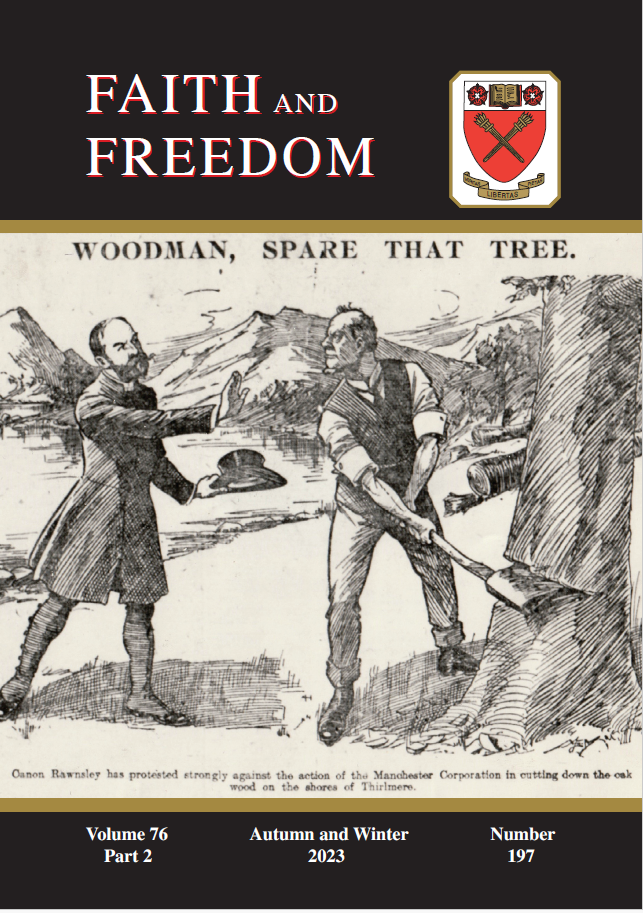
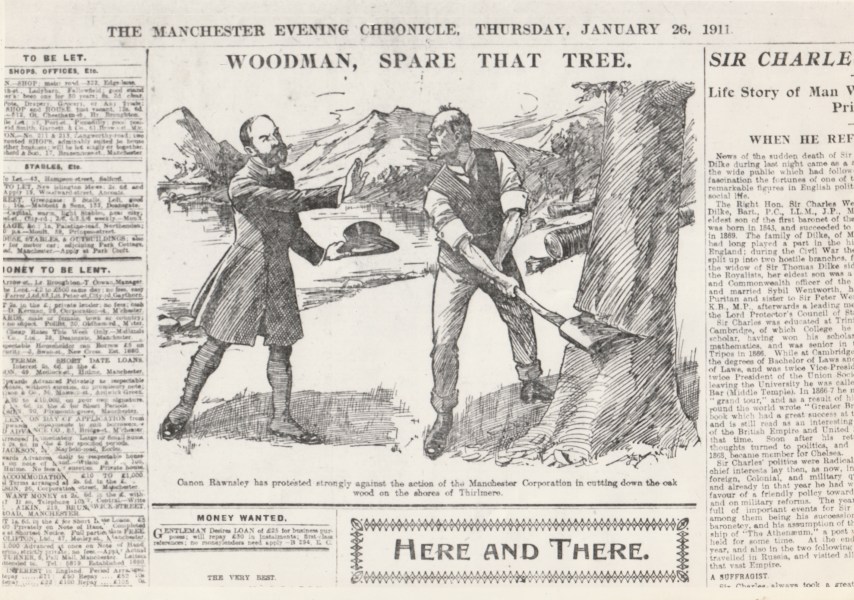
Our cover picture contains a cartoon from the Manchester Evening Chronicle of 26 January 1911 and features Canon Hardwicke Rawnsley, one of the founders of the National Trust, shown here trying to save some oaks on the bank of Thirlmere Reservoir in the Lake District. It links to Graham Murphy’s Review Article of a new biography by Michael Allen and Rosalind Rawnsley – Hardwicke Drummond Rawnsley, An Extraordinary Life, 1851-1920, (The New Beaver Press, 2023, pp 476. ISBN 978-1-7392194-1-3, £20 pbk.) The cartoon is strangely appropriate for today because it is also being used by campaigners trying to keep the public road along Thirlmere Reservoir open to walkers, cyclists and motorists. The Canon was not successful in his attempts in 1911 and the conifers which replaced the oaks now regularly blow down and block the road. You can read about the current campaign to keep the road open by clicking here.

Our journal opens with Sandra Gilpin’s pen portrait on the Rev William Hugh Doherty (c.1810-1890). His career began as the first minister of the Unitarian/Non-Subscribing Presbyterian Church in Comber county Down. He moved to the United States and embarked upon an unusual career firstly as a Unitarian minister in Rochester NY then moving to a denomination known as the ‘Christian Church’ where he became quite a prominent educator. But the suggestion of some scandal was never far away in his life and he managed to serve on both sides of the Civil War as well as hold views, at different times, that were both pro and anti slavery! His career ended with him becoming an assistant in the US Patent Office.

Other articles include Imran Usmani’s fascinating discussion of ‘The Crucifixion of Jesus in Islam’. Looking afresh at the traditional Muslim view of the Crucifixion the author presents ‘novel textual and contextual analysis of the Crucifixion Verse based on the Quran and traditional Muslim sources’ and concludes that the traditional view is actually a misunderstanding of the original intention. He concludes that the Quran does not deny the historical fact of the Crucifixion of Jesus, rather it denies that the Crucifixion was rightful. The author believes that ‘Crucifixion denial in the Muslim tradition created a chasm between Muslims and Christians because it made both parties sceptical of the other’s scriptures.’ His aim is to help bridge this chasm dividing the two religions.

Other articles include Dan C. West’s encouragement to Christians to turn from ‘preoccupation with the past to focus instead on the future is a courageous act of faith and hope’, in ‘With Courage and With Hope’; and a sermon by the editor, ‘Telling Our Stories’, which asks whether those of us in a liberal theological tradition fully understand and articulate our identities.

There is also a good number of reviews including:

Maria Curtis (ed.), Cherishing the Earth – Nourishing the Spirit, Lindsey Press, 2023, pp 264. ISBN: 978-0-85319-098-1, £12.00 pbk. Reviewed by Oscar Sinclair.

Stephen Hart, James Chuter Ede: Humane Reformer and Politician, Pen and Sword History, 2021, pp 352. ISBN 978-1-52678-372-1, £25.00, hbk. Reviewed by Derek McAuley.

George D. Chryssides and Dan Cohn-Sherbok (eds.), The Covid Pandemic and the World’s Religions. Bloomsbury Academic, 2023, pp 256. ISBN 978-1-3503-4963-6, £19.95 pbk, £65.00 hbk. Reviewed by Marcus Braybrooke.

Marcus Braybrooke, Interfaith Pioneers 1893-1939. The Legacy of the 1893 World Parliament of Religions, Braybrooke Press, 2023, pp 118. ISBN 9798392406180, £9.95 pbk.
Marcus Braybrooke, Jewish Friends and Neighbours. An Introduction for Christians, Braybrooke Press, 2023, pp 367. ISBN 979-8397750776, £19.95, pbk. Both reviewed by the Editor.

An annual subscription for each volume (two issues) costs £16.00 (postage included) in the United Kingdom. Single copies can be ordered at a cost of £8.00 each (postage included). Cheques should be made out to Faith and Freedom and sent to the business manager:

Nigel Clarke,
Business Manager, Faith and Freedom,
16 Fairfields,
Kirton in Lindsey,
Gainsborough,
Lincolnshire.
DN21 4GA.

It is also possible to pay online. For more details see our website: https://www.faithandfreedom.org.uk/subs.htm

Caught on Film in 1897
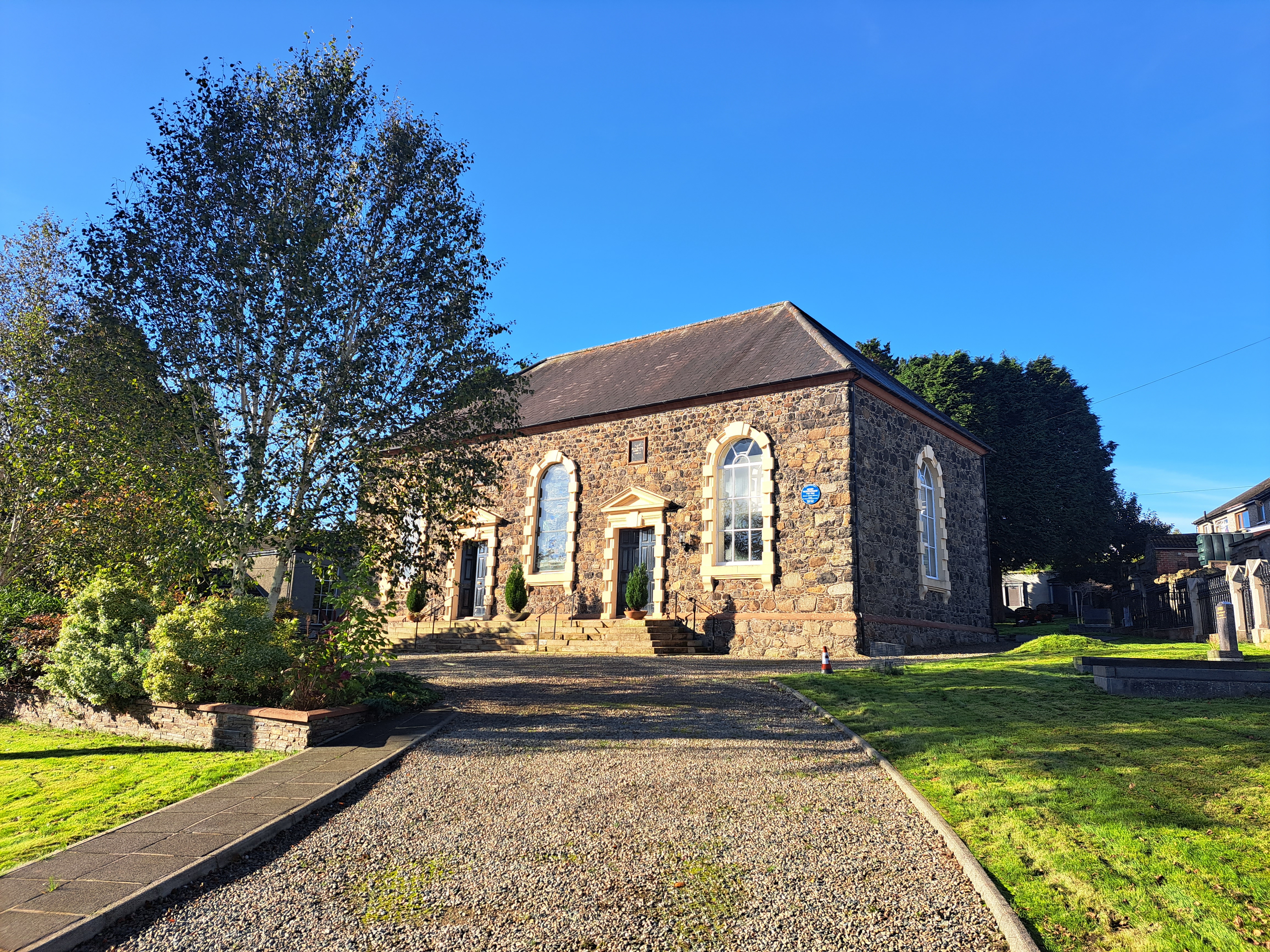
Which of the churches in our tradition do you think was the first to be filmed? Well, there is good evidence that this distinction belongs to Dunmurry. Indeed First Dunmurry (Non-Subscribing) Presbyterian Church must be among the first of all churches to appear on film in Ireland.

The original manse which appears in the film when viewed from the level crossing which itself can be seen slightly right of centre underneath the rainbow

In 1897 the famous Lumière brothers came to Ireland, or to be more precise their cinematographer Alexandre Promio did. Among other places, he filmed in Belfast and filmed segments of the rail journey from Belfast to Dublin. One day in 1897, sometime between June and October of that year, he filmed the view from the train as it pulled out of Dunmurry station. You can see this film – Départ de Dunmurry – in the video below.

The film lasts only 37 seconds and seems to have been made on a bright, sunny, probably summer’s day. As the train starts to pull out of the station the viewer sees the area around Upper Dunmurry Lane which is very hard to recognise, most of the buildings are quite different today compared to the complex of mills that were visible then. At about 22 seconds, though, you can quite clearly see Glebe Road from the vantage point of the level crossing. The wall of the Church is immediately identifiable as it curves round towards the gate, behind it you can see the grave yard and then you can see the Church through the trees as the train picks up speed. This is followed by the edge of the old manse before the view is taken up with more trees until the vista spreads out to an open field.

This film was first shown at Gatti’s Music Hall on Westminster Bridge Road, London on 21st October 1897.

It is a real piece of history and it does evoke a strange emotion to see a moving image of a place so familiar to us but as it looked 126 years ago. Yet, there we are, as we looked in the year of the Diamond Jubilee of Queen Victoria. Even then our Church was nearly 120 years old but caught in a fleeting glimpse as a steam train powers its way towards Lisburn. It is a reminder of the continuity of our witness and the unchanging core of our message set amidst an ever-changing world.

First Dunmurry, built in 1779, and possibly the first Church in Ireland to appear on film

Killyleagh and the Hincks family

Click on the video to follow the story

Killyleagh, county Down is a town remarkable for its history, much of this related to the Non-Subscribing tradition in Irish Presbyterianism. In this video we look at some of this history, including Sir Hans Sloane and local rector Rev Edward Hincks, Egyptologist and son of Rev Thomas Dix Hincks who is buried in the parsh graveyard.

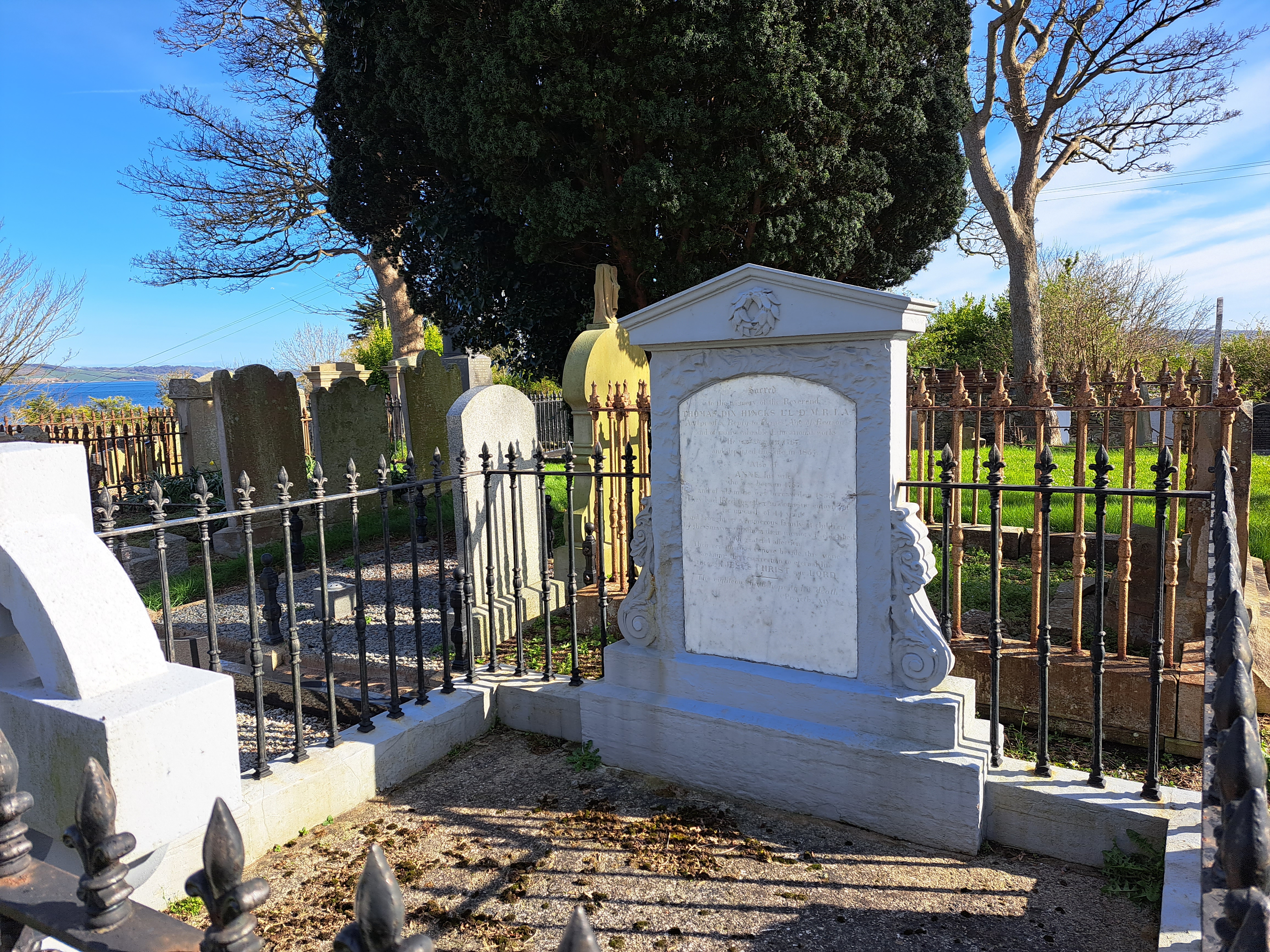
Thomas Dix Hincks was born in Dublin and educated at Trinity College, Dublin and the dissenting academy of Hackney New College, London. He became minister of the Old Presbyterian Church, Princes Street, Cork in 1790 and the following year married Anne Boult. In Cork he kept a school and helped to establish the Royal Cork Institution. He later moved to Fermoy where he ran the Fermoy Academy before coming to Belfast as Professor of Oriental Languages at the Royal Belfast Academical Institution which was then also a training college for ministers as well as a school. A pioneering educationalist and teacher he published widely over the years, he was awarded the degree of LLD in 1834 by Glasgow University and was a Member of the Royal Irish Academy.

He and his wife are buried in Killyleagh alongside their eldest son but together they established a significant Unitarian/Non-Subscribing dynasty which was influential in England, Ireland and Canada.

The grave of Thomas Dix Hincks and Anne Hincks in Killyleagh

They had seven children, two girls and five boys:

Hannah Hincks (d.c1873)

Anne Hincks (d.1877)

Rev Edward Hincks (1792-1866)

Rev William Hincks c.1793-1871

Rev Thomas Hincks (1796-1882)

Rev John Hincks (1804-1831)

Sir Francis Hincks (1807-1885)

Two of the brothers became ministers of Renshaw Street Chapel in Liverpool, amongst other things.

To hear the full story and hear more about Killyleagh click on the video at the top of the page.

Memorial window to Thomas Dix Hincks, Anne Hincks and Hannah Hincks in the First Presbyterian Church, Rosemary Street, Belfast.

A previous video explores something of the life of Rev Thoms Hincks (1818-1899) the son of Rev William Hincks (c.1793-1871). It can be seen here:

Pew Numbers 1783-1871

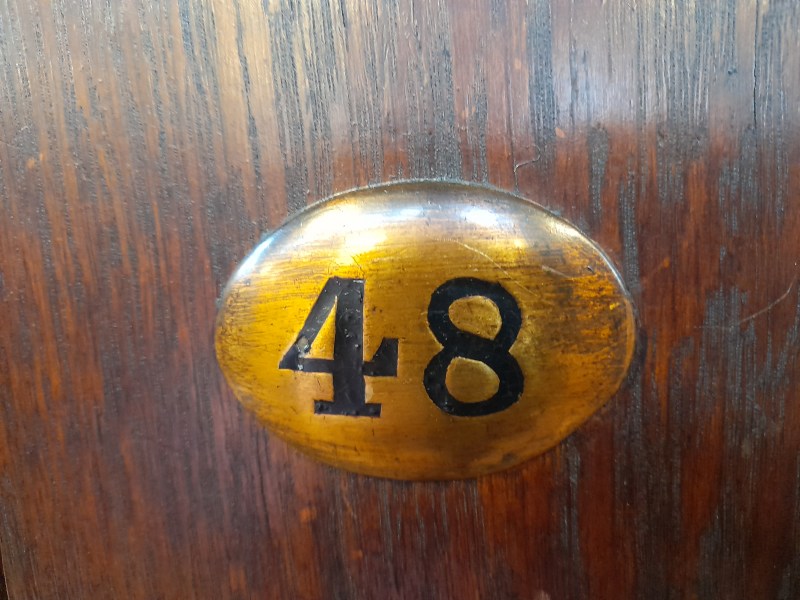
Back in September 2017 I started to look at pew numbers (click here to see that post), particularly looking at Ballee and Downpatrick. Ballee is interesting because numbers like this

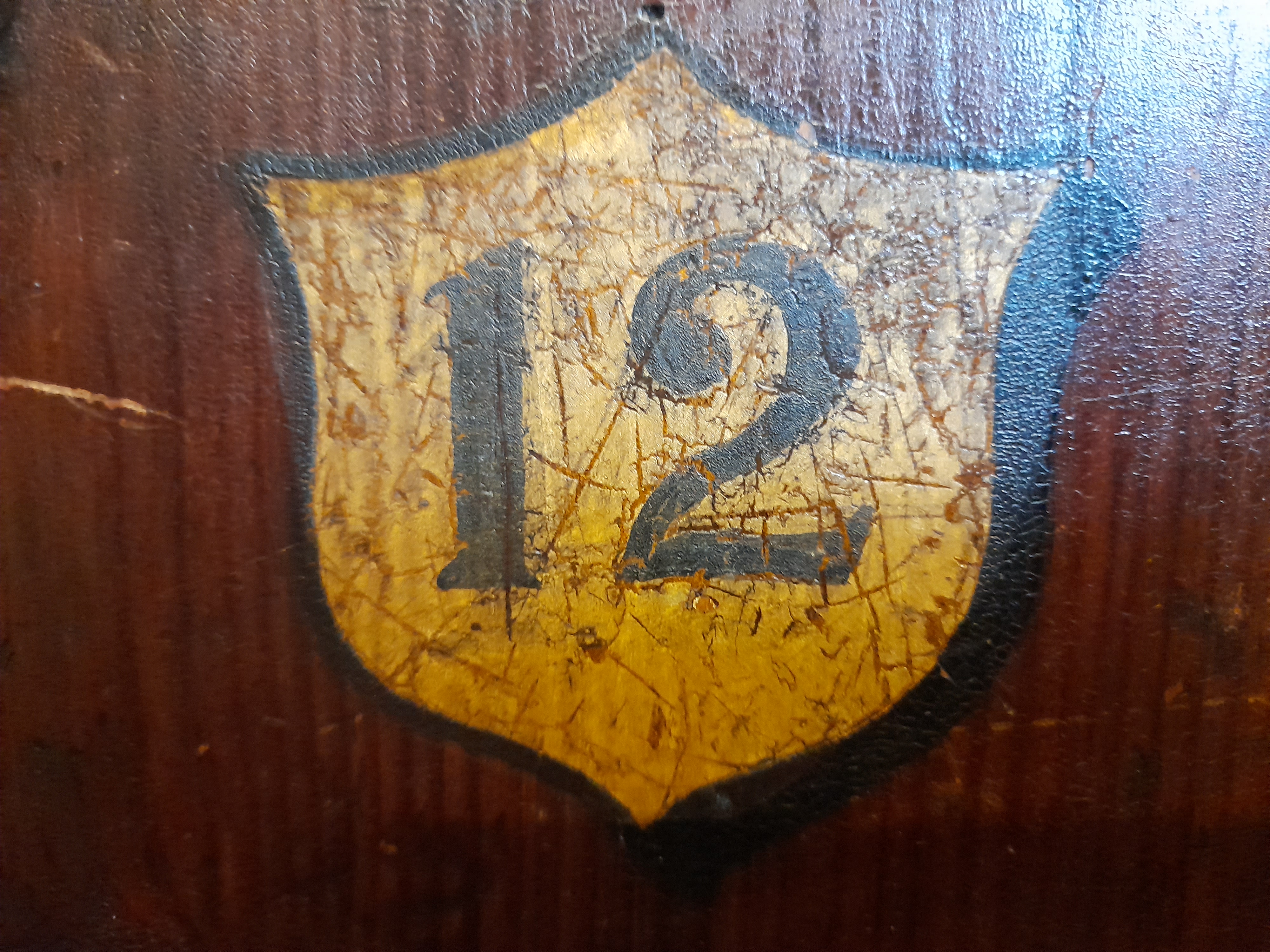
Ballee Number 12 – on the inside of a cupboard

were impressively painted on each box pew but removed when the interior was refurbished before the First World War. Since they re-used the timber in the reconstruction of the new interior if you know where to look you can still find the old numbers in odd places like the one above, which is on the inside of a cupboard door. The Ballee numbers, where they still exist, are much larger and emphatic than most pew numbers.

Downpatrick only has pew numbers upstairs in the galleries, and Clough and Dunmurry for instance, don’t have any numbers at all. In modern times the idea of numbering pews is not something that anyone would take up, but for hundreds of years it was essential. Pews were occupied via pew rents, the families who rented them had an entirely proprietorial attitude to the pew or half pew which they paid for. This is the origin of the sense – which many people still have – of a certain pew being ‘their’ pew. In many cases, generations ago, this was quite literally true. In more recent times large urban congregations that had prominent preachers would tell those who rented pews to be in place fifteen minutes before the service began or else their pew would be given to some of the queue of potential hearers formed up outside.

But I have had a look out for pew numbers recently and here is a selection.

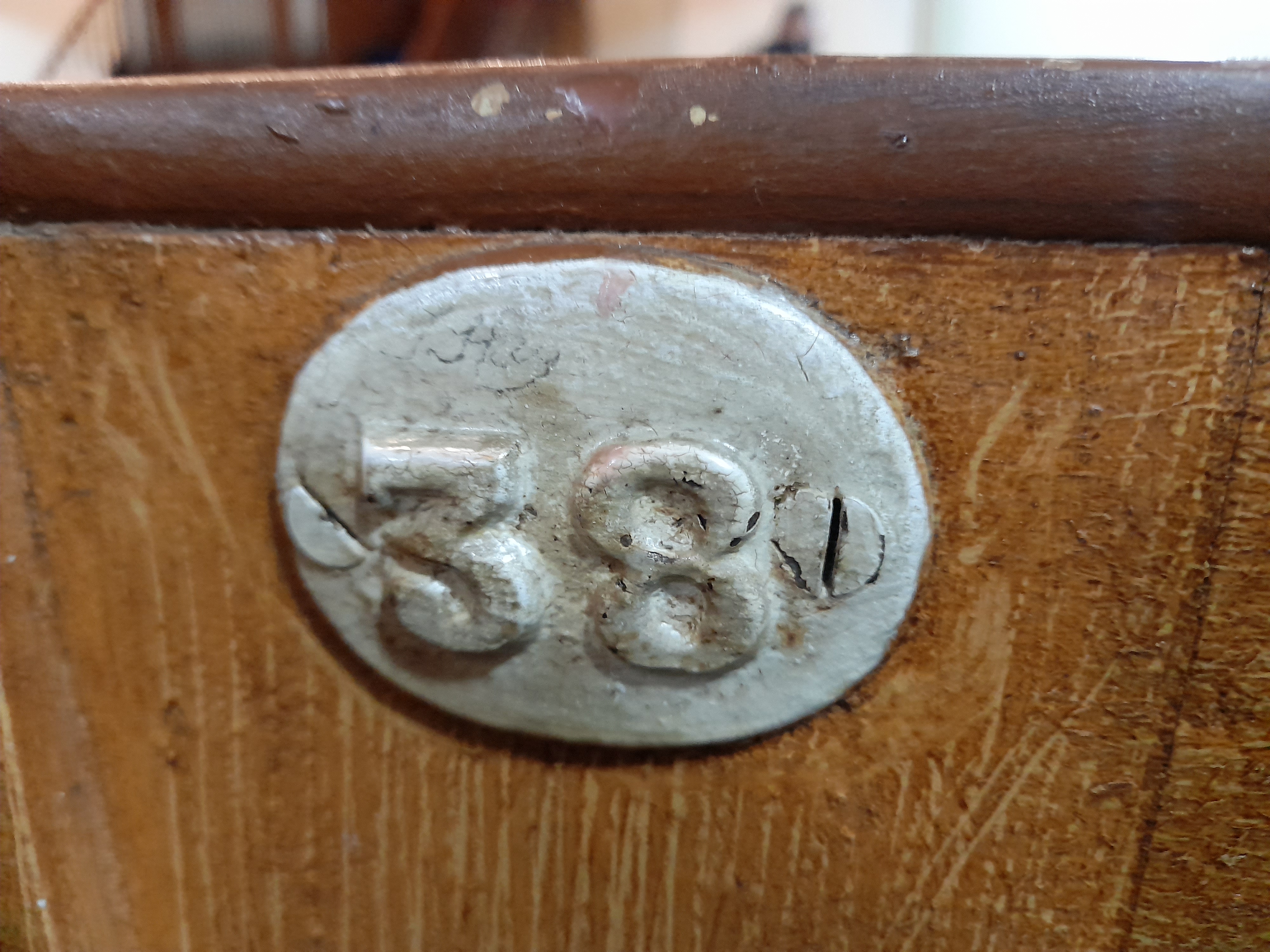
First of all a nice example of a ceramic pew number from Killinchy. The Non-Subscribing Presbyterian Church in Killinchy was built in 1846 and I have no reason to doubt that this sequence of numbers all date from that period:

Killinchy 38

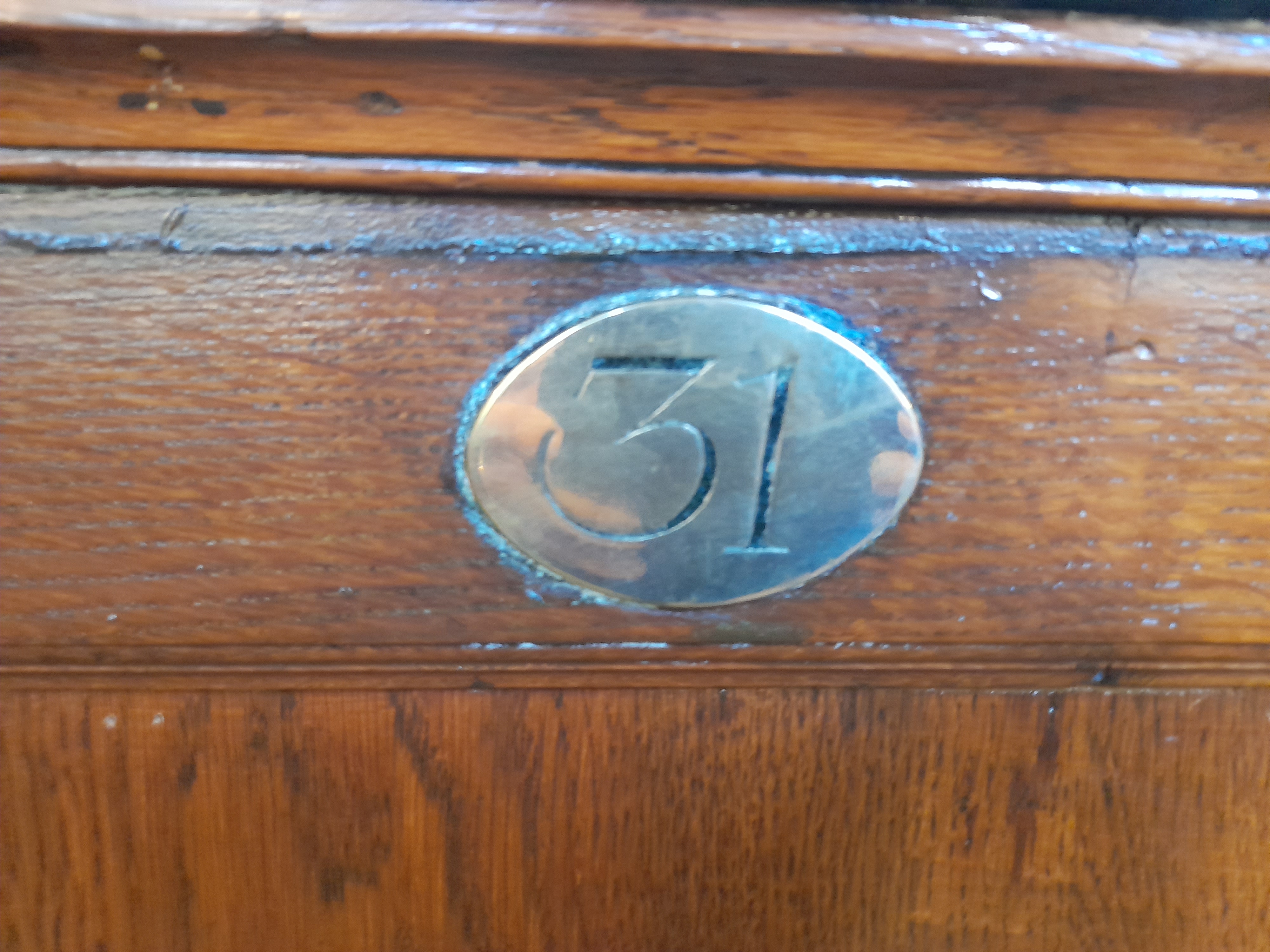
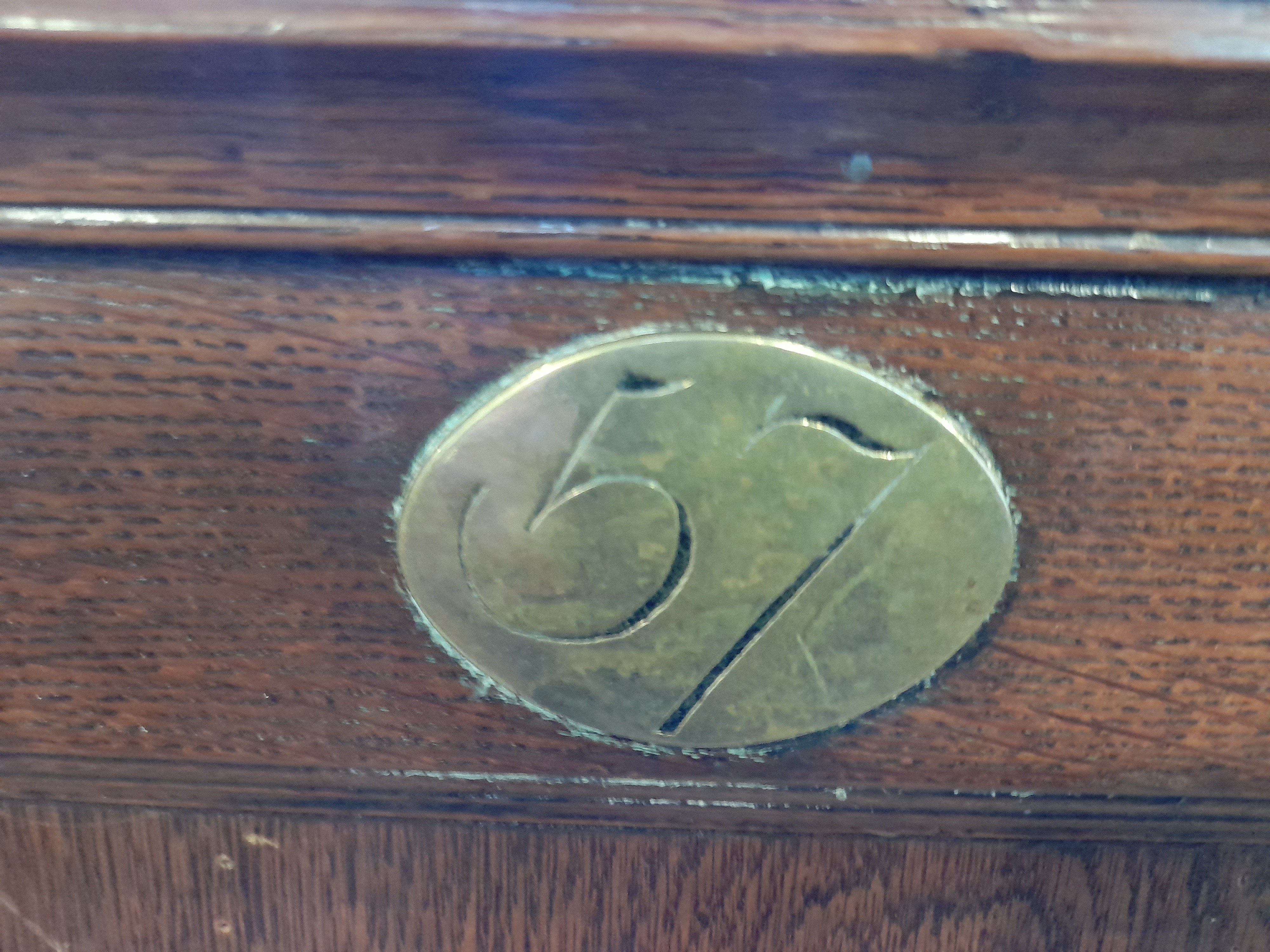
Older examples, which I would suspect date from the opening of the church in 1783, are the engraved brass numbers affixed to the oak doors of the pews in First Church, Rosemary Street, Belfast:

First Church, Belfast 31
First Church, Belfast 57

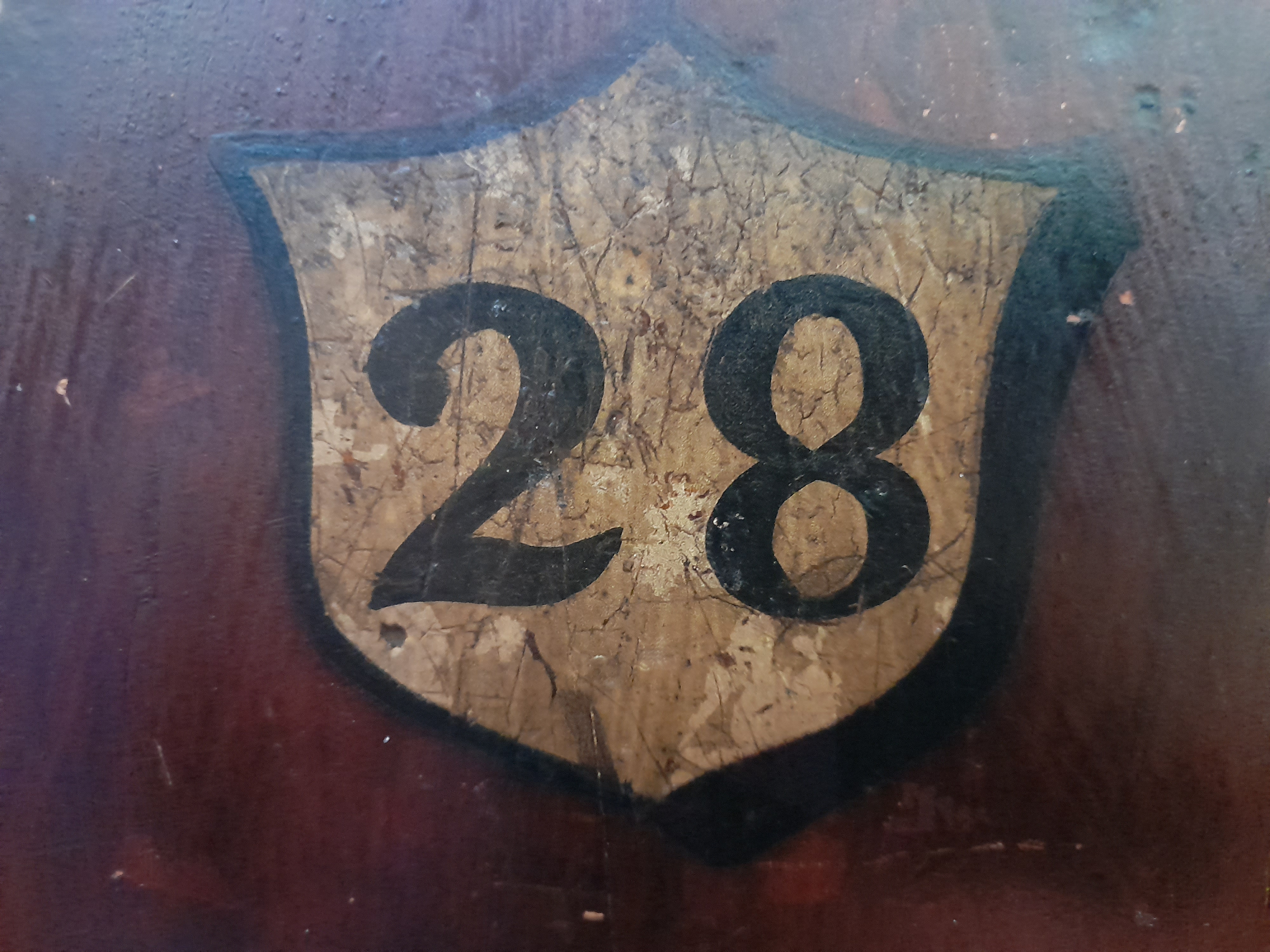
In Dublin Unitarian Church the numbers are painted and again will date from the opening of the church, in this case in 1863.

Dublin 28

You can see the care and precision that has gone into these numbers with their three dimensional gold shields.

Dublin 12

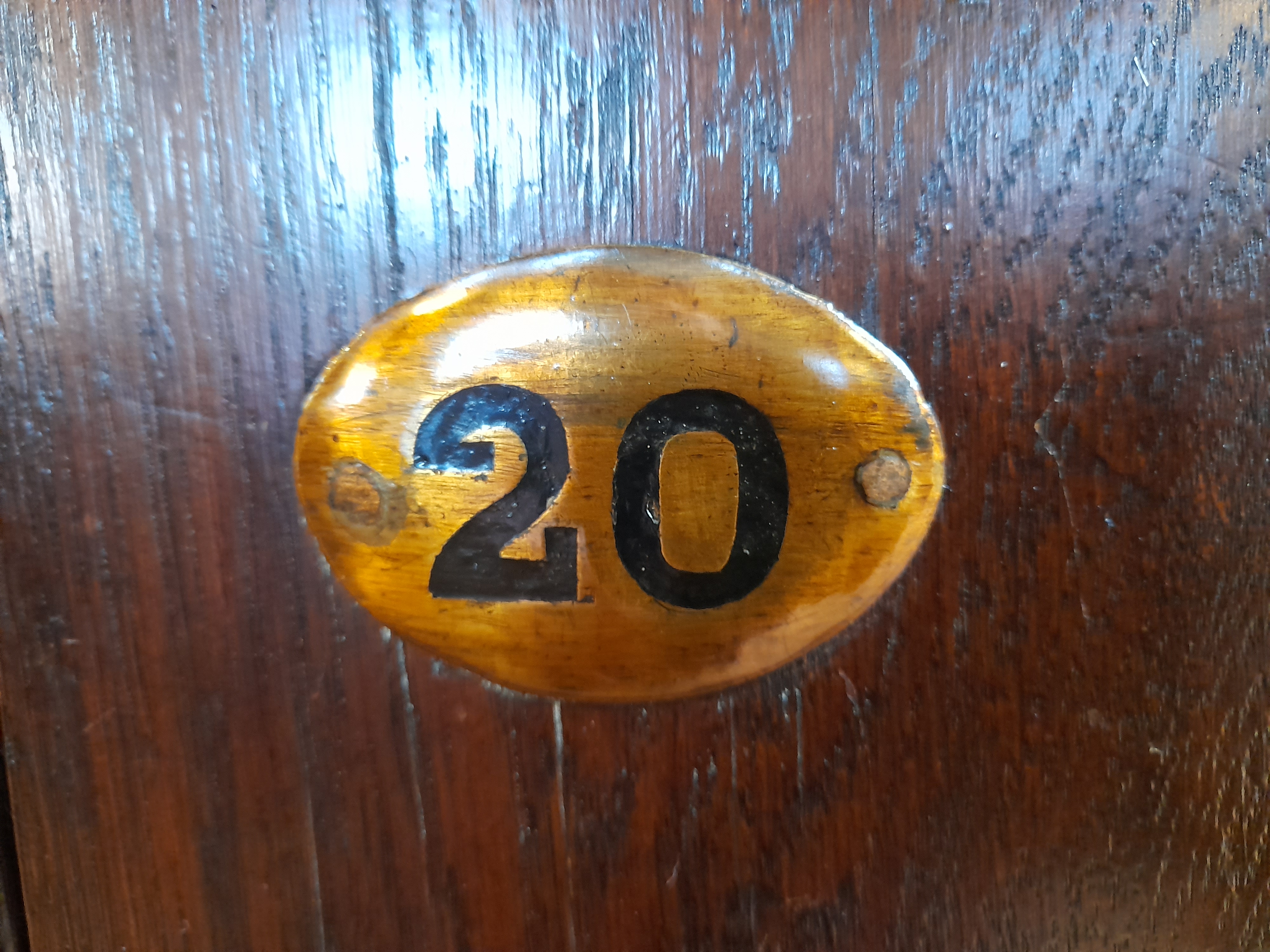
All Souls’ Church, Belfast dates from 1896, a building designed by the architect Walter Planck. But the pews are much older and the numbers will be as old as the pews. Again these are brass with the numbers engraved on the surface and picked out in black paint. They still look sharp and clear. The pews in All Souls’ date from 1871. In that year the interior of the Second Congregation, also on Rosemary Street, Belfast, was entirely re-modelled and the box pews replaced with modern open pews, possibly re-using some of the timber from the old pews. This would have been a move as bold and radical in 1871 as a church hauling out its pews today and replacing them with chairs.

All Souls’ 24

The numbers must date from Rosemary Street times because they never were an entirely complete sequence, a tendency which has become more noticeable as more pews have been removed in the last decade.

All Souls’ 20

In all these churches a lot of effort has gone into supplying bespoke numbers for the pews. Times change and their importance has waned but each example speaks to us eloquently of a particular time and place.

The Roots of Protestant Dissent in Dublin

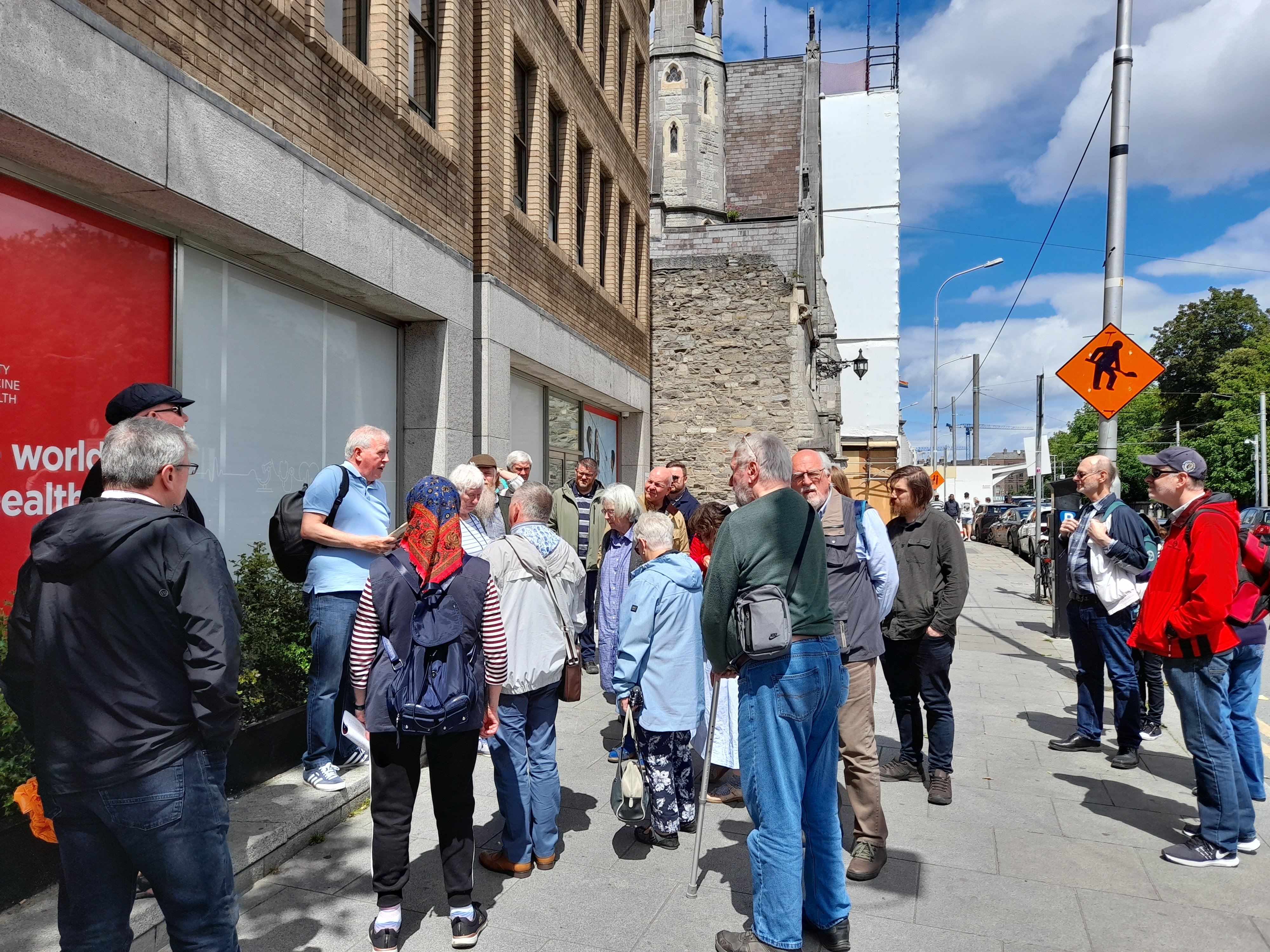
On Saturday, 11th June members of Dunmurry along with members of First Belfast and All Souls’ Non-Subscribing Presbyterian churches enjoyed a great visit to to Dublin. We were made very welcome by the Unitarian congregation on St Stephen’s Green and treated to an excellent tour of sites connected with the roots of Protestant Dissent in Dublin by Rory Delany.

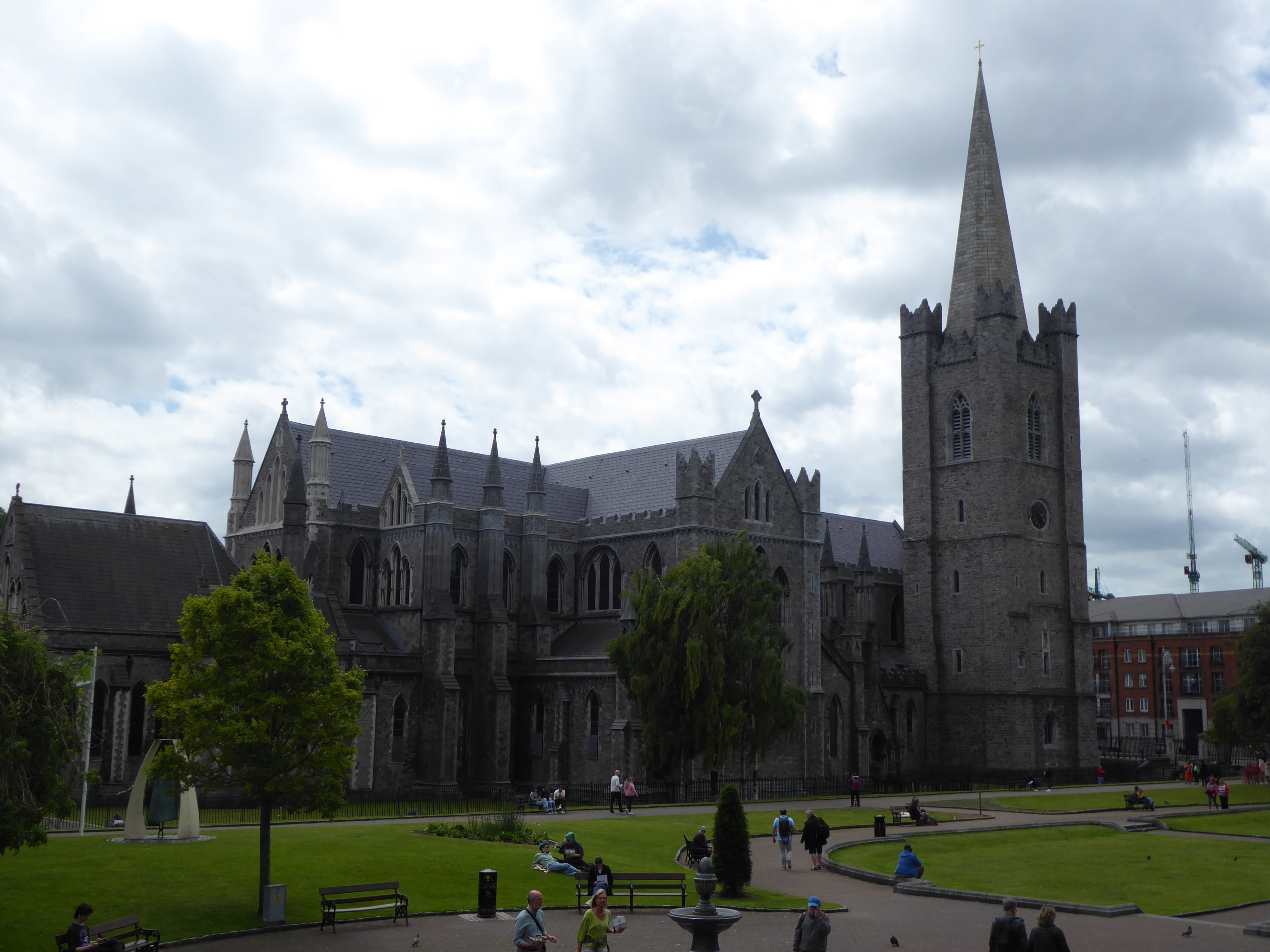
St Patrick’s Cathedral Dublin, where Cromwell is said to have stabled his horses in the 1650s

Rory has a fund of knowledge about the history of Dublin and of the different strands of Dissent in the city, which largely date back to the period of Oliver Cromwell. We were taken on a fascinating walk around some of both the familiar and not so familiar parts of Dublin and all of us gained a deep insight into the way Dissent – Independency – Presbyterianism – Unitarianism – developed in the city and the contribution made by members of the Dissenting churches to the history of the city.

Starting the tour outside the church on St Stephen’s Green

Rory gave us an outline of the plan before we set off. The Unitarian Church was built in 1863 by the congregation of Strand Street and four years later it was joined by the congregation of Eustace Street. These two congregations contained many of the leading merchants in the city, families which had played an important part in civic life for decades, and were groups which were rooted in at least four churches which had maintained a continuity of existence from Cromwellian and Puritan times onwards.

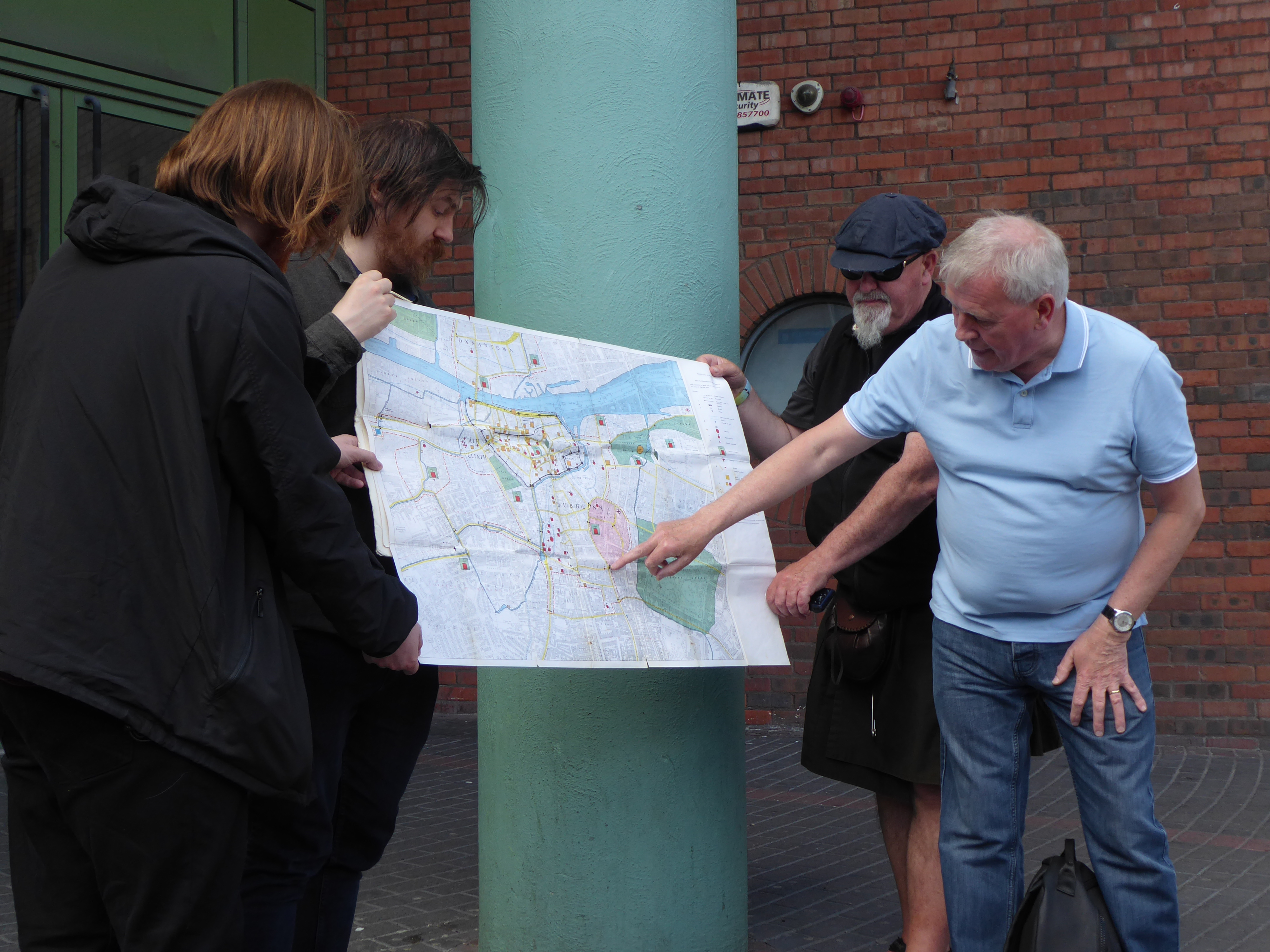
Rory explaining the location of the medieval city

Perhaps the most direct stream of religious life which fed in to the modern church on St Stephen’s Green was that of Wood Street. The first minister connected with this congregation is usually said to be John Owen, a leading Puritan divine who came to Dublin as chaplain to Oliver Cromwell and later became dean of Christ Church, Oxford during the Commonwealth. The congregation may date back to Elizabethan times but the first minister in Wood Street itself is thought to be Stephen Charnock who came to Dublin as chaplain to Henry Cromwell in 1655. A fellow of Trinity College, Dublin he was a ‘lecturer’ at St Werburgh’s and returned to England following the Restoration in 1660.

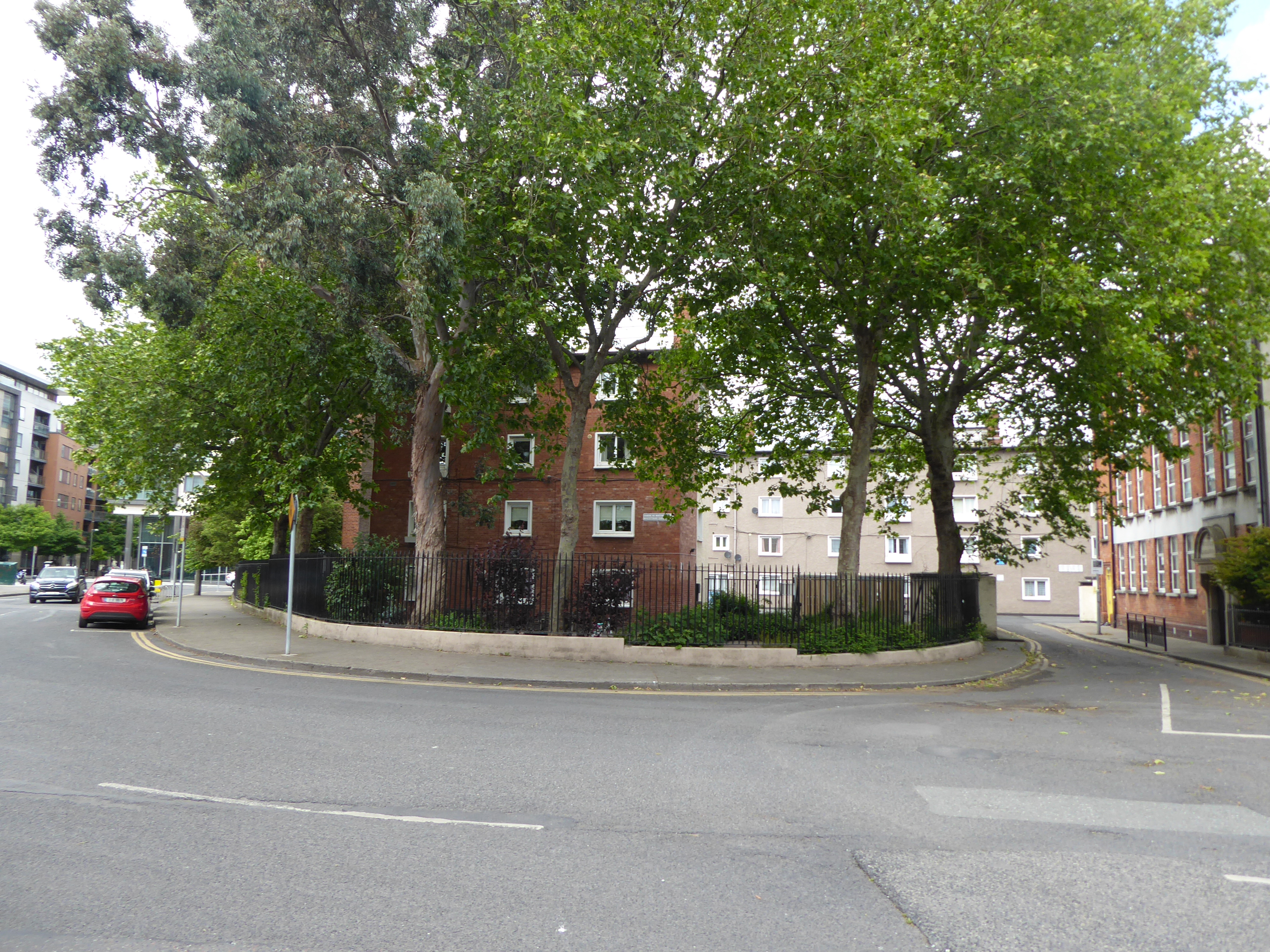
This unprepossessing view is actually the site of the Wood Street meeting-house

Wood Street was the scene of the ministry of Daniel Williams for approximately 20 years. Welsh-born he moved to London in 1687 and became the leading figure in English Dissent, establishing the library that bears his name to this day. Other distinguished and sometimes controversial ministers to serve this congregation include Joseph Boyse, Thomas Emlyn, John Abernethy and James Duchal (click on the links where shown for more information on this blog) . The congregation moved to Strand Street in 1764.

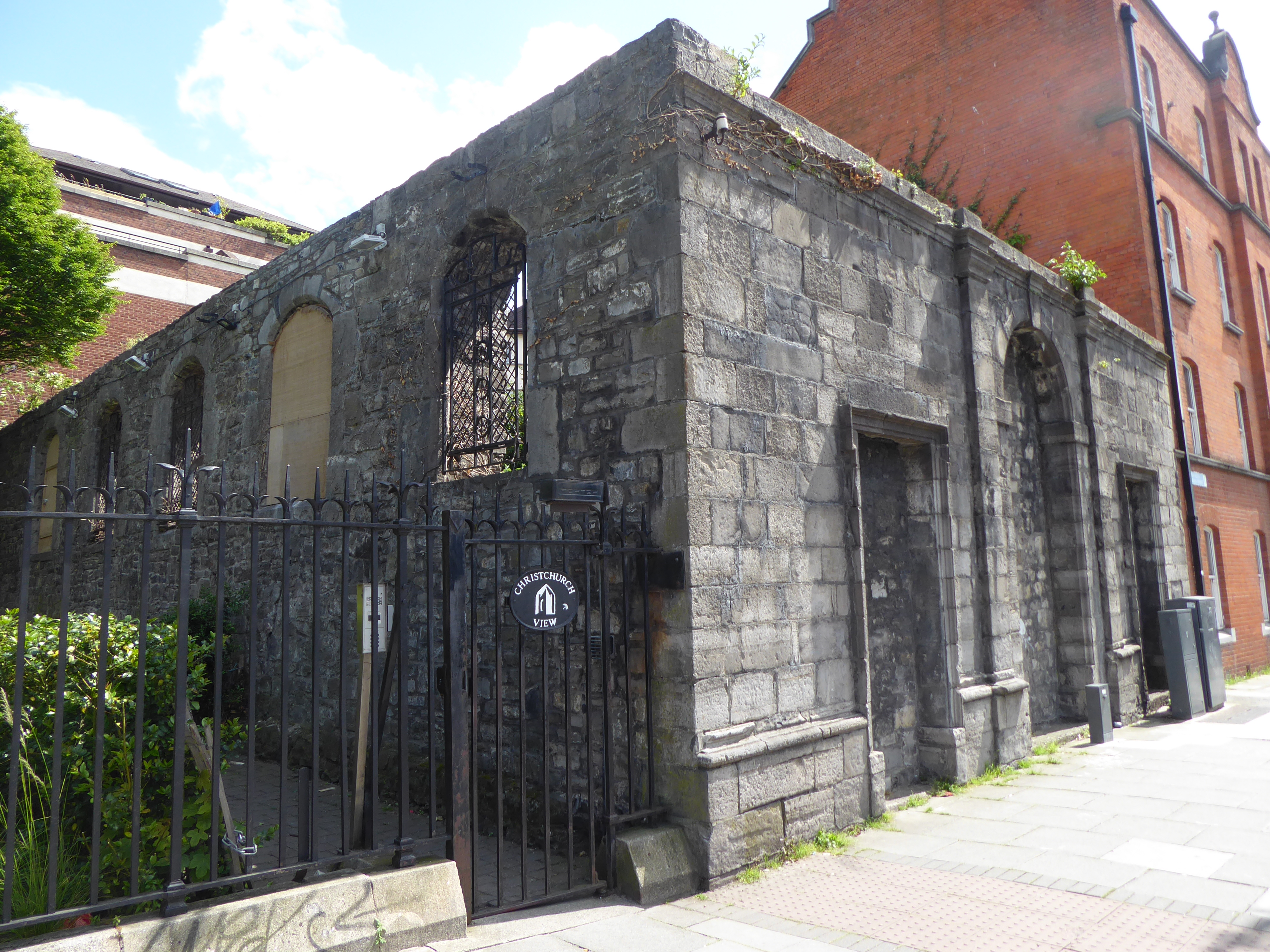
The ruins of St Nicholas’ Church just opposite Christ Church Cathedral
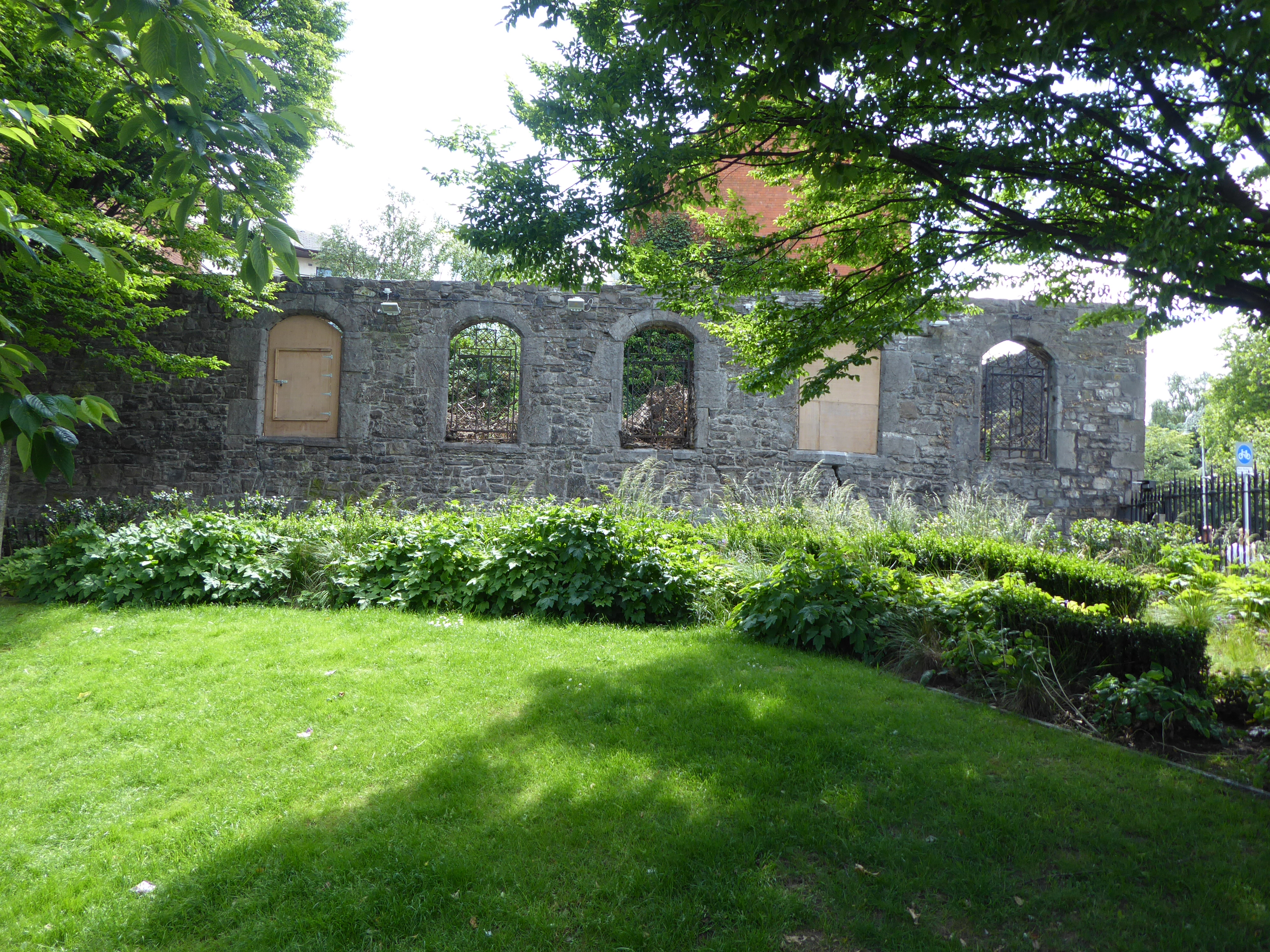
The burial ground of St Nicholas’ Church, now a Peace Garden

Samuel Winter, a key figure in Cromwellian Ireland and Provost of Trinity College, was also preacher at St Nicholas’ Church from 1650 and had as colleague from 1656 Samuel Mather, the son of Richard Mather (for more on his family and their connection with Toxteth click here) a leading Puritan in England, New England and Ireland. Samuel Mather was a lecturer at Christ Church and a Fellow of Trinity College. He died in 1671 and was buried in St Nicholas’ Church. He was later succeeded in the ministry by his brother Nathaniel, by which time the congregation had built their own meeting house on New Row.

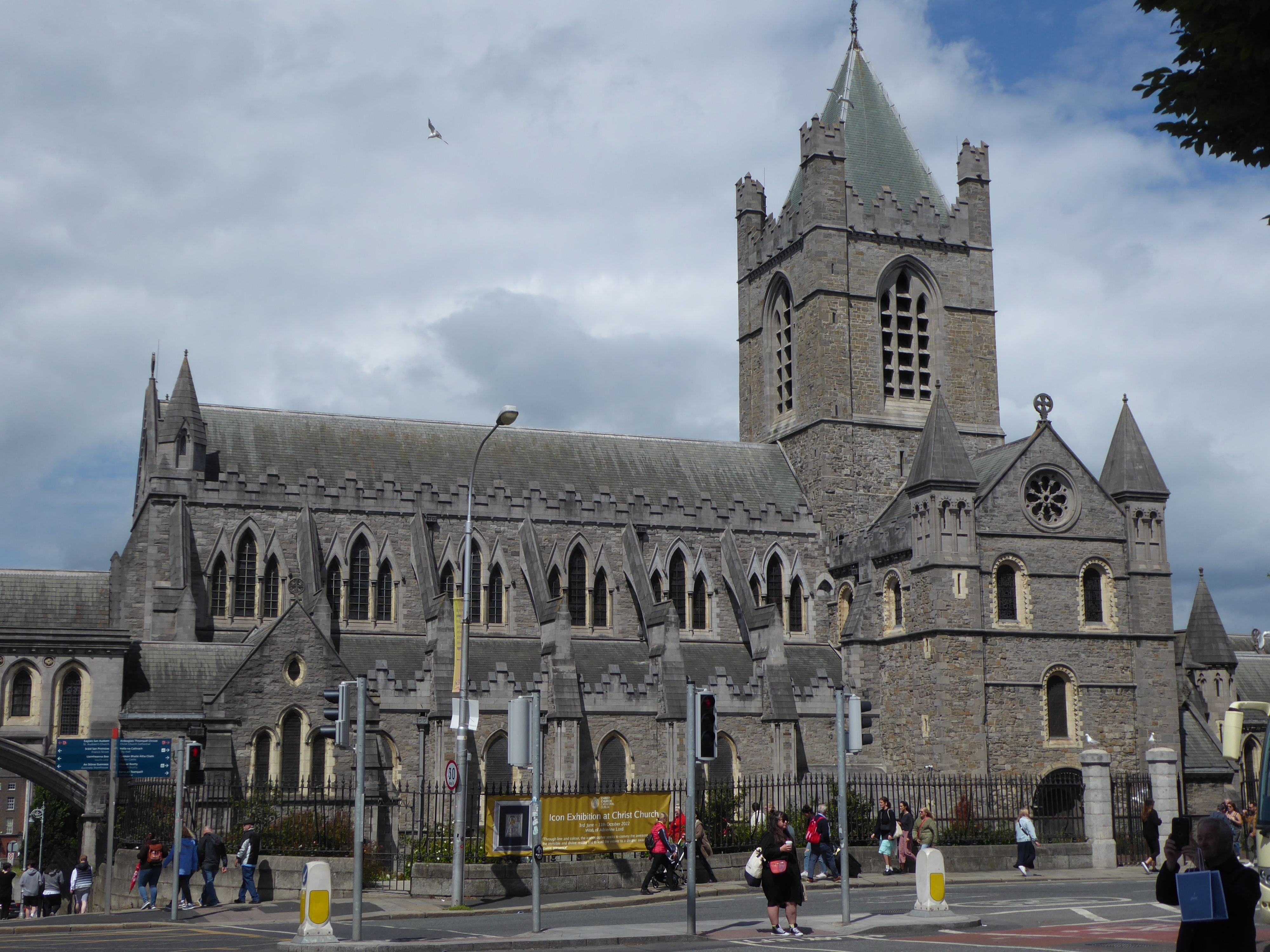
Christ Church Cathedral, Dublin

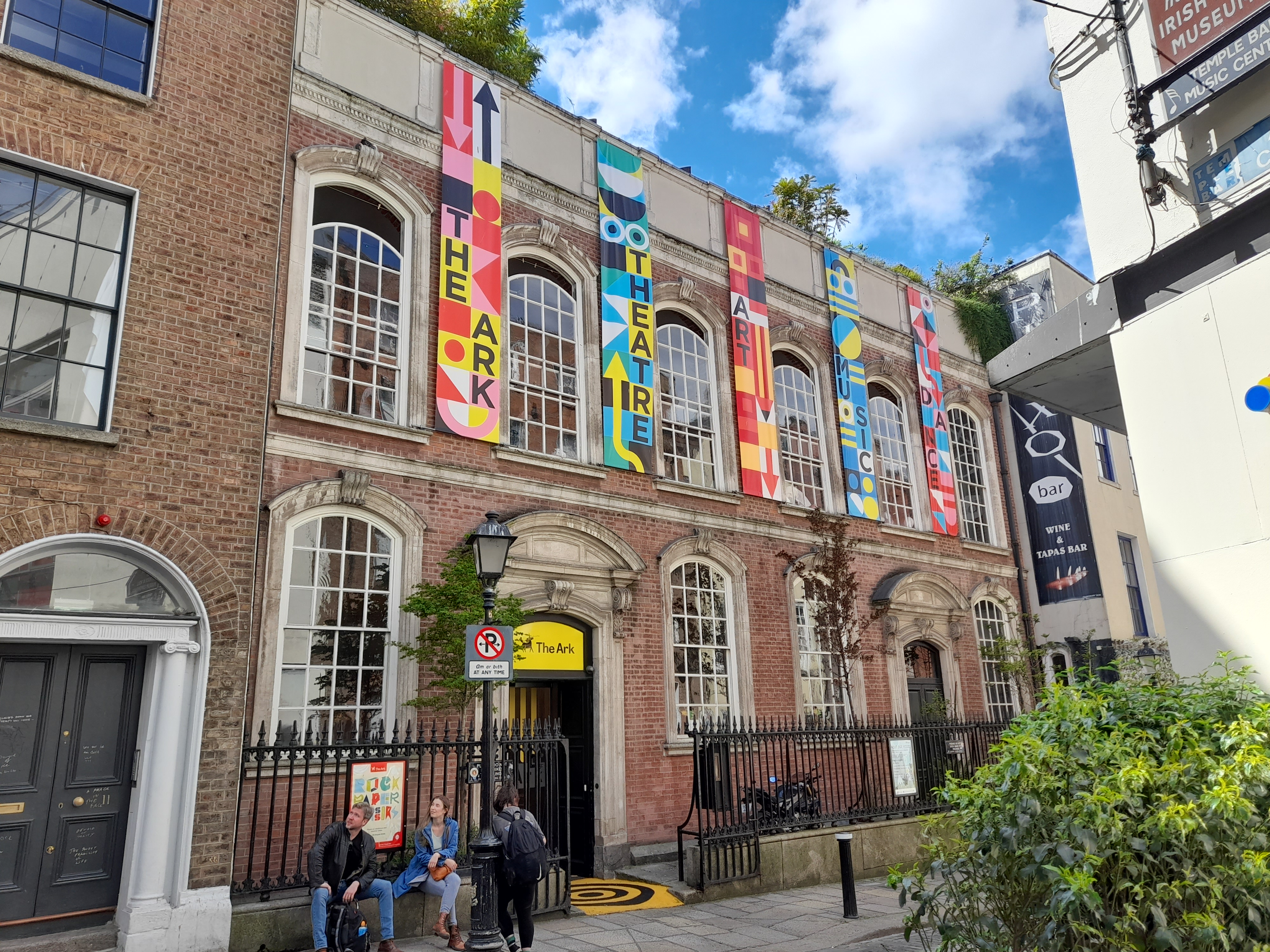
Eventually New Row moved to Eustace Street in 1728. Nearby was a Quaker meeting-house and Rory told us that one of the Quakers said of the Eustace Street meeting-house that ‘When there is so much vanity without, there won’t be much religion within’. But it is actually a very well-proportioned and elegant building, although eighteenth-century Quakers had their own view of such things. Having said that what survives of Eustace Street today is only the facade and that is not shown off to best effect by the banners hung outside by the Ark Theatre group that use the new building.

The surviving facade of Eustace Street meeting-house

Eustace Street was also the location of the first ministry of James Martineau (click here to read more about James Martineau on this blog).

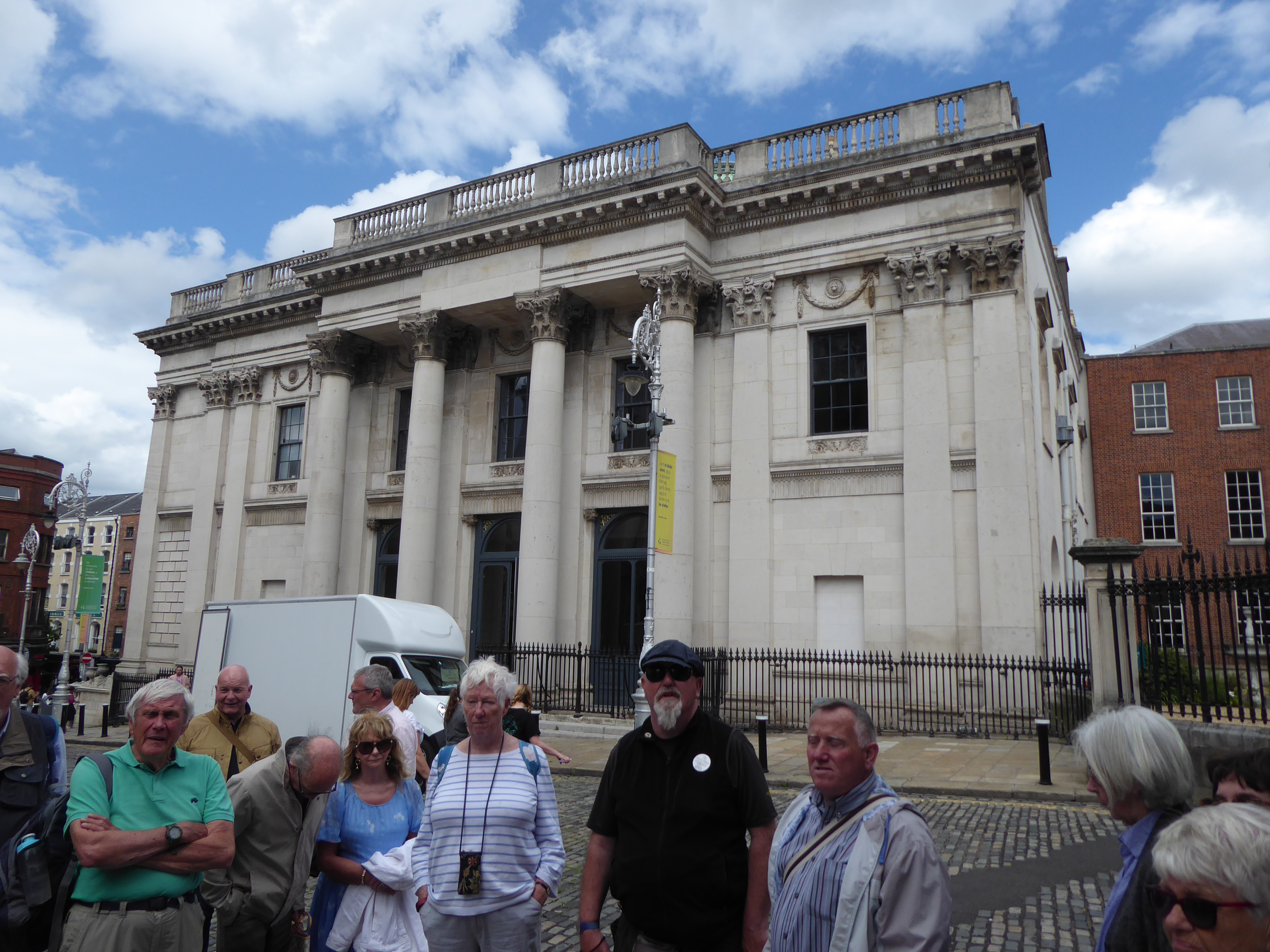
Side view of the City Hall, originally the Royal Exchange

We had a brief look at the City Hall, built originally as the Royal Exchange in 1779 by the precursor of the Chamber of Commerce. The merchants who made up the membership of the Chamber of Commerce included a disproportionate number of Protestant Dissenters, and of these a large proportion were members of one of the three Presbyterian (Unitarian) congregations in Dublin. Indeed, Rory told us, a majority of the Presidents of the Dublin Chamber of Commerce between 1785 and 1870 were trustees or members of the congregations which went on to form the St Stephens Green congregation.

It was a wonderful day full of interest and we are all indebted to Rory for sharing his considerable knowledge with us.

Dublin Unitarian Church, St Stephen’s Green

Rev John Scott Porter (1801-1880)

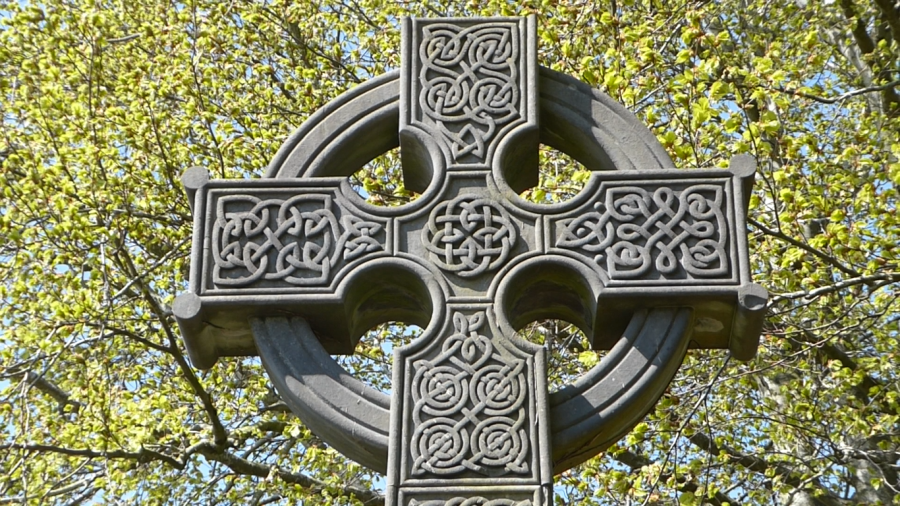
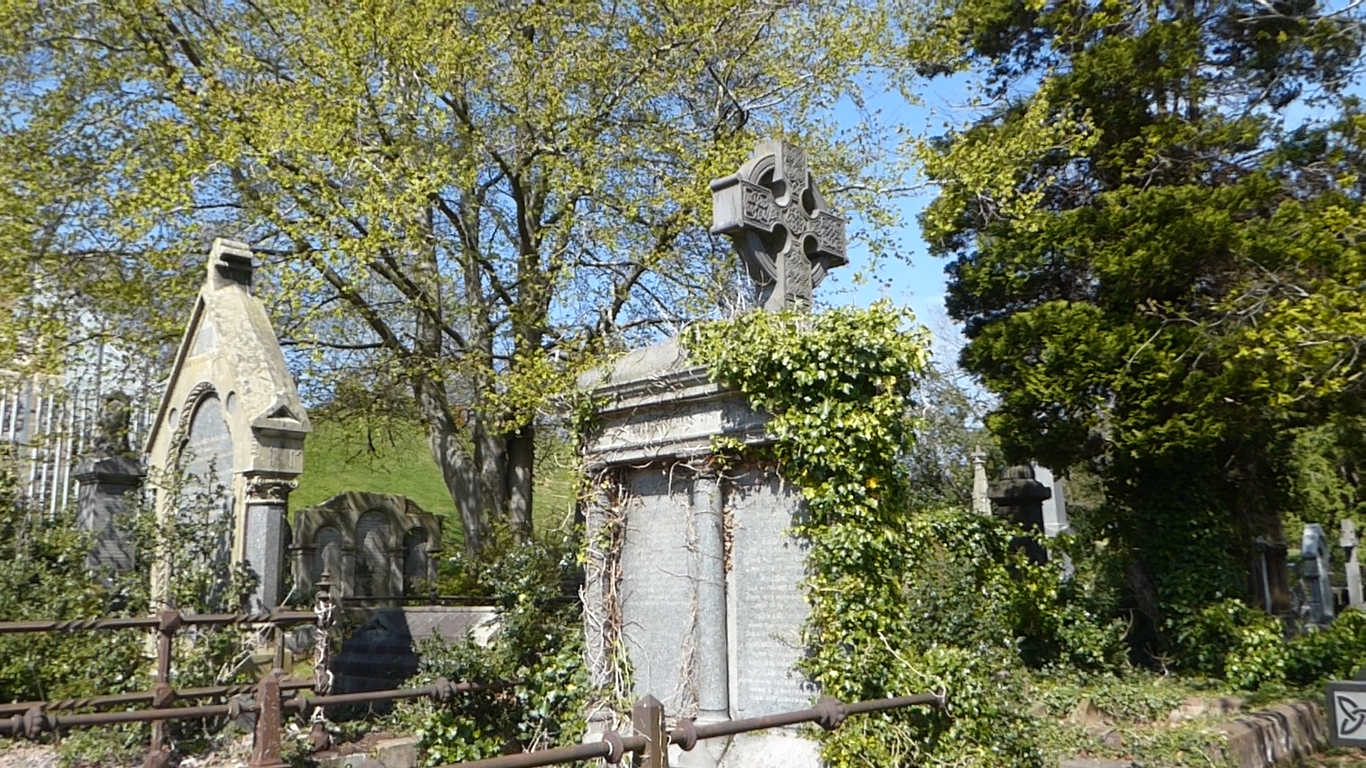
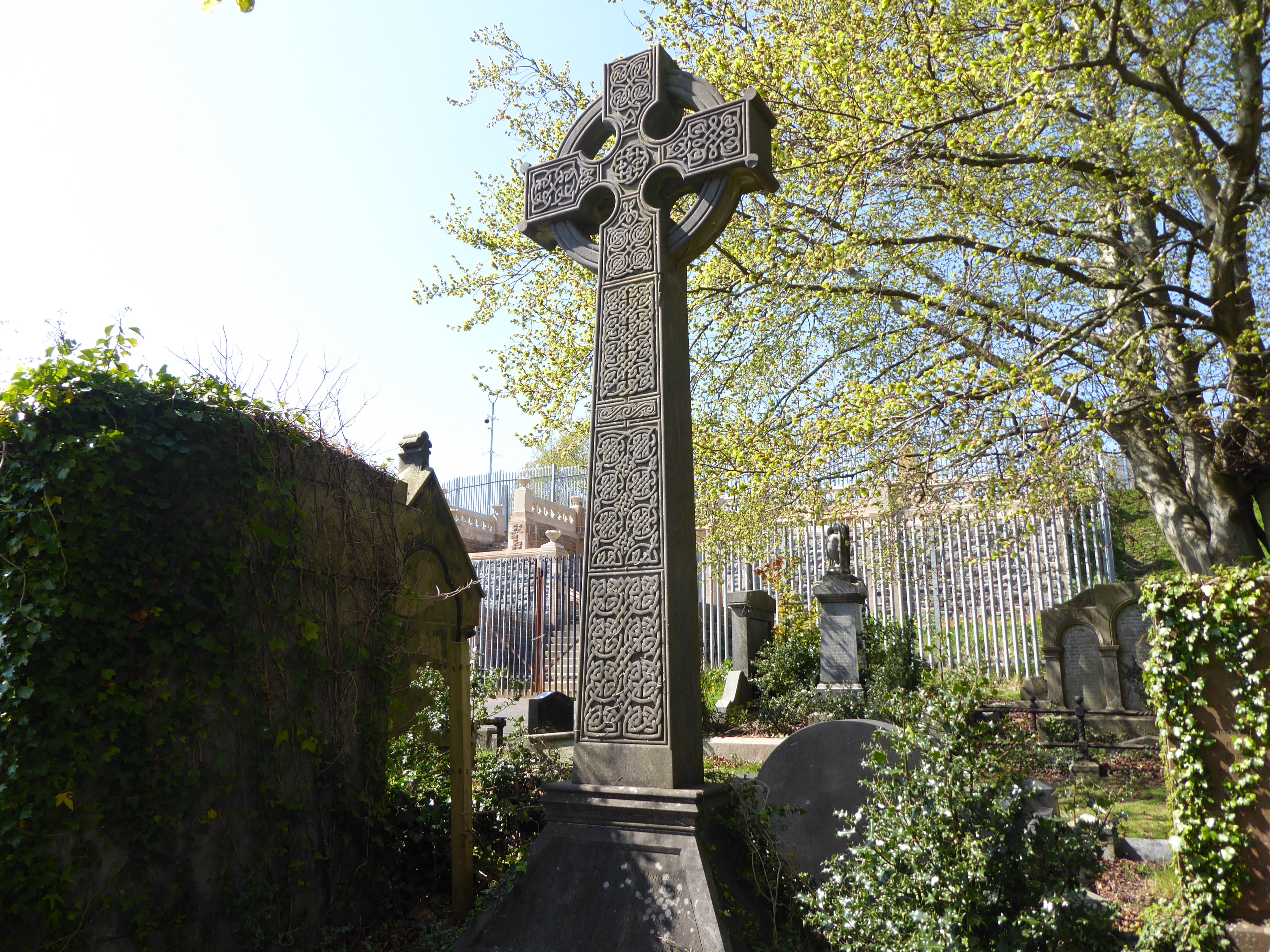
In an overgrown corner of Belfast’s City Cemetery stands a bold and intricately carved Celtic cross which marks the grave of the Rev John Scott Porter.

Son of a prominent Presbyterian minister and brother to two more he was part of a significant dynasty. This week’s Reflection looks at the life and work of John Scott Porter.

Rev John Scott Porter (1801-1880) – click on the video above (available from 8.00 am on Sunday, 8th May).

Educated at the Belfast Academical Institution he commenced his ministry at Carter Lane Chapel, London (which became Unity Chapel, Islington), where he became a prominent proponent of the Arian group within English Presbyterianism, editing the Christian Moderator. He returned to Belfast, to the First Presbyterian Church, in 1831.

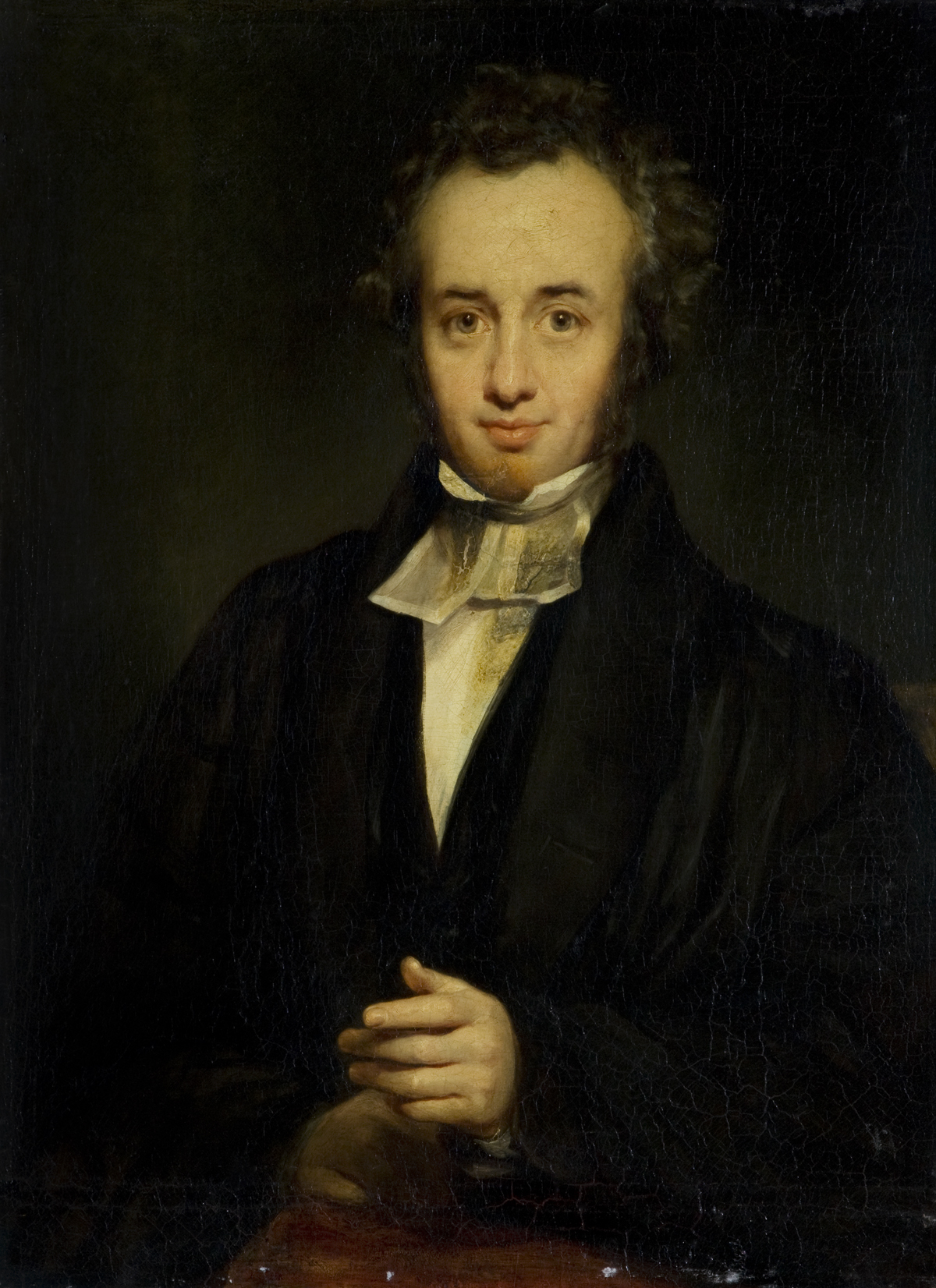
John Scott Porter c.1845 by Richard Rothwell (Ulster Museum/National Musuems Northern Ireland)

In the video we reflect on his career as a theologian, controversialist, Biblical scholar and Unitarian. Other members of his family are buried with him including his brother William, one time attorney general at the Cape Colony, who brought in a franchise that was inclusive of all races.

What can we learn from reflecting on the impressive Celtic cross that marks his grave? An eloquent Victorian statement of piety and memory, for decades long forgotten, yet still making a statement about his beliefs and his ministry.

The A to Z of Non-Subscribing Presbyterianism V to Z

We have now completed the whole of our alphabetical survey having added the letters V to Z over the Christmas period. V stands for Verse, W looks at the role of Women in the church and ministry, X is represented by eXile, Y stands for Yahweh, and Z is for Zechariah. All the videos can be seen below.

Verse

V is for Verse

Where fishes play and bells do ring

Having reached the letter V in our study of Non-Subscribing Presbyterianism we look at poets and poetry in our tradition. Radicals, United Irishmen, literary giants, writers in Ulster Scots; the story of poets in our tradition is remarkably broad.

Who was the first person to refer to Ireland as the ‘Emerald Isle’? Which Ulster town was described as a place ‘where fishes play and bells do ring’? Which hymn penned by a Non-Subscriber has been in print for over 200 years? To which congregation did the ‘Shipyard Poet’ belong? Find out the answer to these and other questions in today’s service which looks at seven poets from the Non-Subscribing Presbyterian tradition. Conducted by the Rev Dr David Steers and filmed at First Presbyterian (NS) Church, Dunmurry the reading is from Isaiah ch.12 v.4-6. Church organist Allen Yarr plays the hymns: Just as I am, Thine own to be (Church Hymnary 497) and Thy Kingdom come, O God (Church Hymnary 152).

Women

The A to Z of Non-Subscribing Presbyterianism: Women

The twenty-third in a series of alphabetical explorations of the Non-Subscribing Presbyterian Church of Ireland. W – Women. Non-Subscribing Presbyterian Worship conducted by the Rev Dr David Steers. Filmed at Ballee and Dunmurry Non-Subscribing Presbyterian Churches. Reading: Acts ch.16 v.11-15. Organist: John Strain (Ballee) who plays the hymns: My spirit longs for thee (Hymns of Faith and Freedom 301) and Sent forth by God’s blessing (Hymns of Faith and Freedom 409). In today’s service we look at the role of women in our denomination and at the Rev Gertrude von Petzold who has the distinction of being the first women minister, commencing her ministry in Leicester in 1904.

X is for eXile

X is for eXile, the influence of Irish Non-Subscribers around the world

In this service we look at the considerable contribution made by Non-Subscribers who left their native shores to found churches and extend their faith all around the world, particularly in Canada, New Zealand and South Africa. Who knew that there was once a Presbytery of Canada or that the first electoral register in the Cape Colony in South Africa was introduced by a Non-Subscriber and paid no attention to race? The service is conducted by the Rev Dr David Steers and filmed at Downpatrick and Dunmurry Non-Subscribing Presbyterian Churches. The reader is Gilbert Cameron (Dunmurry) who reads Jeremiah ch.24  v.4-7 and the organist is Laura Patterson (Downpatrick) who plays the hymns: In the bleak midwinter and When he cometh. At the start of the service John Strain also plays ‘Hark a thrilling voice’ on the organ at Ballee.

Yahweh

The A to Z of Non-Subscribing Presbyterianism: Yahweh

The name of God

In the penultimate service in our alphabetical journey through our religious tradition we have reached the letter ‘Y’ and look at the Hebrew word for God, what we understand by it and how it influences our faith in the twenty-first century. Filmed at Ballee, Clough and Dunmurry Non-Subscribing Presbyterian Churches the reader is Elsie Nelson (Clough) who reads Exodus ch.3 v.1-6. John Strain plays the hymns: I heard the voice of Jesus say (Hymns of Faith and Freedom 199) and Go work in my vineyard (Hymns of Faith and Freedom 294). At the start of the service John also plays Lo he comes with clouds descending.

Zechariah

Z is for Zechariah

Having reached the letter Z in our journey through the alphabet of our denomination, Z stands for Zechariah. This service is filmed at Ballee and Dunmurry. The reader is Robert Neill (Downpatrick) who reads Luke ch.1 v.67-79. Laura Neill (Downpatrick) plays Auld Lang Syne on the bagpipes. John Strain plays the hymns: I heard the voice of Jesus say (Hymns of Faith and Freedom 199) and Go work in my vineyard (Hymns of Faith and Freedom 294).

The A to Z of Non-Subscribing Presbyterianism: Abernethy

This week we begin a new series of videos. The A to Z of Non-Subscribing Presbyterianism will be an alphabetical exploration of the Non-Subscribing Presbyterian Church of Ireland, looking at its identity and ethos through items and ideas possessed by its churches.

John Abernethy

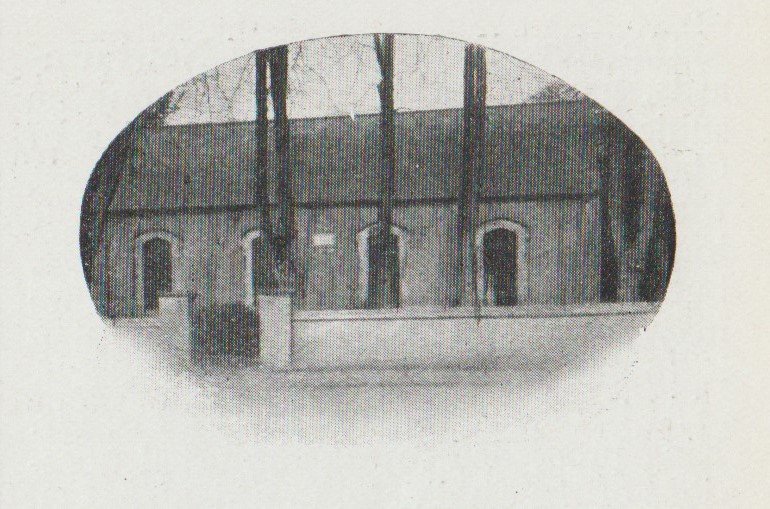
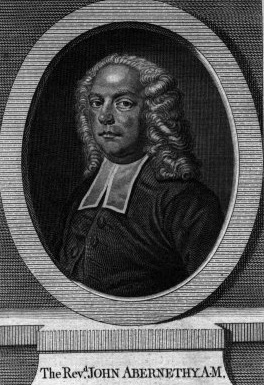
I say at the start that this will not be a succession of biographical accounts of outstanding individuals – and I will stick to that. However, that is exactly where I have to start with John Abernethy (1680-1740). It is hard to avoid him and would be a mistake to do so, he is such a remarkable and crucial figure. Among other things he was minister at Antrim (see picture at the top of this page).

Click on the above video to join in the service (after 9.45 am on Sunday, 27th June)

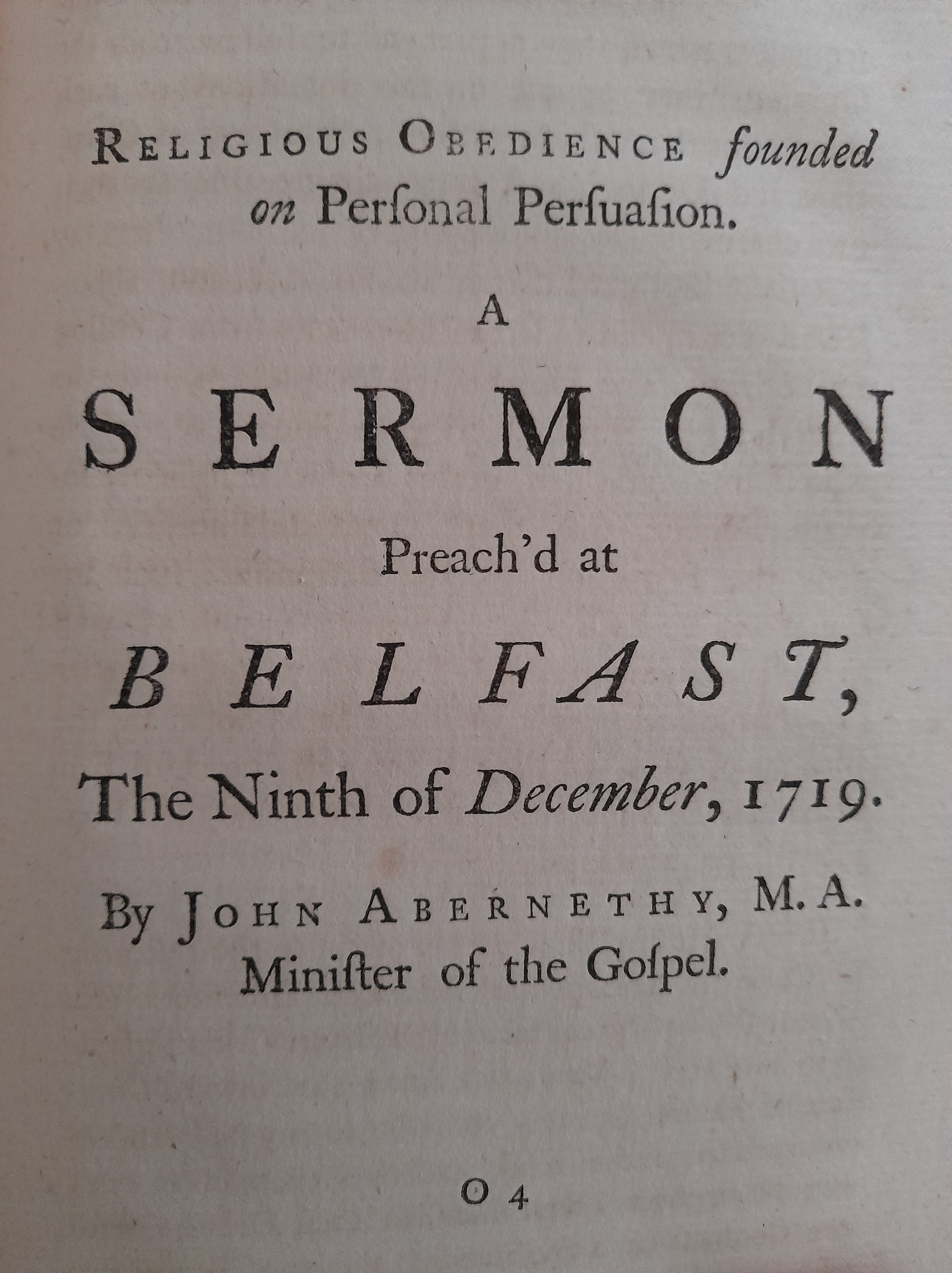
The service is filmed in Ballee where John Strain plays the church’s Carnegie organ and features the hymns When morning gilds the skies (Hymns of Faith and Freedom 26) and When I Survey the Wondrous Cross (Hymns of Faith and Freedom 158). The reading is Romans ch.14 v.5-9 which is the passage that inspired Abernethy’s famous sermon of 1719 on Religious Obedience Founded on Personal Persuasion.

The title page of Abernethy’s published sermon of 1719

Rev William Hamilton Drummond

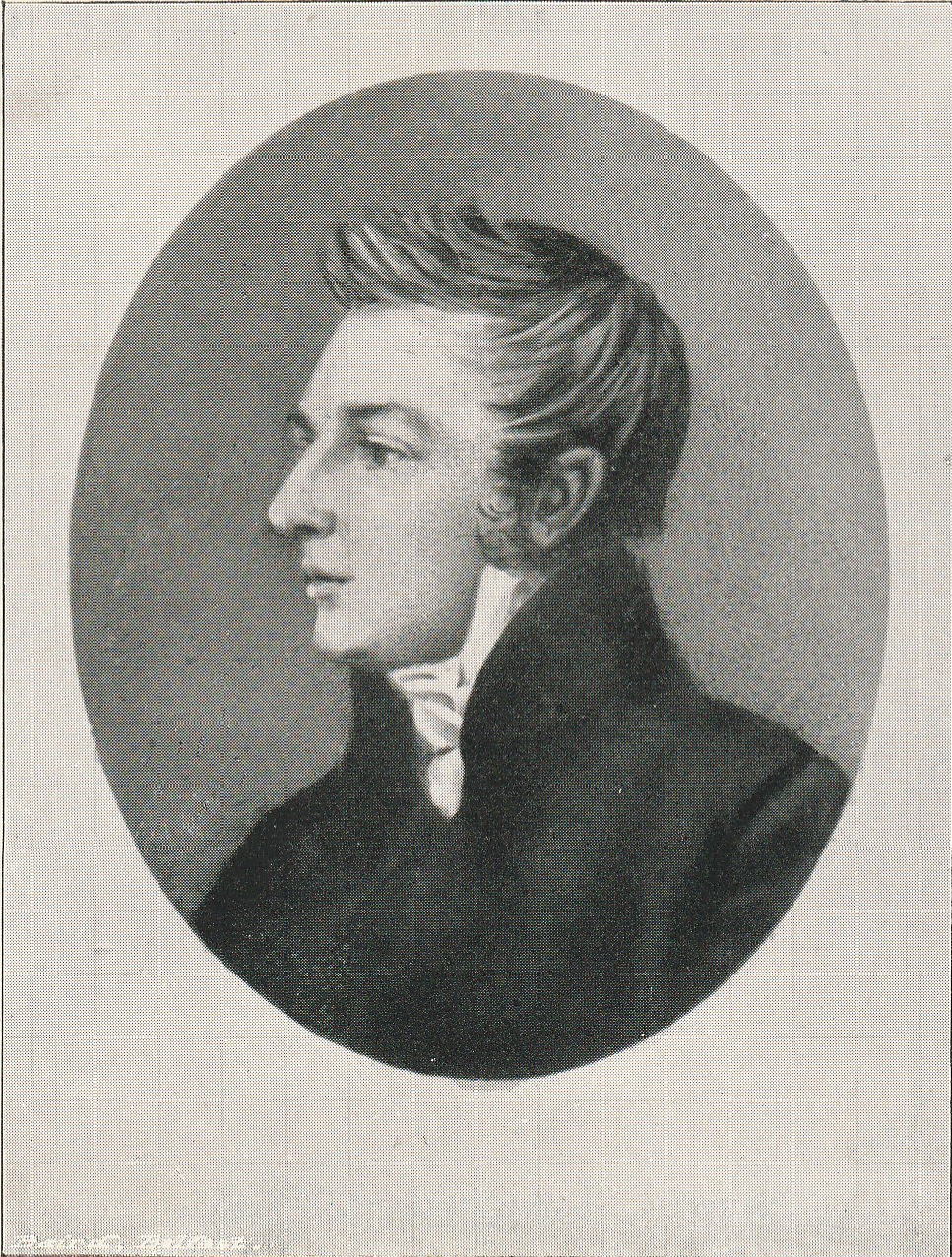
Today’s worship, from Ballee, incorporates the second in our series that looks at significant Non-Subscribing Presbyterians in history. Today’s subject is William Hamilton Drummond who was born in Larne in 1778 and died in Dublin in 1865.

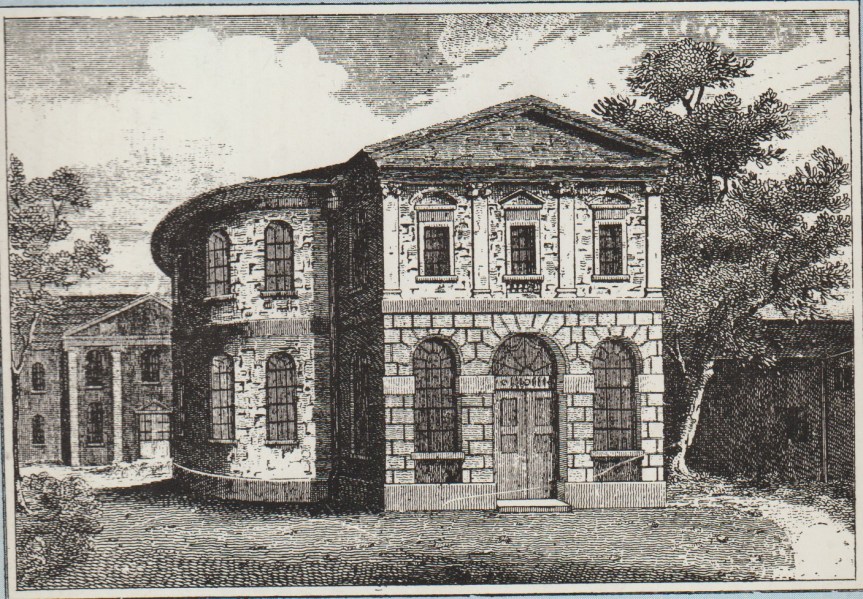
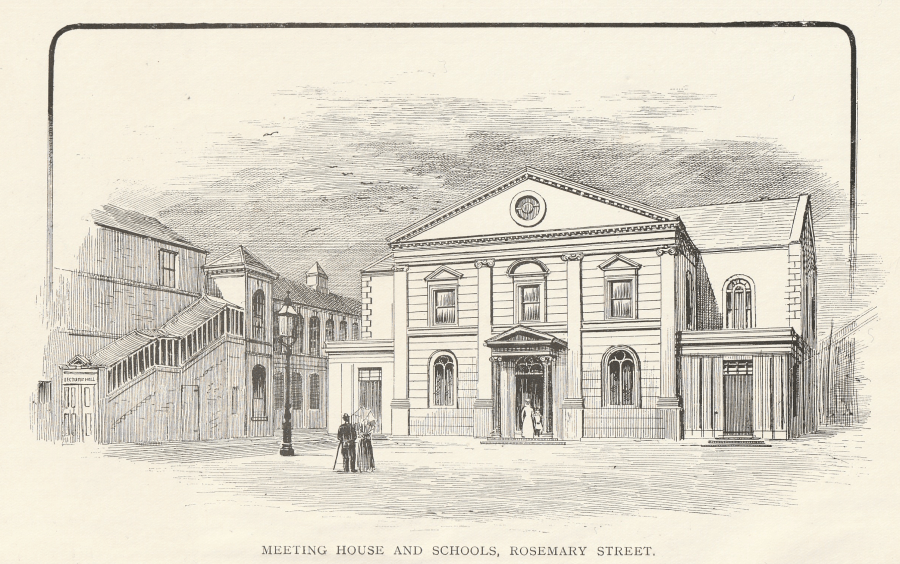
Drummond had a long and multi-faceted career. As a young man he supported the 1798 Rebellion and as a student at Glasgow University first turned his hand to verse, producing poems that supported the aims of the United Irishman. Leaving Glasgow without a degree he nevertheless progressed towards the ministry and was called to Belfast’s Second Congregation (see picture above) in 1800. In Belfast, as a minister, he was at the heart of the city’s educational, commercial, cultural and religious life. He produced a number of epic poems. Many of these now extolled the virtues of the Union of 1801 with Great Britain whilst the most famous of all was The Giant’s Causeway, published in 1811.

William Hamilton Drummond

In 1815 he was a candidate for the Chair of Logic and Belles Lettres at the Belfast Academical Institution. When he was unsuccessful, because so many of the electors were members of his own congregation who did not wish to see him leave, he left Belfast for Dublin instead, where he commenced a ministry of fifty years in which he achieved further notability as a theological controversialist, a biographer and a supporter of the rights of animals.

Sunday Worship, Ballee Non-Subscribing Presbyterian Church. Click on the video above after 9.45 am on Sunday, 13th June 2021

The service comes from Ballee. The reading is from Psalm 8 and is given by Mary Stewart at Downpatrick. Church organist John Strain plays the hymns Come sing praises to the Lord (Irish Presbyterian Hymnbook 113), Lord the light of your love is shining (Irish Presbyterian Hymnbook 621). Also played is Father I place into your hands.

The Rights of Animals. Published in London 1838.

Flow, LAGAN flow – though close thy banks of green,

Though in the picture of the world unseen…

Flow on fair stream – thy gathering waves expand,

And greet with joy the Athens of the land;

Through groves of masts thick crowding o’er thy tide,

A new Ilissus, roll in classic pride.

From The Giant’s Causeway, A Poem 1811