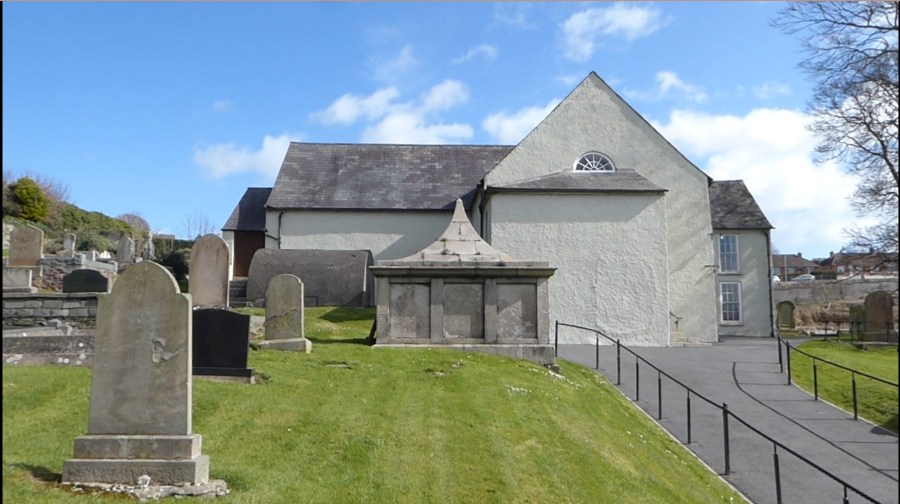
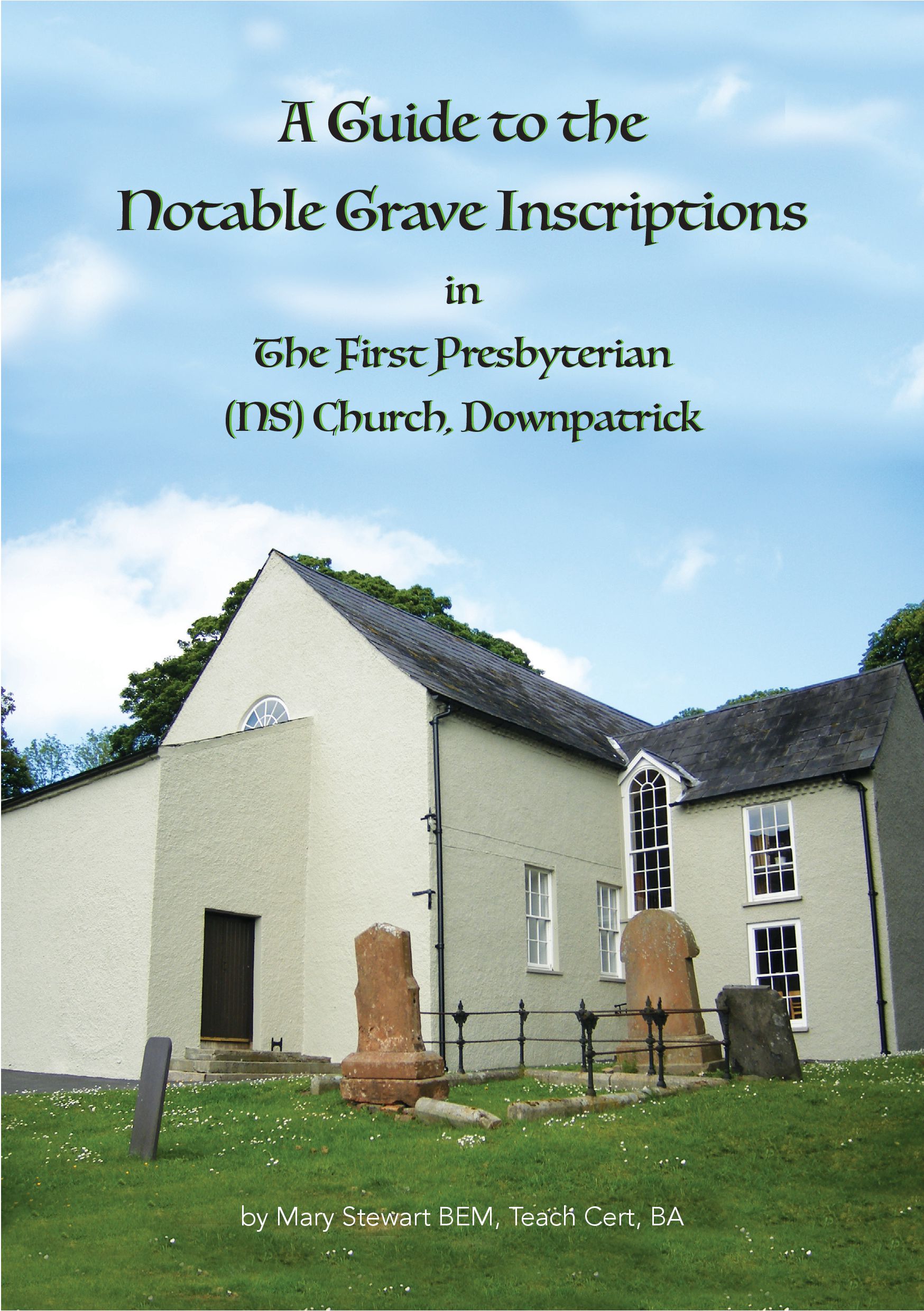
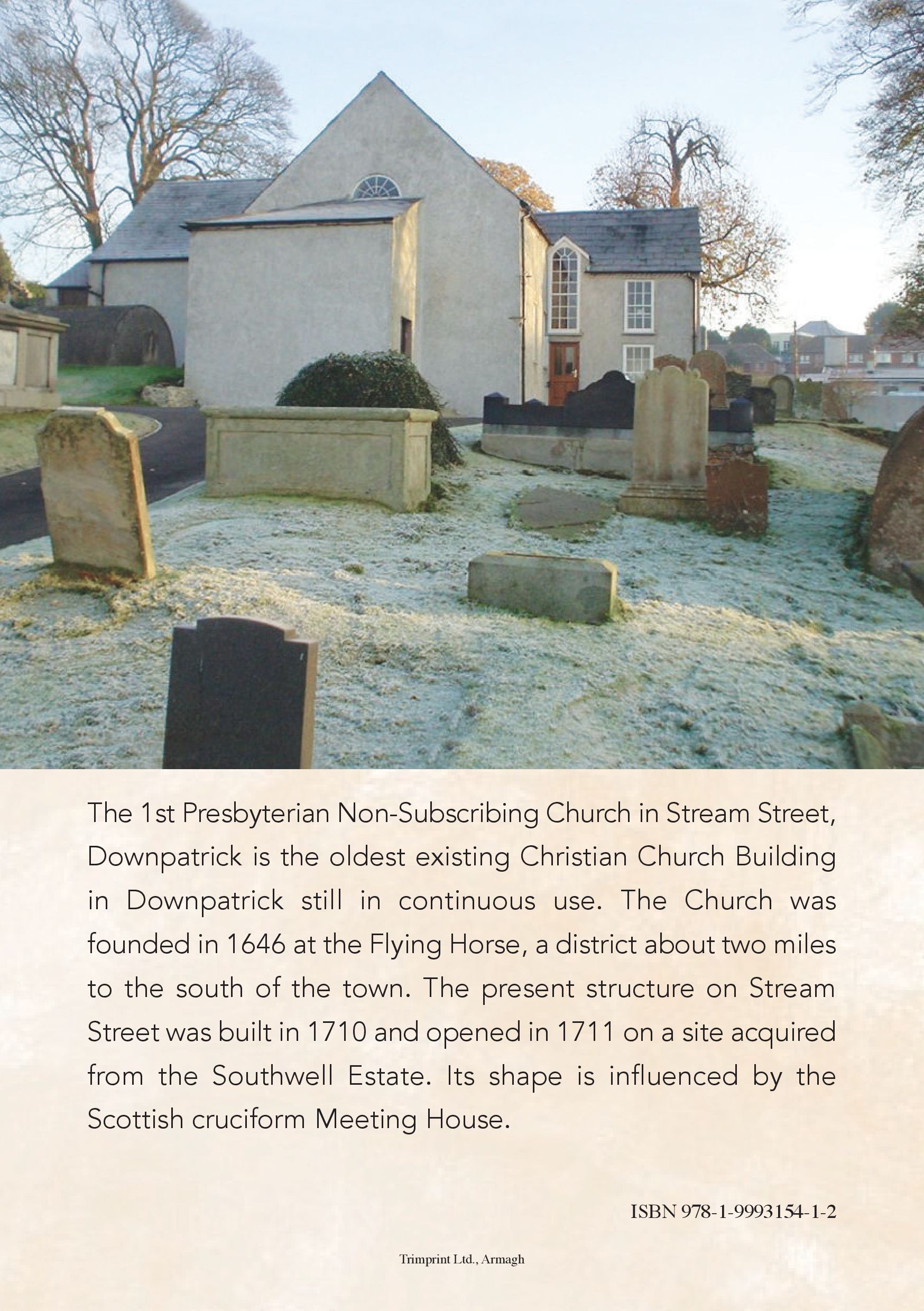
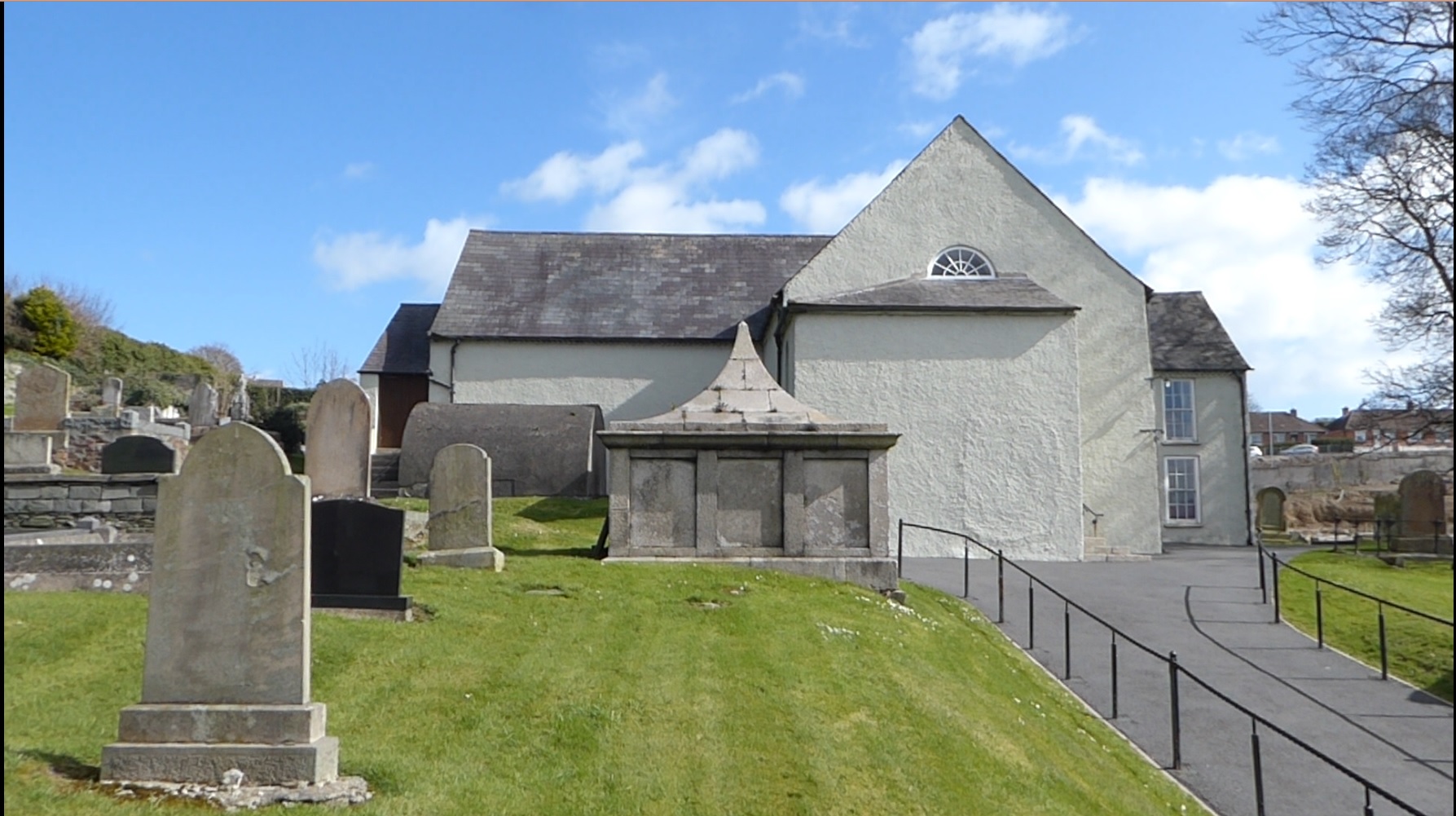
The First Presbyterian (Non-Subscribing) Church, Downpatrick will publish this new book in October 2021. Written by Mary Stewart, the Church secretary, it is a 36 page, illustrated guide to the notable graves and memorials in the churchyard.
A Guide to the Notable Grave Inscriptions in The First Presbyterian (NS) Church, Downpatrick
contains 39 black and white illustrations within a colour cover. It costs just £3 and will be available in the Church from October. They will also be available to order by post.
I was back on Lime Street about ten or eleven days after the previous post (Digging up History on Lime Street). Lime Street is most notable for a number of things: the railway station that bears its name and, of course, St George’s Hall.
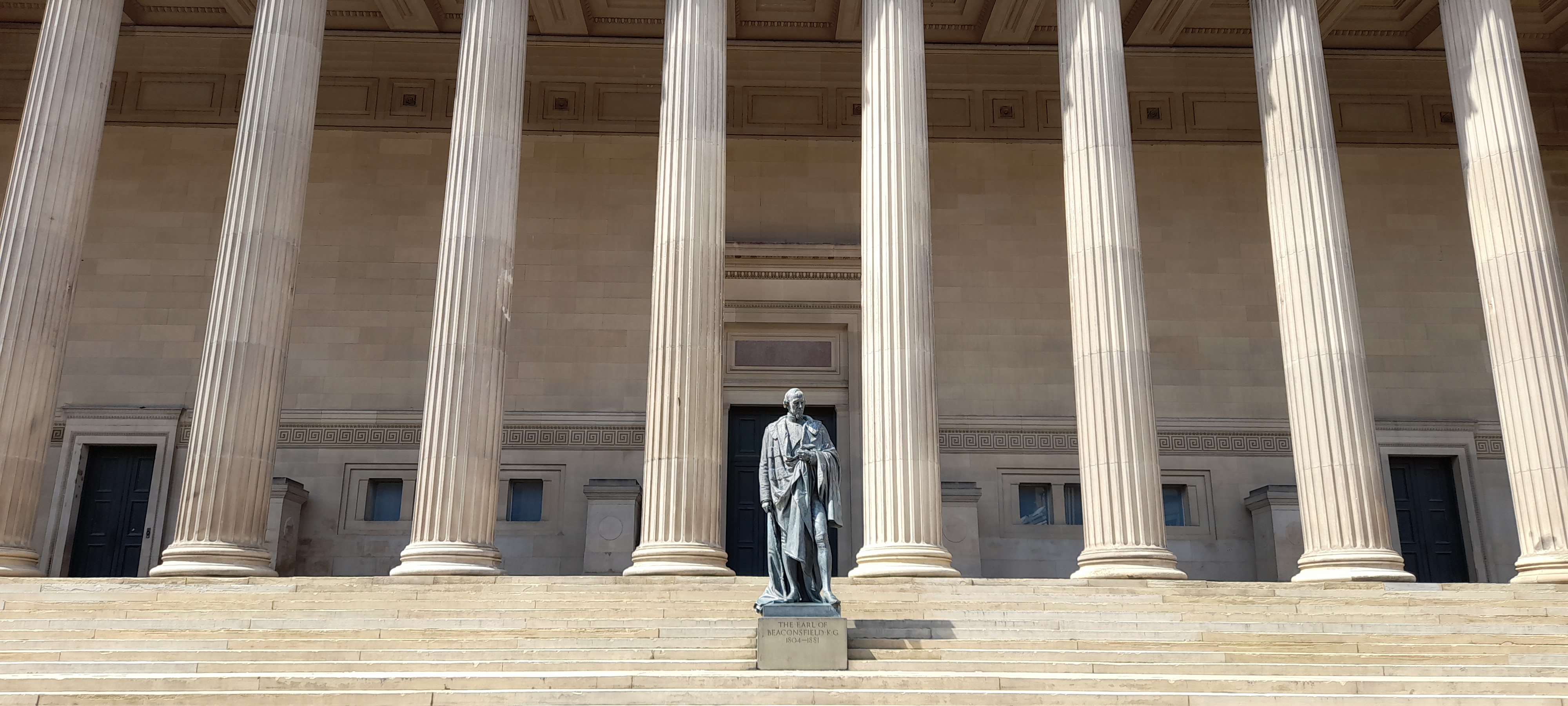
A pensive and solitary Benjamin Disraeli emerges from the classical splendour of St George’s Hall
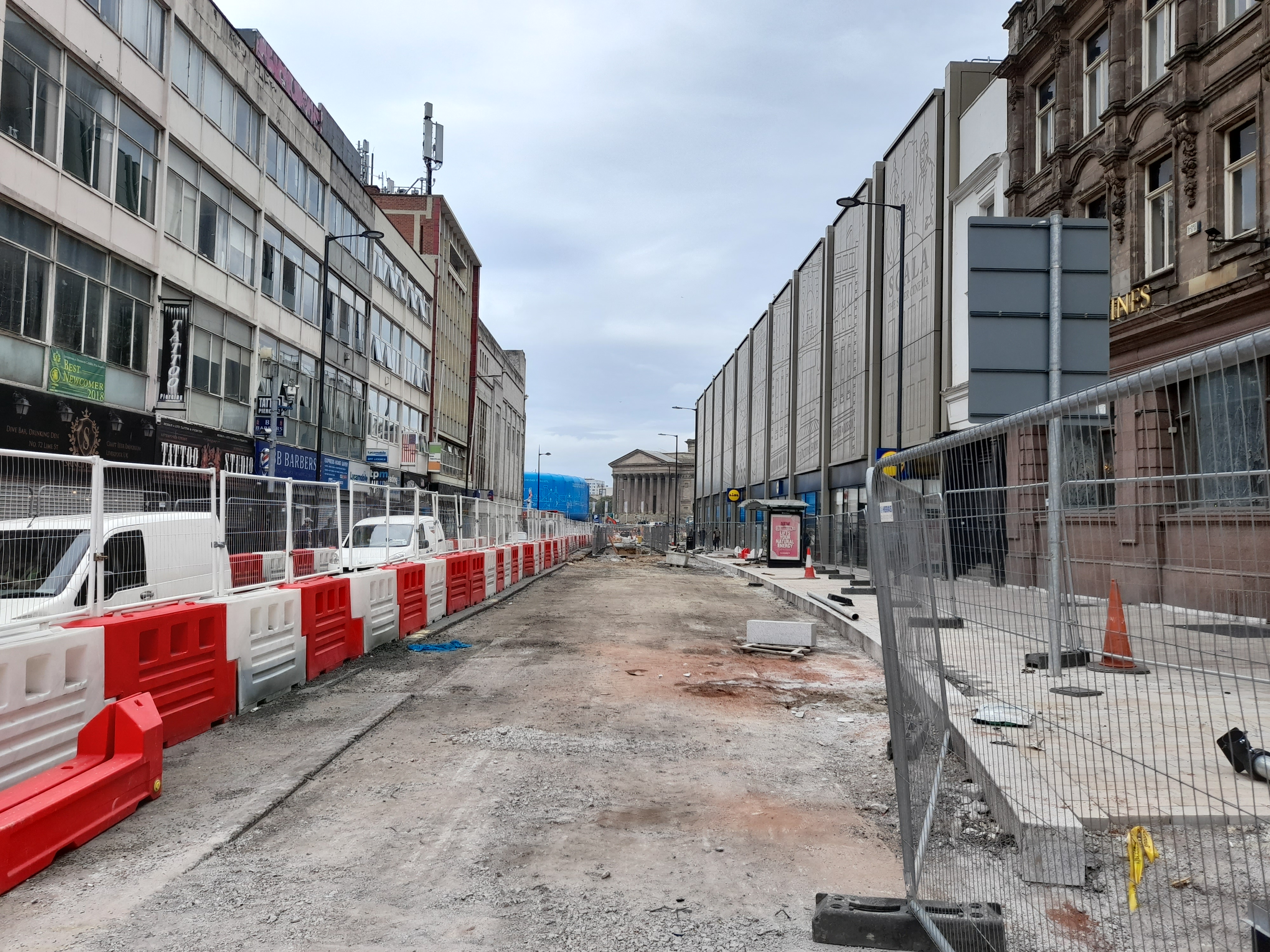
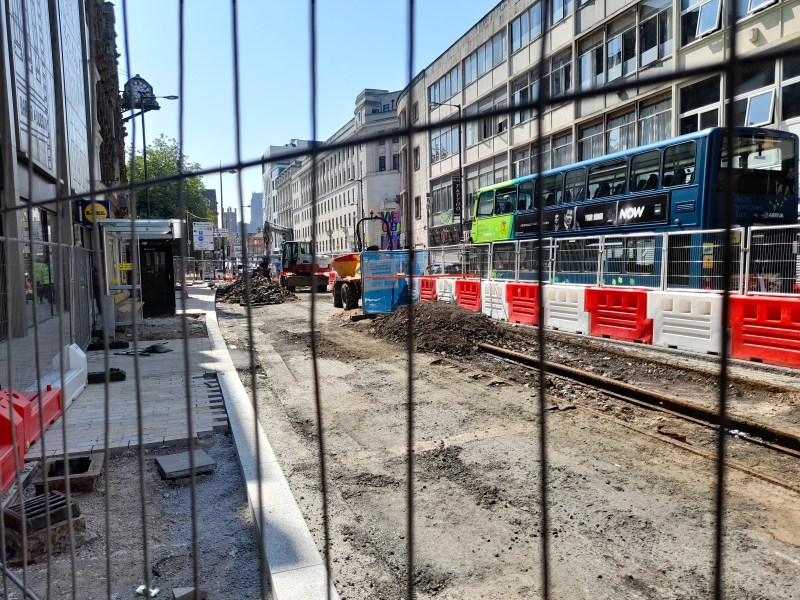
But as I went past the road works I noticed that all the setts/cobbles had been removed as well as the old tram lines. I also noticed that a very deep hole had been dug in the road.
Stopping to take a picture a voice from behind me asked ‘Are you in the habit of taking pictures of large holes in the road?’ It was one of the work men who seemed pleased that someone was photographing their handiwork. He and his colleague explained that all the setts had been taken away to be re-used by the Council and that the tramlines had been taken away for scrap. They were widening the pavement, adding a cycle lane and – inevitably – narrowing the road. The hole, apparently, was to allow the planting of trees which would form a barrier between the cycle lane and the road.
Further up the road, in front of Lime Street Station, they have already planted trees and I suppose these will be something similar:
There are a lot of road works going on and safer and well-landscaped roads can only be an improvement but I can’t help wondering what they expect to happen to the current volume of traffic. In the meantime the streets are busy with diggers, barriers and cordons:
St George’s HallLooking along Lime Street towards St George’s Hall
Detail of St George’s Hall, by Harvey Lonsdale Elmes
Today’s online Sunday service comes from Oxford (click on the video above after 9.45 am on Sunday, 15th August 2021)
Our service is filmed in Oxford and features some of the well-known as well as some lesser-known sights of Oxford. Sue Steers reads Psalm 96 and Jenny Narramore shares an important part of College life in Christ Church. We also have a short reading from ex-slave and abolitionist’s autobiography The Interesting Narrative of the Life of Olaudah Equiano. Our organists play five hymns: Thine be the glory, John Strain, Ballee; Be still for the presence of the Lord, Laura Patterson Downpatrick; Praise to the Lord, the Almighty, Alfie McClelland, Clough; How deep the Father’s love, Allen Yarr, Dunmurry; Blest are the pure in heart, John Strain, Ballee.
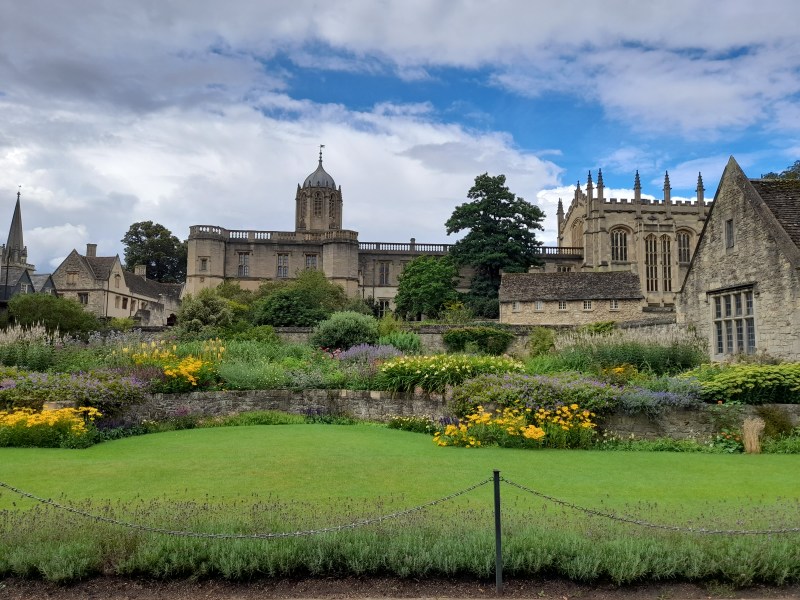
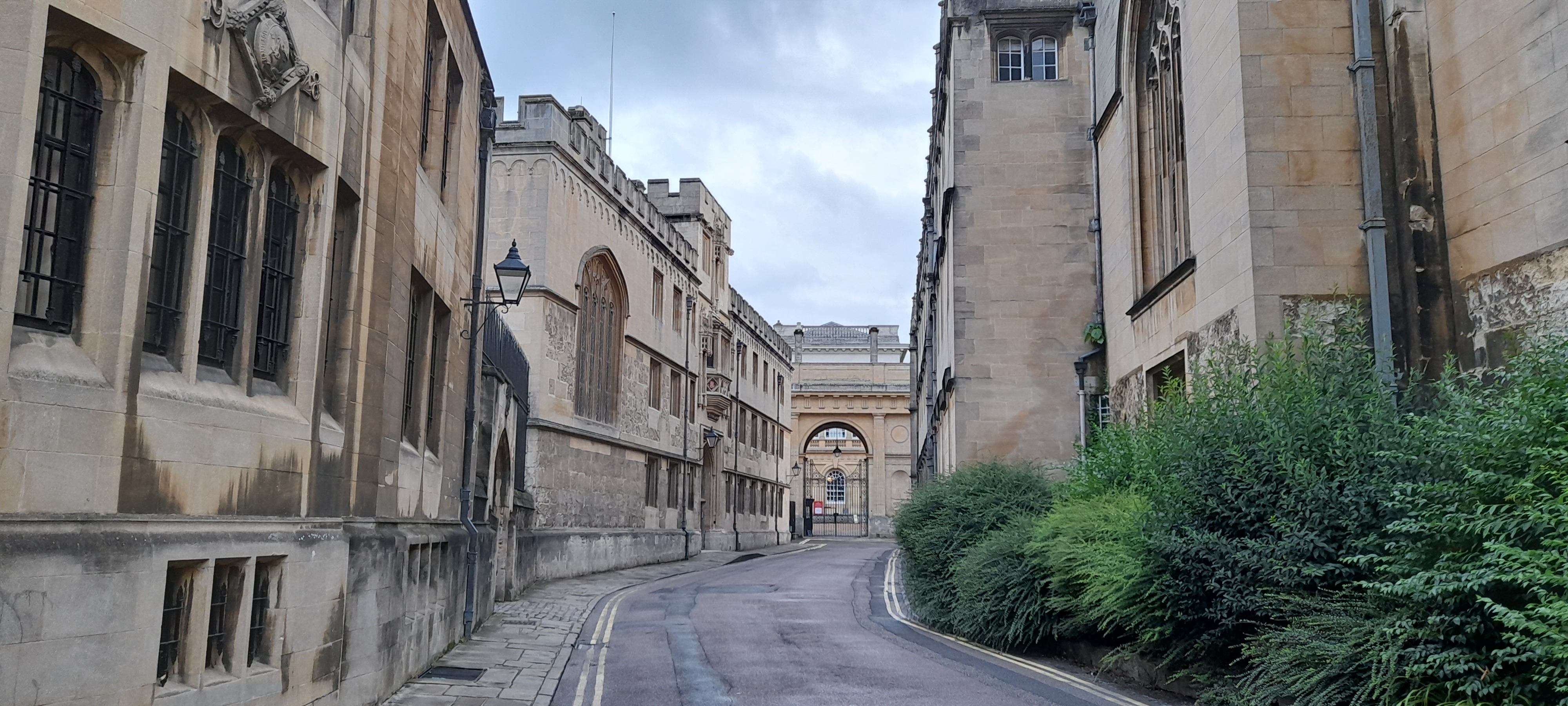
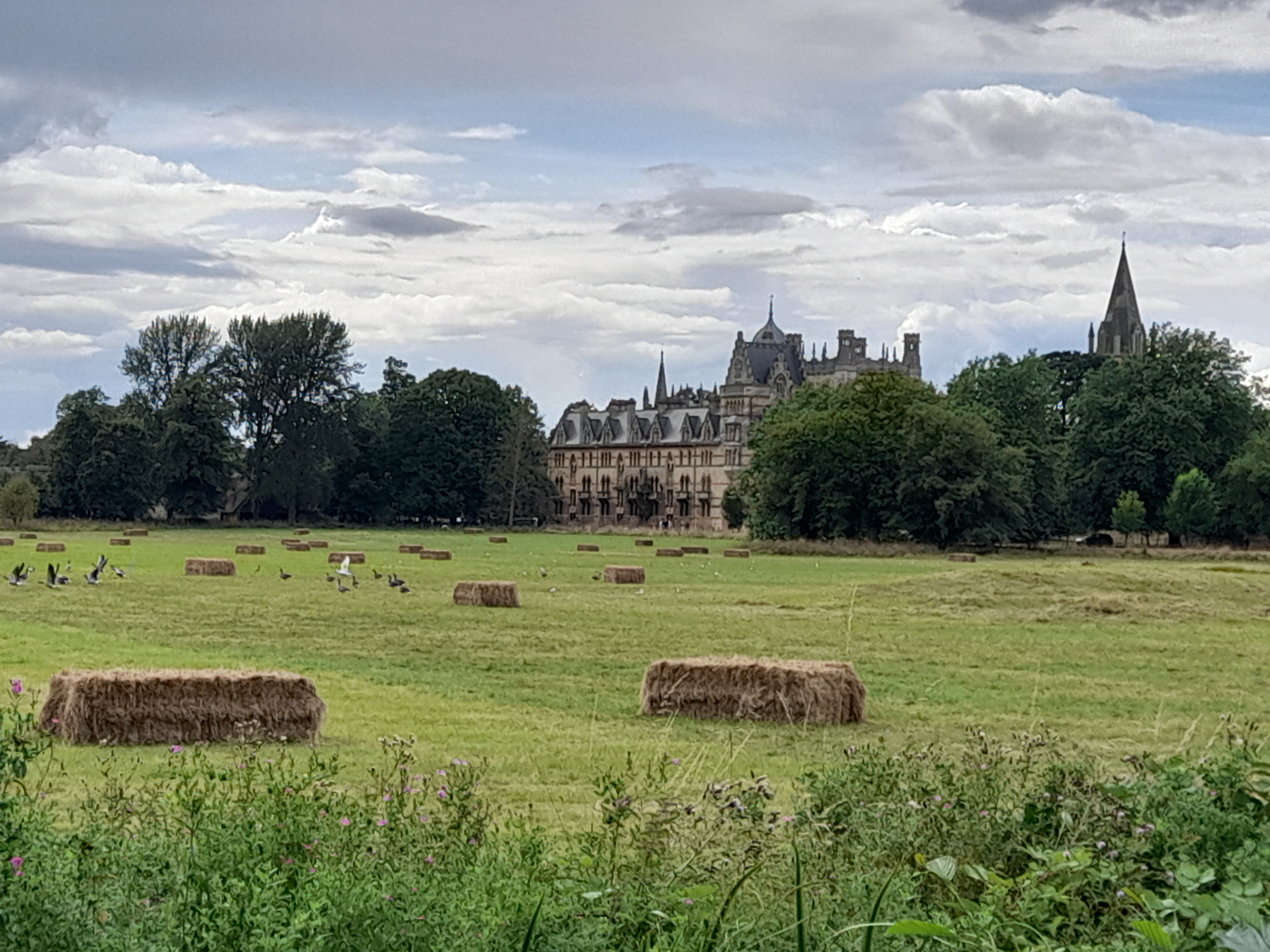
As a visual experience Oxford never disappoints. As the seasons change, as the weather or the light changes even in a single day, so the buildings repay careful scrutiny, with the colours of the stone reflecting the sun, the rain, a glowering sky or the bright blue backdrop of recent sunny days. There are less tourists now. Even the lure of Harry Potter and Inspector Morse are no longer sufficient to cram the streets with eager faces, although the city is busy enough despite the pandemic.
But here are a few images I took recently over a couple of days.
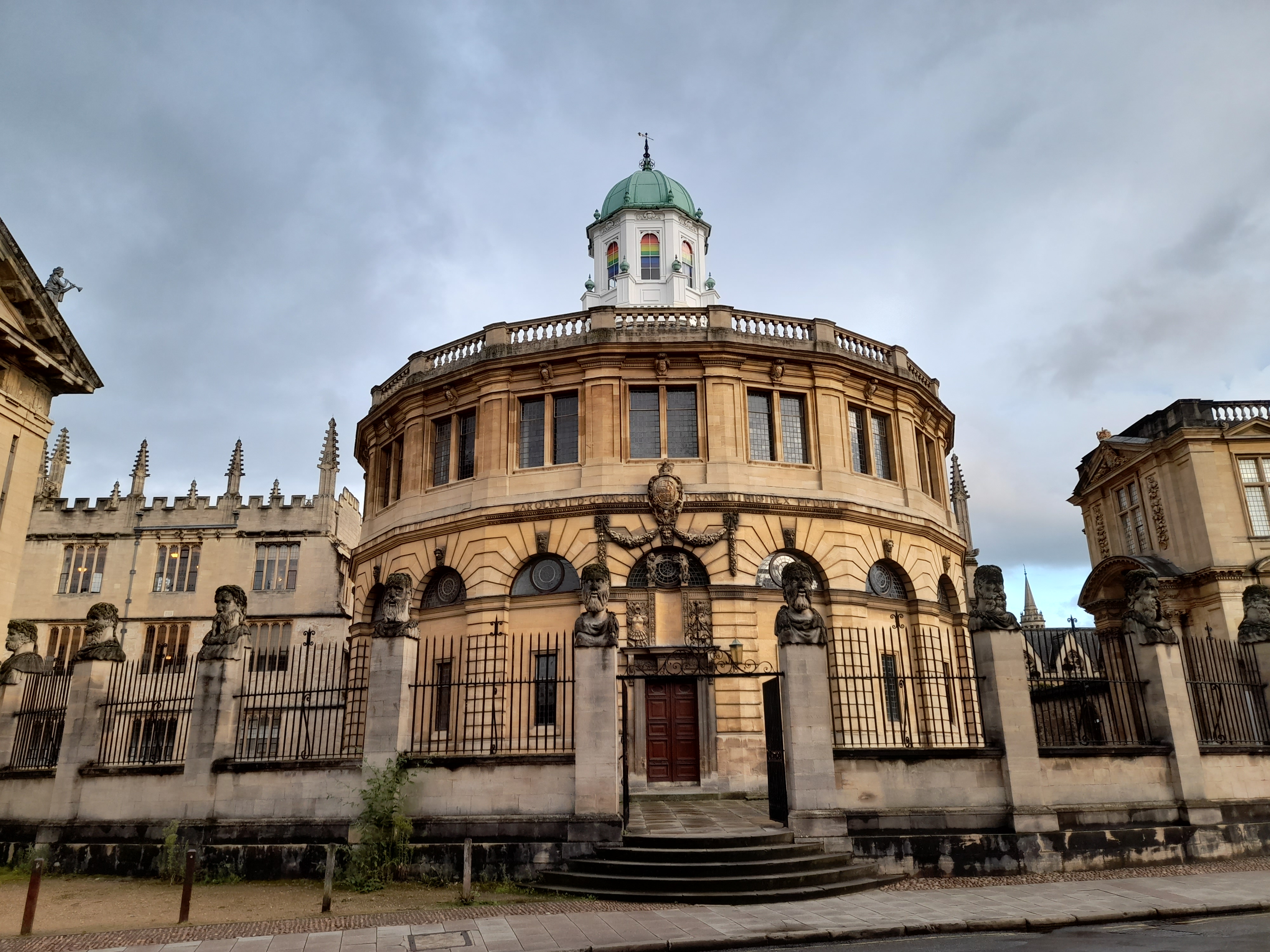
The Sheldonian Theatre, designed by Sir Christopher Wren
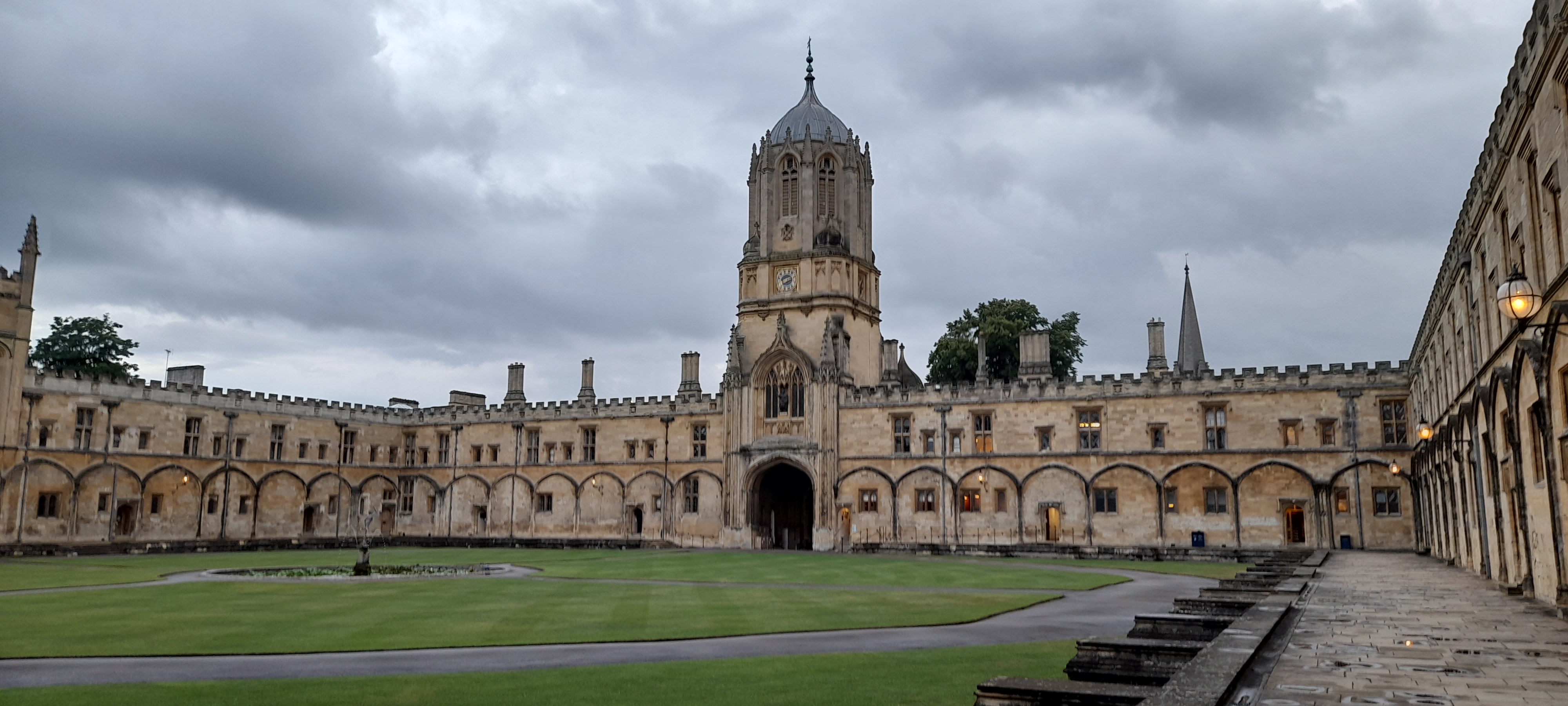
Tom Quad at Christ Church, with more work from Sir Christopher Wren in Tom Tower
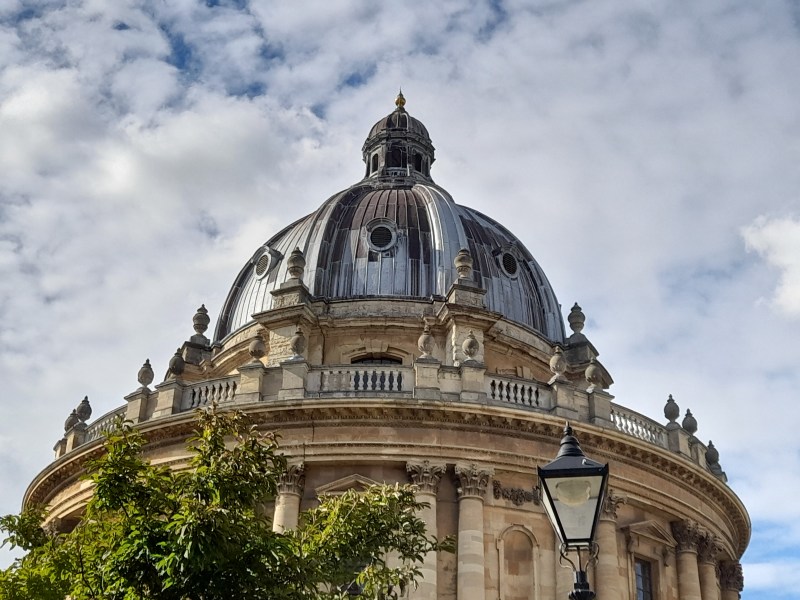
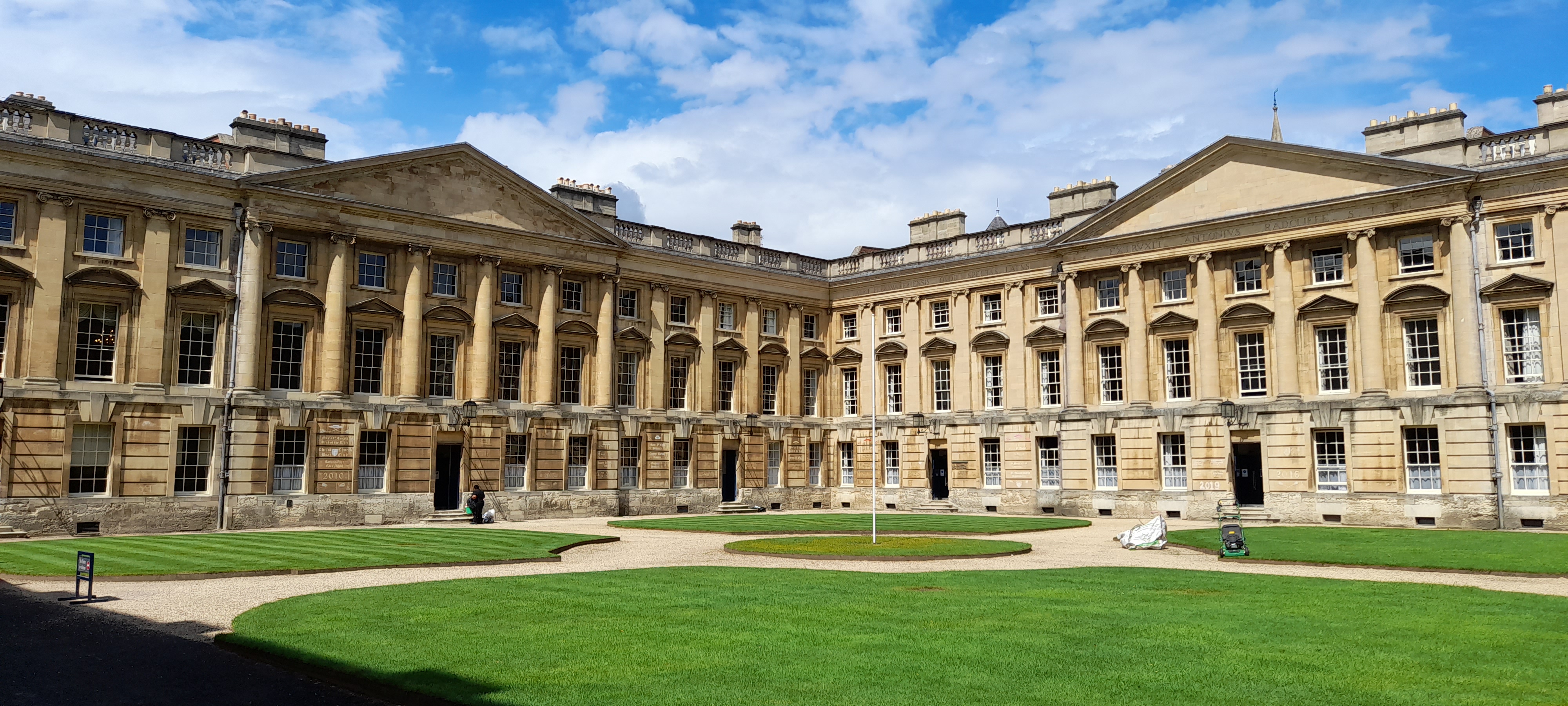
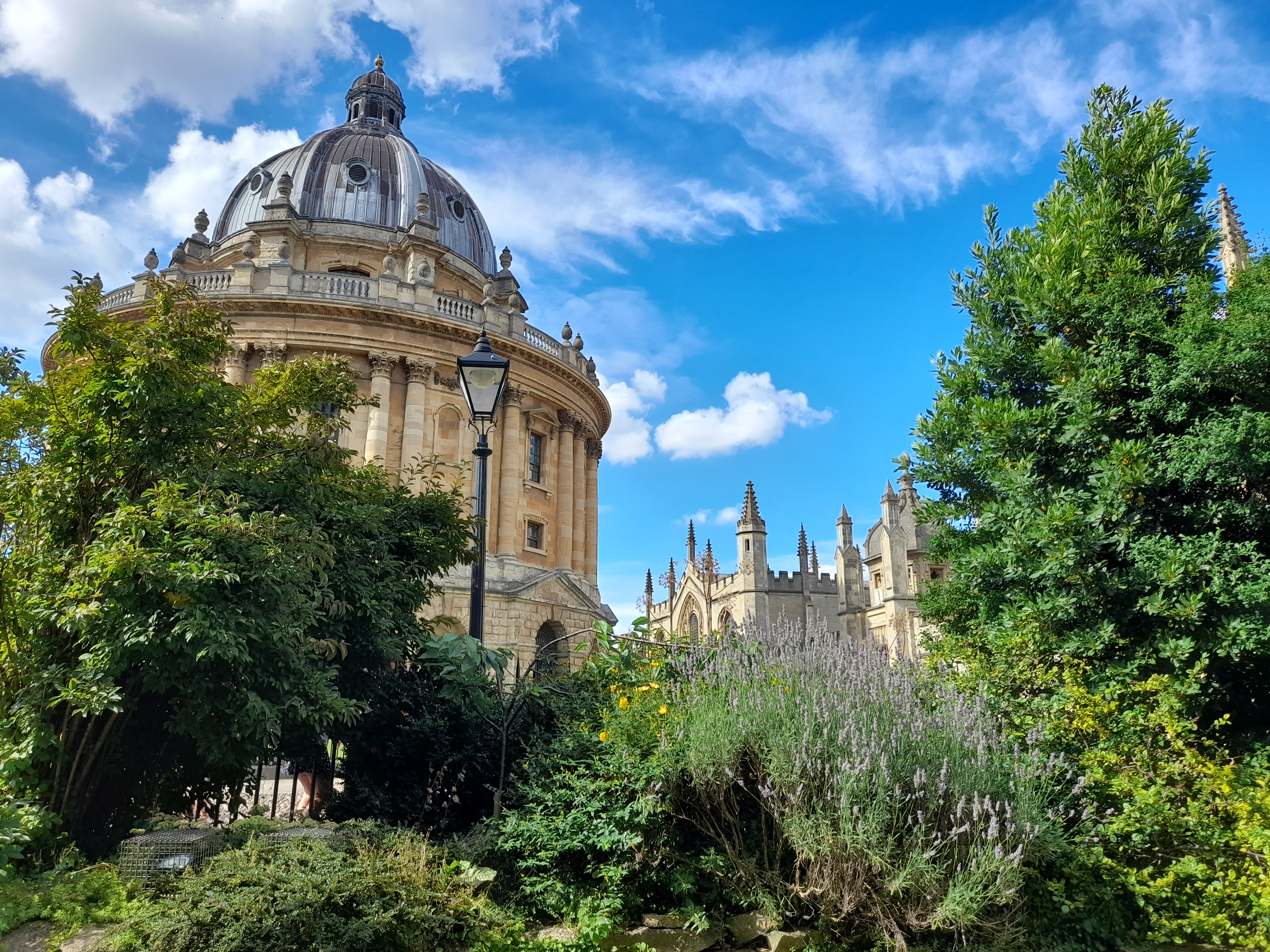
Peckwater Quad, Christ ChurchView of the Radcliffe Camera and All Souls College from the University Church
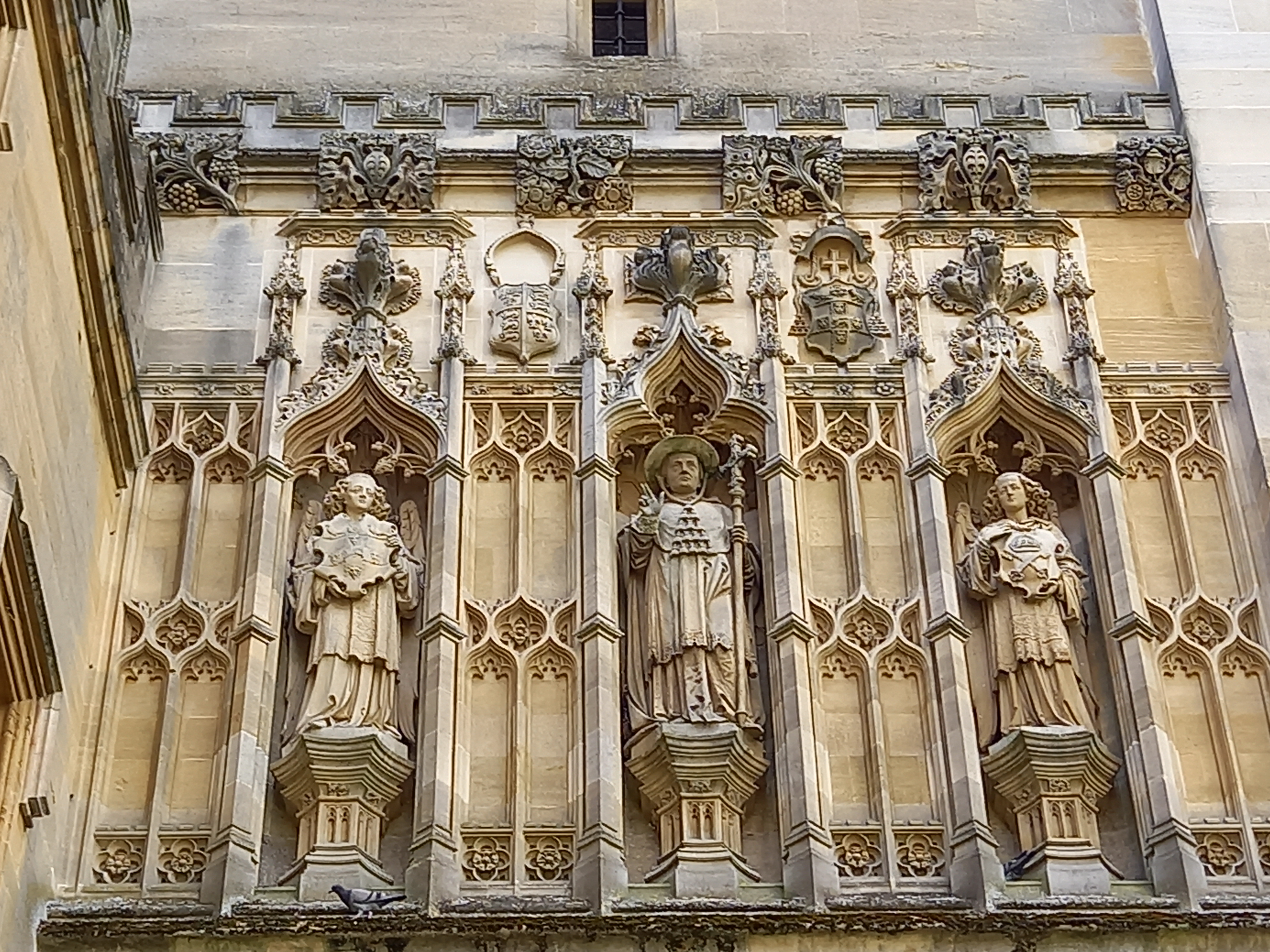
Statue of Cardinal Wolsey, Christ Church (Photo: Sue Steers)
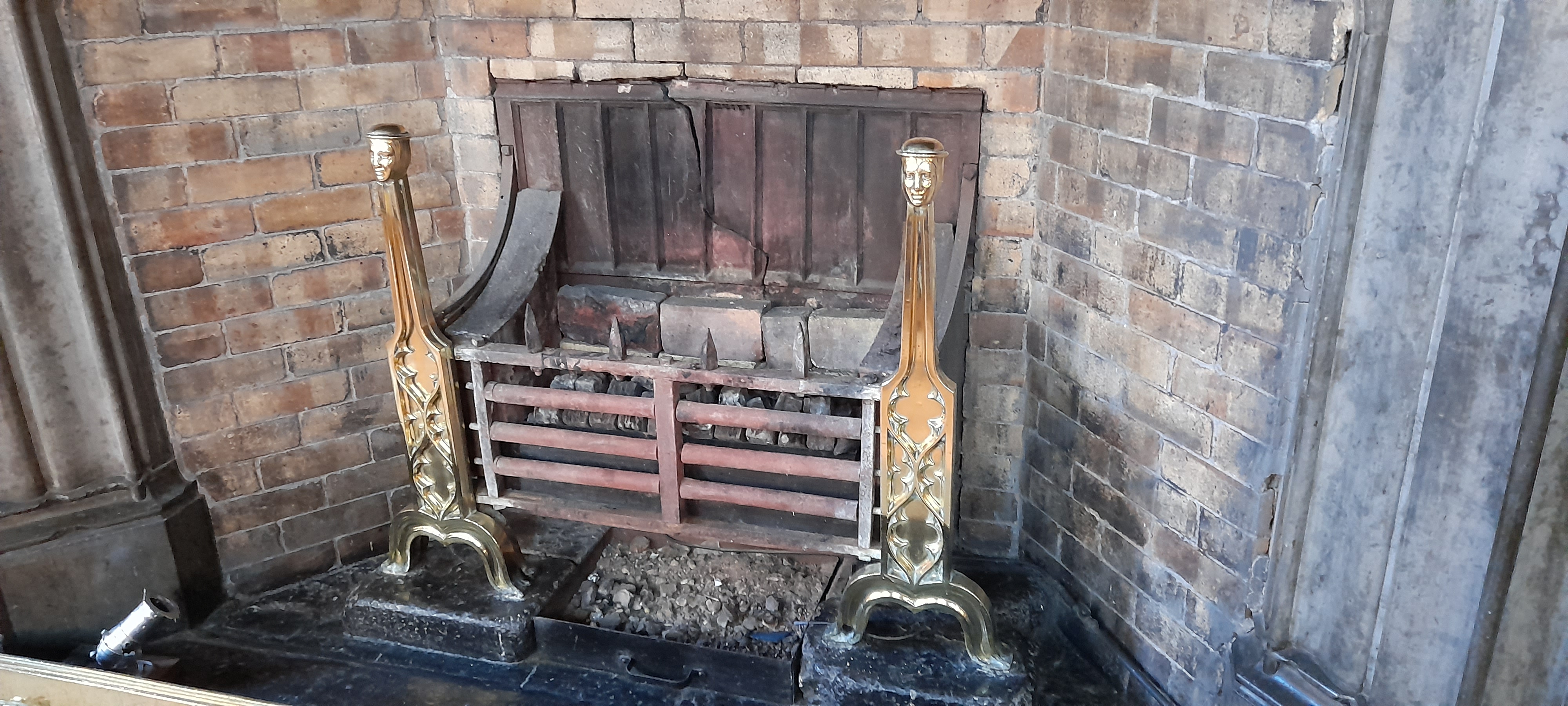
Fireplace in Christ Church Hall. The elongated necks on the brass figures on either side of the fire are said to have inspired one of the scenes in ‘Alice in Wonderland’. Lewis Carroll was a Student (ie Fellow) of Christ Church
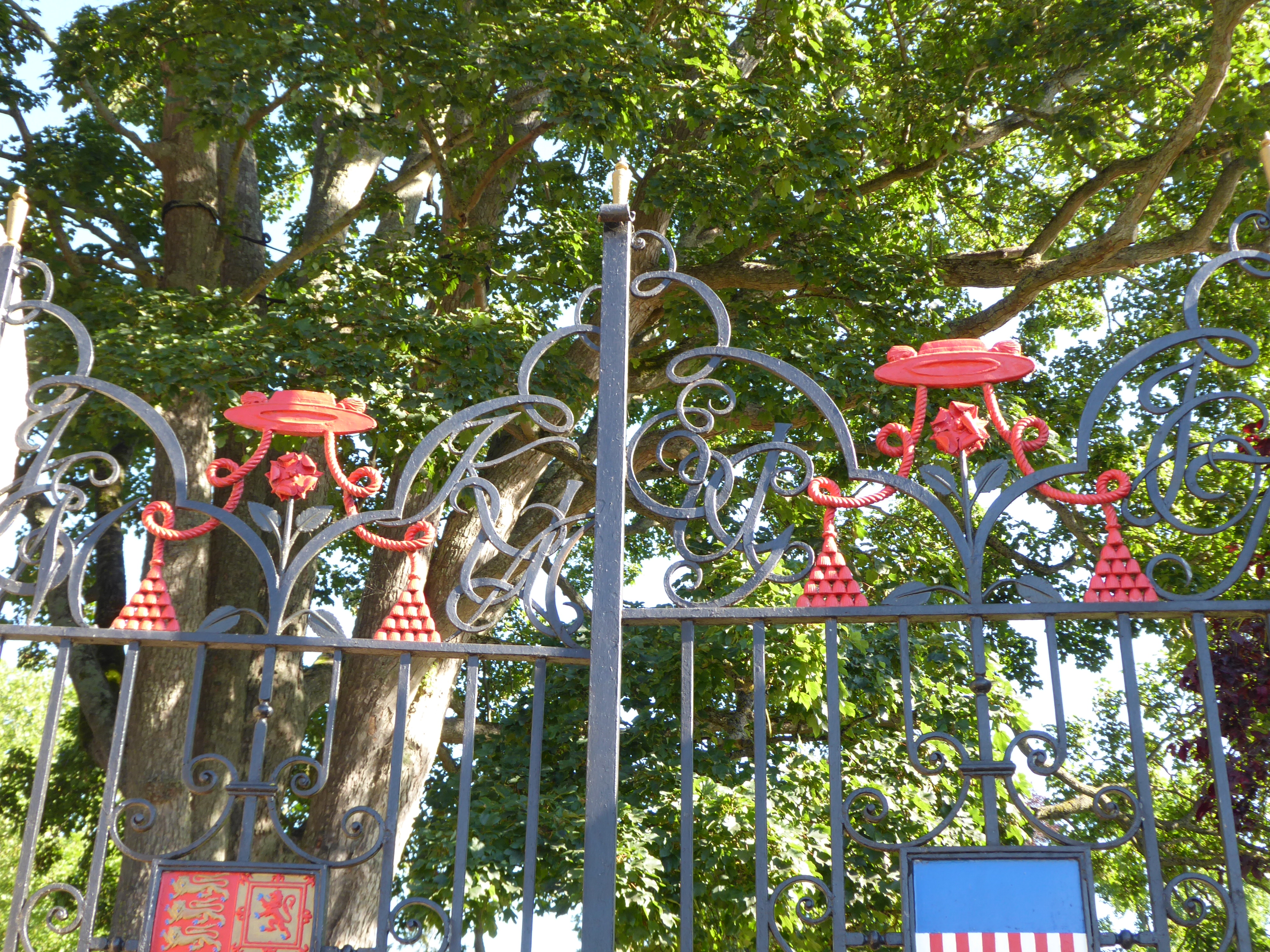
Cardinal’s hats on gates at Christ Church
Cloisters at Christ Church Cathedral, with organ playing in the Cathedral. A short video (49 seconds)
They are digging up the streets of Liverpool city centre all over the place at the moment. This is very much the case on Lime Street where they seem to be widening the pavement at one point and presumably planning to lay a new road surface.
Lime Street is a key thoroughfare in the city’s history. It has undergone some ‘development’ in recent years most notably with the controversial demolition of the old Futurist Cinema which I photographed when efforts were being made to save it. I never posted those pictures at the time although I might do in the future. The Futurist dated back to 1912 and deserved to be preserved. Over the road is the art deco frontage of the former ABC Cinema which is in some sort of limbo but also deserves preservation. I have some interesting historic photographs of Lime Street in times gone by which I might post up at some point. But walking along Lime Street now you are coralled behind a large fence, beyond which a digger is removing the old setts which can be seen in part of the road.
The orignal road surface revealed
It is interesting to see what once constituted the road surface in Lime Street. The digger is scooping up the setts, noisily shaking them about to remove all the excess debris, and then piling them high at the side of the road.
Digging up the setts
Setts piled up
But the other thing this work seems to be exposing is some of the old tramlines on Lime Street. Disused for seventy years and probably unseen for almost as long the tramlines have been uncovered by the digging.
Some of the tramlinse
Further tramlines opposite the ABC Cinema
What will happen to the old tramlines? Presumably the old setts are going to be sold off or possibly reused somewhere by the Council. I don’t know what you do with old tramlines, but it is interesting to see them, and interesting to reflect on what lies below the surface of our streets.
Driving through the maze of roadworks in Liverpool my eye caught this ‘ghost sign’ on the end of a building in Berry Street. It was revealed when the building next door was demolished last year. It’s an intriguing glimpse into the past.
It’s interesting because, although it is quite clear, it isn’t complete either and is not all that simple to date. Outdoor what? Prices? It’s hard to make out. Are these prices for single bottles of pints or half-pints or are they for bulk purchases? Certainly it is a brewery sign, but because the whole sign is not legible it is hard to tell what exactly is being offered. Over 2 shillings for a pint of beer seems very high for the 1960s, which really is the latest this could date from.
The fact that it mentions the beer (if it is beer) is ‘supplied in screw stoppered bottles’ suggests a much earlier date than the 1960s. Who in the 1960s made an advertising feature of ‘screw stoppered bottles’? In fact this detail suggests a much older date for the sign. Screw stoppered bottles were invented in 1872 by Henry Barrett and used for over 100 years. Made of ‘vulcanite’, or vulcanised rubber, they must have made the portability of beers and other liquids remarkably simple. Nicola White, who has made a lot of interesting videos about her mudlarking on the Thames, has found many examples of these type of bottle tops and has written a very interesting article about them here.
The surviving artwork makes the advertisement look quite old. The gold frame that surrounds the message suggests, to me at least, an early date, pre-First World War possibly. In this case the prices must be for bulk purchases. It is a pity the top of the advertiement is missing, but a fascinating piece of history nonetheless.
The view along the road
The picture is taken on the corner of Roscoe Lane. Peeping above what was once the pub/hotel which bears the sign is the top of Liverpool Cathedral. On the right you can see what was once Great George Street Chapel, you can read more about that building on this blog here.
Our worship today comes from Ballee Non-Subscribing Presbyterian Church and is the first in a new series considering significant Non-Subscribers from history.
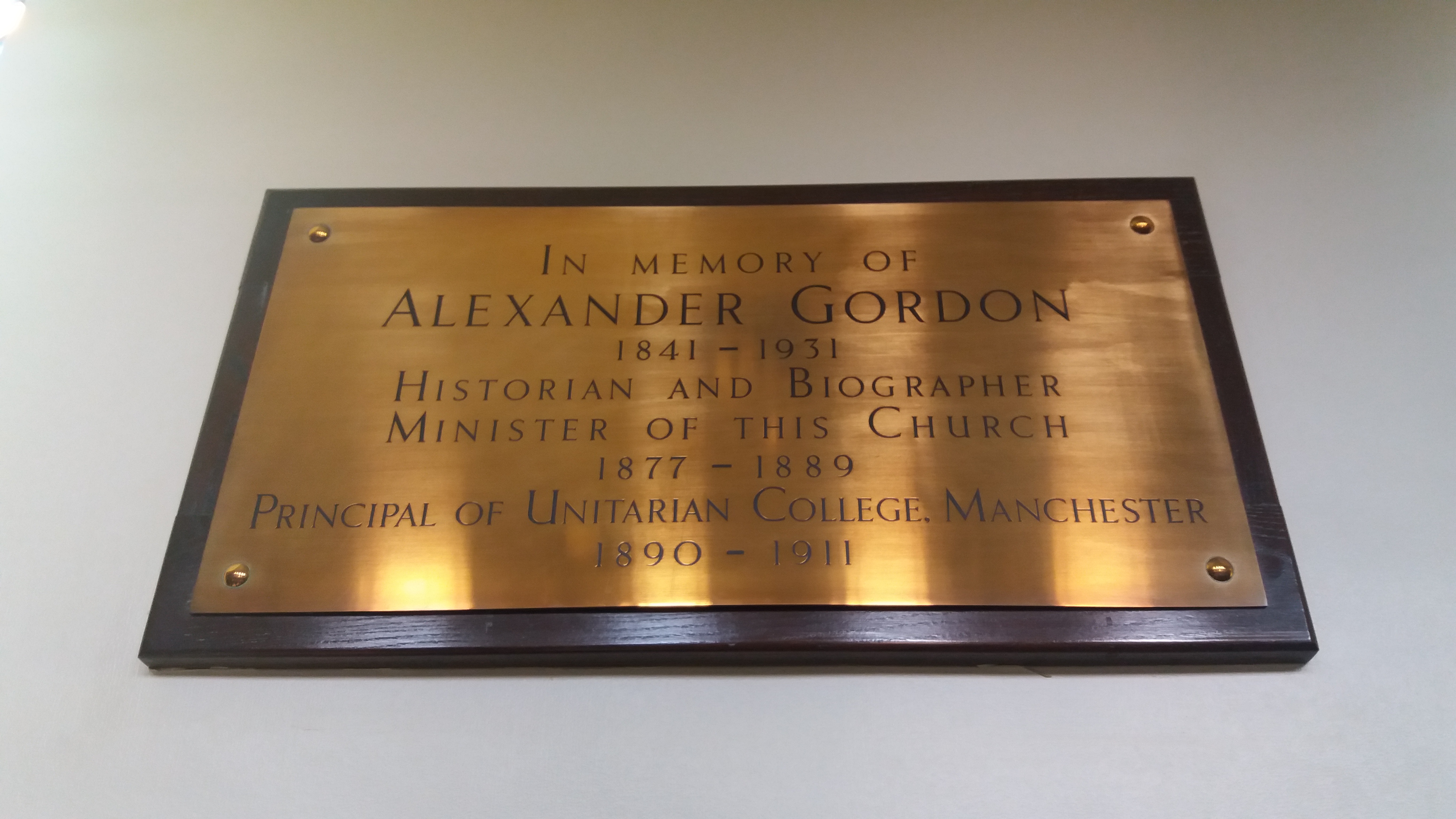
Alexander Gordon was born in Coventry on 9th June 1841 and died in Belfast on 21st February 1931. A self-styled Englishman by birth, Scotsman by education and an Irishman by inclination Alexander Gordon was the foremost historian of religious dissent in the British Isles whose influence is still recognized today.
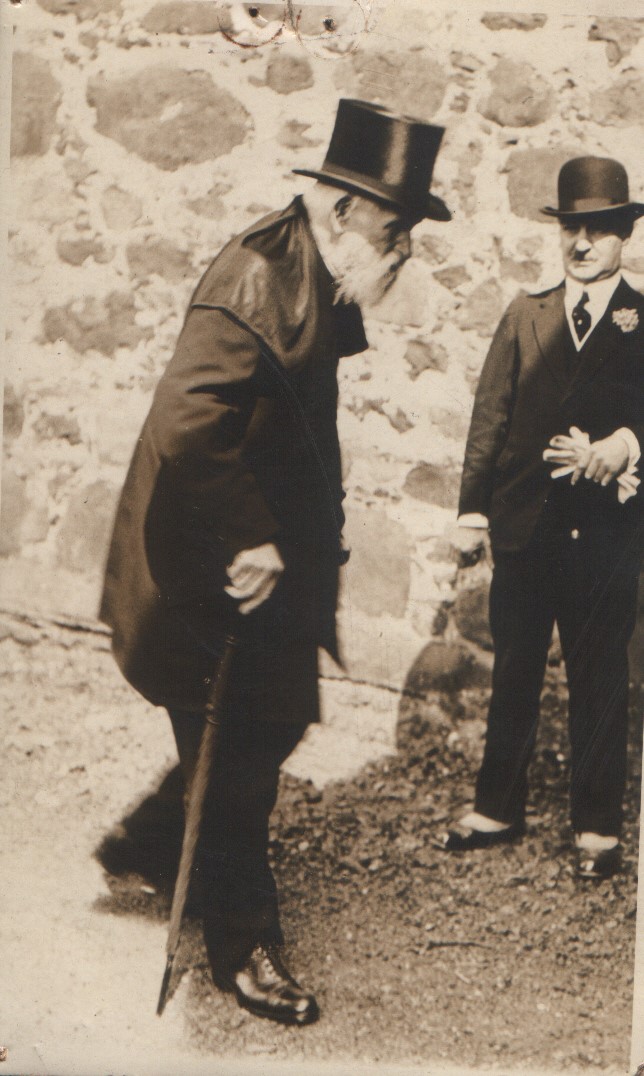
Alexander Gordon arriving at Dunmurry, 18th January 1931
I’ve mentioned before the above photograph of Alexander Gordon, (click here to see the original post) the last known picture of him, arriving at Dunmurry to take the service in 1931 and this and many other images are used in the video for today’s service.
Click on the video to see the latest service (from 9.45 am on Sunday, 16th May 2021)
The service is recorded in Ballee Non-Subscribing Presbyterian Church and is conducted by the minister. The reader is Carol Nixon who reads Psalm 100 and the organist is John Strain who plays the hymns Spirit of God, unseen as the wind (Irish Presbyterian Hymn Book 478) and Fairest Lord Jesus (Irish Presbyterian Hymn Book 19). Also played at the beginning and end of the service are As the deer pants and Who is on the Lord’s side.
As well as the images connected with Alexander Gordon the film includes video of the eighteenth-century roof beams of Ballee Church constructed from Memel pine.
Memorial in First Presbyterian Church, Rosemary Street, Belfast
Over the course of a long career Gordon was minister of a number of congregations in England and Ireland and was Principal of the Unitarian College, Manchester and lecturer in Ecclesiastical History at the University of Manchester, in what was then the first free faculty of Theology in Britain. He was also a renowned historian who travelled all over Europe in the course of his work. He regularly travelled between England and Ireland, even throughout the First World War, and always travelled from wherever he was to Dunmurry in order to attend the twice yearly communion services there. He also travelled across Europe visiting record offices and archives – most notably in Poland, Hungary and Transylvania – at a time when such visits were rare and logistically difficult. This is referenced in the service. His researches, whose subject matter stretched over centuries and many areas of religious life, link us with the past and with his life. They set us in context and in time.
Time
Time is the feather’d thing, And, whilst I praise The sparklings of thy looks and call them rays, Takes wing, Leaving behind him as he flies An unperceived dimness in thine eyes. His minutes, whilst they’re told, Do make us old; And every sand of his fleet glass, Increasing age as it doth pass, Insensibly sows wrinkles there Where flowers and roses do appear. Whilst we do speak, our fire Doth into ice expire, Flames turn to frost; And ere we can Know how our crow turns swan, Or how a silver snow Springs there where jet did grow, Our fading spring is in dull winter lost. Since then the Night hath hurl’d Darkness, Love’s shade, Over its enemy the Day, and made The world Just such a blind and shapeless thing As ’twas before light did from darkness spring, Let us employ its treasure And make shade pleasure: Let ‘s number out the hours by blisses, And count the minutes by our kisses; Let the heavens new motions feel And by our embraces wheel; And whilst we try the way By which Love doth convey Soul unto soul, And mingling so Makes them such raptures know As makes them entranced lie In mutual ecstasy, Let the harmonious spheres in music roll!
This Sunday our Easter service comes from the First Presbyterian (Non-Subscribing) Church, Downpatrick. We are starting to move back to worship in our churches but are continuing with our online services on YouTube as well.
First Presbyterian (Non-Subscribing) Church, Downpatrick
Easter Service from Downpatrick
Click on the above video (after 9.45 am on Sunday, 4th April) for our Easter service
The service is conducted by the minister, Rev Dr David Steers, and features church secretary Mary Stewart as reader (Matthew ch.28 v.1-10), Molly McCloy as soloist and Laura Patterson as organist. Gerard Manley Hopkins poem Easter is also read.
Good Friday Reflections
Good Friday Reflections 2nd April 2021
Sue Steers gives this reflection on Good Friday which combines an examination of a famous human story from 1912 with Jesus’s sense of destiny and self-sacrifice, looking also at images of Jesus, including this early Byzantine mosaic picturing Jesus without a beard. John Strain plays the organ at Ballee with the hymns My Faith Looks up to Thee (Irish Presbyterian Hymn Book 72), Jesus Shall Reign Where’er the Sun (Hymns of Faith and Freedom 288) and Thou Whose Almighty Word (Hymns of Faith and Freedom 173).
Our online Sunday worship today comes from Clough and has, as its starting point, Psalm 121
I lift up my eyes to the hills. From whence does my help come? My help comes from the LORD, who made heaven and earth.
A view of the Mountains of Mourne on St Patrick’s Day 2021
Psalm 121 is associated with travelling and with pilgrimage, neither of which are particularly possible at the moment, but the reading is given a vivid backdrop by the sight of the mountains of Mourne.
In the service Clough church organist Alfie McClelland plays the hymns: Seek ye first the kingdom of God, Once to every soul and nation and Through all the changing scenes of life.
Click on the video below to see the service:
Sunday Worship from Clough Non-Subscribing Presbyterian Church, available from 9.45 am on Sunday, 21st MarchClough Non-Subscribing Presbyterian Church
By tradition St Patrick is buried in Downpatrick but this year the town was inevitably much quieter and more subdued than usual, although a brief ceremony was held at his grave. But I recorded a few reflections on St Patrick’s Day which can be seen in the following video:
Non-Subscribing Presbyterian Reflections: St Patrick’s Day (click on the video above)St Patrick’s grave (Photo: Sue Steers)
According to tradition St Patrick is buried with the remains of St Brigid and St Columba here in the grounds of Down Cathedral.
The story of Adam and Eve in the Garden of Eden is a powerfully potent one in the human imagination. Often seen as the source of sin in the world, in today’s service we examine this well-known story in the light of a view of the Bible that is less hidebound by fundamentalism and a literal approach and which relies instead on the use of human imagination and appreciates the importance of metaphor. A tradition that goes back at least to the writings of Origen.
The service comes from the First Presbyterian (NS) Church, Downpatrick and is conducted by the Rev David Steers. The reading is from Genesis ch.2 v.15 – ch.3 v.8. Church organist Laura Patterson plays You are my strength, When He cometh and For the beauty of the earth.
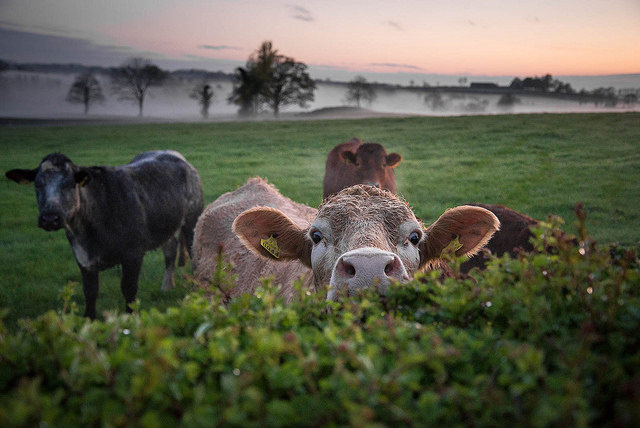
Evening in Lissagally (Photo: Paul Eliasberg) From the 2018 ‘Faith and Freedom’ Calendar
So out of the ground the Lord God formed every animal of the field and every bird of the air, and brought them to the man to see what he would call them; and whatever the man called every living creature, that was its name. The man gave names to all cattle, and to the birds of the air, and to every animal of the field.












 velvethummingbee