Pre-Raphaelites Beauty and Rebellion

This exhibition runs at Liverpool’s Walker Art Gallery from 12 February to 5 June and I was glad to get the opportunity to see it. Anyone who has ever visited any of the galleries in Merseyside will have had the chance to see many of the most famous Pre-Raphaelite pictures and this exhibition brings many of them together, and more, and develops their story in the context of the wealthy patrons of the artists, many of which were Liverpool merchants.


It is interesting to see the paintings placed alongside the wealthy benefactors who bought or commissioned them. Frederick Leyland is described in the catalogue by Christopher Newall as exemplifying a:


new breed of Liverpool oligarch. Born into dire poverty (his mother hawked pies in the streets of Liverpool and was deserted by Leyland’s father, who was a shipping clerk), at a young age he was taken on as an apprentice at the Bibby Line. There, by sheer ruthless determination and with astonishing rapidity, he first became manager and designer of the steamships that formed the fleet and then in 1873 took control of the company.


In recent years the Speke Hall interlude of Frederick Leyland has come to the fore much more and I was pleased to see (for the first time although it is owned by the Walker Art Gallery) James McNeill Whistler’s sketch Speke Hall No 1 (1870) which shows Mrs Frances Leyland on the drive in front of Speke Hall. Also included is a painting by a lesser known artist, James Campbell (1828-93), The Courtyard at Speke Hall (1854) which was painted before the Leylands moved in but shows how it must have looked at the time, warmer and more colourful than the stark black and white over-restoration so beloved of the National Trust.


James Campbell also painted Waiting for Legal Advice (1857) which shows an older man accompanied by a young boy waiting to see a solicitor. The catalogue suggests the man is a “stubborn client” who sits in the ante room whilst two clerks gossip behind him. It is not the only interpretation that could be put on the look that runs across his face.


For me the paintings of William Holman Hunt always stand out. So we have The Scapegoat (1854-4), sent out to the wilderness to carry the sins of the congregation and standing on the salt encrusted shore of the Dead Sea, looking forlorn and fearful. Another painting from his period in the Holy Land is The Sphinx, Gizeh, looking towards the Pyramids of Sakhara (1854). It towers up like a sand blown natural feature in the desert, rich in layered colours.


Another fascinating painting by the same artist is The finding of the Saviour in the Temple (1862) which was owned by George Holt.

Finding the Saviour in the Temple

The finding of the Saviour in the Temple


Unimaginably rich in colour and detail it shows the holy family finally catching up with Jesus in the temple after realising they had left Jerusalem without him. Opposite Jesus in the picture sits a crowd of figures including a number of rabbis, representing the Pharisees and the Sadducees. Some of these are symbolically depicted in shadow while Jesus and his family stand in the light. The whole picture is replete with imagery and symbol. It is a smaller version of a painting which in 1866 claimed the most expensive fee ever paid to a living artist at that time. Such religious scenes were favourites of some of the Pre-Raphaelites although they ranged across mythology, history and other themes.


B. Guiness Orchard in Liverpool’s Legion of Honour (1893) describes George Holt as a member of a family that had “occupied and still occupy so great a place in Liverpool” and listed his commercial and philanthropic achievements:


The present George Holt, has emulated and equalled the father, University College having no more generous friend. To the Dock Estate he rendered great services. He acted as a magistrate for the borough and the county. From 1835-56 he sat in the Town Council, acting on the Library and Museum Committee, and as chairman of the Water Committee. His time and money were freely at the services of the Liberal cause in politics, while in business schemes outside his own office his enterprise and breadth of view were conspicuous, as when he joined Isaac Cooke and Adam Hodgson in establishing the Bank of Liverpool, or as when his fellow Unitarian, Swinton Boult, being anxious to form a great insurance company, turned for support to Mr Holt…[his] father arranged a partnership with young William James Lamport, son of a nonconformist minister…and the two established the firm of Lamport & Holt, shipowners and merchants, chiefly in the South American trade, which soon came to the front, and during many years has enjoyed the highest reputation alike for the extent of its operations and the unsullied honour and singular wisdom with which they are conducted.


Another painting owned by George Holt is Love’s Palace (1893) by John Milhuish Strudwick (1849-1937). Holt was a major collector of Strudwick’s work and this is an intriguing picture. The catalogue describes it like this:


The painting is an allegory of love based on a poem by the architect GF Bodley. Love is enthroned in the centre of the composition, while the three fates sit on the steps. Around them, as if on a stage, woman, knights and Amorini – the winged boys – enact love’s ups and downs.


The three fates are draped in dark, shroud like garments, they languidly spin or cast lots while the Amorini gambol around them. It’s a strange picture but what particularly fascinates me is that it was commissioned by George Holt. He was a genuine connoisseur and a very generous benefactor to the city but is this what really was inside his head? As he examined ship’s manifests, did his calculations for insurance, prepared his ships to sail for Buenos Aires, assembled his finances for the bank and planned the strategies for the Liberal party, was he actually lost in reverie for this imaginative picture of love and the random possibilities of fate?

 

Pre-Raphaelites 01


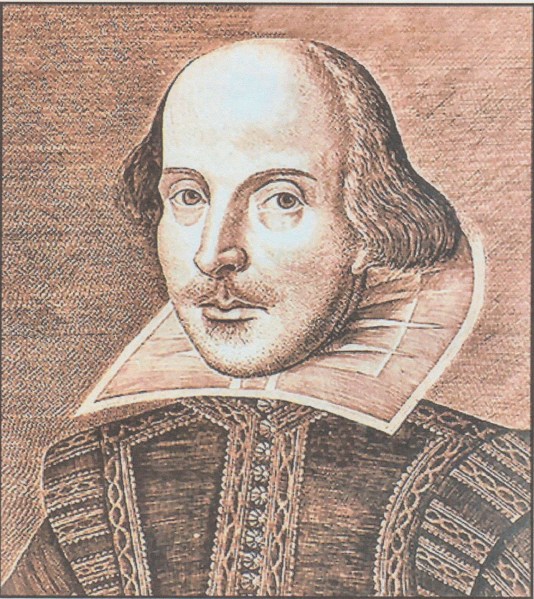
Edgar Innes Fripp and William Shakespeare

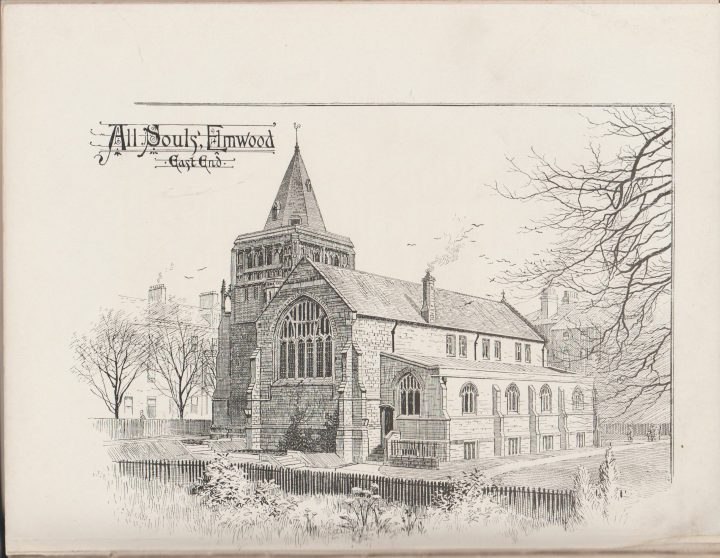
The current celebrations of the 400th anniversary of the death of William Shakespeare prompt me to think about the Rev Edgar Innes Fripp. His is not a name widely remembered today but I was very aware of him when I was minister of All Souls’ Church in Belfast as a very distinguished predecessor in that pulpit, indeed the minister under whose leadership that church was built in 1896.


E.I. Fripp didn’t really get the attention he deserved in the congregation, although I wrote and spoke about him on a number of occasions. If the congregation looked to anyone as an historical exemplar it was A.L. Agnew whose own particular heroic story in the course of a 54 year ministry was partly based on an undoing of the achievements of his predecessor Fripp. He did away with the ‘Fripperies’ that remained from early in the century even to the extent – or so I was told – of having a bonfire of old service books along with assorted hassocks, communion table cloths and pulpit hangings. Fripp had introduced an edited version of the prayer book to the church, a robed choir and a much more devotional style of worship than had been the case before. More than that he had built the church, a little medieval English parish church in suburban Belfast. It was his vision in achieving this that had enabled the church to survive. Without this move it would have been unlikely to have lasted in Rosemary Street, and although there may have been a falling off in attendances between the wars it suited the narrative of the later arrival of Dr Agnew and the York Street congregation following the blitz of 1941, to write off everything that had gone before. In fact the destruction of the York Street building made an eventual union of the two congregations inevitable but without the intervention of the German Luftwaffe even that probably would not have taken place.


AllSoulsexterior

All Souls’ in 1900


By the time I was minister at All Souls’ a large majority of the congregation had belonged to York Street or were descendants of that congregation. The Second Congregation families, the original All Souls’ people, were a minority yet there were a few who remembered Edgar Innes Fripp. This wasn’t because they were extraordinarily old, because although he had built the church in 1896 and left in 1900 he had returned at the start of the 1920s for a few years. In the 1990s there were some people who had childhood memories of Fripp and what they remembered in particular was his interest in Shakespeare. He was much given to quoting him and increasingly found inspiration in his writings for his sermons.


ShakespearesStratford

The title page of Shakespeare’s Stratford


In Belfast he had been innovative, imaginative and creative. He was a genuine scholar, he had been a Hibbert Scholar in Germany before entering the ministry, and was a caring and effective pastor. All this can be seen in his Kalendar, the first monthly magazine to be distributed within a church of the Non-Subscribing tradition in Ireland. Before he had arrived the Second Congregation had left the presbyterian structures to pursue their own course although they were rooted in the Free Christian theological traditions exemplified by James Martineau.


Early in his ministry he had produced an account of the composition of the book of Genesis, by the end of his ministry he was completely absorbed in Shakespearean studies. He published a number of works on Shakespeare, and his life and times, and became a trustee of Shakespeare’s birthplace. Indeed it is interesting to see that today the Shakespeare Birthplace Trust has a short video examining E.I. Fripp’s analysis of Iago:

http://findingshakespeare.co.uk/shakespeares-villains-iago


At the end of his life Fripp’s funeral took place in Shakespeare’s church and he was buried in Stratford on Avon. But he produced a large amount of work on Shakespeare and I have often been tempted to seek out a contemporary Shakespearean scholar to give an assessment of how these works are regarded today for Faith and Freedom. There is and has long been a vast industry around Shakespeare and each age finds a different set of interpretations that reflect its own circumstances. It would be nice to know from the point of view of an English literature specialist what endures from Fripp’s writings. But if nothing else he had an enduring impact on the topography of South Belfast, something that continues to this day.


AllSouls02

The view of All Souls’ today from the Belfast City Hospital

A walk in Sefton Park

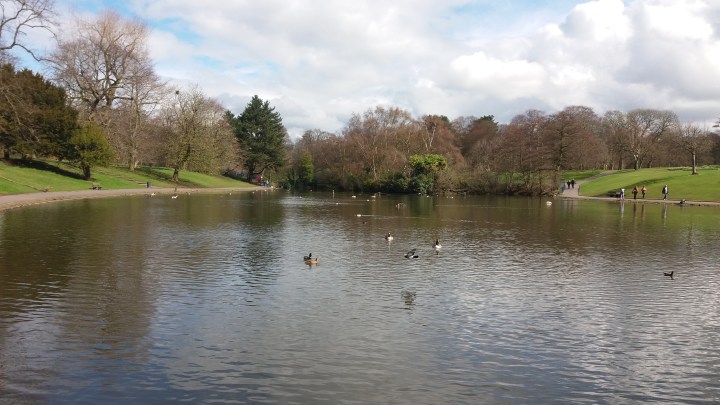
Sefton Park is a source of never-ending delight for anyone familiar with it. As the seasons change so its vistas change, the Victorian redesign of the ancient parkland created an urban space that must be unique in Britain. So much space, so much variety, all in the centre of a city.

20160404_122946


The park looks well-cared for and well-maintained by the council when you walk through it now, something that has not always been the case.


20160404_115017Bandstand


What I notice most about it these days though is the abundance of wildlife you see, quite different from how it used to be. Most of all you see the large quantities of waterfowl, more numerous than in days gone by, mallards, swans, Canada Geese, Aylesbury ducks, coots, moorhens and so on.

20160404_120036Nesting Coots
But other birdlife is even more striking – the impressive sight of a heron perched high above the lake is something astonishing to my mind. I was very impressed to see the heron in February although in a recent visit at the start of April it didn’t seem to be there. Nor did I find the parakeets which I also saw in February. I don’t know where they can have gone, I know they are not uncommon in many places in Britain these days but I was surprised to find a load of them in Liverpool.


20160404_114807

The park has long been full of squirrels. Not everyone approves of grey squirrels but they always attract the eye. The ones in the park are virtually tame as well and not averse to posing for photographs, like this one.


20160404_114309


Another thing I saw recently – new to me – was a fox. Foxes are clever enough to learn that urban humans generally won’t bother them which is why they colonise cities so much. There have long been foxes in Belfast but I’ve never seen them. I saw a fox in Glasgow once, a mangy, dangerous looking thing walking along the middle of the road. But this fox looked sleek and healthy, although it didn’t hang around.


‘Come away, make no delay’

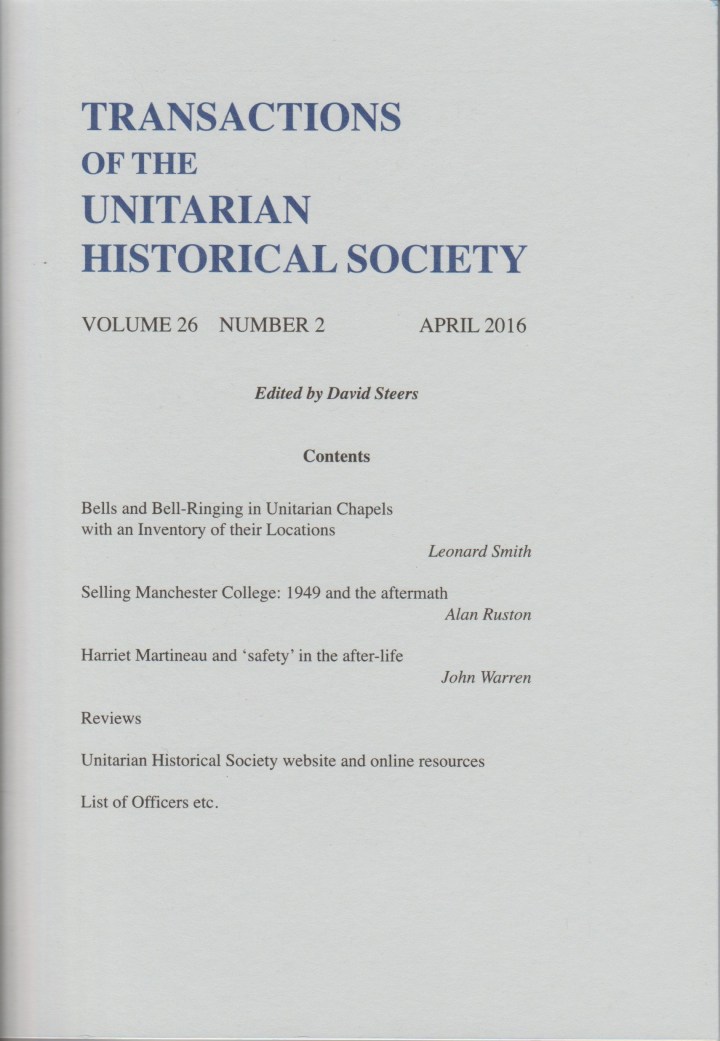
The 2016 Transactions of the Unitarian Historical Society are now out. If you are not already on the mailing list you can join the Unitarian Historical Society via the treasurer. Details of how to join (along with a great deal more) can be found on the UHS website: http://www.unitarianhistory.org.uk/hsmembership4.html


This year’s Transactions include:


Bells and Bell-Ringing in Unitarian Chapels

Leonard Smith                                                                                                                       


An Inventory of Unitarian Bell Locations

Leonard Smith


Selling Manchester College: 1949 and the aftermath

Alan Ruston


Harriet Martineau and ‘safety’ in the after-life

John Warren


As well as reviews of


Free Trade’s First Missionary Sir John Bowring in Europe and Asia, Philip Bowring, Hong Kong University Press, 2014, pp. 262, with portraits in colour plus 18 pages of index. Hardback. ISBN 978-988-8208-72-2. Price £33.


Children of the Same God: The Historical Relationship Between Unitarianism, Judaism, and Islam, Susan J. Ritchie, Skinner House Books, Boston, 2014, pp. I-xx, 106. ISBN 978-1-55896-725-0. Price $14 US.


In these Times, Living in Britain through Napoleon’s Wars 1793-1815, Jenny Uglow, 2014, London Faber & Faber, pp. 641 plus 98 pages of notes and index. ISBN 978-0571-26952-5. Price £25.


The Dissenters Volume 3, The Crisis and Conscience of Nonconformist, Michael R. Watts, Oxford University Press, 2015, pp. 493. Hardback. ISBN 978-0-19-822969-8. Price £85.


The Spirit of Dissent: A Commemoration of the Great Ejectment of 1662, Janet Wootton, (ed.), Institute of Theological Partnerships Publishing [ITPP], 2015, pp. 210. ISBN: 978-1-908532-04-6. Price £10.


Willaston School Nantwich. Later St Joseph’s and Elim Bible College, Andrew Lamberton (ed.), Willaston and District History Group, Chester, 2015, pp. 144. ISBN 978-0-949001-56-6. Price £11.95. Copies of the book can be ordered from the Willaston and District History Group.


From Somerset to the Pyrenees in the steps of William Arthur Jones, Geologist and Antiquary, David Rabson. Somerset Archaeological and Natural History Society (SANHS). pp. 108. Paperback. ISBN 978 0 902152 28 1. Price £14.95 plus £3.99 post and packing from SANHS.


TUHS Cover 2016


Pictures of Harvest Festivals

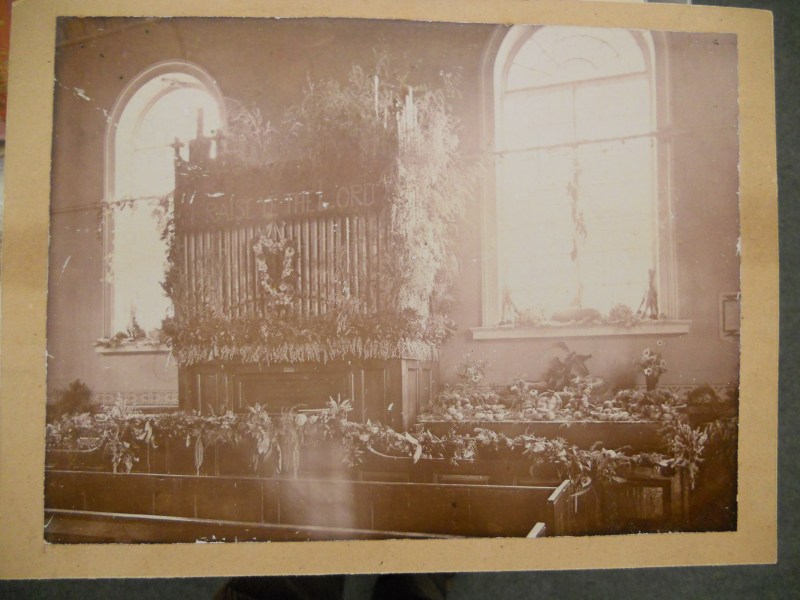
Pictures of Harvest Festivals are amongst the most frequent early survivors of photographs of church or chapel interiors. The modern Harvest Festival, as it is known in churches today, was really invented by the Rev Robert Hawker, vicar of Morwenstow in Cornwall, in the 1840s. He was as colourful and eccentric as they come but devised the notion of a service in which the produce of the fields was brought into the church and used as decoration as an act of thanksgiving. The idea of the service quickly caught on and became a big part of the year for most churches, whether urban or rural. Harvest Festivals became and remain very popular with Unitarians, it would be interesting to study when and how they began to be incorporated into the cycle of services.


I don’t have any information to hand as to how harvest services spread and became popular but I see that in 1881, for instance, Alexander Gordon introduced the first Harvest Festival service to the First Presbyterian, Rosemary Street congregation in Belfast. This must be quite late, I would imagine. Was that something he had previously done over the preceding twenty years at Norwich, Hope Street, Liverpool, or Aberdeen? It would be an interesting avenue to pursue.


With the gradual development of photography as a medium, pictures were taken of churches and chapels. However, the difficulty – for all except the most skilled photographers – of taking good interior shots, and also, perhaps, a reluctance to take a picture of a scene that was so familiar as to be seen as hardly worth recording means that early shots of interiors of chapels and meetings houses are not that common. This seems to change when it comes to Harvest Festivals and a number of pictures that I have of now closed churches were taken to show off the harvest decoration that had been thoughtfully and faithfully put there by some parishioners.


In the recent posts about Nantwich Unitarian Chapel I asked if anyone had any photographs of the interior. Andrew Lamberton has again found a fascinating image. He has sent me this picture of the area around the organ decorated for harvest. There is no date on the picture and it is very difficult to be at all precise although I would guess it was taken probably in the first decade of the twentieth century.


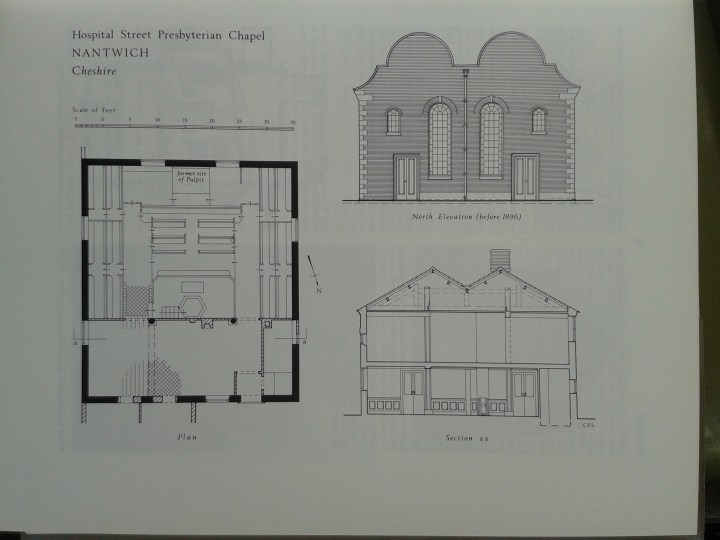
I gather the organ was installed in the 1870s so the picture shows a decorated scene around the organ sometime after that date. As I have mentioned in previous posts the chapel of 1725-26 was rebuilt and ‘turned’ in 1846-49 and this picture would appear to show the area on the plan between the windows and marked as ‘former site of Pulpit’ in Christopher Stell’s Nonconformist Chapels and Meeting-houses in the North of England:


Inventory Nantwich
Plan from Nonconformist Chapels and Meeting-houses in the North of England


It’s hard to make out too much detail in the photograph but it confirms the description also found in Nonconformist Chapels and Meeting-houses in the North of England (page 28) that the pews which incorporated original features from the 1720s were laid out in tiers:

“Seating: against E and W walls, two tiers of pews, partly reconstructed, include much early 18th-century fielded panelling, fronts renewed. The centre pews also incorporate original material.”

It is not an easy thing to take a picture of what is a dark wood-panelled interior while including the main source of light from two large windows. The light floods in through the window and the dark areas remain dark. But for all its limitations we have in this print a rare and useful image of a long forgotten building.

Organ Harvest Festival
(Photo: Andrew Lamberton and Nantwich Museum Archives)

Nantwich Unitarian Chapel

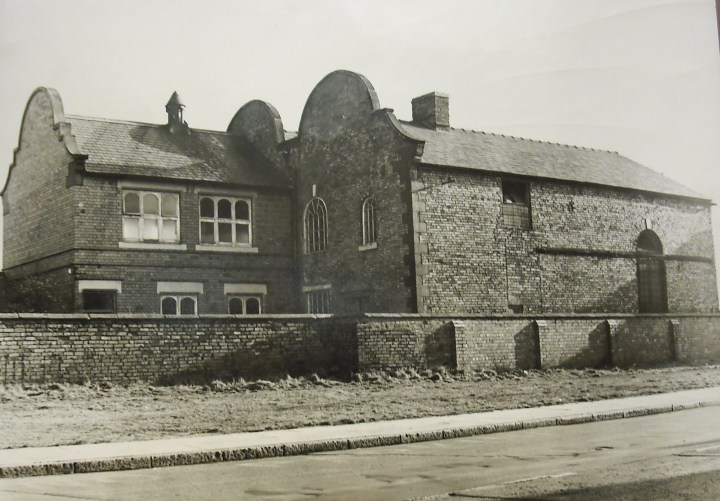
Willaston School Nantwich was created through the will of Philip Barker who lived at the Grove, a house originally built by his brother in 1837. It’s clear also that Philip Barker and his brothers were the main supporters of the Unitarian Chapel, their vision – and financial contribution – seems to have been what maintained what was otherwise quite a weak cause.


Nantwich 1950s

The chapel and associated buildings, probably dating from the 1950s. Photo courtesy of Andrew Lamberton


I found myself in Nantwich once, almost by accident, and carried out an ineffective and inevitably fruitless search for anything left of the Chapel. If I had checked The Unitarian Heritage book first I would have known that it was long demolished (in 1969), eventually meeting, it would appear, quite a sad end. However, the town of Nantwich is fortunate in having a very active History Group (which published Willaston School Nantwich – see the two previous posts) and through the kind help of Andrew Lamberton – who supplied me with a number of fascinating images and other information –  I’ve been able to piece together something of the history of the congregation that was once served by Joseph Priestley.


The congregation dated from the ejection and registered a former malt-kiln on Pepper Street as a meeting house in 1689. Between 1725 and 1726 they built the Chapel on Hospital Street.


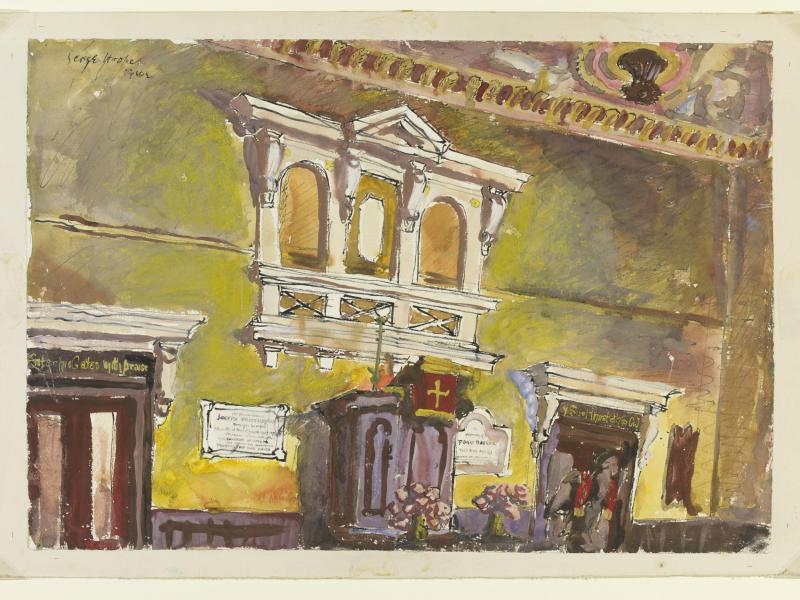
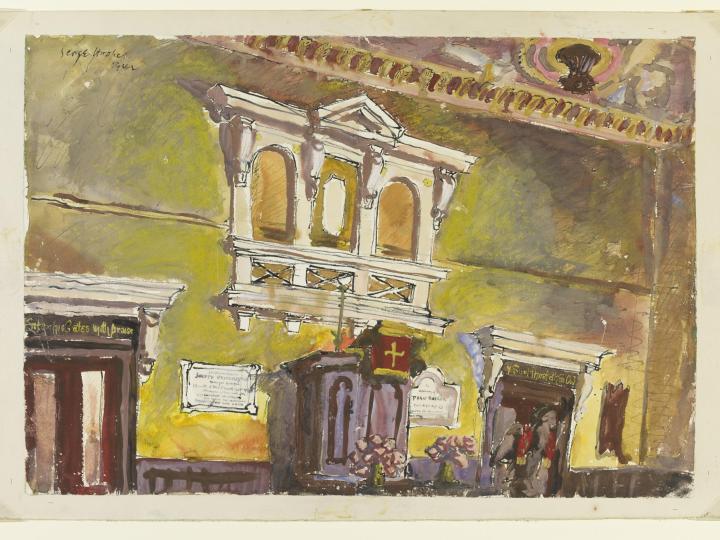
The lively painting of the interior on this page was painted in 1942 by George Hooper as part of the ‘Recording Britain’ series of images, held in the V & A which describes the scheme in the following way:

The ‘Recording Britain’ collection of topographical watercolours and drawings [was] made in the early 1940s during the Second World War. In 1940 the Committee for the Employment of Artists in Wartime, part of the Ministry of Labour and National Service, launched a scheme to employ artists to record the home front in Britain, funded by a grant from the Pilgrim Trust. It ran until 1943 and some of the country’s finest watercolour painters, such as John Piper, Sir William Russell Flint and Rowland Hilder, were commissioned to make paintings and drawings of buildings, scenes, and places which captured a sense of national identity. Their subjects were typically English: market towns and villages, churches and country estates, rural landscapes and industries, rivers and wild places, monuments and ruins. 


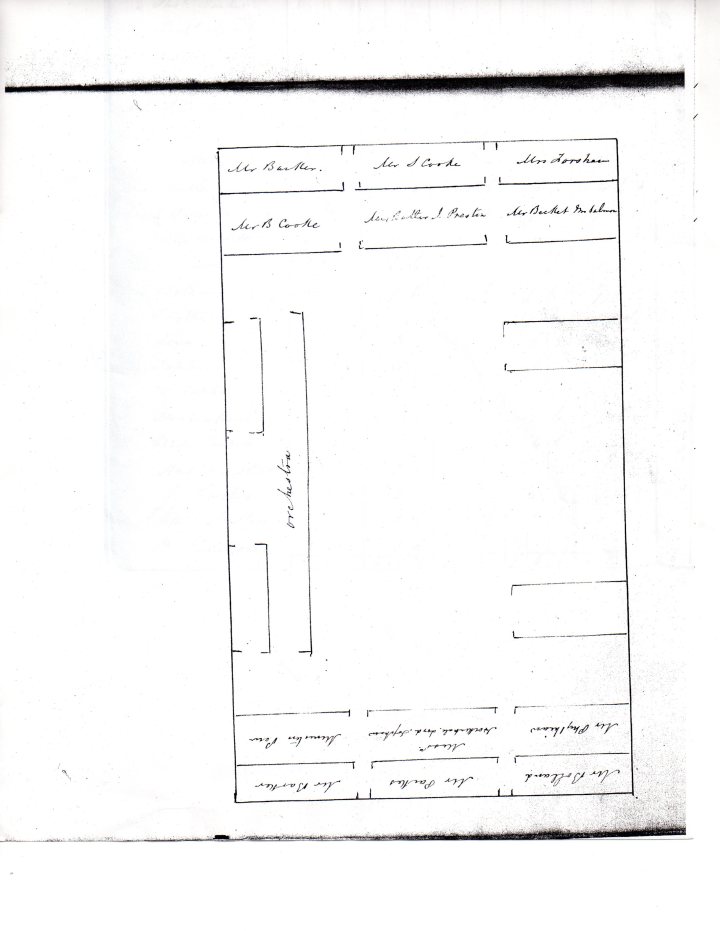
It’s an interesting choice of subject and shows the pulpit with memorials to Joseph Priestley and Philip Barker on either side. You probably wouldn’t guess from the painting but the interior had been completely re-ordered. The chapel had been turned through 180 degrees and the pulpit placed on a false wall with a vestibule and ancillary rooms located behind it. Andrew Lamberton has supplied me with this plan of the interior of the remodelled chapel (from the Cheshire Record Office):


Nantwich plan

Plan of the interior c.1850 (Cheshire Record Office)

Strangely this plan does not show the pulpit which would have been in the centre of the wall on the right hand side of the drawing as we look at it. Opposite it is an area described as ‘orchestra’ on the plan. Is this meant to imply some instrumental accompaniment for hymns or would it be the place for the choir? Philip Barker’s pew can be seen in the top left hand corner.


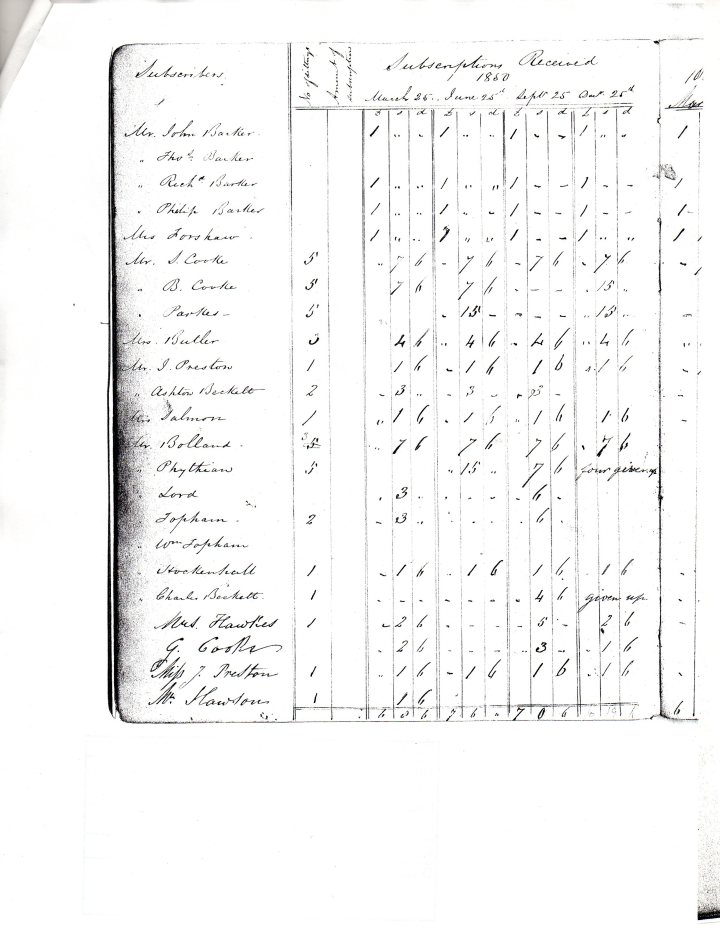
The major repairs that resulted in the re-ordering of the interior took place in 1846-49 according to Christoper Stell’s Nonconformist Chapels and Meeting-houses in the North of England (1994). His plan of the interior can be compared with the one above. By 1850, however, it was not a large congregation as this subscription list, also supplied by Andrew Lamberton from the Cheshire Record Office, shows


Nantwich subscribers

Subscribers List 1850 (Cheshire Record Office)

The chapel was clearly very dependent on the Barker family and the Rev J Morley Mills, minister at the end of the nineteenth and start of the twentieth centuries, recorded that it was known in those days as “Mr Barker’s Chapel”. By the time of the Second World War it was clearly at a very low ebb. Surviving photographs show the building in a very sorry state.

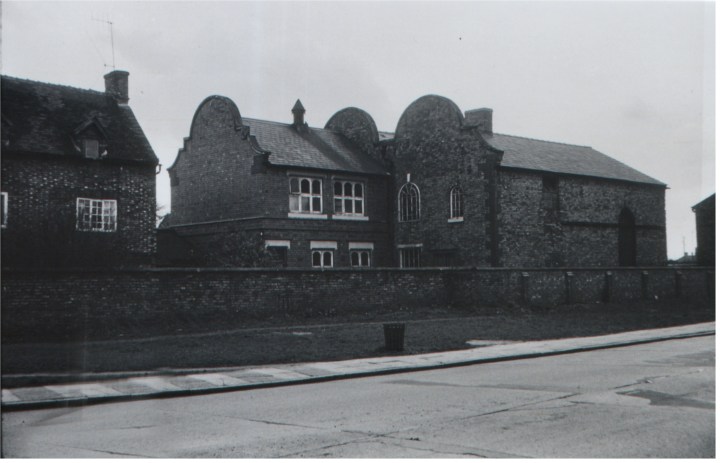
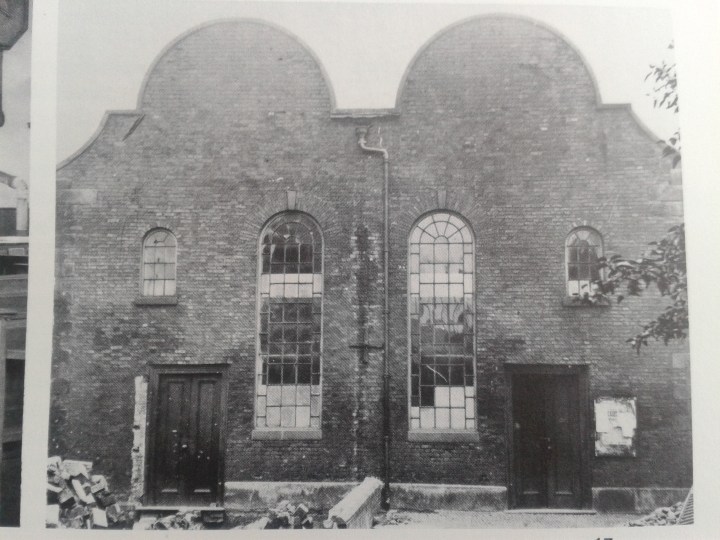
In 1896 a schoolroom had been built right in front of the chapel. This obscured the distinctive outline of the frontage with the Dutch style gables. However, Christopher Stell suggests this design may not have been original and could have been added in a rebuilding of 1870. Either way the Victorian schoolroom obscured the look of the chapel:

Nantwich 1960s

The chapel probably in the 1960s. Photo from Andrew Lamberton

Curiously The Unitarian Heritage carries a photograph of Nantwich chapel taken, presumably, after the school house had been demolished and showing the frontage as it had been built:

Nantwich UH

From The Unitarian Heritage

It seems a reasonable assumption to make that this photograph was taken at the start of the demolition process, after the Victorian school house had been taken down. However, if you compare this photograph and the previous one which dates from the 1960s it is clear that the two long windows are both intact and fully glazed and the stone work and frames around the window are no longer painted. Could this photograph actually date from a different period?


I’d be interested to hear from anyone who has any more information and any additional photographs of the chapel, especially of the interior.


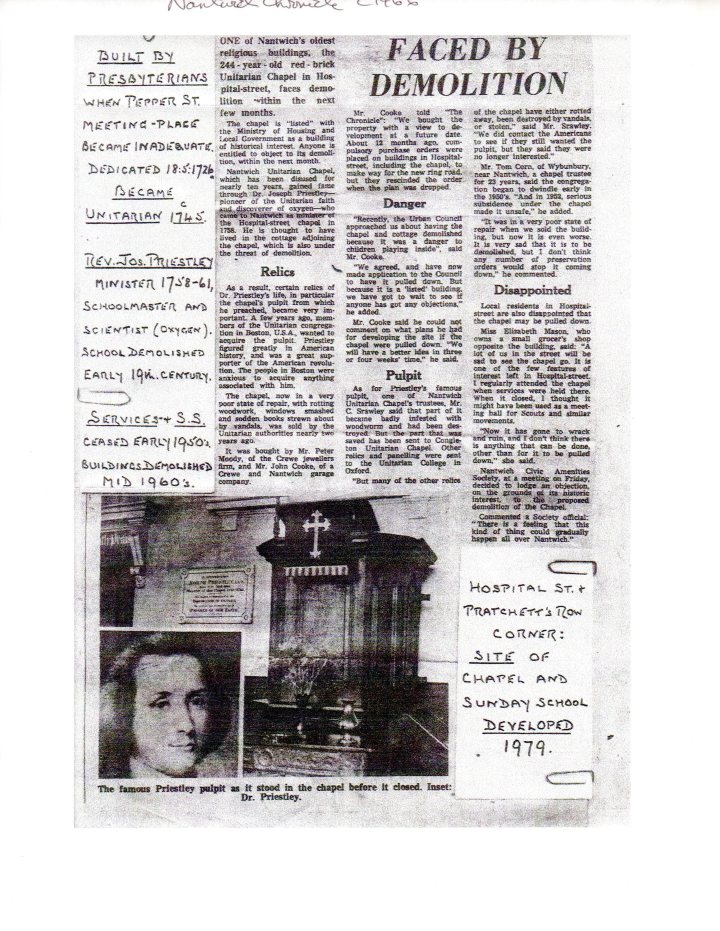
Andrew Lamberton has also sent me this newspaper cutting taken form the Nantwich Chronicle in about 1966 and indicating the sad end the chapel faced:

Nantwich Chronicle

From the Nantwich Chronicle c.1966

It is a shame that such a an unusual and interesting building was lost to the locality, one that had been thought significant enough to record for posterity during the  darkest years of the Second World War.

2012FG9670_2500

The Presbyterian Unitarian Chapel, Nantwich; Recording Britain; Chapel, Hospital Street, Nantwich. © Victoria and Albert Museum, London

Willaston School “a public school education on modern lines”

The edition of Christian Life published to celebrate the centenary of the Trinity Act never fails to provide something of interest. Leafing through its pages the other day looking for something else I chanced upon the half page or so celebrating Willaston School. As with everything else in the whole issue it gives a celebratory account of the institution in question. I notice that the regular Sunday services were conducted by the headmaster or the Unitarian minister in Nantwich and that religious teaching in the school consisted of “instruction in the Bible, and in the history of liberal thought and religion”. The fees were £63 per annum although bursaries were available for the sons of ministers. It paints a positive picture of music, the classics, cricket etc. with every boy cultivating his own allotment in the twenty-four acres of grounds and “a resident staff of university men”.  It provided “a public school education on modern lines”. For those who could afford it, it was a golden age, the last days of the old order before everything was changed utterly by the First World War.


One of the things the recently published book Willaston School Nantwich edited by Andrew Lamberton and published by Willaston and District History Group brings out is how heavily militarised the school became after the war started. There is nothing unusual in that but nearly every boy and member of staff became a member of the Army Cadet Corps and many of them were to be killed at the front in a matter of years, a great many of them decorated for bravery as I have already noticed in the previous post. At least one founding pupil took a different view though. Although I have mentioned him in the forthcoming review of the book that will appear in the 2016 issue of the Transactions of the Unitarian Historical Society I didn’t mention him in the previous post. William Mellor joined the school in 1900 and went on to Exeter College, Oxford. He was a prefect and a captain of cricket and football. He ended up as editor of the Daily Herald and the Tribune and during the First World War was a conscientious objector. His career was not without significance in the development of the Labour party. William Mellor shared radical socialist views with his brother, the Rev Stanley Mellor, minister at Hope Street Church, Liverpool. William and Stanley were the sons of Rev William Mellor, Unitarian minister at Huddersfield before the First World War. I am grateful to Andrew Mellor, grandson of the William in the photograph below, for this family information.

But one other short passage from the Willaston book stuck in my mind. In the chapter on 1914-1924 short passages illustrating the activities of the Cadets are given, taken from the school magazine, including this one on page 45:

In April 1918, “We have only had one lecture this term; that was a most interesting one from Captain Kitchen, (Old Willastonian) Assistant Instructor at the Command Gas School Aldershot. Besides the description of the uses of gas, various specimens of gas masks displayed, practical demonstrations were given of tear-gas and smoke bombs.”


This must have been R.T. Kitchen who was at the school from 1903 to 1908. The first use of gas by British troops came at the battle of Loos in 1915. It was not a success, the wind blew the gas back into the British trenches. Later in the war the allies also utilised mustard gas. A grim job indeed to be assistant instructor at the Gas Command School.


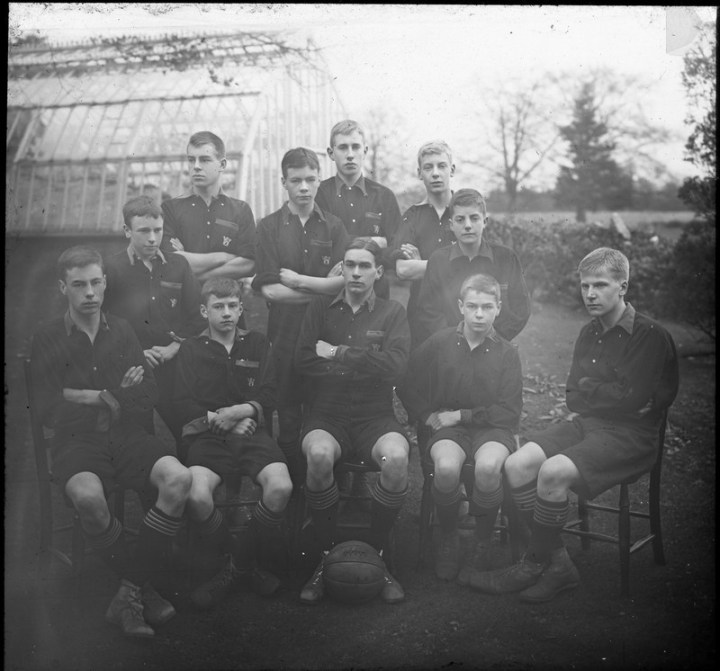
HMC: England: Cheshire: Willaston School, Nantwich: "505"
Willaston School Football XI 1908. With thanks to Andrew Lamberton

In one of the many images in the Willaston School Nantwich book there is a picture of the Football XI in 1908 (page 60). There they sit, the first eleven, a confident looking W. Mellor (captain) seated in the centre. To his left is Norman Ebbutt who served in the RNVS throughout the First World War, and who later became The Times correspondent in Berlin until he was expelled by Goebbels. To William Mellor’s right is a young R.T. Kitchen.


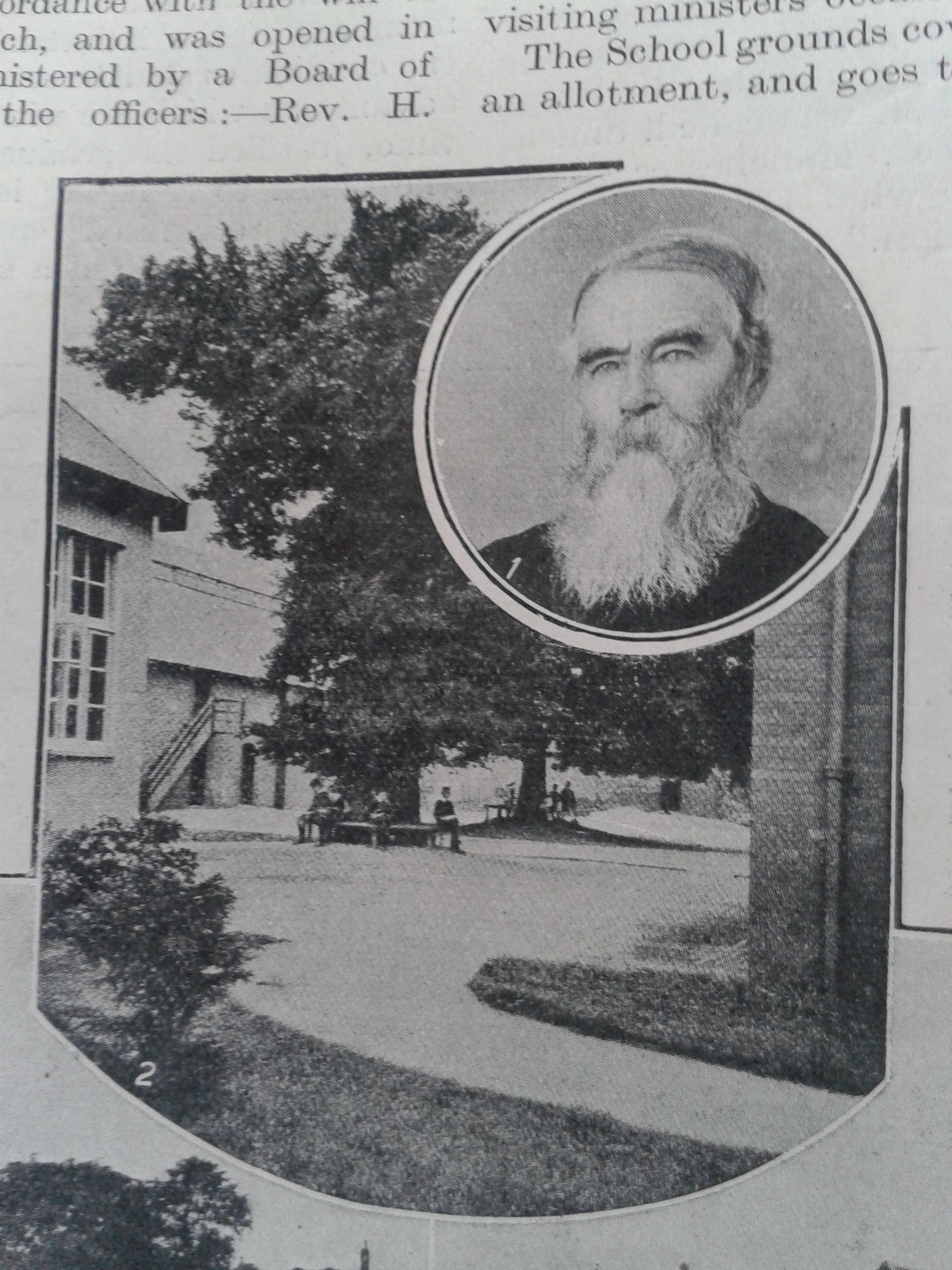
Founder Philip Barker and a view of the school from the 'Christian Life' 1913
Founder Philip Barker and a view of the school from the ‘Christian Life’ 1913

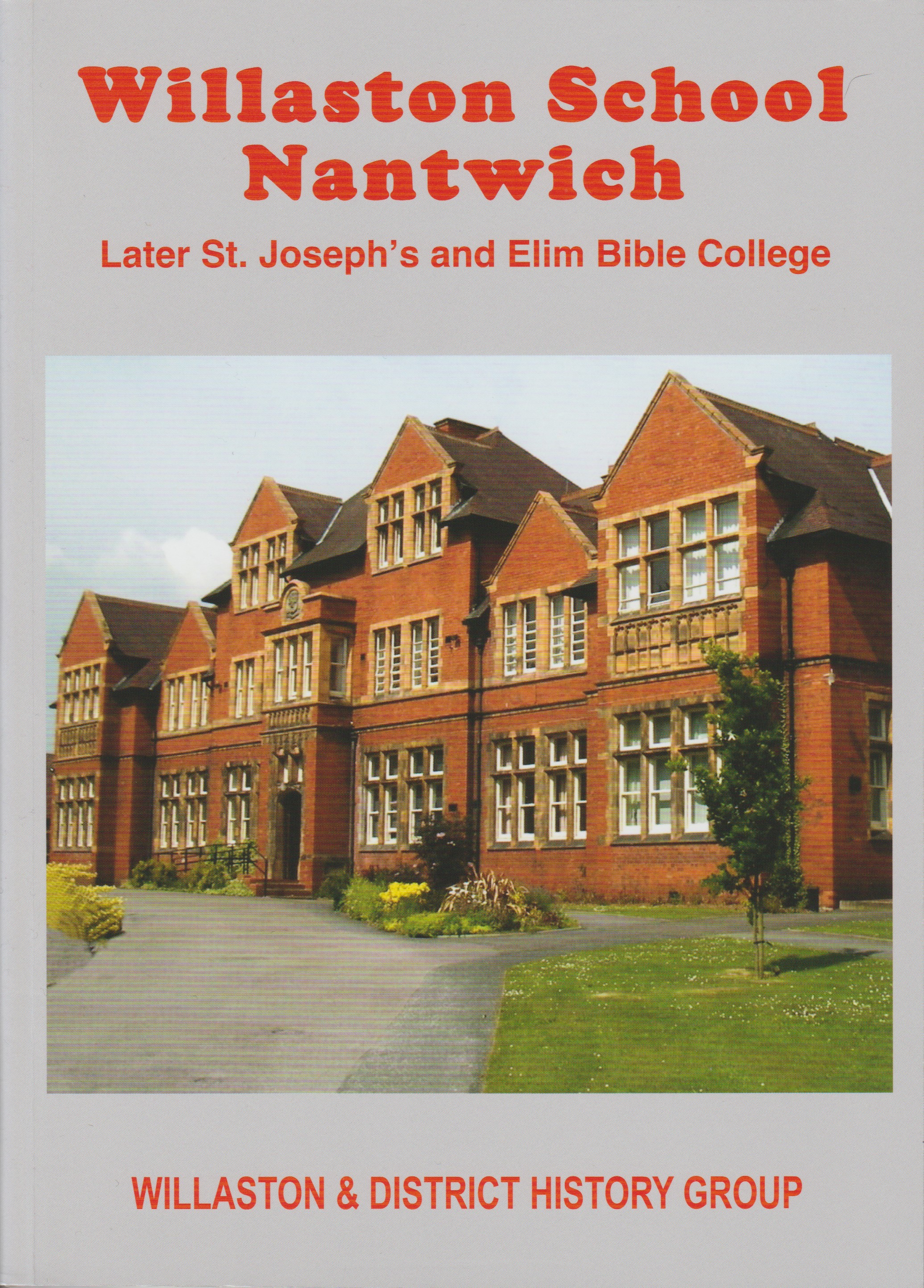
Willaston School Nantwich

Willaston School Nantwich. Later St Joseph’s and Elim Bible College, Andrew Lamberton (ed.), Willaston and District History Group, Chester, 2015. ISBN 978-0-949001-56-6. £11.95.


The cover of the book


The Willaston District History Group are to be congratulated on publishing this fascinating, well-illustrated book.


Willaston School was a relatively short-lived minor public school established under the provisions of the will of Philip Barker, a prominent member of the Unitarian Chapel in Nantwich. On his death in 1898, with no close living relatives, he left his house and estate to be turned into a school for boys of Unitarian families. He may also have intended to provide a service to the sons of Unitarian ministers and also hoped to create a feeder school for Manchester College, Oxford where pupils could go to train for the Unitarian ministry. In this last aim they don’t appear to have been successful, only three ex-pupils went into the Unitarian ministry.


Philip Barker, the founder of the school


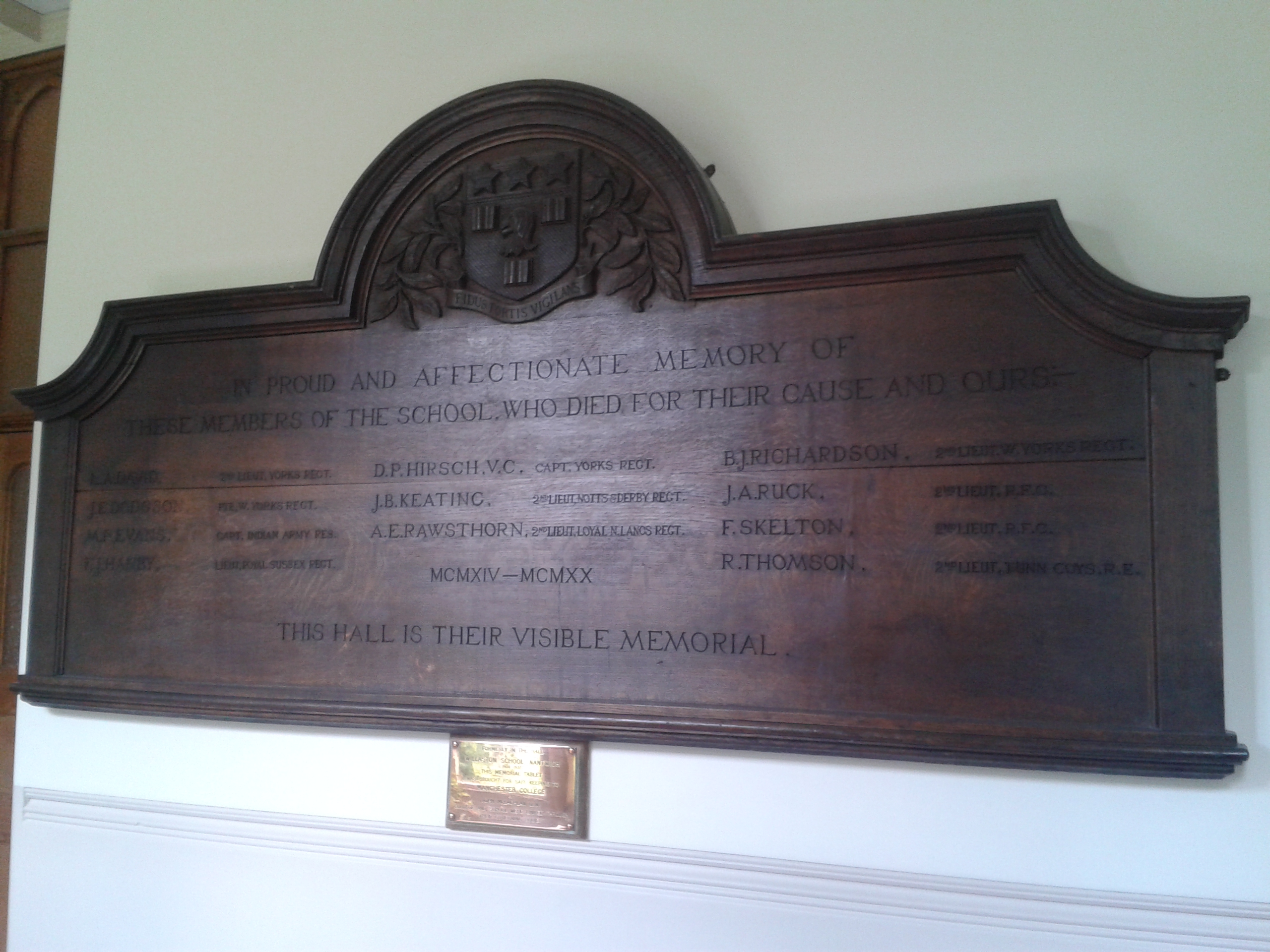
Most of my knowledge of this school previously came from the writings of the late Rev John McLachlan and seeing the war memorial that he had moved to Harris Manchester College after the closure of the school. Founded right at the start of the twentieth century the school seemed to flourish in the decade before the First World War when so many ex-pupils joined up, many lost their lives and a large cohort of their number were decorated for gallantry – including a VC, three MCs, two Albert Medals, one DFC, a DSM and three further mentions in despatches. The VC was awarded posthumously to Philip Hirsch of Leeds. Later Sir Sydney Jones of Liverpool opened a memorial chapel in the school to those who had lost their lives in the war, and a new swimming pool was given in his memory by Philip Hirsch’s parents.


Willaston School Memorial - now situated in Harris Manchester College, Oxford
Willaston School Memorial – now situated in Harris Manchester College, Oxford


WIllaston School Nantwich is an impressive account of the life of a unique Unitarian educational institution from a vanished age. Based largely on the record of writings by four former pupils, including John McLachlan, the book gives a very full account of all aspects of school life including academic matters, sports, music, drama, excursions, clubs and societies and much more. The book includes a list of all the students and accounts of the lives of those who were killed in the First World War. What makes the book even more interesting is the tremendous selection of photographs taken from a collection of 230 glass lantern slides held at Harris Manchester College which really do give a very full picture of life in the school. The school was only operational from 1900 to 1937 but is clearly well remembered in the locality. After closure it became a Roman Catholic ‘Industrial School’ and later still became an Elim Bible College. But this book is mainly about its Unitarian era and is well worth reading.

It can be obtained from the Willaston District History Group via their website: http://www.willastonweb.co.uk/


Thy return posterity shall witness, years must roll away, but then at length the splendid sight again shall greet our distant children’s eyes

Back in August I wrote about the short but significant life of Jeremiah Horrocks (1618-1641) and his connection with the Ancient Chapel of Toxteth. You can read the post here:


https://velvethummingbee.wordpress.com/2015/08/09/jeremiah-horrocks-1618-1641/


Jeremiah Horrocks is interesting for a variety of reasons but it is a curious fact that as a scientist he has collected memorials in at least four churches around the country, including the Ancient Chapel of Toxteth in Liverpool and Westminster Abbey.


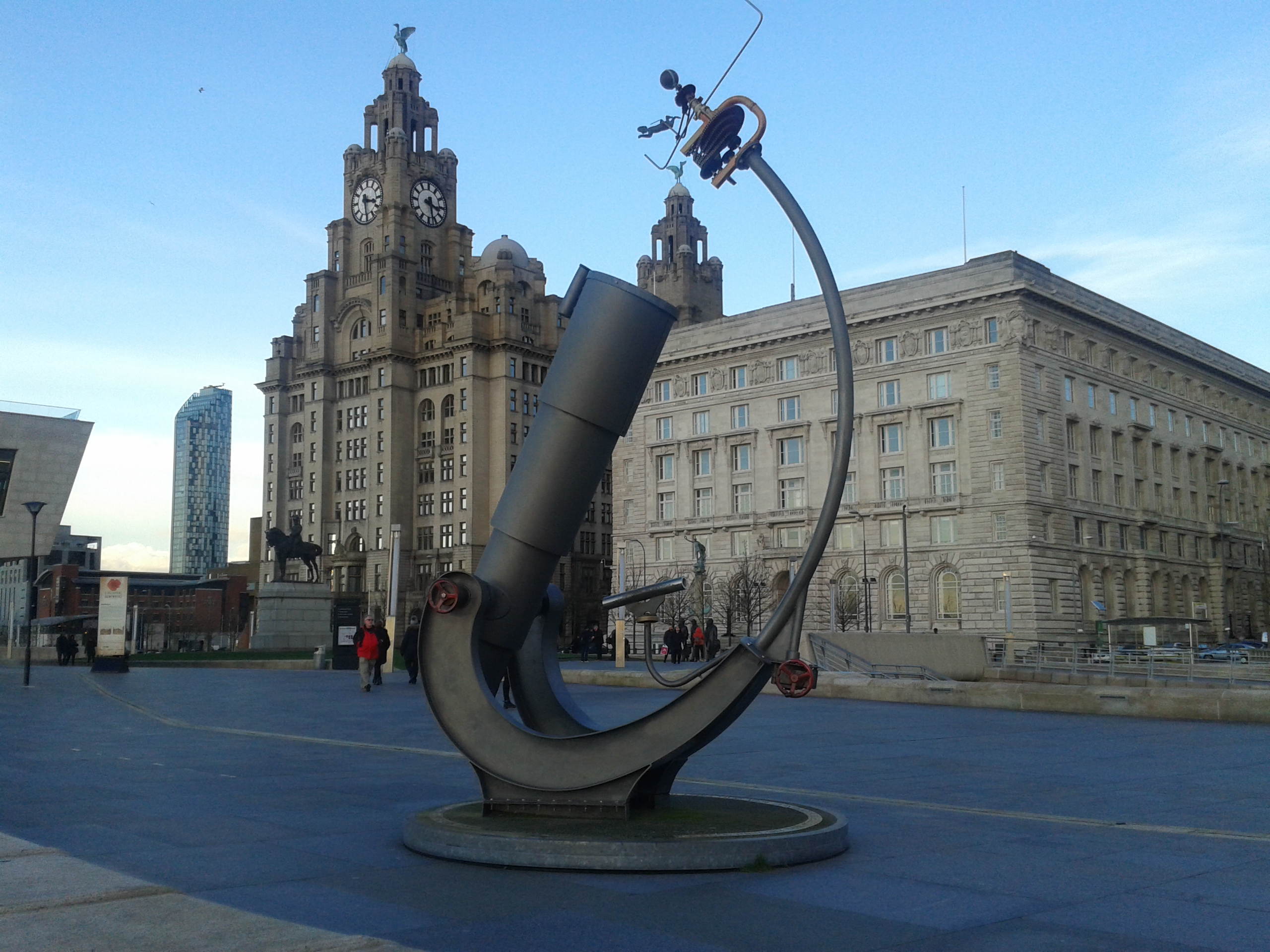
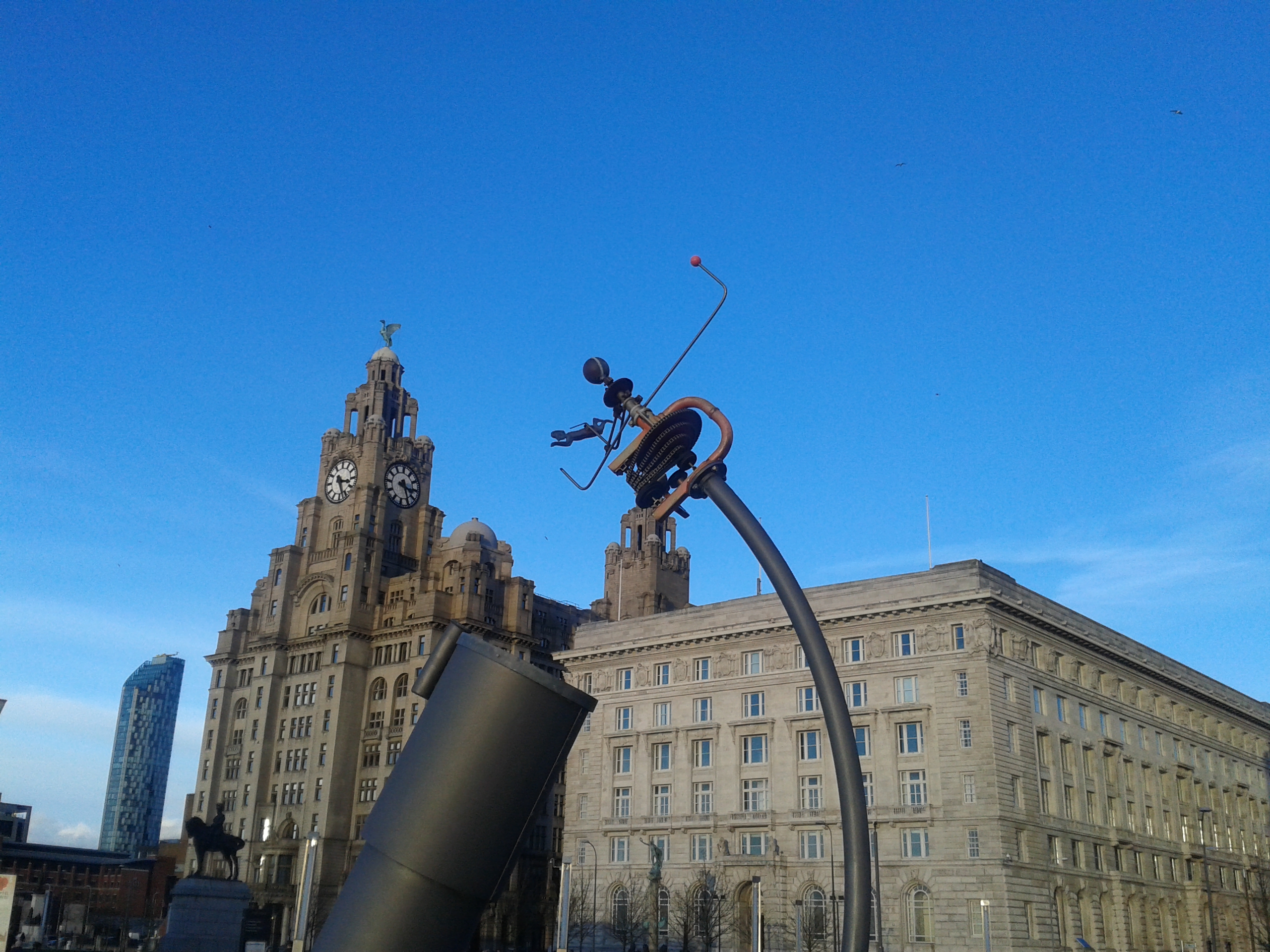
As I also mentioned in my last posting on this topic there are a number of other memorials and commemorations of him in different places, all of them dating from long after he lived. One of the most recent and impressive is near the Pier Head in Liverpool. This is an exciting installation, well-sited in front of the Liver Buildings amongst the ever-growing collection of statuary and memorials that is accumulating there.


Horrocks 04


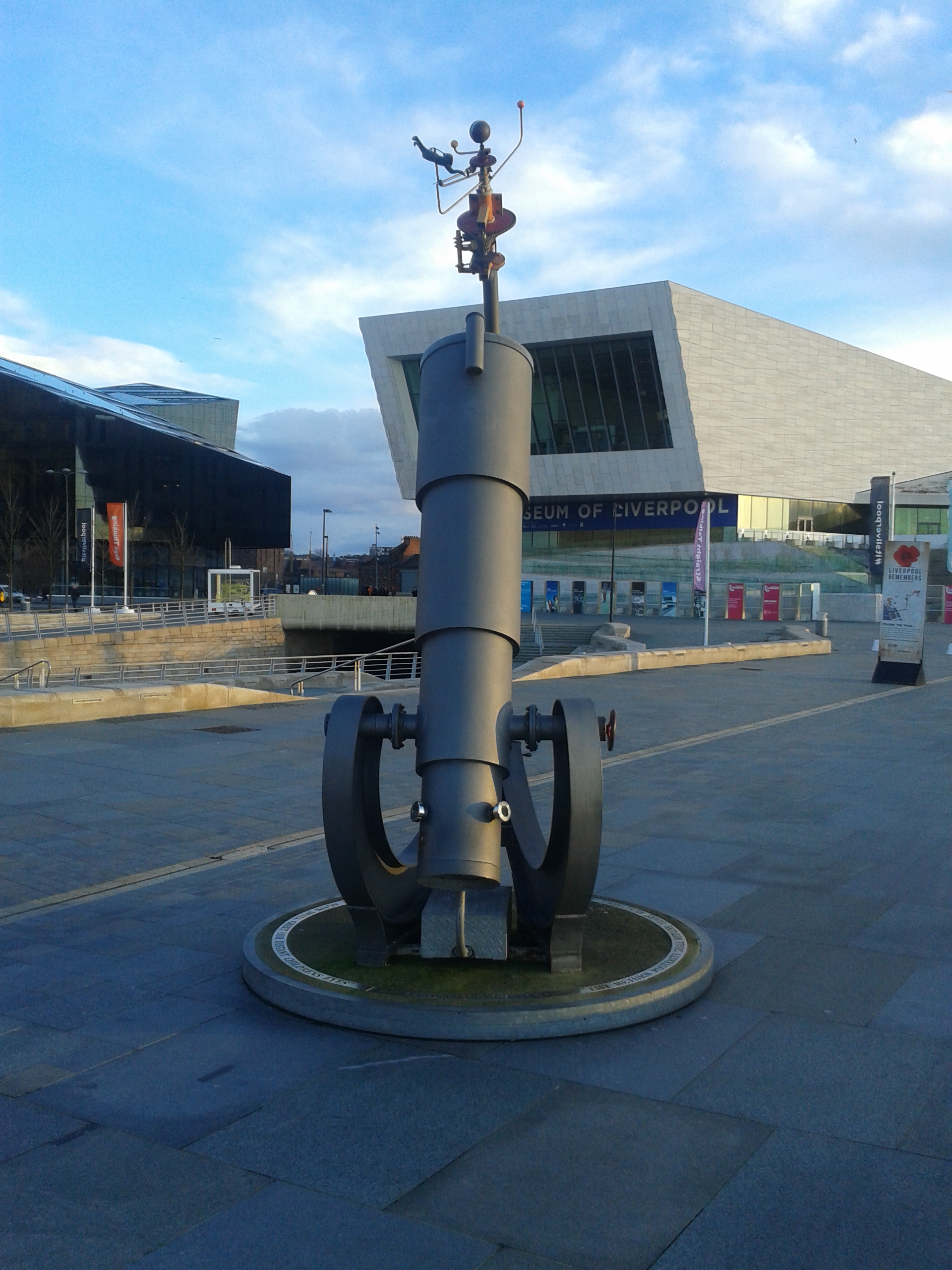
Entitled Heaven and Earth and created by Andy Plant the work was installed in 2011. The base is inscribed with the words:


Thy return posterity shall witness, years must roll away, but then at length the splendid sight again shall greet our distant children’s eyes

a quotation from Jeremiah Horrocks’ posthumously published book on the transit of Venus.


Horrocks 02


The work is both a sculpture and an orrery. Andy Plant (http://www.andyplant.co.uk/recent-work/) himself describes Heaven and Earth in these terms:

The sculpture has a working hand powered mechanical orrery, the position of Venus has been replaced by a copper angel version of Jeremiah and as his wings flap he orbits the other planets. Inside the large telescope there is a video animation of the life of Jeremiah by Tim Hunkin.


Horrocks 05


Unfortunately when I visited the sculpture on a crisp January afternoon this year none of these features were working. They may not have been intended to function beyond the time of the original exhibition of which the sculpture formed a part, I don’t know. But Tim Hunkin is something of a genius and it is great to think that some of his work is part of the installation. In fact you can read about how Tim Hunkin created A Short Life of Jeremiah Horrocks and see the animation on his own website here:


http://www.timhunkin.com/a151_sawmill%20animation.htm


Heaven and Earth is another exciting addition to the Liverpool waterfront, and another fitting memorial to a remarkable person.

Horrocks 01

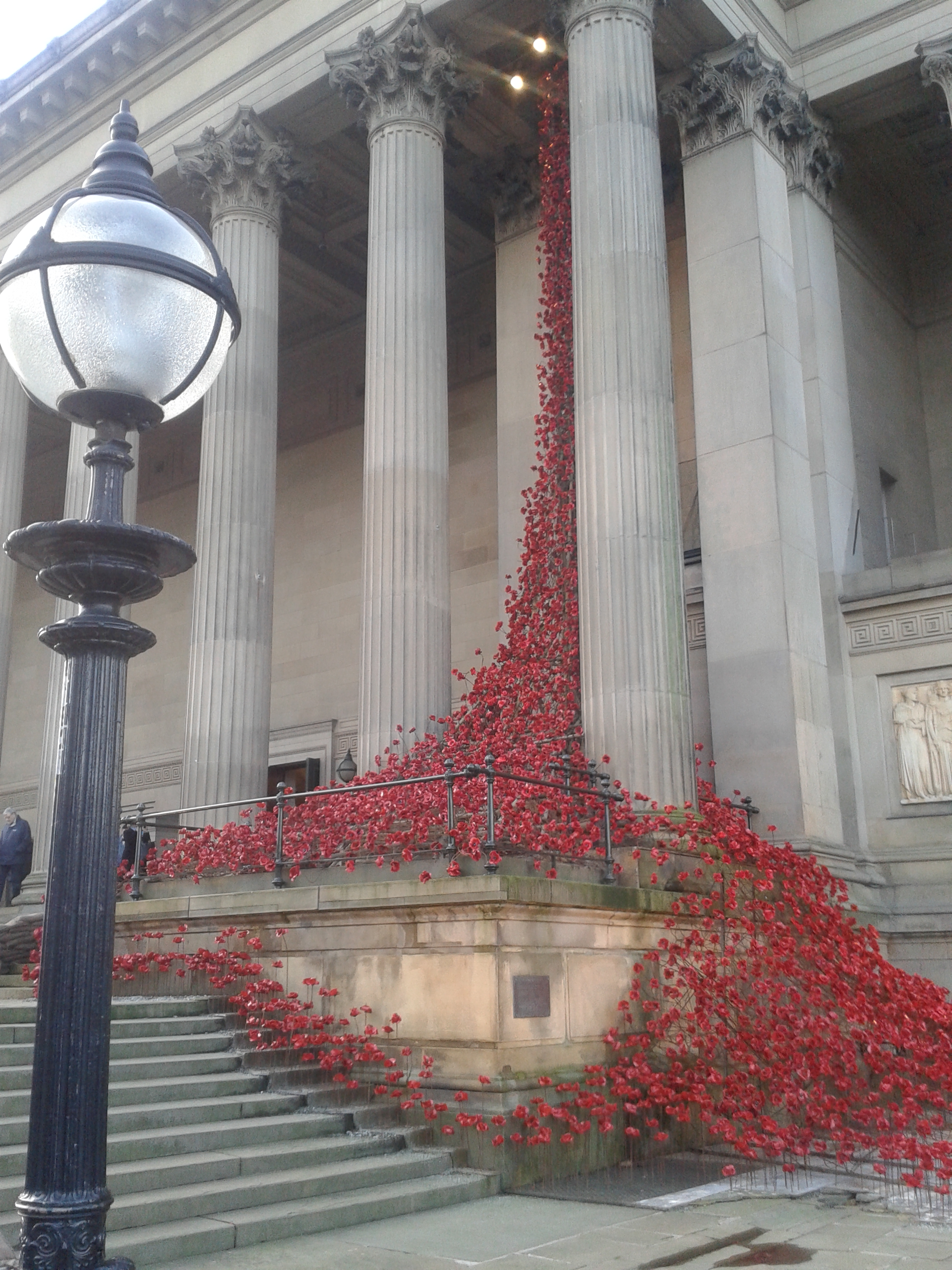
Poppies at St George’s Hall, Liverpool

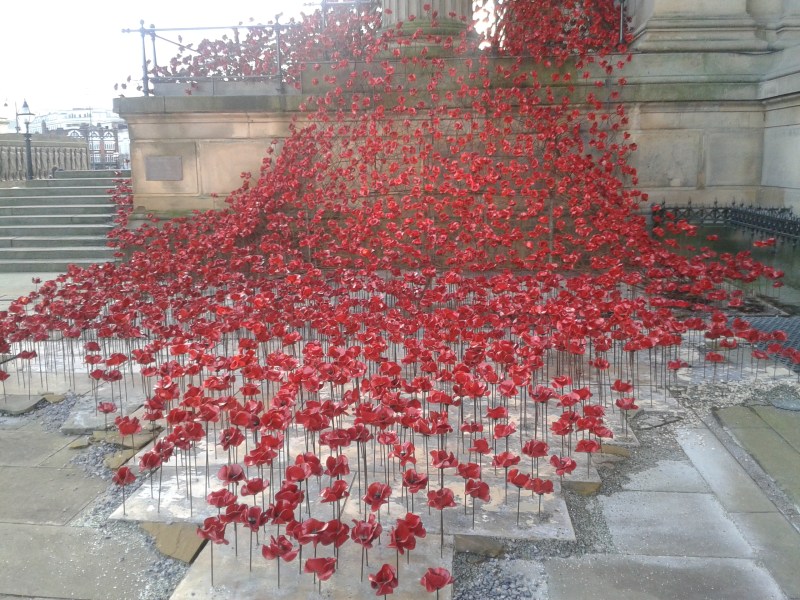
In 2014 the installation ‘Blood Swept Lands and Seas of Red’ was in place at the Tower of London. It seemed to capture the popular imagination in a powerful way. Created by artist Paul Cummins and designed by Tom Piper 888,246 ceramic poppies cascaded out of the Tower of London to progressively fill the moat. Each poppy represented a British military fatality in the First World War.


The story of the poppies at the Tower of London can be seen here:

http://www.hrp.org.uk/tower-of-london/history-and-stories/tower-of-london-remembers/about-the-installation/


It is interesting how art and remembrance could combine so effectively in people’s minds and the poppies from the installation have continued to be used in different ways around the country since, part of the installation moving to St George’s Hall in Liverpool in November.


20160110_143926


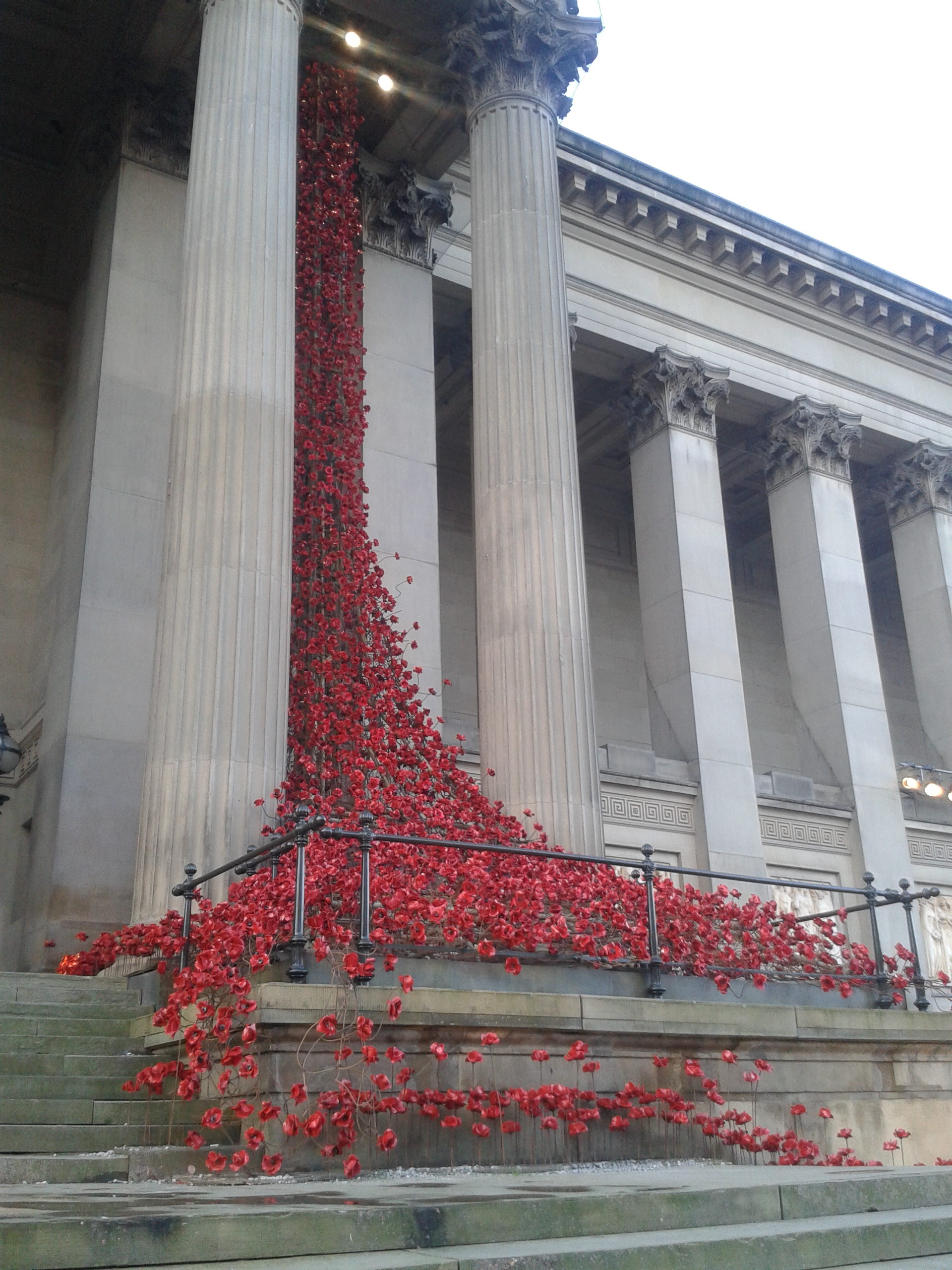
I was fortunate to be able to see the ‘Weeping Windows’ installation in Liverpool shortly before it ended on 17th January 2016.


20160110_144022


Several thousand poppies poured from a high vantage point in the Hall on to the ground below. As such a significant building St George’s Hall made a magnificent backdrop for the poppies and over 300,000 visitors are estimated to have travelled to see it in place.


20160110_144046


As the notice at the installation made clear this was a particularly appropriate venue for such a display. The plateau outside St George’s Hall became the rallying point for the men who formed the Liverpool Pals under the direction of Lord Derby in the First World War. In March 1915 Lord Kitchener inspected nine battalions of Liverpool Pals formed up outside the Hall, local men who had volunteered to serve together. In the years after the First World War the memorial for the dead of the city was placed outside the Hall and near here the installation was placed.


20160110_144429


Altogether a moving and impressive display.