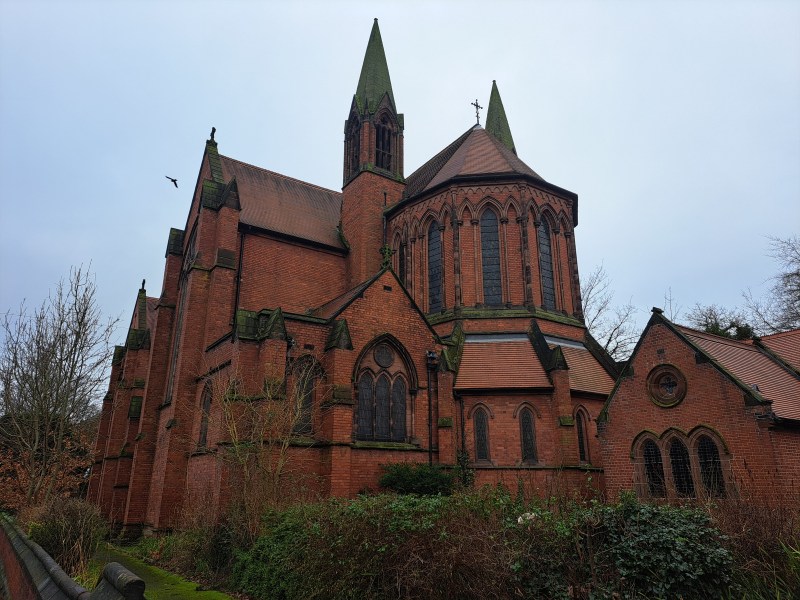
Faith and Freedom Issue 201

The latest issue of Faith and Freedom (Volume 79 Part 1, Issue 201, Autumn and Winter 2025) is now on its way to subscribers. Having been in print since 1947 we have now reached issue 201.

Rev Sidney Spencer by John Stanton Ward, Harris Manchester College, Oxford.

Sidney Spencer is a much neglected figure in twentieth-century Unitarian history and Jo James gives a comprehensive examination of his theological ideas. A Unitarian minister noted for his strongly pacifist witness both before and during the Second World War, with only limited formal academic credentials to his name he nevertheless became Principal of Manchester College, Oxford as well as one of the acknowledged world experts on mysticism. His interest in this subject resulted in a number of publications culminating in the Pelican Mysticism in World Religion in 1963, an influential work and something of a best seller in its day. Jo illuminates Spencer’s theology, sets it in its context and seeks out its relevance to the present day.

This year is the 100th anniversary of the ‘Scopes Monkey Trial’, the famous trial which took place in Dayton, Tennessee when local teacher John Scopes was taken to court for teaching Darwin’s theories in his classes, contrary to the law of the state of Tennessee. John Midgley gives a timely account of this key event, forever made famous by the movie Inherit the Wind, starring Spencer Tracey.

One hundred years is a long time yet the whole case has many uncomfortable resonances in the present age and these perhaps feed into the current situation in the United States. Dan C. West, who has ‘lived through 15 presidents since the beginning of the Second World War’, gives a very insightful analysis of the current political, theological and cultural trends which mark America today.

How do we understand our place in the universe, how do we understand the universe itself in theological terms? Feargus O’Connor provides an excellent examination of Our Mysterious Universe: Accident or Design? looking at the philosophical notions that underpin the argument from design.

Following on from Barrie Needham’s article considering the Koran/Quran from Western, liberal Christian eyes in our last issue, we are pleased to include a response from Imran Usmani who brings considerable insight to the topic through his extensive researches on Christianity, Judaism and Islam.

We are delighted to once again include a number of reviews, including Peter B. Godfrey’s review of Diarmaid MacCulloch’s Lower than the Angels: A History of Sex and Christianity; Peter’s review of the late Rev Art Lester’s  Thank God I’m an Agnostic: Trusting your Hunch about God, the Universe and All That and the editor’s review article on A Short History of the Non-Subscribing Presbyterian Church of Ireland. Including Sketches of Individual Congregations and a Fasti of Ministers who served in them by John Nelson.

You can take out a subscription via Nigel Clarke, our Business Manager, or online via PayPal. The details of how to subscribe can be found on our website here: https://www.faithandfreedom.org.uk/subs.htm

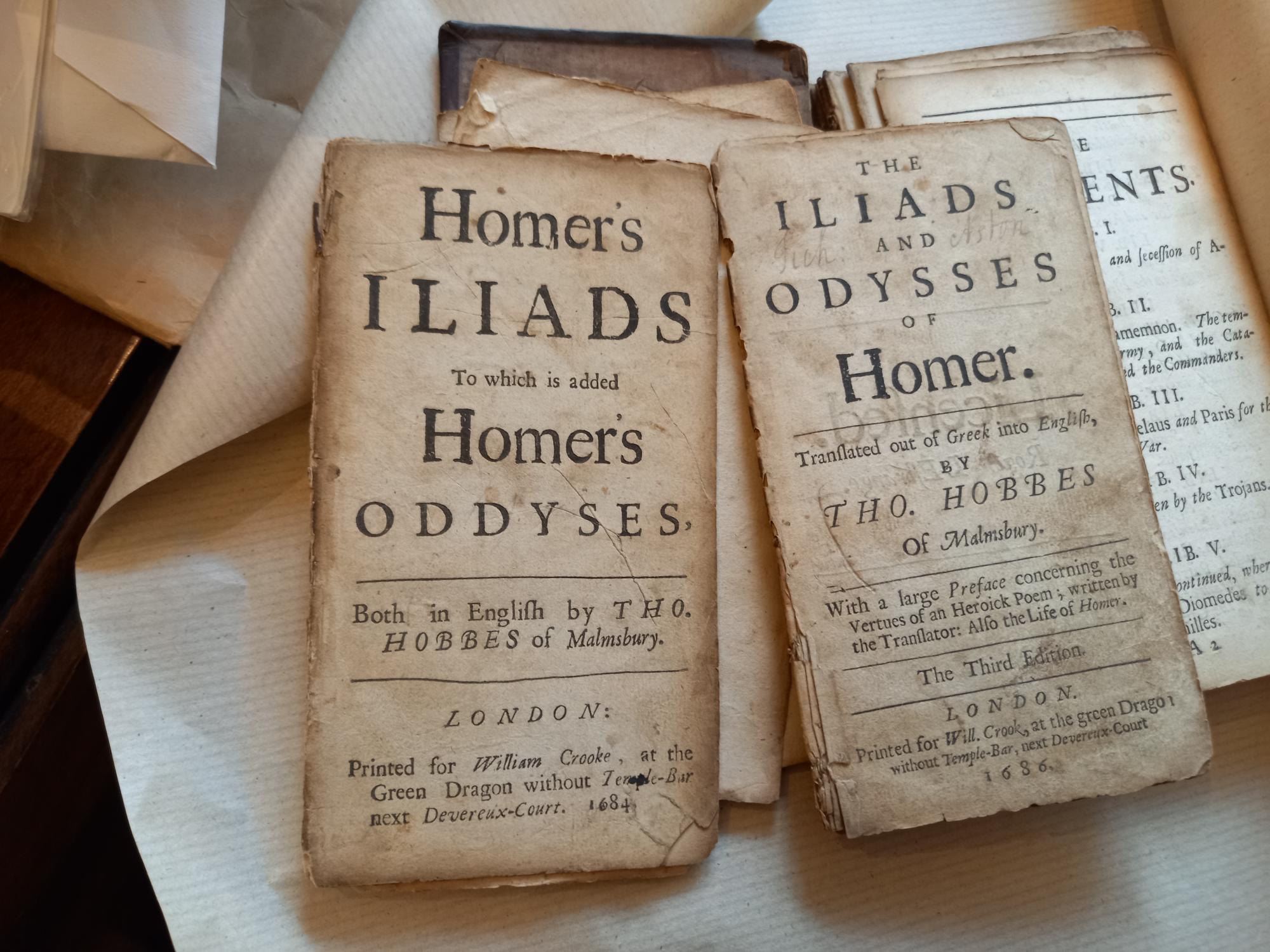
Homer’s Iliad 1686

Click above to watch the video

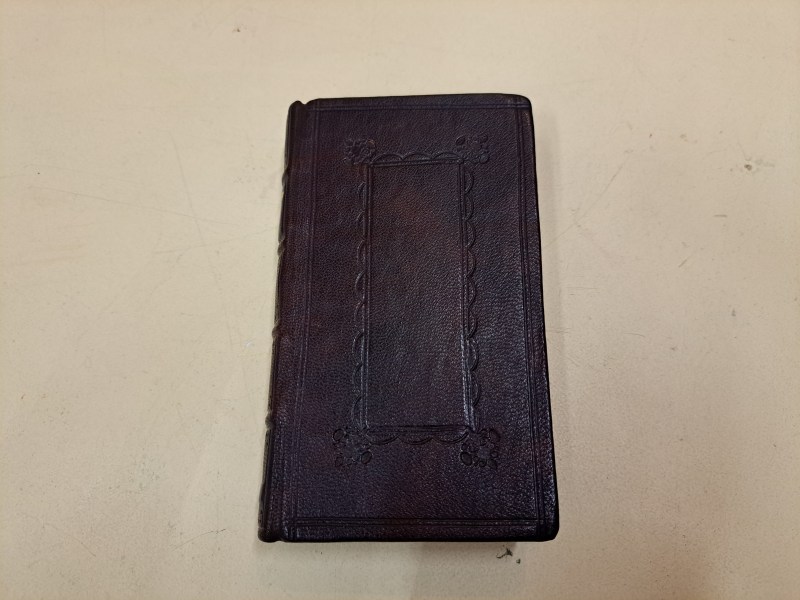
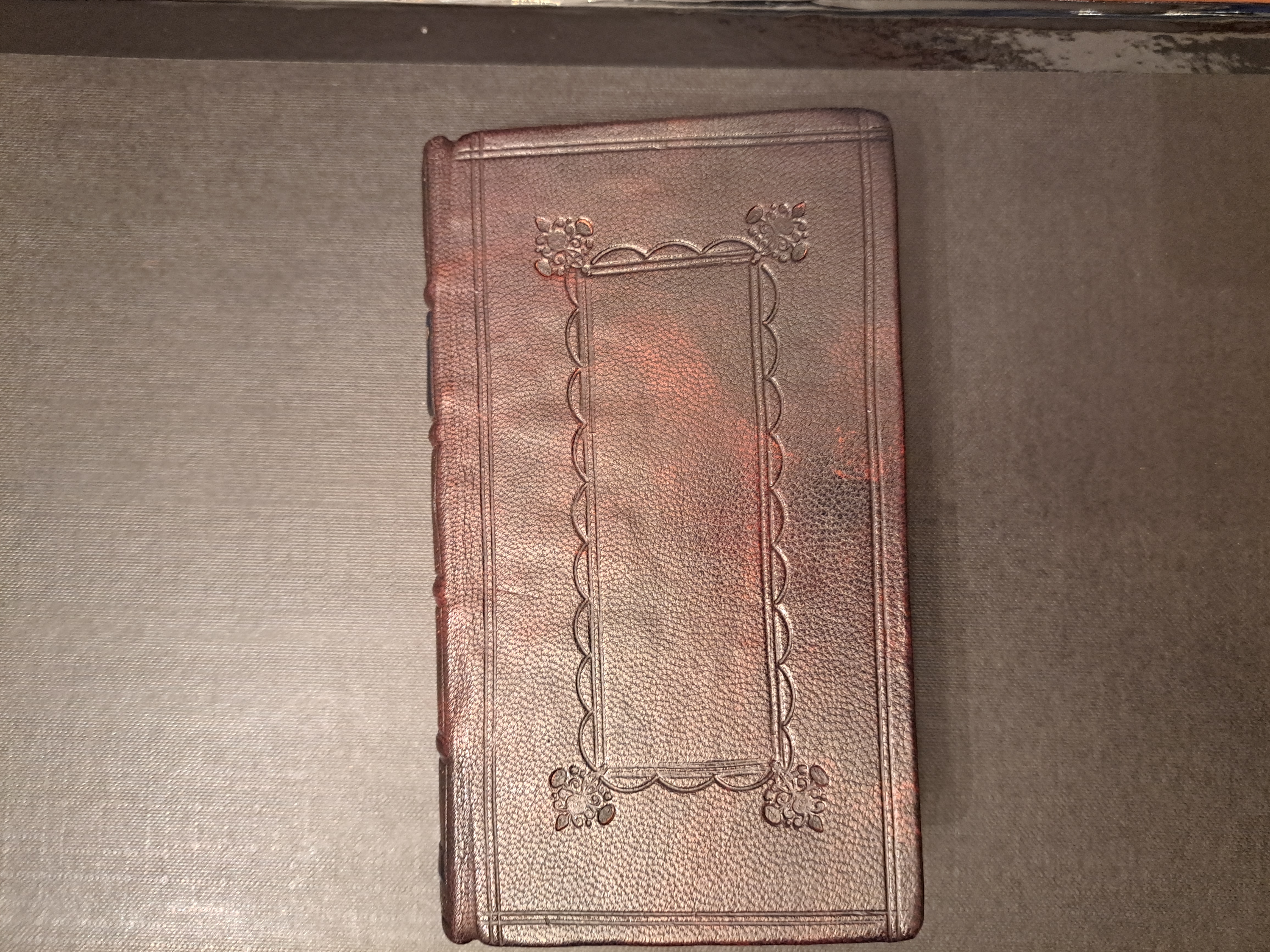
The oldest book in our Library at Dunmurry is this volume, the Third Edition of Thomas Hobbes’ translation of Homer’s Iliad published in London in 1686. The video tells the story of the book and its recent restoration in Belfast.

The book before restoration

The book following its recent restoration

Christmas at First Dunmurry

Christmas Events at First Dunmurry

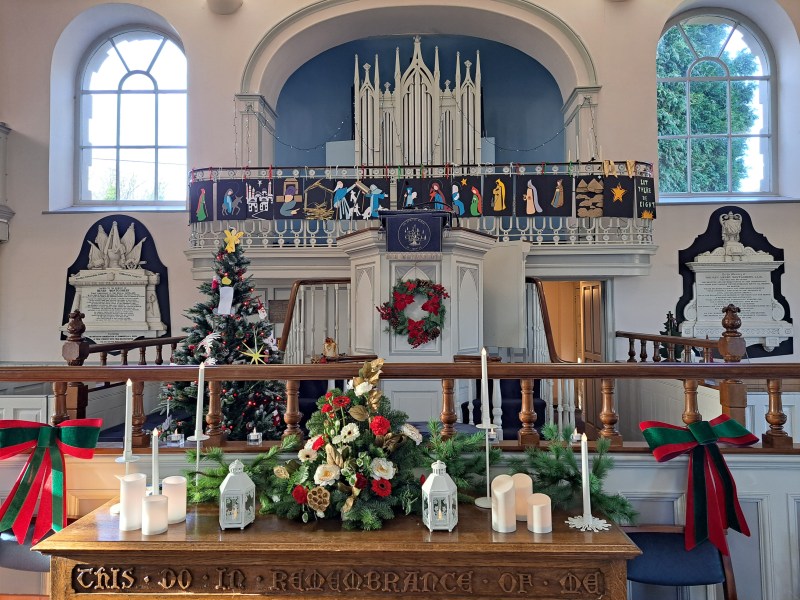
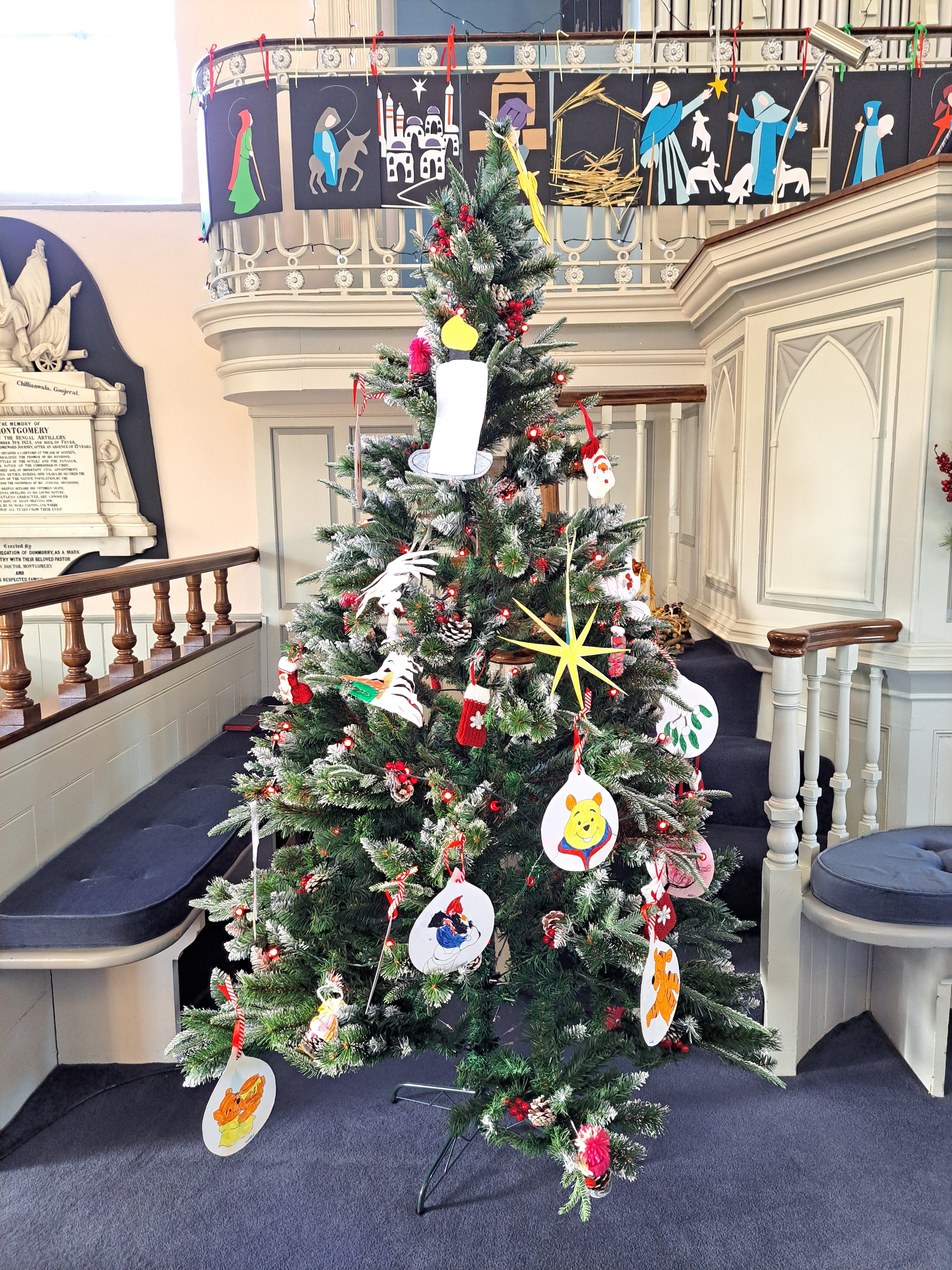
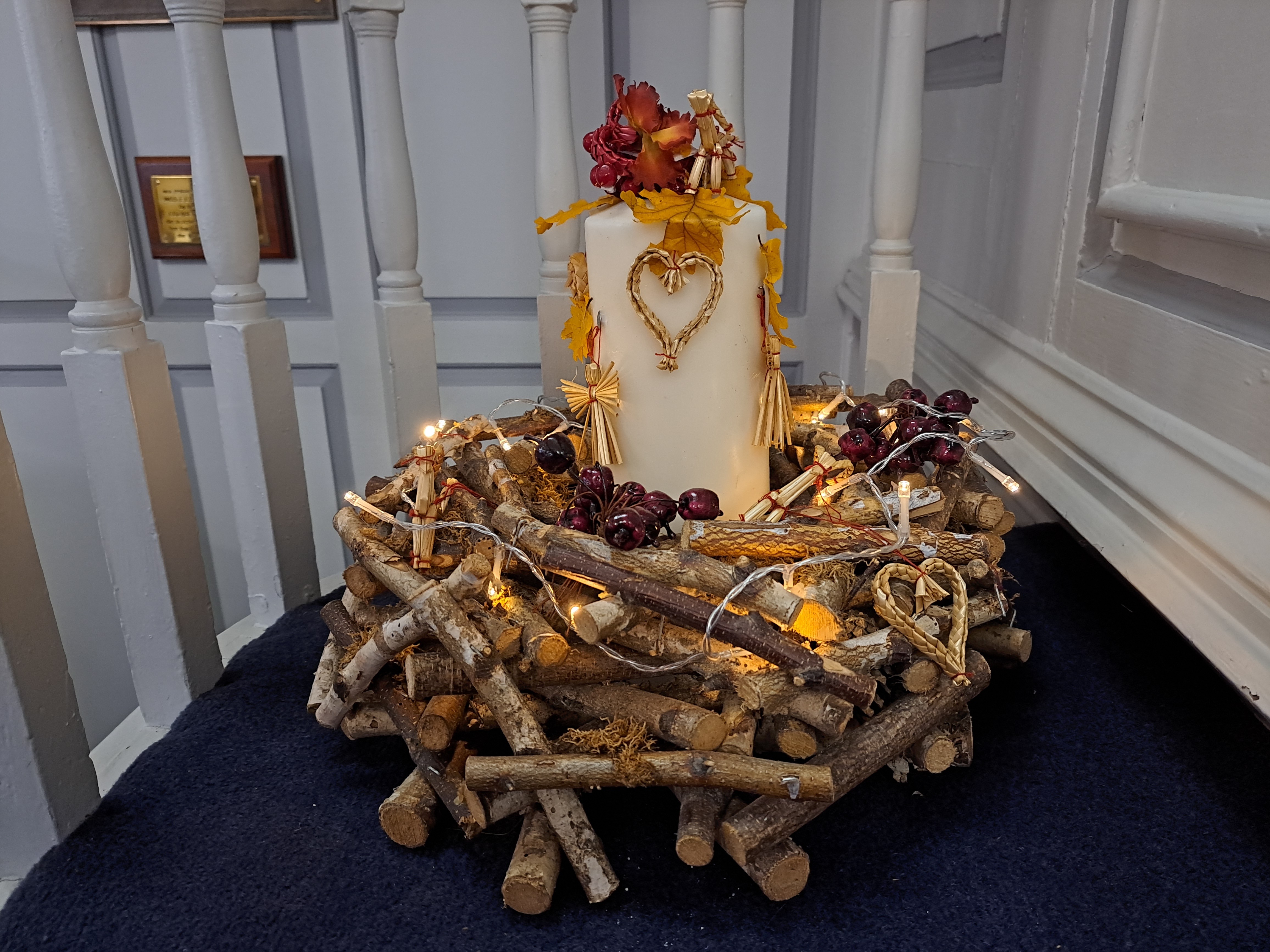
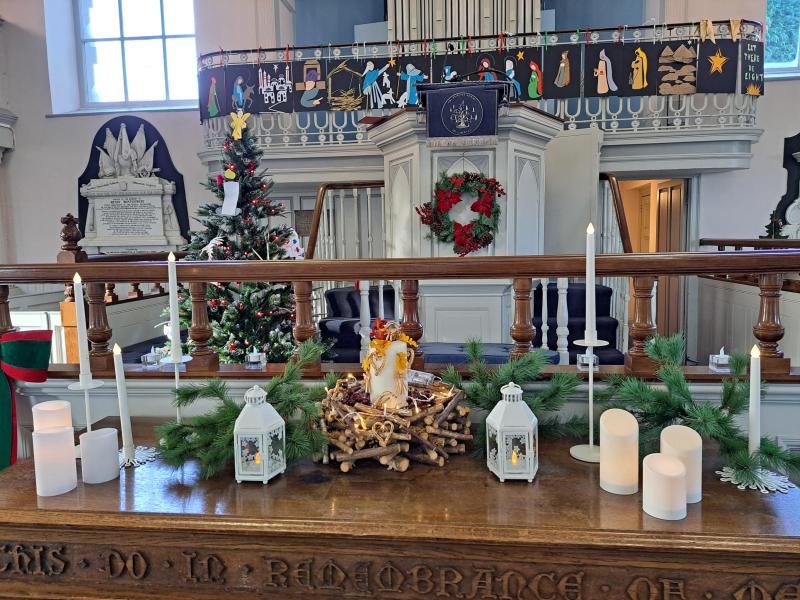
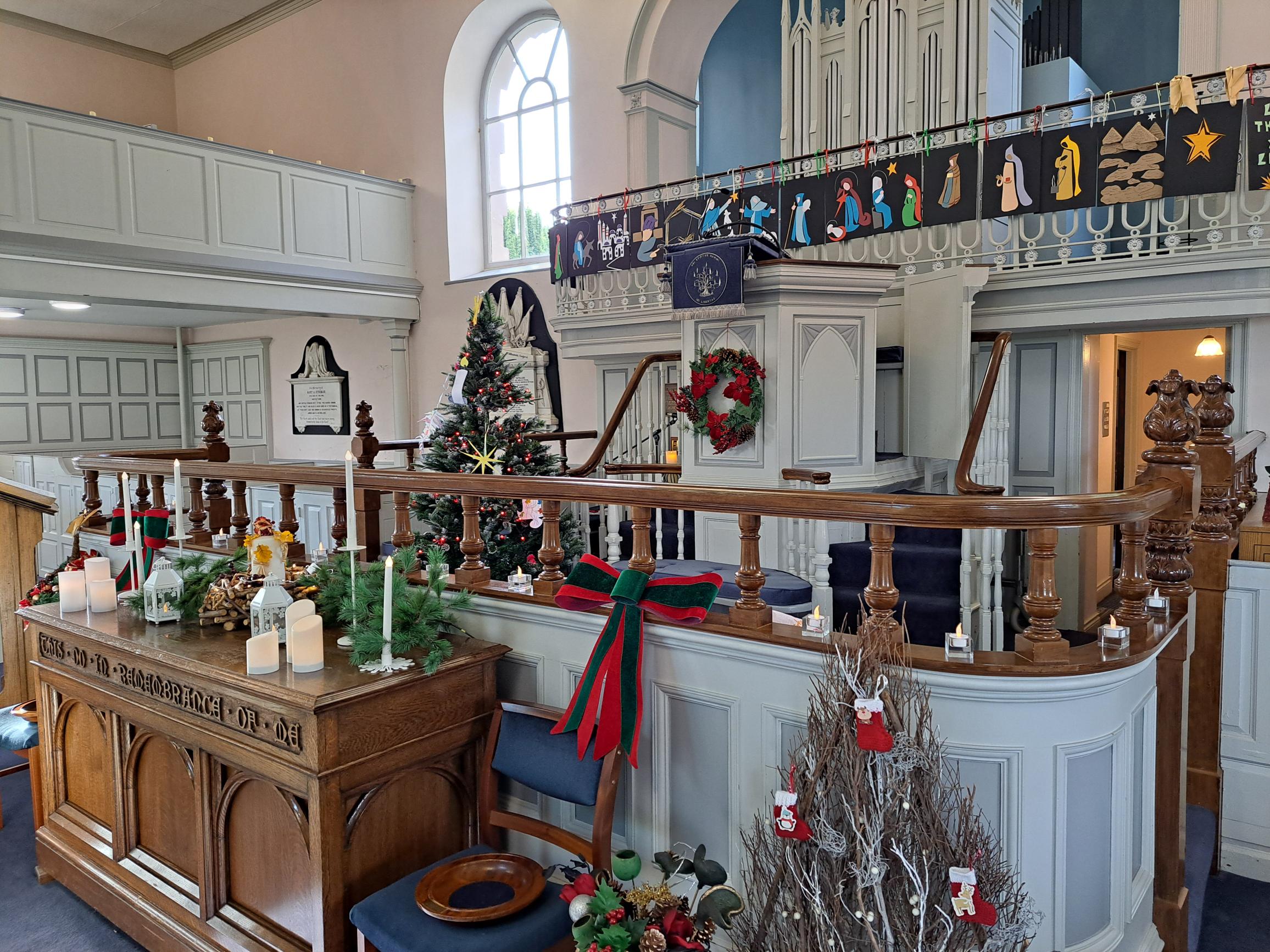
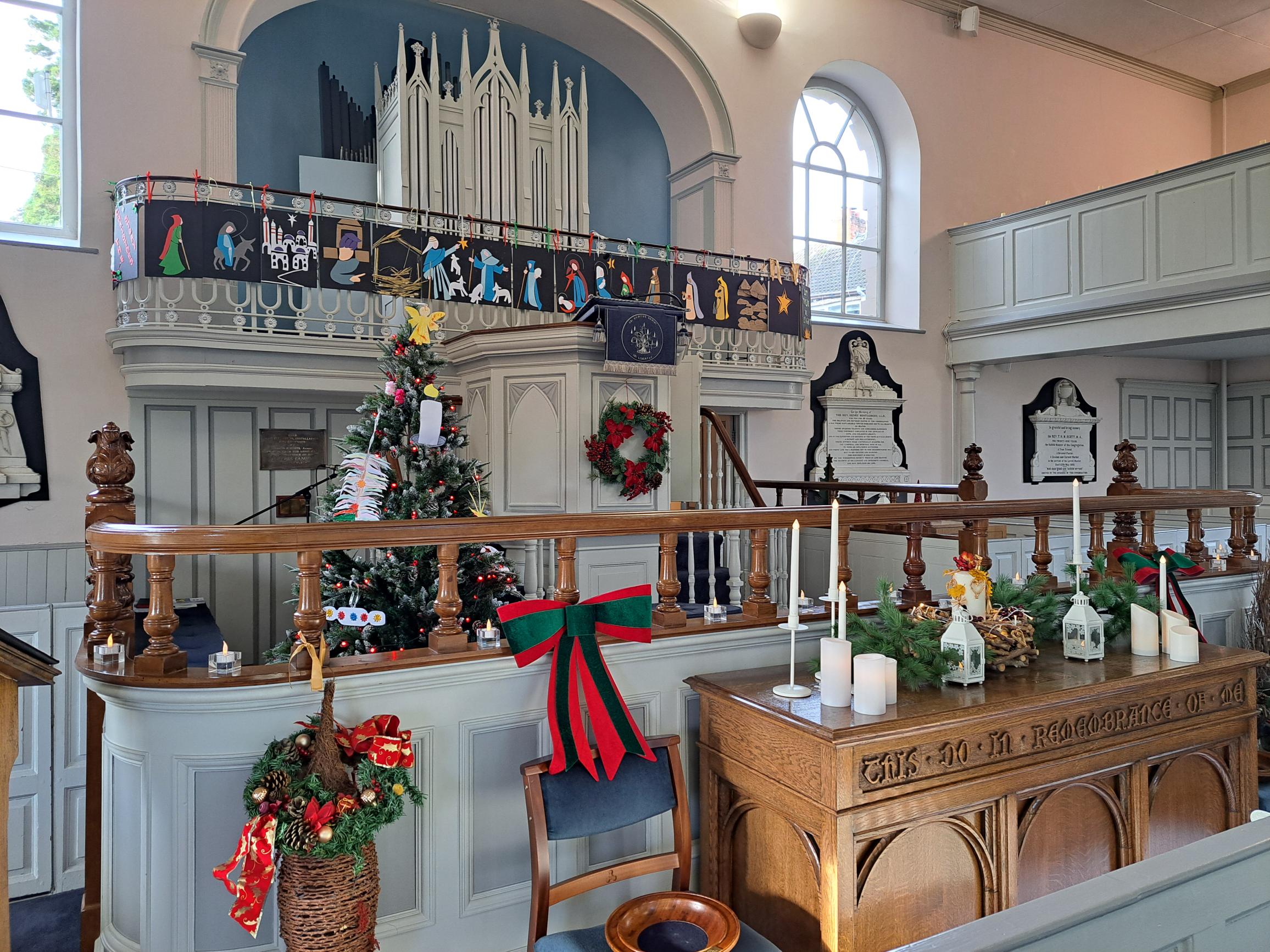
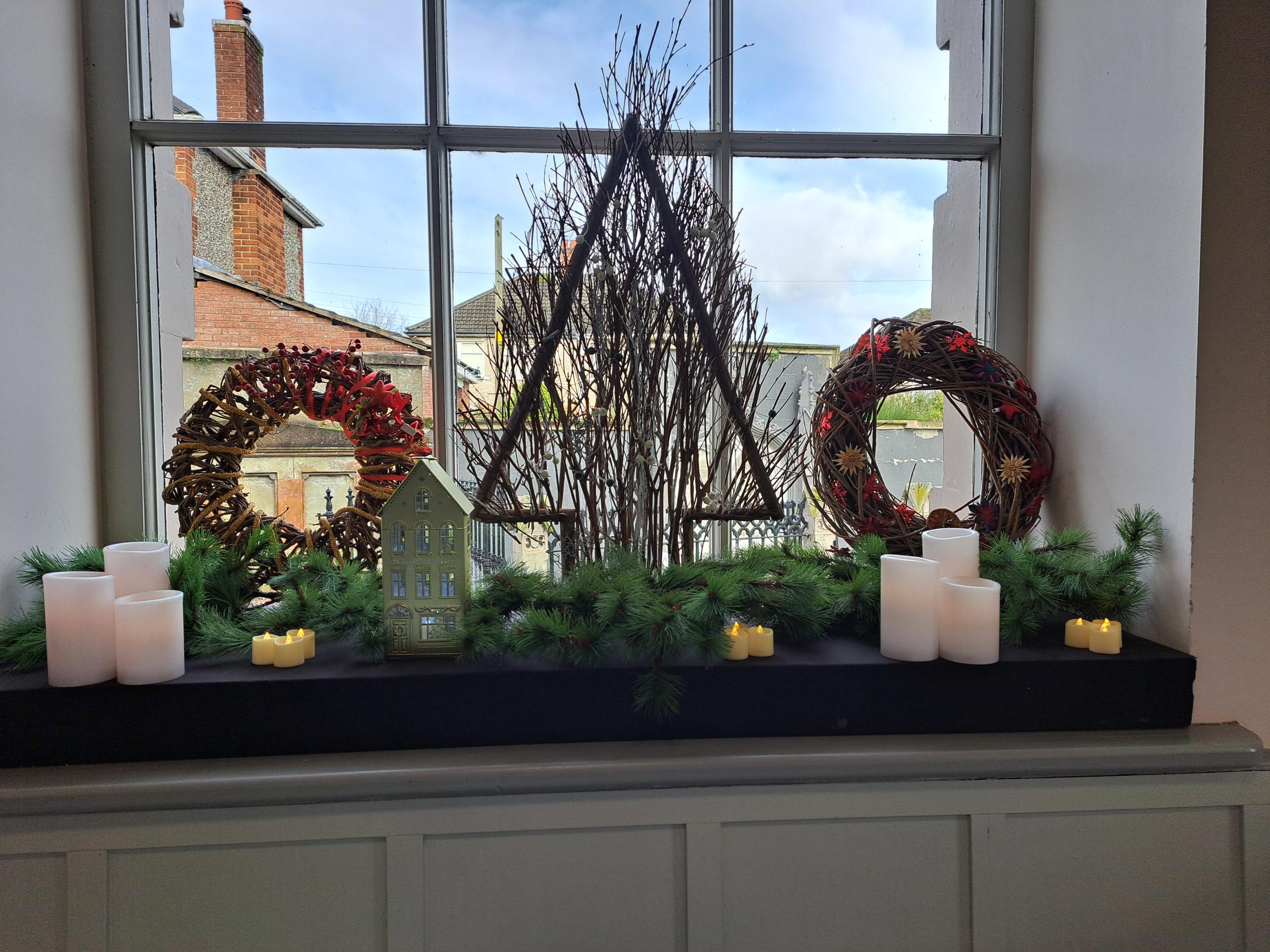
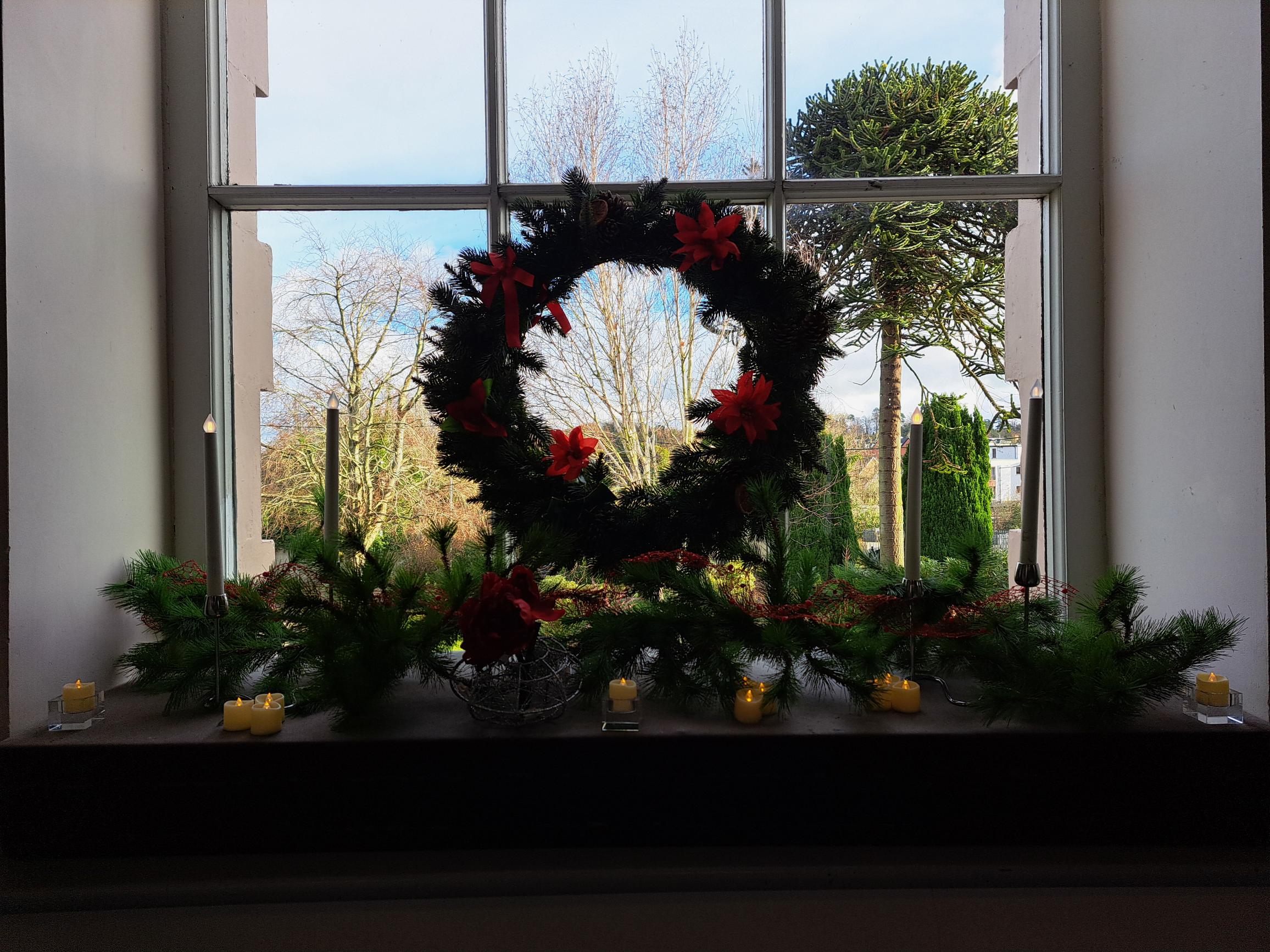
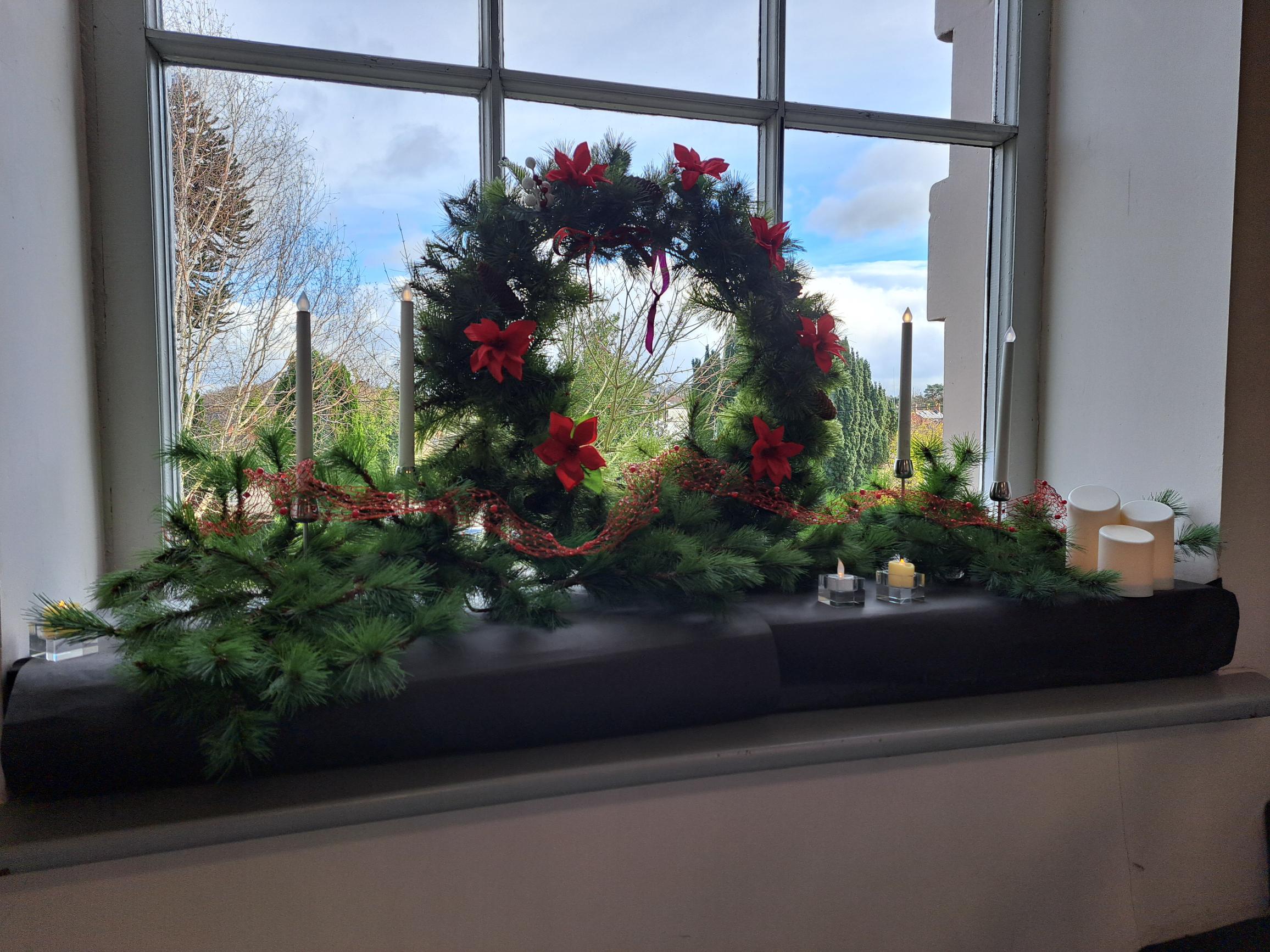
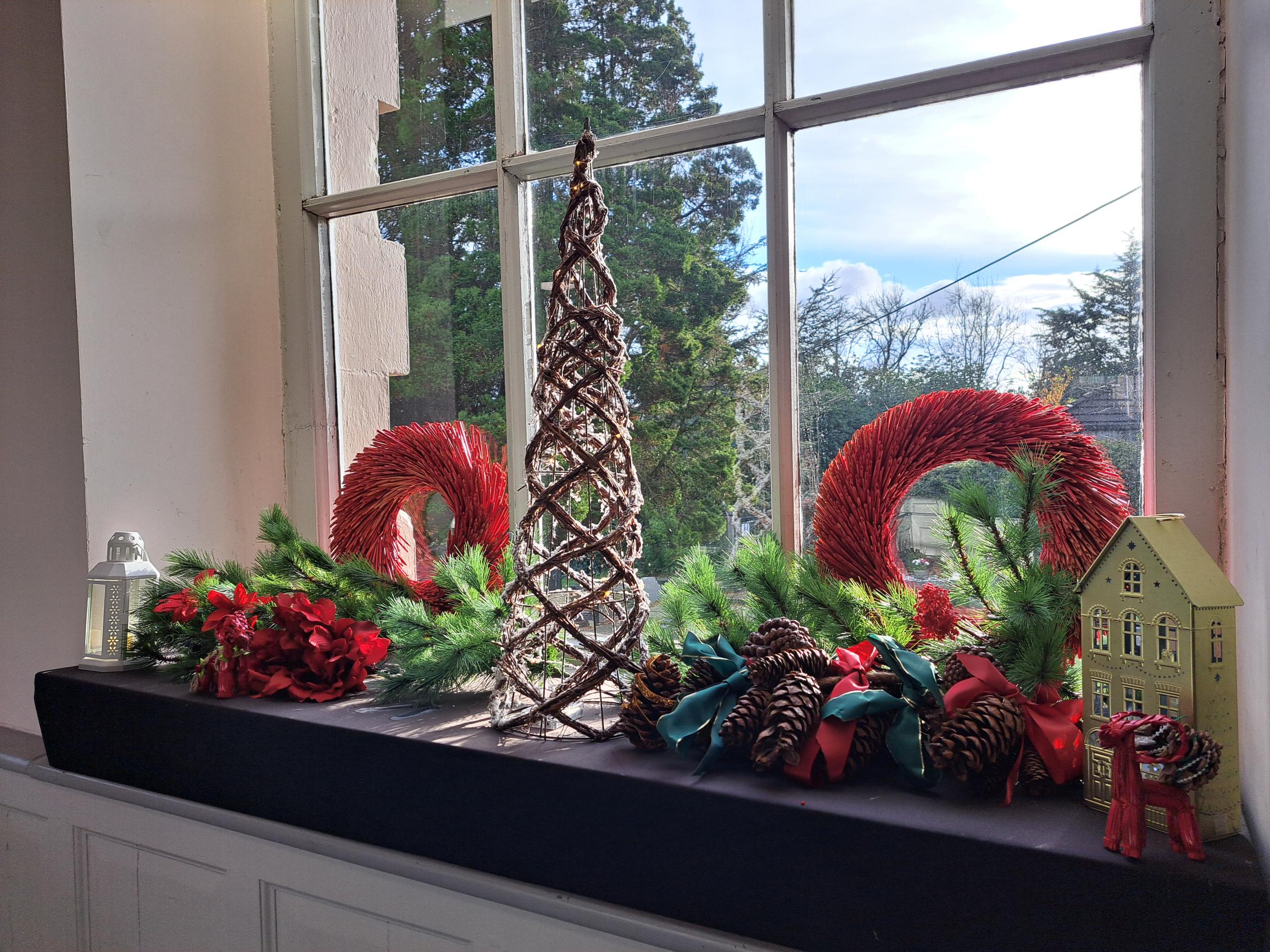
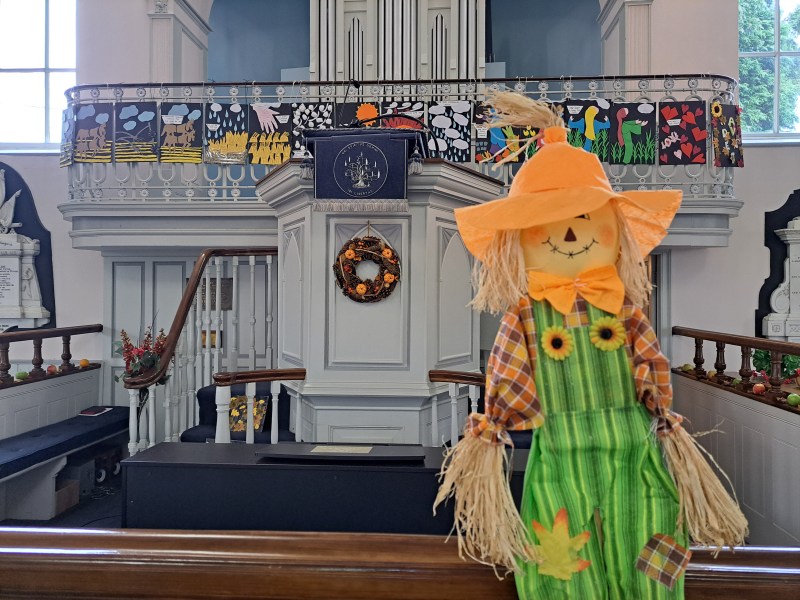
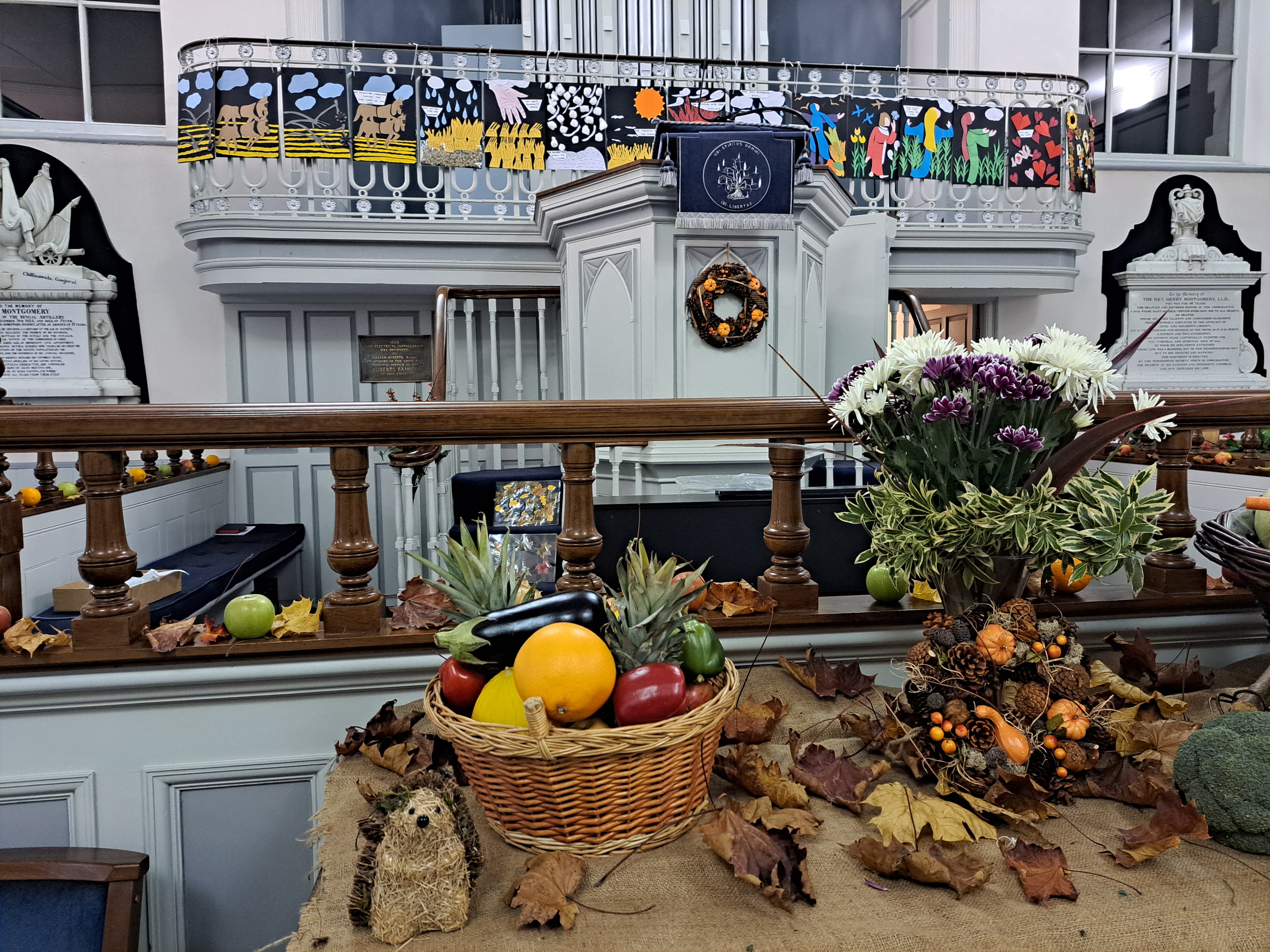
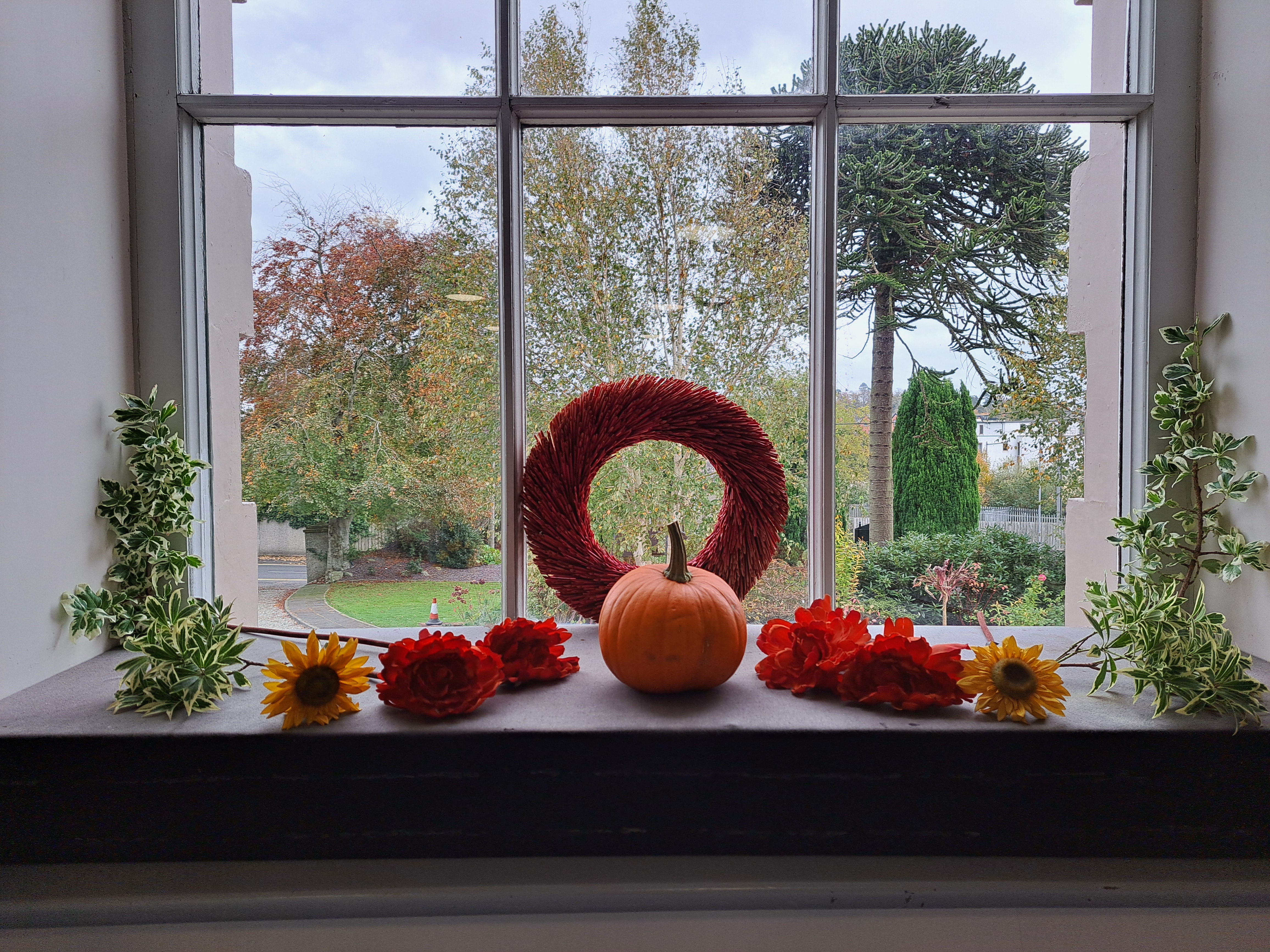
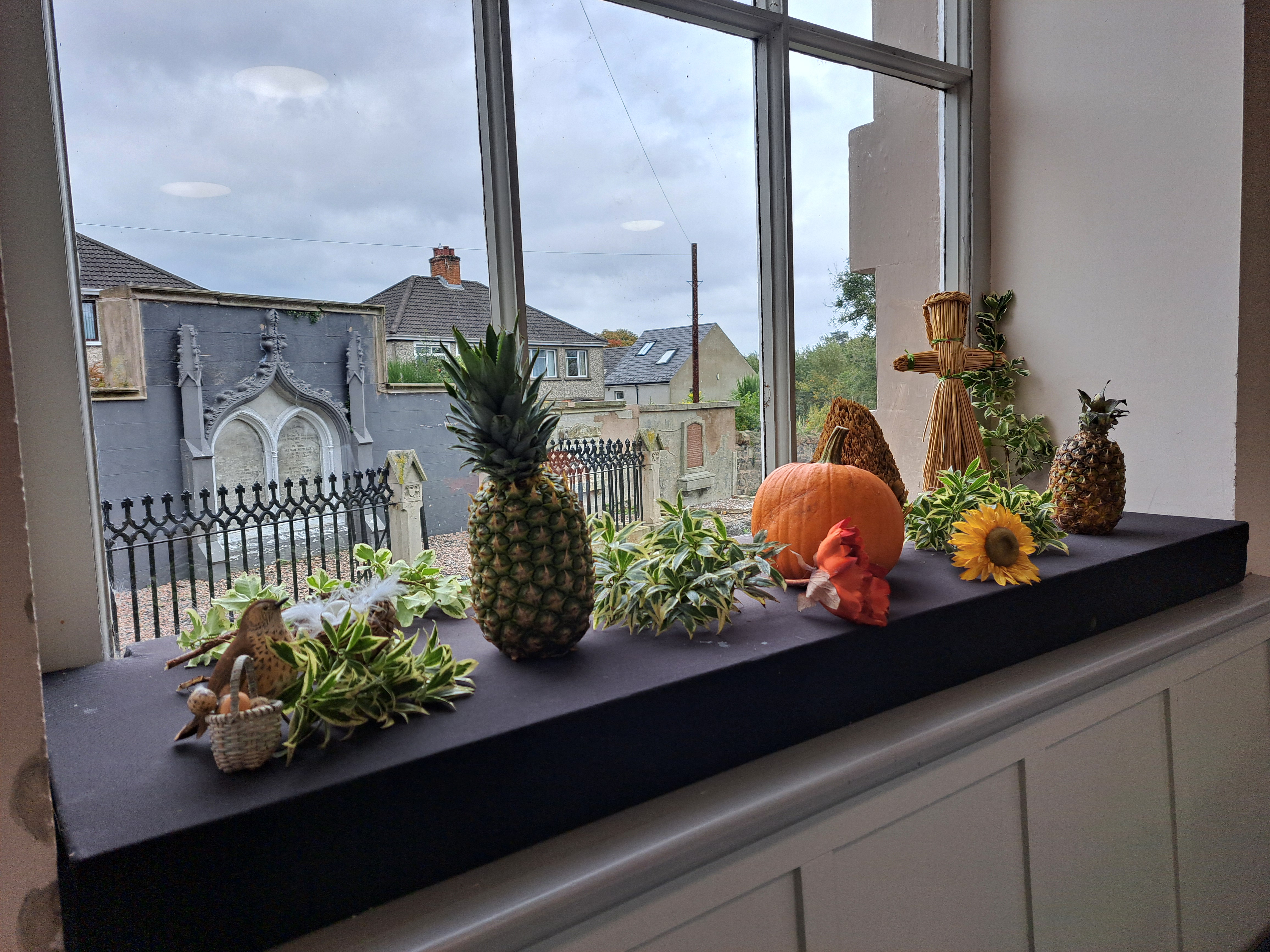
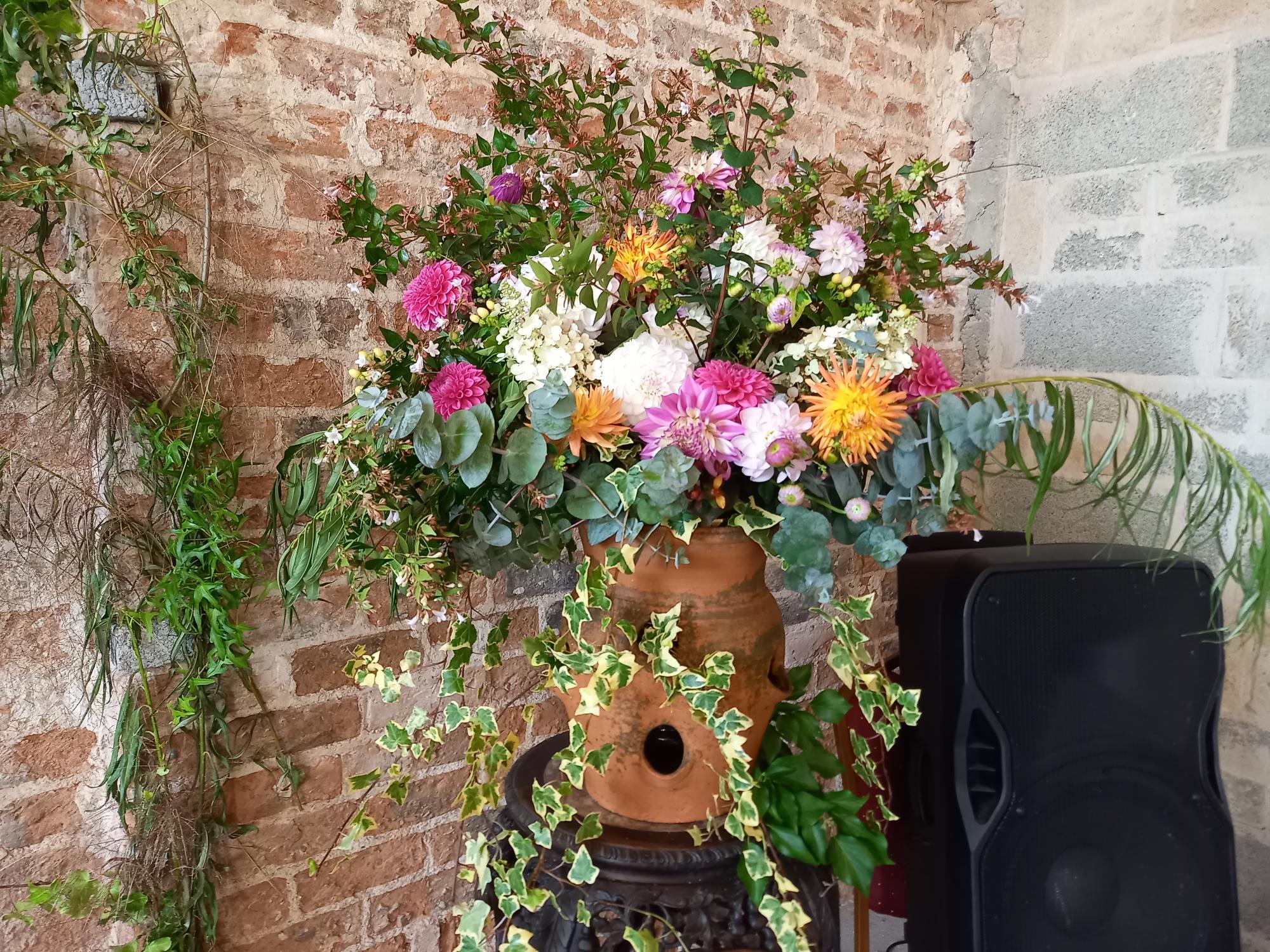
We’ve a number of special events coming up at Dunmurry and all are welcome to join them. Thank you to everyone who helped to decorate the Church in time for our service on the first Sunday in Advent, 30th November.


Visit of the Choir of Malone Integrated College

with their musical director Caroline Mitchell

Thursday, 4th December
10.00 am – 12 Noon in the McCleery Hall – with refreshements


Candlelight Carol Service with Harmonic Sounds Concert Band

Friday, 12th December at 7.30 pm

Followed by Refreshments in the Hall

Admission Free

Retiring Collection for the Motor Neurone Disease Association Northern Ireland


Congregational Carol Service
Sunday, 21st December
11.30 am


Short Service for Christmas Day
Thursday, 25th December
10.30 am

Everyone Welcome at each event

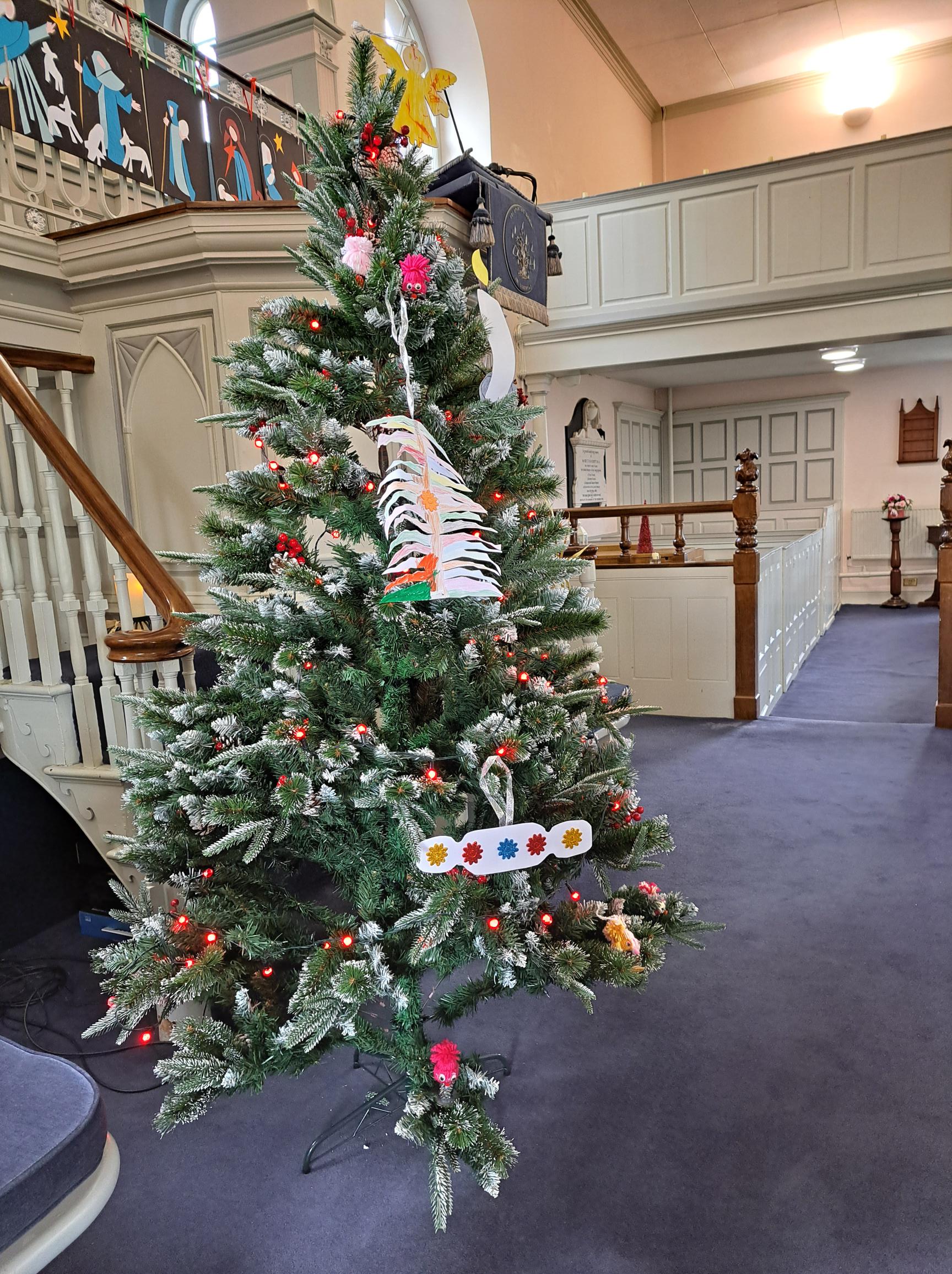
Frieze depicting the Christmas story made by the Youth Group. Decorations for the Christmas tree made by the Sunday School

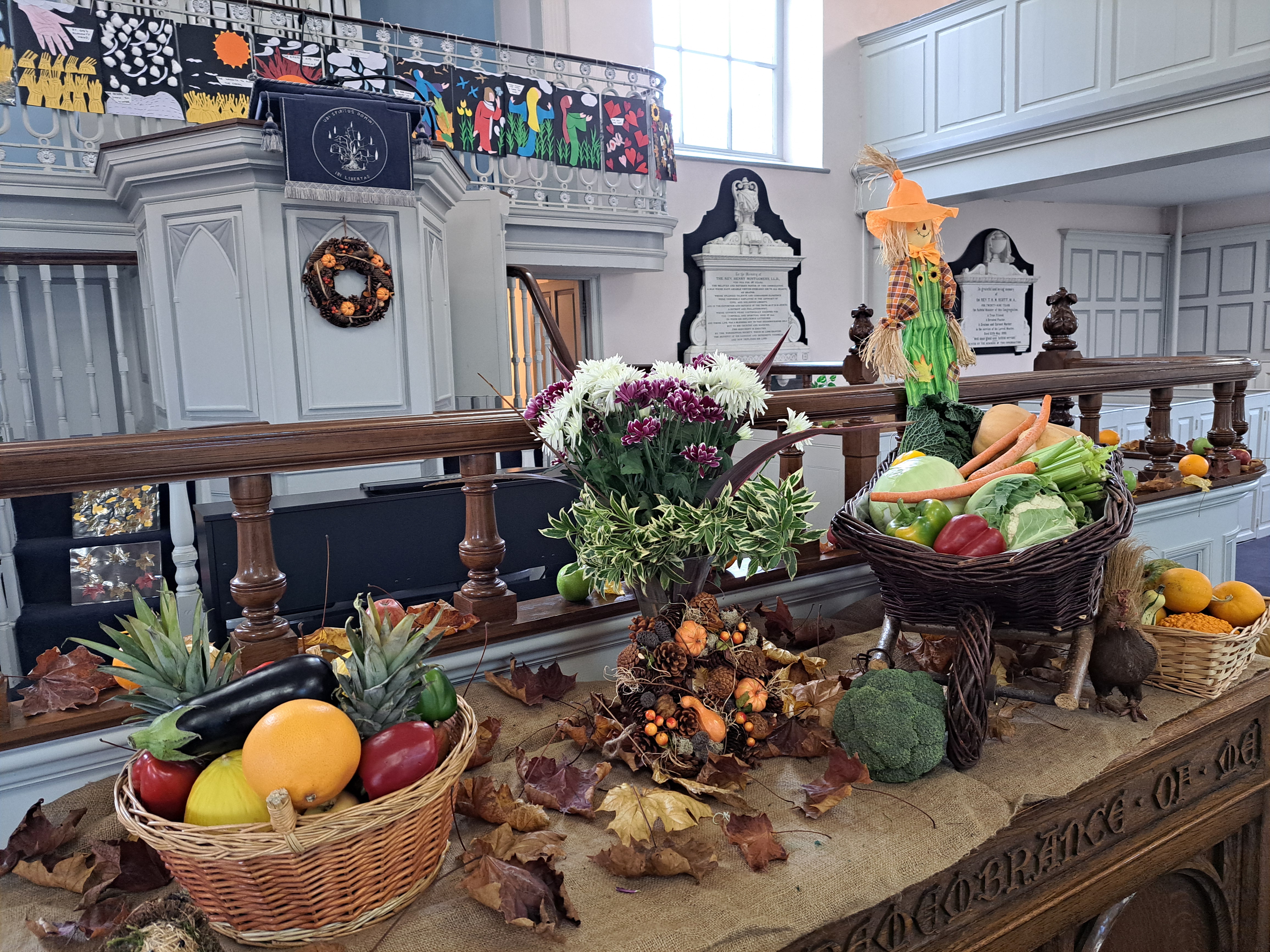
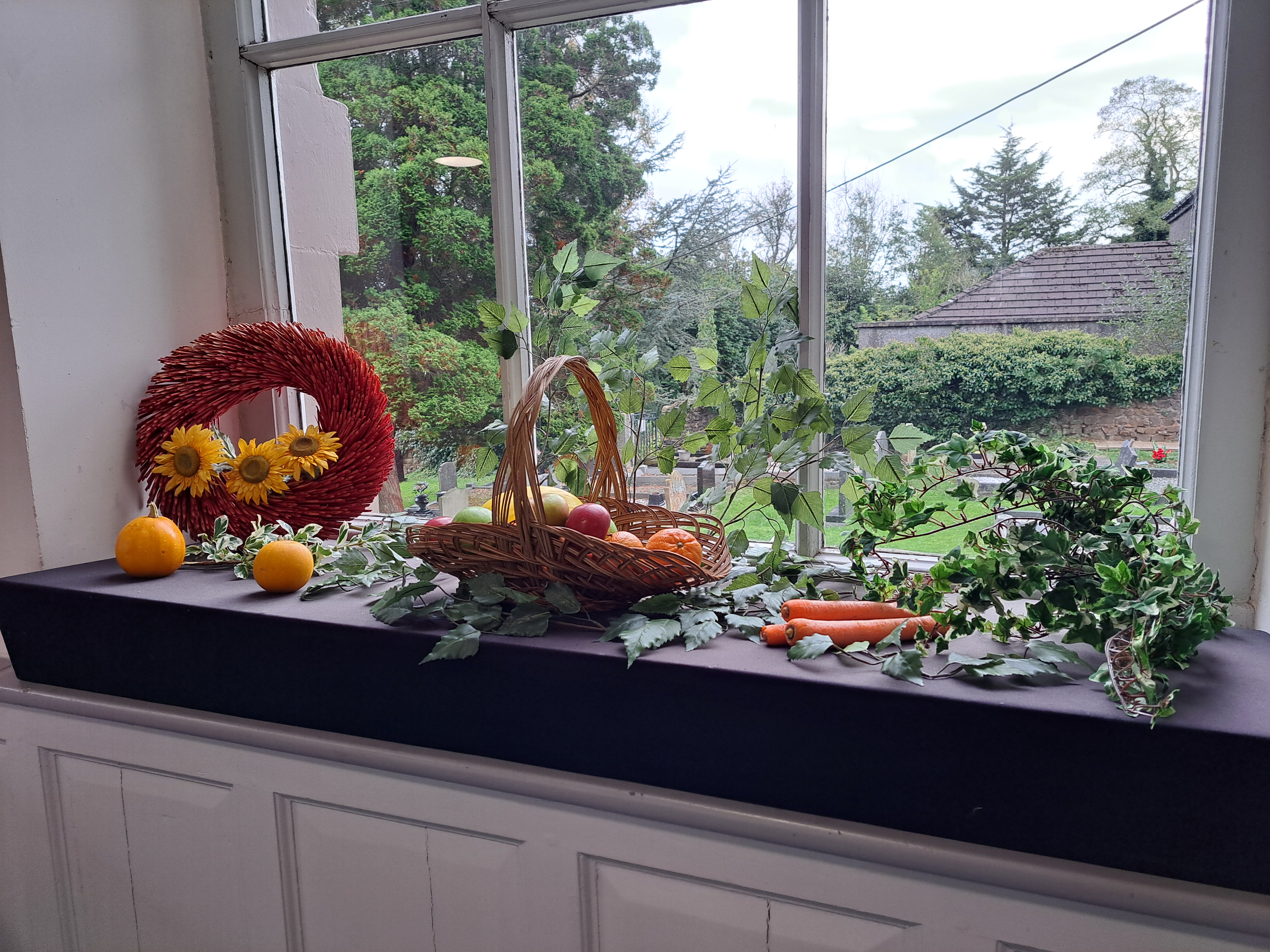
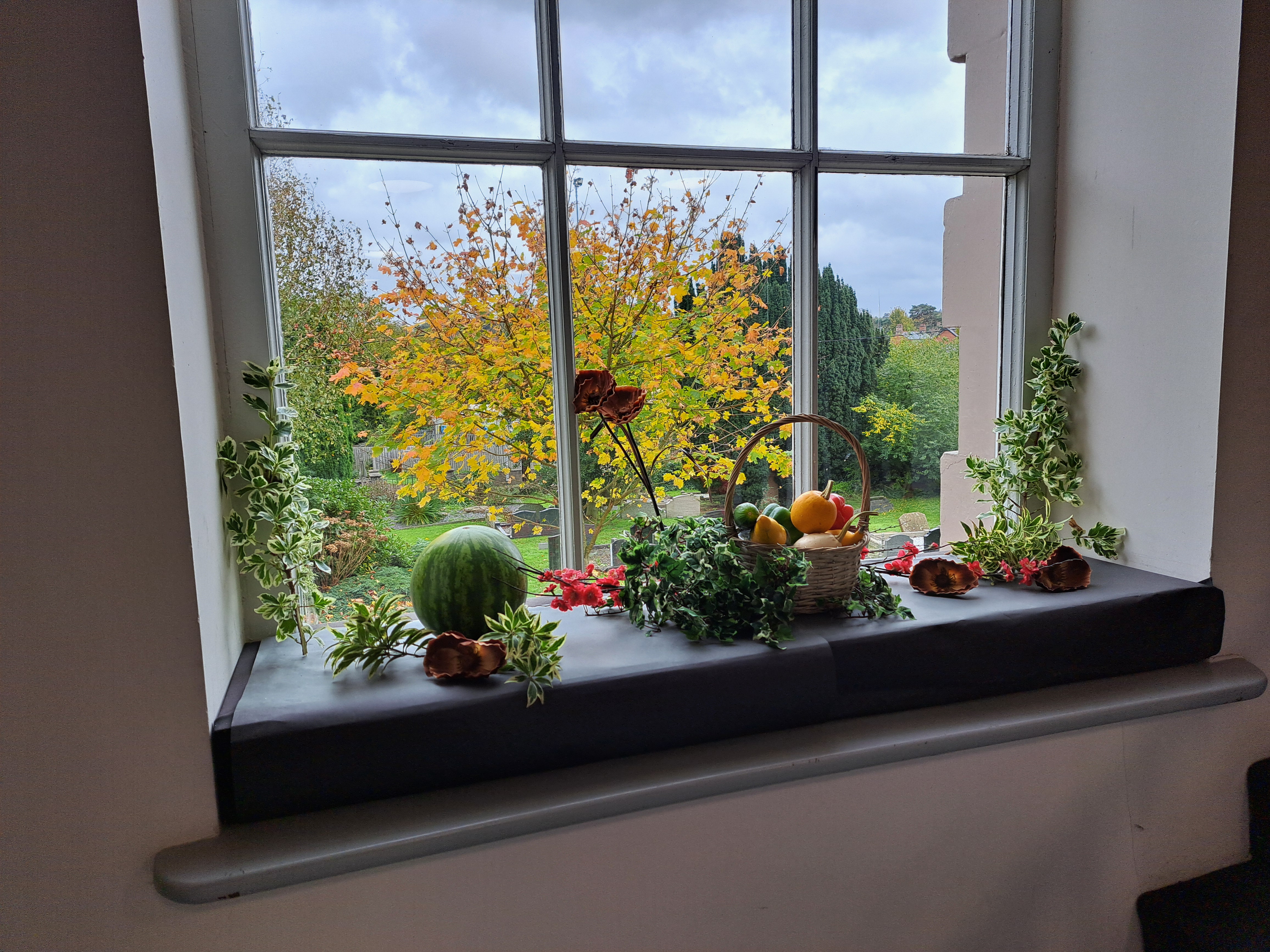
Dunmurry Harvest 2025

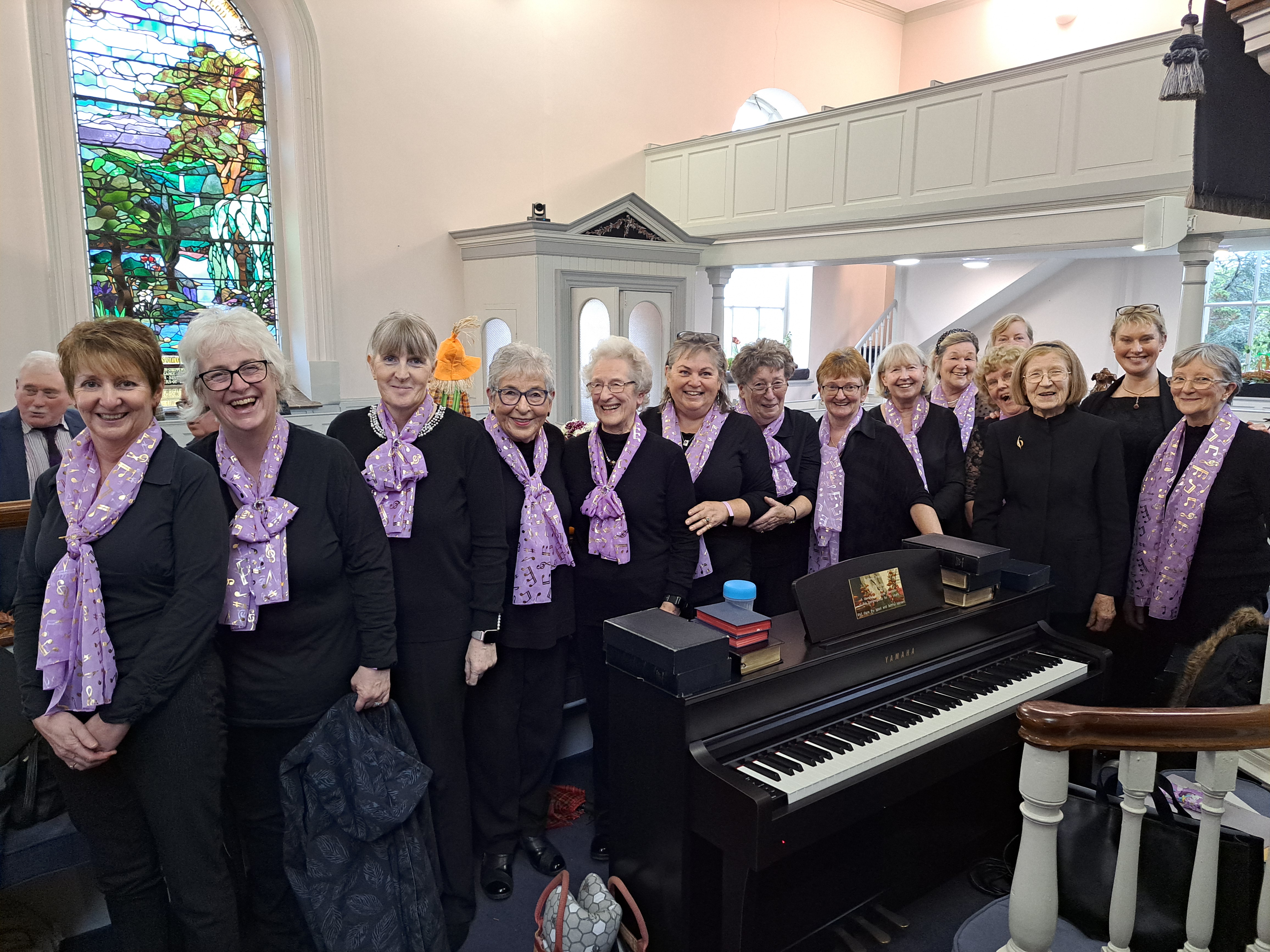
Quoile Area WI Choir at Dunmurry
Click on the video above to see Dunmurry Harvest Thanksgiving Service as recorded live

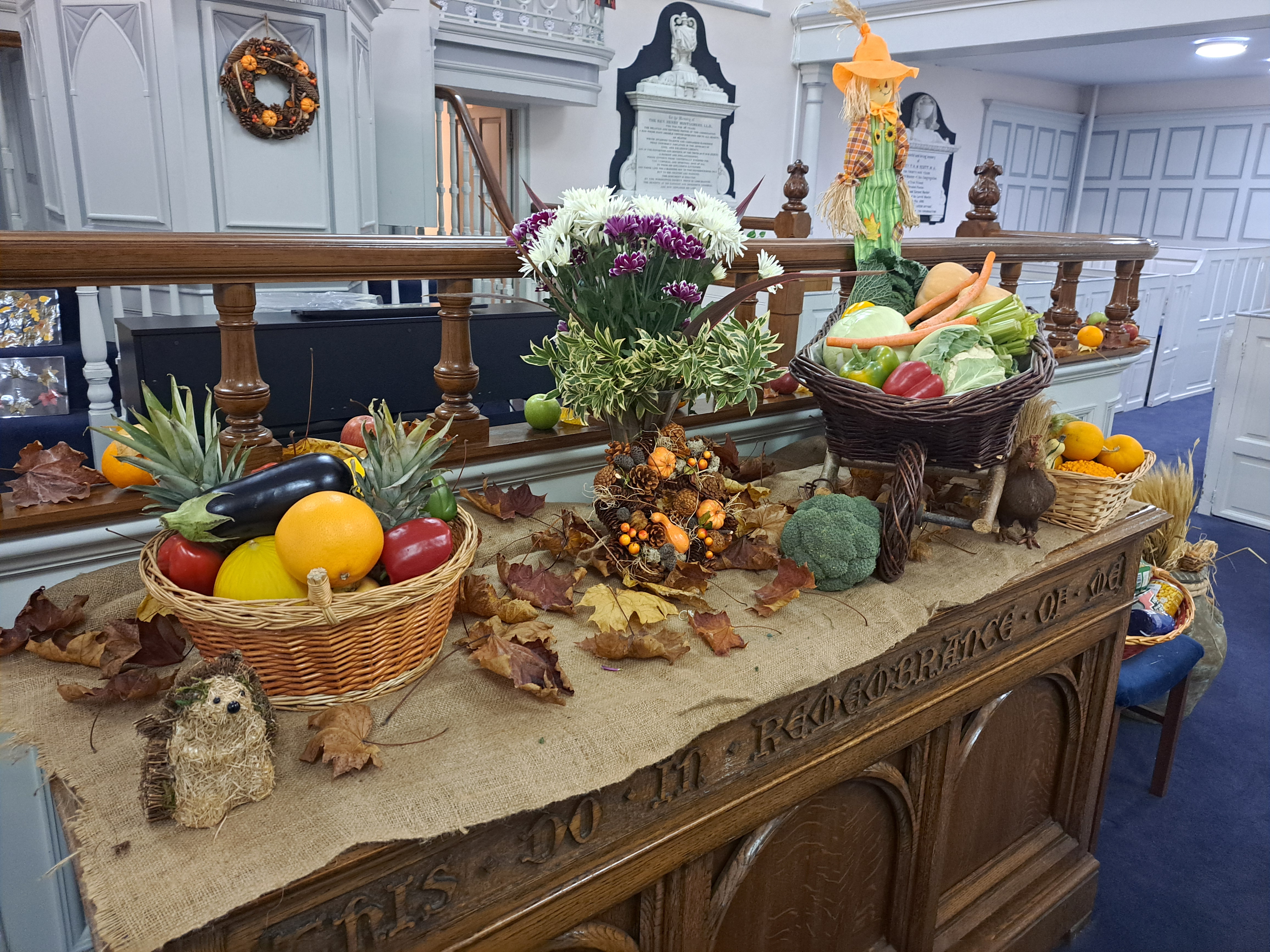
We held a wonderful service of Harvest Thanksgiving at Dunmurry on Sunday, 19th October 2025. We were particularly pleased to welcome the Quoile Area WI Choir conducted by Judith Harper with their accompanist Kathleen Gill. They sang three pieces – This Day, All things bright and beautiful(a setting by Philip Stopford), River Song, plus the vesper Go Now in Peace (arranged by I.E. Keenan), while Allen Yarr, our organist, played for the hymns and Jack Steers played Trumpet Voluntary during the collection.

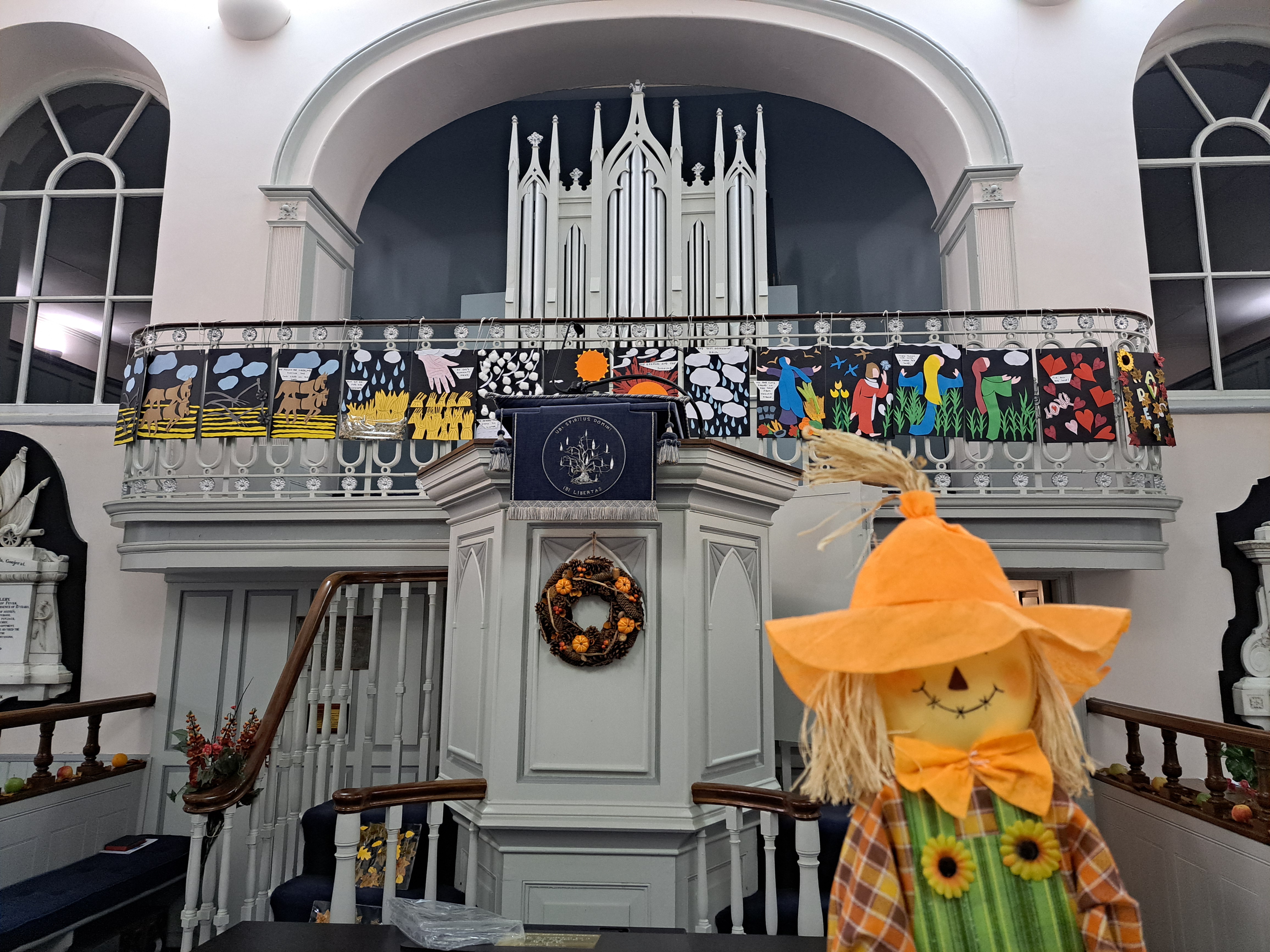
The service was led by members of the Sunday School and Youth Group with Harry opening the service with words of welcome, readings being given by Jenna, Lochlan, Erin, and Bryn, and Adele and Sue, leading us in prayer. The church was beautifully decorated throughout and the Youth Group made the frieze depicting scenes from the hymn We plough the fields and scatter (which we also sang) which adorned the rail above the pulpit.

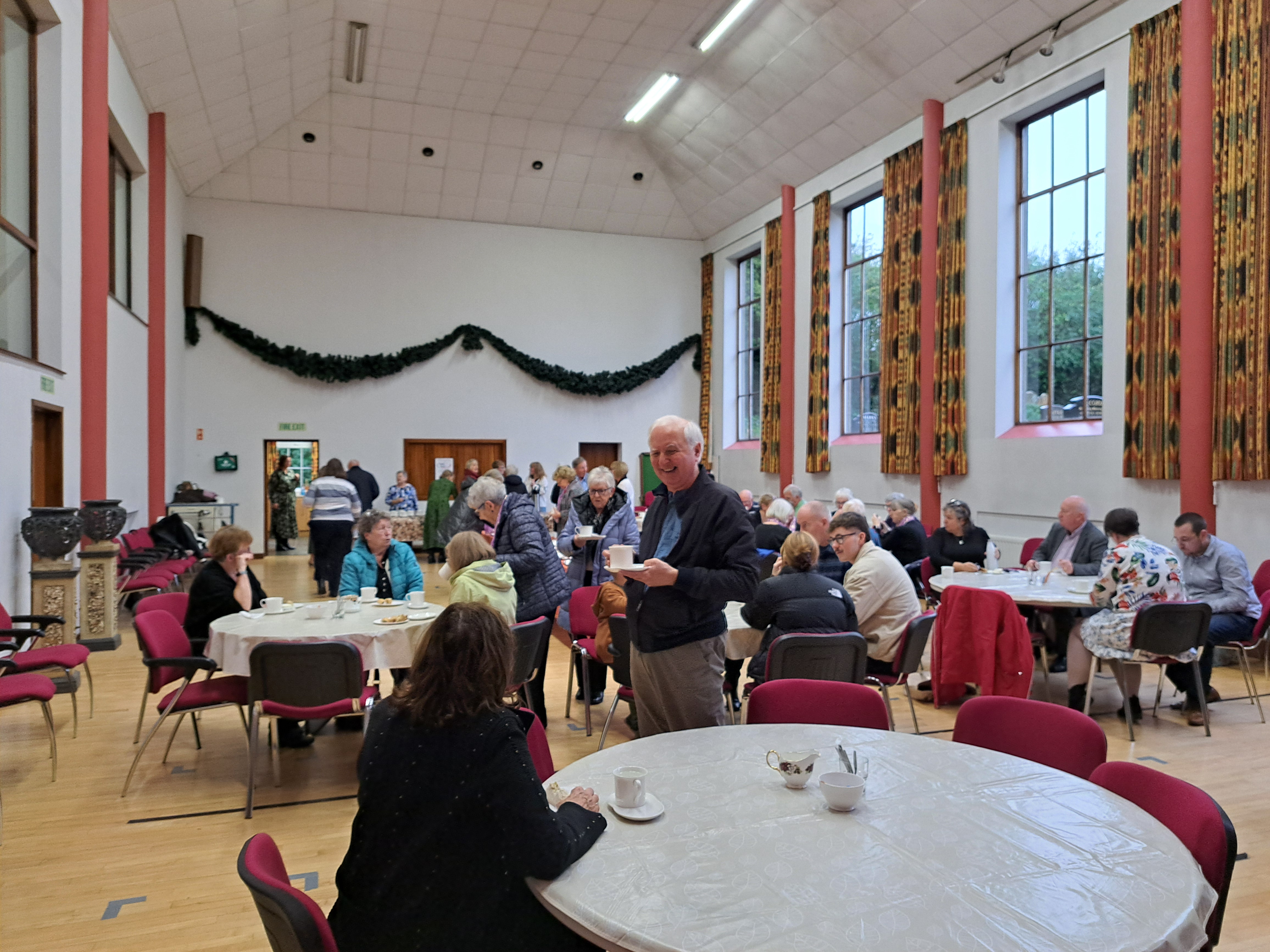
Following the service we had refreshments and a time of fellowship in the Hall, with many people coming back for that.

On the following Monday members of the congregation distributed the all the produce which had been donated to  L’Arche Village, Belfast.

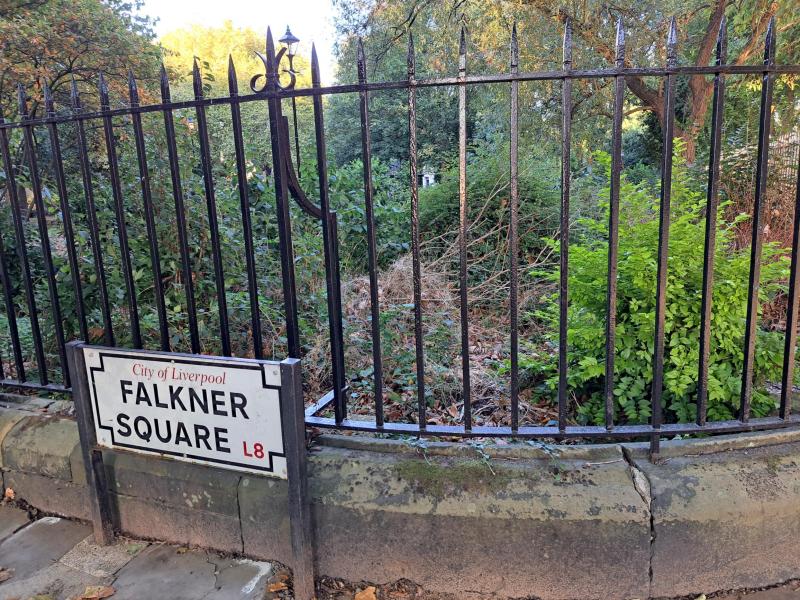
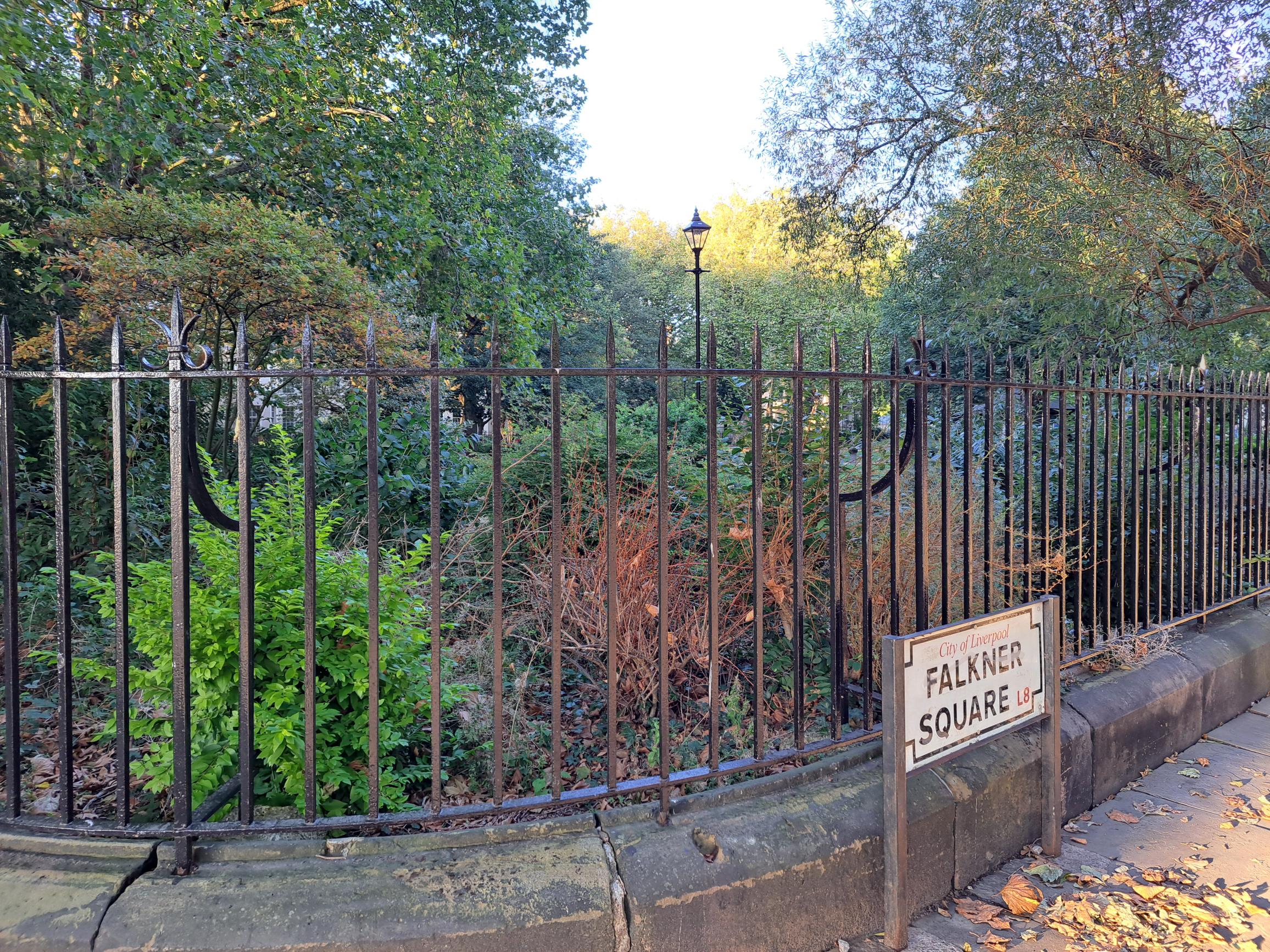
Falkner Square, Liverpool

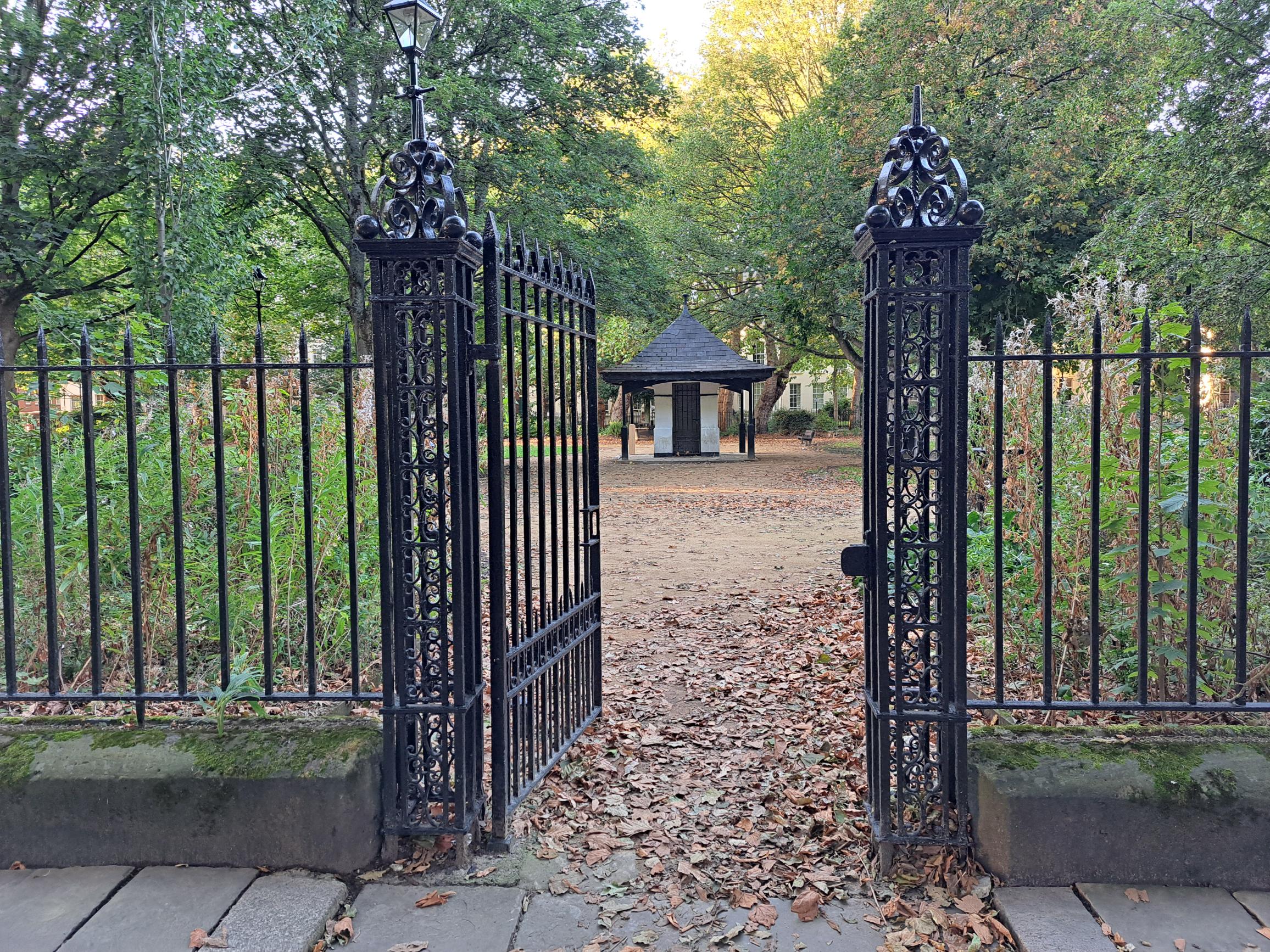
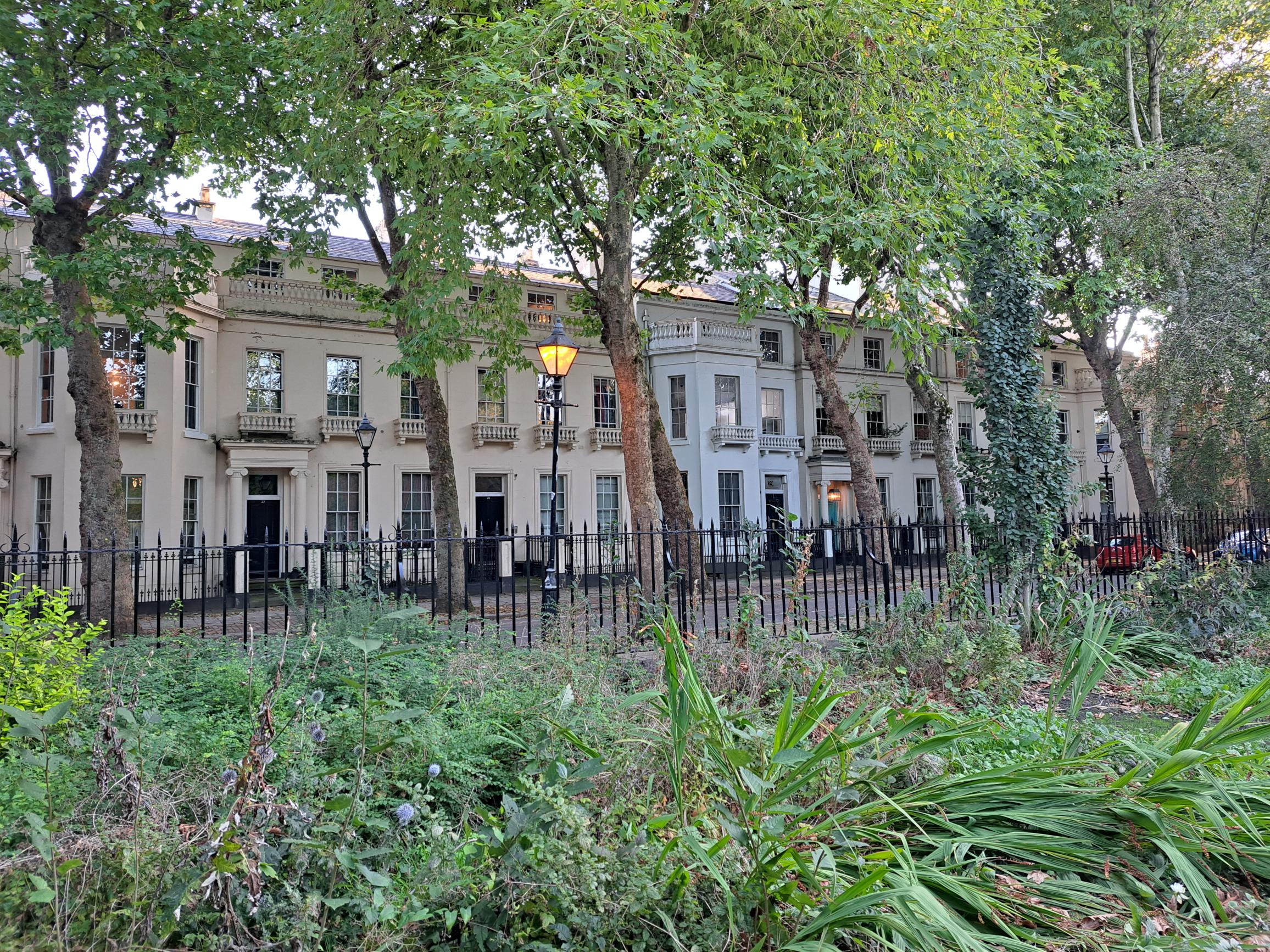
A walk around Falkner Square in Liverpool is always interesting. The buildings are quite impressive although not quite as grand as the houses in the nearby Georgian Quarter, now much utilised for film locations, although Falkner Square itself made a film appearance in the 1971 film Gumshoe with Albert Finney.

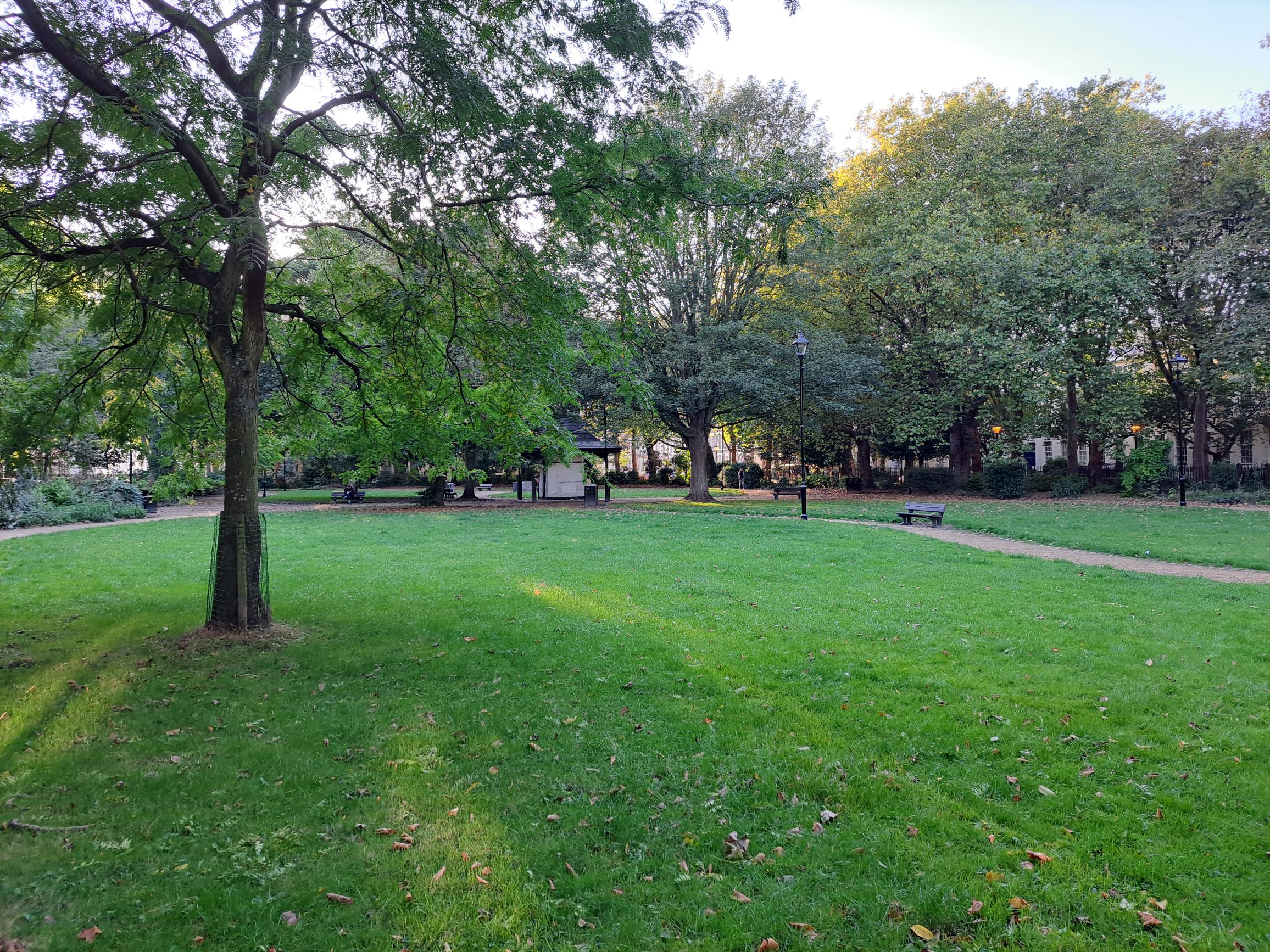
What’s attractive about it is that it has its own central park and resembles the sort of square you would find in Bloomsbury. I was always told, that in days gone by, only the people who lived in the Square had a key to the park, although the City Council now claims it as ‘one of the earliest public open spaces in the city’. I suspect it wasn’t open to the public in its earliest days.

Falkner Square is said to be named after Edward Falkner, an ex-soldier and former High Sheriff of Lancashire, who mustered a force of 1,000 men to defend Liverpool in 1797 when fears of a French invasion were at their highest. He was a successful merchant, involved inevitably in the slave trade, but who died in 1825, so he can’t have been directly involved in the development of the Square.

Joseph Sharples’ Pevsner Architectural Guides Liverpool says ‘The central garden is shown planted on a map of 1831, but the stuccoed houses did not begin to appear until the mid 1840s.’ The only architect he mentions is William Culshaw who designed number 29 in 1845 along with many Liverpool buildings.

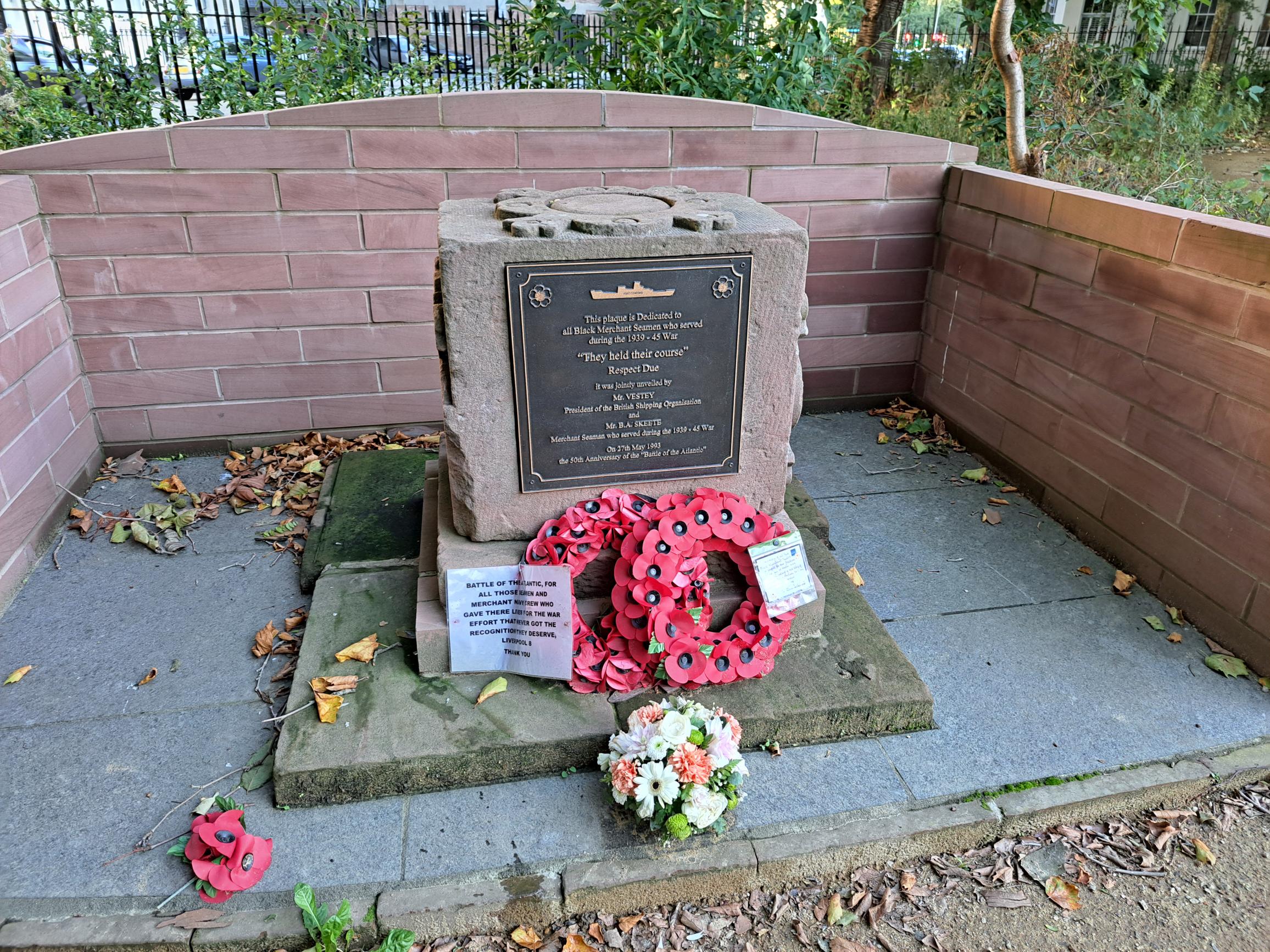
One relatively new feature is the Memorial to Black Merchant Seamen who served in the Second World War. This was unveiled in 1993 on the 50th anniversary of the Battle of the Atlantic and contains the words “They Held Their Course” Respect Due. The bronze plaque, which, shockingly, has endured some vandalism but is now restored, is attached to a large decorated piece of sandstone. This came from the old Liverpool Sailors’ Home, which was once a very prominent landmark in Canning Place near the city centre. Now only the ornate gates survive and can still be seen at the entrance to Liverpool 1.

Memorial to Black Merchant Seamen who served in the Second World War

Balloo, Killinchy, A Hidden History

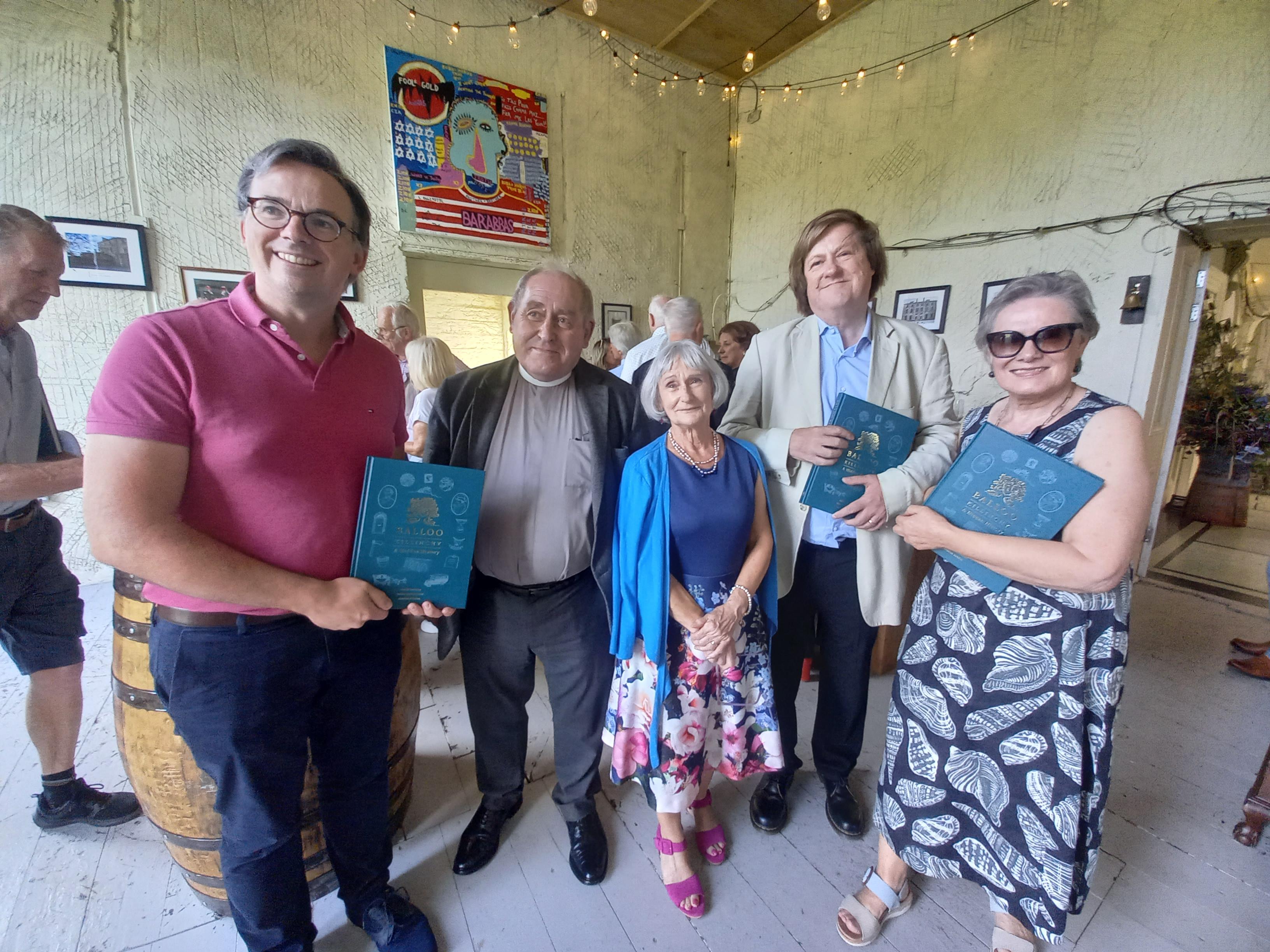
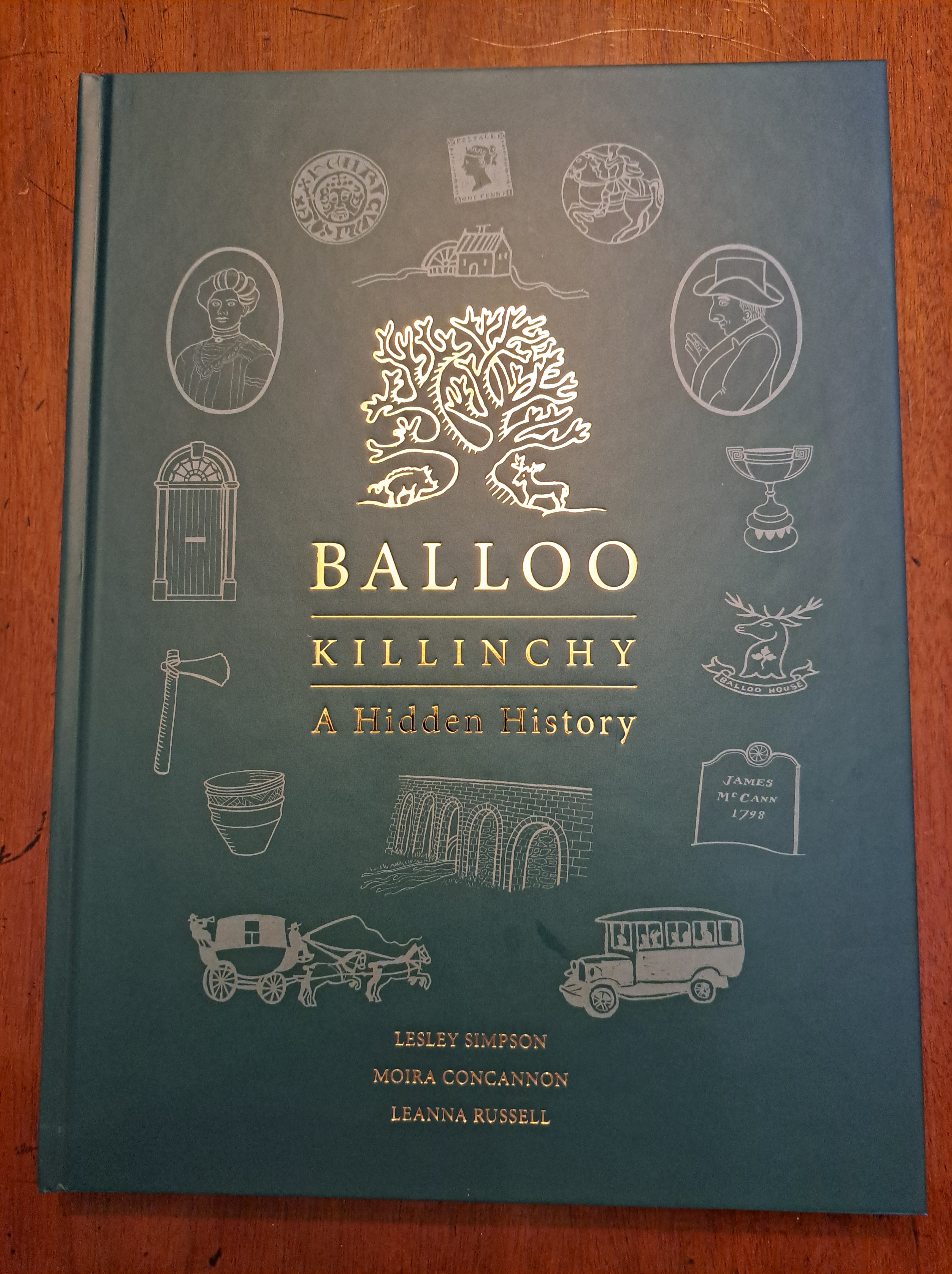
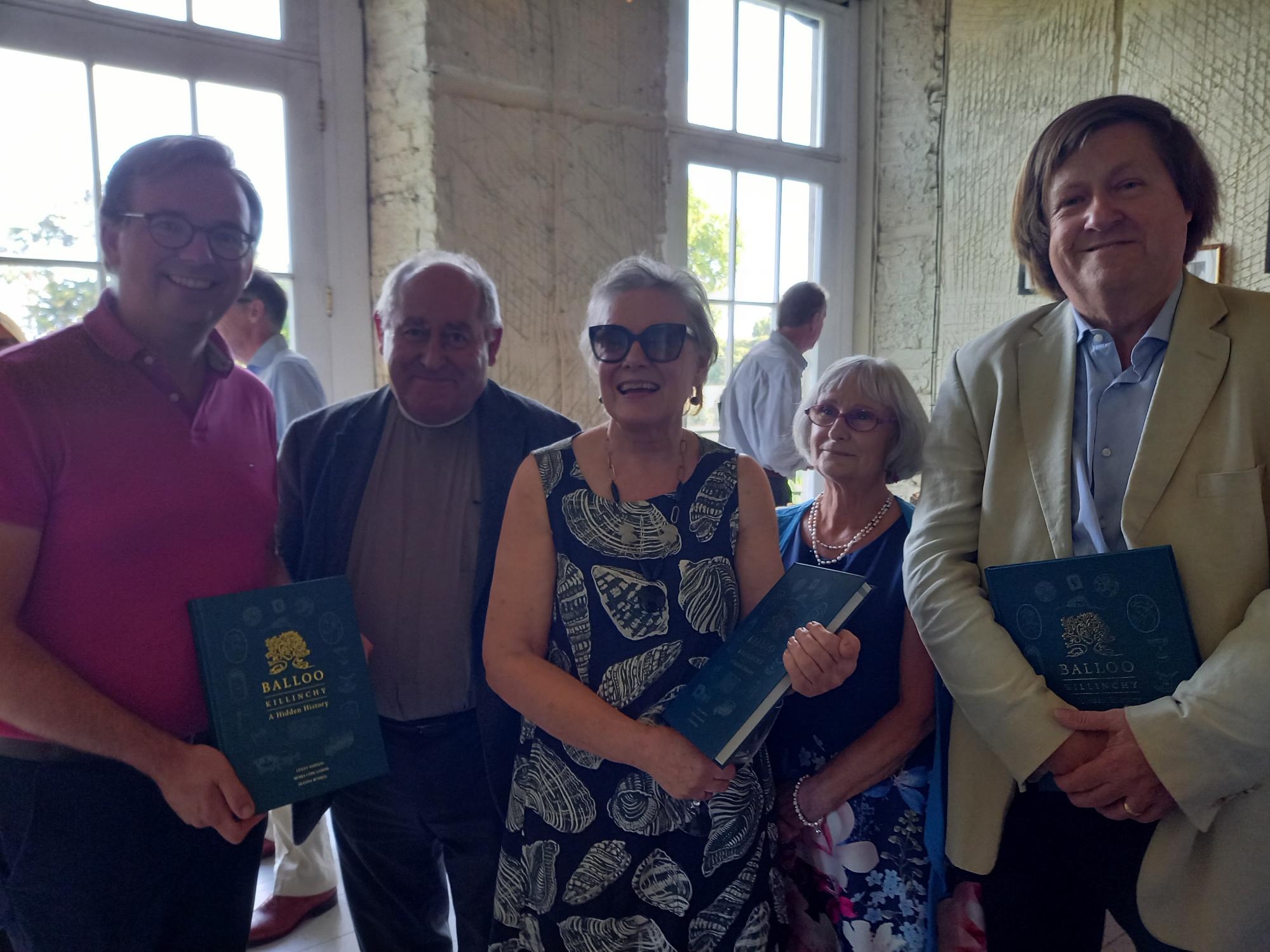
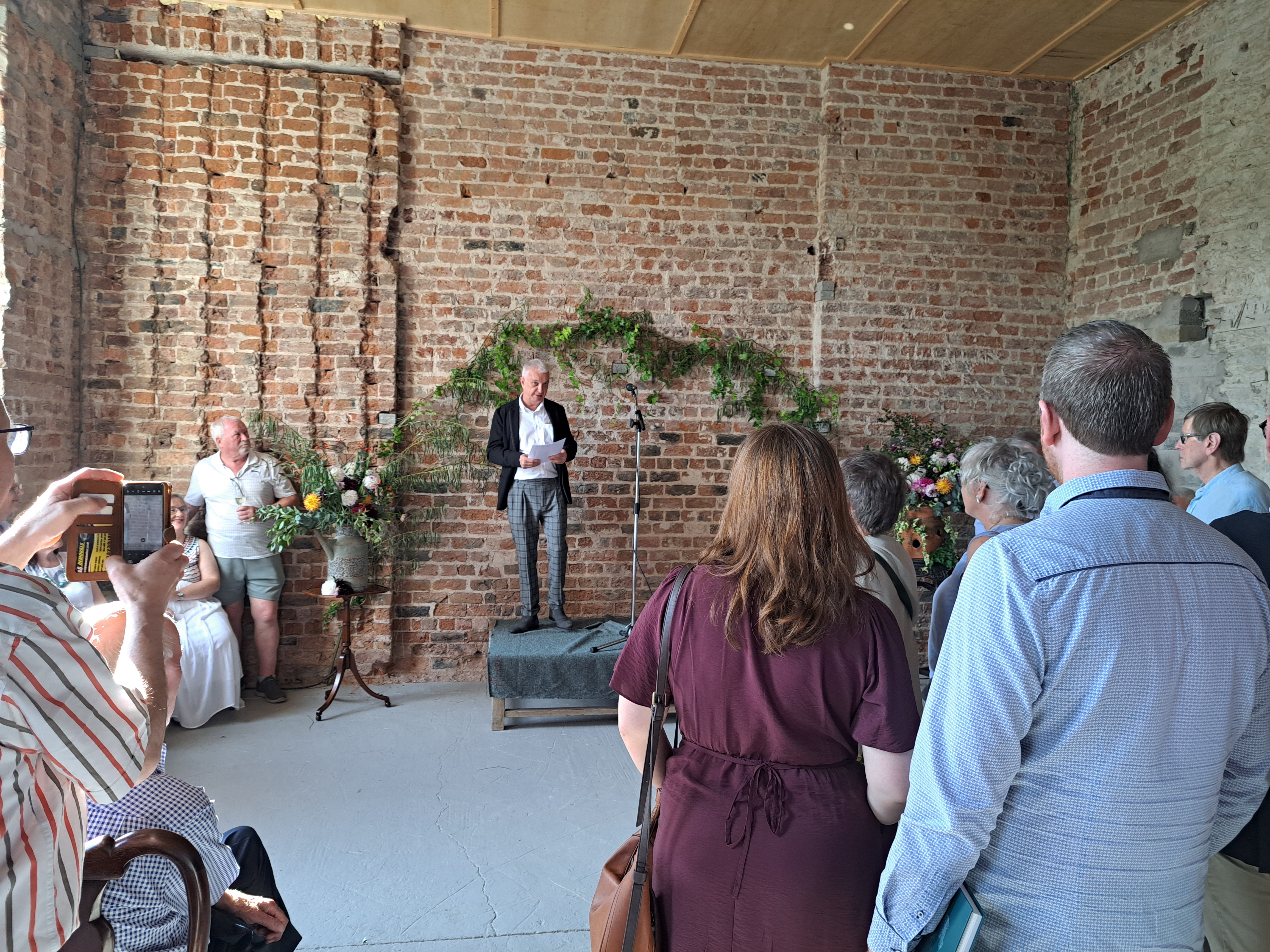
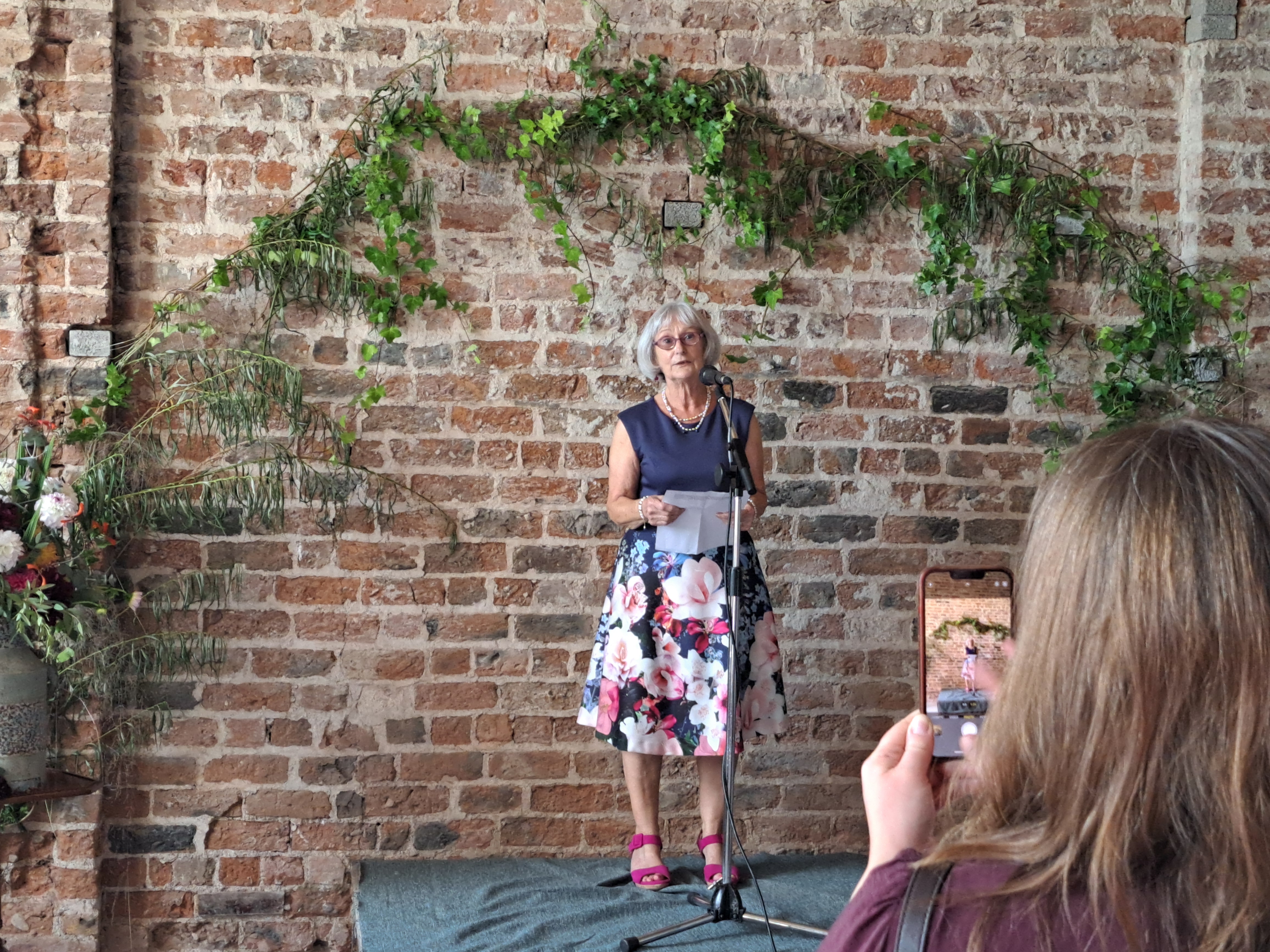
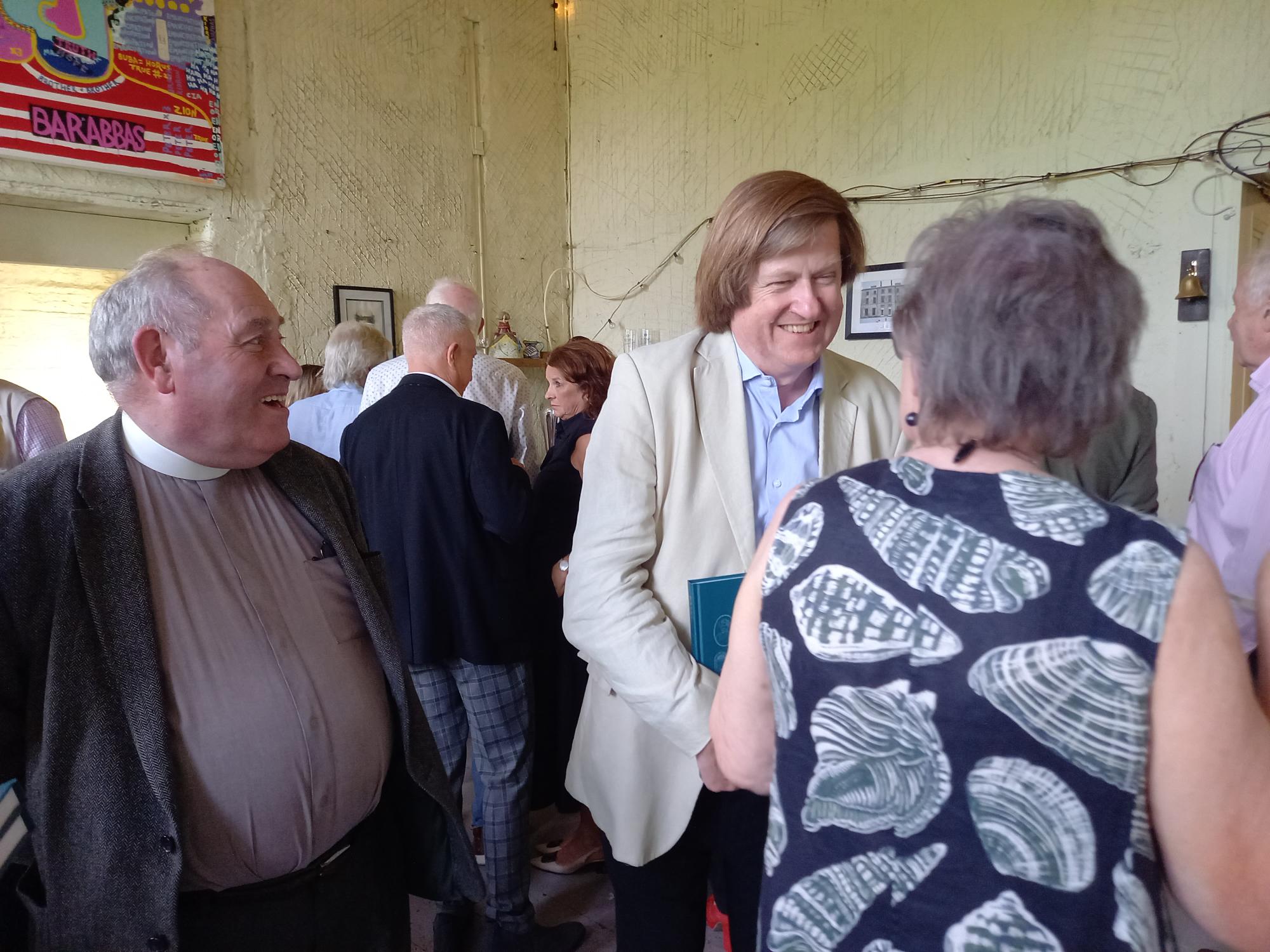
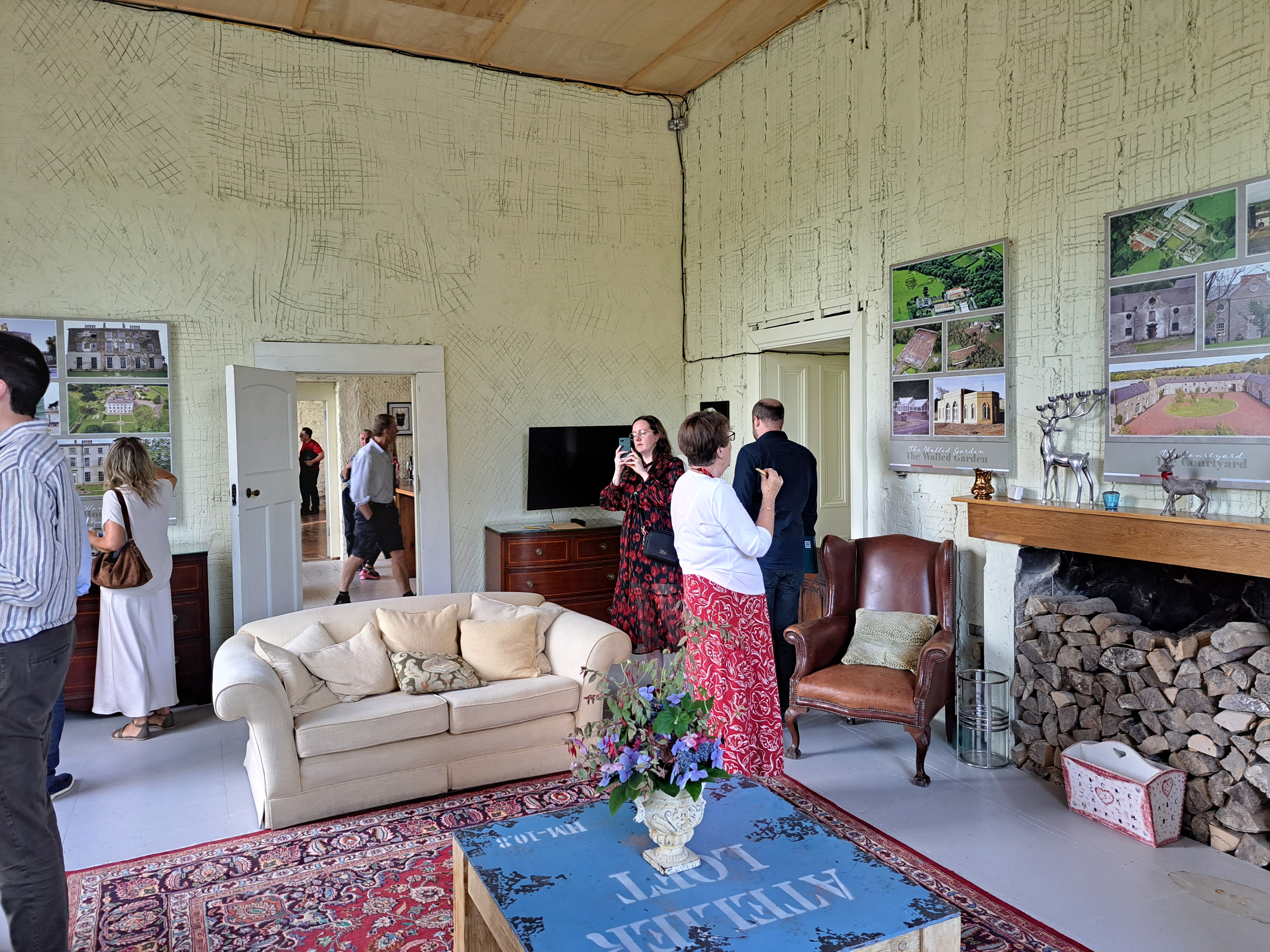
I was delighted to attend the launch of Balloo, Killinchy, A Hidden History by Lesley Simpson, Moira Concannon and Leanna Russell on Saturday, 15th August at Florida Manor, Killinchy. It was a wonderful occasion and a great start for a fascinating and beautifully produced book.

With Rev Dr Stanley Gamble, Rev Dr John Nelson, Lesley Simpson and Moira Concannon

The authors tell the story of the locality through maps, family history, newspaper reports, churches, mills and stores and, most of all, the local houses. Of particular interest to me is the house known as Templebrook Valley which was the home of the Rev Samuel Watson minister in Killinchy from 1797 up to his death in 1856. He was at the centre of one of the major disputes between the Synod of Ulster and the Non-Subscribers in the 1830s and the new Remonstrant meeting house was built for him in Killinchy in 1846.

When the Non-Subscribers were ejected from their original meeting-house, for three years they held services in the grounds of his house. The book tells the story of the Rev Samuel Watson and his ‘long and interesting life from his suspected involvement with the United Irishmen to his move towards Unitarianism’. One of 13 children, three of them becoming Non-Subscribing Presbyterian ministers, Samuel Watson was also a significant farmer in the locality. Sadly his house was left to fall into dereliction in the twentieth century although a new house has now been restored on the site.

There is a great deal in the book about Samuel Watson. At the stone-laying ceremony for his new meeting-house it was reported that:

…seventy clergymen and strangers joined the congregation for a celebration which culminated in a substantial dinner, in a commodious wooden house that had been erected for the occasion with the Rev. Samuel Watson presiding.

I was particularly amused by one quotation taken from James Gourley in 1874, a perhaps not entirely unbiased commentator, who asked an old man who had sat under Samuel Watson’s feet:

What sort of doctrines did he preach? ‘Ohm’ said he ‘at that time there was no word about doctrine.’ ‘And what then did he preach about?’ ’Mainly about far away countries and wild beasts’.

Samuel Watson’s obituary in the Northern Whig described him as ‘…one of the oldest and ablest Ministers of the Church.’

The book is full of detail and uncovers such fascinating stories as the 1893 excavation of Templebrook Valley by the Belfast Natural History and Philosophical Society with the co-operation of Samuel Watson’s two youngest daughters – Anna and Sarah who were photographed at the excavation which uncovered Bronze Age vessels now in the Ulster Museum.

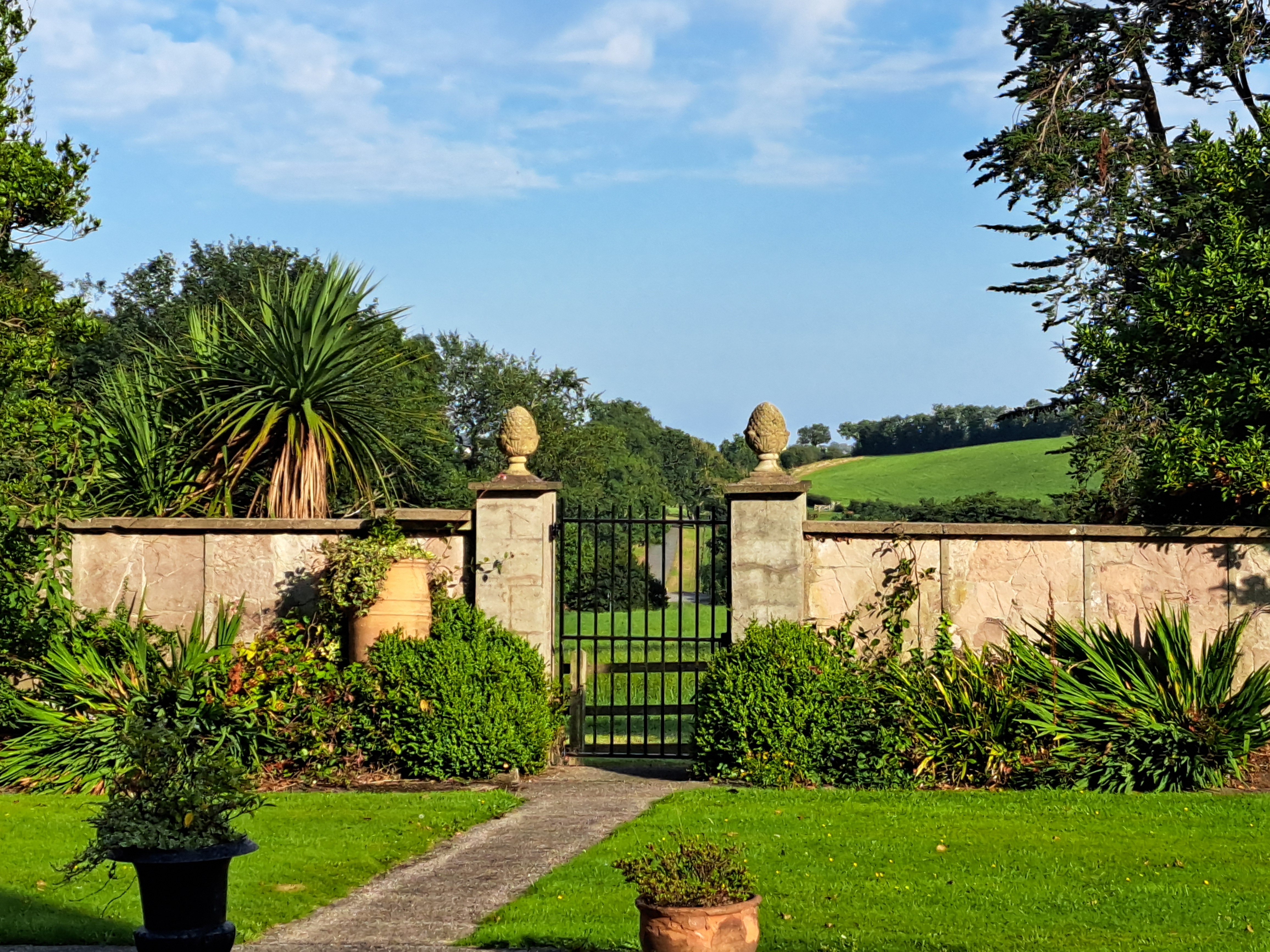
The view from the back of Florida Manor

The book is richly illustrated throughout and is full of fascinating information. It is a credit to its authors and will be enjoyed by all with an interest in local history, the history of county Down and Irish Presbyterian history. The launch was a splendid occasion at Florida Manor, as the following photographs show.

Belfast City Cemetery

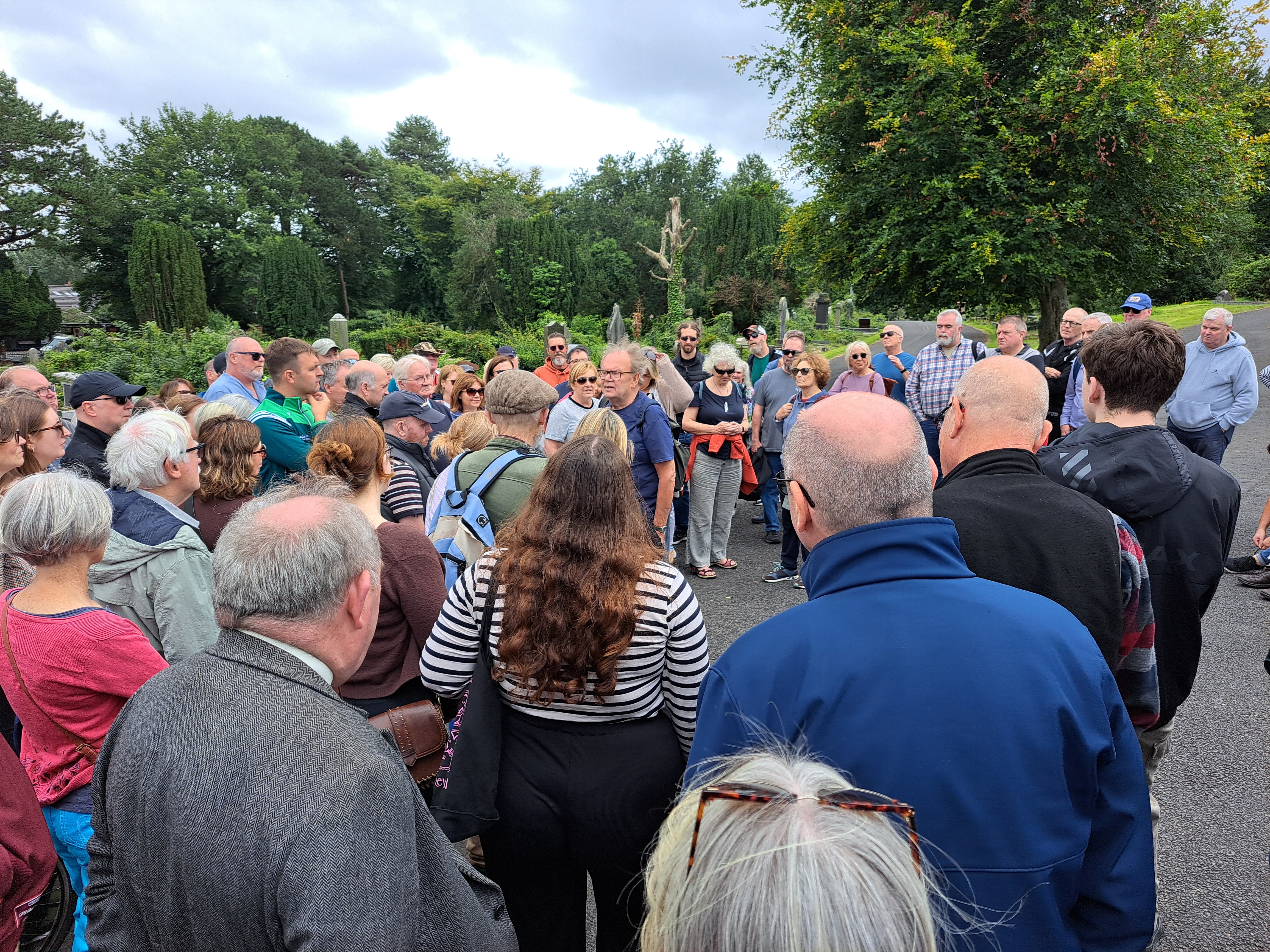
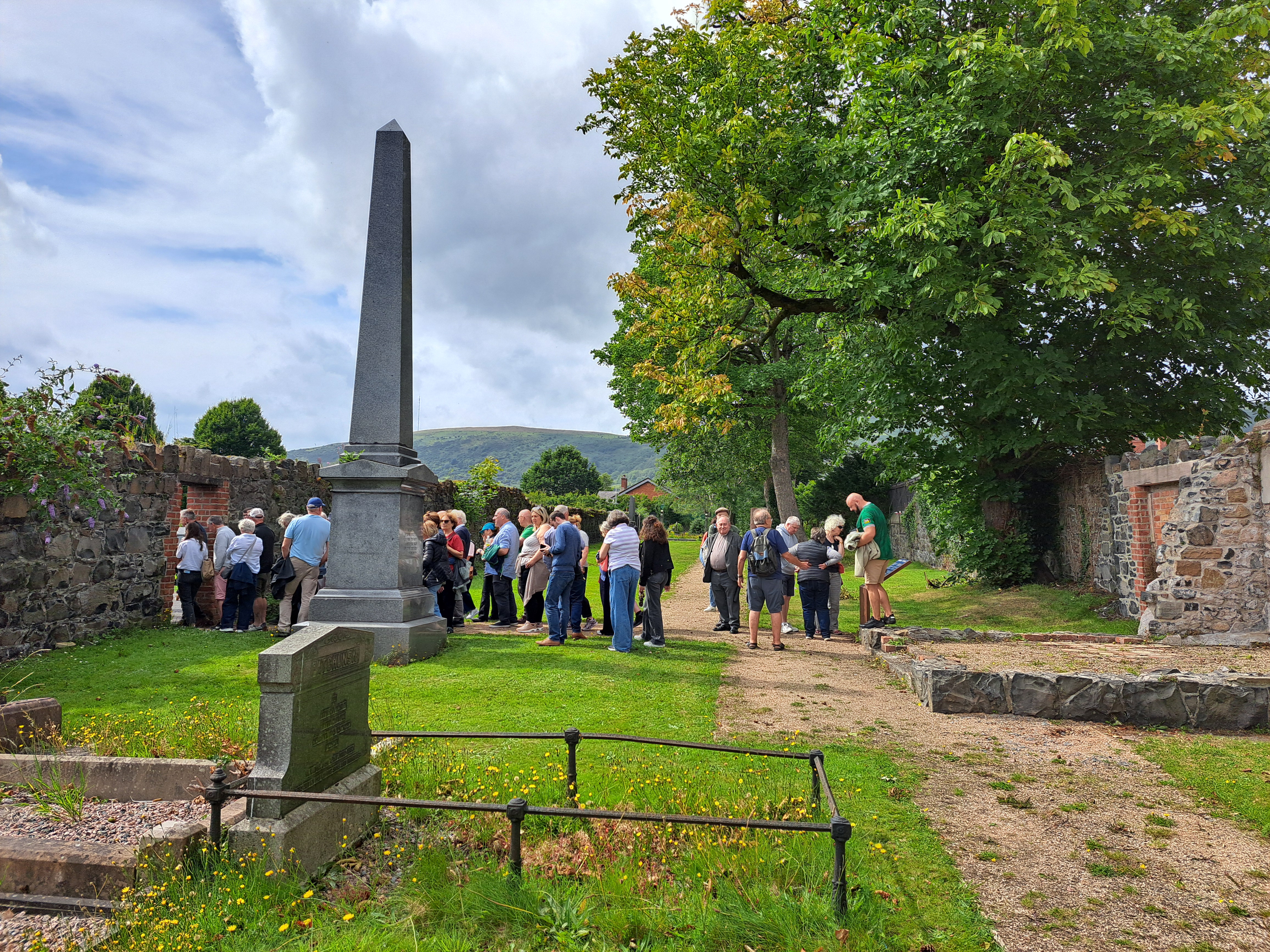
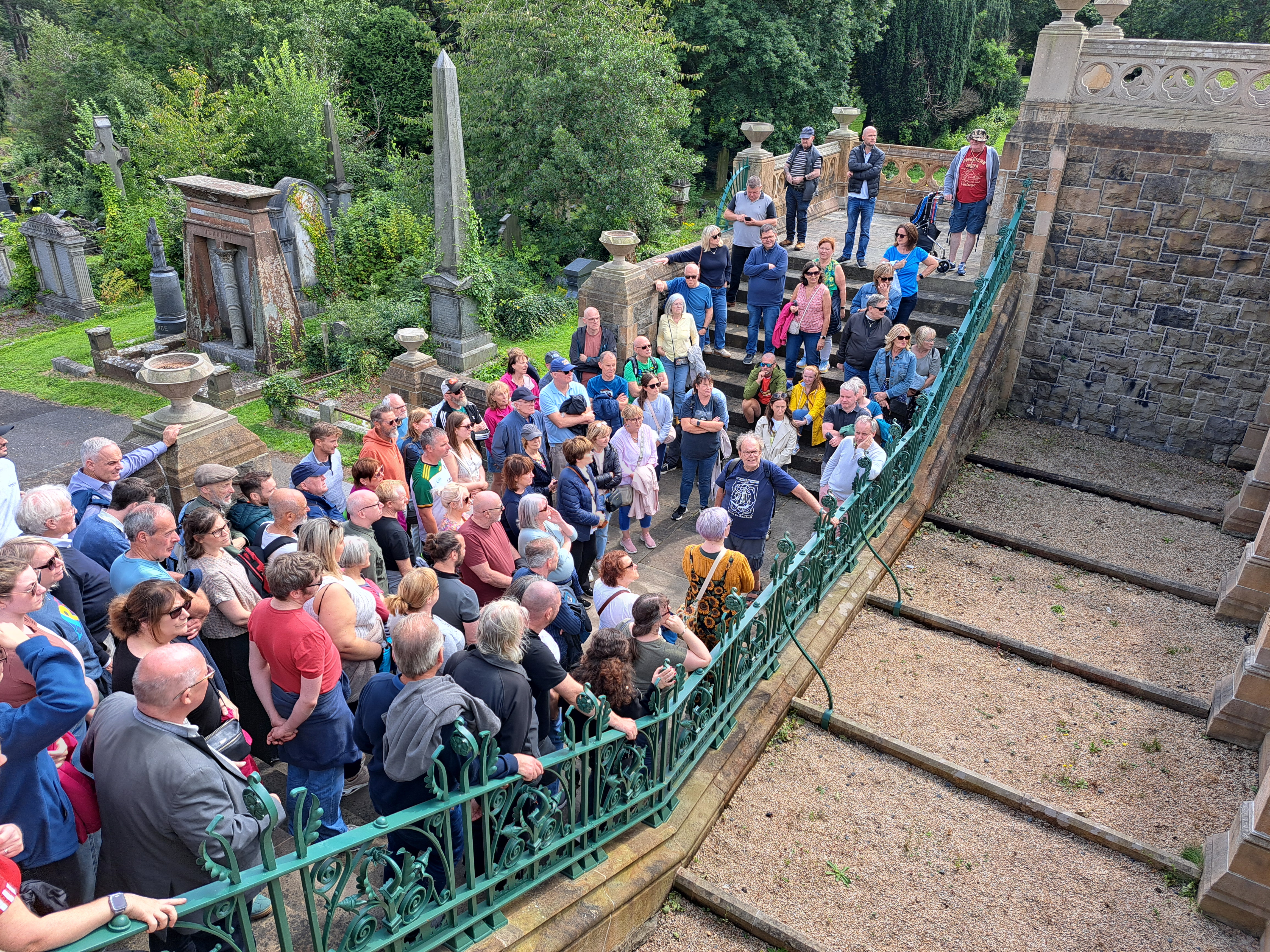
I was pleased to again take part in a tour of Belfast City Cemetery led by Tom Hartley. Tom is now the author of four books on the cemeteries of Belfast and I was pleased also to pick up a copy of his latest work, More Stories from the Belfast City Cemetery. This was his penultimate tour of the last series he would give as part of the Féile an Phobail and like all these tours there was a very large attendance.

Start of the tour, showing some of those present

I see the first guided tour I attended was in March 2022. You can read that account here – Silent yet eloquent Memorials. There are a number of changes to the Cemetery made since that time, like the completion of the visitors’ centre, new signage all around the Cemetery, the restoration of the Vaults – which house the remains of such industrial luminaries as Sir Edward Harland and Thomas Gallaher – and a lot of new planting.

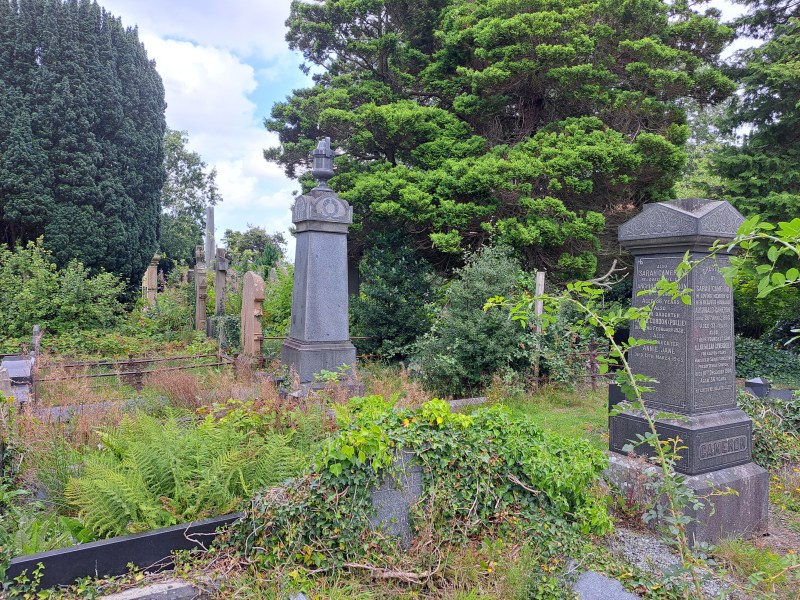
It is a very impressive cemetery, imaginatively laid out and designed by William Gay of Bradford in the shape of a bell (as in Belfast) and it contains some incredible Victorian, Edwardian and later memorials.

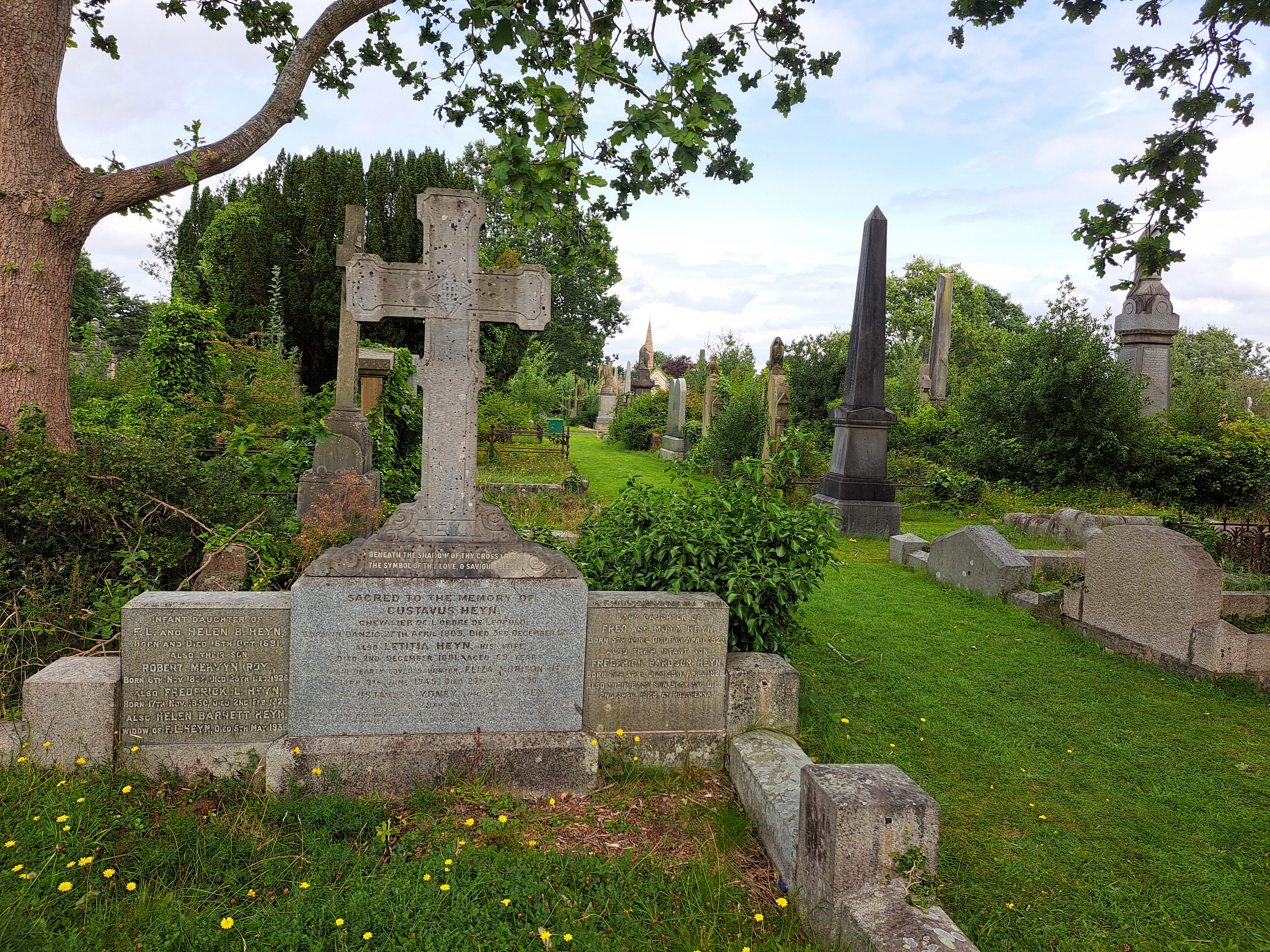
Gustavus Heyn, shipping magnate

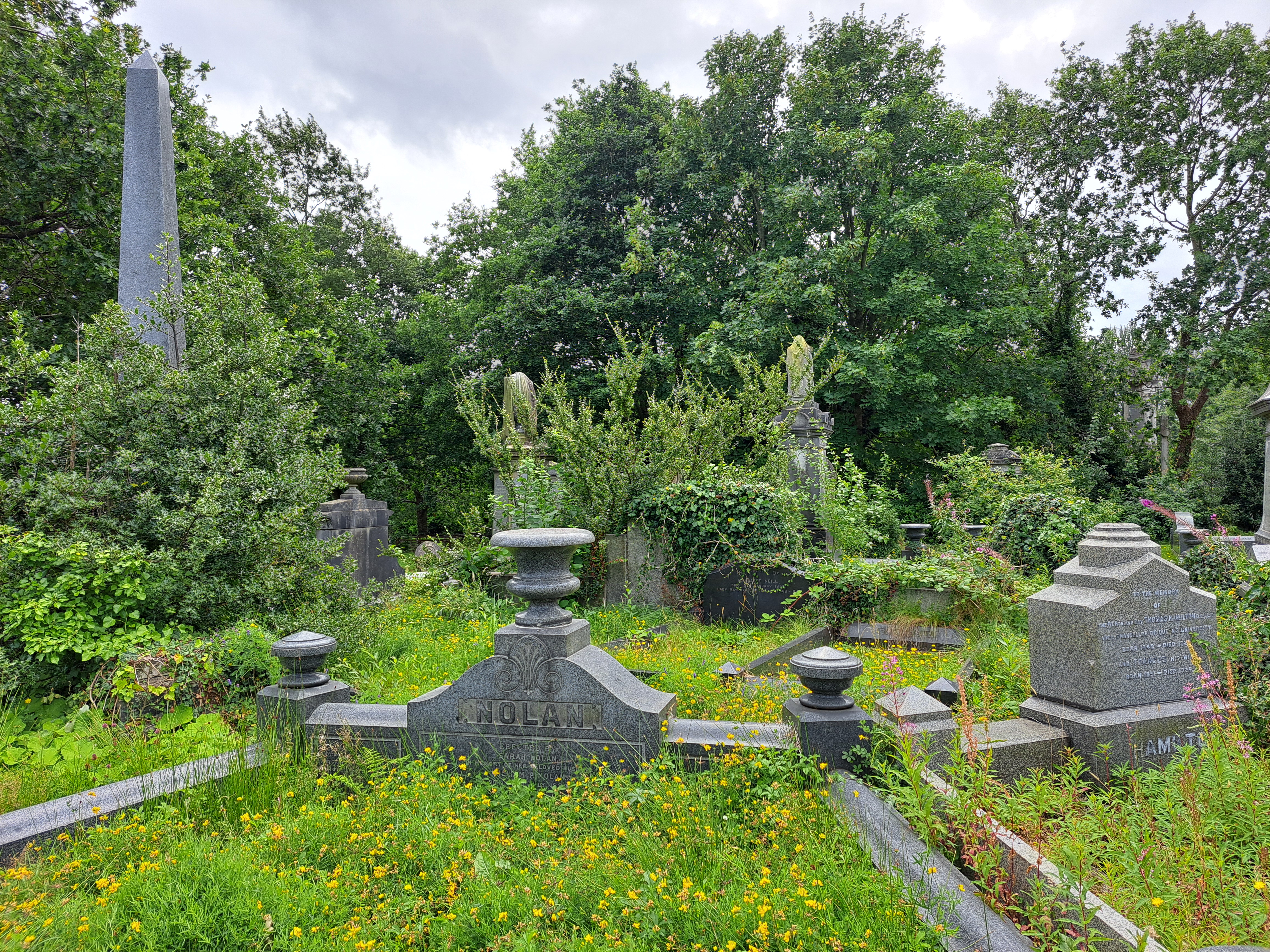
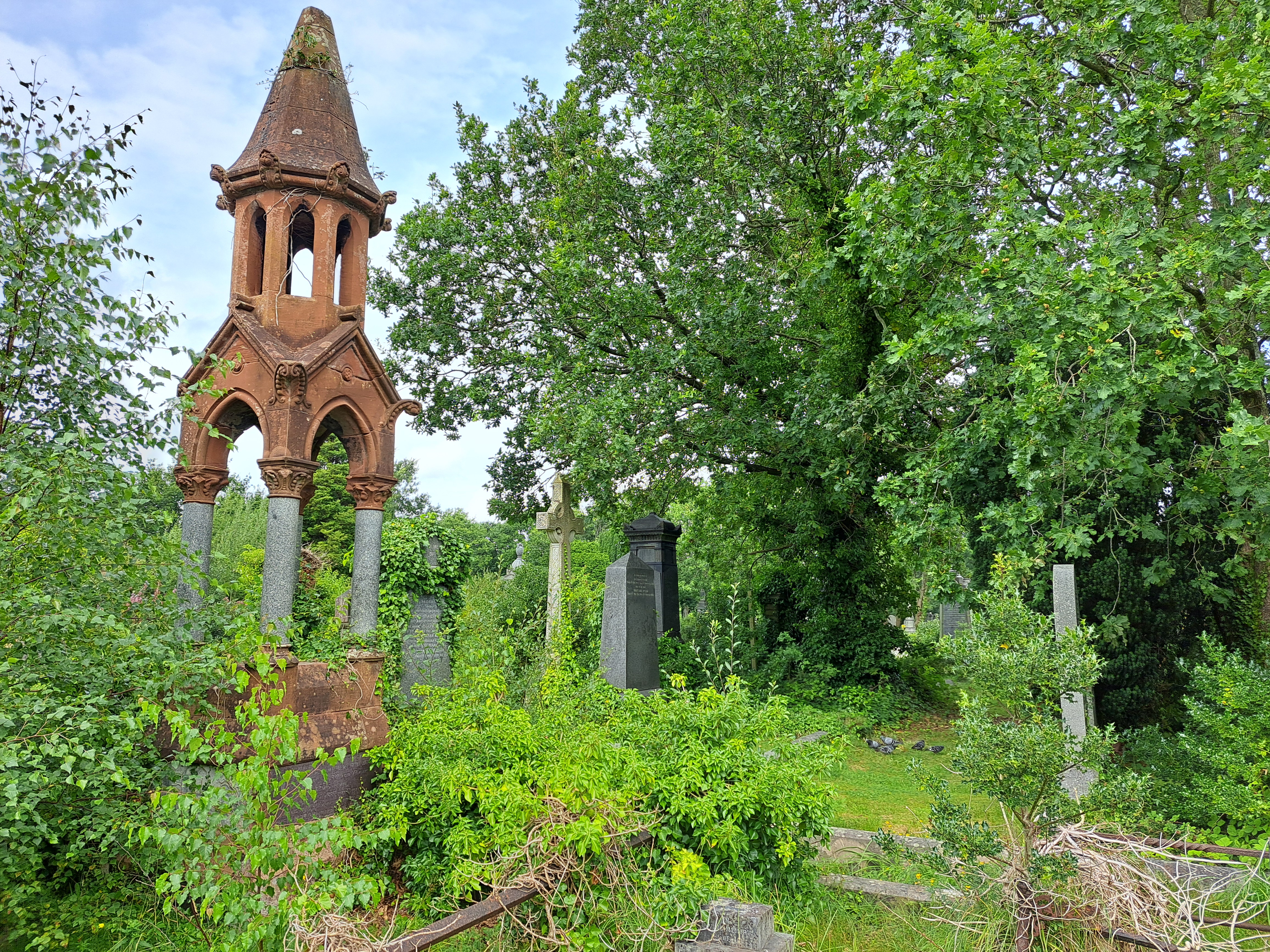
Some parts are still quite heavily overgrown and other parts have suffered badly from vandalism.

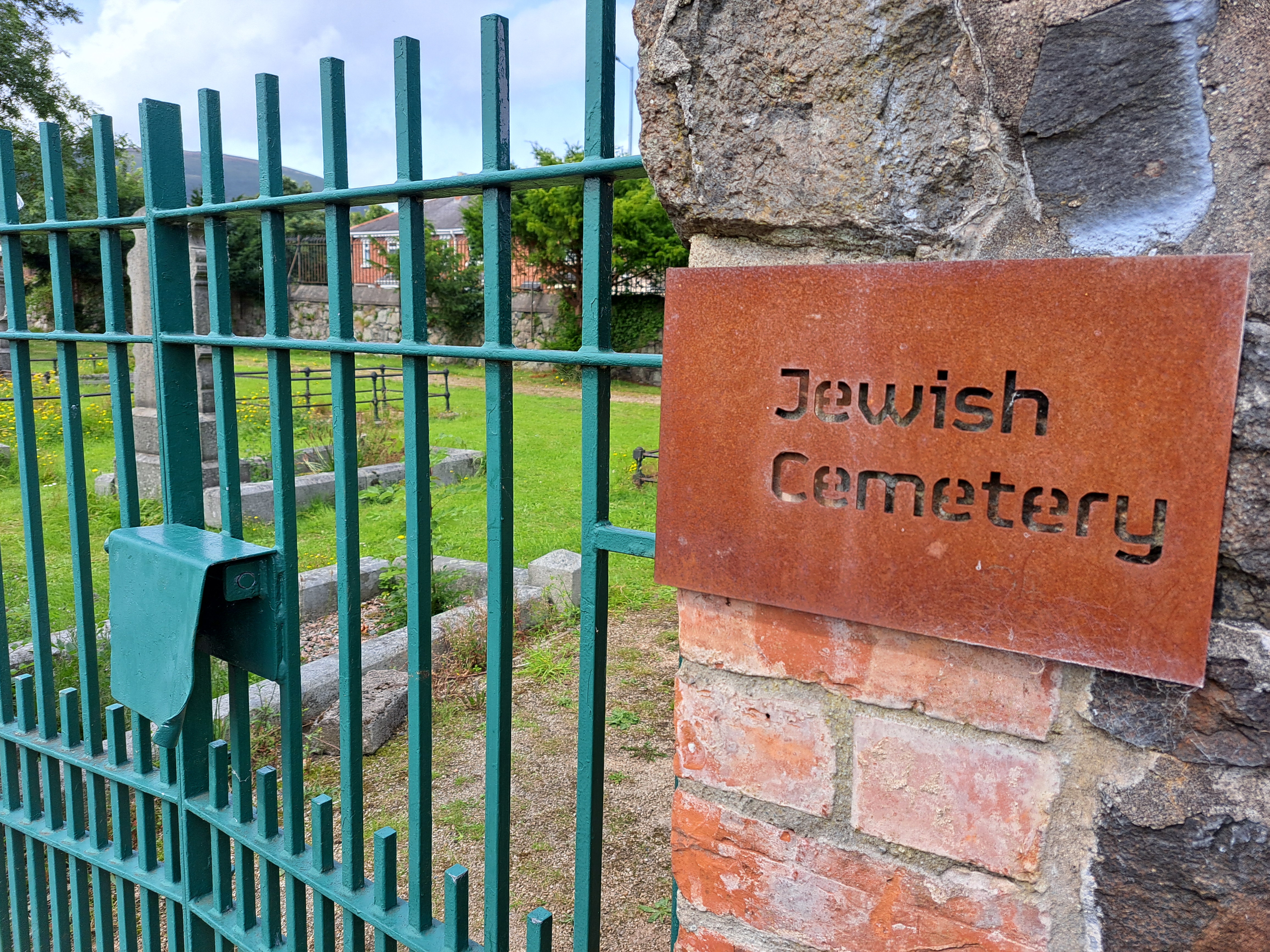
The Jewish section of the graveyard comprises a separate walled section although this has particularly suffered from vandalism and since 1964 Jewish burials now take place at Carnmoney Cemetery.

Entrance to the Jewish Cemetery
Inside the Jewish Cemetery. On the right is the remains of the Tahara, the mortuary chapel

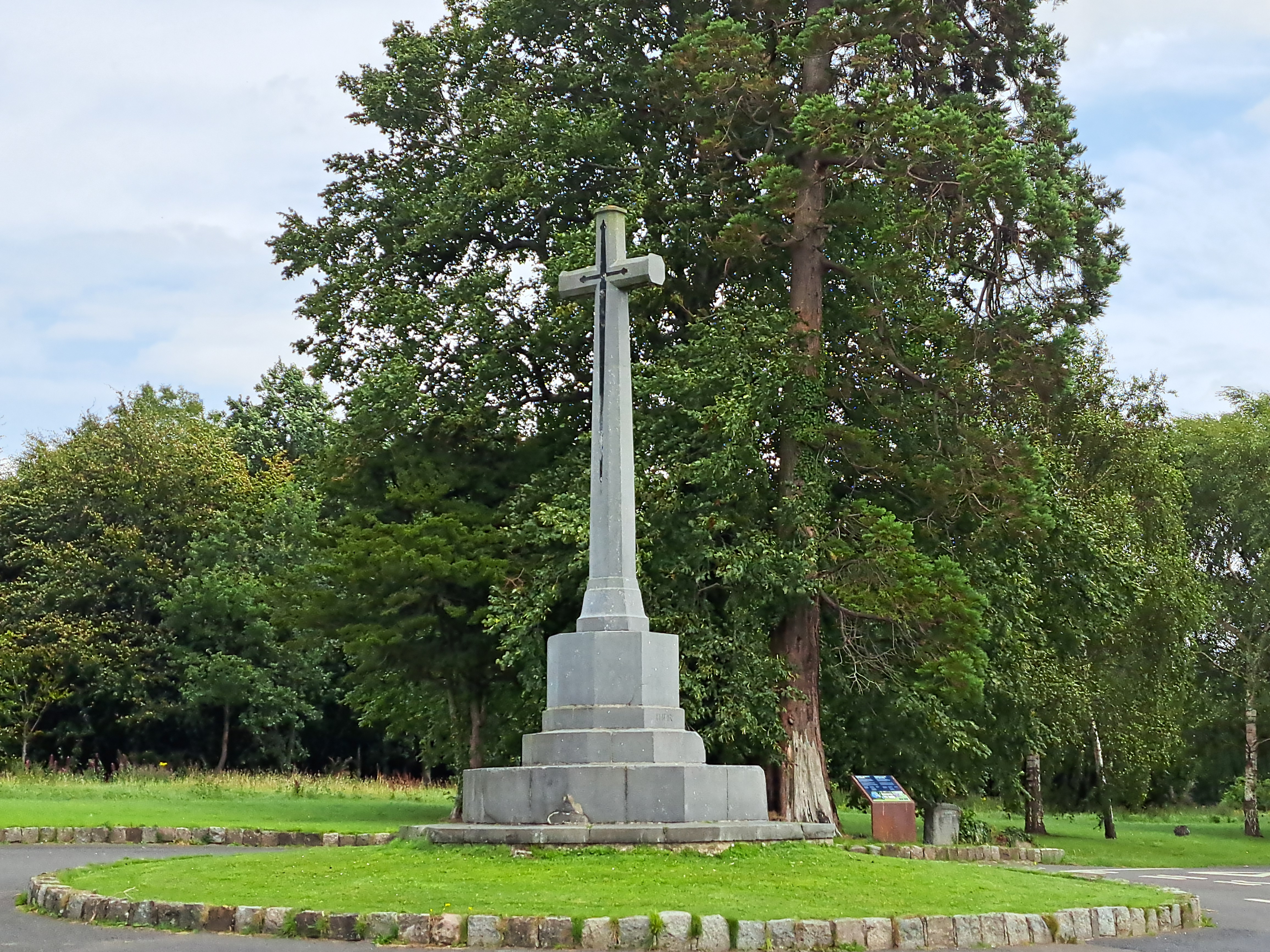
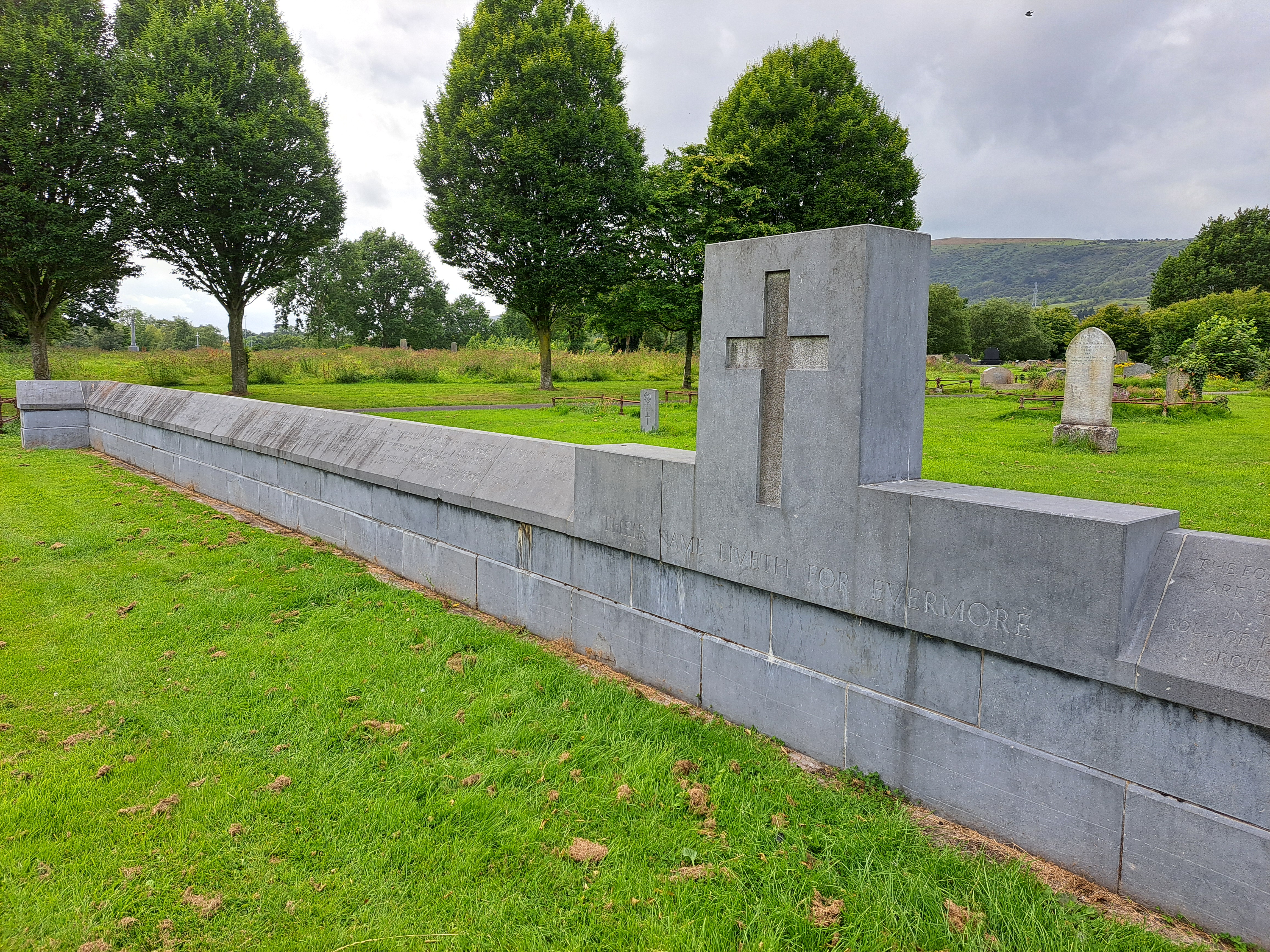
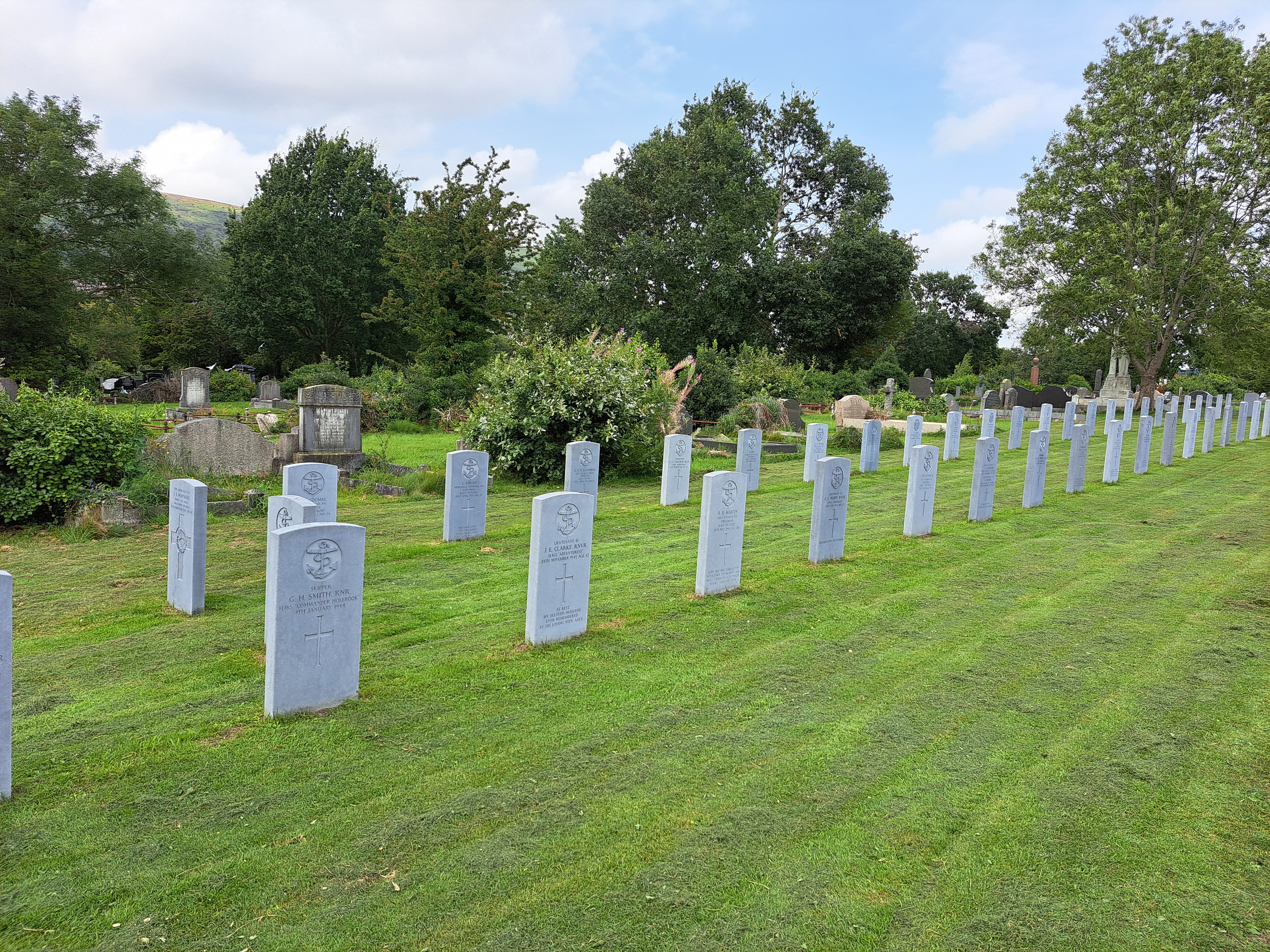
The Cemetery also includes a Commonwealth War Grave Cemetery with 296 burials from the First World War and 274 from the Second World War. There is also a Cross of Sacrifice (the same size as that in Botley Cemetery) and a First World War Screen Wall which carries the names of 74 soldiers who are buried in the First World War plot, 58 soldiers who are buried in unmarked graves and 8 soldiers who are buried elsewhere in the Cemetery.

Cross of Sacrifice
Part of the First World War Screen Wall
Second World War Royal Navy and Merchant Navy graves

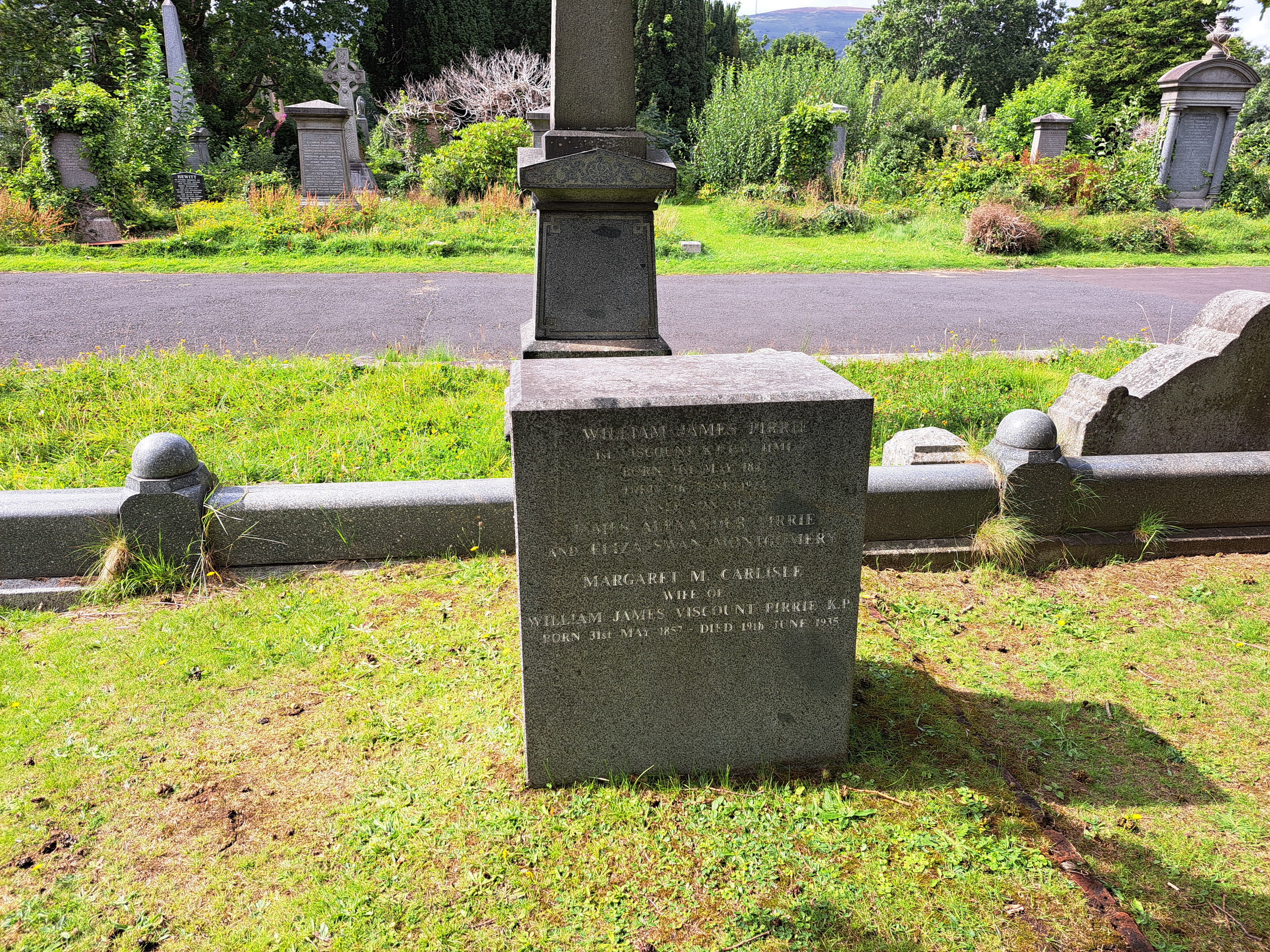
There are a lot of significant people from Belfast’s past who were Non-Subscribing Presbyterians who are buried here, perhaps most notable are Lord and Lady Pirrie. Viscount Pirrie was the chairman of Harland and Wolff when the Titanic was built and was to have sailed with his nephew, the designer Thomas Andrews, on its maiden voyage, but was prevented from doing so by illness.

Grave of Lord and Lady Pirrie

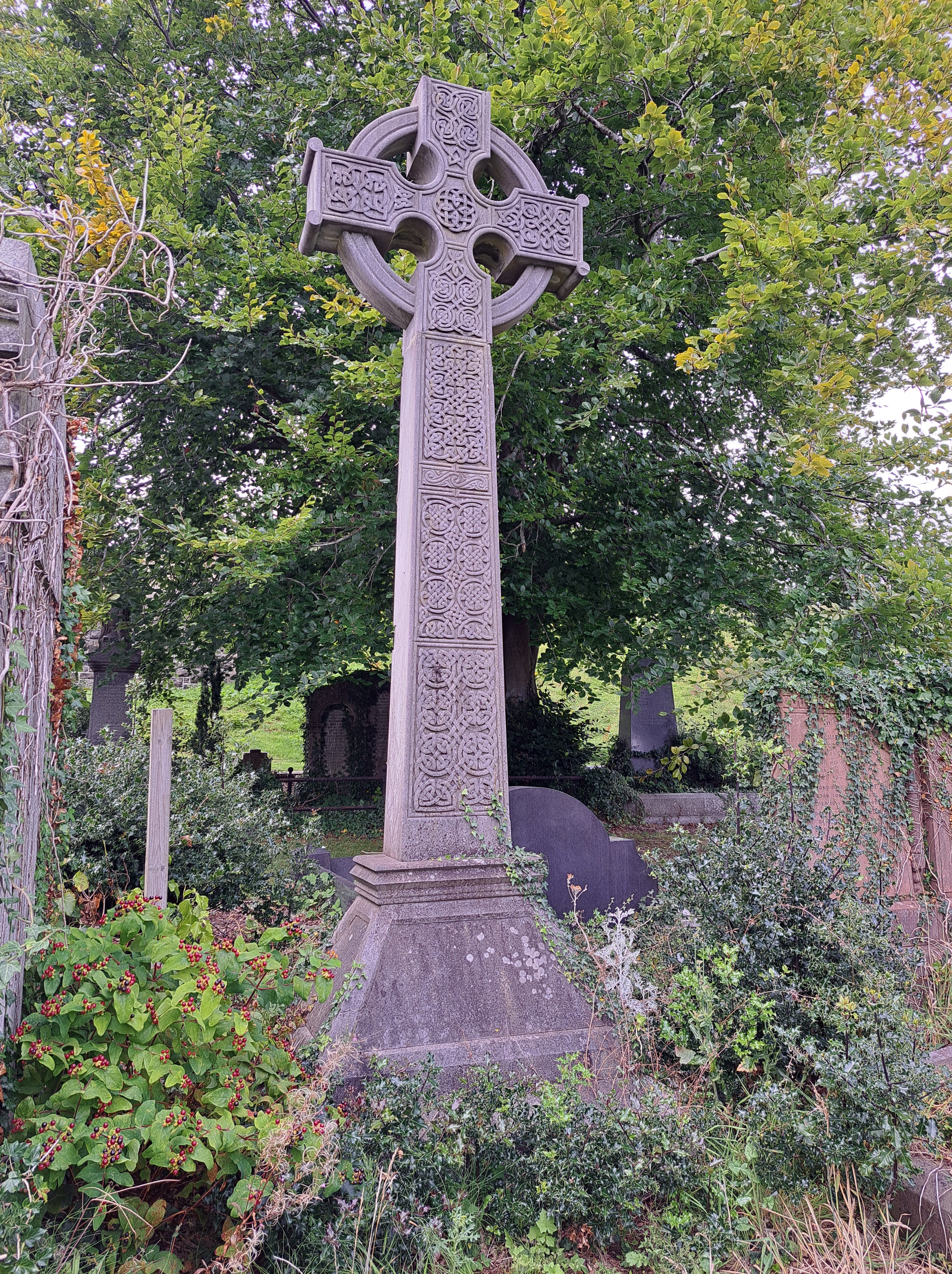
I have written before about one of the most notable Non-Subscribing Presbyterian ministers buried here, the Rev John Scott Porter, and was pleased to hear from his great great great granddaughter as a result. He is buried with his brother, William, who was once the attorney general at the Cape Colony, and actually introduced at that time a franchise that was inclusive of all races. The Celtic Cross that marks their grave is one of the most impressive in the cemetery:

The grave of Rev John Scott Porter and William Porter

I also produced a short video about John Scott Porter at that time. This is available to view here:

Click above to see the video
The grave of Florence and Albert James Lewis, the parents of C.S. Lewis
The tour at the Vaults and Central Steps

Postcards by A.D. Coon

In this post we are looking at some more examples of the work of Allen Daniel Coon. The total output of postcards he produced between 1902 and his death in 1938 must have been enormous and they covered a very wide geographical area. I hadn’t noticed that one card I picked up a few years ago was by him:

Old Cemetery, Ballycarry, 1929

This was produced for John McKee News Agent and Confectioner, Ballycarry, and is interesting because he has labelled different features of the graveyard, although you can only see the tip of the spire of St John’s Parish Church and can’t see the ruins of the old church at all as they are obscured by trees.

This is what the ruins look like today:

Ruins of Templecorran Church, Ballycarry

You can read about our recent visit to this graveyard here.

Allen Coon produced a lot of postcards for this part of County Antrim in the later 1920s, in this case giving his location as Moira, NI. Five years earlier his postcards produced for Mrs Johnston, Draper & Boot Merchant, Hillsborough still give his location as Letterkenny:

Town Hall and Court House, Hillsborough, 1924

Interior of Parish Church, Hillsborough, 1924

The cards produced in Antrim in 1927 stand out from the others having a large border and a glossy finish. This time they are published for Mrs Simpson, Newsagent and Stationer, Antrim, who must have wanted something different in terms of design. By this time he is well settled in Moira:

First Antrim Presbyterian Church, 1927

Motor Boats on Lough Neagh at Antrim, 1927

Presumably the motor boats were used as pleasure craft taking people on tours of the Lough.

In Whiteabbey in 1929 he produced about 18 postcards for H. Quiery, Newsagent & Tobacconist. He must have exhausted all the possible views of the surroundings.

Whiteabbey Dam and Mill, 1929
Whiteabbey Memorial Hall, 1929

A lot of Allen Coon’s pictures are straightforward architectural treatments of churches or halls. But this one is slightly different in that a passer-by boldly walks into shot in front of the Whiteabbey Memorial Hall (opened just two years earlier in 1927). Was this pre-arranged to add a bit of extra detail? Or did the lady accidently cross into the frame while he was standing there with his camera? If this was an unforeseen intrusion into his picture he must have liked the look of the finished article since he could easily have taken another one. But there she remains for posterity, out on her messages, captured on film.

Allen Daniel Coon (1867 – 1938), Pioneering Photographer and Cinematographer

In this video we take a look at the career of Allen Daniel Coon, one of the pioneers of photography and cinematography in Ulster. The video tells something of his story, with many examples of his postcards, and tracks down his last resting place.

Video: Allen Daniel Coon (1867 -1938) Photographer and Cinematographer

The previous post on this blog is all about Allen Coon’s postcards produced for W.J. Ross of Finaghy Stores in 1927, but these are just a small sample of his vast output produced between his arrival in Ireland in 1902 and his death in 1938.

Allen Daniel Coon was born in Buffalo, New York in 1867. The son of a Baptist pastor and, tradition has it, a native American mother, his career followed a fairly conventional path in its early years. He read law at university and then established himself as an attorney in Buffalo. But at some point he tired of this life and took the road to prospect for gold first in California and then in Alaska. One assumes this was not entirely successful because at some point he took up photography. He was a friend of George Eastman, the founder of Kodak, and may have been related to him. Either way he travelled to England with him in 1900 moving to Ireland a couple of years later to set up his own photography business.

This was right at the beginning of the boom in the sale of postcards. In 1902 you could send a picture postcard for a halfpenny and expect it to be at a local destination at lunchtime. For skilled photographers the opportunities were obvious and operating initially from Londonderry, later from Letterkenny and ultimately from Moira (each place was printed as his location on the front of his postcards) he produced hundreds of postcards of impressive views, street scenes, local landmarks, prominent buildings and sometimes interesting people.

Clough Castle (no publisher listed on the back)

It is recorded that he charged local traders less than £5 for 2,000 postcards, which also included their name on the back of the card. From about 1924 he started numbering the cards starting with the last two digits of the year they were produced which is very helpful in dating the cards.

In the Census of 1911 he was recorded as living with his wife of three years, Clara, at Church Wall, Londonderry where he recorded his profession as Photographer and Theatrical Showman. Also recorded were their two eldest children (Gladys and Gaynor) and the fact that while his wife was a Presbyterian he declared himself to be an agnostic.

Moira Market House, published by Job Palmer, General Trader, whose shop can be seen on the right

The Theatrical Showman side of his profession was not an idle boast. Although his income from postcard sales must have been steady he was also perpetually ‘on tour’ travelling all over the north of Ireland with his camera and darkroom, setting up in towns as he went to film moving pictures and then show them to a fascinated populace along with films of Charlie Chaplin and other entertainers. In fact he also seems to have had an interest in some of the earliest cinemas established in county Donegal and in Belfast but his commitment to travelling from town to town with his films never waned right up to his death.

Moneymore, First Presbyterian Church (‘Published by Coon for Devlin, General Merchant, Moneymore’)

After partition he moved from Letterkenny to Moira and was ultimately buried there in the Non-Subscribing Presbyterian Church graveyard after his sudden death while on tour in Sligo. It is clear that his family had a close association with the Church, other family members are buried in the churchyard, but in the 1940s when the Non-Subscribing Presbyterian denomination launched a tercentenary appeal for the Sustentation Fund (1642 – 1942), Allen Coon’s wife Clara and his daughter Sylvia were amongst the members of the little congregation at Moira who gave their support. Indeed Miss Sylvia Coon was also one of the two local appeal officials for Moira.

Donations from Moira to the NSPCI Tercentenary Sustentation Fund Appeal, including Clara and Sylvia

Postcards from Finaghy – and the Moore family of Finaghy and Dunmurry

Following our postcard views of Dunmurry in the 1930s I thought I would post some postcards from a place a short distance away; pictures of Finaghy, which probably date from a few years before, and which we know were taken by Allen Daniel Coon of Letterkenny and Moira.

The numbering system on the four cards is believed to point to a date in 1927 for their production. According to the excellent catalogue of Allen Coon’s cards produced by Brian Hamilton in 2016 there were five cards published in this series for W.J. Ross of Finaghy Stores but I only have four of them. These four images are quite common but I have to admit that I have never seen an example of the fifth card which is named as ‘Finaghy Road South looking North’.

Finaghy Stores, Finaghy

The ‘Finaghy Stores’ postcard shows a solitary shop, that of W.J. Ross’s Cash Stores and Refreshment Rooms. It stands out very prominently in those days, but later had another shop joined to it and was surrounded by a number of other shops, including a couple of banks. The shop was well known to me in more recent times when it belonged to John Frazer, an active member of All Souls’ Church when I was minister there.

Finaghy Road, North, Finaghy

The postcard ‘Finaghy Road, North, Finaghy’ looks across the crossroads to Finaghy Road North and dates from a time when there was so little traffic that a bus could stop in the middle of the road to pick up passengers to be taken into town. This view has essentially not changed except for the addition of shops on one side and what was a bank on the other side of the road.

The other two postcards are a little more curious. Named as ‘Finaghy House’ and ‘Finaghy House and Grounds’, they could more accurately be titled ‘Finaghy House gateposts’ and ‘Finaghy House Grounds’ since neither card features any more than the merest suggestion of Finaghy House.

Finaghy House and Grounds

This is a pity really because Finaghy House will have been a major landmark at the time. Lord Belmont in Northern Ireland tells us all about Finaghy House in his excellent blog which you can read here. He tells us that the original house was built by Richard Woods at the end of the seventeenth century but was sold to the Charley family, a prominent linen family in 1727. Lord Belmont quotes the 1830 Ordnance Survey Memoirs as saying ‘the walls are nearly four feet thick and run together by grouted lime, similar to other ancient buildings.’ A descendant of the family said it was ‘an imposing mansion in a large park, with extensive outhouses and stables … a remarkable feature [of the interior] being a revolving fireplace between the drawing-room and the dining-room.’ The Charley family sold the house to a family named Brewis who, it is said, bred corgis, one of which had the distinction of being the first corgi owned by Queen Elizabeth, The Queen Mother.

In about 1890 Finaghy House was sold to James Moore and this is where a connection can be found with the Non-Subscribing Presbyterian Church of Ireland. James Moore was a direct descendant of Rev Henry Montgomery and the family were all members of our church at Dunmurry. In the 1901 Census he is listed as a Manufacturing Stationer living with his wife, Maria Lydia, who had been born in New Orleans. They and their three children (Harold Montgomery, Kenneth Montgomery and Sybil) all give their religion as Unitarian. As well as the five family members there are three servants listed as resident in the house. Harold and Kenneth are respectively stationer’s assistant and stationer’s apprentice to their father in 1901, Sybil is still at school. By the 1911 Census the three children are no longer living at home although there are still three (different) servants; a parlour maid, a cook and a housemaid.
Finaghy House by A.D. Coon

By 1911 James Moore was a JP in County Antrim. In the First World War Kenneth Montgomery Moore was commissioned into the 11th Battalion Royal Irish Rifles and was awarded the Military Cross. He returned home safely at the end of the war and his name is listed in the First World War Roll of Honour of the Non-Subscribing Presbyterian Church of Ireland  (published 2018).

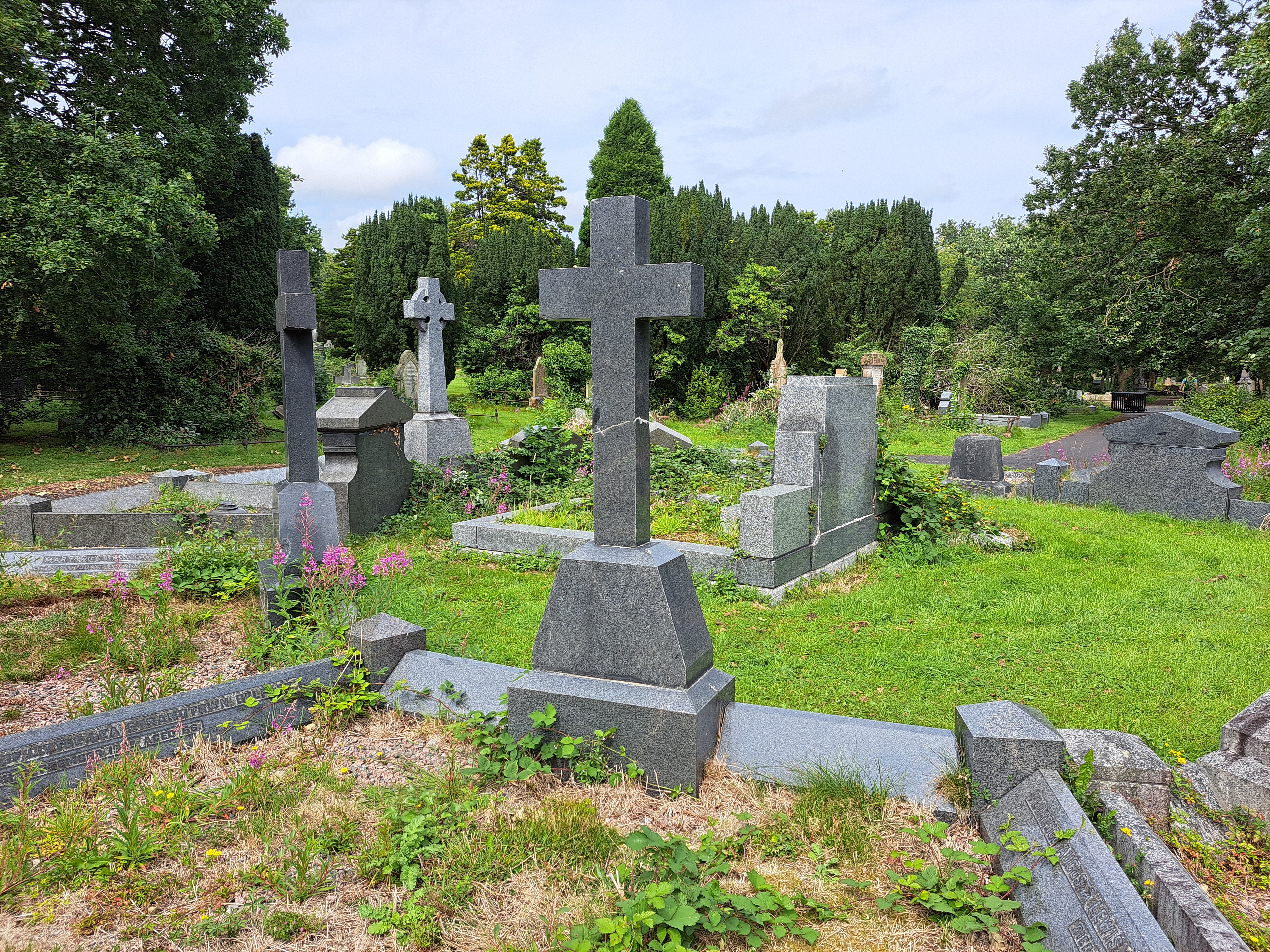
The Moore family burial ground can be found in their church, the First Presbyterian (NS) Church, Dunmurry. Marked simply as ‘Moore, The Finaghy’ it can be seen at the top of this page.