The regal heads of Mountpottinger

On my History of the Non-Subscribing Presbyterian Church of Ireland blog I have been gradually posting two images of every church in the denomination together with a short description of the building. My aim is to include every active church plus as many of the former churches for which images survive. You can view them here:

https://nonsubscribingpresbyterian.wordpress.com/blog/

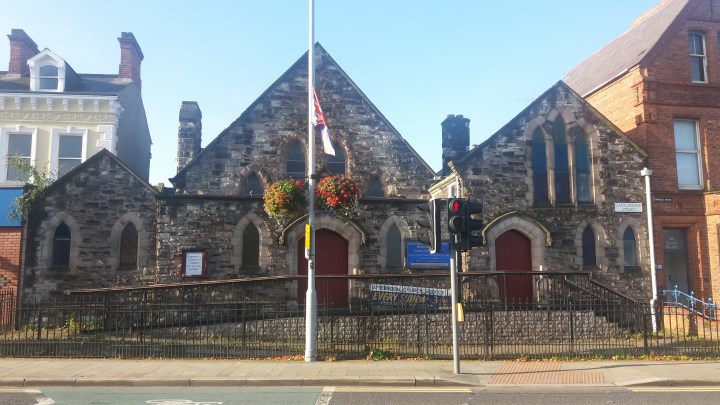
I have amassed a large database of images in various formats over the years but passing near the Mountpottinger church in Belfast recently I decided to stop to take an up to date view.

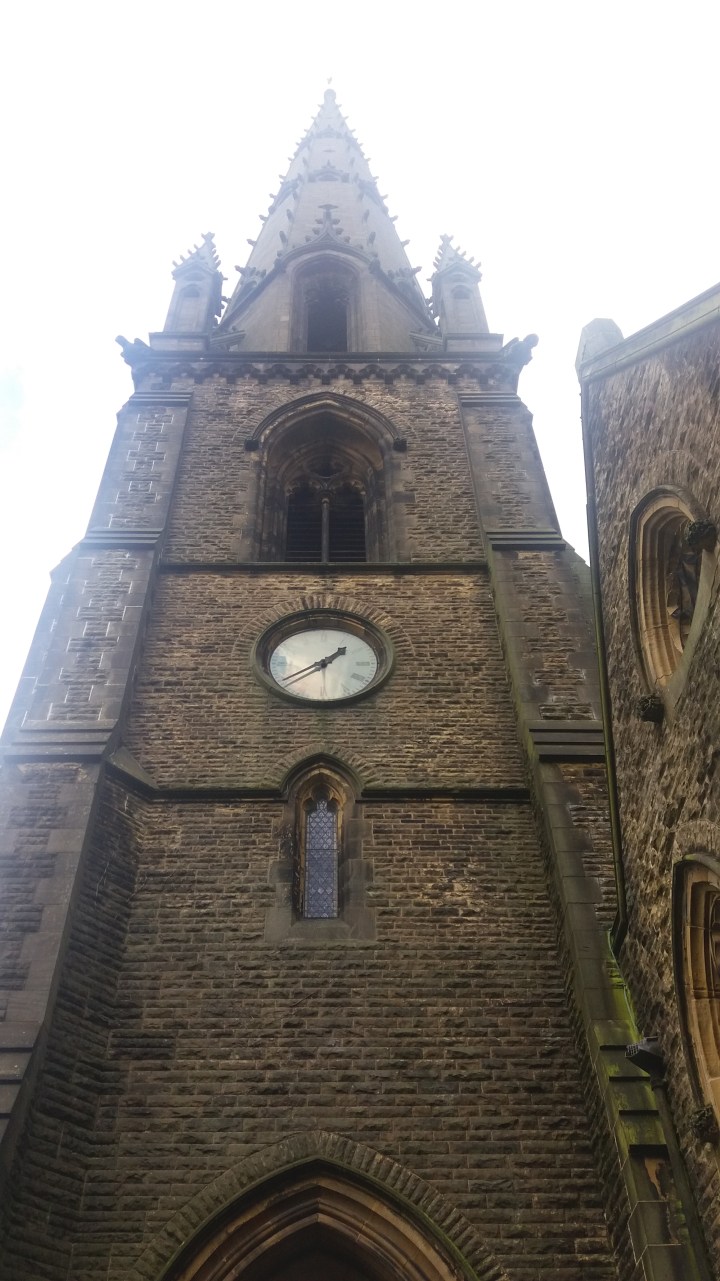
Mountpottinger front 03 2017

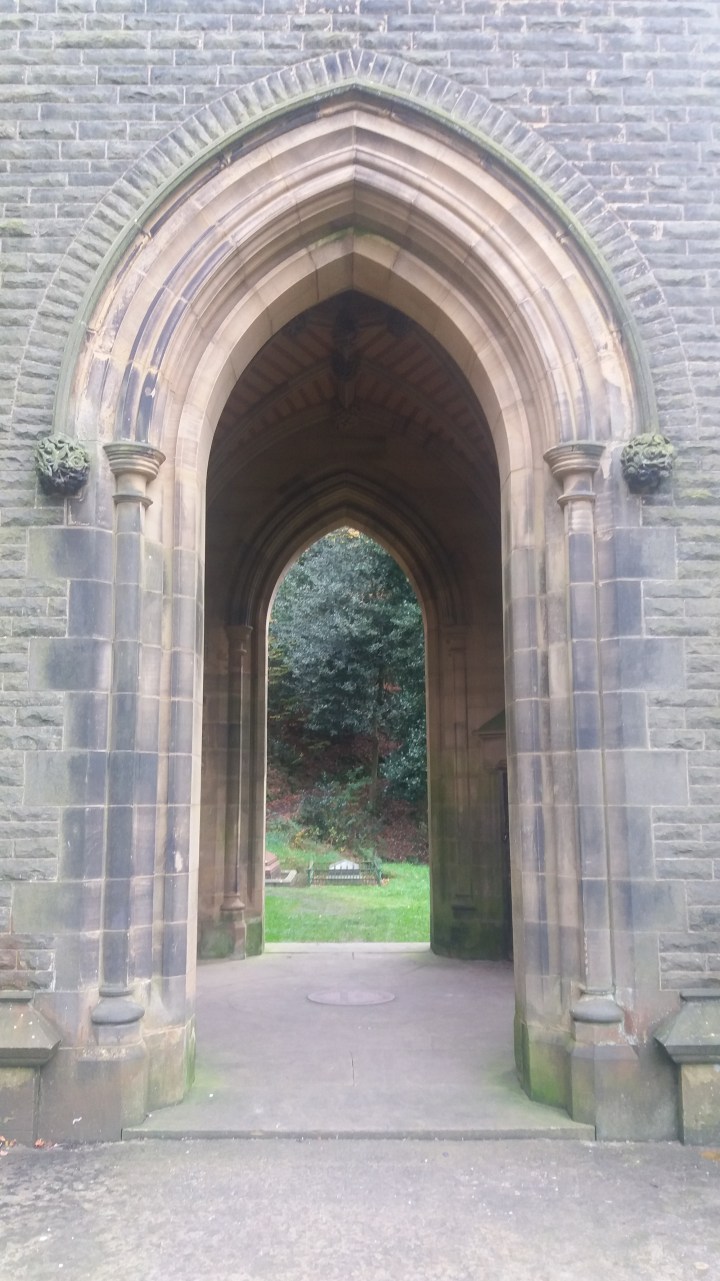
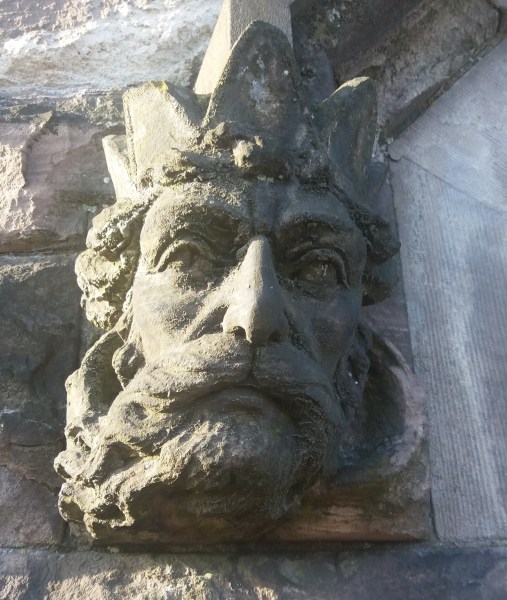
Looking at the church close up I noticed something that I had never seen before, namely that there are four corbel heads at the base of the main entrance arches which depict crowned heads. I know I am not alone in having previously missed this intriguing detail but close up you can see four regal faces, two of them male and two female:


Who are they meant to represent? Biblical figures? Historical? Shakespearean perhaps? Or are they purely decorative? It seems clear that they were added when the church was extended in 1899. The foundation stone for the original church was laid in 1874 but the young congregation was very successful and in 1899 they extended the building.

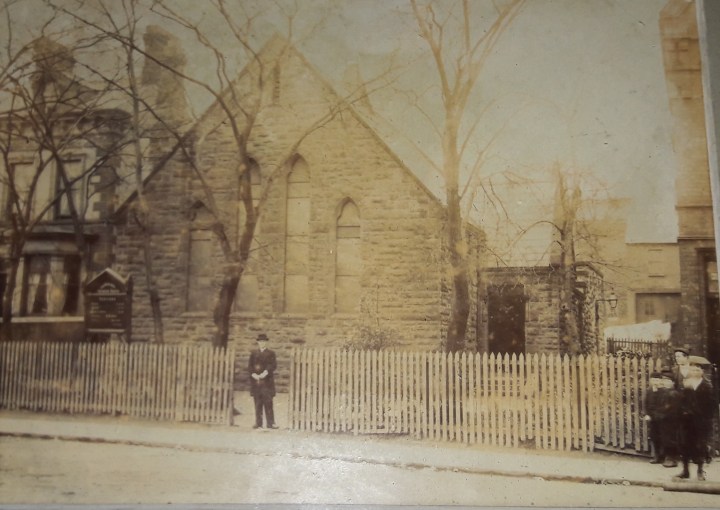
Adrian Moir, the congregational treasurer and representative elder, has sent me the follwing interesting photograph of the original building as it looked before 1899. Standing in front, he thinks, is the Rev William Jenkin Davies minister from 1896 – 1903 who was married to the niece of Sir Edwin Durning-Lawrence who donated the new schoolroom as a memorial to her following her death:

MountpottingerChurchpre1899 01AMcropped

Sir Edwin Durning-Lawrence was a major Unitarian benefactor, an MP who declared the Unitarian College, Manchester open when it moved to Summerville in 1905, a friend of the Rev Alexander Gordon and the leading proponent of the theory that Shakespeare’s plays were actually the work of Francis Bacon!

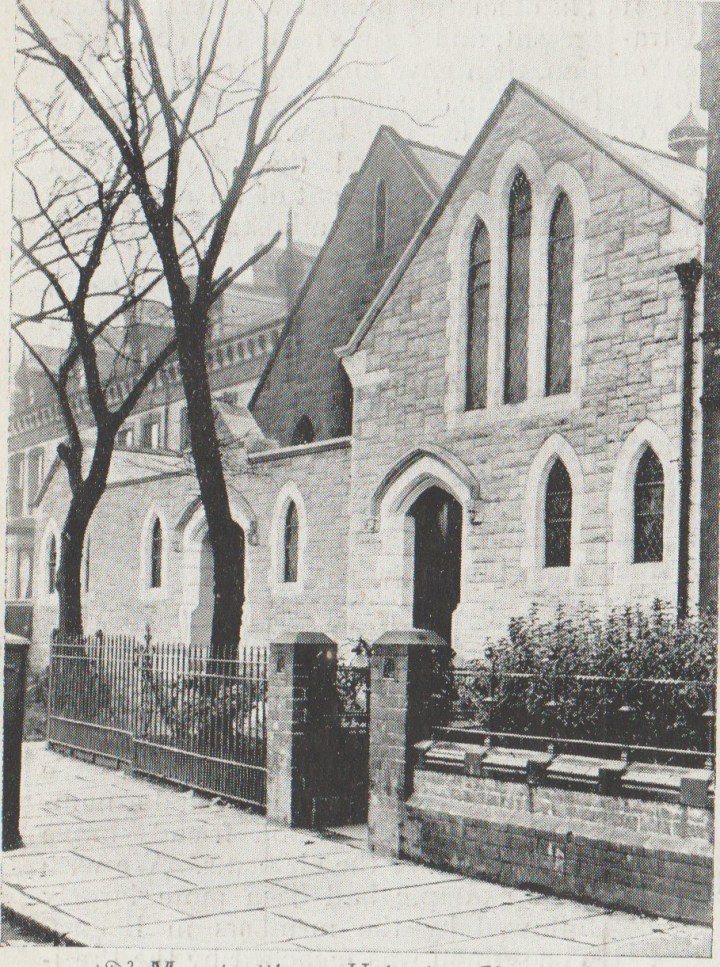
A comparison of the new buildings of 1899 with the old one shows how they added a schoolroom and ancillary rooms on both sides of the original church with a common frontage uniting all the structures. In very recent times a disabled ramp was added to the church.

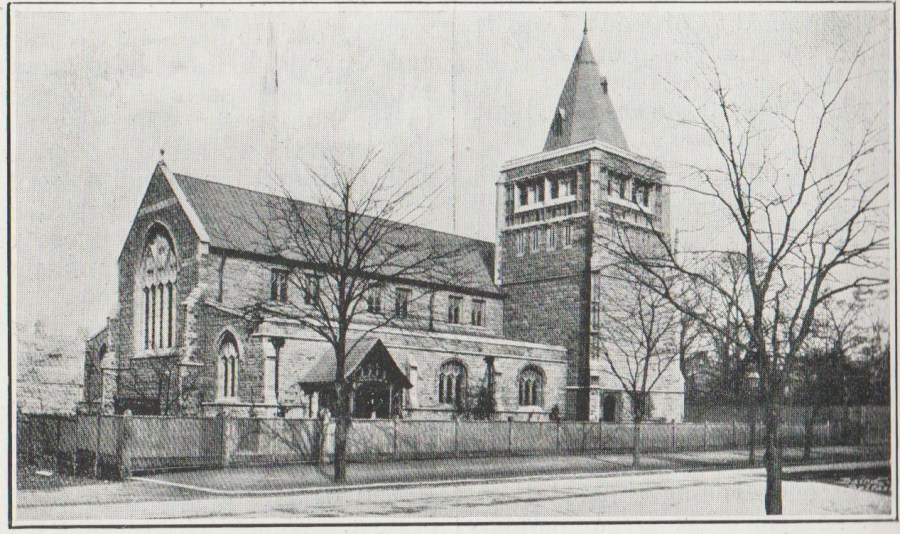
Belfast Mountpottinger 1907

A view of the church published in 1907, showing the new additions to the building

But it would be interesting to know the identity of the four regal heads who adorn the outside wall of Mountpottinger church.

Illustrations of Unitarian Churches in ‘The Christian Freeman’

Robert Spears was a tireless propagandist for Unitarianism in the second half of the nineteenth century. One of his projects was the establishment in 1856 of The Christian Freeman, “a monthly journal devoted to religious, moral and social progress”. One of the novel features of this was that, from 1866, it was illustrated, at least to the extent that every issue carried an engraving of a Unitarian church or building. In January 1866 the editor promised that “during the present year our readers may expect in our pages every month one engraving at least of our largest churches.”

I have a bound collection of volumes 10 to 12 and in them most of these illustrations seem to have been produced by the same artist, although one is provided by the architect of a church (Southampton) and one other is signed ‘Macintosh’ which may be by a different engraver.

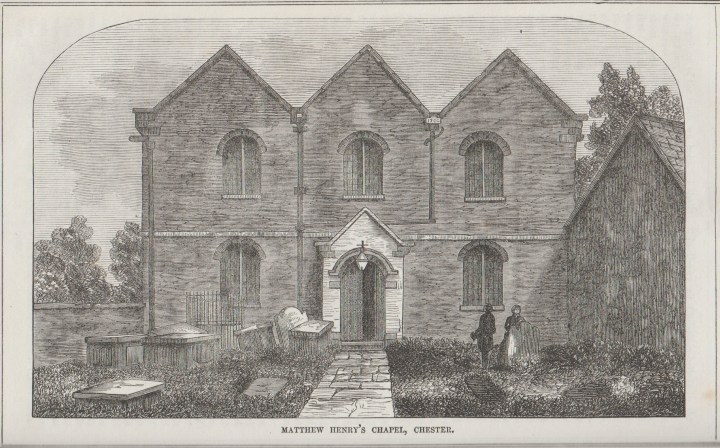
Most of the illustrations are exterior views and although Robert Spears promised “our largest churches” he didn’t stick to this and gives pictures of smaller congregations such as Pudsey, Styal or Dewsbury. Some of the churches illustrated are long gone, fallen by the way as congregations have closed or moved to newer premises or were destroyed in the blitz or by 1960s developers. But these illustrations are often very valuable because of a paucity of photographic or drawn records of the building concerned. So Matthew Henry’s Chapel in Chester lasted until the early 1960s but little survives that tells us as much about the building as Robert Spears’ engraving:

Chester Matthew Henry's Chapel Christian Freeman 1866

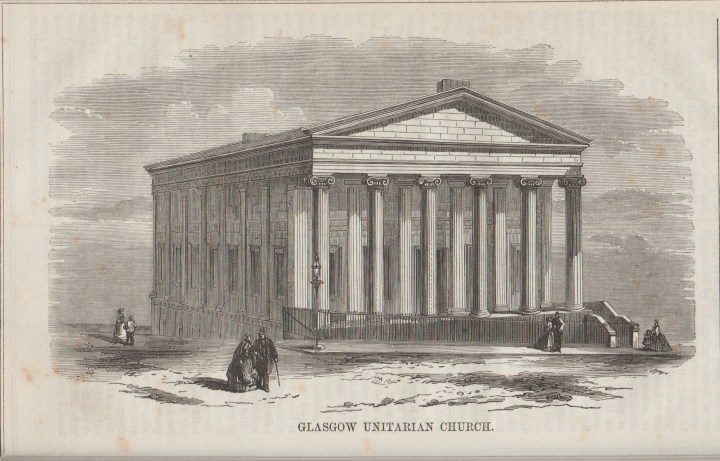
Glasgow’s magnificent St Vincent Street Church was demolished as recently as the 1980s but The Christian Freeman shows us how it was intended to appear:

Glasgow St Vnicent St Christian Freeman 1866

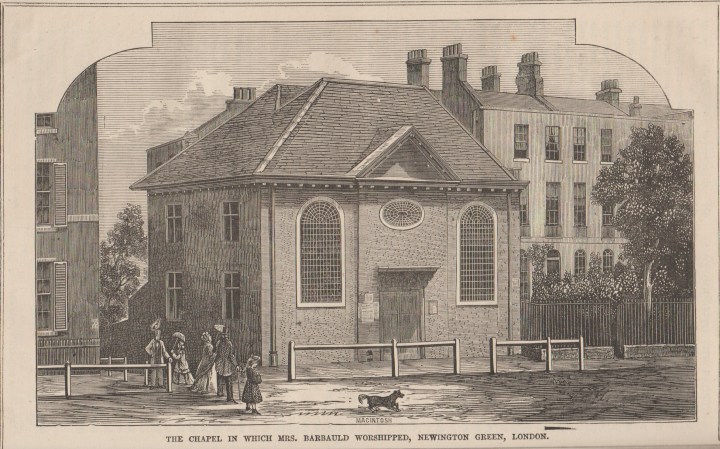
Other chapels might have survived but are still under threat, such as Newington Green Unitarian Chapel which in October 2016 was added to Historic England’s latest register of English historical buildings and sites considered to be at risk. See: https://www.theguardian.com/culture/2016/oct/21/feminism-birthplace-old-brighton-london-zoo-aviary-historic-sites-risk-endangered-english-heritage.

Interestingly then, as now, the media made a connection between the chapel and a woman writer. In 1866 it was Anna Laetitia Barbauld in 2016 Mary Wollstonecraft:

Newington Green Christian Freeman 1866

Knutsford also was identified with a particular writer in the form of Elizabeth Gaskell:

Knutsford Christian Freeman 1866

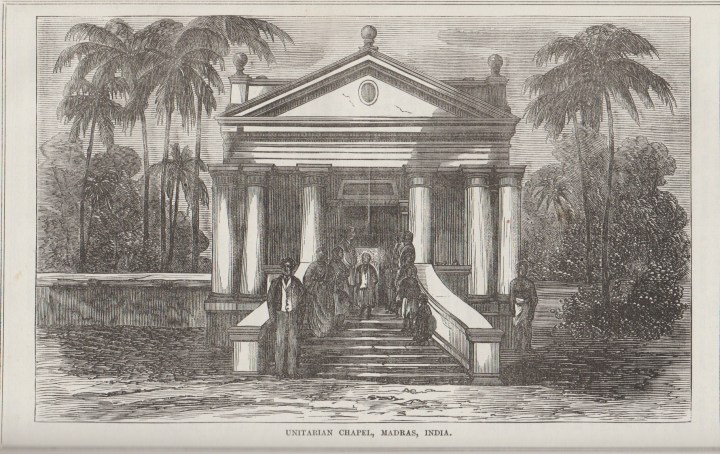
Probably the best known of the illustrations from The Christian Freeman of 1867 is that of Madras which has been reproduced many times:

Madras Christian Freeman 1866

But many of the illustrations were later reprinted in Emily Sharpe’s Pictures of Unitarian Churches published in 1901. This included pictures “nearly all of them printed from the wood-blocks lent by Mrs Spears, having been brought out by her late husband, at intervals, through several years, in the pages of the “CHRISTIAN LIFE” [also edited by Robert Spears] and “CHRISTIAN FREEMAN”.

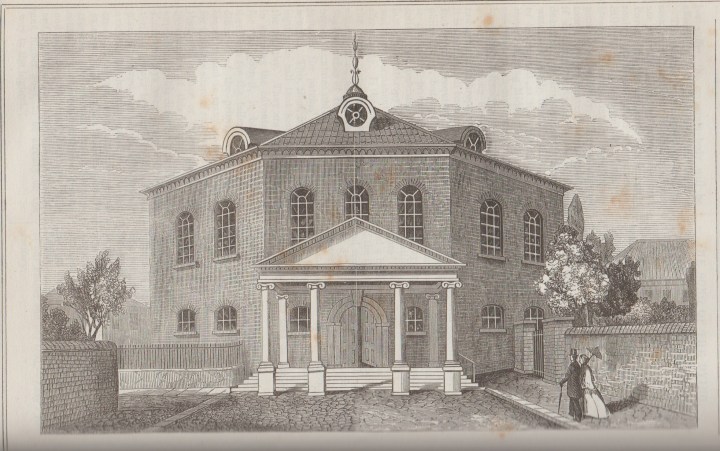
In fact the illustration of Matthew Henry’s Chapel in Emily Sharpe’s book is inferior to that published in The Christian Freeman (although see Jim Nugent’s comment below) and some quite striking pictures such as the Norwich Octagon do not appear in the 1901 book:

Norwich Christian Freeman 1866

Perhaps the wooden block had gone astray by 1901?

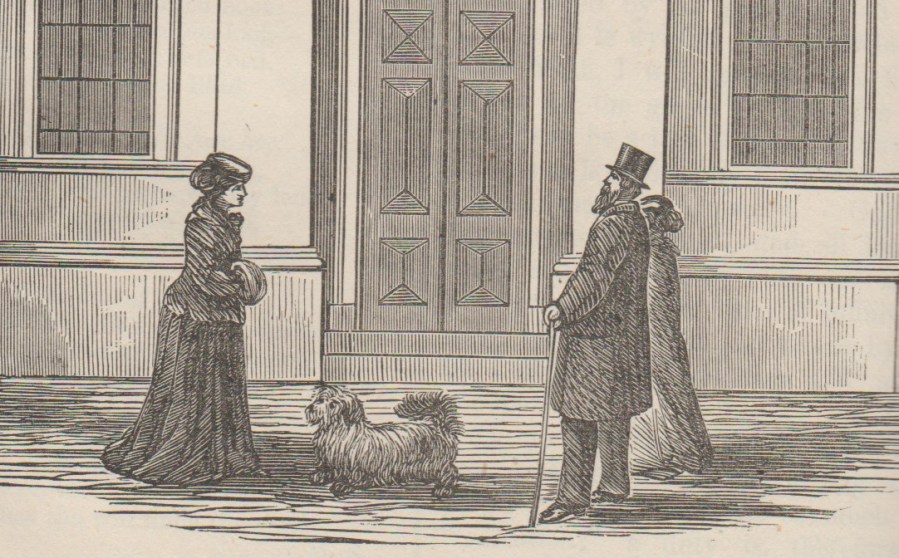
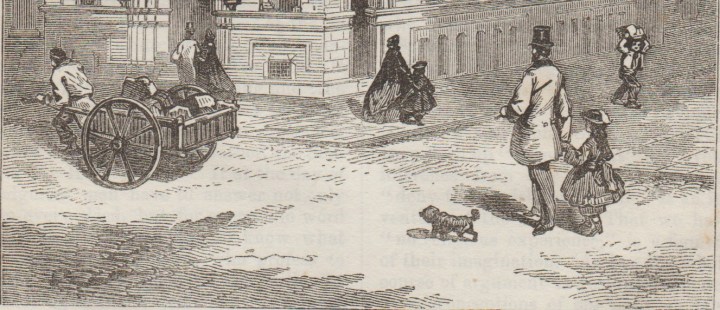
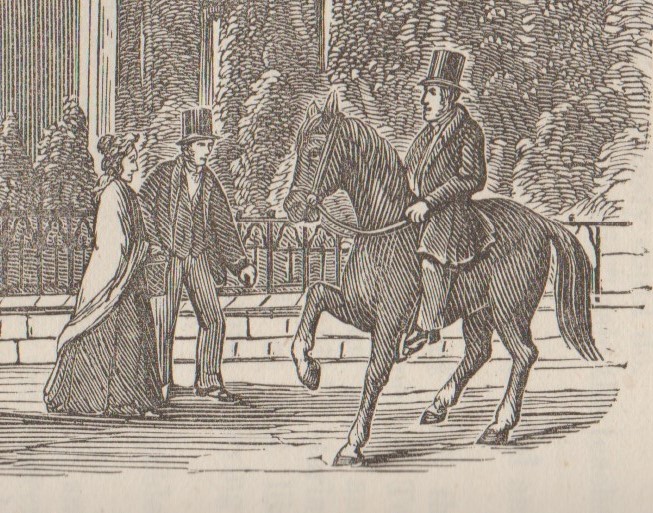
Many of the illustrations feature figures wandering nonchalantly into view. Not always quite to scale, Quality Street couples amble amiably by, and carriages and carts heave into view. The occasional street urchin appears on the scene and dogs, never on a lead, often show up as does one man on horseback:

Memorial Hall detail Christian Freeman 1866

Detail from the Memorial Hall, Manchester

Trowbridge detail Chrsitian Freeman 1866

Detail from Conigre Chapel. Trowbridge

They may not all be architecturally accurate and liberties are certainly taken with some of the views but taken together they are all a charming and valuable record of Unitarian buildings.


Pew Numbers


It is hard not to imagine that every feature of dissenting meeting-houses has been subject to some serious scrutiny at one time or another. The regular publication of surveys of non-conformist churches and the work of the Chapels Society are testimony to the ongoing interest that there is in these types of buildings. But I was led to reflect on one aspect of the history of old meeting-houses that may not have had too much attention over the years by the ‘discovery’ recently of a long discarded pew number in my church at Ballee.

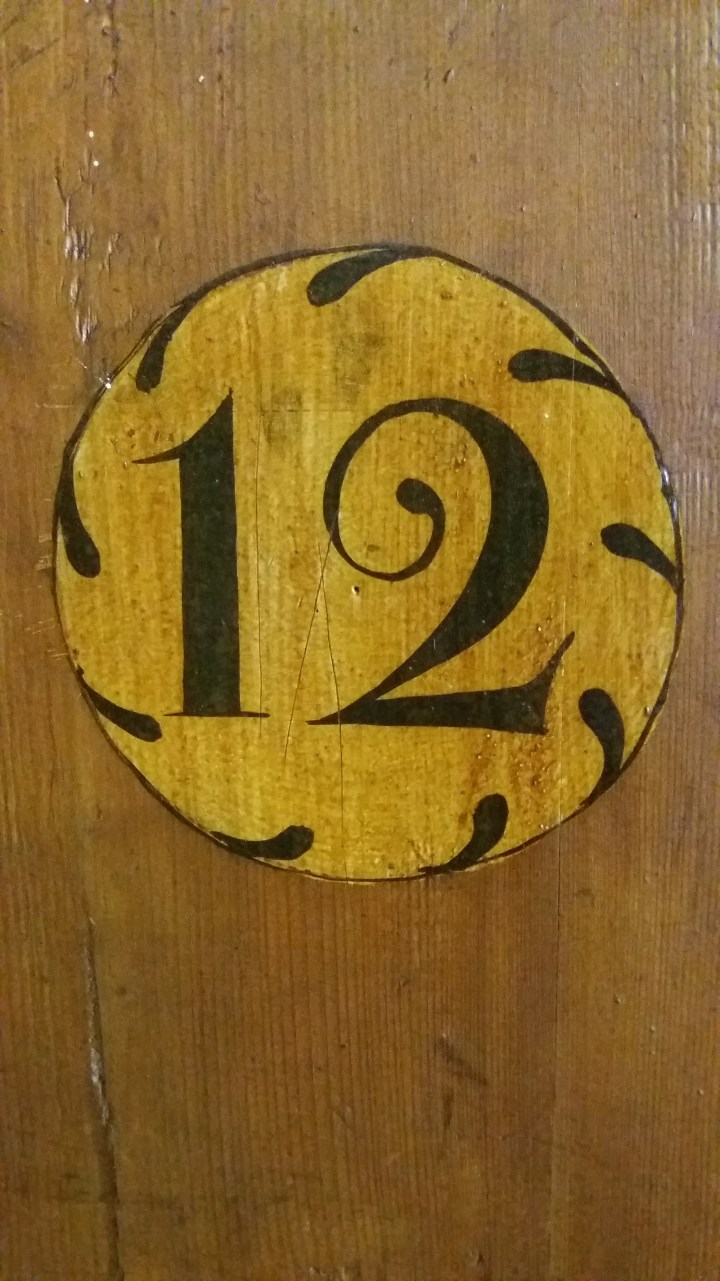
It wasn’t really a discovery since I and many people knew it was there all along but, for the first time, I took a close look at it and realised that it is a work of art in its own right. When the Ballee meeting-house was refurbished in 1912 they replaced the old box pews with ‘modern’ open ones. They may have re-used the timber from the old pews to make the new ones, they certainly used the old pews to make partitions and features in the rooms they created in both ends of the long arm of the ‘T’ of the church.

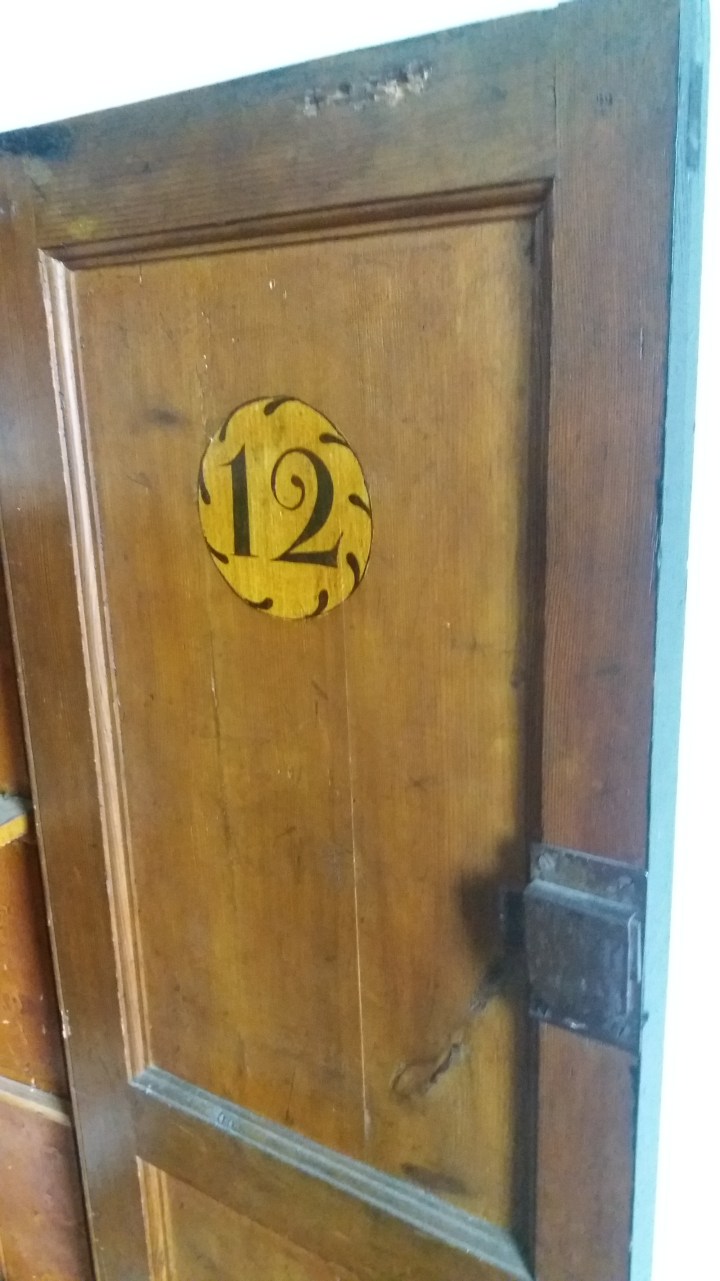
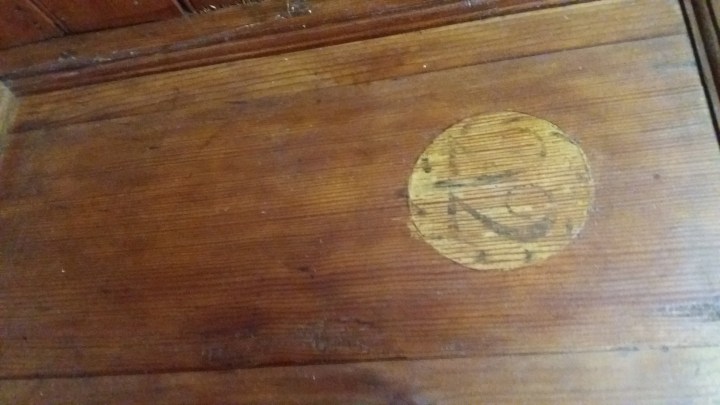
This number 12 is in the inside of a cupboard in the vestry. When you look at it, a lot of the wood which was used there and in the library and in the store room at the other end of the church, must clearly have once formed the original box pews, probably dating back as far as the early eighteenth century. Much of it has been stained a very dark colour but in some places the original colouring can be seen and there are two places where the pew numbers are visible. One is a slightly faded number 22 but the other is this one inside the vestry cupboard.

BalleeCupboard12 01

Inside the cupboard

It has been protected from the sun for over a hundred years and it is clear that at some point after it was painted on the door of the pew when in situ someone had carefully left it untouched when re-varnishing the rest of the door. An expert could probably date this number more or less exactly. I would guess it dates from the end of the eighteenth or the start of the nineteenth century. It is certainly very carefully done. It must have been an important project for the congregation at that time to see that their pews were so clearly labelled, and done in such an attractive manner.

BalleePew22 01

A panel high in the corner of a store room – number 22

For most types of dissenting congregations pew numbers and pew rents were a central feature of the finance and management of a church or chapel. Who owned which pew and who sat where were important questions so their clear numbering was an important thing. For the historian financial records of pew rents are an important source but I can’t remember much discussion of the way numbers were added to pews.

In the nineteenth century, and probably before, it was possible to buy ceramic or brass numbers to fix on pew ends or doors. But very often the numbers were painted on. The pews in Ballee today are all unnumbered, as they are in Clough. In Downpatrick, which still has its original box pews, the numbers have all been removed downstairs but they survive in the galleries. These are very neatly done and to me look like eighteenth-century adornments.

Some of the Downpatrick numbers

But the now almost completely vanished pew numbers from Ballee must have looked very impressive. I will look out for more examples of historical pew numbering from now on.

Ballee 12 02

Number 12

Postcards from All Souls’


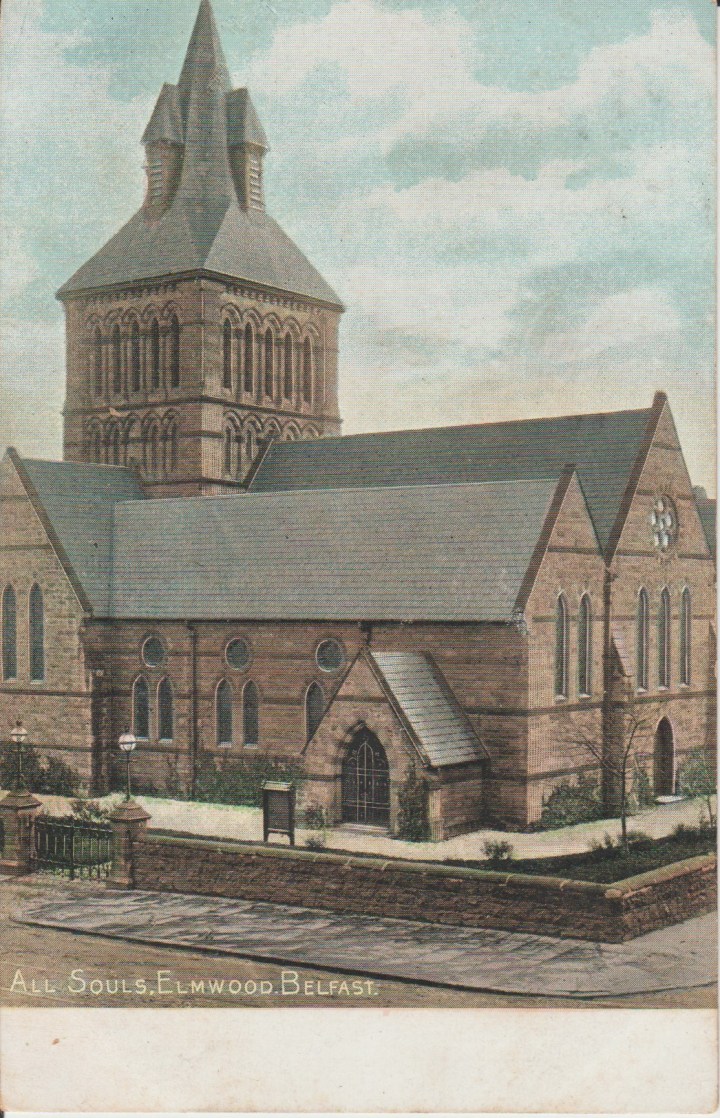
Edwardian postcards of Non-Subscribing Presbyterian churches are not unknown but they are not common. Obviously some churches feature more prominently in this format than others although generally some of the churches in towns outside of Belfast – such as Dromore and Banbridge – are the most frequently seen. In Belfast All Souls’ Church appears on four postcards that I am aware of although two of them are very curious in their own right.

The picture at the top of this page (not taken from a postcard as it happens) is a fairly obvious view which does appear as a postcard. Another postcard that does sometimes turn up is of an architect’s line drawing of the Rosemary Hall which was published before the Hall was opened.

The other two cards, of which I have copies, raise a number of questions. The first is this one:

Postcard St Marys All Souls

What the eagle-eyed will immediately notice is, that whatever the inscription says at the bottom of the picture, this is not a postcard of All Souls’ Church, Elmwood Avenue, Belfast. It is quite neatly printed and isn’t badly produced. On the reverse it says it is part of ‘The “National” series’ and was printed in Britain. So it may not have been locally produced which might account for the error. But I wonder how many copies they sold? Who would have bought them?

It is in fact a picture of St Mary’s Church of Ireland on the Crumlin Road. Does this mean that there is in existence a view of St Mary’s Church that has been carelessly titled ‘All Souls’ Church’ by the printers. I have not seen one if such a thing was ever printed.

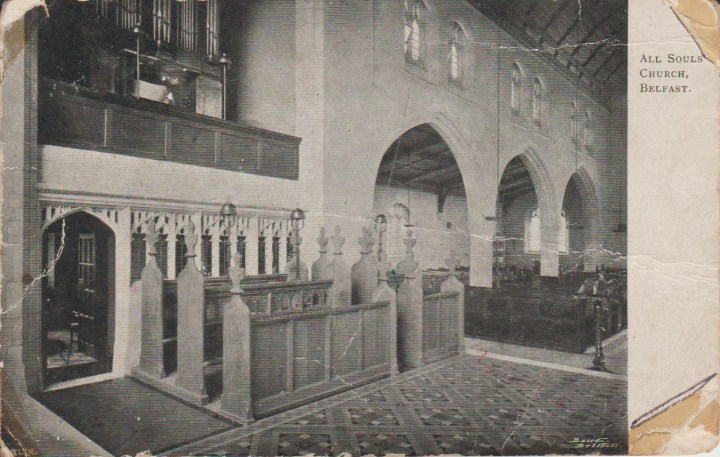
The other card definitely is of the interior of All Souls’. It is quite a well-taken view showing the organ, the chancel and part of the nave and published by Baird’s of Belfast. Unfortunately my example is a bit dog-eared and creased but I am glad to have it because these postcards are fairly rare these days.

Postcard All Souls

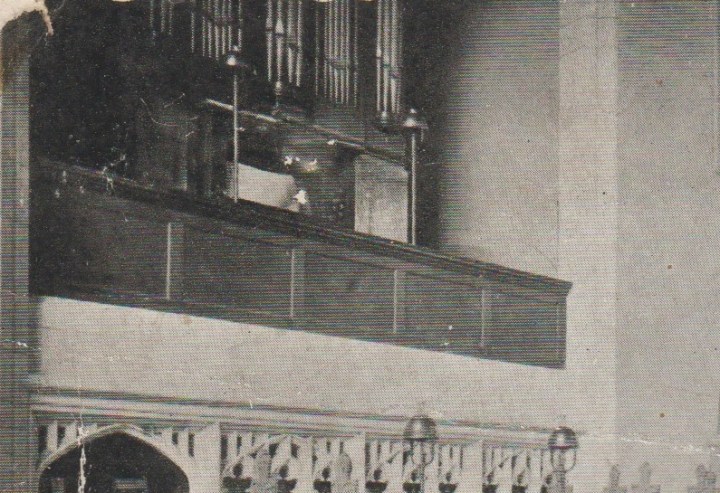
The church does have an enlargement of this view which was held in some awe by some of the members. The reason for this can be seen if you look carefully at the organ console. This was the original organ that was moved to All Souls’ in 1896 when the congregation migrated from Rosemary Street. Originally opened in 1806 it was the first organ used by a Presbyterian congregation certainly in the north of Ireland. I have written before about the history of this interesting instrument which is still in regular use in Newry Non-Subscribing Presbyterian Church where it moved in the 1920s. But much mythology attached to the organ. One story was that it had been built for St George’s Chapel, Windsor by the famous organ builder John Snetzler. This was very widely repeated and continues to be repeated sometimes in the present day. Some years ago I discovered and published the true origin of the organ (which was constructed in Belfast as you might expect) but many people still prefer the legend! Attached to the legend was a belief that the old organ was haunted, and haunted by no less a ghost than that of George Frideric Handel. This is where the postcard comes in because it was believed by many that the picture shows his ghost sitting at the organ:

Postcard All Souls cropped

One person told me that this picture had been subjected to a battery of tests but no one could explain the blurred image in front of the organ keys. My scan is not wonderful but there is a blurred image that is printed on the photograph. If you look carefully though you can just about make out the figure of an Edwardian lady in a large hat. I don’t think it is G.F. Handel.

Remonstrant Meeting-House, Ballymena

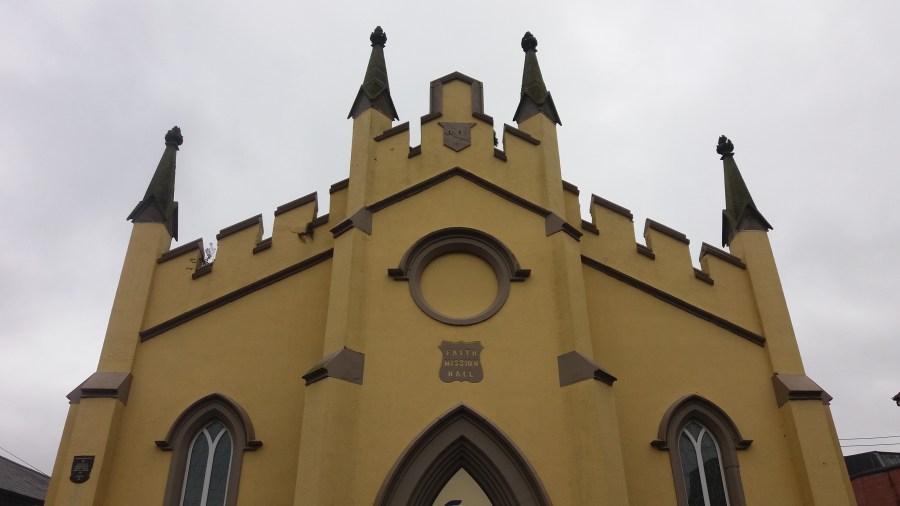
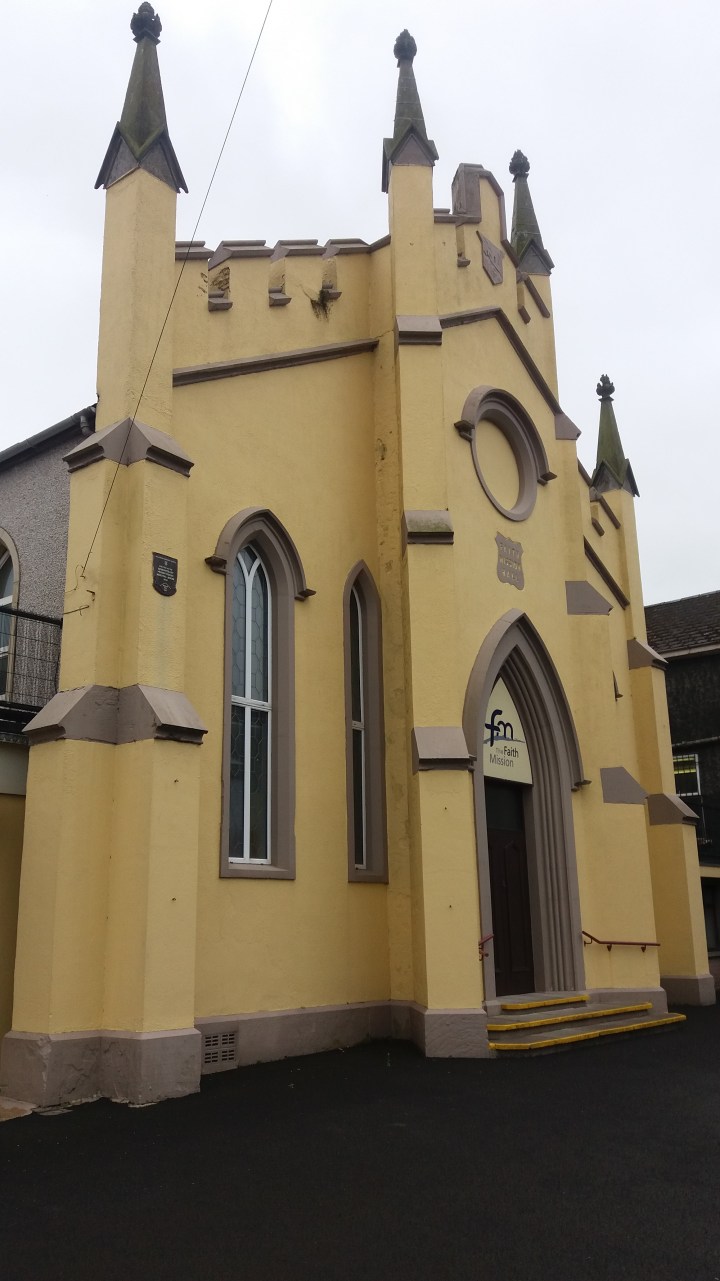
A visit to Ballymena meant the opportunity to go and have a look at the former Remonstrant meeting-house there. The entry in the Unitarian Heritage book is a bit limited, as the Irish section of that otherwise invaluable book often is. It says simply ’High Street. Antrim. 1845’ in the disused churches section and gives no further details and has no illustrations. Although it is situated on the High Street it’s actually a bit tucked away and not that easy to find.

But as the photos show it is an interesting and unusual building that was erected by the Non-Subscribers in 1845. The date stone can still be seen, and although the congregation finally departed in 1926 it is not ‘disused’ having been the home of the Faith Mission church for decades.

Date plaque Ballymena 04

Having said that there is precious little information on the ground in Ballymena about this building. I asked in the Faith Mission shop if they had any information on the building and they told me no. In the Council run Braid Centre – a Museum and Arts Centre – although they had an interesting collection of leaflets and other pamphlets, they had nothing on this building.

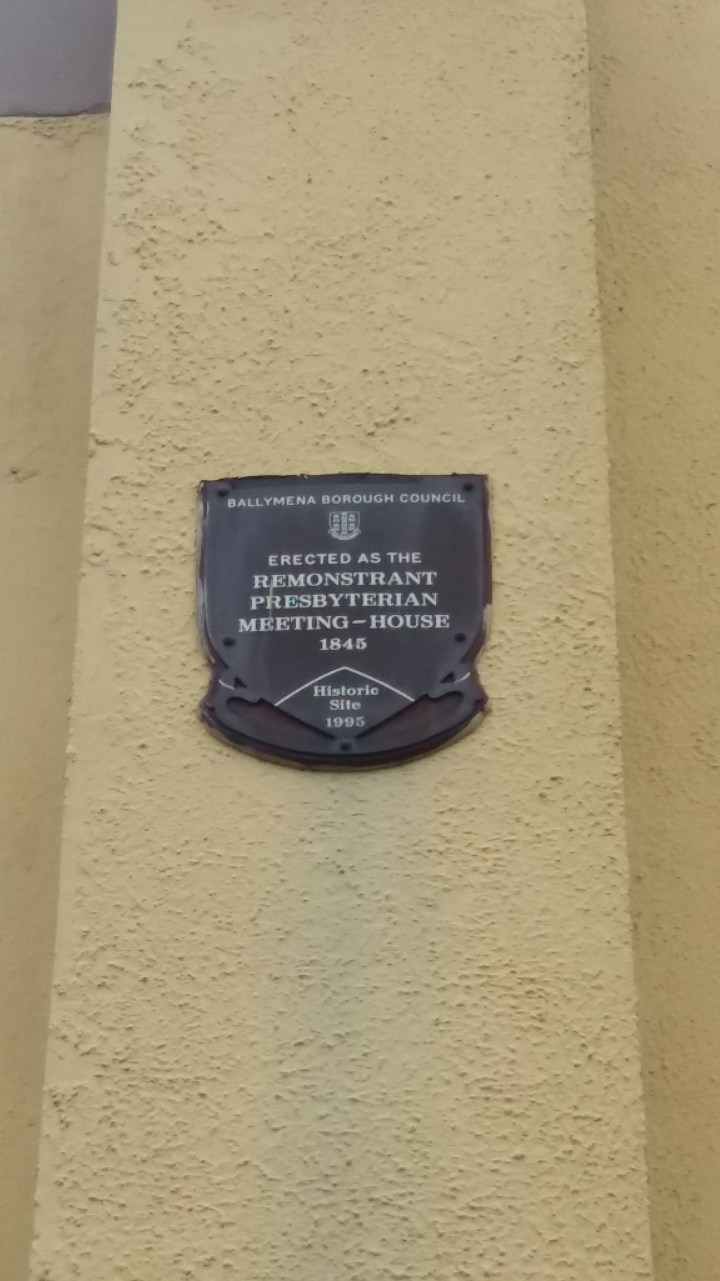
I was surprised the Council had nothing because their predecessor, the Ballymena Borough Council, had thought it worthy enough to merit a plaque which was put up in 1995, on the 150th anniversary of the building’s opening. I knew this because I was there all those years ago and somewhere have a black and white press picture of the occasion.

Remonstrant plaque 03

It is a curious building designed by Thomas Jackson, an architect with a Quaker background, who contributed a great deal to the buildings of Belfast including St Malachy’s Roman Catholic Church which, although much grander by far, nevertheless shares some architectural details with the Ballymena Remonstrant church.

The Ballymena congregation was part of the impressive missionary drive inaugurated by the Remonstrant Synod and was opened on Sunday, 9th November by Rev Henry Montgomery. I am indebted to ‘Dryasdust’ writing in the Non-Subscribing Presbyterian in September 1994 for details concerning the congregation’s life. He writes that the original congregation had 57 families in its first year of existence. Given that they had built such a notable edifice they might have been expected to be able to flourish. The first minister was the Rev Francis McCammon who was born in Larne but had been ministering in Diss in Norfolk immediately prior to receiving a call to Ballymena. Unfortunately his ministry ended fairly acrimoniously as did the ministry of his successor James McFerran. However, he was followed by the Rev J.A. Crozier (1855-1865) who seems to have been highly successful in building the church up into a flourishing cause. Unfortunately following his departure to Newry in 1865 numbers never really recovered and the last minister (Rev Halliwell Thomas) left in 1875. The congregation struggled on in some form or other until the First World War but finally closed in the 1920s with the building being sold in 1926.

Faith Mission full view side

The Bible Christian reported the opening in the following way:

The meeting-house of the new congregation in Ballymena, in connexion with the Remonstrant Synod of Ulster, was opened for divine worship, on Sunday, Nov. 9, by Dr Montgomery, who preached from Matthew, 10th chapter and 34th verse, an eloquent and powerful discourse. It has been erected from the designs, and under the direction of Mr. Thomas Jackson, architect Belfast. The style of the building is an adaptation of the ecclesiastical style (commonly, but erroneously called Gothic) of about the twelfth and thirteenth centuries. The front elevation is in the form of a gable, boldly enriched by projecting buttresses, with cut-stone weatherings, surmounted by pinnacles and leaving embrasures, with cut-stone dressings, extended between them. The entrance door, with the windows in front, and on the flanks of the building, is surrounded by appropriate cut-stone dressings, the sash frames being of cast metal in imitation of cut stone. In the centre of the front, over the door entrance, is a large ornamental wheel window, also formed of cast metal. The meeting-house contains 250 sittings; it is entered through a commodious porch and hall, over which is a school room, which is arranged so as to admit of being added as a gallery to the house, at a future time, should additional accommodation be required. The committee contemplate the erection of a residence for their clergyman, contiguous to the meeting-house. The following gentlemen acted as collectors on the occasion: Thomas Casement, Esq. J.P. Ballee-house; Wm. Coates, Esq. J.P. Glentoran, Belfast; Archibald Barklie, Esq. Inver, Larne; John Dickey, Esq. Leighenmore, Ballymena; Alexander O’Rorke, Esq. Ballymena; William Beggs, Esq. Lisnafillen, Ballymena. The collection, including donations from parties who could not attend, amounted to upwards of £170.

Faith Mission 03

The Wellington Rooms Liverpool

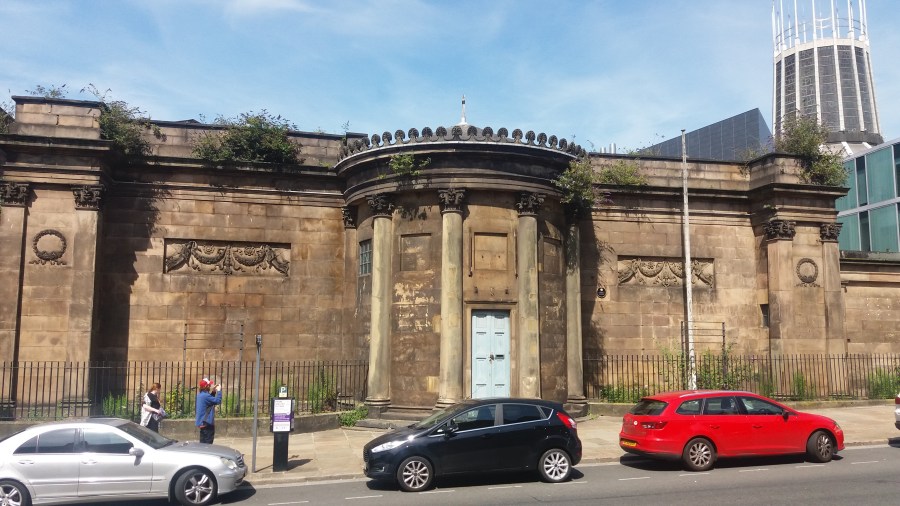
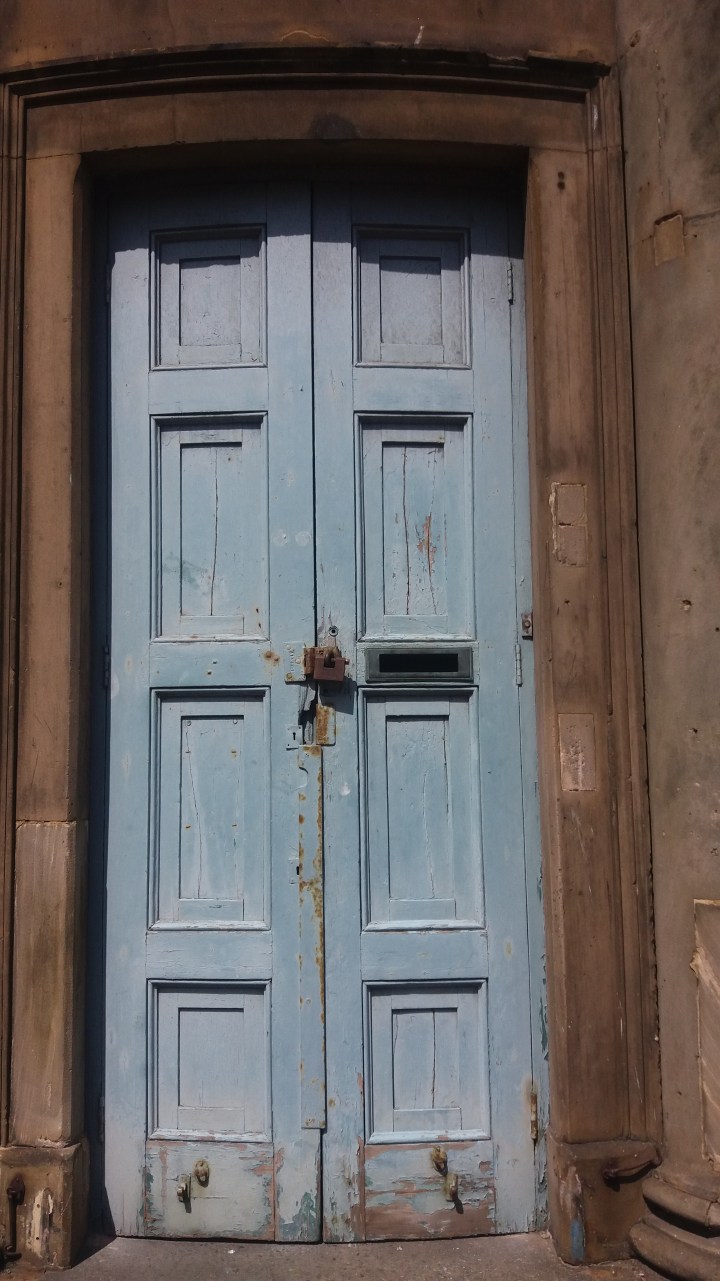
A building that always catches your eye on Mount Pleasant is the Wellington Rooms. For years it was the Irish Centre but it was originally built by public subscription in 1815-1816 as a ballroom and a centre for the fashionable of Liverpool society to gather in. It kept this function until 1923 when it was converted into a private club called the Embassy Rooms. One can’t help imagining (or at least I can’t and I admit there is no evidence to support this notion) that this must have been a rather louche period in the building’s history. Later years saw it used as a youth club and in 1965 it became the Irish Centre which it remained until 1997. Since then the building has been abandoned and the impressive neo-classical structure designed by Edmund Aikin has become a derelict home for buddleia. I stopped as I walked by because the open letterbox gave me the chance to take a picture of the interior. There you can still see a faded and torn notice directing members to what I guess were the J.F. Kennedy Bar, the Ballroom and the Claddagh Room. Others also took the opportunity to scrutinise the view through the letterbox and it seems such a shame that a building of such style should be so neglected. According to the Liverpool Echo (9 July 2017) the Duchy of Lancaster now has a lease on the building and many online sources suggest there are plans to bring the building back into use as a Science and Technology Hub.

Edmund Aikin was a Unitarian and a member of the famous Aikin family of Warrington. His grandfather, John Aikin, was tutor and principal of the Warrington Academy. His father, also John, was a doctor and an important literary figure, as was his aunt Anna Laetitia Barbauld. I wrote about the Aikins and Warrington in an earlier post:

https://velvethummingbee.wordpress.com/2016/09/23/the-warrington-academy/

Edmund’s life was not a long one (1780-1820) although he was influential in popularising neo-classical architecture. He did other work in Liverpool, where he eventually made his home, including the design for the building of the Royal Liverpool Institution in 1814, a centre for ‘the promotion of literature, science and the arts’ founded by William Roscoe and others. He designed a number of dissenting chapels in London, including the Gravel Pit Chapel in Hackney. This building was substantially rebuilt in the Gothic style in 1857 and eventually demolished in 1967. There is no doubt that the Wellington Rooms is his most important surviving building, it’s good to know that there currently seems to be a will to rescue the building and turn it to some positive use.

WRext01

Looking down Mount Pleasant

WRfrontview01

Main facade

WRinterior

Interior view taken through the letterbox

WRdoor

Front door

WRdetail

Winged angels bearing garlands

WRspinner

Believed to be a device for spinning thread of some sort. One of two positioned above the side entrance.

WRplaque

Built 1815-1816. Wellington Rooms. Designed by Edmund Aikin. Former Assembly Rooms.

WRcapitals

Capitals and roof decoration

Ballymoney Remonstrant Meeting-House


It is not often that I find myself in Ballymoney but being there I always like to have a look at what once was the Non-Subscribing Presbyterian Church. The building is still in use although it is now almost unrecognisable as a meeting-house. In 1949 it was sold off to be the offices of the local council and continues in this use to the present day, although the office buildings have regularly been added to and enlarged ever since. I managed to get to Ballymoney twice in one day, but this was both before the offices opened and after they had closed so I was not able to do what I once did years ago, namely get inside to take a picture of probably the only surviving evidence of the original purpose of the building. Nevertheless I was still able to get a picture of this – even if only taken through the window.

Ballymoney am 03

Riada House, Causeway Coast and Glens Borough Council

The history of the congregation is quite interesting. A fairly isolated Non-Subscribing church there must have been a New Light element within the original Presbyterian church in the town because they left and formed their own Remonstrant congregation in about 1829. They must have been a reasonably strong group as well because they built a large and handsome church. But this was not without difficulty. According to a story published in the Bible Christian at the time, the local landlord, a “Mr Cromie of Portstewart,” refused to allow his tenants to obtain stones from his quarry in order to build the church. The congregation, which initially met for worship in a grain store, sent a delegation to him to request the right to collect stone for the building. The result was an absolute refusal because “he could not conscientiously allow stone to Arians”. Mr Cromie was a member of the Church of Ireland but apparently did not place such a restriction on the local Roman Catholics or the Reformed Presbyterians who were both building new churches at this point. But he thoroughly disapproved of the Non-Subscribers. The Bible Christian observed that this was not just inconvenient for them but also a direct challenge to their existence by their landlord. By denying them stone Mr Cromie was giving:

a hint to those of his tenants who might be inclined to join the Remonstrants, that they cannot do without incurring his displeasure; and to those who have done so already, that they can only regain his forfeited displeasure by relinquishing their recently adopted connexion.

Nevertheless, the congregation was made of stern stuff. Denied access to the only source of stone in the locality they determined to build the meeting-house in brick instead, more expensive to use but not something that could be kept from them by the landlord.

There is a helpful sign outside the council office which includes a neat representation of the original façade:

Ballymoney Plaque 05

Detail from the Council information plaque

It must have been an impressive and pleasing building in its day but almost all the character has been drained away by the alterations and additions that have been made in the decades since its sale, not least by the porch/lean-to/conservatory that has been added across what once was the entrance. This little edifice now houses a small committee room but still visible in the wall is the original date stone which I managed to photograph through the smoked glass.

Ballymoney stone door 01

Inside the porch

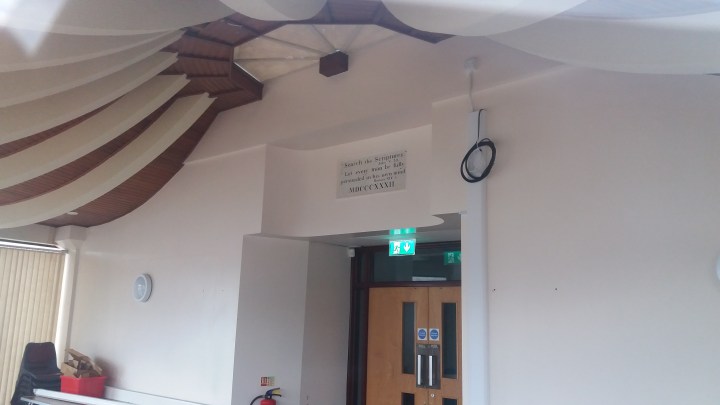
It contains two proof texts beloved of Non-Subscribers at the time:

“Search the Scriptures” (John 5: 39) and “Let every man be fully persuaded in his own mind” (Romans 14:5).

Ballymoney stone door 01 detail

The 1832 date stone

The congregation has continued to meet outside its original home ever since the sale of this building, but it is nice to know that there is a reminder of the building’s original purpose still to be found by those who look.


New Brighton arcade

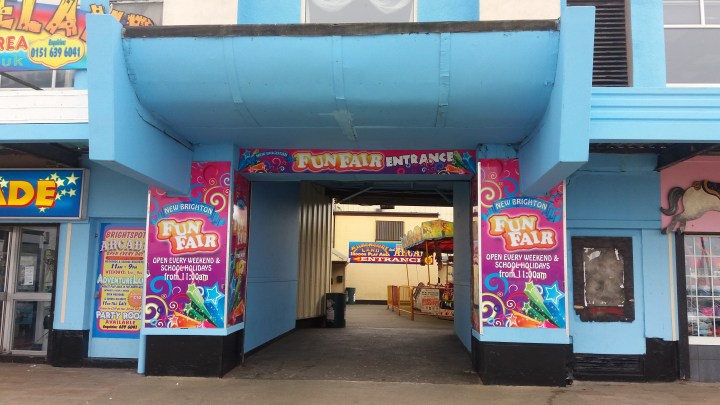
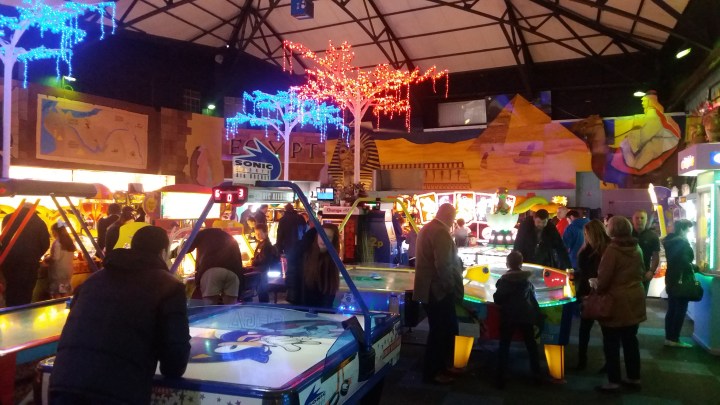
1930s seaside arcade and fun fair. Neon amusements. A longstanding attraction on the New Brighton sea front.

Entrance

Entrance

General View

Inside the arcade

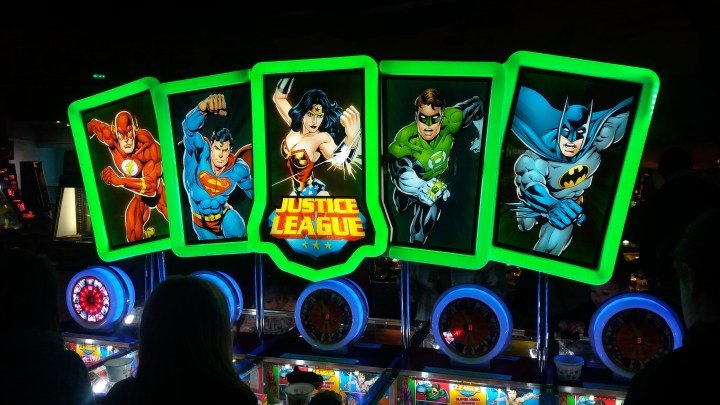
Justice League 01

Justice League

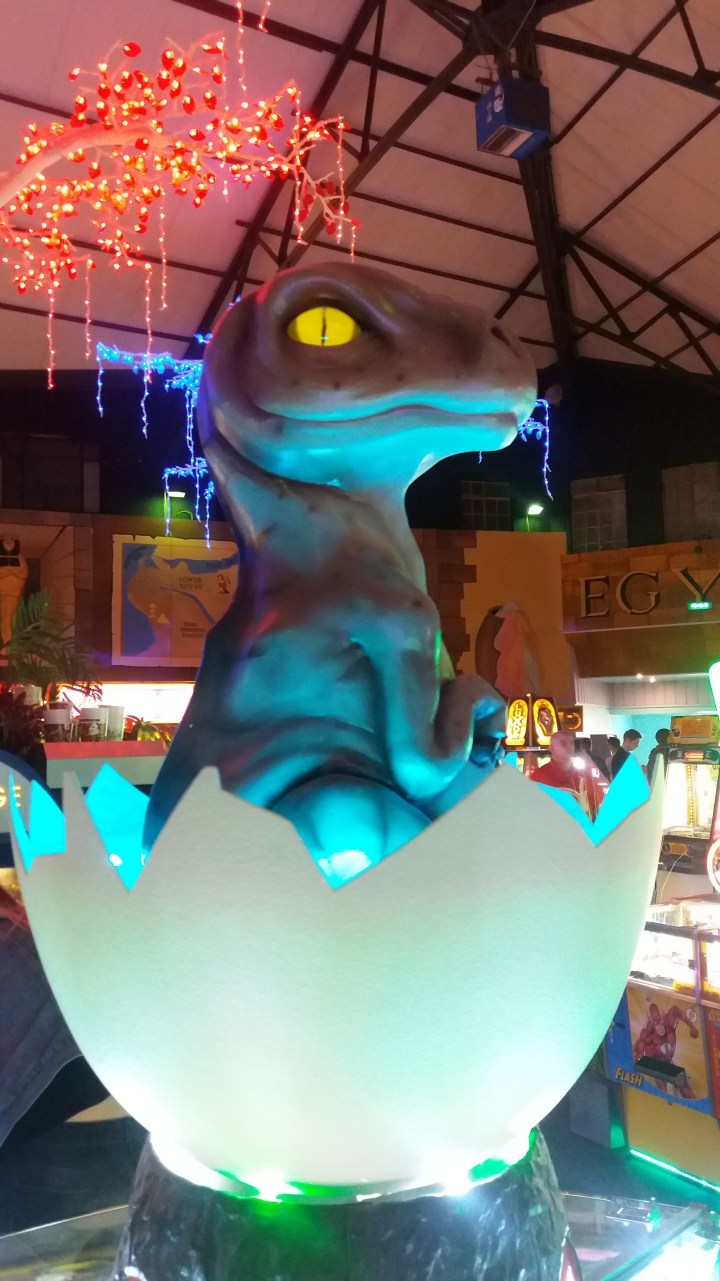
Dinosaur 02

Dinosaur

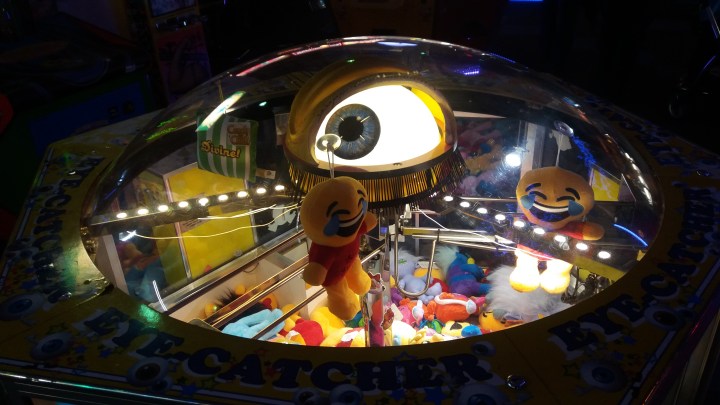
Eyecatcher

Eyecatcher

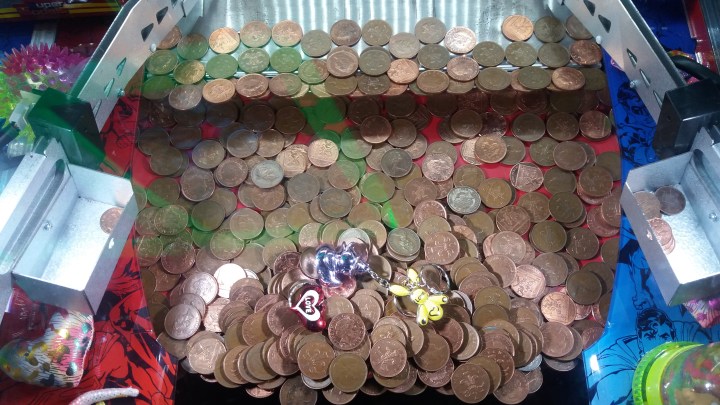
Coins

Coins

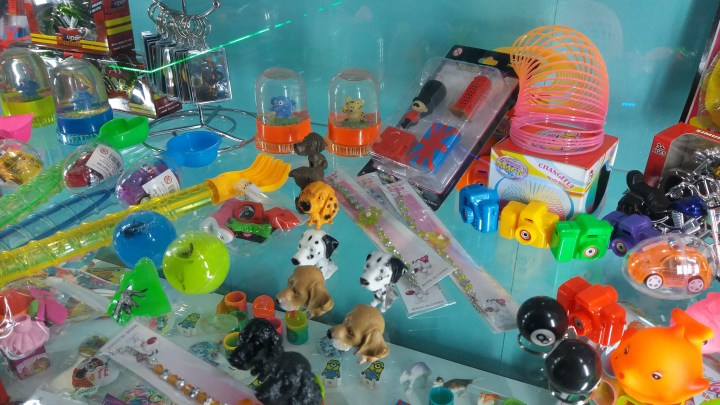
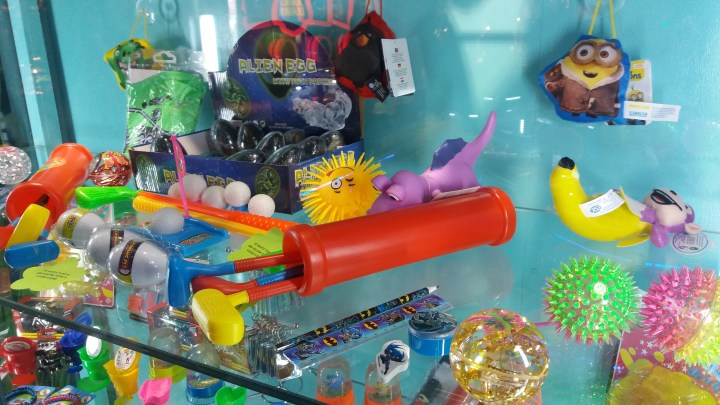
Prizes 01

Prizes

Prizes 03

More Prizes

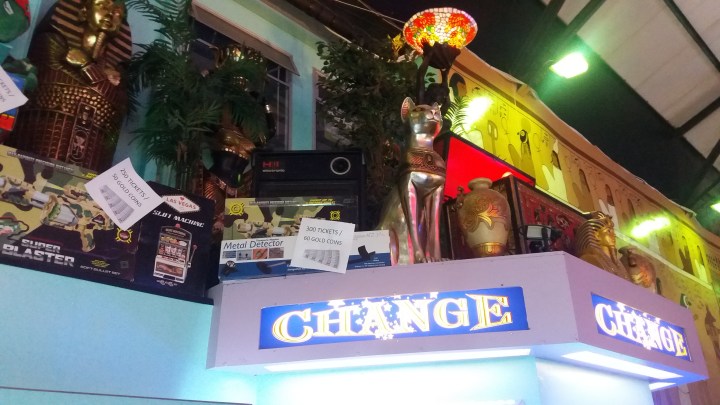
Change 02

Change

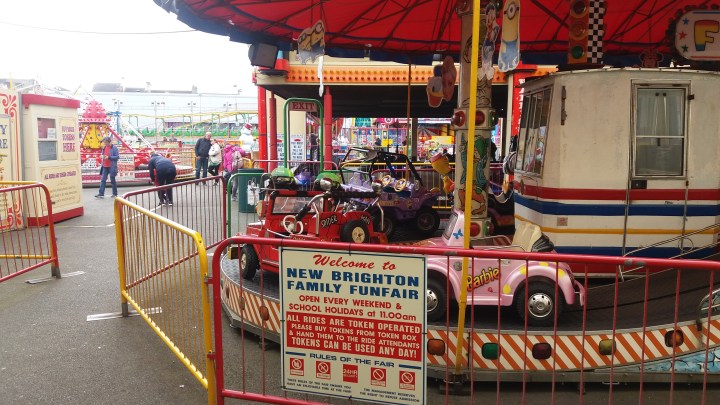
Rides

Rides

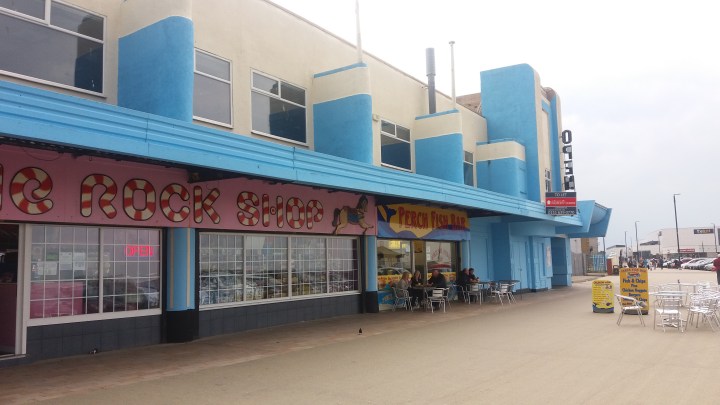
Exterior 05

Outside

St Helens – Lucem House Cinema

I wasn’t looking for the former Unitarian Church in St Helens but stumbled across it by accident. I was glad I did because whilst it is always a shame when any church closes (and this congregation came to an end in 1998) old church buildings can sometimes be utilised in ways that are imaginative, in keeping with the original purpose and bring some social advantage to the community. All this is certainly the case with St Helens, a solid and utilitarian building that is now a cinema.


As I walked past my eye caught the inscription above the door proclaiming it to be the Unitarian and Free Christian Church, although it is many years since this was actually the case. In fact there are more reminders of the original function of the building despite it being well converted to other purposes. On the front wall the foundation stone is very prominent, recording the role of Anne Holt my distinguished predecessor as editor of the Transactions of the Unitarian Historical Society – a highly regarded historian and member of the famous Liverpool ship owning family – who had inaugurated the building in 1949. Inside there is another tablet which commemorates the opening of the church in 1950 under the presidency of Elizabeth Ann Fryer.


The sanctuary was not large but the group of buildings were varied and clearly adapted to a number of uses. Nowadays the building is a cinema, named Lucem House, a volunteer-led social enterprise. It takes its name from the motto of the borough of St Helens, Ex Terra Lucem – ‘Out of Earth – Light’ (so I was told by Paul Jones the operations manager of the cinema) and the church itself has been nicely turned into a small cinema auditorium. In the foyer they have created an attractive box office and the whole place has a pleasant ambience.


Paul told me that the cinema has been in operation for over three years, the building also being let out for functions and used by a local photography club. They have a screening every week and the day I was there were looking forward to A Night to Remember starring Kenneth More. Paul Jones is an expert on the Titanic (another item of history with notable Unitarian connections) and this film certainly reflects his interests. The film was to be followed by a poetry reading by Len Saunders, the head steward and a poet and actor who has been known – so I was told – to dress up on suitable Titanic related occasions as Captain Smith or Lord Pirrie. He wasn’t in character that day but shared with me some of his poems.


The Unitarian Heritage (published in 1986) says the congregation was founded in 1901 and the original chapel built in 1904. I can’t locate any images of the original building but it was destroyed during the blitz of 1941 and apparently rebuilt on the same site after the war. Now, after a period of neglect, the buildings have been well restored and well adapted to another imaginative use.

Front elevation angle

St Helens Unitarian Church – now Lucem House

Foundation Stone 01

Foundation Stone

Front Entrance

Front entrance

Box Office 03

Paul Jones in the box office

Tablet location

Commemorative plaque

Auditorium 01

Auditorium

Ron Saunders 01

Len Saunders

Update 1st August 2017.

I was very shocked and saddened to read that Len Saunders was the victim of a violent unprovoked assault in July which tragically resulted in his death at the end of the month. There are details and tributes to him in the local paper:

http://www.sthelensstar.co.uk/news/15445606.Family_of_Len_Saunders_pays_tribute_to__a_beautiful_soul_/

http://www.sthelensstar.co.uk/news/15444860._An_unsung_hero_of_St_Helens___Touching_tribute_paid_to_Len_Saunders/?ref=mrb&lp=3

http://www.sthelensstar.co.uk/news/15444390.Tributes_paid_to_friendly_performer_and_poet___39_Len_Banana__39_/?ref=mrb&lp=6

http://www.sthelensstar.co.uk/news/15443460.UPDATED__Two_youths_arrested_on_suspicion_of_murdering_St_Helens_poet_Len_Saunders/?ref=mrb&lp=2


There is a crowdfunding page set up to raise money to provide step free access to Lucem House Cinema in Len Saunders’ memory. The page can be accessed here:

https://www.justgiving.com/crowdfunding/len-saunders?utm_id=107&utm_term=gARZbR5qD


St Patrick’s Centre Terrace Garden Downpatrick

Walking through the Garden at the rear of the St Patrick’s Centre in Downpatrick I noticed how attractive the Garden now is. The little details are worth examining, like St Patrick’s ship (not the original one I would think), the standing stone, and the fairy thorn brought there from another site but growing well set in a Celtic cross just to remind people of Patrick’s victory over superstition. The Cathedral and the Southwell School provide a marvellous backdrop.

St Patrick's Centre 054

Looking towards the Southwell School

St Patrick's Centre 06

The Fairy Thorn

St Patrick's Centre 03

Standing Stone

St Patrick's Centre 01

St Patrick’s Ship and the Cathedral

St Patrick's Centre 04